The Science of Willpower: 15 Tips for Making Your New Year’s Resolutions Last from Dr. Kelly McGonigal

At the stroke of mid­night on Jan­u­ary 1, mil­lions of New Year’s res­o­lu­tions went into effect, with the most com­mon ones being lose weight, get fit, quit drink­ing and smok­ing, save mon­ey, and learn some­thing new (we can help you there). Unfor­tu­nate­ly, 33% of these res­o­lu­tions will be aban­doned by Jan­u­ary’s end. And more than 80% will even­tu­al­ly fall by the way­side. Mak­ing res­o­lu­tions stick is tricky busi­ness. But it’s pos­si­ble, and Stan­ford psy­chol­o­gist Kel­ly McGo­ni­gal has a few sci­en­tif­i­cal­ly-proven sug­ges­tions for you.

For years, McGo­ni­gal has taught a very pop­u­lar course called The Sci­ence of Willpow­er in Stan­ford’s Con­tin­u­ing Stud­ies pro­gram, where she intro­duces stu­dents to the idea that willpow­er is not an innate trait. (You can sign up for an online ver­sion of her course which starts on Jan­u­ary 25. Get details here.) Rather it’s a “com­plex mind-body response that can be com­pro­mised by stress, sleep depri­va­tion and nutri­tion and that can be strength­ened through cer­tain prac­tices.” For those of you who don’t live in the San Fran­cis­co Bay Area, you can also find McGo­ni­gal’s ideas pre­sent­ed in a recent book, The Willpow­er Instinct: How Self-Control Works, Why It Mat­ters, and What You Can Do to Get More of It. Below, we have high­light­ed 15 of Dr. McGo­ni­gal’s strate­gies for increas­ing your willpow­er reserves and mak­ing your New Year’s res­o­lu­tions endure.

  1. Will pow­er is like a mus­cle. The more you work on devel­op­ing it, the more you can incor­po­rate it into your life. It helps, McGo­ni­gal says in this pod­cast, to start with small feats of willpow­er before try­ing to tack­le more dif­fi­cult feats. Ide­al­ly, find the small­est change that’s con­sis­tent with your larg­er goal, and start there.
  2. Choose a goal or res­o­lu­tion that you real­ly want, not a goal that some­one else desires for you, or a goal that you think you should want. Choose a pos­i­tive goal that tru­ly comes from with­in and that con­tributes to some­thing impor­tant in life.
  3. Willpow­er is con­ta­gious. Find a willpow­er role mod­el — some­one who has accom­plished what you want to do. Also try to sur­round your­self with fam­i­ly mem­bers, friends or groups who can sup­port you. Change is often not made alone.
  4. Know that peo­ple have more willpow­er when they wake up, and then willpow­er steadi­ly declines through­out the day as peo­ple fatigue. So try to accom­plish what you need to — for exam­ple, exer­cise — ear­li­er in the day. Then watch out for the evenings, when bad habits can return.
  5. Under­stand that stress and willpow­er are incom­pat­i­ble. Any time we’re under stress it’s hard­er to find our willpow­er. Accord­ing to McGo­ni­gal, “the fight-or-flight response floods the body with ener­gy to act instinc­tive­ly and steals it from the areas of the brain need­ed for wise deci­sion-mak­ing. Stress also encour­ages you to focus on imme­di­ate, short-term goals and out­comes, but self-con­trol requires keep­ing the big pic­ture in mind.” The upshot? “Learn­ing how to bet­ter man­age your stress is one of the most impor­tant things you can do to improve your willpow­er.” When you get stressed out, go for a walk. Even a five minute walk out­side can reduce your stress lev­els, boost your mood, and help you replen­ish your willpow­er reserves.
  6. Sleep depri­va­tion (less than six hours a night) makes it so that the pre­frontal cor­tex los­es con­trol over the regions of the brain that cre­ate crav­ings. Sci­ence shows that get­ting just one more hour of sleep each night (eight hours is ide­al) helps recov­er­ing drug addicts avoid a relapse. So it can cer­tain­ly help you resist a dough­nut or a cig­a­rette.
  7. Also remem­ber that nutri­tion plays a key role. “Eat­ing a more plant-based, less-processed diet makes ener­gy more avail­able to the brain and can improve every aspect of willpow­er from over­com­ing pro­cras­ti­na­tion to stick­ing to a New Year’s res­o­lu­tion,” McGo­ni­gal says.
  8. Don’t think it will be dif­fer­ent tomor­row. McGo­ni­gal notes that we have a ten­den­cy to think that we will have more willpow­er, ener­gy, time, and moti­va­tion tomor­row. The prob­lem is that “if we think we have the oppor­tu­ni­ty to make a dif­fer­ent choice tomor­row, we almost always ‘give in’ to temp­ta­tion or habit today.”
  9. Acknowl­edge and under­stand your crav­ings rather than deny­ing them. That will take you fur­ther in the end. The video above has more on that.
  10. Imag­ine the things that could get in the way of achiev­ing your goal. Under­stand the ten­den­cies you have that could lead you to break your res­o­lu­tion. Don’t be over­ly opti­mistic and assume the road will be easy.
  11. Know your lim­its, and plan for them. Says McGo­ni­gal, “Peo­ple who think they have the most self-con­trol are the most like­ly to fail at their res­o­lu­tions; they put them­selves in tempt­ing sit­u­a­tions, don’t get help, give up at set­backs. You need to know how you fail; how you are tempt­ed; how you pro­cras­ti­nate.”
  12. Pay atten­tion to small choic­es that add up. “One study found that the aver­age per­son thinks they make 14 food choic­es a day; they actu­al­ly make over 200. When you aren’t aware that you’re mak­ing a choice, you’ll almost always default to habit/temptation.” It’s impor­tant to fig­ure out when you have oppor­tu­ni­ties to make a choice con­sis­tent with your goals.
  13. Be spe­cif­ic but flex­i­ble. It’s good to know your goal and how you’ll get there. But, she cau­tions, “you should leave room to revise these steps if they turn out to be unsus­tain­able or don’t lead to the ben­e­fits you expect­ed.”
  14. Give your­self small, healthy rewards along the way. Research shows that the mind responds well to it. (If you’re try­ing to quite smok­ing, the reward should­n’t be a cig­a­rette, by the way.)
  15. Final­ly, if you expe­ri­ence a set­back, don’t be hard on your­self. Although it seems counter-intu­itive, stud­ies show that peo­ple who expe­ri­ence shame/guilt are much more like­ly to break their res­o­lu­tions than ones who cut them­selves some slack. In a nut­shell, you should “Give up guilt.”

To put all of these tips into a big­ger frame­work, you can get a copy of Kel­ly McGo­ni­gal’s book, The Willpow­er Instinct: How Self-Con­trol Works, Why It Mat­ters, and What You Can Do to Get More of ItOr you can get The WillPow­er Instinct, as a free audio book, if you care to try out Audible.com’s free tri­al pro­gram.

If you live in the SF Bay Area, you can take Kel­ly’s The Sci­ence of Willpow­er course that begins on Jan­u­ary 25. Any­one can enroll.

Final­ly you might also want to peruse How to Think Like a Psy­chol­o­gist (iTunes Video), a free online course led by Kel­ly McGo­ni­gal. It appears in our col­lec­tion, 1,700 Free Online Cours­es from Top Uni­ver­si­ties.

Note: This post orig­i­nal­ly appeared on our site in Jan­u­ary 2014.

Relat­ed Con­tent:

The Pow­er of Empa­thy: A Quick Ani­mat­ed Les­son That Can Make You a Bet­ter Per­son

Carl Gus­tav Jung Explains His Ground­break­ing The­o­ries About Psy­chol­o­gy in Rare Inter­view (1957)

Jacques Lacan’s Con­fronta­tion with a Young Rebel: Clas­sic Moment, 1972

New Ani­ma­tion Explains Sher­ry Turkle’s The­o­ries on Why Social Media Makes Us Lone­ly

Free Online Psy­chol­o­gy Cours­es (Part of our list of 800 Free Online Cours­es)

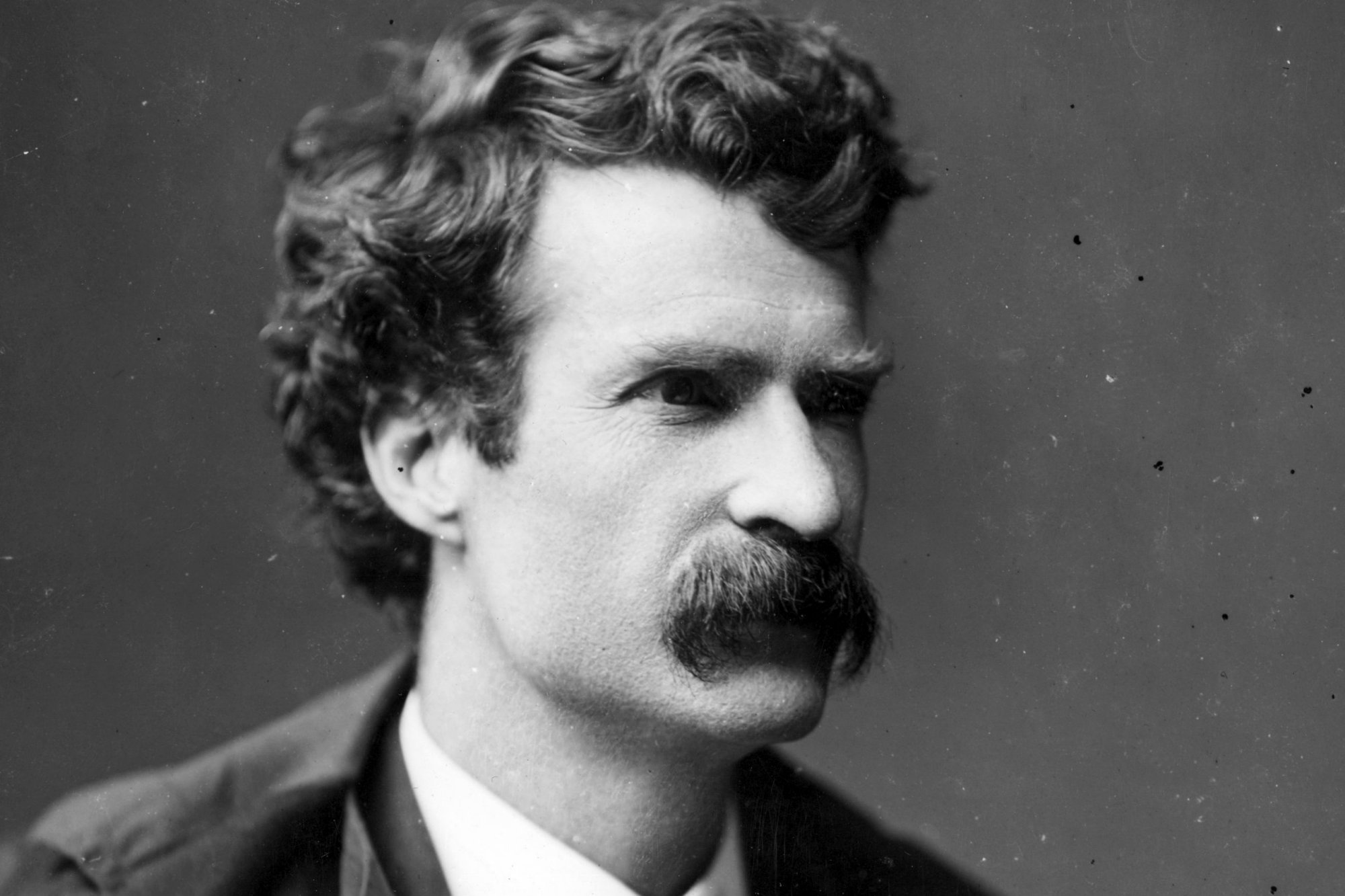
Mark Twain Knocks New Year’s Resolutions: They’re a “Harmless Annual Institution, Of No Particular Use to Anybody”

Twain

Now that anoth­er New Year’s Day has come around, we must once again ask our­selves: do we believe in New Year’s res­o­lu­tions, or don’t we? As with most insti­tu­tions, Mark Twain, that most quot­ed of all Amer­i­can humorists, both believed and did­n’t believe in them. Or maybe we could say that his lack of belief tran­scend­ed run-of-the-mill cyn­i­cism to become a kind of devout faith in human fol­ly itself.

Here we have a few words on the sub­ject from the man him­self, first pub­lished in the Jan­u­ary 1, 1863 edi­tion of the Ter­ri­to­r­i­al Enter­prise, the Vir­ginia City, Neva­da news­pa­per where the young Twain worked for a time:

Now is the accept­ed time to make your reg­u­lar annu­al good res­o­lu­tions. Next week you can begin paving hell with them as usu­al. Yes­ter­day, every­body smoked his last cig­ar, took his last drink, and swore his last oath. To-day, we are a pious and exem­plary com­mu­ni­ty. Thir­ty days from now, we shall have cast our ref­or­ma­tion to the winds and gone to cut­ting our ancient short com­ings con­sid­er­ably short­er than ever. We shall also reflect pleas­ant­ly upon how we did the same old thing last year about this time. How­ev­er, go in, com­mu­ni­ty. New Year’s is a harm­less annu­al insti­tu­tion, of no par­tic­u­lar use to any­body save as a scape­goat for promis­cu­ous drunks, and friend­ly calls, and hum­bug res­o­lu­tions, and we wish you to enjoy it with a loose­ness suit­ed to the great­ness of the occa­sion.

Twain made a career of skew­er­ing the count­less pieties of Amer­i­can life, and the cul­ture’s per­haps overzeal­ous spir­it of self-improve­ment pro­vid­ed him a vast and nev­er ful­ly deflat­able tar­get. His assess­ment feels as true today, and makes us laugh just as much today, as it must have 153 years ago. So keep enjoy­ing the friend­li­ness, fes­tiv­i­ty, and human com­e­dy of the New Year’s hol­i­day as Twain would have. If you do make a res­o­lu­tion, keep it to a man­age­able lev­el of moral­i­ty. And don’t for­get to revis­it the oth­er per­spec­tives on New Year’s we’ve pre­vi­ous­ly fea­tured from such oth­er cul­tur­al lumi­nar­ies as Neil Gaiman, Bob Dylan, Woody Guthrie, and Mar­i­lyn Mon­roe.

Relat­ed Con­tent:

The Sci­ence of Willpow­er: 15 Tips for Mak­ing Your New Year’s Res­o­lu­tions Last from Dr. Kel­ly McGo­ni­gal

A New Year’s Wish from Neil Gaiman

The Top 10 New Year’s Res­o­lu­tions Read by Bob Dylan

Woody Guthrie’s Doo­dle-Filled List of 33 New Year’s Res­o­lu­tions From 1943 in Life, Music| Jan­u­ary 1st, 2014

Mar­i­lyn Monroe’s Go-Get­ter List of New Year’s Res­o­lu­tions (1955)

Based in Seoul, Col­in Mar­shall writes and broad­casts on cities and cul­ture. He’s at work on a book about Los Ange­les, A Los Ange­les Primer, the video series The City in Cin­e­ma, the crowd­fund­ed jour­nal­ism project Where Is the City of the Future?, and the Los Ange­les Review of Books’ Korea Blog. Fol­low him on Twit­ter at @colinmarshall or on Face­book.

Patti Smith Creates a Detailed Packing List for Going on Tour: Haruki Murakami Books, Loquat Tea & More

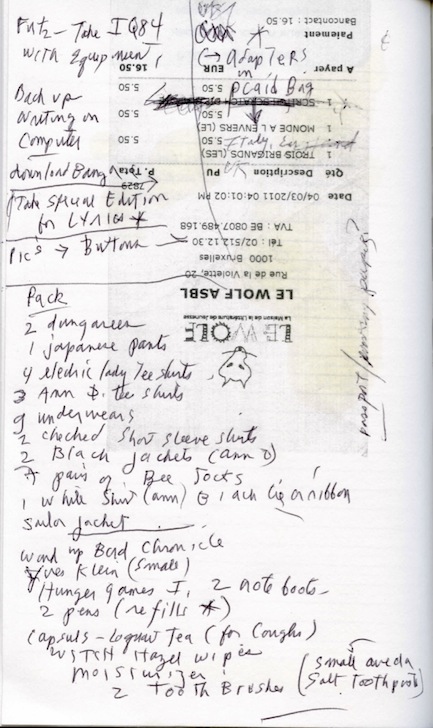
Patti Smith Packing List

Pack­ing lists are not inher­ent­ly punk rock.

But the hand­writ­ten pack­ing list God­moth­er of Punk Pat­ti Smith scrawled upside down on a pho­to­copied receipt from a children’s book­store on the eve of a 40-date Euro­pean tour comes close. One can kind of imag­ine her stuff­ing her adap­tors, her Japan­ese pants, and her “9 under­wears” into a shop­ping bag or a dirty day pack, using it as a pil­low in the back of the van…

Behold the real­i­ty, below.

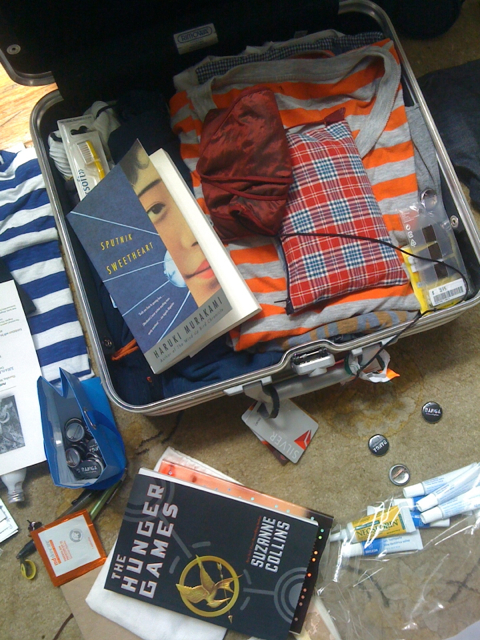
Patti Smith Suitcase

Smith’s hard shell case is kit­ted out with prac­ticed pre­ci­sion, its con­tents pared to the lean­est of  lux­u­ry-brand neces­si­ties to keep her hap­py and healthy on the road.

It’s not often you find a devo­tee of Ann Demeule­meester black jack­ets and $8 tooth­paste who’s will­ing to night­ly wring their socks and undies over a hotel room sink, but accord­ing to her Ban­ga tour diary, Smith is.

Oth­er essen­tials in Smith’s tour bag include loquat tea for her throat and plen­ty of read­ing mate­r­i­al. In addi­tion to the Hunger Games, she elect­ed to take along some old favorites from author Haru­ki Muraka­mi:

I decide this will be essen­tial­ly a Haru­ki Muraka­mi tour. So I will take sev­er­al of his books includ­ing the three vol­ume IQ84 to reread. He is a good writer to reread as he sets your mind to day­dream­ing while you are read­ing him. thus i always miss stuff.

Read­ers, use the com­ments sec­tion to let us know what indis­pens­able items you would pack when embark­ing on a 40-city tour with Pat­ti Smith.

via That Eric Alper

Relat­ed Con­tent:

Pat­ti Smith’s List of Favorite Books: From Rim­baud to Susan Son­tag

Pat­ti Smith Reviews Haru­ki Murakami’s New Nov­el, Col­or­less Tsuku­ru Taza­ki and His Years of Pil­grim­age

Pat­ti Smith Doc­u­men­tary Dream of Life Beau­ti­ful­ly Cap­tures the Author’s Life and Long Career (2008)

Ayun Hal­l­i­day is an author, illus­tra­tor, and Chief Pri­ma­tol­o­gist of the East Vil­lage Inky zine. Her play, Fawn­book, opens in New York City lat­er this fall. Fol­low her @AyunHalliday

Alan Watts Introduces America to Meditation & Eastern Philosophy: Watch the 1960 TV Show, Eastern Wisdom and Modern Life

Alan Watts moved from his native Lon­don to New York in 1938, then even­tu­al­ly head­ed west, to San Fran­cis­co in the ear­ly 1950s. On the left coast, he start­ed teach­ing at the Acad­e­my of Asian Stud­ies, wrote his best­seller Way of Zen, and began deliv­er­ing a long-run­ning series of talks about east­ern phi­los­o­phy on KPFA radio in Berke­ley. Dur­ing these years, Watts became one of the fore­most pop­u­lar­iz­ers of Zen Bud­dhism, Hin­duism, and Tao­ism, which made him some­thing of a celebri­ty, espe­cial­ly when the 60s coun­ter­cul­ture move­ment kicked into gear.

Now, 40 years and change after his death, you can find no short­age of vin­tage Watts’ media online (includ­ing this archive of stream­ing lec­tures). And today we’re fea­tur­ing an episode from a TV series called East­ern Wis­dom and Mod­ern Life, which aired in San Fran­cis­co cir­ca 1960. “The Silent Mind” runs 28 min­utes, and it offered Amer­i­can view­ers an intro­duc­tion to the phi­los­o­phy and prac­tice of med­i­ta­tion, some­thing still con­sid­ered exot­ic at the time. His­to­ry in the mak­ing. You’re watch­ing it hap­pen right here. Find more med­i­ta­tion and Alan Watts resources below.

If you would like to sign up for Open Culture’s free email newslet­ter, please find it here. It’s a great way to see our new posts, all bun­dled in one email, each day.

If you would like to sup­port the mis­sion of Open Cul­ture, con­sid­er mak­ing a dona­tion to our site. It’s hard to rely 100% on ads, and your con­tri­bu­tions will help us con­tin­ue pro­vid­ing the best free cul­tur­al and edu­ca­tion­al mate­ri­als to learn­ers every­where. You can con­tribute through Pay­Pal, Patre­on, and Ven­mo (@openculture). Thanks!

Relat­ed Con­tent:

The Wis­dom of Alan Watts in Four Thought-Pro­vok­ing Ani­ma­tions

The Zen Teach­ings of Alan Watts: A Free Audio Archive of His Enlight­en­ing Lec­tures

Free Guid­ed Med­i­ta­tions From UCLA: Boost Your Aware­ness & Ease Your Stress

Med­i­ta­tion 101: A Short, Ani­mat­ed Beginner’s Guide

Son­ny Rollins Describes How 50 Years of Prac­tic­ing Yoga Made Him a Bet­ter Musi­cian

David Lynch Explains How Med­i­ta­tion Enhances Our Cre­ativ­i­ty

by | Permalink | Make a Comment ( 3 ) |

Blue Christmas: A Criterion Video Essay

Where have all the Fezzi­wigs gone? Those fes­tive souls whose joy­ful­ly uncom­pli­cat­ed rela­tion­ship to Christ­mas inspires gen­eros­i­ty and the high­est of spir­its?

You won’t find them in Blue Christ­mas, film writer Michael Koresky’s super­cut of the bleak­est hol­i­day moments in the Cri­te­ri­on Col­lec­tion and beyond.

The fac­tors lead­ing to the sea­son­al malaise doc­u­ment­ed above are far less easy to iden­ti­fy than the sin­gu­lar com­plaint of the famous song Koresky bor­rows for the title of his video essay.

A sim­ple reunion would have fixed Elvis’s Christ­mas blues.

Not so the char­ac­ters played by Cather­ine Deneuve, Angel­i­ca Hus­ton, and oth­er love­ly, aging actress­es gaz­ing mourn­ful­ly in this mash up. Large fam­i­lies, sump­tu­ous tables, and lav­ish­ly dec­o­rat­ed homes are no match for their sea­son­al depres­sion.

Per­haps they should try vol­un­teer­ing in a soup kitchen.

Or get­ting away from it all in the French Cana­di­an asbestos min­ing town that pro­vides the set­ting for Claude Jutra’s Mon oncle Antoine. (Noth­ing like a child-sized cof­fin and some real­is­ti­cal­ly grimy, non-fake snow to make you count your bless­ings!)

A com­plete list of the films select­ed by Koresky for this mis­ery-loves-com­pa­ny com­pi­la­tion is below.  (Kudos to pro­duc­er Casey Moore for his mas­ter­ful edit­ing.)

Grem­lins

Fan­ny and Alexan­der 

Met­ro­pol­i­tan

Mon oncle Antoine

My Night at Maud’s 

A Christ­mas Tale

Black Nar­cis­sus

A Christ­mas Car­ol (1971)

A Christ­mas Car­ol (1984)

The Curse of the Cat Peo­ple

Scrooge (1935)

Scrooge (1951)

The Dead

Dead of Night

Black Christ­mas

Eyes Wide Shut

Meet Me in St. Louis

It’s a Won­der­ful Life

All That Heav­en Allows

The Long Day Clos­es

Blast of Silence

For those who would not have mas­ter­pieces of cin­e­ma rain­ing upon their Christ­mas parade, the Matinee’s antic Christ­mas Movie Super­cut is above. Are we sur­prised that Grem­lins made both lists?

Relat­ed Con­tent:

Neil Gaiman’s Dark Christ­mas Poem Ani­mat­ed

The Junky’s Christ­mas: William S. Burrough’s Dark Clay­ma­tion Christ­mas Film Pro­duced by Fran­cis Ford Cop­po­la (1993)

Sal­vador Dalí’s Avant-Garde Christ­mas Cards

Ayun Hal­l­i­day is an author, illus­tra­tor, and Chief Pri­ma­tol­o­gist of the East Vil­lage Inky zine. I Can Haz Eggnog with That is her Christ­mas present to all Spo­ti­fy lis­ten­ers’ ears. Fol­low her @AyunHalliday

The Daily Habits of Famous Writers: Franz Kafka, Haruki Murakami, Stephen King & More

stephenking

Image by The USO, via Flickr Com­mons

Though few of us like to hear it, the fact remains that suc­cess in any endeav­or requires patient, reg­u­lar train­ing and a dai­ly rou­tine. To take a mun­dane, well-worn exam­ple, it’s not for noth­ing that Stephen R. Covey’s best-sell­ing clas­sic of the busi­ness and self-help worlds offers us “7 Habits of High­ly Effec­tive Peo­ple,” rather than “7 Sud­den Break­throughs that Will Change Your Life Forever”—though if we cred­it the spam emails, ads, and spon­sored links that clut­ter our online lives, we may end up believ­ing in quick fix­es and easy roads to fame and for­tune. But no, a well-devel­oped skill comes only from a set of prac­ticed rou­tines.

That said, the type of rou­tine one adheres to depends on very per­son­al cir­cum­stances such that no sin­gle cre­ative person’s habits need exact­ly resem­ble any other’s. When it comes to the lives of writ­ers, we expect some com­mon­al­i­ty: a writ­ing space free of dis­trac­tions, some pre­ferred method of tran­scrip­tion from brain to page, some set time of day or night at which the words flow best. Out­side of these basic para­me­ters, the dai­ly lives of writ­ers can look as dif­fer­ent as the images in their heads.

But it seems that once a writer set­tles on a set of habits—whatever they may be—they stick to them with par­tic­u­lar rig­or. The writ­ing rou­tine, says hyper-pro­lif­ic Stephen King, is “not any dif­fer­ent than a bed­time rou­tine. Do you go to bed a dif­fer­ent way every night?” Like­ly not. As for why we all have our very spe­cif­ic, per­son­al quirks at bed­time, or at writ­ing time, King answers hon­est­ly, “I don’t know.”

So what does King’s rou­tine look like? “There are cer­tain things I do if I sit down to write,” he’s quot­ed as say­ing in Lisa Rogak’s Haunt­ed Heart: The Life and Times of Stephen King:

“I have a glass of water or a cup of tea. There’s a cer­tain time I sit down, from 8:00 to 8:30, some­where with­in that half hour every morn­ing,” he explained. “I have my vit­a­min pill and my music, sit in the same seat, and the papers are all arranged in the same places. The cumu­la­tive pur­pose of doing these things the same way every day seems to be a way of say­ing to the mind, you’re going to be dream­ing soon.”

The King quotes come to us via the site (and now book) Dai­ly Rou­tines, which fea­tures brief sum­maries of “how writ­ers, artists, and oth­er inter­est­ing peo­ple orga­nize their days.” We’ve pre­vi­ous­ly fea­tured a few snap­shots of the dai­ly lives of famous philoso­phers. The writ­ers sec­tion of the site sim­i­lar­ly offers win­dows into the dai­ly prac­tices of a wide range of authors, from the liv­ing to the long dead.

HarukiMurakami3

Image via Wiki­me­dia Com­mons

A con­tem­po­rary of King, though a slow­er, more self-con­scious­ly painstak­ing writer, Haru­ki Muraka­mi incor­po­rates into his work­day his pas­sion for run­ning, an avo­ca­tion he has made cen­tral to his writ­ing phi­los­o­phy. Expect­ed­ly, Muraka­mi keeps a very ath­let­ic writ­ing sched­ule and rou­tine.

When I’m in writ­ing mode for a nov­el, I get up at 4:00 am and work for five to six hours. In the after­noon, I run for 10km or swim for 1500m (or do both), then I read a bit and lis­ten to some music. I go to bed at 9:00 pm. I keep to this rou­tine every day with­out vari­a­tion. The rep­e­ti­tion itself becomes the impor­tant thing; it’s a form of mes­merism. I mes­mer­ize myself to reach a deep­er state of mind. But to hold to such rep­e­ti­tion for so long — six months to a year — requires a good amount of men­tal and phys­i­cal strength. In that sense, writ­ing a long nov­el is like sur­vival train­ing. Phys­i­cal strength is as nec­es­sary as artis­tic sen­si­tiv­i­ty.

Not all writ­ers can adhere to such a dis­ci­plined way of liv­ing and work­ing, par­tic­u­lar­ly those whose wak­ing hours are giv­en over to oth­er, usu­al­ly painful­ly unful­fill­ing, day jobs.

Franz-Kafka

Image of Franz Kaf­ka, via Wiki­me­dia Com­mons

An almost arche­typ­al case of the writer trapped in such a sit­u­a­tion, Franz Kaf­ka kept a rou­tine that would crip­ple most peo­ple and that did not bring about phys­i­cal strength, to say the least. As Zadie Smith writes of the author’s por­tray­al in Louis Begley’s biog­ra­phy, Kaf­ka “despaired of his twelve hour shifts that left no time for writ­ing.”

[T]wo years lat­er, pro­mot­ed to the posi­tion of chief clerk at the Work­ers’ Acci­dent Insur­ance Insti­tute, he was now on the one-shift sys­tem, 8:30 AM until 2:30 PM. And then what? Lunch until 3:30, then sleep until 7:30, then exer­cis­es, then a fam­i­ly din­ner. After which he start­ed work around 11 PM (as Beg­ley points out, the let­ter- and diary-writ­ing took up at least an hour a day, and more usu­al­ly two), and then “depend­ing on my strength, incli­na­tion, and luck, until one, two, or three o’clock, once even till six in the morn­ing.” Then “every imag­in­able effort to go to sleep,” as he fit­ful­ly rest­ed before leav­ing to go to the office once more. This rou­tine left him per­ma­nent­ly on the verge of col­lapse.

Might he have cho­sen a health­i­er way? When his fiancée Felice Bauer sug­gest­ed as much, Kaf­ka replied, “The present way is the only pos­si­ble one; if I can’t bear it, so much the worse; but I will bear it some­how.” And so he did, until his ear­ly death from tuber­cu­lo­sis.

While writ­ers require rou­tine, nowhere is it writ­ten that their habits must be salu­bri­ous or mea­sured. Accord­ing to Simone De Beau­voir, out­ré French writer Jean Genet “puts in about twelve hours a day for six months when he’s work­ing on some­thing and when he has fin­ished he can let six months go by with­out doing any­thing.” Then there are those writ­ers who have relied on point­ed­ly unhealthy, even dan­ger­ous habits to pro­pel them through their work­day. Not only did William S. Bur­roughs and Hunter S. Thomp­son write under the influ­ence, but so also did such a seem­ing­ly con­ser­v­a­tive per­son as W.H. Auden, who “swal­lowed Ben­zedrine every morn­ing for twen­ty years… bal­anc­ing its effect with the bar­bi­tu­rate Sec­onal when he want­ed to sleep.” Auden called the amphet­a­mine habit a “labor sav­ing device” in the “men­tal kitchen,” though he added that “these mech­a­nisms are very crude, liable to injure the cook, and con­stant­ly break­ing down.”

So, there you have it, a very diverse sam­pling of rou­tines and habits in sev­er­al suc­cess­ful writ­ers’ lives. Though you may try to emu­late these if you har­bor lit­er­ary ambi­tions, you’re prob­a­bly bet­ter off com­ing up with your own, suit­ed to the odd­i­ties of your per­son­al make­up and your tolerance—or not—for seri­ous phys­i­cal exer­cise or mind-alter­ing sub­stances. Vis­it Dai­ly Rou­tines to learn about many more famous writ­ers’ habits.

Relat­ed Con­tent:

The Dai­ly Rou­tines of Famous Cre­ative Peo­ple, Pre­sent­ed in an Inter­ac­tive Info­graph­ic

Haru­ki Muraka­mi Lists the Three Essen­tial Qual­i­ties For All Seri­ous Nov­el­ists (And Run­ners)

Stephen King’s Top 20 Rules for Writ­ers

Hon­oré de Balzac Writes About “The Plea­sures and Pains of Cof­fee,” and His Epic Cof­fee Addic­tion

The Dai­ly Habits of High­ly Pro­duc­tive Philoso­phers: Niet­zsche, Marx & Immanuel Kant

Philoso­phers Drink­ing Cof­fee: The Exces­sive Habits of Kant, Voltaire & Kierkegaard

Josh Jones is a writer and musi­cian based in Durham, NC. Fol­low him at @jdmagness

Watch the Eagles of Death Metal Perform Live Again Tonight in Paris

“There’s noth­ing left but to intro­duce you to some peo­ple whose lives will for­ev­er be a part of the life of Paris. These are our broth­ers. They were robbed of their stage three weeks ago, and we would like to offer them ours tonight.” And with those words from Bono, the Eagles of Death Met­al took the stage again tonight in Paris, just three weeks after the hor­rif­ic ter­ror­ist attack at Le Bat­a­clan. Up top, see them sing, along with U2, a ver­sion of Pat­ti Smith’s “Peo­ple Have the Pow­er.” Next, a ver­sion of their own song, “I Love You All the Time.”

Whether the band would per­form again was nev­er in doubt. Inter­viewed days after the attack, the band, still reel­ing, told Vice they had an oblig­a­tion to car­ry on. In the poignant video below, Jesse Hugh­es said it all: “I can­not wait to get back to Paris. I can­not wait to play. I want to come back. I want to be the first band to play at Le Bat­a­clan when it opens.” Play­ing at Le Bat­a­clan may have to wait. But get­ting back to Paris, that’s now cer­tain­ly done.

via The New York Times

Fol­low Open Cul­ture on Face­book and Twit­ter and share intel­li­gent media with your friends. Or bet­ter yet, sign up for our dai­ly email and get a dai­ly dose of Open Cul­ture in your inbox. And if you want to make sure that our posts def­i­nite­ly appear in your Face­book news­feed, just fol­low these sim­ple steps.

Marcel Marceau Mimes the Progression of Human Life, From Birth to Death, in 4 Minutes

What do you think of when you hear the word “mime.”

A cheeky, stripe-shirt­ed, invis­i­ble lad­der-climb­ing pub­lic nui­sance?

The soli­tary prac­ti­tion­er Dustin Hoff­man word­less­ly top­pled in the 1982 film Toot­sie?

Or Mar­cel Marceau?

Ah ha, and what does the name “Mar­cel Marceau” bring to mind?

The cheeky, stripe shirt­ed, but­ter­fly chas­ing Bip (who maybe caus­es you to cringe a lit­tle, despite his creator’s rep­u­ta­tion as a great artist)?

I was sur­prised to learn that he was a for­mer French Resis­tance fight­er, whose first review was print­ed in Stars and Stripes after he accept­ed an Amer­i­can general’s spur of the moment invi­ta­tion to per­form for 3,000 GIs in 1945 Frank­furt.

The film above doc­u­ments a 1965 per­for­mance of his most cel­e­brat­ed piece, Youth, Matu­ri­ty, Old Age, and Death, giv­en at 42, the exact mid­point of his life. In four abstract min­utes, he pro­gress­es through the sev­en ages of man, rely­ing on nuances of gait and pos­ture to con­vey each stage.

He per­formed it count­less times through­out his extra­or­di­nary career, nev­er stray­ing from his own pre­cise­ly ren­dered chore­og­ra­phy. The play­ing area is just a few feet in diam­e­ter.

Observe the 1975 per­for­mance that film­mak­er John Barnes cap­tured for his series Mar­cel Marceau’s Art of Silence, below. Noth­ing left to chance there, from the tim­ing of the small­est abdom­i­nal iso­la­tions to the angle of his head in the final tableau.

Time’s effects may have pro­vid­ed the sub­ject for the piece, but its peren­ni­al­ly lithe author claimed not to con­cern him­self with age, telling the New York Times in 1993 that his focus was on “life-force and cre­ation.”

Lat­er in the same inter­view, he reflect­ed:

When I start­ed, I hunt­ed but­ter­flies. Lat­er, I began to remem­ber the war and I began to dig deep­er, into mis­ery, into soli­tude, into the fight of human souls against robots.

This would seem to sup­port the the­o­ry that matu­ri­ty is a side effect of age.

His alter ego Bip’s lega­cy may be the infer­nal invis­i­ble ropes and glass cages that are a mime’s stock in trade, but dis­till­ing human expe­ri­ence to its purest expres­sion was the basis of Marceau’s silent art.

In a recent appre­ci­a­tion pub­lished in the Paris Review, author Mave Fel­lowes con­sid­ers the many stages of Marceau, from the for­ma­tive effects of child­hood encoun­ters with Char­lie Chap­lin films to his death at 84:

He feels his advanc­ing age and fears that the art of mime will die with him. It’s a tran­si­to­ry, ephemer­al art, he explains, as it exists only in the moment. As an old man, he works hard­er than ever, per­form­ing three hun­dred times a year, teach­ing four hours a day. He is named the UN Ambas­sador for Aging. Five nights a week he smears the white paint over his face, draws in the red bud at the cen­ter of his lips, fol­lows the line of his eye­lid with a black pen­cil. And then takes to the stage, his side­burns frayed, his hair dyed chest­nut and combed for­ward, look­ing like a toupee.

His body is as elas­tic as ever, but the old suit of Bip hangs loose on him now. Beneath the whitened jaw­line is a bag­gy, sinewy neck. With each con­tor­tion of his face, the white paint reveals deep lines. At the end of his show, he folds in a deep bow and the knobs of his spine show above the low cut of Bip’s Bre­ton top.

Relat­ed Con­tent:

Édith Piaf’s Mov­ing Per­for­mance of ‘La Vie en Rose’ on French TV, 1954

David Bowie Launch­es His Act­ing Career in the Avant-Garde Play Pier­rot in Turquoise (1967)

Klaus Nomi: The Bril­liant Per­for­mance of a Dying Man

Ayun Hal­l­i­day is an author, illus­tra­tor, and Chief Pri­ma­tol­o­gist of the East Vil­lage Inky zine. In col­lege, she earned a hun­dred dol­lars for appear­ing as a mime before a con­ven­tion of hun­gover glass­ware sales­men, an expe­ri­ence briefly recalled in her mem­oir, Job Hop­per. Fol­low her @AyunHalliday


« Go BackMore in this category... »
Quantcast