The Penultimate Truth About Philip K. Dick: Documentary Explores the Mysterious Universe of PKD


Even read­ers not par­tic­u­lar­ly well versed in sci­ence fic­tion know Philip K. Dick as the author of the sto­ries that would become such cin­e­mat­ic visions of a trou­bled future as Blade Run­nerTotal RecallMinor­i­ty Report, and A Scan­ner Dark­ly. Dick­’s fans know him bet­ter through his 44 nov­els, 121 short sto­ries, and oth­er writ­ings not quite cat­e­go­riz­able as one thing or the oth­er. All came as the prod­ucts of a cre­ative­ly hyper­ac­tive mind, and one sub­ject to more than its fair share of dis­tur­bances from amphet­a­mines, hal­lu­cino­gens, uncon­ven­tion­al beliefs, and what those who write about Dick­’s work tend to call para­noia (either jus­ti­fied or unjus­ti­fied, depend­ing on whom you ask). But Dick, who passed in 1982, chan­neled this con­stant churn of visions, the­o­ries, con­vic­tions, and fears into books like The Man in the High Cas­tle, Do Androids Dream of Elec­tric Sheep?Ubik, and VALIS, some of the most unusu­al works of lit­er­a­ture ever to car­ry the label of sci­ence fic­tion — works that, indeed, tran­scend the whole genre.

But what must it have felt like to live with the guy? The Penul­ti­mate Truth About Philip K. Dick (named after his 1964 nov­el of human­i­ty tricked into liv­ing in under­ground war­rens) seeks out the writer’s friends, col­leagues, col­lab­o­ra­tors, step­daugh­ter, ther­a­pist, and wives (three of them, any­way), assem­bling a por­trait of the man who could cre­ate so many tex­tu­al worlds at once so off-kil­ter and so tapped into our real wor­ries and obses­sions. Each of these inter­vie­wees regards dif­fer­ent­ly Dick­’s ded­i­ca­tion to the pur­suits of both lit­er­ary achieve­ment and psy­cho­nau­ti­cal adven­ture, his com­pli­cat­ed con­cep­tion of the true nature of real­i­ty, his at times unpre­dictable behav­ior, and his pen­chant for encoun­ters with the divine. Direc­tor Emeliano Larre and writer Patri­cio Veg­a’s 2007 doc­u­men­tary reveals one of the most fas­ci­nat­ing per­son­al­i­ties in late 20th-cen­tu­ry let­ters, though, as any pro­fes­sor of lit­er­a­ture will tell you, we ulti­mate­ly have to return to the work itself. For­tu­nate­ly, Dick­’s per­son­al­i­ty ensured that we have a great deal of it, all of it unset­tling but great­ly enter­tain­ing. Read­ers tak­en note. You can Down­load 14 Great Sci-Fi Sto­ries by Philip K. Dick as Free Audio Books and Free eBooks.

Relat­ed Con­tent:

Robert Crumb Illus­trates Philip K. Dick’s Infa­mous, Hal­lu­ci­na­to­ry Meet­ing with God (1974)

Philip K. Dick Pre­views Blade Run­ner: “The Impact of the Film is Going to be Over­whelm­ing” (1981)

Col­in Mar­shall hosts and pro­duces Note­book on Cities and Cul­ture and writes essays on lit­er­a­ture, film, cities, Asia, and aes­thet­ics. He’s at work on a book about Los Ange­lesA Los Ange­les Primer. Fol­low him on Twit­ter at @colinmarshall.

Who Wrote at Standing Desks? Kierkegaard, Dickens and Ernest Hemingway Too


Kierkegaard appar­ent­ly did his best writ­ing stand­ing up, as did Charles Dick­ensWin­ston Churchill, Vladimir Nabokov and Vir­ginia Woolf. Also put Ernest Hem­ing­way in the stand­ing desk club too.

In 1954, George Plimp­ton inter­viewed Hem­ing­way for the lit­er­ary jour­nal he co-found­ed the year before, The Paris Review. The inter­view came pref­aced with a descrip­tion of the nov­el­ist’s writ­ing stu­dio in Cuba:

Ernest Hem­ing­way writes in the bed­room of his house in the Havana sub­urb of San Fran­cis­co de Paula. He has a spe­cial work­room pre­pared for him in a square tow­er at the south­west cor­ner of the house, but prefers to work in his bed­room, climb­ing to the tow­er room only when “char­ac­ters” dri­ve him up there…

The room is divid­ed into two alcoves by a pair of chest-high book­cas­es that stand out into the room at right angles from oppo­site walls.…

It is on the top of one of these clut­tered bookcases—the one against the wall by the east win­dow and three feet or so from his bed—that Hem­ing­way has his “work desk”—a square foot of cramped area hemmed in by books on one side and on the oth­er by a news­pa­per-cov­ered heap of papers, man­u­scripts, and pam­phlets. There is just enough space left on top of the book­case for a type­writer, sur­mount­ed by a wood­en read­ing board, five or six pen­cils, and a chunk of cop­per ore to weight down papers when the wind blows in from the east win­dow.

A work­ing habit he has had from the begin­ning, Hem­ing­way stands when he writes. He stands in a pair of his over­sized loafers on the worn skin of a less­er kudu—the type­writer and the read­ing board chest-high oppo­site him.

Pop­u­lar Sci­ence, a mag­a­zine with roots much old­er than the Paris Review, first began writ­ing about the virtues of stand­ing desks for writ­ers back in 1883. By 1967, they were explain­ing how to fash­ion a desk with sim­ple sup­plies instead of fork­ing over $800 for a com­mer­cial mod­el — a hefty sum in the 60s, let alone now. Ply­wood, saw, ham­mer, nails, glue, var­nish — that’s all you need to build a DIY stand-up desk. Or, as Papa Hem­ing­way did, you could sim­ply  throw your writ­ing machine on the near­est book­case and get going. As for how to write the great Amer­i­can nov­el, I’m not sure that Pop­u­lar Sci­ence offers much help. But maybe some advice from Hem­ing­way him­self will steer you in the right direc­tion. See Sev­en Tips From Ernest Hem­ing­way on How to Write Fic­tion.

For more on the ben­e­fits of the stand­ing desk, see this post from the Har­vard Busi­ness Review.

If you would like to sign up for Open Culture’s free email newslet­ter, please find it here. It’s a great way to see our new posts, all bun­dled in one email, each day.

If you would like to sup­port the mis­sion of Open Cul­ture, con­sid­er mak­ing a dona­tion to our site. It’s hard to rely 100% on ads, and your con­tri­bu­tions will help us con­tin­ue pro­vid­ing the best free cul­tur­al and edu­ca­tion­al mate­ri­als to learn­ers every­where. You can con­tribute through Pay­Pal, Patre­on, and Ven­mo (@openculture). Thanks!

by | Permalink | Make a Comment ( 18 ) |

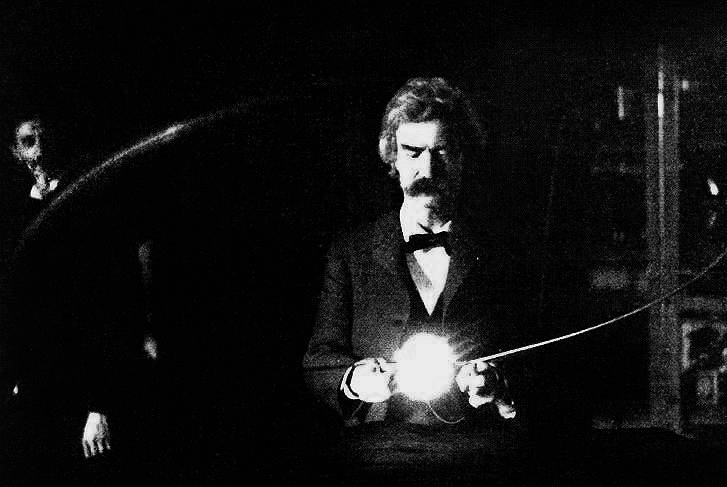
Mark Twain’s Advice to Little Girls: Witty Counsel to Young Ladies of 1865

Mark Twain

Every Amer­i­can has appre­ci­at­ed at least a lit­tle bit of the oeu­vre of late-19th- and ear­ly-20th-cen­tu­ry humorist Samuel Clemens, bet­ter known as Mark Twain. Some only man­age to get through the chap­ters of The Adven­tures of Huck­le­ber­ry Finn their Eng­lish class­es test them on, but even those give them the inkling that they hold before them the work of a writer worth read­ing. Oth­ers go as far as to become enthu­si­asts of all things Twain, but per­haps stop just short of read­ing his “Advice to Lit­tle Girls,” a brief piece that offers the fol­low­ing points of coun­sel to the young ladies of 1865:

  • Good lit­tle girls ought not to make mouths at their teach­ers for every tri­fling offense. This retal­i­a­tion should only be resort­ed to under pecu­liar­ly aggra­vat­ed cir­cum­stances.
  • If you have noth­ing but a rag-doll stuffed with saw­dust, while one of your more for­tu­nate lit­tle play­mates has a cost­ly Chi­na one, you should treat her with a show of kind­ness nev­er­the­less. And you ought not to attempt to make a forcible swap with her unless your con­science would jus­ti­fy you in it, and you know you are able to do it.
  • You ought nev­er to take your lit­tle broth­er’s “chew­ing-gum” away from him by main force; it is bet­ter to rope him in with the promise of the first two dol­lars and a half you find float­ing down the riv­er on a grind­stone. In the art­less sim­plic­i­ty nat­ur­al to this time of life, he will regard it as a per­fect­ly fair trans­ac­tion. In all ages of the world this emi­nent­ly plau­si­ble fic­tion has lured the obtuse infant to finan­cial ruin and dis­as­ter.
  • If at any time you find it nec­es­sary to cor­rect your broth­er, do not cor­rect him with mud—never, on any account, throw mud at him, because it will spoil his clothes. It is bet­ter to scald him a lit­tle, for then you obtain desir­able results. You secure his imme­di­ate atten­tion to the lessons you are incul­cat­ing, and at the same time your hot water will have a ten­den­cy to move impu­ri­ties from his per­son, and pos­si­bly the skin, in spots.
  • If your moth­er tells you to do a thing, it is wrong to reply that you won’t. It is bet­ter and more becom­ing to inti­mate that you will do as she bids you, and then after­ward act qui­et­ly in the mat­ter accord­ing to the dic­tates of your best judg­ment.
  • You should ever bear in mind that it is to your kind par­ents that you are indebt­ed for your food, and for the priv­i­lege of stay­ing home from school when you let on that you are sick. There­fore you ought to respect their lit­tle prej­u­dices, and humor their lit­tle whims, and put up with their lit­tle foibles until they get to crowd­ing you too much.
  • Good lit­tle girls always show marked def­er­ence for the aged. You ought nev­er to “sass” old peo­ple unless they “sass” you first.

“Amer­i­can children’s lit­er­a­ture in those days was most­ly didac­tic,” writes chil­dren’s-book author and illus­tra­tor Vladimir Radun­sky in a post at the New York Review of Books. It was often addressed to some imag­i­nary read­er, an ide­al girl or boy, who, “upon read­ing the sto­ry, would imme­di­ate­ly adopt its heroes as role mod­els. Twain did not squat down to be heard and under­stood by chil­dren, but asked them to stand on their tip­toes — to absorb the kind of lan­guage and humor suit­able for adults.” And Twain also under­stood that, humor, at the height of the craft, lim­its itself to no one audi­ence in par­tic­u­lar. Just as any­one, even today, can enjoy Huck­le­ber­ry Finn — any­one, that is, with­out a teacher look­ing over their shoul­der — “Advice to Lit­tle Girls” plays, like every­thing Twain wrote, to both girls and boys, to both the lit­tle and the big, at once irre­sistibly enter­tain­ing and vicious­ly sat­i­riz­ing the whole of what he called “the damned human race.”

Then again, Twain also knew, as any mas­ter humorist does, that noth­ing fun­ny ever ben­e­fit­ed from too much expla­na­tion. We’ll thus leave you with a link to Project Guten­berg’s col­lec­tion of 216 free e‑books of his work, among which a bit of time spent should turn any one of us into enthu­si­asts of all things Twain.

via the NYRB

Relat­ed Con­tent:

Mark Twain Shirt­less in 1883 Pho­to

Mark Twain Wrote the First Book Ever Writ­ten With a Type­writer

Mark Twain Drafts the Ulti­mate Let­ter of Com­plaint (1905)

Mark Twain Cap­tured on Film by Thomas Edi­son in 1909. It’s the Only Known Footage of the Author.

Col­in Mar­shall hosts and pro­duces Note­book on Cities and Cul­ture and writes essays on lit­er­a­ture, film, cities, Asia, and aes­thet­ics. He’s at work on a book about Los Ange­lesA Los Ange­les Primer. Fol­low him on Twit­ter at @colinmarshall.

Virginia Woolf on James Joyce’s Ulysses, “Never Did Any Book So Bore Me.” Shen Then Quit at Page 200

woolf joyce

Image via Wiki­me­dia Com­mons

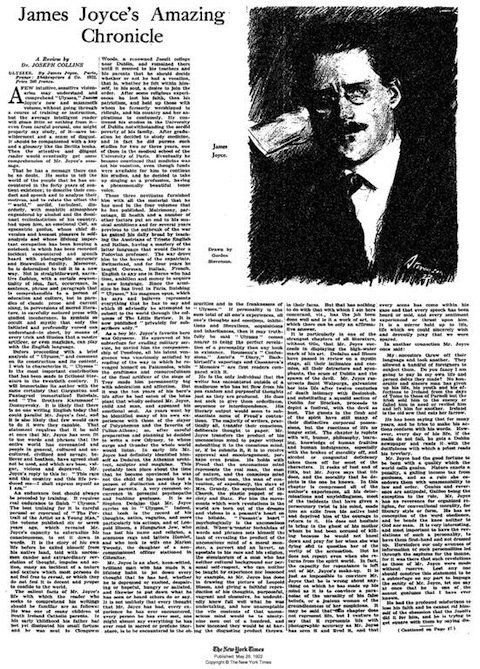
Goodreads, that social net­work for the book­ish, recent­ly post­ed on its blog the results of a sur­vey tak­en among its 20 mil­lion mem­bers with the melan­choly title “The Psy­chol­o­gy of Aban­don­ment.” Com­plete with info­graph­ic, the sur­vey gives us, among oth­er things, a list of the “Top Five Aban­doned Clas­sics.” James Joyce’s Ulysses is third on the list, and I’m not at all sur­prised to find it there. One must know Ulysses, it seems, to mer­it con­sid­er­a­tion as a cul­tur­al­ly lit­er­ate per­son. But Ulysses, per­haps more than any work of mod­ern lit­er­a­ture, can eas­i­ly dis­cour­age. It presents us with a land­scape so psy­cho­log­i­cal­ly com­plex, so dense with lit­er­ary and his­tor­i­cal allu­sion and con­tem­po­rary cul­tur­al ref­er­ence, that I can­not say I would have known what to do with it had I not read it under the aus­pices of an august Irish Joyce schol­ar and with Don Gifford’s guide­book Ulysses Anno­tat­ed ready at hand. I had nowhere near the breadth and depth of read­ing Joyce seems to assume of his ide­al read­er. Few peo­ple do.

Two of Joyce’s con­tem­po­raries, how­ev­er, had such a grasp of lit­er­a­ture and lan­guage: T.S. Eliot and Vir­ginia Woolf. And the two had quite a lot to say about the book, much of it to each oth­er. Eliot rec­om­mend­ed Joyce’s nov­el to Woolf, and very soon after its 1922 pub­li­ca­tion, she pur­chased her own copy. At the time, Woolf was hard at work on her sto­ry “Mrs. Dal­loway on Bond Street,” which would even­tu­al­ly grow into her next nov­el, Mrs. Dal­loway. She was also immersed in Proust’s epic Remem­brance of Things Past, just begin­ning the sec­ond vol­ume. Accord­ing to Dartmouth’s James Hef­fer­nan, Woolf “chafes at the thought of Ulysses,” writ­ing haugh­ti­ly:

Oh what a bore about Joyce! Just as I was devot­ing myself to Proust—Now I must put aside Proust—and what I sus­pect is that Joyce is one of those unde­liv­ered genius­es, whom one can’t neglect, or silence their groans, but must help them out, at con­sid­er­able pains to one­self.

Hef­fer­nan chron­i­cles Woolf’s read­ing of Ulysses, which she doc­u­ment­ed in her diary in a “with­er­ing assess­ment” as the work of “a self-taught work­ing man… ego­tis­tic, insis­tent, raw, strik­ing, & ulti­mate­ly nau­se­at­ing.” “When one can have cooked flesh,” she writes, “why have the raw?”

This pri­vate crit­i­cal opin­ion Woolf record­ed after read­ing only 200 pages of the nov­el. Hef­fer­nan makes the case that she read no more there­after. Though she claimed to have “fin­ished Ulysses,” he takes her to mean she had fin­ished with the book, putting it aside like those bewil­dered, bored, or exas­per­at­ed Goodreads mem­bers. Nev­er­the­less, Woolf could not shake Joyce. She con­tin­ued to write about him, to Eliot and her­self. “Nev­er did any book so bore me,” she would write, and many more very dis­parag­ing remarks about her bril­liant con­tem­po­rary.

Over and again she sav­aged Joyce in her diaries; so much so that it seems to Hef­fer­nan and Woolf schol­ar Suzette Henke that hers is a case of protest­ing too much against an author whom, Henke alleges, was her “artis­tic ‘dou­ble,’ a male ally in the mod­ernist bat­tle for psy­cho­log­i­cal real­ism.” This may indeed be so. In the midst of her char­ac­ter­i­za­tions of Joyce as uncouth, bor­ing, “under­bred” and worse, she admits in her diary that what she attempt­ed in her fic­tion was “prob­a­bly being bet­ter done by Mr. Joyce.” While hard­ly any read­er of Ulysses—among those who fin­ish it and those who don’t—can say they are attempt­ing some­thing near what he accom­plished, we might all find some solace in know­ing that a read­er as sharp as Vir­ginia Woolf found his mod­ernist mas­ter­piece either so bor­ing or so intim­i­dat­ing that even she may not have been able to fin­ish it.

Relat­ed Con­tent:

On Blooms­day, Hear James Joyce Read From his Epic Ulysses, 1924

Read Ulysses Seen, A Graph­ic Nov­el Adap­ta­tion of James Joyce’s Clas­sic

Watch Pat­ti Smith Read from Vir­ginia Woolf, and Hear the Only Sur­viv­ing Record­ing of Woolf’s Voice

James Joyce’s Ulysses: Down­load the Free Audio Book (also find in our col­lec­tion of Free eBooks)

Josh Jones is a writer and musi­cian based in Durham, NC. Fol­low him at @jdmagness

Free Audio: 46 Minute Reading from Dave Eggers’ New Novel, The Circle

dave_eggers_the_circle

Dave Eggers, author of A Heart­break­ing Work of Stag­ger­ing Genius, has a new book com­ing out in ear­ly Octo­ber, The Cir­clea nov­el about “a young woman who goes to work at an omnipo­tent tech­nol­o­gy com­pa­ny and gets sucked into a cor­po­rate cul­ture that knows no dis­tinc­tion between work and life, pub­lic and pri­vate.” Break­ing with tra­di­tion, The New York Times has placed the nov­el­’s cov­er on the cov­er of its own Sun­day Mag­a­zine. It has also print­ed a lengthy excerpt from the book. Read it online here, or lis­ten right below (or on iTunes) to a read­ing of the excerpt by actor Don Gra­ham. It runs 46 min­utes.

by | Permalink | Make a Comment ( 1 ) |

North Carolina County Celebrates Banned Book Week By Banning Ralph Ellison’s Invisible Man … Then Reversing It

Ralph_Ellison_photo_portrait_seated

We’re smack in the mid­dle of Banned Books Week, and one par­tic­u­lar case of book-ban­ning has received a lot of atten­tion late­ly, that of Ralph Ellison’s clas­sic 1952 nov­el Invis­i­ble Man, which was cen­sored by the Ran­dolph Coun­ty, NC school board last week. In response to one parent’s com­plaint, the board assessed the book, found it a “hard read,” and vot­ed 5–2 to remove it from the high school libraries (prompt­ing the novel’s pub­lish­er to give copies away for free to stu­dents). One board mem­ber stat­ed that he “didn’t find any lit­er­ary val­ue” in Ellison’s nov­el, a judg­ment that may have raised the eye­brows of the Nation­al Book Award judges who award­ed Elli­son the hon­or in 1953, not to men­tion the 200 authors and crit­ics who in 1965 vot­ed the nov­el “the most dis­tin­guished sin­gle work pub­lished in the last twen­ty years.”

After wide­spread pub­lic out­cry, the Ran­dolph Coun­ty reversed the deci­sion in a spe­cial ses­sion yes­ter­day. In light of the book’s new­found noto­ri­ety after this sto­ry, we thought we’d revis­it a Paris Review inter­view Elli­son gave in 1954. The inter­view­ers press Elli­son on what they see as some of the novel’s weak­ness­es, but describe Ellison’s mas­ter­work as “crack­ling, bril­liant, some­times wild, but always con­trolled.” Below are some high­lights from this rich con­ver­sa­tion. This inter­view would not like­ly sway those shame­ful­ly unlet­tered school board mem­bers, but fans of Elli­son and those just dis­cov­er­ing his work will find much here of mer­it. Elli­son, also an insight­ful lit­er­ary crit­ic and essay­ist, dis­cuss­es at length his inten­tions, influ­ences, and the­o­ries of lit­er­a­ture.

  • On his lit­er­ary influ­ences:

Elli­son, who says he “became inter­est­ed in writ­ing through inces­sant read­ing,” cites a num­ber of high mod­ernist writ­ers as direct influ­ences on his work. T.S. Eliot’s The Waste Land piqued his inter­est in 1935, and in the midst of the Depres­sion, while he and his broth­er “hunt­ed and sold game for a liv­ing” in Day­ton OH, Elli­son “prac­ticed writ­ing and stud­ied Joyce, Dos­toyevsky, Stein, and Hem­ing­way.” He espe­cial­ly liked Hem­ing­way for the latter’s authen­tic­i­ty.

I read him to learn his sen­tence struc­ture and how to orga­nize a sto­ry. I guess many young writ­ers were doing this, but I also used his descrip­tion of hunt­ing when I went into the fields the next day. I had been hunt­ing since I was eleven, but no one had bro­ken down the process of wing-shoot­ing for me, and it was from read­ing Hem­ing­way that I learned to lead a bird. When he describes some­thing in print, believe him; believe him even when he describes the process of art in terms of base­ball or box­ing; he’s been there.

  • On lit­er­a­ture as protest

Elli­son began Invis­i­ble Man in 1945, before the Civ­il Rights move­ment got going. He drew much of his sense of the nov­el as a form of social protest from lit­er­ary sources, claim­ing that he rec­og­nized “no dichoto­my between art and protest.”

 Dostoyevsky’s Notes from Under­ground is, among oth­er things, a protest against the lim­i­ta­tions of nine­teenth-cen­tu­ry ratio­nal­ism; Don Quixote, Man’s Fate, Oedi­pus Rex, The Tri­al—all these embody protest, even against the lim­i­ta­tion of human life itself. If social protest is anti­thet­i­cal to art, what then shall we make of Goya, Dick­ens, and Twain?

All nov­els are about cer­tain minori­ties: the indi­vid­ual is a minor­i­ty. The uni­ver­sal in the novel—and isn’t that what we’re all clam­or­ing for these days?—is reached only through the depic­tion of the spe­cif­ic man in a spe­cif­ic cir­cum­stance.

  • On the role of myth and folk­lore in lit­er­a­ture:

Elli­son adapts a tremen­dous amount of black Amer­i­can folk­lore in Invis­i­ble Man, from folk tales to the blues, to give the nov­el much of its voice and struc­ture. His use of folk forms springs from his sense that “Negro folk­lore, evolv­ing with­in a larg­er cul­ture which regard­ed it as infe­ri­or, was an espe­cial­ly coura­geous expres­sion” as well as his read­ing of rit­u­al in the mod­ernist mas­ters he admired. Of the use of folk­lore and myth, Elli­son says,

The use of rit­u­al is equal­ly a vital part of the cre­ative process. I learned a few things from Eliot, Joyce and Hem­ing­way, but not how to adapt them. When I start­ed writ­ing, I knew that in both “The Waste Land” and Ulysses, ancient myth and rit­u­al were used to give form and sig­nif­i­cance to the mate­r­i­al; but it took me a few years to real­ize that the myths and rites which we find func­tion­ing in our every­day lives could be used in the same way. … Peo­ple ratio­nal­ize what they shun or are inca­pable of deal­ing with; these super­sti­tions and their ratio­nal­iza­tions become rit­u­al as they gov­ern behav­ior. The rit­u­als become social forms, and it is one of the func­tions of the artist to rec­og­nize them and raise them to the lev­el of art.

  • On the moral and social func­tion of lit­er­a­ture:

Elli­son has quite a lot to say in the inter­view about what he sees as the moral duty of the nov­el­ist to address social prob­lems, which he relates to a nine­teenth cen­tu­ry tra­di­tion (ref­er­enc­ing anoth­er famous­ly banned book, Huck­le­ber­ry Finn). Elli­son faults the con­tem­po­rary lit­er­a­ture of his day for aban­don­ing this moral dimen­sion, and he makes it clear that his inten­tion is to see the social prob­lems he depicts as great moral ques­tions that Amer­i­can lit­er­a­ture should address.

One func­tion of seri­ous lit­er­a­ture is to deal with the moral core of a giv­en soci­ety. Well, in the Unit­ed States the Negro and his sta­tus have always stood for that moral con­cern. He sym­bol­izes among oth­er things the human and social pos­si­bil­i­ty of equal­i­ty. This is the moral ques­tion raised in our two great nine­teenth-cen­tu­ry nov­els, Moby-Dick and Huck­le­ber­ry Finn. The very cen­ter of Twain’s book revolves final­ly around the boy’s rela­tions with Nig­ger Jim and the ques­tion of what Huck should do about get­ting Jim free after the two scoundrels had sold him. There is a mag­ic here worth con­jur­ing, and that reach­es to the very nerve of the Amer­i­can consciousness—so why should I aban­don it? …Per­haps the dis­com­fort about protest in books by Negro authors comes because since the nine­teenth cen­tu­ry, Amer­i­can lit­er­a­ture has avoid­ed pro­found moral search­ing. It was too painful and besides there were spe­cif­ic prob­lems of lan­guage and form to which the writ­ers could address them­selves. They did won­der­ful things, but per­haps they left the real prob­lems untouched. 

The full Paris Review inter­view is well worth read­ing.

Relat­ed Con­tent:

Ralph Elli­son Reads from His Nov­el-in-Progress, June­teenth, in Rare Video Footage (1966)

74 Free Banned Books (for Banned Books Week)

The Paris Review Inter­views Now Online

Josh Jones is a writer and musi­cian based in Durham, NC. Fol­low him at @jdmagness

Portraits of Virginia Woolf, James Joyce, Walter Benjamin & Other Literary Legends by Gisèle Freund

James_Joyce_with_grandson

Gisèle Fre­und, the Ger­man-born pho­tog­ra­ph­er who died in 2000 at 91, is both famous and not famous enough,” writes Kather­ine Knorr in the New York Times. “She was some­times cha­grined to be best known for some of her por­traits,” whose lumi­nary sub­jects includ­ed artists, film stars, and writ­ers. At the top, we have Fre­und’s 1938 shot of James Joyce with his grand­son in Paris. Just below, her pho­to­graph of a pen­sive Wal­ter Ben­jamin from that same year. At the bot­tom, her 1939 por­trait of a smok­ing Vir­ginia Woolf. (French nov­el­ist, the­o­rist and, Min­is­ter for Cul­tur­al Affairs André Mal­raux also sport­ed a cig­a­rette in his 1935 por­trait by Fre­und, an image which made it to a postage stamp in 1996, though with his smoke care­ful­ly removed.) For­mer Pres­i­dent Jacques Chirac pub­licly praised Fre­und’s abil­i­ty to “reveal the essence of beings through their expres­sions.” In Woolf’s case, Fre­und pro­duced the being in ques­tion’s first-ever col­or por­trait.

Walter_Benjamin_Paris_1938

“[Fre­und] was an ear­ly adapter to col­or, in 1938, and her first exhi­bi­tion was in fact a pro­jec­tion of col­or por­traits giv­en in Monnier’s book shop,” Knorr writes. She goes on to describe anoth­er exhi­bi­tion, in 2011, that “sim­i­lar­ly projects the por­traits with­in its mock book­shop, turn­ing the show into a guess­ing game since some of those pho­tographed have enor­mous­ly famous faces,” while oth­ers “are a lot of French intel­lec­tu­als that most young French peo­ple today would not rec­og­nize.” While we nat­u­ral­ly assume that you, as an Open Cul­ture read­er, rec­og­nize a fair few more French intel­lec­tu­als than the aver­age gallery-goer, we can’t help but focus on the fact that so many of the writ­ers of whom Fre­und’s eye saw the defin­i­tive images — not just Joyce, Ben­jamin, and Woolf, but Beck­ett, Eliot, Hesse, the list goes on — became the defin­ing writ­ers of their era. Fre­und her­self had just one ques­tion: “Explain to me why writ­ers want to be pho­tographed like stars,” she wrote, “and the lat­ter like writ­ers.”

Images by Fre­und have been col­lect­ed in the book, Gisèle Fre­und: Pho­tographs & Mem­oirs. You can also vis­it the Fre­und web­site to view a col­lec­tion of por­traits.

Virginia_Woolf_smoking_London_1939

via A Piece of Mono­logue

Relat­ed Con­tent:

Philoso­pher Por­traits: Famous Philoso­phers Paint­ed in the Style of Influ­en­tial Artists

A‑List Authors, Artists & Thinkers Draw Self Por­traits

Col­in Mar­shall hosts and pro­duces Note­book on Cities and Cul­ture and writes essays on lit­er­a­ture, film, cities, Asia, and aes­thet­ics. He’s at work on a book about Los Ange­lesA Los Ange­les PrimerFol­low him on Twit­ter at @colinmarshall.

F. Scott Fitzgerald Tells His 11-Year-Old Daughter What to Worry About (and Not Worry About) in Life, 1933

f-scott-fitzgerald

Born 117 years ago today in St. Paul, Min­neso­ta, F. Scott Fitzger­ald, that some­what louche denizen—some might say inventor—of the “Jazz Age,” has been immor­tal­ized as the ten­der young man we see above: Prince­ton dropout, writer of The Great Gats­by, boozy com­pan­ion to beau­ti­ful South­ern belle flap­per Zel­da Sayre. Amidst all the glam­or­iza­tion of his best and worst qual­i­ties, it’s easy to for­get that Fitzger­ald was also the father of a daugh­ter, Frances Scott Fitzger­ald, who went on to have her own suc­cess­ful career as a writer. Unlike the chil­dren of some of Fitzgerald’s con­tem­po­raries, Frances thrived, which must be some tes­ta­ment to her father’s par­ent­ing (and to Zelda’s as well, though she alleged­ly hoped, like Daisy Buchanan, that her daugh­ter would become a “beau­ti­ful lit­tle fool”).

We get more than a hint of Fitzgerald’s father­ly char­ac­ter in a won­der­ful lit­tle let­ter that he sent to her in August of 1933, when Frances was away at sum­mer camp. Fitzger­ald, renowned for his extremes, coun­sels an almost Epi­cure­an mid­dle way—distilling, per­haps, hard lessons learned dur­ing his decline in the thir­ties (which he wrote of can­did­ly in “The Crack Up”). He con­cludes with a list of things for his daugh­ter to wor­ry and not wor­ry about. It’s a very touch­ing mis­sive that I look for­ward to shar­ing with my daugh­ter some day. I’ll have my own advice and sil­ly in-jokes for her, but Fitzger­ald pro­vides a very wise lit­er­ary sup­ple­ment. Below is the full let­ter, pub­lished in the New York Times in 1958. The typos, we might assume, are all sic, giv­en Fitzgerald’s pen­chant for such errors:

AUGUST 8, 1933
LA PAIX RODGERS’ FORGE
TOWSON, MATYLAND

DEAR PIE:

I feel very strong­ly about you doing duty. Would you give me a lit­tle more doc­u­men­ta­tion about your read­ing in French? I am glad you are hap­py– but I nev­er believe much in hap­pi­ness. I nev­er believe in mis­ery either. Those are things you see on the stage or the screen or the print­ed page, they nev­er real­ly hap­pen to you in life.

All I believe in in life is the rewards for virtue (accord­ing to your tal­ents) and the pun­ish­ments for not ful­fill­ing your duties, which are dou­bly cost­ly. If there is such a vol­ume in the camp library, will you ask Mrs. Tyson to let you look up a son­net of Shake­speare’s in which the line occurs Lilies that fes­ter smell far worse than weeds…

I think of you, and always pleas­ant­ly, but I am going to take the White Cat out and beat his bot­tom hard, six times for every time you are imper­ti­nent. Do you react to that?…

Half-wit, I will con­clude. Things to wor­ry about:

Wor­ry about courage
Wor­ry about clean­li­ness
Wor­ry about effi­cien­cy
Wor­ry about horse­man­ship…
Things not to wor­ry about:
Don’t wor­ry about pop­u­lar opin­ion
Don’t wor­ry about dolls
Don’t wor­ry about the past
Don’t wor­ry about the future
Don’t wor­ry about grow­ing up
Don’t wor­ry about any­body get­ting ahead of you
Don’t wor­ry about tri­umph
Don’t wor­ry about fail­ure unless it comes through your own fault
Don’t wor­ry about mos­qui­toes
Don’t wor­ry about flies
Don’t wor­ry about insects in gen­er­al
Don’t wor­ry about par­ents
Don’t wor­ry about boys
Don’t wor­ry about dis­ap­point­ments
Don’t wor­ry about plea­sures
Don’t wor­ry about sat­is­fac­tions
Things to think about:
What am I real­ly aim­ing at?
How good am I real­ly in com­par­i­son to my con­tem­po­raries in regard to:
(a) Schol­ar­ship
(b) Do I real­ly under­stand about peo­ple and am I able to get along with them?
© Am I try­ing to make my body a use­ful intru­ment or am I neglect­ing it?

With dear­est love,

Relat­ed Con­tent:

F. Scott Fitzger­ald Cre­ates a List of 22 Essen­tial Books, 1936

“Noth­ing Good Gets Away”: John Stein­beck Offers Love Advice in a Let­ter to His Son (1958)

Read F. Scott Fitzgerald’s Sto­ry “May Day,” and Near­ly All of His Oth­er Work, Free Online

Josh Jones is a writer and musi­cian based in Durham, NC. Fol­low him at @jdmagness

« Go BackMore in this category... »
Quantcast