Mikhail Bulgakov’s The Master and Margarita, Animated in Two Minutes

You prob­a­bly know Mikhail Bul­gakov through one of two works: Heart of a Dog, his short nov­el about the forced trans­for­ma­tion of a dog into a human being (com­par­isons to the grand Sovi­et project have, indeed, been sug­gest­ed), or The Mas­ter and Mar­gari­ta, his longer, lat­er nov­el about a vis­it paid to Sovi­et Rus­sia by the dev­il him­self. Heart of a Dog, writ­ten in 1925, did­n’t see offi­cial Russ­ian pub­li­ca­tion until 1987; The Mas­ter and Mar­gari­ta, writ­ten between 1928 and 1940, did­n’t come out until 1967. This sug­gests that Bul­gakov’s lit­er­ary per­spec­tive may have touched a nerve with the author­i­ties, but the art­ful­ness with which he expressed it has since lift­ed him to the top of the twen­ti­eth-cen­tu­ry Russ­ian canon.

Oth­er cre­ators have paid to trib­ute to the enor­mous­ly influ­en­tial The Mas­ter and Mar­gari­ta with art­ful­ness of their own. We now have at least five films, two tele­vi­sion series, nine­teen stage pro­duc­tions, two bal­lets, four operas (though the com­pli­cat­ed mate­r­i­al defeat­ed Andrew Lloyd Web­ber’s attempt at adap­ta­tion) and a graph­ic nov­el based in whole or in part on Bul­gakov’s book. At the top of the post, you can watch Svet­lana Petro­va and Natalia Bere­zo­vaya’s Mar­gari­ta, an ani­mat­ed short that, ambi­tious in its own way, attempts to cap­ture The Mas­ter and Mar­gari­ta in two ever-shift­ing min­utes of imagery. (Or, as this Russ­ian ani­ma­tion data­base puts it, “Impu­dent young ani­ma­tors dare to touch Bul­gakov.” ) Though made in 1997, it comes off today as quite a tan­ta­liz­ing “book trail­er,” though I would sub­mit that Bul­gakov’s writ­ing needs none of our inter­net-age mar­ket­ing inno­va­tions.

Relat­ed Con­tent:

18 Ani­ma­tions of Clas­sic Lit­er­ary Works: From Pla­to and Shake­speare, to Kaf­ka, Hem­ing­way and Gaiman

Two Beau­ti­ful­ly-Craft­ed Russ­ian Ani­ma­tions of Chekhov’s Clas­sic Children’s Sto­ry “Kash­tan­ka”

Crime and Pun­ish­ment by Fyo­dor Dos­toyevsky Told in a Beau­ti­ful­ly Ani­mat­ed Film by Piotr Dumala

Col­in Mar­shall hosts and pro­duces Note­book on Cities and Cul­ture and writes essays on lit­er­a­ture, film, cities, Asia, and aes­thet­ics. He’s at work on a book about Los Ange­les, A Los Ange­les Primer. Fol­low him on Twit­ter at @colinmarshall.

Jane Austen, Game Theorist: UCLA Poli Sci Prof Finds Shrewd Strategy in “Cluelessness”

Pro­fes­sion­al jeal­ousy is prob­a­bly the worst rea­son to dis­miss a new per­spec­tive, whether it comes from with­in one’s field, out­side it, or any­where else. Snob­bery leads to inbreed­ing and intel­lec­tu­al dead-ends. So when Michael Chwe, an asso­ciate pro­fes­sor of polit­i­cal sci­ence at UCLA who spe­cial­izes in game the­o­ry, has an epiphany about Jane Austen as a pro­to-game the­o­rist, maybe his insights should change the way Eng­lish profs—and every­one else—read the author of Pride and Prej­u­dice.

I don’t know. I haven’t read Chwe’s book, Jane Austen: Game The­o­rist (read a sam­ple chap­ter here), but I’ll con­fess, I’m skep­ti­cal of any­one who calls Austen’s lit­er­ary work a “research pro­gram” that has “results” in a book of “230 dia­gram-heavy pages.”  It seems to miss the point some­how. Austen is per­haps these days the most-adapt­ed of British writ­ers, and her aca­d­e­m­ic cachet couldn’t be high­er. But the best takes on her work—whether schol­ar­ly or popular—are fun, focused on char­ac­ter and lan­guage, not tech­no­crat­ic the­o­ry.

But maybe I’ve mis­judged Chwe’s intent. He was, after all, inspired to read Austen by “watch­ing movies and read­ing books with his chil­dren.” And one of the con­cepts Chwe ascribes to Austen is that of “clue­less­ness,” a term he takes from that clas­sic nineties movie Clue­less (inspired by Austen’s Emma, clip above). In Chwe’s analy­sis, clue­less­ness is not at all gar­den-vari­ety stu­pid­i­ty; it’s the benev­o­lent devi­ous­ness of Eliz­a­beth Ben­net or the “dumb blonde” act Ali­cia Silverstone’s char­ac­ter pulls off in con­vinc­ing oth­ers that she doesn’t know what she’s doing, all the while manip­u­lat­ing, cajol­ing, and demur­ring to get her way.

Chwe also pur­sues the dark­er side of clue­less­ness, relat­ing it to grim episodes like the 2004 killing of four pri­vate con­trac­tors in Fal­lu­ja. Over­all, his book iden­ti­fies fifty “manip­u­la­tion strate­gies” he finds in Austen. While his book seems to promise some enter­tain­ing obser­va­tions it also might fur­ther con­firm for seri­ous Austen read­ers that the eigh­teenth-cen­tu­ry nov­el­ist was one of the most psy­cho­log­i­cal­ly insight­ful writ­ers of the past few cen­turies.

Relat­ed Con­tent:

Jane Austen’s Fight Club

New Stamp Col­lec­tion Cel­e­brates Six Nov­els by Jane Austen

As Pride and Prej­u­dice Turns 200, Read Jane Austen’s Man­u­scripts Online

Josh Jones is a writer and musi­cian based in Wash­ing­ton, DC. Fol­low him @jmagness

Two Beautifully-Crafted Russian Animations of Chekhov’s Classic Children’s Story “Kashtanka”

Long before mas­ters of the short sto­ry like Ray­mond Carv­er and Flan­nery O’Connor com­mand­ed the respect of cre­ative writ­ing teach­ers every­where, Anton Chekhov’s spare, man­nered sto­ries set the stan­dard for the form. Known for their sub­tle­ty and keen obser­va­tions of human weak­ness and social ills, the typ­i­cal Chekhov sto­ry nev­er boils over into melo­dra­ma but sim­mers, slow­ly push­ing ten­sions close to the sur­face of rou­tine inter­ac­tions with­out let­ting them break through and explode.

The sto­ry ani­mat­ed above, how­ev­er, is some­thing of an excep­tion to Chekhov’s domes­tic human dra­mas. “Kash­tan­ka” is a about a dog, and a good bit of it is told from her per­spec­tive. First pub­lished in 1884 as “In Bad Times,” the sto­ry was alleged­ly inspired by Chekhov’s love of the cir­cus. Chekhov wrote the sto­ry for chil­dren, so it’s fit­ting that it receive this Dis­ney-esque treat­ment (the open­ing scene remind­ed me of Gep­pet­to’s work­shop).

Russ­ian poster design­er and children’s book illus­tra­tor Mikhail Tsekhanovsky made the film in 1952, when car­toons were painstak­ing­ly hand-drawn cel by cel. Anoth­er Russ­ian ani­ma­tor, Natalia Orlo­va, takes advan­tage of 21st cen­tu­ry tech­nol­o­gy in her 2004 ren­der­ing of “Kash­tan­ka” below, but she does so in a unique way that inte­grates hand-paint­ed images; the flick­er­ing stop-motion resem­bles children’s book illus­tra­tions come to life. Along with the excel­lent sound design, her cap­ti­vat­ing style makes for a very dif­fer­ent visu­al­iza­tion of the sto­ry.


Note: You will need to click CC at the bot­tom of the video to launch the sub­ti­tles.

via Bib­liok­lept

Relat­ed Con­tent:

18 Ani­ma­tions of Clas­sic Lit­er­ary Works: From Pla­to and Shake­speare, to Kaf­ka, Hem­ing­way and Gaiman

12 Ani­mat­ed Plays by William Shake­speare: Mac­beth, Oth­el­lo and Oth­er Great Tales Brought to Life

“The Me Bird” by Pablo Neru­da: An Ani­mat­ed Inter­pre­ta­tion

Three Inter­pre­ta­tions of Charles Bukowski’s Melan­choly Poem “Nir­vana”

Josh Jones is a writer and musi­cian based in Wash­ing­ton, DC. Fol­low him @jdmagness

Read the First Page of Thomas Pynchon’s New Novel, Bleeding Edge

Pynchon first page

Click the image for a larg­er view. And if it does­n’t get large enough, click it again…

Pyn­chon. What to say? An all-night marathon read­ing of Gravity’s Rain­bow changed my brain chem­istry. A cou­ple days locked in a room with V altered my real­i­ty for­ev­er. I read the first chap­ter of Mason & Dixon. Bought and for­got a copy of Against the Day. Scanned a review of Inher­ent Vice.

So maybe the lat­er Pyn­chon hasn’t grabbed me, or my leisure read­ing time has just evap­o­rat­ed. Or both. I’m sure I’m not alone in this. But now we’ve got anoth­er chance to gape at the reclu­sive paranoiac’s labyrinthine prose, since his new nov­el Bleed­ing Edge comes out Sep­tem­ber 17th. And pub­lish­er Pen­guin has thrown us a morsel—you can read the first page of Bleed­ing Edge (above), from Penguin’s Fall 2013 cat­a­log.

Described as a “his­tor­i­cal romance on New York in the ear­ly days of the inter­net,” Bleed­ing Edge takes place in a pre-lapser­ian 2001, “in the lull between the col­lapse of the dot-com boom and the ter­ri­ble events of Sep­tem­ber 11th.” The nov­el promis­es plen­ty of intrigue, dark humor, lay­ers of occult fore­bod­ing, “lamen­ta­tions about the ’60s coun­ter­cul­ture,” and “shady fascis­tic orga­ni­za­tions with futur­is­tic names.”

Read the full descrip­tion of Bleed­ing Edge at Gothamist.

Josh Jones is a writer and musi­cian based in Wash­ing­ton, DC. Fol­low him @jdmagness

Flannery O’Connor Reads ‘Some Aspects of the Grotesque in Southern Fiction’ (c. 1960)

Here is a rare record­ing of Flan­nery O’Con­nor read­ing an ear­ly ver­sion of her wit­ty and reveal­ing essay, “Some Aspects of the Grotesque in South­ern Fic­tion.”

O’Con­nor gives an elo­quent out­line of her vision as both a South­ern and a Catholic writer. She defends her work against crit­ics who say it is high­ly unre­al­is­tic. “All nov­el­ists are fun­da­men­tal­ly seek­ers and describers of the real,” she says, “but the real­ism of each nov­el­ist will depend on his view of the ulti­mate reach­es of real­i­ty.” In the pub­lished ver­sion of the essay, she writes:

When­ev­er I’m asked why South­ern writ­ers par­tic­u­lar­ly have a pen­chant for writ­ing about freaks, I say it is because we are still able to rec­og­nize one. To be able to rec­og­nize a freak, you have to have some con­cep­tion of the whole man, and in the South the gen­er­al con­cep­tion of man is still, in the main, the­o­log­i­cal. That is a large state­ment, and it is dan­ger­ous to make it, for almost any­thing you say about South­ern belief can be denied in the next breath with equal pro­pri­ety. But approach­ing the sub­ject from the stand­point of the writer, I think it is safe to say that while the South is hard­ly Christ-cen­tered, it is most cer­tain­ly Christ-haunt­ed. The South­ern­er, who isn’t con­vinced of it, is very much afraid that he may have been formed in the image and like­ness of God. Ghosts can be very fierce and instruc­tive. They cast strange shad­ows, par­tic­u­lar­ly in our lit­er­a­ture. In any case, it is when the freak can be sensed as a fig­ure for our essen­tial dis­place­ment that he attains some depth in lit­er­a­ture.

This pas­sage can be heard, in dif­fer­ent form, begin­ning at the 3:40 mark in the record­ing. Like many of O’Con­nors essays, “Some Aspects of the Grotesque in South­ern Fic­tion” was writ­ten not for pub­li­ca­tion, but for pub­lic read­ing. She was known to rewrite and rearrange these pieces between read­ings. In this record­ing, O’Con­nor is using the piece as a prepara­to­ry state­ment for a read­ing of her clas­sic sto­ry, “A Good Man is Hard to Find.”

We don’t know the date of the record­ing, but the text dif­fers sig­nif­i­cant­ly from the posthu­mous­ly pub­lished ver­sion, so per­haps it is an ear­ly ver­sion. The ear­li­est extant record­ing of the essay that we know of was made on Octo­ber 28, 1960 for the Dorothy Lamar Blount Lec­ture Series at Wes­leyan Col­lege in Macon, Geor­gia. There is also known to be a record­ing of O’Con­nor read­ing the piece on Novem­ber 16, 1962 at East Texas State Uni­ver­si­ty.

To com­pare the record­ed ver­sion to the one even­tu­al­ly pub­lished in Mys­tery and Man­ners: Occa­sion­al Prose, you can click here to open the essay in a new win­dow.

Relat­ed Con­tent:

Rare 1959 Audio: Flan­nery O’Connor Reads ‘A Good Man is Hard to Find’

Hear Flan­nery O’Connor’s Short Sto­ry, “Rev­e­la­tion,” Read by Leg­endary His­to­ri­an & Radio Host, Studs Terkel

Flan­nery O’Connor’s “Every­thing That Ris­es Must Con­verge” Read by Estelle Par­sons

83 Years of Great Gatsby Book Cover Designs: A Photo Gallery

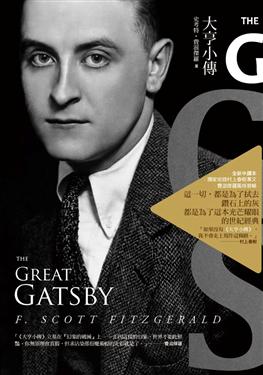
great gatsby cover designsEvery­body is famil­iar with Fran­cis Cugat’s orig­i­nal cov­er art for The Great Gats­by. It famous­ly gives expres­sion to lines from Fitzger­ald’s clas­sic work — lines that talk about Daisy Buchanan as the “girl whose dis­em­bod­ied face float­ed along the dark cor­nices and blind­ing signs.” Accord­ing to Charles Scrib­n­er III, the orig­i­nal pub­lish­er, Cugat cre­at­ed the design while Fitzger­ald was still writ­ing the nov­el, and when Fitzger­ald saw the dis­em­bod­ied face, he could­n’t resist writ­ing the imagery into the book. Scrib­n­er quotes the author as say­ing, “For Christ’s sake, dont give any­one that jack­et youre sav­ing for me. Ive writ­ten it into the book.”

Today, Cugat’s orig­i­nal book jack­et fetch­es more at auc­tion than a first edi­tion of the nov­el itself. And even though many oth­er artists have tak­en a crack at design­ing cov­ers for The Great Gats­by, none holds a can­dle to Cugat’s 1925 design. Just take a look at this pho­to gallery at The New York Times. (Click on each cov­er to see them in a larg­er for­mat.)

The Gats­by book cov­ers all cur­rent­ly reside at the Uni­ver­si­ty of South Car­oli­na, which hous­es oth­er items that Fitzger­ald held near and dear to him — like his copy of Joyce’s Ulysses, his leather brief­caseflask, and more. You can also find orig­i­nal dust jack­ets for Fitzger­ald’s oth­er nov­els on the SC web site, includ­ing Ten­der is the Night, This Side of Par­adise, and The Last Tycoon.

Relat­ed Con­tent:

The Only Known Footage of the 1926 Film Adap­ta­tion of The Great Gats­by (Which F. Scott Fitzger­ald Hat­ed)

Sev­en Tips From F. Scott Fitzger­ald on How to Write Fic­tion

Loli­ta Book Cov­ers: 100+ Designs From 37 Coun­tries (Plus Nabokov’s Favorite Design)

Jack Kerouac’s Hand-Drawn Cov­er for On the Road

Find The Great Gats­by in our Free eBooks col­lec­tion

Find the Yale Course “Hem­ing­way, Fitzger­ald, Faulkn­er” in our Col­lec­tion of 700 Free Online Cours­es

Patti Smith Shares William S. Burroughs’ Advice for Writers and Artists

Would you take advice from William S Bur­roughs? What if it were fil­tered through the human­is­tic sen­si­bil­i­ties of Pat­ti Smith? Address­ing the crowd at last sum­mer’s Louisiana Lit­er­a­ture Fes­ti­val at the Louisiana Muse­um of Mod­ern Art, the punk poet­ess shared some good coun­sel laid on her in her youth by the Beat­’s high­est priest. Build a good name, he told her, and make sure every­thing you cre­ate stays true to it, until even­tu­al­ly that name becomes its own cur­ren­cy.

It cer­tain­ly worked out well for her, though Smith is quick to give solace to those toil­ing in obscu­ri­ty.  It’s con­ceiv­able that one as relent­less­ly cre­ative as she would occa­sion­al­ly feel the sting of indif­fer­ence. It’s also wel­come when some­one in her posi­tion acknowl­edges how fan­tas­tic it is to have one’s work embraced by the peo­ple. (And she’s got a choice snarl for the knee jerks who equate pop­u­lar­i­ty with sell­ing out.)

An old soul from the out­set, the sea­soned Smith has teen spir­it to spare when it comes to the democ­ra­tiz­ing pos­si­bil­i­ties of the Inter­net. It’s here, she pre­dicts, that those with the met­tle to keep at their cre­ative work will find the recog­ni­tion their good names deserve.

- Ayun Hal­l­i­day does­n’t brush her hair much either. Fol­low her @AyunHalliday

Relat­ed Con­tent:

Watch Pat­ti Smith Read from Vir­ginia Woolf, and Hear the Only Sur­viv­ing Record­ing of Woolf’s Voice

Pat­ti Smith’s Cov­er of Nirvana’s “Smells Like Teen Spir­it” Strips the Song Down to its Heart

William S. Bur­roughs’ “The Thanks­giv­ing Prayer,” Shot by Gus Van Sant

Charles Bukows­ki: Depres­sion and Three Days in Bed Can Restore Your Cre­ative Juices (NSFW)

A View From the Room Where Melville Wrote Moby Dick (Plus a Free Celebrity Reading of the Novel)

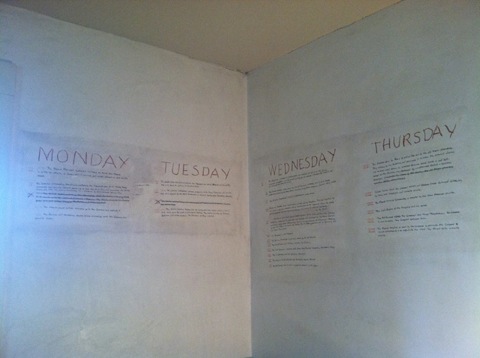
melville roomIt’s in Pitts­field, Mass­a­chu­setts, right in the midst of the Berk­shires. Need­less to say, not a drop of water in sight.

Now that I’ve got your atten­tion, let me give you an update on The Moby Dick Big Read project. Since we high­light­ed the project last fall, all 135 chap­ters of the great Amer­i­can nov­el have been read by celebri­ties like Til­da Swin­ton, Stephen Fry, Mary Oliv­er, and Simon Cal­low. And now the com­plete set of audio record­ings are online and ready for free down­load. Get them here:  iTunesSound­cloudRSS Feed, or the Big Read web site itself.

We start you off with Tilda’s read­ing of Chap­ter 1 right below.

Pho­to above comes to us via @stevesilberman

by | Permalink | Make a Comment ( 1 ) |

« Go BackMore in this category... »
Quantcast