The Shakespeare and Company Project Digitizes the Records of the Famous Bookstore, Showing the Reading Habits of the Lost Generation

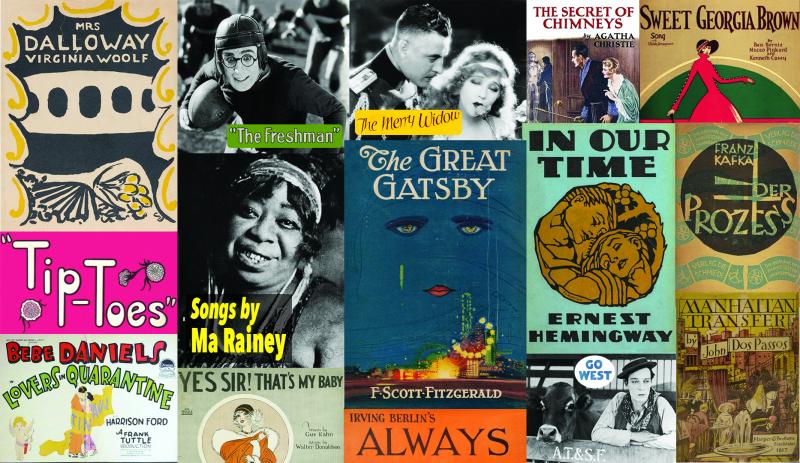
Great writ­ers don’t come out of nowhere, even if some of them might end up there. They grow in gar­dens tend­ed by oth­er writ­ers, read­ers, edi­tors, and pio­neer­ing book­sellers like Sylvia Beach, founder and pro­pri­etor of Shake­speare and Com­pa­ny. Beach opened the Eng­lish-lan­guage shop in Paris in 1919. Three years lat­er, she pub­lished James Joyce’s Ulysses, “a feat that would make her—and her book­shop and lend­ing library—famous,” notes Prince­ton University’s Shake­speare and Com­pa­ny Project. (Infa­mous as well, giv­en the obscen­i­ty charges against the nov­el in the U.S.)

Just as the pub­li­ca­tion of Allen Ginsberg’s Howl put Lawrence Ferlinghetti’s City Lights at the cen­ter of the Beat move­ment, so Joyce’s mas­ter­piece made Shake­speare and Com­pa­ny a des­ti­na­tion for aspir­ing Mod­ernists.

The shop was already “the meet­ing place for a com­mu­ni­ty of expa­tri­ate writ­ers and artists now known as the Lost Gen­er­a­tion.” Along with Joyce, there gath­ered Ernest Hem­ing­way, Ezra Pound, and Gertrude Stein, all of whom not only bought books but bor­rowed them and left a hand­writ­ten record of their read­ing habits.

Through a large-scale dig­i­ti­za­tion project of the Sylvia Beach papers at Prince­ton, the Shake­speare and Com­pa­ny Project will “recre­ate the world of the Lost Gen­er­a­tion. The Project details what mem­bers of the lend­ing library read and where they lived, and how expa­tri­ate life changed between the end of World War I and the Ger­man Occu­pa­tion of France.” Dur­ing the thir­ties, Beach began to cater more to French-speak­ing intel­lec­tu­als. Among lat­er log­books we’ll find the names Aimé Césaire, Jacques Lacan, and Simone de Beau­voir. Beach closed the store for good in 1941, the sto­ry goes, rather than sell a Nazi offi­cer a copy of Finnegans Wake.

Princeton’s “trove of mate­ri­als reveals, among oth­er things,” writes Lithub, “the read­ing pref­er­ences of some of the 20th century’s most famous writ­ers,” it’s true. But not only are there many famous names; the library logs also record “less famous but no less inter­est­ing fig­ures, too, from a respect­ed French physi­cist to the woman who start­ed the musi­col­o­gy pro­gram at the Uni­ver­si­ty of Cal­i­for­nia.” Shake­speare and Com­pa­ny became the place to go for thou­sands of French and expat patrons in Paris dur­ing some of the city’s most leg­en­dar­i­ly lit­er­ary years.

“Eng­lish-lan­guage books are expen­sive,” if you’ve arrived in the city in the 1920s, the Project explains—“five to twen­ty times the price of French books.” Eng­lish-lan­guage hold­ings at oth­er libraries are lim­it­ed. Read­ers, and soon-to-be famous writ­ers, go to Shake­speare and Com­pa­ny to bor­row a copy of Moby Dick or pick up the lat­est New York­er.

You find Shake­speare and Com­pa­ny on a nar­row side street, just off the Car­refour de l’Odéon. You step inside. The room is filled with books and mag­a­zines. You rec­og­nize a framed por­trait of Edgar Allan Poe. You also rec­og­nize a few framed Whit­man man­u­scripts. Sylvia Beach, the own­er, intro­duces her­self and tells you that her aunt vis­it­ed Whit­man in Cam­den, New Jer­sey and saved the man­u­scripts from the waste­bas­ket. Yes, this is the place for you.

The lend­ing library had dif­fer­ent mem­ber­ship plans (you can learn about them here) and kept care­ful records with codes indi­cat­ing the sta­tus of each bor­row­er. These records are still being dig­i­tized and the Project is ongo­ing. It does not offi­cial­ly launch until next month. But at the moment, you can: “Search the lend­ing library mem­ber­shipBrowse the lend­ing library cardsRead about join­ing the lend­ing libraryDown­load a pre­lim­i­nary export of Project data. In June, you will be able to search and browse the lend­ing library’s books, track the cir­cu­la­tion of your favorite novels—and dis­cov­er new ones.”

See how these lit­er­ary com­mu­ni­ties shaped and reshaped them­selves around what would become “the most famous book­store in the world.”

via Lithub

Relat­ed Con­tent:

James Joyce Picked Drunk­en Fights, Then Hid Behind Ernest Hem­ing­way

7 Tips From Ernest Hem­ing­way on How to Write Fic­tion

Gertrude Stein Gets a Snarky Rejec­tion Let­ter from Pub­lish­er (1912)

Josh Jones is a writer and musi­cian based in Durham, NC. Fol­low him at @jdmagness

William Blake Illustrates Mary Wollstonecraft’s Work of Children’s Literature, Original Stories from Real Life (1791)

Most of us know Mary Woll­stonecraft as the author of the 1792 pam­phlet A Vin­di­ca­tion of the Rights of Women, and as the moth­er of Franken­stein author Mary Shel­ley. Few­er of us may know that two years before she pub­lished her foun­da­tion­al fem­i­nist text, she wrote A Vin­di­ca­tion of the Rights of Men, a pro-French Rev­o­lu­tion, anti-monar­chy argu­ment that first made her famous as a writer and philoso­pher. Per­haps far few­er know that Woll­stonecraft began her career as a pub­lished author in 1787 with Thoughts on the Edu­ca­tion of Daugh­ters (though she had yet to raise chil­dren her­self), a con­duct man­u­al for prop­er behav­ior.

A huge­ly pop­u­lar genre dur­ing the first Indus­tri­al Rev­o­lu­tion, con­duct man­u­als bore a mis­cel­la­neous char­ac­ter, incul­cat­ing a bat­tery of mid­dle-class rules, beliefs, and affec­ta­tions through a mix of ped­a­gogy, alle­go­ry, domes­tic advice, and devo­tion­al writ­ing. Young women were instruct­ed in the prop­er way to dress, eat, pray, laugh, love, etc., etc.

It may seem from our per­spec­tive that a rad­i­cal fire­brand like Woll­stonecraft would shun this sort of thing, but her mor­al­iz­ing was typ­i­cal of mid­dle-class women of her time, even of pio­neer­ing writ­ers who sup­port­ed rev­o­lu­tions and women’s polit­i­cal and social equal­i­ty.

Wollstonecraft’s assump­tions about class and char­ac­ter come into relief when placed against the views of anoth­er famous con­tem­po­rary, far more rad­i­cal fig­ure, William Blake, who was then a strug­gling, most­ly obscure poet, print­er, and illus­tra­tor in Lon­don. In 1791, he received a com­mis­sion to illus­trate a sec­ond edi­tion of Wollstonecraft’s third book, a fol­low-up of sorts to her Thoughts on the Edu­ca­tion of Daugh­ters. The 1788 work—Orig­i­nal Sto­ries from Real Life; with Con­ver­sa­tions, Cal­cu­lat­ed to Reg­u­late the Affec­tions, and Form the Mind to Truth and Good­ness—is a more focused book, using a series of vignettes woven into a frame sto­ry.

The two chil­dren in the nar­ra­tive, 14-year-old Mary and 12-year-old Car­o­line, receive lessons from their rel­a­tive Mrs. Mason, who instructs them on a dif­fer­ent virtue and moral fail­ing in each chap­ter by using sto­ries and exam­ples from nature. The two pupils “are moth­er­less,” notes the British Library, “and lack the good habits they should have absorbed by exam­ple. Mrs. Mason intends to rec­ti­fy this by being with them con­stant­ly and answer­ing all their ques­tions.” She is an all-know­ing gov­erness who explains the world away with a phi­los­o­phy that might have sound­ed par­tic­u­lar­ly harsh to Blake’s ears.

For exam­ple, in the chap­ter on phys­i­cal pain, Mary is stung by sev­er­al wasps. After­ward, her guardian begins to lec­ture her “with more than usu­al grav­i­ty.”

I am sor­ry to see a girl of your age weep on account of bod­i­ly pain; it is a proof of a weak mind—a proof that you can­not employ your­self about things of con­se­quence. How often must I tell you that the Most High is edu­cat­ing us for eter­ni­ty?… Chil­dren ear­ly feel bod­i­ly pain, to habit­u­ate them to bear the con­flicts of the soul, when they become rea­son­able crea­tures. This is say, is the first tri­al, and I like to see that prop­er pride which strives to con­ceal its suf­fer­ings…. The Almighty, who nev­er afflicts but to pro­duce some good end, first sends dis­eases to chil­dren to teach them patience and for­ti­tude; and when by degrees they have learned to bear them, they have acquired some virtue.

Blake like­ly found this line of rea­son­ing off-putting, at the least. His own poems “were not children’s lit­er­a­ture per se,” writes Stephanie Metz at the Uni­ver­si­ty of Tennessee’s Roman­tic Pol­i­tics project, “yet their sim­plis­tic lan­guage and even some of their con­tent responds to the char­ac­ter­is­tics of didac­tic fic­tion and children’s poet­ry.” Blake wrote express­ly to protest the ide­ol­o­gy found in con­duct man­u­als like Wollstonecraft’s: “He calls atten­tion to society’s abuse of chil­dren in a num­ber of dif­fer­ent ways, show­ing how soci­ety cor­rupts their inher­ent inno­cence and imag­i­na­tion while also fail­ing to care for their phys­i­cal and emo­tion­al needs.”

For Blake, children’s big emo­tions and active imag­i­na­tions made them supe­ri­or to adults. “Sev­er­al of his poems,” Metz writes, “show the ways in which children’s innate nature has already been taint­ed by their par­ents and oth­er soci­etal forms of author­i­ty, such as the church.” Giv­en his atti­tudes, we can see why “mod­ern inter­preters of the illus­tra­tions for Orig­i­nal Sto­ries have detect­ed a pic­to­r­i­al cri­tique” in Blake’s ren­der­ing of Wollstonecraft’s text, as the William Blake Archive points out. Blake “appears to have found her moral­i­ty too cal­cu­lat­ing, ratio­nal­is­tic, and rigid. He rep­re­sents Wollstonecraft’s spokesper­son, Mrs. Mason, as a dom­i­neer­ing pres­ence.”

Nonethe­less, as always, Blake’s work is more than com­pe­tent. The style for which we know him best emerges in some of the prints. We see it, for exam­ple, in the chis­eled face, bulging eyes, and well-mus­cled arms of the stand­ing fig­ure above. For the most part, how­ev­er, he keeps in check his exu­ber­ant desire to cel­e­brate the human body. “Only a year ear­li­er,” writes Brain Pick­ings, “Blake had fin­ished print­ing and illu­mi­nat­ing the first few copies of his now-leg­endary Songs of Inno­cence and Expe­ri­ence.” Two of the songs “were inspired by Wollstonecraft’s trans­la­tion of C.G. Salzmann’s Ele­ments of Moral­i­ty, for which Blake had done sev­er­al engrav­ings.”

If he had mis­giv­ings about illus­trat­ing Wollstonecraft’s Orig­i­nal Sto­ries, we must infer them from his illus­tra­tions. But plac­ing Blake’s most famous book of poet­ry next to Wollstonecraft’s pious, didac­tic works of moral instruc­tion pro­duces some jar­ring con­trasts, show­ing how two tow­er­ing lit­er­ary fig­ures from the time (though not both at the time) con­ceived of child­hood, social class, edu­ca­tion, and moral­i­ty in vast­ly dif­fer­ent ways. Learn more about Blake’s illus­tra­tions at Brain Pick­ings, read an edi­tion of Woll­stonecraft’s Orig­i­nal Sto­ries here, and see all of Blake’s illus­tra­tions at the William Blake Archive.

via Brain Pick­ings

Relat­ed Con­tent:

Enter an Archive of William Blake’s Fan­tas­ti­cal “Illu­mi­nat­ed Books”: The Images Are Sub­lime, and in High Res­o­lu­tion

William Blake’s Mas­ter­piece Illus­tra­tions of the Book of Job (1793–1827)

William Blake’s Hal­lu­ci­na­to­ry Illus­tra­tions of John Milton’s Par­adise Lost

Josh Jones is a writer and musi­cian based in Durham, NC. Fol­low him at @jdmagness

‘Never Be Afraid’: William Faulkner’s Speech to His Daughter’s Graduating Class in 1951

By the start of the 1950s, the eupho­ria felt by Amer­i­cans after win­ning World War II had giv­en way to a per­va­sive atmos­phere of dread.

The Sovi­ets had explod­ed their first atom­ic bomb, McCarthy­ism had reared its head, and Amer­i­ca’s school­child­ren would soon be told to “Duck and Cov­er” at the first sound of a civ­il defense siren.

It was in this cli­mate of pal­pa­ble fear that William Faulkn­er was asked by his daugh­ter, Jill, to speak to her grad­u­at­ing class of 1951 at Uni­ver­si­ty High School in Oxford, Mis­sis­sip­pi. Faulkn­er was at the height of his fame.

Only a few months ear­li­er, in Novem­ber of 1950, he had trav­eled to Swe­den to accept the Nobel Prize in Lit­er­a­ture. In his speech at Stock­holm, Faulkn­er said that “the basest of all things is to be afraid”:

“Our tragedy today is a gen­er­al and uni­ver­sal phys­i­cal fear so long sus­tained by now that we can even bear it. There are no longer prob­lems of the spir­it. There is only the ques­tion: When will I be blown up?”

Faulkn­er expand­ed on the theme dur­ing the speech to his daugh­ter’s high school class, deliv­ered May 28, 1951 at Ful­ton Chapel on the cam­pus of the Uni­ver­si­ty of Mis­sis­sip­pi, or “Ole Miss.”

The occa­sion was some­thing of a home-town tri­umph for Faulkn­er, who had dropped out of high school with­out a diplo­ma. The excerpt above is from a short doc­u­men­tary released in 1952 called, sim­ply, William Faulkn­er. Two pas­sages from the speech are omit­ted in the film. You can read the com­plete text below. Faulkn­er begins with a pas­sage from Hen­ri Esti­enne’s 1594 book Les Prémices: “If youth only knew; if age only could.”

“Years ago, before any of you were born, a wise French­man said, ‘If youth knew; if age could.’ We all know what he meant: that when you are young, you have the pow­er to do any­thing, but you don’t know what to do. Then, when you have got old and expe­ri­ence and obser­va­tion have taught you answers, you are tired, fright­ened; you don’t care, you want to be left alone as long as you your­self are safe; you no longer have the capac­i­ty or the will to grieve over any wrongs but your own.

“So you young men and women in this room tonight, and in thou­sands of oth­er rooms like this one about the earth today, have the pow­er to change the world, rid it for­ev­er of war and injus­tice and suf­fer­ing, pro­vid­ed you know how, know what to do. And so accord­ing to the old French­man, since you can’t know what to do because you are young, then any­one stand­ing here with a head full white hair should be able to tell you.

“But maybe this one is not as old and wise as his white hairs pre­tend to claim. Because he can’t give you a glib answer or pat­tern either. But he can tell you this, because he believes this. What threat­ens us today is fear. Not the atom bomb, nor even fear of it, because if the bomb fell on Oxford tonight, all it could do would be to kill us, which is noth­ing, since in doing that, it will have robbed itself of its only pow­er over us: which is fear of it, the being afraid of it. Our dan­ger is not that. Our dan­ger is the forces in the world today which are try­ing to use man’s fear to rob him of his indi­vid­u­al­i­ty, his soul, try­ing to reduce him to an unthink­ing mass by fear and bribery — giv­ing him free food which he has not earned, easy and val­ue­less mon­ey which he has not worked for; the economies and ide­olo­gies or polit­i­cal sys­tems, com­mu­nist or social­is­tic or demo­c­ra­t­ic, what­ev­er they wish to call them­selves, the tyrants and the politi­cians, Amer­i­can or Euro­pean or Asi­at­ic, what­ev­er they call them­selves, who would reduce man to one obe­di­ent mass for their own aggran­dize­ment and pow­er, or because they them­selves are baf­fled and afraid, afraid of, or inca­pable of, believ­ing in man’s capac­i­ty for courage and endurance and sac­ri­fice.

“That is what we must resist, if we are to change the world for man’s peace and secu­ri­ty. It is not men in the mass who can and will save man. It is man him­self, cre­at­ed in the image of God so that he shall have the pow­er to choose right from wrong, and so be able to save him­self because he is worth sav­ing — man, the indi­vid­ual, men and women, who will refuse always to be tricked or fright­ened or bribed into sur­ren­der­ing, not just the right but the duty too, to choose between jus­tice and injus­tice, courage and cow­ardice, sac­ri­fice and greed, pity and self — who will believe always not only in the right of man to be free of injus­tice and rapac­i­ty and decep­tion, but the duty and respon­si­bil­i­ty of man to see that jus­tice and truth and pity and com­pas­sion are done.

“So, nev­er be afraid. Nev­er be afraid to raise your voice for hon­esty and truth and com­pas­sion, against injus­tice and lying and greed. If you, not just you in this room tonight, but in all the thou­sands of oth­er rooms like this one about the world today and tomor­row and next week, will do this, not as a class or class­es, but as indi­vid­u­als, men and women, you will change the earth; in one gen­er­a­tion all the Napoleons and Hitlers and Cae­sars and Mus­soli­n­is and Stal­ins and all the oth­er tyrants who want pow­er and aggran­dize­ment, and the sim­ple politi­cians and time-servers who them­selves are mere­ly baf­fled or igno­rant of afraid, who have used, or are using, or hope to use, man’s fear and greed for man’s enslave­ment, will have van­ished from the face of it.”

When he was fin­ished, Faulkn­er gave his copy of the speech to the edi­tor of the local news­pa­per. At a par­ty after­ward he reportedly said, “You know, I nev­er knew how nice a grad­u­a­tion could be. This is the first one I’ve ever been to.”

To watch the full film from which the speech is tak­en, see our ear­li­er post: “Rare 1952 Film: William Faulkn­er on His Native Soil in Oxford, Mis­sis­sip­pi.”

Relat­ed Con­tent:

William Faulkn­er Reads His Nobel Prize Speech

Sev­en Tips From William Faulkn­er on How to Write Fic­tion

7 Nobel Speech­es by 7 Great Writ­ers: Hem­ing­way, Faulkn­er and More

Watch Free Plays from Shakespeare’s Globe Theatre: Romeo & Juliet, Macbeth & More

As depress­ing arti­cles about the upcom­ing Sum­mer of COVID-19 begin to pro­lif­er­ate, our hopes for beach days, con­cert series, and sum­mer camp begin to dim.

Here in New York City, the Pub­lic Theater’s announce­ment that it is can­celling the upcom­ing sea­son of its famed Shake­speare in the Park was met with under­stand­able sad­ness.

You don’t have to like Shake­speare to enjoy the rit­u­al of enter­ing Cen­tral Park short­ly after dawn, pre­pared to sit online for sev­er­al hours await­ing noon’s free tick­et dis­tri­b­u­tion, then return­ing to the Dela­corte lat­er that night with snacks and sweater and wine.

Per­form­ing a quick Inter­net search to brush up on the plot can enhance the expe­ri­ence, but—and I saw this as some­one whose degree includ­ed a met­ric heinieload of The Bard—it can be equal­ly sat­is­fy­ing to spend the final acts enjoy­ing an impromp­tu, al fres­co nap.

Bonus points if a rac­coon runs across the stage at some point.

Alas all this must be denied us in the sum­mer of 2020, but it’s still with­in our pow­er to repli­cate that sum­mer feel­ing in advance of the equinox, using the past pro­duc­tions that London’s Globe The­atre is screen­ing on its YouTube chan­nel as our start­ing place.

First up is Romeo & Juli­et from 2009, star­ring Ellie Kendrick and Adetomi­wa Edun, though accord­ing to the Inde­pen­dent’s Michael Coveney, the show belongs to Pen­ny Lay­den as the Nurse:

Far removed from the fuss­ing tra­di­tion of com­ic gar­ruli­ty and the Patri­cia Rout­ledge fac­tor, Lay­den plays her as a scrubbed, mid­dle-aged, sen­si­ble woman car­ry­ing a his­to­ry of sad­ness. The bawdy assault on her by Philip Cum­bus’s melan­choly Mer­cu­tio is both shock­ing and plau­si­ble, and she retains her qui­et dig­ni­ty while at the same time mourn­ing its sac­ri­fice.

Back to New York City…

Pri­or to start­ing your screen­ing, you’ll want to approx­i­mate a seat at the Dela­corte (which, like the Globe, is authen­ti­cal­ly cir­cu­lar in shape). I rec­om­mend a met­al fold­ing chair.

Sprin­kle a table­spoon or so of water onto the seat if you want to pre­tend it rained all after­noon lead­ing up to the per­for­mance.

Def­i­nite­ly have some wine to pour into a plas­tic cup.

Slather your­self in insect repel­lent.

Silence your cell phone.

If your housemate’s cell phone goes off mid-per­for­mance, feel free to tsk and sssh and roll your eyes. Hon­est­ly, how hard is it to com­ply with the famil­iar instruc­tions of the house manager’s speech?

At inter­mis­sion, stand out­side your own bath­room door for at least 15 min­utes before let­ting your­self into a “stall” to use the facil­i­ties.

Doze all you want to…. arrange for your house­mate to tsk and sssh at you from an appro­pri­ate dis­tance, should your snor­ing become audi­ble.

You have until Sun­day, May 3 to stum­ble sleep­i­ly away from the screen, and pre­tend you’re wan­der­ing to the sub­way with 1799 oth­er New York­ers.

Then make plans to wake up at 5:30 and sit on the floor with a ther­mos of cof­fee for sev­er­al hours, hop­ing that they won’t run out of tick­ets for The Two Noble Kins­men before you make it to the top of the line.

(Spoil­er alert: they won’t.)

Oth­ers in the Globe’s free series:

Mac­Beth, May 11 until UK schools reopen

The Winter’s Tale (2018), May 18 — May 31

The Mer­ry Wives of Wind­sor (2019), June 1 — June 14

A Mid­sum­mer Night’s Dream (2013), June 15 — 28

Click­ing the red “dis­cov­er more” lozenge beneath each show’s pho­to on the Globe Watch’s land­ing page will lead you to a wealth of sup­port­ing mate­ri­als, from pre-show chats with the Globe’s Post-Doc­tor­al Research Fel­low Will Tosh to pho­tos, arti­cles, and a stu­dent chal­lenge specif­i­cal­ly tai­lored to the times we find our­selves liv­ing through now.

Sub­scribe to the Globe’s YouTube chan­nel to receive reminders.

Donate to the Globe here.

Amer­i­cans can make a tax-deductible dona­tion to The Pub­lic The­ater here.

via My Mod­ern Met

Relat­ed Con­tent:

Take a Vir­tu­al Tour of Shakespeare’s Globe The­atre in Lon­don

A 68 Hour Playlist of Shakespeare’s Plays Being Per­formed by Great Actors: Giel­gud, McK­ellen & More

A Free Shake­speare Col­or­ing Book: While Away the Hours Col­or­ing in Illus­tra­tions of 35 Clas­sic Plays

Ayun Hal­l­i­day is an author, illus­tra­tor, the­ater mak­er and Chief Pri­ma­tol­o­gist of the East Vil­lage Inky zine.  Depend­ing on how long this thing goes on, she may look into giv­ing Pen­ny Lay­den a run for the mon­ey by live-stream­ing her solo show, NURSE. Fol­low her @AyunHalliday.

Watch Samuel Beckett Walk the Streets of Berlin Like a Boss, 1969

Samuel Beck­ett long had a fond­ness for Berlin, from his first trip in the late 1920s–when he fell in love with his cousin while vis­it­ing his uncle on his mom’s side–to his long­time rela­tion­ship with his Ger­man trans­la­tor Eri­ka Tophoven and with the Schiller The­ater, which pro­duced many of his plays.

The above footage shows the 63-year old Beck­ett walk­ing the streets of Berlin, ask­ing for direc­tions, or read­ing the dai­ly paper at a cafe. At one point he is seen walk­ing with a woman (pos­si­bly Tophoven?).

Why was this film shot? It has the feel­ing of sur­veil­lance footage, but the more log­i­cal expla­na­tion is that it was b‑roll for some news fea­ture. Beck­ett was award­ed the Nobel Prize for Lit­er­a­ture in 1969, so that might be the rea­son.

How­ev­er, the illog­i­cal but *best* rea­son is that Beck­ett was film­ing the title sequence for his detec­tive show pilot, named, of course, Beck­ett. YouTube user oobleck­boy cre­at­ed this hilar­i­ous rework a few years ago, which we told you about then. But it’s worth anoth­er look, sure­ly.

On a more seri­ous note, Beck­et­t’s main tour of Berlin came long before his jour­ney as a play­wright. Self-taught in the lan­guage and inter­est­ed in the cul­ture, he trav­eled to Berlin right after the 1936 Olympic Games and stayed through 1937. He had lost his job in Dublin, and he had fall­en out with James Joyce, so he was avoid­ing Paris. So Beck­ett trav­eled to Berlin to devour the arts. He knew the dan­gers of the ris­ing Nazi threat and took it seri­ous­ly. Instead he want­ed to see the cul­ture before it dis­ap­peared. (And it would, on one hand through the Nazis and their cam­paign against “degen­er­ate art.” On the oth­er, from the Allies bomb­ing dur­ing the war.) Beck­ett spent count­less hours in muse­ums. He attend­ed operas. He got so flu­ent in the lan­guage he could read Schopen­hauer (for the style, not the con­tent, appar­ent­ly).

But it was such a pri­vate trip that his Ger­man friends from the ‘60s nev­er knew of it. He did not men­tion it to them. The only rea­son we know is because in 1989, his nephew dis­cov­ered his diary from that time–the only diary Beck­ett ever kept–and after years of it being avail­able only to researchers, it was pub­lished in 2011. (Or rather, selec­tions of the 120,000 word jour­nal, were pub­lished.)

Last­ly, it was on one of those Berlin muse­um trips where he saw the paint­ing Two Men Con­tem­plat­ing the Moon by Cas­par David Friedrich. The image would stick in his mind until many years lat­er when it would influ­ence the set design for his most famous play, Wait­ing for Godot. (A coun­try road. A tree. Evening.) You can see the paint­ing here.

via Ubu Web

Relat­ed Con­tent:

The Books That Samuel Beck­ett Read and Real­ly Liked (1941–1956)

When Robin Williams & Steve Mar­tin Starred in Samuel Beckett’s Wait­ing For Godot (1988)

Samuel Beck­ett Directs His Absur­dist Play Wait­ing for Godot (1985)

Ted Mills is a free­lance writer on the arts who cur­rent­ly hosts the Notes from the Shed pod­cast and is the pro­duc­er of KCR­W’s Curi­ous Coast. You can also fol­low him on Twit­ter at @tedmills, and/or watch his films here.

How Can Boccaccio’s 14th Century Decameron Help Us Live Through COVID-19?

I remem­ber read­ing selec­tions of Gio­van­ni Boccaccio’s Decameron in my ear­ly high school years—and I remem­ber read­ing them as light, bawdy tales about aris­to­crats in gar­dens. We were briefly intro­duced to the frame nar­ra­tive, set amidst the 1348 out­break of plague in Flo­rence, which killed off half the city’s pop­u­la­tion. But the Black Death seemed almost mytho­log­i­cal in scope—a phan­tom on the periph­ery. As Albert Camus writes in The Plague, a book also appear­ing on best­seller and rec­om­mend­ed read­ing lists every­where: “a dead man has no sub­stance unless one has actu­al­ly seen him dead, a hun­dred mil­lion corpses broad­cast through his­to­ry are no more than a puff of smoke.”

I don’t recall read­ing how Flo­ren­tines “dropped dead in open streets, both by day and by night, whilst a great many oth­ers, though dying in their own hous­es, drew their neigh­bors’ atten­tion to the fact more by the smell of their rot­ting corpses.” The pic­ture Boc­cac­cio paints is so incred­i­bly bleak, one is amazed we’ve come to “see the Decameron as a col­lec­tion of enter­tain­ing sto­ries to keep next to your bed,” as Andre Spicer writes at New States­man. “This scourge had implant­ed so great a ter­ror in the hearts of men and women that broth­ers aban­doned broth­ers,” Boc­cac­cio writes, “uncles their nephews, sis­ters their broth­ers… fathers and moth­ers refused to nurse and assist their chil­dren.”

This is unimag­in­able, or so we thought, hav­ing nev­er lived through any kind of plague our­selves. Made up of tales swapped by ten friends who escape Flo­rence for a coun­try vil­la to wait out the epi­dem­ic, telling 100 sto­ries between them to pass the time in quar­an­tine, the Decameron, if it has left schools since my time, will sure­ly return with sig­nif­i­cant empha­sis on what was pre­vi­ous­ly giv­en as back­ground. Of course, Ital­ians are revis­it­ing with much renewed inter­est these tales “of life lessons and fol­ly, of tragedy and hap­pi­ness, of virtue and vice,” as the blog Tus­can Trends notes.

Read by actors from the Ora­nona The­atre, with musi­cal accom­pa­ni­ment, a live pro­duc­tion of the sto­ries has been going on for a decade. But only now does it con­sti­tute a trend, offered as “enter­tain­ment for Ital­ians who are con­fined to their homes escap­ing a plague sev­en cen­turies after Boc­cac­cio wrote his mas­ter­piece of ear­ly Ital­ian prose.” (Hear these per­for­mances in Ital­ian at the Ora­nona Face­book page here.) What does this sto­ry cycle com­mu­ni­cate across 700 years?

“Over the cen­turies, dur­ing oth­er out­breaks of epi­dem­ic ill­ness,” says Pro­fes­sor Mar­tin Marafi­oti in the video above, “the work has become rel­e­vant, over and over and over again.” The book offers what Marafi­oti calls “nar­ra­tive pro­phy­lax­is,” a med­i­cine pre­scribed by Ital­ian the­olo­gian Nico­las of Bur­go, anoth­er of the many lit­er­ary voic­es in Italy’s “canon of con­ta­gion.” In a plague advice book, Bur­go warns against “fear, anger, sad­ness, exces­sive anguish, heavy thoughts and sim­i­lar things. And equal­ly one should take care to be joy­ful, to be hap­py, to lis­ten to lul­la­bies, sto­ries and melodies.”

This advice may be well and good for those who can decamp to well-pro­vi­sioned hous­es for two weeks (or months). As Mas­si­mo Riva, chair of Brown University’s Ital­ian Stud­ies Depart­ment, says in a recent inter­view, in answer to a ques­tion about Boccaccio’s rel­e­vance:

I would point to the eth­i­cal dilem­ma the ten young pro­tag­o­nists face in their deci­sion to (tem­porar­i­ly) aban­don the city. This deci­sion can be inter­pret­ed in two dif­fer­ent and some­what oppo­site ways: as an escape from the com­mon des­tiny of those who can afford a lux­u­ri­ous shel­ter (sim­i­lar to the dooms­day bunkers that very rich peo­ple build for them­selves today); and as the utopi­an desire to rebuild togeth­er a bet­ter, more eth­i­cal and har­mo­nious­ly nat­ur­al way of life, out of the ruins of the old world.

These two options need not be mutu­al­ly exclu­sive, but they might very well rebuild the old exclu­sions in the new world. More pos­i­tive­ly, Spicer writes, in some TED-like lan­guage that might seem anachro­nis­tic in dis­cus­sions of a 14th cen­tu­ry text: Boc­cac­cio “under­stood the impor­tance of what we now call ‘well­be­ing’”; he had “faith in the cura­tive pow­er of sto­ries,” a fact “sup­port­ed by dozens of stud­ies”; and he “under­stood the cru­cial role of what we now call social net­works in pub­lic health crises.”

I don’t remem­ber any of that in the Boc­cac­cio I read in high school. But I’m start­ing to see some of it now as I revis­it these 700-year-old sto­ries, dip­ping in and out as time allows and find­ing in them what Spicer calls the crit­i­cal “impor­tance of con­nec­tion when we are social­ly iso­lat­ed,” whether in com­fort­able vaca­tion homes, cramped city apart­ments, or even more con­fin­ing cir­cum­stances. We need sto­ries to help us fig­ure who we are when every­thing comes apart. And we need peo­ple who will lis­ten to us tell ours. Read and down­load the full text of the Decameron here.

via New States­man

Relat­ed Con­tent:

Down­load Clas­sic Works of Plague Fic­tion: From Daniel Defoe & Mary Shel­ley, to Edgar Allan Poe

Pan­dem­ic Lit­er­a­ture: A Meta-List of the Books You Should Read in Coro­n­avirus Quar­an­tine

Why You Should Read The Plague, the Albert Camus Nov­el the Coro­n­avirus Has Made a Best­seller Again

Josh Jones is a writer and musi­cian based in Durham, NC. Fol­low him at @jdmagness

What is Albert Camus’ The Plague About? An Introduction

Top­ping lists of plague nov­els cir­cu­lat­ing these days, Albert Camus’ 1947 The Plague (La Peste), as many have been quick to point out, is about more than its blunt title would sug­gest. The book incor­po­rates Camus’ expe­ri­ence as edi­tor-in-chief of Com­bat, a French Resis­tance news­pa­per, and serves as an alle­go­ry for the spread of fas­cism and the Nazi occu­pa­tion of France. It also illus­trates the evo­lu­tion of his philo­soph­i­cal thought: a grad­ual turn toward the pri­ma­cy of the absurd, and away from asso­ci­a­tions with Sartre’s Exis­ten­tial­ism.

But The Plague’s pri­ma­ry sub­ject is, of course, a plague—a fic­tion­al out­break in the Alger­ian “French pre­fec­ture” of Oran. Here, Camus relo­cates a 19th cen­tu­ry cholera out­break to some­time in the 1940s and turns it into the rat-borne epi­dem­ic that killed tens of mil­lions in cen­turies past. As Daniel Defoe had done 175 years before in A Jour­nal of the Plague Yeardraw­ing on his own expe­ri­ences as a journalist—Camus “immersed him­self in the his­to­ry of plagues,” notes the School of Life. Camus even quotes Defoe in the nov­el­’s epi­graph: “It is as rea­son­able to rep­re­sent one kind of impris­on­ment by anoth­er, as it is to rep­re­sent any­thing that real­ly exists by that which exists not.”

Camus “read books on the Black Death that killed 50 mil­lion peo­ple in Europe in the 14th cen­tu­ry; the Ital­ian plague of 1629 that killed 280,000 peo­ple across the plains of Lom­bardy and the Vene­to, the great plague of Lon­don of 1665 as well as plagues that rav­aged cities on China’s east­ern seaboard dur­ing the 18th and 19th cen­turies.” Per­haps more time­ly now than in its time, The Plague puts Camus’ his­tor­i­cal knowl­edge in the mind of its pro­tag­o­nist, Dr. Bernard Rieux, who remem­bers in his grow­ing alarm “the plague at Con­stan­tino­ple that, accord­ing to Pro­copius, caused ten thou­sand deaths in a sin­gle day.”

Rieux embod­ies anoth­er theme in the novel—the seem­ing­ly end­less human capac­i­ty for denial, even among well-mean­ing, knowl­edge­able experts. Despite his read­ing of his­to­ry and up-close obser­va­tion of the out­break, Rieux fails—or refuses—to acknowl­edge the dis­ease for what it is. That is, until an old­er col­league says to him, “Nat­u­ral­ly, you know what this is.” Forced to say the word “plague” aloud, Rieux allows the spread­ing epi­dem­ic to become real for the first time.

[L]ike our fel­low cit­i­zens, Rieux was caught off his guard, and we should under­stand his hes­i­ta­tions in the light of this fact; and sim­i­lar­ly under­stand how he was torn between con­flict­ing fears and con­fi­dence. When a war breaks out, peo­ple say: “It’s too stu­pid; it can’t last long.” But though a war may well be “too stu­pid,” that does­n’t pre­vent its last­ing. Stu­pid­i­ty has a knack of get­ting its way; as we should see if we were not always so much wrapped up in our­selves.

In this respect our towns­folk were like every­body else, wrapped up in them­selves; in oth­er words they were human­ists: they dis­be­lieved in pesti­lences.

Per­pet­u­al­ly busy with mer­can­tile projects and ideas about progress, the town, like “human­ists,” ignores the reap­pear­ance of his­to­ry and believe plagues to belong to the dis­tant past. Camus writes that such peo­ple “pass away… first of all, because they haven’t tak­en their pre­cau­tions.”

Every­body knows that pesti­lences have a way of recur­ring in the world; yet some­how we find it hard to believe in ones that crash down on our heads from a blue sky. There have been as many plagues as wars in his­to­ry; yet always plagues and wars take peo­ple equal­ly by sur­prise.

Whether we are pre­pared for them or not, plagues and wars will come upon us, aid­ed by the brute force of human idio­cy and irra­tional­i­ty. This ter­ri­ble truth flies in the face of the unteth­ered free­dom of Sartre­an exis­ten­tial­ism. “They fan­cied them­selves free,” Camus’ nar­ra­tor says of Oran’s towns­peo­ple, “and no one will ever be free so long as there are pesti­lences.” The nov­el pro­ceeds to illus­trate just how dev­as­tat­ing a dead­ly epi­dem­ic can be to our most cher­ished notions.

In Camus’ phi­los­o­phy, “our lives,” the School of Life points out, “are fun­da­men­tal­ly on the edge of what he termed ‘the absurd.’” But this “should not lead us to despair pure and sim­ple,” though the feel­ing may be a stage along the way to “a redemp­tive tra­gi-com­ic per­spec­tive.” The recog­ni­tion of fini­tude, of fail­ure, igno­rance, and repetition—what philoso­pher Miguel de Una­muno called “the trag­ic sense of life”—can instead cure us of the “behav­iors Camus abhorred: a hard­ness of heart, an obses­sion with sta­tus, a refusal of joy and grat­i­tude, a ten­den­cy to mor­al­ize and judge.” What­ev­er else The Plague is about, Camus shows that in a strug­gle for sur­vival, these atti­tudes can prove worse than use­less and can be the first to go.

Relat­ed Con­tent:

Why You Should Read The Plague, the Albert Camus Nov­el the Coro­n­avirus Has Made a Best­seller Again

Pan­dem­ic Lit­er­a­ture: A Meta-List of the Books You Should Read in Coro­n­avirus Quar­an­tine

Sartre Writes a Trib­ute to Camus After His Friend-Turned-Rival Dies in a Trag­ic Car Crash: “There Is an Unbear­able Absur­di­ty in His Death”

Josh Jones is a writer and musi­cian based in Durham, NC. Fol­low him at @jdmagness

Pandemic Literature: A Meta-List of the Books You Should Read in Coronavirus Quarantine

Describ­ing con­di­tions char­ac­ter­is­tic of life in the ear­ly 21st cen­tu­ry, future his­to­ri­ans may well point to such epi­dem­ic viral ill­ness­es as SARS, MERS, and the now-ram­pag­ing COVID-19. But those focused on cul­ture will also have their pick of much more benign recur­ring phe­nom­e­na to explain: top­i­cal book lists, for instance, which crop up in the 21st-cen­tu­ry press at the faintest prompt­ing by cur­rent events. As the coro­n­avirus has spread through the Eng­lish-speak­ing world over the past month, pan­dem­ic-themed read­ing lists have appeared in all man­ner of out­lets: TimePBS, the Hol­ly­wood Reporter, the Guardian, the Globe and MailHaaretzVul­tureElec­tric Lit­er­a­ture, and oth­ers besides.

As mankind’s old­est dead­ly foe, dis­ease has pro­vid­ed themes to lit­er­a­ture since lit­er­a­ture’s very inven­tion. In the Euro­pean canon, no such work is more ven­er­a­ble than The Decameron, writ­ten by Renais­sance human­ist Gio­van­ni Boc­cac­cio in the late 1340s and ear­ly 1350s. “His pro­tag­o­nists, sev­en women and three men, retreat to a vil­la out­side Flo­rence to avoid the pan­dem­ic,” writes The Guardian’s Lois Beck­ett, refer­ring to the bubon­ic plague, or “Black Death,” that rav­aged Europe in the mid-14th cen­tu­ry. “There, iso­lat­ed for two weeks, they pass the time by telling each oth­er sto­ries” — and “live­ly, bizarre, and often very filthy sto­ries” at that — “with a dif­fer­ent theme for each day.”

A lat­er out­break of the bubon­ic plague in Lon­don inspired Robin­son Cru­soe author Daniel Defoe to write the A Jour­nal of the Plague Year. “Set in 1655 and pub­lished in 1722, the nov­el was like­ly based, in part, on the jour­nals of the author’s uncle,” writes the Globe and Mail’s Alec Scott. Defoe’s diarist “speaks of bod­ies pil­ing up in mass graves, of sud­den deaths and unlike­ly recov­er­ies from the brink, and also blames those from else­where for the out­break.” A Jour­nal of the Plague Year appears on these read­ing lists as often as Albert Camus’ The Plaguepre­vi­ous­ly fea­tured here on Open Cul­ture. “Camus’ famous work about the inhab­i­tants of an Alger­ian town who are strick­en by the bubon­ic plague was pub­lished back in 1947,” writes PBS’ Court­ney Vinopal, “but it has struck a chord with read­ers today liv­ing through the coro­n­avirus.”

Of nov­els pub­lished in the past decade, none has been select­ed as a must-read in coro­n­avirus quar­an­tine as often as Emi­ly St. John Man­del’s Sta­tion Eleven. “After a swine flu pan­dem­ic wipes out most of the world’s pop­u­la­tion, a group of musi­cians and actors trav­el around new­ly formed set­tle­ments to keep their art alive,” says Time. “Man­del show­cas­es the impact of the pan­dem­ic on all of their lives,” weav­ing togeth­er “char­ac­ters’ per­spec­tives from across the plan­et and over sev­er­al decades to explore how human­i­ty can fall apart and then, some­how, come back togeth­er.” Ling Ma’s dark­ly satir­i­cal Sev­er­ance also makes a strong show­ing: Elec­tric Lit­er­a­ture describes it as “a pan­dem­ic-zom­bie-dystopi­an-nov­el, but it’s also a relat­able mil­len­ni­al com­ing-of-age sto­ry and an intel­li­gent cri­tique of exploita­tive cap­i­tal­ism, mind­less con­sumerism, and the drudgery of bull­shit jobs.”

Since a well-bal­anced read­ing diet (and those of us stuck at home for weeks on end have giv­en much thought to bal­anced diets) requires both fic­tion and non­fic­tion, sev­er­al of these lists also include works of schol­ar­ship, his­to­ry, and jour­nal­ism on the real epi­demics that have inspired all this lit­er­a­ture. Take Richard Pre­ston’s best­seller The Hot Zone: The Ter­ri­fy­ing True Sto­ry of the Ori­gins of the Ebo­la Virus, which Gre­go­ry Eaves at Medi­um calls “a hair-rais­ing account of the appear­ance of rare and lethal virus­es and their ‘crash­es’ into the human race.” For an episode of his­to­ry more com­pa­ra­ble to the coro­n­avirus, there’s John M. Bar­ry’s The Great Influen­za: The Sto­ry of the Dead­liest Pan­dem­ic in His­to­ry, “a tale of tri­umph amid tragedy, which pro­vides us with a pre­cise and sober­ing mod­el as we con­front the epi­demics loom­ing on our own hori­zon.”

Below you’ll find a meta-list of all the nov­els and non­fic­tion books includ­ed on the read­ing lists linked above. As for the books them­selves — libraries and book­stores being a bit dif­fi­cult to access in many parts of the world at the moment — you might check for them in our col­lec­tion of books free online, the tem­porar­i­ly opened Nation­al Emer­gency Library at the Inter­net Archive, and our recent post on clas­sic works of plague lit­er­a­ture avail­able to down­load. How­ev­er you find these books, hap­py read­ing — or, more to the point, healthy read­ing.

Fic­tion

  • Ammonite by Nico­la Grif­fith
  • The Androm­e­da Strain by Michael Crich­ton
  • Beau­ty Salon by Mario Bel­latin
  • Bird Box by Josh Maler­man
  • Blind­ness by José Sara­m­a­go
  • The Book of M by Peng Shep­herd
  • The Bro­ken Earth tril­o­gy by N.K. Jemisin
  • Bring Out Your Dead by J.M. Pow­ell
  • The Child Gar­den by Geoff Ryman
  • The Children’s Hos­pi­tal by Chris Adri­an
  • The Com­pan­ion by Katie M. Fly­nn
  • The Decameron by Gio­van­ni Boc­cac­cio
  • The Dog Stars by Peter Heller
  • The Dooms­day Book by Con­nie Willis
  • The Dream­ers by Karen Thomp­son Walk­er
  • Earth Abides by George R. Stew­art
  • The Eyes of Dark­ness by Dean Koontz
  • Find Me by Lau­ra van den Berg
  • The Great Believ­ers by Rebec­ca Makkai
  • Jane Eyre by Char­lotte Bron­të
  • Jour­nal of the Plague Year by Daniel Defoe
  • Jour­nal of the Plague Years by Nor­man Spin­rad
  • The Last Man by Mary Shel­ley
  • The Last Town on Earth by Thomas Mullen
  • Love in the Time of Cholera by Gabriel Gar­cía Márquez
  • My Side of the Moun­tain by Jean Craig­head George
  • My Year of Rest and Relax­ation by Ottes­sa Mosh­fegh
  • The Old Drift by Namwali Ser­pell
  • Oryx and Crake by Mar­garet Atwood
  • Pale Horse, Pale Rid­er by Kather­ine Anne Porter
  • The Pas­sage tril­o­gy by Justin Cronin
  • The Plague by Albert Camus
  • The Pow­er by Nao­mi Alder­man
  • Real Life by Bran­don Tay­lor
  • The Road by Cor­mac McCarthy
  • Room by Emma Donoghue
  • Sev­er­ance by Ling Ma
  • Sta­tion Eleven by Emi­ly St. John Man­del
  • The Stand by Stephen King
  • They Came Like Swal­lows by William Maxwell
  • The Train­ing Com­mis­sion by Ingrid Bur­ring­ton and Bren­dan Byrne
  • The Trans­mi­gra­tion of Bod­ies by Yuri Her­rera
  • The White Plague by Frank Her­bert
  • Wilder Girls by Rory Pow­er
  • World War Z by Max Brooks
  • The Year of the Flood by Mar­garet Atwood
  • Year of Won­ders by Geral­dine Brooks
  • The Years of Rice and Salt by Kim Stan­ley Robin­son
  • Zone One by Col­son White­head


Non­fic­tion

  • The Amer­i­can Plague: The Untold Sto­ry of Yel­low Fever, The Epi­dem­ic That Shaped Our His­to­ry by Mol­ly Cald­well Cros­by
  • And the Band Played On by Randy Shilts
  • The Com­ing Plague: New­ly Emerg­ing Dis­eases in a World Out of Bal­ance by Lau­rie Gar­rett
  • A Dis­tant Mir­ror: The Calami­tous 14th Cen­tu­ry by Bar­bara W. Tuch­man
  • Flu: The Sto­ry Of the Great Influen­za Pan­dem­ic of 1918 and the Search for the Virus That Caused It by Gina Kola­ta
  • The Ghost Map: The Sto­ry of London’s Most Ter­ri­fy­ing Epidemic–and How It Changed Sci­ence, Cities, and the Mod­ern World by Steven John­son
  • The Great Influen­za: The Sto­ry of the Dead­liest Pan­dem­ic in His­to­ry by John Bar­ry
  • The Great Mor­tal­i­ty: An Inti­mate His­to­ry of the Black Death, the Most Dev­as­tat­ing Plague of All Time by John Kel­ly
  • His­to­ry of the Pelo­pon­nesian War by Thucy­dides
  • The Hot Zone The Ter­ri­fy­ing True Sto­ry of the Ori­gins of the Ebo­la Virus by Richard Pre­ston
  • Net­worked Dis­ease: Emerg­ing Infec­tions in the Glob­al City by A. Har­ris Ali and Roger Keil
  • Pale Rid­er: The Span­ish Flu of 1918 and How it Changed the World by Lau­ra Spin­ney
  • Pox: An Amer­i­can His­to­ry by Michael Will­rich

Relat­ed Con­tent:

Down­load Clas­sic Works of Plague Fic­tion: From Daniel Defoe & Mary Shel­ley, to Edgar Allan Poe

Why You Should Read The Plague, the Albert Camus Nov­el the Coro­n­avirus Has Made a Best­seller Again

The His­to­ry of the Plague: Every Major Epi­dem­ic in an Ani­mat­ed Map

Free Cours­es on the Coro­n­avirus: What You Need to Know About the Emerg­ing Pan­dem­ic

The Nation­al Emer­gency Library Makes 1.5 Mil­lion Books Free to Read Right Now

800 Free eBooks for iPad, Kin­dle & Oth­er Devices

Based in Seoul, Col­in Mar­shall writes and broad­casts on cities, lan­guage, and cul­ture. His projects include the book The State­less City: a Walk through 21st-Cen­tu­ry Los Ange­les and the video series The City in Cin­e­ma. Fol­low him on Twit­ter at @colinmarshall, on Face­book, or on Insta­gram.

« Go BackMore in this category... »
Quantcast