Inspiration from Charles Bukowski: You Might Be Old, Your Life May Be “Crappy,” But You Can Still Make Good Art

Now more than ever, there’s tremen­dous pres­sure to make it big while you’re young.

Pity the 31-year-old who fails to make it onto a 30-under-30 list…

The soon-to-grad­u­ate high school­er passed over for YouTube star­dom…

The great hordes who creep into mid­dle age with­out so much as a TED Talk to their names…

Social media def­i­nite­ly mag­ni­fies the sen­sa­tion that an unac­cept­able num­ber of our peers have been grant­ed first-class cab­ins aboard a ship that’s sailed with­out us. If we weren’t so demor­al­ized, we’d sue Insta­gram for cre­at­ing the impres­sion that every­one else’s #Van­Life is lead­ing to book deals and pro­files in The New York­er.

Don’t despair, dear read­er. Charles Bukows­ki is about to make your day from beyond the grave.

In 1993, at the age of 73, the late writer and self-described “spoiled old toad,” took a break from record­ing the audio­book of Run With the Hunt­ed to reflect upon his “crap­py” life.

Some of these thoughts made it into Drew Christie’s ani­ma­tion, above, a reminder that the smoothest road isn’t always nec­es­sar­i­ly the rich­est one.

In ser­vice of his ill-pay­ing muse, Bukows­ki logged decades in unglam­orous jobs —dish­wash­er, truck­driv­er and loader, gas sta­tion atten­dant, stock boy, ware­house­man, ship­ping clerk, park­ing lot atten­dant, Red Cross order­ly, ele­va­tor oper­a­tor, and most noto­ri­ous­ly, postal car­ri­er and clerk. These gigs gave him plen­ty of mate­r­i­al, the sort of real world expe­ri­ence that eludes those upon whom lit­er­ary fame and for­tune smiles ear­ly.

(His alco­holic mis­ad­ven­tures pro­vid­ed yet more mate­r­i­al, earn­ing him such hon­orifics as the ”poet lau­re­ate of L.A. lowlife” and “enfant ter­ri­ble of the Meat School poets.”)

One might also take com­fort in hear­ing a writer as prodi­gious as Bukows­ki reveal­ing that he didn’t hold him­self to the sort of dai­ly writ­ing reg­i­men that can be dif­fi­cult to achieve when one is jug­gling day jobs, stu­dent loans, and/or a fam­i­ly. Also appre­ci­at­ed is the far-from-cur­so­ry nod he accords the ther­a­peu­tic ben­e­fits that are avail­able to all those who write, regard­less of any pub­lic or finan­cial recog­ni­tion:

Three or four nights out of sev­en. If I don’t get those in, I don’t act right. I feel sick. I get very depressed. It’s a release. It’s my psy­chi­a­trist, let­ting this shit out. I’m lucky I get paid for it. I’d do it for noth­ing. In fact, I’d pay to do it. Here, I’ll give you ten thou­sand a year if you’ll let me write. 

Relat­ed Con­tent:

4 Hours of Charles Bukowski’s Riotous Read­ings and Rants

Hear 130 Min­utes of Charles Bukowski’s First-Ever Record­ed Read­ings (1968)

Rare Record­ings of Bur­roughs, Bukows­ki, Gins­berg & More Now Avail­able in a Dig­i­tal Archive Cre­at­ed by the Mary­land Insti­tute Col­lege of Art (MICA)

Ayun Hal­l­i­day is an author, illus­tra­tor, the­ater mak­er and Chief Pri­ma­tol­o­gist of the East Vil­lage Inky zine.  Fol­low her @AyunHalliday.

Metamorfosis: Franz Kafka’s Best-Known Short Story Gets Adapted Into a Tim Burtonesque Spanish Short Film

In one sense, giv­en their spare set­tings and alle­gor­i­cal feel, the sto­ries of Franz Kaf­ka could play out any­where. But in anoth­er, one can only with dif­fi­cul­ty sep­a­rate those sto­ries from the late 19th- and ear­ly 2oth-cen­tu­ry cen­tral Europe in which Kaf­ka him­self spent his short life. This simul­ta­ne­ous con­nec­tion to place and place­less­ness (and also, per David Fos­ter Wal­lace’s inter­pre­ta­tion, play­ful­ness, or at least humor of some kind) has made Kafka’s work appeal­ing mate­r­i­al indeed for ani­ma­tors, some of whose work we’ve fea­tured here on Open Cul­ture before.

When film­mak­ers try their hands at live-action Kaf­ka adap­ta­tions, though, they tend to find them­selves per­form­ing acts of not just artis­tic but cul­tur­al trans­plan­ta­tion. Just last year we post­ed Dominic Allen’s Two Men, an award-win­ning short film that relo­cates Kafka’s para­ble “Passers-by” to a remote sec­tion of West­ern Aus­tralia.

Work­ing with a much longer and bet­ter-known piece of the Kaf­ka canon, direc­tor Fran Estévez’s Meta­mor­fo­s­is brings the tale of Gre­gor Sam­sa’s sud­den trans­for­ma­tion into a large insect to Spain — or into the Span­ish lan­guage, any­way.

The recip­i­ent of quite a few awards itself in South Amer­i­ca and Europe (includ­ing a fes­ti­val in Kafka’s own birth­place, the cur­rent Czech Repub­lic), Meta­mor­fo­s­is com­bines Kafka’s still-star­tling man-turned-bug first-per­son nar­ra­tion with both stark black-and-white footage and illus­tra­tions to cre­ate just the right claus­tro­pho­bic, askew atmos­phere. The set design, which at cer­tain moments feels right out of ear­ly Tim Bur­ton, under­scores the fairy-tale aspect of this grim work of imag­i­na­tion. But then, at the very end, the aes­thet­ic ceil­ing lifts, widen­ing the view­er’s per­spec­tive on not just the movie’s fore­go­ing six­teen min­utes but on the nature of The Meta­mor­pho­sis, Kafka’s orig­i­nal sto­ry, itself — though, alas, things still don’t end par­tic­u­lar­ly well for poor old Gre­gor Sam­sa.

Meta­mor­fo­s­is will be added to our list, 4,000+ Free Movies Online: Great Clas­sics, Indies, Noir, West­erns, Doc­u­men­taries & More.

Relat­ed Con­tent:

Hear Bene­dict Cum­ber­batch Read Kafka’s The Meta­mor­pho­sis

Four Franz Kaf­ka Ani­ma­tions: Enjoy Cre­ative Ani­mat­ed Shorts from Poland, Japan, Rus­sia & Cana­da

Franz Kaf­ka Sto­ry Gets Adapt­ed into an Award-Win­ning Aus­tralian Short Film: Watch Two Men

Franz Kaf­ka Says the Insect in The Meta­mor­pho­sis Should Nev­er Be Drawn; Vladimir Nabokov Draws It Any­way

Based in Seoul, Col­in Mar­shall writes and broad­casts on cities and cul­ture. He’s at work on a book about Los Ange­les, A Los Ange­les Primer, the video series The City in Cin­e­ma, the crowd­fund­ed jour­nal­ism project Where Is the City of the Future?, and the Los Ange­les Review of Books’ Korea Blog. Fol­low him on Twit­ter at @colinmarshall or on Face­book.

Robert Pirsig Reveals the Personal Journey That Led Him to Write His Counterculture Classic, Zen and the Art of Motorcycle Maintenance (1974)

I well remem­ber pulling Robert Pirsig’s Zen and the Art of Motor­cy­cle Main­te­nance from my par­ents’ shelves at age twelve or thir­teen, work­ing my way through a few pages, and stop­ping in true per­plex­i­ty to ask, “what is this?” The book fit no for­mal scheme or genre I had ever encoun­tered before. I under­stood its lan­guage, but I did not know how to read it. I still don’t, though I’ve had decades to study some of Pirsig’s ref­er­ences and influ­ences, from Pla­to to Kant to Dōgen. Is this mem­oir? Fic­tion? Phi­los­o­phy? A med­i­ta­tion on machin­ery, like Hen­ry Adams’ strange essay “The Dynamo and the Vir­gin”? Yes.

Pirsig’s coun­ter­cul­tur­al clas­sic, pub­lished in 1974 after five years of rejec­tions (121 in total) was “not… a mar­ket­ing man’s dream,” as the edi­tor at his even­tu­al pub­lish­er, William Mor­row, wrote to him at the time. Nev­er­the­less, it sold—“50,000 copies in three months,” writes the L.A. Times, “and more than 5 mil­lion in the decades since. The dense tome has been trans­lat­ed into at least 27 lan­guages…. Its pop­u­lar­i­ty made Pir­sig ‘prob­a­bly the most wide­ly read philoso­pher alive,’ one British jour­nal­ist wrote in 2006.’” Pir­sig, who died this past Mon­day, only wrote one oth­er work, the philo­soph­i­cal nov­el Lila: An Inquiry into Morals. But he will be remem­bered as an impor­tant, if quixot­ic, fig­ure in 20th cen­tu­ry thought.

Zen osten­si­bly recounts a motor­cy­cle jour­ney Pir­sig took with his son, Chris, and two friends. They are shad­owed by anoth­er char­ac­ter, Phae­drus, the author’s neu­rot­ic alter ego. Pir­sig poured all of him­self into the book: his unortho­dox philo­soph­i­cal and spir­i­tu­al jour­ney, his strug­gle with schiz­o­phre­nia, his close and fret­ful rela­tion­ship to his son (who lat­er suc­cumbed to drug addic­tion and was mur­dered at age 22, five years after Zen came out). It is a book “filled with unan­swered and, per­haps, unan­swer­able ques­tions.”

The kind of deep ambi­gu­i­ty and uncer­tain­ty Zen explores is not easy to write about, unsur­pris­ing­ly, and in the NPR inter­view above from 1974, Pir­sig describes his strug­gles as a writer—the dis­trac­tions and intru­sions, the self-doubt and con­fu­sion. Pir­sig seclud­ed him­self for much of the writ­ing of the book, and for much of it worked a day job writ­ing tech­ni­cal man­u­als, which explains quite a lot about its intri­cate lev­els of tech­ni­cal detail.

Pirsig’s descrip­tions of the hard-won self-dis­ci­pline (and exhaus­tion) that the writer’s life requires will ring true for any­one who has tried to write a book. He sums up his moti­va­tion suc­cinct­ly: “this was real­ly a com­pul­sive book. If I didn’t do it, I’d feel worse than if I did do it.” But Pir­sig found he couldn’t make any progress as a writer until he gave up try­ing to be “in quotes, a ‘writer,’” or play the role of one any­way. “It was always a sep­a­ra­tion of my real self from the act of writ­ing,” he says.

His process sounds like the freewrit­ing of Ker­ouac’s road nov­el or the auto­mat­ic writ­ing of the Sur­re­al­ists: “I could almost watch my hand mov­ing on the page; there was almost no voli­tion one way or the oth­er, it was just hap­pen­ing.” What he iden­ti­fies as the “sin­cer­i­ty” of the book’s voice helps steady read­ers who must trust a very unre­li­able nar­ra­tor to guide them through a phi­los­o­phy of what Pir­sig calls “quality”—a meta­phys­i­cal con­di­tion that under­lies reli­gions and philoso­phies East and West. “One can med­i­tate,” he wrote, “on the fact that the old Eng­lish roots for the Bud­dha and Qual­i­ty, God and good, appear to be iden­ti­cal.” Pir­sig sub­ject­ed all human endeav­or to the scruti­ny of “qual­i­ty,” includ­ing so-called “val­ue free” sci­ence, a char­ac­ter­i­za­tion he found dubi­ous.

In the BBC radio inter­view above, you can hear Pir­sig describe his per­son­al and intel­lec­tu­al jour­ney, which took him through a trou­bled child­hood in Min­neso­ta, a tour in the Kore­an War, an aca­d­e­m­ic career, and even­tu­al­ly a cen­tral role in the “whole attempt to reform Amer­i­ca” begun by “beat­niks” and “hip­pies” in San Fran­cis­co. (Both words, he wrote, were “clich­es and stereo­types… invent­ed for the antitech­nol­o­gists, the anti­sys­tem peo­ple.”) Urged by a uni­ver­si­ty col­league to pur­sue the ques­tion “what is qual­i­ty?,” Pir­sig under­took an obses­sive inves­ti­ga­tion. His will­ing­ness and courage to fol­low wher­ev­er it led defined the rest of his life as a writer and thinker.

Relat­ed Con­tent: 

What Are Lit­er­a­ture, Phi­los­o­phy & His­to­ry For? Alain de Bot­ton Explains with Mon­ty Python-Style Videos

12 Clas­sic Lit­er­ary Road Trips in One Handy Inter­ac­tive Map

Phi­los­o­phy of Reli­gion: A Free Online Course

Josh Jones is a writer and musi­cian based in Durham, NC. Fol­low him at @jdmagness

A 3,350-Song Playlist of Music from Haruki Murakami’s Personal Record Collection

Music and writ­ing are insep­a­ra­ble in the hippest mod­ern nov­els, from Ker­ouac to Nick Horn­by to Irvine Welsh. It might even be said many such books would not exist with­out their inter­nal sound­tracks. When it comes to hip, pro­lif­ic mod­ern nov­el­ist Haru­ki Muraka­mi, we might say the author him­self may not exist with­out his sound­tracks, and they are sprawl­ing and exten­sive. Muraka­mi, who is well known for his intense focus and hero­ic achieve­ments as a marathon and dou­ble-marathon run­ner, exceeds even this con­sum­ing pas­sion with his near-reli­gious devo­tion to music.

Muraka­mi became a con­vert to jazz fan­dom at the age of 15 and until age 30 ran a jazz club. Then he sud­den­ly became a nov­el­ist after an epiphany at a base­ball game. (Hear Ilana Simons read his ver­sion of that sto­ry in her short ani­mat­ed film above). His first book’s sto­ry unfold­ed in an envi­ron­ment total­ly per­me­at­ed by music and music fan cul­ture. From then on, musi­cal ref­er­ences spilled from his char­ac­ters’ lips, and swirled around their heads per­pet­u­al­ly.

What sets Muraka­mi apart from oth­er music-obsessed nov­el­ists is not only the degree of his obses­sion, but the breadth of his musi­cal knowl­edge. He is as flu­ent in clas­si­cal as he as in jazz and six­ties folk and pop, and his range in each genre is con­sid­er­able. He has so much to say about clas­si­cal music, in fact, that he once pub­lished a book of six con­ver­sa­tions between him­self and Sei­ji Oza­wa, “one of the world’s lead­ing orches­tral con­duc­tors.”  Murakami’s 2013 Col­or­less Tsuku­ru Taza­ki and His Years of Pil­grim­age—its title a ref­er­ence to Franz Liszt—contains per­haps his most elo­quent state­ment on the role music plays in his life and work, phrased in uni­ver­sal terms:

Our lives are like a com­plex musi­cal score. Filled with all sorts of cryp­tic writ­ing, six­teenth and thir­ty-sec­ond notes and oth­er strange signs. It’s next to impos­si­ble to cor­rect­ly inter­pret these, and even if you could, and could then trans­pose them into the cor­rect sounds, there’s no guar­an­tee that peo­ple would cor­rect­ly under­stand, or appre­ci­ate, the mean­ing there­in.

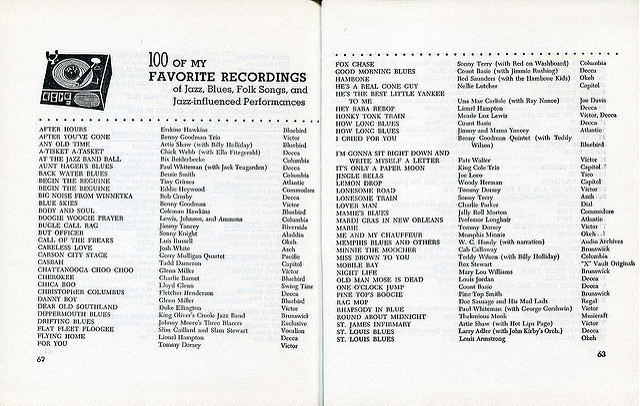
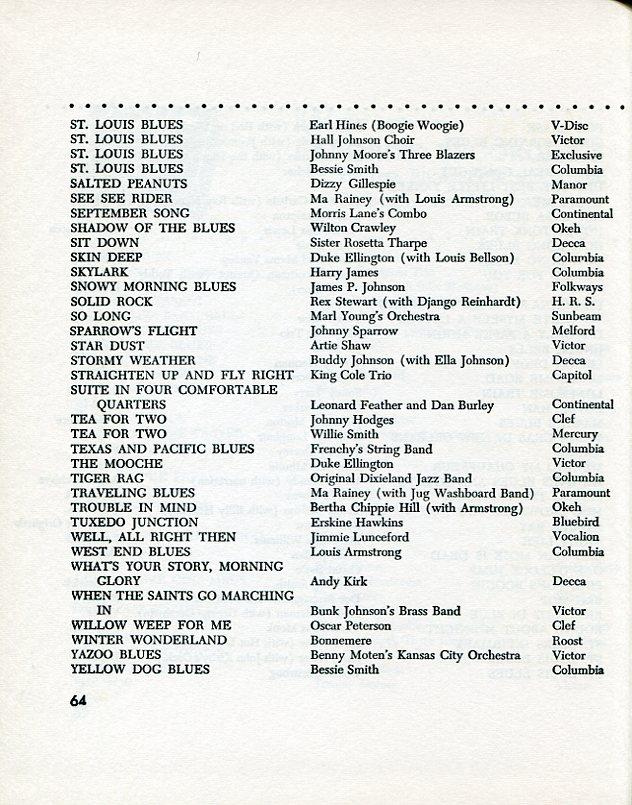
“At times,” writes Scott Mes­low at The Week, “read­ing Murakami’s work can feel like flip­ping through his leg­en­dar­i­ly expan­sive record col­lec­tion.” While we’ve pre­vi­ous­ly fea­tured playlists drawn from Murakami’s jazz obses­sion and from the gen­er­al vari­ety of his dis­crim­i­nat­ing (yet thor­ough­ly West­ern) musi­cal palate, these have been minus­cule by com­par­i­son with his per­son­al library of LPs, an “inspi­ra­tional… wall of 10,000 records,” the major­i­ty of which are jazz. Muraka­mi admits he always lis­tens to music when he works, and you can see part of his floor-to-ceil­ing record library, and huge speak­er sys­tem, in a pho­to of his desk on his attrac­tive­ly-designed web­site. Down below, we bring you one of the next best things to actu­al­ly sit­ting in his study, a playlist of 3,350 tracks from Murakami’s per­son­al col­lec­tion. (If you need Spo­ti­fy’s free soft­ware, down­load it here.)

Hoagy Carmichael, Lionel Hamp­ton, Her­bie Han­cock, Gene Kru­pa, Djan­go Rein­hardt, Sergei Prokofiev, Fred­er­ic Chopin… it’s quite a mix, and one that may not only remind you of sev­er­al moments in Murakami’s body of work, but will also give you a sam­pling of the sound­track to its author’s imag­i­na­tion as he tran­scribes the “cryp­tic writ­ing” we have to “trans­pose… into the cor­rect sounds” as we try to make sense of it.

If you would like to sign up for Open Culture’s free email newslet­ter, please find it here. It’s a great way to see our new posts, all bun­dled in one email, each day.

If you would like to sup­port the mis­sion of Open Cul­ture, con­sid­er mak­ing a dona­tion to our site. It’s hard to rely 100% on ads, and your con­tri­bu­tions will help us con­tin­ue pro­vid­ing the best free cul­tur­al and edu­ca­tion­al mate­ri­als to learn­ers every­where. You can con­tribute through Pay­Pal, Patre­on, and Ven­mo (@openculture). Thanks!

Relat­ed Con­tent:

A 96-Song Playlist of Music in Haru­ki Murakami’s Nov­els: Miles Davis, Glenn Gould, the Beach Boys & More

Haru­ki Murakami’s Pas­sion for Jazz: Dis­cov­er the Novelist’s Jazz Playlist, Jazz Essay & Jazz Bar

A Dream­i­ly Ani­mat­ed Intro­duc­tion to Haru­ki Muraka­mi, Japan’s Jazz and Base­ball-Lov­ing Post­mod­ern Nov­el­ist

Josh Jones is a writer and musi­cian based in Durham, NC. Fol­low him at @jdmagness

Watch Animated Introductions to 13 Classic Authors: Kafka, Austen, Dostoevsky, Dickens & Many More

Pop­u­lar inde­pen­dent philoso­pher Alain de Bot­ton has been pro­vid­ing mini-intro­duc­tions to aca­d­e­m­ic sub­jects for sev­er­al years now through his School of Life. These take the form of ani­mat­ed pré­cis of the life and work of a hand­ful of promi­nent authors who might be con­sid­ered rep­re­sen­ta­tive, if not essen­tial, to the dis­ci­pline. In phi­los­o­phy, we have such indis­pens­able fig­ures as Pla­to, Rene Descartes, and Immanuel Kant. In polit­i­cal the­o­ry, we have Adam Smith, John Rawls, Karl Marx. Wher­ev­er we land—conservative, lib­er­al, or radical—we end up inter­act­ing with such thinkers. When it comes to the gen­er­al cat­e­go­ry of “Lit­er­a­ture,” how­ev­er, it seems to me it should be a bit more dif­fi­cult to choose only a few fig­ure­heads.

For a good part of Euro­pean his­to­ry, most peo­ple couldn’t read the lan­guages they spoke, but even those who could were hard­ly con­sid­ered lit­er­ate. This dis­tinc­tion was reserved for elites with clas­si­cal edu­ca­tions who read Latin and usu­al­ly Greek. Lit­er­a­ture meant Vir­gil, Ovid, Horace, Homer…. Even after the Ref­or­ma­tion and the spread of lit­er­a­cy in “vul­gar” tongues, the dis­dain for com­mon tongues remained. The rad­i­cal­ism of Dante and lat­er Cer­vantes was to write great lit­er­a­ture in their nation­al lan­guages. Dur­ing the 18th cen­tu­ry, the nov­el was often con­sid­ered pri­mar­i­ly mid­dle class women’s enter­tain­ment, and in much of the 19th, a pop­u­lar diver­sion rarely wor­thy of the high­est crit­i­cal appraisal.

The 20th cen­tu­ry brought not only mod­ernist rev­o­lu­tions but social rev­o­lu­tions that opened doors for women voic­es and writ­ers pre­vi­ous­ly rel­e­gat­ed to the mar­gins. In our cur­rent age, a diver­si­ty of writ­ers now firm­ly occu­py the cen­ter of cul­ture. The oughts were dom­i­nat­ed by Junot Diaz’s Pulitzer Prize-win­ning The Brief Won­drous Life of Oscar Wao, for exam­ple. This year’s Pulitzer win­ners include Col­son White­head and poet Tye­him­ba Jess. Nobel and Pulitzer win­ner Toni Mor­ri­son just swept up anoth­er award from the Amer­i­can Acad­e­my of Arts & Sci­ences. This is not to men­tion mul­ti­ple-award-win­ning inter­na­tion­al writ­ers like Derek Wal­cott, Gabriel Gar­cia Mar­quez, Chi­ma­man­da Ngozi Adichie.… Ven­er­a­ble west­ern lit­er­ary tra­di­tions have become glob­al in com­po­si­tion.

But in every peri­od of lit­er­ary his­to­ry, inter­na­tion­al writ­ers inter­act­ed, cor­re­spond­ed, influ­enced, and pla­gia­rized each oth­er. There is no sin­gle line of descent through the his­to­ry of lit­er­a­ture, no sin­gu­lar impe­r­i­al sto­ry that dom­i­nates its pro­duc­tion and recep­tion. Its loca­tion varies from age to age, its fam­i­lies are mas­sive and sprawl­ing, loose­ly con­nect­ed at the edges, but some­times only very loose­ly. Per­haps it is a tes­ta­ment to the patri­cian con­ser­vatism of phi­los­o­phy that it remains a field dom­i­nat­ed by respons­es to dead great men. Lit­er­a­ture has proven much more dynam­ic. De Botton’s choic­es in his intro­duc­to­ry video series on lit­er­a­ture do not quite reflect this dynamism. Why Voltaire and not, well, Cer­vantes, gen­er­al­ly con­sid­ered for cen­turies the father of the mod­ern nov­el form? Why no Faulkn­er, Gertrude Stein, Haru­ki Muraka­mi, or Toni Mor­ri­son? No Allen Gins­berg, Mar­garet Atwood, James Bald­win?

These authors and many oth­ers may sure­ly be to come. And we should bear in mind the source: not only is de Bot­ton a pop philoso­pher first and crit­ic sec­on­dar­i­ly, but he is also pro­mot­ing a schol­ar­ly approach to self-help. The authors he choos­es, there­fore, all have life lessons to impart of the kind de Bot­ton believes can help us be hap­pi­er, nicer peo­ple who have bet­ter rela­tion­ships. Charles Dick­ens, at the top, for exam­ple, teach­es us to sym­pa­thize with oth­ers and to care about “seri­ous things.” Jane Austen want­ed us to be “bet­ter and wis­er,” and her nov­els offer read­ers a course in per­son­al devel­op­ment. From the exis­ten­tial bleak­ness of Fyo­dor Dos­toyevsky, we can draw life lessons about hope and redemp­tion in the midst of human fail­ure. Even the claus­tro­pho­bic night­mares of Franz Kaf­ka have their util­i­ty as “redemp­tive, con­sol­ing art.” De Bot­ton large­ly relies on bio­graph­i­cal crit­i­cism and strays quite a ways from received inter­pre­ta­tions.

His casu­al approach to lit­er­a­ture as a didac­tic tool of per­son­al bet­ter­ment has the hall­marks of a very Vic­to­ri­an out­look, with both the draw­backs and the ben­e­fits such a view entails. While the School of Life series may have a nar­row view of who pro­duces art, cul­ture, and phi­los­o­phy, it also has a com­pelling argu­ment to make that such things mat­ter and mat­ter great­ly. The human­i­ties need all the help they can get, and de Bot­ton seems to argue that we need them more than ever as well. Most read­ers of Open Cul­ture, I imag­ine, would sure­ly agree. See de Botton’s full series, includ­ing such prac­ti­cal writ­ers as James Joyce, Mar­cel Proust, George Orwell, and Leo Tol­stoy, at the School of Life YouTube playlist.

Relat­ed Con­tent:

Watch Ani­mat­ed Intro­duc­tions to 25 Philoso­phers by The School of Life: From Pla­to to Kant and Fou­cault

6 Polit­i­cal The­o­rists Intro­duced in Ani­mat­ed “School of Life” Videos: Marx, Smith, Rawls & More

Alain de Bot­ton Shows How Art Can Answer Life’s Big Ques­tions in Art as Ther­a­py

Josh Jones is a writer and musi­cian based in Durham, NC. Fol­low him at @jdmagness

Alejandro Jodorowsky’s Very First Film, La Cravate, Based on a Novella by Thomas Mann (1957)

Ale­jan­dro Jodor­owsky may have rede­fined the film-view­ing expe­ri­ence for a cou­ple gen­er­a­tions of art-house thrillseek­ers, but he did­n’t start his cre­ative jour­ney in cin­e­ma. Decades before he sent his audi­ences on the mind-alter­ing fea­ture-length trips (whether or not they came pre­pared for them with their own mind-alter­ing sub­stances) like El Topo and The Holy Moun­tain, he wrote poet­ry, worked as a clown, found­ed and direct­ed a the­ater troupe, and after relo­cat­ing from his native Chile to France, stud­ied mime and per­formed with Mar­cel Marceau. Only then had life pre­pared him to make his first film, 1957’s La Cra­vate.

Telling its sto­ry in vivid col­or but with­out words, the short (which also goes under such titles as Les têtes inter­ver­tiesThe Trans­posed Heads, and most sen­sa­tion­al­is­ti­cal­ly The Sev­ered Heads) draws on Jodor­owsky and his col­lab­o­ra­tors’ skills devel­oped in the per­form­ing arts to con­vert into cin­e­mat­ic mime Thomas Man­n’s 1950 novel­la The Trans­posed Heads: A Leg­end of India. Nov­el­ist Rayo Casablan­ca quotes Jodor­owsky describ­ing the tale as one of “a woman who has an intel­lec­tu­al hus­band, who is very weak phys­i­cal­ly. She also has a mus­cu­lar but idi­ot­ic lover. She cuts the heads off of the two men and inter­changes them. She remains with the mus­cu­lar body and the head of the intel­lec­tu­al. How­ev­er, after a cer­tain time, the body of the ath­lete is soft­ened and the body of the intel­lec­tu­al becomes vig­or­ous and mus­cu­lar.”

Mann, in Jodor­owsky’s read­ing, “want­ed to thus say that it is the intel­lect which makes the body,” but for near­ly fifty years, his own visu­al inter­pre­ta­tion went unseen. Not long after its pre­miere at Rome’s Cin­e­ma Auteur Fes­ti­val in 1957 it went miss­ing, pre­sumed lost, until the sole print­’s redis­cov­ery in a Ger­man attic in 2006. Final­ly, Jodor­owsky’s fans could see not just his direc­to­r­i­al debut but his first star­ring role onscreen, with a sup­port­ing cast that includ­ed the Bel­gian sur­re­al humorist Ray­mond Devos. The film’s moral, writes Dan­ger­ous Minds’ Paul Gal­lagher, “is nev­er to lose your head over unre­quit­ed love, but find some­one who loves you as you are,” but as with all of Jodor­owsky’s works, feel free to take from it what­ev­er mes­sage finds its way into your head.

Relat­ed Con­tent:

Ale­jan­dro Jodorowsky’s 82 Com­mand­ments for Liv­ing

Ale­jan­dro Jodor­owsky Explains How Tarot Cards Can Give You Cre­ative Inspi­ra­tion

The 14-Hour Epic Film, Dune, That Ale­jan­dro Jodor­owsky, Pink Floyd, Sal­vador Dalí, Moe­bius, Orson Welles & Mick Jag­ger Nev­er Made

Watch Mar­cel Marceau Mime The Mask Mak­er, a Sto­ry Cre­at­ed for Him by Ale­jan­dro Jodor­owsky (1959)

Based in Seoul, Col­in Mar­shall writes and broad­casts on cities and cul­ture. He’s at work on a book about Los Ange­les, A Los Ange­les Primer, the video series The City in Cin­e­ma, the crowd­fund­ed jour­nal­ism project Where Is the City of the Future?, and the Los Ange­les Review of Books’ Korea Blog. Fol­low him on Twit­ter at @colinmarshall or on Face­book.

An Epic Retelling of the Great Chinese Novel Romance of the Three Kingdoms: 110 Free Episodes and Counting

Romance of the Three King­doms is con­sid­ered one of the Four Great Clas­si­cal Nov­els of Chi­nese lit­er­a­ture, and its lit­er­ary influ­ence in East Asia rivals that of Shake­speare in the Eng­lish speak­ing world. “Writ­ten 600 years ago,” writes the BBC, “it is an his­tor­i­cal nov­el that tells the sto­ry of a tumul­tuous peri­od in Chi­nese his­to­ry, the 2nd and 3rd cen­turies AD. Part­ly his­tor­i­cal and part­ly leg­end, it recounts the fight­ing and schem­ing of the feu­dal lords and the three states which came to pow­er as the Han Dynasty col­lapsed.”

And now the ancient meets the mod­ern…

If you lis­ten to the Romance of the Three King­doms pod­cast, you can hear John Zhu’s attempt to retell this epic tale and make it acces­si­ble to a West­ern audi­ence. The first 110 episodes are avail­able on YouTube, the web, and iTunes–with at least anoth­er 10 to come. Quite a feat. Have a lis­ten.

To learn more about Romance of the Three King­doms, lis­ten to this episode of the BBC’s In Our Time.

If you would like to sign up for Open Culture’s free email newslet­ter, please find it here. It’s a great way to see our new posts, all bun­dled in one email, each day.

If you would like to sup­port the mis­sion of Open Cul­ture, con­sid­er mak­ing a dona­tion to our site. It’s hard to rely 100% on ads, and your con­tri­bu­tions will help us con­tin­ue pro­vid­ing the best free cul­tur­al and edu­ca­tion­al mate­ri­als to learn­ers every­where. You can con­tribute through Pay­Pal, Patre­on, and Ven­mo (@openculture). Thanks!

via metafil­ter

Relat­ed Con­tent:

1,000 Free Audio Books: Down­load Great Books for Free

The His­to­ry of Rome in 179 Pod­casts

The His­to­ry of Phi­los­o­phy With­out Any Gaps Pod­cast, Now at 239 Episodes, Expands into East­ern Phi­los­o­phy

by | Permalink | Make a Comment ( 1 ) |

Edgar Allan Poe Published a “CliffsNotes” Version of a Science Textbook & It Became His Only Bestseller (1839)

A fas­ci­nat­ing 20th cen­tu­ry lit­er­ary strain, “doc­u­men­tary poet­ics,” melds jour­nal­is­tic accounts, pho­tog­ra­phy, offi­cial texts and mem­os, pol­i­tics, and sci­en­tif­ic and tech­ni­cal writ­ing with lyri­cal and lit­er­ary lan­guage. Per­haps best exem­pli­fied by Muriel Rukeyser, the cat­e­go­ry also includes, at cer­tain times, James Agee, Langston Hugh­es, Richard Wright, Zora Neale Hurston, and—currently—Claudia Rank­ine and “pow­er­house” new poet Sol­maz Sharif. It does not include Edgar Allan Poe, famous­ly alco­holic 19th cen­tu­ry mas­ter of the macabre and “father of the detec­tive sto­ry.”

But you’ll for­give me for think­ing, excit­ed­ly, that it just might, when I learned Poe had pub­lished a text called The Conchologist’s First Book (1839), a con­den­sa­tion, rearrange­ment, and “remix­ing,” as Rebec­ca Onion writes at Slate, of “an exist­ing… beau­ti­ful and expen­sive” sci­ence text­book, Thomas Wyatt’s Man­u­al of Con­chol­o­gy, includ­ing the orig­i­nal plates and a “new pref­ace and intro­duc­tion.”

My mind reeled: what won­drous hor­rors might the morose, roman­tic Poe have con­tributed to such an enter­prise, his best-sell­ing work, it turns out, in his life­time. (For which Poe was paid $50 and, typ­i­cal­ly, received no roy­al­ties). What kind of exper­i­men­tal mad­ness might these cov­ers con­tain?

As I might have assumed from the book’s total obscu­ri­ty, Poe’s writer­ly con­tri­bu­tions to the project were mea­ger. For all his genius as a sto­ry­teller, he could be a long-wind­ed bore as an essay­ist. It seems he thought this aspect of his voice was best suit­ed to the orig­i­nal writ­ing he did for Conchologist’s First. His biog­ra­phers, notes Uni­ver­si­ty of Hous­ton pro­fes­sor emer­i­tus John H. Lien­hard, all “mut­ter an embar­rassed apol­o­gy for Poe’s shady side-track—then hur­ry back to talk about The Raven.” Onion quotes one biog­ra­ph­er Jef­frey Mey­ers, who writes, “Poe’s bor­ing pedan­tic and hair-split­ting Pref­ace was absolute­ly guar­an­teed to tor­ment and dis­cour­age even the most pas­sion­ate­ly inter­est­ed school­boy.”

As for its “shadi­ness,” the book also elic­its embar­rass­ment from Poe devo­tees because, as esteemed biol­o­gist and his­to­ri­an of sci­ence Stephen J. Gould wrote in his excul­pa­to­ry essay “Poe’s Great­est Hit,” it was “basi­cal­ly a scam,” though “not so bad­ly done” as most allege. The nat­u­ral­ist Wyatt, a friend of Poe’s, had begged his pub­lish­er to release an abridged stu­dent edi­tion of his orig­i­nal lav­ish and pricey $8 text­book, which had not sold well. When the pub­lish­er balked, Wyatt con­tract­ed Poe to lend his name and con­sid­er­able edi­to­r­i­al skill to a more-or-less boot­leg “Cliff­s­Notes” ver­sion to be sold for $1.50. To make mat­ters worse, Poe and Wyatt were both accused of pla­gia­rism, hav­ing “lift­ed chunks of their book from an Eng­lish nat­u­ral­ist, Thomas Brown,” Lien­hard points out.

Gould defend­ed Poe as a rewriter of oth­ers’ work. “Yes, Poe pla­gia­rized,” as Lien­hard sum­ma­rizes the argu­ment. He pre­sent­ed Brown’s, and Wyat­t’s, work as his own, but, “flu­ent in French, [he] went back to read Georges Cuvi­er, the great French nat­u­ral­ist” and made his own trans­la­tions. He wrote his own intro­duc­to­ry mate­r­i­al, and he reor­ga­nized Wyatt’s book in such a way as to pro­vide “gen­uine­ly use­ful insight into bio­log­i­cal tax­on­o­my.” Poe’s edition—with its “for­mi­da­ble sub­ti­tle,” A Sys­tem of Tes­ta­ceous Mala­col­o­gy, arranged Express­ly for the Use of Schools—actu­al­ly proved a hit with stu­dents, and like­ly not only because it sold cheap. It was the only pub­li­ca­tion in Poe’s life­time to make it to a sec­ond edi­tion.

Maybe human­ist read­ers approach the work with bias­es firm­ly in place, expect­ing a genre that’s dry by its very nature to con­tain all the lit­er­ary bril­liance and enter­tain­ing intrigue of “The Tell-Tale Heart.” Lien­hard sug­gests as much, describ­ing irri­ta­tion at how his “lit­er­ary friends” ignore the sci­en­tif­ic work of writ­ers like Thore­au, Thomas Paine, Goethe, and poet Oliv­er Gold­smith. “Poe’s excur­sion into nat­ur­al phi­los­o­phy,” he writes, “was an embar­rass­ment to peo­ple who are embar­rassed by sci­ence in the first place.” Maybe.

Both Gould and Lien­hard shrug off the less-than-scrupu­lous cir­cum­stances of the book’s cre­ation, the lat­ter cit­ing a “cyn­i­cal remark” by play­wright Wil­son Mizn­er: “If you steal from one author, it’s pla­gia­rism. If you steal from many, it’s research.” At least he doesn’t go as far as Mark Twain, who once wrote in defense of Helen Keller, after she was charged with lit­er­ary bor­row­ing, “the ker­nel, the soul—let us go fur­ther and say the sub­stance, the bulk, the actu­al and valu­able mate­r­i­al of all human utterance—is pla­gia­rism.”

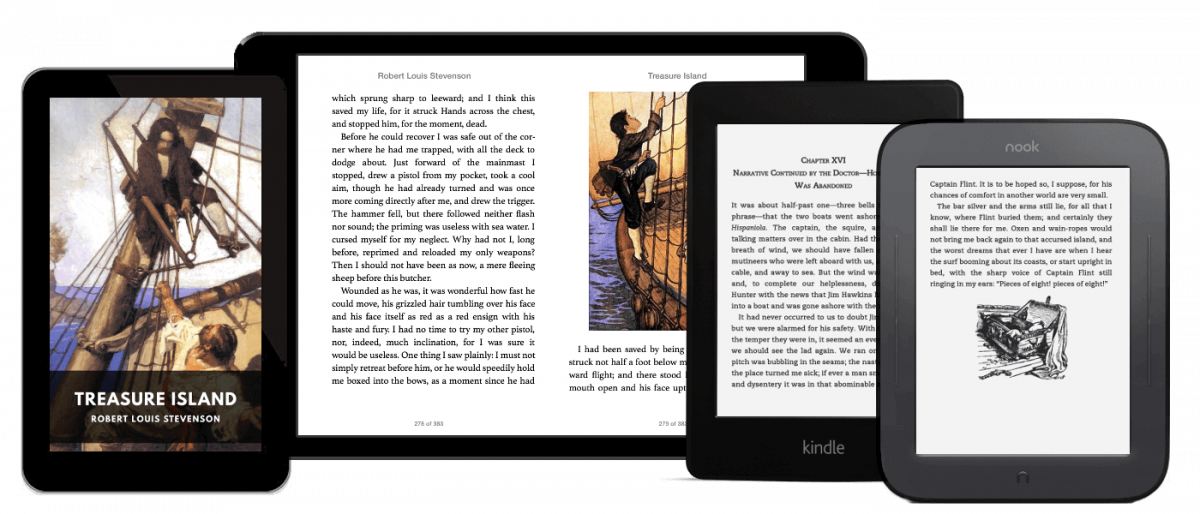
Read the first, 1839 edi­tion of The Conchologist’s First Book, pub­lished under Edgar A. Poe, at the Inter­net Archive, and the revised sec­ond, 1840 edi­tion at Google Books.

via Slate

Relat­ed Con­tent:

Down­load The Com­plete Works of Edgar Allan Poe: Macabre Sto­ries as Free eBooks & Audio Books

Mark Twain’s Patent­ed Inven­tions for Bra Straps and Oth­er Every­day Items

Walt Whitman’s Unearthed Health Man­u­al, “Man­ly Health & Train­ing,” Urges Read­ers to Stand (Don’t Sit!) and Eat Plen­ty of Meat (1858)

Josh Jones is a writer and musi­cian based in Durham, NC. Fol­low him at @jdmagness

« Go BackMore in this category... »
Quantcast