Download Ralph Ellison’s Invisible Man as a Free Audiobook (Available for a Limited Time)

When Ralph Elli­son pub­lished his first nov­el, Invis­i­ble Man, in 1952, it took the lit­er­ary world by storm. Orville Prescott, a lit­er­ary crit­ic at The New York Times, wrote in April of ’52:

Ralph Ellison’s first nov­el, “The Invis­i­ble Man,” is the most impres­sive work of fic­tion by an Amer­i­can Negro which I have ever read. Unlike Richard Wright and Willard Mot­ley, who achieve their best effects by over­pow­er­ing their read­ers with doc­u­men­tary detail, Mr. Elli­son is a fin­ished nov­el­ist who uses words with great skill, who writes with poet­ic inten­si­ty and immense nar­ra­tive dri­ve. “Invis­i­ble Man” has many flaws. It is a sen­sa­tion­al and fever­ish­ly emo­tion­al book. It will shock and sick­en some of its read­ers. But, what­ev­er the final ver­dict on “Invis­i­ble Man” may be, it does mark the appear­ance of a rich­ly tal­ent­ed writer.

Invis­i­ble Man won the U.S. Nation­al Book Award for Fic­tion the fol­low­ing year. And the belief that Elli­son wrote some­thing spe­cial has­n’t dimin­ished since. Case in point: When Mod­ern Library cre­at­ed a list of the 100 best Eng­lish-lan­guage nov­els of the 20th cen­tu­ry, they placed Invis­i­ble Man at num­ber 19.

As Don Katz tells us above, the book touched him deeply dur­ing his col­lege years at NYU. Now the founder and CEO of Audible.com, he’s let­ting you down­load Invis­i­ble Man as a free audio­book. The free down­load is avail­able at Audi­ble and at Ama­zon until Decem­ber 31st. (Audi­ble is an Ama­zon sub­sidiary). Please note that you’ll need to cre­ate an account to get the down­load. But appar­ent­ly no payment/credit card info is required.

Sep­a­rate­ly, I should also men­tion that Audi­ble offers a free 30-day tri­al pro­gram, where they let you down­load two pro­fes­sion­al­ly-read audio­books. At the end of 30 days, you can decide whether to become an Audi­ble sub­scriber or not. Either way, you can keep the two free audio­books. Find more infor­ma­tion on that free tri­al pro­gram here.

Again, the links to down­load Invis­i­ble Man are here: Audi­ble — Ama­zon. And remem­ber, we have more free audio­books in our col­lec­tion, 1,000 Free Audio Books: Down­load Great Books for Free. Most­ly clas­sics.

If you would like to sign up for Open Culture’s free email newslet­ter, please find it here. It’s a great way to see our new posts, all bun­dled in one email, each day.

If you would like to sup­port the mis­sion of Open Cul­ture, con­sid­er mak­ing a dona­tion to our site. It’s hard to rely 100% on ads, and your con­tri­bu­tions will help us con­tin­ue pro­vid­ing the best free cul­tur­al and edu­ca­tion­al mate­ri­als to learn­ers every­where. You can con­tribute through Pay­Pal, Patre­on, and Ven­mo (@openculture). Thanks!

Relat­ed Con­tent

Ralph Elli­son Reads from His Novel-in-Progress,Juneteenth, in Rare Video Footage (1966)

Flan­nery O’Connor Reads ‘A Good Man is Hard to Find’ in Rare 1959 Audio

by | Permalink | Make a Comment ( 5 ) |

How to Recognize a Dystopia: Watch an Animated Introduction to Dystopian Fiction

Lit­er­a­ture and film can open up to the depth and immen­si­ty of social truths we find pro­found­ly dif­fi­cult, if not impos­si­ble, to artic­u­late. If our polit­i­cal vocab­u­lary (as Oxford Dic­tio­nar­ies sug­gest­ed in their word of the year) has become “post-truth,” it can seem like the only hon­est rep­re­sen­ta­tions of real­i­ty are found in the imag­i­nary.

Amidst the vio­lent upheavals of the last cou­ple decades, for exam­ple, we have seen an explo­sion of the dystopi­an, that ven­er­a­ble yet mod­ern genre we use to explain our con­tem­po­rary polit­i­cal con­di­tions to our­selves. It has become com­mon prac­tice in seri­ous debate to ges­ture toward the out­sized cin­e­mat­ic sce­nar­ios of Snow­piercer, or The Hunger Games and Har­ry Pot­ter series, as stand-ins for dis­turb­ing present real­i­ties.

You may have also encoun­tered recent ref­er­ences to lit­er­ary spec­u­la­tive fic­tion like William Gibson’s The Periph­er­al, Mar­garet Atwood’s The Handmaid’s Tale, Olivia Butler’s Para­ble series, and Philip K. Dick’s Radio Free Albe­muth, the first nov­el Dick wrote before VALIS about his sup­posed reli­gious expe­ri­ence. Draft­ed in 1976 but only pub­lished posthu­mous­ly in 1985, Dick­’s pre­scient nov­el takes place in an alter­nate U.S. (like The Man in the High Cas­tle), in which para­noid right-wing zealot Fer­ris Fre­mont, a Joseph McCarthy/Richard Nixon-like fig­ure, suc­ceeds Lyn­don John­son as pres­i­dent.

There is no point in dwelling on the ethics of Fer­ris Fre­mont.… The Sovi­ets backed him, the right-wingers backed him, and final­ly just about every­one… Fre­mont had the back­ing of the US intel­li­gence com­mu­ni­ty, as they liked to call them­selves, and exi­gents played an effec­tive role in dec­i­mat­ing polit­i­cal oppo­si­tion. In a one-par­ty sys­tem there is always a land­slide.

The sti­fling total­i­tar­i­an con­trol Fre­mont exer­cis­es is very much a hall­mark of dystopi­an fic­tion. But does Dick’s novel—set in an alter­nate present rather than a fright­en­ing future, and with an alien/supernatural invasion—qualify as dystopi­an? What about Har­ry Pot­ter, with its fairy tale intru­sions of the mag­i­cal into the present? The TED Ed video at the top, nar­rat­ed by Alex Gendler, sets flex­i­ble bound­aries for a cat­e­go­ry we’ve most­ly come to asso­ciate with prophet­ic, futur­is­tic sci­ence fic­tion, and offers a broad­ly com­pre­hen­sive def­i­n­i­tion.

The word dystopia, a Greek coinage for “bad place,” dates to 1868, from a usage by John Stu­art Mill to char­ac­ter­ize the indus­tri­al world’s moral inver­sion of Sir Thomas More’s Utopia. That word, Gendler points out, is a term More invent­ed to mean either “no place” or “good place.” Gendler dates the emer­gence of the dystopi­an to Jonathan Swift’s satire Gulliver’s Trav­els, a book, like Har­ry Pot­ter, set in an alter­nate present fea­tur­ing many mon­strous intru­sions of the fan­tas­tic into the real. Unlike the boy wiz­ard’s saga, how­ev­er, the mon­sters in Gul­liv­er serve as alle­gories for us.

Swift, Gendler argues, “estab­lished a blue­print for dystopia.” His Lil­liputians, Bob­d­ing­na­gians, Laputions, and Houy­hnhn­ms all rep­re­sent “cer­tain trends in con­tem­po­rary soci­ety… tak­en to extremes.” In lat­er exam­ples, the form con­tin­ued to reflect the per­ni­cious thought and sci­ence of the age: the extreme eugen­ics of H.G. Wells’ The Time Machine, the prison-like fac­to­ry con­di­tions of Fritz Lang’s film Metrop­o­lis, the repres­sive hyper-ratio­nal­iza­tion in Yevge­ny Zamyatin’s 1924 Sovi­et-based dystopia We, and the med­ical tech­noc­ra­cy of Aldous Huxley’s Brave New World.

Bor­row­ing lib­er­al­ly from Zamy­atin and com­pet­ing with Hux­ley, George Orwell’s 1984 set a new stan­dard of verisimil­i­tude for dystopi­an fic­tion, stark­ly remind­ing thou­sands of post-war read­ers that “the best-known dystopias were not imag­i­nary at all,” Gendler says. The his­tor­i­cal night­mares of World War II and the fol­low­ing Cold War dic­ta­tor­ships birthed hor­rors for which we can nev­er find appro­pri­ate lan­guage. And so we turn to nov­els like 1984 and Kurt Vonnegut’s Cat’s Cra­dle, both of which apt­ly show us worlds where lan­guage has ceased to func­tion in any ordi­nary com­mu­nica­tive sense.

Per­haps one of the most-ref­er­enced of dystopi­an nov­els in U.S. polit­i­cal dis­course, Sin­clair Lewis’ 1935 It Can’t Hap­pen Here, gave lit­tle but its title to the pop­u­lar lex­i­con. “Lewis,” writes Alexan­der Nazaryan in The New York­er, “was nev­er much of an artist, but what he lacked in style he made up for with social obser­va­tion.” The nov­el “envi­sioned how eas­i­ly,” Gendler says, “democ­ra­cy gives way to fas­cism.” The cri­sis point comes when the peo­ple want “safe­ty and con­ser­vatism again,” as Roo­sevelt observed that same year—a year in which “the promise of the New Deal,” Nazaryan remarks, “remained unful­filled for many.”

The irony of Lewis’ sce­nario is that those left behind by Roo­sevelt’s poli­cies are those who suf­fer most under the fic­tion­al pres­i­den­cy of author­i­tar­i­an Sen­a­tor Berzelius “Buzz” Win­drip. Mean­while, the more com­fort­able con­sole them­selves with hol­low denials: “it can’t hap­pen here.” Extreme eco­nom­ic inequal­i­ty and social strat­i­fi­ca­tion have been an essen­tial fea­ture of clas­si­cal utopi­an fic­tion since its first appear­ance in Plato’s Repub­lic. In the mod­ern lit­er­ary dystopia, the sci­ence, tech­nol­o­gy, and polit­i­cal mech­a­niza­tion that philoso­phers once cel­e­brat­ed become implaca­ble weapons of war against the cit­i­zen­ry.

For all the mal­leable bound­aries of the genre—which strays into sci­ence fic­tion, fan­ta­sy, sur­re­al­ism, and satire—dystopian fic­tions all have one uni­fy­ing theme: “At their heart,” says Gendler, “dystopias are cau­tion­ary tales, not about some par­tic­u­lar gov­ern­ment or tech­nol­o­gy, but the very idea that human­i­ty can be mold­ed into an ide­al shape.”

Relat­ed Con­tent:

A Clock­work Orange Author Antho­ny Burgess Lists His Five Favorite Dystopi­an Nov­els: Orwell’s 1984, Huxley’s Island & More

Octavia Butler’s 1998 Dystopi­an Nov­el Fea­tures a Fascis­tic Pres­i­den­tial Can­di­date Who Promis­es to “Make Amer­i­ca Great Again”

Hux­ley to Orwell: My Hell­ish Vision of the Future is Bet­ter Than Yours (1949)

Josh Jones is a writer and musi­cian based in Durham, NC. Fol­low him at @jdmagness

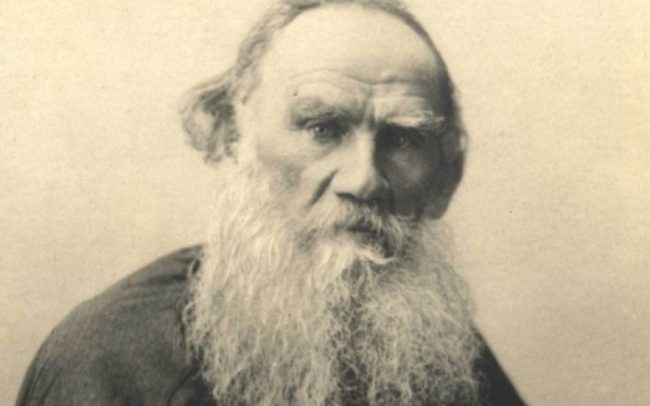
Five Short Stories by Leo Tolstoy: A Free AudioBook

tolstoy rules 2

Though known for his long epic nov­els War and Peace and Anna Karen­i­na, Leo Tol­stoy wrote short sto­ries too. Below, you can stream read­ings of five such sto­ries, “The Three Her­mits,” “Three Deaths,” “Albert,” “Ernak, and “God Sees the Truth But Waits.” They’re read by Bart Wolfe, and made freely avail­able on Spo­ti­fy. (If you need Spo­ti­fy’s soft­ware, down­load it here.) If you want to get it from iTunes, it will run you $6.95.

This three-hour record­ing will be added to our col­lec­tion, 1,000 Free Audio Books: Down­load Great Books for Free. Mean­while, if you’d like to down­load two pro­fes­sion­al­ly-read audio­books from Audi­ble for free, get more infor­ma­tion on that here.

Relat­ed Con­tent:

Leo Tol­stoy Cre­ates a List of the 50+ Books That Influ­enced Him Most (1891)

Leo Tolstoy’s 17 “Rules of Life:” Wake at 5am, Help the Poor, & Only Two Broth­el Vis­its Per Month

An Ani­mat­ed Intro­duc­tion to Leo Tol­stoy, and How His Great Nov­els Can Increase Your Emo­tion­al Intel­li­gence

Free Online Lit­er­a­ture Cours­es

by | Permalink | Make a Comment ( 2 ) |

Hear Kurt Vonnegut’s Novel, Cat’s Cradle, Get Turned into Avant-Garde Music (Featuring Kurt Himself)

vonnegut drawing

Image by Daniele Prati, via Flickr Com­mons

Kurt Vonnegut’s 1963 nov­el Cat’s Cra­dle resem­bles its title, a web of over­lap­ping and entan­gled sto­ries, all of which have huge holes in the mid­dle. And the book—as have many of his slim, sur­re­al­ist pop masterpieces—was read by many crit­ics as lightweight—whimsical and sen­ti­men­tal.  One review­er in The New York Review of Books, for exam­ple, called Von­negut a “com­pil­er of easy to read tru­isms about soci­ety who allows everyone’s heart to be in the right place.”

Not so, argues Uni­ver­si­ty of Puer­to Rico schol­ar Mark Wekan­der Voigt. For all its silliness—such as its Calyp­so-heavy “par­o­dy of a mod­ern invent­ed reli­gion that will make every­one hap­py”—Cat’s Cra­dle, writes Voigt, “is essen­tial­ly about the moral issues involved in a demo­c­ra­t­ic gov­ern­ment using the atom bomb.” Vonnegut’s nov­el sug­gests that “to be real­ly eth­i­cal, to think about right and wrong, means that we must dis­pense with the author­i­ties who tell us what is right and wrong.”

John, the hero of Cat’s Cra­dle, begins his absur­dist hero’s quest by intend­ing to write a “fac­tu­al” account­ing of what “impor­tant Amer­i­cans had done on the day when the first atom­ic bomb was dropped on Hiroshi­ma, Japan.” The ref­er­ences would not have been lost on Vonnegut’s con­tem­po­rary read­ers, who would all have been famil­iar with John Hersey’s har­row­ing 1946 Hiroshi­ma, the most pop­u­lar book ever writ­ten about the drop­ping of the bomb, with six survivor’s sto­ries told in a thrilling, engag­ing style and “all the enter­tain­ment of a well-writ­ten nov­el.”

Von­negut, how­ev­er, writes an alien­at­ing anti-nov­el, in part to demon­strate his point that “to dis­cuss the eth­i­cal impli­ca­tions of drop­ping the bomb on Hiroshi­ma, one should not look at the vic­tims, but at those who were involved in devel­op­ing such a bomb and their gov­ern­ment.” Increas­ing­ly, how­ev­er, it becomes hard­er and hard­er to look at any­thing direct­ly. In the novel’s par­o­dy reli­gion, Bokonon­ism, all lies are poten­tial­ly truths, all truths poten­tial­ly lies. Lan­guage in the mil­i­tary-indus­tri­al-com­plex world of the bomb, Von­negut sug­gests, had become as change­able and poten­tial­ly dead­ly as the sub­stance called “Ice‑9,” a poly­morph of water that can instant­ly turn rivers, lakes, and even whole oceans into ice.

Evok­ing the nov­el­’s high-wire bal­anc­ing act of goofy songs and rit­u­als and metaphors for the glob­al anni­hi­la­tion of the earth by nuclear weapons, the 2001 album above, Ice‑9 Bal­lads, pairs Von­negut with com­pos­er Dave Sol­dier and the Man­hat­tan Cham­ber orches­tra for an adap­ta­tion, of sorts, of Cat’s Cra­dle. Von­negut nar­rates evoca­tive snatch­es of the book, and the songs illus­trate key themes, such as the strained patois the inhab­i­tants of the fic­tion­al island of San Loren­zo speak. One exam­ple, the phrase “Dyot meet mat” (“God made mud”), gives us the title and refrain of the sec­ond track on the album.

“The music switch­es tones through­out to match the tone of the nov­el at some lev­el,” writes All­mu­sic, and there are also two addi­tion­al, vague­ly-relat­ed pieces at the end. “A Soldier’s Sto­ry” is a “faux-radio opera,” notes Time Out New York’s Mol­ly Sheri­dan, with a libret­to, writ­ten by Von­negut, about Eddie Slovik, the only sol­dier exe­cut­ed for deser­tion dur­ing World War II. A lat­er 2005 release of “A Soldier’s Sto­ry” bore a Parental Advi­so­ry warn­ing, though it is “not the obscen­i­ties that cause alarm, but the way in which moral con­tra­dic­tions inher­ent in the tale res­onate against present-day mil­i­tary involve­ments.”

The final piece, “East St. Louis, 1968,” is a sur­pris­ing­ly exper­i­men­tal, orches­tral-backed pas­tiche of soul, hip-hop and gospel. Tru­ly, like many a Von­negut nov­el, Ice‑9 Bal­ladswrites All­mu­sic, is “get­ting the avant-garde label from the eclec­ti­cism in it, but pro­vid­ing decid­ed­ly non-avant garde bits and pieces through­out that make the whole.… Don’t go in expect­ing some­thing bland or pre­dictable.” See more cred­its for the album at its label’s web­site here.

You can stream Ice‑9 Bal­lads on Spo­ti­fy for free (get Spo­ti­fy’s free soft­ware here) or pur­chase a copy online.

Relat­ed Con­tent:

In 1988, Kurt Von­negut Writes a Let­ter to Peo­ple Liv­ing in 2088, Giv­ing 7 Pieces of Advice

Bene­dict Cum­ber­batch Reads Kurt Vonnegut’s Incensed Let­ter to the High School That Burned Slaugh­ter­house-Five

Kurt Von­negut Dia­grams the Shape of All Sto­ries in a Master’s The­sis Reject­ed by U. Chica­go

Josh Jones is a writer and musi­cian based in Durham, NC. Fol­low him at @jdmagness.

Franz Kafka Story Gets Adapted into an Award-Winning Australian Short Film: Watch Two Men

“When you go walk­ing by night up a street and a man, vis­i­ble a long way off — for the street mounts uphill and there is a full moon — comes run­ning toward you, well, you don’t catch hold of him, not even if he is a fee­ble and ragged crea­ture, not even if some­one chas­es yelling at his heels, but you let him run on.” Good advice, you might think, “for it is night, and you can’t help it if the street goes uphill before you in the moon­light, and besides, these two have maybe start­ed that chase to amuse them­selves, or per­haps they are both chas­ing a third, per­haps the first is an inno­cent man and the sec­ond wants to mur­der him and you would become an acces­so­ry.”

Or “per­haps they don’t know any­thing about each oth­er and are mere­ly run­ning sep­a­rate­ly home to bed, per­haps they are night birds, per­haps the first man is armed. And any­how, haven’t you a right to be tired, haven’t you been drink­ing a lot of wine? You’re thank­ful that the sec­ond man is now long out of sight.” So goes the entire­ty of “Passers-by,” a very short sto­ry — one might now use the label “flash fic­tion” — writ­ten some­time between 1908 and 1913 by none oth­er than Franz Kaf­ka. If short sto­ries make more suit­able bases for fea­ture-length films than nov­els do, sure­ly extra-short sto­ries do the same for short films. Direc­tor Dominic Allen test­ed that idea in 2009 with Two Men, the adap­ta­tion of “Passers-by” above.

Allen has also made the bold move of trans­plant­i­ng the sto­ry from Kafka’s home turf of a vague and alle­gor­i­cal Europe to the Kim­ber­ley, the north­ern tip of West­ern Aus­tralia and one of the first set­tled parts of the con­ti­nent — not by Euro­peans, but prob­a­bly by pre-Indone­sians of 41,000 years ago. “My hope was that by retelling a hun­dred year old philo­soph­i­cal tale set in Euro­pean city at night in such a dif­fer­ent con­text as deep in the Aus­tralian Kim­ber­ley in the heat of a sun­ny day and by hav­ing it retold by a mod­ern Indige­nous thinker,” writes Allen, “I would affirm an ele­ment of human­i­ty’s com­mon­al­i­ty.”

Two Men also hap­pened to win him the Emerg­ing Aus­tralian Film­mak­er Award at the Mel­bourne Inter­na­tion­al Film Fes­ti­val and the 2009 Inside Film Ris­ing Tal­ent Award, but his oth­er more imme­di­ate goals includ­ed cel­e­brat­ing “the robust and healthy youth of Fitzroy Cross­ing,” the town in which he and his col­lab­o­ra­tors filmed, and to “rein­force Kafka’s point that it’s impos­si­ble to ever tru­ly know anoth­er’s moti­va­tions.” Or, in the local­ly inflect­ed words of the short­’s motion­less observ­er-nar­ra­tor, “You just bloody nev­er know.”

Two Men will be added to our col­lec­tion, 4,000+ Free Movies Online: Great Clas­sics, Indies, Noir, West­erns, Doc­u­men­taries & More.

Relat­ed Con­tent:

Franz Kaf­ka: An Ani­mat­ed Intro­duc­tion to His Lit­er­ary Genius

Franz Kaf­ka: The Ani­mat­ed Short Film

Orson Welles Nar­rates Ani­mat­ed Ver­sion of Kafka’s Para­ble, “Before the Law”

Kafka’s Night­mare Tale, ‘A Coun­try Doc­tor,’ Told in Award-Win­ning Japan­ese Ani­ma­tion

Vladimir Nabokov (Chan­nelled by Christo­pher Plum­mer) Teach­es Kaf­ka at Cor­nell

Prague’s Franz Kaf­ka Inter­na­tion­al Named World’s Most Alien­at­ing Air­port

Based in Seoul, Col­in Mar­shall writes and broad­casts on cities and cul­ture. He’s at work on a book about Los Ange­les, A Los Ange­les Primer, the video series The City in Cin­e­ma, the crowd­fund­ed jour­nal­ism project Where Is the City of the Future?, and the Los Ange­les Review of Books’ Korea Blog. Fol­low him on Twit­ter at @colinmarshall or on Face­book.

Philosopher Richard Rorty Chillingly Predicts the Results of the 2016 Election … Back in 1998

rorty

Twen­ty years ago a strong aca­d­e­m­ic left in uni­ver­si­ties all over the world spoke to polit­i­cal cul­ture the way that a glob­al­ized nation­al­ist far-right seems to now. Among pub­lic intel­lec­tu­als in the U.S., Richard Rorty’s name held par­tic­u­lar sway. Yet in his con­trar­i­an 1998 book Achiev­ing Our Coun­try, Rorty argued against the par­tic­i­pa­tion of phi­los­o­phy in pol­i­tics. A mem­ber of the so-called “Old Left,” or what he called the “reformist left,” Rorty took on the “Cul­tur­al Left” in ways we now hear in (often bit­ter) debates between sim­i­lar camps. In the course of his attacks, he made the uncan­ny pre­dic­tion above.

The cul­tur­al left, wrote Rorty, had come “to give cul­tur­al pol­i­tics pref­er­ence over real pol­i­tics, and to mock the very idea that demo­c­ra­t­ic insti­tu­tions might once again be made to serve social jus­tice.” He fore­saw cul­tur­al pol­i­tics on the left as con­tribut­ing to a tidal wave of resent­ment that would one day result in a time when “all the sadism which the aca­d­e­m­ic left has tried to make unac­cept­able to its stu­dents will come flood­ing back.”

As demo­c­ra­t­ic insti­tu­tions fail, he writes in the quote above:

[M]embers of labor unions, and unor­ga­nized unskilled work­ers, will soon­er or lat­er real­ize that their gov­ern­ment is not even try­ing to pre­vent wages from sink­ing or to pre­vent jobs from being export­ed. Around the same time, they will real­ize that sub­ur­ban white-col­lar workers—themselves des­per­ate­ly afraid of being downsized—are not going to let them­selves be taxed to pro­vide social ben­e­fits for any­one else.

At that point, some­thing will crack. The non­sub­ur­ban elec­torate will decide that the sys­tem has failed and start look­ing around for a strong­man to vote for—someone will­ing to assure them that, once he is elect­ed, the smug bureau­crats, tricky lawyers, over­paid bond sales­men, and post­mod­ernist pro­fes­sors will no longer be call­ing the shots. A sce­nario like that of Sin­clair Lewis’ nov­el It Can’t Hap­pen Here may then be played out. For once a strong­man takes office, nobody can pre­dict what will hap­pen. In 1932, most of the pre­dic­tions made about what would hap­pen if Hin­den­burg named Hitler chan­cel­lor were wild­ly overop­ti­mistic.

One thing that is very like­ly to hap­pen is that the gains made in the past forty years by black and brown Amer­i­cans, and by homo­sex­u­als, will be wiped out. Joc­u­lar con­tempt for women will come back into fash­ion. The words [slur for an African-Amer­i­can that begins with “n”] and [slur for a Jew­ish per­son that begins with “k”] will once again be heard in the work­place. All the sadism which the aca­d­e­m­ic Left has tried to make unac­cept­able to its stu­dents will come flood­ing back. All the resent­ment which bad­ly edu­cat­ed Amer­i­cans feel about hav­ing their man­ners dic­tat­ed to them by col­lege grad­u­ates will find an out­let.

He also then argues, how­ev­er, that this sadism will not sole­ly be the result of “eco­nom­ic inequal­i­ty and inse­cu­ri­ty,” and that such expla­na­tions would be “too sim­plis­tic.” Nor would the strong­man who comes to pow­er do any­thing but wors­en eco­nom­ic con­di­tions. He writes next, “after my imag­ined strong­man takes charge, he will quick­ly make his peace with the inter­na­tion­al super­rich.”

Rorty blamed the Marx­ist New Left for “retreat­ing from prag­ma­tism into the­o­ry,” wrote The New York Times in its review of Achiev­ing Our Coun­try. He felt the cul­tur­al left had aban­doned the “Amer­i­can exper­i­ment as sec­u­lar, anti-author­i­tar­i­an and infi­nite in pos­si­bil­i­ties,” such as “Whit­man ide­al­ized as lov­ing rela­tion­ships and Dewey as good cit­i­zen­ship.” The Times wrote then that Rorty’s pre­dic­tions above were a form of “intel­lec­tu­al bul­ly­ing.” We can take our dystopi­an futures from sci-fi nov­el­ists and film­mak­ers, but when philoso­phers “harus­pi­cate or scry,” as T.S. Eliot wrote in “The Dry Sal­vages,” we tend to dis­miss it as the “usu­al / Pas­times and drugs, and fea­tures of the press.”

The emi­nent Stan­ford pro­fes­sor exhort­ed his con­tem­po­raries to leave behind “semi­con­scious anti-Amer­i­can­ism” and embrace prag­mat­ic civ­il engage­ment, and did so by offer­ing up exam­ples from Amer­i­can lit­er­a­ture and phi­los­o­phy that all had fierce activist strains. Exco­ri­at­ing one kind of life of the mind, Rorty can’t help but offer anoth­er. “What does Rorty offer as a solu­tion?” asked the Times review, “Not real­ly very much.” Per­haps not to politi­cians. But to the post­mod­ern aca­d­e­mics and writ­ers he accused, he offers up as counter exam­ples Walt Whit­man, John Dewey, and—as Rorty not­ed in an inter­view—James Bald­win, whose “use of the phrase… achiev­ing our coun­try” inspired his book’s title, Achiev­ing Our Coun­try.

via Slate

Relat­ed Con­tent:

Octavia Butler’s 1998 Dystopi­an Nov­el Fea­tures a Fascis­tic Pres­i­den­tial Can­di­date Who Promis­es to “Make Amer­i­ca Great Again”

John Sear­le on Fou­cault and the Obscu­ran­tism in French Phi­los­o­phy

Hux­ley to Orwell: My Hell­ish Vision of the Future is Bet­ter Than Yours (1949)

Josh Jones is a writer and musi­cian based in Durham, NC. Fol­low him at @jdmagness.

When Franz Kafka Invented the Answering Machine (1913)

kafka-young

We’ve all had the expe­ri­ence, punc­tu­at­ed by inter­minable wait­ing, of cir­cling over and over again through some enor­mous com­pa­ny’s auto­mat­ic tele­phone answer­ing sys­tem. Whether or not it counts as gen­uine­ly “Kafkaesque” may be up for debate, but we do have some evi­dence that the tech­nol­o­gy itself, or at least the idea of it, does indeed trace back to the author of The Meta­mor­pho­sis and The Tri­al him­self. This comes out in Kaf­ka biog­ra­ph­er Rein­er Stach’s new book of pho­tographs, let­ters, and oth­er dis­cov­er­ies called Is that Kaf­ka? 99 Finds.

“Although Kaf­ka was timid and skep­ti­cal in his inter­ac­tions with the lat­est tech­ni­cal gadgets—particularly when they inter­vened in social communication—he was always fas­ci­nat­ed by peo­ple who knew how to han­dle these devices as a mat­ter of course,” writes Stach in an excerpt at the Paris Review. “That includ­ed his fiancée Felice Bauer, who worked in the Berlin offices of Carl Lind­ström AG, where she was in charge of mar­ket­ing for the ‘par­lo­graph,’ a dic­ta­tion machine.” It must have required no great leap of Kafka’s for­mi­da­ble imag­i­na­tion to dream up “a cross between a tele­phone and a par­lo­graph,” which he described in a 1913 let­ter to Bauer:

The inven­tion of a cross between a tele­phone and a par­lo­graph, it real­ly can’t be that hard. Sure­ly by the day after tomor­row you’ll be report­ing to me that the project is already a suc­cess. Of course that would have an enor­mous impact on edi­to­r­i­al offices, news agen­cies, etc. Hard­er, but doubt­less pos­si­ble as well, would be a com­bi­na­tion of the gramo­phone and the tele­phone. Hard­er because you can’t under­stand a gramo­phone at all, and a par­lo­graph can’t ask it to speak more clear­ly. A com­bi­na­tion of the gramo­phone and the tele­phone wouldn’t have such great sig­nif­i­cance in gen­er­al either, but for peo­ple like me, who are afraid of the tele­phone, it would be a relief. But then peo­ple like me are also afraid of the gramo­phone, so we can’t be helped at all. By the way, it’s a nice idea that a par­lo­graph could go to the tele­phone in Berlin, call up a gramo­phone in Prague, and the two of them could have a lit­tle con­ver­sa­tion with each oth­er. But my dear­est the com­bi­na­tion of the par­lo­graph and the tele­phone absolute­ly has to be invent­ed.

The mod­ern answer­ing machine took some time to devel­op, attain­ing its first com­mer­cial­ly suc­cess­ful form, the Elec­tron­ic Sec­re­tary, in 1949, a quar­ter-cen­tu­ry after Kafka’s death. But alas, unbe­knownst to him, some­one had also beat­en him to it when first he thought it up. “The com­bi­na­tion of a tele­phone and a dic­ta­tion machine had already been invent­ed and patent­ed — includ­ing the func­tions of an answer­ing machine,” writes Stach, cit­ing the engi­neer Ernest O. Kum­berg’s inven­tion of some­thing called the “Tele­phono­graph” in 1900. This might seem like just one more dis­ap­point­ment in a life full of them, but remem­ber: just over a cen­tu­ry on, when voice­mail and even new­er tech­nolo­gies have replaced the answer­ing machine, nobody describes any­thing with the word “Kum­ber­gian.”

You can pick up a copy of Is that Kaf­ka? 99 Finds here.

via The Paris Review

Relat­ed Con­tent:

Find Works by Kaf­ka in our Free eBooks col­lec­tion

Four Franz Kaf­ka Ani­ma­tions: Enjoy Cre­ative Ani­mat­ed Shorts from Poland, Japan, Rus­sia & Cana­da

Franz Kafka’s Kafkaesque Love Let­ters

The Art of Franz Kaf­ka: Draw­ings from 1907–1917

The Ani­mat­ed Franz Kaf­ka Rock Opera

What Does “Kafkaesque” Real­ly Mean? A Short Ani­mat­ed Video Explains

Down­load Jim Rockford’s Answer­ing Machine Mes­sages as MP3s

Mark Twain’s Patent­ed Inven­tions for Bra Straps and Oth­er Every­day Items

Based in Seoul, Col­in Mar­shall writes and broad­casts on cities and cul­ture. He’s at work on a book about Los Ange­les, A Los Ange­les Primer, the video series The City in Cin­e­ma, the crowd­fund­ed jour­nal­ism project Where Is the City of the Future?, and the Los Ange­les Review of Books’ Korea Blog. Fol­low him on Twit­ter at @colinmarshall or on Face­book.

Patti Smith Reads from Oscar Wilde’s De Profundis, the Love Letter He Wrote From Prison (1897)

Just last month, the U.K. announced the so-called “Tur­ing Law,” a pol­i­cy U.K.’s jus­tice min­is­ter Sam Gyimah describes as par­don­ing “peo­ple con­vict­ed of his­tor­i­cal sex­u­al offens­es who would be inno­cent of any crime today.” The law is named for Alan Tur­ing, the bril­liant gay com­put­er sci­en­tist whose work on A.I. gave the arti­fi­cial intel­li­gence test its name.

Tur­ing was also instru­men­tal in break­ing the Nazi Enig­ma code, and the Min­istry of Justice’s press release iden­ti­fies Tur­ing only as an “Enig­ma code­break­er,” sug­gest­ing that his patri­ot­ic duty may have made him some­thing of an offi­cial mar­tyr; Tur­ing was one thou­sands of men unjust­ly con­vict­ed over many decades. But “does par­don­ing those men unlucky enough to get caught,” asks Jonathan Coop­er, “actu­al­ly address the trau­ma to which the British state sub­ject­ed LGBT peo­ple?”

I couldn’t pos­si­bly say. But the “unlucky ones” who were arrest­ed, con­vict­ed, and impris­oned for crimes of “gross inde­cen­cy” have left often poignant records of their mis­treat­ment, and of the psy­cho­log­i­cal toll it took on them. Tur­ing wrote a very pained let­ter to a friend, Nor­man Rut­ledge, after his con­vic­tion (hear Bene­dict Cum­ber­batch read it here).

Around six­ty years ear­li­er, an even more well-known con­vict, one of the first to be con­vict­ed of “gross inde­cen­cy” laws, Oscar Wilde, left an even more pro­found expres­sion of his emo­tion­al tur­moil. Called De Pro­fundis (from the depths) and addressed to his lover Lord Alfred Dou­glas, the hun­dred-page doc­u­ment, with its lengthy digres­sions and rumi­na­tions, can­not sole­ly be read as a let­ter, although it con­tains a wealth of ten­der and angry expres­sions for Dou­glas.

De Pro­fundis, writes Colm Tóibín, “can­not be read for its accu­rate account of their rela­tion­ship, nor tak­en at its word.” This is in part because Wilde had no oth­er choice but to write a let­ter, or write noth­ing at all. The suc­ces­sion of pris­ons in which he was held between 1895 and 1897 allowed no writ­ing of plays, nov­els, or essays.

Over the last four months of Wilde’s incar­cer­a­tion, he and the gov­er­nor of Read­ing prison came up with a scheme. Since “reg­u­la­tions did not spec­i­fy how long a let­ter should be,” Wilde would be giv­en pen and ink each day and be allowed com­pose cor­re­spon­dence as long as he liked. The let­ter would then be his per­son­al prop­er­ty when he left. Despite its lit­er­ary den­si­ty, the let­ter remains, writes Tóibín, “one of the great­est love let­ters ever writ­ten.”

Read­ing prison has just been opened to the pub­lic for the first time this year. Since July, artists, writ­ers, and per­form­ers have gath­ered with audi­ences inside the prison to cel­e­brate and com­mune with the spir­it of Wilde. Among the events have been read­ings of De Pro­fundis by Tóibín, who read the let­ter in its entire­ly last month, as did Pat­ti Smith.

At the top of the post, you can see an excerpt of Smith’s read­ing. “The edit­ed ver­sion of De Pro­fundis” from which she reads “was the first one to be pub­lished in 1905, in a lim­it­ed edi­tion of 200, five years after Wilde’s death.” In-between clips of her read­ing, there are inter­views with a Read­ing prison care­tak­er and oth­ers, and voice-over nar­ra­tion telling us Wilde’s trag­ic sto­ry of impris­on­ment, as well as the gen­er­al out­lines of those who left no record of their per­se­cu­tion.

Once released, Wilde went right back to writ­ing lit­er­a­ture, begin­ning with the long, vio­lent poem, “The Bal­lad of Read­ing Gaol.” The video up top comes from The Guardian.

via Vin­tage Anchor

Relat­ed Con­tent:

Hear Oscar Wilde Recite a Sec­tion of The Bal­lad of Read­ing Gaol (1897)

Oscar Wilde Offers Prac­ti­cal Advice on the Writ­ing Life in a New­ly-Dis­cov­ered Let­ter from 1890

Bene­dict Cum­ber­batch Reads a Let­ter Alan Tur­ing Wrote in “Dis­tress” Before His Con­vic­tion For “Gross Inde­cen­cy”

Josh Jones is a writer and musi­cian based in Durham, NC. Fol­low him at @jdmagness

« Go BackMore in this category... »
Quantcast