Watch David Gilmour Play the Songs of Syd Barrett, with the Help of David Bowie & Richard Wright

Though he even­tu­al­ly dis­ap­peared from the pub­lic eye, Syd Bar­rett did not fade into obscu­ri­ty all at once after his “errat­ic behav­ior,” as Andy Kahn writes at Jam­Base, “led to his leav­ing” Pink Floyd in 1968. The found­ing singer/songwriter/guitarist went on in the fol­low­ing few years to write, record, and even spo­rad­i­cal­ly per­form new solo mate­r­i­al, appear­ing on John Peel’s BBC show in 1970 and giv­ing a long Rolling Stone inter­view the fol­low­ing year. He even start­ed, briefly, a new band in 1972 and worked on new record­ings in the stu­dio until 1974.

Bar­rett released two solo albums, The Mad­cap Laughs and Bar­rett, in 1970. Like the solo work of Roky Erick­son and Skip Spence—two oth­er trag­ic psy­che­del­ic-era genius­es with men­tal health struggles—Barrett’s lat­er com­po­si­tions are frus­trat­ing­ly rough-cut gems: quirky, sin­is­ter, mean­der­ing folk-psych adven­tures that pro­vide an alter­nate look into what Pink Floyd might have sound­ed like if their orig­i­nal inten­tions of keep­ing him on as a non-per­form­ing song­writer had worked out.

Assist­ing him dur­ing his stu­dio ses­sions were for­mer band­mates Roger Waters, Richard Wright, and David Gilmour. The band still admired his sin­gu­lar tal­ent, but they found work­ing, and even speak­ing, with him dif­fi­cult in the extreme.

As Gilmour has described those years in inter­views, they car­ried a con­sid­er­able amount of guilt over Barrett’s ouster. In addi­tion to the heart­break­ing trib­ute “Shine on You Crazy Dia­mond,” Gilmour has often per­formed Syd’s solo songs onstage in affect­ing, often solo acoustic, ren­di­tions that became all the more poignant after Barrett’s death in 2006.

In the videos at the top, you can see Gilmour play two songs from Barrett’s The Mad­cap Laughs—“Ter­rapin” and “Dark Globe”—and fur­ther up, see him play “Domi­noes” from Bar­rett, with Richard Wright on Key­boards. Gilmour has also revis­it­ed onstage Pink Floyd’s ear­li­est, Bar­rett-front­ed, days. Just above, we have the rare treat of see­ing him play the band’s first sin­gle, “Arnold Layne,” with spe­cial guest David Bowie on lead vocals. And below, see Gilmour and Wright play a ver­sion of the ear­ly Floyd clas­sic “Astron­o­my Domine,” live at Abbey Road stu­dios.

It was, sad­ly, at Abbey Road where the band last saw Bar­rett, when he entered the stu­dio in 1975 dur­ing the final mix­es of Wish You Were Here. Over­weight and with shaved head and eye­brows, Bar­rett was at first unrec­og­niz­able. After this last pub­lic appear­ance, he felt the need, as Waters put it, to “with­draw com­plete­ly” from “mod­ern life.” But the trag­ic final months with Pink Floyd and few sight­ings after­ward should hard­ly be the way we remem­ber Syd Bar­rett. He may have lost the abil­i­ty to com­mu­ni­cate with his for­mer friends and band­mates, but for a time he con­tin­ued to speak in haunt­ing­ly strange, thor­ough­ly orig­i­nal songs.

This col­lec­tion of videos comes to us via Jam­Base.

Relat­ed Con­tent:

Syd Barrett’s “Effer­vesc­ing Ele­phant” Comes to Life in a New Retro-Style Ani­ma­tion

Short Film Syd Barrett’s First Trip Reveals the Pink Floyd Founder’s Psy­che­del­ic Exper­i­men­ta­tion (1967)

When Pink Floyd Tried to Make an Album with House­hold Objects: Hear Two Sur­viv­ing Tracks Made with Wine Glass­es & Rub­ber Bands

Josh Jones is a writer and musi­cian based in Durham, NC. Fol­low him at @jdmagness

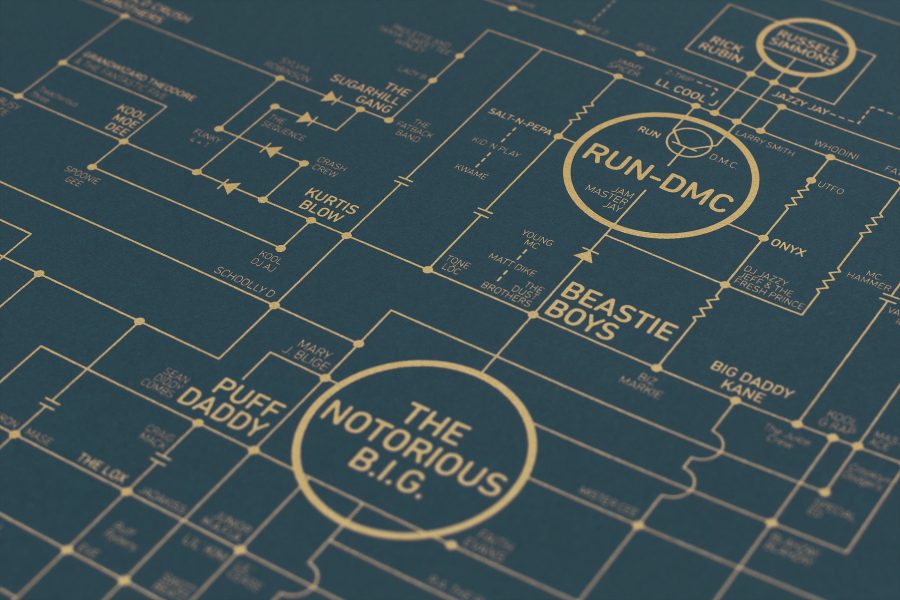
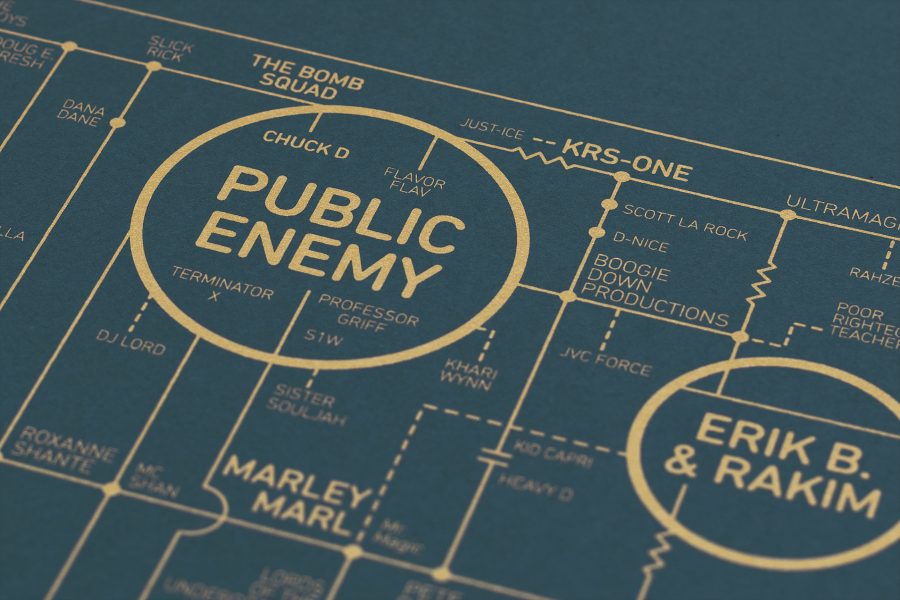
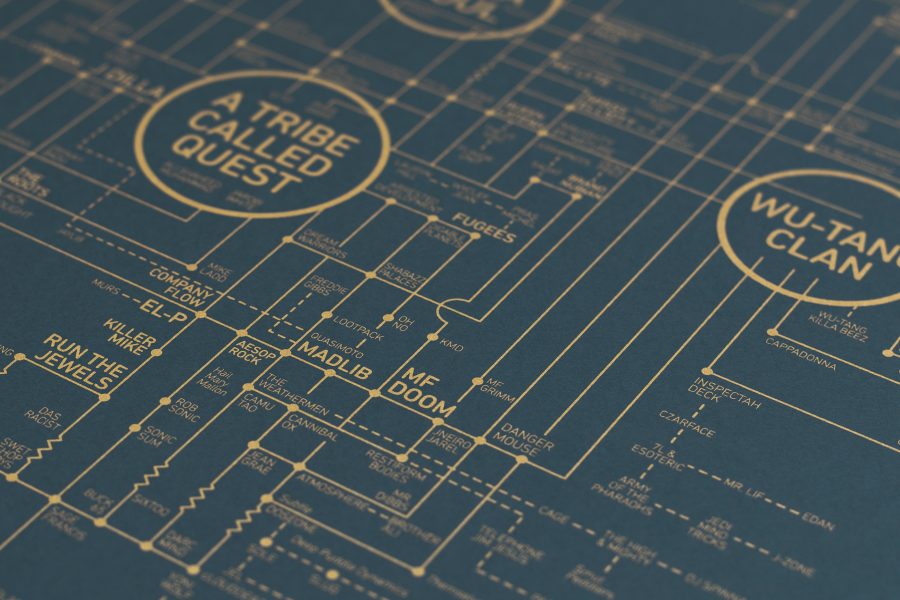
The History of Hip Hop Music Visualized on a Turntable Circuit Diagram: Features 700 Artists, from DJ Kool Herc to Kanye West

Every genre of music has its lin­eages and fil­i­a­tions, and each gen­er­a­tion tries to out­do its pre­de­ces­sors. In no genre of music are these rela­tion­ships so clear­ly defined as in hip-hop, where good-natured bat­tles, furi­ous beefs, nos­tal­gic trib­utes, and guest appear­ances explic­it­ly con­nect rap­pers from dif­fer­ent eras, cities, and styles. Since the ear­li­est days of hip-hop, groups have formed crews and loose alliances, built their own labels and media empires togeth­er, and defined the sounds of their region. At the cen­ter of it all was the turntable, which found­ing fathers like Kool DJ Herc repur­posed from con­sumer play­back machines to elec­tron­ic instru­ments and pro­to-sam­plers. No mat­ter how far the music has come in its sophis­ti­cat­ed adap­ta­tions of dig­i­tal stu­dio tech­nol­o­gy, hip-hop’s essen­tial archi­tec­ture came from the meet­ing of two turnta­bles, a mix­er, and a micro­phone.

Pay­ing homage to that hum­ble ori­gin, the Hip-Hop Love Blue­print by design house Dorothy takes the cir­cuit dia­gram of a turntable as the basis for a map con­nect­ing 700 of hip-hop’s major play­ers, from god­fa­thers like Cab Cal­loway, Gil Scott-Heron, and the Last Poets, to orig­i­na­tors like Herc and Grand­mas­ter Flash, gold­en age heroes like Run-DMC and Eric B. and Rakim, polit­i­cal artists like Pub­lic Ene­my and KRS-One, West Coast giants like N.W.A. and Dr. Dre, under­ground and indie rap­pers, turntab­lists and star pro­duc­ers, and every­thing in-between.

Con­tem­po­rary stars like Kendrick Lamar, Drake, Jay‑Z, and Kanye appear, as, of course, do the mar­tyred icons Big­gie and Tupac. The Beast­ie Boys, De La Soul, Eminem, Nas, Juras­sic 5, J Dil­la, Mos Def, MF Doom, Kool Kei­th, Run the Jew­els… you name ‘em, they’ve prob­a­bly made the cut. The dia­gram–view­able online for free, and pur­chasable for £35.00–even fea­tures the names of ear­ly break­dancers like the Rock Steady Crew and graf­fi­ti artists like Lady Pink and Futu­ra 2000.

As in ear­li­er such charts from Dorothy, like Alter­na­tive Love and Elec­tric Love, fans may find fault with the place­ment of cer­tain fig­ures and groups, and with the choice of empha­sis. Rap abounds in mas­cu­line bravado—and at times no small amount of misogyny—but it should go with­out say­ing that female stars like Salt ‘n’ Pepa, MC Lyte, Queen Lat­i­fah, Mis­sy Elliott, and Lau­ryn Hill are as influ­en­tial as many of the biggest male names on the chart. Yet not one of them gets top billing, so to speak, here. This unfor­tu­nate fact aside, Hip-Hop Love does a very impres­sive job of cat­a­logu­ing and con­nect­ing the most com­mer­cial­ly suc­cess­ful, big-name artists with some of the most under­ground and exper­i­men­tal. Though we asso­ciate artists with par­tic­u­lar regions—Outkast epit­o­mizes the South, for exam­ple, Wu-Tang Clan is New York to the core—the blue­print pulls them all togeth­er, reach­ing out even to UK grime and trip-hop, in a schemat­ic that resem­bles one huge, inter­con­nect­ed elec­tric city. You can get your own copy of the poster online here.

Relat­ed Con­tent:

A His­to­ry of Alter­na­tive Music Bril­liant­ly Mapped Out on a Tran­sis­tor Radio Cir­cuit Dia­gram: 300 Punk, Alt & Indie Artists

The His­to­ry of Elec­tron­ic Music Visu­al­ized on a Cir­cuit Dia­gram of a 1950s Theremin: 200 Inven­tors, Com­posers & Musi­cians

Enter the The Cor­nell Hip Hop Archive: A Vast Dig­i­tal Col­lec­tion of Hip Hop Pho­tos, Posters & More

Josh Jones is a writer and musi­cian based in Durham, NC. Fol­low him at @jdmagness

Jason Aldean Performs “I Won’t Back Down” on SNL–A Moving Tribute the Victims of the Las Vegas Shooting & Tom Petty

Just days ago, Jason Aldean was per­form­ing on stage in Las Vegas when bul­lets start­ed reign­ing down, killing 58 con­cert­go­ers and wound­ing hun­dreds. Tonight, he opened Sat­ur­day Night Live with a poignant tribute–both to the vic­tims of the mas­sacre and rock­er Tom Pet­ty, who passed away ear­li­er this week.

Above, watch Aldean sing Pet­ty’s defi­ant 1989 anthem, “I Won’t Back Down.” Remem­ber the lives lost to sense­less vio­lence. Pray that we’ll even­tu­al­ly care enough, as a nation, to do some­thing about it. Think about music’s abil­i­ty to restore the soul. And thank SNL for ris­ing to yet anoth­er impor­tant occa­sion. 

If you would like to sup­port the mis­sion of Open Cul­ture, con­sid­er mak­ing a dona­tion to our site. It’s hard to rely 100% on ads, and your con­tri­bu­tions will help us con­tin­ue pro­vid­ing the best free cul­tur­al and edu­ca­tion­al mate­ri­als to learn­ers every­where. You can con­tribute through Pay­Pal, Patre­on, and Ven­mo (@openculture). Thanks!

by | Permalink | Make a Comment ( 5 ) |

Tom Petty Takes You Inside His Songwriting Craft

Briefly not­ed: Give this wide-rang­ing inter­view with Tom Pet­ty some time. Record­ed in 2014, Pet­ty talks with inter­view­er Jian Ghome­shi about his song­writ­ing craft. The writ­ing of songs, the rehearsal and record­ing process, the work in the stu­dio, it all gets cov­ered here. As he talks, one thing comes across: What­ev­er tal­ents he had, Pet­ty put in the hard work. He and the Heart­break­ers mas­tered their instru­ments, kept get­ting bet­ter, and did­n’t take short cuts, to the point where they could do mag­i­cal things togeth­er in the record­ing stu­dio.

Watch Part 1 above, and Part 2 below, where, at one point he says, “I’m doing the best I can. You can’t say I did­n’t try real­ly hard because I’m real­ly try­ing hard to be good.” The val­ue of trying–trying consistently–can nev­er be under­stat­ed.

Note: Some of the same themes get echoed in Tom Pet­ty’s final inter­view, which he gave to the LA Times last week. You can stream it here.

If you would like to sup­port the mis­sion of Open Cul­ture, con­sid­er mak­ing a dona­tion to our site. It’s hard to rely 100% on ads, and your con­tri­bu­tions will help us con­tin­ue pro­vid­ing the best free cul­tur­al and edu­ca­tion­al mate­ri­als to learn­ers every­where. You can con­tribute through Pay­Pal, Patre­on, and Ven­mo (@openculture). Thanks!

Relat­ed Con­tent:

A 17-Hour, Chrono­log­i­cal Jour­ney Through Tom Petty’s Music: Stream the Songs That Became the Sound­tracks of Our Lives

Watch Tom Pet­ty (RIP) and the Heart­break­ers Per­form Their Last Song Togeth­er, “Amer­i­can Girl”: Record­ed on 9/25/17

Prince, Joined by Tom Pet­ty, Plays a Mind-Blow­ing Gui­tar Solo On “While My Gui­tar Gen­tly Weeps”

by | Permalink | Make a Comment ( 1 ) |

Enter the The Cornell Hip Hop Archive: A Vast Digital Collection of Hip Hop Photos, Posters & More

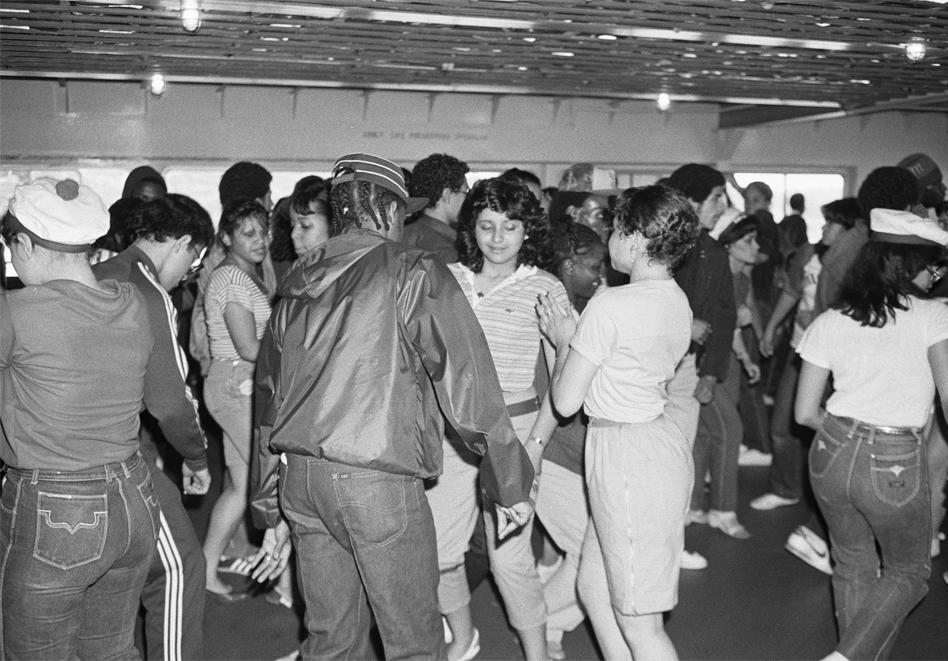
The music and the cul­ture of hip-hop are insep­a­ra­ble from the Bronx, Queens, Harlem, and Brook­lyn, NY. And now that the form is a glob­al cul­ture that exists in online spaces as much as it does where peo­ple meet and shake hands, its doc­u­men­tary his­to­ry may be more valu­able than ever. Hip-Hop began, unques­tion­ably, as a region­al phe­nom­e­non, and its for­mal qual­i­ties always bear the traces of its matrix, a con­flu­ence of African-Amer­i­can, Caribbean, and Latin Amer­i­can socio-cul­tur­al expe­ri­ences and cre­ative streams, meet­ing with new con­sumer audio tech­nol­o­gy and a dri­ve toward coun­ter­cul­tur­al exper­i­ments that took hold all over New York amidst the urban decay of the 70s.

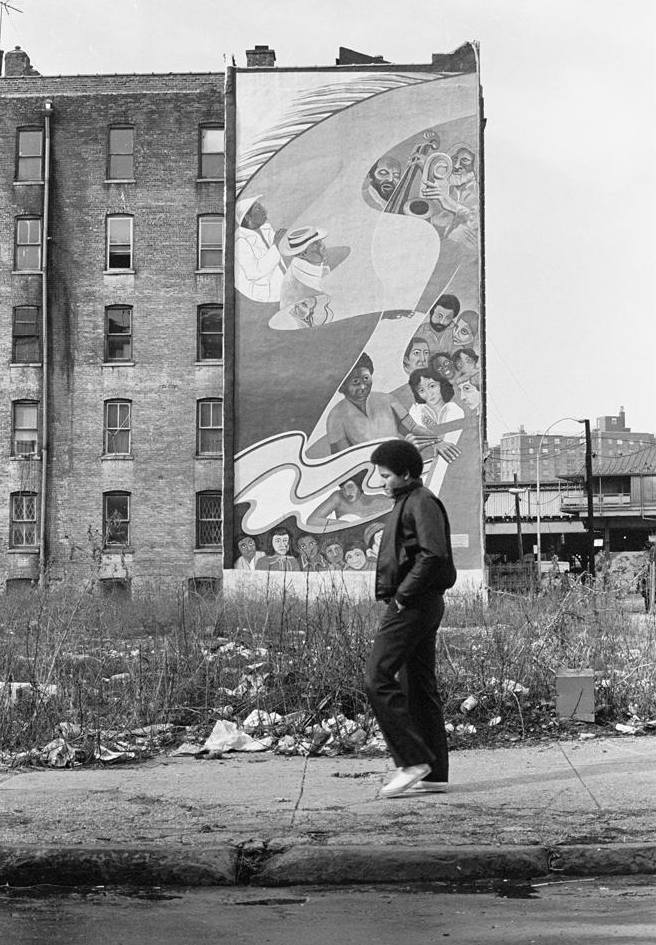
Pho­to by Joe Con­zo, Jr.

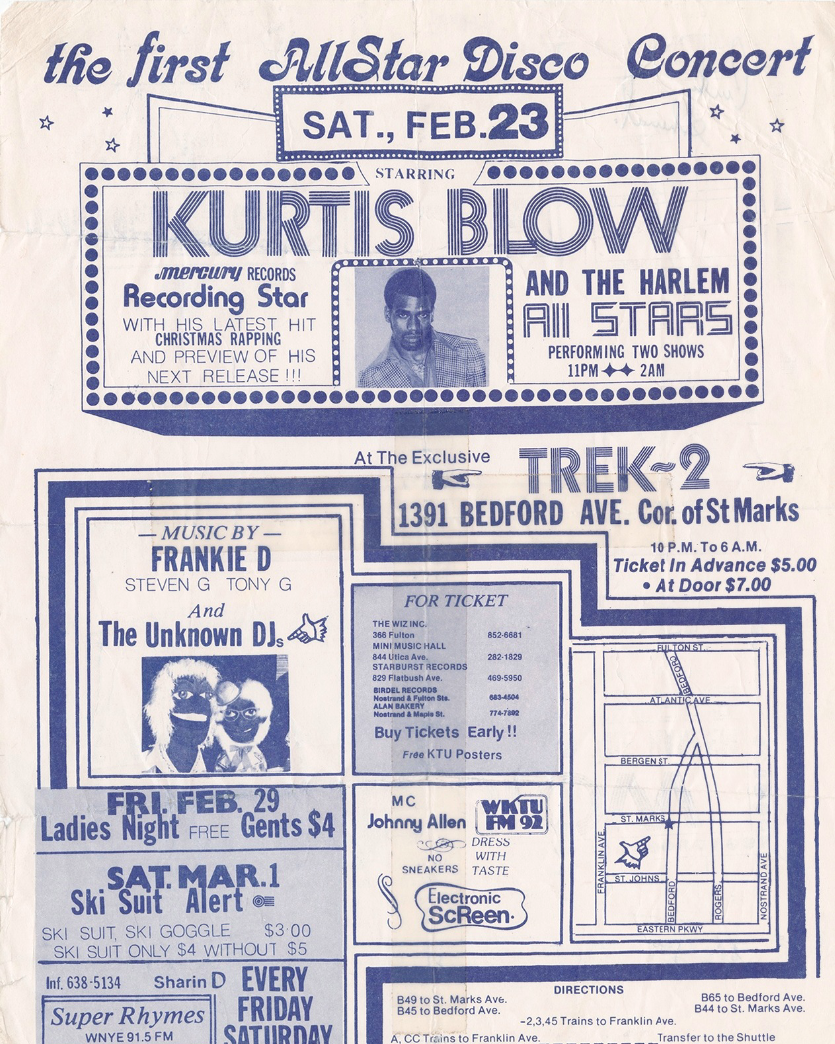
We know the sto­ry in broad strokes. Now we can immerse our­selves in the dai­ly life, so to speak, of ear­ly hip hop, thanks to a par­tial dig­i­ti­za­tion of Cor­nell University’s vast hip hop col­lec­tion. The phys­i­cal col­lec­tion, housed in Itha­ca New York, con­tains “hun­dreds of par­ty and event fly­ers ca. 1977–1985; thou­sands of ear­ly vinyl record­ings, cas­settes and CDs; film and video; record label press pack­ets and pub­lic­i­ty; black books, pho­tog­ra­phy, mag­a­zines, books, cloth­ing, and more.”

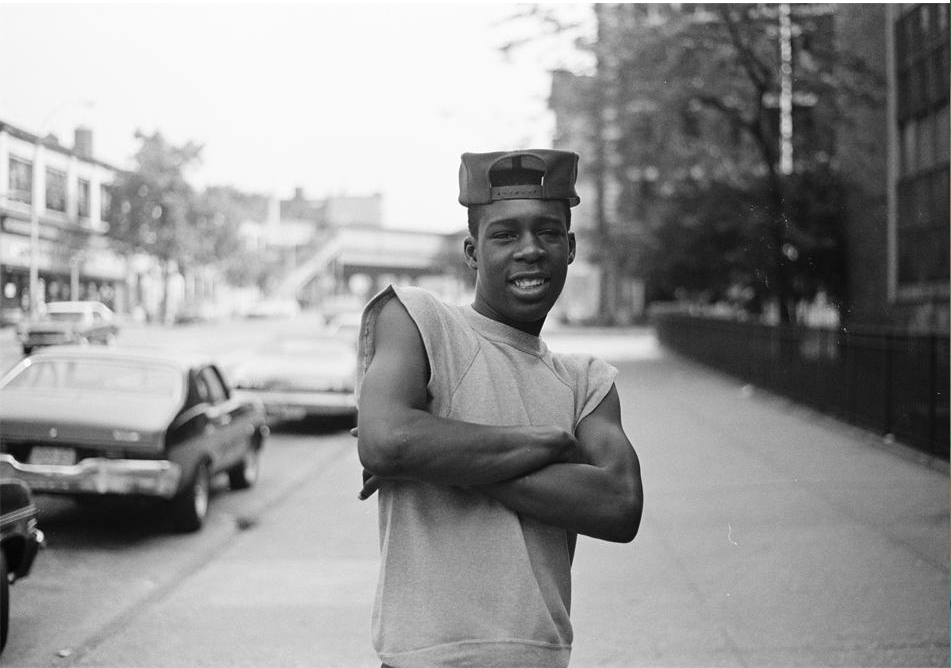
Pho­to by Joe Con­zo, Jr.

While this impres­sive trove of phys­i­cal arti­facts is open to the pub­lic, most of us won’t ever make the jour­ney. But whether we’re fans, schol­ars, or curi­ous onlook­ers, we can ben­e­fit from its cura­to­r­i­al largesse through online archives like that of Joe Con­zo, Jr., who “cap­tured images of the South Bronx between 1977 and 1984, includ­ing ear­ly hip hop jams, street scenes, and Latin music per­form­ers and events.”

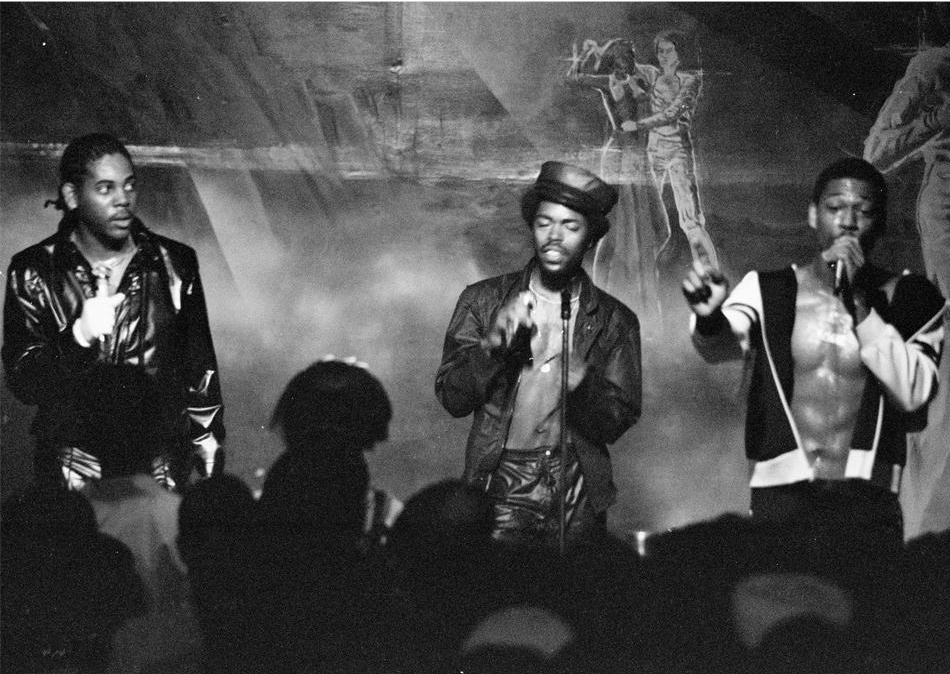
Pho­to by Joe Con­zo, Jr.

While still in high school, Con­zo became the offi­cial pho­tog­ra­ph­er for the ear­ly influ­en­tial rap group the Cold Crush Broth­ers. The posi­tion gave him unique access to the “local­ized, grass­roots cul­ture about to explode into glob­al aware­ness.” Cornell’s site remarks that “with­out Joe’s images, the world would have lit­tle idea of what the ear­li­est era of hip hop looked like, when fabled DJ, MC, and b‑boy/girl bat­tles took place in parks, school gym­na­si­ums and neigh­bor­hood dis­cos.”

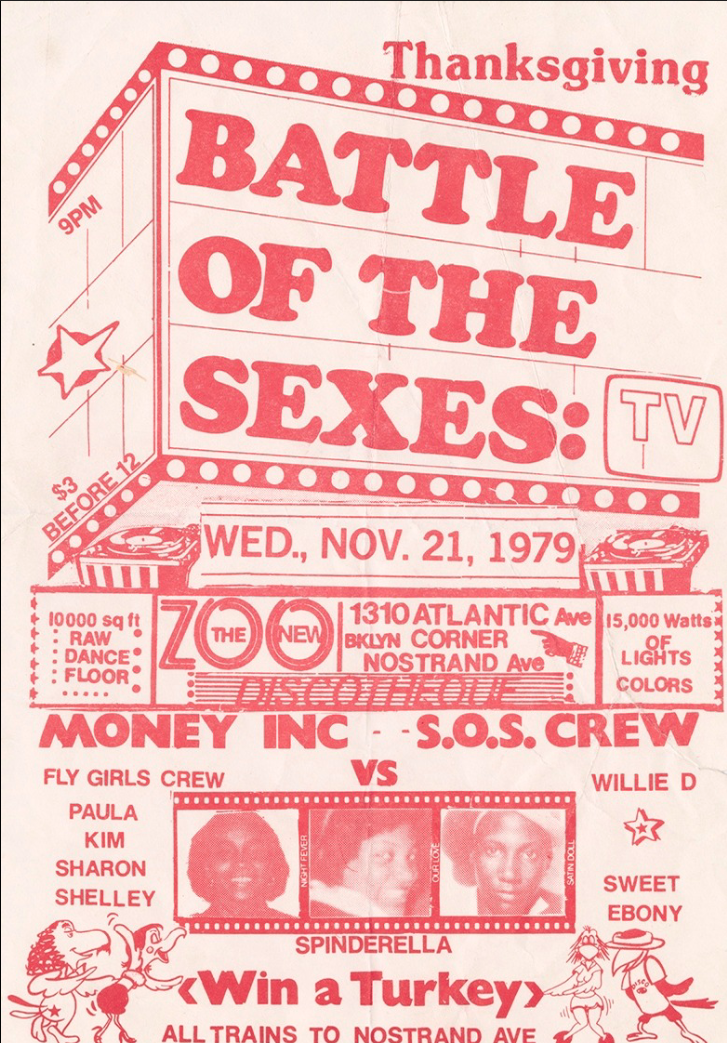
Anoth­er of Cornell’s col­lec­tions, the Bud­dy Esquire Par­ty and Event Fly­er Archive, pre­serves over 500 such arti­facts, the “largest known insti­tu­tion­al col­lec­tion of these scarce fly­ers, which have become increas­ing­ly val­ued for the details they pro­vide about ear­ly hip hop cul­ture.” Local, grass­roots scenes like this one seem increas­ing­ly rare in a glob­al­ized, always-online 21st cen­tu­ry. Archives like Cornell’s not only tell the sto­ry of such a cul­ture, but in so doing they doc­u­ment a crit­i­cal peri­od in New York City, much like punk or jazz archives tell impor­tant his­to­ries of Lon­don, New York, D.C., Paris, New Orleans, etc.

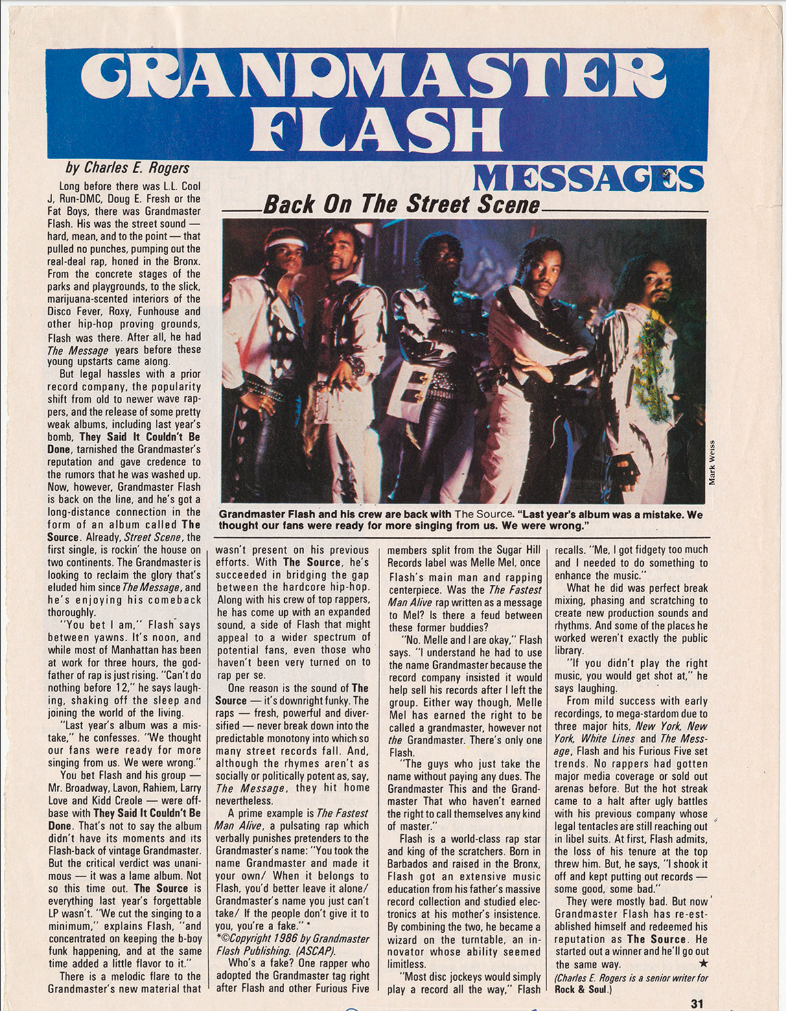
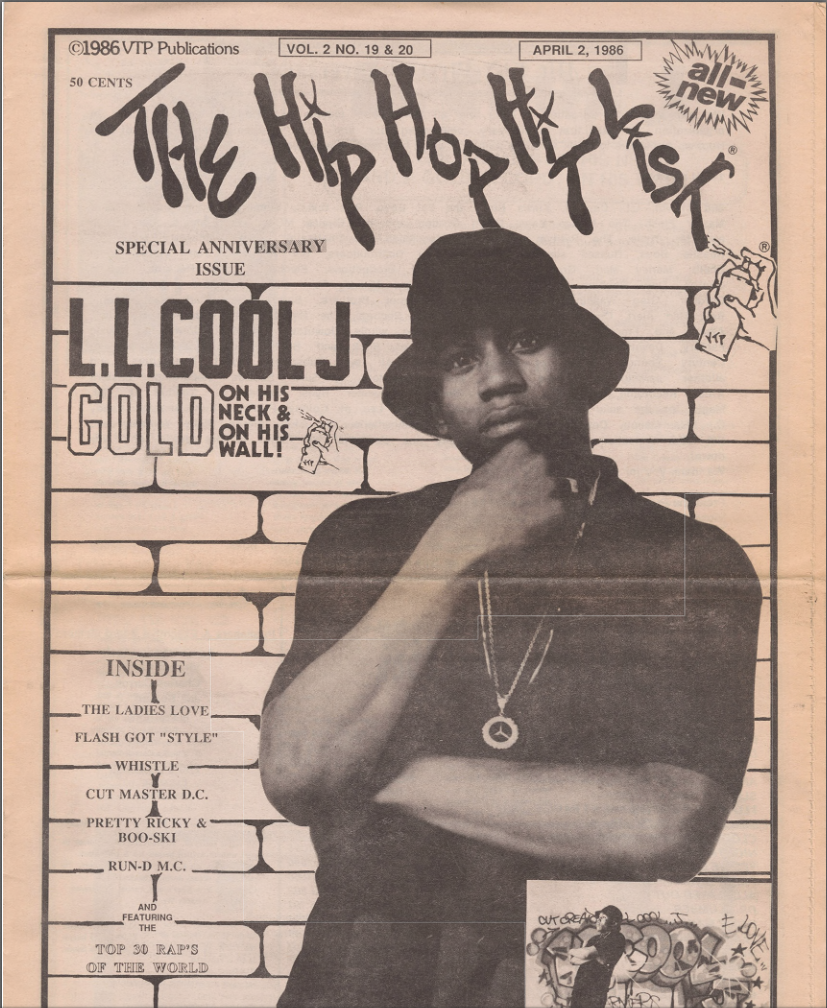
The third dig­i­tal col­lec­tion host­ed by Cor­nell, the Adler Hip Hop Archive, comes from jour­nal­ist and Def Jam Record­ings pub­li­cist Bill Adler. The mate­ri­als here nat­u­ral­ly skew toward the indus­try side of the cul­ture, doc­u­ment­ing its leap from the New York streets to “glob­al aware­ness” and a spread to cities nation­wide, through mag­a­zine pho­to spreads, ads, pro­mo­tion­al pics, press clip­pings, and much more.

Some of these col­lec­tions are eas­i­er to nav­i­gate than others—you’ll have to wade through many non-hip-hop pho­tos in the huge Joe Con­zo, Jr. archive, though most of them, like his Puer­to Rican por­traits and land­scapes for exam­ple, are of inter­est in their own right. Con­zo’s pho­to jour­nal­ism of the Bronx in the late 70s and 80s has all the inti­ma­cy and can­dor of a fam­i­ly album or col­lec­tion of year­book pictures—charmingly awk­ward, exu­ber­ant, and a stark con­trast to the high-pro­file glam­our of com­mer­cial hip-hop eras to fol­low.

The core of Cornell’s col­lec­tion came from author, cura­tor, and for­mer record exec­u­tive Johan Kugel­berg, who donat­ed his col­lec­tion in 1999 after pub­lish­ing Born in the Bronx: A Visu­al His­to­ry of the Ear­ly Days of Hip Hop with Joe Con­zo, Jr. It has since expand­ed to 13 dif­fer­ent col­lec­tions from the archives of some of the cul­ture’s ear­li­est pio­neers and doc­u­men­tar­i­ans. Hope­ful­ly many more of these will soon be dig­i­tized. But we might want to heed Jason Kottke’s warn­ing in enter­ing the three that have: “don’t click on any of those links if you’ve got press­ing things to do.” You could eas­i­ly get lost in this incred­i­bly detailed trea­sury of hip-hop—and New York City—history.

Pho­to by Joe Con­zo, Jr.

via Kot­tke

Relat­ed Con­tent:

Found­ing Fathers, A Doc­u­men­tary Nar­rat­ed By Pub­lic Enemy’s Chuck D, Presents the True His­to­ry of Hip Hop

The “Amen Break”: The Most Famous 6‑Second Drum Loop & How It Spawned a Sam­pling Rev­o­lu­tion

Hip Hop Hits Sung Won­der­ful­ly in Sign Lan­guage: Eminem’s “Lose Your­self,” Wiz Khalifa’s “Black and Yel­low” & More

Josh Jones is a writer and musi­cian based in Durham, NC. Fol­low him at @jdmagness

How Marilyn Monroe Helped Break Ella Fitzgerald Into the Big Time (1955)

Think of movie stars, and you’ll almost cer­tain­ly think of Mar­i­lyn Mon­roe; think of jazz singers, and you’ll almost cer­tain­ly think of Ella Fitzger­ald. Their skills as per­form­ers, their inher­ent icon­ic qual­i­ties, the time of the mid-twen­ti­eth cen­tu­ry in which they rose to fame, and oth­er fac­tors besides, have ensured that these two women still define the images of their respec­tive crafts. But before their ascen­sion to cul­tur­al immor­tal­i­ty, the Ange­leno Mon­roe and the New York­er Fitzger­ald’s paths crossed down here on Earth in 1955, and, when they did, the movie star played an inte­gral role in break­ing the jazz singer into the big time.

If you want­ed to play to an influ­en­tial crowd in Hol­ly­wood back in the 1950s, you had to play the Mocam­bo, the Sun­set Strip night­club fre­quent­ed by the likes of Clark Gable, Humphrey Bog­a­rt, Lana Turn­er, Bob Hope, Sophia Loren, and Howard Hugh­es. But at the time, a singer of the reput­ed­ly scan­dalous new music known as jazz did­n’t just waltz onto the stage of such a respectable venue, espe­cial­ly giv­en the racial atti­tudes of the time. But as luck would have it, Fitzger­ald found an advo­cate in Mon­roe, who, “tired of being cast as a help­less sex sym­bol, took a break from Los Ange­les and head­ed to New York to find her­self,” writes the Inde­pen­dent’s Ciar Byrne.

There Mon­roe “immersed her­self in jazz,” rec­og­niz­ing in Fitzger­ald “the cre­ative genius she her­self longed to pos­sess.” Togeth­er with Fitzger­ald’s man­ag­er, jazz impre­sario and Verve Records founder Nor­man Granz, Mon­roe pres­sured the glam­orous Hol­ly­wood club to book Ella. “I owe Mar­i­lyn Mon­roe a real debt,” Fitzger­ald said lat­er, in 1972. “She per­son­al­ly called the own­er of the Mocam­bo, and told him she want­ed me booked imme­di­ate­ly, and if he would do it, she would take a front table every night.” He agreed, and true to her word, “Mar­i­lyn was there, front table, every night. The press went over­board. After that, I nev­er had to play a small jazz club again.”

Though Mon­roe’s efforts did­n’t make Fitzger­ald the first black per­former to take the Mocam­bo’s stage — Herb Jef­fries, Eartha Kitt, and Joyce Bryant had played there in 1952 and 1953 — she did use it as a plat­form to ascend to unusu­al­ly great career heights, com­pa­ra­ble to the way Frank Sina­tra launched his solo career there. The sto­ry has remained com­pelling enough for sev­er­al retellings, includ­ing Bon­nie Greer’s musi­cal Mar­i­lyn and Ella and, more recent­ly, through the hilar­i­ous unre­li­a­bil­i­ty of an episode of Drunk His­to­ry. As real his­to­ry would have it, Fitzger­ald would go on to enjoy a much longer and more var­ied career than the trag­ic Mon­roe, but she did her own part to repay the favor by adding nuance to Mon­roe’s super­fi­cial pub­lic image: “She was an unusu­al woman — a lit­tle ahead of her times. And she did­n’t know it.”

Relat­ed Con­tent:

Ella Fitzger­ald Sings ‘Sum­mer­time’ by George Gersh­win, Berlin 1968

Mar­i­lyn Monroe’s Go-Get­ter List of New Year’s Res­o­lu­tions (1955)

The 430 Books in Mar­i­lyn Monroe’s Library: How Many Have You Read?

Mar­i­lyn Mon­roe Recounts Her Har­row­ing Expe­ri­ence in a Psy­chi­atric Ward in a 1961 Let­ter

Based in Seoul, Col­in Mar­shall writes and broad­casts on cities and cul­ture. His projects include the book The State­less City: a Walk through 21st-Cen­tu­ry Los Ange­les and the video series The City in Cin­e­ma. Fol­low him on Twit­ter at @colinmarshall or on Face­book.

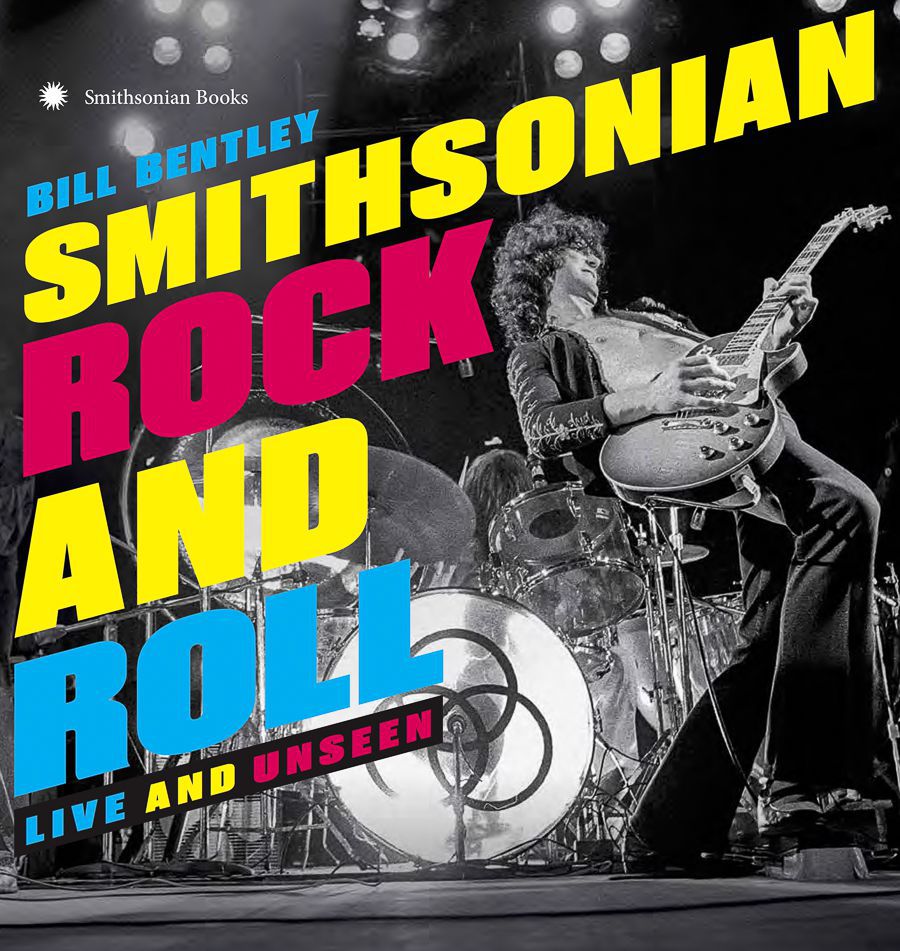
The Smithsonian Presents a Gallery of 6,000+ Rare Rock ‘n Roll Photos on a Crowdsourced Web Site, and Now a New Book


Rock pho­tog­ra­phy is an art form in itself, as demon­strat­ed by books and exhi­bi­tions of some of its mas­ters like Mick Rock, Jen­ny Lens, Pen­nie Smith, and so many oth­ers. But two years ago, the Smith­son­ian turned to the crowd, to the fan, to the ama­teur pho­tog­ra­ph­er, with a call to sub­mit pho­tos from over six decades of rock and roll that weren’t hang­ing on gallery walls, but sit­ting in a shoe­box some­where. From fans with insta­mat­ic cam­eras to ama­teurs cov­er­ing con­certs for their school paper, the Smith­son­ian want­ed anoth­er angle on our cul­tur­al obses­sion.

Many of the con­tri­bu­tions now live on a crowd­sourced web­site. And a result­ing book Smith­son­ian Rock and Roll: Live and Unseen col­lects the best of these in a chrono­log­i­cal his­to­ry of the genre, from post-war blues to the late 20th cen­tu­ry. It will be offi­cial­ly released on Octo­ber 24, though you can pre-order now.

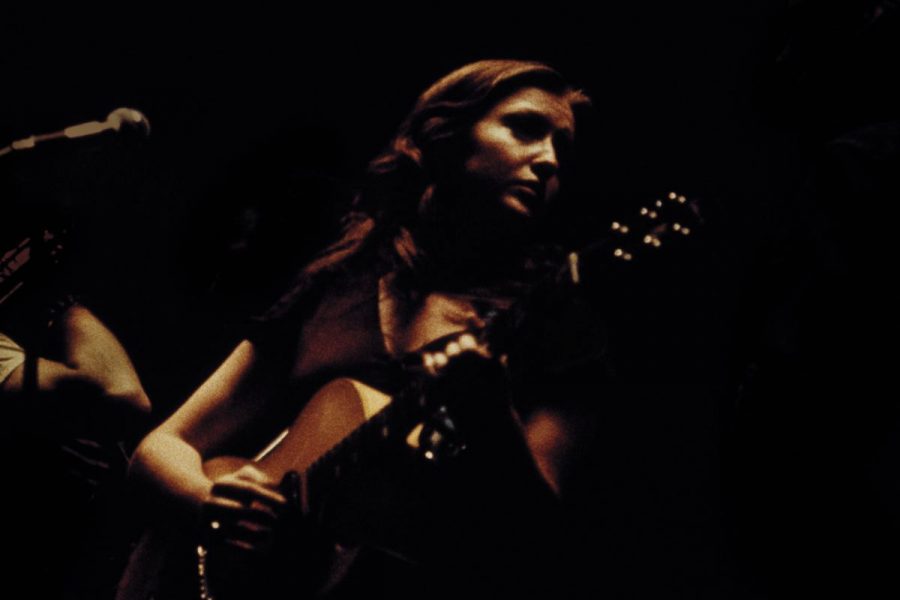
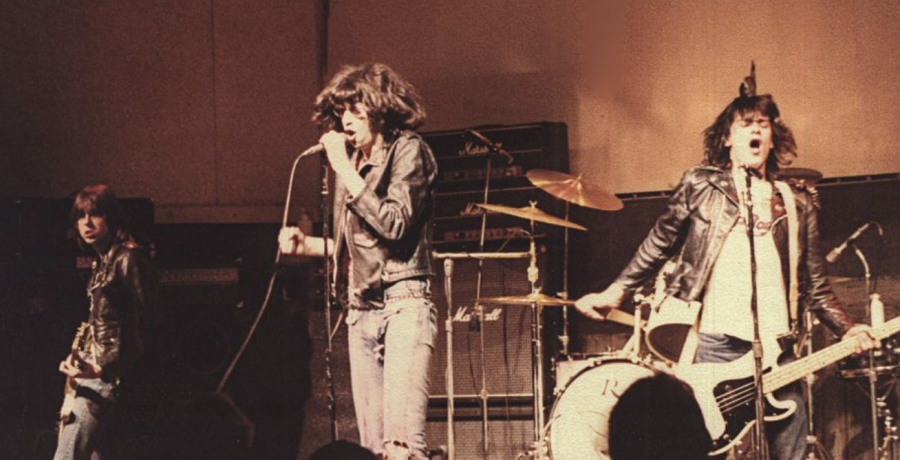
Web­sites Mash­able and Dan­ger­ous Minds present a selec­tion of pho­tos from the book, such as a shot of Sly Stone at the height of his pow­ers (and belt buck­le size), a pic of the Talk­ing Heads on stage in Berke­ley, 1977; a dark and mys­te­ri­ous glimpse of Bon­nie Raitt, cir­ca 1974; and a shot of Cream play­ing the Chica­go Col­i­se­um tak­en from the side of the stage, with Gin­ger Baker’s head a com­plete blur. Also find Joni Mitchell at Klein­hans Music Hall. And The Ramones in Tempe, Ari­zona, cir­ca 1978.

Bon­nie Raitt at the Har­vard Square The­atre, by Bar­ry Schneier/Smithsonian Books

It’s a reminder of how unpre­ten­tious these live shows could be, hap­pen­ing in a world with the sim­plest of light­ing rigs and decades from the big screen pro­jec­tions even up-and-com­ing bands now indulge in. For the most part, this was an inti­mate con­tract between the artist and the audi­ence, all crammed into small clubs with smoke, sweat, heat, and, most impor­tant­ly, elec­tric­i­ty in the air.

The new book also fea­tures tales from the peo­ple who took the pho­tos, along with some more pro­fes­sion­al pho­tos to “flesh out this overview of rock and roll,” accord­ing to the intro­duc­tion by orga­niz­er Bill Bent­ley. He adds: “The results, span­ning six decades, aim for nei­ther ency­clo­pe­dic author­i­ty nor com­pre­hen­sive final­i­ty, but rather an index of supreme influ­ence.”

The Ramones in Tempe, Ari­zona, by Dori­an Boese/Smithsonian Books

That supreme influ­ence con­tin­ues to be felt, for sure. Although the sub­mis­sion win­dow is now closed, the Smith­so­ni­an’s web­site allows you to look through the hun­dreds of sub­mis­sions to the project.

Relat­ed Con­tent:

UC San­ta Cruz Opens a Deadhead’s Delight: The Grate­ful Dead Archive is Now Online

Bea­t­les, Friends & Fam­i­ly: Pho­tos by Lin­da McCart­ney

Judy!: 1993 Judith But­ler Fanzine Gives Us An Irrev­er­ent Punk-Rock Take on the Post-Struc­tural­ist Gen­der The­o­rist

Ted Mills is a free­lance writer on the arts who cur­rent­ly hosts the FunkZone Pod­cast. You can also fol­low him on Twit­ter at @tedmills, read his oth­er arts writ­ing at tedmills.com and/or watch his films here.

Depeche Mode Releases a Goosebump-Inducing Cover of David Bowie’s “Heroes”

40 years ago, David Bowie record­ed “Heroes,” a song that tells the sto­ry of two lovers who embrace in a kiss by the Berlin Wall. How the song was record­ed gets won­der­ful­ly retold by pro­duc­er Tony Vis­con­ti, in a post/video we fea­tured in Jan­u­ary 2016. Don’t miss it.

Above, you can watch Depeche Mod­e’s new cov­er of “Heroes,” record­ed to com­mem­o­rate the 40th anniver­sary of the song’s offi­cial release (Sep­tem­ber 23, 1977). “ ‘Heroes’ is the most spe­cial song to me at the moment,” Depeche Mode front­man Dave Gahan told NME. “Bowie is the one artist who I’ve stuck with since I was in my ear­ly teens. His albums are always my go-to on tour and cov­er­ing ‘Heroes’ is pay­ing homage to Bowie.”

In anoth­er inter­view with Rolling Stone, Gahan talked more about the expe­ri­ence of record­ing this song: “I was so moved, I bare­ly held it togeth­er, to be hon­est.” Watch­ing the per­for­mance, I got a few goose­bumps, I have to admit.

If you would like to sup­port the mis­sion of Open Cul­ture, con­sid­er mak­ing a dona­tion to our site. It’s hard to rely 100% on ads, and your con­tri­bu­tions will help us con­tin­ue pro­vid­ing the best free cul­tur­al and edu­ca­tion­al mate­ri­als to learn­ers every­where. You can con­tribute through Pay­Pal, Patre­on, and Ven­mo (@openculture). Thanks!

Relat­ed Con­tent:

Pro­duc­er Tony Vis­con­ti Breaks Down the Mak­ing of David Bowie’s Clas­sic “Heroes,” Track by Track

David Bowie Per­forms a Live Acoustic Ver­sion of “Heroes,” with a Bot­tle Cap Strapped to His Shoe, Keep­ing the Beat

David Bowie & Bri­an Eno’s Col­lab­o­ra­tion on “Warsza­wa” Reimag­ined in a Com­ic Ani­ma­tion

by | Permalink | Make a Comment ( 5 ) |

« Go BackMore in this category... »
Quantcast