Animated Video: Johnny Cash Explains Why Music Became a Religious Calling

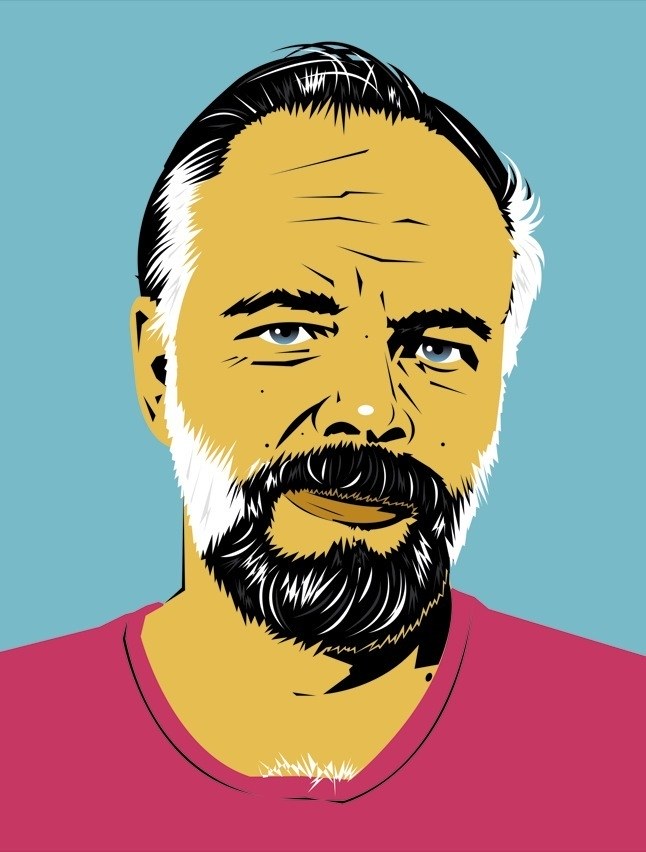
Blank on Blank is back with anoth­er ani­mat­ed video. This one ani­mates a long lost inter­view with the great John­ny Cash. Inter­viewed by Bar­ney Hoskyns back in 1996, Cash talked about music as a reli­gious call­ing. Play­ing music was akin to preach­ing the gospel, and he knew he’d con­tin­ue mak­ing music until his final days. Should we be sur­prised then, that sev­en years lat­er, Cash com­plet­ed more than 60 songs dur­ing the last four months of his life? He died with his boots on indeed.

Below we’ve high­light­ed for you some great John­ny Cash mate­r­i­al from our archive.

Relat­ed Con­tent:

The First Episode of The John­ny Cash Show, Fea­tur­ing Bob Dylan & Joni Mitchell (1969)

The 1969 Bob Dylan-John­ny Cash Ses­sions: Twelve Rare Record­ings

John­ny Cash Sings “Man in Black” for the First Time, 1971

Two Prison Con­certs That Defined an Out­law Singer: John­ny Cash at San Quentin and Fol­som (1968–69)

Jim Carrey Sings a Pretty Damn Good Cover of The Beatles “I Am the Walrus”

Back in 1998, the Bea­t­les pro­duc­er, George Mar­tin, pro­duced an album called In My Life. It’s prob­a­bly not an LP that ever made it into your record col­lec­tion, unless you’re a fan of mid­dling cov­ers of Bea­t­les songs. (In which case, you’ll love our old post, The 15 Worst Cov­ers of Bea­t­les Songs: William Shat­ner, Bill Cos­by, Tiny Tim, Sean Con­nery & Your Excel­lent Picks.) But the com­pi­la­tion does fea­ture one record­ing that has­n’t quite fad­ed from view — Jim Car­rey’s take on “I Am the Wal­rus.” There’s a comedic com­po­nent to his per­for­mance. But Car­rey also demon­strates a “vocal elas­tic­i­ty” that you might not have expect­ed. If you’ve nev­er heard the Bea­t­les’ orig­i­nal record­ing (God help you), you can find it here.

Relat­ed Con­tent:

Gui­tarist Randy Bach­man Demys­ti­fies the Open­ing Chord of ‘A Hard Day’s Night’

Peter Sell­ers Reads The Bea­t­les’ “She Loves You” in Four Dif­fer­ent Accents

Here Comes The Sun: The Lost Gui­tar Solo by George Har­ri­son

The Bea­t­les: Unplugged Col­lects Acoustic Demos of White Album Songs (1968)

by | Permalink | Make a Comment ( 6 ) |

Hear Lost Recording of Pink Floyd Playing with Jazz Violinist Stéphane Grappelli on “Wish You Were Here”

Those of you deeply into both jazz vio­lin and pro­gres­sive rock no doubt jumped right on the play but­ton above. Quite a few more will lis­ten — so expe­ri­ence has taught me — pure­ly out of inter­est in any­thing and every­thing Pink Floyd has done. But on the lev­el of music his­to­ry, the track above, a ver­sion of the cere­bral Eng­lish rock band’s Pink Floy­d’s well-known 1975 song “With You Were Here” promi­nent­ly fea­tur­ing a solo from the French “Grand­fa­ther of Jazz Vio­lin­ists” Stéphane Grap­pel­li, should fas­ci­nate just about any­one. It speaks to the par­tic­u­lar kind of high-pro­file musi­cal exper­i­men­tal­ism that thrived in that era, at least in some quar­ters — or, rather, in some stu­dios. In this case, the Grap­pel­li and the Floyd boys found them­selves record­ing in adja­cent ones. Why would the lat­ter invite the for­mer, already an elder states­man of jazz and a col­lab­o­ra­tor with the likes of Djan­go Rein­hardt, to sit in on a ses­sion? (Watch Djan­go and Grap­pel­li play togeth­er in the 1938 film, Jazz Hot here.) Well… why not? They need­ed some­thing impres­sive to fol­low Dark Side of the Moon, after all.

Still, for all the rich­ness of the result you hear here and all the fan-hours spent lis­ten­ing to Pink Floy­d’s Wish You Were Here album in the 35 years after it came out, the pub­lic nev­er got to hear Grap­pel­li’s play­ing fore­ground­ed until Immer­sion reis­sued it three years ago. This long-lost but redis­cov­ered mix of the title track marks, to the mind of Pink Floyd found­ing mem­ber Nick Mason, a marked improve­ment over the ver­sion on the orig­i­nal album. “I think that was the jew­el in that par­tic­u­lar crown,” he said to Son­ic Real­i­ty. “It was some­thing that I assumed had been lost for­ev­er. I thought we’d record­ed over it. [ … ] I can’t imag­ine why we didn’t use it at the time.” In the one they did use at the time, what remains of Grap­pel­li’s play­ing came out so inaudi­ble that the album’s cred­its did­n’t even name the vio­lin­ist. I’d like to chalk up anoth­er point for the cul­tur­al revi­sion made pos­si­ble by our tech­no­log­i­cal age, but alas, I doubt any sort of redis­cov­ery will break true Floyd acolytes of their adher­ence to the canon.

via Some­thing Else Reviews

If you would like to sign up for Open Culture’s free email newslet­ter, please find it here. It’s a great way to see our new posts, all bun­dled in one email, each day.

If you would like to sup­port the mis­sion of Open Cul­ture, con­sid­er mak­ing a dona­tion to our site. It’s hard to rely 100% on ads, and your con­tri­bu­tions will help us con­tin­ue pro­vid­ing the best free cul­tur­al and edu­ca­tion­al mate­ri­als to learn­ers every­where. You can con­tribute through Pay­Pal, Patre­on, and Ven­mo (@openculture). Thanks!

Relat­ed Con­tent:

Pink Floyd’s David Gilmour Sings Shakespeare’s Son­net 18

Watch Doc­u­men­taries on the Mak­ing of Pink Floyd’s Dark Side of the Moon and Wish You Were Here

Dark Side of the Rain­bow: Pink Floyd Meets The Wiz­ard of Oz in One of the Ear­li­est Mash-Ups

Watch Pink Floyd Play Live in the Ruins of Pom­peii (1972)

Jazz ‘Hot’: The Rare 1938 Short Film With Jazz Leg­end Djan­go Rein­hardt

Col­in Mar­shall hosts and pro­duces Note­book on Cities and Cul­ture and writes essays on cities, lan­guage, Asia, and men’s style. He’s at work on a book about Los Ange­les, A Los Ange­les Primer. Fol­low him on Twit­ter at @colinmarshall or on Face­book.

Listen to the Los Angeles Philharmonic Play Through an Earthquake

As they say, the show must go on.…

Writes the LA Phil­har­mon­ic on their Youtube Chan­nel:

On March 28, 2014 at 9:09pm, a 5.1 mag­ni­tude earth­quake rocked Los Ange­les. The Los Ange­les Phil­har­mon­ic was six min­utes into a per­for­mance of Rav­el’s “Daph­nis and Chloé” with guest con­duc­tor Charles Dutoit when the quake hit. A strong jolt fol­lowed by a minute of rum­bling did not unhinge the orches­tra or Mae­stro Dutoit, and the stir­ring con­cert con­tin­ued with­out a hitch.

What you’ll hear above is an actu­al record­ing. Anno­ta­tions help explain the sequence of events.

via Boing­Bo­ing

Listen to John Cage’s 5 Hour Art Piece: Diary: How To Improve The World (You Will Only Make Matters Worse)

JohnCage_Diary

John Cage was born in 1915 and died in 1992. Dur­ing that inter­ven­ing time, he changed the face of avant-garde music and art.

An ear­ly dis­ci­ple of Arnold Schoen­berg, Cage made his biggest cre­ative break­through by study­ing the I Ching, Zen Bud­dhism and the art of Mar­cel Duchamp. The com­pos­er decid­ed to let ele­ments of chance into his work. He start­ed to write pieces for a “pre­pared piano” where things like thumb­tacks, nails and forks were placed into the instrument’s strings to alter its sound in unex­pect­ed ways.

Cage’s most famous work, 4’33”, took con­cep­tu­al music about as far as it could go. A musi­cian walks out onto the stage, sits in front of a piano and does absolute­ly noth­ing for four min­utes and thir­ty sec­onds. The sounds of the audi­ence rustling, the traf­fic out­side and any oth­er ambi­ent noise that might hap­pen dur­ing that time peri­od become a part of the piece. Watch a per­for­mance here.

The folks over at Ubu.com have placed online anoth­er one of Cage’s work, Diary: How To Improve The World (You Will Only Make Mat­ters Worse) (1991). Clock­ing in at over 5 hours total, the piece is some­thing of a Mount Ever­est of sound art.

Record­ed in Switzer­land a lit­tle over a year before his death, Diary fea­tures thoughts, obser­va­tions and insights along with quotes from the likes of Buck­min­ster Fuller, Hen­ry David Thore­au and Mao Zedong. You can lis­ten to Part 1 below, and click these links to lis­ten to the remain­ing parts: Part 1Part 2Part 3Part 4Part 5Part 6Part 7Part 8.

Cage’s diaries appeared pre­vi­ous­ly in print as M: Writ­ings, 1967–72. On the page, the text ran­dom­ly changed both font and let­ter size. You can see what this looks like here. Cage and com­pa­ny repro­duced this effect in the audio ver­sion by chang­ing the posi­tion of the micro­phone and the record­ing vol­ume. If you lis­ten to Diary on head­phones (which I rec­om­mend), you’ll hear Cage’s silken voice first behind your left ear, then in front of you and then, dis­con­cert­ing­ly, inside your head.

Much of the time, Cage’s words will feel obscure and poet­ic. And then, as you’re lulled by the rhythm of his voice, he’ll hit you with some­thing as pro­found as a Zen koan. (“The goal is not to have a goal.”) Just sit back and let the words flow over you.

Relat­ed Con­tent:

Hear Joey Ramone Sing a Piece by John Cage Adapt­ed from James Joyce’s Finnegans Wake

Watch a Sur­pris­ing­ly Mov­ing Per­for­mance of John Cage’s 1948 “Suite for Toy Piano”

Woody Guthrie’s Fan Let­ter To John Cage and Alan Hov­haness (1947)

Jonathan Crow is a Los Ange­les-based writer and film­mak­er whose work has appeared in Yahoo!, The Hol­ly­wood Reporter, and oth­er pub­li­ca­tions. You can fol­low him at @jonccrow.


Watch The Last 48 Hours of Kurt Cobain on the 20th Anniversary of the Musician’s Suicide

There are few things more fraught for a writer or artist than approach­ing a sub­ject that has already passed into pop­u­lar leg­end and myth. This is sure­ly the case with Kurt Cobain, who—deservedly or not—attained a sta­tus as cul­tur­al icon unsur­passed by any mem­ber of his gen­er­a­tion. Cobain com­mit­ted sui­cide an almost unbe­liev­able twen­ty years ago today, and some recent approach­es to his mem­o­ry have been, well, awk­ward to say the least. First, there is the ama­teur­ish com­mem­o­ra­tive stat­ue in Cobain’s home­town of Aberdeen, Wash­ing­ton. Var­i­ous­ly described as “bizarre,” “hideous,” and resem­bling a “cry­ing wino,” the mawk­ish statue’s exis­tence is made even more pathet­ic by the fact that Cobain’s home­town didn’t care much for him in life, and the feel­ing was mutu­al. Now Aberdeen wants to cash in, declar­ing a “Kurt Cobain Day.” Aberdeen May­or Bill Simp­son hopes the stat­ue will become “just as big as Grace­land, even­tu­al­ly.” Cobain had a mor­bid sense of humor, but I doubt know­ing he’d be turned into a kitschy tourist des­ti­na­tion would have light­ened the despair of his last days.

As exhib­it B, I offer the media’s cultish fas­ci­na­tion with new­ly-released police pho­tos of Cobain’s death scene. The cov­er­age prompt­ed a CNN arti­cle with what Dead­spin spin-off The Con­course called “The Worst Kurt Cobain Lede Ever” (they go on to mock said lede mer­ci­less­ly, and deserved­ly). Atro­cious though such cov­er­age may be, there’s good rea­son beyond nos­tal­gia, hero-wor­ship, or sick fas­ci­na­tion to revis­it Cobain’s lega­cy. On April 10, Michael Stipe will induct Nir­vana into the Rock and Roll Hall of Fame, for­mal­ly enshrin­ing the once scruffy out­siders in the hal­lowed com­pa­ny of ulti­mate rock insid­er-dom. This ges­ture might make some peo­ple (maybe it’s just me) feel a lit­tle con­flict­ed. After all, wasn’t it pre­cise­ly the grandiose, pop­u­lar-kid cul­ture of halls of fame that drove Cobain to the mar­gins, where he did his best work, and ulti­mate­ly drove him to hate what he’d become—a star? In his strange sui­cide note, we see Cobain beat­ing him­self up for being unable to live up to the hype—unable, as he put it, to be a “Fred­dy Mer­cury” and “rel­ish in the love and ado­ra­tion from the crowd.” There’s some­thing, per­haps, almost trag­i­cal­ly insen­si­tive, how­ev­er well-inten­tioned, in posthu­mous­ly turn­ing Kurt Cobain into Elvis.

One might con­sid­er such things while watch­ing the 2006 BBC doc­u­men­tary above, The Last 48 Hours of Kurt Cobain. In con­trast to the sen­sa­tion­al­ism of most Cobain-relat­ed media, its tone is dry and unaf­fect­ed as it can­vass­es the reluc­tant rock star’s life and death, inter­view­ing fel­low rock stars, band mem­bers, and jour­nal­ists, as well as reg­u­lar Joes and Janes who knew and inter­act­ed with him dur­ing his trou­bled youth in Aberdeen. Much more than its title sug­gests, the hour and twen­ty minute doc works well as a biog­ra­phy of Cobain and a brief his­to­ry of Nir­vana and the Seat­tle scene that birthed them. An Aus­tralian mag­a­zine accu­rate­ly describes the film thus:

The doc­u­men­tary includes inter­views with Nir­vana band mem­bers, friends, and wit­ness­es of his where­abouts dur­ing that dread­ful week. The DVD also focus­es on his incred­i­ble tal­ents, show­ing the mak­ing of the track Drain You, excerpts from Smells Like Teen Spir­it, In Bloom, Come As You Are and more. Also fea­tured is the sto­ry behind the con­tro­ver­sial Nev­er­mind cov­er and an inter­view with the star. 

Opin­ion on the film’s qual­i­ty is, unsur­pris­ing­ly, strong­ly divid­ed among Nir­vana fans on Youtube. But as you sure­ly know, with all such wide­ly sen­sa­tion­al­ized sub­jects on the inter­net, it’s gen­er­al­ly best if you don’t read the com­ments.

You can find The Last 48 Hours of Kurt Cobain list­ed in our col­lec­tion of Free Doc­u­men­taries, part of our larg­er col­lec­tion of 675 Free Movies Online.

Relat­ed Con­tent:

Nirvana’s Home Videos: An Inti­mate Look at the Band’s Life Away From the Spot­light (1988)

Kurt Cobain’s Iso­lat­ed Vocal Track From ‘Smells Like Teen Spir­it,’ 1991

Josh Jones is a writer and musi­cian based in Durham, NC. Fol­low him at @jdmagness

35 Years of Prince’s Hairstyles in 15 Glorious Seconds!

Any­one who’s suf­fered through the hell of grow­ing out a short style or spent a pre-awards show after­noon get­ting sewn into exten­sions will appre­ci­ate the brisk pace of Lon­don-based illus­tra­tor Gary Card’s “Prince Hair Chart” slideshow.

It’s only 15 sec­onds long, but seri­ous­ly, can you name anoth­er Prince with coif­fures amor­phous enough to mer­it such pro­longed gaze?  Cer­tain­ly, not Charles, or even the com­pelling­ly flame-haired Har­ry.

As this chrono­log­i­cal speed-through of 35 years of hair­dos attests, musi­cal chameleon Prince (aka  Love Sym­bol #2, Prince Rogers Nel­son) has nev­er shied from stand­ing out in a crowd. Thir­ty-six looks shim­mer and writhe atop his laven­der pate, as he stares cooly ahead, more man­tis than Medusa.

Not all of them worked. If we were play­ing Who Wore It Bet­ter, I’d have to go with Liza Minel­li (1985) and  Jen­nifer Anis­ton (1990), but the slideshow is rich­er (and a cou­ple of frac­tions of a sec­ond longer) due to such silli­ness.

Doubt­less Prince will have rearranged his locks before the doves can cry again. His lat­est look, as evi­denced by a recent guest cameo oppo­site Zooey Deschanel on the TV com­e­dy, ‘New Girl’, is a return to roots, a la 1978.

via Kot­tke

Ayun Hal­l­i­day is the author of sev­en books, and cre­ator of the award win­ning East Vil­lage Inky zine. Prince tweet­ed about Gary Card’s hair­do overview… so per­haps it’s in the realm of pos­si­bil­i­ty that he’ll be the next to squawk in her direc­tion  @AyunHalliday

Watch the Funky, Oscar-Winning Animated Film Featuring the Music of Herb Alpert & the Tijuana Brass (1966)

The first part of this 1966 Oscar win­ning ani­mat­ed short is so utter­ly charm­ing, I’m sur­prised it has­n’t spawned a con­tem­po­rary remake. The theme—a brave lit­tle flea going up against greedy devel­op­ers who are trans­form­ing his rus­tic home­land into a high rise vaca­tion par­adise for cig­ar-chomp­ing high rollers and their stacked molls—sounds like the sort of thing that might appeal to Dream­works.

Of course, we’d need to flesh out the char­ac­ters if we’re shoot­ing for fea­ture length. Give that sham­bling don­key and plump-bot­tomed hen some wise­crack­ing atti­tude, and maybe some mir­rored shades. I’m think­ing some­thing in the Chris Rock/Whoopie Goldberg/Nathan Lane-type vein. Get a kid to voice the flea. Does­n’t mat­ter who, as long as he’s relat­able and bland. Who’s that kid with the hair?

Obvi­ous­ly, we’re talk­ing 3D CGI. If we thought we could sell the kid­dies on a retro 20th-cen­tu­ry vibe, we’d bring in Wes Ander­son or Tim Bur­ton. They’re sort of into that creepy stop motion  deal, right?

Speak­ing of retro, we could maybe hang onto a bit of the “Span­ish Flea” thing out of respect and because of the char­ac­ter being a flea and all. I’m think­ing maybe a hip hop remix as the cred­its roll? Find out if that kid with the hair raps. I for­get what he’s famous for…

Enough!

The orig­i­nal is absolute­ly per­fect as is, funky and fun­ny, with loads of loose‑y goose‑y per­son­al­i­ty. Like the Herb Alpert and the Tijua­na Brass sound that dri­ves it, it’s both kid-friend­ly and a bit adult. (If that gyrat­ing chang­ing cabana puts you in mind of the Dat­ing Game, it’s like­ly more than the “Span­ish Flea”/“Bachelor’s Theme” con­nec­tion. Sure­ly I was not the only child view­er tan­ta­lized by the thought of what might hap­pen when the win­ning bach­e­lor and bach­e­lorette flew off togeth­er to take their shared vaca­tion-prize.)

The oth­er half of the short, a riff on “Tijua­na Taxi,” anoth­er hit from Alpert’s 1965 album, Going Places, is pret­ty great too.

Pro­duced by leg­endary ani­ma­tor John Hub­ley and his wife, Faith, this lit­tle two-for-the-price-of-one gem fea­tures con­tri­bu­tions by some of the peri­od’s oth­er greats: Ger­ard Bald­win, Phil Dun­can, Emery Hawkins, Bar­rie Nel­son, Rod Scrib­n­er, and Ed Smith. If it leaves you with a taste for more, have a look at the Hub­leys’ work for Dizzy Gille­spie, which we fea­tured last week.

A Herb Alpert and the Tijua­na Brass Dou­ble Fea­ture won the Acad­e­my Award for Best Ani­mat­ed Short Film in 1966. You can find it in our col­lec­tion of 675 Free Online Movies, plus our col­lec­tion of 35 Free Oscar Win­ning Films Online.

Relat­ed Con­tent:

Dizzy Gille­spie Wor­ries About Nuclear & Envi­ron­men­tal Dis­as­ter in Vin­tage Ani­mat­ed Films

Father and Daugh­ter: An Oscar-Win­ning Ani­mat­ed Short Film

Saul Bass’ Oscar-Win­ning Ani­mat­ed Short Pon­ders Why Man Cre­ates

Ayun Hal­l­i­day was also trans­fixed by the pruri­ence of Match Game 74. Fol­low her @AyunHalliday

« Go BackMore in this category... »
Quantcast