Download De La Soul’s New Mixtape “Smell the Da.I.S.Y.” for Free

free delasoul download

Last month, De La Soul cel­e­brat­ed the 25th anniver­sary of their debut album 3 Feet High and Ris­ing by let­ting fans down­load near­ly their entire back cat­a­log of albums for free.

This month, the hip hop trio is giv­ing away new music — their mix­tape “Smell the Da.I.S.Y.,” which fea­tures their col­lab­o­ra­tions with the late-great hip hop artist,  J Dil­la.

Hap­py down­load­ing.…

by | Permalink | Make a Comment ( 2 ) |

An Introduction to Dylanology, or How to Understand Bob Dylan by Digging Through His Garbage

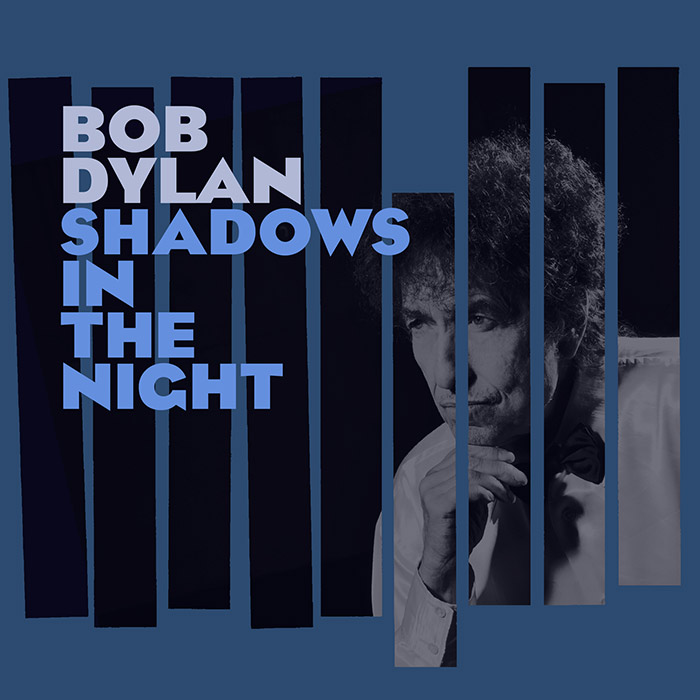
You may nev­er have heard of “Dylanol­o­gy” before, but rest assured that the field cov­ers the intel­lec­tu­al ter­ri­to­ry you sus­pect it does. Even if you have heard of Dylanol­o­gy, you may nev­er have heard of A.J. Weber­man, the man who holds rea­son­able claim to hav­ing fathered the dis­ci­pline. In John Reil­ly’s musi­cal­ly bio­graph­i­cal 1969 short film above, The Bal­lad of A.J. Weber­man, we wit­ness the tit­u­lar Bob Dylan obses­sive engag­ing in one of his many research meth­ods: in this case, the also neol­o­gism-anoint­ed pur­suit of gar­bol­o­gy. This “sci­ence” has Weber­man go through Dylan’s trash “in order to gath­er scraps of evi­dence to sup­port his the­o­ries,” says the dili­gent fan’s entry in the web’s Bob Dylan Who’s Who. These the­o­ries include, accord­ing to Rolling Stone’s Marc Jacob­son, the notion that “Dylan, the most angel-head­ed head of the gen­er­a­tion, had fall­en prey to a Manchuri­an Can­di­date-style gov­ern­ment plot to hook him up to sen­si­bil­i­ty-dead­en­ing hard dope.”

The page also men­tions that “after three years of self-pub­lic­i­ty” as the “world’s lead­ing Dyla­nol­o­gist,” Weber­man “final­ly met Dylan in 1971.” But much of his noto­ri­ety comes not just from hav­ing met Dylan in the flesh, not just from habit­u­al­ly dig­ging through Dylan’s garbage, and not just (or so he claims) hav­ing tak­en a right­ful beat­ing at the hands of Dylan, but from hav­ing con­versed with Dylan, can­did­ly and at length, over the tele­phone. These chats even­tu­al­ly emerged on vinyl as the album Robert Zim­mer­man vs. A.J. Weber­man, and you can hear the whole thing at Ubuweb, or below:

Intro­duc­tion

Jan­u­ary 6, 1971

Jan­u­ary 9, 1971

“The con­ver­sa­tions were record­ed in Jan­u­ary, 1971, in the weeks fol­low­ing a demon­stra­tion out­side Bob’s NYC apart­ment orga­nized by Weber­man [ … ] a mis­guid­ed 60’s rad­i­cal who felt (cor­rect­ly enough) that by the ear­ly 70’s, rock music had ceased to be a force for rad­i­cal polit­i­cal upheaval in the U.S. and had been co-opt­ed by the estab­lish­ment,” writes one con­trib­u­tor to the Dylan Who’s Who. “Like any of Bob’s songs, they must be heard to be tru­ly under­stood.”

Relat­ed Con­tent:

Bob Dylan Final­ly Makes a Video for His 1965 Hit, “Like a Rolling Stone”

Bob Dylan Reads From T.S. Eliot’s Great Mod­ernist Poem The Waste Land

Hear the Nev­er-Before-Released Bob Dylan Song “Pret­ty Saro” (1970)

The 1969 Bob Dylan-John­ny Cash Ses­sions: Twelve Rare Record­ings

Bob Dylan and George Har­ri­son Play Ten­nis, 1969

Col­in Mar­shall hosts and pro­duces Note­book on Cities and Cul­ture and writes essays on cities, lan­guage, Asia, and men’s style. He’s at work on a book about Los Ange­les, A Los Ange­les Primer. Fol­low him on Twit­ter at @colinmarshall or on Face­book.

Bill Murray Croons a Soulful Cover of “The House of the Rising Sun”

Bill Mur­ray began his singing shtick on Sat­ur­day Night Live back in the 70s. Any­one who watched the show dur­ing its hey­day will sure­ly remem­ber his “Nick Win­ter” lounge singer char­ac­ter belt­ing out the tune of the Star Wars theme song. Years lat­er, Mr. Mur­ray tick­led us with a karaoke scene in Lost in Trans­la­tion. And yet anoth­er decade lat­er we find him singing “The House of the Ris­ing Sun,” the Amer­i­can folk song record­ed numer­ous times since 1934, but per­haps most famous­ly by The Ani­mals in 1964. Bil­l’s ver­sion took place last night at the annu­al Cad­dyshack Celebri­ty Golf Char­i­ty Event. If you enjoy hear­ing Bill sing, you should real­ly lis­ten to him read poet­ry. We’ve got the below.

via Rolling Stone

Relat­ed Con­tent:

Bill Mur­ray Reads Great Poet­ry by Bil­ly Collins, Cole Porter, and Sarah Man­gu­so

Bill Mur­ray Reads Poet­ry at a Con­struc­tion Site

Bill Mur­ray Reads Wal­lace Stevens Poems — “The Plan­et on The Table” and “A Rab­bit as King of the Ghosts”

What Does a $45 Million Viola Sound Like? Violist David Aaron Carpenter Gives You a Preview

This spring, one of the best-pre­served Strads in exis­tence will go up for auc­tion at Sotheby’s. Built some time between 1700 and 1720, dur­ing the very best peri­od of Stradivari’s work, the vio­la is a real rar­i­ty, one of only ten in exis­tence. Maybe that jus­ti­fies the start­ing price of $45 mil­lion. What does that prized strad actu­al­ly sound like, you might won­der? Filmed by The New York Times, the clip above fea­tures David Aaron Car­pen­ter (called “The Hottest Vio­list of the 21st Cen­tu­ry”) play­ing Suite No. 3 in C by Johann Sebas­t­ian Bach. If you’re a vio­la afi­ciona­do, we would be curi­ous to get your take on what you hear.

via NYTimes

Relat­ed Con­tent:

The Art and Sci­ence of Vio­lin Mak­ing

The Musi­cal Mind of Albert Ein­stein: Great Physi­cist, Ama­teur Vio­lin­ist and Devo­tee of Mozart

A Stringed Salute to AC/DC and Guns N’ Ros­es

by | Permalink | Make a Comment ( 12 ) |

Bruce Springsteen and Pink Floyd Get Their First Scholarly Journals and Academic Conferences

TheBoss2008

When I first entered col­lege in the mid-‘90s, the phe­nom­e­non of pop cul­ture stud­ies in acad­e­mia seemed like an excit­ing nov­el­ty, bound to the ethos of the Clin­ton years. Often inci­sive, occa­sion­al­ly friv­o­lous, pop cul­ture stud­ies made acad­e­mia fun again, and rein­vig­o­rat­ed the world of schol­ar­ly pub­lish­ing and col­lege life in gen­er­al. All man­ner of fan­dom ruled the day: we took class­es in hip hop videos and Buffy the Vam­pire Slay­er, Ala­nis Mor­ris­sette rede­fined irony, and near­ly every­one got hired right after grad­u­a­tion (see for ref­er­ence the cult clas­sic 1994 film PCU). These days I don’t need to tell you that the prospects for new grads are con­sid­er­ably reduced, but I’m very hap­py to find aca­d­e­m­ic soci­eties and jour­nals still orga­nized around TV shows, fan­ta­sy nov­els, and pop music. Today we bring you two exam­ples from the world of Clas­sic Rock & Roll Stud­ies (to coin a term). First up we have BOSS, or “The Bian­nu­al Online-Jour­nal of Spring­steen Stud­ies.”

Spring­steen Stud­ies is not new. In fact, a mas­sive Spring­steen sym­po­sium called “Glo­ry Days”—joint­ly spon­sored by Vir­ginia Tech, Penn State, and Mon­mouth Uni­ver­si­ty—has tak­en place twice in West Long Branch, New Jer­sey since 2005 and is cur­rent­ly prepar­ing for its next event. BOSS, how­ev­er, only just emerged, the first schol­ar­ly Spring­steen jour­nal ever pub­lished. The first issue will appear in June of this year, and the edi­tors are now solic­it­ing 15 to 25 page aca­d­e­m­ic arti­cles for their Jan­u­ary, 2015 issue. Describ­ing them­selves as a “schol­ar­ly space for Spring­steen Stud­ies in the con­tem­po­rary acad­e­my,” BOSS seeks “broad inter­dis­ci­pli­nary and cross-dis­ci­pli­nary approach­es to Springsteen’s song­writ­ing, per­for­mance, and fan com­mu­ni­ty.” Spring­steen schol­ars: check the BOSS site for dead­lines and con­tact info.

Unlike most schol­ar­ly jour­nals, BOSS is open-access, so fans and admir­ers of all kinds can read the sure-to-be fas­ci­nat­ing dis­cus­sions it fos­ters as it works toward secur­ing “a place for Spring­steen Stud­ies in the con­tem­po­rary acad­e­my.” Spring­steen Stud­ies’ advo­ca­cy appears to be working—Rutgers Uni­ver­si­ty plans to add a Spring­steen the­ol­o­gy class, cov­er­ing Springsteen’s entire discog­ra­phy, and oth­er insti­tu­tions like Prince­ton and the Uni­ver­si­ty of Rochester have offered Spring­steen cours­es in the past.

In anoth­er first for a spe­cial­ized pop cul­ture field, the first-ever aca­d­e­m­ic con­fer­ence on the work of Pink Floyd will be held this com­ing April 13 at Prince­ton Uni­ver­si­ty. Called “Pink Floyd: Sound, Sight, and Struc­ture,” the event promis­es to be a mul­ti-media extrav­a­gan­za, fea­tur­ing as its keynote speak­er Gram­my-award win­ning Pink Floyd pro­duc­er and engi­neer James Guthrie. (See Guthrie and oth­ers dis­cuss the pro­duc­tion of the sur­round-sound Super Audio CD of Wish You Were Here in the video above). In addi­tion to Guthrie’s talk, and his sur­round sound mix of the band’s music, the con­fer­ence will offer “live com­po­si­tions and arrange­ments inspired by Pink Floyd’s music,” an “exhi­bi­tion of Pink Floyd cov­ers and art,” and a screen­ing of The Wall. Papers include “The Visu­al Music of Pink Floyd,” “Space and Rep­e­ti­tion in David Gilmour’s Gui­tar Solos,” and “Sev­er­al Species of Small Fur­ry Ani­mals: The Genius of Ear­ly Floyd.” Admis­sion is free, but you’ll need to RSVP to get in. The town of Prince­ton will join in the fes­tiv­i­ties with “Out­side the Wall,” a series of events and spe­cials on drinks, din­ing, art, and music.

While these events and pub­li­ca­tions may seem to locate pop cul­ture stud­ies square­ly in New Jer­sey, those inter­est­ed can find con­fer­ences all over the world, in fact. A good place to start is the site of the PCA (“Pop Cul­ture Asso­ci­a­tion”), which hosts its annu­al con­fer­ence next month in Chica­go, and the Inter­na­tion­al Con­fer­ence on Media and Pop­u­lar Cul­ture will be held this May in Vien­na. Pop cul­ture and media stud­ies still seem to me to be par­tic­u­lar prod­ucts of the opti­mistic ‘90s (due to my own vin­tage, no doubt), but it appears these aca­d­e­m­ic fields are thriv­ing, despite the vast­ly dif­fer­ent eco­nom­ic cli­mate we now live in, with its no-fun, belt-tight­en­ing effects on high­er ed across the board.

Relat­ed Con­tent:

Bruce Spring­steen Exhi­bi­tion Held in Philadel­phia; It’s Now Offi­cial, The Boss is an Amer­i­can Icon

Heat Map­ping the Rise of Bruce Spring­steen: How the Boss Went Viral in a Pre-Inter­net Era

Watch Doc­u­men­taries on the Mak­ing of Pink Floyd’s Dark Side of the Moon and Wish You Were Here

Josh Jones is a writer and musi­cian based in Durham, NC. Fol­low him at @jdmagness

The World Concert Hall: Listen To The Best Live Classical Music Concerts for Free

municipal_smetana-hall

While the Inter­net may not have helped glob­al music sales, it’s cer­tain­ly been a boon for fans want­i­ng to lis­ten to oth­er­wise-inac­ces­si­ble music, espe­cial­ly clas­si­cal music. We often post clas­si­cal musi­cal finds on Open Cul­ture. Take for exam­ple this com­pendi­um of freely down­load­able music from over 150 clas­si­cal com­posers, this open ver­sion of Bach’s Gold­berg vari­a­tions and all of Bach’s organ works, and then this col­lec­tion of 85,000 free clas­si­cal scores. Today, we bring you anoth­er fan­tas­tic resource: the World Con­cert Hall.

Just over a cen­tu­ry after the first radio per­for­mance of Rug­gero Leoncavallo’s “Il Pagli­ac­ci,” and Pietro Mascagni’s “Cav­al­le­ria Rus­ti­cana” were broad­cast live from the Met­ro­pol­i­tan Opera House in 1910, the World Con­cert Hall has made it its mis­sion to bring free live clas­si­cal con­certs to the world. The web­site con­tains a col­lec­tion of links to free radio per­for­mances each week, allow­ing lis­ten­ers to tune into live con­certs per­formed across the globe. You can browse per­for­mances accord­ing to the site’s sched­ule, or choose from a selec­tion of clas­si­cal radio sta­tions in a large num­ber of coun­tries. As you might expect, the U.S has the largest selec­tion by far, with 80 sta­tions. But for more curi­ous music lovers, World Con­cert Hall also offers a taste of what oth­er fans are lis­ten­ing to in oth­er coun­tries, like Chi­na, Japan, and Israel.

Inter­est­ed in check­ing out Mendelssohn’s con­cer­to for vio­lin, piano, and strings at Brus­sels’ Klara Fes­ti­val (today, 7pm, GMT) or Iri­na Ior­daches­cu and the Roman­ian Radio Nation­al Orches­tra per­form­ing Tchaikovsky’s last works (Fri­day, 5pm, GMT)? Lis­ten to your heart’s con­tent at World Con­cert Hall.

Ilia Blin­d­er­man is a Mon­tre­al-based cul­ture and sci­ence writer. Fol­low him at @iliablinderman, or read more of his writ­ing at the Huff­in­g­ton Post.

Relat­ed Con­tent:

Stravinsky’s The Rite of Spring, Visu­al­ized in a Com­put­er Ani­ma­tion for Its 100th Anniver­sary

Debussy Plays Debussy: The Great Composer’s Play­ing Returns to Life

The Genius of J.S. Bach’s “Crab Canon” Visu­al­ized on a Möbius Strip

New­ly Dis­cov­ered Piece by Mozart Per­formed on His Own Fortepi­ano

David Bowie Talks and Sings on The Dick Cavett Show (1974)

I can think of very few taste­ful phe­nom­e­na to have come to promi­nence in the sev­en­ties, but David Bowie’s albums and Dick Cavet­t’s talk shows both make the short list. In the mid­dle of that decade, Bowie cer­tain­ly made the tele­vi­sion rounds; we pre­vi­ous­ly fea­tured his 1975 appear­ance oppo­site Cher, and today we have his appear­ance oppo­site Cavett from the pre­vi­ous year. “David Bowie is a super­star in a cat­e­go­ry that has nev­er actu­al­ly been defined,” says the host about the rock­er, to audi­ence cheers, “because as soon as a crit­ic tries to say what he is, he changes, like a chameleon.” It seems that Bowie, then at the height of his self-trans­for­ma­tive ten­den­cies, could reduce even the most elo­quent man on tele­vi­sion to that not-quite-accu­rate cliché. As the for­mer host told Esquire thir­ty years after this broad­cast, “Does­n’t a chameleon exert tremen­dous ener­gy to become indis­tin­guish­able from its envi­ron­ment?”

Yet Cavett ulti­mate­ly holds his own with Bowie, a feat I doubt many of the rest of us could pull off then or now. The appear­ance involves more than just music; while Bowie does per­form, he also sits down to talk, some­thing that his fans had­n’t yet seen him do in 1974. To many of them, he remained for the most part a mys­tery, albeit an astute­ly rock­ing one. “Who is he? What is he?” Cavett rhetor­i­cal­ly asks the crowd. “Man? Woman? Robot?” In the event, they dis­cuss his school days, his ride on the Trans-Siber­ian Rail­way, the unfor­get­table Dia­mond Dogs cov­er arthis step back from “glit­ter,” why oth­er peo­ple would have feared inter­view­ing him, and whether he pic­tures him­self at six­ty (in the far-flung year of 2007). How easy to for­get, in this age when we can often con­verse with our idols by mere­ly send­ing them an @ reply on Twit­ter, how much a show­man like Bowie could leave to our imag­i­na­tions. He remains admirably secre­tive by today’s stan­dards, but back in the sev­en­ties, any­thing he said would have come as a rev­e­la­tion — espe­cial­ly if prompt­ed by no less art­ful a con­ver­sa­tion­al­ist.

Relat­ed Con­tent:

David Bowie and Cher Sing Duet of “Young Amer­i­cans” and Oth­er Songs on 1975 Vari­ety Show

David Bowie Sings ‘I Got You Babe’ with Mar­i­anne Faith­full in His Last Per­for­mance As Zig­gy Star­dust

David Bowie Releas­es Vin­tage Videos of His Great­est Hits from the 1970s and 1980s

David Bowie Recalls the Strange Expe­ri­ence of Invent­ing the Char­ac­ter Zig­gy Star­dust (1977)

David Bowie’s Top 100 Books

Col­in Mar­shall hosts and pro­duces Note­book on Cities and Cul­ture and writes essays on cities, lan­guage, Asia, and men’s style. He’s at work on a book about Los Ange­les, A Los Ange­les Primer. Fol­low him on Twit­ter at @colinmarshall or on Face­book.

Billy Joel & Vanderbilt Student Perform Impromptu Duet of “New York State of Mind”

Dur­ing a vis­it to Van­der­bilt Uni­ver­si­ty last year, Bil­ly Joel field­ed a ques­tion from a fresh­man, Michel Pol­lack. To para­phrase: “My favorite song of yours is New York State of Mind. Can I play it for you on the piano while you sing?” To which Joel replied, “Ok.” And off they went. It’s a love­ly impromp­tu moment. But it was a lit­tle too much for Pol­lack. A lit­tle over­whelmed by the whole expe­ri­ence, he got a 69 on his cal­cu­lus exam the next day. But who could blame him. We have more impromp­tu musi­cal moments below.

Relat­ed Con­tent:

Lenny Kravitz Over­hears High School Kids Play­ing His Music and Sur­pris­es Them by Join­ing In

A Paul Simon Feelin’-Very-Groovy Moment with a Fan

Blind Gui­tarist Lives Out Dream at U2 Show

« Go BackMore in this category... »
Quantcast