Listen to Bill Murray Lead a Guided Meditation on How It Feels to Be Bill Murray

Pho­to by Gage Skid­more, via Wiki­me­dia Com­mons

How does it feel to be Bill Mur­ray?

Won­der­ful, pre­sum­ably. You’re wealthy, well respect­ed, and high­ly sought. Your ran­dom real world cameos bring joy to scores of unsus­pect­ing mor­tals.

Mur­ray’s St. Vin­cent direc­tor Ted Melfi cites his abil­i­ty to inhab­it the present moment:

He does­n’t care about what just hap­pened. He does­n’t think about what’s going to hap­pen. He does­n’t even book round-trip tick­ets. Bill buys one-ways and then decides when he wants to go home.

A stun­ning­ly good use of wealth and pow­er. If he were any­one but the inim­itable Bill Mur­ray, I bet we’d be seething with envi­ous class rage.

He devis­es the rules by which he plays, from the way he rubs shoul­ders with the com­mon man to the toll free num­ber that serves as his agent to indulging in cre­ative acts of rebel­lion that could get a younger, less nuanced star labelled brat­ty, if not men­tal­ly ill, and des­per­ate­ly in need of rehab.

As if Mur­ray needs any­one else to deter­mine when he needs a break. When his 1984 film adap­ta­tion of Som­er­set Maugham’s The Razor’s Edge failed at the box office, he grant­ed him­self a four year sab­bat­i­cal. He stud­ied his­to­ry and phi­los­o­phy at the Sor­bonne, became fas­ci­nat­ed with the Gre­co-Armen­ian mys­tic George Gur­d­j­eff…and learned how to avoid spook­ing the pub­lic by putting a light spin on a clear­ly trans­for­ma­tive expe­ri­ence:

I’ve retired a cou­ple of times. It’s great, because you can just say, “Oh, I’m sor­ry. I’m retired.” And peo­ple will actu­al­ly believe that you’ve retired. There are nut­ters out there that will go, “Oh, okay!” and then leave you alone.

But how does it real­ly feel to be Bill Mur­ray?

Relax­ing, appar­ent­ly:

…some­one told me some secrets ear­ly on about liv­ing, and that you just have to remind your­self … you can do the very best you can when you’re very very relaxed. No mat­ter what it is, what­ev­er your job is, the more relaxed you are the bet­ter you are. That’s sort of why I got into act­ing. I real­ized the more fun I had the bet­ter I did it and I thought, that’s a job I can be proud of. If I had to go to work and no mat­ter what my con­di­tion, no mat­ter what my mood is, no mat­ter how I feel … if I can relax myself and enjoy what I’m doing and have fun with it, I can do my job real­ly well. It has changed my life, learn­ing that.

When the ques­tion was put to him at the 2014 Toron­to Inter­na­tion­al Film Fes­ti­val, Mur­ray led a guid­ed med­i­ta­tion, below, to help the audi­ence get a feel for what it feels like to be as relaxed and in the moment as Bill Mur­ray. Putting all jok­ing to the side, he shares his for­mu­la as sin­cere­ly as Mr. Rogers address­ing his young tele­vi­sion audi­ence. Don’t for­get that this is a man who read the poet­ry of Emi­ly Dick­in­son to a room­ful of rapt con­struc­tion work­ers with a straight and con­fi­dent face. Com­plete text is below.

Let’s all ask our­selves that ques­tion right now: What does it feel like to be you? What does it feel like to be you? Yeah. It feels good to be you, doesn’t it? It feels good, because there’s one thing that you are — you’re the only one that’s you, right?

So you’re the only one that’s you, and we get con­fused some­times — or I do, I think every­one does — you try to com­pete. You think, damn it, some­one else is try­ing to be me. Some­one else is try­ing to be me. But I don’t have to armor myself against those peo­ple; I don’t have to armor myself against that idea if I can real­ly just relax and feel con­tent in this way and this regard.

If I can just feel… Just think now: How much do you weigh? This is a thing I like to do with myself when I get lost and I get feel­ing fun­ny. How much do you weigh? Think about how much each per­son here weighs and try to feel that weight in your seat right now, in your bot­tom right now. Parts in your feet and parts in your bum. Just try to feel your own weight, in your own seat, in your own feet. Okay? So if you can feel that weight in your body, if you can come back into the most per­son­al iden­ti­fi­ca­tion, a very per­son­al iden­ti­fi­ca­tion, which is: I am. This is me now. Here I am, right now. This is me now. Then you don’t feel like you have to leave, and be over there, or look over there. You don’t feel like you have to rush off and be some­where. There’s just a won­der­ful sense of well-being that begins to cir­cu­late up and down, from your top to your bot­tom. Up and down from your top to your spine. And you feel some­thing that makes you almost want to smile, that makes you want to feel good, that makes you want to feel like you could embrace your­self.

So, what’s it like to be me? You can ask your­self, “What’s it like to be me?” You know, the only way we’ll ever know what it’s like to be you is if you work your best at being you as often as you can, and keep remind­ing your­self: That’s where home is.

via One Being

Relat­ed Con­tent:

Bill Mur­ray Reads Great Poet­ry by Bil­ly Collins, Cole Porter, and Sarah Man­gu­so

Bill Mur­ray Gives a Delight­ful Dra­mat­ic Read­ing of Twain’s Huck­le­ber­ry Finn (1996)

Bill Mur­ray Sings the Poet­ry of Bob Dylan: Shel­ter From the Storm

Ayun Hal­l­i­day is an author, illus­tra­tor, and Chief Pri­ma­tol­o­gist of the East Vil­lage Inky zine. Fol­low her @AyunHalliday


The Visionary Thought of Marshall McLuhan, Introduced and Demystified by Tom Wolfe

Mar­shall McLuhan and Tom Wolfe: both writ­ers, both astute observers of mod­ern human­i­ty, and both pub­lic fig­ures whose work has, over the years, enjoyed high fash­ion­abil­i­ty and endured high unfash­ion­abil­i­ty. You might think the con­nec­tion between them ends there. But when the 100th anniver­sary of McLuhan’s birth and the cen­ten­ni­al-cel­e­brat­ing site Mar­shall McLuhan Speaks came about, whose elo­quent intro­duc­tion to the thinker (who famous­ly declared the world a “glob­al vil­lage” where “the medi­um is the mes­sage”) got used there? Why, the man in white’s.

In the 20-minute video above, Wolfe lays out not just a pré­cis of the insights that made McLuhan “the first seer of cyber­space,” but gets into his biog­ra­phy as well: his humbly respectable ori­gins in Edmon­ton, his back­ground as a lit­er­ary schol­ar, his con­ver­sion to Catholi­cism, the begin­nings of his teach­ing career in Cam­bridge and Wis­con­sin, his “extracur­ric­u­lar gath­er­ings devot­ed to the folk­lore of indus­tri­al man,” his strug­gle to rec­on­cile his inter­est in the writ­ings of philoso­pher-pale­on­tol­o­gist Pierre Teil­hard de Chardin with his own reli­gious con­vic­tions, and the con­sid­er­able fame he accrued mak­ing pro­nounce­ments on the media in the media.

“No doubt the inter­net would have delight­ed him,” says Wolfe. “He would have seen it as a ful­fill­ment of prophe­cies he had made thir­ty years before it was born, as an instru­ment for the real­iza­tion of his dream of the mys­ti­cal uni­ty of all mankind. [Watch him pre­dict the world would be knit­ted into a glob­al vil­lage by dig­i­tal tech­nol­o­gy in some vin­tage video.] Here, in a spe­cif­ic, phys­i­cal, elec­tron­ic form, was the seam­less web of which he had so often spo­ken. Today thou­sands of young inter­net apos­tles are famil­iar with Mar­shall McLuhan, and are con­vinced his light shines round about them. From the edi­tors of Wired mag­a­zine to the most mis­er­able dot-com lizards of the chat room, they have made him their patron saint.”

To get an even deep­er sense of how much Wolfe has thought about McLuhan, have a look at his first annu­al Mar­shall McLuhan Lec­ture, deliv­ered at Ford­ham Uni­ver­si­ty in 1999. And unlike many intel­lec­tu­als who only turned back to re-exam­ine McLuhan after the age of the inter­net had retroac­tive­ly val­i­dat­ed even some of his wildest-sound­ing spec­u­la­tions, Wolfe has been tuned in to McLuhan’s fre­quen­cy since way back. In 1970, the two even got togeth­er for a tele­vised chat in McLuhan’s back yard (a clip of which you can watch just above), which revealed that, for all the fas­ci­na­tion Wolfe had with McLuhan, the inter­est was mutu­al.

Relat­ed Con­tent:

Has Tech­nol­o­gy Changed Us?: BBC Ani­ma­tions Answer the Ques­tion with the Help of Mar­shall McLuhan

McLuhan Said “The Medi­um Is The Mes­sage”; Two Pieces Of Media Decode the Famous Phrase

Mar­shall McLuhan: The World is a Glob­al Vil­lage

Col­in Mar­shall hosts and pro­duces Note­book on Cities and Cul­ture as well as the video series The City in Cin­e­ma and writes essays on cities, lan­guage, Asia, and men’s style. He’s at work on a book about Los Ange­les, A Los Ange­les Primer. Fol­low him on Twit­ter at @colinmarshall or on Face­book.

How Can I Know Right From Wrong? Watch Philosophy Animations on Ethics Narrated by Harry Shearer

The his­to­ry of moral phi­los­o­phy in the West hinges prin­ci­pal­ly on a hand­ful of ques­tions: Is there a God of some sort? An after­life? Free will? And, per­haps most press­ing­ly for human­ists, what exact­ly is the nature of our oblig­a­tions to oth­ers? The lat­ter ques­tion has long occu­pied philoso­phers like Immanuel Kant, whose extreme formulation—the “cat­e­gor­i­cal imperative”—flatly rules out mak­ing eth­i­cal deci­sions depen­dent upon par­tic­u­lar sit­u­a­tions. Kant’s famous exam­ple, one that gen­er­al­ly gets repeat­ed with a nod to God­win, involves an axe mur­der­er show­ing up at your door and ask­ing for the where­abouts of a vis­it­ing friend. In Kant’s esti­ma­tion, telling a lie in this case jus­ti­fies telling a lie at any time, for any rea­son. There­fore, it is uneth­i­cal.

In the video at the top of the post, Har­ry Shear­er nar­rates a script about Kant’s max­im writ­ten by philoso­pher Nigel War­bur­ton, with whim­si­cal illus­tra­tions pro­vid­ed by Cog­ni­tive. Part of the BBC and Open University’s “A His­to­ry of Ideas” series, the video—one of four deal­ing with moral philosophy—also explains how Kant’s approach to ethics dif­fers from those of util­i­tar­i­an­ism.

In the video above, Shear­er describes that most util­i­tar­i­an of thought exper­i­ments, the “Trol­ley Prob­lem.” As described by philoso­pher Philip­pa Foot, this sce­nario imag­ines hav­ing to sac­ri­fice the life of one for those of many. But there is a twist—the sec­ond ver­sion, which involves the added crime of phys­i­cal­ly mur­der­ing one per­son, up close and per­son­al, to save sev­er­al. An anal­o­gous but con­verse the­o­ry is that of Prince­ton philoso­pher Peter Singer (below) who pro­pos­es that our oblig­a­tions to peo­ple in per­il right in front of us equal our oblig­a­tions to those on the oth­er side of the world.

Final­ly, the last video sur­veys one of the thorni­est issues in moral philo­soph­i­cal history—the “is/ought” divide, as prob­lem­at­ic as the ancient Euthy­phro dilem­ma. How, asked David Hume, are we to deduce moral prin­ci­ples from facts about the world that have no moral dimen­sion? Par­tic­u­lar­ly when those facts are nev­er con­clu­sive, are sub­ject to revi­sion, and when new ones get uncov­ered all the time? The ques­tion intro­duces a seem­ing­ly unbridge­able chasm between facts and val­ues. Moral judg­ments found­ed on what is or isn’t “nat­ur­al” floun­der before our ter­ror of much of what nature does, and the very par­tial and fal­li­ble nature of our knowl­edge of it.

The prob­lem is as star­tling as Hume’s cri­tique of causal­i­ty, and in part caused Kant to remark that Hume had awak­ened him from a “dog­mat­ic slum­ber.” What may strike view­ers of the series is just how abstract these ques­tions and exam­ples are—how divorced from the messi­ness of real world pol­i­tics, with the excep­tion, per­haps, of Peter Singer. It may be instruc­tive that polit­i­cal phi­los­o­phy forms a sep­a­rate branch in the West. While these prob­lems are cer­tain­ly dif­fi­cult enough to trou­ble the sleep of just about any thought­ful per­son, in our day-to-day lives, our deci­sion mak­ing process seems to be much messier, and much more sit­u­a­tion­al, than we’re prob­a­bly ever aware of.

Relat­ed Con­tent:

Free Online Phi­los­o­phy Cours­es

A His­to­ry of Ideas: Ani­mat­ed Videos Explain The­o­ries of Simone de Beau­voir, Edmund Burke & Oth­er Philoso­phers

How Did Every­thing Begin?: Ani­ma­tions on the Ori­gins of the Uni­verse Nar­rat­ed by X‑Files Star Gillian Ander­son

What Makes Us Human?: Chom­sky, Locke & Marx Intro­duced by New Ani­mat­ed Videos from the BBC

Josh Jones is a writer and musi­cian based in Durham, NC. Fol­low him at @jdmagness


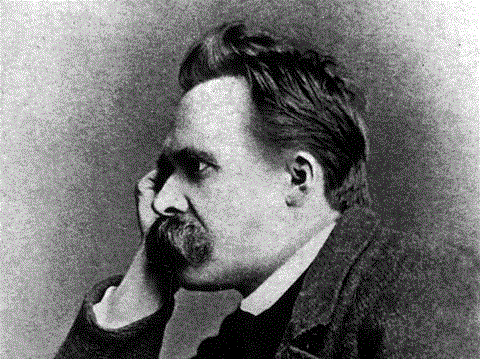
Hear a “DNA-Based Prediction of Nietzsche’s Voice:” First Attempt at Simulating Voice of a Dead Person

Nietzsche

Whether they sub­mit to his mighty philo­soph­i­cal influ­ence, resist it with all their own might, or fall some­where in between, every­one who’s read the pro­nounce­ments of Friedrich Niet­zsche (find his ebooks here) rec­og­nizes his voice — well, his tex­tu­al voice, that is. Hav­ing died in 1900 after spend­ing the last decade of his life in a men­tal break­down, the author of Thus Spake Zarathus­tra and Beyond Good and Evil has an excuse for not leav­ing behind much in the way of audio mate­r­i­al. But love Niet­zsche or hate him, a read­er has to won­der: what did the guy actu­al­ly sound like?

Here to sati­ate our curios­i­ty come Flavia Mon­tag­gio, Patri­cia Mon­tag­gio, and Imp Kerr, authors of the Inves­tiga­tive Genet­ics paper “DNA-based pre­dic­tion of Niet­zsche’s voice,” which sup­pos­ed­ly offers a sci­en­tif­ic means of doing just that. “We col­lect­ed trace amounts of cel­lu­lar mate­r­i­al (Touch DNA) from books that belonged to the philoso­pher Friedrich Niet­zsche,” reads the abstract, which goes on to describe the gath­er­ing of Niet­zsche-relat­ed data even­tu­al­ly “con­vert­ed into bio-mea­sures that were used to 3D-print a vocal tract and lar­ynx through which phona­tion was organ­i­cal­ly gen­er­at­ed.” The result, after run­ning every­thing through a series of text-to-speech sim­u­la­tions: “the first attempt at sim­u­lat­ing the voice of a deceased per­son”:

It all seems legit, right? Or maybe you Ger­man-speak­ers out there will sus­pect some­thing fishy, start­ing with the unlike­ly name of Imp Kerr. It actu­al­ly belongs to “a Swedish-French artist liv­ing in New York City, most­ly known for her fake Amer­i­can Appar­el adver­tise­ment cam­paign,” or so reads the Wikipedia page quot­ed by a Lan­guage Log post on the project. “I have no idea whether any­thing in the Wikipedia arti­cle about Imp Kerr is true,” writes author Mark Liber­man, “but it’s clear from inter­nal evi­dence that the alleged Inves­tiga­tive Genet­ics arti­cle is a piece of per­for­mance art.”

Liber­man breaks down the paper’s humor­ous ele­ments, from its “many seg­ments that dis­play qua­si-sci­en­tif­ic ter­mi­nol­o­gy in mean­ing­less or con­tra­dic­to­ry ways” to its sim­ple inabil­i­ty to “restrain a cer­tain tell­tale play­ful­ness” (as when it deals with a res­o­nance “low­er than expect­ed in regards of Nietzsche’s robust mandibles”). All this may remind you of the famous hoax where­in physi­cist Alan Sokal pub­lished a paper­ful of sheer non­sense in a respect­ed cul­tur­al-stud­ies jour­nal. Or you may think of the film above, which pur­ports, ques­tion­ably, to show Niet­zsche’s last days. It just goes to show that, if your ideas live on, you live on — or your read­ers will try to make you do so.

via The New Inquiry/Leit­er Reports

Relat­ed Con­tent:

The Dig­i­tal Niet­zsche: Down­load Nietzsche’s Major Works as Free eBooks

Down­load Wal­ter Kaufmann’s Lec­tures on Niet­zsche, Kierkegaard, Sartre & Mod­ern Thought (1960)

Human, All Too Human: 3‑Part Doc­u­men­tary Pro­files Niet­zsche, Hei­deg­ger & Sartre

Free Online Phi­los­o­phy Cours­es

Col­in Mar­shall hosts and pro­duces Note­book on Cities and Cul­ture as well as the video series The City in Cin­e­ma and writes essays on cities, lan­guage, Asia, and men’s style. He’s at work on a book about Los Ange­les, A Los Ange­les Primer. Fol­low him on Twit­ter at @colinmarshall or on Face­book.

Hear Classical Music Composed by Friedrich Nietzsche: 43 Original Tracks

Nietzsche

A philoso­pher per­haps more wide­ly known for his prodi­gious mus­tache than for the vari­eties of his thought, Friedrich Niet­zsche often seems to be mis­read more than read. Even some­one like Michel Fou­cault could gloss over a cru­cial fact about Nietzsche’s body of work: Fou­cault remarked in an unpub­lished inter­view that Nietzsche’s “won­der­ful ideas” were “used by the Nazi Par­ty.” But that use, he neglect­ed to men­tion, came about through a scheme hatched by Nietzsche’s sis­ter, after his men­tal col­lapse and death, to edit, change, and oth­er­wise manip­u­late the thinker’s work in a way The Tele­graph deemed “crim­i­nal.” Fou­cault may not have known the full con­text, but Niet­zsche had about as much sym­pa­thy for fas­cism as he did for Christianity–both rea­sons for his break with com­pos­er Richard Wag­n­er.

What Niet­zsche loved most was music. Even in the wake of this scan­dal, with Niet­zsche ful­ly reha­bil­i­tat­ed at the schol­ar­ly lev­el at least, the philoso­pher is gen­er­al­ly read piece­meal, used to prop up some ide­ol­o­gy or crit­i­cal the­o­ry or anoth­er, a ten­den­cy his anti-sys­tem­at­ic, apho­ris­tic work inspires. A more holis­tic approach yields two impor­tant gen­er­al obser­va­tions: Niet­zsche found the mun­dane work of pol­i­tics and nation­al­ist con­quest, with its trib­al­ism and moral pre­ten­sions, thor­ough­ly dis­taste­ful. Instead, he con­sid­ered the cre­ative work of artists, writ­ers, and musi­cians, as well as sci­en­tists, of para­mount impor­tance.

Niet­zsche almost entered med­i­cine and was him­self an artist: “before he engaged him­self ful­ly as a philoso­pher, he had already cre­at­ed a sub­stan­tial out­put as poet and com­pos­er,” writes Albany Records. In an 1887 let­ter writ­ten three years before his death, Niet­zsche claimed, “There has nev­er been a philoso­pher who has been in essence a musi­cian to such an extent as I am,” though he also admit­ted he “might be a thor­ough­ly unsuc­cess­ful musi­cian.” In any case, he hoped that at least some of his com­po­si­tions would become known and heard as com­ple­men­tary to his philo­soph­i­cal project.

Now seri­ous read­ers of Niet­zsche, or those sim­ply curi­ous about his musi­cian­ship, can hear most of those com­po­si­tions in a Spo­ti­fy playlist above. Per­formed by Cana­di­an musi­cians Lau­ret­ta Alt­man, Wolf­gang Bot­ten­berg, and the Mon­tre­al Orpheus Singers, the music ranges from spright­ly to pen­sive, roman­tic to mourn­ful, and some of it seems to come right out of the Protes­tant hym­nals he grew up with as the son of a Luther­an min­is­ter. Niet­zsche com­posed music through­out his life—a com­plete chronol­o­gy spans the years 1854, when he was only ten, to 1887. See The Niet­zsche Chan­nel for a thor­ough list of pub­lished Niet­zsche record­ings and sheet music. To lis­ten to the music here, you will need to down­load and reg­is­ter for Spo­ti­fy.

Relat­ed Con­tent:

130+ Free Online Phi­los­o­phy Cours­es

The Phi­los­o­phy of Niet­zsche: An Intro­duc­tion by Alain de Bot­ton

A Free Playlist of Music From The Works Of James Joyce (Plus Songs Inspired by the Mod­ernist Author)

The Dig­i­tal Niet­zsche: Down­load Nietzsche’s Major Works as Free eBooks

Josh Jones is a writer and musi­cian based in Durham, NC. Fol­low him at @jdmagness

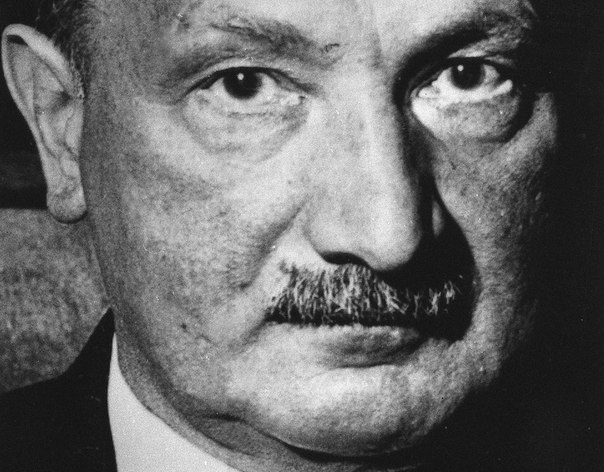
Heidegger’s “Black Notebooks” Suggest He Was a Serious Anti-Semite, Not Just a Naive Nazi

heidegger black notebooks

Ger­man philoso­pher Mar­tin Hei­deg­ger, wide­ly con­sid­ered one of the most influ­en­tial philoso­phers of the 20th cen­tu­ry, was a Nazi, a fact known to most any­one with more than a pass­ing knowl­edge of the sub­ject. In a New York Review of Books essay, Har­vard intel­lec­tu­al his­to­ri­an Peter E. Gor­don points out that “the philosopher’s com­plic­i­ty with the Nazis first became a top­ic of con­tro­ver­sy in the pages of Les Temps mod­ernes short­ly after the war.” The issue arose again when a for­mer stu­dent of Hei­deg­ger pub­lished “a vig­or­ous denun­ci­a­tion” in 1987. In these cas­es, and others—like his pro­tégé and one­time lover Han­nah Arendt’s defense of her for­mer teacher—the scan­dal tends to “always end with the same unsur­pris­ing dis­cov­ery that Hei­deg­ger was a Nazi.”

What stirs up con­tro­ver­sy isn’t Heidegger’s mem­ber­ship in the par­ty, but his moti­va­tions. Was he sim­ply a shrewd, if craven, careerist, or a gen­uine­ly hate­ful anti-Semi­te, or a lit­tle from each col­umn? What­ev­er the expla­na­tion, Hei­deg­ge­ri­ans have been able to wall off the phi­los­o­phy from sup­posed moral or polit­i­cal laps­es in judg­ment. Arendt did so by claim­ing that Hei­deg­ger, and all of phi­los­o­phy, was polit­i­cal­ly naïve. Recalls Adam Kirsch in the Times:

The seal was set on his abso­lu­tion by Han­nah Arendt, in a birth­day address broad­cast on West Ger­man radio. Heideg­ger’s Nazism, she explained, was an “escapade,” a mis­take, which hap­pened only because the thinker naïve­ly “suc­cumbed to the temp­ta­tion … to ‘inter­vene’ in the world of human affairs.” The moral to be drawn from the Hei­deg­ger case was that “the think­ing ‘I’ is entire­ly dif­fer­ent from the self of con­scious­ness,” so that Heideg­ger’s thought can­not be con­t­a­m­i­nat­ed by the actions of the mere man.

The pub­li­ca­tion of Heidegger’s so-called “black note­books,” jour­nals that he kept assid­u­ous­ly from 1931–1941, may change all that. They show Hei­deg­ger for­mu­lat­ing a phi­los­o­phy of anti-Semitism—using the cen­tral cat­e­gories of his thought—one that oper­ates, as Michel Fou­cault might say, along “the rules of exclu­sion.”

In pub­lished excerpts of a trans­la­tion by Richard Polt, an exec­u­tive mem­ber of the Hei­deg­ger Cir­cle, Crit­i­cal The­o­ry shows how much Hei­deg­ger turned his own con­cep­tu­al appa­ra­tus against Jews. At one point, he writes:

One of the most secret forms of the gigan­tic, and per­haps the old­est, is the tena­cious skill­ful­ness in cal­cu­lat­ing, hus­tling, and inter­min­gling through which the world­less­ness of Jew­ry is ground­ed.

In this short pas­sage alone, Hei­deg­ger invokes lazy stereo­types of Jews as “cal­cu­lat­ing” and “hus­tling.” He also, more impor­tant­ly, describes the Jew­ish peo­ple as “world­less.” As Crit­i­cal The­o­ry writes, “Being-in-the-world (In-der-Welt-sein) is the basic activ­i­ty of human exist­ing. To say that the Jews are ‘world­less’… is more than a con­fused stereo­type.” It is Heidegger’s way of cast­ing Jews out of Dasein, his most impor­tant cat­e­go­ry, a word that means some­thing like “being-there” or “pres­ence.” Jews, he writes, are “his­to­ry­less” and “are not being, but mere­ly ‘cal­cu­late with being.’”

More­over, Hei­deg­ger took up the Nazi char­ac­ter­i­za­tion of Jews as cor­rupt under­min­ers of soci­ety. As rep­re­sen­ta­tives of moder­ni­ty, and its tech­no­crat­ic dom­i­na­tion of human­i­ty, the Jews threat­ened “being” in anoth­er way:

What is hap­pen­ing now is the end of the his­to­ry of the great incep­tion of Occi­den­tal human­i­ty, in which incep­tion human­i­ty was called to the guardian­ship of be-ing, only to trans­form this call­ing right away into the pre­ten­sion to re-present beings in their machi­na­tion­al unessence…

The except goes on at length in this vein, with Jew­ish “tech­no­log­i­cal machin­ery” pos­ing a threat to civ­i­liza­tion. Per­haps most shock­ing­ly, Hei­deg­ger attrib­uted Nazi con­cen­tra­tion camps to “self-destruc­tion,” com­plete­ly absolv­ing by omis­sion, and min­i­miz­ing and excus­ing, the crimes of his par­ty. An arti­cle in Ital­ian news­pa­per Cor­riere Del­la Sera doc­u­ments Heidegger’s defense of Nazism and his claim in 1942 that “the com­mu­ni­ty of Jews” is “the prin­ci­ple of destruc­tion” and that the camps were only a log­i­cal out­come of this prin­ci­ple, the “supreme ful­fill­ment of tech­nol­o­gy,” “corpse fac­to­ries.” The real vic­tims, of course, are the Ger­mans, and the Allies are guilty of ”repress­ing our will for the world.”

Hei­deg­ger intend­ed the “black note­books,” so damn­ing that sev­er­al schol­ars of Hei­deg­ger fought their pub­li­ca­tion, to be released after all of his work was pub­lished. As with all of the philosopher’s dif­fi­cult work, the note­books are often obscure; it is not always clear what he means to say. But major Hei­deg­ger schol­ars have respond­ed in a vari­ety of ways—including resign­ing a chair­ship of the Mar­tin Hei­deg­ger Soci­ety—that sug­gest the worst. Accord­ing to Dai­ly Nous, a web­site about the phi­los­o­phy pro­fes­sion, when Gün­ter Figal resigned his posi­tion in Jan­u­ary as chair of the Mar­tin Hei­deg­ger Soci­ety, he said:

As chair­man of a soci­ety, which is named after a per­son, one is in cer­tain way a rep­re­sen­ta­tive of that per­son. After read­ing the Schwarze Hefte [Black Note­books], espe­cial­ly the anti­se­mit­ic pas­sages, I do not wish to be such a rep­re­sen­ta­tive any longer. These state­ments have not only shocked me, but have turned me around to such an extent that it has become dif­fi­cult to be a co-rep­re­sen­ta­tive of this.

Whether or not this new evi­dence will cause more of his adher­ents to renounce his work remains to be seen, but the note­books, writes Peter Gor­don, will sure­ly “cast a dark shad­ow over Hei­deg­ger’s lega­cy.” A very dark shad­ow.

Relat­ed Con­tent:

Mar­tin Hei­deg­ger Talks About Lan­guage, Being, Marx & Reli­gion in Vin­tage 1960s Inter­views

Mar­tin Hei­deg­ger Talks Phi­los­o­phy with a Bud­dhist Monk on Ger­man Tele­vi­sion (1963)

Human, All Too Human: 3‑Part Doc­u­men­tary Pro­files Niet­zsche, Hei­deg­ger & Sartre

Find cours­es on Hei­deg­ger in our col­lec­tion, 1,700 Free Online Cours­es from Top Uni­ver­si­ties

Josh Jones is a writer and musi­cian based in Durham, NC. Fol­low him at @jdmagness

Noam Chomsky Talks About How Kids Acquire Language & Ideas in an Animated Video by Michel Gondry

These days Noam Chom­sky is prob­a­bly most famous for his con­sis­tent, out­spo­ken crit­i­cism of U.S. for­eign pol­i­cy. Yet before the War on Ter­ror and the War on Drugs, Chom­sky became inter­na­tion­al­ly famous for propos­ing a nov­el solu­tion to an age-old ques­tion: what does a baby know?

Pla­to argued that infants retain mem­o­ries of past lives and thus come into this world with a grasp of lan­guage. John Locke coun­tered that a baby’s mind is a blank slate onto which the world etch­es its impres­sion. After years of research, Chom­sky pro­posed that new­borns have a hard-wired abil­i­ty to under­stand gram­mar. Lan­guage acqui­si­tion is as ele­men­tal to being human as, say, dam build­ing is to a beaver. It’s just what we’re pro­grammed to do. Chomsky’s the­o­ries rev­o­lu­tion­ized the way we under­stand lin­guis­tics and the mind.

A lit­tle while ago, film direc­tor and music video auteur Michel Gondry inter­viewed Chom­sky and then turned the whole thing into an extend­ed ani­mat­ed doc­u­men­tary called Is the Man Who Is Tall Hap­py? (which is cur­rent­ly avail­able on Net­flix’s stream­ing ser­vice).

Above is a clip from the film. In his thick French accent, Gondry asks if there is a cor­re­la­tion between lan­guage acqui­si­tion and ear­ly mem­o­ries. For any­one who’s watched Eter­nal Sun­shine of the Spot­less Mind, you know that mem­o­ry is one of the director’s major obses­sions. Over Gondry’s rough-hewn draw­ings, Chom­sky expounds: “Chil­dren know quite a lot of a lan­guage, much more than you would expect, before they can exhib­it that knowl­edge.” He goes on to talk about new tech­niques for teach­ing deaf-blind chil­dren and how a day-old infant inter­prets the world.

As the father of a tod­dler who is at the cusp of learn­ing to form thoughts in words, I found the clip to be fas­ci­nat­ing. Now, if only Chom­sky can explain why my son has tak­en to shout­ing the word “bacon” over and over and over again.

To gain a deep­er under­stand­ing of Chom­sky’s thoughts on lin­guis­tics, see our pre­vi­ous post:  The Ideas of Noam Chom­sky: An Intro­duc­tion to His The­o­ries on Lan­guage & Knowl­edge (1977)

If you would like to sign up for Open Culture’s free email newslet­ter, please find it here. It’s a great way to see our new posts, all bun­dled in one email, each day.

If you would like to sup­port the mis­sion of Open Cul­ture, con­sid­er mak­ing a dona­tion to our site. It’s hard to rely 100% on ads, and your con­tri­bu­tions will help us con­tin­ue pro­vid­ing the best free cul­tur­al and edu­ca­tion­al mate­ri­als to learn­ers every­where. You can con­tribute through Pay­Pal, Patre­on, and Ven­mo (@openculture). Thanks!

Relat­ed con­tent:

Michel Gondry’s Finest Music Videos for Björk, Radio­head & More: The Last of the Music Video Gods

Noam Chom­sky & Michel Fou­cault Debate Human Nature & Pow­er (1971)

What Makes Us Human?: Chom­sky, Locke & Marx Intro­duced by New Ani­mat­ed Videos from the BBC

Jonathan Crow is a Los Ange­les-based writer and film­mak­er whose work has appeared in Yahoo!, The Hol­ly­wood Reporter, and oth­er pub­li­ca­tions. You can fol­low him at @jonccrow. And check out his blog Veep­to­pus, fea­tur­ing lots of pic­tures of bad­gers and even more pic­tures of vice pres­i­dents with octo­pus­es on their heads.  The Veep­to­pus store is here.

The Philosophy of Friedrich Nietzsche Explained with 8‑Bit Video Games

In the world of the 8‑bit video game, there may be no more a frus­trat­ing, Sisy­phuse­an task than com­plet­ing the var­i­ous iter­a­tions of Mega Man. Each suc­ces­sive lev­el can feel end­less, as one dies and starts again, time after time, with no glo­ri­ous end in sight. It can feel like, as Friedrich Niet­zsche might say, being caught in a cycle of “eter­nal recur­rence,” des­tined to repeat the same actions, over and over again for eter­ni­ty.

The videos here then—part of the pop­u­lar trend of 8‑bit shorts—use the graph­ics and bleep­ing sound effects and music of Mega Man to illus­trate Nietzsche’s seem­ing­ly pes­simistic ideas. First, with a nod to Rust Cohle, we have the theory—or rather the thought experiment—of “eter­nal recur­rence.” Draw­ing on Arthur Schopen­hauer’s inter­pre­ta­tion of Bud­dhism, Niet­zsche imag­ined a uni­verse with no end and no begin­ning, an end­less loop of suf­fer­ing in which one is des­tined to make the same mis­takes for­ev­er.

If this seems ter­ri­fy­ing­ly bleak to you, you may approach life through a haze of resen­ti­ment, Niet­zsche might say, a bit­ter tan­gle of anger and blame that rejects the world as it is. The one who over­comes this snare—the uber­men­sch—has achieved self-mas­tery. Strong in the ways of the “will to pow­er” is he, and delight­ed by the prospect of liv­ing in the present moment an infi­nite num­ber of times, even if the uni­verse is cold, cru­el, and indif­fer­ent to human exis­tence. The “will to pow­er” gov­erns all life, for Niet­zsche, and human life in par­tic­u­lar is weak­ened by ignor­ing this fact and cling­ing to moral sys­tems of resen­ti­ment like that of Chris­tian­i­ty.

Niet­zsche’s argu­ment against Chris­tian­i­ty, as explained above at least, is that it encour­ages, even cel­e­brates medi­oc­rity and frowns upon excel­lence. That such is the gen­er­al tenor of our cur­rent age—an assess­ment the nar­ra­tor makes—is debat­able. Yes, we may pro­mote medi­oc­ri­ties at an alarm­ing rate, but we also at least nom­i­nal­ly cel­e­brate uber men (almost always men), who may not tru­ly be self made but who sure­ly live by the dic­tates of the will to pow­er, tak­ing what they want when they want it. Whether Nietzsche’s char­ac­ter­i­za­tion of this preda­to­ry behav­ior as the high­est of human pos­si­bil­i­ties inspires you or not may depend on how far you feel your­self to be above the com­mon herd.

Nietzsche’s amoral phi­los­o­phy has appealed to some pret­ty preda­to­ry char­ac­ters, but it also appeals to anti-author­i­tar­i­an, post-mod­ern types because of his crit­i­cal stance toward not only reli­gion, but also what can seem like its sec­u­lar replace­ment, sci­ence. Niet­zsche respect­ed the sci­en­tif­ic method, but he rec­og­nized its lim­i­ta­tions as a means of describ­ing, rather than explain­ing the world. All of our descrip­tions are inter­pre­ta­tions that do not pen­e­trate into the realm of ulti­mate caus­es or mean­ings, and can­not pro­vide a priv­i­leged, god-like van­tage point from which to make absolute judg­ments.

When, in the hopes of replac­ing the cer­tain­ties of reli­gious moral­i­ty and meta­physics, we ele­vate sci­ence to the posi­tion of ulti­mate truth for­mer­ly grant­ed to the mind of god, we lose sight of this basic lim­i­ta­tion; we com­mit the same fal­la­cy as the reli­gious, mis­tak­ing our sto­ries about the world for the world itself. Would Nietzsche’s extreme skep­ti­cism have made him sym­pa­thet­ic to today’s cli­mate sci­ence deniers and anti­vaxxers? Prob­a­bly not. He did rec­og­nize that, like the phys­i­cal bod­ies where thought takes place, some ideas are healthy descrip­tions of real­i­ty and some are not. Nonethe­less, our expla­na­tions, Niet­zsche argued, whether sci­en­tif­ic or oth­er­wise, are contingent—effects of lan­guage, not exposés of Truth, cap­i­tal T.

For more 8‑Bit Phi­los­o­phy, see our posts on Pla­to, Sartre, Der­ri­da, as well as Kierkegaard and Camus, all illus­trat­ed in short, nos­tal­gic recre­ations of clas­sic video games.

Relat­ed Con­tent:

The Phi­los­o­phy of Niet­zsche: An Intro­duc­tion by Alain de Bot­ton

Niet­zsche Dis­pens­es Dat­ing Advice in a Short Screw­ball Film, My Friend Friedrich

The Dig­i­tal Niet­zsche: Down­load Nietzsche’s Major Works as Free eBooks

Human, All Too Human: 3‑Part Doc­u­men­tary Pro­files Niet­zsche, Hei­deg­ger & Sartre

Josh Jones is a writer and musi­cian based in Durham, NC. Fol­low him at @jdmagness

« Go BackMore in this category... »
Quantcast