“A Great Day in Harlem,” Art Kane’s Iconic Photo of 57 Jazz Legends (with a Detailed Listing of Who Appears in the Photo)

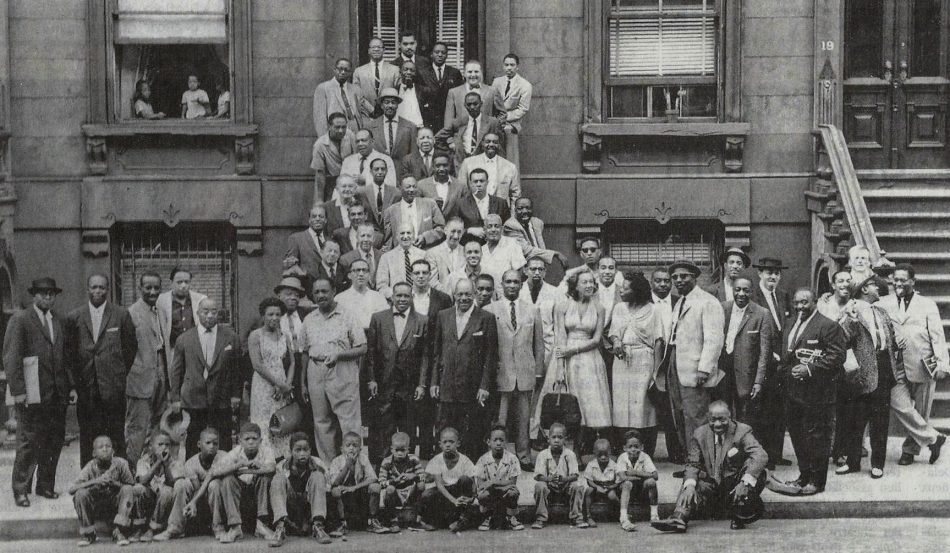
Image by Art Kane, via Wiki­me­dia Com­mons

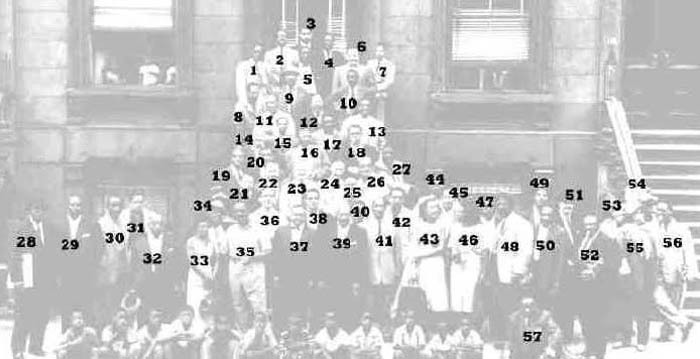
Six­ty years ago, Art Kane assem­bled one of the largest groups of jazz greats in his­to­ry. No, it wasn’t an all-star big band, but a meet­ing of vet­er­an leg­ends and young upstarts for the icon­ic pho­to­graph known as “A Great Day in Harlem.” Fifty-sev­en musi­cians gath­ered out­side a brown­stone at 17 East 126th St.—accompanied by twelve neigh­bor­hood kids—from “big rollers,” notes Jazz­wise mag­a­zine, like “Thelo­nious Monk, Charles Min­gus, Count Basie, Son­ny Rollins, Lester Young, Art Blakey, Horace Sil­ver, Dizzy Gille­spie, Cole­man Hawkins and Pee Wee Rus­sell to then up-and-com­ing names, Ben­ny Gol­son, Mar­i­on Mac­Part­land, Mary Lou Williams and Art Farmer.”

Son­ny Rollins was there, one of only two musi­cians in the pho­to still alive. The oth­er, Ben­ny Gol­son, who turns 90 next year, remem­bers get­ting a call from Vil­lage Voice crit­ic Nat Hentoff, telling him to get over there. Gol­son lived in the same build­ing as Quin­cy Jones, “but some­how he wasn’t called or he didn’t make it.”

Oth­er peo­ple who might have been in the pho­to­graph but weren’t, Gol­son says, because they were work­ing (and the 10 a.m. call time was a stretch for a work­ing musi­cian): “John Coltrane, Miles, Duke Elling­ton, Woody Her­man.” And Bud­dy Rich, whom Gol­son calls the “great­est drum­mer I ever heard in my life” (adding, “but his per­son­al­i­ty was hor­ri­ble.”)

The next year, every­thing changed—or so the sto­ry goes—when rev­o­lu­tion­ary albums hit the scene from the likes of Miles Davis, Dave Brubeck, Ornette Cole­man, and Charles Min­gus. These records pushed exper­i­men­tal forms, leav­ing behind the con­fines of both swing and bebop. But Kane’s jazz class pho­to shows us, Matthew Kessel writes at Vul­ture, “a por­trait of har­mo­ny, old and new guard alike peace­ably inter­min­gling. The pho­to sug­gests that jazz is as much about con­ti­nu­ity and tra­di­tion as it is about rad­i­cal change.” The pho­to has since become a tra­di­tion itself, hang­ing on the walls of thou­sands of homes, book­shops, record stores, bar­ber­shops, and restau­rants. (Get your copy here.)

Orig­i­nal­ly titled “Harlem 1958,”  Kane’s image has inspired some notable homages in black cul­ture. In 1998, XXL mag­a­zine tapped Gor­don Parks to shoot “A Great Day in Hip Hop” for a now-his­toric cov­er. And this past sum­mer, Net­flix gath­ered 47 black cre­atives behind more than 20 orig­i­nal Net­flix shows for the redux “A Great Day in Hol­ly­wood.” The pho­to also inspired a doc­u­men­tary of the same title in 1994 (at whose web­site you can click on each musi­cian for a short bio). At the Dai­ly News, Sarah Goodyear tells the sto­ry of how Kane con­ceived and exe­cut­ed the ambi­tious project for a spe­cial jazz edi­tion of Esquire.

It was his “first pro­fes­sion­al shoot­ing assign­ment and, with it, he end­ed up mak­ing his­to­ry by almost by acci­dent.” Goodyear quotes Kane’s son Jonathan, him­self a New York musi­cian, who remarks, “cer­tain things end up being big­ger than the orig­i­nal inten­tion. The pho­to­graph has become part of our cul­tur­al fab­ric.” For long­time res­i­dents of Harlem, the so-called Cap­i­tal of Black Amer­i­ca, and a spir­i­tu­al home of jazz, it’s just like an old fam­i­ly por­trait. See a ful­ly anno­tat­ed ver­sion of “A Great Day in Harlem” at Harlem.org, and at the Dai­ly News, an inter­ac­tive ver­sion with links to YouTube record­ings and per­for­mances from every one of the 57 musi­cians in the pic­ture.

This month, to com­mem­o­rate the 60th anniver­sary of the pho­to, Wall of Sound Gallery will pub­lish the book Art Kane: Harlem 1958, a ret­ro­spec­tive with out­takes from the pho­to ses­sion and text from Quin­cy Jones, Ben­ny Gol­son, Jonathan Kane, and Art him­self. “The impor­tance of this pho­to tran­scends time and loca­tion,” writes Jones in his for­ward, “leav­ing it to become not only a sym­bol­ic piece of art, but a piece of his­to­ry. Dur­ing a time in which seg­re­ga­tion was very much still a part of our every­day lives, and in a world that often point­ed out our dif­fer­ences instead of cel­e­brat­ing our sim­i­lar­i­ties, there was some­thing so spe­cial and pure about gath­er­ing 57 indi­vid­u­als togeth­er, in the name of jazz.”

  1. Hilton Jef­fer­son (1903–1968)
  2. Ben­ny Gol­son (1929-)
  3. Art Farmer (1928–2003)
  4. Wilbur Ware (1923–1979)
  5. Art Blakey (1919–1990)
  6. Chub­by Jack­son (1918–2003)
  7. John­ny Grif­fin (1928–2008)
  8. Dick­ie Wells (1909–1985)
  9. Buck Clay­ton (1911–1993)
  10. Taft Jor­dan (1915–1981)
  11. Zut­ty Sin­gle­ton (1898–1975)
  12. Hen­ry “Red” Allen (1908–1967)
  13. Tyree Glenn (1912–1972)
  14. Miff Mole (1898–1961)
  15. Son­ny Greer (1903–1982)
  16. J.C. Hig­gin­both­am (1906–1973)
  17. Jim­my Jones (1918–1982)
  18. Charles Min­gus (1922–1979)
  19. Jo Jones (1911–1985)
  20. Gene Kru­pa (1909–1973)
  21. Max Kamin­sky (1908–1994)
  22. George Wet­tling (1907–1968)
  23. Bud Free­man (1906–1988)
  24. Pee Wee Rus­sell (1906–1969)
  25. Ernie Wilkins (1922–1999)
  26. Buster Bai­ley (1902–1967)
  27. Osie John­son (1923–1968)
  28. Gigi Gryce (1927–1983)
  29. Hank Jones (1918–2010)
  30. Eddie Locke (1930–2009)
  31. Horace Sil­ver (1928–2014)
  32. Luck­ey Roberts (1887–1968)
  33. Max­ine Sul­li­van (1911–1987)
  34. Jim­my Rush­ing (1902–1972)
  35. Joes Thomas (1909–1984)
  36. Scov­ille Browne (1915–1994)
  37. Stuff Smith (1909–1967)
  38. Bill Crump (1919–1980s)
  39. Cole­man Hawkins (1904–1969)
  40. Rudy Pow­ell (1907–1976)
  41. Oscar Pet­ti­ford (1922–1960)
  42. Sahib Shi­hab (1925–1993)
  43. Mar­i­an McPart­land (1920–2013)
  44. Son­ny Rollins (1929-)
  45. Lawrence Brown (1905–1988)
  46. Mary Lou Williams (1910–1981)
  47. Emmett Berry (1915–1993)
  48. Thelo­nious Monk (1917–1982)
  49. Vic Dick­en­son (1906–1984)
  50. Milt Hin­ton (1910–2000)
  51. Lester “Pres” Young (1909–1959)
  52. Rex Stew­art (1907–1972)
  53. J.C. Heard (1917–1988)
  54. Ger­ry Mul­li­gan (1927–1995)
  55. Roy Eldridge (1911–1989)
  56. Dizzy Gille­spie (1917–1993)
  57. William “Count” Basie (1904–1984)

Relat­ed Con­tent:

1959: The Year That Changed Jazz

The Cry of Jazz: 1958’s High­ly Con­tro­ver­sial Film on Jazz & Race in Amer­i­ca (With Music by Sun Ra)

Hear 2,000 Record­ings of the Most Essen­tial Jazz Songs: A Huge Playlist for Your Jazz Edu­ca­tion

Josh Jones is a writer and musi­cian based in Durham, NC. Fol­low him at @jdmagness.

The Library of Congress Makes Thousands of Fabulous Photos, Posters & Images Free to Use & Reuse

The his­to­ry of the ven­er­a­ble Library of Con­gress demon­strates the vast impor­tance that the founders of the U.S. accord­ed to read­ing and study­ing. It may be one of the country’s most durable insti­tu­tions, “the old­est fed­er­al cul­tur­al insti­tu­tion in the nation,” it pro­claims. While par­ti­san ran­cor, war, and vio­lence recur, the LoC has stolid­ly held an ever-increas­ing­ly diverse col­lec­tion of arti­facts sit­ting peace­ful­ly along­side each oth­er on sev­er­al hun­dred miles of shelves, a mon­u­ment to the life of the mind that ought to get more atten­tion.

Tout­ing itself as “the largest library in the world,” its col­lec­tions “are uni­ver­sal, not lim­it­ed by sub­ject, for­mat, or nation­al bound­ary, and include research mate­ri­als from all parts of the world and in more than 450 lan­guages.”

Its first mate­ri­als were, of course, books—including over six-thou­sand books pur­chased from Thomas Jefferson’s pri­vate col­lec­tion after the British burned the orig­i­nal library down in 1814. Now, it “adds approx­i­mate­ly 12,000 items to the col­lec­tion dai­ly,” in every pos­si­ble for­mat one can imag­ine.

And since its dig­i­tal col­lec­tions came online, any­one, any­where in the world can call up these vast resources with an inter­net con­nec­tion and a few clicks. Though we tend to take such things for grant­ed in our fer­vid­ly dis­tract­ed times, a lit­tle reflec­tion should remind us of how incred­i­ble that is. But before we wax too rhap­sod­ic, let’s remem­ber there’s a busi­ness end to the LoC and it’s called the U.S. Copy­right Office, that guardian of intel­lec­tu­al prop­er­ty that both ensures cre­ators can prof­it from their labors and pre­vents the free and open use of so many enrich­ing mate­ri­als long after those cre­ators have need of them.

But the Library has done its dig­i­tal users a ser­vice in this regard as well, with its “Free to Use and Reuse Sets,” a siz­able col­lec­tion of images that the Library “believes… is either in the pub­lic domain, has no known copy­right, or has been cleared by the copy­right own­er for pub­lic use.” (The use of the word “believes” seems to leave room for doubt, but if you got it with per­mis­sion from the LoC, you’re prob­a­bly safe.) Need pho­tographs of Abra­ham Lincoln—and scans of his speech­es, let­ters, and “duel­ing instruc­tions”—for that book you’re writ­ing? You’re cov­ered with this gallery. Need a col­lec­tion of clas­sic chil­dren’s books for your web­site (or your read­ing plea­sure)? Here you go.

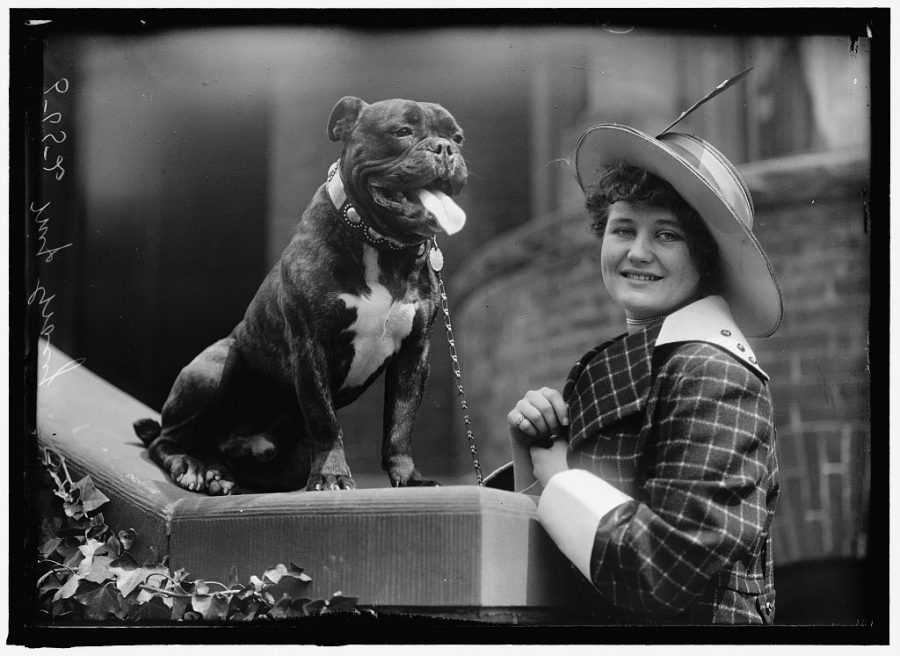
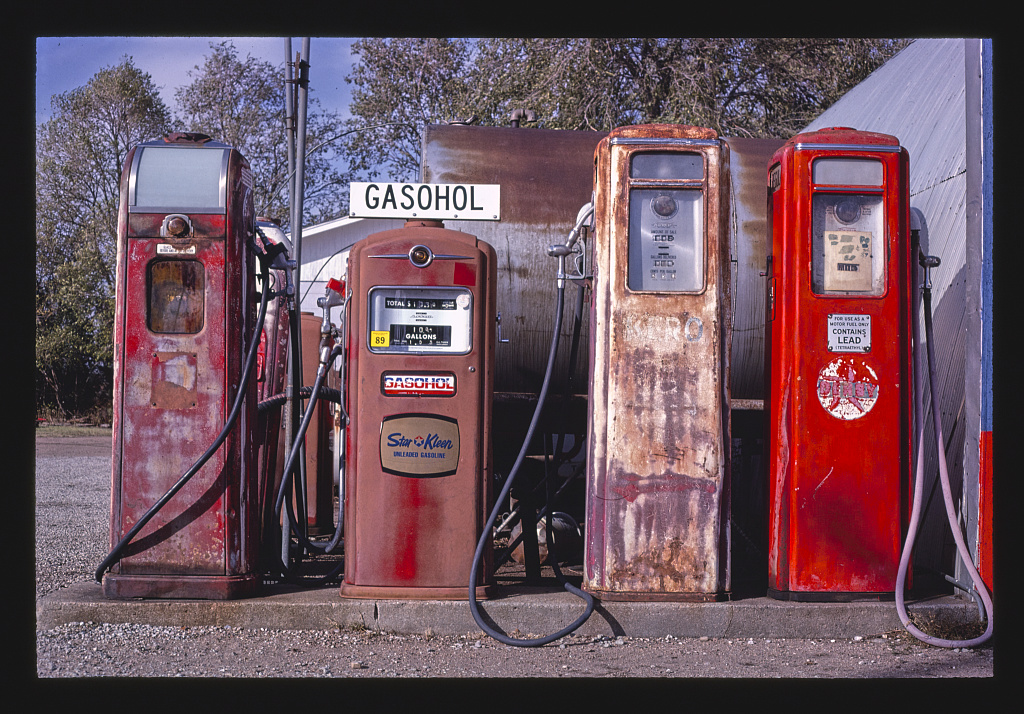
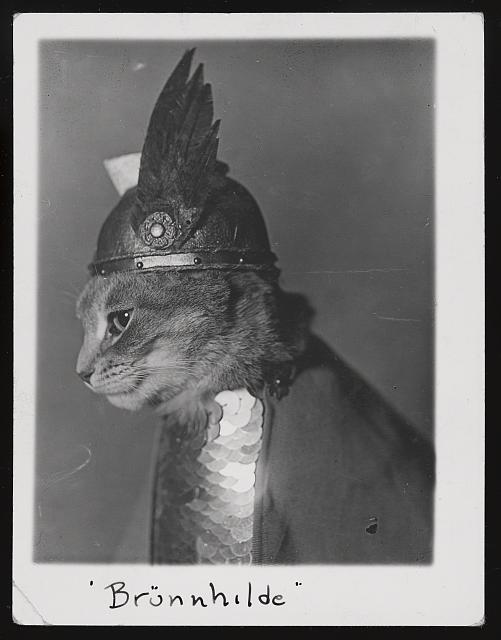
From the graph­ic genius of vin­tage WPA and trav­el posters to icon­ic jazz por­traits by William Got­tlieb to base­ball cards to end­less­ly quaint and quirky Amer­i­can road­side attrac­tions to pic­tures of dogs and their peo­ple… you nev­er know when you might need such images, but when you do you now know where to find them. Want to know what’s in the set called “Not an Ostrich”? A valkyrie cat named Brunnhilde, for one thing, and much more here.

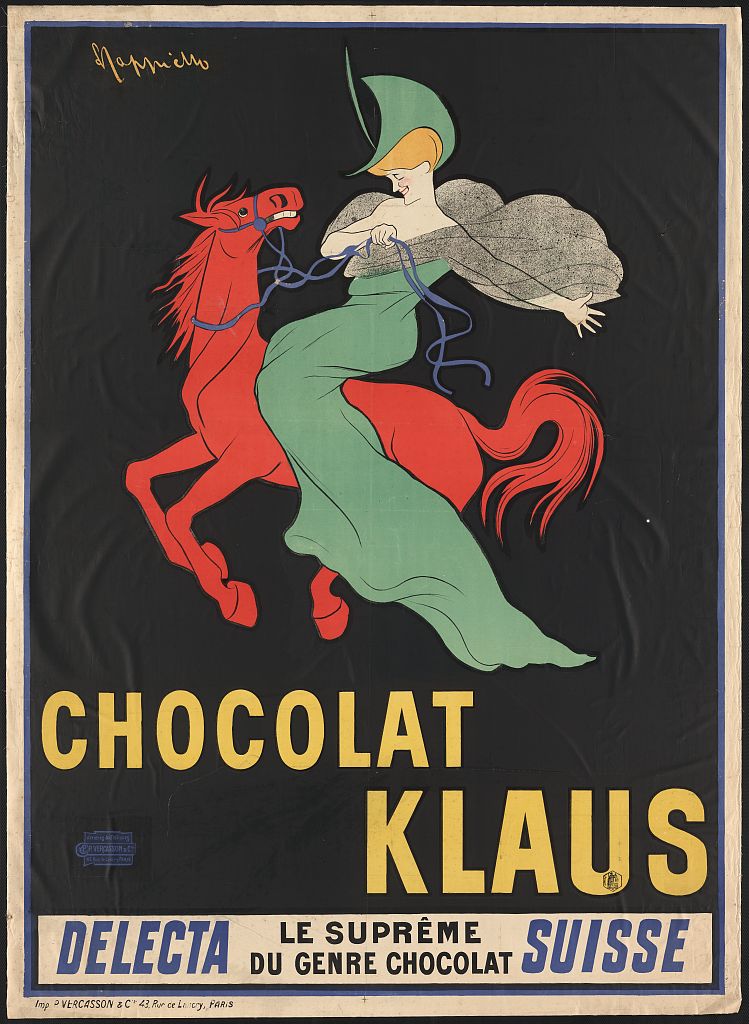
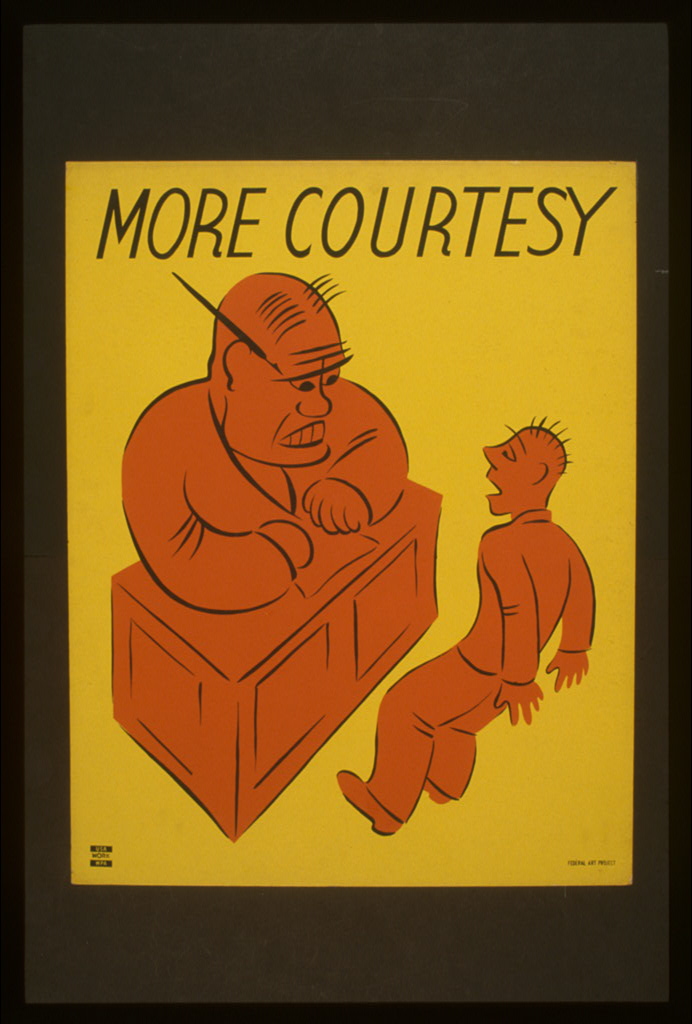
The Library cur­rent­ly high­lights its “Poster Parade”—a set of posters from the 1890s to the 1960s fea­tur­ing “trav­el, com­mer­cial prod­ucts, war pro­pa­gan­da, enter­tain­ment, and more”—in col­lab­o­ra­tion with Poster House, a muse­um open­ing in New York next year. These range from delec­table art nou­veau ads to shouty broad­sides telling you to drink your milk, brush your teeth, or have “More Cour­tesy.” Sen­si­ble pre­scrip­tions, but we also need more knowl­edge, study, and thought. Start at the LoC’s Dig­i­tal Col­lec­tions here and har­vest your free to use and reuse images here.

If you would like to sign up for Open Culture’s free email newslet­ter, please find it here. It’s a great way to see our new posts, all bun­dled in one email, each day.

If you would like to sup­port the mis­sion of Open Cul­ture, con­sid­er mak­ing a dona­tion to our site. It’s hard to rely 100% on ads, and your con­tri­bu­tions will help us con­tin­ue pro­vid­ing the best free cul­tur­al and edu­ca­tion­al mate­ri­als to learn­ers every­where. You can con­tribute through Pay­Pal, Patre­on, and Ven­mo (@openculture). Thanks!

Relat­ed Con­tent:

The Library of Con­gress Makes 25 Mil­lion Records From Its Cat­a­log Free to Down­load

Large Archive of Han­nah Arendt’s Papers Dig­i­tized by the Library of Con­gress: Read Her Lec­tures, Drafts of Arti­cles, Notes & Cor­re­spon­dence

Get­ty Images Makes 35 Mil­lion Pho­tos Free to Use Online

Josh Jones is a writer and musi­cian based in Durham, NC. Fol­low him at @jdmagness.


130,000 Photographs by Andy Warhol Are Now Available Online, Courtesy of Stanford University

(Image cred­it: © The Andy Warhol Foun­da­tion for the Visu­al Arts, Inc.)

It’s tak­en for grant­ed that every brand or ris­ing star must estab­lish and main­tain a con­stant pres­ence on var­i­ous social net­works. Indeed, the social media star—an enti­ty famous sole­ly for col­lect­ing fol­low­ers and post­ing glam­orous pho­tos with themed commentary—may seem like a phe­nom­e­non that could only exist in the inter­net age, though writ­ers like J.G. Bal­lard saw such things com­ing decades ago.

But before obses­sive pho­tog­ra­phy sat­u­rat­ed the dig­i­tal envi­ron­ment, Andy Warhol grasped the medium’s cen­tral impor­tance in the doc­u­men­ta­tion of every­day life. It just so hap­pened that his every­day life was filled with celebri­ty actors, mod­els, artists, and musi­cians.

Warhol, writes James D. Ellis at Light Stalk­ing, “was the pro­to-hip­ster,” a rest­less moth always on the hunt for a flame. “Much like our con­tem­po­rary cul­ture, Warhol found it dif­fi­cult to sit and do noth­ing. He had to leave his house or Fac­to­ry and expe­ri­ence his imme­di­ate sur­round­ings.”

(Image cred­it: © The Andy Warhol Foun­da­tion for the Visu­al Arts, Inc.)

And he had to pho­to­graph every one of those expe­ri­ences. Warhol used his Polaroids and 35mm the way we use iPhones. A court case in the ear­ly nineties once took up the ques­tion of whether Warhol’s pho­tographs could be con­sid­ered fine art, but the artist him­self, writes Pati­na Lee at Wide­walls, “was obvi­ous­ly unde­cid­ed about their val­ue and mean­ing,” say­ing “A pic­ture means I know where I was every minute. That’s why I take pic­tures. It’s a visu­al diary.”

Warhol, Lee writes, “took his cam­era with him wher­ev­er he went, doc­u­ment­ing prac­ti­cal­ly every­thing, the high­est high class and the low­est trash (lit­er­al­ly, he took pho­tos of trash cans and of what they con­tained)…. This inclu­sive­ness is what made his pho­to­graph­ic under­tak­ings bor­der between art and mere obses­sive col­lect­ing, or as peo­ple like to cyn­i­cal­ly notice, con­sum­ing the life around him.” His con­sump­tion, and pho­tographs of trash, comes to us as trea­sure, an exten­sive record of Warhol’s New York in the sev­en­ties and eight­ies.

(Image cred­it: © The Andy Warhol Foun­da­tion for the Visu­al Arts, Inc.)

Stan­ford University’s Can­tor Arts Cen­ter and Stan­ford Libraries have col­lab­o­rat­ed to make their Warhol pho­to archives avail­able to the pub­lic—pho­tos snapped “at dis­cos, din­ner par­ties, flea mar­kets, and wrestling match­es. Friends, boyfriends, busi­ness asso­ciates, socialites, celebri­ties, and passers­by.” This “trove of 3,600 con­tact sheets fea­tur­ing 130,000 pho­to­graph­ic expo­sures” doc­u­ments Warhol’s dai­ly life from 1976 until his death in 1987 and includes can­did pho­tos of Jean-Michel Basquiat, Tru­man Capote, Bian­ca Jag­ger, Jim­my Carter, Martha Gra­ham, Kei­th Har­ing, Deb­bie Har­ry, Grace Jones, Jack­ie Kennedy, Liza Minel­li, Dol­ly Par­ton, Eliz­a­beth Tay­lor, and more.

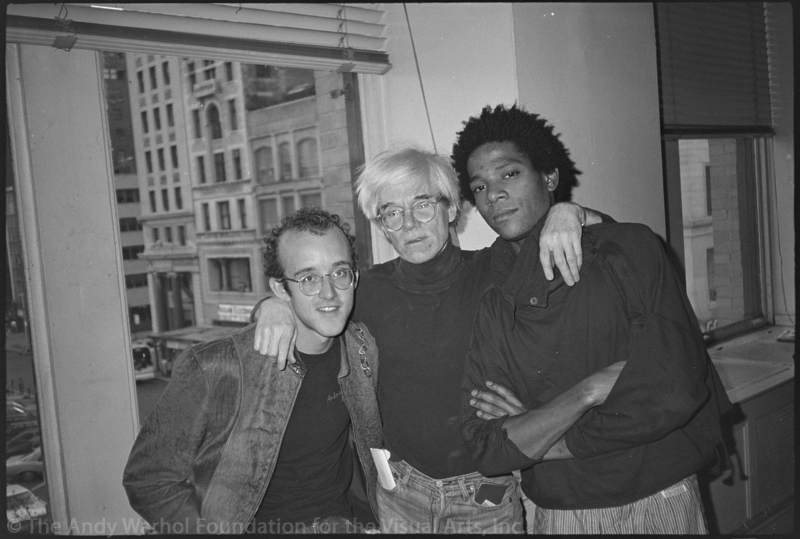
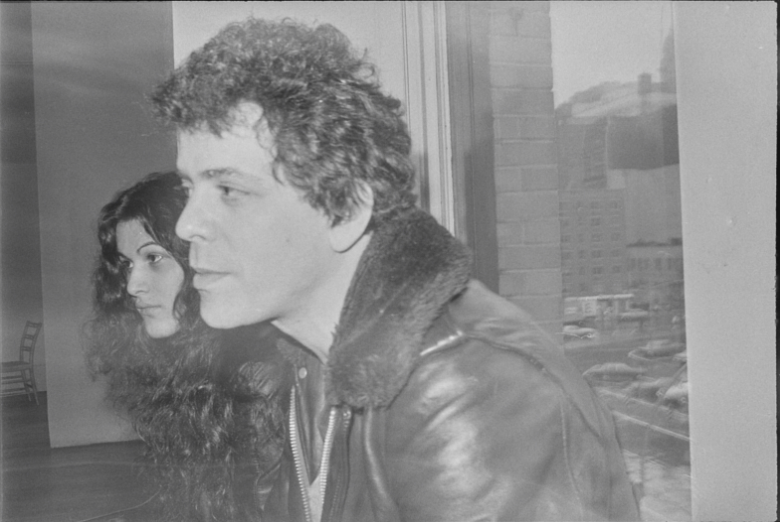
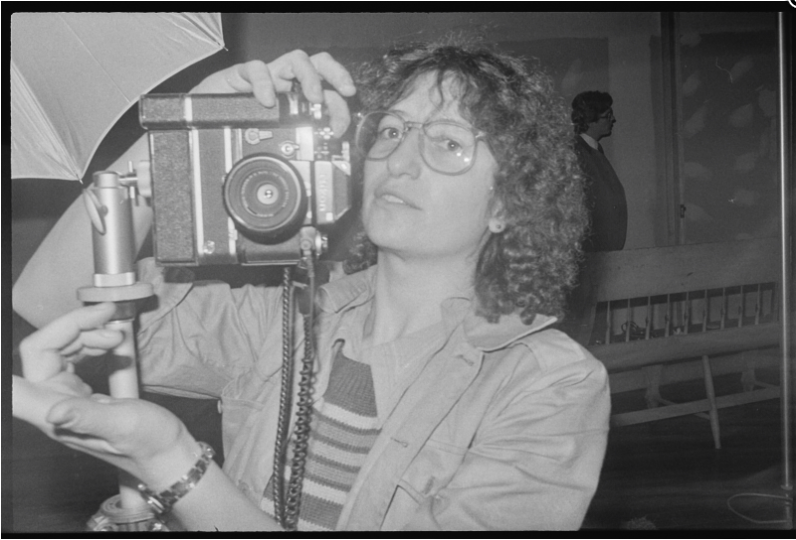
The archive, writes San­dra Fed­er for Stan­ford News, “is the most com­plete col­lec­tion of the artist’s black-and-white pho­tog­ra­phy ever made avail­able to the pub­lic.” It was acquired by the Can­tor in 2014 from the Andy Warhol Foun­da­tion for the Visu­al Arts. Giv­en that these are all con­tact sheets, nav­i­gat­ing the col­lect­ing can be a lit­tle bewil­der­ing. The Can­tor has pro­vid­ed a num­ber of tools to help. Click on Con­tact Sheets here to explore all 3,600+ con­tact sheets. Click Neg­a­tives to see indi­vid­ual frames, like those of Kei­th Har­ing, Warhol, and Jean-Michel Basquiat at the top, Lou Reed fur­ther up, and Annie Lei­bovitz above. Or start brows­ing through pic­tures orga­nized by theme here.

(Image cred­it: © The Andy Warhol Foun­da­tion for the Visu­al Arts, Inc.)

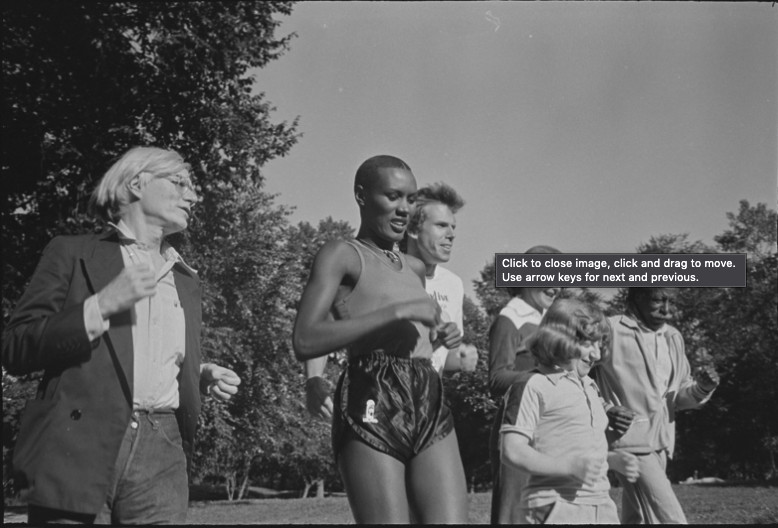
Dig deep, and you’ll find the odd­est things, like Andy Warhol run­ning in Cen­tral Park for char­i­ty with Grace Jones and pho­tog­ra­ph­er Gor­don Parks. What­ev­er Andy did, who­ev­er he hap­pened to do it with—and a stranger cast of char­ac­ters you will not find—it’s all in this huge pho­to archive some­where.

If you would like to sign up for Open Culture’s free email newslet­ter, please find it here. It’s a great way to see our new posts, all bun­dled in one email, each day.

If you would like to sup­port the mis­sion of Open Cul­ture, con­sid­er mak­ing a dona­tion to our site. It’s hard to rely 100% on ads, and your con­tri­bu­tions will help us con­tin­ue pro­vid­ing the best free cul­tur­al and edu­ca­tion­al mate­ri­als to learn­ers every­where. You can con­tribute through Pay­Pal, Patre­on, and Ven­mo (@openculture). Thanks!

Relat­ed Con­tent:

The Case for Andy Warhol in Three Min­utes

Short Film Takes You Inside the Recov­ery of Andy Warhol’s Lost Com­put­er Art

Roy Licht­en­stein and Andy Warhol Demys­ti­fy Their Pop Art in Vin­tage 1966 Film

Watch Andy Warhol’s Screen Tests of Three Female Mus­es: Nico, Edie Sedg­wick & Mary Woronov

Josh Jones is a writer and musi­cian based in Durham, NC. Fol­low him at @jdmagness

In 1900, a Photographer Had to Create an Enormous 1,400-Pound Camera to Take a Picture of an Entire Train

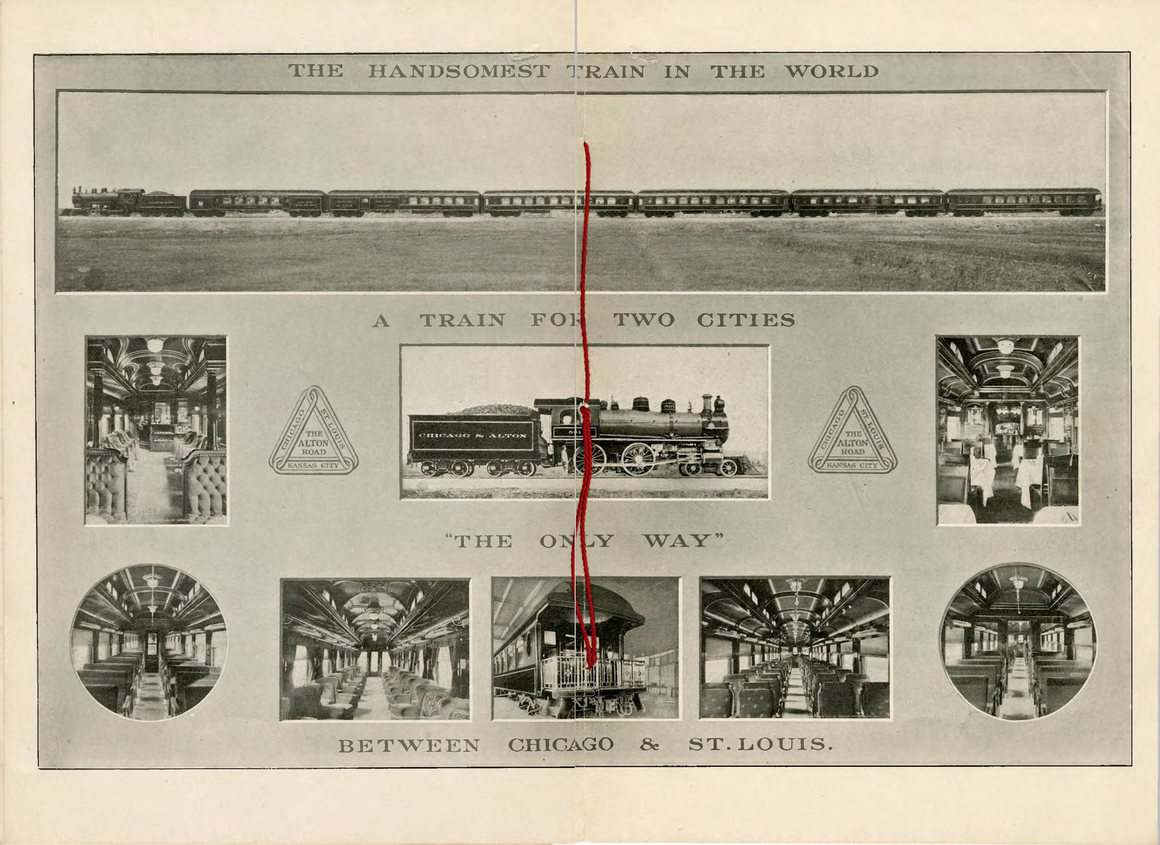
Cam­eras are small, and get­ting small­er all the time. This devel­op­ment has helped us all doc­u­ment our lives, shar­ing the sights we see with an ease dif­fi­cult to imag­ine even twen­ty years ago. 120 years ago, pho­tog­ra­phy faced an entire­ly dif­fer­ent set of chal­lenges, but then as now, much of the moti­va­tion to meet them came from com­mer­cial inter­ests. Take the case of Chica­go pho­tog­ra­ph­er George R. Lawrence and his client the Chica­go & Alton Rail­way, who want­ed to pro­mote their brand-new Chica­go-to-St. Louis express ser­vice, the Alton Lim­it­ed. This prod­uct of the gold­en age of Amer­i­can train trav­el demand­ed some respectable pho­tog­ra­phy, a tech­nol­o­gy then still in its thrilling, pos­si­bil­i­ty-filled emer­gence.

A tru­ly ele­gant piece of work, the Alton Lim­it­ed would, dur­ing its 72-year lifes­pan, boast such fea­tures as a post office, a library, a Japan­ese tea-room, and a strik­ing maroon-and-gold col­or scheme that earned it the nick­name “the Red Train.”

Even from a dis­tance, the Alton Lim­it­ed looked upon its intro­duc­tion in 1899 like noth­ing else on the rail­roads, with its six iden­ti­cal Pull­man cars all designed in per­fect sym­me­try — the very aspect that so chal­lenged Lawrence to cap­ture it in a pho­to­graph. Sim­ply put, the whole train would­n’t fit in one pic­ture. While he could have shot each car sep­a­rate­ly and then stitched them togeth­er into one big print, he reject­ed that tech­nique for its inabil­i­ty to “pre­serve the absolute truth­ful­ness of per­spec­tive.”

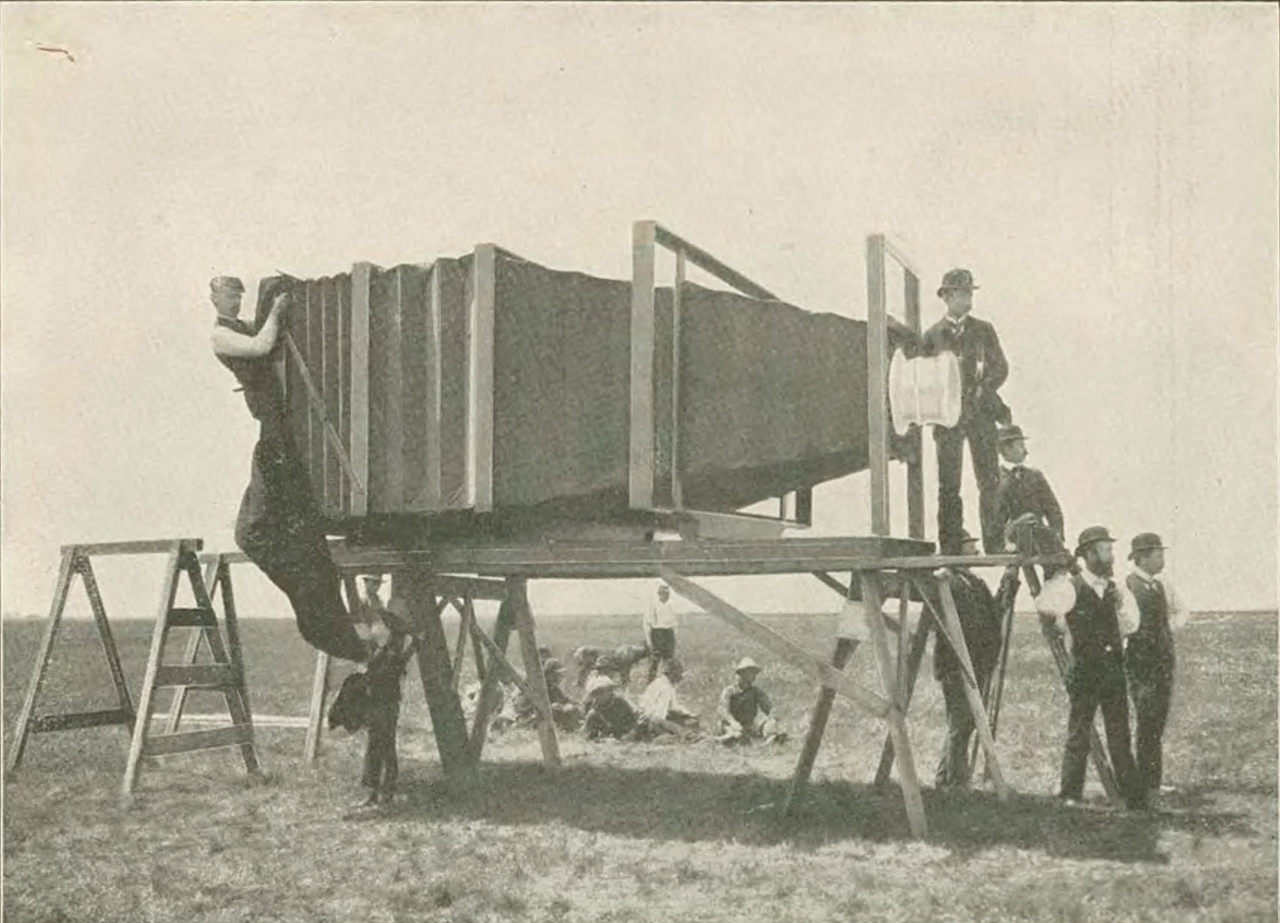
Only a much big­ger cam­era, Lawrence knew, could cap­ture the whole train. And so, in the words of Atlas Obscu­ra’s Ani­ka Burgess, he “quick­ly went to work design­ing a cam­era that could hold a glass plate mea­sur­ing 8 feet by 4 1/2 feet. It was con­struct­ed by the cam­era man­u­fac­tur­er J.A. Ander­son from nat­ur­al cher­ry wood, with bespoke Carl Zeiss lens­es (also the largest ever made). The cam­era alone weighed 900 pounds. With the plate hold­er, it reached 1,400 pounds. Accord­ing to an August 1901 arti­cle in the Brook­lyn Dai­ly Eagle, the bel­lows was big enough to hold six men, and the whole cam­era took a total of 15 work­ers to oper­ate.” Trans­port­ing the cam­era to Brighton Park, “an ide­al van­tage point from which to shoot the wait­ing train,” required anoth­er team of men, and devel­op­ing the eight-foot long pho­to took ten gal­lons of chem­i­cals.

The adver­tise­ments in which Lawrence’s pho­to­graph appeared prac­ti­cal­ly glowed with pride in the Alton Lim­it­ed, billing it as “a train for two cities,” as “the only way between Chica­go and St. Louis,” as “the hand­somest train in the world.” The whole-train pic­ture beg­gared belief: though it went on to win Lawrence the Grand Prize for World Pho­to­graph­ic Excel­lence at the 1900 Paris Expo­si­tion, Burgess notes, it looked so impos­si­ble that both the pho­tog­ra­ph­er and Chica­go & Alton “had to sub­mit affi­davits to ver­i­fy that the pho­to­graph had been made on one plate.” We in the 21st cen­tu­ry, of course, have no rea­son to doubt its authen­tic­i­ty, or even to mar­vel at its inge­nu­ity until we know the sto­ry of the immense cus­tom cam­era with which Lawrence shot it. Today, what awes us are all those small­er shots of the Alton Lim­it­ed’s inte­ri­or, exud­ing a lux­u­ri­ous­ness that has long van­ished from Amer­i­ca’s rail­roads. If we were to find our­selves on such a train today, we’d sure­ly start Insta­gram­ming it right away.

via Atlas Obscu­ra

Relat­ed Con­tent:

Behold a Beau­ti­ful Archive of 10,000 Vin­tage Cam­eras at Col­lec­tion Appareils

19-Year-Old Stu­dent Uses Ear­ly Spy Cam­era to Take Can­did Street Pho­tos (Cir­ca 1895)

See the First Pho­to­graph of a Human Being: A Pho­to Tak­en by Louis Daguerre (1838)

The His­to­ry of Pho­tog­ra­phy in Five Ani­mat­ed Min­utes: From Cam­era Obscu­ra to Cam­era Phone

Darren’s Big DIY Cam­era

Based in Seoul, Col­in Mar­shall writes and broad­casts on cities and cul­ture. His projects include the book The State­less City: a Walk through 21st-Cen­tu­ry Los Ange­les and the video series The City in Cin­e­ma. Fol­low him on Twit­ter at @colinmarshall or on Face­book.

Behold Mystical Photographs Taken Inside a Cello, Double Bass & Other Instruments

“If God had designed the orches­tra,” remarks a char­ac­ter in Rick Moody’s Hotels of North Amer­i­ca, “then the cel­lo was His great­est accom­plish­ment.” I couldn’t agree more. The cel­lo sounds sub­lime, looks state­ly… even the word cel­lo evokes regal poise and grace. If orches­tral instru­ments were chess pieces, the cel­lo would be queen: shape­ly and dig­ni­fied, prime mover on the board, majes­tic in sym­phonies, quar­tets, cham­ber pop ensem­bles, post rock bands….

With all its many son­ic and aes­thet­ic charms, I didn’t imag­ine it was pos­si­ble to love the cel­lo more. Then I saw Roman­ian artist Adri­an Bor­da’s mag­nif­i­cent pho­tos tak­en from inside one. The pho­to above, Bor­da tells us at his Deviant Art page, was tak­en from inside “a very old French cel­lo made in Napoleon’s times.” It looks like the bel­ly of the HMS Vic­to­ry mat­ed with the nave of Chartres Cathe­dral. The light descend­ing through the f‑holes seems of some divine ori­gin.

Bor­da has also tak­en pho­tos from inside an old dou­ble bass (above), as well as a gui­tar, sax, and piano. The stringed orches­tral instru­ments, he says, yield­ed the best results. He was first inspired by a 2009 ad cam­paign for the Berlin­er Phil­har­moniker that “cap­tured the insides of instru­ments,” writes Twist­ed Sifter, “reveal­ing the hid­den land­scapes with­in.” With­out any sense of how the art direc­tor cre­at­ed the images, Bor­da set about exper­i­ment­ing with meth­ods of his own.

He was lucky enough to have a luthi­er friend who had a con­tra­bass open for repairs. Lat­er he trav­eled to Amiens, where he found the French cel­lo, also open. “To achieve these shots,” Twist­ed Sifter notes, “Bor­da fit a Sony NEX‑6 cam­era equipped with a Samyang 8mm fish­eye lens inside the instru­ment and then used a smart remote so he could pre­view the work­flow on his phone.” Depend­ing on the angle and the play of light with­in the instru­ment, the pho­tos can look eerie, somber, omi­nous, or angelic—mirroring the cello’s expres­sive range.

Bor­da gives the cel­lo inte­ri­or shot above the per­fect title “A Long, Lone­ly Time….” Its play of smoke and light is ghost­ly noir. His pho­to below, of the inside of a sax­o­phone, pulls us into a haunt­ed, alien tun­nel. If you want to know what’s on the oth­er side, con­sid­er the strange sur­re­al­ist worlds of Borda’s main gig as a sur­re­al­ist painter of warped fan­tasies and night­mares. Unlike these pho­tos, his paint­ings are full of lurid, vio­lent col­or, but they are also filled with mys­te­ri­ous musi­cal motifs. See more of Bor­da’s inte­ri­or instru­ment pho­tos at Deviant Art and Twister Sifter.

via Twist­ed Sifter

Relat­ed Con­tent:

Watch a Luthi­er Birth a Cel­lo in This Hyp­not­ic Doc­u­men­tary

Why Vio­lins Have F‑Holes: The Sci­ence & His­to­ry of a Remark­able Renais­sance Design

Nine Tips from Bill Mur­ray & Cel­list Jan Vogler on How to Study Intense­ly and Opti­mize Your Learn­ing

Josh Jones is a writer and musi­cian based in Durham, NC. Fol­low him at @jdmagness

Filmmaker Wim Wenders Explains How Mobile Phones Have Killed Photography

Smart­phones have made us all pho­tog­ra­phers — or maybe they’ve made it so that none of us is a pho­tog­ra­ph­er. A cen­tu­ry ago, mere­ly pos­sess­ing and know­ing how to use a cam­era count­ed as a fair­ly notable accom­plish­ment; today, near­ly all of us car­ry one at all times whether we want to or not, and its oper­a­tion demands no skill what­so­ev­er. “I do believe that every­body’s a pho­tog­ra­ph­er,” says cel­e­brat­ed film­mak­er Wim Wen­ders, direc­tor of movies like The Amer­i­can FriendParis, Texas and Wings of Desire, in the BBC clip above. “We’re all tak­ing bil­lions of pic­tures, so pho­tog­ra­phy is more alive than ever, and at the same time, it’s more dead than ever.”

Wen­ders made this claim at an exhi­bi­tion of his Polaroid pho­tographs, which we’ve pre­vi­ous­ly fea­tured here on Open Cul­ture. In a sense, the Polaroid cam­era — easy to use, near-instant results, and high­ly portable by the stan­dards of its era — was the smart­phone cam­era of the 20th cen­tu­ry, but Wen­ders does­n’t draw the same kind of inspi­ra­tion from phone shots as he did from Polaroids. “The trou­ble with iPhone pic­tures is that nobody sees them,” he says, and one glance at the speed with which Insta­gram users scroll will con­firm it. “Even the peo­ple who take them don’t look at them any­more, and they cer­tain­ly don’t make prints.”

Hav­ing worked in cin­e­ma for around half a cen­tu­ry now (and for a time with the late cin­e­matog­ra­ph­er Rob­by Müller, one of the most respect­ed and idio­syn­crat­ic in the indus­try), Wen­ders has seen first­hand how our rela­tion­ship to the image has changed in that time. “I know from expe­ri­ence that the less you have, the more cre­ative you have to become,” he says, asked about the pre­pon­der­ance of pho­to­graph­ic fil­ters and apps. “Maybe it’s not nec­es­sar­i­ly a sign of cre­ativ­i­ty that you can turn every pic­ture into its oppo­site.” Still, he has no objec­tion to cam­era-phone cul­ture itself, and even admits to tak­ing self­ies him­self — with the caveat that “look­ing into the mir­ror is not an act of pho­tog­ra­phy.”

If self­ie-tak­ing and every­thing else we do with the cam­eras in our smart­phones (to say noth­ing of the image manip­u­la­tions we per­form) isn’t pho­tog­ra­phy, what is it? “I’m in search of a new word for this new activ­i­ty that looks so much like pho­tog­ra­phy, but isn’t pho­tog­ra­phy any­more,” Wen­ders says. “Please, let me know if you have a word for it.” Some com­menters have put forth “faux­tog­ra­phy,” an amus­ing enough sug­ges­tion but not one like­ly to sat­is­fy a cre­ator like Wen­ders who, in work as in life, sel­dom makes the obvi­ous choice.

Relat­ed Con­tent:

Wim Wen­ders Explains How Polaroid Pho­tos Ignite His Cre­ative Process and Help Him Cap­ture a Deep­er Kind of Truth

Wim Wen­ders Reveals His Rules of Cin­e­ma Per­fec­tion

See The First “Self­ie” In His­to­ry Tak­en by Robert Cor­nelius, a Philadel­phia Chemist, in 1839

Lyn­da Bar­ry on How the Smart­phone Is Endan­ger­ing Three Ingre­di­ents of Cre­ativ­i­ty: Lone­li­ness, Uncer­tain­ty & Bore­dom

Based in Seoul, Col­in Mar­shall writes and broad­casts on cities and cul­ture. His projects include the book The State­less City: a Walk through 21st-Cen­tu­ry Los Ange­les and the video series The City in Cin­e­ma. Fol­low him on Twit­ter at @colinmarshall or on Face­book.

Rare Photos of Frida Kahlo, Age 13–23

“Before they were famous” pho­tos are a click­bait sta­ple, espe­cial­ly if they reveal a hereto­fore unseen side of some­one whose image is tight­ly con­trolled:

The smol­der­ing activist-actress-direc­tor as a gawky, open-faced sopho­more, her hair moussed to the very lim­its of her mod­el­ing school test shots?

The ris­ing polit­i­cal star, pim­ple-faced and cen­ter-part­ed, pos­ing with the oth­er three mem­bers of his high school’s Dun­geons and Drag­ons Club?

What about ever­green art star Fri­da Kahlo?

Though her hus­band, mural­ist Diego Rivera, was the one who urged her to adopt the tra­di­tion­al Tehua­na dress of their native Mex­i­co as a uni­form of sorts, Fri­da engi­neered her image by plac­ing her­self cen­ter stage in dozens of alle­gor­i­cal, inti­mate self-por­traits.

Much of her work alludes to the hor­rif­ic acci­dent she suf­fered at 18, and the tor­tu­ous treat­ments and surg­eries she under­went as a result for the rest of her life.

It shaped the way she saw her­self, and, in turn, the way we see her. Her endur­ing appeal is such that even those who aren’t over­ly famil­iar with her work feel they have a pret­ty good han­dle on her, thanks to her ubiq­ui­ty on tote­bags, appar­el, and var­i­ous gift relat­ed items—even Fri­da Kahlo action fig­ures and paper dolls.

We know this lady, right?

What a plea­sure to get to know her bet­ter. A col­lec­tion of pho­tos that has recent­ly come to light intro­duces us to a younger, more can­did Frida—both before and after the acci­dent, when she returned to her stud­ies at Nation­al Prepara­to­ry School.

Tak­en togeth­er with the por­traits made by her pho­tog­ra­ph­er father, they show ear­ly evi­dence of the force­ful per­son­al­i­ty that would dom­i­nate and define her pub­lic image, Mary Jane-style pumps with socks, a mid­dy blouse, and a vari­ety of blunt bobs aside.

Some of the lat­er pho­tos in this batch speak to her increas­ing inter­est in dis­tin­guish­ing her­self from her female peers. Her exper­i­ments in cross dress­ing ensured she would stand out in every group pho­to, a dash­ing fig­ure in suit, tie, and slicked back hair.

Though this peri­od of her life is less a mat­ter of pub­lic record, it gets its due in the 2017 graph­ic nov­el Fri­da: The Sto­ry of Her Life by Van­na Vin­ci. Some of the oth­ers in these pho­tos, includ­ing her sis­ters and her first boyfriend, Ale­jan­dro Gómez Arias, appear as char­ac­ters, as does Death in the form of print­mak­er José Guadalupe Posada’s La Calav­era Cat­ri­na—per­haps the only image for­mi­da­ble enough to hold its own against the fab­u­lous Fri­da.

Fri­da Kahlo The Sto­ry of Her Life p. 22–23

Relat­ed Con­tent:

Vis­it the Largest Col­lec­tion of Fri­da Kahlo’s Work Ever Assem­bled: 800 Arti­facts from 33 Muse­ums, All Free Online

1933 Arti­cle on Fri­da Kahlo: “Wife of the Mas­ter Mur­al Painter Glee­ful­ly Dab­bles in Works of Art”

The Fri­da Kahlo Action Fig­ure

Ayun Hal­l­i­day is an author, illus­tra­tor, the­ater mak­er and Chief Pri­ma­tol­o­gist of the East Vil­lage Inky zine.  Fol­low her @AyunHalliday.

French Bookstore Blends Real People’s Faces with Book Cover Art

You can lead the I‑generation to a book­store, but can you make them read?

Per­haps, espe­cial­ly if the vol­ume has an eye-catch­ing cov­er image that bleeds off the edge.

If noth­ing else, they can be enlist­ed to pro­vide some stun­ning free pub­lic­i­ty for the titles that appeal to their high­ly visu­al sense of cre­ative play. (An author’s dream!)

France’s first indie book­store, Bordeaux’s Librairie Mol­lat, is reel­ing ‘em in with Book Face, an irre­sistible self­ie chal­lenge that harkens back to DJ Carl Mor­risSleeve­face project, in which one or more peo­ple are pho­tographed “obscur­ing or aug­ment­ing any part of their body or bod­ies with record sleeve(s), caus­ing an illu­sion.”

The results are pro­lif­er­at­ing on the store’s Insta­gram, as fetch­ing young things (and oth­ers) apply them­selves to find­ing the best angles and cos­tumes for their lit-based Trompe‑l’œil mas­ter­strokes.

…even the ones that don’t quite pass the forced per­spec­tive test have the capac­i­ty to charm.

…and not every shot requires intense pre-pro­duc­tion and pre­ci­sion place­ment.

Hope­ful­ly, we’ll see more kids get­ting into the act soon. In fact, if some young­sters of your acquain­tance are express­ing a bit of bore­dom with their vacances d’été, try turn­ing them loose in your local book­store to iden­ti­fy a like­ly can­di­date for a Book Face of their own.

(Remem­ber to sup­port the book­seller with a pur­chase!)

Back state­side, some librar­i­ans shared their pro tips for achiev­ing Book Face suc­cess in this 2015 New York Times arti­cle. The New York Pub­lic Library’s Mor­gan Holz­er also cites Sleeve­face as the inspi­ra­tion behind #Book­face­Fri­day, the hash­tag she coined in hopes that oth­er libraries would fol­low suit.

With over 50,000 tagged posts on Insta­gram, looks like it’s caught on!

See Librairie Mol­lats patrons’ gallery of Book Faces here.

Read­ers, if you’ve Book Faced any­where in the world, please share the link to your efforts in the com­ments sec­tion.

via This is Colos­sal/Hyper­al­ler­gic

Relat­ed Con­tent:

36 Abstract Cov­ers of Vin­tage Psy­chol­o­gy, Phi­los­o­phy & Sci­ence Books Come to Life in a Mes­mer­iz­ing Ani­ma­tion

The Art of Sci-Fi Book Cov­ers: From the Fan­tas­ti­cal 1920s to the Psy­che­del­ic 1960s & Beyond

Enter the Cov­er Art Archive: A Mas­sive Col­lec­tion of 800,000 Album Cov­ers from the 1950s through 2018

Ayun Hal­l­i­day is an author, illus­tra­tor, the­ater mak­er and Chief Pri­ma­tol­o­gist of the East Vil­lage Inky zine. In hon­or of her son’s 18th birth­day, she invites you to Book Face your baby using The Big Rum­pus, her first book, for which he served as cov­er mod­el. Fol­low her @AyunHalliday.

« Go BackMore in this category... »
Quantcast