How Obsessive Artists Colorize Old Photographs & Restore the True Colors of the Past

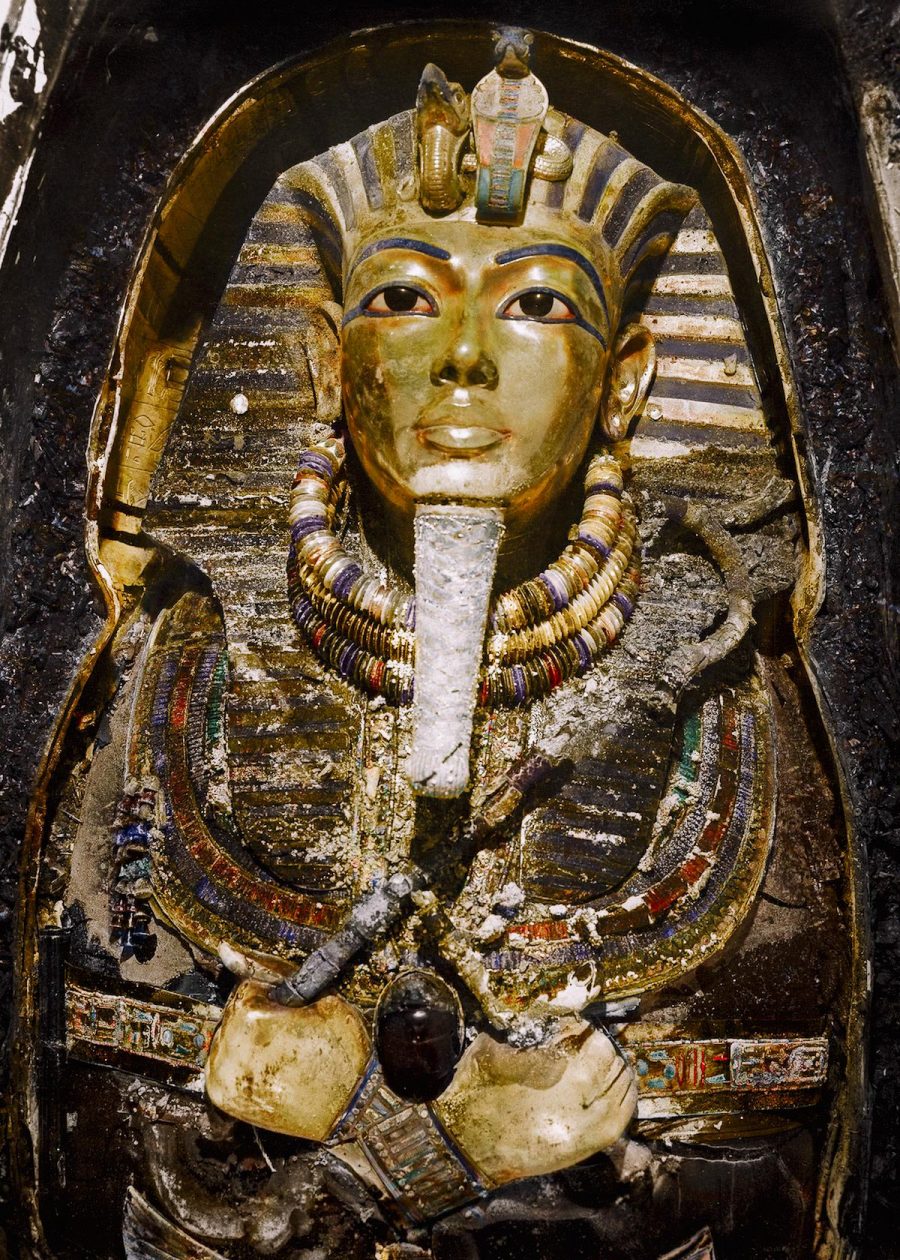
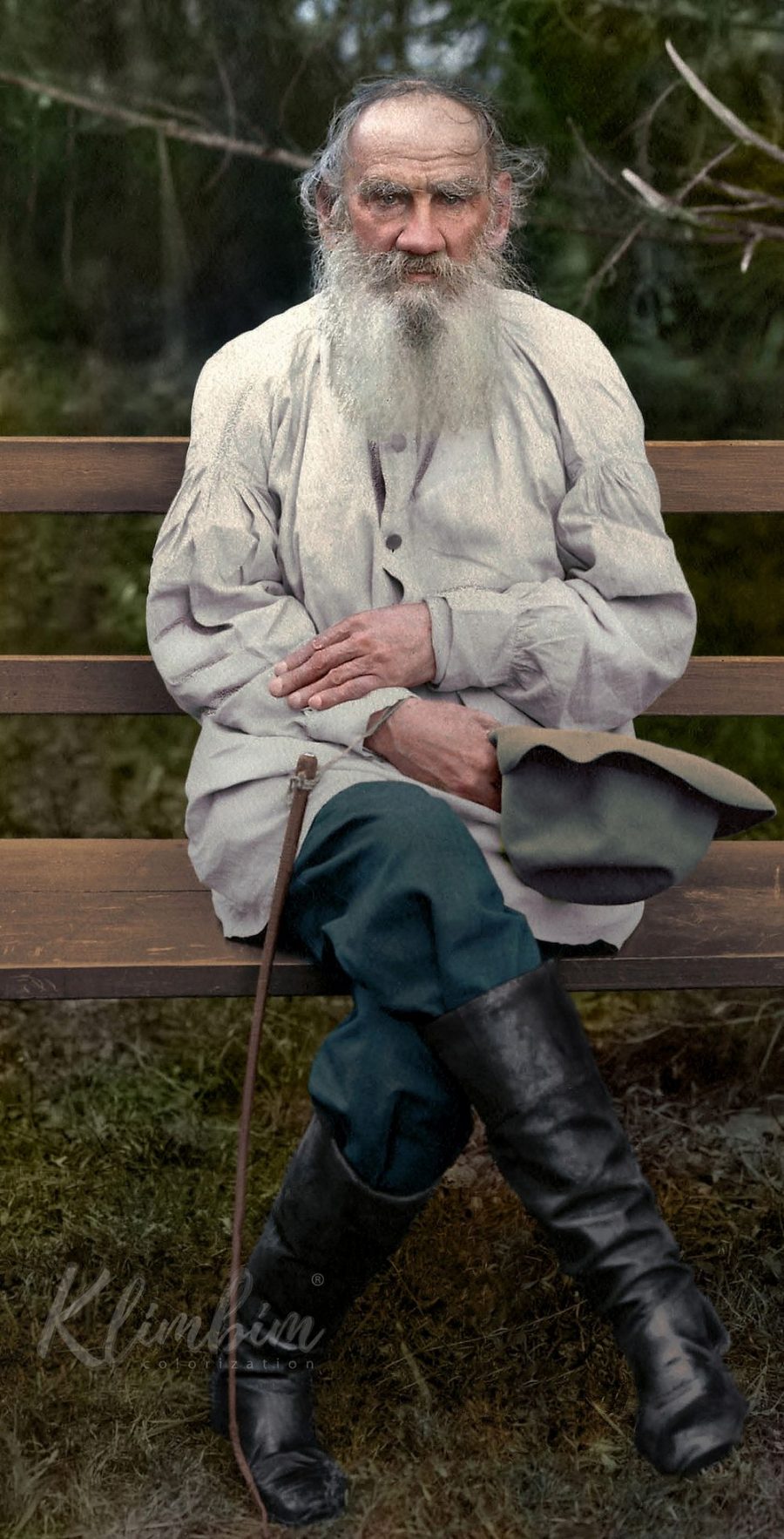
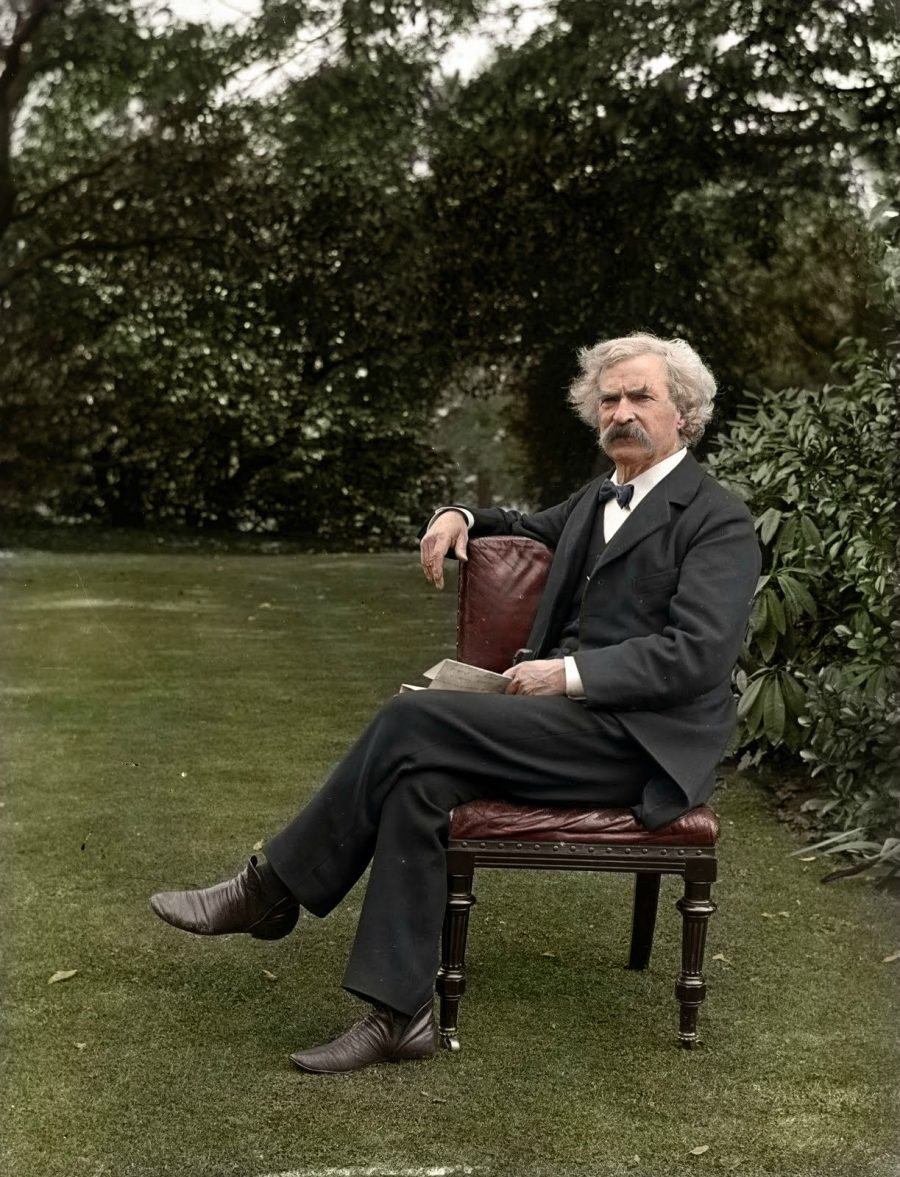
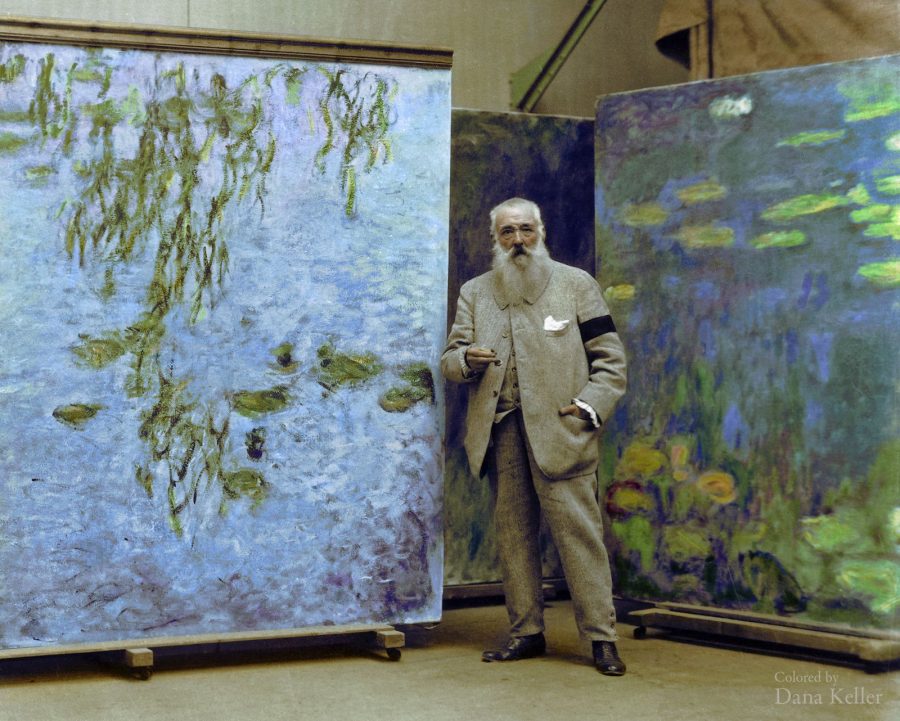
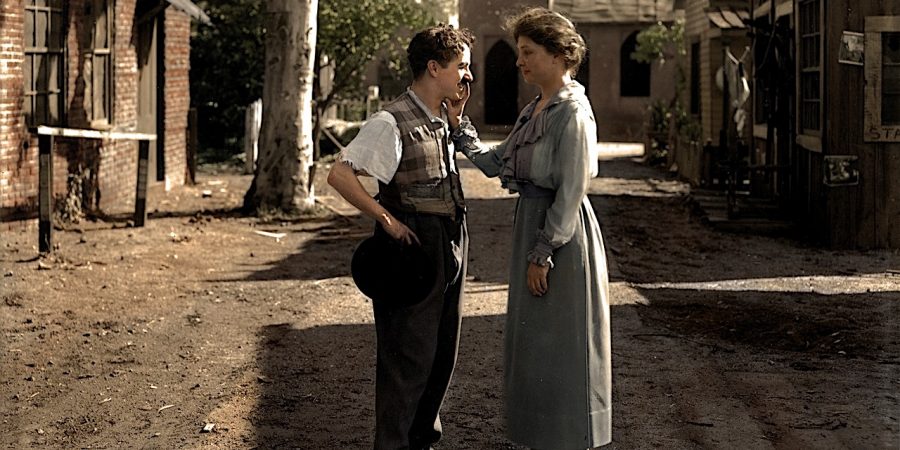
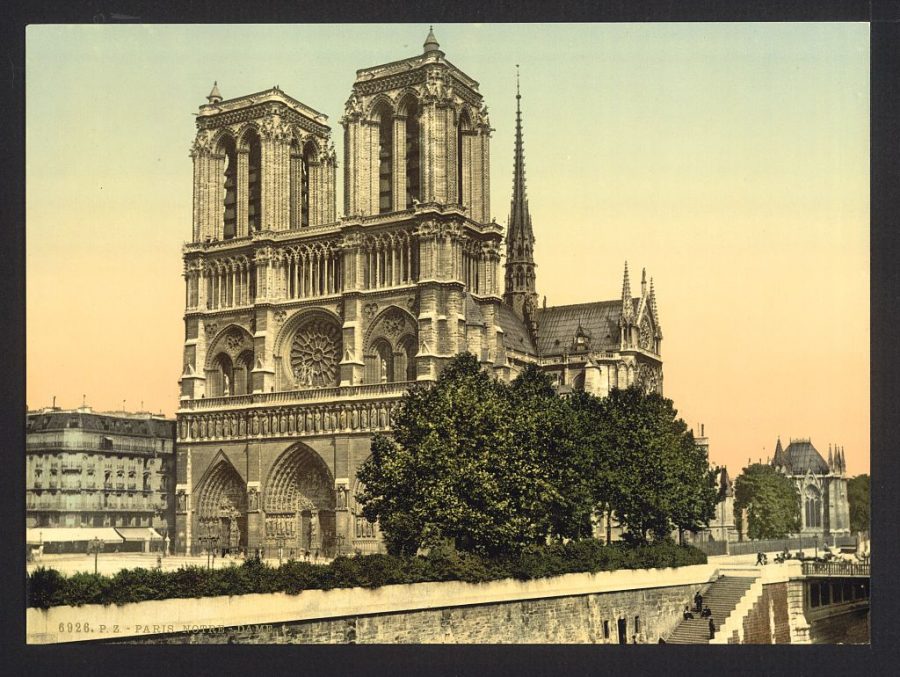
The art of hand-col­or­ing or tint­ing black and white pho­tographs has been around, the Vox video above explains, since the ear­li­est days of pho­tog­ra­phy itself. “But these didn’t end up look­ing super real­is­tic,” at least not next to their mod­ern coun­ter­parts, cre­at­ed with com­put­ers. Dig­i­tal col­oriza­tion “has made it pos­si­ble for artists to recon­struct images with far more accu­ra­cy.”

Accu­ra­cy, you say? How is it pos­si­ble to recon­struct col­or arrange­ments from the past when they have only been pre­served in black and white? Well, this requires research. “You now have a wealth of infor­ma­tion,” says Jor­dan Lloyd, a mas­ter dig­i­tal col­orist. “It’s just know­ing where to look.”

His­tor­i­cal adver­tise­ments, diaries, doc­u­ments, and the assess­ments of his­to­ri­ans and ethno­g­ra­phers, among oth­er resources, pro­vide enough data for a real­is­tic approx­i­ma­tion. Some con­jec­ture is involved, but when you see the amount of research that goes into deter­min­ing the col­ors of the past, you will most sure­ly be impressed.

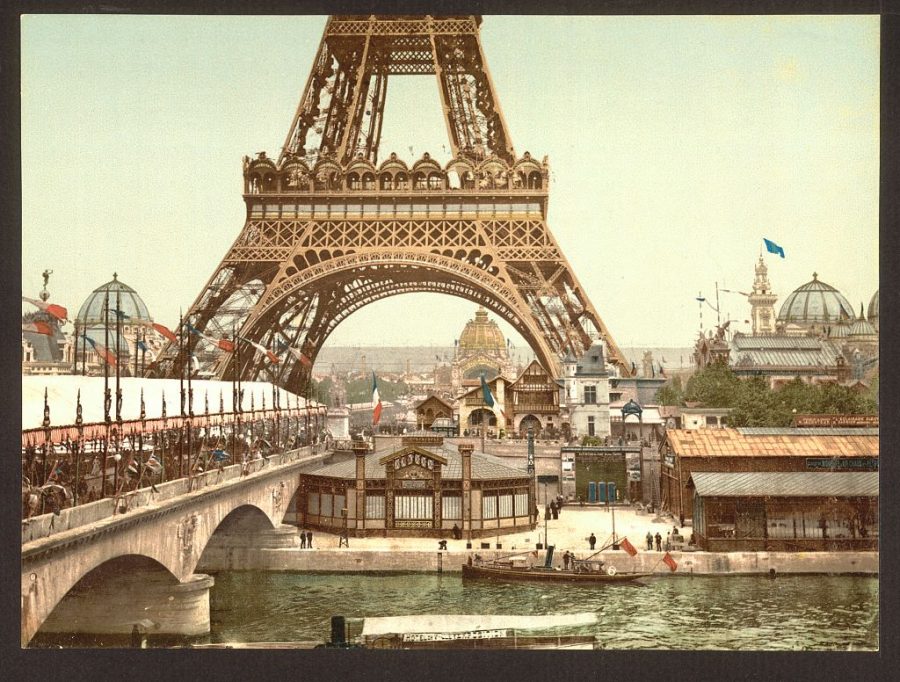
This isn’t play­ing with fil­ters and set­tings in Pho­to­shop until the images look good—it’s using soft­ware to recre­ate what schol­ar­ship uncov­ers, the kind of dig­ging that turns up impor­tant his­tor­i­cal facts such as the orig­i­nal red-on-black logo of 7Up, or the fact that the Eif­fel tow­er was paint­ed a col­or called “Venet­ian red” dur­ing its con­struc­tion.

Unless we know this col­or his­to­ry, we might be inclined to think col­orized pho­tographs that get it right are wrong. How­ev­er, the aim of mod­ern col­oriz­ers is not only to make the past seem more imme­di­ate to us in the present; they also attempt to restore the col­ors peo­ple saw when pho­tographs from the 19th and ear­ly 20th cen­turies were tak­en.

The soft­ware may not dic­tate col­or, but it still plays an indis­pens­able role in how alive dig­i­tal­ly col­orized pho­tographs appear. Col­oriz­ers first use it to remove blem­ish­es, scratch­es, and the signs of age. Then they blend hun­dreds of lay­ers of col­ors. It’s a lit­tle like mak­ing a dig­i­tal oil paint­ing. Human skin can have up to 20 lay­ers of col­ors, rang­ing from pinks, to yel­lows, to blues.

With­out “an intu­itive under­stand­ing of how light works in the atmos­phere,” how­ev­er, these artists would fail to per­suade us. Col­or is pro­duced by light, as we know, and light is con­di­tioned by lev­els of arti­fi­cial and nat­ur­al light blend­ing in a space, by atmos­pher­ic con­di­tions and time of day. Dif­fer­ent sur­faces reflect light dif­fer­ent­ly. Cor­rect­ly inter­pret­ing these con­di­tions in a mono­chro­mat­ic pho­to­graph is the key to “achiev­ing pho­to­re­al­ism.”

Crit­ics of col­oriza­tion treat it like a form of van­dal­ism, but as Lloyd points out, the process is not meant to sub­sti­tute for the orig­i­nal arti­facts, but to sup­ple­ment them. The col­orized pho­tos we see in the video and at the links below are of images in the pub­lic domain, avail­able to use and reuse for any pur­pose. Col­oriza­tion artists have found their pur­pose in mak­ing the past seem far less like a dis­tant coun­try.

Relat­ed Con­tent:

Russ­ian His­to­ry & Lit­er­a­ture Come to Life in Won­der­ful­ly Col­orized Por­traits: See Pho­tos of Tol­stoy, Chekhov, the Romanovs & More

Col­orized Pho­tos Bring Walt Whit­man, Char­lie Chap­lin, Helen Keller & Mark Twain Back to Life

The Open­ing of King Tut’s Tomb, Shown in Stun­ning Col­orized Pho­tos (1923–5)

Josh Jones is a writer and musi­cian based in Durham, NC. Fol­low him at @jdmagness
How Dorothea Lange Shot, Migrant Mother, Perhaps the Most Iconic Photo in American History

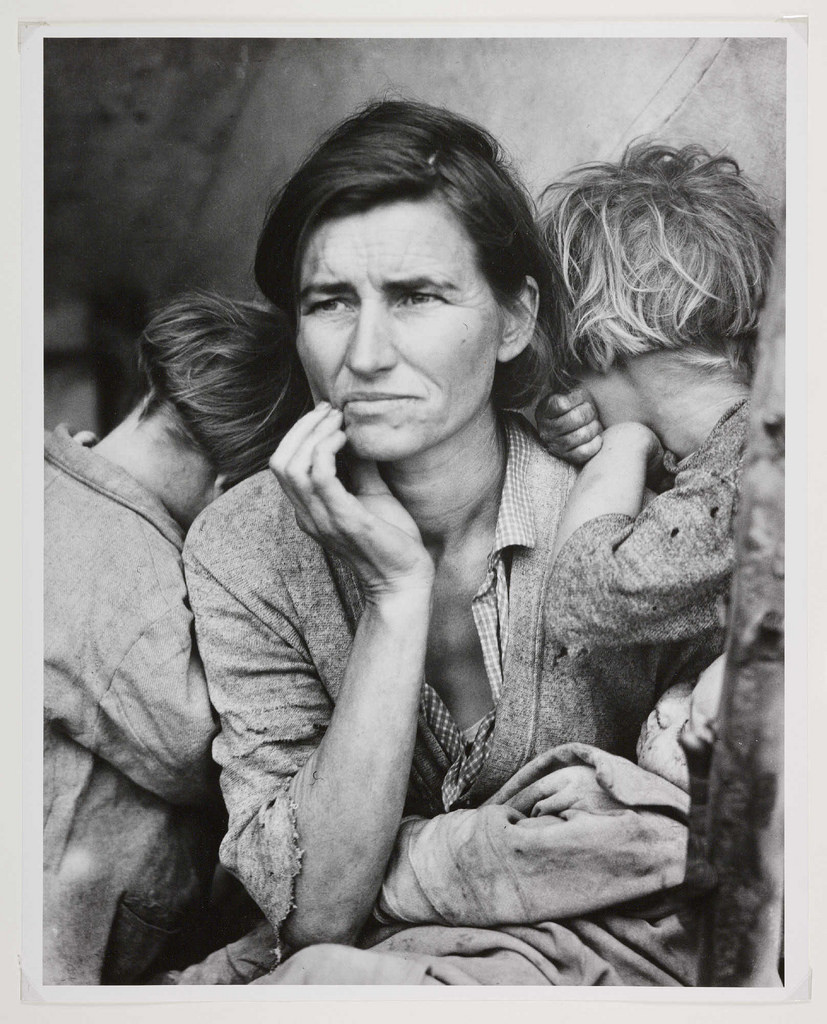
When we visu­al­ize the Great Depres­sion, we think first of one woman: Native Amer­i­can migrant work­er Flo­rence Owens Thomp­son. Few of us know her name, though near­ly all of us know her face. For that we have anoth­er woman to thank: the pho­tog­ra­ph­er Dorothea Lange who dur­ing the Depres­sion was work­ing for the Unit­ed States fed­er­al gov­ern­ment, specif­i­cal­ly the Farm Secu­ri­ty Admin­is­tra­tion, on “a project that would involve doc­u­ment­ing poor rur­al work­ers in a pro­pa­gan­da effort to elic­it polit­i­cal sup­port for gov­ern­ment aid.”

That’s how Evan Puschak, bet­ter known as the Nerd­writer, puts it in a video essay on Lange’s famous 1936 pho­to of Thomp­sonMigrant Moth­er. (For best results, view the video below on a phone or tablet rather than on a stan­dard com­put­er screen.) Reach­ing the migrant work­ers’ camp in Nipo­mo, Cal­i­for­nia where Thomp­son and her chil­dren were stay­ing toward the end of anoth­er long day of pho­tog­ra­phy, Lange at first passed it by.

Only about twen­ty miles lat­er did she decide to turn the car around and see what mate­r­i­al the 2,500 to 3,500 “pea pick­ers” there might offer. She stayed only ten min­utes, but in that time cap­tured what Puschak calls the pho­to­graph that “came to define the Depres­sion in the Amer­i­can con­scious­ness” — it even heads the Great Depres­sion’s Wikipedia page — and “became the arche­typ­al image of strug­gling fam­i­lies in any era.”

Over time, Migrant Moth­er has also become “one of the most icon­ic pic­tures in the his­to­ry of pho­tog­ra­phy.” But Lange did­n’t get it right away: it was actu­al­ly the sixth por­trait she took of Thomp­son, each one more pow­er­ful (and more able to “evoke sym­pa­thy from vot­ers that would trans­late into polit­i­cal sup­port”) than the last. Puschak takes us through each of these, mark­ing the changes in com­po­si­tion that led to the pho­to­graph we can all call to mind imme­di­ate­ly. “A less­er pho­tog­ra­ph­er would have milked the chil­dren’s faces for their sym­pa­thet­ic poten­tial,” for instance, but hav­ing them turn away “com­mu­ni­cates that mes­sage of fam­i­ly” with­out “tak­ing away from the cen­tral face, or the eyes, which seem at last to let down their guard as they search the dis­tance and wor­ry.”

These and oth­er active­ly made choic­es (includ­ing the removal of Thomp­son’s dis­tract­ing left thumb in the dark­room) mean that “there is very lit­tle spon­ta­neous in this icon­ic image of so-called doc­u­men­tary pho­tog­ra­phy,” but “whether that dimin­ish­es its pow­er is up to you. For me, being able to actu­al­ly see the steps of Lange’s craft enhances her work.” What­ev­er Lange’s process, the prod­uct defined an era, and upon pub­li­ca­tion con­vinced the gov­ern­ment to send 20,000 pounds of food to Nipo­mo — though by that point Thomp­son her­self, who ulti­mate­ly suc­ceed­ed in pro­vid­ing for her fam­i­ly and lived to the age of 80, had moved on.

Relat­ed Con­tent:

478 Dorothea Lange Pho­tographs Poignant­ly Doc­u­ment the Intern­ment of the Japan­ese Dur­ing WWII

Yale Launch­es an Archive of 170,000 Pho­tographs Doc­u­ment­ing the Great Depres­sion

Ansel Adams, Dorothea Lange, Clem Albers & Fran­cis Stewart’s Cen­sored Pho­tographs of a WWII Japan­ese Intern­ment Camp

Found: Lost Great Depres­sion Pho­tos Cap­tur­ing Hard Times on Farms, and in Town

The Cap­ti­vat­ing Sto­ry Behind the Mak­ing of Ansel Adams’ Most Famous Pho­to­graph, Moon­rise, Her­nan­dez, New Mex­i­co

“A Great Day in Harlem,” Art Kane’s Icon­ic Pho­to of 57 Jazz Leg­ends, Cel­e­brates Its 60th Anniver­sary

Edward Hopper’s Icon­ic Paint­ing Nighthawks Explained in a 7‑Minute Video Intro­duc­tion

Based in Seoul, Col­in Mar­shall writes and broad­casts on cities, lan­guage, and cul­ture. His projects include the book The State­less City: a Walk through 21st-Cen­tu­ry Los Ange­les and the video series The City in Cin­e­ma. Fol­low him on Twit­ter at @colinmarshall or on Face­book.

The Getty Digital Archive Expands to 135,000 Free Images: Download High Resolution Scans of Paintings, Sculptures, Photographs & Much Much More

J. Paul Get­ty was not a bil­lion­aire known for his gen­eros­i­ty. But since his death, the Get­ty Trust and com­plex of Get­ty muse­ums in L.A. have car­ried forth in a more mag­nan­i­mous spir­it, osten­si­bly adher­ing to val­ues that tran­scend their founder: “ser­vice, phil­an­thropy, teach­ing, and access.”

A col­lec­tion first gath­ered for pri­vate invest­ment and con­sump­tion (some­times under a cloud of scan­dal) has expand­ed into gal­leries that mil­lions pass through every year; a Con­ser­va­tion Insti­tute ded­i­cat­ed to pre­serv­ing the world’s art; and a Research Insti­tute pro­claim­ing a social mis­sion: a devo­tion to expand­ing “our knowl­edge of the his­to­ry of art, of all coun­tries, of all lan­guages,” accord­ing to its direc­tor Thomas Gae­ht­gens, who also says, “a soci­ety with­out art can­not real­ly sur­vive.”

Put anoth­er way, as one of the Getty’s art mar­ket com­peti­tors was once quot­ed as say­ing, “They just want peo­ple to like them.” He didn’t mean it as a com­pli­ment, but if you are an art lover—and not a bil­lion­aire art collector—you may gen­uine­ly appre­ci­ate this qual­i­ty. And you may like them even more now that their open access dig­i­tal col­lec­tions have almost dou­bled to 135,000 high-res­o­lu­tion images since we last checked in with them five years ago.

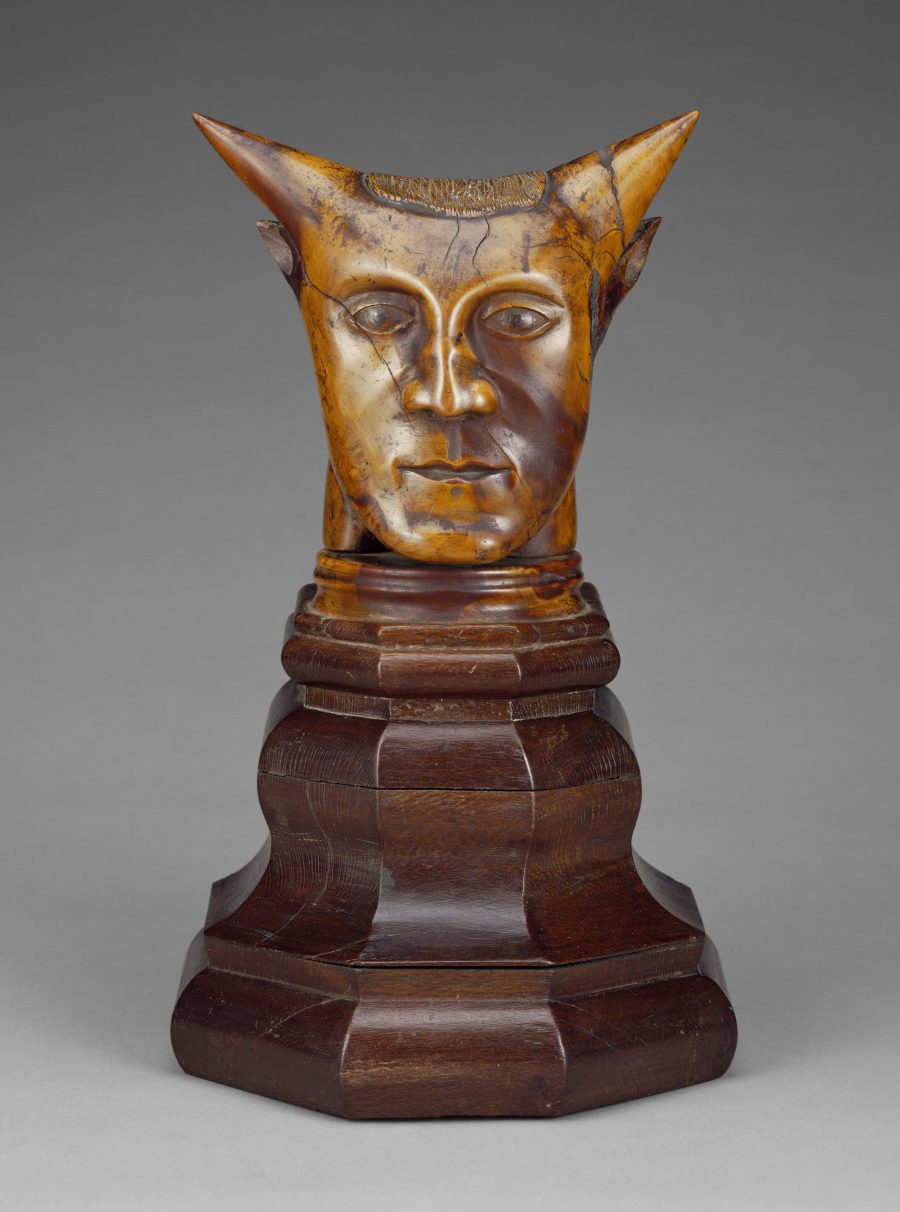
Like the Get­ty muse­um, it reflects its founder’s tastes in Clas­si­cal, Neo-Clas­si­cal, and Renais­sance art. Down­load Andrea Mantegna’s Ado­ra­tion of the Magi (top), for exam­ple, at the high­est res­o­lu­tion (8557 X 6559) and get clos­er to a vir­tu­al ver­sion than you ever could to the real thing. Learn the painting’s prove­nance and exhi­bi­tion his­to­ry, read an infor­ma­tive descrip­tion and a bib­li­og­ra­phy. The paint­ing is one of hun­dreds from Euro­pean mas­ters and their less­er-known appren­tices. You’ll also find sev­er­al hun­dred images of sculp­ture, both clas­si­cal and modern—like Paul Gauguin’s san­dal­wood Head with Horns, above—as well as draw­ings, man­u­scripts, pot­tery, jew­el­ry, coins, dec­o­ra­tive arts, and much more.

But the bulk of the dig­i­tal col­lec­tion con­sists of pho­tographs, with 112,261 images and count­ing in the archive. The Get­ty has “assem­bled the finest and most com­pre­hen­sive cor­pus of pho­tographs on the West Coast” in its pho­tog­ra­phy col­lec­tion (not to be con­fused with Getty’s son’s media empire), with “sub­stan­tial hold­ings by some of the most sig­nif­i­cant mas­ters of the 20th cen­tu­ry.” The col­lec­tion is also “par­tic­u­lar­ly rich in works dat­ing from the time of photography’s inven­tion” and its devel­op­ment in the mid-19th cen­tu­ry.

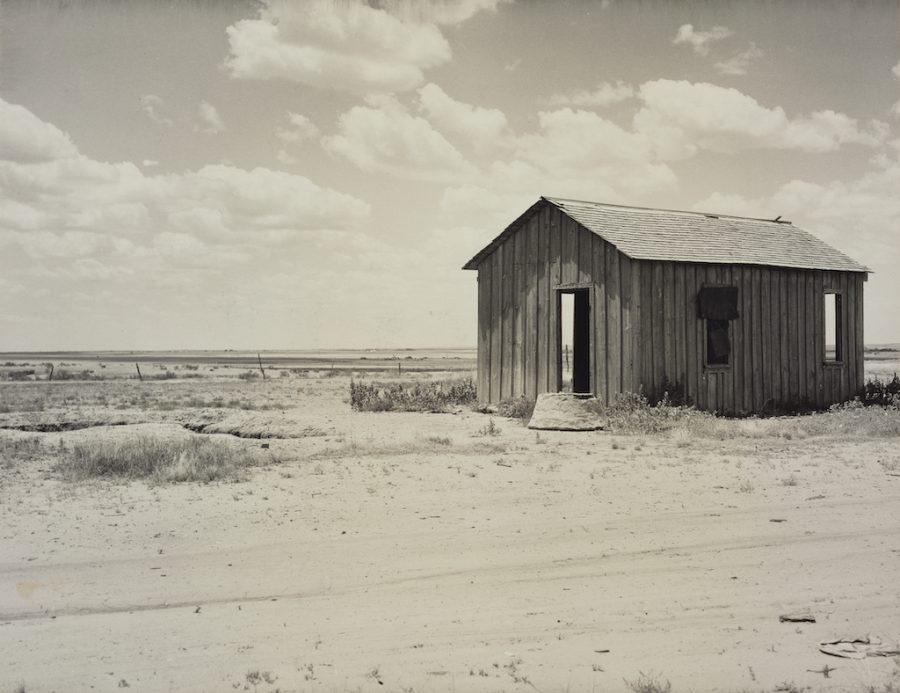
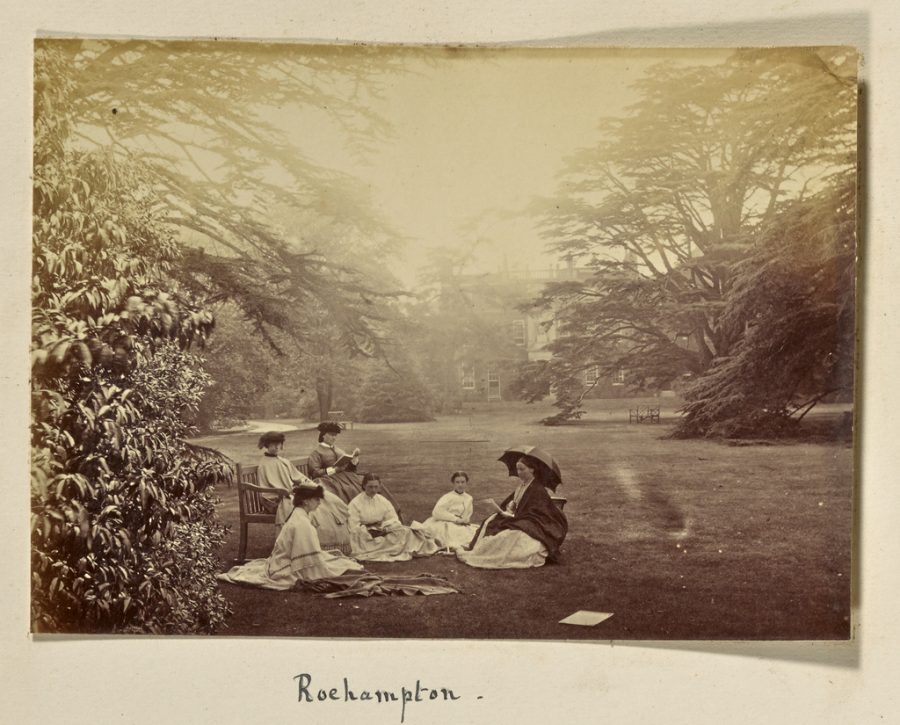
Down­load and study Dorothea Lange’s des­o­late Aban­doned Dust Bowl Home. Or jour­ney back to the ear­ly days of the medi­um, when gen­tle­man ama­teurs like Scot­tish noble­man Ronald Ruthven Leslie-Melville took up pho­tog­ra­phy as an avid pur­suit, and doc­u­ment­ed the land­scapes, archi­tec­ture, and per­son­ages of their age. (See Ruthven-Melville’s 1860’s pho­to­graph Roe­hamp­ton below.)

Like all dig­i­tal col­lec­tions, the Getty’s can­not repli­cate the expe­ri­ence of see­ing phys­i­cal works of art in per­son, but it does mag­nan­i­mous­ly expand access to thou­sands of images usu­al­ly hid­den from the pub­lic, as well as thou­sands of pieces cur­rent­ly on dis­play in one of its many muse­ums. Com­plete­ly free, the online archive serves as an invalu­able teach­ing and learn­ing tool, a vast repos­i­to­ry pre­serv­ing inter­na­tion­al art his­to­ry online.

Relat­ed Con­tent:

25 Mil­lion Images From 14 Art Insti­tu­tions to Be Dig­i­tized & Put Online In One Huge Schol­ar­ly Archive

Vis­it a New Dig­i­tal Archive of 2.2 Mil­lion Images from the First Hun­dred Years of Pho­tog­ra­phy

1.8 Mil­lion Free Works of Art from World-Class Muse­ums: A Meta List of Great Art Avail­able Online

Josh Jones is a writer and musi­cian based in Durham, NC. Fol­low him at @jdmagness
Free: Download Thousands of Ottoman-Era Photographs That Have Been Digitized and Put Online

“Turkey is a geo­graph­i­cal and cul­tur­al bridge between the east and the west,” writes Istan­bul University’s Gönül Bakay. This was so long before Con­stan­tino­ple became Istan­bul, but after the rise of the Ottoman Empire, the region took on a par­tic­u­lar sig­nif­i­cance for Chris­t­ian Europe. “The Turk” became a threat­en­ing and exot­ic fig­ure in the Euro­pean imag­i­na­tion, “shaped by a con­sid­er­able body of lit­er­a­ture, stretch­ing from Christo­pher Mar­lowe to Thomas Car­lyle.” Images of Ottoman Turkey were long drawn from a “mix­ture of fact, fan­ta­sy and fear.”

With the advent of pho­tog­ra­phy in the mid-nine­teenth cen­tu­ry, those images were sup­ple­ment­ed, illus­trat­ed, and coun­tered by prints depict­ing Turk­ish peo­ple both in every­day life cir­cum­stances and in Ori­en­tal­ist pos­es.

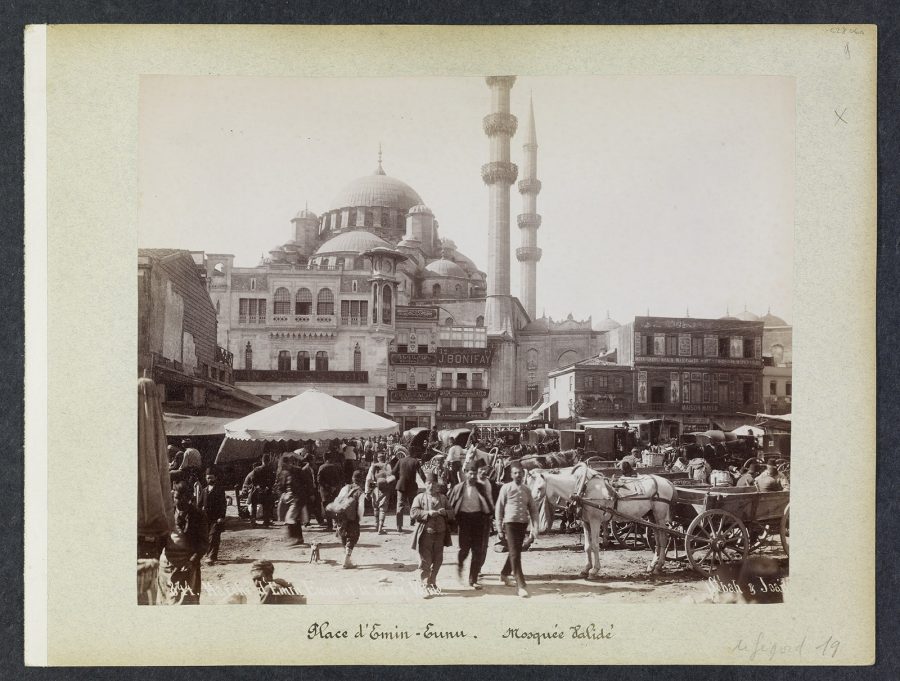
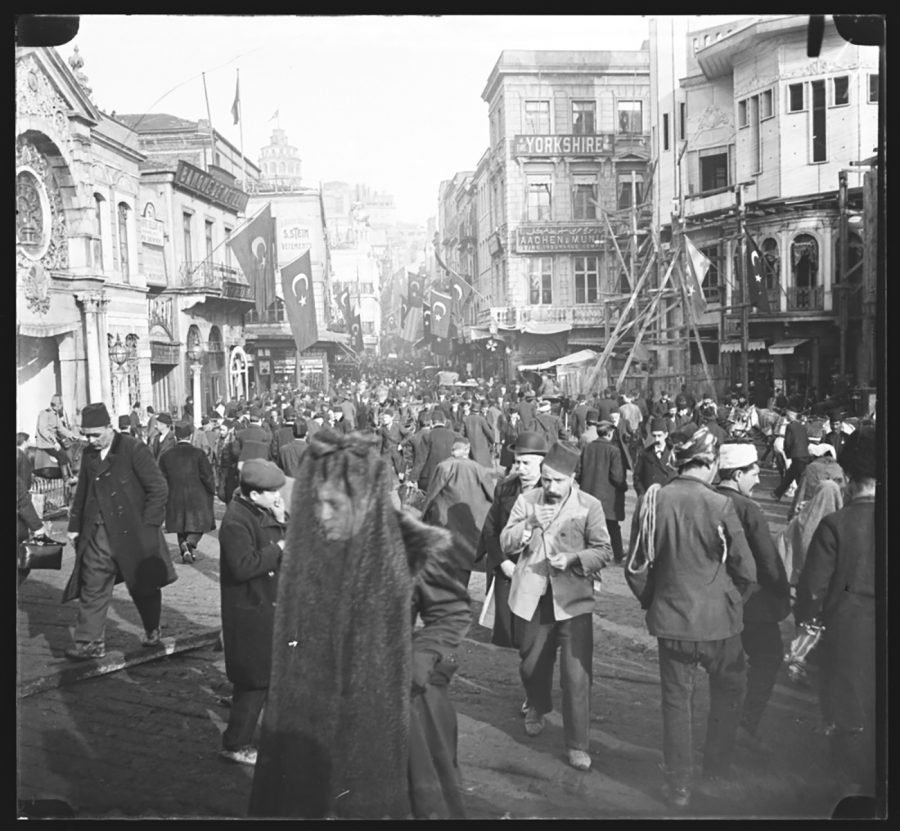
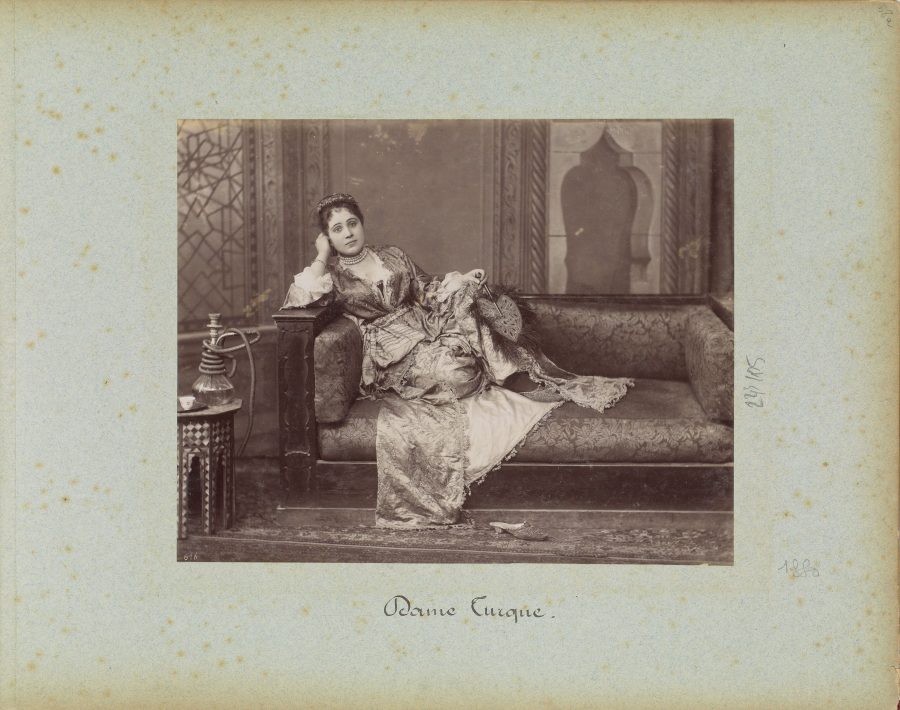
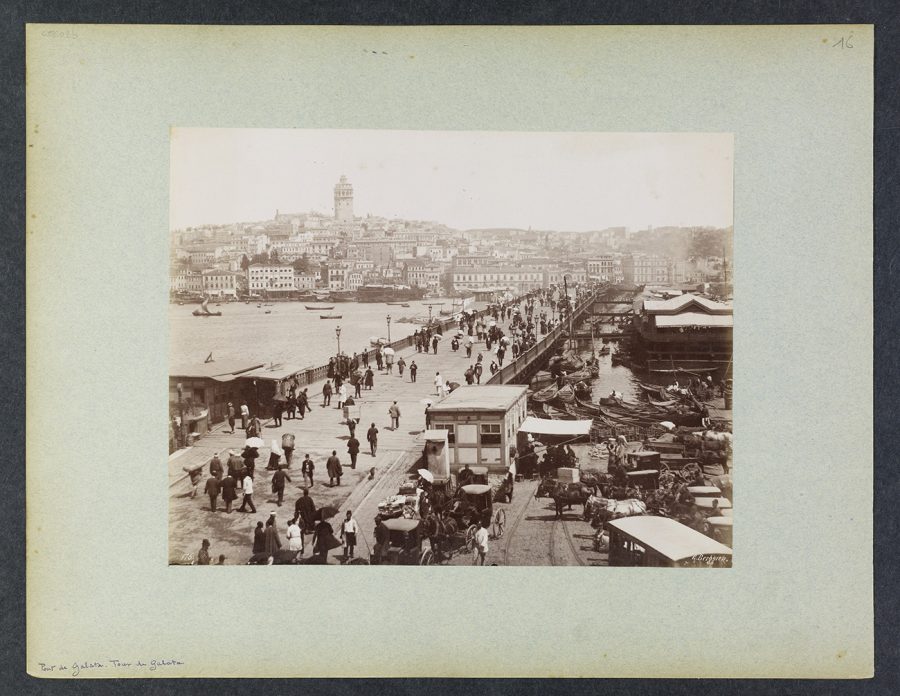
In the final decades of the Ottoman Empire, as mod­ern­iza­tion took hold all over Europe, view­ers might encounter pho­tos of women in pos­es rem­i­nis­cent of the Odal­isque and street scenes of bustling, cos­mopoli­tan Con­stan­tino­ple, with signs in Ottoman Turk­ish, Eng­lish, French, Armen­ian, and Greek.

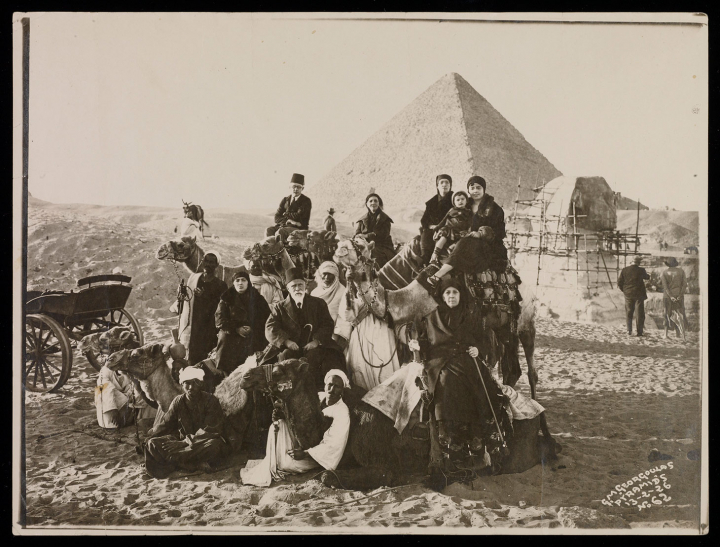
Pho­tos of Enver Pashade fac­to ruler of the Ottoman Empire dur­ing World War I and “high­est-rank­ing per­pe­tra­tor of the Armen­ian geno­cide,” writes Isot­ta Pog­gi at the Getty’s blog—cir­cu­lat­ed along­side images like that below, a group of Turk­ish tourists posed near the Sphinx. These and thou­sands more such pho­tographs of Ottoman Turkey at the turn of the cen­tu­ry and into the first years of the Turk­ish Repub­lic—3,750 dig­i­tized images in total—are now avail­able to view and down­load at the Get­ty Research Insti­tute.

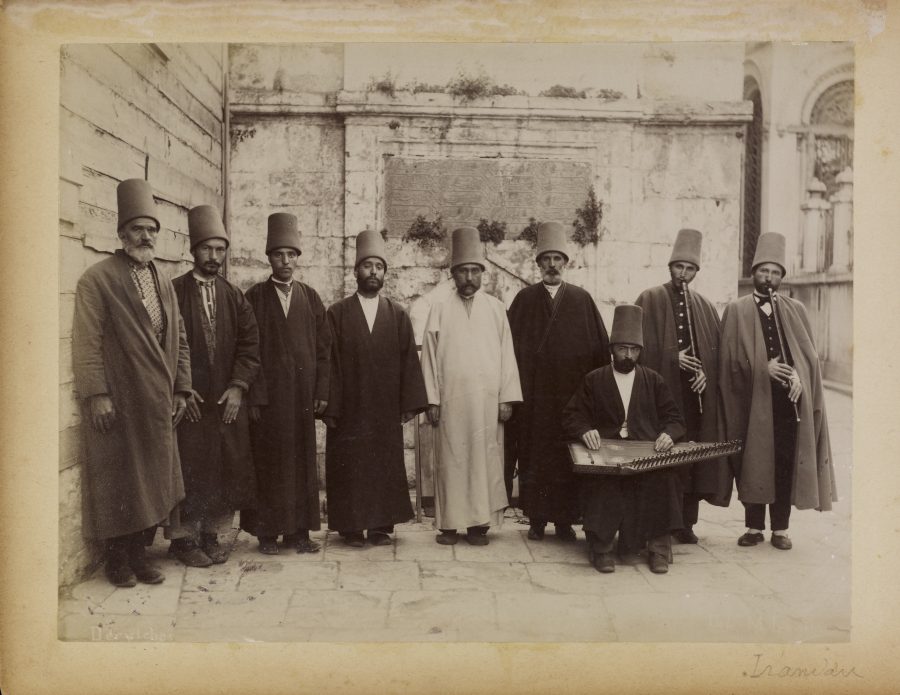
The pho­tos come from French col­lec­tor Pierre de Gig­ord, who acquired them dur­ing his many trav­els through Turkey in the 1980s. They were tak­en by pho­tog­ra­phers, some of whose names are lost to his­to­ry, from all over Europe and the Mediter­ranean, includ­ing Armen­ian pho­tog­ra­phers who played a “cen­tral role,” notes Pog­gi, “in shap­ing Turkey’s nation­al cul­tur­al his­to­ry and col­lec­tive mem­o­ry.” (Read artist Hande Sever’s Get­ty essay on this sub­ject here.) The huge col­lec­tion con­tains “land­mark archi­tec­ture, urban and nat­ur­al land­scape, arche­o­log­i­cal sites of mil­len­nia-old civ­i­liza­tions, and the bustling life of the diverse peo­ple who lived over 100 years ago.”

Despite the loss of mate­ri­al­i­ty in the trans­fer to dig­i­tal, a loss of “for­mat­ting, or sense of scale” that changes the way we expe­ri­ence these pho­tos, they “enable us to learn about the past,” writes Pog­gi, “see­ing Turkey’s diverse soci­ety” as photography’s ear­ly view­ers did, and to bet­ter under­stand the present, “observ­ing how cer­tain sites and peo­ple, as well as social or polit­i­cal issues, have evolved yet still remain the same.” Enter the Pierre de Gig­ord col­lec­tion at the Get­ty here.

via Hyper­al­ler­gic/The Get­ty

Relat­ed Con­tent:

New Archive of Mid­dle East­ern Pho­tog­ra­phy Fea­tures 9,000 Dig­i­tized Images

Venice in Beau­ti­ful Col­or Images 125 Years Ago: The Rial­to Bridge, St. Mark’s Basil­i­ca, Doge’s Palace & More

Tsarist Rus­sia Comes to Life in Vivid Col­or Pho­tographs Tak­en Cir­ca 1905–1915

An Online Gallery of Over 900,000 Breath­tak­ing Pho­tos of His­toric New York City

The Library of Con­gress Makes Thou­sands of Fab­u­lous Pho­tos, Posters & Images Free to Use & Reuse

Josh Jones is a writer and musi­cian based in Durham, NC. Fol­low him at @jdmagness
Earthrise, Apollo 8’s Photo of Earth from Space, Turns 50: Download the Iconic Photograph from NASA

Just a lit­tle over fifty years ago, we did­n’t know what Earth looked like from space. Or rather, we had a decent idea what it looked like, but no clear col­or images of the sight exist­ed. 2001: A Space Odyssey pre­sent­ed a par­tic­u­lar­ly strik­ing vision of Earth from space in the spring of 1968, but it used visu­al effects and imag­i­na­tion (both to a still-impres­sive degree) to do so. Only on Christ­mas Eve of that year would Earth be gen­uine­ly pho­tographed from that kind of dis­tance, cap­tured with a Has­sel­blad by Bill Anders, lunar mod­ule pilot of NASA’s Apol­lo 8 mis­sion.

“Two days lat­er, the film was processed,” writes The Wash­ing­ton Post’s Chris­t­ian Dav­en­port, “and NASA released pho­to num­ber 68-H-1401 to the pub­lic with a news release that said: “This view of the ris­ing earth greet­ed the Apol­lo 8 astro­nauts as they came from behind the moon after the lunar orbit inser­tion burn.”

The image, called Earth­rise, went “as viral as any­thing could in 1968, a time that saw all sorts of pho­tographs leave their mark on the nation­al con­scious­ness, most of them scars.” Life mag­a­zine ran it with lines from U.S. poet lau­re­ate James Dick­ey: “Behold/ The blue plan­et steeped in its dream/ Of real­i­ty.”

It’s often said of icon­ic pho­tographs that they make their view­ers see their sub­jects in a new way, an effect Earth­rise must exem­pli­fy more clear­ly than any oth­er pic­ture. “The vast lone­li­ness is awe-inspir­ing,” said Apol­lo 8 com­mand mod­ule pilot Jim Lovell at the time, “and it makes you real­ize just what you have back there on Earth.” At the recent cel­e­bra­tion of the mis­sion’s 50th anniver­sary at the Wash­ing­ton Nation­al Cathe­dral, Anders remem­bered, “As I looked down at the Earth, which is about the size of your fist at arm’s length, I’m think­ing this is not a very big place. Why can’t we get along?”

You can down­load Earth­rise from NASA’s web site and learn more about the tak­ing of the pho­to from the video above, made for its 45th anniver­sary. Using all avail­able data on the mis­sion, includ­ing audio record­ings of the astro­nauts them­selves, the video pre­cise­ly re-cre­ates the cir­cum­stances under which Anders shot Earth­rise, for­ev­er pre­serv­ing a view made pos­si­ble by a roll of the space­craft exe­cut­ed by Apol­lo 8 com­man­der Frank Bor­man. To what extent their pho­to­graph­ic achieve­ment has con­vinced us all to get along remains debat­able, but has human­i­ty, since the day after Christ­mas 1968, ever thought about its blue plan­et in quite the same way as before?

Relat­ed Con­tent:

The Won­der, Thrill & Mean­ing of See­ing Earth from Space. Astro­nauts Reflect on The Big Blue Mar­ble

Coun­tries and Coast­lines: A Dra­mat­ic View of Earth from Out­er Space

What It Feels Like to Fly Over Plan­et Earth

The Beau­ty of Space Pho­tog­ra­phy

The Cap­ti­vat­ing Sto­ry Behind the Mak­ing of Ansel Adams’ Most Famous Pho­to­graph, Moon­rise, Her­nan­dez, New Mex­i­co

Based in Seoul, Col­in Mar­shall writes and broad­casts on cities, lan­guage, and cul­ture. His projects include the book The State­less City: a Walk through 21st-Cen­tu­ry Los Ange­les and the video series The City in Cin­e­ma. Fol­low him on Twit­ter at @colinmarshall or on Face­book.

Artificial Intelligence Creates Realistic Photos of People, None of Whom Actually Exist

Each day in the 2010s, it seems, brings anoth­er star­tling devel­op­ment in the field of arti­fi­cial intel­li­gence — a field wide­ly writ­ten off not all that long ago as a dead end. But now AI looks just as alive as the peo­ple you see in these pho­tographs, despite the fact that none of them have ever lived, and it’s ques­tion­able whether we can even call the images that depict them “pho­tographs” at all. All of them come, in fact, as prod­ucts of a state-of-the-art gen­er­a­tive adver­sar­i­al net­work, a type of arti­fi­cial intel­li­gence algo­rithm that pits mul­ti­ple neur­al net­works against each oth­er in a kind of machine-learn­ing match.

These neur­al net­works have, it seems, com­pet­ed their way to gen­er­at­ing images of fab­ri­cat­ed human faces that gen­uine humans have trou­ble dis­tin­guish­ing from images of the real deal. Their archi­tec­ture, described in a paper by the Nvidia researchers who devel­oped it, “leads to an auto­mat­i­cal­ly learned, unsu­per­vised sep­a­ra­tion of high-lev­el attrib­ut­es (e.g., pose and iden­ti­ty when trained on human faces) and sto­chas­tic vari­a­tion in the gen­er­at­ed images (e.g., freck­les, hair), and it enables intu­itive, scale-spe­cif­ic con­trol of the syn­the­sis.” What they’ve come up with, in oth­er words, has made it not just more pos­si­ble than ever to cre­ate fake faces, but made those faces more cus­tomiz­able than ever as well.

“Of course, the abil­i­ty to cre­ate real­is­tic AI faces rais­es trou­bling ques­tions. (Not least of all, how long until stock pho­to mod­els go out of work?)” writes James Vin­cent at The Verge. “Experts have been rais­ing the alarm for the past cou­ple of years about how AI fak­ery might impact soci­ety. These tools could be used for mis­in­for­ma­tion and pro­pa­gan­da and might erode pub­lic trust in pic­to­r­i­al evi­dence, a trend that could dam­age the jus­tice sys­tem as well as pol­i­tics.”


But still, “you can’t doc­tor any image in any way you like with the same fideli­ty. There are also seri­ous con­straints when it comes to exper­tise and time. It took Nvidia’s researchers a week train­ing their mod­el on eight Tes­la GPUs to cre­ate these faces.”

Though “a run­ning bat­tle between AI fak­ery and image authen­ti­ca­tion for decades to come” seems inevitable, the cur­rent abil­i­ty of com­put­ers to cre­ate plau­si­ble faces cer­tain­ly fas­ci­nates, espe­cial­ly when com­pared to their abil­i­ty just four years ago, the hazy black-and-white fruits of which appear just above. Put that against the grid of faces at the top of the post, which shows how Nvidi­a’s sys­tem can com­bine the fea­tures of the faces on one axis with the fea­tures on the oth­er, and you’ll get a sense of the tech­no­log­i­cal accel­er­a­tion involved. Such a process could well be used, for exam­ple, to give you a sense of what your future chil­dren might look like. But how long until it puts con­vinc­ing visions of mov­ing, speak­ing, even think­ing human beings before our eyes?

via Petapix­el

Relat­ed Con­tent:

Sci­en­tists Cre­ate a New Rem­brandt Paint­ing, Using a 3D Print­er & Data Analy­sis of Rembrandt’s Body of Work

Arti­fi­cial Intel­li­gence Writes a Piece in the Style of Bach: Can You Tell the Dif­fer­ence Between JS Bach and AI Bach?

Arti­fi­cial Intel­li­gence Pro­gram Tries to Write a Bea­t­les Song: Lis­ten to “Daddy’s Car”

Google Launch­es a Free Course on Arti­fi­cial Intel­li­gence: Sign Up for Its New “Machine Learn­ing Crash Course”

Google Launch­es Three New Arti­fi­cial Intel­li­gence Exper­i­ments That Could Be God­sends for Artists, Muse­ums & Design­ers

Based in Seoul, Col­in Mar­shall writes and broad­casts on cities, lan­guage, and cul­ture. His projects include the book The State­less City: a Walk through 21st-Cen­tu­ry Los Ange­les and the video series The City in Cin­e­ma. Fol­low him on Twit­ter at @colinmarshall or on Face­book.

The Impossibly Cool Album Covers of Blue Note Records: Meet the Creative Team Behind These Iconic Designs

If you stepped into a record store in the 1950s and 60s, you would like­ly be drawn almost imme­di­ate­ly to a Blue Note release—whether or not you were a fan of jazz or had heard of the artist or even the label. “If you went to those record stores,” says Estelle Caswell in the Vox Ear­worm video above, “it prob­a­bly wasn’t the sound of Blue Note that imme­di­ate­ly caught your atten­tion. It was their album cov­ers.”

Now those designs are hal­lowed jazz iconog­ra­phy, with their “bold typog­ra­phy, two tone pho­tog­ra­phy, and min­i­mal graph­ic design.” Of course, it should go with­out say­ing that the sound of Blue Note is as dis­tinc­tive and essen­tial as its look, thanks to its founders’ musi­cal vision, the fault­less ear of pro­duc­er and engi­neer Rudy Van Gelder, and the ros­ter of unbe­liev­ably great musi­cians the label recruit­ed and record­ed.

But back to those cov­ers….

“Their bold use of col­or, inti­mate pho­tog­ra­phy, and metic­u­lous­ly placed typog­ra­phy came to define the look of jazz” in the hard bop era, and thus, defined the look of cool, a “refined sophis­ti­ca­tion” vibrat­ing with rest­less, sul­try, smoky, classy, moody ener­gy. The rat pack had noth­ing on Blue Note. Their cov­ers “have today become an epit­o­me of graph­ic hip,” writes Robin Kin­ross at Eye mag­a­zine. (And lest we fetishize the cov­ers at the expense of their con­tents, Kin­ross makes sure to add that they “are no more than the vis­i­ble man­i­fes­ta­tion of an organ­ic whole.”)

Flip over any one of those beau­ti­ful­ly-designed Blue Note records from, say, 1955 to 65, the label’s peak years, and you’ll find two names cred­it­ed for almost all of their designs: pho­tog­ra­ph­er Fran­cis Wolff and graph­ic design­er Reid Miles. Wolff, says pro­duc­er and Blue Note archivist Michael Cus­cu­na in the Ear­worm video, shot almost every Blue Note ses­sion from “the minute he arrived.”

“One of the most impres­sive, and shock­ing things” about Wolff’s pho­to shoots, “was that the aver­age suc­cess rate of those pho­tos was real­ly extra­or­di­nary. He was like the jazz artist of pho­tog­ra­phy in that he could nail it imme­di­ate­ly.” Once Wolff filled a con­tact sheet with great shots, it next came to Miles to select the per­fect one—and the per­fect crop—for the album cov­er. These sat­u­rat­ed por­traits turned Blue Note artists into immor­tal heroes of hip.

But Reid’s exper­i­ments with typog­ra­phy, “inspired by the ever present Swiss let­ter­ing style that defined 20th cen­tu­ry graph­ic design,” notes Vox, pro­vid­ed such an impor­tant ele­ment that the let­ter­ing some­times edged out the pho­tog­ra­phy, such as in the cov­er of Joe Henderson’s In ‘n Out, which fea­tures only a tiny por­trait of the artist in the upper left-hand cor­ner, nes­tled in the dot of a low­er-case “i.”

Miles pushed the excla­ma­tion point to absurd lengths on Jack­ie McLean’s It’s Time, which again rel­e­gates the artist’s pho­to to a tiny square in the cor­ner while the rest of the cov­er is tak­en up with bold, black “!!!!!!!!!!!”s over a white back­ground. It’s “star­tling­ly get­ting your atten­tion,” Cus­cu­na com­ments. On Lou Donaldson’s Sun­ny Side Up, Miles dis­pens­es with pho­tog­ra­phy alto­geth­er, for a strik­ing black and white design that makes the title seem like it might up and float away.

But Miles’ type-cen­tric cov­ers, though excel­lent, are not what we usu­al­ly asso­ciate with the clas­sic Blue Note look. The syn­the­sis of Wolff’s impec­ca­ble pho­to­graph­ic instincts and Miles’ sur­gi­cal­ly keen eye for fram­ing, col­or, and com­po­si­tion com­bined to give us the pen­sive, mys­te­ri­ous Coltrane on Blue Train, the impos­si­bly cool Son­ny Rollins on the cov­er of Newk’s Time, the total­ly, wild­ly in-the-moment Art Blakey on The Big Beat, and so, so many more.

Reid Miles had the rare tal­ent only the best art direc­tors pos­sess, says Cus­cu­na: the abil­i­ty to “cre­ate a look for a record that was high­ly indi­vid­ual but also that fit into a stream that gave the label a look.” Learn more about his work with Wolff in Robin Kinross’s essay, see many more clas­sic Blue Note album cov­ers here, and make sure to lis­ten to the music behind all that bril­liant graph­ic design in this huge, stream­ing discog­ra­phy of Blue Note record­ings. To view them in print for­mat, see the defin­i­tive book, The Cov­er Art of Blue Note Records: The Col­lec­tion.

Relat­ed Con­tent:

Stream a 144-Hour Discog­ra­phy of Clas­sic Jazz Record­ings from Blue Note Records: Miles Davis, Art Blakey, John Coltrane, Ornette Cole­man & More

The Ground­break­ing Art of Alex Stein­weiss, Father of Record Cov­er Design

Enter the Cov­er Art Archive: A Mas­sive Col­lec­tion of 800,000 Album Cov­ers from the 1950s through 2018

Josh Jones is a writer and musi­cian based in Durham, NC. Fol­low him at @jdmagness

The Captivating Story Behind the Making of Ansel Adams’ Most Famous Photograph, Moonrise, Hernandez, New Mexico

Ansel Adams cap­tured many an Amer­i­can land­scape as no pho­tog­ra­ph­er had before or has since, but in his large cat­a­log you’ll find few pic­tures as imme­di­ate­ly strik­ing as — and none more famous than — Moon­rise, Her­nan­dez, New Mex­i­co. Orig­i­nal­ly tak­en from the shoul­der of a high­way pass­ing through the com­mu­ni­ty of Her­nan­dez in 1941, the shot cap­tures the moon ris­ing above a clus­ter of hous­es, a church with a grave­yard, and a moun­tain range in the back­ground. All of those might seem like pret­ty stan­dard ele­ments of a remote part of Amer­i­ca in that era, but the sheer visu­al impact Adams draws from them shows what sep­a­rates a road-trip snap­shot from the work of a ded­i­cat­ed pho­tog­ra­ph­er.

Few pho­tog­ra­phers in the his­to­ry of the medi­um have been quite as ded­i­cat­ed as Adams, whose tech­niques we’ve pre­vi­ous­ly fea­tured here on Open Cul­ture. But as much as his delib­er­ate­ness and patience have become the stuff of pho­to­graph­ic leg­end, Moon­rise was very much a seat-of-the-pants achieve­ment.

Adams was dri­ving around the west with his son Michael and friend Cedric Wright at the behest of Sec­re­tary of the Inte­ri­or Harold Ick­es, who had com­mis­sioned Adams to pro­duce large-for­mat pho­tographs for the Depart­ment of the Inte­ri­or’s new muse­um. Toward the end of one not par­tic­u­lar­ly pro­duc­tive day on the job came the big moment. As Adams him­self tells it in Exam­ples: The Mak­ing of Forty Pho­tographs:

We were sail­ing south­ward along the high­way not far from Espanola when I glanced to the left and saw an extra­or­di­nary sit­u­a­tion — an inevitable pho­to­graph! I almost ditched the car and rushed to set up my 8×10 cam­era. I was yelling to my com­pan­ions to bring me things from the car as I strug­gled to change com­po­nents on my Cooke Triple-Con­vert­ible lens. I had a clear visu­al­iza­tion of the image I want­ed, but when the Wrat­ten No. 15 (G) fil­ter and the film hold­er were in place, I could not find my West­on expo­sure meter! The sit­u­a­tion was des­per­ate: the low sun was trail­ing the edge of the clouds in the west, and shad­ow would soon dim the white cross­es.

While an expe­ri­enced pho­tog­ra­ph­er today prob­a­bly won’t have used the same gear as Adams, they’ll cer­tain­ly rec­og­nize the dread­ful feel­ing of being about to lose a pre­cious image. What came to the res­cue of Moon­rise was­n’t any piece of Adams’ equip­ment — he nev­er did find that light meter — but the fact that he’d already spent so much time immersed so deeply in the prac­tice of pho­tog­ra­phy that he could set up and load his cam­era as if by pure instinct. Then, when he remem­bered that he knew the lumi­nos­i­ty of the moon (250 foot can­dles, for the record), he could cal­cu­late the prop­er expo­sure for the image he’d already visu­al­ized in his head: one with a bright moon and just enough light on the ground to make the cross­es in the church­yard glow.

You can learn more about the mak­ing and nature of Adams’ best-known pho­to­graph, prints of which com­mand high prices at auc­tion to this day, in the three videos here: first Adams’ own descrip­tion of his process mak­ing it, then a short by the Ansel Adams Gallery exam­in­ing a rare “mur­al-sized” print from the ear­ly 1970s, then a look into the pic­ture’s back­sto­ry by Swann Auc­tion Gal­leries. The tale of the pic­ture’s tak­ing, dra­mat­ic though it is, does­n’t quite con­vey the full extent of the pho­to­graph­ic work it took to cre­ate the image known to every­one famil­iar with Adams’ work (and many who aren’t famil­iar with it): he also had to go through quite a bit of tri­al and error in the devel­op­ment process to imbue the sky with just the right dark­ness. If any pho­tog­ra­ph­er could pro­duce Moon­rise, Her­nan­dez, New Mex­i­co, Ansel Adams could. But we might reflect on the fact that even a mas­ter like Ansel Adams only had one Moon­rise, Her­nan­dez, New Mex­i­co in his career — and even he almost missed it.

via Petapix­el

Relat­ed Con­tent:

226 Ansel Adams Pho­tographs of Great Amer­i­can Nation­al Parks Are Now Online

How to Take Pho­tographs Like Ansel Adams: The Mas­ter Explains The Art of “Visu­al­iza­tion”

200 Ansel Adams Pho­tographs Expose the Rig­ors of Life in Japan­ese Intern­ment Camps Dur­ing WW II

Ansel Adams, Pho­tog­ra­ph­er: 1958 Doc­u­men­tary Cap­tures the Cre­ative Process of the Icon­ic Amer­i­can Pho­tog­ra­ph­er

Based in Seoul, Col­in Mar­shall writes and broad­casts on cities, lan­guage, and cul­ture. His projects include the book The State­less City: a Walk through 21st-Cen­tu­ry Los Ange­les and the video series The City in Cin­e­ma. Fol­low him on Twit­ter at @colinmarshall or on Face­book.

« Go BackMore in this category... »
Quantcast