Filmmaker Wim Wenders Explains How Mobile Phones Have Killed Photography

Smart­phones have made us all pho­tog­ra­phers — or maybe they’ve made it so that none of us is a pho­tog­ra­ph­er. A cen­tu­ry ago, mere­ly pos­sess­ing and know­ing how to use a cam­era count­ed as a fair­ly notable accom­plish­ment; today, near­ly all of us car­ry one at all times whether we want to or not, and its oper­a­tion demands no skill what­so­ev­er. “I do believe that every­body’s a pho­tog­ra­ph­er,” says cel­e­brat­ed film­mak­er Wim Wen­ders, direc­tor of movies like The Amer­i­can FriendParis, Texas and Wings of Desire, in the BBC clip above. “We’re all tak­ing bil­lions of pic­tures, so pho­tog­ra­phy is more alive than ever, and at the same time, it’s more dead than ever.”

Wen­ders made this claim at an exhi­bi­tion of his Polaroid pho­tographs, which we’ve pre­vi­ous­ly fea­tured here on Open Cul­ture. In a sense, the Polaroid cam­era — easy to use, near-instant results, and high­ly portable by the stan­dards of its era — was the smart­phone cam­era of the 20th cen­tu­ry, but Wen­ders does­n’t draw the same kind of inspi­ra­tion from phone shots as he did from Polaroids. “The trou­ble with iPhone pic­tures is that nobody sees them,” he says, and one glance at the speed with which Insta­gram users scroll will con­firm it. “Even the peo­ple who take them don’t look at them any­more, and they cer­tain­ly don’t make prints.”

Hav­ing worked in cin­e­ma for around half a cen­tu­ry now (and for a time with the late cin­e­matog­ra­ph­er Rob­by Müller, one of the most respect­ed and idio­syn­crat­ic in the indus­try), Wen­ders has seen first­hand how our rela­tion­ship to the image has changed in that time. “I know from expe­ri­ence that the less you have, the more cre­ative you have to become,” he says, asked about the pre­pon­der­ance of pho­to­graph­ic fil­ters and apps. “Maybe it’s not nec­es­sar­i­ly a sign of cre­ativ­i­ty that you can turn every pic­ture into its oppo­site.” Still, he has no objec­tion to cam­era-phone cul­ture itself, and even admits to tak­ing self­ies him­self — with the caveat that “look­ing into the mir­ror is not an act of pho­tog­ra­phy.”

If self­ie-tak­ing and every­thing else we do with the cam­eras in our smart­phones (to say noth­ing of the image manip­u­la­tions we per­form) isn’t pho­tog­ra­phy, what is it? “I’m in search of a new word for this new activ­i­ty that looks so much like pho­tog­ra­phy, but isn’t pho­tog­ra­phy any­more,” Wen­ders says. “Please, let me know if you have a word for it.” Some com­menters have put forth “faux­tog­ra­phy,” an amus­ing enough sug­ges­tion but not one like­ly to sat­is­fy a cre­ator like Wen­ders who, in work as in life, sel­dom makes the obvi­ous choice.

Relat­ed Con­tent:

Wim Wen­ders Explains How Polaroid Pho­tos Ignite His Cre­ative Process and Help Him Cap­ture a Deep­er Kind of Truth

Wim Wen­ders Reveals His Rules of Cin­e­ma Per­fec­tion

See The First “Self­ie” In His­to­ry Tak­en by Robert Cor­nelius, a Philadel­phia Chemist, in 1839

Lyn­da Bar­ry on How the Smart­phone Is Endan­ger­ing Three Ingre­di­ents of Cre­ativ­i­ty: Lone­li­ness, Uncer­tain­ty & Bore­dom

Based in Seoul, Col­in Mar­shall writes and broad­casts on cities and cul­ture. His projects include the book The State­less City: a Walk through 21st-Cen­tu­ry Los Ange­les and the video series The City in Cin­e­ma. Fol­low him on Twit­ter at @colinmarshall or on Face­book.

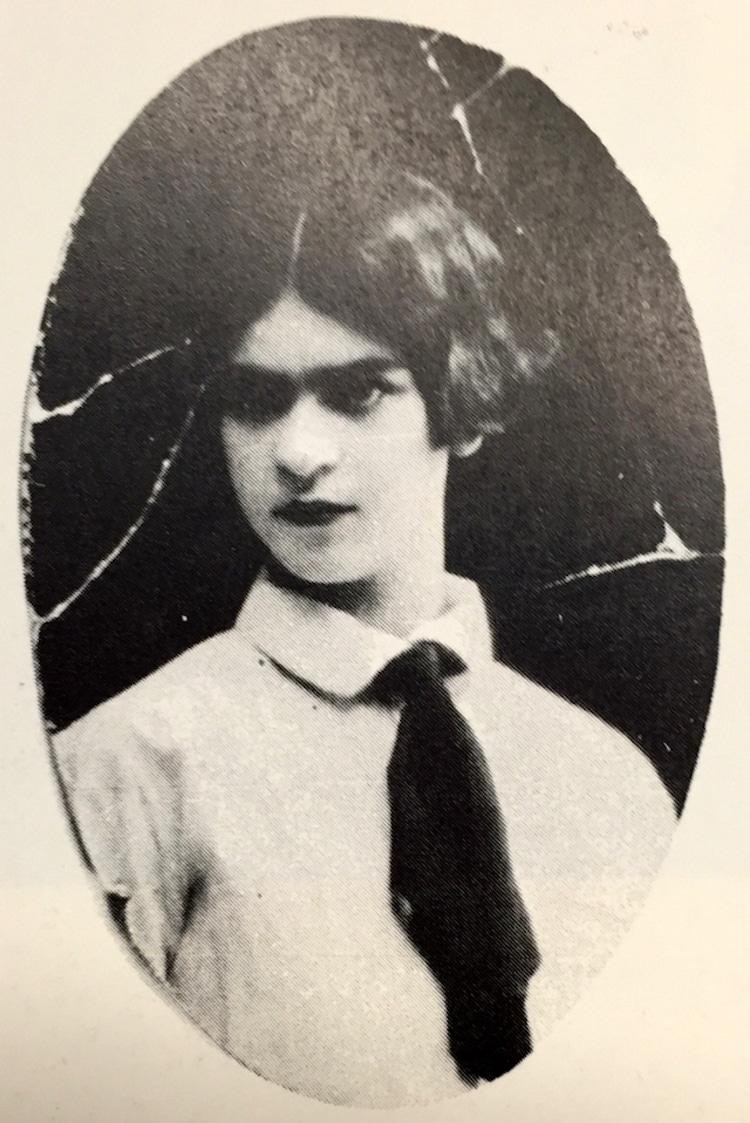
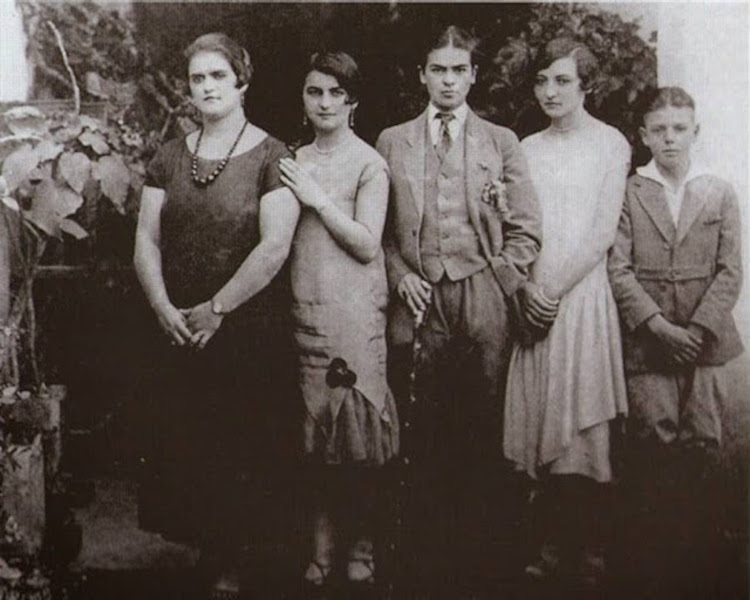
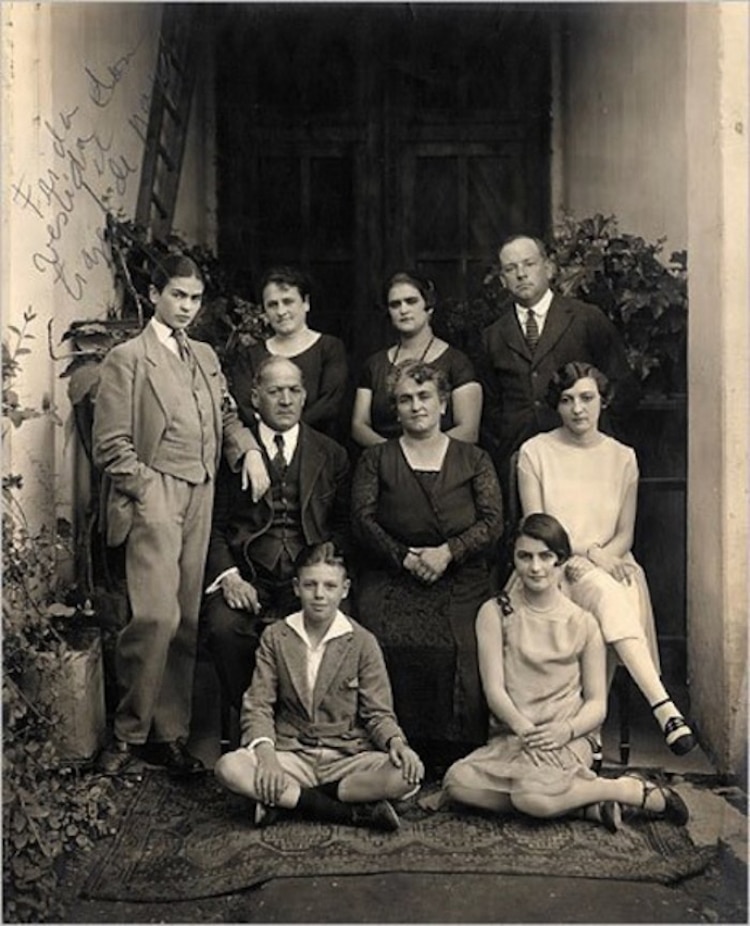
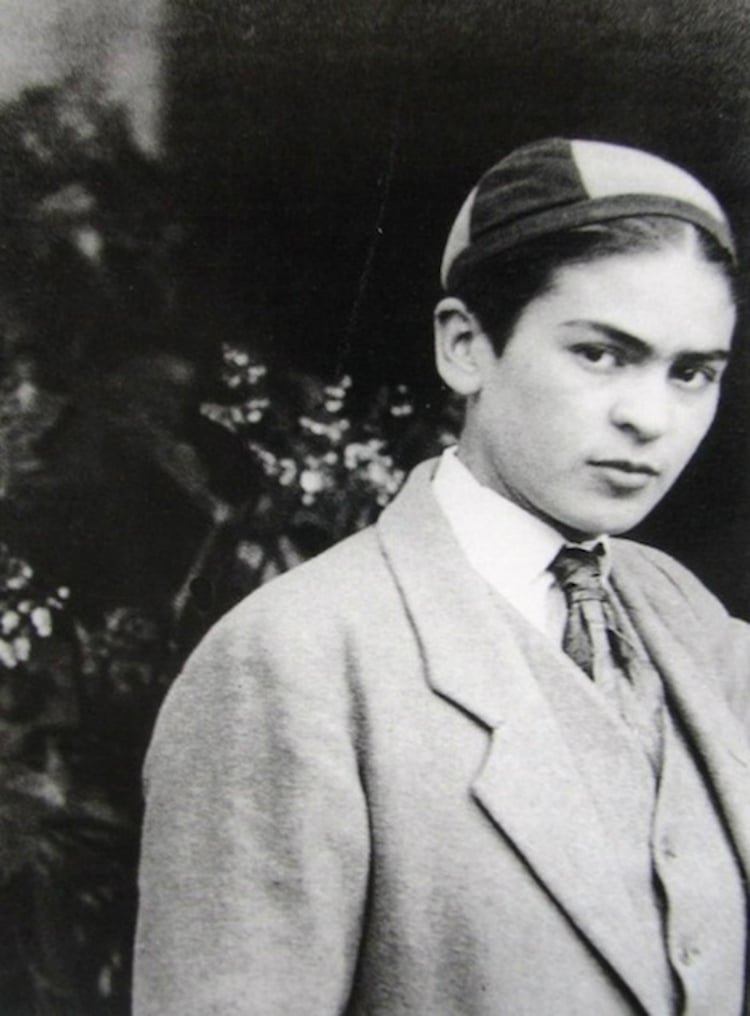
Rare Photos of Frida Kahlo, Age 13–23

“Before they were famous” pho­tos are a click­bait sta­ple, espe­cial­ly if they reveal a hereto­fore unseen side of some­one whose image is tight­ly con­trolled:

The smol­der­ing activist-actress-direc­tor as a gawky, open-faced sopho­more, her hair moussed to the very lim­its of her mod­el­ing school test shots?

The ris­ing polit­i­cal star, pim­ple-faced and cen­ter-part­ed, pos­ing with the oth­er three mem­bers of his high school’s Dun­geons and Drag­ons Club?

What about ever­green art star Fri­da Kahlo?

Though her hus­band, mural­ist Diego Rivera, was the one who urged her to adopt the tra­di­tion­al Tehua­na dress of their native Mex­i­co as a uni­form of sorts, Fri­da engi­neered her image by plac­ing her­self cen­ter stage in dozens of alle­gor­i­cal, inti­mate self-por­traits.

Much of her work alludes to the hor­rif­ic acci­dent she suf­fered at 18, and the tor­tu­ous treat­ments and surg­eries she under­went as a result for the rest of her life.

It shaped the way she saw her­self, and, in turn, the way we see her. Her endur­ing appeal is such that even those who aren’t over­ly famil­iar with her work feel they have a pret­ty good han­dle on her, thanks to her ubiq­ui­ty on tote­bags, appar­el, and var­i­ous gift relat­ed items—even Fri­da Kahlo action fig­ures and paper dolls.

We know this lady, right?

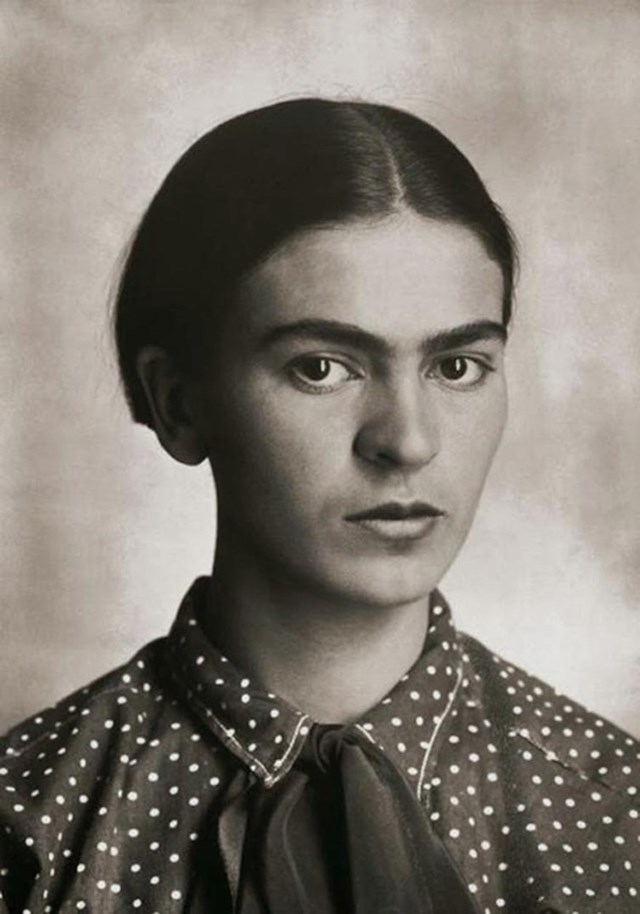
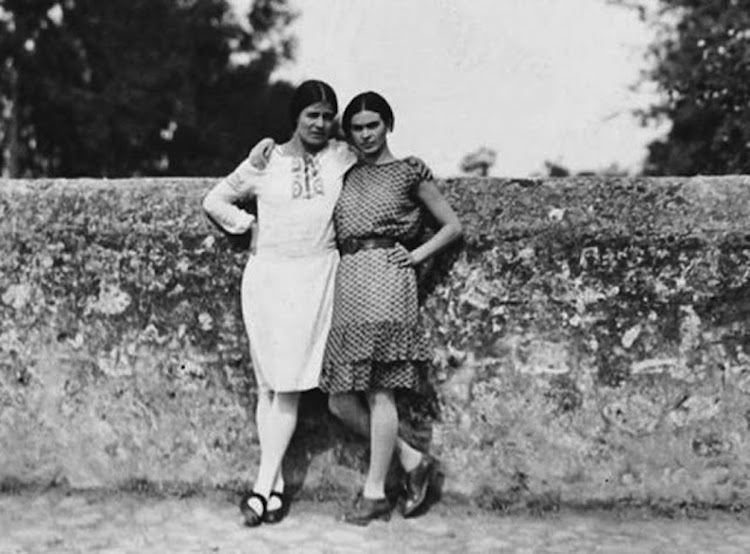
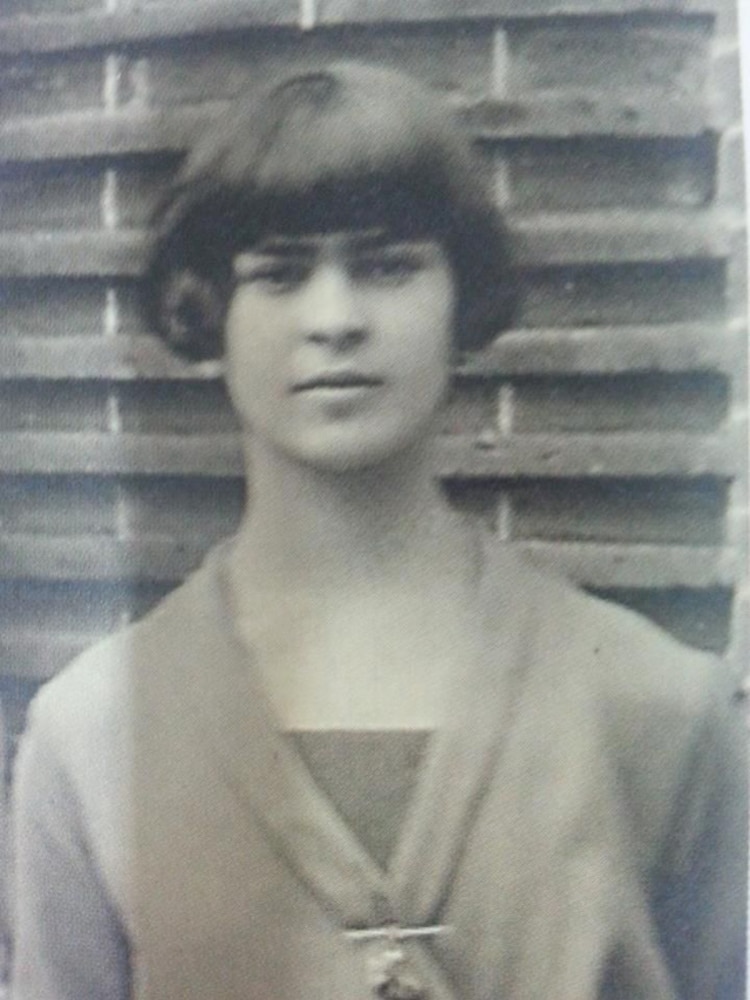
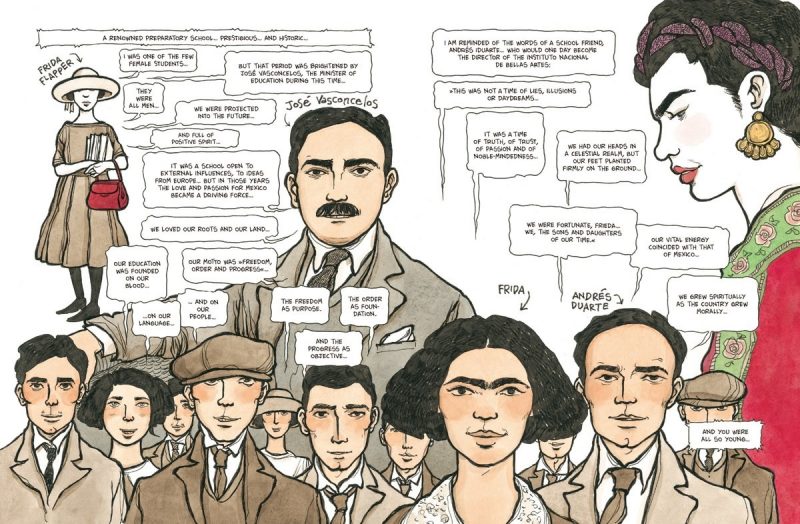
What a plea­sure to get to know her bet­ter. A col­lec­tion of pho­tos that has recent­ly come to light intro­duces us to a younger, more can­did Frida—both before and after the acci­dent, when she returned to her stud­ies at Nation­al Prepara­to­ry School.

Tak­en togeth­er with the por­traits made by her pho­tog­ra­ph­er father, they show ear­ly evi­dence of the force­ful per­son­al­i­ty that would dom­i­nate and define her pub­lic image, Mary Jane-style pumps with socks, a mid­dy blouse, and a vari­ety of blunt bobs aside.

Some of the lat­er pho­tos in this batch speak to her increas­ing inter­est in dis­tin­guish­ing her­self from her female peers. Her exper­i­ments in cross dress­ing ensured she would stand out in every group pho­to, a dash­ing fig­ure in suit, tie, and slicked back hair.

Though this peri­od of her life is less a mat­ter of pub­lic record, it gets its due in the 2017 graph­ic nov­el Fri­da: The Sto­ry of Her Life by Van­na Vin­ci. Some of the oth­ers in these pho­tos, includ­ing her sis­ters and her first boyfriend, Ale­jan­dro Gómez Arias, appear as char­ac­ters, as does Death in the form of print­mak­er José Guadalupe Posada’s La Calav­era Cat­ri­na—per­haps the only image for­mi­da­ble enough to hold its own against the fab­u­lous Fri­da.

Fri­da Kahlo The Sto­ry of Her Life p. 22–23

Relat­ed Con­tent:

Vis­it the Largest Col­lec­tion of Fri­da Kahlo’s Work Ever Assem­bled: 800 Arti­facts from 33 Muse­ums, All Free Online

1933 Arti­cle on Fri­da Kahlo: “Wife of the Mas­ter Mur­al Painter Glee­ful­ly Dab­bles in Works of Art”

The Fri­da Kahlo Action Fig­ure

Ayun Hal­l­i­day is an author, illus­tra­tor, the­ater mak­er and Chief Pri­ma­tol­o­gist of the East Vil­lage Inky zine.  Fol­low her @AyunHalliday.

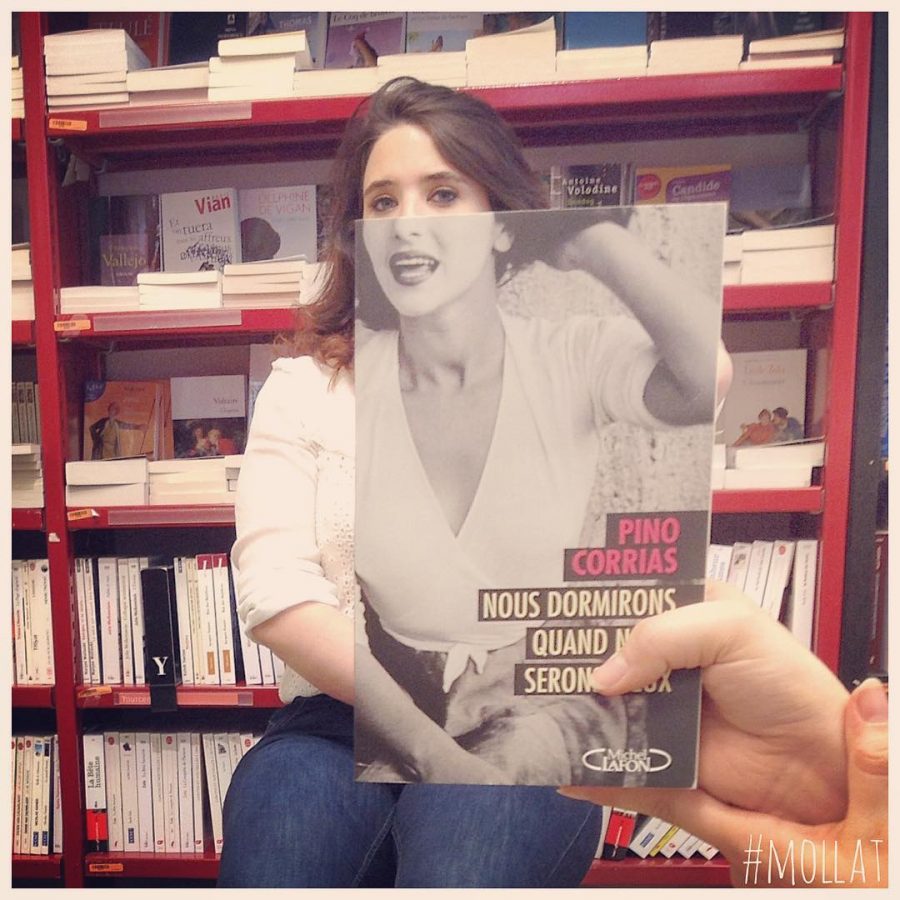
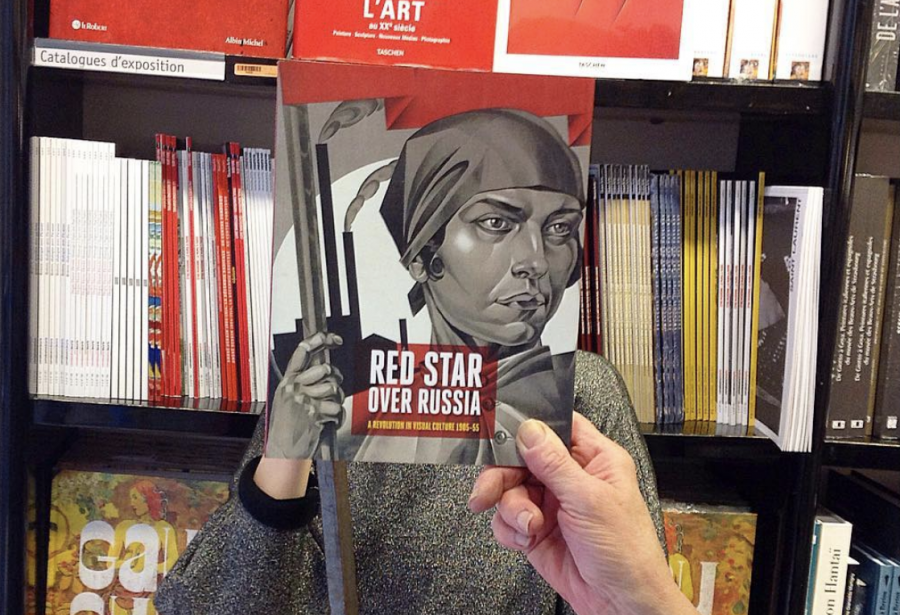
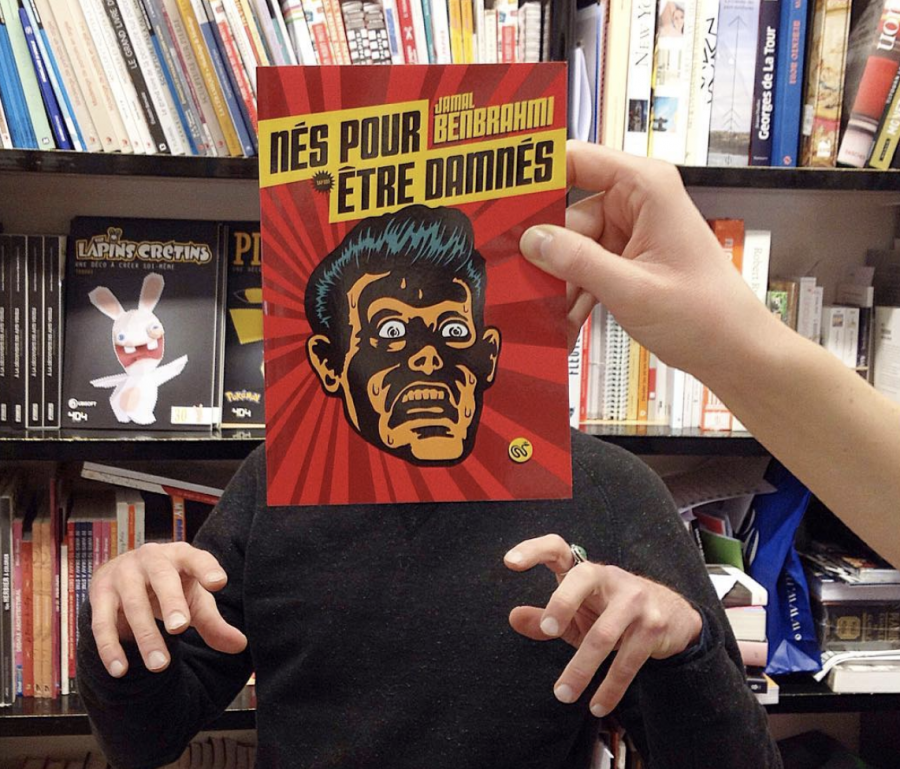
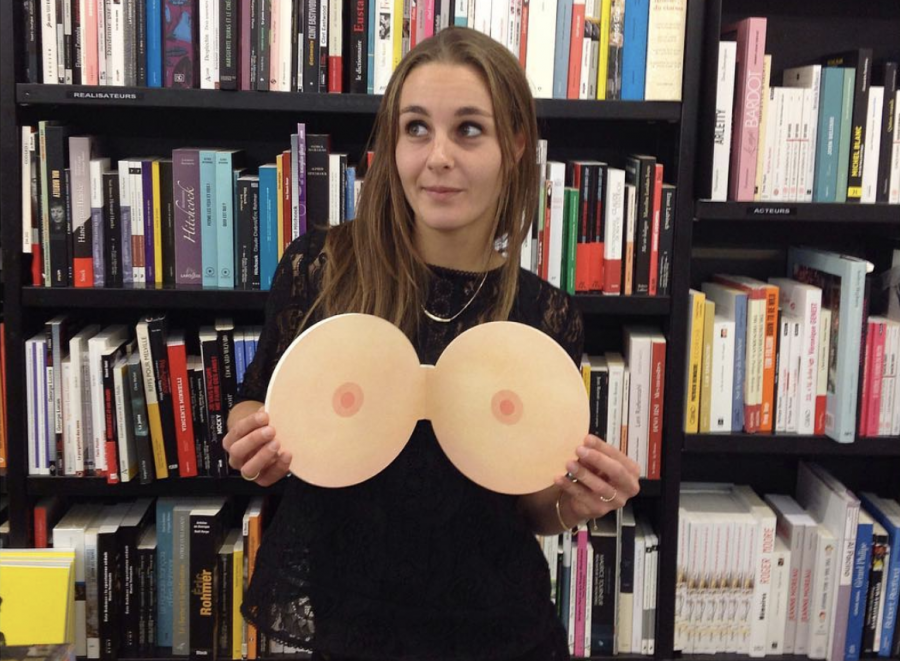
French Bookstore Blends Real People’s Faces with Book Cover Art

You can lead the I‑generation to a book­store, but can you make them read?

Per­haps, espe­cial­ly if the vol­ume has an eye-catch­ing cov­er image that bleeds off the edge.

If noth­ing else, they can be enlist­ed to pro­vide some stun­ning free pub­lic­i­ty for the titles that appeal to their high­ly visu­al sense of cre­ative play. (An author’s dream!)

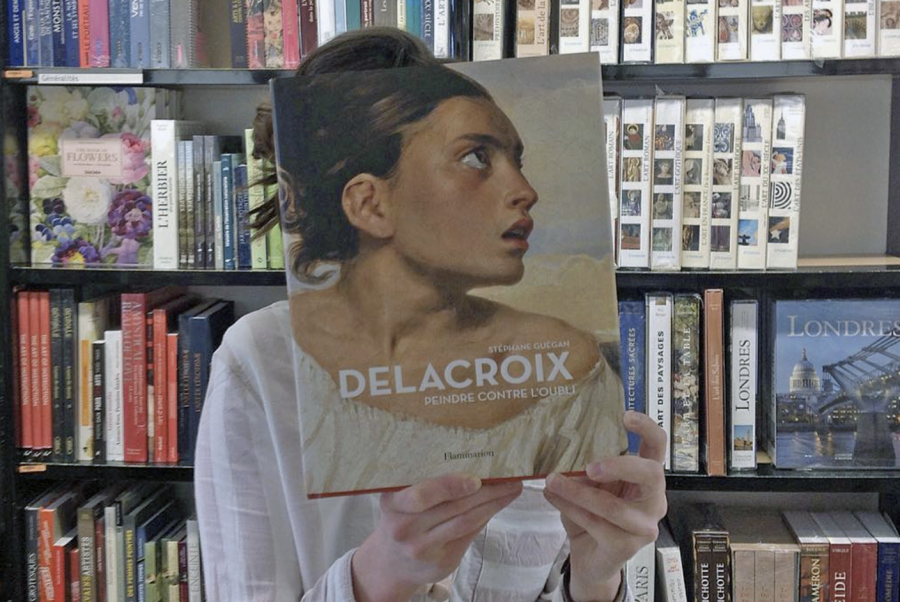
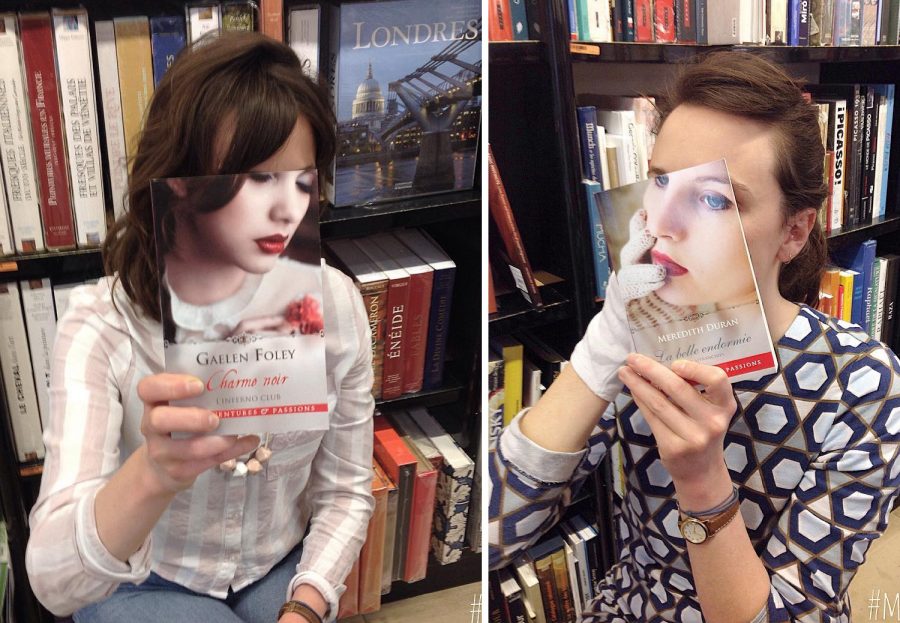
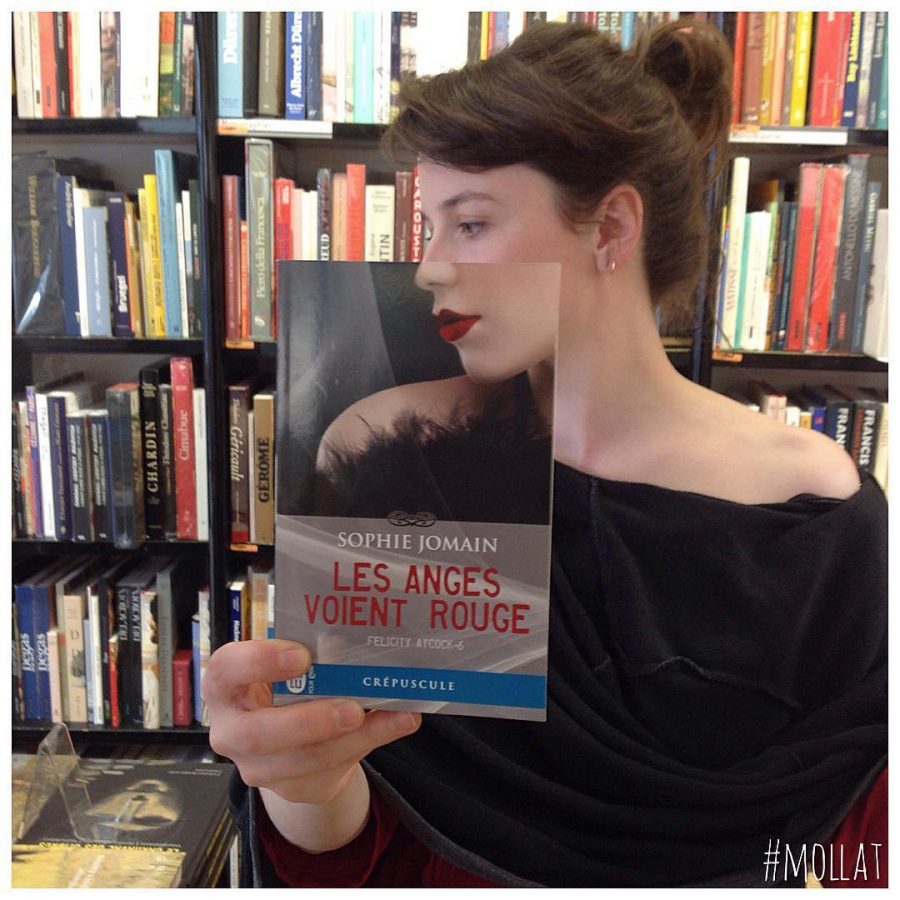
France’s first indie book­store, Bordeaux’s Librairie Mol­lat, is reel­ing ‘em in with Book Face, an irre­sistible self­ie chal­lenge that harkens back to DJ Carl Mor­risSleeve­face project, in which one or more peo­ple are pho­tographed “obscur­ing or aug­ment­ing any part of their body or bod­ies with record sleeve(s), caus­ing an illu­sion.”

The results are pro­lif­er­at­ing on the store’s Insta­gram, as fetch­ing young things (and oth­ers) apply them­selves to find­ing the best angles and cos­tumes for their lit-based Trompe‑l’œil mas­ter­strokes.

…even the ones that don’t quite pass the forced per­spec­tive test have the capac­i­ty to charm.

…and not every shot requires intense pre-pro­duc­tion and pre­ci­sion place­ment.

Hope­ful­ly, we’ll see more kids get­ting into the act soon. In fact, if some young­sters of your acquain­tance are express­ing a bit of bore­dom with their vacances d’été, try turn­ing them loose in your local book­store to iden­ti­fy a like­ly can­di­date for a Book Face of their own.

(Remem­ber to sup­port the book­seller with a pur­chase!)

Back state­side, some librar­i­ans shared their pro tips for achiev­ing Book Face suc­cess in this 2015 New York Times arti­cle. The New York Pub­lic Library’s Mor­gan Holz­er also cites Sleeve­face as the inspi­ra­tion behind #Book­face­Fri­day, the hash­tag she coined in hopes that oth­er libraries would fol­low suit.

With over 50,000 tagged posts on Insta­gram, looks like it’s caught on!

See Librairie Mol­lats patrons’ gallery of Book Faces here.

Read­ers, if you’ve Book Faced any­where in the world, please share the link to your efforts in the com­ments sec­tion.

via This is Colos­sal/Hyper­al­ler­gic

Relat­ed Con­tent:

36 Abstract Cov­ers of Vin­tage Psy­chol­o­gy, Phi­los­o­phy & Sci­ence Books Come to Life in a Mes­mer­iz­ing Ani­ma­tion

The Art of Sci-Fi Book Cov­ers: From the Fan­tas­ti­cal 1920s to the Psy­che­del­ic 1960s & Beyond

Enter the Cov­er Art Archive: A Mas­sive Col­lec­tion of 800,000 Album Cov­ers from the 1950s through 2018

Ayun Hal­l­i­day is an author, illus­tra­tor, the­ater mak­er and Chief Pri­ma­tol­o­gist of the East Vil­lage Inky zine. In hon­or of her son’s 18th birth­day, she invites you to Book Face your baby using The Big Rum­pus, her first book, for which he served as cov­er mod­el. Fol­low her @AyunHalliday.

Color Film Was Designed to Take Pictures of White People, Not People of Color: The Unfortunate History of Racial Bias in Photography (1940–1990)

In the his­to­ry of pho­tog­ra­phy and film, get­ting the right image meant get­ting the one which con­formed to preva­lent ideas of human­i­ty. This includ­ed ideas of white­ness, of what colour — what range of hue — white peo­ple want­ed white peo­ple to be. 

- Richard Dyer, White: Essays on Race and Cul­ture

As the bride in the 2014 Inter­ra­cial Wed­ding Pho­tog­ra­ph­er skit (see below) on her tit­u­lar sketch com­e­dy TV show, come­di­an Amy Schumer cast her­self in a small but essen­tial back­ground role. She is for all prac­ti­cal pur­pos­es a liv­ing Shirley card, an image of a young white woman that was for years the stan­dard pho­tog­ra­phy techs used to deter­mine “nor­mal” skin-col­or bal­ance when devel­op­ing film in the lab.

The Shirley card—named for its orig­i­nal mod­el, Kodak employ­ee Shirley Page–featured a suc­ces­sion of young women over the years, but skin tone-wise, the resem­blance was strik­ing.

As described by Syree­ta McFad­den in a Buz­zfeed essay that also touch­es on Car­rie Mae Weems 1988 four-pan­el por­trait, Peach­es, Liz, Tami­ka, Elaine, a col­or wheel meme fea­tur­ing actress Lupi­ta Nyong’o, and artists Adam Broomberg and Oliv­er Cha­narin’s 2013 project that trained an apartheid-era Polaroid ID2 cam­era and near­ly 40-year-old film stock on dark-skinned South African sub­jects as a lens for exam­in­ing racism:

She is wear­ing a white dress with long black gloves. A pearl bracelet adorns one of her wrists. She has auburn hair that drapes her exposed shoul­ders. Her eyes are blue. The back­ground is gray­ish, and she is sur­round­ed by three pil­lows, each in one of the pri­ma­ry col­ors we’re taught in school. She wears a white dress because it reads high con­trast against the gray back­ground with her black gloves. “Col­or girl” is the tech­ni­cians’ term for her. The image is used as a met­ric for skin-col­or bal­ance, which tech­ni­cians use to ren­der an image as close as pos­si­ble to what the human eye rec­og­nizes as nor­mal. But there’s the rub: With a white body as a light meter, all oth­er skin tones become devi­a­tions from the norm.

This explains why the por­trait ses­sion McFadden’s mom set up in a shop­ping mall stu­dio chain yield­ed results so dis­as­trous that McFad­den instinc­tive­ly grav­i­tat­ed toward black-and-white when she start­ed tak­ing pic­tures. Grayscale did a much bet­ter job of sug­gest­ing the wide vari­ety of mul­ti­cul­tur­al skin tones than exist­ing col­or film.

In her 2009 paper “Look­ing at Shirley, the Ulti­mate Norm: Colour Bal­ance, Image Tech­nolo­gies and Cog­ni­tive Equi­ty,” Con­cor­dia Uni­ver­si­ty media and com­mu­ni­ca­tion stud­ies pro­fes­sor Lor­na Roth went into the chem­istry of inher­ent, if uncon­scious, racial bias. The poten­tial to rec­og­nize a spec­trum of yel­low, brown and red­dish skin tones was there, but the film com­pa­nies went with emul­sions that catered to the per­ceived needs of their tar­get con­sumers, whose hides were notice­ably lighter than those of black shut­ter­bugs also seek­ing to doc­u­ment their fam­i­ly vaca­tions, mile­stones, and cel­e­bra­tions.

Indus­try progress can be chalked up to pres­sure from ven­dors of wood fur­ni­ture and choco­late, who felt their dark prod­ucts could look bet­ter on film.

Oprah Win­frey and Black Enter­tain­ment Tele­vi­sion were ear­ly adopters of cam­eras equipped with two com­put­er chips, thus enabling them to accu­rate­ly por­tray a vari­ety of indi­vid­ual tones simul­ta­ne­ous­ly.

Who knew that Amy Schumer sketch, below, would turn out to have such his­toric sig­nif­i­cance? Once you know about the Shirley card, the com­e­dy becomes even dark­er. Gen­er­a­tions of real brides and grooms, whose skin tones fell to either side of Schumer’s TV groom, DJ Ali Sha­heed Muham­mad of A Tribe Called Quest fame, failed to show up in their own wed­ding pho­tos, through no fault of their own.

via Vox

Relat­ed Con­tent:

The First Pho­tographs of Snowflakes: Dis­cov­er the Ground­break­ing Micropho­tog­ra­phy of Wil­son “Snowflake” Bent­ley (1885)

Tsarist Rus­sia Comes to Life in Vivid Col­or Pho­tographs Tak­en Cir­ca 1905–1915

New Archive of Mid­dle East­ern Pho­tog­ra­phy Fea­tures 9,000 Dig­i­tized Images

Ayun Hal­l­i­day is an author, illus­tra­tor, the­ater mak­er and Chief Pri­ma­tol­o­gist of the East Vil­lage Inky zine.  Fol­low her @AyunHalliday.

New Archive of Middle Eastern Photography Features 9,000 Digitized Images

From Shamoon Zamir, a lit­er­a­ture pro­fes­sor at NYU Abu Dhabi, comes a “research archive of his­tor­i­cal and con­tem­po­rary pho­tog­ra­phy from the Mid­dle East and North­ern Africa (MENA),” designed to be  ful­ly acces­si­ble to the pub­lic. We’re told:

Today, Akkasah: The Cen­ter for Pho­tog­ra­phy at NYU Abu Dhabi boasts an archive of 62,000 images from the UAE and across the MENA region – of which 9,000 are already dig­i­tized and avail­able online — the only of its kind in the Mid­dle East. These images offer new insights into the his­to­ry and rapid trans­for­ma­tion of the UAE and the broad­er Arab world. They include his­tor­i­cal col­lec­tions rang­ing from the nine­teenth cen­tu­ry to the late twen­ti­eth, cov­er­ing a vari­ety of themes and top­ics, from ear­ly images of the Holy Lands and from the Ottoman Empire, to images from fam­i­ly albums, insti­tu­tion­al archives and the his­to­ry of Egypt­ian cin­e­ma.

You can vis­it the col­lec­tion of images here, which is itself divid­ed into a few key areas: His­tor­i­cal Col­lec­tionsCon­tem­po­rary Projects, and Pho­to Albums.

If you would like to sup­port the mis­sion of Open Cul­ture, con­sid­er mak­ing a dona­tion to our site. It’s hard to rely 100% on ads, and your con­tri­bu­tions will help us con­tin­ue pro­vid­ing the best free cul­tur­al and edu­ca­tion­al mate­ri­als to learn­ers every­where. You can con­tribute through Pay­Pal, Patre­on, and Ven­mo (@openculture). Thanks!

Relat­ed Con­tent:

20,000 Endan­gered Archae­o­log­i­cal Sites Now Cat­a­logued in a New Online Data­base

New Dig­i­tal Archive Puts Online 4,000 His­toric Images of Rome: The Eter­nal City from the 16th to 20th Cen­turies

Vis­it a New Dig­i­tal Archive of 2.2 Mil­lion Images from the First Hun­dred Years of Pho­tog­ra­phy

Patti Smith, The Godmother of Punk, Is Now Putting Her Pictures on Instagram

As evi­denced by her Insta­gram feed the God­moth­er is just like you and me. She posts pic­tures of her kids.

She gives her mom a Moth­ers Day shout out…

She cel­e­brates her friends’ birth­days, posts self­ies, trav­el shots, and pet pics

She’s not above self-pro­mo­tion if the sit­u­a­tion war­rants.

But the accom­pa­ny­ing cap­tions set punk’s poet lau­re­ate apart. No LOLs here.  It’s clear that the award-win­ning author of Just Kids  and M Train thinks about her con­tent, care­ful­ly craft­ing each post before she pub­lish­es. Each is a bite-sized reflec­tion, a page-a-day med­i­ta­tion on what it means to be alive:

This is day two of my Venice report.

I bummed around think­ing of 

Venice in the sev­en­ties. It had

a strong Ras­ta vibe with Reg­gae

music drift­ing from the head shops

and boom box­es on the beach. 

Burn­ing Spear and Jim­my Cliff

and Bob Mar­ley. Venice has an 

ever chang­ing atmos­phere but 

I always like walk­ing around, 

anony­mous, just anoth­er freak. 

On Pacif­ic next to the Cafe Col­lage

I had steamed dumplings and 

gin­ger tea at Mao’s Kitchen. 

The food is great and rea­son­able.

Because it was ear­ly it was 

near­ly emp­ty. Since I was awake

since 4am i was near­ly hyp­no­tized 

by the turn­ing of their over­head 

fan. Before I left they gave me a

for­tune cook­ie. It was a true one.

Reflect­ing my past and cer­tain­ly 

my future. A very good day.

Fol­low Pat­ti Smith on Insta­gram here.

via W Mag­a­zine

Relat­ed Con­tent:

Pat­ti Smith’s 40 Favorite Books

Pat­ti Smith Cre­ates a Detailed Pack­ing List for Going on Tour: Haru­ki Muraka­mi Books, Loquat Tea & More

Hear Pat­ti Smith Read the Poet­ry that Would Become Hors­es: A Read­ing of 14 Poems at Colum­bia Uni­ver­si­ty, 1975

Ayun Hal­l­i­day is an author, illus­tra­tor, the­ater mak­er and Chief Pri­ma­tol­o­gist of the East Vil­lage Inky zine.  Her solo show Nurse!, in which one of Shakespeare’s best loved female char­ac­ters hits the lec­ture cir­cuit to set the record straight pre­mieres in June at The Tank in New York City. Fol­low her @AyunHalliday.

Enter an Archive of Over 95,000 Aerial Photographs Taken Over Britain from 1919 to 2006

As deep as we get into the 21st cen­tu­ry, many of us still can’t stop talk­ing about the 20th. That goes espe­cial­ly for those of us from the West, and specif­i­cal­ly those of us from Amer­i­ca and Britain, places that expe­ri­enced not just an event­ful 20th cen­tu­ry but a tri­umphant one: hence, in the case of the for­mer, the des­ig­na­tion “the Amer­i­can Cen­tu­ry.” And even though that peri­od came after the end of Britain’s sup­posed glo­ry days, the “Impe­r­i­al Cen­tu­ry” of 1815–1914, the Unit­ed King­dom changed so much from the First World War to the end of the mil­len­ni­um — not just in terms of what lands it com­prised, but what was appear­ing and hap­pen­ing on them — that words can’t quite suf­fice to tell the sto­ry.

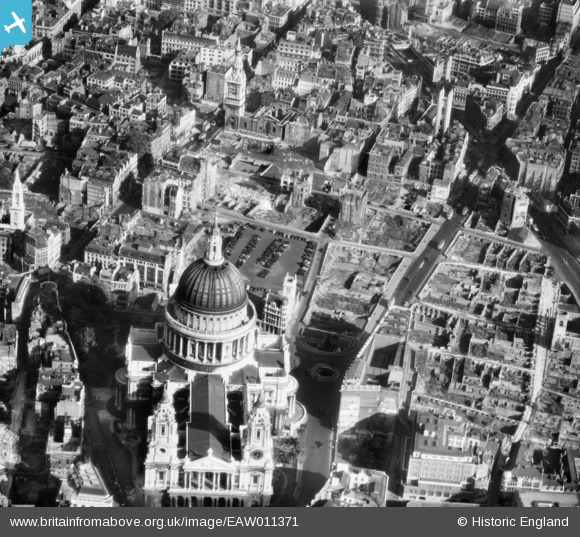
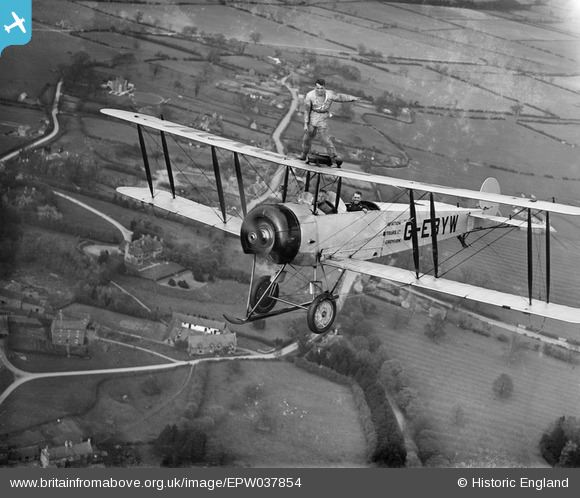
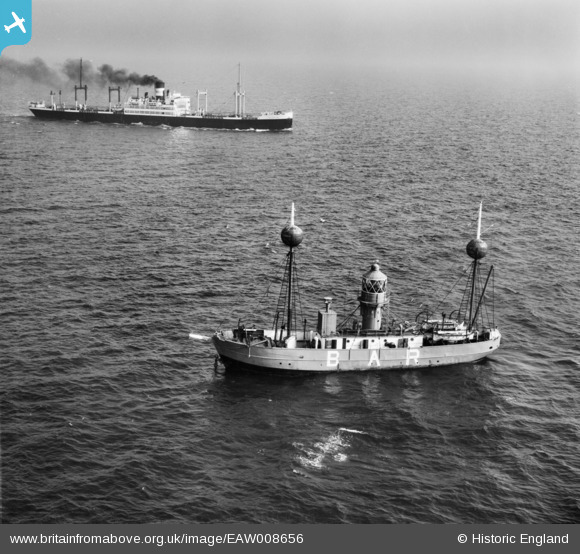
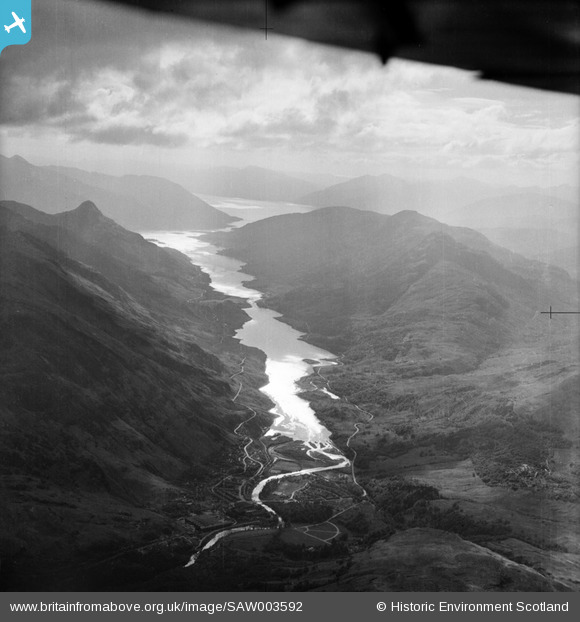
Enter Britain from Above, an archive of over 95,000 pieces of aer­i­al pho­tog­ra­phy of Britain tak­en not just from the air but from the sweep of his­to­ry between 1919 and 2006. Its pic­tures, says its about page, come from “the Aero­films col­lec­tion, a unique aer­i­al pho­to­graph­ic archive of inter­na­tion­al impor­tance.

The col­lec­tion includes 1.26 mil­lion neg­a­tives and more than 2000 pho­to­graph albums.” Orig­i­nal­ly cre­at­ed by Aero­films Ltd, an air sur­vey set up by a cou­ple vet­er­ans of World War I and lat­er expand­ed to include small­er col­lec­tions from the archives of two oth­er com­pa­nies, it “presents an unpar­al­leled pic­ture of the chang­ing face of Britain in the 20th cen­tu­ry” and “includes the largest and most sig­nif­i­cant num­ber of air pho­tographs of Britain tak­en before 1939.”

Here you see just four selec­tions from among those 95,000 images from the Aero­films col­lec­tion dig­i­tized by the four-year-long Britain from Above project with the goal of con­serv­ing its “old­est and most valu­able” pho­tographs. At the top of the post, see bomb dam­aged and cleared areas to the east of St Paul’s Cathe­dral, Lon­don, 1947. Then wing­walk­er Mar­tin Hearn does his dare­dev­il­ish job in 1932. Below that, a near­ly abstract pat­tern of hous­ing stretch­es out around St. Aidan’s Church in Leeds in 1929, the light ship Alarm pass­es the SS Col­le­gian in Liv­er­pool Bay in 1947; and Scot­land’s Loch Lev­en pass­es through the Mam na Gualainn in that same year.

Attain­ing a firm grasp of a place’s his­to­ry often requires what we metaphor­i­cal­ly call a “view from 30,000 feet,” but in the case of one of the lead­ing parts of the world in as tech­no­log­i­cal­ly and devel­op­men­tal­ly heady a time as the 20th cen­tu­ry, we mean it lit­er­al­ly. Enter the Britain from Above pho­to archive here.

Relat­ed Con­tent:

1927 Lon­don Shown in Mov­ing Col­or

A Daz­zling Aer­i­al Pho­to­graph of Edin­burgh (1920)

Amaz­ing Aer­i­al Pho­tographs of Great Amer­i­can Cities Cir­ca 1906

The British Library Puts 1,000,000 Images into the Pub­lic Domain, Mak­ing Them Free to Reuse & Remix

Free: British Pathé Puts Over 85,000 His­tor­i­cal Films on YouTube

Based in Seoul, Col­in Mar­shall writes and broad­casts on cities and cul­ture. His projects include the book The State­less City: a Walk through 21st-Cen­tu­ry Los Ange­les and the video series The City in Cin­e­ma. Fol­low him on Twit­ter at @colinmarshall or on Face­book.

A Dazzling Aerial Photograph of Edinburgh (1920)

The British pho­tog­ra­ph­er Alfred Buck­ham (1879–1956) came of age dur­ing the ear­ly his­to­ry of flight and served, start­ing in 1917, as a recon­nais­sance pho­tog­ra­ph­er for the Roy­al Naval Air Ser­vice. Appar­ent­ly a bet­ter pho­tog­ra­ph­er than pilot, Buck­ham “crashed nine times before he was dis­charged from the Roy­al Naval Air Ser­vice as a hun­dred per cent dis­abled,” writes the Nation­al Gal­leries Scot­land web­site. (At the age of 39, he dam­aged his voice box and had to breathe out of a tra­cheoto­my tube for the rest of his life.) But, nonethe­less, his pas­sion for aer­i­al pho­tog­ra­phy con­tin­ued unabat­ed.

In 1920, Buck­ham cap­tured this rather splen­did aer­i­al pho­to of Edin­burgh, the cap­i­tal of Scot­land. It’s his chef d’oeu­vre. About the pho­to­graph, the Nation­al Gal­leries writes:

Buckham’s aer­i­al view of Edin­burgh has become one of the most pop­u­lar pho­tographs in our col­lec­tion. The view is tak­en from the west, with the cas­tle in the fore­ground and the build­ings of the Old Town along the Roy­al Mile grad­u­al­ly fad­ing into a bank of mist with the rocky sil­hou­ette of Arthur’s Seat just vis­i­ble in the dis­tance. Buck­ham was always keen to cap­ture strong con­trasts of light and dark, often com­bin­ing the skies and land­scapes from sep­a­rate pho­tographs to achieve a the­atri­cal effect. As he does here, he some­times col­laged or hand-paint­ed the form of a tiny air­craft to enhance the ver­tig­i­nous effect. Yet accu­ra­cy remained a con­cern; Buck­ham lat­er pro­fessed a par­tic­u­lar fond­ness for his view of Edin­burgh, ‘because it presents, so near­ly, the effect that I saw’.

If you fol­low these links, you can see a wider selec­tion of Buck­ham’s pho­tographs, includ­ing Sun­shine, and Show­ers; The Storm Cen­tre; Sun­set over the Pent­lands Range; The Forth Bridge; Vol­cano: Crater of Popocate­petl; and more.

via Kot­tke

Relat­ed Con­tent:

Amaz­ing Aer­i­al Pho­tographs of Great Amer­i­can Cities Cir­ca 1906

New Dig­i­tal Archive Puts Online 4,000 His­toric Images of Rome: The Eter­nal City from the 16th to 20th Cen­turies

Beau­ti­ful, Col­or Pho­tographs of Paris Tak­en 100 Years Ago—at the Begin­ning of World War I & the End of La Belle Époque

The His­to­ry of Rus­sia in 70,000 Pho­tos: New Pho­to Archive Presents Russ­ian His­to­ry from 1860 to 1999

Behold the Very First Col­or Pho­to­graph (1861): Tak­en by Scot­tish Physi­cist (and Poet!) James Clerk Maxwell

by | Permalink | Make a Comment ( 1 ) |

« Go BackMore in this category... »
Quantcast