Albert Einstein Writes the 1949 Essay “Why Socialism?” and Attempts to Find a Solution to the “Grave Evils of Capitalism”

Image by Fer­di­nand Schmutzer, via Wiki­me­dia Com­mons

Albert Ein­stein was a com­pli­cat­ed human being, with a wide range of inter­ests. His per­son­al­i­ty seemed bal­anced between a cer­tain chill­i­ness when it came to per­son­al mat­ters, and a great deal of warmth and com­pas­sion when it came to the wider human fam­i­ly. The physi­cist struck up friend­ships with famed Amer­i­can activists Paul Robe­son, Mar­i­an Ander­son, and W.E.B. Du Bois, and he cham­pi­oned the cause of Civ­il Rights in the U.S. He pro­fessed a deep admi­ra­tion for Gand­hi, and praised him sev­er­al times in let­ters and speech­es. And in 1955, just days before his death, Ein­stein col­lab­o­rat­ed with anoth­er out­spo­ken pub­lic intel­lec­tu­al, Bertrand Rus­sell, on a peace man­i­festo, which was signed by six oth­er sci­en­tists.

Ein­stein saw a pub­lic role for sci­en­tists in mat­ters social, polit­i­cal, and even eco­nom­ic. In 1949, he pub­lished an arti­cle in the Month­ly Review titled “Why Social­ism?” Antic­i­pat­ing his crit­ics, he begins by ask­ing “is it advis­able for one who is not an expert on eco­nom­ic and social issues to express views on the sub­ject of social­ism?” To which he replies, “I believe for a num­ber of rea­sons that it is.”

Ein­stein goes on, sound­ing some­thing like a com­bi­na­tion of Karl Marx and E.O. Wil­son, to elab­o­rate the the­o­ret­i­cal basis for social­ism as he sees it, first describ­ing what Marx called “prim­i­tive accu­mu­la­tion” and what the social­ist econ­o­mist Thorstein Veblen called “’the preda­to­ry phase’ of human devel­op­ment.”

…most of the major states of his­to­ry owed their exis­tence to con­quest. The con­quer­ing peo­ples estab­lished them­selves, legal­ly and eco­nom­i­cal­ly, as the priv­i­leged class of the con­quered coun­try. They seized for them­selves a monop­oly of the land own­er­ship and appoint­ed a priest­hood from among their own ranks. The priests, in con­trol of edu­ca­tion, made the class divi­sion of soci­ety into a per­ma­nent insti­tu­tion and cre­at­ed a sys­tem of val­ues by which the peo­ple were thence­forth, to a large extent uncon­scious­ly, guid­ed in their social behav­ior.

The sci­ence of eco­nom­ics, as it stands, writes Ein­stein, still belongs “to that phase.” Such “laws as we can derive” from “the observ­able eco­nom­ic facts… are not applic­a­ble to oth­er phas­es.” These facts sim­ply describe the preda­to­ry state of affairs, and Ein­stein implies that not even econ­o­mists have suf­fi­cient meth­ods to defin­i­tive­ly answer the ques­tion “why socialism?”—“economic sci­ence in its present state can throw lit­tle light on the social­ist soci­ety of the future.” We should not assume, then, he goes on, “that experts are the only ones who have a right to express them­selves on ques­tions affect­ing the orga­ni­za­tion of soci­ety.” Ein­stein him­self doesn’t pre­tend to have all the answers. He ends his essay, in fact, with a few ques­tions address­ing “some extreme­ly dif­fi­cult socio-polit­i­cal prob­lems,” of the kind that attend every debate about social­ism:

…how is it pos­si­ble, in view of the far-reach­ing cen­tral­iza­tion of polit­i­cal and eco­nom­ic pow­er, to pre­vent bureau­cra­cy from becom­ing all-pow­er­ful and over­ween­ing? How can the rights of the indi­vid­ual be pro­tect­ed and there­with a demo­c­ra­t­ic coun­ter­weight to the pow­er of bureau­cra­cy be assured?

Nev­er­the­less, Ein­stein is “con­vinced” that the only way to elim­i­nate the “grave evils” of cap­i­tal­ism is “through the estab­lish­ment of a social­ist econ­o­my, accom­pa­nied by an edu­ca­tion­al sys­tem which would be ori­ent­ed toward social goals.” For Ein­stein, the “worst evil” of preda­to­ry cap­i­tal­ism is the “crip­pling of indi­vid­u­als” through an edu­ca­tion­al sys­tem that empha­sizes an “exag­ger­at­ed com­pet­i­tive atti­tude” and trains stu­dents “to wor­ship acquis­i­tive suc­cess.” But the prob­lems extend far beyond the indi­vid­ual and into the very nature of the polit­i­cal order.

Pri­vate cap­i­tal tends to become con­cen­trat­ed in few hands… The result of these devel­op­ments is an oli­garchy of pri­vate cap­i­tal the enor­mous pow­er of which can­not be effec­tive­ly checked even by a demo­c­ra­t­i­cal­ly orga­nized polit­i­cal soci­ety. This is true since the mem­bers of leg­isla­tive bod­ies are select­ed by polit­i­cal par­ties, large­ly financed or oth­er­wise influ­enced by pri­vate cap­i­tal­ists who, for all prac­ti­cal pur­pos­es, sep­a­rate the elec­torate from the leg­is­la­ture. The con­se­quence is that the rep­re­sen­ta­tives of the peo­ple do not in fact suf­fi­cient­ly pro­tect the inter­ests of the under­priv­i­leged sec­tions of the pop­u­la­tion. More­over, under exist­ing con­di­tions, pri­vate cap­i­tal­ists inevitably con­trol, direct­ly or indi­rect­ly, the main sources of infor­ma­tion (press, radio, edu­ca­tion). It is thus extreme­ly dif­fi­cult, and indeed in most cas­es quite impos­si­ble, for the indi­vid­ual cit­i­zen to come to objec­tive con­clu­sions and to make intel­li­gent use of his polit­i­cal rights.

The polit­i­cal econ­o­my Ein­stein describes is one often lam­bast­ed by right lib­er­tar­i­ans as an impure vari­ety of crony cap­i­tal­ism, one not wor­thy of the name, but the physi­cist is skep­ti­cal of the claim, writ­ing “there is no such thing as a pure cap­i­tal­ist soci­ety.” Pri­vate own­ers always secure their priv­i­leges through the manip­u­la­tion of the polit­i­cal and edu­ca­tion­al sys­tems and the mass media.

The preda­to­ry sit­u­a­tion Ein­stein observes is one of extreme alien­ation among all class­es; “All human beings, what­ev­er their posi­tion in soci­ety, are suf­fer­ing from this process of dete­ri­o­ra­tion. Unknow­ing­ly pris­on­ers of their own ego­tism, they feel inse­cure, lone­ly, and deprived of the naïve, sim­ple, and unso­phis­ti­cat­ed enjoy­ment of life. Man can find mean­ing in life, short and per­ilous as it is, only through devot­ing him­self to soci­ety.” Ein­stein believed that devo­tion should take the form of a social­ist econ­o­my that pro­motes both the phys­i­cal well­be­ing and the polit­i­cal rights of every­one. But he did not pre­sume to know exact­ly what such an eco­nom­ic future would look like, nor how it might come into being. Read his full essay, “Why Social­ism?” here.

Relat­ed Con­tent:

Albert Ein­stein Explains How Slav­ery Has Crip­pled Everyone’s Abil­i­ty (Even Aristotle’s) to Think Clear­ly About Racism

Albert Ein­stein Express­es His Admi­ra­tion for Mahat­ma Gand­hi, in Let­ter and Audio

Albert Ein­stein Impos­es on His First Wife a Cru­el List of Mar­i­tal Demands

Josh Jones is a writer and musi­cian based in Durham, NC. Fol­low him at @jdmagness

The CIA Assesses the Power of French Post-Modern Philosophers: Read a Newly Declassified CIA Report from 1985

We might assume that phi­los­o­phy is an ivory tow­er dis­ci­pline that has lit­tle effect on the unlove­ly oper­a­tions of gov­ern­ment, dri­ven as they are by the con­cerns of mid­dle class wal­lets, upper class stock port­fo­lios, and the ever-present prob­lem of pover­ty. But we would be wrong. In times when pres­i­dents, cab­i­net mem­bers, or sen­a­tors have been thought­ful and well-read, the ideas of thinkers like Fran­cis Fukuya­ma, Leo Strauss, Jur­gen Haber­mas, and John Rawls—a favorite of the pre­vi­ous pres­i­dent—have exer­cised con­sid­er­able sway. Few philoso­phers have been as his­tor­i­cal­ly influ­en­tial as the Ger­man thinker Carl Schmitt, though in a thor­ough­ly destruc­tive way. Then there’s John Locke, Jean-Jacques Rousseau, Thomas Hobbes, Aris­to­tle… even Socrates, who made him­self a thorn in the side of the pow­er­ful.

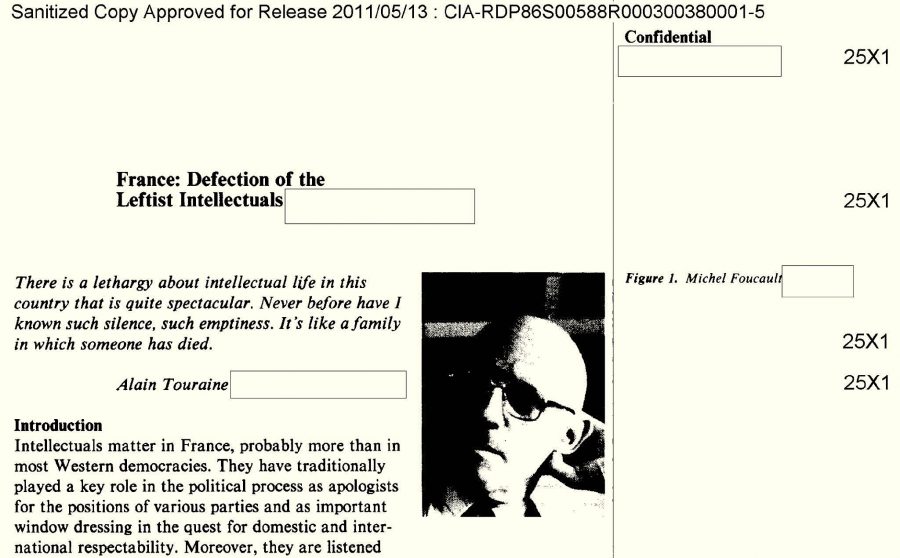
But when it comes to the most­ly French school of thinkers we asso­ciate with postmodernism—Michel Fou­cault, Roland Barthes, the Jacques Lacan and Der­ri­da, and many others—such influ­ence is far less direct. The work of these writ­ers has been often dis­missed as friv­o­lous and incon­se­quen­tial, speak­ing a lan­guage no one under­stands to out of touch coastal elites on the left edge of the spec­trum. Per­haps this is so in the Unit­ed States, where pow­er is often the­o­rized but rarely rad­i­cal­ly cri­tiqued in main­stream pub­li­ca­tions. But it has not been so in France. At least not accord­ing to the CIA, who close­ly mon­i­tored the effects of French phi­los­o­phy on the coun­try’s domes­tic and for­eign pol­i­cy dur­ing their long-run­ning cul­ture war against Com­mu­nism and “anti-Amer­i­can­ism,” and who, in 1985, com­piled a research paper to doc­u­ment their inves­ti­ga­tions. (See a sam­ple page above.)

Recent­ly made avail­able to the pub­lic in a “san­i­tized copy” through a Free­dom of Infor­ma­tion Act request, the doc­u­ment, titled “France: Defec­tion of the Left­ist Intel­lec­tu­als,” shows itself sur­pris­ing­ly approv­ing of the polit­i­cal direc­tion post-struc­tural­ist thinkers had tak­en. **************@*******va.edu&xsl=bio_long”>Villanova Uni­ver­si­ty pro­fes­sor of phi­los­o­phy and author of Rad­i­cal His­to­ry and the Pol­i­tics of Art Gabriel Rock­hill sum­ma­rizes the tenor of the agency’s assess­ment in the L.A. Review of Books’ Philo­soph­i­cal Salon:

…the under­cov­er cul­tur­al war­riors applaud what they see as a dou­ble move­ment that has con­tributed to the intel­li­gentsia shift­ing its crit­i­cal focus away from the US and toward the USSR. On the left, there was a grad­ual intel­lec­tu­al dis­af­fec­tion with Stal­in­ism and Marx­ism, a pro­gres­sive with­draw­al of rad­i­cal intel­lec­tu­als from pub­lic debate, and a the­o­ret­i­cal move away from social­ism and the social­ist par­ty. Fur­ther to the right, the ide­o­log­i­cal oppor­tunists referred to as the New Philoso­phers and the New Right intel­lec­tu­als launched a high-pro­file media smear cam­paign against Marx­ism.

The “spir­it of anti-Marx­ism and anti-Sovi­etism,” write the agents in their report, “will make it dif­fi­cult for any­one to mobi­lize sig­nif­i­cant intel­lec­tu­al oppo­si­tion to US poli­cies.” The influ­ence of “New Left intel­lec­tu­als” over French cul­ture and gov­ern­ment was such, they sur­mised, that “Pres­i­dent [Fran­cois] Mitterrand’s notable cool­ness toward Moscow derives, at least in part, from this per­va­sive atti­tude.”

These obser­va­tions stand in con­trast to the pre­vi­ous gen­er­a­tion of “left-lean­ing intel­lec­tu­als of the imme­di­ate post­war peri­od,” writes Rock­hill, who “had been open­ly crit­i­cal of US impe­ri­al­ism” and active­ly worked against the machi­na­tions of Amer­i­can oper­a­tives. Jean-Paul Sartre even played a role in “blow­ing the cov­er of the CIA sta­tion offi­cer in Paris and dozens of under­cov­er oper­a­tives,” and as a result was “close­ly mon­i­tored by the Agency and con­sid­ered a very seri­ous prob­lem.” By the mid-eight­ies, the Agency stat­ed, tri­umphant­ly, “there are no more Sartres, no more Gides.” The “last clique of Com­mu­nist savants,” they write, “came under fire from their for­mer pro­teges, but none had any stom­ach for fight­ing a rear­guard defense of Marx­ism.” As such, the late Cold War peri­od saw a “broad­er retreat from ide­ol­o­gy among intel­lec­tu­als of all polit­i­cal col­ors.”

A cer­tain weari­ness had tak­en hold, brought about by the inde­fen­si­ble total­i­tar­i­an abus­es of the “cult of Stal­in­ism” and the seem­ing inescapa­bil­i­ty of the Wash­ing­ton Con­sen­sus and the multi­na­tion­al cor­po­ratism engen­dered by it. By the time of Communism’s col­lapse, U.S. philoso­phers waxed apoc­a­lyp­tic, even as they cel­e­brat­ed the tri­umph of what Fran­cis Fukuya­ma called “lib­er­al democ­ra­cy” over social­ism. Fukuyama’s book The End of His­to­ry and the Last Man made its star­tling the­sis plain in the title. There would be no more rev­o­lu­tions. Har­vard thinker Samuel Hunt­ing­ton declared it the era of “endism,” amidst a rash of hyper­bol­ic argu­ments about “the end of art,” the “end of nature,” and so on. And, in France, in the years just pri­or to the fall of the Berlin wall, the pre­vi­ous­ly vig­or­ous philo­soph­i­cal left, the CIA believed, had “suc­cumbed to a kind of list­less­ness.”

While the agency cred­it­ed the dif­fi­dence of post-struc­tural­ist philoso­phers with sway­ing pop­u­lar opin­ion away from social­ism and “hard­en­ing pub­lic atti­tudes toward Marx­ism and the Sovi­et Union,” it also wrote that “their influ­ence appears to be wan­ing, and they are unlike­ly to have much direct impact on polit­i­cal affairs any time soon.” Is this true? If we take seri­ous­ly crit­ics of so-called “Iden­ti­ty Pol­i­tics,” the answer is a resound­ing No. As those who close­ly iden­ti­fy post­mod­ern phi­los­o­phy with sev­er­al recent waves of left­ist thought and activism might argue, the CIA was short­sight­ed in its con­clu­sions. Per­haps, bound to a Manichean view fos­tered by decades of Cold War maneu­ver­ing, they could not con­ceive of a pol­i­tics that opposed both Amer­i­can and Sovi­et empire at once.

And yet, the retreat from ide­ol­o­gy was hard­ly a retreat from pol­i­tics. We might say, over thir­ty years since this curi­ous research essay cir­cu­lat­ed among intel­li­gence gath­er­ers, that con­cepts like Foucault’s biopow­er or Derrida’s skep­ti­cal inter­ro­ga­tions of iden­ti­ty have more cur­ren­cy and rel­e­vance than ever, even if we don’t always under­stand, or read, their work. But while the agency may not have fore­seen the per­va­sive impact of post­mod­ern thought, they nev­er dis­missed it as obscu­ran­tist or incon­se­quen­tial sophistry. Their new­ly-released report, writes Rock­hill, “should be a cogent reminder that if some pre­sume that intel­lec­tu­als are pow­er­less, and that our polit­i­cal ori­en­ta­tions do not mat­ter, the orga­ni­za­tion that has been one of the most potent pow­er bro­kers in con­tem­po­rary world pol­i­tics does not agree.”

Relat­ed Con­tent:

12 Mil­lion Declas­si­fied CIA Doc­u­ments Now Free Online: Secret Tun­nels, UFOs, Psy­chic Exper­i­ments & More

How the CIA Secret­ly Fund­ed Abstract Expres­sion­ism Dur­ing the Cold War

Michel Fou­cault: Free Lec­tures on Truth, Dis­course & The Self (UC Berke­ley, 1980–1983)

Intro­duc­tion to Polit­i­cal Phi­los­o­phy: A Free Yale Course

Josh Jones is a writer and musi­cian based in Durham, NC. Fol­low him at @jdmagness

How Finland Created One of the Best Educational Systems in the World (by Doing the Opposite of U.S.)

Every con­ver­sa­tion about edu­ca­tion in the U.S. takes place in a mine­field. Unless you’re a bil­lion­aire who bought the job of Sec­re­tary of Edu­ca­tion, you’d bet­ter be pre­pared to answer ques­tions about racial and eco­nom­ic equi­ty, dis­abil­i­ty issues, pro­tec­tions for LGBTQ stu­dents, teacher pay and unions, reli­gious char­ter schools, and many oth­er press­ing con­cerns. These issues are not mutu­al­ly exclu­sive, nor are they dis­tinct from ques­tions of cur­ricu­lum, test­ing, or achieve­ment. The ter­rain is lit­tered with pos­si­ble explo­sive con­flicts between edu­ca­tors, par­ents, admin­is­tra­tors, leg­is­la­tors, activists, and prof­i­teers.

The needs of the most deeply invest­ed stake­hold­ers, as they say, the stu­dents them­selves, seem to get far too lit­tle con­sid­er­a­tion. What if we in the U.S., all of us, actu­al­ly want­ed to improve the edu­ca­tion­al expe­ri­ences and aca­d­e­m­ic out­comes for our children—all of them? Where might we look for a mod­el? Many peo­ple have looked to Fin­land, at least since 2010, when the doc­u­men­tary Wait­ing for Super­man con­trast­ed strug­gling U.S. pub­lic schools with high­ly suc­cess­ful Finnish equiv­a­lents.

The film, a pos­i­tive spin on the char­ter school move­ment, received sig­nif­i­cant back­lash for its cher­ry-picked exam­ples and blam­ing of teach­ers’ unions for America’s fail­ing schools. By con­trast, Finland’s schools have been described by William Doyle, an Amer­i­can Ful­bright Schol­ar who stud­ies them, as “the ‘ulti­mate char­ter school net­work’ ” (a phrase, we’ll see, that means lit­tle in the Finnish con­text.) There, Doyle writes at The Hechinger Report, “teach­ers are not strait-jack­et­ed by bureau­crats, scripts or exces­sive reg­u­la­tions, but have the free­dom to inno­vate and exper­i­ment as teams of trust­ed pro­fes­sion­als.”

Last year, Michael Moore fea­tured many of Finland’s inno­v­a­tive edu­ca­tion­al exper­i­ments in his humor­ous, hope­ful trav­el­ogue Where to Invade Next. In the clip above, you can hear from the country’s Min­is­ter of Edu­ca­tion, Krista Kiu­ru, who explains to him why Finnish chil­dren do not have home­work; hear also from a group of high school stu­dents, high school prin­ci­pal Pasi Majas­sari, first grade teacher Anna Hart and many oth­ers. Short­er school hours—the “short­est school days and short­est school years in the entire West­ern world”—leave plen­ty of time for leisure and recre­ation. Kids bake, hike, build things, make art, con­duct exper­i­ments, sing, and gen­er­al­ly enjoy them­selves.

“There are no man­dat­ed stan­dard­ized tests,” writes Lyn­Nell Han­cock at Smith­son­ian, “apart from one exam at the end of stu­dents’ senior year in high school… there are no rank­ings, no com­par­isons or com­pe­ti­tion between stu­dents, schools or regions.” Yet Finnish stu­dents have, in the past sev­er­al years, con­sis­tent­ly ranked in the top ten among mil­lions of stu­dents world­wide in sci­ence, read­ing, and math. “If there was one thing I kept hear­ing over and over again from the Finns,” says Moore above, “it’s that Amer­i­ca should get rid of stan­dard­ized tests,” should stop teach­ing to those tests, stop design­ing entire cur­ric­u­la around mul­ti­ple-choice tests. Han­cock describes the results of the Finnish sys­tem, and its costs:

Nine­ty-three per­cent of Finns grad­u­ate from aca­d­e­m­ic or voca­tion­al high schools, 17.5 per­cent­age points high­er than the Unit­ed States, and 66 per­cent go on to high­er edu­ca­tion, the high­est rate in the Euro­pean Union. Yet Fin­land spends about 30 per­cent less per stu­dent than the Unit­ed States.

Moore’s cam­era reg­is­ters the shock on Finnish edu­ca­tors’ faces when they hear that many U.S. schools elim­i­nat­ed music, art, poet­ry and oth­er pur­suits in order to focus almost exclu­sive­ly on test­ing. Though light­heart­ed in tone, the seg­ment real­ly dri­ves home the depress­ing degree to which so many U.S. stu­dents receive an impov­er­ished education—one bare­ly wor­thy of the name—unless they luck into a vouch­er for a high-end char­ter school or have the inde­pen­dent means for an expen­sive pri­vate one. In Fin­land, says the Min­is­ter of Edu­ca­tion, “all the schools are equal. You nev­er ask where the best school is.”

It’s also ille­gal in Fin­land to prof­it from school­ing. Wealthy par­ents have to ensure that neigh­bor­hood schools can give their kids the best edu­ca­tion pos­si­ble, because they are the only option. Many peo­ple in the U.S. object to com­par­isons like Moore’s by not­ing that soci­eties like Fin­land are “homoge­nous” next to what may seem to them like mad­den­ing cul­tur­al diver­si­ty in the U.S. How­ev­er, Fin­land has incor­po­rat­ed (not with­out dif­fi­cul­ty) large immi­grant and refugee pop­u­la­tions—even as its schools con­tin­ue to improve. The gov­ern­ment has respond­ed in part to ris­ing immi­gra­tion with edu­ca­tion­al solu­tions such as this one, a “nation­al ini­tia­tive to rein­force Finnish high­er edu­ca­tion insti­tu­tions (HEIs) as sig­nif­i­cant stake­hold­ers in migrants’ inte­gra­tion.”

The sub­tan­tive dif­fer­ences between the two coun­tries’ edu­ca­tion­al sys­tems may have less to do with demog­ra­phy and more to do with eco­nom­ics and the train­ing and social sta­tus of teach­ers.

In Fin­land, writes Doyle, no teacher “is allowed to lead a pri­ma­ry school class with­out a master’s degree in edu­ca­tion, with spe­cial­iza­tion in research and class­room prac­tice.” Teach­ing “is the most admired job in Fin­land next to med­ical doc­tors.” And as Dana Gold­stein points out at The Nation—a fact Wait­ing for Super­man failed to mention—Finnish teach­ers are “gasp!—unionized and grant­ed tenure.” Per­haps an even more sig­nif­i­cant dif­fer­ence the doc­u­men­tary glossed over: in Fin­land, “fam­i­lies ben­e­fit from a cra­dle-to-grave social wel­fare sys­tem that includes uni­ver­sal day­care, preschool and health­care, all of which are proven to help chil­dren achieve bet­ter results at school.”

Hun­dreds of stud­ies in recent years sub­stan­ti­ate this claim. It would seem intu­itive that stress­es asso­ci­at­ed with hunger and pover­ty would have a per­ni­cious effect on learn­ing, espe­cial­ly when poor­er schools are so egre­gious­ly under-resourced. And the data says as much, to vary­ing degrees. And yet, we are now in the U.S. slash­ing break­fast and lunch pro­grams that feed hun­gry chil­dren and decid­ing whether to unin­sure mil­lions of fam­i­lies as mil­lions more still lack basic health cov­er­age. Most every Amer­i­can par­ent knows that qual­i­ty day­cares and preschools can cost as much per year as a decent uni­ver­si­ty edu­ca­tion in this coun­try.

It seems to many of us that the atro­cious state of the U.S. edu­ca­tion­al sys­tem can only be attrib­uted to an act of will on the part our polit­i­cal elite, who see schools as com­pe­ti­tion for fun­da­men­tal­ist belief sys­tems, oppor­tu­ni­ties to pun­ish their oppo­nents out of spite, or as rich fields for pri­vate prof­it. But it needn’t be so. It took 40 years for the Finns to cre­ate their cur­rent sys­tem. In the 1960s, their schools ranked on the very low end—along with those in the U.S. By most accounts, they’ve since shown there can be sys­tems that, while sure­ly imper­fect in their own way, work for all kids, embed­ded with­in larg­er sys­tems that prize their teach­ers and fam­i­lies.

Relat­ed Con­tent:

Study Shows That Teach­ing Young Kids Phi­los­o­phy Improves Their Aca­d­e­m­ic Per­for­mance, Mak­ing Them Bet­ter at Read­ing & Math

In Japan­ese Schools, Lunch Is As Much About Learn­ing As It’s About Eat­ing

Med­i­ta­tion is Replac­ing Deten­tion in Baltimore’s Pub­lic Schools, and the Stu­dents Are Thriv­ing

Mal­colm Glad­well Asks Hard Ques­tions about Mon­ey & Mer­i­toc­ra­cy in Amer­i­can High­er Edu­ca­tion: Stream 3 Episodes of His New Pod­cast

Josh Jones is a writer and musi­cian based in Durham, NC. Fol­low him at @jdmagness

Kurt Vonnegut Ponders Why “Poor Americans Are Taught to Hate Themselves” in a Timely Passage from Slaughterhouse-Five

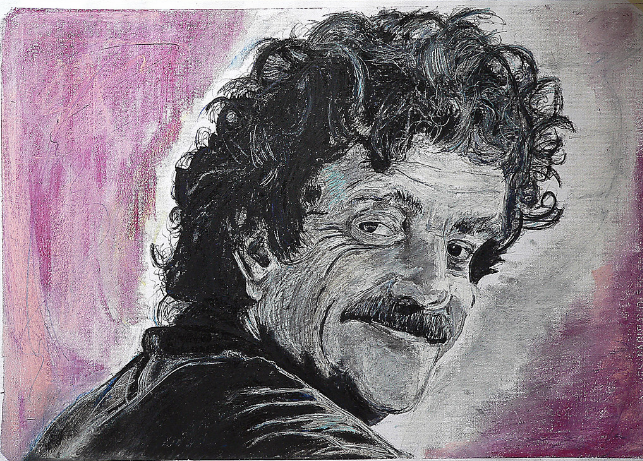
Image by Daniele Prati, via Flickr Com­mons

Amidst what is now an ordi­nary day’s chaos and tur­moil in the news, you may have noticed some out­rage cir­cu­lat­ing over com­ments made by erst­while brain sur­geon, for­mer pres­i­den­tial can­di­date, and cur­rent Sec­re­tary of HUD Ben Car­son. Pover­ty, he said, is a “state of mind.” The idea fits square­ly in the wheel­house of Carson’s brand of mag­i­cal think­ing, as well as into what has always been a self-help tra­di­tion in the U.S. since Poor Richard’s Almanac.

Con­sid­er, for exam­ple, the immense pop­u­lar­i­ty of a book writ­ten dur­ing the Great Depres­sion, Napoleon Hill’s 1937 Think and Grow Rich, which has increased every year since its pub­li­ca­tion. By 2015, the book had sold around 100 mil­lion copies world­wide. Hill’s pro­lif­ic self-help cot­tage indus­try occu­pies a promi­nent place in a dis­tinct­ly Amer­i­can genre, and an econ­o­my unto itself. Books, videos, sem­i­nars, and megachurch­es promise the faith­ful that they need only to change them­selves to change their eco­nom­ic out­comes, in order not only thrive but to “grow rich.”

The notion has had pur­chase among wealthy oppo­nents of a wel­fare state, who find it a con­ve­nient way to blame the poor for cir­cum­stances out­side their con­trol. But it also, as robust sales indi­cate, has wide appeal among the not-so-wealthy. Why? One reason—the pre­scient­ly, acer­bical­ly insight­ful observ­er of Amer­i­can cul­ture, Kurt Von­negut might argue—has to do with the fact that Amer­i­cans think of pover­ty as a per­son­al fail­ing rather than a social con­di­tion, and con­verse­ly con­flate wealth with intel­li­gence and capa­bil­i­ty.

Von­negut artic­u­lates these obser­va­tions in his 1969 clas­sic Slaugh­ter­house-Five, through a char­ac­ter named Howard W. Camp­bell, Jr., an Amer­i­can play­wright who becomes a Nazi pro­pa­gan­dist (and who stands tri­al in Israel in an ear­li­er nov­el, Moth­er Night). Osten­si­bly quot­ing from a mono­graph of Camp­bel­l’s, Von­negut writes, “Amer­i­ca is the wealth­i­est nation on Earth, but its peo­ple are main­ly poor, and poor Amer­i­cans are urged to hate them­selves.” Camp­bel­l’s mono­graph con­tin­ues:

To quote the Amer­i­can humorist Kin Hub­bard, ‘It ain’t no dis­grace to be poor, but might as well be.’ It is in fact a crime for an Amer­i­can to be poor, even though Amer­i­ca is a nation of poor. Every oth­er nation has folk tra­di­tions of men who were poor but extreme­ly wise and vir­tu­ous, and there­fore more estimable than any­one with pow­er and gold. No such tales are told by the Amer­i­can poor. They mock them­selves and glo­ri­fy their bet­ters. The mean­est eat­ing or drink­ing estab­lish­ment, owned by a man who is him­self poor, is very like­ly to have a sign on its wall ask­ing this cru­el ques­tion: ‘if you’re so smart why ain’t you rich?’ There will also be an Amer­i­can flag no larg­er than a child’s hand glued to a lol­lipop stick and fly­ing from the cash reg­is­ter.

The Kin Hub­bard quot­ed here may now be large­ly for­got­ten, but in the first three decades of the 20th cen­tu­ry, he was a humorist as wide­ly admired as Mark Twain or Will Rogers. Hub­bard drew a pop­u­lar com­ic strip based on a char­ac­ter called Abe Mar­tin, and his humor was once described as a “com­i­cal mix­ture of hoss sense and no sense at all.”  The quote above comes from one of Mar­t­in’s many pithy polit­i­cal rumi­na­tions, which include lines like “It’s all right t’ aspire to office, but when a feller begins t’ per­spire fer one it’s time t’ watch out.”

The Hub­bard-quot­ing Camp­bell, writes Von­negut with wry humor, was “said by some to have had the high­est I.Q., of all the war crim­i­nals who were made to face a death by hang­ing.” He also pitch­es his appeals to the com­mon man, and ties togeth­er the “think and grow rich” phe­nom­e­non and the ten­den­cy of so many of the country’s less-well-off to sup­port can­di­dates and poli­cies that rou­tine­ly endan­ger access to pub­lic ser­vices, qual­i­ty edu­ca­tion, and health­care.

Amer­i­cans, like human beings every­where, believe many things that are obvi­ous­ly untrue. Their most destruc­tive untruth is that it is very easy for any Amer­i­can to make mon­ey. They will not acknowl­edge how in fact hard mon­ey is to come by, and there­fore, those who have no mon­ey blame and blame and blame them­selves. This inward blame has been a trea­sure for the rich and pow­er­ful, who have had to do less for their poor, pub­licly and pri­vate­ly, than any oth­er rul­ing class since, say, Napoleon­ic times.

Camp­bell appears else­where in the nov­el in an attempt to recruit Amer­i­can POWs into “a Ger­man mil­i­tary unit called ‘The Free Amer­i­can Corps,” of which he is “the inven­tor and com­man­der.” Near the top of the post, see the char­ac­ter in the 1972 Slaugh­ter­house-Five film defend his alliance with the Nazis and explain his bizarre uni­form in terms one com­men­ta­tor sees as dis­tinct­ly res­o­nant with today’s far-right rhetoric. For all his out­landish pre­sen­ta­tion, he is a com­pli­cat­ed figure—something of an amal­gam of the far right’s show­men and huck­sters and its cyn­i­cal intel­lec­tu­als, who often under­stand very well how the stark divi­sions of race and class are main­tained in the U.S., and exploit that knowl­edge for polit­i­cal gain.

Relat­ed Con­tent:

Kurt Von­negut Gives a Ser­mon on the Fool­ish­ness of Nuclear Arms: It’s Time­ly Again (Cathe­dral of St. John the Divine, 1982)

Hear Kurt Von­negut Read Slaugh­ter­house-Five, Cat’s Cra­dle & Oth­er Nov­els

Hear Kurt Von­negut Vis­it the After­life & Inter­view Dead His­tor­i­cal Fig­ures: Isaac New­ton, Adolf Hitler, Eugene Debs & More (Audio, 1998)

Josh Jones is a writer and musi­cian based in Durham, NC. Fol­low him at @jdmagness

The MC5 Performs at the 1968 Chicago Democratic National Convention, Right Before All Hell Breaks Loose

With some rare excep­tions (Sid and Nan­cyI’m Not There, maybe Walk the Line and Cadil­lac Records), biopics usu­al­ly stum­ble bad­ly when they try to recre­ate the per­son­al­i­ties and atmos­pheres of famous musi­cians. For this rea­son I am grate­ful that no stu­dio has yet attempt­ed a nar­ra­tive of one of my favorite bands, the not-quite-famous MC5. On the oth­er hand, it’s hard to believe there’s no script in devel­op­ment some­where. If there’s one band whose story—and music—deserves a wider audi­ence, it’s this one. Sad­ly, gui­tarist Wayne Kramer has sup­pressed a very well-reviewed doc­u­men­tary that might do them as much jus­tice as any film can.

Formed in Lin­coln Park Michi­gan in 1964, the “Motor City 5” became syn­ony­mous with Detroit’s left­ist polit­i­cal scene. They were also some of the most uncom­pro­mis­ing garage rock­ers to emerge from the era, along with pro­to-punks The Stooges, with whom they often per­formed.

By the time of the infa­mous 1968 Demo­c­ra­t­ic con­ven­tion in Chica­go—well-known for the bru­tal attacks of police against thou­sands of aggriev­ed protesters—the MC5 had become heav­i­ly influ­enced by Fred Hamp­ton and Huey New­ton. Under their man­ag­er John Sin­clair, they became promi­nent rep­re­sen­ta­tives of the “White Pan­thers,” an anti-racist ana­logue of the Black Pan­thers formed on a sug­ges­tion of Newton’s.

In Sep­tem­ber of 1968, Sin­clair would be indict­ed for tak­ing part in the bomb­ing a CIA office in Ann Arbor. But exact­ly one month pri­or, he presided over the MC5’s appear­ance at the riotous Chica­go Demo­c­ra­t­ic Nation­al Con­ven­tion. The band was booked as part of Abbie Hoffman’s attempt to stage a “Fes­ti­val of Life,” bring­ing 100,000 young peo­ple to the city “for five days of peace, love, and music,” writes the site Chica­go ’68, to “redi­rect youth cul­ture and music toward polit­i­cal ends.” Fit­ting­ly, per­haps, the MC5 was the only band that showed up after Hoff­man and his Yip­pies failed to secure the per­mits. They played for less than an hour to a crowd of a few thou­sand. Kramer remem­bered the day in a 2008 inter­view:

There was no stage, there was no flatbed truck, there was no sound sys­tem, there were no por­ta-toi­lets, there was no elec­tric­i­ty. We had to run an elec­tri­cal cord from the hot dog stand to pow­er our gear. We played on the ground in the mid­dle of Lin­coln Park in Chica­go with the crowd all around us sit­ting on the ground, in the back stand­ing. I’m going to guess there were maybe 3,000 young peo­ple there. And it was very tense. The Chica­go police had been very aggres­sive and very intim­i­dat­ing all day, and even though it was a rock con­cert and we were the only band to play, it didn’t feel like a rock con­cert. There was a dark cloud over the day because we knew the like­li­hood of peo­ple being hurt was great.

The only film we seem to have of the event is silent sur­veil­lance footage at the top of the post. Fur­ther down, see clips of the riot­ing that ensued, with the band’s hit “Kick Out the Jams” played over it. And just below, see a video of them play­ing the song over a back­drop of riot footage. They released their debut album, Kick Out the Jams , the fol­low­ing year. It was an uneven col­lec­tion of per­for­mances, but “when they got it right,” says Michael Hann, “they sim­ply got it com­plete­ly right.” It was cer­tain­ly their phi­los­o­phy to go all in. As Kramer described it, “You have to come ear­ly, and you have to stay late. The song doesn’t say, ‘Slide out the jams.” It doesn’t say, ‘Stroll out the jams.” It says, ‘Kick out the jams!’”

What I find fas­ci­nat­ing about the emer­gence of the MC5 at this time in his­to­ry is how great of a con­trast they pre­sent­ed to the weary blues of the Rolling Stones, who became grim­ly linked in ’69 at Alta­mont with the cyn­i­cal end of flower pow­er. Despite their asso­ci­a­tion with the vio­lent spec­ta­cle of the DNC riots—another sign of the hip­pie apocalypse—the MC5 became the sound­track for peo­ple pow­er, and in a way bridged the R&B, garage rock, psy­che­delia, punk, and met­al of the grit­ty 1970s to come. But addic­tion, polit­i­cal repres­sion, and cen­sor­ship killed the band a few years lat­er. Lead singer Rob Tyn­er died in 1991, and gui­tarist Fred “Son­ic” Smith, who mar­ried Pat­ti Smith, passed away in 1994.

Kramer has car­ried on, and still tours (and gives lec­tures). When he revis­it­ed the DNC in 2008 for an unof­fi­cial per­for­mance and anti-war protest, he reflect­ed on the pol­i­tics of the day. “It will be help­ful not to have to bat­tle as hard as we have with the Bush admin­is­tra­tion,” he told The Huff­in­g­ton Post, “but Barack Oba­ma can­not save us. It’s real­ly a mat­ter of peo­ple them­selves tak­ing action in their own neigh­bor­hoods, at their own jobs, in their own homes, with their own friends, their own co-work­ers, to move us into the future, a more just world.” The peo­ple pow­er the MC5 rep­re­sent­ed lives on even into this grim era, and the band itself will always live in leg­end, if not—for good or ill—in cin­e­ma.

Relat­ed Con­tent:

New Web Com­ic Revis­its the Artists & Writ­ers at the Bloody ’68 Con­ven­tion: Jean Genet, William S. Bur­roughs & More

Hear the First Live Per­for­mance of the Rolling Stones’ “Brown Sug­ar:” Record­ed at the Fate­ful Alta­mont Free Con­cert in 1969

A Gallery of Visu­al­ly Arrest­ing Posters from the May 1968 Paris Upris­ing

New Jim Jar­musch Doc­u­men­tary on Iggy Pop & The Stooges Now Stream­ing Free on Ama­zon Prime

Josh Jones is a writer and musi­cian based in Durham, NC. Fol­low him at @jdmagness

John F. Kennedy Explains Why Artists & Poets Are Indispensable to American Democracy (October 26th, 1963)

The Greek word poe­sis did not con­fine itself to the lit­er­ary arts. Most broad­ly speak­ing, the word meant “to make”—as in, to cre­ate any­thing, god­like, out of the stuff of ideas. But the Eng­lish word “poet­ry” has always retained this grander sense, one very present for poets steeped in the clas­sics, like Per­cy Shel­ley, who famous­ly called poets the “unac­knowl­edged leg­is­la­tors of the world” in his essay “A Defence of Poet­ry.” Shel­ley argued, “If no new poets should arise to cre­ate afresh the asso­ci­a­tions which have been thus dis­or­ga­nized, lan­guage will be dead to all the nobler pur­pos­es of human inter­course.”

It can feel at times, watch­ing cer­tain of our lead­ers speak, that lan­guage may be dying for “nobler pur­pos­es.” But cer­tain poets would seek to con­vince us oth­er­wise. As Walt Whit­man wrote of his coun­try­men in an intro­duc­tion to Leaves of Grass, “pres­i­dents shall not be their com­mon ref­er­ee so much as their poets shall.”

Whit­man lived in a time that val­ued rhetor­i­cal skill in its lead­ers. So too did anoth­er of the country’s revered nation­al poets, Robert Frost, who accept­ed the request of John F. Kennedy to serve as the first inau­gur­al poet in 1961 with “his sig­na­ture ele­gance of wit,” com­ments Maria Popo­va. Frost, 86 years old at the time, read his poem “The Gift Out­right” from mem­o­ry and offered Kennedy some full-throat­ed advice on join­ing “poet­ry and pow­er.”

Kennedy, an “arts patron in chief,” as the L.A. Times’ Mark Swed describes him, was so moved that two years lat­er, after the poet’s death, he deliv­ered an elo­quent eulo­gy for Frost at Amherst Col­lege that picked up the poet’s theme, and acknowl­edged the pow­er of poet­ry as equal to, and per­haps sur­pass­ing, that of pol­i­tics. “Our nation­al strength mat­ters,” he began, “but the spir­it which informs and con­trols our strength mat­ters just as much.” That ani­mat­ing spir­it for Kennedy was not reli­gion, civ­il or super­nat­ur­al, but art. Frost’s poet­ry, he said, “brought an unspar­ing instinct for real­i­ty to bear on the plat­i­tudes and pieties of soci­ety.”

His sense of the human tragedy for­ti­fied him against self-decep­tion and easy con­so­la­tion… it is hard­ly an acci­dent that Robert Frost cou­pled poet­ry and pow­er, for he saw poet­ry as the means of sav­ing pow­er from itself. When pow­er leads men towards arro­gance, poet­ry reminds him of his lim­i­ta­tions. When pow­er nar­rows the areas of man’s con­cern, poet­ry reminds him of the rich­ness and diver­si­ty of his exis­tence. When pow­er cor­rupts, poet­ry cleans­es. For art estab­lish­es the basic human truth which must serve as the touch­stone of our judg­ment.

The tragedy of hubris and cel­e­bra­tion of diver­si­ty, how­ev­er, we can see not only in Frost, but in Shel­ley, Whit­man, and per­haps every oth­er great poet whose “per­son­al vision… becomes the last cham­pi­on of the indi­vid­ual mind and sen­si­bil­i­ty against an intru­sive soci­ety and an offi­cious state.” Kennedy’s short speech, with great clar­i­ty and con­ci­sion, makes the case for using the country’s resources to “reward achieve­ment in the arts as we reward achieve­ment in busi­ness or state­craft.” But just as impor­tant­ly, he argues against any kind of state impo­si­tion on an artist’s vision: “If art is to nour­ish the roots of our cul­ture, soci­ety must set the artist free to fol­low his vision wher­ev­er it takes him. We must nev­er for­get that art is not a form of pro­pa­gan­da; it is a form of truth.”

You can hear Kennedy deliv­er the speech in the audio above, read a full tran­script in Eng­lish here and in 12 oth­er lan­guages here. In the audi­ence at Amherst sat poet and crit­ic Archibald MacLeish, who, in his “Ars Poet­i­ca,” had sug­gest­ed that poet­ry should not be stripped of its sounds and images and turned into a didac­tic tool. Kennedy agrees. “In free soci­ety art is not a weapon and it does not belong to the spheres of polemic and ide­ol­o­gy.” Yet poet­ry is not a lux­u­ry, but a neces­si­ty if a body politic is to flour­ish. “The nation which dis­dains the mis­sion of art,” Kennedy warned, “invites the fate of Robert Frost’s hired man, the fate of hav­ing ‘noth­ing to look back­ward to with pride, and noth­ing to look for­ward to with hope.’”

Kennedy’s is a point of view, per­haps, that might get under a lot of peo­ple’s skin. It’s worth con­sid­er­ing, as a less opti­mistic crit­ic argued at the time, whether an over­abun­dance of didac­tic polit­i­cal state­ments in art may be as cul­tur­al­ly dam­ag­ing as the absence of art in pol­i­tics. Or whether art like Frost’s is ever “dis­in­ter­est­ed,” in Kennedy’s phras­ing, or apo­lit­i­cal, or can oper­ate inde­pen­dent­ly as a check to pow­er. Frost him­self may express ambiva­lence in his embrace of “human tragedy.” But in his doubt he ful­fills the poet­’s role, enter­ing into the kind of crit­i­cal dialec­tic Kennedy claims for poet­ry and democ­ra­cy.

Relat­ed Con­tent:

Lis­ten to Robert Frost Read ‘The Gift Out­right,’ the Poem He Recit­ed from Mem­o­ry at JFK’s Inau­gu­ra­tion

New Film Project Fea­tures Cit­i­zens of Alaba­ma Read­ing Walt Whitman’s “Song of Myself,” a Poet­ic Embod­i­ment of Demo­c­ra­t­ic Ideals

Theodor Adorno’s Rad­i­cal Cri­tique of Joan Baez and the Music of the Viet­nam War Protest Move­ment

Josh Jones is a writer and musi­cian based in Durham, NC. Fol­low him at @jdmagness

Artist is Creating a Parthenon Made of 100,000 Banned Books: A Monument to Democracy & Intellectual Freedom

With the rise of Far Right can­di­dates in Europe and in Amer­i­ca, along with creep­ing dic­ta­tor­ship in Turkey and author­i­tar­i­an­ism in the Philip­pines, the idea of democ­ra­cy and free­dom of speech feels under threat more than ever. While we don’t talk about polit­i­cal solu­tions here on Open Cul­ture, we do believe in the pow­er of art to illu­mi­nate.

Argen­tine artist Mar­ta Min­u­jín is cre­at­ing a large-scale art­work called The Parthenon of Books that will be con­struct­ed on Friedrich­splatz in Kas­sel, Ger­many, and will be con­struct­ed from as many as 100,000 banned books from all over the world.

The loca­tion has been cho­sen for its his­tor­i­cal impor­tance. In 1933, the Nazis burned two-thou­sand books there dur­ing the so-called “Aktion wider den undeutschen Geist” (Cam­paign against the Un-Ger­man Spir­it), destroy­ing books by Com­mu­nists, Jews, and paci­fists, along with any oth­ers deemed un-Ger­man.

Min­u­jín chose the Parthenon—one of the great struc­tures of Ancient Greece—for its con­tin­u­ing sym­bol­ism of the endur­ing pow­er of democ­ra­cy through­out the ages.

When it comes to mate­ri­als, she using a list of 100,000 books that have been, or still are, banned in coun­tries across the world, going all the way back to the year 1500. You can browse that list here, but for less eye-strain, try this short­er list of 170 or so titles. New titles can be sug­gest­ed for the project here.

Some of the books that have been banned over the years include Antoine de Saint-Exupéry’s The Lit­tle Prince (banned in Argenti­na), Lewis Car­rol­l’s Alice’s Adven­tures in Won­der­land (banned in Chi­na), and Nor­man Mailer’s The Naked and the Dead (banned in Cana­da).

Min­u­jín con­struct­ed a sim­i­lar Parthenon in 1983 after the fall of her country’s dic­ta­tor­ship. The orig­i­nal El Partenón de libros fea­tured the books that the for­mer gov­ern­ment had banned, and, at the end of the instal­la­tion, Min­u­jín let the pub­lic take what they want­ed home. (She will be allow­ing the same thing to hap­pen this time.)

Her peo­ple, as she says in the video above, didn’t know what democ­ra­cy was after years of mil­i­tary rule. We might be on the oppo­site side of the spec­trum: we won’t know what democ­ra­cy is until we lose it.

Relat­ed Con­tent:

It’s Banned Books Week: Lis­ten to Allen Gins­berg Read His Famous­ly Banned Poem, “Howl,” in San Fran­cis­co, 1956

John Waters Reads Steamy Scene from Lady Chatterley’s Lover for Banned Books Week (NSFW)
Read 14 Great Banned & Cen­sored Nov­els Free Online: For Banned Books Week 2014

The Cov­er of George Orwell’s 1984 Becomes Less Cen­sored with Wear and Tear

Ted Mills is a free­lance writer on the arts who cur­rent­ly hosts the FunkZone Pod­cast. You can also fol­low him on Twit­ter at @tedmills, read his oth­er arts writ­ing at tedmills.com and/or watch his films here.

Neil deGrasse Tyson Says This Short Film on Science in America Contains Perhaps the Most Important Words He’s Ever Spoken

Astro­physi­cist Neil deGrasse Tyson has won a rep­u­ta­tion as a genial, yet pedan­tic nerd, a sci­en­tif­ic gad­fly whose point of view may near­ly always be tech­ni­cal­ly cor­rect, but whose mode of deliv­ery some­times miss­es the point, like some­one who explains a joke. His earnest­ness is endear­ing; it’s what makes him so relat­able as a sci­ence edu­ca­tor. He’s whole­heart­ed­ly devot­ed to his sub­ject, like his boy­hood hero Carl Sagan, whose shoes Tyson did his best to fill in a remake of the clas­sic Cos­mos series. Tyson’s coun­try­men and women, how­ev­er, have made his job a lot hard­er than they did in Sagan’s day, when ordi­nary Amer­i­cans were hun­gry for sci­en­tif­ic infor­ma­tion.

The change has been decades in the mak­ing. Like Sagan, Tyson’s voice fills with awe as he con­tem­plates the mys­ter­ies of nature and won­ders of sci­ence, and with alarm as he com­ments on wide­spread Amer­i­can igno­rance and hos­til­i­ty to crit­i­cal inquiry and the sci­en­tif­ic method. These atti­tudes have led us to a cri­sis point. Elect­ed and appoint­ed offi­cials at the high­est lev­els of gov­ern­ment deny the facts of cli­mate change and are active­ly gut­ting all efforts to com­bat it. The House of Rep­re­sen­ta­tives’ Com­mit­tee on Sci­ence, Space, and Tech­nol­o­gy mocks cli­mate sci­ence on social media even as NASA announces that the evi­dence is “unequiv­o­cal.”

How did this hap­pen? Are we rapid­ly return­ing, as Sagan warned before his death, to an age of “super­sti­tion and dark­ness”? Tyson has recent­ly addressed these ques­tions with earnest­ness and urgency in a short video called “Sci­ence in Amer­i­ca,” which you can watch above, “con­tain­ing,” he wrote on Face­book, “what may be the most impor­tant words I have ever spo­ken.” He opens with a state­ment that echoes Sagan’s dire pre­dic­tions: “It seems to me that peo­ple have lost the abil­i­ty to judge what is true and what is not.” The prob­lem is not sim­ply an aca­d­e­m­ic one, but a press­ing­ly polit­i­cal one: “When you have peo­ple,” says Tyson, “who don’t know much about sci­ence, stand­ing in denial of it, and ris­ing to pow­er, that is a recipe for the com­plete dis­man­tling of our informed democ­ra­cy.”

One must ask if the issue sole­ly comes down to edu­ca­tion. We are fre­quent­ly remind­ed of how much denial is moti­vat­ed and will­ful when, for exam­ple, a gov­ern­ment offi­cial begins a com­plete­ly unsup­port­ed claim with, “I’m not a sci­en­tist, but….” We know that fos­sil fuel com­pa­nies like Exxon have known the facts about cli­mate change for forty years, and have hid­den or mis­rep­re­sent­ed them. But the prob­lem is even more wide­spread. Evo­lu­tion­ary biol­o­gy, vac­cines, GMOs… the amount of mis­in­for­ma­tion and “alter­na­tive fact” in the pub­lic sphere has drowned out the voic­es of sci­en­tists. “That’s not the coun­try I remem­ber grow­ing up in,” Tyson laments.

There are plen­ty of good philo­soph­i­cal rea­sons for skep­ti­cism, such as those raised by David Hume or by crit­i­cal the­o­rists and his­to­ri­ans who point out the ways in which sci­en­tif­ic research has been dis­tort­ed and mis­used for some very dark, inhu­mane pur­pos­es. Yet cri­tiques of method­ol­o­gy, phi­los­o­phy, and ethics only strength­en the sci­en­tif­ic enter­prise, which—as Tyson pas­sion­ate­ly explains—thrives on vig­or­ous and informed debate. We can­not afford to con­fuse thought­ful delib­er­a­tion and hon­est reflec­tion with spe­cious rea­son­ing and will­ful igno­rance.

I imag­ine we’ll have a good laugh at cre­ative rede­ploy­ments of some clas­sic Tyson harangues. (“This is sci­ence! It’s not some­thing to toy with!”) And a good laugh some­times feels like all we can do to relieve the ten­sion. The real dan­ger is that many peo­ple will dis­miss his mes­sage as “politi­ciz­ing” sci­ence rather than defend­ing the very basis of its exis­tence. We must agree on the basis of sci­en­tif­ic truth, as dis­cov­er­able through rea­son and evi­dence, Tyson warns, before we can even get to the polit­i­cal ques­tions over cli­mate change, vac­cines, etc. Whether Amer­i­cans can still do that has become an unset­tling­ly open ques­tion.

via Big Think

Relat­ed Con­tent:

Carl Sagan Pre­dicts the Decline of Amer­i­ca: Unable to Know “What’s True,” We Will Slide, “With­out Notic­ing, Back into Super­sti­tion & Dark­ness” (1995)

An Ani­mat­ed Neil deGrasse Tyson Gives an Elo­quent Defense of Sci­ence in 272 Words, the Same Length as The Get­tys­burg Address

Neil deGrasse Tyson Remem­bers His First Meet­ing with Carl Sagan

Carl Sagan Issues a Chill­ing Warn­ing to Amer­i­ca in His Final Inter­view (1996)

Josh Jones is a writer and musi­cian based in Durham, NC. Fol­low him at @jdmagness

« Go BackMore in this category... »
Quantcast