Roald Dahl, Who Lost His Daughter to Measles, Writes a Heartbreaking Letter about Vaccinations: “It Is Almost a Crime to Allow Your Child to Go Unimmunised”

dahl vaccine

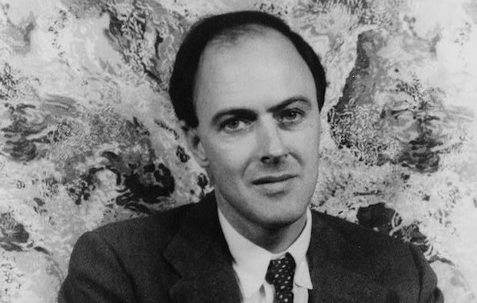
Image by Carl Van Vechten/Library of Con­gress, via Wiki­me­dia Com­mons

Gen­er­a­tions of us know Roald Dahl as, first and fore­most, the author of pop­u­lar chil­dren’s nov­els like The BFGThe Witch­esChar­lie and the Choco­late Fac­to­ry (that book of the “sub­ver­sive” lost chap­ter), and James and the Giant Peach. We remem­ber read­ing those with great delight, and some of us even made it into the rumored lit­er­ary ter­ri­to­ry of his “sto­ries for grown-ups.” But few of us, at least if we grew up in the past few decades, will have famil­iar­ized our­selves with all the pur­pos­es to which Dahl put his pen. Like many fine writ­ers, Dahl always drew some­thing from his per­son­al expe­ri­ence, and few per­son­al expe­ri­ences could have had as much impact as the sud­den death of his measles-strick­en sev­en-year-old daugh­ter Olivia in 1962. A chap­ter of Don­ald Stur­rock­’s biog­ra­phy Sto­ry­teller: The Life of Roald Dahl, excerpt­ed at The Tele­graph, tells of both the event itself and Dahl’s sto­ic, writer­ly (accord­ing to some, per­haps too sto­ic and too writer­ly) way of han­dling it.

But good did come out of Dahl’s response to the tragedy. In 1986, he wrote a leaflet for the Sandwell Health Author­i­ty enti­tled Measles: A Dan­ger­ous Ill­ness, which tells Olivi­a’s sto­ry and pro­vides a swift and well-sup­port­ed argu­ment for uni­ver­sal vac­ci­na­tion against the dis­ease:

Olivia, my eldest daugh­ter, caught measles when she was sev­en years old. As the ill­ness took its usu­al course I can remem­ber read­ing to her often in bed and not feel­ing par­tic­u­lar­ly alarmed about it. Then one morn­ing, when she was well on the road to recov­ery, I was sit­ting on her bed show­ing her how to fash­ion lit­tle ani­mals out of coloured pipe-clean­ers, and when it came to her turn to make one her­self, I noticed that her fin­gers and her mind were not work­ing togeth­er and she could­n’t do any­thing.

“Are you feel­ing all right?” I asked her.

“I feel all sleepy,” she said.

In an hour, she was uncon­scious. In twelve hours she was dead.

The measles had turned into a ter­ri­ble thing called measles encephali­tis and there was noth­ing the doc­tors could do to save her. That was twen­ty-four years ago in 1962, but even now, if a child with measles hap­pens to devel­op the same dead­ly reac­tion from measles as Olivia did, there would still be noth­ing the doc­tors could do to help her.

On the oth­er hand, there is today some­thing that par­ents can do to make sure that this sort of tragedy does not hap­pen to a child of theirs. They can insist that their child is immu­nised against measles. I was unable to do that for Olivia in 1962 because in those days a reli­able measles vac­cine had not been dis­cov­ered. Today a good and safe vac­cine is avail­able to every fam­i­ly and all you have to do is to ask your doc­tor to admin­is­ter it.

It is not yet gen­er­al­ly accept­ed that measles can be a dan­ger­ous ill­ness. Believe me, it is. In my opin­ion par­ents who now refuse to have their chil­dren immu­nised are putting the lives of those chil­dren at risk. In Amer­i­ca, where measles immu­ni­sa­tion is com­pul­so­ry, measles like small­pox, has been vir­tu­al­ly wiped out.

Here in Britain, because so many par­ents refuse, either out of obsti­na­cy or igno­rance or fear, to allow their chil­dren to be immu­nised, we still have a hun­dred thou­sand cas­es of measles every year. Out of those, more than 10,000 will suf­fer side effects of one kind or anoth­er. At least 10,000 will devel­op ear or chest infec­tions. About 20 will die.

LET THAT SINK IN.

Every year around 20 chil­dren will die in Britain from measles.

So what about the risks that your chil­dren will run from being immu­nised?

They are almost non-exis­tent. Lis­ten to this. In a dis­trict of around 300,000 peo­ple, there will be only one child every 250 years who will devel­op seri­ous side effects from measles immu­ni­sa­tion! That is about a mil­lion to one chance. I should think there would be more chance of your child chok­ing to death on a choco­late bar than of becom­ing seri­ous­ly ill from a measles immu­ni­sa­tion.

So what on earth are you wor­ry­ing about? It real­ly is almost a crime to allow your child to go unim­mu­nised.

The ide­al time to have it done is at 13 months, but it is nev­er too late. All school-chil­dren who have not yet had a measles immu­ni­sa­tion should beg their par­ents to arrange for them to have one as soon as pos­si­ble.

Inci­den­tal­ly, I ded­i­cat­ed two of my books to Olivia, the first was ‘James and the Giant Peach’. That was when she was still alive. The sec­ond was ‘The BFG’, ded­i­cat­ed to her mem­o­ry after she had died from measles. You will see her name at the begin­ning of each of these books. And I know how hap­py she would be if only she could know that her death had helped to save a good deal of ill­ness and death among oth­er chil­dren.

Alas, this mes­sage has­n’t quite fall­en into irrel­e­vance. What with anti-vac­ci­na­tion move­ments hav­ing some­how picked up a bit of steam in recent years (and with the num­ber of cas­es of measles cas­es now climb­ing again), it might make sense to send Dahl’s leaflet back into print — or, bet­ter yet, to keep it cir­cu­lat­ing far and wide around the inter­net. Not that oth­ers haven’t made cogent pro-vac­ci­na­tion argu­ments of their own, in dif­fer­ent media, with dif­fer­ent illus­tra­tions of the data, and with dif­fer­ent lev­els of pro­fan­i­ty. Take, for instance, Penn and Teller’s seg­ment below, which, find­ing the per­fect tar­get giv­en its man­date against non-evi­dence-based beliefs, takes aim at the propo­si­tion that vac­ci­na­tions cause autism:

Note: This post orig­i­nal­ly appeared on site in 2014. Giv­en that the num­ber of report­ed cas­es of the measles has just hit a 25 year record in the US–a sit­u­a­tion that mod­ern sci­ence has made com­plete­ly avoid­able, should peo­ple want to avail them­selves of vac­ci­na­tions–we’re bring­ing the post back.

Relat­ed Con­tent:

Read a Nev­er Pub­lished, “Sub­ver­sive” Chap­ter from Roald Dahl’s Char­lie and the Choco­late Fac­to­ry

The Recipes of Icon­ic Authors: Jane Austen, Sylvia Plath, Roald Dahl, the Mar­quis de Sade & More

Col­in Mar­shall hosts and pro­duces Note­book on Cities and Cul­ture and writes essays on cities, lan­guage, Asia, and men’s style. He’s at work on a book about Los Ange­les, A Los Ange­les Primer. Fol­low him on Twit­ter at @colinmarshall or on Face­book.

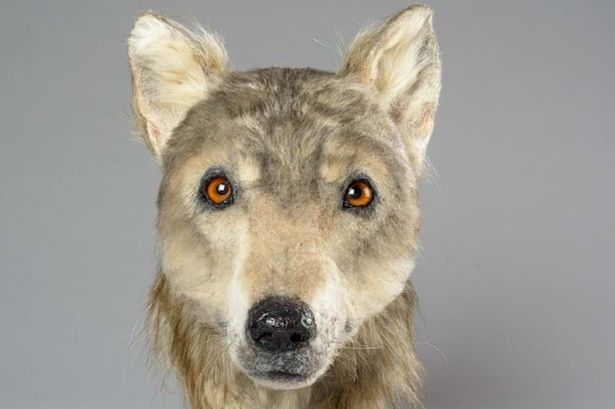
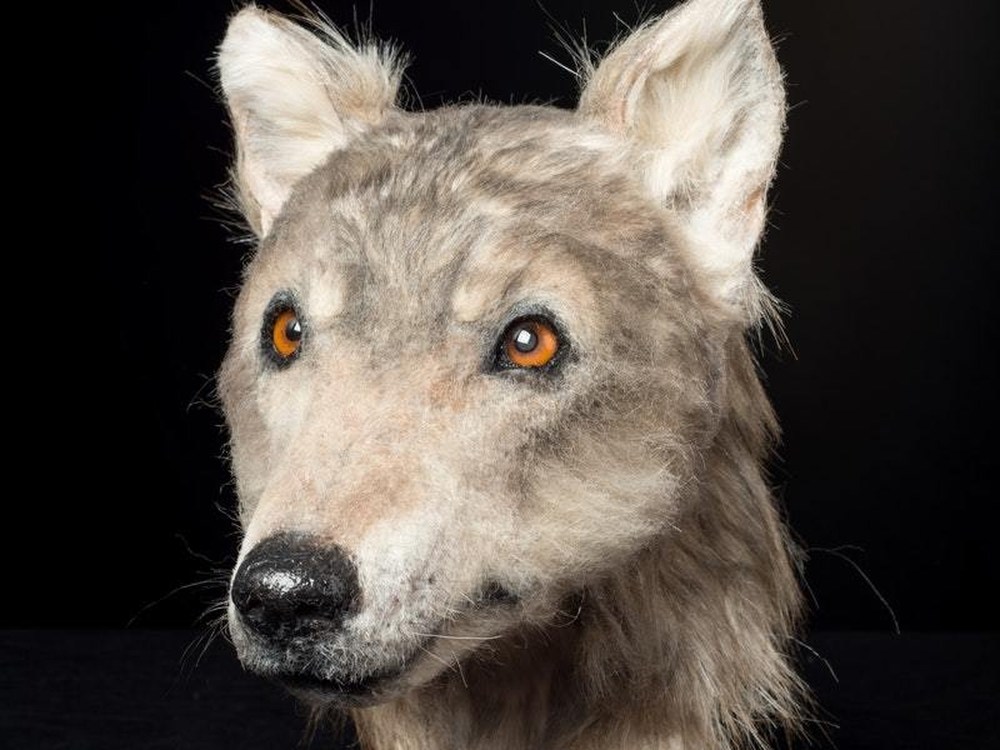
Here’s What Ancient Dogs Looked Like: A Forensic Reconstruction of a Dog That Lived 4,500 Years Ago

Images by His­toric Envi­ron­ment Scot­land

We’re pret­ty sure dogs aren’t obsessed with ances­try, despite the pro­lif­er­a­tion of canine DNA test­ing ser­vices.

That seems to be more of a human thing.

How­ev­er, with very lit­tle dig­ging, near­ly every dog on earth could claim to be descend­ed from a hand­some spec­i­men such as the one above.

This news must be grat­i­fy­ing to all those lap­dogs who fan­cy them­selves to be some­thing more wolfish than their exte­ri­ors sug­gest.

This beast is no 21st-cen­tu­ry pet, but rather, a recon­struc­tion, foren­sic science’s best guess as to what the own­er of a Neolith­ic skull dis­cov­ered dur­ing a 1901 exca­va­tion of the 5,000-year-old Cuween Hill cham­bered cairn on Orkney, Scot­land would have looked like in life.

About the size of a large col­lie, the “Cuween dog” has the face of a Euro­pean grey wolf and the rea­son­able gaze of a fam­i­ly pet.

(Kudos to the project’s orga­niz­ers for resist­ing the urge to bestow a nick­name on their cre­ation, or if they have, to resist shar­ing it pub­licly.)

Whether or not this good boy or girl had a name, it would’ve earned its keep, guard­ing a farm in the tomb’s vicin­i­ty.

Steve Far­rar, Inter­pre­ta­tion Man­ag­er at His­toric Envi­ron­ment Scot­land, the con­ser­va­tion orga­ni­za­tion that com­mis­sioned the recon­struc­tion, believes that the farm­ers’ esteem for their dogs went beyond mere util­i­tar­i­an appre­ci­a­tion:

Maybe dogs were their sym­bol or totem, per­haps they thought of them­selves as the ‘dog peo­ple’.

Radio­car­bon dat­ing of this dog’s skull and 23 oth­ers found on the site point to rit­u­al burial—the ani­mals were placed with­in more than 500 years after the pas­sage to the tomb was built. His­toric Envi­ron­ment Scot­land posits that the canine remains’ place­ment next to those of humans attest to the community’s belief in an after­life for both species.

The mod­el is pre­sum­ably more relat­able than the naked skull, which was scanned by Edin­burgh Uni­ver­si­ty’s Roy­al (Dick) School of Vet­eri­nary Stud­ies, enabling His­toric Envi­ron­ment Scot­land to make the 3D print that foren­sic artist Amy Thorn­ton fleshed out with mus­cle, skin, and hair.

What a human geneal­o­gist wouldn’t give to trace their lin­eage back to 2000 BC, let alone have such a fetch­ing pic­ture.

via Live Sci­ence

Relat­ed Con­tent:

40,000-Year-Old Sym­bols Found in Caves World­wide May Be the Ear­li­est Writ­ten Lan­guage

An Ani­mat­ed His­to­ry of Dogs, Inspired by Kei­th Har­ing

An Ani­mat­ed His­to­ry of Cats: How Over 10,000 Years the Cat Went from Wild Preda­tor to Sofa Side­kick

Ayun Hal­l­i­day is an author, illus­tra­tor, the­ater mak­er and Chief Pri­ma­tol­o­gist of the East Vil­lage Inky zine.  Join her in New York City this May for the next install­ment of her book-based vari­ety show, Necro­mancers of the Pub­lic Domain. Fol­low her @AyunHalliday.

Climate Change Gets Strikingly Visualized by a Scottish Art Installation

What does it accom­plish to talk about cli­mate change? Even those who talk about cli­mate change pro­fes­sion­al­ly might find it hard to say. If you real­ly want to make a point about ris­ing sea lev­els — not to men­tion all the oth­er changes pre­dict­ed to afflict a warm­ing Earth — you might do bet­ter to show, not tell. That rea­son­ing seems to have moti­vat­ed art projects like the giant hands reach­ing out from the waters of Venice pre­vi­ous­ly fea­tured here on Open Cul­ture, and it looks even clear­er in the more recent case of Lines (57° 59 ́N, 7° 16 ́W), an instal­la­tion now on dis­play on a Scot­tish island.

All images cour­tesy of Timo Aho and Pekka Niit­tyvir­ta

“At high tide, three syn­chro­nized lines of light acti­vate in the Out­er Hebrides off the west coast of Scot­land,” writes Design­boom’s Zach Andrews, and in the dark, “wrap around two struc­tures and along the base of a moun­tain land­scape.

Every­thing below these lines of light will one day be under­wa­ter.” Cre­at­ed by Finnish artists Pekka Niit­tyvir­ta and Timo Aho for Taigh Chearsab­hagh Muse­um & Arts Cen­treLines (57° 59 ́N, 7° 16 ́W) offers a stark reminder of the future human­i­ty faces if cli­mate change goes on as pro­ject­ed.

But why put up an instal­la­tion of such appar­ent urgency in such a thin­ly pop­u­lat­ed, out-of-the-way place? “Low lying arch­i­pel­a­gos like this one are espe­cial­ly vul­ner­a­ble to the cat­a­stroph­ic effects of cli­mate change,” Andrews writes, adding that the Taigh Chearsab­hagh Muse­um & Arts Cen­tre itself “can­not even afford to devel­op on its exist­ing site any­more due to the pre­dict­ed rise of storm surge sea.” But though the effects of ris­ing sea lev­els may be felt first on islands like these, few pre­dic­tions have those effects stop­ping there; worst-case sce­nar­ios won’t spare our major metrop­o­lis­es, and cer­tain­ly not the coastal ones.

You can get a sense of what Lines (57° 59 ́N, 7° 16 ́W) looks like in action from the pho­tographs on Niit­tyvir­ta’s site a well as the time-lapse video at the top, which shows the lines of light acti­vat­ing when their sen­sors detect high tide, then only those lines of light remain­ing by the time the sun has gone com­plete­ly down. To expe­ri­ence the full impact of the instal­la­tion, how­ev­er, requires see­ing it in per­son in the con­text for which it was cre­at­ed. So if you’ve been putting off that trip to the Out­er Hebrides, now might be the time to final­ly take it — not just because of Niit­tyvir­ta and Aho’s work, but because in a few years, it may not be quite the same place.

via Colos­sal

Relat­ed Con­tent:

Ani­ma­tions Show the Melt­ing Arc­tic Sea Ice, and What the Earth Would Look Like When All of the Ice Melts

Huge Hands Rise Out of Venice’s Waters to Sup­port the City Threat­ened by Cli­mate Change: A Poignant New Sculp­ture

Music for a String Quar­tet Made from Glob­al Warm­ing Data: Hear “Plan­e­tary Bands, Warm­ing World”

A Song of Our Warm­ing Plan­et: Cel­list Turns 130 Years of Cli­mate Change Data into Music

A Map Shows What Hap­pens When Our World Gets Four Degrees Warmer: The Col­orado Riv­er Dries Up, Antarc­ti­ca Urban­izes, Poly­ne­sia Van­ish­es

A Cen­tu­ry of Glob­al Warm­ing Visu­al­ized in a 35 Sec­ond Video

Based in Seoul, Col­in Mar­shall writes and broad­casts on cities, lan­guage, and cul­ture. His projects include the book The State­less City: a Walk through 21st-Cen­tu­ry Los Ange­les and the video series The City in Cin­e­ma. Fol­low him on Twit­ter at @colinmarshall or on Face­book.

550 Million Years of Human Evolution in an Illustrated Flipbook

Graph­ic artist Juri­an Moller cre­at­ed a flip­book that lets you watch 550 mil­lion years of human evo­lu­tion unfold in a mat­ter of sec­onds. He writes: “This flip­book goes back in time and shows you the evo­lu­tion of the gen­er­a­tions in both a per­son­al and sci­en­tif­ic way. The dif­fer­ences between the gen­er­a­tions on each page are very dif­fi­cult to see, but the long, con­tin­u­ous ances­tral line goes right back to our very ori­gins.”

The action is on full dis­play above. Below, watch the same flip­book in an ani­mat­ed form. Pur­chase the book in var­i­ous for­mats at Moller’s site here.

If you would like to sup­port the mis­sion of Open Cul­ture, con­sid­er mak­ing a dona­tion to our site. It’s hard to rely 100% on ads, and your con­tri­bu­tions will help us con­tin­ue pro­vid­ing the best free cul­tur­al and edu­ca­tion­al mate­ri­als to learn­ers every­where. You can con­tribute through Pay­Pal, Patre­on, and Ven­mo (@openculture). Thanks!

Relat­ed Con­tent:

Carl Sagan Explains Evo­lu­tion in an Eight-Minute Ani­ma­tion

10 Mil­lion Years of Evo­lu­tion Visu­al­ized in an Ele­gant, 5‑Foot Long Info­graph­ic from 1931

Richard Dawkins Explains Why There Was Nev­er a First Human Being

Neurons as Art: See Beautiful Anatomy Drawings by the Father of Neuroscience, Santiago Ramón y Cajal

Art depends on pop­u­lar judg­ments about the uni­verse, and is nour­ished by the lim­it­ed expanse of sen­ti­ment. . . . In con­trast, sci­ence was bare­ly touched upon by the ancients, and is as free from the incon­sis­ten­cies of fash­ion as it is from the fick­le stan­dards of taste. . . . And let me stress that this con­quest of ideas is not sub­ject to fluc­tu­a­tions of opin­ion, to the silence of envy, or to the caprices of fash­ion that today repu­di­ate and detest what yes­ter­day was praised as sub­lime.

- San­ti­a­go Ramón y Cajal

The above draw­ing is the sort of sub­lime ren­der­ing that attracts throngs of vis­i­tors to the world’s great mod­ern art muse­ums, but that’s not the sort of renown the artist, Nobel Prize-win­ning father of mod­ern neu­ro­science San­ti­a­go Ramón y Cajal (1852 ‑1934), active­ly sought.

Or rather, he might have back before his father, a pro­fes­sor of anato­my, coerced his wild young son into trans­fer­ring from a provin­cial art acad­e­my to the med­ical school where he him­self was employed.

After a stint as an army med­ical offi­cer, the artist-turned-anatomist con­cen­trat­ed on inflam­ma­tion, cholera, and epithe­lial cells before zero­ing in on his true muse—the cen­tral ner­vous sys­tem.

At the time, retic­u­lar the­o­ry, which held that every­thing in the ner­vous sys­tem was part of a sin­gle con­tin­u­ous net­work, pre­vailed.

Ramón y Cajal was able to dis­prove this wide­ly held belief by using Gol­gi stains to sup­port the exis­tence of indi­vid­ual ner­vous cells—neurons—that, while not phys­i­cal­ly con­nect­ed, com­mu­ni­cat­ed with each oth­er through a sys­tem of axons, den­drites, and synaps­es.

He called upon both his artis­tic and med­ical train­ing in doc­u­ment­ing what he observed through his micro­scope. His metic­u­lous free­hand draw­ings are far more accu­rate than any­thing that could be pro­duced by the micro­scop­ic-image pho­to­graph­ic tools avail­able at the time.

His pre­ci­sion was such that his illus­tra­tions con­tin­ue to be pub­lished in med­ical text­books. Fur­ther research has con­firmed many of his sup­po­si­tions.

As art crit­ic Rober­ta Smith writes in The New York Times, the draw­ings are “fair­ly hard-nosed fact if you know your sci­ence”:

If you don’t, they are deep pools of sug­ges­tive motifs into which the imag­i­na­tion can dive. Their lines, forms and var­i­ous tex­tures of stip­pling, dash­es and faint pen­cil cir­cles would be the envy of any mod­ern artist. That they con­nect with Sur­re­al­ist draw­ing, bio­mor­phic abstrac­tion and exquis­ite doo­dling is only the half of it.

The draw­ings’ prag­mat­ic titles cer­tain­ly take on a poet­ic qual­i­ty when one con­sid­ers the con­text of their cre­ation:

Axon of Purk­in­je neu­rons in the cere­bel­lum of a drowned man

The hip­pocam­pus of a man three hours after death

Glial cells of the cere­bral cor­tex of a child

His spec­i­mens were not lim­it­ed to the human world:

Reti­na of lizard

The olfac­to­ry bulb of the dog

In his book Advice for a Young Inves­ti­gator, Ramón y Cajal took a holis­tic view of the rela­tion­ship between sci­ence and the arts:

The inves­ti­ga­tor ought to pos­sess an artis­tic tem­pera­ment that impels him to search for and admire the num­ber, beau­ty, and har­mo­ny of things; and—in the strug­gle for life that ideas cre­ate in our minds—a sound crit­i­cal judg­ment that is able to reject the rash impuls­es of day­dreams in favor of those thoughts most faith­ful­ly embrac­ing objec­tive real­i­ty.

Explore more of Ramón y Cajal’s cel­lu­lar draw­ings in Beau­ti­ful Brain: The Draw­ings of San­ti­a­go Ramón y Cajal, the com­pan­ion book to a recent trav­el­ing exhi­bi­tion of his work. Or immerse your­self at the neur­al lev­el by order­ing a repro­duc­tion on a beach tow­el, yoga mat, cell phone case, show­er cur­tain, or oth­er neces­si­ty on Sci­ence Source.

Relat­ed Con­tent:

Ernst Haeckel’s Sub­lime Draw­ings of Flo­ra and Fau­na: The Beau­ti­ful Sci­en­tif­ic Draw­ings That Influ­enced Europe’s Art Nou­veau Move­ment (1889)

Leonar­do da Vinci’s Vision­ary Note­books Now Online: Browse 570 Dig­i­tized Pages

Two Mil­lion Won­drous Nature Illus­tra­tions Put Online by The Bio­di­ver­si­ty Her­itage Library

Ayun Hal­l­i­day is an author, illus­tra­tor, the­ater mak­er and Chief Pri­ma­tol­o­gist of the East Vil­lage Inky zine.  Join her in New York City April 15 for the next install­ment of her book-based vari­ety show, Necro­mancers of the Pub­lic Domain. Fol­low her @AyunHalliday.

An Animated History of Dogs, Inspired by Keith Haring

That quiv­er­ing teacup Chi­huahua…

The long-suf­fer­ing Labrador whose child-friend­ly rep­u­ta­tion has led to a life­time of ear tug­ging and tail pulling…

The wheez­ing French bull­dog, whose own­er has out­fit­ted with a full wardrobe of hood­ies, tutus, rain slick­ers, and paja­mas

All descend­ed from wolves.

As anthro­pol­o­gist and sci­ence edu­ca­tor David Ian Howe explains in the ani­mat­ed TED-Ed les­son, A Brief His­to­ry of Dogs, above, at first glance, can­is lupus seemed an unlike­ly choice for man’s best friend.

For one thing, the two were in direct com­pe­ti­tion for elk, rein­deer, bison, and oth­er tasty prey wan­der­ing Eura­sia dur­ing the Pleis­tocene Epoch.

Though both hunt­ed in groups, run­ning their prey to the point of exhaus­tion, only one roast­ed their kills, cre­at­ing tan­ta­liz­ing aro­mas that drew bold­er wolves ever-clos­er to the human camps.

The ones who will­ing­ly dialed down their wolfish­ness, mak­ing them­selves use­ful as com­pan­ions, secu­ri­ty guards and hunt­ing bud­dies, were reward­ed come sup­per­time. Even­tu­al­ly, this mutu­al­ly ben­e­fi­cial tail wag­ging became full on domes­ti­ca­tion, the first such ani­mal to come under the human yoke.

The intense focus on pure­breds did­n’t real­ly become a thing until the Vic­to­ri­ans began host­ing dog shows. The push to iden­ti­fy and pro­mote breed-spe­cif­ic char­ac­ter­is­tics often came at a cost to the ani­mals’ well­be­ing, as Neil Pem­ber­ton and Michael Wor­boys point out in BBC His­to­ry Mag­a­zine:

…the improve­ment of breeds towards ‘per­fec­tion’ was con­tro­ver­sial. While there was approval for the greater reg­u­lar­i­ty of type, many fanciers com­plained that stan­dards were being set on arbi­trary, large­ly aes­thet­ic grounds by enthu­si­asts in spe­cial­ist clubs, with­out con­cern for util­i­ty or the health of the ani­mal. This meant that breeds were chang­ing, and not always for the bet­ter. For exam­ple, the mod­ern St Bernard was said to be a beau­ti­ful ani­mal, but would be use­less in Alpine res­cue work.

Cat-fanciers, rest assured that the oppo­si­tion received fair and equal cov­er­age in a feline-cen­tric TED-Ed les­son, pub­lished ear­li­er this year.

And while we applaud TED-Ed for spark­ing our curios­i­ty with its “Brief His­to­ry of” series, cov­er­ing top­ics as far rang­ing as cheese, numer­i­cal sys­tems, goths, video games, and tea, sure­ly we are not the only ones won­der­ing why the late artist Kei­th Har­ing isn’t thanked or name checked in the cred­its?

Every canine-shaped image in this ani­ma­tion is clear­ly descend­ed from his icon­ic bark­ing dog.

While we can’t explain the omis­sion, we can direct read­ers toward Jon Nelson’s great analy­sis of Haring’s rela­tion­ship with dogs in Get Leashed:

They’re sym­bol­ic of unan­swered ques­tions, preva­lent in the 80s: “Can I do this?” “Is this right?” “What are you doing?” “What is hap­pen­ing?” Dogs stand by peo­ple, bark­ing or danc­ing along, some­times in pre­car­i­ous sce­nar­ios, even involved in some of Haring’s explic­it­ly sex­u­al work. Dogs are nei­ther approv­ing nor dis­ap­prov­ing of what peo­ple do in the images; their mouth angle is neu­tral or even hap­py. In some cas­es, human bod­ies wear a dog’s head, pos­si­bly stat­ing that we know only our own enjoy­ment, unaware, like a dog, of life’s next stage or the con­se­quences of our actions.

Vis­it Eth­no­cynol­o­gy, David Ian Howe’s Insta­gram page about the ancient rela­tion­ship between humans and dogs.

Relat­ed Con­tent:

An Ani­mat­ed His­to­ry of Cats: How Over 10,000 Years the Cat Went from Wild Preda­tor to Sofa Side­kick

Dis­cov­er David Lynch’s Bizarre & Min­i­mal­ist Com­ic Strip, The Angri­est Dog in the World (1983–1992)

Pho­tos of Famous Writ­ers (and Rock­ers) with their Dogs

Ayun Hal­l­i­day is an author, illus­tra­tor, the­ater mak­er and Chief Pri­ma­tol­o­gist of the East Vil­lage Inky zine.  Join her in New York City April 15 for the next install­ment of her book-based vari­ety show, Necro­mancers of the Pub­lic Domain. Fol­low her @AyunHalliday.

Women’s Hidden Contributions to Modern Genetics Get Revealed by New Study: No Longer Will They Be Buried in the Footnotes

It’s too easy, when our his­tor­i­cal knowl­edge is lim­it­ed, to mis­take effects for caus­es, to fall for just-so sto­ries that nat­u­ral­ize and per­pet­u­ate inequal­i­ty. Many of us may have only recent­ly learned, for exam­ple, that the moon land­ing would not have been pos­si­ble with­out math­e­mati­cian Kather­ine John­son and her Hid­den Fig­ures col­leagues, or that the Hub­ble tele­scope would not have been pos­si­ble with­out astronomer Nan­cy G. Roman (now immor­tal­ized in LEGO). Pri­or to this knowl­edge, we might have been led to believe that women had lit­tle to do with humankind’s first leaps into out­er space, to the sur­face of the moon, and beyond.

Cor­nell Uni­ver­si­ty his­to­ri­an of sci­ence Mar­garet Rossiter has called this phe­nom­e­non “the Matil­da effect,” after an 1893 essay by suf­frag­ist Matil­da Joslyn Gage. Rossiter spent years try­ing to counter the dom­i­nant nar­ra­tives that leave out women in sci­ence with a mul­ti-vol­ume schol­ar­ly his­to­ry. Counter-nar­ra­tives like hers now appear reg­u­lar­ly online. And pop­u­lar media like the book, then film, Hid­den Fig­ures have inspired oth­er aca­d­e­mics to drill into the his­to­ry of their fields, find the women who have been ignored, and try to under­stand the how and why.

When Brown University’s Emil­ia Huer­ta-Sánchez and San Fran­cis­co State University’s Rori Rohlfs saw Hid­den Fig­ures, they decid­ed to research their spe­cial­iza­tion, the­o­ret­i­cal pop­u­la­tion genet­ics. It may not be as glam­orous as space trav­el, and their research may not become a Hol­ly­wood film or LEGO set, but the results they unearthed are rev­e­la­to­ry and impor­tant. Dur­ing the 1970s, for exam­ple, “a piv­otal time for the field of pop­u­la­tion genet­ics,” notes Ed Yong at The Atlantic, the two researchers and their team of under­grad­u­ates found that “women account­ed for 59 per­cent of acknowl­edged pro­gram­mers, but just 7 per­cent of actu­al authors.”

Those women were sci­en­tists doing “cru­cial work,” writes Yong. One pro­gram­mer, Mar­garet Wu, cre­at­ed a sta­tis­ti­cal tool still reg­u­lar­ly used to cal­cu­late opti­mal genet­ic diver­si­ty. Her mod­el appeared in a 1975 paper and is now known as the Wat­ter­son esti­ma­tor, after the “one and only” named author, G.A. Wat­ter­son. “The paper has been cit­ed 3,400 times.” Today, “if a sci­en­tist did all the pro­gram­ming for a study, she would expect to be list­ed as an author.” But the prac­tice only began to change in the 1980s, when “pro­gram­ming began chang­ing from a ‘pink col­lar’ job, done large­ly by low-paid women, to the male-dom­i­nat­ed pro­fes­sion it remains today.”

The mar­gin­al­iza­tion of female pro­gram­mers dur­ing some of the field’s most pro­duc­tive years—their rel­e­ga­tion to lit­er­al foot­notes in history—has cre­at­ed the impres­sion, as Huer­ta- Sánchez, Rohlfs, and their co-authors write, that “this research was con­duct­ed by a rel­a­tive­ly small num­ber of inde­pen­dent indi­vid­ual sci­en­tists near­ly all of whom were men.” See a sum­ma­ry of the authors’ find­ings in the video above. To obtain their results, they combed through every issue of the jour­nal The­o­ret­i­cal Pop­u­la­tion Biol­o­gy—near­ly 900 papers—then pulled out “every name in the acknowl­edg­ments, worked out whether they did any pro­gram­ming, and deduced their gen­ders where pos­si­ble.”

The study, pub­lished in the lat­est issue of Genet­ics does not com­pre­hen­sive­ly sur­vey the entire field, nor does it defin­i­tive­ly show that every pro­gram­mer who con­tributed to a paper did so sub­stan­tive­ly enough to war­rant author­ship. But it does not need to do these things. The dis­par­i­ties between named authors and mar­gin­al­ly acknowl­edged sci­en­tif­ic labor­ers in a major jour­nal in the field calls for an expla­na­tion beyond selec­tion bias or chance. The expla­na­tion of sys­temic bias not only has the ben­e­fit of being well-sup­port­ed by a huge aggre­gate of data across the sci­ences, but it also presents us with a sit­u­a­tion that can be changed when the prob­lems are wide­ly seen and acknowl­edged.

The study’s results “dis­pel the mis­con­cep­tion that women weren’t par­tic­i­pat­ing in sci­ence,” the researchers point out in their video, and they sug­gest that a sig­nif­i­cant num­ber of women in genet­ics weren’t giv­en the cred­it they deserved. Huer­ta- Sánchez and Rohlfs walk their talk. The under­grad­u­ate researchers who worked on “Illu­mi­nat­ing Wom­en’s Hid­den Con­tri­bu­tion to His­tor­i­cal The­o­ret­i­cal Pop­u­la­tion Genet­ics” are all named as authors in the paper, so that their con­tri­bu­tions to writ­ing a new his­to­ry of their field can be rec­og­nized.

via The Atlantic

Relat­ed Con­tent:

“The Matil­da Effect”: How Pio­neer­ing Women Sci­en­tists Have Been Denied Recog­ni­tion and Writ­ten Out of Sci­ence His­to­ry

The Ency­clo­pe­dia of Women Philoso­phers: A New Web Site Presents the Con­tri­bu­tions of Women Philoso­phers, from Ancient to Mod­ern

Hen­ri­et­ta Lacks Gets Immor­tal­ized in a Por­trait: It’s Now on Dis­play at the Nation­al Por­trait Gallery

Josh Jones is a writer and musi­cian based in Durham, NC. Fol­low him at @jdmagness

Historic Manuscript Filled with Beautiful Illustrations of Cuban Flowers & Plants Is Now Online (1826 )

The inter­net has become an essen­tial back up sys­tem for thou­sands of pieces of his­tor­i­cal art, sci­ence, and lit­er­a­ture, and also for a spe­cial­ized kind of text incor­po­rat­ing them all in degrees: the illus­trat­ed nat­ur­al sci­ence book, from the gold­en ages of book illus­tra­tion and philo­soph­i­cal nat­u­ral­ism in Europe and the Amer­i­c­as. We’ve seen some fine dig­i­tal repro­duc­tions of the illus­trat­ed Nomen­cla­ture of Col­ors by Abra­ham Got­t­lob Wern­er, for example—a book that accom­pa­nied Dar­win on his Bea­gle voy­age.

The same source has also brought us a won­der­ful­ly illus­trat­ed, influ­en­tial 1847 edi­tion of Euclid’s Ele­ments, with a sem­a­phore-like design that col­or-codes and delin­eates each axiom. And we’ve seen Emi­ly Noyes Vanderpoel’s 1903 Col­or Prob­lems: a Prac­ti­cal Man­u­al for the Lay Stu­dent of Col­or come online (and back in print), a study whose ideas would lat­er show up in the work of mod­ern min­i­mal­ists like Josef Albers.

Above and below, you can see just a frac­tion of the illus­tra­tions from anoth­er exam­ple of a remark­able illus­trat­ed sci­en­tif­ic book, also by a woman on the edge of being for­got­ten: Nan­cy Anne Kings­bury Woll­stonecraft’s 1826 Spec­i­mens of the Plants and Fruits of the Island of Cuba.

This study of Cuban plant life might nev­er have seen the light of day were it not for the new online edi­tion from the HathiTrust dig­i­tal library, “by way of Cor­nell University’s Library Divi­sion of Rare and Man­u­script Col­lec­tions,” notes Atlas Obscu­ra. The book is notable for more than its obscu­ri­ty, how­ev­er. It is, says schol­ar of Cuban his­to­ry and cul­ture Emilio Cue­to, “the most impor­tant cor­pus of plant illus­tra­tions in Cuba’s colo­nial his­to­ry.” Its author first began work when she moved to the island after her hus­band, Charles Woll­stonecraft (broth­er of Mary and uncle of Mary Shel­ley) died in 1817.

She began doc­u­ment­ing the plant life in the region of Matan­zas through the 1820s. That research became Spec­i­mens of the Plants and Fruits of the Island of Cuba, a metic­u­lous study, full of Wollstonecraft’s vibrant, strik­ing water­col­ors. After mak­ing sev­er­al attempts at pub­li­ca­tion, she died in 1828, and the man­u­script nev­er appeared in pub­lic. Now, almost two cen­turies lat­er, all three vol­umes are avail­able to read online and down­load in PDF. They had been dor­mant at the Cor­nell Uni­ver­si­ty Library, and few peo­ple knew very much about them. Cue­to, the schol­ar most famil­iar with the man­u­scrip­t’s place in his­to­ry, had him­self searched for it for 20 years before find­ing it hid­den away at Cor­nell in 2018.

Now it is freely avail­able to any­one and every­one online, part of an expand­ing, shared online archive of fas­ci­nat­ing works by non-pro­fes­sion­al sci­en­tists and math­e­mati­cians whose work was painstak­ing­ly inter­pret­ed by artists for the ben­e­fit of a lay read­er­ship. In the case of Woll­stonecraft, as with Goethe and many oth­er con­tem­po­rary schol­ar-artists, we have the two in one. View and down­load her 220-page work, with its 121 illus­trat­ed plates at the HathiTrust Dig­i­tal Library.

via Cor­nell/Atlas Obscu­ra

Relat­ed Con­tent:

A Vision­ary 115-Year-Old Col­or The­o­ry Man­u­al Returns to Print: Emi­ly Noyes Vanderpoel’s Col­or Prob­lems

Explore an Inter­ac­tive Ver­sion of The Wall of Birds, a 2,500 Square-Foot Mur­al That Doc­u­ments the Evo­lu­tion of Birds Over 375 Mil­lion Years

Two Mil­lion Won­drous Nature Illus­tra­tions Put Online by The Bio­di­ver­si­ty Her­itage Library

Wagashi: Peruse a Dig­i­tized, Cen­turies-Old Cat­a­logue of Tra­di­tion­al Japan­ese Can­dies

Josh Jones is a writer and musi­cian based in Durham, NC. Fol­low him at @jdmagness

« Go BackMore in this category... »
Quantcast