Two Million Wondrous Nature Illustrations Put Online by The Biodiversity Heritage Library

Are we tru­ly in the midst of a human-caused sixth mass extinc­tion, an era of “bio­log­i­cal anni­hi­la­tion”? Many sci­en­tists and pop­u­lar sci­ence writ­ers say yes, using terms like “Holocene” or “Anthro­pocene” to describe what fol­lows the Ordovi­cian, Devon­ian, Per­mi­an, Tri­as­sic, and Cre­ta­ceous peri­ods. Peter Bran­nen, author of extinc­tion his­to­ry The Ends of the Earth has found at least one sci­en­tist who thinks the con­cept is “junk.” But Bran­nen quotes some alarm­ing sta­tis­tics. Chill­ing, even. “Until very recent­ly,” he writes, “all ver­te­brate life on the plan­et was wildlife. But astound­ing­ly, today wildlife accounts for only 3 per­cent of earth’s land ani­mals; human beings, our live­stock, and our pets take up the remain­ing 97 per­cent of the bio­mass… almost half of the earth’s land has been con­vert­ed into farm­land.”

This state of affairs does not bode well for the mil­lions of remain­ing species get­ting edged out of their envi­ron­ments by agribusi­ness and cli­mate change. We learn from extinc­tions past that the plan­et rebounds after unimag­in­able cat­a­stro­phe. Life real­ly does go on, though it may take mil­lions of years to recov­er. But the cur­rent forms of life may dis­ap­pear before their time. If we want to under­stand what is at stake besides our own frag­ile fos­sil-fuel based civ­i­liza­tions, we need to con­nect to life emo­tion­al­ly as well as intel­lec­tu­al­ly. Short of globe-hop­ping phys­i­cal immer­sion in the earth’s bio­di­ver­si­ty, we could hard­ly do bet­ter than immers­ing our­selves in the tra­di­tion of nat­u­ral­ist writ­ing, art, and pho­tog­ra­phy that brings the world to us.

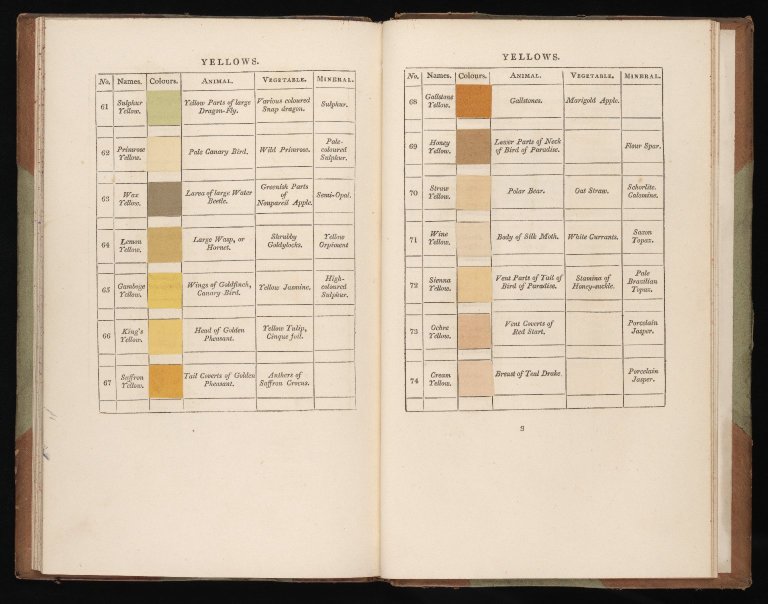
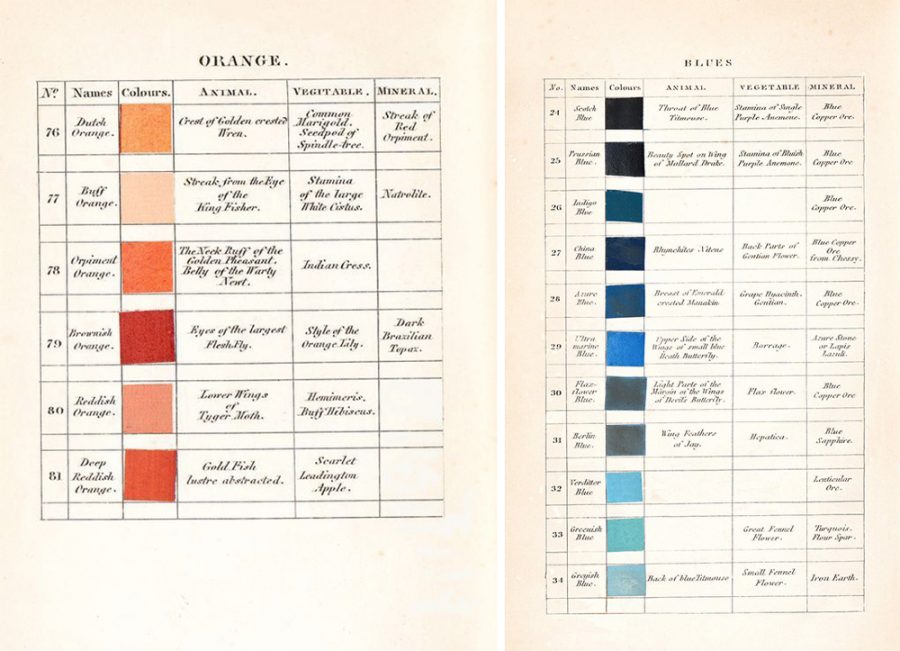
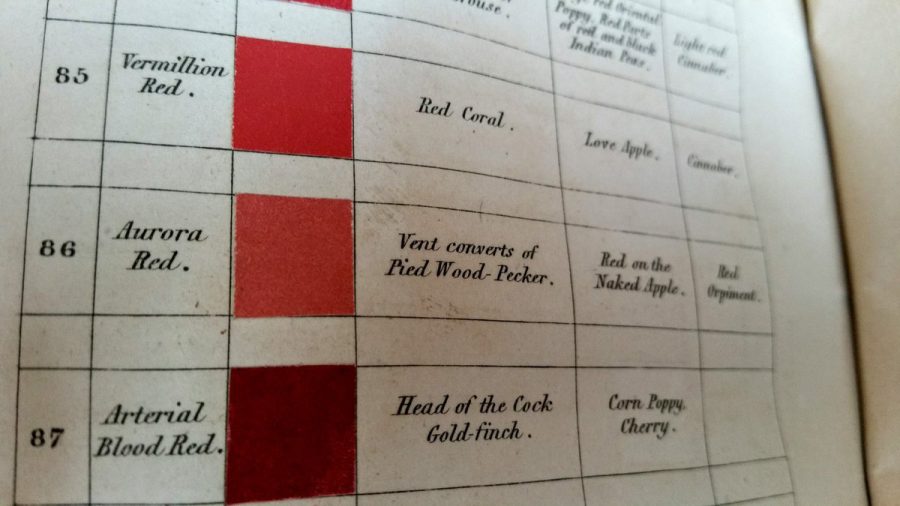
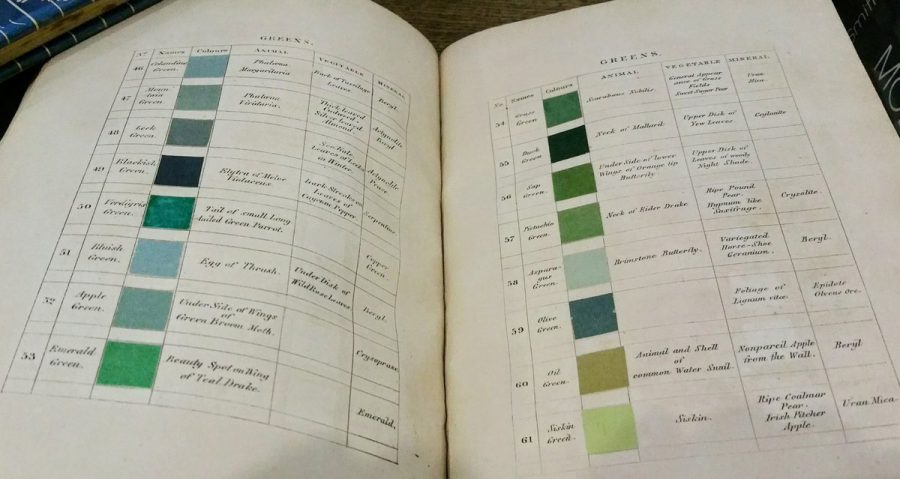
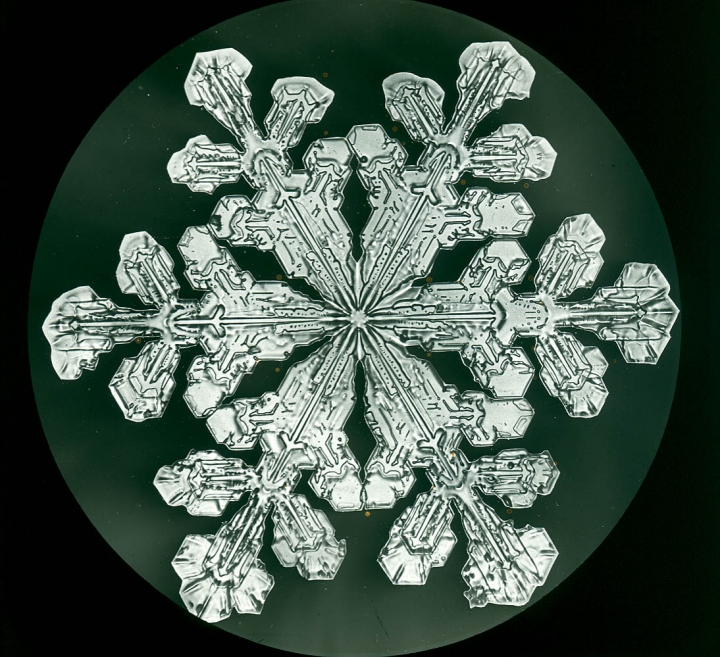
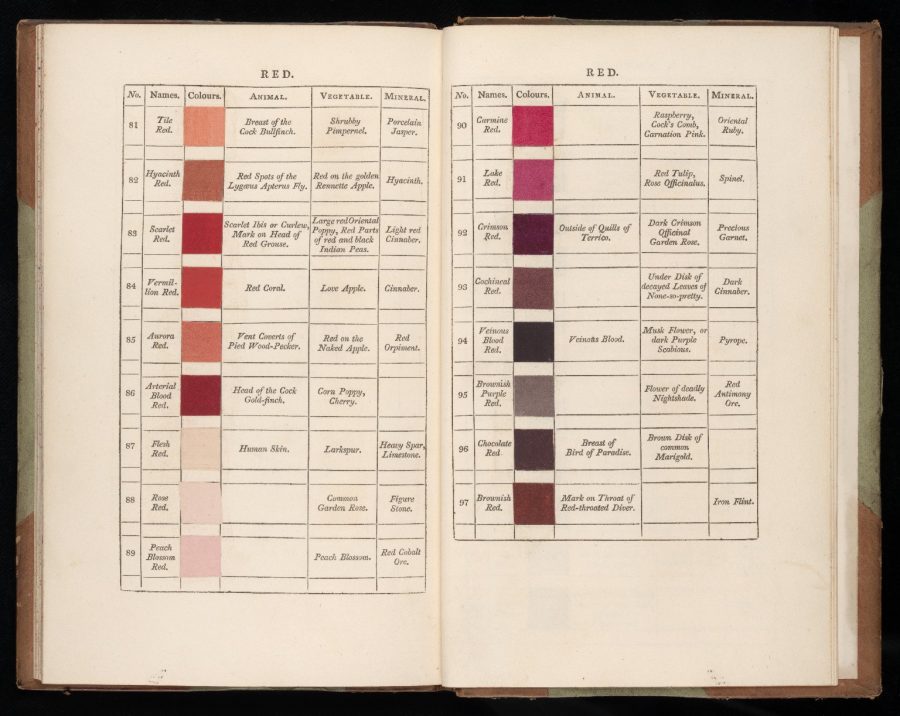
The Bio­di­ver­si­ty Her­itage Library (BHL), an “open access dig­i­tal library for bio­di­ver­si­ty lit­er­a­ture and archives,” has for many years been mak­ing it easy for peo­ple to con­nect to nature through nature writ­ing and illus­tra­tion. In 2012, they announced the “suc­cess sto­ry” of their Flickr streams, both con­tain­ing thou­sands of illus­tra­tions and pho­tographs uploaded by the BHL staff and read­ers from their huge col­lec­tions of books.

The first stream, cur­rent­ly at 122,281 images, has been care­ful­ly curat­ed, and includes search­able gal­leries and albums divid­ed by book title or sub­ject, such as “Exot­ic botany illus­trat­ed,” “The Birds of Aus­tralia v.1,” and “Bats!” The sec­ond stream, con­sist­ing of over 2 mil­lion images, is a mas­sive grab-bag of pho­tos, ill­lus­tra­tions from nature, adver­tise­ments, and imag­i­na­tive ren­der­ings.

Though far less use­ful for the scholar—or the very pur­pose­ful user—this sec­ond pho­to­stream offers more poten­tial for chance dis­cov­ery, through the aim­less wan­der­ing that often leads to serendip­i­tous­ly sub­lime expe­ri­ences. The for­mal BHL stream does not dis­ap­point, though it may offer few­er sur­pris­es. Both of these image archives offer expan­sive views of human­i­ty’s encounter with the nat­ur­al world, not only through sta­tis­tics and aca­d­e­m­ic jar­gon, but through the artis­tic record­ing of won­der, sci­en­tif­ic curios­i­ty, and deep appre­ci­a­tion.

Relat­ed Con­tent:

Watch 50 Hours of Nature Sound­scapes from the BBC: Sci­en­tif­i­cal­ly Proven to Ease Stress and Pro­mote Hap­pi­ness & Awe

The British Library Puts 1,000,000 Images into the Pub­lic Domain, Mak­ing Them Free to Reuse & Remix

Down­load for Free 2.6 Mil­lion Images from Books Pub­lished Over Last 500 Years on Flickr

Josh Jones is a writer and musi­cian based in Durham, NC. Fol­low him at @jdmagness

Atheist Stanford Biologist Robert Sapolsky Explains How Religious Beliefs Reduce Stress

Let’s put aside for a moment the ques­tion of whether, or which, reli­gion is “true.” If you think this ques­tion is answer­able, you are like­ly already a par­ti­san and have tak­en cer­tain claims on faith. Say we ask whether reli­gion is good for you? What say the sci­en­tists? As always, it depends. For one thing, the kind of reli­gion mat­ters. A 2013 study in the Jour­nal of Reli­gion and Health, for exam­ple, found that “belief in a puni­tive God was pos­i­tive­ly asso­ci­at­ed with four psy­chi­atric symp­toms,” includ­ing gen­er­al anx­i­ety and para­noia, while “belief in a benev­o­lent God was neg­a­tive­ly asso­ci­at­ed with four psy­chi­atric symp­toms.”

So, a cer­tain kind of reli­gion may not be par­tic­u­lar­ly good for us—psychologically and socially—but oth­er kinds of faith can have very ben­e­fi­cial men­tal health effects. Author Robert Wright, vis­it­ing pro­fes­sor of reli­gion and psy­chol­o­gy at Prince­ton, has argued in his lec­tures and his best­selling book Why Bud­dhism is True that the 2500-year-old East­ern reli­gion can lead to enlight­en­ment, of a sort. (He also argues that Bud­dhism and sci­ence most­ly agree.)

And famed Stan­ford neu­roen­docri­nol­o­gist and athe­ist Robert Sapol­sky, author of Why Zebras Don’t Get Ulcers, makes an inter­est­ing case in the Big Think video above that “this reli­gion busi­ness” humans have come up with—this form of “meta­m­ag­i­cal thinking”—has pro­vid­ed a dis­tinct evo­lu­tion­ary advan­tage.

Reli­gion seems to be an almost uni­ver­sal phe­nom­e­non, as Sapolsky—who is him­self an atheist—freely admits. “90 to 95% of peo­ple,” he says, “believe in some sort of omnipo­tent some­thing or oth­er, every cul­ture out there has it.” Rarely do two cul­tures agree on any of the specifics, but reli­gions in gen­er­al, he claims, “are won­der­ful mech­a­nisms for reduc­ing stress.”

It is an awful, ter­ri­fy­ing world out there where bad things hap­pen, we’re all going to die even­tu­al­ly. And believ­ing that there is some­thing, some­one, respon­si­ble for it at least gives some stress reduc­ing attrib­ut­es built around under­stand­ing causal­i­ty. If on top of that, you believe that there is not only some­thing out there respon­si­ble for all this, but that there is a larg­er pur­pose to it, that’s anoth­er lev­el of stress-reduc­ing expla­na­tion.

Fur­ther­more, says Sapol­sky, a benev­o­lent deity offers yet anoth­er lev­el of stress reduc­tion due to feel­ings of “con­trol and pre­dictabil­i­ty.” But benev­o­lence can be par­tial to spe­cif­ic in-groups. If you think you belong to one of them, you’ll feel even safer and more reas­sured. For its abil­i­ty to cre­ate social groups and explain real­i­ty in tidy ways, Reli­gion has “unde­ni­able health ben­e­fits.” This is borne out by the research—a fact Sapol­sky admits he finds “infu­ri­at­ing.” He under­stands why reli­gion exists, and can­not deny its ben­e­fits. He also can­not believe any of it.

Sapol­sky grudg­ing­ly admits in the short clip above that he is awed by the faith of peo­ple like Sis­ter Helen Pre­jean of Dead Man Walk­ing fame, despite and because of her “irra­tional, nut­ty,” and stub­born insis­tence on the impos­si­ble. He has also pre­vi­ous­ly argued that many forms of reli­gios­i­ty can be indis­tin­guish­able from men­tal ill­ness, but they are, para­dox­i­cal­ly, high­ly adap­tive in a chaot­ic, world we know very lit­tle about.

In his inter­view at the top, he pur­sues anoth­er line of thought. If 95% of the human pop­u­la­tion believes in some kind form of super­nat­ur­al agency, “a much more bio­log­i­cal­ly inter­est­ing ques­tion to me is, ‘what’s up with the 5% of athe­ists who don’t do that?’”

It’s a ques­tion he doesn’t answer, and one that may assume too much about that 95%—a sig­nif­i­cant num­ber of whom may sim­ply be rid­ing the band­wag­on or keep­ing their heads down in high­ly reli­gious envi­ron­ments rather than tru­ly believ­ing reli­gious truth claims. In any case, on bal­ance, the answer to our ques­tion of whether reli­gion is good for us, may be a qual­i­fied yes. Believ­ers in benev­o­lence can rejoice in the stress-reduc­ing prop­er­ties of their faith. It might just save their lives, if not their souls. Stress, as Sapol­sky explains in the doc­u­men­tary above, is expo­nen­tial­ly hard­er on the human organ­ism than belief in invis­i­ble all-pow­er­ful beings. Whether or not such beings exist is anoth­er ques­tion entire­ly.

Relat­ed Con­tent:

Biol­o­gy That Makes Us Tick: Free Stan­ford Course by Robert Sapol­sky

Stanford’s Robert Sapol­sky Demys­ti­fies Depres­sion, Which, Like Dia­betes, Is Root­ed in Biol­o­gy

Robert Sapol­sky Explains the Bio­log­i­cal Basis of Reli­gios­i­ty, and What It Shares in Com­mon with OCD, Schiz­o­phre­nia & Epilep­sy

How Bud­dhism & Neu­ro­science Can Help You Change How Your Mind Works: A New Course by Best­selling Author Robert Wright

Josh Jones is a writer and musi­cian based in Durham, NC. Fol­low him at @jdmagness

Pop Art Posters Celebrate Pioneering Women Scientists: Download Free Posters of Marie Curie, Ada Lovelace & More

We all know the name Marie Curie—or at least I hope we do. But for far too many peo­ple, that’s where their knowl­edge of women in sci­ence ends. Which means that thou­sands of young boys and girls who read about Isaac New­ton and Louis Pas­teur nev­er also learn the sto­ry of Car­o­line Her­schel (1750–1848), the first woman to dis­cov­er a comet, pub­lish with the Roy­al Soci­ety, and receive a salary for sci­en­tif­ic work—as the assis­tant to the king’s astronomer, her broth­er, in 19th cen­tu­ry Eng­land. Her­schel dis­cov­ered and cat­a­logued new neb­u­lae and star clus­ters; received a gold medal from the Roy­al Astro­nom­i­cal Soci­ety; and she and her broth­er William “increased the num­ber of known star clus­ters,” writes the Smith­son­ian, “from 100 to 2,500.” And yet, she remains almost total­ly obscure.

Open a math or physics text­book and you may not come across the name Emmy Noe­ther (1882–1935), either, despite the fact that she “proved two the­o­rems,” the San Diego Super­com­put­er Cen­ter (SDSC) notes, “that were basic for both gen­er­al rel­a­tiv­i­ty and ele­men­tary par­ti­cle physics. One is still known as ‘Noether’s The­o­rem.’”

Noe­ther fought hard for recog­ni­tion in life. She received her Ph.D. in math­e­mat­ics from the Uni­ver­si­ty of Göt­tin­gen in 1907, and she even­tu­al­ly sur­passed her sci­en­tist father and broth­ers. But at first, she could only secure work at the Math­e­mat­i­cal Insti­tute of Erlan­gen in a posi­tion with­out title or pay. And despite her bril­liance, she was only allowed to teach at Göt­tin­gen Uni­ver­si­ty as the assis­tant to David Hilbert, also with­out a salary.

Noe­ther suf­fered dis­crim­i­na­tion in Ger­many “owing not only to prej­u­dices against women, but also because she was a Jew, a Social Demo­c­rat, and a paci­fist.” Oth­er promi­nent women in sci­en­tif­ic his­to­ry have encoun­tered sim­i­lar­ly inter­sect­ing forms of dis­crim­i­na­tion, and con­tin­ue to do so. Much has changed since the times of Her­schel and of Noe­ther, but “there is much work to be done,” writes Eamon O’Flynn of the Perime­ter Insti­tute for The­o­ret­i­cal Physics. “Part of mak­ing pos­i­tive change includes cel­e­brat­ing the con­tri­bu­tions women have made to sci­ence, espe­cial­ly those women over­looked in their time.” For this rea­son, the Perime­ter Insti­tute has cre­at­ed a poster series, called “Forces of Nature,” for “class­rooms, dorm rooms, liv­ing rooms, offices, and physics depart­ments.”

The posters fea­ture Curie, Noe­ther, com­put­ing pio­neer Ada Lovelace, stel­lar astronomer Annie Jump Can­non, and “first lady of physics” Chien-Shi­ung Wu. Should you want one or all of these as high-res­o­lu­tion images print­able up to 24”x36”, vis­it the Perime­ter Institute’s site and fol­low the links to fill out a short form. Whether you’re a par­ent, teacher, or mentor—these strik­ing pop art posters seem like an excel­lent way to get a con­ver­sa­tion about women in sci­ence start­ed. Fol­low up with the Smithsonian’s “Ten His­toric Female Sci­en­tists You Should Know,” SDSC’s Women in Sci­ence project, Rachel Ignotofsky’s Women in Sci­ence: 50 Fear­less Pio­neers Who Changed the World, and—for a con­tem­po­rary view of women work­ing in every pos­si­ble STEM field—the Asso­ci­a­tion for Women in Sci­ence.

Relat­ed Con­tent:

Marie Curie Attend­ed a Secret, Under­ground “Fly­ing Uni­ver­si­ty” When Women Were Banned from Pol­ish Uni­ver­si­ties

How Ada Lovelace, Daugh­ter of Lord Byron, Wrote the First Com­put­er Pro­gram in 1842–a Cen­tu­ry Before the First Com­put­er

Josh Jones is a writer and musi­cian based in Durham, NC. Fol­low him at @jdmagness

The Social Lives of Trees: Science Reveals How Trees Mysteriously Talk to Each Other, Work Together & Form Nurturing Families

In addi­tion to its ham-hand­ed exe­cu­tion, maybe one of the rea­sons M. Night Shyamalan’s The Hap­pen­ing failed with crit­ics is that its premise seemed inher­ent­ly pre­pos­ter­ous. Who could sus­pend dis­be­lief? Trees don’t talk to each oth­er, act in groups, make cal­cu­la­tions, how fool­ish! But they do, forester Suzanne Simard aims to con­vince us in the TED video above.

Trees aren’t just trees. They are the vis­i­ble man­i­fes­ta­tions of “this oth­er world” under­ground, “a world of infi­nite bio­log­i­cal path­ways that con­nect trees and allow them to com­mu­ni­cate, and allow the for­est to behave as if it’s a sin­gle organ­ism. It might remind you of a sort of intel­li­gence.” One shared not only by trees but by all of the beings that live in and among them. Forests are alive, though per­haps they are not plot­ting their revenge on us, even if we’ve earned it.

Simard tells the sto­ry of grow­ing up in British Colum­bia among the inland rain­forests. Old wet tem­per­ate forests crawl­ing with ancient ferns like giant green hands; cities of mush­rooms grow­ing around cen­turies-old fall­en trees; whole planes of bird and insect exis­tence in the canopies, Amer­i­can megafau­na, the elk, the bear…. On a recent hike deep into the Olympia Nation­al For­est in Wash­ing­ton, I found myself think­ing some sim­i­lar thoughts. It’s not that unusu­al to imag­ine, in the throes of “for­est bathing,” that “trees are nature’s inter­net,” as Simard says in a Seat­tle TED talk.

The dif­fer­ence is that Simard has had these thoughts all her life, devot­ed 30 years of research to test­ing her hypothe­ses, and used radioac­tive car­bon iso­topes to find two-way com­mu­ni­ca­tion between dif­fer­ent species of tree while being chased by angry griz­zly bears. Like­wise, most of us have not­ed the glar­ing sci­en­tif­ic absur­di­ties in the book of Gen­e­sis, but few may see the prob­lem with Noah’s Ark that Ital­ian botanist Ste­fano Man­cu­so does in his talk above. No one thought to bring any plants? God some­how neglect­ed to men­tion that all those ani­mals would need ecosys­tems, and fast? We laugh about an old man lit­er­al­ly load­ing repro­duc­ing pairs of every ani­mal on a boat… imag­ine him try­ing to fit entire forests….

Mancuso’s charm­ing accent and self-dep­re­cat­ing humor make his obser­va­tions seem light­heart­ed, but no less dev­as­tat­ing to our idea of our­selves as self-suf­fi­cient alpha crea­tures and of plants as bare­ly alive, inan­i­mate stuff scat­tered around us like nature’s fur­ni­ture, one step above the foun­da­tion­al rocks and stones. The idea is not lim­it­ed to the Bible; it has “accom­pa­nied human­i­ty” he says. Yet, just as pro­fes­sors do not belong at the top of a hier­ar­chy of life—as medieval schol­ars liked to imagine—plants do not belong at the bot­tom. Let Man­cu­so con­vince you that plants exhib­it “won­der­ful and com­plex behav­ior that can be con­sid­ered intel­li­gence.”

Isn’t this all a lit­tle pre­sump­tu­ous? Does any­one, after all, speak for the trees? Might their lan­guage be for­ev­er alien to us? Can we talk about “what plants talk about,” as ecol­o­gist J.C. Cahill asserts? Can we make soap opera spec­u­la­tions about “the hid­den life of trees,” as the title of Ger­man forester Peter Wohlleben’s book promis­es? Per­haps human lan­guage is nec­es­sar­i­ly anthropomorphic—we insist on see­ing our­selves at the cen­ter of every­thing. Maybe we need to think of trees as peo­ple to con­nect to them—as near­ly every ancient human civ­i­liza­tion has talked to nature through the inter­me­di­aries of spir­its, gods, devas, sprites, nymphs, ances­tors, etc.

As a forester with a lum­ber com­pa­ny, Wohlleben says, he “knew about as much about the hid­den life of trees as a butch­er knows about the emo­tion­al life of ani­mals.” They were already dead to him. Until he began to wake up to the silent com­mu­ni­ca­tion all around him. Trees can count, can learn, can remem­ber, he found. Trees have fam­i­lies. They nurse their chil­dren. As he says in the inter­view above, “I don’t claim this, that is actu­al research. But the sci­en­tists nor­mal­ly use lan­guage than can­not be under­stood. So I trans­lat­ed this, and sur­prise, sur­prise! Trees are liv­ing beings, trees are social, trees have feel­ings.” For most peo­ple, says Wohh­leben, this real­ly does come as a sur­prise.

Relat­ed Con­tent:

This 392-Year-Old Bon­sai Tree Sur­vived the Hiroshi­ma Atom­ic Blast & Still Flour­ish­es Today: The Pow­er of Resilience

Graph­ic Shows the House Plants That Nat­u­ral­ly Clean the Air in Your Home, Accord­ing to a NASA Study

Shel Silverstein’s The Giv­ing Tree: The Ani­mat­ed Film Nar­rat­ed by Shel Him­self (1973)

Josh Jones is a writer and musi­cian based in Durham, NC. Fol­low him at @jdmagness

The Art of Explaining Hard Ideas: Scientists Try to Explain Gene Editing & Brain Mapping to Young Kids & Students

If you’ve seen Bong Joon-ho’s film Okja, about an Agribusi­ness-engi­neered gar­gan­tu­an mutant pig and her young Kore­an girl side­kick, you may have some very spe­cif­ic ideas about CRISPR, the sci­ence used to edit and manip­u­late genes. In fact, the mad­cap fic­tion­al adventure’s world may not be too far off, though the sci­ence seems to be mov­ing in the oth­er direc­tion. Just recent­ly, Chi­nese sci­en­tists have report­ed the cre­ation of 12 pigs with 24 per­cent less body fat than the ordi­nary vari­ety. It may not be front-page news yet, but the achieve­ment is “a big issue for the pig indus­try,” says the lead researcher.

There’s much more to CRISPR than bio­engi­neer­ing lean bacon. But what is it and how does it work? I couldn’t begin to tell you. Let biol­o­gist Neville San­jana explain. In the Wired video above, he under­takes the ulti­mate chal­lenge for sci­ence communicators—explaining the most cut­ting-edge sci­ence to five dif­fer­ent peo­ple: a 7‑year-old, 14-year-old, col­lege stu­dent, grad stu­dent, and—to real­ly put him on the spot—a CRISPR expert. CRISPR is “a new area of bio­med­ical sci­ence that enables gene edit­ing,” San­jana begins in his short intro for view­ers, “and it’s help­ing us under­stand the basis of many genet­ic dis­eases like autism and can­cer.”

That’s all well and good, but does he have any­thing to say about the pig busi­ness? Watch and find out, begin­ning with the adorable 7‑year-old Teigen Riv­er, who may or may not have been primed with per­fect respons­es. Play it for your own kids and let us know how well the expla­na­tion works. San­jara runs quick­ly through his oth­er stu­dents to arrive, halfway through the video, at Dr. Matthew Can­ver, CRISPR expert.

From there on out you may wish to refer to oth­er quick ref­er­ences, such as the Har­vard and MIT Broad Institute’s short guide and video intro above from mol­e­c­u­lar biol­o­gist Feng Zhang, who explains that CRISPR, or “Clus­tered Reg­u­lar­ly Inter­sperced Short Palin­dromic Repeats,” is actu­al­ly the name of DNA sequences in bac­te­ria. The gene edit­ing tech­nol­o­gy itself is called CRISPR-Cas9. Just so you know how the sausage is made.

Enough of pig puns. Let’s talk about brains, with neu­ro­sci­en­tist Dr. Bob­by Kasthuri of the Argonne Nation­al Lab­o­ra­to­ry. He faces a sim­i­lar chal­lenge above—this time explain­ing high con­cept sci­ence to a 5‑year-old, 13-year-old, col­lege stu­dent, grad stu­dent, and a “Con­nec­tome entre­pre­neur.” A what? Con­nec­tome is the prod­uct of the NIH’s Human Con­nec­tome Project, which set out to “pro­vide an unpar­al­leled com­pi­la­tion of neur­al data” and “achieve nev­er before real­ized con­clu­sions about the liv­ing human brain.” This brain-map­ping sci­ence has many objec­tives, one of which, in the 5‑year-old ver­sion, is “to know where every cell in your brain is, and how it can talk to every oth­er cell.”

To this aston­ish­ing expla­na­tion you may reply like Daniel Dod­son, 5‑year-old, with a stunned “Oh.” And then you may think of Philip K. Dick, or Black Mir­ror’s “San Junipero” episode. Espe­cial­ly after hear­ing from “Con­nec­tome Entre­pre­neur” Rus­sell Han­son, founder and CEO of a com­pa­ny called Brain Back­ups, or after lis­ten­ing to Sebas­t­ian Seung—“leader in the field of connectomics”—give his TED talk, “I am my con­nec­tome.” Want anoth­er short, but grown-up focused, expla­na­tion of the total­ly sci­ence-fic­tion but also com­plete­ly real Con­nec­tome? See Kasthuri’s 2‑minute ani­mat­ed video above from Boston Uni­ver­si­ty.

Relat­ed Video:

Real­i­ty Is Noth­ing But a Hal­lu­ci­na­tion: A Mind-Bend­ing Crash Course on the Neu­ro­science of Con­scious­ness

Richard Feyn­man Cre­ates a Sim­ple Method for Telling Sci­ence From Pseu­do­science (1966)

125 Great Sci­ence Videos: From Astron­o­my to Physics & Psy­chol­o­gy 

Josh Jones is a writer and musi­cian based in Durham, NC. Fol­low him at @jdmagness

Stephen Hawking’s Ph.D. Thesis, “Properties of Expanding Universes,” Now Free to Read/Download Online

Image by NASA, via Flickr Com­mons

Imag­ine being Stephen Hawking’s dis­ser­ta­tion advi­sor? Not that most of us can put our­selves in the shoes of emi­nent Cam­bridge physi­cist Den­nis Scia­ma… but imag­ine a stu­dent suc­ceed­ing so pro­found­ly, after hav­ing over­come such remark­able dif­fi­cul­ty, to become the cel­e­brat­ed Stephen Hawk­ing? One would feel immense­ly proud, I’d guess, and maybe just a lit­tle intim­i­dat­ed. Some grad­u­ate-lev­el pro­fes­sors might even feel threat­ened by such a stu­dent. It’s doubt­ful, how­ev­er, that Sciama—who signed off on Hawking’s the­sis in 1966 and died in 1999—felt this way.

As F.R. Ellis and Roger Pen­rose write, when Hawk­ing announced a sig­nif­i­cant find­ing about black holes in 1974, Scia­ma “quick­ly rec­og­nized the impor­tance… hail­ing it as ini­ti­at­ing a new rev­o­lu­tion in our under­stand­ing.” Despite his por­tray­al by David Thewlis as “a kind of author­i­tar­i­an gate­keep­er” in the Hawk­ing biopic The The­o­ry of Every­thing, Scia­ma “was much more than that pic­ture sug­gests,” writes anoth­er of his high­ly accom­plished mentees, Adri­an Melott; “he was a superb men­tor who brought out the best in his stu­dents.” Ellis and Pen­rose, them­selves esteemed sci­en­tists strong­ly influ­enced by Scia­ma, write of his “aston­ish­ing suc­ces­sion of research stu­dents,” three of whom became fel­lows of the Roy­al Soci­ety.

I men­tion these names because they are just a few of the many peo­ple who inspired, chal­lenged, and guid­ed Hawk­ing, much of whose fame rests on his best­selling pop­u­lar cos­mol­o­gy, A Brief His­to­ry of Time. While he may be talked of as a lone eccen­tric sin­gu­lar­i­ty whose mind oper­ates above our mor­tal plane, like every sci­en­tist, he devel­oped in a com­mu­ni­ty that includes many such minds. The obser­va­tion in no way dimin­ish­es Hawking’s accomplishments–it might, ide­al­ly, spur those of us with an inter­est in his work to look at how it devel­oped in con­ver­sa­tion and debate with oth­ers, like emi­nent Cam­bridge physi­cist Fred Hoyle.

We can begin to do that now by going back to Hawking’s grad­u­ate days and read­ing his doc­tor­al the­sis, which has been made avail­able for free down­load by the Cam­bridge Uni­ver­si­ty Library. “Prop­er­ties of Expand­ing Uni­vers­es” has proven so pop­u­lar that it crashed the library web site, with more than 60,000 views yes­ter­day. By con­trast, “oth­er pop­u­lar the­ses might have 100 views per month,” says Stu­art Roberts, deputy head of research com­mu­ni­ca­tions at Cam­bridge.

In a state­ment accom­pa­ny­ing the dissertation’s release, Hawk­ing mat­ter-of-fact­ly sit­u­ates him­self in a vast com­mu­ni­ty of “great” minds:

By mak­ing my PhD the­sis Open Access, I hope to inspire peo­ple around the world to look up at the stars and not down at their feet; to won­der about our place in the uni­verse and to try and make sense of the cos­mos. Any­one, any­where in the world should have free, unhin­dered access to not just my research, but to the research of every great and enquir­ing mind across the spec­trum of human under­stand­ing.

Should we have such open access, all of us could fol­low the debates across aca­d­e­m­ic projects, learn how the most sophis­ti­cat­ed views of the universe’s nature get for­mu­lat­ed and refined. How­ev­er, we’d prob­a­bly also find that few oth­er physi­cists express them­selves with as much clar­i­ty as Hawk­ing. Whether or not we under­stand his sci­en­tif­ic expla­na­tions, we can under­stand his prose, and his direct­ness of expres­sion has won him mil­lions of read­ers who may have nev­er have oth­er­wise read any the­o­ret­i­cal physics. See the first para­graph of Hawking’s intro­duc­tion below:

The idea that the uni­verse is expand­ing is of recent ori­gin. All the ear­ly cos­molo­gies were essen­tial­ly sta­tion­ary and even Ein­stein whose the­o­ry of rel­a­tiv­i­ty is the basis for almost all mod­ern devel­op­ments in cos­mol­o­gy, found it nat­ur­al to sug­gest a sta­t­ic mod­el of the uni­verse. How­ev­er there is a very grave dif­fi­cul­ty asso­ci­at­ed with a sta­t­ic mod­el such as Ein­stein’s which is sup­posed to have exist­ed for an infi­nite time. For, if the stars had been radi­at­ing ener­gy at their present rates for an infi­nite time, they would have need­ed an infi­nite sup­ply of ener­gy. Fur­ther, the flux of radi­a­tion now would be infi­nite. Alter­na­tive­ly, if they had only a lim­it­ed sup­ply of ener­gy, the whole uni­verse would by now have reached ther­mal equi­lib­ri­um which is cer­tain­ly not the case. This dif­fi­cul­ty was noticed by Old­ers who how­ev­er was not able to sug­gest any solu­tion. The dis­cov­ery of the reces­sion of the neb­u­lae by Hub­ble led to the aban­don­ment of sta­t­ic mod­els in favour of ones which were expand­ing.

Whether the remain­der of “Prop­er­ties of Expand­ing Uni­vers­es” is as read­able may be dif­fi­cult to deter­mine for a lit­tle while. As of the writ­ing of this post, at least, both the orig­i­nal link and a sec­ondary URL host­ing a pho­tographed ver­sion of the doc­u­ment have ground to a halt. (Update: Pages are serv­ing fair­ly well again, at least for now.) No doubt many of the vis­i­tors are physi­cists and grad stu­dents them­selves. But their num­bers may be dwarfed by laypeo­ple eager to see Hawking’s pecu­liar genius first emerge into the world, from a com­mu­ni­ty of sim­i­lar­ly bril­liant cos­mol­o­gists.

Relat­ed Con­tents:

Read John Nash’s Super Short PhD The­sis with 26 Pages & 2 Cita­tions: The Beau­ty of Invent­ing a Field

Stephen Hawking’s Lec­tures on Black Holes Now Ful­ly Ani­mat­ed with Chalk­board Illus­tra­tions

Stephen Hawking’s New Lec­ture, “Do Black Holes Have No Hair?,” Ani­mat­ed with Chalk­board Illus­tra­tions

Read John Nash’s Super Short PhD The­sis with 26 Pages & 2 Cita­tions: The Beau­ty of Invent­ing a Field

The Big Ideas of Stephen Hawk­ing Explained with Sim­ple Ani­ma­tion

Josh Jones is a writer and musi­cian based in Durham, NC. Fol­low him at @jdmagness

Your Brain on Art: The Emerging Science of Neuroaesthetics Probes What Art Does to Our Brains

If you’ve fol­lowed debates in pop­u­lar philo­soph­i­cal cir­cles, you’ve sure­ly heard the cri­tique of “sci­en­tism,” the “view that only sci­en­tif­ic claims are mean­ing­ful.” The term doesn’t apply only in defens­es of reli­gious expla­na­tions, but also of the arts and humanities—long imper­iled by sweep­ing bud­get cuts and now seem­ing­ly upend­ed by neu­ro­science.

We have the neu­ro­science of music, of lit­er­a­ture, of paint­ing, of cre­ativ­i­ty and imag­i­na­tion them­selves…. What need any­more for those pedants and obscu­ran­tists in their ivory tow­er aca­d­e­m­ic cubi­cles? Sweep them all away for bet­ter MRI machines and sta­tis­ti­cal pro­grams! Who, gasp the oppo­nents of sci­en­tism, would hold such a philis­tine view? Maybe only a straw man or two.

For those in the emerg­ing field of “neu­roaes­thet­ics,” the goal is not to vivi­sect the arts, but to observe what art—however defined—does to the brain. Neu­roaes­thet­ics, notes the Wash­ing­ton Post video above, the­o­rizes that “some of the answers to art’s mys­ter­ies can be found in the realm of sci­ence.” As Uni­ver­si­ty of Hous­ton Pro­fes­sor of Elec­tri­cal and Com­put­er Engi­neer­ing Jose Luis Con­tr­eras-Vidal puts it in the video below, “the more we under­stand the way the brain responds to the arts, the bet­ter we can under­stand our­selves.” Such under­stand­ing does not obvi­ate the mys­tery of art as, the Post writes in an accom­pa­ny­ing arti­cle, “the domain of the heart.”

The spec­ta­cle of per­form­ing artists, writ­ers, and musi­cians wear­ing skull­caps cov­ered with wires while in the midst of their cre­ative acts may look ludi­crous to us lay­folk. The Uni­ver­si­ty of Hous­ton takes this research quite seri­ous­ly, how­ev­er, appoint­ing three visu­al artists-in-res­i­dence to work along­side many oth­ers on Pro­fes­sor Contraras-Vidal’s ongo­ing neu­roaes­thet­ic projects, which also include dancers and musi­cians. In addi­tion to study­ing artists’ brains, the NSF-fund­ed project has record­ed “elec­tri­cal sig­nals in the brains of 450 indi­vid­u­als as they engaged with the work of artist Dario Rob­le­to in a pub­lic art instal­la­tion.”

The Post sum­ma­rizes some of the pos­si­ble answers offered by this kind of research: arts such as dance and the­ater stim­u­late our desire to expe­ri­ence intense emo­tions togeth­er in a group as a form of social cohe­sion. See­ing live performances—and sure­ly even films, though that par­tic­u­lar art form is slight­ed in many of these accounts—trig­gers a “neur­al rush…. With our brain’s capac­i­ty for emo­tion and empa­thy, even in the word­less art of dance we can begin to dis­cov­er meaning—and a sto­ry.” This brings us to the impor­tance our brains place on nar­ra­tive, on move­ment, the “log­ic of art” and much more.

For bet­ter or worse, neu­roaes­thet­ics is—at least at an insti­tu­tion­al level—in some com­pe­ti­tion with those branch­es of phi­los­o­phy clas­si­cal­ly con­cerned with aes­thet­ics, though often the two endeav­ors are com­ple­men­tary. But using sci­ence to inter­pret art, or inter­pret the brain on art, should in no way put the arts in jeop­ardy. Seri­ous sci­en­tif­ic curios­i­ty about the old­est and most uni­ver­sal of dis­tinc­tive­ly human activ­i­ties might instead pro­vide justification—or bet­ter yet, fund­ing and pub­lic support—for the gen­er­ous pro­duc­tion of more pub­lic art.

via The Wash­ing­ton Post

Relat­ed Con­tent:

How Infor­ma­tion Over­load Robs Us of Our Cre­ativ­i­ty: What the Sci­en­tif­ic Research Shows

The Neu­ro­science of Drum­ming: Researchers Dis­cov­er the Secrets of Drum­ming & The Human Brain

How Bud­dhism & Neu­ro­science Can Help You Change How Your Mind Works: A New Course by Best­selling Author Robert Wright

Josh Jones is a writer and musi­cian based in Durham, NC. Fol­low him at @jdmagness

How Stress Can Change Your Brain: An Animated Introduction

We hear the mantra of “self-care” in ever-widen­ing cir­cles, a con­cept both derid­ed and cel­e­brat­ed as a “mil­len­ni­al obses­sion,” with the acknowledgment—at least in this NPR think piece— that self-care was cen­tral to the philoso­phies of antiq­ui­ty, from Aris­to­tle to the Sto­ics.

In phi­los­o­phy, self-care exists as a set of ethics. The rea­sons for this may often be couched in high-mind­ed dis­cus­sions of civics, sex­u­al pol­i­tics, and exis­ten­tial self-actu­al­iza­tion. These days, doc­tors and researchers are mak­ing urgent appeals for our men­tal and phys­i­cal health, and the sci­ence of stress is an unsur­pris­ing­ly rich field of inves­ti­ga­tion at the moment.

It’s hard to over­state the neg­a­tive effects of stress on the body over time. Increased stress hor­mones have been linked in study after study to overeat­ing and obe­si­ty, low­ered immune response, drug use and addic­tion, mem­o­ry impair­ment, heart dis­ease, and many oth­er debil­i­tat­ing and life-threat­en­ing con­di­tions. “The long-term acti­va­tion of the stress-response sys­tem,” writes the Mayo Clin­ic, “and the sub­se­quent over­ex­po­sure to cor­ti­sol and oth­er stress hormones—can dis­rupt almost all your body’s process­es.” (The video below makes this har­row­ing point with some help­ful, ani­mat­ed com­ic relief.)

When we expe­ri­ence chron­ic stress, it rais­es our blood pres­sure and affects our car­dio­vas­cu­lar sys­tem, increas­ing the chances of heart attack or stroke. The even worse news—reports the TED-Ed video at the top of the post—is that chron­ic stress weak­ens our abil­i­ty to make sound deci­sions about our well-being, by chang­ing the size, struc­ture, and func­tion of our brain.

We’re famil­iar with the symp­toms of chron­ic stress: “sleep­ing rest­less­ly,” becom­ing “irri­ta­ble or moody,” “for­get­ting lit­tle things,” and “feel­ing over­whelmed and iso­lat­ed.” Con­tin­u­ous stress, from our work lives, home lives, social and polit­i­cal lives, can cause shrink­ing in parts of the brain respon­si­ble for mem­o­ry, spa­tial recog­ni­tion… and stress reg­u­la­tion.

Research shows that high lev­els of cor­ti­sol and oth­er stress hor­mones can cause shrink­ing of the pre­frontal cor­tex, the part of the brain respon­si­ble for rea­son­ing and deci­sion-mak­ing. Stress can inhib­it neuroplasticity—the abil­i­ty of the brain to adapt to new circumstances—and neu­ro­ge­n­e­sis: the abil­i­ty to pro­duce new brain cells.

Con­verse­ly, stress increas­es the size of the amyg­dala, which acti­vates fight-or-flight respons­es, which in turn increase the strain on our heart and blood ves­sels.

All of these effects can set the stage in lat­er life for major depres­sion, forms of cog­ni­tive decline and demen­tia, and Alzheimer’s dis­ease.

Most unset­tling­ly, as the video notes, these effects can be passed down to the next gen­er­a­tion, fur­ther­ing the cycle of chron­ic stress in our chil­dren and theirs. Per­sis­tent stress “fil­ters down” to DNA, mak­ing it genet­i­cal­ly inher­i­ta­ble.

Giv­en the incred­i­ble amount of stress most peo­ple seem to be under, this sci­ence can seem like a diag­no­sis of doom. We all know that chron­ic stres­sors assail us all day long, with­out ask­ing whether we want them in our lives or not. An increas­ing amount of our dai­ly stress, I’d hypoth­e­size, may indeed come from the grow­ing real­iza­tion of how lit­tle con­trol we have over many stress­ful sit­u­a­tions.

But the TED explain­er ends with good news, and it’s been there all along—we can find it in the ancient Greeks, in Bud­dhist prac­tices, and many oth­er tra­di­tions, both active and con­tem­pla­tive. We can con­trol our respons­es to stress, and thus reverse and mod­u­late the effects of cor­ti­sol on our sys­tem. The best, proven, ways to do so are through exer­cise and med­i­ta­tion (and, I’d add, good nutri­tion).

These activ­i­ties will not erad­i­cate the con­di­tions of inequal­i­ty, injus­tice, or insta­bil­i­ty that stress us all out—a great many of us more than oth­ers. But prac­tic­ing “self-care” inas­much as we are able with stress-reliev­ing dis­ci­plines and prac­tices will bet­ter equip us to respond to the state of the world and the state of our lives by inter­rupt­ing the bio­log­i­cal mech­a­nisms that, over time, make things much worse. Find some help­ful resources below.

Relat­ed Con­tent:

Stream 18 Hours of Free Guid­ed Med­i­ta­tions

Med­i­ta­tion 101: A Short, Ani­mat­ed Beginner’s Guide

Philoso­pher Sam Har­ris Leads You Through a 26-Minute Guid­ed Med­i­ta­tion

How to Get Start­ed with Yoga: Free Yoga Lessons on YouTube

Do Your­self a Favor and Watch Stress: Por­trait of a Killer (with Stan­ford Biol­o­gist Robert Sapol­sky)

How Mind­ful­ness Makes Us Hap­pi­er & Bet­ter Able to Meet Life’s Chal­lenges: Two Ani­mat­ed Primers Explain

How Bak­ing, Cook­ing & Oth­er Dai­ly Activ­i­ties Help Pro­mote Hap­pi­ness and Alle­vi­ate Depres­sion and Anx­i­ety

Allen Gins­berg Teach­es You How to Med­i­tate with a Rock Song Fea­tur­ing Bob Dylan on Bass

Josh Jones is a writer and musi­cian based in Durham, NC. Fol­low him at @jdmagness

« Go BackMore in this category... »
Quantcast