Simone de Beauvoir Speaks on American TV (in English) About Feminism, Abortion & More (1976)

France has long been known for the cul­tur­al promi­nence it grants to its philoso­phers. Even so, such promi­nence does­n’t sim­ply come to every French philoso­pher, and some have had to work tire­less­ly indeed to achieve it. Take Simone de Beau­voir, who most pow­er­ful­ly announced her arrival on the intel­lec­tu­al scene with Le Deux­ième Sexe and its famous dec­la­ra­tion, “On ne naît pas femme, on le devient.” Those words remain well known today, 36 years after their author’s death, and their impli­ca­tions about the nature of wom­an­hood still form the intel­lec­tu­al basis for many observers of the fem­i­nine con­di­tion, in France and else­where.

Le Deux­ième Sexe was first pub­lished in Eng­lish in 1953, as The Sec­ond Sex. By that point de Beau­voir had already trav­eled exten­sive­ly in the Unit­ed States (and even writ­ten a book, Amer­i­ca Day by Day, about the expe­ri­ence), but her read­er­ship in that coun­try had only just begun to grow. An avowed fem­i­nist, she would through the sub­se­quent decades become a more and more oft-ref­er­enced fig­ure among Amer­i­can writ­ers and read­ers who sought to apply that label to them­selves as well.

One such fem­i­nist was the psy­chol­o­gist Dorothy Ten­nov, who’s best remem­bered for coin­ing the term limer­ence. A few years before she did that, she trav­eled to France to con­duct an inter­view with de Beau­voir — and indeed “in her Paris apart­ment, pro­vid­ed the TV crew was all-female.”

Aired on pub­lic tele­vi­sion sta­tion WNED in 1976, this wide-rang­ing con­ver­sa­tion has Beau­voir lay­ing out her views on a host of sub­jects, from abor­tion to homo­sex­u­al­i­ty to fem­i­nism itself. “What do you think women feel most about fem­i­nism?” Ten­nov asks. “They are jeal­ous of the women who are not just the kind of ser­vant and the slaves and objects — they are them­selves,” de Beau­voir says. “They fear to feel an inféri­or­ité in regard with the women who work out­side, and who do as they want and who are free. And maybe they are afraid of the free­dom which is made pos­si­ble for them, because free­dom is some­thing very pre­cious, but in a way a lit­tle fear­ful, because you don’t know exact­ly what to do with it.” Here we see one rea­son de Beau­voir’s work has endured: she under­stood that man’s fear of free­dom is also wom­an’s.

Relat­ed con­tent:

An Ani­mat­ed Intro­duc­tion to the Fem­i­nist Phi­los­o­phy of Simone de Beau­voir

The Mean­ing of Life Accord­ing to Simone de Beau­voir

Simone de Beauvoir’s Phi­los­o­phy on Find­ing Mean­ing in Old Age

Lovers and Philoso­phers — Jean-Paul Sartre & Simone de Beau­voir Togeth­er in 1967

Simone de Beau­voir Tells Studs Terkel How She Became an Intel­lec­tu­al and a Fem­i­nist (1960)

Simone de Beau­voir & Jean-Paul Sartre Shoot­ing a Gun in Their First Pho­to Togeth­er (1929)

Based in Seoul, Col­in Mar­shall writes and broad­casts on cities, lan­guage, and cul­ture. His projects include the Sub­stack newslet­ter Books on Cities, the book The State­less City: a Walk through 21st-Cen­tu­ry Los Ange­les and the video series The City in Cin­e­ma. Fol­low him on Twit­ter at @colinmarshall or on Face­book.

When Marlon Brando Refused the Oscar for His Role in The Godfather to Support the Rights of Native Americans (1973)

At the 45th Acad­e­my Awards, Mar­lon Bran­do won the Best Actor award for his per­for­mance in The God­fa­ther — but sent a Native Amer­i­can civ­il rights activist named Sacheen Lit­tle­feath­er to decline it on his behalf. “The twen­ty-six-year-old activist took the stage in a fringed buck­skin dress and moc­casins,” writes the New York­er’s Michael Schul­man. “When she explained that Brando’s rea­sons for refus­ing the award were Hollywood’s mis­treat­ment of Native Amer­i­cans and the stand­off in Wound­ed Knee, South Dako­ta, there were loud boos and scat­tered cheers.”

More sev­en­ties things have hap­pened, but sure­ly not many. With time, Schul­man writes, “the whole thing cement­ed into a pop-cul­ture punch line: preen­ing actor, fake Indi­an” — the “cry­ing Indi­an” envi­ron­men­tal PSA had aired just a few years before — “kitschy Hol­ly­wood freak show. But what if it wasn’t that at all?”

Almost half a cen­tu­ry lat­er, this notable chap­ter in Oscars his­to­ry has come back into the news in the wake of the Acad­e­my of Motion Pic­ture Arts and Sci­ences’ offi­cial apol­o­gy to Lit­tle­feath­er. It’s now more wide­ly under­stood who Lit­tle­feath­er is, and what Bran­do was going for when he made her his emis­sary that night in 1973.

Bran­do was­n’t espe­cial­ly hes­i­tant to explain his actions even at the time: less than three months after the event, he laid out all his rea­sons on The Dick Cavett Show. “I don’t think that peo­ple gen­er­al­ly real­ize what the motion pic­ture indus­try has done to the Amer­i­can Indi­an,” he tells Cavett. “As a mat­ter of fact, all eth­nic groups.” He then runs down the “sil­ly ren­di­tions of human behav­ior” deliv­ered night­ly on tele­vi­sion, high­light­ing the phe­nom­e­non of “Indi­an chil­dren see­ing Indi­ans rep­re­sent­ed as sav­age, as ugly, as nasty, vicious, treach­er­ous, drunk­en.”

Such clichéd por­tray­als were what Bran­do meant to address by speak­ing through Lit­tle­feath­er. But the pub­lic’s imme­di­ate reac­tion, as Cavett puts it, went along the lines of, “There’s Bran­do jump­ing on a social-cause band­wag­on now, get­ting in on the Indi­ans.” They’d for­got­ten that the actor’s con­nec­tion with Native Amer­i­can caus­es went back at least to 1964, when he was arrest­ed at a Pacif­ic North­west “fish-in” by the Puyallup tribe protest­ing the denial of their treaty rights. And as Lit­tle­feath­er’s fêt­ing by the Acad­e­my shows, that con­nec­tion has long sur­vived even Bran­do him­self.

Relat­ed con­tent:

Inter­ac­tive Map Shows the Seizure of Over 1.5 Bil­lion Acres of Native Amer­i­can Land Between 1776 and 1887

Albert Ein­stein Sports a Native Amer­i­can Head­dress and a Peace Pipe at the Grand Canyon, 1931

1,000+ Haunt­ing & Beau­ti­ful Pho­tos of Native Amer­i­can Peo­ples, Shot by the Ethno­g­ra­ph­er Edward S. Cur­tis (Cir­ca 1905)

The God­fa­ther With­out Bran­do?: It Almost Hap­pened

How Dick Cavett Brought Sophis­ti­ca­tion to Late Night Talk Shows: Watch 270 Clas­sic Inter­views Online

Based in Seoul, Col­in Mar­shall writes and broad­casts on cities, lan­guage, and cul­ture. His projects include the Sub­stack newslet­ter Books on Cities, the book The State­less City: a Walk through 21st-Cen­tu­ry Los Ange­les and the video series The City in Cin­e­ma. Fol­low him on Twit­ter at @colinmarshall or on Face­book.

When Mikhail Gorbachev, the Last Soviet Leader, Starred in a Pizza Hut Commercial (1998)

Mikhail Gor­bachev, the 8th and final leader of the Sovi­et Union, died last month at age 91, a news event that trig­gered respons­es rang­ing from “Who?” to “Wow, was he still alive?” The first response reflects poor­ly on the teach­ing of his­to­ry: jour­nal­ists report­ing on Gorbachev’s death have been oblig­ed to explain his sig­nif­i­cance to many Amer­i­can read­ers just a few decades after his name filled U.S. head­lines. But it’s also true that Gor­bachev left a thor­ough­ly ambigu­ous lega­cy that seems to grow only more mud­dled with time.

As his­to­ri­an Richard Sak­wa wrote on the 20th anniver­sary of the short-lived Sovi­et empire’s col­lapse, Gor­bachev is remem­bered in the U.S. — depend­ing on who’s remem­ber­ing — as either a “mag­nif­i­cent fail­ure” or a “trag­ic suc­cess.” Some for­mer Sovi­ets, espe­cial­ly those more par­tial to the author­i­tar­i­an­ism of a Stal­in or Putin, omit any pos­i­tive descrip­tions of Gorbachev’s major achieve­ment – to wit, reform­ing the U.S.S.R. out of exis­tence in the late 1980s with lit­tle need, real­ly, for Rea­gan’s extrav­a­gant nuclear pos­tur­ing.

Putin him­self calls the fall of the U.S.S.R. “the great­est geopo­lit­i­cal cat­a­stro­phe” of the pre­vi­ous cen­tu­ry, an assess­ment shared by many who agree with him on noth­ing else. At the end of the 80s, how­ev­er, an emerg­ing gen­er­a­tion of Rus­sians had no clear sense of what was hap­pen­ing as their coun­try fell apart. “I was 6 when the Sovi­et Union broke up,” Ana­toly Kur­manaev writes at The New York Times. “I had no idea at the time that the per­son most respon­si­ble for the over­whelm­ing changes trans­form­ing my home­town in Siberia was a man called Mikhail Gor­bachev. I remem­ber stand­ing in line for bread in the dying days of Com­mu­nism, but I don’t remem­ber much dis­cus­sion of his ‘per­e­stroi­ka.’ ”

Mixed admi­ra­tion and con­tempt for Gor­bachev trick­led down to a younger gen­er­a­tion a few years lat­er. “The snatch­es of con­ver­sa­tion I could hear were about peo­ple being fed up,” writes Kur­manaev, “not about the man with a dis­tinc­tive birth­mark sit­ting in the Krem­lin…. Iron­i­cal­ly, my first dis­tinct, inde­pen­dent mem­o­ry of Mr. Gor­bachev, as per­haps for many of my gen­er­a­tion, dates to a 1998 com­mer­cial for Piz­za Hut,” an ad made by the U.S. fast-food com­pa­ny to cel­e­brate the open­ing of a restau­rant near Red Square, and made by Gor­bachev because… well, also iron­ic, giv­en the ad’s premise… he need­ed the mon­ey.

Writ­ten by Tom Dar­byshire of ad agency BBDO, the com­mer­cial stages a debate between patrons at the restau­rant before Gor­bachev’s arrival calms things down. “Meant to be tongue-in-cheek,” Maria Luisa Paul writes at The Wash­ing­ton Post, the ad intend­ed to show that “piz­za is one of those foods that brings peo­ple togeth­er and bridges their dif­fer­ences,” says Dar­byshire. In yet anoth­er irony, Gor­bachev him­self — who nego­ti­at­ed for a year before agree­ing to the spot — refused to eat piz­za on cam­era, allow­ing his grand­daugh­ter the hon­or instead.

Though he would­n’t touch the stuff, Gor­bachev defend­ed him­self against crit­ics, includ­ing his own wife, Raisa, by say­ing “piz­za is for every­one. It’s not only con­sump­tion. It’s also social­iz­ing.” What was the talk at Gor­bachev’s local Piz­za Hut on the day he popped in with his grand­child to social­ize? Why, it was talk of Gor­bachev.

“Because of him, we have eco­nom­ic con­fu­sion!” one din­er alleges.

“Because of him, we have oppor­tu­ni­ty!” retorts anoth­er.

“Because of him, we have polit­i­cal insta­bil­i­ty,” the first responds.

An old­er woman breaks the impasse by stat­ing their obvi­ous mutu­al affini­ties for piz­za, to which all reply, “Hail to Gor­bachev!”

Try as they might, not even Piz­za Hut could heal the wounds caused by the coun­try’s eco­nom­ic con­fu­sion and polit­i­cal insta­bil­i­ty.

The ad has cir­cu­lat­ed on social media, and in his­to­ry class­es, before and after Gor­bachev’s death as an exam­ple of mass media that “still reflects his lega­cy,” writes Paul. Gor­bachev may be large­ly for­got­ten — at least in the U.S. — decades after the Piz­za Hut ad aired, but it would­n’t be his last attempt to leave his mark in adver­tis­ing, as we see in the 2007 Louis Vuit­ton ad above, fea­tur­ing a prod­uct much less acces­si­ble than piz­za to the aver­age Russ­ian.

Relat­ed Con­tent:

The His­to­ry of Sovi­et Rock: From the 70s Under­ground Rock Scene, to Sovi­et Punk & New Wave in the 1980s

The Sovi­et Union Cre­ates a List of 38 Dan­ger­ous Rock Bands: Kiss, Pink Floyd, Talk­ing Heads, Vil­lage Peo­ple & More (1985)

Long Before Pho­to­shop, the Sovi­ets Mas­tered the Art of Eras­ing Peo­ple from Pho­tographs — and His­to­ry Too

Josh Jones is a writer and musi­cian based in Durham, NC. Fol­low him at @jdmagness

Joseph Campbell and the Power of Myth: Watch the Six-Part Series with Bill Moyers (1988)

The twen­ty-first cen­tu­ry encour­ages us to regard our­selves as hav­ing evolved beyond heroes, to say noth­ing of myths. Such things were only use­ful in the pre-mod­ern world, as yet unblessed by the con­ve­niences, plea­sures, and cer­tain­ties of sci­ence and tech­nol­o­gy. What, then, explains how devot­ed peo­ple are to Star Wars? For schol­ar of mythol­o­gy Joseph Camp­bell, author of The Hero with a Thou­sand Faces, George Lucas’ block­buster space opera — and the tril­o­gy it began — demon­strat­ed mod­ern man’s undi­min­ished need for myth. Lucas returned the com­pli­ment, say­ing that could nev­er have made it with­out the knowl­edge of arche­typ­al heroes and their jour­neys he drew from Camp­bel­l’s work.

Camp­bell him­self lays out this knowl­edge in the six inter­views with jour­nal­ist Bill Moy­ers that con­sti­tute The Pow­er of Myth. That doc­u­men­tary series has just come avail­able free to watch on the Youtube chan­nel of dis­trib­u­tor Kino Lor­ber, 34 years after its orig­i­nal broad­cast on PBS in 1988.

At that time, Moy­ers says in an updat­ed intro­duc­tion, “when mil­lions of peo­ple were yearn­ing for a way of talk­ing about reli­gious expe­ri­ence with­out regard to a reli­gious belief sys­tem, Camp­bell gave them the lan­guage for it.” For decades — for cen­turies, real­ly — once-invi­o­lable nar­ra­tives of the world and man’s place in it had been break­ing down. The inabil­i­ty to trace a mytho­log­i­cal arc in their own lives has dri­ven peo­ple in var­i­ous direc­tions: toward cults, toward health fads, toward ther­a­py, toward pop cul­ture.

In the mid-to-late twen­ti­eth cen­tu­ry, this cre­at­ed the most oppor­tune of con­di­tions for Camp­bel­l’s rise as a pub­lic intel­lec­tu­al. Though formed by the Depres­sion rather than the Age of Aquar­ius, he could adapt his teach­ings about ancient myth, as if by instinct, for lis­ten­ers hop­ing to raise their con­scious­ness. “Fol­low your bliss,” he said, think­ing of the Hin­du Upan­ishads, and the New Age made into a cliché. But the Camp­bell of The Pow­er of Myth has much still-rel­e­vant wis­dom to offer, even for those who feel plunged into a despair unique to our moment. “The world is a waste­land,” he admits. “Peo­ple have the notion of sav­ing the world by shift­ing it around and chang­ing the rules and so forth.” But “the way to bring it to life is to find, in your own case, where your life is, and be alive your­self.” A hero’s jour­ney awaits each of us, but nev­er has there been so much to dis­tract us from mak­ing it.

Relat­ed con­tent:

Hear 48 Hours of Lec­tures by Joseph Camp­bell on Com­par­a­tive Mythol­o­gy and the Hero’s Jour­ney

How Led Zeppelin’s “Stair­way to Heav­en” Recre­ates the Epic Hero’s Jour­ney Described by Joseph Camp­bell

Updat­ing Joseph Campbell’s “Hero’s Jour­ney” to Cov­er Female Action Heroes–Pretty Much Pop: A Cul­ture Pod­cast #33

Based in Seoul, Col­in Mar­shall writes and broad­casts on cities, lan­guage, and cul­ture. His projects include the Sub­stack newslet­ter Books on Cities, the book The State­less City: a Walk through 21st-Cen­tu­ry Los Ange­les and the video series The City in Cin­e­ma. Fol­low him on Twit­ter at @colinmarshall, on Face­book, or on Insta­gram.

Pink Lady and Jeff: Japan’s Biggest Pop Musicians Star in One of America’s Worst-Reviewed TV Shows (1980)

In 1963, Kyu Sakamo­to’s “Sukiya­ki” proved that a song sung in Japan­ese could top the charts in the Unit­ed States. Not that the Amer­i­can record­ing indus­try was quick to inter­nal­ize it: anoth­er Japan­ese sin­gle would­n’t break the Bill­board Top 40 for six­teen years, and even then it did so in Eng­lish. The song was “Kiss in the Dark” by Pink Lady, a pop duo con­sist­ing of Mit­suyo Nemo­to and Keiko Masu­da, bet­ter known as Mie and Kei. In 1978 they’d been the biggest pop-cul­tur­al phe­nom­e­non in their native coun­try, but the fol­low­ing year their star had begun unmis­tak­ably to fall. And so, like many passé West­ern acts who become “big in Japan,” Pink Lady attempt­ed to cross the Pacif­ic.

Mie and Kei made their Amer­i­can tele­vi­sion debut per­form­ing “Kiss in the Dark” on Leif Gar­ret­t’s CBS spe­cial in May 1979. Accounts dif­fer about what hap­pened next, but less than a year lat­er they had their own prime­time vari­ety show on NBC. Offi­cial­ly titled Pink Lady, it tends to be referred to these four decades lat­er as Pink Lady and Jeff. This owes to the role of its host, ris­ing (and NBC-con­tract­ed) young come­di­an Jeff Alt­man, who brought to the table not just his com­ic tim­ing and skill with impres­sions, but also his com­mand of the Eng­lish lan­guage. That last hap­pened not to be pos­sessed to any sig­nif­i­cant degree by Mie or Kei, who had to deliv­er both their songs and their jokes pho­net­i­cal­ly.

In the video at the top of the post, you can see a com­pi­la­tion of the high­lights of Pink Lady and Jeff’s entire run. Then again, “high­lights” may not be quite the word for a TV show now remem­bered as one of the worst ever aired. “Pink Lady and Jeff rep­re­sents an unpalat­able com­bi­na­tion of insti­tu­tions that were on their way out, like vari­ety shows, dis­co, and the tele­vi­sion empire of cre­ators and pup­peteers Sid and Mar­ty Krofft,” writes the AV Club’s Nathan Rabin. The Krofft broth­ers, cre­ators of H.R. Pufn­stuf and Land of the Lost, tell of hav­ing been tapped to devel­op a pro­gram around Mie and Kei by NBC pres­i­dent Fred Sil­ver­man, who’d hap­pened to see footage of one of their sta­di­um-fill­ing Tokyo con­certs on the news.

Sid Krofft remem­bers declar­ing his ambi­tion to make Pink Lady “the strangest thing that’s ever been on tele­vi­sion.” The star­tled Sil­ver­man’s response: “Let’s do Don­ny and Marie.” Don­ny Osmond him­self end­ed up being one of the show’s high-pro­file guest stars, a line­up that also includ­ed Blondie, Alice Coop­er, Sid Cae­sar, Ted­dy Pen­der­grass, Roy Orbi­son, Jer­ry Lewis, and even Lar­ry Hag­man just a week before the epochal shoot­ing of his char­ac­ter on Dal­las. None of them helped Pink Lady find enough of an audi­ence to sur­vive beyond its ini­tial six episodes (all avail­able to watch on Youtube), a dis­com­fit­ing mélange of gener­ic com­e­dy sketch­es, unsuit­able musi­cal per­for­mances (with pre­cious few excep­tions, Mie and Kei weren’t per­mit­ted to sing their own Japan­ese songs), and broad ref­er­ences to sushi, samu­rai, and sumo.

The main prob­lem, Alt­man said in a more recent inter­view, was that “the vari­ety show had run the gaunt­let already, and real­ly was not a for­mat that was going to live in the hearts and homes of peo­ple across Amer­i­ca any­more.” Not only had that long and earnest tele­vi­sion tra­di­tion come to its igno­min­ious end, it would soon be replaced by the iron­ic, ultra-satir­i­cal sen­si­bil­i­ty of Alt­man’s col­league in com­e­dy David Let­ter­man. But here in the twen­ty-first cen­tu­ry, Alt­man guess­es, the time may be ripe “for a vari­ety-type show to come back.” We live in an era, after all, when a piece of for­got­ten eight­ies Japan­ese pop can become a glob­al phe­nom­e­non. And how­ev­er dim the prospects of the vari­ety show as a form, Mie and Kie them­selves have since man­aged more come­backs than all but their most die-hard fans can count.

Relat­ed con­tent:

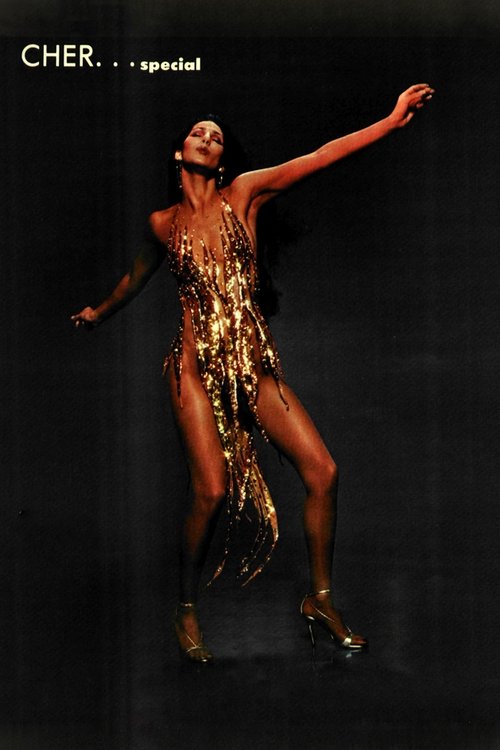
David Bowie and Cher Sing Duet of “Young Amer­i­cans” and Oth­er Songs on 1975 Vari­ety Show

Famed Art Crit­ic Robert Hugh­es Hosts the Pre­miere of 20/20, Where Tabloid TV News Began (1978)

Andy Warhol’s 15 Min­utes: Dis­cov­er the Post­mod­ern MTV Vari­ety Show That Made Warhol a Star in the Tele­vi­sion Age (1985–87)

How Youtube’s Algo­rithm Turned an Obscure 1980s Japan­ese Song Into an Enor­mous­ly Pop­u­lar Hit: Dis­cov­er Mariya Takeuchi’s “Plas­tic Love”

Based in Seoul, Col­in Mar­shall writes and broad­casts on cities, lan­guage, and cul­ture. His projects include the Sub­stack newslet­ter Books on Cities, the book The State­less City: a Walk through 21st-Cen­tu­ry Los Ange­les and the video series The City in Cin­e­ma. Fol­low him on Twit­ter at @colinmarshall, on Face­book, or on Insta­gram.

How Salman Rushdie Has Lived and Written Under the Threat of Death: a Free Documentary

Alfred Hitch­cock spe­cial­ized in films about marked men: inno­cents, more or less, who sud­den­ly find them­selves pur­sued by sin­is­ter forces to the ends of the Earth. Lit­tle won­der, then, that Salman Rushdie would count him­self a Hitch­cock fan. The nov­el­ist ref­er­ences the film­mak­er more than once in Salman Rushdie: Writ­ing Under Death Threats, the DW tele­vi­sion doc­u­men­tary above. He remem­bers a sequence from The Birds that cuts between stu­dents in a class­room and the play­ground out­side: in one shot a black­bird comes to sit on the jun­gle gym, and just a few shots lat­er it’s been joined by 500 more. “The case of what hap­pened to The Satan­ic Vers­es was, it was some­thing like the first black­bird.”

Rushdie refers, of course, to the fat­wa called down upon him in response to that nov­el­’s sup­posed blas­phemies against Islam by Aya­tol­lah Khome­i­ni. As a result he had to spend most of the sub­se­quent decade in hid­ing, under the pro­tec­tion of the British gov­ern­ment. By the time of this doc­u­men­tary, which came out in 2018, the dan­ger seemed to have passed.

“What’s hap­pen­ing now, as the scan­dal goes away,” he says of The Satan­ic Vers­es, “is that peo­ple are able to read it as a book, rather than as some kind of scan­dalous text.” But the dan­ger had not passed, as we learned ear­li­er this month when Rushdie was stabbed onstage at a lit­er­ary event in upstate New York, avoid­ing death by what’s been report­ed as a nar­row mar­gin indeed.

This sto­ry has its ironies, not least that Rushdie’s attack­er was born in Cal­i­for­nia a decade after the Iran­ian gov­ern­men­t’s dis­avow­al of the fat­wa. But for Rushdie him­self, the attempt on his life can’t have come entire­ly as a sur­prise: he saw the gath­er­ing black­birds of vio­lent fanati­cism as well as those of met­ro­pol­i­tan com­pla­cen­cy. Reflect­ing on the 2015 attack on French satir­i­cal mag­a­zine Char­lie Heb­do, he laments that “even peo­ple who are on the lib­er­al, pro­gres­sive, left­ist end of the spec­trum now find ‘prob­lem­at­ic’ the idea of sup­port­ing peo­ple who make fun of reli­gion.” Always and every­where, writ­ing has been done under the threat of one kind of pun­ish­ment or anoth­er; more than 30 years after The Satan­ic Vers­es, Rushdie’s case remains the most har­row­ing­ly extreme illus­tra­tion of the writer’s con­di­tion.

Relat­ed con­tent:

When Christo­pher Hitchens Vig­i­lant­ly Defend­ed Salman Rushdie After the Fat­wah: “It Was a Mat­ter of Every­thing I Hat­ed Ver­sus Every­thing I Loved”

Hear Salman Rushdie Read Don­ald Barthelme’s “Con­cern­ing the Body­guard” 

Jeff Koons and Salman Rushdie Teach New Cours­es on Art, Cre­ativ­i­ty & Sto­ry­telling for Mas­ter­Class

Salman Rushdie: Machiavelli’s Bad Rap

Based in Seoul, Col­in Mar­shall writes and broad­casts on cities, lan­guage, and cul­ture. His projects include the Sub­stack newslet­ter Books on Cities, the book The State­less City: a Walk through 21st-Cen­tu­ry Los Ange­les and the video series The City in Cin­e­ma. Fol­low him on Twit­ter at @colinmarshall, on Face­book, or on Insta­gram.

What Made Better Call Saul a Master Class in Visual Storytelling: A Video Essay

A decade ago, nobody inter­est­ed in pres­tige dra­mat­ic tele­vi­sion could have ignored Break­ing Bad, Vince Gilli­gan’s AMC series about a down­trod­den high-school chem­istry teacher who becomes a cal­cu­lat­ing and sav­age crys­tal-meth deal­er. Such was the crit­i­cal and pop­u­lar suc­cess of the show that, less than two years after it end­ed, it was resumed in the form of Bet­ter Call Saul. The title char­ac­ter Saul Good­man had been the afore­men­tioned teacher-turned-deal­er’s lawyer in Break­ing Bad, and the lat­er series, a pre­quel, traces the half-decade jour­ney that brought him to that point: a jour­ney that began when he was a Chica­go con man named Jim­my McGill.

Bet­ter Call Saul’s six-sea­son run (one episode longer than Break­ing Bad) came to an end this week. Dur­ing that time, the show has received even stronger acco­lades than the one that spun it off. To get a sense of what makes it such an achieve­ment in a field crowd­ed with some of the most ambi­tious cre­ators of pop­u­lar cul­ture today, watch the video essay above by Youtu­ber Thomas Flight.

Here on Open Cul­ture, we’ve pre­vi­ous­ly fea­tured his visu­al analy­ses of auteurs like Wes Ander­son and Bong Joon-ho as well as shows like The Wire and Cher­nobyl. Five years ago, he uploaded a video explain­ing “why Bet­ter Call Saul is bril­liant”; now he argues that it’s a “mas­ter class in visu­al sto­ry­telling.”

“ ‘Show, don’t tell’ is such com­mon advice in film­mak­ing and screen­writ­ing that it’s basi­cal­ly a cliché at this point,” says Flight, “but it’s also much eas­i­er said than done.” He goes on to draw from Bet­ter Call Saul a host of prime exam­ples of show­ing-not-telling, orga­nized into four cat­e­gories of its spe­cial strengths: “props as sym­bol­ic objects,” “visu­al per­for­mances,” “char­ac­ters in process,” and “sto­ry­telling with cin­e­matog­ra­phy.” Bet­ter Call Saul’s cre­ators make rich use of objects, ges­tures, expres­sions, places, angles, and much else besides to tell — or rather, show — the sto­ry of Jimmy/Saul’s trans­for­ma­tion, as well as the trans­for­ma­tions of those around him. But which of those char­ac­ters will star in Gilli­gan’s next, sure­ly even more ambi­tious series?

Relat­ed con­tent:

How Break­ing Bad Craft­ed the Per­fect TV Pilot: A Video Essay

Watch the Pilot of Break­ing Bad with a Chem­istry Pro­fes­sor: How Sound Was the Sci­ence?

The Sci­ence of Break­ing Bad: Pro­fes­sor Don­na Nel­son Explains How the Show Gets it Right

Watch the Orig­i­nal Audi­tion Tapes for Break­ing Bad Before the Final Sea­son Debuts

Break­ing Bad Illus­trat­ed by Gonzo Artist Ralph Stead­man

Based in Seoul, Col­in Mar­shall writes and broad­casts on cities, lan­guage, and cul­ture. His projects include the Sub­stack newslet­ter Books on Cities, the book The State­less City: a Walk through 21st-Cen­tu­ry Los Ange­les and the video series The City in Cin­e­ma. Fol­low him on Twit­ter at @colinmarshall, on Face­book, or on Insta­gram.

All the Music Played on MTV’s 120 Minutes: A 2,500-Video Youtube Playlist

The mid-nine­teen-nineties was not a time with­out irony. You may recall that, back then, “alter­na­tive” rock had not only gone main­stream, but, in cer­tain regions, had even become the most pop­u­lar genre of music on the radio. That was cer­tain­ly true in the Seat­tle area, where I grew up. And if you want­ed to start a rock band there, as writer Adam Cadre remem­bers, you knew what steps you had to take: “get a record deal, make a video, get it on 120 Min­utes, have it become a Buzz Clip, won­der why mas­sive suc­cess does­n’t ease the aching void inside.”

If you got into bands like 10,000 Mani­acs, Smash­ing Pump­kins, R.E.M., The Replace­ments, the Pix­ies, the Off­spring, or Son­ic Youth in the mid-nineties (to say noth­ing of a cer­tain trio called Nir­vana), chances are — sta­tis­ti­cal­ly speak­ing, at least — that you first saw them on 120 Min­utes.

At the peak of its pop­u­lar­i­ty on MTV, the show defined the alter­na­tive-rock zeit­geist, intro­duc­ing new bands as well as bring­ing new waves of lis­ten­ers to exist­ing ones. Though most strong­ly asso­ci­at­ed with the nineties, it pre­miered in 1986, host­ed by three of the first MTV VJs, J. J. Jack­son, Martha Quinn, and Alan Hunter. 36 years lat­er, you can relive the entire­ty of 120 Min­utes’ sev­en­teen-year run (with a brief revival in the twen­ty-tens) on Youtube.

A user named Chris Reynolds has cre­at­ed a playlist that appears to con­tain every song ever aired on 120 Min­utes. (Those have been doc­u­ment­ed by The 120 Min­utes Archive, pre­vi­ous­ly fea­tured here on Open Cul­ture.) Among the playlist’s more than 2,500 videos are songs — Vio­lent Femmes’ “Kiss Off,” The Psy­che­del­ic Furs’ “Love My Way,” Pearl Jam’s “Alive,” Fish­bone’s “Every­day Sun­shine,” R.E.M.‘s “Stand” — that will take you back to the pop-cul­tur­al eras 120 Min­utes spanned. But there are even more — Man­u­fac­ture’s “As the End Draws Near,” Lloyd Cole and the Com­mo­tions’ “Jen­nifer She Said,” Hel­met’s “Mil­que­toast,” Cause and Effec­t’s “You Think You Know Her” — that you may well have missed, even if you rocked your way through the eight­ies and nineties.

via Brook­lyn Veg­an

Relat­ed con­tent:

The 120 Min­utes Archive Com­piles Clips & Playlists from 956 Episodes of MTV’s Alter­na­tive Music Show (1986–2013)

Watch the First Two Hours of MTV’s Inau­gur­al Broad­cast (August 1, 1981)

Watch Nir­vana Go Through Rehearsals for Their Famous MTV Unplugged Ses­sions: “Pol­ly,” “The Man Who Sold the World” & More (1993)

Nir­vana Refus­es to Mime Along to “Smells Like Teen Spir­it” on Top of the Pops (1991)

William S. Bur­roughs — Alter­na­tive Rock Star — Sings with Kurt Cobain, Tom Waits, REM & More

Based in Seoul, Col­in Mar­shall writes and broad­casts on cities, lan­guage, and cul­ture. His projects include the Sub­stack newslet­ter Books on Cities, the book The State­less City: a Walk through 21st-Cen­tu­ry Los Ange­les and the video series The City in Cin­e­ma. Fol­low him on Twit­ter at @colinmarshall, on Face­book, or on Insta­gram.

« Go BackMore in this category... »
Quantcast