Discover the Stendhal Syndrome: The Condition Where People Faint, or Feel Totally Overwhelmed, in the Presence of Great Art

Clutch imag­i­nary pearls, rest the back of your hand on your fore­head, look wan and strick­en, begin to wilt, and most peo­ple will rec­og­nize the symp­toms of your sar­casm, aimed at some pejo­ra­tive­ly fem­i­nized qual­i­ties we’ve seen char­ac­ters embody in movies. The “lit­er­ary swoon” as Iaian Bam­forth writes at the British Jour­nal of Gen­er­al Prac­tice, dates back much fur­ther than film, to the ear­ly years of the mod­ern nov­el itself, and it was once a male domain.

“Some­where around the time of the French Rev­o­lu­tion (or per­haps a lit­tle before it) feel­ings were let loose on the world.” Ratio­nal­ism went out vogue and pas­sion was in—lots of it, though not all at once. It took some decades before the dis­cov­ery of emo­tion reached the cli­max of Roman­ti­cism and denoue­ment of Vic­to­ri­an sen­ti­men­tal­i­ty:

Back in 1761, read­ers had swooned when they encoun­tered the ‘true voice of feel­ing’ in Jean-Jacques Rousseau’s nov­el La Nou­velle Héloïse; by the end of the decade, all of Europe was being sen­ti­men­tal in the man­ner made fash­ion­able a few years lat­er by Lau­rence Sterne in his A Sen­ti­men­tal Jour­ney. Then there was Goethe’s novel­la, The Sor­rows of Young Werther (1774), which made its author a celebri­ty.

It’s impos­si­ble to over­state how pop­u­lar Goethe’s book became among the aris­to­crat­ic young men of Europe. Napoleon “reput­ed­ly car­ried a copy of the nov­el with him on his mil­i­tary cam­paign.” Its swoon­ing hero, whom we might be tempt­ed to diag­nose with any num­ber of per­son­al­i­ty and mood dis­or­ders, devel­ops a dis­turb­ing and debil­i­tat­ing obses­sion with an engaged woman and final­ly com­mits sui­cide. The nov­el sup­pos­ed­ly inspired many copy­cats and “the media’s first moral pan­ic.”

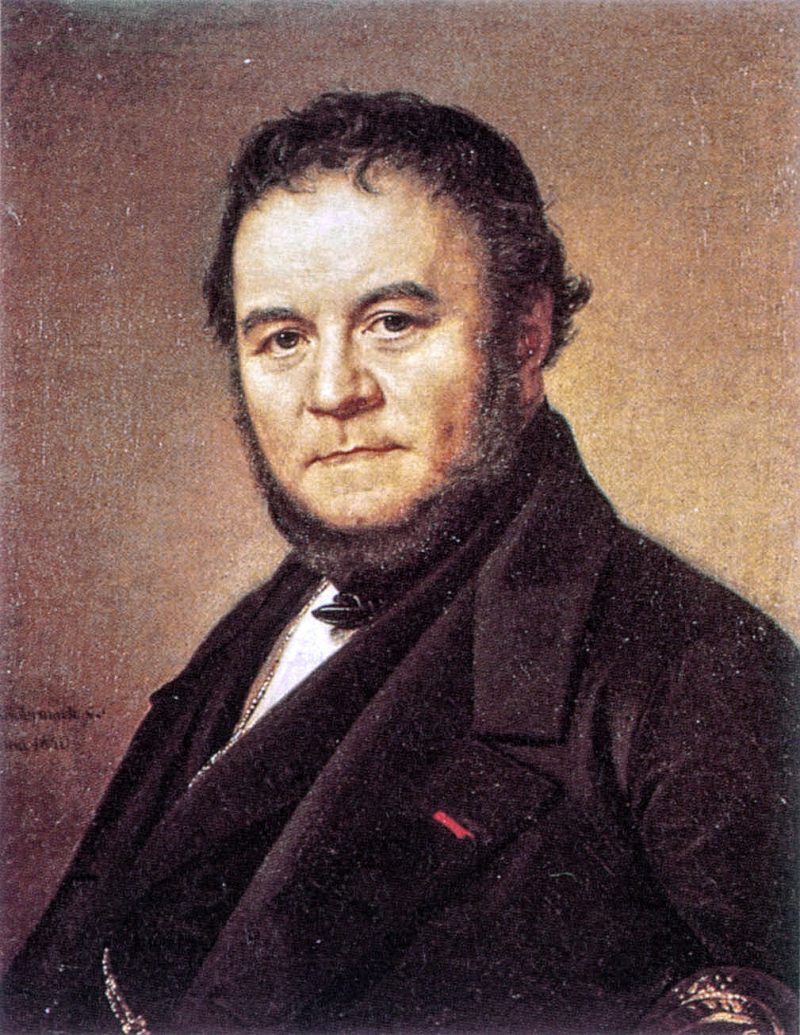
If we can feel such exal­ta­tion, dis­qui­et, and fear when in the grip of roman­tic pas­sion, or when faced with nature’s implaca­ble behe­moths, as in Kan­t’s Sub­lime, so too may we be over­come by art. Napoleon­ic nov­el­ist Stend­hal sug­gest­ed as much in a dra­mat­ic account of such an expe­ri­ence. Stend­hal, the pen name of Marie-Hen­ri Beyle, was no inex­pe­ri­enced dream­er. He had trav­eled and fought exten­sive­ly with the Grand Army (includ­ing that fate­ful march through Rus­sia, and back) and had held sev­er­al gov­ern­ment offices abroad. His real­ist fic­tion didn’t always com­port with the more lyri­cal tenor of the times.

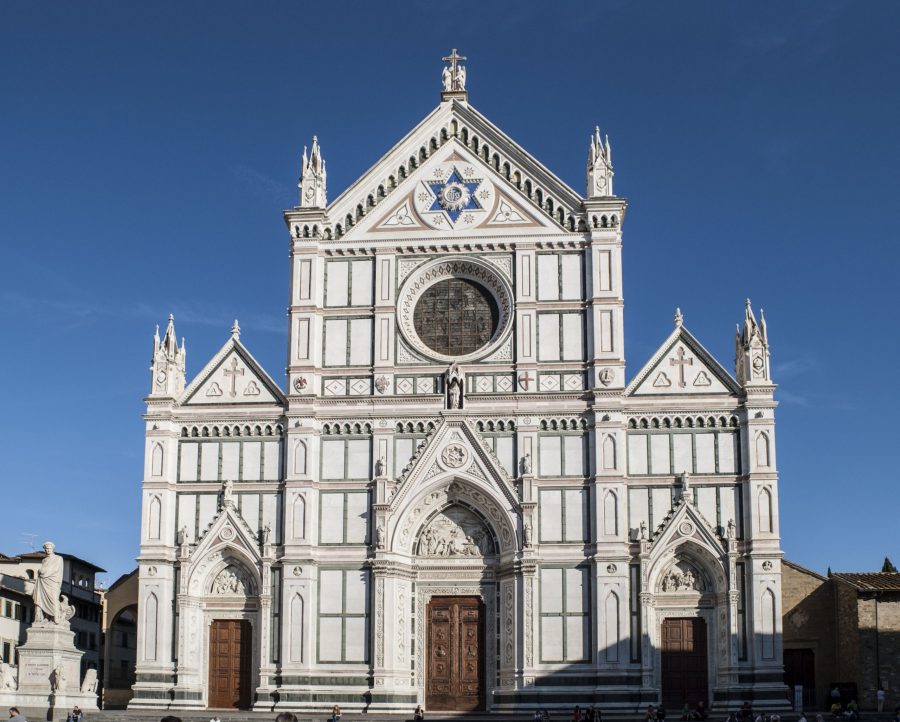
Pho­to of the Basil­i­ca of San­ta Croce by Diana Ringo, via Wiki­me­dia Com­mons

But he was also of the gen­er­a­tion of young men who read Werther while tour­ing Europe, con­tem­plat­ing the vari­eties of emo­tion. He had held a sim­i­lar­ly unre­quit­ed obses­sion for an unavail­able woman, and once wrote that “in Italy… peo­ple are still dri­ven to despair by love.” Dur­ing a vis­it to the Basil­i­ca of San­ta Croce in 1817, he “found a monk to let him into the chapel,” writes Bam­forth, “where he could sit on a gen­u­flect­ing stool, tilt his head back and take in the prospect of Volterrano’s fres­co of the Sibyls with­out inter­rup­tion.” As Stend­hal described the scene:

I was already in a kind of ecsta­sy by the idea of being in Flo­rence, and the prox­im­i­ty of the great men whose tombs I had just seen. Absorbed in con­tem­plat­ing sub­lime beau­ty, I saw it close-up—I touched it, so to speak. I had reached that point of emo­tion where the heav­en­ly sen­sa­tions of the fine arts meet pas­sion­ate feel­ing. As I emerged from San­ta Croce, I had pal­pi­ta­tions (what they call an attack of the nerves in Berlin); the life went out of me, and I walked in fear of falling.

With the record­ing of this expe­ri­ence, Stend­hal “brought the lit­er­ary swoon into tourism,” Bam­forth remarks. Such pas­sages became far more com­mon­place in trav­el­ogues, not least those involv­ing the city of Flo­rence. So many cas­es sim­i­lar to Stend­hal’s have been report­ed in the city that the con­di­tion acquired the name Stend­hal syn­drome in the late sev­en­ties from Dr. Gra­ziel­la Magheri­ni, chief of psy­chi­a­try at the San­ta Maria Nuo­va Hos­pi­tal. It presents as an acute state of exhil­a­rat­ed anx­i­ety that caus­es peo­ple to feel faint, or to col­lapse, in the pres­ence of art.

Magheri­ni and her assis­tants com­piled stud­ies of 107 dif­fer­ent cas­es in 1989. Since then, San­ta Maria Nuo­va has con­tin­ued to treat tourists for the syn­drome with some reg­u­lar­i­ty. “Dr. Magheri­ni insists,” writes The New York Times, that “cer­tain men and women are sus­cep­ti­ble to swoon­ing in the pres­ence of great art, espe­cial­ly when far from home.” Stend­hal didn’t invent the phe­nom­e­non, of course. And it need not be sole­ly caused by suf­fer­ers’ love of the 15th cen­tu­ry.

The stress­es of trav­el can some­times be enough to make any­one faint, though fur­ther research may rule out oth­er fac­tors. The effect, how­ev­er, does not seem to occur with near­ly as much fre­quen­cy in oth­er major cities with oth­er major cul­tur­al trea­sures. “It is sure­ly the sheer con­cen­tra­tion of great art in Flo­rence that caus­es such issues,” claims Jonathan Jones at The Guardian. Try­ing to take it all in while nav­i­gat­ing unfa­mil­iar streets and crowds.… “More cyn­i­cal­ly, some might say the long queues do add a lay­er of stress on the heart.”

There’s also no dis­count­ing the effect of expec­ta­tion. “It is among reli­gious trav­el­ers that Stendhal’s syn­drome seems to have found its most florid expres­sion,” notes Bam­forth. Stend­hal admit­ted that his “ecsta­sy” began with an aware­ness of his “prox­im­i­ty of the great men whose tombs I had just seen.” With­out his pri­or edu­ca­tion, the effect might have dis­ap­peared entire­ly. The sto­ry of the Renais­sance, in his time and ours, has impressed upon us such a rev­er­ence for its artists, states­men, and engi­neers, that sen­si­tive vis­i­tors may feel they can hard­ly stand in the actu­al pres­ence of Flo­rence’s abun­dant trea­sures.

Per­haps Stend­hal syn­drome should be regard­ed as akin to a spir­i­tu­al expe­ri­ence. A study of reli­gious trav­el­ers to Jerusalem found that “oth­er­wise nor­mal patients tend­ed to have ‘an ide­al­is­tic sub­con­scious image of Jerusalem’” before they suc­cumbed to Stend­hal syn­drome. Carl Jung described his own such feel­ings about Pom­peii and Rome, which he could nev­er bring him­self to vis­it because he lived in such awe of its his­tor­i­cal aura. Those primed to have symp­toms tend also to have a sen­ti­men­tal nature, a word that once meant great depth of feel­ing rather than a cal­low or mawk­ish nature.

We might all expect great art to over­whelm us, but Stend­hal syn­drome is rare and rar­i­fied. The expe­ri­ence of many more trav­el­ers accords with Mark Twain’s 1869 The Inno­cents Abroad, or The New Pilgrim’s Progress, a fic­tion­al­ized mem­oir “lam­poon­ing the grandiose trav­el accounts of his con­tem­po­raries,” notes Bam­forth. It became “one of the best-sell­ing trav­el books ever” and gave its author’s name to what one researcher calls Mark Twain Malaise, “a cyn­i­cal mood which over­comes trav­el­ers and leaves them total­ly unim­pressed with any­thing UNESCO has on its uni­ver­sal her­itage list.” Sen­ti­men­tal­ists might wish these weary tourists would stay home and let them swoon in peace.

Relat­ed Con­tent:

Your Brain on Art: The Emerg­ing Sci­ence of Neu­roaes­thet­ics Probes What Art Does to Our Brains

1.8 Mil­lion Free Works of Art from World-Class Muse­ums: A Meta List of Great Art Avail­able Online

The Met­ro­pol­i­tan Muse­um of Art Puts 400,000 High-Res Images Online & Makes Them Free to Use

Josh Jones is a writer and musi­cian based in Durham, NC. Fol­low him at @jdmagness

Traditional Inuit Thoat Singing and the Modern World Collide in This Astonishing Video

Let’s just get this out of the way…

Musi­cal­ly speak­ing, Inu­it throat singing—or kata­j­jaqis not going to be everyone’s cup of tea.

For all those who find this tra­di­tion­al form mes­mer­iz­ing, there are oth­ers who get antsy with no lyrics or eas­i­ly dis­cernible melody on which to hang their hat, or who expe­ri­ence the bleak sound of the Arc­tic wind cou­pled with the singers’ pre­lim­i­nary breath­ing as a hor­ror movie sound­track.

If, as a mem­ber of one of the lat­ter camps, you feel inclined to bail after a minute or so of Wapikoni Mobile’s Sun­dance-endorsed video above—you get it, it’s some­thing akin to Mon­go­lian or Tuvan throat-singing, it’s cir­cu­lar breath­ing, there’s a lot of pic­turesque snow up therewe beg you to recon­sid­er, on two counts.

1) In an era of auto­tuned “everyone’s‑a-star” per­fec­tion, Kata­j­jaq is a hearty hold-out, a com­mu­ni­ty-spir­it­ed singing game whose com­peti­tors seek nei­ther star­dom nor rich­es, but rather, to chal­lenge them­selves and amuse each oth­er with­out screens through­out the long win­ter nights.

Prac­ti­tion­er Evie Mark breaks it down thus­ly:

One very typ­i­cal exam­ple is when the hus­bands would go on hunt­ing trips.  The women would gath­er togeth­er when they have noth­ing to do, no more sewing to do, no more clean­ing to do, they would just have fun, and one of the ways of enter­tain­ing them­selves is throat-singing.

It goes like this. Two women face each oth­er very close­ly, and they would throat sing like this:

If I would be with my part­ner right now, I would say A, she would say A, I would say A, she would say A, I say C, she says C.  So she repeats after me.  It would be a sort of rolling of sounds.  And, once that hap­pens, you cre­ate a rhythm.  And the only way the rhythm would be bro­ken is when one of the two women starts laugh­ing or if one of them stops because she is tired.  It’s a kind of game.  We always say the first per­son to laugh or the first per­son to stop is the one to lose.  It’s noth­ing seri­ous.  Throat singing is way of hav­ing fun.  That’s the gen­er­al idea, it’s to have fun dur­ing gath­er­ings.  It is also a way to prove to your friends around you or your fam­i­ly that if you are a good throat-singer, you’re gonna win the game.

Throat-singing is a very accu­rate tech­nique in a sense that when you are singing fast, the per­son who is fol­low­ing the leader has to go in every lit­tle gap the leader leaves for her to fill in.  For instance, if I was to say 1 + 1 + 1 + 1, the ones being what I sing and the plus­es the gaps, she would go in-between the ones, singing on the plus­es.  Then, if I change my rhythm, this woman has to fol­low that change of rhythm and fill in the gaps of that new rhythm.  She has to be very accu­rate.  She has to have a very good ear and she has to fol­low visu­al­ly what I am doing.

Throat singing is not exact­ly easy on your diaphragm.  You are using a lot of your mus­cles in your diaphragm for breath­ing in and breath­ing out.  I have to find a space between sounds to breath in in order for me to throat-sing for 20 min­utes or more.  20 min­utes has been my max­i­mum length of time to throat-sing.  You have to focus on your lungs or your diaphragm.  If you throat-sing using main­ly breath­ing, you are gonna hyper­ven­ti­late, you’re gonna get dizzy and dam­age your throat.

2) The video, star­ring Eva Kaukai and Manon Cham­ber­land from Kan­gir­suk in north­ern Québec (pop­u­la­tion: 394), deflates con­ven­tion­al notions of tra­di­tion­al prac­tices as the prove­nance of some­where quaint, exot­ic, taxi­der­mied…

Begin­ning around the 90-sec­ond mark, the singers are joined by a drone that sur­veys the sur­round­ing area. View­ers get a glimpse of what their Arc­tic home­land looks like in the warm sea­son, as well as some hunters flay­ing their kill pri­or to load­ing it into a late mod­el pick up, pre­sum­ably bound for a build­ing in a whol­ly sub­ur­ban seem­ing neigh­bor­hood, com­plete with tele­phone poles, satel­lite dish­es, andgaspelec­tric light.

Via Aeon

Relat­ed Con­tent: 

The Hu, a New Break­through Band from Mon­go­lia, Plays Heavy Met­al with Tra­di­tion­al Folk Instru­ments and Throat Singing

An MRI Shows How a Singer Sings Two Tones at Once (With the Music of Mozart and Bri­an Eno)

How to Sing Two Notes At Once (aka Poly­phon­ic Over­tone Singing): Lessons from Singer Anna-Maria Hefele

Ayun Hal­l­i­day is an author, illus­tra­tor, the­ater mak­er and Chief Pri­ma­tol­o­gist of the East Vil­lage Inky zine.  Join her in NYC for the new sea­son of her month­ly book-based vari­ety show, Necro­mancers of the Pub­lic Domain. Fol­low her @AyunHalliday


You Can Sleep in an Edward Hopper Painting at the Virginia Museum of Fine Arts: Is This the Next New Museum Trend?

Let’s pre­tend our Fairy Art Moth­er is grant­i­ng one wish—to spend the night inside the paint­ing of your choice.

What paint­ing will we each choose, and why?

Will you sleep out in the open, undis­turbed by lions, a la Rousseau’s The Sleep­ing Gyp­sy?

Or expe­ri­ence the volup­tuous dreams of Fred­er­ic Leighton’s Flam­ing June?

Paul Gauguin’s por­trait of his son, Clo­vis presents a tan­ta­liz­ing prospect for those of us who haven’t slept like a baby in decades…

The Night­mare by Herny Fuseli should chime with Goth­ic sen­si­bil­i­ties…

And it’s a fair­ly safe bet that some of us will select Edward Hop­per’s West­ern Motel, at the top of this post, if only because we heard the Vir­ginia Muse­um of Fine Arts was accept­ing dou­ble occu­pan­cy book­ings for an extreme­ly faith­ful fac­sim­i­le, as part of its Edward Hop­per and the Amer­i­can Hotel exhi­bi­tion.

Alas, if unsur­pris­ing­ly, the Hop­per Hotel Expe­ri­ence, with mini golf and a curat­ed tour, sold out quick­ly, with prices rang­ing from $150 to $500 for an off-hours stay.

Tick­et-hold­ing vis­i­tors can still peer in at the room any time the exhib­it is open to the pub­lic, but it’s after hours when the Insta­gram­ming kicks into high gear.

What guest could resist the temp­ta­tion to strike a pose amid the vin­tage lug­gage and (blue­tooth-enabled) wood pan­eled radio, fill­ing in for the 1957 painting’s lone fig­ure, an icon­ic Hop­per woman in a bur­gundy dress?

The Art Insti­tute of Chica­go notes that she is sin­gu­lar among Hopper’s sub­jects, in that she appears to be gaz­ing direct­ly at the view­er.

But as per the Yale Uni­ver­si­ty Art Gallery, from which West­ern Motel is on loan:

The woman star­ing across the room does not seem to see us; the pen­sive­ness of her stare and her tense pos­ture accen­tu­ate the sense of some impend­ing event. She appears to be wait­ing: the lug­gage is packed, the room is devoid of per­son­al objects, the bed is made, and a car is parked out­side the win­dow.

Hope­ful­ly, those lucky enough to have secured a book­ing will have per­fect­ed the pose in the mir­ror at home pri­or to arrival. This “motel” is a bit of a stage set, in that guests must leave the paint­ing to access the pub­lic bath­room that con­sti­tutes the facil­i­ties.

(No word on whether the theme extends to a paper “san­i­tized for your pro­tec­tion” band across the toi­let, but there’s no show­er and a secu­ri­ty offi­cer is sta­tioned out­side the room for the dura­tion of each stay.)

The pop­u­lar­i­ty of this once-in-a-life­time exhib­it tie-in may spark oth­er muse­ums to fol­low suit.

The Art Insti­tute of Chica­go start­ed the trend in 2016 with a painstak­ing recre­ation of Vin­cent Van Gogh’s room at Arles, which it list­ed on Air BnB for $10/night.

Think of all the fun we could have if the bed­rooms of art his­to­ry opened to us…

Dog lovers could get cozy in Andrew Wyeth’s Mas­ter Bed­room.

Delacroix’s The Death of Sar­dana­palus (1827) would require some­thing more than dou­ble occu­pan­cy for prop­er Insta­gram­ming.

Piero del­la Francesca’s The Dream of Con­stan­tine might elic­it impres­sive mes­sages from the sub-con­science

Tuber­cu­lo­sis noth­with­stand­ing, Aubrey Beardsley’s Self Por­trait in Bed is rife with pos­si­bil­i­ties.

Or skip the cul­tur­al fore­play and head straight for the NSFW plea­sures of The French Bed, a la Rembrandt’s etch­ing.

Edward Hop­per and the Amer­i­can Hotel will be trav­el­ing to the Indi­anapo­lis Muse­um of Art at New­fields in June 2020.

Relat­ed Con­tent:

Take a Jour­ney Inside Vin­cent Van Gogh’s Paint­ings with a New Dig­i­tal Exhi­bi­tion

How Edward Hop­per “Sto­ry­board­ed” His Icon­ic Paint­ing Nighthawks

60-Sec­ond Intro­duc­tions to 12 Ground­break­ing Artists: Matisse, Dalí, Duchamp, Hop­per, Pol­lock, Rothko & More

Ayun Hal­l­i­day is an author, illus­tra­tor, the­ater mak­er and Chief Pri­ma­tol­o­gist of the East Vil­lage Inky zine.  Join her in NYC on Mon­day, Decem­ber 9 when her month­ly book-based vari­ety show, Necro­mancers of the Pub­lic Domain cel­e­brates Dennison’s Christ­mas Book (1921). Fol­low her @AyunHalliday.

How to Behave in a British Pub: A World War II Training Film from 1943, Featuring Burgess Meredith

Fore­warned is fore­armed, so in 1943, the Unit­ed States Office of War Infor­ma­tion cre­at­ed a train­ing film to pre­vent sol­diers bound for Great Britain from earn­ing their Ugly Amer­i­can stripes.

The excerpt above con­cen­trates on pub eti­quette, cast­ing actor and Army Air Corps cap­tain Burgess Mered­ith in the role of a dis­creet mil­i­tary Vir­gil, explain­ing in hushed tones the British pen­chant for non-chilled beer and smok­ing or read­ing the paper unmo­lest­ed.

He also cau­tions incom­ing GIs against throw­ing their mon­ey around or mak­ing fun of kilt-wear­ing Scotsmen—commonsense advice that still applies.

To ensure the mes­sage sticks, he con­jures a cringe­wor­thy, semi-sloshed bad apple, who struts around in uni­form, bray­ing insults at the locals, until he dis­ap­pears in a puff of smoke.

No won­der the reception’s a bit frosty, when Mered­ith, ven­tures forth, also in uni­form. But unlike the brash bad­die who went before, Mered­ith has vet­ted his hosts, approach­ing as one might a skit­tish ani­mal. He offers cig­a­rettes, enjoys a game of darts as a spec­ta­tor, and buys his new friends drinks, being care­ful to choose some­thing in their price range, know­ing that they will insist on rec­i­p­ro­cat­ing in kind.

The film is pri­mar­i­ly con­cerned with teach­ing restraint.

In anoth­er sec­tion of the not-quite-38-minute film offi­cial­ly called A Wel­come to Britain (see below), Mered­ith cau­tions young recruits to take small por­tions of food, know­ing how restrict­ed their hosts’ rations are.

The most uncom­fort­able teach­able moment comes when an elder­ly Eng­lish­woman spon­ta­neous­ly invites a black GI to tea, after thank­ing him for his ser­vice:

Now look men, you heard that con­ver­sa­tion, that’s not unusu­al here. It’s the sort of thing that hap­pens quite a lot. Now let’s be frank about it, there are col­ored sol­diers as well as white here, and there are less social restric­tions in this coun­try. An Eng­lish woman ask­ing a col­ored boy to tea, he was polite about it, and she was polite about it. Now, that might not hap­pen at home, but the point is, we’re not at home, and the point is too, if we bring a lot of prej­u­dices here, what are we going to do about them?

(No advice to young black sol­diers on whether they’re hon­or bound to accept, should an elder­ly Eng­lish­woman invite them to tea, when they were per­haps en route to the pub.)

Watch the entire­ty of A Wel­come to Britain, includ­ing a cameo by Bob Hope at the 30 minute mark, here.

For an updat­ed guide to British pub eti­quette, check out the Amer­i­can expats of Post­mod­ern Fam­i­ly reac­tion video here.

via Daniel Hol­land

Relat­ed Con­tent:

Free: British Pathé Puts Over 85,000 His­tor­i­cal Films on YouTube

1,000,000 Min­utes of News­reel Footage by AP & British Movi­etone Released on YouTube

How the Fences & Rail­ings Adorn­ing London’s Build­ings Dou­bled (by Design) as Civil­ian Stretch­ers in World War II

Ayun Hal­l­i­day is an author, illus­tra­tor, the­ater mak­er and Chief Pri­ma­tol­o­gist of the East Vil­lage Inky zine.  Join her in NYC on Mon­day, Decem­ber 9 when her month­ly book-based vari­ety show, Necro­mancers of the Pub­lic Domain cel­e­brates Dennison’s Christ­mas Book (1921). Fol­low her @AyunHalliday.

A Collection of Vintage Fruit Crate Labels Offers a Voluptuous Vision of the Sunshine State

Ah, Flori­da… The Sun­shine State.

Tourists began flock­ing to it in earnest once the rail­roads expand­ed in the late 19th cen­tu­ry, drawn by visions of sun­set beach­es, grace­ful palms, and plump cit­rus fruit in a warm weath­er set­ting.

The fan­ta­sy gath­ered steam in the 1920s when cit­rus grow­ers began affix­ing col­or­ful labels to the fruit crates that shipped out over those same rail­road lines, seek­ing to dis­tin­guish them­selves from the com­pe­ti­tion with mem­o­rable visu­als.

These labels offered lovers of grape­fruit and oranges who were stuck in cold­er climes tan­ta­liz­ing glimpses of a dreamy land filled with Span­ish Moss and grace­ful long-legged birds. Words like “gold­en” and “sun­shine” sealed the deal.

(The real­i­ty of cit­rus pick­ing, then and now, is one of hard labor, usu­al­ly per­formed by under­paid, unskilled migrants.)

The State Library of Florida’s Flori­da Crate Label Col­lec­tion has amassed more than 600 exam­ples from the 1920s through the 1950s, many of which have been dig­i­tized and added to a search­able data­base.

While the major­i­ty of the labels ped­dle the sun­shine state mythos, oth­ers pay homage to grow­ers’ fam­i­ly mem­bers and pets.

Oth­ers like Kil­lar­ney Luck, UmpireSherlock’s Delight, and Watson’s Dream built brand iden­ti­ty by play­ing on the grove’s name or loca­tion, though one does won­der about the mod­els for the deli­cious­ly dour Kiss-Me label. Sib­lings, per­haps? Maybe the Kissim­mee Cit­rus Grow­ers Asso­ci­a­tion dis­ap­proved of the PDA their name seems so ripe for.

Native Amer­i­cans’ promi­nent rep­re­sen­ta­tion like­ly owed as much to the public’s fas­ci­na­tion with West­erns as to the state’s trib­al her­itage, evi­dent in the names of so many loca­tions, like Umatil­la and Immokalee, where cit­rus crops took root.

Mean­while, Mam­myAun­ty, and Dix­ieland brands relied on a stereo­typ­i­cal rep­re­sen­ta­tion of African-Amer­i­cans that had a proven track record with con­sumers of pan­cakes and Cream of Wheat.

The vibrant­ly illus­trat­ed crate labels were put on hold dur­ing World War II, when the bulk of the cit­rus crop was ear­marked for the mil­i­tary.

By the mid-50s, card­board box­es on which com­pa­ny names and logos could be print­ed direct­ly had become the indus­try stan­dard, rel­e­gat­ing crate labels to antique stores, swap meets, and flea mar­kets.

Begin your explo­ration of the Flori­da Crate Label Col­lec­tion here, brows­ing by imageplacecom­pa­ny, or brand name.

Via Kot­tke

Relat­ed Con­tent:

In 1886, the US Gov­ern­ment Com­mis­sioned 7,500 Water­col­or Paint­ings of Every Known Fruit in the World: Down­load Them in High Res­o­lu­tion

An Archive of 3,000 Vin­tage Cook­books Lets You Trav­el Back Through Culi­nary Time

Browse a Col­lec­tion of Over 83,500 Vin­tage Sewing Pat­terns

Ayun Hal­l­i­day is an author, illus­tra­tor, the­ater mak­er and Chief Pri­ma­tol­o­gist of the East Vil­lage Inky zine.  Join her in NYC on Mon­day, Novem­ber 4 when her month­ly book-based vari­ety show, Necro­mancers of the Pub­lic Domain cel­e­brates Louise Jor­dan Miln’s “Woo­ings and Wed­dings in Many Climes (1900). Fol­low her @AyunHalliday.


A Brief History of the Great American Road Trip

I live in Asia, where no few peo­ple express an inter­est in trav­el­ing to my home­land, the Unit­ed States of Amer­i­ca. When I meet such peo­ple, I always give them the same advice: if you go, make sure to take a cross-coun­try road trip. But then I would say that, at least accord­ing to the premise of the PBS Idea Chan­nel video above, “Why Do Amer­i­cans Love Road Trips?” While dri­ving from New York to Louisville, Nashville, and then Philadel­phia, host Mike Rugnetta the­o­rizes about the con­nec­tion between the road trip and the very con­cept of Amer­i­ca. It begins with phys­i­cal suit­abil­i­ty, what with the U.S.’ rel­a­tive­ly low gas prices, amenable ter­rain, and sheer size: “Amer­i­ca is big,” Rugnetta points out. “Some might say too big.”

As Rugnetta dri­ves far­ther, he goes deep­er: for quite a long stretch of U.S. his­to­ry, “progress and mobil­i­ty were peas in a pod, and mobil­i­ty has always been a sub­text of Amer­i­ca’s favorite soci­etal bul­wark, free­dom.” In oth­er words, “Amer­i­ca’s idea of its own awe­some­ness” — and does any word more clear­ly mark mod­ern Amer­i­can speech? — “is very much built on metaphors hav­ing to do with move­ment.”

In the 20th cen­tu­ry, move­ment came to mean cars, espe­cial­ly as the end of the Sec­ond World War and the begin­ning of the 1950s came around, at which time Pres­i­dent Eisen­how­er, “inspired by the awe­some sys­tem of roads he saw in Ger­many,” autho­rized the con­struc­tion of a nation­al high­way sys­tem, the replace­ment for sto­ried but non-com­pre­hen­sive inter­state roads like Route 66.

From then on, the Unit­ed States saw an enor­mous surge in both car own­er­ship, auto-indus­try employ­ment, “the mid­dle class, sub­ur­bia, fast food,” and a host of oth­er phe­nom­e­na still seen as char­ac­ter­is­ti­cal­ly Amer­i­can. “To say that mod­ern Amer­i­ca was built both by and for the car,” as Rugnetta puts it, “would not be an insane over­state­ment.” But he also notes that the idea of the road trip itself goes back to 1880s Ger­many, when Bertha Benz, wife of Benz Moter­wa­gen founder Karl Benz, took her hus­band’s then-exper­i­men­tal car on a then-ille­gal 66-mile dri­ve through the coun­try­side. The first Amer­i­can road trip was tak­en in 1903 by a doc­tor named Hor­a­tio Jack­son and, as the Rough Guides video above tells it, involved a bet, a dog, and — the whole way from San Fran­cis­co to New York — no sig­nage at all.

Rugnetta also presents a philo­soph­i­cal ques­tion, derived from the Sorites Para­dox: at what point does a “dri­ve” turn into a “road trip?” Does it take a cer­tain num­ber of miles, of gas-tank refills, of road­side attrac­tions? A coast-to-coast dri­ve of the kind pio­neered by Jack­son unques­tion­ably qual­i­fies as a road trip. So does the auto­mo­bile jour­ney tak­en by Dutch­man Hen­ny Hogen­bi­jl in the sum­mer of 1955, his col­or film of which you can see above. Begin­ning with footage of Ams­ter­dam’s Schiphol Air­port, New World Sym­pho­ny shows off the sights Hogen­bi­jl saw while dri­ving from New York to Los Ange­les, with places like Nia­gara Falls, Chica­go, Mount Rush­more, Yel­low­stone Nation­al Park, and Salt Lake City as the stops in between — or the places, to use the phrase Rugnetta cred­its with great impor­tance in Amer­i­can myth, Hogen­bi­jl was just “passin’ through.”

Not long ago, a mod­ern-day Hogen­bi­jl made that great Amer­i­can road trip with the des­ti­na­tions reversed. Like Hogen­bi­jl, he filmed it; unlike Hogen­bi­jl, he filmed not the stops but the dri­ving itself, and every sin­gle minute it took him to get across the Unit­ed States at that. Lucky for the busy view­er, the video com­press­es this eight days of footage into a mere sev­en hours, adding an indi­ca­tor of the state being passed through in the low­er-left cor­ner of the frame. Even sped up, the view­ing expe­ri­ence under­scores a point I try to make to all the hope­ful road-trip­pers I meet on this side of the world: you must dri­ve across Amer­i­ca not just to expe­ri­ence how inter­est­ing the coun­try is, but at the same time how bor­ing it is. Allow me one use that most char­ac­ter­is­ti­cal­ly Amer­i­can locu­tion when I say that both Amer­i­ca’s inter­est­ing­ness and its bor­ing­ness, as well as its many oth­er qual­i­ties best seen on the road, inspire awe — that is, they’re awe­some.

Relat­ed Con­tent:

Why Route 66 Became America’s Most Famous Road

If You Dri­ve Down a Stretch of Route 66, the Road Will Play “Amer­i­ca the Beau­ti­ful”

12 Clas­sic Lit­er­ary Road Trips in One Handy Inter­ac­tive Map

Four Inter­ac­tive Maps Immor­tal­ize the Road Trips That Inspired Jack Kerouac’s On the Road

Down­load Dig­i­tized Copies of The Negro Trav­el­ers’ Green Book, the Pre-Civ­il Rights Guide to Trav­el­ing Safe­ly in the U.S. (1936–66)

Based in Seoul, Col­in Mar­shall writes and broad­casts on cities, lan­guage, and cul­ture. His projects include the book The State­less City: a Walk through 21st-Cen­tu­ry Los Ange­les and the video series The City in Cin­e­ma. Fol­low him on Twit­ter at @colinmarshall or on Face­book.

Art Trips: Visit the Art of Cities Around the World, from Los Angeles & London, to Venice and New York

When first we vis­it a city, even a small one, we can’t hope to see all of it. Hence the need for strate­gies of approach and explo­ration: do we walk its main streets? Eat its food and drink its drinks? Vis­it its most beloved book­stores? Sarah Urist Green gets into cities through their art, hard­ly a sur­pris­ing habit for the cre­ator of the PBS Dig­i­tal Stu­dios series The Art Assign­ment. We first fea­tured The Art Assign­ment five years ago here on Open Cul­ture, and Green and her col­lab­o­ra­tors have kept up the good work ever since. In that time their mis­sion of “trav­el­ing around the coun­try, vis­it­ing artists and ask­ing them to give you an art assign­ment” has expand­ed, tak­ing them out­side Amer­i­ca as well. On the road they’ve col­lect­ed not just mate­r­i­al for reg­u­lar episodes, but for spe­cial Art Trips as well.

Their first Art Trip to Los Ange­les, for instance, takes Green and com­pa­ny to the Ham­mer Muse­um, the gal­leries of Cul­ver City (one of which has a show up of Andy Warhol’s shad­ow paint­ings), the Los Ange­les Coun­ty Muse­um of Art (where they walk under Michael Heiz­er’s Lev­i­tat­ed Mass and through Chris Bur­den’s much-Insta­grammed Urban Light), and the then-new­ly-opened Broad Art Muse­um. In between they take side trips for refresh­ment at the not­ed ice cream sand­wich shop Cool­haus (named in hon­or of the Dutch archi­tect) and deep into the Inland Empire city of Bak­ers­field. This com­bi­na­tion of places expect­ed and unex­pect­ed comes not with­out the occa­sion­al tourist cliche, such as Green’s descrip­tion of “the most quin­tes­sen­tial of Los Ange­les expe­ri­ences: dri­ving.”

The Art Assig­ment’s return vis­it to the south­ern Cal­i­forn­ian metrop­o­lis focus­es on “the Los Ange­les hid­ing in plain sight” with Pacif­ic Stan­dard Time: LA/LA, a series of exhi­bi­tions all over the city on Lati­no and Lati­na artists at insti­tu­tions like the Craft and Folk Art Muse­um, the Los Ange­les Cen­tral Library, and the Gef­fen Con­tem­po­rary. All the while Green and her team eat plen­ty of tacos, as any Ange­leno would advise, and the final night of their stay finds them in Grand Park among the shrine-like hand­made offer­ings set up for Día de los Muer­tos, all of them craft­ed with an eeri­ness matched only by their good humor.

Los Ange­les has become an acknowl­edged art cap­i­tal over the past half-cen­tu­ry, but Lon­don, fair to say, has a bit more his­to­ry behind it. The Art Assign­ment’s time in the Eng­lish cap­i­tal coin­cides with Frieze Week, when gal­leries from all over the world descend on Regen­t’s Park to show off their most strik­ing artis­tic wares. Not coin­ci­den­tal­ly, the muse­ums and gal­leries based in the city use the same part of the year to sched­ule some of their most antic­i­pat­ed shows, turn­ing the few days of this Art Trip in Lon­don into a mad rush from Trafal­gar Square to the Nation­al Por­trait Gallery to the Roy­al Acad­e­my of Arts to the Cour­tauld Insti­tute of Art, by which point Green admits the onset of “mas­ter­piece over­load ” — but also has sev­er­al gal­leries, not to men­tion the main event of Frieze itself, to go.

Frieze Week does­n’t come to Detroit, the one­time cap­i­tal of Amer­i­can auto man­u­fac­tur­ing whose pop­u­la­tion peaked in the mid­dle of the 20th cen­tu­ry and whose sub­se­quent hard times, cul­mi­nat­ing in the city’s 2013 bank­rupt­cy, have been chron­i­cled with both fas­ci­na­tion and despair. But The Art Assign­ment finds a Detroit apart from the ruined fac­to­ries, the­aters, and train sta­tions, the stuff of so many inter­net slideshows, at the Motown Muse­um and the Detroit Insti­tute of Arts (home to Diego River­a’s Detroit Indus­try Murals), as well as in folk-art envi­ron­ments like the famous Hei­del­berg Project and pub­lic-art envi­ron­ments like down­town Detroit, whose recent revival has proven as com­pelling as its long decline. But many ruins remain, and artists like Scott Hock­ing have found in them not just their sub­jects but their mate­ri­als as well.

More strik­ing than Detroit’s urban des­o­la­tion is that of anoth­er unlike­ly The Art Assign­ment des­ti­na­tion, Mar­fa, Texas. In his essay “The Repub­lic of Mar­fa,” Sean Wilsey describes it as “a hard­scrab­ble ranch­ing com­mu­ni­ty in the upper Chi­huahuan desert, six­ty miles north of the Mex­i­can bor­der, that inhab­its some of the most beau­ti­ful and intran­si­gent coun­try­side imag­in­able.” In the mid-1970s “the min­i­mal­ist artist Don­ald Judd moved to Mar­fa, exil­ing him­self from what he termed the ‘glib and harsh’ New York art scene, in order to live in a sort of high plains lab­o­ra­to­ry devot­ed to build­ing, sculp­ture, fur­ni­ture design, muse­ol­o­gy, con­ser­va­tion, and a dash of ranch­ing,” and his influ­ence — as well as the pres­ence of his large-scale instal­la­tions — helped to make Mar­fa “a sort of city-state of cat­tle­men, artists, writ­ers, fugi­tives, smug­glers, free-thinkers, envi­ron­men­tal­ists, sol­diers and seces­sion­ists.”

In Mar­fa Green explores the mon­u­men­tal work Judd left behind as well as the mon­u­men­tal work oth­er artists have since con­tributed, includ­ing a project in a con­vert­ed mil­i­tary bar­racks by neon artist Dan Flavin and a fake Pra­da store. Oth­er Art Trip des­ti­na­tions include the likes of Chica­go and Colum­bus, Indi­ana (mod­ern-archi­tec­ture mec­ca and set­ting of the recent fea­ture film by video essay­ist Kog­o­na­da) as well as Tijua­na and the Venice Bien­nale, all of which you can find on one playlist. Green has even done an Art Trip right where she lives, the “bland-lean­ing, chain restau­rant-lov­ing” Mid­west­ern city of Indi­anapo­lis — which boasts the Muse­um of Psy­ch­phon­ics, an under-free­way art instal­la­tion by Vito Acconci, and a fair few bike-share book-share sta­tions as well. We can nev­er ful­ly know the cities we don’t live in, but nor can we ever ful­ly know the cities we do live in either — which, if we nev­er­the­less enjoy the attempt as much as Green does, is no bad thing at all.

Relat­ed Con­tent:

The Art Assign­ment: Learn About Art & the Cre­ative Process in a New Web Series by John & Sarah Green

Amer­i­can Cities Then & Now: See How New York, Los Ange­les & Detroit Look Today, Com­pared to the 1930s and 1940s

Tour the World’s Street Art with Google Street Art

Elec­tric Gui­tars Made from the Detri­tus of Detroit

Video Essay­ist Kog­o­na­da Makes His Own Acclaimed Fea­ture Film: Watch His Trib­utes to Its Inspi­ra­tions Like Ozu, Lin­klater & Mal­ick

Based in Seoul, Col­in Mar­shall writes and broad­casts on cities, lan­guage, and cul­ture. His projects include the book The State­less City: a Walk through 21st-Cen­tu­ry Los Ange­les and the video series The City in Cin­e­ma. Fol­low him on Twit­ter at @colinmarshall or on Face­book.

Why Route 66 Became America’s Most Famous Road

Most Amer­i­cans know Route 66, but some­times it seems like non-Amer­i­cans know it bet­ter. I hap­pen to be an Amer­i­can liv­ing out­side Amer­i­ca myself, and when­ev­er con­ver­sa­tions turn to the sub­ject of road trips in my home­land, it’s only a mat­ter of time before I hear the usu­al ques­tion: “Have you dri­ven Route 66?” Orig­i­nal­ly com­mis­sioned in 1926, the 2,448-mile road from Chica­go to San­ta Mon­i­ca enjoyed about three decades of pri­ma­cy before its eclipse by the Inter­state High­way Sys­tem. Quaint though Route 66 may now seem com­pared to that vast post­war infra­struc­tur­al project, it some­how has­n’t quite let go of its hold on the Amer­i­can imag­i­na­tion, and even less so the world’s imag­i­na­tion about Amer­i­ca.

“Route 66 has been in the shad­ows twice as long as it was in the spot­light,” says Vox’s Phil Edwards, “but there’s still this ener­gy around it.” In the video “Why Route 66 Became Amer­i­ca’s Most Famous Road,” Edwards does the icon­ic road trip him­self, and along the way tells the sto­ry behind what John Stein­beck called “the moth­er road, the road of flight.”

This nat­u­ral­ly involves an abun­dance of both cin­e­mat­i­cal­ly emp­ty land­scapes, flam­boy­ant­ly unhealthy cui­sine, and rich­ly kitschy Amer­i­cana, the kind of thing fea­tured in Atlas Obscu­ra’s robust Route 66 cat­e­go­ry. Edwards vis­its colos­sal cow­boy stat­ues, the Amer­i­can Quar­ter Horse Hall of Fame and Muse­um (“hors­es must be dead to be con­sid­ered”), and a road­house where, if you “eat 72 ounces of steak and sides in under an hour, you get it for free” — and those are just in Texas.

Route 66 can’t but appeal to Amer­i­can his­to­ry buffs, but in recent decades it has also attract­ed con­nois­seurs of des­o­la­tion. Orig­i­nal­ly shaped by a vari­ety of lob­by­ing inter­ests, includ­ing an espe­cial­ly vig­or­ous pro­mot­er of Tul­sa, Okla­homa named Cyrus Avery, the “Main Street of Amer­i­ca” turned many of the ham­lets along its path into, if not des­ti­na­tions, then places worth spend­ing the night. Fas­ci­nat­ing arti­facts remain of Route 66’s vibrant mid­cen­tu­ry “motel cul­ture,” but not even the most Amer­i­ca-besot­ted vis­i­tors from for­eign lands could over­look how thor­ough­ly his­to­ry seems to have passed most of these places by. I saw this first-hand myself when I drove across the Unit­ed States on Inter­state 40, the con­ti­nent-span­ning free­way that fol­lows Route 66 in places and cer­tain­ly has­tened its demise. You can see it and much else on Route 66 besides in the “aer­i­al doc­u­men­tary” above.

Edwards’ inter­vie­wees include denizens of Route 66 mak­ing a go of revers­ing the decline of this 34-years-decom­mis­sioned road, such as the pro­pri­etor of the Motel Safari, a ver­i­ta­ble 1950s time-cap­sule in Tucum­cari, New Mex­i­co. He also talks to the edi­tor of Route 66 News, an elder­ly Tex­an lady with a thing for dinosaurs, a mod­ern-day Cyrus Avery look­ing to pro­mote the glo­ries of Route 66’s Okla­homa stretch, and Route 66 road-trip­pers of var­i­ous ages and nation­al­i­ties, includ­ing a guy who actu­al­ly ate that 72-ounce steak with­in an hour. “There was dessert as far as the eye can see,” says one still-mar­veling young Euro­pean. He almost sure­ly meant desert, but as far as the charms of Amer­i­ca’s open roads go, both inter­pre­ta­tions are equal­ly true.

Relat­ed Con­tent:

If You Dri­ve Down a Stretch of Route 66, the Road Will Play “Amer­i­ca the Beau­ti­ful”

12 Clas­sic Lit­er­ary Road Trips in One Handy Inter­ac­tive Map

Four Inter­ac­tive Maps Immor­tal­ize the Road Trips That Inspired Jack Kerouac’s On the Road

Jack Kerouac’s On The Road Turned Into Google Dri­ving Direc­tions & Pub­lished as a Free eBook

Down­load Dig­i­tized Copies of The Negro Trav­el­ers’ Green Book, the Pre-Civ­il Rights Guide to Trav­el­ing Safe­ly in the U.S. (1936–66)

Based in Seoul, Col­in Mar­shall writes and broad­casts on cities, lan­guage, and cul­ture. His projects include the book The State­less City: a Walk through 21st-Cen­tu­ry Los Ange­les and the video series The City in Cin­e­ma. Fol­low him on Twit­ter at @colinmarshall or on Face­book.

« Go BackMore in this category... »
Quantcast