Martin Amis Explains How to Use a Thesaurus to Actually Improve Your Writing

Among all nov­el­ists cur­rent­ly work­ing in the Eng­lish lan­guage, how many pay the atten­tion to style Mar­tin Amis does? And among all nov­el­ists who have ever worked in the Eng­lish lan­guage, how many pay the atten­tion to style Vladimir Nabokov did? No won­der that the for­mer yields to none in his appre­ci­a­tion for the lat­ter. “Amis has always want­ed to see Nabokov as some­one resem­bling his own crit­i­cal self — essen­tial­ly, a ‘cel­e­bra­tor,’ a man whose dark­ness and sever­i­ties have been over­stat­ed,” write The New York­er’s Thomas Mal­lon. Amis has explic­it­ly tak­en note of “Nabokov’s dis­dain for sym­pa­thet­ic iden­ti­fi­ca­tion with fic­tion­al char­ac­ters, and also of his belief that artis­tic effect was every­thing, the descrip­tor more impor­tant than the described.”

Nabokov’s dec­la­ra­tion that “for me, ‘style’ is mat­ter,” Mal­lon writes, “remains almost fear­ful­ly thrilling to Amis.” And it is with one of Nabokov’s prin­ci­ples on style that Amis begins in the Big Think video above. “There is only one school of writ­ing,” he quotes Nabokov as writ­ing. “That of tal­ent.” You can’t teach tal­ent, of course, “but what you can do is instill cer­tain prin­ci­ples,” one of them being “the impor­tance of ugly rep­e­ti­tion.” But then, “rep­e­ti­tion has its uses, and any­thing is bet­ter than try­ing to avoid rep­e­ti­tion through what they call ‘ele­gant vari­a­tion’ ” — the use, which Amis dis­miss­es as point­less, of “using a dif­fer­ent word when there’s no change in mean­ing.”

Most of us com­mit ele­gant vari­a­tion with the­saurus in hand; hence, it would seem, that par­tic­u­lar ref­er­ence book’s rep­u­ta­tion as the tool of sec­ond-class writ­ers and worse. But Amis him­self uses the the­saurus, and heav­i­ly, as a means of “avoid­ing rep­e­ti­tion of pre­fix­es and suf­fix­es” — he cites Nabokov’s chang­ing the title of Invi­ta­tion to an Exe­cu­tion to Invi­ta­tion to a Behead­ing — “as well as rhymes and half-rhymes, unin­ten­tion­al allit­er­a­tion, et cetera.” Peo­ple assume “the­saurus­es are there so you can look up a fan­cy word for ‘big,’ ” when in fact they serve their true pur­pose when you come to a point in a sen­tence “where you’re unhap­py with the word you’ve cho­sen not because of its mean­ing, but because of its rhythm. You may want a mono­syl­la­ble for this con­cept, or you may want a tri­syl­la­ble.”

A writer like Amis, or indeed Nabokov (who learned Eng­lish after his native Russ­ian), will also “make sure they’re not vis­it­ing an indeco­rum on the word’s deriva­tion.” This requires noth­ing more than the hum­ble dic­tio­nary, to check, for exam­ple, whether dilap­i­dat­ed can describe a hedge as well as a build­ing. (It can’t, and Amis explains why.) “When you look up a word in the dic­tio­nary, you own it in a way you did­n’t before,” says Amis, who esti­mates that he does it him­self a dozen times a day. “It’s very labor-inten­sive. It takes a long time, some­times, to get your sen­tence right rhyth­mi­cal­ly, and to clear the main words in it from mis­use. And all you’re win­ning is the respect of oth­er seri­ous writ­ers. But I think any amount of effort is worth it for that.”

Relat­ed Con­tent:

When Vladimir Nabokov Taught Ruth Bad­er Gins­burg, His Most Famous Stu­dent, To Care Deeply About Writ­ing

Vladimir Nabokov Names the Great­est (and Most Over­rat­ed) Nov­els of the 20th Cen­tu­ry

Nor­man Mail­er & Mar­tin Amis, No Strangers to Con­tro­ver­sy, Talk in 1991

Writ­ing Tips by Hen­ry Miller, Elmore Leonard, Mar­garet Atwood, Neil Gaiman & George Orwell

V.S. Naipaul Cre­ates a List of 7 Rules for Begin­ning Writ­ers

Nietzsche’s 10 Rules for Writ­ing with Style (1882)

Based in Seoul, Col­in Mar­shall writes and broad­casts on cities, lan­guage, and cul­ture. His projects include the book The State­less City: a Walk through 21st-Cen­tu­ry Los Ange­les and the video series The City in Cin­e­ma. Fol­low him on Twit­ter at @colinmarshall, on Face­book, or on Insta­gram.

The Jane Austen Fiction Manuscript Archive Is Online: Explore Handwritten Drafts of Persuasion, The Watsons & More

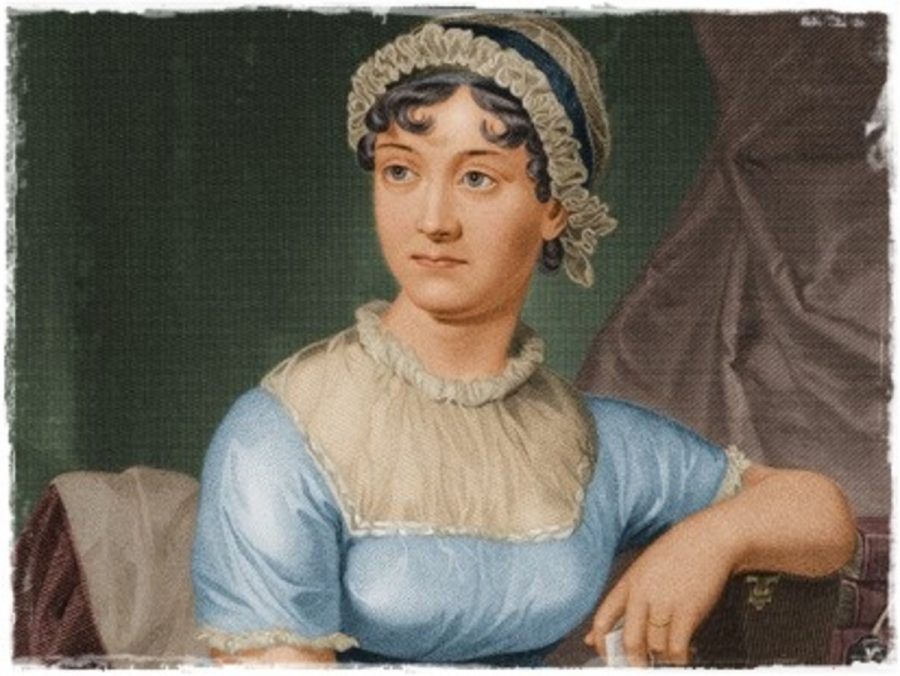
I first came to Jane Austen pre­pared to dis­like her, reared as I had been to think of good fic­tion as social­ly trans­gres­sive, exper­i­men­tal, full of heavy, life-or-death moral con­flicts and exis­ten­tial­ist anti-heroes; of extremes of dread and sor­row or alien­at­ed extremes of their lack. Austen’s char­ac­ters seemed too perky and per­fect, too cir­cum­scribed and whole­some, too untrou­bled by inner despair or out­er calami­ty to offer much in the way of inter­est or exam­ple.

This is an opin­ion shared by more per­cep­tive read­ers than myself, includ­ing Char­lotte Bron­të, who called Pride and Prej­u­dice “an accu­rate daguerreo­type por­trait of a com­mon­place face.” Bron­të “dis­liked [Austen] exceed­ing­ly,” writes author Mary Stolz in an intro­duc­tion to Emma. The author of Jane Eyre pro­nounced that “Miss Austen is only shrewd and obser­vant,” where a nov­el­ist like George Sand is “saga­cious and pro­found.”

A cur­so­ry read­ing of Austen can seem to con­firm Brontë’s faint praise. Con­sid­er the first descrip­tion of her hero­ine match­mak­er, Emma:

Emma Wood­house, hand­some, clever, and rich, with a com­fort­able home and hap­py dis­po­si­tion, seemed to unite some of the best bless­ings of exis­tence, and had lived near­ly twen­ty-one years in the world with very lit­tle to dis­tress or vex her.

No great, shock­ing dis­as­ters befall Emma. She is buf­fet­ed nei­ther by war nor pover­ty, crime, dis­ease, oppres­sion or any oth­er essen­tial­ly dra­mat­ic con­flict. She ends the nov­el join­ing hands in mar­riage with charm­ing gen­tle­man farmer Mr. Knight­ly, con­tent, maybe ever-after, in “per­fect hap­pi­ness.”

Rarely if ever in Austen do we find the tor­ments, spir­i­tu­al striv­ings, sub­lime and grotesque imag­in­ings, pro­to-sci­ence-fic­tion, and world-his­tor­i­cal con­scious­ness of con­tem­po­raries like William Blake, Samuel Tay­lor Coleridge, or Mary Shel­ley. Austen is “famous,” writes Stolz, “for hav­ing lived through the peri­od of the French Rev­o­lu­tion with­out ever men­tion­ing it in her writ­ings.”

To see this as a cri­tique, how­ev­er, is to seri­ous­ly mis­judge her. “She did not deal in rev­o­lu­tions of this order. Not a trav­eled woman, she wrote only of what she knew”: life in Eng­lish coun­try vil­lages, the tra­vails of “love and mon­ey,” as she put it, the every­day long­ings, cour­te­sies, and dis­cour­te­sies that make up the major­i­ty of our every­day lives.

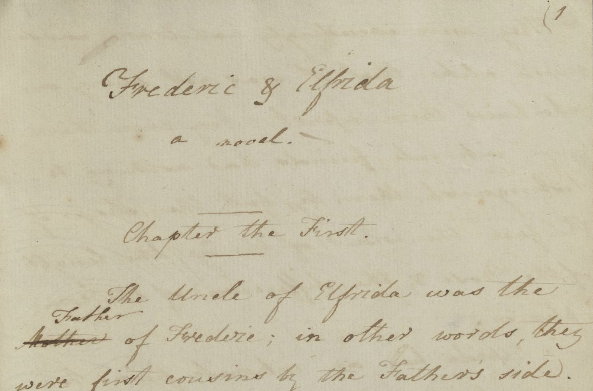
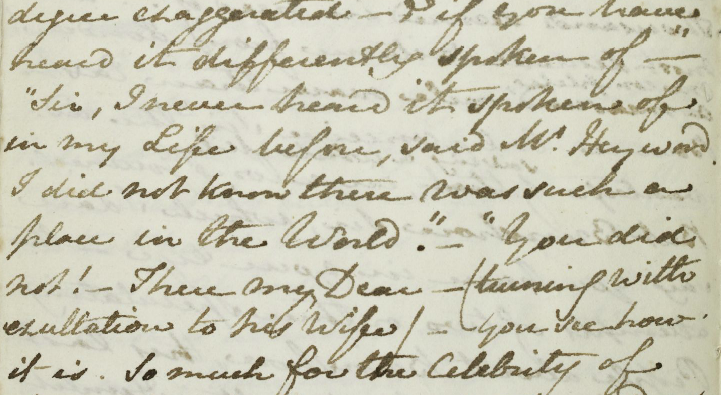
We can see Austen doing just that in her own hand at the Jane Austen’s Fic­tion Man­u­scripts Dig­i­tal Edi­tion. A col­lec­tion of scanned man­u­scripts from the Bodleian, British Library, Pier­pont Mor­gan Library, pri­vate col­lec­tors, and King’s Col­lege, Cam­bridge, this project “rep­re­sents every stage of her writ­ing career and a vari­ety of phys­i­cal states: work­ing drafts, fair copies, and hand­writ­ten pub­li­ca­tions for pri­vate cir­cu­la­tion.”

This is pri­mar­i­ly a resource for schol­ars; much of this work has been pub­lished in print­ed edi­tions, includ­ing the Juve­nil­ia (read some of that writ­ing here) and unfin­ished drafts like The Wat­sons and her last, uncom­plet­ed, nov­el, San­di­ton. (One still-in-print 1975 edi­tion col­lects the three unfin­ished nov­els found at the dig­i­tal col­lec­tion). Each dig­i­tal edi­tion of the man­u­script includes a head note on the tex­tu­al his­to­ry, prove­nance, and phys­i­cal struc­ture, as well as a tran­scrip­tion of the text. There is also an option to view a “diplo­mat­ic edi­tion” that tran­scribes the text with all of Austen’s cor­rec­tions and addi­tions.

Yet any Austen fan will appre­ci­ate see­ing her wit­ty, inci­sive style change and take shape in her own neat script. In an age of super­heroes, his­tor­i­cal and fan­ta­sy epics, and dystopi­an fan­tasies, we are beset by “the big Bow-Wow strain,” as Wal­ter Scott self-effac­ing­ly called his own nov­els. In Austen’s writ­ing, we find what Scott described as an “exquis­ite touch which ren­ders com­mon­place things and char­ac­ters inter­est­ing from the truth of the descrip­tion and the sen­ti­ment.” She wraps her truths in wicked irony and a satir­i­cal voice, but they are truths we rec­og­nize as wise and com­pas­sion­ate in her domes­tic dra­mas and our own.

Austen knew well that her set­tings and char­ac­ters were lim­it­ed. She made no apolo­gies for it and clear­ly needn’t have. “Three or four fam­i­lies in a coun­try vil­lage,” she wrote to her niece Anna, “is the very thing to work on.” She also knew well the uni­ver­sal ten­den­cies that blind us to the vari­ety found with­in the every­day, whether our every­day is a sleepy coun­try vil­lage life or a tech-laden, 21st-cen­tu­ry city.

She almost seems to sigh weari­ly in Emma when she observes, “human nature is so well dis­posed toward those who are in inter­est­ing sit­u­a­tions” … so much so that we fail to notice what’s going on all around us all the time. She wrote nei­ther for mon­ey nor fame, and her work wasn’t even pub­lished with her name until after her death in July 1817, but she has since become fierce­ly beloved for the very qual­i­ties Bron­të dis­par­aged.

Austen didn’t miss a thing, which makes her nov­els as can­ny and insight­ful (and big-screen and fan-fic­tion adapt­able) as when they were first writ­ten over two-hun­dred years ago. Enter the Jane Austen’s Fic­tion Man­u­scripts Dig­i­tal Edi­tion here.

Relat­ed Con­tent:

An Ani­mat­ed Intro­duc­tion to Jane Austen

Down­load the Major Works of Jane Austen as Free eBooks & Audio Books

Jane Austen Used Pins to Edit Her Man­u­scripts: Before the Word Proces­sor & White-Out

Josh Jones is a writer and musi­cian based in Wash­ing­ton, DC. Fol­low him at @jdmagness

Anton Chekhov’s Six Rules For Writing Fiction

Whether due to inse­cu­ri­ty, inex­pe­ri­ence, or just intel­lec­tu­al curios­i­ty, writ­ers of fic­tion can some­times priv­i­lege sound­ing smart over con­nect­ing with their read­ers. The result is the dread­ed “infor­ma­tion dump,” an attempt to include every­thing: every­thing, that is, but that which makes fic­tion com­pelling: minute­ly detailed descrip­tions of char­ac­ters we care about; sharply observed sit­u­a­tions that move us; moral com­plex­i­ty that feels earned and gen­uine…

All qual­i­ties that might fall under the adjec­tive “Chekhov­ian.”

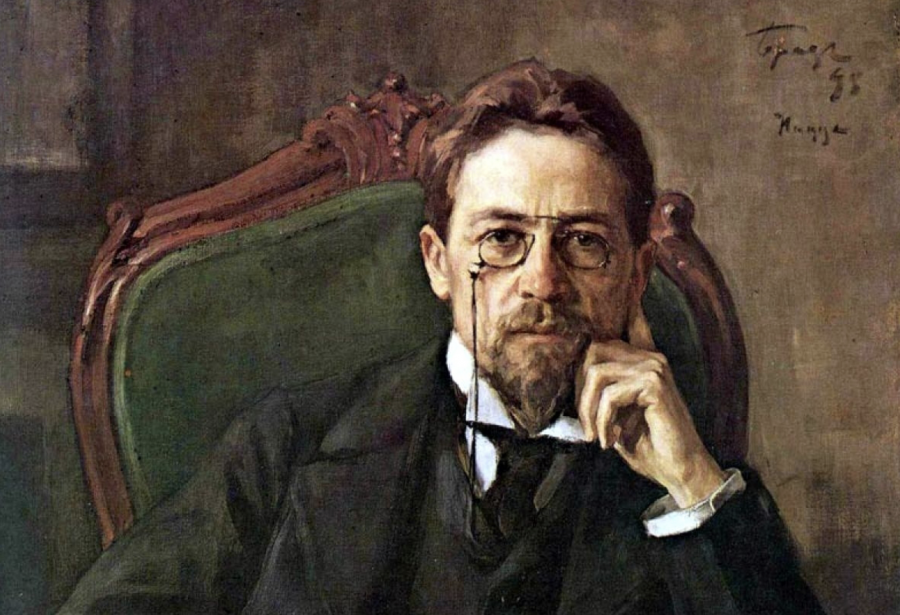
Anton Pavlovich Chekhov, coun­try doc­tor and mas­ter­ful short sto­ry writer, put him­self through med­ical school by writ­ing fic­tion read­ers could not put down. He has since become a stan­dard for real­ist concision—the short sto­ry ana­logue to Gus­tave Flaubert’s mas­tery of the nov­el form.

And like Flaubert, Chekhov mas­tered his art by plac­ing strict lim­its on him­self. These he out­lined in an 1886 let­ter to his broth­er Alek­san­dr in a con­cise six-point list, which you’ll find below.

  1. Absence of lengthy ver­biage of polit­i­cal-social-eco­nom­ic nature;
  2. Total objec­tiv­i­ty;
  3. Truth­ful descrip­tion of per­sons and objects;
  4. Extreme brevi­ty;
  5. Audac­i­ty and orig­i­nal­i­ty: flee the stereo­type;
  6. Com­pas­sion

Many of these pre­scrip­tions can sound like the CIA-approved rules infor­mal­ly enforced by the 20th-cen­tu­ry Iowa Writer’s Work­shop. One can draw a line from Chekhov to Ray­mond Carv­er, Flan­nery O’Connor, John Updike, and oth­er writ­ers like­ly to have appeared in The New York­er. But many writ­ers besides Chekhov have com­plained of over­ly ver­bose, opin­ion­at­ed fic­tion.

19th cen­tu­ry writer Hen­ry James dis­par­aged what he called the “large loose bag­gy mon­sters” of Fyo­dor Dos­to­evsky and oth­er ser­i­al nov­el­ists, for exam­ple. Anoth­er nov­el­ist, Jay McIn­er­ney takes a phrase from Renais­sance schol­ar Wal­ter Pater to describe the brevi­ty of the short sto­ry: the form, he writes, cre­ates a “hard, gem­like flame.” This seems to be what Chekhov strove for in his mature work.

But three years ear­li­er, he had per­fect­ed a very dif­fer­ent kind of sto­ry, and issued a very dif­fer­ent list of pre­scrip­tions to his broth­er. In 1883, Chekhov advised that if Alek­san­dr wished to get pub­lished in the mag­a­zine Frag­ments, he should observe the fol­low­ing: “1. The short­er, the bet­ter; 2. A bit of ide­ol­o­gy and being up to date is most à pro­pos; 3. Car­i­ca­ture is just fine, but igno­rance of civ­il ser­vice ranks and of the sea­sons is strict­ly pro­hib­it­ed.”

We can see the author’s not­ed con­cern for accu­ra­cy, but not the ulti­mate and most con­cise item on his mature list: Com­pas­sion, a qual­i­ty that eclipses typol­o­gy and ide­ol­o­gy. Chekhov may not always have adhered close­ly to some of his own rules, as ethno­graph­ic writer Kirin Narayan shows. After all, who can achieve “total objec­tiv­i­ty”? But “embed­ded” in this ide­al is “the recog­ni­tion” writes Maria Popo­va at Brain Pick­ings, “that no depic­tion of real­i­ty is real­is­tic unless it includes an empath­ic account of all per­spec­tives.”

via Brain Pick­ings

Relat­ed Con­tent:

Flan­nery O’Connor Explains the Lim­it­ed Val­ue of MFA Pro­grams: “Com­pe­tence By Itself Is Dead­ly”

Kurt Von­negut Offers 8 Tips on How to Write Good Short Sto­ries (and Amus­ing­ly Graphs the Shapes Those Sto­ries Can Take)

Toni Mor­ri­son Dis­pens­es Sound Writ­ing Advice: Tips You Can Apply to Your Own Work

Josh Jones is a writer and musi­cian based in Durham, NC. Fol­low him at @jdmagness

Steven Pinker’s 13 Rules for Good Writing

Pho­to by Rose Lin­coln, via Wiki­me­dia Com­mons

What is good writ­ing? The ques­tion requires con­text. Each type of writ­ing has its norms. Some guide­lines apply across disciplines—consult your Strunk and White or any of the hun­dreds of hand­books rec­om­mend­ing strong verbs and min­i­mal use of pas­sive voice. Still, you wouldn’t nec­es­sar­i­ly put the ques­tion to an exper­i­men­tal poet if your con­cern is infor­ma­tive writ­ing (though maybe you should). Maybe bet­ter to ask a schol­ar who writes clear prose.

Har­vard Pro­fes­sor of Psy­chol­o­gy Steven Pinker could serve as such a guide, giv­en the pop­u­lar­i­ty of his books with the read­ing pub­lic (their debat­able mer­its for cer­tain crit­ics aside). Luck­i­ly for his readers—and those gen­er­al­ly seek­ing to bet­ter their writing—Pinker has offered his ser­vices free on Twit­ter with a 13-point list of rules. Unlike­ly to cause con­tro­ver­sy among Eng­lish teach­ers, Pinker’s guide­lines enact the suc­cinct­ness they rec­om­mend.

Rants about the unin­tel­li­gi­bil­i­ty of aca­d­e­m­ic writ­ing have become genre all their own, but jar­gon and spe­cial­ized ter­mi­nol­o­gy have their place in cer­tain nich­es, and there’s noth­ing inher­ent­ly wrong with dif­fi­cul­ty. Read­ers can argue amongst them­selves about whether some kinds of writ­ing are need­less­ly over­com­pli­cat­ed. (Fair­ly or not, post­struc­tural­ist French philoso­phers take a beat­ing on this score, but spend some time with Kant or Hegel and see how eas­i­ly you breeze through.)

Yet most of us are not pro­fes­sion­al philoso­phers, sci­en­tists, or the­o­rists writ­ing only for col­leagues or coter­ies. When we write, we want to com­mu­ni­cate clear­ly: to inform, per­suade, and even enter­tain a gen­er­al read­er­ship. In order to do that, we need to min­i­mize abstrac­tions, appeal to the sens­es, clear away clut­ter and make con­nec­tions for our read­ers. Revi­sion is key. Read­ing aloud gives the ear a chance to weed out clum­si­ness the eye can miss. All of these trust­ed strate­gies appear in Pinker’s list.

One point Pinker adds to the usu­al pre­scrip­tions has a suit­ably psy­cho­log­i­cal bent, and an odd­ly Bib­li­cal-sound­ing name: the “Curse of Knowl­edge.” Know­ing too much about a sub­ject can make it “hard to imag­ine what it’s like not to know it.” For those who want to know more about clear, con­cise writ­ing, or who need the inevitable refresh­er from which even the knowl­edge­able ben­e­fit, see Pinker’s 13 rules below or on Twit­ter.

  1. Reverse-engi­neer what you read. If it feels like good writ­ing, what makes it good? If it’s awful, why? 
  2. Prose is a win­dow onto the world. Let your read­ers see what you are see­ing by using visu­al, con­crete lan­guage.
  3. Don’t go meta. Min­i­mize con­cepts about con­cepts, like “approach, assump­tion, con­cept, con­di­tion, con­text, frame­work, issue, lev­el, mod­el, per­spec­tive, process, range, role, strat­e­gy, ten­den­cy,” and “vari­able.”
  4. Let verbs be verbs. “Appear,” not “make an appear­ance.”
  5. Beware of the Curse of Knowl­edge: when you know some­thing, it’s hard to imag­ine what it’s like not to know it. Min­i­mize acronyms & tech­ni­cal terms. Use “for exam­ple” lib­er­al­ly. Show a draft around, & pre­pare to learn that what’s obvi­ous to you may not be obvi­ous to any­one else.
  6. Omit need­less words (Will Strunk was right about this).
  7. Avoid clichés like the plague (thanks, William Safire).
  8. Old infor­ma­tion at the begin­ning of the sen­tence, new infor­ma­tion at the end.
  9. Save the heav­i­est for last: a com­plex phrase should go at the end of the sen­tence.
  10. Prose must cohere: read­ers must know how each sen­tence is relat­ed to the pre­ced­ing one. If it’s not obvi­ous, use “that is, for exam­ple, in gen­er­al, on the oth­er hand, nev­er­the­less, as a result, because, nonethe­less,” or “despite.”
  11. Revise sev­er­al times with the sin­gle goal of improv­ing the prose.
  12. Read it aloud.
  13. Find the best word, which is not always the fan­ci­est word. Con­sult a dic­tio­nary with usage notes, and a the­saurus.

via Big Think

Relat­ed Con­tent:

Steven Pinker: “Dear Human­ists, Sci­ence is Not Your Ene­my”

7 Tips From Ernest Hem­ing­way on How to Write Fic­tion

Kurt Von­negut Explains “How to Write With Style”

Stephen King’s 20 Rules for Writ­ers

Josh Jones is a writer and musi­cian based in Durham, NC. Fol­low him at @jdmagness

Alice in Wonderland, Hamlet, and A Christmas Carol Written in Shorthand (Circa 1919)

For hun­dreds of years before the reg­u­lar use of dic­ta­tion machines, word proces­sors, and com­put­ers, many thou­sands of court records, cor­re­spon­dence, jour­nal­ism, and so on cir­cu­lat­ed in trans­la­tion. All of these texts were orig­i­nal­ly in their native lan­guage, but they were tran­scribed in a dif­fer­ent writ­ing sys­tem, then trans­lat­ed back into the stan­dard orthog­ra­phy, by stenog­ra­phers using var­i­ous kinds of short­hand. In Eng­lish, this meant that a mess of irreg­u­lar, pho­net­i­cal­ly non­sen­si­cal spellings turned into a stream­lined, order­ly sym­bol­ic sys­tem, impen­e­tra­ble to any­one who had­n’t stud­ied it thor­ough­ly.

I do not know the rates of accu­ra­cy in short­hand writ­ing or trans­la­tion. Nor do I know how many orig­i­nal short­hand man­u­scripts still exist for comparison’s sake. But for cen­turies, short­hand sys­tems were used to record lec­tures, let­ters, and inter­views, and to write edicts, essays, arti­cles, etc., in Impe­r­i­al Chi­na, ancient Greece and Rome, and mod­ern Europe, North Amer­i­ca, and Japan.

The prac­tice reached a peak in the late nine­teenth and ear­ly 20th cen­turies, when stenog­ra­phy became a growth indus­try. Jack El-Hai at Won­ders and Mar­vels explains.

A cen­tu­ry ago, hun­dreds of thou­sands of peo­ple around the world reg­u­lar­ly used short­hand. Sec­re­taries, stenog­ra­phers, court reporters, jour­nal­ists and oth­ers depend­ed on the elab­o­rate short­hand sys­tems that Isaac Pit­man and John Robert Gregg devel­oped in the nine­teenth cen­tu­ry, and count­less schools and pub­lish­ers seized the busi­ness oppor­tu­ni­ty to train them. Tal­ent­ed prac­ti­tion­ers could write at speeds up to 280 words per minute.

The texts of sys­tems like Pit­man and Gregg’s “grew increas­ing­ly com­plex,” then increas­ing­ly sim­pli­fied dur­ing lat­ter half of the 20th cen­tu­ry. “In 1903, the pub­lish­ers of the Gregg method released the first nov­el entire­ly ren­dered in shorthand—an 87-page edi­tion of Let­ters from a Self-Made Mer­chant to His Son by George Horace Latimer.”

More lit­er­a­ture in short­hand fol­lowed, mark­ing the Gregg sys­tem’s most baroque peri­od. Ten years lat­er saw the pub­li­ca­tion of Wash­ing­ton Irving’s The Leg­end of Sleepy Hol­low, then, in 1918, with Alice in Won­der­land, Ham­let, and A Christ­mas Car­ol, and sto­ries like Guy de Maupassant’s “The Dia­mond Neck­lace,” Edgar Allan Poe’s “A Descent into the Mael­ström.” All of this lit­er­ary short­hand is writ­ten in what is known as “Pre-Anniver­sary” Gregg, which con­tained the largest num­ber of sym­bols and devices. In 1929, a year-late “Anniver­sary Edi­tion” began a peri­od of sim­pli­fi­ca­tion that cul­mi­nat­ed in 1988, a cen­tu­ry after the system’s first pub­li­ca­tion.

The lit­er­a­ture pub­lished in Gregg short­hand joined in a his­to­ry of short­hand “used by (or to pre­serve the work of) every­one from Cicero to Luther to Shake­speare to Pepys,” writes the Pub­lic Domain Review. And yet, the “util­i­tar­i­an func­tion of short­hand sits a lit­tle odd­ly per­haps with lit­er­a­ture, giv­en the nov­el or the poem is a form asso­ci­at­ed with a dif­fer­ent realm: that of leisure.” One should not have to train in a spe­cial­ized phone­mic orthog­ra­phy to read and enjoy Alice in Won­der­land, but, on the off chance that you did so train, there is at least much enjoy­able and edi­fy­ing mate­r­i­al with which to prac­tice, or show off, your skills.

It would, I main­tain, be a fas­ci­nat­ing exer­cise to com­pare trans­la­tions of these well-known works from the short­hand with their orig­i­nals man­u­scripts writ­ten in the pho­net­ic chaos of the Eng­lish we rec­og­nize. Whether or not you have the skill to under­take this exper­i­ment, you can see many of these Gregg’s short­hand edi­tions here and at the Inter­net Archive. Just click on the embeds above to see larg­er images and view and down­load a vari­ety of for­mats.

via The Pub­lic Domain Review

Relat­ed Con­tent:

Behold Lewis Carroll’s Orig­i­nal Hand­writ­ten & Illus­trat­ed Man­u­script for Alice’s Adven­tures in Won­der­land (1864)

Has the Voyn­ich Man­u­script Final­ly Been Decod­ed?: Researchers Claim That the Mys­te­ri­ous Text Was Writ­ten in Pho­net­ic Old Turk­ish

Learn 48 Lan­guages Online for Free: Span­ish, Chi­nese, Eng­lish & More 

Josh Jones is a writer and musi­cian based in Durham, NC. Fol­low him at @jdmagness

The Atlas of Endangered Alphabets: A Free Online Atlas That Helps Preserve Writing Systems That May Soon Disappear

The Unit­ed Nations, as you may or may not know, has des­ig­nat­ed 2019 the Year of Indige­nous Lan­guages. By for­tu­nate coin­ci­dence, this year also hap­pens to mark the tenth anniver­sary of the Endan­gered Alpha­bets Project. In 2009, its founder writes, “times were dark for indige­nous and minor­i­ty cul­tures.” Tele­vi­sion and the inter­net had dri­ven “a kind of cul­tur­al impe­ri­al­ism into every cor­ner of the world. Every­one had a screen or want­ed a screen, and the Eng­lish lan­guage and the Latin alpha­bet (or one of the half-dozen oth­er major writ­ing sys­tems) were on every screen and every key­board” — putting at a great dis­ad­van­tage those who could only read and write, say, Man­dombe, Wan­cho, or Han­i­fi Rohingya.

2019, by con­trast, turns out to be “a remark­able time in the his­to­ry of writ­ing sys­tems” when, “in spite of creep­ing glob­al­iza­tion, polit­i­cal oppres­sion, and eco­nom­ic inequal­i­ties, minor­i­ty cul­tures are start­ing to revive inter­est in their tra­di­tion­al scripts.”

A vari­ety of these scripts have found new lives as the mate­r­i­al for works of art and design, and they’ve also received new waves of preser­va­tion-mind­ed atten­tion from activist groups and gov­ern­ments alike. But that does­n’t guar­an­tee their sur­vival through the 21st cen­tu­ry, an unfor­tu­nate fact toward which the Endan­gered Alpha­bets Pro­jec­t’s Atlas of Endan­gered Alpha­bets exists to draw atten­tion.

Not all the scripts includ­ed in the Atlas are alpha­bets — “some are abjads, or abugi­das, or syl­labaries. A cou­ple are even pic­to­graph­ic sys­tems” — but all lack “offi­cial sta­tus in their coun­try, state, or province” and “are not taught in gov­ern­ment-fund­ed schools.” All once enjoyed “wide­spread accep­tance and use with­in their cul­tur­al and lin­guis­tic com­mu­ni­ty,” but none do any longer, and though none are actu­al­ly extinct, all suf­fer from endan­ger­ment as a con­se­quence of their declin­ing or emerg­ing sta­tus (as well as, often, of “being dom­i­nat­ed, bul­lied, ignored, or active­ly per­se­cut­ed by anoth­er, more pow­er­ful cul­ture”). You can explore the endan­gered lan­guages by scrolling, zoom­ing, and click­ing the world map on the atlas’ front page.

Or you can browse them all, from Adlam to Zo, on an alpha­bet­i­cal­ly ordered list — ordered, of course, by the Roman alpha­bet, but full of exam­ples of writ­ing sys­tems that dif­fer in many and often sur­pris­ing ways from it. Take, for exam­ple, the African Ditema tsa Dinoko script, which allows the writer to express with not just shape but col­or. Devel­oped between 2010 and 2015 to write south­ern Ban­tu lan­guages, it takes its forms from south­ern African murals of the kind paint­ed by Esther Mahlangu, whose BMW art car appears in the Atlas of Endan­gered Alpha­bets’ gallery. BMW might con­sid­er com­mis­sion­ing anoth­er one embla­zoned with offi­cial Ditema tsa Dinoko let­ters. With pro­mo­tion that snazzy, what writ­ing sys­tem could pos­si­bly go extinct?

via Kot­tke

Relat­ed Con­tent:

The Evo­lu­tion of the Alpha­bet: A Col­or­ful Flow­chart, Cov­er­ing 3,800 Years, Takes You From Ancient Egypt to Today

Opti­cal Scan­ning Tech­nol­o­gy Lets Researchers Recov­er Lost Indige­nous Lan­guages from Old Wax Cylin­der Record­ings

Dic­tio­nary of the Old­est Writ­ten Language–It Took 90 Years to Com­plete, and It’s Now Free Online

How to Write in Cuneiform, the Old­est Writ­ing Sys­tem in the World: A Short, Charm­ing Intro­duc­tion

You Could Soon Be Able to Text with 2,000 Ancient Egypt­ian Hiero­glyphs

Hear What the Lan­guage Spo­ken by Our Ances­tors 6,000 Years Ago Might Have Sound­ed Like: A Recon­struc­tion of the Pro­to-Indo-Euro­pean Lan­guage

Based in Seoul, Col­in Mar­shall writes and broad­casts on cities, lan­guage, and cul­ture. His projects include the book The State­less City: a Walk through 21st-Cen­tu­ry Los Ange­les and the video series The City in Cin­e­ma. Fol­low him on Twit­ter at @colinmarshall or on Face­book.

Neil Gaiman Teaches the Art of Storytelling in His New Online Course

How has Neil Gaiman, author of fic­tion in a vari­ety of forms rang­ing from nov­els and short sto­ries to com­ic books, radio plays, and films, man­aged to win over such a large and devot­ed fan base? Ask a mem­ber of that fan base, and you’ll more than like­ly hear an expla­na­tion along the lines of, “He knows how to tell a sto­ry.” That may sound like a sim­ple skill, but telling a sto­ry at Gaiman’s lev­el requires a deep-root­ed exper­tise in the essen­tial nature and still-unex­plored pos­si­bil­i­ties of sto­ry­telling itself — an exper­tise that Gaiman him­self has late­ly proven more than will­ing to share. A few years ago we fea­tured his lec­ture “How Sto­ries Last” here on Open Cul­ture; now, he’s come out with an online course on the art of sto­ry­telling at Mas­ter­Class.

“Human beings are sto­ry­telling crea­tures,” Gaiman says in the course’s trail­er above. “Sto­ries are vital. We con­vey truth with sto­ries. That is the mag­ic of fic­tion.” But even the author of sto­ries like The Sand­manNev­er­whereStar­dust, Amer­i­can Gods, Cora­line, and much more besides has cer­tain admis­sions to make about the prac­tice of writ­ing them: “Writ­ing a nov­el is like dri­ving through the fog with one head­light out,” for exam­ple.

“You can’t see very far ahead of your­self. But every now and again, the mists will clear.” And when it comes time to revise, he explains, “the process of doing your sec­ond draft is the process of mak­ing it look like you knew what you were doing all along.” What do you need most to make it through this har­row­ing process? The “con­vic­tion that you are bril­liant.”

Not that you don’t need any­thing else. The nine­teen lessons of Gaiman’s Mas­ter­Class cov­er every­thing from “using the ‘lie’ of a made-up sto­ry to tell a human truth,” to “how to over­come the fear of mak­ing mis­takes,” to tech­niques like “cold opens, with­hold­ing infor­ma­tion, find­ing emo­tion­al weight, and choos­ing mem­o­rable details,” to the art of world­build­ing, which Gaiman describes as “hon­est­ly, the joy of get­ting to play god.” Oth­er lessons pro­vide case stud­ies focus­ing on his short sto­ries, nov­els, and com­ic books, all of which have no doubt inspired many to tell sto­ries them­selves. But who, hear­ing Gaiman talk about sto­ry­telling, could pos­si­bly resist try­ing their hand at it?

You can sign up for Gaiman’s course here.

You can take this class by sign­ing up for a Mas­ter­Class’ All Access Pass. The All Access Pass will give you instant access to this course and 85 oth­ers for a 12-month peri­od.

FYI: If you sign up for a Mas­ter­Class course by click­ing on the affil­i­ate links in this post, Open Cul­ture will receive a small fee that helps sup­port our oper­a­tion.

Relat­ed Con­tent:

18 Sto­ries & Nov­els by Neil Gaiman Online: Free Texts & Read­ings by Neil Him­self

Neil Gaiman Presents “How Sto­ries Last,” an Insight­ful Lec­ture on How Sto­ries Change, Evolve & Endure Through the Cen­turies

Neil Gaiman Reads “The Man Who For­got Ray Brad­bury”

Where Do Great Ideas Come From? Neil Gaiman Explains

How to Write a Best­selling Page Turn­er: Learn from The Da Vin­ci Code Author Dan Brown’s New Mas­ter­class

Mar­garet Atwood Offers a New Online Class on Cre­ative Writ­ing

Based in Seoul, Col­in Mar­shall writes and broad­casts on cities, lan­guage, and cul­ture. His projects include the book The State­less City: a Walk through 21st-Cen­tu­ry Los Ange­les and the video series The City in Cin­e­ma. Fol­low him on Twit­ter at @colinmarshall or on Face­book.

Ursula K. Le Guin’s Daily Routine: The Discipline That Fueled Her Imagination

ursula k le guin writing advice

Image by Gor­thi­an, via Wiki­me­dia Com­mons

“Some of us are Nor­man Mail­er,” said Ursu­la K. LeGuin in a 1976 inter­view with sci­ence-fic­tion fanzine Luna Month­ly, “but oth­ers of us are mid­dle-aged Port­land house­wives.” And though Le Guin may have thought of her­self as one of the lat­ter, “mid­dle-aged Port­land house­wife” is hard­ly the way the rest of us would describe her. Over a near­ly 60-year-long career, Le Guin pro­duced an enor­mous body of lit­er­ary work, includ­ing but not lim­it­ed to the six books in which she cre­at­ed the world of Earth­sea and oth­er acclaimed sci-fi nov­els like The Left Hand of Dark­nessThe Dis­pos­sessed, and The Lathe of Heav­en. And some­how she man­aged to write all of it between 7:15 a.m. and 1:00 p.m. each day.

Or that’s what her ide­al writ­ing sched­ule dic­tates, any­way. Recent­ly tweet­ed out by writer Michael J. Sei­dlinger as “the ide­al writ­ing rou­tine,” it first appeared in an inter­view she gave in 1988 (and more recent­ly reap­peared in Ursu­la Le Guin: The Last Inter­view and Oth­er Con­ver­sa­tions).

Begin­ning at the ear­ly hour of 5:30 in the morn­ing, the time to “wake up and lie there and think,” it con­tin­ues on to break­fast — and “lots” of it — at 6:15, and the com­mence­ment of the day’s “writ­ing, writ­ing, writ­ing” an hour lat­er, which lasts until lunch at noon. After that, Le Guin con­sid­ered what we con­sid­er her main work to be done, mov­ing on to such pur­suits as read­ing, music, cor­re­spon­dence, “maybe house clean­ing,” and din­ner. Past 8:15, she said, “I tend to be very stu­pid,” a state in which nobody could write the sort of books we remem­ber her for.

But how­ev­er orig­i­nal­ly she wrote, Le Guin was hard­ly excep­tion­al in liv­ing this way while doing it. “Be reg­u­lar and order­ly in your life, so that you may be vio­lent and orig­i­nal in your work,” said Gus­tave Flaubert, a max­im true for enough writ­ers that we also worked it in when we fea­tured an info­graph­ic on the dai­ly rou­tines of famous cre­ative peo­ple. In both Flaubert and Le Guin’s case (or in the case of a writer like Haru­ki Muraka­mi, who ris­es famous­ly ear­ly and runs famous­ly hard when work­ing on a book), their domes­tic lives, well-ordered to the point that an out­side observ­er would find them bor­ing, facil­i­tat­ed the cre­ation of lit­er­a­ture like none that had ever come before. This despite the fact that, on the sur­face, few nov­els could seem more dis­sim­i­lar than Flaubert and Le Guin’s, but each writer would have seen what the oth­er had in com­mon: specif­i­cal­ly, that they knew what it took to get the imag­i­na­tion well and tru­ly fired up.

via Michael J. Sei­dlinger

Relat­ed con­tent:

The Dai­ly Habits of Famous Writ­ers: Franz Kaf­ka, Haru­ki Muraka­mi, Stephen King & More

The Dai­ly Rou­tines of Famous Cre­ative Peo­ple, Pre­sent­ed in an Inter­ac­tive Info­graph­ic

Ursu­la Le Guin Gives Insight­ful Writ­ing Advice in Her Free Online Work­shop

Cel­e­brate the Life & Writ­ing of Ursu­la K. Le Guin (R.I.P.) with Clas­sic Radio Drama­ti­za­tions of Her Sto­ries

Ursu­la K. Le Guin Names the Books She Likes and Wants You to Read

Watch the New Trail­er for Worlds of Ursu­la K Le Guin, the First Fea­ture Film on the Pio­neer­ing Sci-Fi Author

Based in Seoul, Col­in Mar­shall writes and broad­casts on cities, lan­guage, and cul­ture. His projects include the book The State­less City: a Walk through 21st-Cen­tu­ry Los Ange­les and the video series The City in Cin­e­ma. Fol­low him on Twit­ter at @colinmarshall or on Face­book.

« Go BackMore in this category... »
Quantcast