Take the ‘Happiness Experiment’

Hap­pi­ness is a state of mind. We all know that. But when it comes to decid­ing whether anoth­er per­son is tru­ly hap­py, our per­cep­tions are col­ored by our own states of mind–in par­tic­u­lar, by our  val­ue judg­ments. A per­son can have all the men­tal char­ac­ter­is­tics of a hap­py per­son, but if he or she is liv­ing what we con­sid­er a “bad life,” we are far less like­ly to judge that they are hap­py. Sur­pris­ing­ly, the same moral eval­u­a­tions do not seem to enter into our con­cept of unhap­pi­ness.

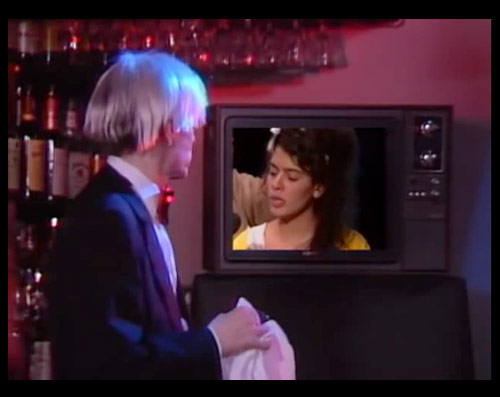
These are the find­ings of a trio of researchers at Yale Uni­ver­si­ty: Jonathan Phillips, Luke Mis­en­heimer and Joshua Knobe. You can read about the study in their paper, “The Ordi­nary Con­cept of Hap­pi­ness (And Oth­ers Like It),” pub­lished in the July, 2011 Emo­tion Review. The study is part of a new move­ment called Exper­i­men­tal Phi­los­o­phy (or “x‑phi”), which goes beyond the philoso­pher’s tra­di­tion­al method of test­ing intuitions–a pri­ori con­cep­tu­al analysis–to use of the tools of cog­ni­tive sci­ence. You can learn more at the Yale Exper­i­men­tal Phi­los­o­phy Web site, and take the enter­tain­ing video test above to get a taste of some of the coun­ter­in­tu­itive find­ings of x‑phi.

Relat­ed Con­tent:

Yale Intro­duces Anoth­er Sev­en Free Online Cours­es, Bring­ing Total to 42

Yale’s Open Cours­es Inspire a New Series of Old-Fash­ioned Books

Psy­chol­o­gy: Free Cours­es

Jerry Garcia Sings a Soulful Peggy‑O (For His Would-Be 70th Birthday)

Jer­ry Gar­cia — it would have been his 70th birth­day today. But he exit­ed far too soon. At only 53. Here we have him a short year before his death singing a soul­ful ver­sion of Peggy‑O. Lyrics here. More Jer­ry good­ness awaits you at the Free Grate­ful Dead Con­cert Archive. Enjoy…

Relat­ed Con­tent:

UC San­ta Cruz Opens a Deadhead’s Delight: The Grate­ful Dead Archive is Now Online

NASA & Grate­ful Dead Drum­mer Mick­ey Hart Record Cos­mic Sounds of the Uni­verse on New Album

Van Mor­ri­son, Jef­fer­son Air­plane & The Grate­ful Dead: Watch Clas­sic Con­certs from Wolfgang’s Vault

Versailles 3D, Created by Google, Gives You an Impressive Tour of Louis XIV’s Famous Palace

With 3D scale mod­els, music, and video, Google’s Ver­sailles 3D brings the best of 21st cen­tu­ry web arts to 18th cen­tu­ry art his­to­ry. The palace was built by Louis XIV, the “Sun King,” who exem­pli­fied all of the author­i­tar­i­an excess­es of the French monar­chy. For­tu­nate­ly for pos­ter­i­ty, he was also a patron of the arts, to whom we owe much of the work of Moliere, Racine and painters such as Charles Le Brun. And then there is his archi­tec­tur­al lega­cy, the palace of Ver­sailles, which start­ed out as a hum­ble hunt­ing lodge, built by his father Louis XIII in 1624. In the next sev­er­al decades, father, then son, com­mis­sioned the elab­o­rate set of build­ings that con­sti­tute Europe’s largest chateau and the seat of French gov­ern­ment from Louis XIV’s ascen­sion until the Rev­o­lu­tion of 1789. If you’re think­ing of vis­it­ing, the offi­cial chateau de Ver­sailles web­site has slideshows of grounds and gal­leries, a bou­tique, and some worth­while inter­ac­tive fea­tures. But Google, as usu­al, has tried to out­do its com­pe­ti­tion, this time by part­ner­ing with it. In con­nec­tion with the Ver­sailles cura­tors, The Google Cul­tur­al Insti­tute has cre­at­ed a mul­ti­me­dia almost-sub­sti­tute for a real life excur­sion to the gar­gan­tu­an and endur­ing sym­bol of Ancien Regime France.

The next video is a pre­view of a “Google Chrome Exper­i­ment” called “Chaos to Per­fec­tion,” an “inter­ac­tive stroll around the palace,” accom­pa­nied by an orig­i­nal sound­track from French band Phoenix. (The “exper­i­ment” itself is some­what slow load­ing, and requires the Chrome brows­er).

Final­ly, the engi­neers at Google (and part­ners Aloest, Wes­t­im­ages, le Fab­Shop and Les 84) give us a look behind the scenes of Ver­sailles 3D. Won­der how they cre­at­ed the elab­o­rate 3D scale mod­els of the palace grounds and build­ings? Well, the video below pro­vides a bar­rage of back­stage glimpses of the process, along with scenes from the open­ing of the Palace His­to­ry Gallery on June 14th.

And, of course, there will be mobile apps, Google promis­es, “soon.”

Josh Jones is a doc­tor­al can­di­date in Eng­lish at Ford­ham Uni­ver­si­ty and a co-founder and for­mer man­ag­ing edi­tor of Guer­ni­ca / A Mag­a­zine of Arts and Pol­i­tics.

At Home With John Irving

Ear­li­er this year, at the age of 70, John Irv­ing pub­lished his 13th nov­el, In One Per­son. The title is from Shake­speare’s Richard II: “Thus play I in one per­son many peo­ple, and none con­tent­ed.” “In One Per­son,” writes Charles Bax­ter in The New York Review of Books, “com­bines sev­er­al gen­res. It is a nov­el about a bisex­u­al man’s com­ing out graft­ed onto a com­ing-of-age sto­ry, graft­ed onto a por­trait-of-the-artist, graft­ed onto a the­ater nov­el. The book is very enter­tain­ing and relies on ver­bal show­man­ship even when the events nar­rat­ed are grim, a tonal incon­gruity char­ac­ter­is­tic of this author. The book’s theme, it’s fixed idea, is that actors and writ­ers and bisex­u­als har­bor many per­sons with­in one per­son.”

In this five-minute film from Time mag­a­zine we get just a glimpse of the per­son, or peo­ple, called John Irv­ing. It’s an inter­est­ing glimpse. Direc­tor Shaul Schwarz and his crew filmed the writer at his sprawl­ing house in East Dorset, Ver­mont. The sheer size of the place gives some sense of the pop­u­lar­i­ty of Irv­ing’s nov­els, which include The World Accord­ing to Garp, The Cider House Rules and A Prayer for Owen Meany. The house has a wrestling gym where Irv­ing works out and an office where he writes the old-fash­ioned way–with pen and paper–by win­dows look­ing out onto the forest­ed hills of south­ern Ver­mont. “I can’t imag­ine being alive and not writ­ing, not cre­at­ing, not being the archi­tect of a sto­ry,” says Irv­ing near the end of the film. “I do suf­fer, I sup­pose, from the delu­sion that I will be able to write some­thing until I die. That’s my inten­tion, my hope.”

Relat­ed Con­tent: 

John Irv­ing: The Road Ahead for Aspir­ing Nov­el­ists

Napoleon: The Greatest Movie Stanley Kubrick Never Made

Think about all the big cin­e­mat­ic ideas Stan­ley Kubrick real­ized — Dr. Strangelove, 2001, A Clock­work Orange — and then imag­ine the ones he did­n’t. You can do bet­ter than imag­in­ing, actu­al­ly, since, the direc­tor left behind enough evi­dence of abort­ed works for Wikipedia to put togeth­er an entire page called “Stan­ley Kubrick­’s unre­al­ized projects.” He want­ed to adapt Calder Will­ing­ham’s Nat­ur­al Child and Ste­fan Zweig’s The Burn­ing Secret, but the mate­r­i­al proved too con­tro­ver­sial for the con­tent restraints of the Hays Code. He want­ed to make a Holo­caust film with Isaac Bashe­vis Singer, who declined; he want­ed to make anoth­er Holo­caust film with Julia Roberts, but Steven Spiel­berg put out Schindler’s List first. (He ulti­mate­ly deemed the Holo­caust cin­e­mat­i­cal­ly unap­proach­able, as he did The Lord of the Rings when the Bea­t­les pre­sent­ed him that idea.) He want­ed to adapt Umber­to Eco’s Fou­cault’s Pen­du­lum, “toyed” with Patrick Süskind’s Per­fume, con­sid­ered rein­vent­ing pornog­ra­phy… the list goes on.

Napoleon casts a shad­ow over all of these frag­ments. Though Kubrick nev­er made his life of Napoleon Bona­parte, he nev­er seemed to for­get the idea, either; he claimed to have read over 500 books about the man in years of prepa­ra­tion for a shoot that nev­er came. David Hem­mings was to play his Napoleon, Audrey Hep­burn his Josephine. The pro­jec­t’s ever more intim­i­dat­ing bud­get — vast, loca­tion-filmed bat­tle scenes pre­sum­ably hav­ing some­thing to do with that — and the release of Sergei Bon­darchuk’s War and Peace and Water­loo sank the project, but you can still read its screen­play online. Taschen, pub­lish­er of lav­ish, visu­al­ly intense tomes, pro­duced the video above on the process behind Stan­ley Kubrick­’s Napoleon: The Great­est Movie Nev­er Made, their book — or rather, their enor­mous hol­low book filled with small­er books — that dis­tills the nonex­is­tent film’s remains. Don’t have enough room on your shelf? Then take a look at Vice mag­a­zine’s “Stan­ley Kubrick­’s Napoleon: A Lot of Work, Very Lit­tle Actu­al Movie” instead.

Relat­ed con­tent:

Stan­ley Kubrick’s Very First Films: Three Short Doc­u­men­taries

The Mak­ing of Stan­ley Kubrick’s A Clock­work Orange

James Cameron Revis­its the Mak­ing of Kubrick’s 2001: A Space Odyssey

Ter­ry Gilliam: The Dif­fer­ence Between Kubrick (Great Film­mak­er) and Spiel­berg (Less So)

Col­in Mar­shall hosts and pro­duces Note­book on Cities and Cul­ture. Fol­low him on Twit­ter at @colinmarshall.

Gore Vidal (1925–2012) Feuds with Norman Mailer & William F. Buckley

Gore Vidal wrote 25 nov­els and var­i­ous mem­oirs, essays, plays, tele­vi­sion dra­mas and screen­plays. He invest­ed him­self in Amer­i­can pol­i­tics and ran for office twice, los­ing both times. He tend­ed open­ly toward homo­sex­u­al­i­ty long before the coun­try warmed up to the idea. And he nev­er backed down from a good argu­ment. Gore Vidal died Tues­day from com­pli­ca­tions of pneu­mo­nia at his home in Los Ange­les.

Dur­ing the 1960s and 70s, Vidal feud­ed pub­licly with lit­er­ary and polit­i­cal foes alike. Some­times it made for good TV. Oth­er times it made for bad TV. It did­n’t real­ly mat­ter. He was ready to go. Above, we have Gore Vidal’s ver­bal brawl with the mer­cu­r­ial (and seem­ing­ly sauced) nov­el­ist Nor­man Mail­er. It hap­pened on The Dick Cavett Show in Decem­ber, 1971, and only the show’s host (and the bewil­dered Janet Flan­ner) emerge from the dust­up look­ing okay. Slate has more on this mem­o­rable episode here.

The next clip brings us back to an ABC tele­vi­sion pro­gram aired dur­ing the 1968 Demo­c­ra­t­ic Con­ven­tion in Chica­go. Suf­fice it to say, emo­tions were run­ning high. In the months lead­ing up to the Con­ven­tion, Mar­tin Luther King Jr. and RFK were both assas­si­nat­ed. Riots fol­lowed. Mean­while, the Viet­nam War splin­tered the nation in two. The Chica­go police tried to shut down demon­stra­tions by anti-war pro­tes­tors, and even­tu­al­ly the two sides clashed in the parks and streets. Amidst all of this, Buck­ley and Vidal, both polit­i­cal ana­lysts for ABC News, start­ed dis­cussing the pro­tes­tors and their rights to free speech, when things came to a head. Vidal called Buck­ley a “pro-cryp­to-Nazi.” Buck­ley called Vidal a “queer” and threat­ened to “sock [him] in the god­damn face.” The threat was not eas­i­ly for­got­ten. It became the fod­der for jokes when Buck­ley inter­viewed Noam Chom­sky the next year.

Paris in (Stop) Motion

Thanks to Mayeul Akpovi, we’ll always have Paris.…

via Devour

Relat­ed Con­tent:

Le Fla­neur: Time Lapse Video of Paris With­out the Peo­ple

It’s 5:46 A.M. and Paris Is Under Water

Tui­leries: A Short, Slight­ly Twist­ed Film by Joel and Ethan Coen

Neil deGrasse Tyson’s StarTalk Radio Show Podcast Tackles the History of Video Games

Neil deGrasse Tyson has a pod­cast. I repeat, Neil deGrasse Tyson has a pod­cast. If you’re unfa­mil­iar (and you shouldn’t be), Tyson is Astro­physi­cist-in-res­i­dence at New York’s Nat­ur­al His­to­ry Muse­um and Direc­tor of its Hay­den Plan­e­tar­i­um. He’s also the most promi­nent advo­cate for a revi­tal­ized U.S. space pro­gram. Okay, back to the pod­cast. As an avid con­sumer of every sci­ence-based pod­cast out there, I can tell you that the StarTalk Radio Show (iTunesFeedWeb Site) has quick­ly risen to the top of my list. The very per­son­able Tyson is the big draw, but he has also made the wise deci­sion to include “come­di­an co-hosts, celebri­ties, and oth­er spe­cial guests.” In the episode right below, Tyson and come­di­an Eugene Mir­man (whom you might rec­og­nize as the voice of Gene from Bob’s Burg­ers) mix it up with video game design­er Will Wright and author Jeff Ryan.

Ryan’s Super Mario: How Nin­ten­do Con­quered Amer­i­ca—and the his­to­ry of video games more generally—is the top­ic of the show. Despite the less-than-stel­lar audio qual­i­ty, this is not to be missed. The con­ver­sa­tion is rapid-fire: Mir­man inter­jects hilar­i­ous inani­ties while Wright and Ryan speed through the fas­ci­nat­ing his­to­ry and Tyson throws knuck­le­ball ques­tions and enthus­es (at 4:30) that the “first real video game,” Space Wars, was about, what else, space. We also get the his­to­ry of the unfor­get­table Pong (at 5:59), the orig­i­nal Star Wars game (at 8:17), and, nat­u­ral­ly, Don­key Kong (at 3:19), designed by the now wild­ly famous (in Japan, at least) Shigeru Miyamo­to–who also invent­ed Mario, and who had nev­er designed a game in his life before Don­key Kong. All this and some clas­sic 8‑bit video game music to boot.

StarTalk in gen­er­al has much to rec­om­mend it. Tyson is the “nation’s fore­most expert on space,” and is prob­a­bly instant­ly rec­og­niz­able from his host­ing of NOVA sci­en­ceNow and his best­selling books. He is the pub­lic face of a sci­en­tif­ic com­mu­ni­ty often in need of good press, and he has the rare abil­i­ty to trans­late abstruse con­cepts to the gen­er­al pub­lic in a humor­ous and approach­able way. Pre­vi­ous guest­s/­co-hosts have includ­ed Janeane Garo­fa­lo (in the “most argu­men­ta­tive Startalk pod­cast ever”) and John Hodg­man (of the Dai­ly Show and the “Mac vs. PC” ads). But above all, c’mon, it’s Neil deGrasse Tyson. The man deserved­ly has his own inter­net meme, inspired by his dra­mat­ic ges­tures in this video dis­cus­sion of Isaac New­ton from Big Think.

Enough said.

Watch the full Big Think inter­view with Tyson here. And don’t for­get to sub­scribe to the StarTalk Radio Show (iTunes — Feed — Web Site).

Josh Jones is a doc­tor­al can­di­date in Eng­lish at Ford­ham Uni­ver­si­ty and a co-founder and for­mer man­ag­ing edi­tor of Guer­ni­ca / A Mag­a­zine of Arts and Pol­i­tics.

The Benefits of Being Awestruck

In Decem­ber 1972, astro­nauts aboard the Apol­lo 17 space­craft snapped a pho­to­graph of our Earth from an alti­tude of 45,000 kilo­me­tres. The pho­to­graph, known as “The Big Blue Mar­ble,” let every­one see their plan­et ful­ly illu­mi­nat­ed for the first time. The pic­ture, show­ing the Earth look­ing iso­lat­ed and vul­ner­a­ble, left every­one awestruck. And “The Big Blue Mar­ble” became the most wide­ly-dis­trib­uted image of the 20th cen­tu­ry. Now, less than a half cen­tu­ry lat­er, pic­tures of our plan­et bare­ly move us. And we hard­ly bat an eye­lash at videos giv­ing us remark­able views from the Inter­na­tion­al Space Sta­tion.

We’re los­ing our sense of awe at our own per­il, how­ev­er. The title of a new Stan­ford study tells you all you need to know: Awe Expands People’s Per­cep­tion of Time, Alters Deci­sion Mak­ing, and Enhances Well-Being. Appar­ent­ly, watch­ing awe-inspir­ing vidoes makes you less impa­tient, more will­ing to vol­un­teer time to help oth­ers, more like­ly to pre­fer expe­ri­ences over mate­r­i­al prod­ucts, more present in the here and now, and hap­pi­er over­all. (More on that here.) All of this pro­vides film­mak­er Jason Sil­va the mate­r­i­al for yet anoth­er one of his “philo­soph­i­cal shots of espres­so,” The Bio­log­i­cal Advan­tage of Being Awestruck. It’s the first video above.

Find more awe in our col­lec­tion of Great Sci­ence Videos.


by | Permalink | Make a Comment ( 2 ) |

Star Trek Celebrities, William Shatner and Wil Wheaton, Narrate Mars Landing Videos for NASA

NASA and Star Trek — they’ve been joined at the hip for decades. Back in 1972, when NASA launched its very first space shut­tle, they called it the Enter­prise, a clear nod to the star­ship made famous by the 1960s TV show. In 2011, NASA brought the space shut­tle pro­gram to a close, and they fit­ting­ly asked William Shat­ner to nar­rate an 80 minute film doc­u­ment­ing the his­to­ry of the auda­cious space pro­gram. (Watch it here.)

Now we’re one week away from anoth­er NASA mile­stone — the land­ing of the rover Curios­i­ty on Mars — which can mean only one thing. William Shat­ner’s back, and he’s pre­view­ing the action that lies ahead. First the Curios­i­ty’s dif­fi­cult land­ing, the so-called Sev­en Min­utes of Ter­ror. And then the rover’s mis­sion on the Red Plan­et. Shat­ner’s clip will give geeks north of 40 a lit­tle nerdgasm. For younger geeks (said affec­tion­ate­ly), NASA has Wil Wheaton, the star of Star Trek: The Next Gen­er­a­tion, read­ing the same script. You can watch it below.

Fol­low us on Face­bookTwit­ter and now Google Plus and share intel­li­gent media with your friends! They’ll thank you for it.


Who’s Afraid of Ai Weiwei: A Short Documentary

The work of dis­si­dent Chi­nese artist Ai Wei­wei is mon­u­men­tal, as is the man’s fear­less and out­spo­ken per­son­al­i­ty. Recent­ly, while stand­ing under the cir­cu­lar dis­play of mas­sive bronze ani­mal heads in Ai’s Cir­cle of Animals/Zodiac Heads at Wash­ing­ton, DC’s Hir­sh­horn Muse­um, I found myself wish­ing I could meet him. The next best thing, I guess, is to see can­did footage of his life and work, which is what you find in Who’s Afraid of Ai Wei­wei, the short doc­u­men­tary (above) from PBS’s Front­line.

Begun in 2008 by 24-year-old film­mak­er Ali­son Klay­man, Who’s Afraid of Ai Wei­wei cap­tures the artist imme­di­ate­ly before his prin­ci­pled and cost­ly stand against the Bei­jing Olympics (which he helped to design) and the oppres­sive police state he claimed it rep­re­sent­edKlay­man fol­lowed Ai for two years and shot 200 hours of footage, some of which became the short film above. The rest has been edit­ed and released as a fea­ture-length film called Ai Wei­wei: Nev­er Sor­ry, which has picked up prizes at Sun­dance, the Berlin Inter­na­tion­al Film Fes­ti­val, and the Human Rights Watch Film Fes­ti­val.

Ai is unique among his con­tem­po­raries in the art world for his will­ing­ness to con­front social issues not only through visu­al media but also through media com­men­tary. As Klay­man puts it, “Wei­wei the artist had become as provoca­tive with his key­board, typ­ing out a dai­ly dia­tribe against local cor­rup­tion and gov­ern­ment abus­es” on his blog. Ai claims his polit­i­cal involve­ment is “very per­son­al.” “If you don’t speak out,” he says above, “if you don’t clear your mind, then who are you?” He has writ­ten edi­to­ri­als for Eng­lish-lan­guage pub­li­ca­tions on why he with­drew his sup­port from the Bei­jing Games and what he thought of last Friday’s open­ing cer­e­mo­ny in Lon­don (he liked it). And, of course, he’s become a bit of a star on Twit­ter, using it to relent­less­ly cri­tique China’s deep eco­nom­ic divides and sup­pres­sion of free speech.

But for all his noto­ri­ety as an activist and his well-known inter­net per­sona, Ai’s sculp­ture and pho­tog­ra­phy speaks for itself. Unfor­tu­nate­ly, due to his arrest and impris­on­ment by Chi­nese author­i­ties in 2011, he was unable to attend the open­ing of Cir­cle of Animals/Zodiac Heads in LA, and he is still under con­stant sur­veil­lance and not per­mit­ted to leave the coun­try. But, true to form, none of these set­backs have kept him from speak­ing out, about his pol­i­tics and his art. In the short video below, he dis­cuss­es the sig­nif­i­cance of Zodi­ac Heads, his most recent mon­u­men­tal vision.

Josh Jones is a doc­tor­al can­di­date in Eng­lish at Ford­ham Uni­ver­si­ty and a co-founder and for­mer man­ag­ing edi­tor of Guer­ni­ca / A Mag­a­zine of Arts and Pol­i­tics.


  • Great Lectures

  • Sign up for Newsletter

  • About Us

    Open Culture scours the web for the best educational media. We find the free courses and audio books you need, the language lessons & educational videos you want, and plenty of enlightenment in between.


    Advertise With Us

  • Archives

  • Search

  • Quantcast