Why You Should Read Dune: An Animated Introduction to Frank Herbert’s Ecological, Psychological Sci-Fi Epic

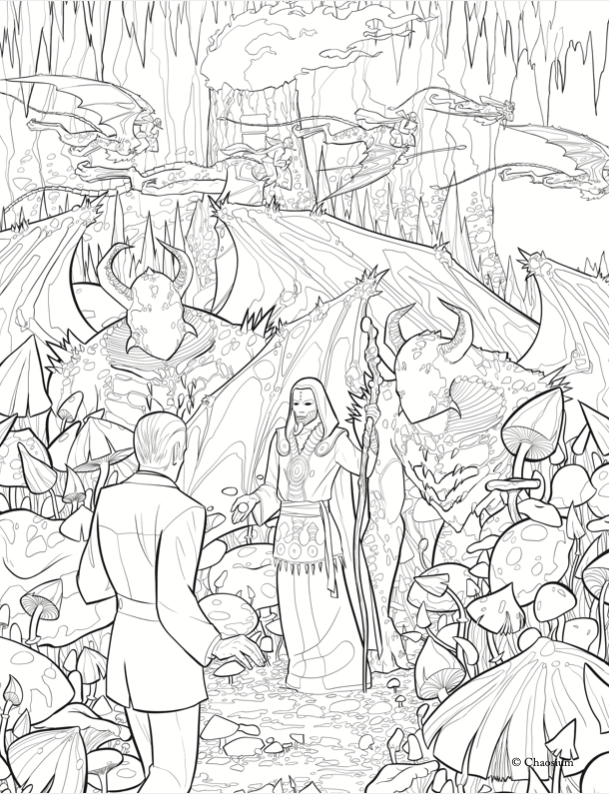
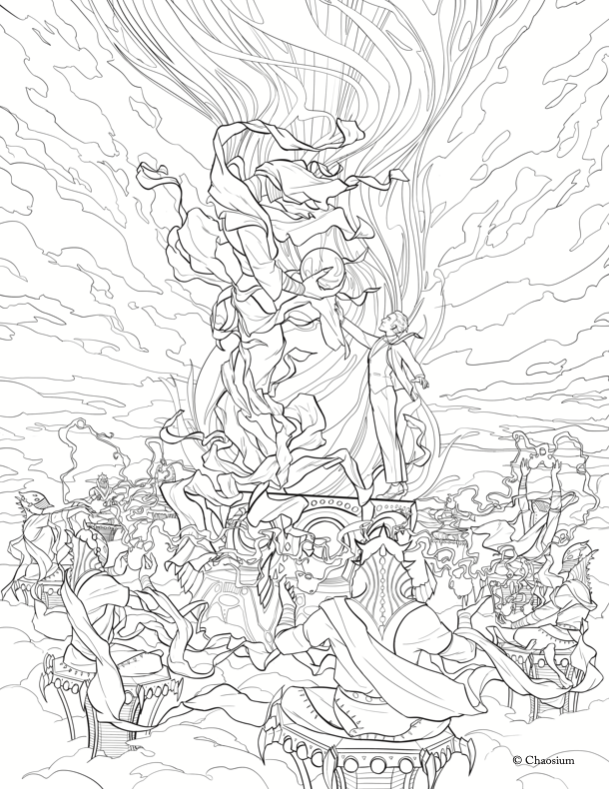
A vision of human­i­ty’s future with­out most of the high tech­nol­o­gy we expect from sci­ence fic­tion, but with a sur­feit of reli­gions, mar­tial arts, and medieval pol­i­tics we don’t; pro­nun­ci­a­tion-unfriend­ly names and terms like “Bene Gesser­it,” “Kwisatz Hader­ach,” and “Muad’Dib”; a sand plan­et inhab­it­ed by giant killer worms: near­ly 55 years after its pub­li­ca­tion, Dune remains a strange piece of work. But apply­ing that adjec­tive to Frank Her­bert’s high­ly suc­cess­ful saga of inter­stel­lar adven­ture and intrigue high­lights not just the ways in which its intri­cate­ly devel­oped world is unfa­mil­iar to us, but the ways in which it is famil­iar — and has grown ever more so over the decades.

“Fol­low­ing an ancient war with robots, human­i­ty has for­bid­den the con­struc­tion of any machine in the like­ness of a human mind,” says Dan Kwartler in the ani­mat­ed TED-Ed intro­duc­tion to the world of Dune above. This edict “forced humans to evolve in star­tling ways, becom­ing bio­log­i­cal com­put­ers, psy­chic witch­es, and pre­scient space pilots,” many of them “reg­u­lar­ly employed by var­i­ous noble hous­es, all com­pet­ing for pow­er and new plan­ets to add to their king­doms.” But their super­hu­man skills “rely on the same pre­cious resource: the spice,” a mys­ti­cal crop that also pow­ers space trav­el, “mak­ing it the cor­ner­stone of the galac­tic econ­o­my.

Her­bert sets Dune — the first of five books by him and many suc­ces­sors by his son Bri­an Her­bert and Kevin J. Ander­son — on the desert plan­et Arrakis, where the noble House Atrei­des finds itself relo­cat­ed. Before long, its young scion Paul Atrei­des “is cat­a­pult­ed into the mid­dle of a plan­e­tary rev­o­lu­tion where he must prove him­self capa­ble of lead­ing and sur­viv­ing on this hos­tile desert world.” Not that Arrakis is just some rock cov­ered in sand: an avid envi­ron­men­tal­ist, Her­bert “spent over five years cre­at­ing Dune’s com­plex ecosys­tem. The plan­et is check­ered with cli­mate belts and wind tun­nels that have shaped its rocky topog­ra­phy. Dif­fer­ing tem­per­ate zones pro­duce vary­ing desert flo­ra, and almost every ele­ment of Dune’s ecosys­tem works togeth­er to pro­duce the plan­et’s essen­tial export.”

Her­bert’s world-build­ing “also includes a rich web of phi­los­o­phy and reli­gion,” which involves ele­ments of Islam, Bud­dhism, Sufi mys­ti­cism, Chris­tian­i­ty, Judaism, and Hin­duism, all arranged in con­fig­u­ra­tions the likes of which human his­to­ry has nev­er seen. What Dune does with reli­gion it does even more with lan­guage, draw­ing for its vocab­u­lary from a range of tongues includ­ing Latin, Old Eng­lish, Hebrew, Greek, Finnish, and Nahu­atl. All this serves a sto­ry deal­ing with themes both eter­nal, like the decline of empire and the mis­placed trust in hero­ic lead­ers, and increas­ing­ly top­i­cal, like the con­se­quences of a feu­dal order, eco­log­i­cal change, and wars over resources in inhos­pitable, sandy places. At the cen­ter is the sto­ry of a man strug­gling to attain mas­tery of not just body but mind, not least by defeat­ing fear, described in Paul’s famous line as the “mind-killer,” the “lit­tle-death that brings total oblit­er­a­tion.”

The scope, com­plex­i­ty, and sheer odd­i­ty of Her­bert’s vision has repeat­ed­ly tempt­ed film­mak­ers and the film indus­try — and repeat­ed­ly defeat­ed them. Per­haps unsur­pris­ing­ly Alexan­der Jodor­owsky could­n’t get his plans off the ground for a 14-hour epic Dune involv­ing Pink Floyd, Sal­vador Dalí, Moe­bius, Orson Welles, and Mick Jag­ger. In 1984 David Lynch man­aged to direct a some­what less ambi­tious adap­ta­tion, but the nev­er­the­less enor­mous­ly com­plex and expen­sive pro­duc­tion came out as what David Fos­ter Wal­lace described as “a huge, pre­ten­tious, inco­her­ent flop.” Dune will return to the­aters in Decem­ber 2020 in a ver­sion direct­ed by Denis Vil­leneuve, whose recent work on the likes of Arrival and Blade Run­ner 2049 sug­gests on his part not just the nec­es­sary inter­est in sci­ence fic­tion, but the even more nec­es­sary sense of the sub­lime: a grandeur and beau­ty of such a scale and stark­ness as to inspire fear, much as every Dune read­er has felt on their own imag­ined Arrakis.

Relat­ed Con­tent:

The 14-Hour Epic Film, Dune, That Ale­jan­dro Jodor­owsky, Pink Floyd, Sal­vador Dalí, Moe­bius, Orson Welles & Mick Jag­ger Nev­er Made

Moe­bius’ Sto­ry­boards & Con­cept Art for Jodorowsky’s Dune

The Dune Col­or­ing & Activ­i­ty Books: When David Lynch’s 1984 Film Cre­at­ed Count­less Hours of Pecu­liar Fun for Kids

Why You Should Read The Mas­ter and Mar­gari­ta: An Ani­mat­ed Intro­duc­tion to Bulgakov’s Rol­lick­ing Sovi­et Satire

Why You Should Read One Hun­dred Years of Soli­tude: An Ani­mat­ed Video Makes the Case

Why You Should Read Crime and Pun­ish­ment: An Ani­mat­ed Intro­duc­tion to Dostoevsky’s Moral Thriller

Based in Seoul, Col­in Mar­shall writes and broad­casts on cities, lan­guage, and cul­ture. His projects include the book The State­less City: a Walk through 21st-Cen­tu­ry Los Ange­les and the video series The City in Cin­e­ma. Fol­low him on Twit­ter at @colinmarshall or on Face­book.

A Visual Introduction to Kintsugi, the Japanese Art of Repairing Broken Pottery and Finding Beauty in Imperfection

Kintsu­gi, the Japan­ese art of join­ing bro­ken pot­tery with gleam­ing seams of gold or sil­ver, cre­ates fine art objects we can see as sym­bols for the beau­ty of vul­ner­a­bil­i­ty. Sure­ly, these bowls, cups, vas­es, etc. remind of us Leonard Cohen’s oft-quot­ed lyric from “Anthem” (“There is a crack in every­thing, that’s how the light gets in.”) Writer and artist Austin Kleon touch­es on this same sen­ti­ment in a recent post on his blog. “The thing I love the most about Kintsu­gi is the vis­i­ble trace of heal­ing and repair—the idea of high­light­ed, glow­ing scars.”

Kintsu­gi, which trans­lates to “gold­en join­ery,” has a his­to­ry that dates back to the 15th cen­tu­ry, as Col­in Mar­shall explained in a pre­vi­ous post here. But it’s fas­ci­nat­ing how much this art res­onates with our con­tem­po­rary dis­course around trau­ma and heal­ing.

“We all grow up believ­ing we should empha­size the inher­ent pos­i­tives about our­selves,” writes Mar­shall, “but what if we also empha­sized the neg­a­tives, the parts we’ve had to work to fix or improve? If we did it just right, would the neg­a­tives still look so neg­a­tive after all?”

A key idea here is “doing it just right.” Kintsu­gi is not a warts-and-all pre­sen­ta­tion, but a means of turn­ing bro­ken­ness into art, a skill­ful real­iza­tion of the Japan­ese idea of wabi-sabi, the “beau­ty of things imper­fect, imper­ma­nent, and incom­plete,” as Leonard Koren writes in Wabi-Sabi for Artists, Design­ers, Poets & Philoso­phers. Objects that rep­re­sent wabi-sabi “may exhib­it the effects of acci­dent, like a bro­ken bowl glued back togeth­er again.” In kintsu­gi, those effects are due to the artist’s craft rather than ran­dom chance.

When it comes to heal­ing psy­chic wounds so that they shine like pre­cious met­als, there seems to be no one per­fect method. But when we’re talk­ing about the artistry of kintsu­gi, there are some—from the most refined arti­san­ship to less rig­or­ous do-it-your­self techniques—we can all adopt with some suc­cess. In the video at the top, learn DIY kintsu­gi from World Crafted’s Robert Mahar. Fur­ther up, we have an inten­sive, word­less demon­stra­tion from pro­fes­sion­al kintsu­gi artist Kyoko Ohwa­ki.

And just above, see psy­chol­o­gist Alexa Alt­man trav­el to Japan to learn kintsu­gi, then make it “acces­si­ble” with an expla­na­tion of both the phys­i­cal process of kintsu­gi and its metaphor­i­cal dimen­sions. As Alt­man shows, kintsu­gi can just as well be made from things bro­ken on pur­pose as by acci­dent. When it comes to the beau­ti­ful­ly flawed fin­ished prod­uct, how­ev­er, per­haps how a thing was bro­ken mat­ters far less than the amount of care and skill we use to join it back togeth­er.

Relat­ed Con­tent:

Kintsu­gi: The Cen­turies-Old Japan­ese Craft of Repair­ing Pot­tery with Gold & Find­ing Beau­ty in Bro­ken Things

The Philo­soph­i­cal Appre­ci­a­tion of Rocks in Chi­na & Japan: A Short Intro­duc­tion to an Ancient Tra­di­tion

Wabi-Sabi: A Short Film on the Beau­ty of Tra­di­tion­al Japan

Josh Jones is a writer and musi­cian based in Durham, NC. Fol­low him at @jdmagness

Itzhak Perlman Appears on Sesame Street and Poignantly Shows Kids How to Play the Violin and Push Through Life’s Limits (1981)

I always cham­pi­on any­thing that will improve the lives of peo­ple with dis­abil­i­ties and put it on the front burn­er. — Itzhak Perl­man

At its best, the Inter­net expands our hori­zons, intro­duc­ing us to new inter­ests and per­spec­tives, forg­ing con­nec­tions and cre­at­ing empa­thy.

The edu­ca­tion­al chil­dren’s series Sesame Street was doing all that decades ear­li­er.

Wit­ness this brief clip from 1981, star­ring vio­lin vir­tu­oso Itzhak Perl­man and a six-year-old stu­dent from the Man­hat­tan School of Music.

For many child—and per­haps adult—viewers, this excerpt pre­sent­ed their first sig­nif­i­cant encounter with clas­si­cal musi­cal and/or dis­abil­i­ty.

The lit­tle girl scam­pers up the steps to the stage as Perl­man, who relies on crutch­es and a motor­ized scoot­er to get around, fol­lows behind, heav­ing a sigh of relief as he low­ers him­self into his seat.

Already the point has been made that what is easy to the point of uncon­scious­ness for some presents a chal­lenge for oth­ers.

Then each takes a turn on their vio­lin.

Perlman’s skills are, of course, unpar­al­leled, and the young girl’s seem pret­ty excep­tion­al, too, par­tic­u­lar­ly to those of us who nev­er man­aged to get the hang of an instru­ment. (She began lessons at 3, and told the Suzu­ki Asso­ci­a­tion of the Amer­i­c­as that her Sesame Street appear­ance with Perl­man was the “high­light of [her] pro­fes­sion­al career.”)

In the near­ly 40 years since this episode first aired, pub­lic aware­ness of dis­abil­i­ty and acces­si­bil­i­ty has become more nuanced, a devel­op­ment Perl­man dis­cussed in a 2014 inter­view with the Wall Street Jour­nal, below.

Hav­ing resent­ed the way ear­ly fea­tures about him invari­ably show­cased his dis­abil­i­ty, he found that he missed the oppor­tu­ni­ty to advo­cate for oth­ers when men­tions dropped off.

Trans­paren­cy cou­pled with celebri­ty pro­vides him with a mighty plat­form. Here he is speak­ing in the East Room of the White House in 2015, on the day that Pres­i­dent Oba­ma hon­ored him with the Medal of Free­dom:

And his col­lab­o­ra­tions with Sesame Street have con­tin­ued through­out the decadesinclud­ing per­for­mances of “You Can Clean Almost Any­thing” (to the tune of Bach’s Par­ti­ta for Solo Vio­lin), “Put Down the Duck­ie,” Pagli­ac­ci’s Vesti la giub­ba (back­ing up Placido Flamin­go), and Beethoven’s Min­uet in G, below.

Read more of Perlman’s thoughts on dis­abil­i­ty, and enroll in his Mas­ter Class here.

Relat­ed Con­tent:

Great Vio­lin­ists Play­ing as Kids: Itzhak Perl­man, Anne-Sophie Mut­ter, & More

Philip Glass Com­pos­es Music for a Sesame Street Ani­ma­tion (1979)

See Ste­vie Won­der Play “Super­sti­tion” and Ban­ter with Grover on Sesame Street in 1973

Ayun Hal­l­i­day is an author, illus­tra­tor, the­ater mak­er and Chief Pri­ma­tol­o­gist of the East Vil­lage Inky zine.  Join her in NYC on Mon­day, Jan­u­ary 6 when her month­ly book-based vari­ety show, Necro­mancers of the Pub­lic Domaincel­e­brates Cape-Cod­di­ties by Roger Liv­ingston Scaife (1920). Fol­low her @AyunHalliday.

Illustrations from the Soviet Children’s Book Your Name? Robot, Created by Tarkovsky Art Director Mikhail Romadin (1979)

As we approach three full decades of a world with­out the Sovi­et Union, cer­tain details about life in the soci­eties that con­sti­tut­ed it inevitably begin to fade from liv­ing mem­o­ry. But nobody who grew up Sovi­et could ever for­get the chil­dren’s books they grew up read­ing, and recent efforts to dig­i­tal­ly archive them — such as Play­ing Sovi­et at the Cot­sen Col­lec­tion at Princeton’s Fire­stone Library, pre­vi­ous­ly fea­tured here on Open Cul­ture — have ensured that future gen­er­a­tions will be able to enjoy them too, no mat­ter the regime under which they come of age, or even what lan­guage they speak.

Most Sovi­et chil­dren’s books have such cap­ti­vat­ing illus­tra­tions that one need not read them to enjoy them. Take, for instance, Your Name? Robot, a 1979 Sovi­et pic­ture book fea­tured on book and design blog 50 Watts.

Who could resist the charm of these mechan­i­cal crea­tures dis­play­ing their many abil­i­ties: pick­ing up sig­nals, play­ing music, paint­ing pic­tures, spout­ing com­pli­cat­ed fig­ures, boil­ing water? With their hyp­not­i­cal­ly detailed pat­terns of cir­cuits and wires, the inner work­ings of these robots also look quite unlike any­thing else — and cer­tain­ly unlike the also-pop­u­lar robot char­ac­ters who have long fig­ured into sto­ries for Amer­i­can chil­dren.

In the mid-20th cen­tu­ry, Amer­i­ca and the Sovi­et Union were rac­ing each oth­er to the future: though vision­ar­ies in both lands may have dis­agreed about what exact form that future would take, many saw some kind of utopia made real through high tech­nol­o­gy dead ahead. And whether work­er’s par­adise or con­sumer’s par­adise, the rest of the mil­len­ni­um would sure­ly see the devel­op­ment of intel­li­gent robots to assist, edu­cate, and enter­tain us.

But by the late 1970s, some of these visions had turned dystopi­an: to bor­row the tagline from Zardoz, they’d seen the future, and it did­n’t work — itself a grim rever­sal of Amer­i­can jour­nal­ist Lin­coln Stef­fens’ opti­mistic ear­ly-20th-cen­tu­ry dec­la­ra­tion about Sovi­et Rus­sia.

From Sovi­et cin­e­ma, one less-than-opti­mistic treat­ment of the future endures above all: 1972’s Solaris, adapt­ed by Andrei Tarkovsky from the nov­el by Stanis­law Lem. The pro­duc­tion design­er who gave that film’s future its look and feel was none oth­er than Mikhail Romadin, the artist who would go on to illus­trate Your Name? Robot just a few years lat­er (in an illus­tra­tion career involv­ing hun­dreds of books, includ­ing vol­umes by Leo Tol­stoy and Ray Brad­bury).

“Romad­in’s char­ac­ter is hid­den, forced deep inside,” said Tarkovsky of his col­lab­o­ra­tor and friend since film school. “In his best works what often hap­pens is that the out­ward char­ac­ter­is­tics of bare­ly ordered dynamism and chaos that one per­ceives ini­tial­ly, melt imper­cep­ti­bly into the appre­ci­a­tion of calm and noble form, silent and sim­ple” — an appre­ci­a­tion Your Name? Robot must have done its part to instill in a gen­er­a­tion of young read­ers.

Relat­ed Con­tent:

A Dig­i­tal Archive of Sovi­et Children’s Books Goes Online: Browse the Artis­tic, Ide­o­log­i­cal Col­lec­tion (1917–1953)

Read Vladimir Mayakovsky’s Children’s Book Whom Should I Be?: A Clas­sic from the “Gold­en Age” in Sovi­et Children’s Lit­er­a­ture

Two Beau­ti­ful­ly-Craft­ed Russ­ian Ani­ma­tions of Chekhov’s Clas­sic Children’s Sto­ry “Kash­tan­ka”

Watch Sovi­et Ani­ma­tions of Win­nie the Pooh, Cre­at­ed by the Inno­v­a­tive Ani­ma­tor Fyo­dor Khitruk

Sovi­et-Era Illus­tra­tions Of J. R. R. Tolkien’s The Hob­bit (1976)

Enter an Archive of 6,000 His­tor­i­cal Children’s Books, All Dig­i­tized and Free to Read Online

Based in Seoul, Col­in Mar­shall writes and broad­casts on cities, lan­guage, and cul­ture. His projects include the book The State­less City: a Walk through 21st-Cen­tu­ry Los Ange­les and the video series The City in Cin­e­ma. Fol­low him on Twit­ter at @colinmarshall or on Face­book.

An Animated Introduction to Cynicism, the Anti Conformist Philosophy That Originated in Ancient Greece

The word “cyn­i­cal,” like “sto­ic,” has come to have a very spe­cif­ic mean­ing in Eng­lish, one that bears only a par­tial resem­blance to the ancient Greek phi­los­o­phy from which it came. “Cyn­ics,” writes psy­chi­a­trist Neel Bur­ton, “often come across as con­temp­tu­ous, irri­tat­ing, and dispir­it­ing.” They are bit­ter, unhap­py peo­ple, defined by thor­ough­go­ing pes­simism, summed up in the Oscar Wilde quote about those who “know the price of every­thing and the val­ue of noth­ing.” This char­ac­ter­i­za­tion is part­ly the result of ancient slan­der.

As with many move­ments of the past, the first Cyn­ics were named by their ene­mies. Dio­genes of Sinope, often cred­it­ed as the first Cyn­ic (though there were oth­ers before him), was “an indi­vid­ual well known for dog-like behav­ior,” notes Emory Uni­ver­si­ty pro­fes­sor Julie Pier­ing at the Inter­net Ency­clo­pe­dia of Phi­los­o­phy. “As such, the term [Cyn­ic, from kunikos, or “dog-like”] may have begun as an insult refer­ring to Dio­genes’ style of life, espe­cial­ly his pro­cliv­i­ty to per­form all of his activ­i­ties in pub­lic.” His shame­less­ness and exile from Greek civ­il soci­ety for the crime of coun­ter­feit­ing made him unwel­come in polite com­pa­ny.

But Dio­genes turned his pub­lic humil­i­a­tion into exper­i­men­tal phi­los­o­phy. Like many who have insults hurled at them reg­u­lar­ly, the ear­ly Cyn­ics “embraced their title: they barked at those who dis­pleased them, spurned Athen­ian eti­quette, and lived from nature…. What may have orig­i­nat­ed as a dis­parag­ing label became the des­ig­na­tion of a philo­soph­i­cal voca­tion.” Of what did their phi­los­o­phy con­sist? In the TED-Ed video above, script­ed by Maynooth Uni­ver­si­ty pro­fes­sor of Ancient Clas­sics William Desmond, we learn the basics.

Like the Sto­ics who came after them, Cyn­ics val­ued sim­plic­i­ty and self-suf­fi­cien­cy. But unlike many a famed Sto­ic philosopher—such as Nero’s advi­sor Seneca or the Emper­or Mar­cus Aurelius—Diogenes and his dis­ci­ples cared noth­ing for mate­r­i­al com­forts or polit­i­cal pow­er. The Cyn­ics were vagrant exhi­bi­tion­ists by choice. Dio­genes “did not go about his new exis­tence qui­et­ly but is said to have teased passers­by and mocked the pow­er­ful, eat­ing, uri­nat­ing, and even mas­tur­bat­ing in pub­lic.”

If the philoso­pher lived like a dog, this does not mean that he had aban­doned all human val­ues, only rede­fined them. Dogs aren’t bit­ter, angry pes­simists. “They’re hap­py crea­tures,” Desmond’s les­son points out, “free from abstrac­tions like wealth and rep­u­ta­tion.” The “dog philoso­phers” were a seri­ous irri­ta­tion, liv­ing exam­ples of a social alter­na­tive in which mon­ey, fame, and pow­er meant noth­ing. Their con­tent­ment posed a chal­lenge to the estab­lished order of things.

Cyn­ics fol­lowed Dio­genes’ exam­ple for almost a thou­sand years after his death—and even far longer, we might argue, if we con­sid­er them fore­run­ners of hobos, hip­pies, and every inten­tion­al­ly home­less wan­der­er who decides to rid them­selves of prop­er­ty and soci­ety and live ful­ly on their own terms.

Relat­ed Con­tent:

An Ani­mat­ed Intro­duc­tion to Sto­icism, the Ancient Greek Phi­los­o­phy That Lets You Lead a Hap­py, Ful­fill­ing Life

Watch Ani­mat­ed Intro­duc­tions to 35 Philoso­phers by The School of Life: From Pla­to to Kant and Fou­cault

A Short Ani­mat­ed Intro­duc­tion to Hypa­tia, Ancient Alexandria’s Great Female Philoso­pher

Josh Jones is a writer and musi­cian based in Durham, NC. Fol­low him at @jdmagness

Download Beautiful Free Posters Celebrating the Achievements of Living Female STEM Leaders

Remem­ber the posters that dec­o­rat­ed your child­hood or teenaged bed­room?

Of course you do.

Whether aspi­ra­tional or inspi­ra­tional, these images are amaz­ing­ly potent.

I’m a bit embar­rassed to admit what hung over my bed, espe­cial­ly in light of a cer­tain CGI adap­ta­tion…

No such wor­ries with a set of eight free down­load­able posters hon­or­ing eight female trail­blaz­ers in the fields of sci­ence, tech­nol­o­gy, engi­neer­ing, and math.

These should prove ever­green.


Com­mis­sioned by Nev­er­the­less, a pod­cast that cel­e­brates women whose advance­ments in STEM fields have shaped—and con­tin­ue to shape—education and learn­ing, each poster is accom­pa­nied with a brief bio­graph­i­cal sketch of the sub­ject.

Nev­er­the­less has tak­en care that the fea­tured achiev­ers are drawn from a wide cul­tur­al and racial pool.

No shame if you’re unfa­mil­iar with some of these extra­or­di­nary women. Their names may not pos­sess the same degree of house­hold recog­ni­tion as Marie Curie, but they will once they’re hang­ing over your daughter’s (or son’s) bed.

It’s worth not­ing that with the excep­tion of the under­sung moth­er of DNA Helix Ros­alind Franklin, these are liv­ing role mod­els. They are:

Astro­naut Dr. Mae Jemi­son

Robot­ics pio­neer Dr. Cyn­thia Breazeal

Math­e­mati­cian Gladys West

Tech inno­va­tor Juliana Rotich

Phar­ma­ceu­ti­cal chemist Tu Youy­ou

Bio­phar­ma­cist and women rights advo­cate Maria da Pen­ha

Biotech­nol­o­gist Dr. Hay­at Sin­di

Kudos, too, to Nev­er­the­less for includ­ing biogra­phies of the eight female illus­tra­tors charged with bring­ing the STEM lumi­nar­ies to aes­thet­i­cal­ly cohe­sive graph­ic life: Lidia Toma­shevskaya,Thandi­we Tsha­bal­alaCami­la RosaXu HuiKari­na PerezJoana NevesGene­va B, and Juli­ette Bro­cal

Lis­ten to Nev­er­the­less’ episode on STEM Role Mod­els here.

Down­load Nev­er­the­less’ free posters in Eng­lish here. You can also down­load zipped fold­ers con­tain­ing all eight posters trans­lat­ed into Brazil­ian Por­tugueseFrenchFrench Cana­di­anGer­manItal­ianSpan­ish, and Sim­pli­fied Chi­nese.

Relat­ed Con­tent:

Pop Art Posters Cel­e­brate Pio­neer­ing Women Sci­en­tists: Down­load Free Posters of Marie Curie, Ada Lovelace & More

Women Sci­en­tists Launch a Data­base Fea­tur­ing the Work of 9,000 Women Work­ing in the Sci­ences

“The Matil­da Effect”: How Pio­neer­ing Women Sci­en­tists Have Been Denied Recog­ni­tion and Writ­ten Out of Sci­ence His­to­ry

Ayun Hal­l­i­day is an author, illus­tra­tor, the­ater mak­er and Chief Pri­ma­tol­o­gist of the East Vil­lage Inky zine.  Join her in NYC on Mon­day, Jan­u­ary 6 when her month­ly book-based vari­ety show, Necro­mancers of the Pub­lic Domaincel­e­brates Cape-Cod­di­ties (1920) by Roger Liv­ingston Scaife. Fol­low her @AyunHalliday

Watch Annie Leibovitz Photograph and Get Scolded by Queen Elizabeth: “What Do You Think This Is?”

No mat­ter how many cul­tur­al icons you’ve met, Annie Lei­bovitz has almost cer­tain­ly met more of them. Not only has she met them, she’s talked with them, spent long stretch­es of time with them, told them what to do, and even looked into the nature of their very being — which is to say, she’s pho­tographed them. Hav­ing put in her crosshairs the likes of John Lennon, Michael Jack­son, Christo­pher Hitchens, and Barack Oba­ma, one would assume Lei­bovitz has lost entire­ly the abil­i­ty to be intim­i­dat­ed by any per­son­age, no mat­ter how august. But then, she did­n’t have to address any of the afore­men­tioned fig­ures as “Your Majesty.”

“Back in 2007, Lei­bovitz was hired to shoot a set of por­traits of the Queen at Buck­ing­ham Palace in prepa­ra­tion for a state vis­it to the Unit­ed States,” writes Petapix­el’s Michael Zhang. “The pho­tog­ra­ph­er and her 11 assis­tants spent 3 weeks prepar­ing for the 30-minute pho­to shoot.” For the Queen’s part, prepa­ra­tion includ­ed “the full regalia of the ancient Order of the Garter, com­plete with tiara,” putting on all of which took 15 min­utes longer than planned.

But when she got the Queen seat­ed, Lei­bovitz — per­haps fig­ur­ing that, if a casu­al man­ner works with pop stars and pres­i­dents, it might work even bet­ter with roy­al­ty — sug­gest­ed that “it will look bet­ter with­out the crown.” It would look bet­ter, she sug­gest­ed, “less dressy.” “Less dressy?” the Queen snaps back in a kind of irri­tat­ed aston­ish­ment. “What do you think this is?”

Lei­bovitz, to her cred­it, remains unfazed, even when informed that the tiara can’t go back on once it’s been tak­en off. You can see it hap­pen in the Dutch TV clip above, which takes its footage from the BBC doc­u­men­tary A Year with the Queen. Despite the pres­sure, the por­traits came out well, as did the sec­ond series Lei­bovitz shot of the Queen in 2016. These more recent pho­tographs were tak­en under less strict con­di­tions. “I was told how relaxed she was at Wind­sor, and it was real­ly true,” says Lei­bovitz in the accom­pa­ny­ing Van­i­ty Fair sto­ry. “You get the sense of how at peace she was with her­self, and very much enthralled with her fam­i­ly.” At the Queen’s request, the pic­tures includ­ed her fam­i­ly mem­bers both human and cor­gi, all arranged accord­ing to her own ideas. If she tires of her cur­rent job, she may have a promis­ing future in por­trait pho­tog­ra­phy ahead of her.

Relat­ed Con­tent:

Annie Lei­bovitz Teach­es Pho­tog­ra­phy in Her First Online Course

NASA Enlists Andy Warhol, Annie Lei­bovitz, Nor­man Rock­well & 350 Oth­er Artists to Visu­al­ly Doc­u­ment America’s Space Pro­gram

A Very Brief His­to­ry of Roy­al Wed­dings

Col­in Mar­shall hosts and pro­duces Note­book on Cities and Cul­ture and writes essays on cities, lan­guage, Asia, and men’s style. He’s at work on a book about Los Ange­les, A Los Ange­les Primer. Fol­low him on Twit­ter at @colinmarshall or on Face­book.

Hear Every Sample on the Beastie Boys’ Acclaimed Album, Paul’s Boutique–and Discover Where They Came From

How would the Beast­ie Boys fol­low their debut, Licensed to Ill, won­dered crit­ics when the album rose to num­ber one after its 1986 release. The cross-over appeal of their hip hop/frat rock solid­i­fied a fan base whose devo­tion often mir­rored their par­ents’ revul­sion. Like many of their lat­er imi­ta­tors, the Beast­ie Boys could have played over­grown delin­quents till their fans aged out of the act.

Few crit­ics expect­ed more from them. “Rolling Stone enti­tled their review ‘Three Idiots Cre­ate a Mas­ter­piece’ and gave more cred­it to pro­duc­er Rick Rubin,” writes Colleen Mur­phy at Clas­sic Album Sun­days. Three years lat­er, they far sur­passed expec­ta­tions with their exper­i­men­tal sec­ond album, 1989’s Paul’s Bou­tique, though it took a lit­tle while for the fans to catch up.

It’s a record so dense with allu­sions both musi­cal and lyri­cal, so orig­i­nal in its ver­bal inter­play and com­ic sto­ry­telling, that the Beast­ie Boys were sud­den­ly hailed as seri­ous artists. As Mur­phy puts it:

Paul’s Bou­tique gave the Beast­ie Boys the crit­i­cal acclaim they des­per­ate­ly desired. Rolling Stone maneu­vered a U‑turn and brazen­ly called it, “the Pet Sounds / The Dark Side of the Moon of hip hop.” But more impor­tant­ly, it also earned the group respect with their peers and idols. Miles Davis claimed he nev­er got tired of lis­ten­ing to it, and Pub­lic Enemy’s Chuck D even said, ‘The dirty secret among the Black hip hop com­mu­ni­ty at the time of the release was that Paul’s Bou­tique had the best beats.”

They spat absurd­ly hilar­i­ous rhymes by the dozen in mock epic nar­ra­tives brim­ming with rhyth­mic and melod­ic com­plex­i­ty, thanks to the high-con­cept pro­duc­tion by the Dust Broth­ers. The two pro­duc­ers pieced the album’s sound­scape togeth­er from an esti­mat­ed 150-odd sam­ples, a method that “would be pro­hib­i­tive­ly expen­sive if not impos­si­ble” today, notes Kot­tke. In the video above, you can hear every sam­ple on the album, “from the sound­track to Car Wash to the Sug­arhill Gang to the Eagles to the Ramones to the Bea­t­les.”

For legal and cre­ative rea­sons, noth­ing has ever sound­ed quite like Paul’s Bou­tique (except, per­haps, De La Soul’s Three-Feet High and Ris­ing, a sim­i­lar­ly ground­break­ing, sam­ple-heavy album released the same year). Thir­ty years after it came out, “it’s still not out of the ordi­nary to dis­cov­er some­thing you nev­er heard before across this 15-track odyssey into a thrift sto­ry rack full of weird vinyl,” Bill­board points out in a list of 10 deep cuts sam­pled on the record.

Like every clas­sic album, Paul’s Bou­tique repays end­less re-lis­tens, both for its sur­re­al lyri­cal play­ful­ness and library of musi­cal ref­er­ences. Hear­ing the breadth of sam­ples that built the album dri­ves home how much those two fea­tures are inter­wo­ven. Head over to Kot­tke for more Paul’s Bou­tique good­ies, includ­ing a remix with source tracks and audio com­men­tary and a Spo­ti­fy playlist of all the sam­pled songs.

via Laugh­ing Squid/Kot­tke

Relat­ed Con­tent:

The Beast­ie Boys Release a New Free­wheel­ing Mem­oir, and a Star-Stud­ded 13-Hour Audio­book Fea­tur­ing Snoop Dogg, Elvis Costel­lo, Bette Midler, John Stew­art & Dozens More

Look How Young They Are!: The Beast­ie Boys Per­form­ing Live Their Very First Hit, “Cooky Puss” (1983)

‘Beast­ie Boys on Being Stu­pid’: An Ani­mat­ed Inter­view From 1985

Josh Jones is a writer and musi­cian based in Durham, NC. Fol­low him at @jdmagness.

Hear Neil Gaiman Read A Christmas Carol Just as Dickens Read It

gaiman dickens

Image by New York Pub­lic Library

Last Christ­mas, we fea­tured Charles Dick­ens’ hand-edit­ed copy of his beloved 1843 novel­la A Christ­mas Car­ol. He did that hand edit­ing for the pur­pos­es of giv­ing pub­lic read­ings, a prac­tice that, in his time, “was con­sid­ered a des­e­cra­tion of one’s art and a low­er­ing of one’s dig­ni­ty.” That time, how­ev­er, has gone, and many of the most pres­ti­gious writ­ers alive today take the read­ing aloud of their own work to the lev­el of art, or at least high enter­tain­ment, that Dick­ens must have sus­pect­ed one could. Some writ­ers even do a bang-up job of read­ing oth­er writ­ers’ work: mod­ern mas­ter sto­ry­teller Neil Gaiman gave us a dose of that on Mon­day when we fea­tured his recita­tion of Lewis Car­rol­l’s “Jab­ber­wocky” from mem­o­ry. Today, how­ev­er, comes the full meal: Gaiman’s telling of A Christ­mas Car­ol straight from that very Dick­ens-edit­ed read­ing copy.

Gaiman read to a full house at the New York Pub­lic Library, an insti­tu­tion known for its stim­u­lat­ing events, hol­i­day-themed or oth­er­wise. But he did­n’t have to hold up the after­noon him­self; tak­ing the stage before him, BBC researcher and The Secret Muse­um author Mol­ly Old­field talked about her two years spent seek­ing out fas­ci­nat­ing cul­tur­al arti­facts the world over, includ­ing but not lim­it­ed to the NYPL’s own col­lec­tion of things Dick­en­sian. You can hear both Old­field and Gaiman in the record­ing above. But per­haps the great­est gift of all came in the form of the lat­ter’s attire for his read­ing: not only did he go ful­ly Vic­to­ri­an, he even went to the length of repli­cat­ing the 19th-cen­tu­ry lit­er­ary super­star’s own severe hair part and long goa­tee. And School Library Jour­nal has pic­tures.

The sto­ry real­ly gets start­ed around the 11:25 mark. Gaiman’s read­ing will be added to our list of Free Audio Books. You can find the text of Dick­ens’ clas­sic in our col­lec­tion, 800 Free eBooks for iPad, Kin­dle & Oth­er Devices.

Note: An ear­li­er ver­sion of this post appeared on our site in Decem­ber 2014.

Relat­ed Con­tent:

Neil Gaiman Teach­es the Art of Sto­ry­telling in His New Online Course

Hear Neil Gaiman Read Aloud 15 of His Own Works, and Works by 6 Oth­er Great Writ­ers: From The Grave­yard Book & Cora­line, to Edgar Allan Poe’s The Raven & Dick­ens’ A Christ­mas Car­ol

A Christ­mas Car­ol Pre­sent­ed in a Thomas Edi­son Film (1910)

O Frab­jous Day! Neil Gaiman Recites Lewis Carroll’s “Jab­ber­wocky” from Mem­o­ry

Col­in Mar­shall hosts and pro­duces Note­book on Cities and Cul­ture and writes essays on cities, lan­guage, Asia, and men’s style. He’s at work on a book about Los Ange­les, A Los Ange­les Primer. Fol­low him on Twit­ter at @colinmarshall or on Face­book.

Bob Ross’ Christmas Special: Celebrate, Relax, Nod Off

I don’t know if you got every­thing you want­ed on Christ­mas, but we here at Open Cul­ture have what you need. And that’s a very spe­cial Bob Ross Christ­mas Spe­cial. No spe­cial guests, no musi­cal num­bers. Just Bob, his palette filled with phtha­lo blue, Van dyke Brown, and oth­er favorite paints, and a sol­id black can­vas which Bob turns into a Christ­mas Eve snow scene. (In 2018, Ross’ offi­cial YouTube Chan­nel post­ed all 31 sea­sons of The Joy of Paint­ing online, a total of 403 episodes.)

While watch­ing (and maybe fol­low­ing along at home), con­sid­er that Bob Ross acci­den­tal­ly invent­ed ASMR with his shows, all those years ago. His pleas­ant, slight­ly gruff south­ern accent com­ple­ments the sound of the swish­ing brush and scrap­ing knife on can­vas. Con­sid­er also the per­cent­age of peo­ple who watch these not to paint, but to med­i­tate or go to sleep. (There’s an app for that.)

Bob Ross *is* the sound of a Christ­mas Eve noc­turne, a moment when the air is crisp and clean, a lit­tle bit of peace falls over the world, and there’s a chance to reflect. It’s time to start a new can­vas. The pos­si­bil­i­ties are end­less, and you can always change as you go. Heed Ross’ famous words: “We don’t make mis­takes. We have hap­py acci­dents.”

Relat­ed Con­tent:

Mr. Rogers Goes to Con­gress and Saves PBS: Heart­warm­ing Video from 1969

Pup­pet Mak­ing with Jim Hen­son: A Price­less Primer from 1969

A Big List of Free Art Lessons on YouTube

Ted Mills is a free­lance writer on the arts who cur­rent­ly hosts the artist inter­view-based FunkZone Pod­cast and is the pro­duc­er of KCR­W’s Curi­ous Coast. You can also fol­low him on Twit­ter at @tedmills, read his oth­er arts writ­ing at tedmills.com and/or watch his films here.

When Salvador Dalí Created Christmas Cards That Were Too Avant Garde for Hallmark (1960)

The nature of mar­ket­ing in the near­ly-over 2010s, with all its unex­pect­ed brand crossovers and col­lab­o­ra­tions, gave rise to many strange com­mer­cial bed­fel­lows. But for sheer artis­tic shock val­ue, did any of them sur­pass Christ­mas of 1960, when Sal­vador Dalí designed hol­i­day greet­ing cards for Hall­mark? It was the rare inter­sec­tion of the kind of com­pa­ny that has built an empire on broad­ly appeal­ing, inof­fen­sive expres­sions of love and fes­tiv­i­ty and an artist who once said, “I don’t do drugs. I am drugs.”

“Hall­mark began repro­duc­ing the paint­ings and designs of con­tem­po­rary artists on its Christ­mas cards in the late 1940s, an ini­tia­tive that was led by com­pa­ny founder Joyce Clyde Hall,” writes the Wash­ing­ton Post’s Ana Swan­son.

The art of Pablo Picas­so, Paul Cezanne, Paul Gau­guin, Vin­cent Van Gogh and Geor­gia O’Keeffe all took a turn on Hallmark’s Christ­mas cards.” And so, Swan­son quotes Hall as writ­ing in his auto­bi­og­ra­phy, “through the ‘unso­phis­ti­cat­ed art’ of greet­ing cards, the world’s great­est mas­ters were shown to mil­lions of peo­ple who might oth­er­wise not have been exposed to them.”

Hall­mark signed Dalí on in 1959. The painter of The Per­sis­tence of Mem­o­ry and Cru­ci­fix­ion (Cor­pus Hyper­cubus) asked the greet­ing-card giant for “$15,000 in cash in advance for 10 greet­ing card designs, with no sug­ges­tions from Hall­mark for the sub­ject or medi­um, no dead­line and no roy­al­ties.” The designs Dalí came up with includ­ed “Sur­re­al­ist ren­di­tions of the Christ­mas tree and the Holy Fam­i­ly,” as well as some “vague­ly unset­tling” images, such as a head­less angel play­ing a lute and the three wise men atop some insane-look­ing camels. Ulti­mate­ly, Hall­mark only pro­duced two of the Dalí cards, a nativ­i­ty scene and a depic­tion of the Madon­na and Child. Alas, even those rel­a­tive­ly tame images did­n’t go over well.

Dalí’s “take on Christ­mas,” as Patrick Regan writes in Hall­mark: A Cen­tu­ry of Car­ing, was “a bit too avant garde for the aver­age greet­ing card buy­er,” and the neg­a­tive pub­lic response soon con­vinced Hall­mark to drop Dalí’s cards from their prod­uct line — thus ensur­ing their future as sought-after col­lec­tor’s items. As inaus­pi­cious as the mar­riage of Dalí and Hall­mark might seem, the artist did pos­sess a com­mer­cial sense more in line with Joyce Clyde Hal­l’s than not: in his life­time Dalí cre­at­ed a range of prod­ucts rang­ing from prints to books (includ­ing a cook­book) to tarot decks, and even appeared in tele­vi­sion com­mer­cials. Not all of his ven­tures were suc­cess­ful, but as with his Hall­mark Christ­mas cards — about which you can learn more at the site of Span­ish lan­guage and lit­er­a­ture pro­fes­sor Rebec­ca M. Ben­der — some­times the fail­ures are more mem­o­rable than the suc­cess­es.

via the Wash­ing­ton Post.

The images above come cour­tesy of the Hall­mark Archives.

Relat­ed Con­tent:

Sal­vador Dalí’s Tarot Cards Get Re-Issued: The Occult Meets Sur­re­al­ism in a Clas­sic Tarot Card Deck

John Waters Makes Hand­made Christ­mas Cards, Says the “Whole Pur­pose of Life is Christ­mas”

Watch Ter­ry Gilliam’s Ani­mat­ed Short, The Christ­mas Card (1968)

Andy Warhol’s Christ­mas Art

Sal­vador Dalí Goes Com­mer­cial: Three Strange Tele­vi­sion Ads

Sal­vador Dalí’s 1973 Cook­book Gets Reis­sued: Sur­re­al­ist Art Meets Haute Cui­sine

Based in Seoul, Col­in Mar­shall writes and broad­casts on cities, lan­guage, and cul­ture. His projects include the book The State­less City: a Walk through 21st-Cen­tu­ry Los Ange­les and the video series The City in Cin­e­ma. Fol­low him on Twit­ter at @colinmarshall or on Face­book.


  • Great Lectures

  • Sign up for Newsletter

  • About Us

    Open Culture scours the web for the best educational media. We find the free courses and audio books you need, the language lessons & educational videos you want, and plenty of enlightenment in between.


    Advertise With Us

  • Archives

  • Search

  • Quantcast