James Baldwin’s One & Only, Delightfully-Illustrated Children’s Book, Little Man Little Man: A Story of Childhood (1976)

Baldwin - Little Man Little Man005

As a writer, a thinker, and a human being, James Bald­win knew few bound­aries. The black, gay, expa­tri­ate author of such still-read books as Go Tell it on the Moun­tain and The Fire Next Time set an exam­ple for all who have since sought to break free of the stric­tures imposed upon them by their soci­ety, their his­to­ry, or even their craft. Bald­win wrote not just nov­els but essays, plays, poet­ry, and even a chil­dren’s book, which you see a bit of here today.

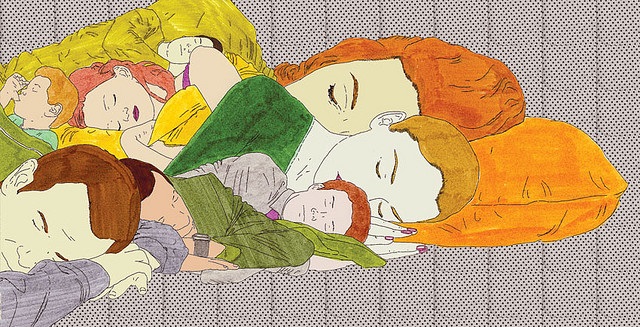
Lit­tle Man Lit­tle Man: A Sto­ry of Child­hood came out in 1976, a pro­duc­tive year for Bald­win which also saw the pub­li­ca­tion of The Dev­il Finds Work, a book of writ­ing on film (yet anoth­er form on which he exert­ed his own kind of social­ly crit­i­cal mas­tery). In Lit­tle Man, he writes not about a high­ly visu­al medi­um, but in a high­ly visu­al medi­um: young chil­dren delight in live­ly illus­tra­tions, and they must have espe­cial­ly delight­ed in the ones here (more of which you can see in this gallery), drawn by French artist Yoran Cazac with a kind of mature child­ish­ness.

Those same adjec­tives might apply to Bald­win’s writ­ing here as well, since he aims his sto­ry toward chil­dren, talk­ing not down at them but straight at them, in their very own lan­guage: “TJ bounce his ball as hard as he can, send­ing it as high in the sky as he can, and ris­ing to catch it.” So goes the intro­duc­tion to the main char­ac­ter, a four-year-old boy liv­ing in Harlem whom Bald­win based on his nephew. “Some­times he miss­es and has to roll into the street. A cou­ple of times a car almost run him over. That ain’t noth­ing.”

TJ and WT, his old­er pal from the neigh­bor­hood, take their scrapes through­out the course of this short book, but they also have a rich expe­ri­ence — and thus pro­vide, for their read­ers young and old, a rich expe­ri­ence — of the unique time and place in which they find them­selves grow­ing up. Their work­ing-class Harlem child­hood obvi­ous­ly has its pains, but it has its joys too. “TJ’s Dad­dy try to act mean, but he ain’t mean,” Bald­win writes. “Some­time take TJ to the movies and he take him to the beach and he took him to the Apol­lo The­atre, so he could see blind Ste­vie Won­der. ‘I want you to be proud of your peo­ple,’ TJ’s Dad­dy always say.”

At We Too Were Chil­dren, Ariel S. Win­ter high­lights the book’s ded­i­ca­tion “to the emi­nent African-Amer­i­can artist Beau­ford Delaney. Bald­win met Delaney when he was four­teen, the first self-sup­port­ing artist he had ever met, and like Bald­win, Delaney was black and homo­sex­u­al. Delaney became a men­tor to Bald­win, who often spoke of him as a ‘spir­i­tu­al father,’ ” and “it was Delaney who intro­duced Bald­win to Yoran Cazac in Paris.” Bald­win became god­fa­ther to Caza­c’s third child, and Cazac, of course, became the man who gave artis­tic life to Bald­win’s vision of child­hood itself.

You can pick up your own copy of Lit­tle Man Lit­tle Man: A Sto­ry of Child­hood on Ama­zon.

Relat­ed Con­tent:

Langston Hugh­es Presents the His­to­ry of Jazz in an Illus­trat­ed Children’s Book (1955)

Langston Hugh­es Reveals the Rhythms in Art & Life in a Won­der­ful Illus­trat­ed Book for Kids (1954)

A Child’s Intro­duc­tion to Jazz by Can­non­ball Adder­ley (with Louis Arm­strong & Thelo­nious Monk)

Watch Langston Hugh­es Read Poet­ry from His First Col­lec­tion, The Weary Blues (1958)

James Bald­win Debates Mal­colm X (1963) and William F. Buck­ley (1965): Vin­tage Video & Audio

James Bald­win: Wit­ty, Fiery in Berke­ley, 1979

Col­in Mar­shall writes else­where on cities, lan­guage, Asia, and men’s style. He’s at work on a book about Los Ange­les, A Los Ange­les Primer, the video series The City in Cin­e­maand the crowd­fund­ed jour­nal­ism project Where Is the City of the Future? Fol­low him on Twit­ter at @colinmarshall or on Face­book.

F. Scott Fitzgerald Reads Shakespeare’s Othello and Keats’ “Ode to a Nightingale” (1940)

When F. Scott Fitzger­ald died in 1940 at the age of 44, he was con­sid­ered a trag­ic fail­ure. The New York Times eulo­gized him by writ­ing that “the promise of his bril­liant career was nev­er ful­filled.” Though he mas­ter­ful­ly cap­tured all the mad flash of the Jazz era and the dam­aged young men of the Lost Gen­er­a­tion, Fitzgerald’s nov­els hadn’t been ful­ly rec­og­nized for their great­ness at the time of his death. Now, of course, one could make a plau­si­ble argu­ment that The Great Gats­by is the great Amer­i­can nov­el of the 20th cen­tu­ry. Nonethe­less, there’s a lin­ger­ing sense of what could have been that hangs over the author’s life. How many more great books could have been writ­ten if it weren’t for his alco­holism, his bouts with depres­sion, or his famous­ly tem­pes­tu­ous rela­tion­ship with his wife Zel­da?

As the facts of his biog­ra­phy ossi­fy into leg­end, it’s always brac­ing to see some reminder of the man him­self. In the clips above and below you can lis­ten to his actu­al voice. For rea­sons that still remain unclear, Fitzger­ald record­ed him­self read­ing the works of William Shake­speare and John Keats in 1940, the last year of his life.

Above, you can see lis­ten to him read Othello’s speech to the Venet­ian Sen­a­tors from Act 1, Scene 3 of Oth­el­lo. While his deliv­ery doesn’t have the pol­ish of a trained Shake­speare­an actor, it does have a sonorous, emo­tive author­i­ty to it even when he stum­bles and slurs.

And here Fitzger­ald recites John Keats’ “Ode to a Nightin­gale” from mem­o­ry, which wasn’t quite as good, one imag­ines, as he hoped. Fitzger­ald flubs a bit here, skips a bit there, before grind­ing to a halt some­where around line 25. Still, it’s much bet­ter than I could have done.

Check the videos out. It might just give you a new appre­ci­a­tion for the author.

Relat­ed Con­tent:

F. Scott Fitzger­ald Cre­ates a List of 22 Essen­tial Books, 1936

Sev­en Tips From F. Scott Fitzger­ald on How to Write Fic­tion

F. Scott Fitzger­ald Con­ju­gates “to Cock­tail,” the Ulti­mate Jazz-Age Verb (1928)

Jonathan Crow is a Los Ange­les-based writer and film­mak­er whose work has appeared in Yahoo!, The Hol­ly­wood Reporter, and oth­er pub­li­ca­tions. You can fol­low him at @jonccrow. And check out his blog Veep­to­pus, fea­tur­ing lots of pic­tures of vice pres­i­dents with octo­pus­es on their heads.  The Veep­to­pus store is here.

Steve Martin & Robin Williams Riff on Math, Physics, Einstein & Picasso in a Heady Comedy Routine (2002)

Back in 2002, Stan­ford Uni­ver­si­ty math­e­mat­ics pro­fes­sor Robert Osser­man chat­ted with come­di­an and ban­jo play­er extra­or­di­naire Steve Mar­tin in San Francisco’s Herb­st The­atre. The event was called “Fun­ny Num­bers” and it was intend­ed to deliv­er an off-kil­ter dis­cus­sion on math. Boy did it deliv­er.

The first half of the dis­cus­sion was loose and relaxed. Mar­tin talked about his writ­ing, ban­jos and his child­hood inter­est in math. “In high school, I used to be able to make mag­ic squares,” said Mar­tin. “I like any­thing kind of ‘jumbly.’ I like ana­grams. What else do I like? I like sex.”

Then Robin Williams, that man­ic ball of ener­gy, showed up. As you can see from the five videos through­out this post, the night quick­ly spi­raled into com­ic mad­ness. They riffed on the Osbournes, Hen­ry Kissinger, num­ber the­o­ry, and physics. “Schrödinger, pick up your cat,” barks Williams at the end of a par­tic­u­lar­ly inspired tear. “He’s alive. He’s dead. What a pet!”

When Mar­tin and Williams read pas­sages from Martin’s hit play, Picas­so at the Lapin Agile Williams read his part at dif­fer­ent points as if he were Mar­lon Bran­do, Peter Lorre and Elmer Fudd. At anoth­er time, Williams and Mar­tin riffed on the num­ber zero. Williams, for once act­ing as the straight man, asked Osser­man, “I have one quick ques­tion, up to the Cru­sades, the num­ber zero did­n’t exist, right? In West­ern civ­i­liza­tion.” To which Mar­tin bel­lowed, “That is a lie! How dare you imply that the num­ber zero…oh, I think he’s right.”

The videos are weird­ly glitchy, though the audio is just fine. And the com­e­dy is com­plete­ly hilar­i­ous and sur­pris­ing­ly thought pro­vok­ing.

via Metafil­ter

Relat­ed Con­tent:
Steve Mar­tin Writes Song for Hymn-Deprived Athe­ists

Robin Williams (1951–2014) Per­forms Unknown Shake­speare Play in 1970s Standup Rou­tine

Lis­ten as Albert Ein­stein Reads ‘The Com­mon Lan­guage of Sci­ence’ (1941)

Ein­stein Explains His Famous For­mu­la, E=mc², in Orig­i­nal Audio

Jonathan Crow is a Los Ange­les-based writer and film­mak­er whose work has appeared in Yahoo!, The Hol­ly­wood Reporter, and oth­er pub­li­ca­tions. You can fol­low him at @jonccrow. And check out his blog Veep­to­pus, fea­tur­ing lots of pic­tures of vice pres­i­dents with octo­pus­es on their heads.  The Veep­to­pus store is here.

Hear Radio Dramas of Isaac Asimov’s Foundation Trilogy & 7 Classic Asimov Stories

Rochester Insti­tute of Tech­nol­o­gy, via Wiki­me­dia Com­mons

Isaac Asi­mov’s huge­ly influ­en­tial sci­ence fic­tion clas­sic The Foun­da­tion Tril­o­gy will soon, it seems, become an HBO series, reach­ing the same audi­ences who were won over by the Game of Thrones adap­ta­tions. We can expect favorite char­ac­ter arcs to emerge, per­haps dis­tort­ing the orig­i­nal nar­ra­tive; we can expect plen­ty of inter­net memes and new rip­ples of influ­ence through suc­ces­sive gen­er­a­tions. In fact, if the series becomes a real­i­ty, and catch­es on the way most HBO shows do—either with a mass audi­ence or a lat­er devot­ed cult following—I think we can expect much renewed inter­est in the field of “psy­chohis­to­ry,” the futur­is­tic sci­ence prac­ticed by the nov­els’ hero Hari Sel­don.

?si=Xfh61enLrJbhctd_
This is no small thing. Foun­da­tion has inspired a great many sci­ence fic­tion writ­ers, from Dou­glas Adams to George Lucas. But it has also guid­ed the careers of peo­ple whose work has more imme­di­ate real-world con­se­quences, like econ­o­mist Paul Krug­man and fer­vent advo­cate of pos­i­tive psy­chol­o­gy Mar­tin Selig­man. “The tril­o­gy real­ly is a unique mas­ter­piece,” writes Krug­man,” there has nev­er been any­thing quite like it.” The fic­tion­al sci­ence of psy­chohis­to­ry inspired the exper­i­men­tal pre­dic­tive tech­niques Selig­man devel­oped and described in his book Learned Opti­mism:

In his impos­si­ble-to-put-down Foun­da­tion Trilogy—I read it in one thir­ty-hour burst of ado­les­cent excitement—Asimov invents a great hero for pim­ply, intel­lec­tu­al kids…. “Wow!” thought this impres­sion­able ado­les­cent…. That “Wow!” has stayed with me all my life.

If you’re think­ing that the epic scale of Asi­mov’s sprawl­ing trilogy—one he explic­it­ly mod­eled after Edward Gib­bon’s mul­ti-vol­ume His­to­ry of the Decline and Fall of the Roman Empire—will prove impos­si­ble to real­ize on the screen, you may be right. On the oth­er hand, Asi­mov’s prose has lent itself par­tic­u­lar­ly well to an old­er dra­mat­ic medi­um: the radio play. As we not­ed in an ear­li­er post on a pop­u­lar 1973 BBC adap­ta­tion of the tril­o­gy, Ender’s Game author Orson Scott Card once described the books as “all talk, no action.” This may sound like a dis­par­age­ment, except, Card went on to say, “Asi­mov’s talk is action.”


Today, we bring you sev­er­al dif­fer­ent radio adap­ta­tions of Asi­mov’s fic­tion, and you can hear the many ways his fas­ci­nat­ing con­cepts, trans­lat­ed into equal­ly fas­ci­nat­ing, and yes, talky, fic­tion, have inspired writ­ers, sci­en­tists, film­mak­ers, and “pim­ply, intel­lec­tu­al kids” alike for decades. At the top of the post, hear the entire, eight-hour BBC adap­ta­tion of Foun­da­tion from start to fin­ish. You can also stream and down­load indi­vid­ual episodes on Spo­ti­fy and at Youtube and the Inter­net Archive. Below it, we have clas­sic sci-fi radio dra­ma series Dimen­sion X’s drama­ti­za­tions of “Peb­ble in the Sky” and “Night­fall,” both from 1951.

Also hear two Asi­mov’s sto­ries “The ‘C’ Chute” and “Hostess”—both pro­duced by Dimen­sion X suc­ces­sor X Minus One. These series, wrote Col­in Mar­shall in a pre­vi­ous post, “show­case Amer­i­can cul­ture at its mid-20th-cen­tu­ry finest: for­ward-look­ing, tem­pera­men­tal­ly bold, tech­no­log­i­cal­ly adept, and sat­u­rat­ed with earnest­ness but for the occa­sion­al sur­pris­ing­ly know­ing irony or bleak edge of dark­ness.”

Not to be out­done by these two pro­grams, Mutu­al Broad­cast­ing Sys­tem cre­at­ed Explor­ing Tomor­row, a “sci­ence fic­tion show of sci­ence-fic­tion­eers, by sci­ence-fic­tion­eers and for sci­ence-fic­tion­eers” that ran briefly from 1957 to 1958. Below, they adapt Asi­mov’s sto­ry “The Liar.”

These old-time radio dra­mas will cer­tain­ly appeal to the nos­tal­gia of peo­ple who were alive to hear them when they first aired. But while their pro­duc­tion val­ues will nev­er come close to match­ing those of HBO, they offer some­thing for younger lis­ten­ers as well—an oppor­tu­ni­ty to get lost in Asi­mov’s com­plex ideas, and to engage the imag­i­na­tion in ways tele­vi­sion does­n’t allow. Whether or not Foun­da­tion ever suc­cess­ful­ly makes it to the small screen, I would love to see Asi­mov’s fiction—in print, on the radio, on screen, or on the internet—continue to inspire new sci­en­tif­ic and social vision­ar­ies for gen­er­a­tions to come.

Relat­ed Con­tent:

Isaac Asimov’s Favorite Sto­ry “The Last Ques­tion” Read by Isaac Asi­mov— and by Leonard Nimoy

Isaac Asimov’s Foun­da­tion Tril­o­gy: Hear the 1973 Radio Drama­ti­za­tion

Dimen­sion X: The 1950s Sci­Fi Radio Show That Dra­ma­tized Sto­ries by Asi­mov, Brad­bury, Von­negut & More

X Minus One: More Clas­sic 1950s Sci-Fi Radio from Asi­mov, Hein­lein, Brad­bury & Dick

Josh Jones is a writer and musi­cian based in Durham, NC. Fol­low him at @jdmagness

David Bowie Sings in a Wonderful M.C. Escher-Inspired Set in Jim Henson’s Labyrinth

A gen­er­a­tion grew up watch­ing and re-watch­ing Jim Hen­son’s Labyrinth. Now, their fond mem­o­ries of that musi­cal fantasy—featuring not just Hen­son’s sig­na­ture pup­pets but live actors like Jen­nifer Con­nel­ly and David Bowie—have got them try­ing to turn their own chil­dren on to the movie’s won­ders. Some now regard Labyrinth as a goofy, flam­boy­ant nov­el­ty suit­able for no oth­er audi­ence but chil­dren, but that gives short shrift to the con­sid­er­able craft that went into it. To get a sense of that, we need only take a look at Jim Hen­son’s Red Book.

Hen­son kept the Red Book, a kind of diary writ­ten one line at a time, until 1988, not long after Labyrinth’s release, and it cap­tures intrigu­ing details of the film’s pro­duc­tion. On its site, the Jim Hen­son Com­pa­ny has sup­ple­ment­ed the Red Book’s entries with oth­er mate­ri­als, such as the mak­ing-of clip above, which shows what went into the scene where “Bowie’s char­ac­ter Jareth taunts Sarah (Jen­nifer Con­nel­ly) as she tries to get to her broth­er Toby (Toby Froud) in an elab­o­rate set inspired by the art of Dutch artist and illus­tra­tor M.C. Esch­er.”

Hen­son and his team want­ed to bring into three dimen­sions “Escher’s images of seem­ing­ly impos­si­ble archi­tec­ture where stairs seemed to lead both up and down at the same time. The inabil­i­ty of the view­er to rec­og­nize what is and is not real was a theme the per­me­at­ed some of Jim’s exper­i­men­tal works in the 1960s and was explored at length in the film.” You can watch the still-con­vinc­ing final prod­uct, in which Bowie sings the song “With­in  You” while step­ping and leap­ing from one per­spec­tive-defy­ing plat­form or stair­way to anoth­er, just above. Spe­cial cred­it for pulling all this off goes to the film’s pro­duc­tion design­er Elliot Scott. But from which mem­ber of the team should we demand an expla­na­tion for, by far, the most bizarre visu­al aspect of Labyrinth — David Bowie’s hair?

Relat­ed Con­tent:

David Bowie Paper Dolls Recre­ate Some of the Style Icon’s Most Famous Looks

Watch The Sur­re­al 1960s Films and Com­mer­cials of Jim Hen­son

Jim Henson’s Orig­i­nal, Spunky Pitch for The Mup­pet Show

Jim Henson’s Zany 1963 Robot Film Uncov­ered by AT&T: Watch Online

Col­in Mar­shall writes else­where on cities, lan­guage, Asia, and men’s style. He’s at work on a book about Los Ange­les, A Los Ange­les Primer, the video series The City in Cin­e­maand the crowd­fund­ed jour­nal­ism project Where Is the City of the Future? Fol­low him on Twit­ter at @colinmarshall or on Face­book.

Mick Jagger Acts in The Nightingale, a Televised Play from 1983

Pity the man who has every­thing. Sat­is­fac­tion is but fleet­ing.

One won­ders if rock god Mick Jag­ger might know a thing or two about the con­di­tion. He does­n’t seem to know all that much about act­ing, as evi­denced by his turn in The Nightin­gale episode of Shel­ley Duvall’s Faerie Tale The­atre series.

No mat­ter. His art­less­ness is part of the charm. As the spoiled emper­or of Cathay, he makes no effort to alter his Mock­ney accent. He also keeps his famous strut under wraps, weight­ed down by his roy­al robes (and top knot!).

The 1983 episode cleaves close­ly to the Hans Chris­t­ian Ander­sen orig­i­nal that inspired it. To sum­ma­rize the plot:

The emper­or demands an audi­ence with a nightin­gale, after hear­ing tell of its song, but the toad­ies who com­prise his court are too rar­i­fied to locate one in the for­est.

A low­ly kitchen maid (Bar­bara Her­shey, on the brink of star­dom) is the only one with the know how to deliv­er.

But the emper­or is fick­le — it isn’t long before his head is turned by a jew­el encrust­ed, mechan­ics facsimile…a com­mon enough rock n’ roll pit­fall.

A large part of Faerie Tale The­ater’s mag­ic was the jux­ta­po­si­tion of high wattage stars and extreme­ly low pro­duc­tion bud­gets. There’s an ele­ment of stu­dent film to the pro­ceed­ings. The video­tape on which it was shot flat­tens rather than flat­ters. This is not a crit­i­cism. It makes me awful­ly fond of the big shots who agreed to par­tic­i­pate.

In addi­tion to Jag­ger and Her­shey, look for Angel­i­ca Hus­ton, Edward James Olmos, and Jagger’s then girl­friend, Jer­ry Hall, in small­er roles. There’s also Bud Cort of Harold and Maude, flap­ping around the sparse­ly dec­o­rat­ed for­est like a vis­i­tor from an entire­ly dif­fer­ent sto­ry, nay, plan­et.

A curi­ous enter­prise indeed.

Relat­ed Con­tent:

Stephen Fry Reads Oscar Wilde’s Children’s Sto­ry “The Hap­py Prince”

Mr. Rogers Intro­duces Kids to Exper­i­men­tal Elec­tron­ic Music by Bruce Haack & Esther Nel­son (1968)

Andy Warhol’s 85 Polaroid Por­traits: Mick Jag­ger, Yoko Ono, O.J. Simp­son & Many Oth­ers (1970–1987)

Ayun Hal­l­i­day will be appear­ing at the Brook­lyn Book Fes­ti­val in New York City this week­end.. Fol­low her @AyunHalliday

An Animated Introduction to Virginia Woolf

It’s a pity writer Vir­ginia Woolf (1882–1941) drowned her­self before the advent of the Inter­net.

Indus­tri­al­iza­tion did not faze her.

It’s less clear how the great observ­er of “the Mod­ern Age” would’ve respond­ed to the pro­lif­er­a­tion of Mom­my blog­gers.

Their sheer num­bers sug­gest that per­haps female writ­ers do not need a “room of one’s own” (though pre­sum­ably all of them would be in favor of such a devel­op­ment.)

Woolf’s name is an endur­ing one, inspir­ing both the title of a clas­sic Amer­i­can play and a dog­gy day care facil­i­ty. Its own­er passed away near­ly 75 years ago, yet she remains a peren­ni­al on Women’s Stud­ies’ syl­labi.

Ergo, it’s pos­si­ble for the gen­er­al pub­lic to know of her, with­out know­ing much of any­thing about her and her work. (Find her major works on our lists of Free eBooks and Free Audio Books).

The lat­est ani­mat­ed install­ment in The School of Life human­i­ties series seeks to rem­e­dy that sit­u­a­tion in ten min­utes with the video above, which offers insight into her place in both the West­ern canon and the ever-glam­orous Blooms­bury Group, and cel­e­brates her as a keen observ­er of life’s dai­ly rou­tine. And that by-now-famil­iar cut-out ani­ma­tion style takes full advan­tage of the author’s best known head shots.

Arrange what­ev­er pieces come your way.

- Vir­ginia Woolf

Relat­ed Con­tent:

Down­load 55 Free Online Lit­er­a­ture Cours­es: From Dante and Mil­ton to Ker­ouac and Tolkien

Watch Pat­ti Smith Read from Vir­ginia Woolf, and Hear the Only Sur­viv­ing Record­ing of Woolf’s Voice

Vir­ginia Woolf and Friends Dress Up as “Abyssin­ian Princes” and Fool the British Roy­al Navy (1910)

Vir­ginia Woolf’s Hand­writ­ten Sui­cide Note: A Painful and Poignant Farewell (1941)

Ayun Hal­l­i­day is an author, illus­tra­tor, and Chief Pri­ma­tol­o­gist of the East Vil­lage Inky zine. Fol­low her @AyunHalliday

Taylor Swift Songs Sung in the Style of The Velvet Underground by Father John Misty

If you’re from a fad­ing rock n roll gen­er­a­tion, here’s maybe a way to make peace with today’s pop music scene. Just take Tay­lor Swift hits and hear them sung in the style of The Vel­vet Under­ground.

That’s what folk singer-song­writer J. Till­man — oth­er­wise known as Father John Misty — did for us, per­haps inad­ver­tent­ly, when he record­ed VU-style ver­sions of “Blank Space” and “Wel­come to New York.” Today, not coin­ci­den­tal­ly, marks the release of Ryan Adams’s own bal­ly­hooed album that cov­ers Tay­lor Swift’s 1989, which you can also hear down below.

Ryan Adams’ Cov­ers

via Con­se­quence of Sound

Fol­low us on Face­book, Twit­ter, Google Plus and LinkedIn and share intel­li­gent media with your friends. Or bet­ter yet, sign up for our dai­ly email and get a dai­ly dose of Open Cul­ture in your inbox.

by | Permalink | Make a Comment ( 1 ) |

An Animated Margaret Atwood Explains How Stories Change with Technology

From the  video series comes an ani­ma­tion fea­tur­ing Mar­garet Atwood med­i­tat­ing on how tech­nol­o­gy shapes the way we tell sto­ries. Just like the Guten­berg Press did almost 600 years ago, the recent advent of dig­i­tal plat­forms (the inter­net, ebooks, etc.) has cre­at­ed new ways for us to tell, dis­trib­ute and share sto­ries. And Atwood has­n’t been afraid to explore it all, writ­ing sto­ries on Wattpad and Twit­ter. Atwood will appear at The Future of Sto­ry­telling Sum­mit on Octo­ber 7 and 8.

via Matthias Rasch­er

If you would like to sign up for Open Culture’s free email newslet­ter, please find it here. It’s a great way to see our new posts, all bun­dled in one email, each day.

If you would like to sup­port the mis­sion of Open Cul­ture, con­sid­er mak­ing a dona­tion to our site. It’s hard to rely 100% on ads, and your con­tri­bu­tions will help us con­tin­ue pro­vid­ing the best free cul­tur­al and edu­ca­tion­al mate­ri­als to learn­ers every­where. You can con­tribute through Pay­Pal, Patre­on, and Ven­mo (@openculture). Thanks!

Relat­ed Con­tent:

800 Free eBooks for iPad, Kin­dle & Oth­er Devices

Kurt Von­negut Dia­grams the Shape of All Sto­ries in a Master’s The­sis Reject­ed by U. Chica­go

Writ­ing Tips by Hen­ry Miller, Elmore Leonard, Mar­garet Atwood, Neil Gaiman & George Orwell

1,000 Free Audio Books: Down­load Great Books for Free

by | Permalink | Make a Comment ( 3 ) |

The 2,000+ Films Watched by Presidents Nixon, Carter & Reagan in the White House

family-theater-reagan

Many of us keep a record of the movies we watch. Few of us, how­ev­er, lead the free world. As the reli­able sales num­bers of pres­i­den­tial biogra­phies (no mat­ter how thick) attest, the actions of the Pres­i­dent of the Unit­ed States of Amer­i­ca, no mat­ter who that Pres­i­dent may be and no mat­ter what sort of actions that Pres­i­dent takes, always draw inter­est. For instance, you may have seen that Pale­o­fu­ture’s Matt Novak recent­ly went through Jim­my Carter’s diaries to draw up a list of every sin­gle movie Carter watched dur­ing his Pres­i­den­cy.

“Part of my fas­ci­na­tion with the movies that pres­i­dents watch is just cheap voyeurism,” Novak writes. “But the oth­er part is an earnest belief that pop­u­lar cul­ture influ­ences things in the real world. Pres­i­dent Nixon was obsessed with the film Pat­ton dur­ing the Viet­nam War. Pres­i­dent Rea­gan urged Con­gress to take com­put­er secu­ri­ty seri­ous­ly after see­ing War Games in 1983.” And you can learn what else they watched by pulling up What Nixon Saw and When He Saw It by Nixon at the Movies author Mark Feeney, and the list of films Mr. and Mrs. Rea­gan viewed from the Ronald Rea­gan Pres­i­den­tial Library.

Nixon watched sev­er­al depic­tions of hard-bit­ten heroes (and anti­heroes) tough­ing out their trou­bles: not just Pat­ton, but Bul­littTrue GritIce Sta­tion ZebraOur Man in Havana, The Trea­sure of the Sier­ra MadreSpar­ta­cus, and Lawrence of Ara­bia — with the occa­sion­al Paint Your Wag­on or Aun­tie Mame thrown in there as well. Carter hewed a bit clos­er to the over­all Amer­i­can cin­e­mat­ic zeit­geist, watch­ing such era-defin­ing films as RockyNet­workStar WarsAir­port ’77Annie HallAni­mal HouseThe Last Pic­ture ShowApoc­a­lypse Now, Alien, and 10. 

Rea­gan, famous­ly a film actor him­self, watched all sorts movies, though his list shows a cer­tain pref­er­ence for mil­i­tary-themed spec­ta­cles like Gal­lipoliInchonDas BootFire­foxRed DawnIron Eagle, and Top Gun, as well as sports pic­tures like Break­ing AwayThe Win­ning Team, and even Knute Rockne, All Amer­i­can, in which he him­self por­trayed foot­ball play­er George Gipp, a role that anoint­ed him with the nick­name that would stick until the end.

The Free­dom of Infor­ma­tion act assures us that we’ll have the chance to study the in-office view­ing habits of many pres­i­dents to come. Novak, in fact, has already put in a request for the lists from George H.W. Bush, Bill Clin­ton, and George W. Bush: “They said I can expect the list in 46 months.” Well, the wheels of gov­ern­ment do grind slow­ly, after all — we’ve learned that from the movies.

Below you can find a list of the first 10 films each pres­i­dent watched upon tak­ing office. The dif­fer­ence in their cul­tur­al sen­si­bil­i­ties imme­di­ate­ly leaps out.

Nixon (list of 528 films here):

  • The Shoes of the Fish­er­man 
  • The Sound of Music 
  • The Sand Peb­bles
  • Play Dirty 
  • Doc­tor Zhiva­go 
  • Where Eagles Dare 
  • Camelot 
  • A Man for All Sea­sons
  • May­er­ling 
  • Twist­ed Nerve

Carter (list 403 films here):

  • All the President’s Men
  • One Flew Over the Cuckoo’s Nest 
  • Net­work
  • Rocky 
  • The God­fa­ther 
  • The Mag­ic Chris­t­ian 
  • Buf­fa­lo Bill and the Indi­ans 
  • The Bad News Bears
  • The Shoo­tist 
  • Butch Cas­sidy and the Sun­dance Kid 

Rea­gan (list of 363 films here)

  • Trib­ute
  • Nine to Five
  • Black Stal­lion
  • Break­ing Away
  • Oh God, Book II
  • Tess
  • Being There
  • The Com­pe­ti­tion
  • Blood­line
  • The Mir­ror Crack­’d

Relat­ed Con­tent:

Por­traits of Vice Pres­i­dents with Octo­pus­es on Their Heads — the Ones You’ve Always Want­ed To See

Watch a Wit­ty, Grit­ty, Hard­boiled Retelling of the Famous Aaron Burr-Alexan­der Hamil­ton Duel

Pres. Oba­ma Releas­es a Free Playlist of 40 Songs for a Sum­mer Day (Plus 6 Books on His Sum­mer Read­ing List)

Lyn­don John­son Orders New Pants on the Phone and Requests More Room for His … John­son (1964)

Col­in Mar­shall writes else­where on cities, lan­guage, Asia, and men’s style. He’s at work on a book about Los Ange­les, A Los Ange­les Primer, the video series The City in Cin­e­maand the crowd­fund­ed jour­nal­ism project Where Is the City of the Future? Fol­low him on Twit­ter at @colinmarshall or on Face­book.

A Great Compilation of “The Lick” Found in Music Everywhere: From Coltrane & Stravinsky, to Christina Aguilera

A cou­ple years ago, we brought you a post on the his­to­ry of the “Amen Break,” six sec­onds of sam­pled drums from a gospel instru­men­tal that—since sam­pling began in the 80s—has became a ubiq­ui­tous rhyth­mic ele­ment in vir­tu­al­ly every pop­u­lar genre of rhythm-based music, from hip-hop, to drum and bass, to EDM. While the tech­nol­o­gy that enabled the “Amen Break” may be unique to the dig­i­tal era, the sam­ple’s end­less iter­a­tions show us some­thing time­less about how music evolves.

Pick­ing up on Richard Dawkins’ 1976 coin­ing of the term “meme,” Susan Black­more argued in The Meme Machine that “what makes us dif­fer­ent” from oth­er ani­mals “is our abil­i­ty to imi­tate…. When you imi­tate ssome­one else, some­thing is passed on. This ‘some­thing’ can then be passed on again, and again, and so take on a life of its own.” In this the­o­ret­i­cal schema, the meme is a fun­da­men­tal unit of cul­ture, and the “Amen Break” is indeed a per­fect exam­ple of how such units guide cul­tur­al evo­lu­tion. So is anoth­er very wide­ly imi­tat­ed melod­ic ele­ment in jazz and rock and roll. Var­i­ous­ly tran­scribed as “Doo Ba Doo Pee Dwee Doo Ahh” or “Doo ba dih bee dWee doo daah” or oth­er non­sense syl­lab­ic sequences, it is just as often referred to sim­ply as “The Lick.”

Licks are, in gen­er­al, part of the stan­dard vocab­u­lary of every musi­cian. They come in all forms, writes sax­o­phon­ist, com­pos­er, and music the­o­rist Joe San­ta Maria—“Cool, Skanky, Soft, Crunchy, Salty, Dirty, Screamin’, Sul­try, Tasty”—and they get repeat­ed again and again. But there is one lick in par­tic­u­lar, as you can see and hear in the super­cut above, that—like the “Amen Break”—has man­aged to seed itself every­where. “The Lick,” it seems, “per­vades music his­to­ry.” It shows up in Stravinsky’s “Fire­bird,” Player’s “Baby Come Back,” Christi­na Aguilera’s “Get Mine, Get Yours.” Writes San­ta Maria, “Every­one from Coltrane to Ken­ny G has put this hot lick to the test.” It even has its own Face­book page, where users sub­mit exam­ple after exam­ple of appear­ances of “The Lick.”

Unlike the “Amen Break,” which can be defin­i­tive­ly traced to a sin­gle source (the B‑side of a 1969 sin­gle called “Col­or Him Father”), no one seems to know where exact­ly “The Lick” came from. At some point, its ori­gin ceased to mat­ter. While cer­tain licks are played very self-con­scious­ly, San­ta Maria admits, “to wow and mys­ti­fy,” or “entrance groupies like the pied piper,” the arche­typ­al, defin­i­tive­ly named “The Lick” seems to have worked itself so deeply into our musi­cal uncon­scious that many play­ers and com­posers like­ly have no idea they’re repro­duc­ing a musi­cal quo­ta­tion. For what­ev­er rea­son, and your guess is as good as mine, “The Lick” has become a gen­uine musi­cal meme, a “unit of imi­ta­tion” that prop­a­gates musi­cal cul­ture wher­ev­er it lands.

via Twist­ed Sifter

Relat­ed Con­tent:

The “Amen Break”: The Most Famous 6‑Second Drum Loop & How It Spawned a Sam­pling Rev­o­lu­tion

A His­to­ry of Rock ‘n’ Roll in 100 Riffs

Cab Calloway’s “Hep­ster Dic­tio­nary,” A 1939 Glos­sary of the Lin­go (the “Jive”) of the Harlem Renais­sance

Josh Jones is a writer and musi­cian based in Durham, NC. Fol­low him at @jdmagness


  • Great Lectures

  • Sign up for Newsletter

  • About Us

    Open Culture scours the web for the best educational media. We find the free courses and audio books you need, the language lessons & educational videos you want, and plenty of enlightenment in between.


    Advertise With Us

  • Archives

  • Search

  • Quantcast