The Bird Library: A Library Built Especially for Our Fine Feathered Friends
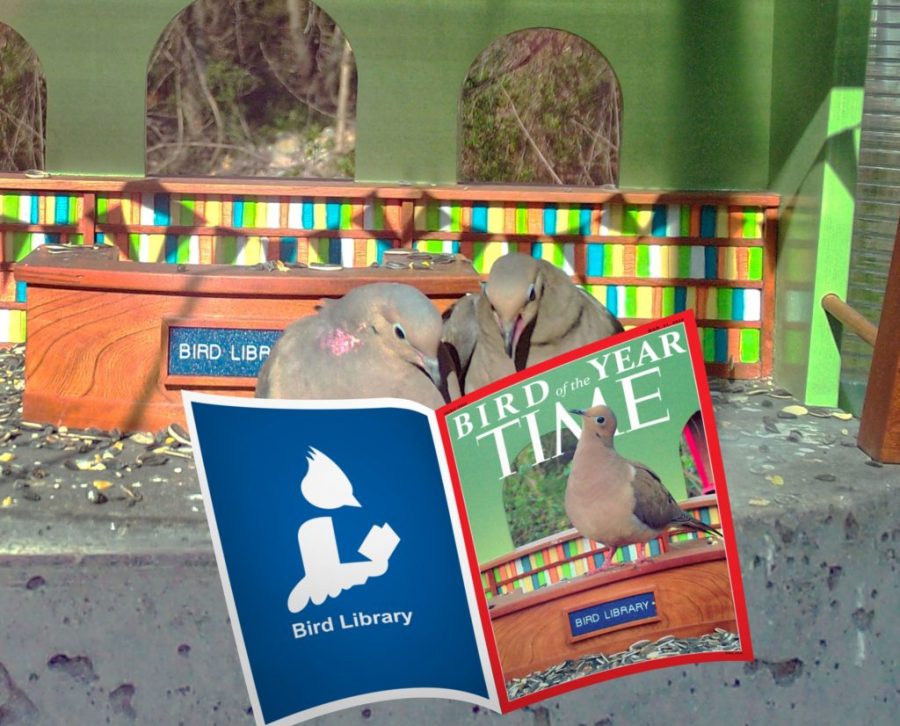
“The two things I love most are novels and birds,” said Jonathan Franzen in a Guardian profile not long ago. “They’re both in trouble, and I want to advocate for both of them.” Chances are that even that famously internet-averse novelist-turned-birdwatcher would enjoy the online attraction called The Bird Library, “where the need to feed meets the need to read.” Its live Youtube stream shows the goings-on of a tiny library built especially for our feathered friends. “Perched in a backyard in the city of Charlottesville,” writes Atlas Obscura’s Claire Voon, “it is the passion project of librarian Rebecca Flowers and woodworker Kevin Cwalina, who brought together their skills and interests to showcase the lives of their backyard birds.”
Recent visitors, Voon adds, “have included a striking rose-breasted grosbeak, a cardinal that looks like it’s vaping, and a trio of mourning doves seemingly caught in a serious meeting.” The Bird Library’s web site offers an archive of images capturing the institution’s wee regulars, all accompanied by enlivening captions. (“Why did the bird go to the library?” “He was looking for bookworms.”)
Just as year-round birdwatching brings pleasures distinct from more casual versions of the pursuit, year-round viewing of The Bird Library makes for a deeper appreciation not just of the variety of species represented among its patrons — the creators have counted 20 so far — but for the seasonal changes in the space’s decor, especially around Christmastime.

As longtime viewers know, this isn’t the original Bird Library. “In late 2018 we demolished the old Bird Library and started design and development of a new and improved Bird Library 2.0! Complete with a large concrete base for increased capacity and a bigger circulation desk capable of feeding all our guests all day long.” Just as libraries for humans need occasional renovation, so, it seems, do libraries for birds — a concept that could soon expand outside Virginia. “Cwalina hopes to eventually publish an open-access plan for a similar bird library, so that other birders can build their own versions,” reports Voon. And a bird-loving 21st-century Andrew Carnegie steps forward to ensure their architectural respectability, might we suggest going with modernism?

Related Content:
Modernist Birdhouses Inspired by Bauhaus, Frank Lloyd Wright and Joseph Eichler
Free Entertainment for Cats and Dogs: Videos of Birds, Squirrels & Other Thrills
Download 435 High Resolution Images from John J. Audubon’s The Birds of America
McDonald’s Opens a Tiny Restaurant — and It’s Only for Bees
Based in Seoul, Colin Marshall writes and broadcasts on cities, language, and culture. His projects include the book The Stateless City: a Walk through 21st-Century Los Angeles and the video series The City in Cinema. Follow him on Twitter at @colinmarshall, on Facebook, or on Instagram.
Read More...Revisiting The Wire During 2020’s Black Lives Matter Movement
George Floyd’s murder while under arrest for allegedly passing a counterfeit bill of small denomination sparked massive worldwide demonstrations against police brutality and in support of Black Lives Matter.
It also led to the abrupt cancellation of television’s recent hit, Live PD, and its longest-running reality show, Cops.
As Amanda Hess recently observed in The New York Times, public opinion has turned on any show that promotes an image of police officers as universally decent forces for good, “lovable goofballs,” or anti-heroes whose rough edges make a play for viewers’ allegiance by suggesting the characters are realistically flawed and thus, relatable:
The “good cop” trope is a standard of both police procedurals and real-life police tactics, and now crowdsourced video of the protests has given cops a new stage for performing the role. In recent days, supposedly uplifting images of the police have spread wildly across the internet, competing for views with evidence of cops beating, gassing and arresting protesters. In Houston, an officer consoled a young black girl at a rally: “We’re here to protect you, OK?” he told her, enveloping her in a hug. “You can protest, you can party, you can do whatever you want. Just don’t break nothing.” In Nashville, the police tweeted a photo of cops kneeling next to a black boy with a “Black Lives Matter” sign, smiling from behind their riot helmets. And in Atlanta, a line of National Guard soldiers did the Macarena. On the final rump shake, a black rifle slung over one soldier’s back swung to the beat.
These images show cops engaging in a kind of pantomime of protest, mimicking the gestures of the demonstrators until their messages are diluted beyond recognition. They reframe protests against racist police violence into a bland, nonspecific goal of solidarity. These moments are meant to represent the shared humanity between officers and protesters, but cops already rank among the most humanized groups in America; the same cannot be said for the black Americans who live in fear of them. Cops can dance, they can hug, they can kneel on the ground, but their individual acts of kindness can no longer obscure the violence of a system. The good-cop act is wearing thin.
According to Hollywood Reporter critic Inkoo Kang, almost any portrayal of cops on TV right now rankles, even one that was lauded for its realistic portrayal of corruption and abuse on the force, HBO’s critically acclaimed The Wire—Barack Obama’s avowed favorite.
In the first season of The Wire, just about every on-the-ground cop participates in police brutality — often as a kind of professional prerogative. Their violence is meant to add darker streaks to the characters’ otherwise heroic gloss, but it also has the effect of normalizing police brutality as a part, even a perk, of the job.
Her comments touched a nerve with actor Wendell Pierce, whose character was based on a Baltimore homicide detective, Oscar Requer, who achieved his position at a time when black officers routinely faced racial harassment from within the force. Pierce published his response on Twitter:
How can anyone watch “The Wire” and the dysfunction of the police & the war on drugs and say that we were depicted as heroic. We demonstrated moral ambiguities and the pathology that leads to the abuses. Maybe you were reacting to how good people can be corrupted to do bad things.
If The Wire did anything right, it depicted the humanity of the Black lives so easily profiled by police and the destruction of them by the so-called war on drugs; a deliberate policy of mass incarceration to sustain a wealth disparity in America that thrives keeping an underclass.
The Wire, if anything, was the canary-in-the-mine that forecasts the institutional moral morass of politics and policing that lead us to the protests of today. “The bigger the lie, the more they believe” was a line of mine that is so salient and profound in today’s climate.
“The Wire” is a deep dive study of the contributing variables that feed the violence in our culture: in the streets and at the hand of police. Classism, racism, destruction of public education, and moral ambiguity in our leadership all feed this paradigm of American decline.
I know I sound defensive and I probably am, The Wire is personal for me. The Wire is also Art. The role of Art is to ignite the public discourse. Art is where we come together as a community to confront who we are as a society, decide what our values are, and then act on them.
The critique here is that television seems to follow behind the current events of the day. I would ask that you consider that maybe The Wire was a precursor to the discussion that is mandatory now. It was an indicator, a warning light, of the implosion we are feeling today.
At a time when the world is called upon to listen carefully to what black people are saying, and much of the world has shown themselves ready to do so, Pierce’s words carry extra weight.
His assertion that the show, which ran from 2002 to 2008, accurately depicted a system so rotten that collapse was inevitable, is echoed in interview clips with creator and one-time police reporter, David Simon, above.
The video essay was put together by aspirant screenwriter Nehemiah T. Jordan whose Behind the Curtain series aims to provide insights on how celebrated scripts for both the big and small screens—Fight Club, Uncut Gems, The Sopranos, Breaking Bad—come by their aesthetic quality.
Simon’s ambition for The Wire was that it truthfully convey what he had observed as a reporter, as well as the lives of the people he interacted with—both Baltimore cops and those they mostly failed to serve.
In a 2015 White House conversation with then-President Obama, Simon remarks that an emphasis on drug-related offenses led to an epidemic of presumptive police work, and a decline in “competent retroactive investigation of felonies.” A disproportionate number of young black and Latino men were incarcerated during this time, and upon their release, their felony histories meant that few of them were able to secure meaningful employment. America’s problems were compounded.
Whether or not you are moved to watch, or rewatch The Wire, we heartily recommend Where We Go from Here, a recent New York Daily News op-ed by actor Michael K. Williams, who played fan favorite Omar Little, and whose real life counterpart Simon discusses with Omar-fan Obama.
New York native Williams, who has worked to end mass juvenile incarceration, foment collaboration between police and at-risk youth and serves as an ambassador for The Innocent Project, possesses a deep understanding of the New York Police Department’s structure, chain of command, and day to day workings. Stating that tangible action is needed to “shift police culture” and “transform the relationships between law enforcement and communities of color,” he makes a case for six concrete reforms:
- Overhaul CompStat, the NYPD’s crime tracking mechanism.
- Eliminate plainclothes units.
- Create an independent body to investigate “use of force” incidents at the time they occur.
- Reimagine the duties of civilians within the department tasked with community-building.
- Implement ongoing trauma-centered training, education and activities for officers, executives and the communities they serve.
- Make racial justice a core component of NYPD training and education.
Read Michael K. William’s Op-Ed here.
Related Content:
The Wire as Great Victorian Novel
Ayun Halliday is an author, illustrator, theater maker and Chief Primatologist of the East Village Inky zine. Follow her @AyunHalliday.
Read More...Spike Lee Debuts the Short Film “3 Brothers”: A Remake of Do the Right Thing for Our Dark Times
When beloved actor Bill Nunn died in September of 2016, two months before the election, his passing felt prophetic of more bad things to come. Best known as the boombox-toting, ultimate Public Enemy fan Radio Raheem in Spike Lee’s 1989 film Do the Right Thing, Nunn’s character is murdered by a gang of cops, who put him in a chokehold and suffocate him. At the time, Raheem’s death was a fictional restatement of what had come before, as Lee explains above in the 30th anniversary commentary on the film.
“I’m renaming this ‘Anatomy of a Murder,’” he says, explaining how he based the scene of Raheem’s death on the 1983 killing of graffiti artist Michael Stewart, who was strangled by 11 NYC transit officers. “The things that are happening in this film,” he says, “are still relevant today.” Lee then references the death of Eric Garner, killed in exactly the same way as Raheem. Now we have seen the murder of George Floyd, asphyxiated with a knee to the neck. These on-camera killings are traumatic, but Lee has not shied away from the power of documentary images.
He reclaimed his place as a big-budget interpreter of American racism with BlackkKlansman, a fictionalized film that ends with extremely hard-to-watch (especially for those who were there) real footage of the murder of anti-racist activist Heather Heyer in Charlottesville. Lee faced a good deal of criticism over the use of this video, but he has again taken real-life footage of racially-motivated killings, this time by the police, and cut them together with fiction, editing together the death of Raheem with the deaths of Garner and Floyd.
3 Brothers-Radio Raheem, Eric Garner And George Floyd. pic.twitter.com/EB0cXQELzE
— Spike Lee (@SpikeLeeJoint) June 1, 2020
Calling the short “3 Brothers,” he opens with the question, “Will History Stop Repeating Itself?” Lee Debuted the film on the CNN special “I Can’t Breathe: Black Men Living & Dying in America.” The cumulative effects of history are critical to understanding the moment we are in, he says. The rage and protest on streets around the world are not a reaction to a single event—they are a confrontation with hundreds of years of violent control over black bodies, a state of affairs always including murder with impunity. “The attack on black bodies has been here from the get-go,” Lee says.
Lee’s short is hard to watch, and I don’t blame anyone who never wants to see this footage again (I don’t). The murders of individual, unarmed black men by groups of officers take on an eerie monotony in their sameness over time. “The killings caught on camera,” writes historian Robert Greene II, “offer a disturbing reminder of the numerous photographs of lynchings dispersed throughout the nation in the early twentieth century. Some were catalogued by the NAACP and displayed as examples of American brutality and barbarism. Others, however, were featured on postcards and sent to white Americans throughout the country, small trinkets of white terror.”
This chilling history gives rise to an understandable ambivalence about sharing videos of police killings. Are these evidence of barbarous injustice or racist snuff films running on an endless loop? As in the lynching photographs, it depends on the audience and the context in which the videos are shown. But when Spike Lee made Do the Right Thing—pre-Rodney King and cell phone cameras—hardly anyone outside of heavily policed black neighborhoods witnessed firsthand the kind of brutality that is now so depressingly familiar in our newsfeeds.
The death of Radio Raheem was shocking to audiences, as it was devastating to the characters and remains, for those who grew up with the film, a moving cinematic touchstone of the time. It is truly heartbreaking and enraging that such scenes have become common currency on social media, instead of historic examples of the brutality of the past—a story, as one person wrote of the 1968 police killing of poet Henry Dumas, of “generations of lost potential.”
via Boing Boing
Related Content:
Spike Lee Shares His NYU Teaching List of 87 Essential Films Every Aspiring Director Should See
How Spike Lee Got His First Big Break: From She’s Gotta Have It to That Iconic Air Jordan Ad
Spike Lee Directs, “Wake Up,” a Five-Minute Campaign Film for Bernie Sanders
Gil Scott-Heron Spells Out Why “The Revolution Will Not Be Televised”
Josh Jones is a writer and musician based in Durham, NC. Follow him at @jdmagness
Read More...What Is a “Casual Game?” Pretty Much Pop: A Culture Podcast #46 Talks to Nick Fortugno, Creator of “Diner Dash”
Famed game designer Nick joins your hosts Mark Linsenmayer, Erica Spyres, and Brian Hirt to consider fundamental questions about the activity of gaming (Nick calls games “arbitrary limits on meaningless goals”) and what constitutes a casual game: Is it one that’s easy (maybe not easy to win, but at least you don’t die), one meant to be played in short bursts, or maybe one with a certain kind of art style, or just about any game that runs on a phone? Nick’s most famous creation is the casual Diner Dash, which can be very stressful. Vastly different games from very hard but very short action games and very involved but soothing strategy games get lumped under this one label.
Our conversation touches on everything from crosswords to Super Meat Boy, plus the relation between psychology and game design, whether casual games really play less than hardcore gamers, the stigma of an activity that was for marketing reasons at one point branded as being just for adolescent boys, and even heuristics for beating slot machines.
Some sources we looked at include:
- Wikipedia on casual games
- “Casual Games, Time Management, and the Work of Affect” by Aubrey Anable
- “Hyper Casual Game: Mobile Gaming’s Newest Genre” by Matija Hanicar
- “The Rise of Casual Gaming” by Niraj Chokshi
- “Popcap: The 10 Secrets of Casual Game Design” by Keith Stuart
- “Gaming Conceptz: Casual Games for Casual Players” by Vince Vader
- Casual Game Insider Magazine
Just so you don’t have to write them down, our recommendations at the end were:
- Nick: Candy Box!, Dicey Dungeons, Codenames, Super Hexagon
- Erica: A Fisherman’s Tale
- Brian: Two Dots
- Mark: Feeding Frenzy (which is different from Insaniquarium where fish poop coins that Nick I think is referring to)
You can follow Nick @nickfortugno.
Learn more at prettymuchpop.com. This episode includes bonus discussion that you can only hear by supporting the podcast at patreon.com/prettymuchpop. This podcast is part of the Partially Examined Life podcast network.
Pretty Much Pop: A Culture Podcast is the first podcast curated by Open Culture. Browse all Pretty Much Pop posts or start with the first episode.
Read More...Stream 15 Audio Drama Podcasts & Get Through COVID-19: Features Rami Malek, Catherine Keener, Tim Robbins & More
At my home now, we constantly tell stories: to distract, soothe, entertain—telling and retelling, collaboratively authoring over meals, listening to a ton of story podcasts. These activities took up a good part of the day before all hell broke loose and schools shut down. Now they guide us from morning to night as we try to imagine other worlds, better worlds, than the one we’re living in at present. We are painting on the walls of our cave, so to speak, with brave and fearful images, while outside, confusion sets in.
Lest anyone think this is kid stuff, it most assuredly is not. Narrative coherence seems particularly important for healthy human functioning. We may grow to appreciate greater levels of complexity and moral ambiguity, it’s true. But the desire to experience reality as something with arcs, rather than erratic and disturbing non-sequiturs, remains strong. Experimental fiction proves so unsettling because it defies acceptable notions of cause and consequence.
From the tales told by plague-displaced aristocrats in Boccaccio’s Decameron to the radio dramas that entertained families sheltering in place during the Blitz to our own podcast-saturated coronavirus media landscape…. Stories told well and often have a healing effect on the distressed psyches of those trapped in world-historical dramas. “While stories might not protect you from a virus,” writes Andre Spicer at New Statesman, “they can protect you from the ill feelings which epidemics generate.”
In addition to advice offered throughout history—by many of Boccaccio’s contemporaries, for example, who urged story and song to lift plague-weary spirits—“dozens of studies” by psychologists have shown “the impact storytelling has on our health.” Telling and hearing stories gives us language we may lack to describe experience. We can communicate and analyze painful emotions through metaphors and characterization, rather than too-personal confession. We can experience a sense of kinship with those who have felt similarly.
Perhaps this last function is most important in the midst of catastrophes that isolate people from each other. As reality refuses to conform to a sense of appropriate scope, as cartoonish villains destroy all proportion and probability, empathy fatigue can start to set in. Through the art of storytelling, we might learn we don’t have to share other people’s backgrounds, beliefs, and interests to understand their motivations and care about what happens to them.
We can also learn to start small, with just a few people, instead of the whole world. Short fiction brings unthinkable abstractions—the death tolls in wars and plagues—to a manageable emotional scale. Rather than showing us how we might defeat, avoid, or escape invisible antagonists like viral pandemics, stories illustrate how people can behave well or badly in extreme, inhuman circumstances.
Below, find a series of audio dramas, both fiction and non, in podcast form—many featuring celebrity voices, including Rami Malek, Catherine Keener, Tim Robbins & more—to help you in your journey through our narratively exhausting times. Parents and caregivers likely already find themselves immersed in stories much of the day. Yet adults, whether they’re raising kids or not, need storytime too—maybe especially when the stories we believed about the world stop making sense.
Alice Isn’t Dead — Apple — Spotify — Google — Web Site — A truck driver searches across America for the wife she had long assumed was dead. In the course of her search, she will encounter not-quite-human serial murderers, towns literally lost in time, and a conspiracy that goes way beyond one missing woman.
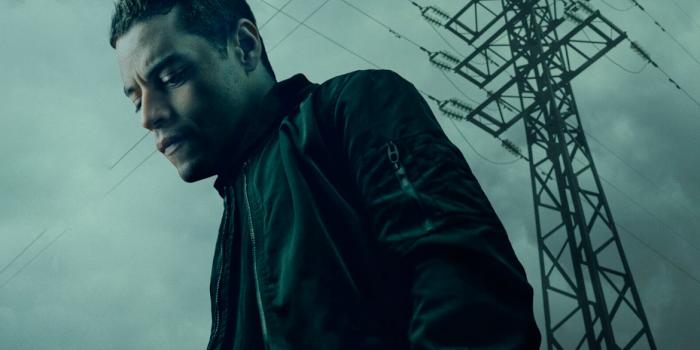
Blackout — Apple — Spotify — Google — Academy Award winner Rami Malek stars in this apocalyptic thriller as a small-town radio DJ fighting to protect his family and community after the power grid goes down nationwide, upending modern civilization.
LifeAfter/The Message — Apple — Spotify — Google — The Message and its sequel, LifeAfter, take listeners on journeys to the limits of technology. n The Message, an alien transmission from decades ago becomes an urgent puzzle with life or death consequences. In LifeAfter, Ross, a low level employee at the FBI, spends his days conversing online with his wife Charlie – who died eight months ago. But the technology behind this digital resurrection leads Ross down a dangerous path that threatens his job, his own life, and maybe even the world. Winner of the Cannes Gold Lion.
Homecoming — Apple — Spotify — Google — Homecoming centers on a caseworker at an experimental facility, her ambitious supervisor, and a soldier eager to rejoin civilian life — presented in an enigmatic collage of telephone calls, therapy sessions, and overheard conversations. Starring Catherine Keener, Oscar Isaac, David Schwimmer, David Cross, Amy Sedaris, Michael Cera, Mercedes Ruehl, Alia Shawkat, Chris Gethard, and Spike Jonze.
Limetown — Apple — Spotify — Google — Web Site — The premise: Ten years ago, over three hundred men, women and children disappeared from a small town in Tennessee, never to be heard from again. In this podcast, American Public Radio reporter Lia Haddock asks the question once more, “What happened to the people of Limetown?”
Motherhacker — Apple — Spotify — Google — Web Site — The plot: Bridget’s life is a series of dropped calls. With a gift for gab, an ex-husband in rehab, and down to her last dollar, Bridget’s life takes a desperate turn when she starts vishing over the phone for a shady identity theft ring in order to support her family.
Passenger List — Apple — Spotify — Google — Web Site — Atlantic Flight 702 has disappeared mid-flight between London and New York with 256 passengers on board. Kaitlin Le (Kelly Marie Tran), a college student whose twin brother vanished with the flight, is determined to uncover the truth.
Sandra — Apple — Spotify — Web Site — Co-stars Kristen Wiig, Alia Shawkat, and Ethan Hawke. Here’s the plot: Helen’s always dreamed of ditching her hometown, so when she lands a job at the company that makes Sandra, everyone’s favorite A.I., she figures it’s the next-best thing. But working behind the curtain isn’t quite the escape from reality that Helen expected.
The Angel of Vine — Apple — Spotify — Google — Web Site — A present day journalist uncovers the audio tapes of a 1950s private eye who cracked the greatest unsolved murder mystery Hollywood has ever known… and didn’t tell a soul. Starring Joe Manganiello, Alfred Molina, Constance Zimmer, Alan Tudyk, Camilla Luddington, and more.
The Bright Sessions — Apple — Spotify — Google — Web Site — A science fiction podcast that follows a group of therapy patients. But these are not your typical patients — each has a unique supernatural ability. The show documents their struggles and discoveries as well as the motivations of their mysterious therapist, Dr. Bright.
The Orbiting Human Circus — Apple — Spotify — Google — Discover a wondrously surreal world of magic, music, and mystery. This immersive, cinematic audio spectacle follows the adventures of a lonely, stage-struck janitor who is drawn into the larger-than-life universe of the Orbiting Human Circus, a fantastical, wildly popular radio show broadcast from the top of the Eiffel Tower. WNYC Studios presents a special director’s cut of this joyous, moving break from reality. Starring John Cameron Mitchell, Julian Koster, Tim Robbins, Drew Callander, Susannah Flood, and featuring Mandy Patinkin and Charlie Day.
The Truth — Apple — Spotify — Google — Web Site — The Truth makes movies for your ears. They’re short stories that are sometimes dark, sometimes funny, and always intriguing. Every story is different, but they all take you to unexpected places using only sound. If you’re new, some good starting places are: Silvia’s Blood, That’s Democracy, Moon Graffiti, Tape Delay, or whatever’s most recent. Listening with headphones is encouraged!
The Walk — Apple — Spotify — “Dystopian thriller, The Walk, is a tale of mistaken identity, terrorism, and a life-or-death mission to walk across Scotland. But the format of this story is — unusual. The Walk is an immersive fiction podcast, and the creators want you to listen to it while walking. It begins with a terrorist attack at a train station; you are the protagonist, known only as Walker, and the police think you’re a member of a shadowy terror group called The Burn.” “Author Naomi Alderman, whose latest novel was a bestseller called The Power, is the creator of The Walk.”
We’re Alive — Apple — Spotify — Google — An award-wining audio drama, originally released in podcast form. Its story follows a large group of survivors of a zombie apocalypse in downtown Los Angeles, California.
Wolf 359 — Apple — Spotify — Google — A science fiction podcast created by Gabriel Urbina. Following in the tradition of Golden Age radio dramas, Wolf 359 tells the story of a dysfunctional space station crew orbiting the star Wolf 359 on a deep space survey mission.
These podcasts can be found in the new collection, The 150 Best Podcasts to Enrich Your Mind.
Related Content:
Pandemic Literature: A Meta-List of the Books You Should Read in Coronavirus Quarantine
How Can Boccaccio’s 14th Century Decameron Help Us Live Through COVID-19?
1,000 Free Audio Books: Download Great Books for Free
Josh Jones is a writer and musician based in Durham, NC. Follow him at @jdmagness
Read More...The 150 Best Podcasts to Enrich Your Mind
Feed your brain with great podcasts on art, music, history, philosophy, plus captivating true and imagined stories. This is a soft launch of a new page. If we’re missing important podcasts, please let us know here.
Art, Design & Fashion
99 Percent Invisible — Apple — Spotify — Google — Web Site — RSS — Design is everywhere in our lives, perhaps most importantly in the places where we’ve just stopped noticing. 99% Invisible is a weekly exploration of the process and power of design and architecture. From award winning producer Roman Mars.
A History of the World in 100 Objects — Apple — Spotify — Google — Web Site — This podcast uses the British Museum’s collection to tell an epic history of humanity spanning over two million years. This 100-part series is narrated by Neil MacGregor, Director of the British Museum, and was originally broadcast on BBC Radio 4.
Articles of Interest — Apple — Spotify — Google — Web Site — A show about what we wear. It’s a six-part series from 99% Invisible, looking at clothing.
ArtCurious — Apple — Spotify — Google — Web Site — Think art history is boring? Think again. It’s weird, funny, mysterious, enthralling, and liberating. Join us as we cover the strangest stories in art. Is the Mona Lisa fake? Did Van Gogh actually kill himself? And why were the Impressionists so great?
Art Detective — Apple — Spotify — Understanding art allows us to understand history: to pin it with images, and pepper it with the faces, colors, drama and expression of its time. This series is designed to give bite-sized insights into the world of Art History, bringing one image to life across 20 minutes through discussion with experts.
Art History for All — Apple — Spotify — Google — Web Site — From art lovers to art haters to art-is-just-okay-ers, Art History for All aims to get all kinds of people thinking about art and what it means to them. Each episode, Allyson Healey tackles a single work of art and its history and larger significance, always asking the question: so what? Art History for All takes you beyond the art historical canon and helps you find the way in which art speaks to you (even if it’s never spoken to you before).
Design Matters — Apple — Google — Web Site — Hosted by Debbie Millman, Design Matters is the world’s first podcast about design and an inquiry into the broader world of creative culture through wide-ranging conversations with designers, writers, artists, curators, musicians, and other luminaries of contemporary thought.
Dressed: The History of Fashion — Apple — Spotify — Google — Web Site — With over 7 billion people in the world, we all have one thing in common. Every day we all get dressed. Join Dressed as they explore the social and cultural histories behind the who, what, when of why we wear.
Last Seen — Apple — Spotify — Google — Web Site — RSS — It remains the most valuable — and confounding — art heist in history: 13 artworks stolen from Boston’s Isabella Stewart Gardner Museum. Twenty-eight years later, not a single piece in a haul worth half a billion dollars has surfaced. The art, and the thieves who made off with it, remain at large. With first-ever interviews, unprecedented access, and more than a year of investigative reporting, “Last Seen” takes us into the biggest unsolved art heist in history. A joint production from WBUR and The Boston Globe. Read more here.
Raw Material — Apple — Spotify — Google — Web Site — RSS — Raw Material is an arts and culture podcast from the San Francisco Museum of Modern Art (SFMOMA). Each season focuses on a different topic, featuring voices of artists working in all media and exploring the inspiration and stories behind modern and contemporary art.
Recording Artists — Apple — Spotify — Google — Web Site — What was it like to be a woman making art as the feminist and civil rights movements were transforming American society? In this first season of Recording Artists, from the Getty, this podcast uses archival interviews to explore the lives of six women artists—Alice Neel, Lee Krasner, Betye Saar, Helen Frankenthaler, Yoko Ono, and Eva Hesse. Read more here.
The Lonely Palette — Apple — Spotify — Google — Web Site — The Lonely Palette returns art history to the masses, one painting at a time. Each episode, host Tamar Avishai picks a painting du jour, interviews unsuspecting museum visitors in front of it, and then dives deeply into the object, the movement, the social context, and anything and everything else that will make it as neat to you as it is to her.
The Modern Art Notes Podcast — Apple — Spotify — Google — Web Site — RSS — A weekly, hour-long interview program featuring artists, historians, authors, curators and conservators. Pulitzer Prize-winning art critic Sebastian Smee called The MAN Podcast “one of the great archives of the art of our time.”
Audio Dramas
Alice Isn’t Dead — Apple — Spotify — Google — Web Site — A truck driver searches across America for the wife she had long assumed was dead. In the course of her search, she will encounter not-quite-human serial murderers, towns literally lost in time, and a conspiracy that goes way beyond one missing woman.
Asking for It — Apple — Spotify — Google — Web Site — A queer contemporary take of the Goldilocks tale: about love, music, and breaking the cycle of abuse. Goldie escapes a chaotic childhood only to go from a partner who starves her of love to a partner who nearly drowns her in it, before learning to be just right on her own. From CBC Podcasts and Mermaid Palace.
Blackout — Apple — Spotify — Google — Academy Award winner Rami Malek stars in this apocalyptic thriller as a small-town radio DJ fighting to protect his family and community after the power grid goes down nationwide, upending modern civilization.
LifeAfter/The Message — Apple — Spotify — Google — The Message and its sequel, LifeAfter, take listeners on journeys to the limits of technology. n The Message, an alien transmission from decades ago becomes an urgent puzzle with life or death consequences. In LifeAfter, Ross, a low level employee at the FBI, spends his days conversing online with his wife Charlie – who died eight months ago. But the technology behind this digital resurrection leads Ross down a dangerous path that threatens his job, his own life, and maybe even the world. Winner of the Cannes Gold Lion.
Homecoming — Apple — Spotify — Google — Homecoming centers on a caseworker at an experimental facility, her ambitious supervisor, and a soldier eager to rejoin civilian life — presented in an enigmatic collage of telephone calls, therapy sessions, and overheard conversations. Starring Catherine Keener, Oscar Isaac, David Schwimmer, David Cross, Amy Sedaris, Michael Cera, Mercedes Ruehl, Alia Shawkat, Chris Gethard, and Spike Jonze.
Limetown — Apple — Spotify — Google — Web Site — The premise: Ten years ago, over three hundred men, women and children disappeared from a small town in Tennessee, never to be heard from again. In this podcast, American Public Radio reporter Lia Haddock asks the question once more, “What happened to the people of Limetown?”
Motherhacker — Apple — Spotify — Google — Web Site — The plot: Bridget’s life is a series of dropped calls. With a gift for gab, an ex-husband in rehab, and down to her last dollar, Bridget’s life takes a desperate turn when she starts vishing over the phone for a shady identity theft ring in order to support her family.
Passenger List — Apple — Spotify — Google — Web Site — Atlantic Flight 702 has disappeared mid-flight between London and New York with 256 passengers on board. Kaitlin Le (Kelly Marie Tran), a college student whose twin brother vanished with the flight, is determined to uncover the truth.
Sandra — Apple — Spotify — Web Site — Co-stars Kristen Wiig, Alia Shawkat, and Ethan Hawke. Here’s the plot: Helen’s always dreamed of ditching her hometown, so when she lands a job at the company that makes Sandra, everyone’s favorite A.I., she figures it’s the next-best thing. But working behind the curtain isn’t quite the escape from reality that Helen expected.
The Angel of Vine — Apple — Spotify — Google — Web Site — A present day journalist uncovers the audio tapes of a 1950s private eye who cracked the greatest unsolved murder mystery Hollywood has ever known… and didn’t tell a soul. Starring Joe Manganiello, Alfred Molina, Constance Zimmer, Alan Tudyk, Camilla Luddington, and more.
The Bright Sessions — Apple — Spotify — Google — Web Site — A science fiction podcast that follows a group of therapy patients. But these are not your typical patients — each has a unique supernatural ability. The show documents their struggles and discoveries as well as the motivations of their mysterious therapist, Dr. Bright.
The Orbiting Human Circus — Apple — Spotify — Google — Discover a wondrously surreal world of magic, music, and mystery. This immersive, cinematic audio spectacle follows the adventures of a lonely, stage-struck janitor who is drawn into the larger-than-life universe of the Orbiting Human Circus, a fantastical, wildly popular radio show broadcast from the top of the Eiffel Tower. WNYC Studios presents a special director’s cut of this joyous, moving break from reality. Starring John Cameron Mitchell, Julian Koster, Tim Robbins, Drew Callander, Susannah Flood, and featuring Mandy Patinkin and Charlie Day.
The Truth — Apple — Spotify — Google — Web Site — The Truth makes movies for your ears. They’re short stories that are sometimes dark, sometimes funny, and always intriguing. Every story is different, but they all take you to unexpected places using only sound. If you’re new, some good starting places are: Silvia’s Blood, That’s Democracy, Moon Graffiti, Tape Delay, or whatever’s most recent. Listening with headphones is encouraged!
The Walk — Apple — Spotify — “Dystopian thriller, The Walk, is a tale of mistaken identity, terrorism, and a life-or-death mission to walk across Scotland. But the format of this story is — unusual. The Walk is an immersive fiction podcast, and the creators want you to listen to it while walking. It begins with a terrorist attack at a train station; you are the protagonist, known only as Walker, and the police think you’re a member of a shadowy terror group called The Burn.” “Author Naomi Alderman, whose latest novel was a bestseller called The Power, is the creator of The Walk.”
We’re Alive — Apple — Spotify — Google — An award-wining audio drama, originally released in podcast form. Its story follows a large group of survivors of a zombie apocalypse in downtown Los Angeles, California.
Welcome to Night Vale — Apple — Spotify — Google — Web Site — Twice-monthly community updates for the small desert town of Night Vale, where every conspiracy theory is true. Turn on your radio and hide. Never listened before? It’s an ongoing radio show. Start with the current episode, and you’ll catch on in no time.
Wolf 359 — Apple — Spotify — Google — A science fiction podcast created by Gabriel Urbina. Following in the tradition of Golden Age radio dramas, Wolf 359 tells the story of a dysfunctional space station crew orbiting the star Wolf 359 on a deep space survey mission.
Audio Reads: Fiction & Non-Fiction
LeVar Burton Reads — Apple — Spotify — Google — Web Site — The best short fiction, handpicked by the best voice in podcasting. In every episode, host LeVar Burton (Roots, Reading Rainbow, Star Trek) invites you to take a break from your daily life, and dive into a great story. LeVar’s narration blends with gorgeous soundscapes to bring stories by Neil Gaiman, Haruki Murakami, Octavia Butler, Ray Bradbury and more to life. So, if you’re ready, let’s take a deep breath.
New Yorker Fiction Podcast — Apple — Web Site — This podcast features readings of classic fiction published in The New Yorker.
Selected Shorts — Apple — Spotify — Google — Web Site — RSS — Great actors read great fiction in front of a live audience.
Books & Language
A Way with Words — Apple — Spotify — Google — Web Site — A fun and funny radio show and podcast about language. Co-hosts Martha Barnette and Grant Barrett talk with callers from around the world about linguistics, slang, new words, jokes, riddles, word games, grammar, old sayings, word origins, regional dialects, family expressions, books, literature, folklore, and speaking and writing well.
Lexicon Valley - Apple — Spotify — RSS — A show about language, from pet peeves, syntax, and etymology to neurolinguistics and the death of languages. Hosted by linguist John McWhorter.
Literature and History — Apple — Spotify — Google — Web Site — A podcast covering Anglophone literature and its roots, from ancient times to the present! Each episode covers an influential work of world literature, featuring summaries of the texts, historical analysis of the cultures that produced them, and some original music and goofiness thrown in to keep you entertained.
The Allusionist — Apple — Spotify — Google — Web Site — The Allusionist scratches the surface of why we say the things we say. English is a big messy mutt of a language, formed by military invasion after military invasion, plus countless tiny idiosyncratic decisions made by its users along the way. The Allusionist is the latest from award-winning host Helen Zaltzman. Based in London, UK.
The History of English Podcast — Apple — Spotify — Google — A chronological history of the English language examined through the lens of historical events that shaped the development and spread of the language from the Eurasian steppe to the entire world.
The Penguin Podcast — Apple — Spotify — Google — The Penguin Podcast features conversations with some our of leading authors and creative thinkers, as we seek to understand how they write and where their ideas come from. Guests bring to the interview a handful of objects that have inspired their work. Recent guests include Noam Chomsky, Paul McCartney, William Gibson, Arundhati Roy and more.
Ideas
Against the Rules with Michael Lewis — Apple — Spotify — Google — Web Site — Journalist and bestselling author Michael Lewis (Liar’s Poker, Moneyball) takes a searing look at what’s happened to fairness. It feels like there’s less of it every day—whether it comes to lending practices, college admissions, professional sports, or psychological well-being. Who are the people trying to level the playing field, and are they making an impact? Lewis interviews referees (Season 1) and coaches (Season 2) from many walks of life, bringing his trademark insight and wry humor to their stories of (in)equality today.
Akimbo — Apple — Spotify — Google — Akimbo is an ancient word, from the bend in the river or the bend in an archer’s bow. It’s become a symbol for strength, a posture of possibility, the idea that when we stand tall, arms bent, looking right at it, we can make a difference. Seth Godin’s Akimbo is a podcast about our culture and about how we can change it. About seeing what’s happening and choosing to do something. The culture is real, but it can be changed. You can bend it.
Benjamen Walker’s Theory of Everything — Apple — Spotify — Google — Web Site — Theory of Everything plunges listeners into a whirl of journalism, fiction, art, interviews, and the occasional exploding pipe dream. Host Benjamen Walker connects the dots in a hyper-connected world, featuring conversations with philosophers, friends, and the occasional too-good-to-be-real guest.
Complexity — Apple — Google — Spotify — Web Site — RSS — Far-reaching conversations with a worldwide network of scientists and mathematicians, philosophers and artists developing new frameworks to explain our universe’s deepest mysteries. Created by the Santa Fe Institute.
Entitled Opinions — Apple — Google — Web Site — Entitled Opinions is a literary talk show on Stanford University Radio, KZSU, in which Professor Robert Harrison interviews guests about issues that range from literature and philosophy to politics and sports. Read more here.
Flash Forward — Apple — Spotify — Google — Web Site — RSS — A show about possible (and not so possible) future scenarios. What would the warranty on a sex robot look like? How would diplomacy work if we couldn’t lie? Hosted and produced by award winning science journalist Rose Eveleth, each episode combines audio drama and journalism to go deep on potential tomorrows, and uncovers what those futures might really be like.
Freakonomics Radio — Apple — Spotify — Google — Web Site — RSS — Discover the hidden side of everything with Stephen J. Dubner, co-author of the Freakonomics books. Each week, Freakonomics Radio tells you things you always thought you knew (but didn’t) and things you never thought you wanted to know (but do) — from the economics of sleep to how to become great at just about anything. Dubner speaks with Nobel laureates and provocateurs, intellectuals and entrepreneurs, and various other underachievers.
Fresh Air — Apple — Spotify — Google — Web Site — RSS — Fresh Air from WHYY, the Peabody Award-winning weekday magazine of contemporary arts and issues, is one of public radio’s most popular programs. Hosted by Terry Gross, the show features intimate conversations with today’s biggest luminaries.
Here’s the Thing — Apple — Spotify — Google — Web Site — Alec Baldwin takes listeners into the lives of artists, policy makers and performers. Alec sidesteps the predictable by going inside the dressing rooms, apartments, and offices of people we want to understand better: Ira Glass, Patti Smith, David Brooks, Roz Chast, Chris Rock and others.
Hidden Brain — Apple — Spotify — Google — Web Site — RSS — NPR’s Shankar Vedantam uses science and storytelling to reveal the unconscious patterns that drive human behavior, shape our choices and direct our relationships.
Imaginary Worlds — Apple — Spotify — Google — Web Site — SoundCloud — A bi-weekly podcast about science fiction and other fantasy genres. Host Eric Molinsky talks with novelists, screenwriters, comic book artists, filmmakers, and game designers about their craft of creating fictional worlds. The show also looks at the fan experience, exploring what makes us suspend our disbelief, and what happens when that spell is broken.
In Our Time - Apple — Spotify — Web Site — In Our Time is a live BBC radio discussion series exploring the history of ideas, presented by Melvyn Bragg since October 1998. It is one of BBC Radio 4’s most successful discussion programs, acknowledged to have “transformed the landscape for serious ideas at peak listening time.’” Read more here.
Intelligence Squared — Apple — Spotify — Web Site — The world’s leading forum for debate and intelligent discussion. Live and online we take you to the heart of the issues that matter, in the company of some of the world’s sharpest minds and most exciting orators.
Longform — Apple — Spotify — Google — Web Site — Interviews with writers, journalists, filmmakers, and podcasters about how they do their work. Hosted by Aaron Lammer, Max Linsky, and Evan Ratliff.
Making Sense Podcast — Apple — Spotify — Web Site — Join Sam Harris—neuroscientist, philosopher, and best-selling author—as he explores some of the most important questions about the human mind, society, and current events.
On Being — Apple — Spotify — Google — Web Site — Groundbreaking Peabody Award-winning conversation about the big questions of meaning — spiritual inquiry, science, social healing, and the arts. Each week a new discovery about the immensity of our lives. Hosted by Krista Tippett.
Revisionist History — Apple — Spotify — Web Site — RSS — Malcolm Gladwell’s journey through the overlooked and the misunderstood. Every episode re-examines something from the past—an event, a person, an idea, even a song—and asks whether we got it right the first time.
Radiolab — Apple — Spotify — Web Site — RSS — A two-time Peabody Award-winner, Radiolab is an investigation told through sounds and stories, and centered around one big idea. In the Radiolab world, information sounds like music and science and culture collide. Hosted by Jad Abumrad and Robert Krulwich, the show is designed for listeners who demand skepticism, but appreciate wonder.
Sean Carroll’s Mindscape — Apple — Spotify — Web Site — RSS — Ever wanted to know how music affects your brain, what quantum mechanics really is, or how black holes work? Do you wonder why you get emotional each time you see a certain movie, or how on earth video games are designed? Then you’ve come to the right place. Each week, Sean Carroll will host conversations with some of the most interesting thinkers in the world. From neuroscientists and engineers to authors and television producers, Sean and his guests talk about the biggest ideas in science, philosophy, culture and much more.
Solvable — Apple — Spotify — Google — RSS — Solvable showcases the world’s most innovative thinkers and their proposed solutions to the world’s most daunting problems. The interviews, conducted by journalists like Malcolm Gladwell and Jacob Weisberg, will launch a dialogue that both acknowledges the complexity of the issues while inspiring hope that the problems are, in fact, solvable
TED Radio Hour — Apple — Spotify — Web Site — TED Radio Hour investigates the biggest questions of our time with the help of the world’s greatest thinkers. Can we preserve our humanity in the digital age? Where does creativity come from? And what’s the secret to living longer? In each episode, host Manoush Zomorodi explores a big idea through a series of TED Talks and original interviews, inspiring us to learn more about the world, our communities, and most importantly, ourselves.
The Joy of X — Apple — Spotify — Web Site — Hosted by Steven Strogatz, The Joy of X podcast opens a window into the inner worlds of top-tier scientists and mathematicians while shining light on universal themes like creativity, collaboration or navigating professional challenges.
The New Yorker Radio Hour — Apple — Spotify — Web Site — David Remnick is joined by The New Yorker’s award-winning writers, editors and artists to present a weekly mix of profiles, storytelling, and insightful conversations about the issues that matter.
The Wild — Apple — Spotify — Google — Web Site — Chris Morgan takes listeners around the world to Italy, Germany and his own backyard of the Pacific Northwest to explore the beauty and wonder of the outdoors and its inhabitants. From beavers to wolves to grizzly bears we experience up close the resilient power of nature and our relationship with it.
WTF — Apple — Spotify — Web Site — RSS — Marc Maron welcomes comedians, actors, directors, writers, authors, musicians and folks from all walks of life to his home for amazingly revealing conversations. Marc’s probing, comprehensive interview style allows guests to express themselves in ways listeners have never heard.
History
1619 — Apple — Spotify — Web Site — In August of 1619, a ship carrying more than 20 enslaved Africans arrived in the English colony of Virginia. America was not yet America, but this was the moment it began. No aspect of the country that would be formed here has been untouched by the 250 years of slavery that followed. On the 400th anniversary of this fateful moment, it is time to tell the story.
BackStory — Apple — Spotify — Google — Web Site — There’s the history you had to learn, and the history you want to learn — that’s where BackStory comes in. Each week BackStory takes a topic that people are talking about and explores it through the lens of American history. Through stories, interviews, and conversations with our listeners, BackStory makes history engaging and fun. Based at the University of Virginia, it’s created by U.S. historians Ed Ayers, Brian Balogh, Nathan Connolly and Joanne Freeman.
Hope, Through History — Apple — Spotify — Hosted by Pulitzer Prize winning historian Jon Meacham, this podcast explores some of the most historic and trying times in American history, and how this nation dealt with these moments, the impact of these moments and how we came through these moments a unified nation. Season One takes a look at critical moments around the 1918 Flu Pandemic, the Great Depression, World War II, the polio epidemic and the Cuban Missile Crisis.
Revolutions — Apple — Spotify — Web Site — RSS — A weekly podcast exploring great political revolutions. It’s created by the New York Times best selling author Mike Duncan.
The Dollop — Apple — Spotify — RSS — Comedians Dave Anthony and Gareth Reynolds pick a subject from history and examine it.
The History of Byzantium — Apple — Spotify — Web Site — RSS — A podcast telling the story of the Roman (Byzantine) Empire from 476 AD to 1453.
The History of Rome — Apple — Spotify — 192 episodes tracing the history of the Roman Empire, beginning with Aeneas’s arrival in Italy and ending with the exile of Romulus Augustulus, last Emperor of the Western Roman Empire. Now complete!
The Bowery Boys — Apple — Spotify — Web Site — RSS — New York City history is America’s history. It’s the hometown of the world, and most people know the city’s familiar landmarks, buildings and streets. Why not look a little closer and have fun while doing it? Now has 300+ episodes.
The Last Archive — Apple — Spotify — Web Site — A podcast about history and epistemology by New Yorker contributor and Harvard historian Jill Lepore. It’s is a show about the history of truth, and the historical context for our current fake news, post-truth moment. It’s a show about how we know what we know, and why it seems, these days, as if we don’t know anything at all anymore.
This Day in Esoteric Political History — Apple — Spotify — Web Site — From a global pandemic upending society to an especially intense U.S. presidential election cycle, we’re living in an unprecedented time. Maybe. In this show, Jody Avirgan, political historian Nicole Hemmer, and special guests rescue stories from the entirety of U.S. political history to map our journey through this era. Each episode takes one moment, big or small, from that day in the past and explores how it might inform our present –– and it does so in under ten minutes.
Throughline — Apple — Spotify — Google — Web Site — RSS — The past is never past. Every headline has a history. Join NPR’s Throughline every week as they go back in time to understand the present. These are stories you can feel and sounds you can see from the moments that shaped our world.
Uncivil — Apple — Spotify — Web Site — America is divided, and it always has been. We’re going back to the moment when that split turned into war. This is Uncivil: Gimlet Media’s new history podcast, hosted by journalists Jack Hitt and Chenjerai Kumanyika. We ransack the official version of the Civil War, and take on the history you grew up with. We bring you untold stories about covert operations, corruption, resistance, mutiny, counterfeiting, antebellum drones, and so much more. And we connect these forgotten struggles to the political battlefield we’re living on right now.
You’re Dead To Me — Apple — Spotify — Web Site — From the BBC. The history podcast for people who don’t like history… and those who do. Greg Jenner brings together the best names in comedy and history to learn and laugh about the past.
Music, TV & Film
All Songs Considered - Apple — Spotify — Google — Web Site — Hosts/nerds Bob Boilen and Robin Hilton are your friendly music buddies with the week’s best new music discoveries, including conversations with emerging artists, icons and more. Hear songs that can completely change your day, with humor, heart and (sometimes) a whole lot of noise. Directions for use: Morning commute, the gym, or alone time. (If rash persists, discontinue use.)
Broken Record — Apple — Spotify — Web Site — Broken Record is hosted by producer Rick Rubin, the writer Malcolm Gladwell, and New York Times former editor Bruce Headlam. It features musicians you love talking about their life, inspiration, and craft.
Hit Parade — Apple — Spotify — Web Site — What makes a song a smash? Talent? Luck? Timing? All that—and more. Chris Molanphy, pop-chart analyst and author of Slate’s “Why Is This Song No. 1?” series, tells tales from a half-century of chart history. Through storytelling, trivia and song snippets, Chris dissects how that song you love—or hate—dominated the airwaves, made its way to the top of the charts and shaped your memories forever.
Mogul - Apple — Spotify — Web Site- An engaging show about hip hop’s most iconic moments, told by the people who lived them.
Nakedly Examined Music — Apple — Web Site — Why do musicians create what they do? Why do they create in that particular way? Mark Linsenmayer (aka songwriter Mark Lint, and host of The Partially Examined Life) talks to songwriters and composers about specific recordings, which are played in full. They cover lyric meanings, writing and recording techniques, arrangements, band dynamics, the stories behind the songs, and even music theory.
Office Ladies — Apple — Spotify — Web Site — The Office co-stars and best friends, Jenna Fischer and Angela Kinsey, are doing the ultimate The Office re-watch podcast for you. Each week Jenna and Angela will break down an episode of The Office and give exclusive behind-the-scenes stories that only two people who were there, can tell you.
Pop Culture Happy Hour — Apple — Spotify — Web Site — RSS — A fun and freewheeling chat about the latest movies, television, books, and music.
Pretty Much Pop — Apple — Web Site — RSS — A philosopher, an actor/musician, and a sci-fi writer (often with entertainment industry guests) talk about media and how we consume it: TV, film, music, novels, games, comics, comedy, theater, podcasts, online video, and more. Most of what (other) people like is pretty weird when you think about it, so thinking about it is what they do.
Settling the Score — Apple — Spotify — Web Site — Join Jon and Andy as they explore the world of film music, one score at a time. Each episode is an in-depth discussion of a classic film score: what makes it tick, how it serves the movie, and whether it’s, you know, any good. It’s a freewheeling, opinionated conversation with an analytical bent, richly illustrated with musical examples. No expertise required.
Slash Film — Apple — Spotify — Web Site — In the Slashfilmcast, hardcore geeks David Chen, Devindra Hardawar, and Jeff Cannata debate, pontificate, and delve into the latest films, TV shows, and other entertainment-related items from the past week. Weekly guests include everyday bloggers, webmaster luminaries, film directors, and movie stars from all walks of life
Sodajerker on Songwriting — Apple — Spotify — Web Site — A program devoted to the art and craft of songwriting. The show, created and hosted by the UK songwriting team Sodajerker, features interviews with some of the most successful songwriters and musicians in the world.
Song Exploder — Apple — Spotify — Web Site — RSS — A podcast where musicians take apart their songs, and piece by piece, tell the story of how they were made.
Sound Opinions — Apple — Spotify — Web Site — RSS — The world’s only rock and roll talk show, hosted by Jim DeRogatis and Greg Kot.
Soundtracking with Edith Bowman — Apple — Spotify — Google — Web Site — In a unique weekly podcast, Edith Bowman sits down with a variety of film directors, actors, producers and composers to talk about the music that inspired them and how they use music in their films, from their current release to key moments in their career.
Stay Free: The Story of the Clash — Spotify — The rise and fall of the punk band, The Clash, narrated by Public Enemy’s Chuck D. Read more here.
Switched on Pop — Apple — Spotify — Web Site — RSS — A Vox podcast that reveals the secret formulas that make pop songs so infectious. Every Tuesday, musicologist Nate Sloan and songwriter Charlie Harding pull back the curtain on how pop hits work their magic. You’ll fall in love with songs you didn’t even know you liked.
Talking Sopranos — Apple — Spotify — Google — Web Site — Sopranos co-stars Michael Imperioli and Steve Schirripa host the definitive Sopranos re-watch podcast. Michael and Steve follow the Sopranos series episode by episode giving fans all the inside info, behind the scenes stories and little-known facts that could only come from someone on the inside.
‘The Wire: Way Down in the Hole’ — Apple — Spotify — Jemele Hill and Van Lathan recap, breakdown, and analyze every episode of the iconic HBO hit series, The Wire, starting from the beginning with season one.
Philosophy
Hi-Phi Nation - Apple — Spotify — Google Play — Web Site — A philosophy podcast that turns stories into ideas. It begins with a story, from ordinary life, law, science, or culture, and then transforms it into an examination of philosophical ideas. The show is created by Barry Lam, a PhD in philosophy at Princeton University, and Associate Professor of Philosophy at Vassar College. Read more here.
History of Philosophy Without Any Gaps — Apple – Spotify — RSS Feed — Peter Adamson, Professor of Philosophy at King’s College London, takes listeners through the history of philosophy, “without any gaps.” The series looks at the ideas, lives and historical context of the major philosophers as well as the lesser-known figures of the tradition. With more than 300+ episodes, it covers both western and eastern traditions. Read more here.
In Our Time: Philosophy — Apple — Spotify — Downloads — The storied BBC show covers everything from Altruism to Wittgenstein, philosophers, theories and key themes.
Partially Examined Life - Apple — Spotify — Web Site — Philosophy, philosophers and philosophical texts. This podcast features an informal roundtable discussion, with each episode loosely focused on a short reading that introduces at least one “big” philosophical question, concern, or idea. Recent episodes have focused on Nietzsche, Sartre and Aldous Huxley, and featured Francis Fukuyama as a guest.
Philosophy Bites — Apple — Spotify — Web Site — RSS — David Edmonds (Uehiro Centre, Oxford University) and Nigel Warburton (freelance philosopher/writer) interview top philosophers on a wide range of topics. Two books based on the series have been published by Oxford University Press. There are over 400 podcasts in this collection. Read more here.
Philosophize This! — Apple — Spotify — Web — RSS — Libsyn — Beginner friendly if listened to in order! For anyone interested in an educational podcast about philosophy where you don’t need to be a graduate-level philosopher to understand it. In chronological order, the thinkers and ideas that forged the world we live in are broken down and explained. Read more here.
Very Bad Wizards — Apple — Spotify — Google — Web Site — Very Bad Wizards is a podcast featuring a philosopher (Tamler Sommers) and a psychologist (David Pizarro), who share a love for ethics, pop culture, and cognitive science, and who have a marked inability to distinguish sacred from profane. Each podcast includes discussions of moral philosophy, recent work on moral psychology and neuroscience, and the overlap between the two.
True Stories & Storytelling
13 Minutes to the Moon — Apple — Spotify — Web Site — Epic stories of Nasa’s missions to the Moon. Season 1: the first Moon landing, Apollo 11. Season 2: the near disaster of Apollo 13. Presenter: Kevin Fong. Theme music: Hans Zimmer.
Cautionary Tales — Apple — Spotify — Google — Web Site — We tell our children unsettling fairy tales to teach them valuable life lessons, but these Cautionary Tales are for the education of the grown ups – and they are all true. Tim Harford (Financial Times, BBC, author of “Messy” and “The Undercover Economist”) brings you stories of awful human error, tragic catastrophes, daring heists and hilarious fiascos. They’ll delight you, scare you, but also make you wiser.
Crimetown — Apple — Spotify — Web Site — RSS — A serial documentary podcast looks at how organized crime has shaped particular American cities.
Criminal — Apple — Spotify — Web Site — RSS — A podcast about crime. Not so much the “if it bleeds, it leads,” kind of crime. Something a little more complex. Stories of people who’ve done wrong, been wronged, and/or gotten caught somewhere in the middle.
Ear Hustle — Apple — Spotify — Google — Web Site — Ear Hustle brings you the daily realities of life inside prison shared by those living it, and stories from the outside, post-incarceration. The podcast is a partnership between Nigel Poor, a Bay Area visual artist, and Earlonne Woods, formerly incarcerated at San Quentin State Prison, and was co-founded with former San Quentin resident Antwan Williams.
Futility Closet — Apple — Spotify — Web Site — RSS — Forgotten stories from the pages of history. Join us for surprising and curious tales from the past and challenge yourself with our lateral thinking puzzles.
Heavyweight — Apple — Spotify — Web Site — RSS — A podcast created and produced by humorist Jonathan Goldstein where he helps people try to resolve a moment from their past that they wish they could change.
HumaNature — Apple — Spotify — Web Site — RSS — HumaNature is the podcast that explores where humans and our habitat meet. The show tells real stories about human experiences in nature. Along the way, we’ll meet people whose encounters help us reflect on our own place in the natural world.
Invisibilia — Apple — Spotify — Web Site — RSS — Unseeable forces control human behavior and shape our ideas, beliefs, and assumptions. Invisibilia—Latin for invisible things—fuses narrative storytelling with science that will make you see your own life differently.
Modern Love — Apple — Spotify — Google — Web Site — RSS — Modern Love features top actors performing true stories of love, loss, and redemption. It has included performances by Kate Winslet, Uma Thurman, Angela Bassett, Jake Gyllenhaal, Sterling K. Brown, and more. A collaboration between WBUR and The New York Times.
Mystery Show — Apple — Spotify — Google — Web Site — Voted the top podcast of the year, this podcast features Starlee Kine solving mysteries.
Myths and Legends — Apple — Spotify — Google — Web Site — Jason Weiser tells stories from myths, legends, and folklore that have shaped cultures throughout history. Some, like the stories of Aladdin, King Arthur, and Hercules are stories you think you know, but with surprising origins. Others are stories you might not have heard, but really should. All the stories are sourced from world folklore, but retold for modern ears.
Outside — Apple — Spotify — Web Site — RSS — Outside’s longstanding literary storytelling tradition comes to life in audio with features that will both entertain and inform listeners. The podcast offers a range of story formats, including interviews with the biggest figures in sports, adventure, and politics, as well as reports from our correspondents in the field.
S‑Town — Apple — Spotify — Web Site — RSS — From Serial and This American Life, this podcast tells you about a man named John who despises his Alabama town and decides to do something about it. He asks Brian to investigate the son of a wealthy family who’s allegedly been bragging that he got away with murder. But when someone else ends up dead, the search for the truth leads to a nasty feud, a hunt for hidden treasure, and an unearthing of the mysteries of one man’s life.
Serial — Apple — Google — Web Site — Hosted by Sarah Koenig, Serial unfolds one story — a true story — over the course of a whole season. The show follows the plot and characters wherever they lead, through many surprising twists and turns. Sarah won’t know what happens at the end of the story until she gets there, not long before you get there with her.
Snap Judgment — Apple — Spotify — Google — Web Site — This podcast mixes real stories with killer beats to produce cinematic, dramatic, kick-ass radio. Snap’s raw, musical brand of storytelling dares listeners to see the world through the eyes of another. Also see their spinoff podcast, Spooked.
StoryCorps — Apple — Spotify — Web Site — RSS — Stories of the human heart. A candid, unscripted conversation between two people about what’s really important in life: love, loss, family, friendship. When the world seems out of hand, tune in to StoryCorps and be reminded of the things that matter most.
The Ballad of Billy Balls — Apple — Spotify — Web Site — It’s 1982, and a man bursts into an East Village storefront apartment and shoots punk musician Billy Balls. Author and activist iO Tillett Wright and Crimetown Producer Austin Mitchell unravel a mystery of love and loss, the tender binds of family, and the stories we tell ourselves just to survive.
The Clearing — Apple — Spotify — When April Balascio was 40 years old, something she’d feared for decades was finally proven true. Her father, Edward Wayne Edwards, really was a murderer. The Clearing is about what came after April called a detective in 2009 to tell him about her suspicions — a call that led to her father’s arrest and eventual conviction on multiple murders.
The Kitchen Sisters Present — Apple — Spotify — Web Site — RSS — The Kitchen Sisters Present… Stories from the b‑side of history. Lost recordings, hidden worlds, people possessed by a sound, a vision, a mission. The episodes tell deeply layered stories, lush with interviews, field recordings and music.
The Leap — Apple — Spotify — Google — Web Site — RSS — From a doctor’s controversial LSD treatments to a mother’s high-risk efforts to recover her abducted child to a punk rock pioneer’s radical career reinvention, these are stories of people making dramatic, risky changes—and the big and small decisions that change the course of lives. Hosted by award-winning journalist Judy Campbell.
The Memory Palace — Apple — Spotify — Web Site — RSS — Short, surprising stories of the past, sometimes heartbreaking, sometimes hysterical, often a little bit of both.
The Moth — Apple — Spotify — Web Site — RSS — Since its launch in 1997, The Moth has presented thousands of true stories, told live and without notes, to standing-room-only crowds worldwide. Moth storytellers stand alone, under a spotlight, with only a microphone and a roomful of strangers. The storyteller and the audience embark on a high-wire act of shared experience which is both terrifying and exhilarating. Since 2008, The Moth podcast has featured many of our favorite stories told live on Moth stages around the country.
This American Life — Apple — Spotify — Web Site — RSS — A famous weekly public radio program and podcast. Each week they choose a theme and put together different kinds of stories on that theme.
This is Love — Apple — Spotify — Web Site — RSS — From the makers of the award-winning podcast Criminal, This is Love investigates life’s most persistent mystery. Stories of sacrifice, obsession, and the ways in which we bet everything on each other.
White Lies — Apple — Spotify — Google — Web Site — RSS — In 1965, Rev. James Reeb was murdered in Selma, Alabama. Three men were tried and acquitted, but no one was ever held to account. Fifty years later, two journalists from Alabama return to the city where it happened, expose the lies that kept the murder from being solved and uncover a story about guilt and memory that says as much about America today as it does about the past.
You Must Remember This — Apple — Spotify — Web Site — This is a storytelling podcast exploring the secret and/or forgotten histories of Hollywood’s first century. It’s the brainchild and passion project of Karina Longworth (founder of Cinematical.com, former film critic for LA Weekly), who writes, narrates, records and edits each episode. It is a heavily-researched work of creative nonfiction: navigating through conflicting reports, mythology, and institutionalized spin, Karina tries to sort out what really happened behind the films, stars and scandals of the 20th century.
Business & Economy
a16z — Apple — Spotify — Google — Web Site — The a16z Podcast discusses tech and culture trends, news, and the future – especially as ‘software eats the world’. It features industry experts, business leaders, and other interesting thinkers and voices from around the world. This podcast is produced by Andreessen Horowitz (aka “a16z”), a Silicon Valley-based venture capital firm.
Harvard Business Review IdeaCast — Apple — Spotify — Google — Web Site — RSS — A weekly podcast featuring the leaders in business and management.
How I Built This — Apple — Spotify — Google — Web Site — RSS — From NPR. Guy Raz dives into the stories behind some of the world’s best known companies. The podcast weaves a narrative journey about innovators, entrepreneurs and idealists—and the movements they built.
Marketplace — Apple — Spotify — Web Site — RSS — Hosted by Kai Ryssdal, NPR’s flagship program is all about providing context on the economic news of the day. Through stories, conversations and newsworthy numbers, we help listeners understand the economic world around them.
Masters of Scale — Apple — Spotify — Web Site — The best startup advice from Silicon Valley & beyond in a podcast hosted by host Reid Hoffman — LinkedIn cofounder, Greylock partner and legendary Silicon Valley investor. The show features iconic CEOs — from Nike to Netflix, Starbucks to Slack — sharing the stories & strategies that helped them grow from startups into global brands.
Pivot — Apple — Spotify — Web Site — Kara Swisher and NYU Professor Scott Galloway offer sharp, unfiltered insights into the biggest stories in tech, business, and politics.
Planet Money — Apple — Spotify — Google — Web Site — RSS — The economy explained by NPR. Imagine you could call up a friend and say, “Meet me at the bar and tell me what’s going on with the economy.” Now imagine that’s actually a fun evening.
The Journal — Apple — Spotify — Web Site — A Wall Street Journal podcast on the most important stories, explained through the lens of business. A podcast about money, business and power.
WorkLife with Adam Grant — Apple — Spotify — Web Site — Organizational psychologist Adam Grant takes you inside the minds of some of the world’s most unusual professionals to explore the science of making work not suck. From learning how to love criticism to harnessing the power of frustration, one thing’s for sure: You’ll never see your job the same way again.
Personal Development (Including creativity)
Finding Mastery — Apple — Spotify — Web Site — RSS — Michael Gervais is a high performance psychologist. His podcast is built around a central goal: unpacking and decoding how the greatest performers in the world use their minds to create amazing journeys while they pursue the boundaries of human potential.
Magic Lessons- Apple — Google — Web Site — Writer Elizabeth Gilbert’s creativity podcast “features her interviewing people about how they overcome the fears that are inherent in the creative process, and calling up famous creatives to get their input.”
The Happiness Lab with Dr. Laurie Santos — Apple — Spotify — Google — Web Site — You might think you know what it takes to lead a happier life… more money, a better job, or Instagram-worthy vacations. You’re dead wrong. Yale professor Dr. Laurie Santos has studied the science of happiness and found that many of us do the exact opposite of what will truly make our lives better. Based on the psychology course she teaches at Yale–the most popular class in the university’s 300-year history–Laurie will take you through the latest scientific research and share some surprising and inspiring stories that will change the way you think about happiness.
The Jordan Harbinger Show — Apple — Spotify — Google — The Jordan Harbinger Show (Apple’s Best of 2018) is where self-motivated people, just like you, dig deep into the untapped wisdom of the world’s sharpest minds- from legendary creators to intelligence operatives, iconoclastic writers to visionary change-makers. They bring amazing stories and brilliant personalities to the table, and help you demystify what they do and how they do it.
The Moment with Brian Koppelman — Apple — Spotify — Google — Interviews about the pivotal moments that fueled fascinating creative careers. Hosted by Brian Koppelman.
The Tim Ferriss Show — Apple — Spotify — Web Site — YouTube — RSS — This popular podcast covers topics ranging from personal and character development, to morning routines and meditation habits of celebrities, CEOs and cultural figures like Neil Gaiman, Brene Brown, Michael Lewis, Amanda Palmer, Alain de Botton and more.
Unlocking Us with Brené Brown — Apple — Spotify — Web Site — RSS — Join researcher and #1 New York Times best-selling author Brené Brown as she unpacks and explores the ideas, stories, experiences, books, films, and music that reflect the universal experiences of being human, from the bravest moments to the most brokenhearted.
Sports
30 for 30 — Apple — Spotify — Web Site — Original audio documentaries from the makers of the acclaimed 30 for 30 film series, featuring stories from the world of sports and beyond. 30 for 30 offers captivating storytelling for sports fans and general interest listeners alike, going beyond the field to explore how sports, competition, athleticism and adventure affect our lives and our world. Sports stories like you’ve never heard before.
The Bill Simmons Podcast — Apple — Spotify — Web Site — HBO and The Ringer’s Bill Simmons hosts the most downloaded sports podcast of all time, with a rotating crew of celebrities, athletes, and media staples.
We Came to Win — Apple — Spotify — Every four years, people all over the world turn their eyes, ears, and hearts toward the most exciting sports competition on the planet: The World Cup. We Came to Win tells the stories behind the tournament’s most memorable moments.
News & Current Events
538 — Apple — Spotify — Web Site — Nate Silver and the FiveThirtyEight team cover the latest in politics, tracking the issues and “game-changers” every week.
Deep Background with Noah Feldman — Apple — Spotify — Google — Web Site — Every story has a backstory, even in today’s 24-hour news cycle. In Deep Background, Harvard Law School professor and Bloomberg View columnist Noah Feldman will bring together a cross-section of expert guests to explore the historical, scientific, legal, and cultural context that help us understand what’s really going on behind the biggest stories in the news.
Embedded — Apple — Spotify — Google — Web Site — RSS — NPR host Kelly McEvers takes a story from the news and goes deep. Whether that means digging into the Trump administration’s past, the stories behind police shootings caught on video, or visiting a town ravaged by the opioid epidemic, Embedded takes you where the news is happening.
Reveal — Apple — Spotify — Google — Web Site — From prisons to protests, immigration to the environment, Peabody Award-winning Reveal goes deep into the pressing issues of our times. The Atlantic says “the experience of each episode is akin to a spoonful of sugar, even when it’s telling a story about Richard Spencer’s cotton farms or a man’s final days as a heroin addict.” Reveal is a project of The Center for Investigative Reporting.
Stay Tuned with Preet — Apple — Google — Spotify — Web Site — Join former U.S. Attorney Preet Bharara as he breaks down legal topics in the news and engages thought leaders in a podcast about power, policy, and justice.
The City — Apple — Spotify — The City is an investigative podcast from USA TODAY that tells true stories about how power works in urban America.
The Daily — Apple — Spotify — Google — RSS — From The New York Times, this is what the news should sound like. The biggest stories of our time, told by the best journalists in the world. Hosted by Michael Barbaro.
Read More...Studio Ghibli Producer Toshio Suzuki Teaches You How to Draw Totoro in Two Minutes
This is something you can do at home. Everyone, please draw pictures —Toshio Suzuki
There’s no shortage of online tutorials for fans who want to draw Totoro, the enigmatic title character of Studio Ghibli’s 1988 animated feature, My Neighbor Totoro:
There’s a two-minute, non-narrated, God’s-Eye-view with shading…
A detailed geometry-based step-by-step…
A ten-minute version for kids that utilizes a drinking glass and a bottle cap to get the proportions right prior to penciling, inking, and coloring…
But none has more heart than Studio Ghibli producer Toshio Suzuki’s simple demonstration, above.
The paper is oriented toward the artist, rather than the viewer.
His only instruction is that the eyes should be spaced very far apart.
His brush pen lends itself to a freer line than the tightly controlled outlines of Studio Ghibli’s carefully rendered 2‑D character designs.
This is Totoro as Zen practice, offered as a gift to cooped-up Japanese children, whose schools, like so many worldwide, were abruptly shuttered in an effort to contain the spread of the novel coronavirus.
Related Content:
A Virtual Tour Inside the Hayao Miyazaki’s Studio Ghibli Museum
Ayun Halliday is an author, illustrator, theater maker and Chief Primatologist of the East Village Inky zine. Her latest project is an animation and a series of free downloadable posters, encouraging citizens to wear masks in public and wear them properly. Follow her @AyunHalliday.
Read More...Robert Fripp & King Crimson Perform a Stirring Cover of “Heroes,” Shortly after David Bowie’s Death (2016)
In 2016, King Crimson performed “Heroes” at the Admiralspalast in Berlin, just after David Bowie’s death, and nearly forty years after the song was written and recorded next to the Berlin Wall. It was “a celebration, a remembrancing and an homage,” gentleman guitarist Robert Fripp wrote in a statement. The following year, they released the live version on an EP called Heroes, in honor of the classic Bowie album’s 40th anniversary.
King Crimson sounds absolutely amazing in the concert recording. Yet it’s Fripp’s keening guitar line—part violin, part theremin—that most calls out to us, a gorgeously heavenly wail. Like many Bowie songs, the writing and recording of “Heroes” produced many a fascinating story. Fripp’s contribution, as a legendary character and prog-rock genius, is no exception.
Fripp’s angelic tone on “Heroes,” as Tony Visconti tells it above (at 2:15), came about mostly by happy accident. Visconti explains more fully in a Sound Opinions interview:
Fripp was available only one weekend. So he came to Berlin, brought his guitar, no amplifier. He recorded his guitar in the studio. We had to play the track very very loud because he was relying on the feedback from the studio monitors. So it was deafening working with him.
Whereas everyone thinks it’s an ebow, this magical guitar gadget called an ebow. In fact it wasn’t an ebow, it was just the feedback–Fripp playing this “dah uhhhh dahh uhhh” that beautiful motif. And Fripp recorded a second time without hearing the first one. It was a little bit more cohesive, but still quite wasn’t right, and he said, “Let me do it again. Just give me another track. I’ll do it again.” And we silenced the first two tracks and he did a third pass, which was really great. He nailed it. And then I had the bright idea: I said, “Look let me just hear what it sounds like with the other two tracks. You never know.”
We played it, all three tracks together, and you know, I must reiterate Fripp did not hear the other two tracks when he was doing the third one so he had no way of being in sync. But he was strangely in sync. And all his little out-of-tune wiggles suddenly worked with the other previously recorded guitars. It seemed to tune up. It got a quality that none of us anticipated. It was this dreamy, wailing quality, almost crying sound in the background. And we were just flabbergasted.
It was a typically Eno-Visconti way to find a new sound. That sound, Visconti says above, is all over the track. For this reason, Fripp has been engaged in legal battles with David Bowie’s estate over his credit, insisting that he should have “featured player” status, a legal designation that would give him greater rights to remuneration. Always a shame when wrangling over money comes between the creators of great music, but in this case, Brian Eno and Tony Visconti both support Fripp’s claims, and so perhaps would Bowie if he were here.
Whatever it takes to be a “featured player,” Fripp sailed over the threshold on “Heroes.” He demonstrates it again in the King Crimson tribute, making one guitar sound like three onstage, and in the video above, which he released with his wife Toyah for VE Day. The backing track is from the Berlin performance at the top, with dubbed vocals by Toyah and guitar, of course, by Fripp, playing the same Gibson Les Paul he flew into the studio with in 1977, and looking just as singularly unimpressed by the proceedings.
Related Content:
Watch David Byrne Lead a Massive Choir in Singing David Bowie’s “Heroes”
David Bowie’s “Heroes” Delightfully Performed by the Ukulele Orchestra of Great Britain
Josh Jones is a writer and musician based in Durham, NC. Follow him at @jdmagness
Read More...1930s Phonograph Doubled as an Alarm Clock, Letting People Start Their Day with Their Favorite Record
The Deutsches Uhrensmuseum introduces the French-made Peter Pan clock above as follows:
Even as early as 1930, people were trying to find a way to replace the unpleasant sound of the alarm clock. The inventor of this gramophone alarm clock had a brilliant idea. The gramophone works like the standard alarm clock of those days; however, instead of a bell, the gramophone motor switches on when the alarm goes off and your favourite record begins to play to the lively crackling sound of a typical gramophone. The motor plays this side of the record twice in succession. The opened lid of the box serves as a resonator. Even the name is what dreams are made of: Peter Pan Alarm Clock. Who would not want to be a child again and fly off to Never Never Land?
This great find comes from the always interesting Twitter feeds of jazz critic Ted Gioia and the Bibliothèque nationale de France. You can watch the clock in action below.
If you would like to support the mission of Open Culture, consider making a donation to our site. It’s hard to rely 100% on ads, and your contributions will help us continue providing the best free cultural and educational materials to learners everywhere. You can contribute through PayPal, Patreon, and Venmo (@openculture). Thanks!
Related Content:
How Clocks Changed Humanity Forever, Making Us Masters and Slaves of Time
Wake Up & Smell the Coffee: The New All-in-One Coffee-Maker/Alarm Clock is Finally Here!
Read More...Take a Virtual Tour of the World’s Only Sourdough Library
There’s 15-year-old Precious from the Netherlands…
And Bubble from Australia, age 4…
Yeasty Beasty Methuselah, from Twin Falls, Idaho, is estimated to be around 50…
Every sourdough starter is special to the ones who made or maintain it, but of the 1000s registered online with Quest for Sourdough, only 125 have earned a permanent place in the Puratos Sourdough Library in Saint-Vith, Belgium. It’s the world’s only library dedicated to Sourdough, and you can take a virtual tour here.
Housed in identical jars in a museum-quality refrigerated cabinets, these heritage starters have been carefully selected by librarian Karl De Smedt, above, who travels the world visiting bakeries, tasting bread, and learning the stories behind each sample that enters the collection.
As De Smedt recalls in an interview with the Sourdough Podcast, the idea for the museum began taking shape when a Lebanese baker reached out to Puratos, a hundred-year-old company that supplies commercial bakers and pastry makers with essentials of the trade. The man’s sons returned from a baking expo in Paris and informed their dad that when they took over, they planned to retire his time-honored practice of baking with fermented chickpeas in favor of instant yeast. Worried that his prized recipe would be lost to history, he appealed to Puratos to help preserve his protocols.
While fermented chickpeas do not count as sourdough—a combination of flour, water, and the resulting microorganisms this marriage gives rise to over time—the company had recently collected and analyzed 43 venerable starters. The bulk came from Italy, including one from Altamura, the “city of bread, producer of what Horace called in 37 B.C. ‘the best bread to be had, so good that the wise traveler takes a supply of it for his onward journey.’”
Thus was a non-circulating library born.
Each specimen is analyzed by food microbiologist Marco Gobbetti from the University of Bolzano and Bari.
A collaboration with North Carolina State University biologists Rob Dunn and Anne Madden revealed that sourdough bakers’ hands share distinct microbes with their starters.
More than 1100 strains of microorganisms have been recorded so far.
Every two months, the starters are taken out of the fridge and fed, i.e. reactivated, with a combination of water and some of their flour of origin, yearly quantities of which are contributed by their bakers. Without this regular care, the starters will die off.
(The pandemic has De Smedt working from home, but he intimated to The New York Times that he intended to make it back to feed his babies, or “mothers” as they are known in sourdough circles.)
#72 from Mexico feeds on eggs, lime and beer
#100 from Japan is made of cooked sake rice.
#106 is a veteran of the Gold Rush.
Their consistency is documented along a line that ranges from hard to fluid, with Silly Putty in the middle.
Each year, De Smedt expands the collection with starters from a different area of the world. The latest additions come from Turkey, and are documented in the mouthwatering travelogue above.
For now, of course, he’s grounded in Belgium, and using his Instagram account to provide encouragement to other sourdough practitioners, answering rookie questions and showing off some of the loaves produced by his own personal starters, Barbara and Amanda.
Register your starter on Quest for Sourdough here.
If you haven’t yet taken the sourdough plunge, you can participate in North Carolina State University’s Wild Sourdough Project by following their instructions on making a starter from scratch and then submitting your data here.
And bide your time until you’re cleared to visit the Puratos Sourdough Library in person by taking an interactive virtual tour or watching a complete playlist of De Smedt’s collecting trips here.
Related Content:
How to Bake Ancient Roman Bread Dating Back to 79 AD: A Video Primer
An Archive of Handwritten Traditional Mexican Cookbooks Is Now Online
400 Ways to Make a Sandwich: A 1909 Cookbook Full of Creative Recipes
Ayun Halliday is an author, illustrator, theater maker and Chief Primatologist of the East Village Inky zine. Her current starter, Miss Sourdough, was brought to life with an unholy splash of apple cider. Follow her @AyunHalliday.
Read More...Support Us
We're hoping to rely on loyal readers, rather than erratic ads. Please click the Donate button and support Open Culture. You can use Paypal, Venmo, Patreon, even Crypto! We thank you!

About Us

Open Culture scours the web for the best educational media. We find the free courses and audio books you need, the language lessons & educational videos you want, and plenty of enlightenment in between.
Advertise With Us
FREE UPDATES!
GET OUR DAILY EMAIL
Get the best cultural and educational resources on the web curated for you in a daily email. We never spam. Unsubscribe at any time.
FOLLOW ON SOCIAL MEDIA
Open Culture editor Dan Colman scours the web for the best educational media. He finds the free courses and audio books you need, the language lessons & movies you want, and plenty of enlightenment in between.
Advertise With Us

