Creative Commons Launches Its First-Ever Kickstarter Campaign to Write a Book About Open Business Models

At Cre­ative Com­mons, a lot of the work we do to sup­port the com­mons is in the back­ground. We write and stew­ard copy­right licens­es that help fuel the open web. We help push through open poli­cies at the gov­ern­ment, uni­ver­si­ty, and foun­da­tion lev­el to increase access to aca­d­e­m­ic, sci­en­tif­ic, cul­tur­al and oth­er types of con­tent. We fight for sen­si­ble copy­right reform. All of this work is impor­tant, and we’re going to con­tin­ue to do it.

But we also want to try our hand at some­thing more vis­i­ble. Our plan is to spend the next year col­lab­o­ra­tive­ly research­ing and writ­ing a book about busi­ness mod­els that involve Cre­ative Com­mons licens­ing. Even our fund­ing strat­e­gy for this project is pub­lic-fac­ing and col­lab­o­ra­tive. Last week we launched our first-ever Kick­starter to raise mon­ey for the project, and we hope you’ll become a part of it all by mak­ing a pledge at any amount.

Crowd­fund­ing this project is a way to kick off the project in an open and vis­i­ble way, and to gath­er sup­port and excite­ment for our work. But it is also a way to get first-hand expe­ri­ence with a busi­ness mod­el that involves Cre­ative Com­mons. As we raise funds to sup­port the devel­op­ment of a book we will ulti­mate­ly give away for free under a CC license, we are a case study for our own book. We’re off to a strong start and we’re learn­ing as we go.

And we’re going to do it entire­ly in the open. We’ve start­ed a Medi­um pub­li­ca­tion called “Made with Cre­ative Com­mons” to use as our dig­i­tal white­board. Through­out the year, we’ll be writ­ing there about the things we learn, the ques­tions we have, the prob­lems we face. We’re hop­ing to make the research and writ­ing process as col­lab­o­ra­tive as pos­si­ble. Kick­starter back­ers can also become co-cre­ators of the book to receive ear­ly drafts of our writ­ing as we go and pro­vide input to help shape the book.

We’re real­ly excit­ed about this ambi­tious project. Cre­at­ing and shar­ing is what CC is all about, and as we do it, we’re hop­ing to reveal strate­gies that oth­er cre­ators and busi­ness­es can use for their own work. We hope you’ll join us!

–Sarah Hinch­liff Pear­son is Senior Coun­sel at Cre­ative Com­mons.

How to Take Photographs Like Ansel Adams: The Master Explains The Art of “Visualization”

How to take pho­tographs like Ansel Adams did? The ques­tion dogs many who’ve recent­ly picked up the cam­era, espe­cial­ly those direct­ly inspired to do so by he whose black-and-white land­scapes prac­ti­cal­ly defined the Amer­i­can West for the 20th cen­tu­ry. Con­ve­nient­ly, though, Adams left behind much to study, and not just his con­sid­er­able body of work; he also spoke with­out hes­i­ta­tion about the tech­niques he devel­oped and employed, and even fur­ther explained them in books like Mak­ing a Pho­to­graph; Cam­era and Lens: The Cre­ative Approach; and Exam­ples: The Mak­ing of 40 Pho­tographs, the clos­est thing we have to a mas­ter class with the man.

Adams got par­tic­u­lar results out of a pro­ce­dure he called “visu­al­iza­tion,” in which the pho­tog­ra­ph­er “sees” the final image as ful­ly as pos­si­ble in their imag­i­na­tion before attempt­ing to cap­ture that image on film in the real world. In the two clips fea­tured here, you can hear Adams him­self dis­cuss visu­al­iza­tion. “When you visu­al­ize a pho­to­graph, it is not only a mat­ter of see­ing it in the mind’s eye,” he says in the video from the Get­ty Muse­um, “but it’s also, and pri­mar­i­ly, a mat­ter of feel­ing it.” In the inter­view just above, he adds that “the pic­ture has to be there clear­ly and deci­sive­ly, and if you have enough craft in your own work and in your prac­tice, you can then make the pho­to­graph you desire.”

Here, Adams out­lines “the steps in mak­ing a pho­to­graph” in a bit more detail as fol­lows:

  1. Need, or desire, to pho­to­graph. This atti­tude is obvi­ous­ly essen­tial. Some­times just going out with a cam­era can excite per­cep­tive inter­est and the desire to work. An assignment—a purpose—can be the great­est stim­u­lus for func­tion­al or cre­ative work.
  2. Dis­cov­ery of the sub­ject, or recog­ni­tion of its essen­tial aspects, will evoke the con­cept of the image. This leads to the explo­ration of the sub­ject and the opti­mum point of view.
  3. Visu­al­iza­tion of the final pic­ture is essen­tial in what­ev­er medi­um is used. The term “see­ing” can be used for visu­al­iza­tion, but the lat­ter term is more pre­cise in that it relates to the final picture—its scale, com­po­si­tion, tonal and tex­tur­al val­ues, etc. Just as a musi­cian “hears” notes and chords in his mind’s eye, so can the trained pho­tog­ra­ph­er “see” cer­tain val­ues, tex­tures, and arrange­ments in his mind’s eye.

For more infor­ma­tion still on Adams’ artis­tic process, see also Ansel Adams, Pho­tog­ra­ph­er, the 1958 doc­u­men­tary we fea­tured here in 2013. None of this mate­r­i­al, of course, guar­an­tees you the abil­i­ty to take pho­tographs exact­ly like Ansel Adams, but you would­n’t nec­es­sar­i­ly want to: we do our best work, after all, not when we do exact­ly what our great­est pre­de­ces­sors did, but when we think how our great­est pre­de­ces­sors thought. Hence the impor­tance of visu­al­iza­tion, which you can do right now with­out buy­ing the exact mod­el of Zeiss Mil­liflex Adams used or going to the exact spots in Yosemite from which he shot — you only need to think.

Relat­ed Con­tent:

Ansel Adams Reveals His Cre­ative Process in 1958 Doc­u­men­tary

Dis­cov­er Ansel Adams’ 226 Pho­tos of U.S. Nation­al Parks (and Anoth­er Side of the Leg­endary Pho­tog­ra­ph­er)

Alfred Stieglitz: The Elo­quent Eye, a Reveal­ing Look at “The Father of Mod­ern Pho­tog­ra­phy”

1972 Diane Arbus Doc­u­men­tary Inter­views Those Who Knew the Amer­i­can Pho­tog­ra­ph­er Best

Hen­ri Carti­er-Bres­son and the Deci­sive Moment

Col­in Mar­shall writes on cities, lan­guage, Asia, and men’s style. He’s at work on a book about Los Ange­les, A Los Ange­les Primer, and the video series The City in Cin­e­ma. Fol­low him on Twit­ter at @colinmarshall or on Face­book.

MIT’s Introduction to Poker Theory: A Free Online Course

Taught by Kevin Desmond, a grad­u­ate stu­dent in MIT’s Sloan School of Man­age­ment, Pok­er The­o­ry and Ana­lyt­ics intro­duces “stu­dents to pok­er strat­e­gy, psy­chol­o­gy, and deci­sion-mak­ing in eleven lec­tures.” Along with giv­ing stu­dents the chance to play end­less rounds of pok­er, the class–according to MIT News–fea­tured guest speak­ers  “Bill Chen, a pro­fes­sion­al play­er best known for his appear­ances on the Game Show Network’s High Stakes Pok­er tele­vi­sion show, Matt Hawrilenko, a Prince­ton grad­u­ate who won more than $1 mil­lion at the World Series of Pok­er in 2009, and Aaron Brown, chief risk man­ag­er at AQR Cap­i­tal Man­age­ment.” And it cul­mi­nat­ed with a live tour­na­ment.

You can access all of the lec­tures for the Pok­er The­o­ry and Ana­lyt­ics course on YouTube, iTunes or Archive.org. (You can watch the com­plete playlist of lec­tures above.) And if you click here, you can get the syl­labuslec­tures notes, assign­ments, pok­er soft­ware, and more.

Pok­er The­o­ry and Ana­lyt­ics  will be added to our ever-grow­ing col­lec­tion, 1,700 Free Online Cours­es from Top Uni­ver­si­ties, in both the Busi­ness and Eco­nom­ics sec­tions.

Relat­ed Con­tent:

Peter Thiel’s Stan­ford Course on Star­tups: Read the Lec­ture Notes Free Online

150 Free Online Busi­ness Cours­es

MIT Teach­es You How to Speak Ital­ian & Cook Ital­ian Food All at Once (Free Online Course)

by | Permalink | Make a Comment ( 2 ) |

Watch Lost World (1925), the Granddaddy of Giant Monster Movies Like The Lost World: Jurassic Park

Movie audi­ences love dinosaurs. Ask the mak­ers of Juras­sic World, a reboot of Steven Spielberg’s ven­er­a­ble fran­chise that raked in over $1.5 bil­lion this year. There is some­thing about see­ing humanity’s ambi­tions crum­ble in the face of a mas­sive, toothy lizard (or are they sup­posed to be a giant feath­er­less bird now?) that just cap­tures the imag­i­na­tion of the inner 5 year-old in all of us.

So if you enjoyed Juras­sic World, you will dig The Lost World (1925), the grand­dad­dy of giant mon­ster movies. Adapt­ed from Arthur Conan Doyle’s 1912 nov­el, the sto­ry of The Lost World should be famil­iar to any­one who has watched King Kong or The Lost World: Juras­sic Park. The film is about an eccen­tric sci­en­tist, Pro­fes­sor Chal­lenger (played by Wal­lace Beery in a Karl Marx beard), who ven­tures to a South Amer­i­can plateau deep in the heart of the Ama­zon­ian jun­gle where dinosaurs still exist. When he cap­tures a Bron­tosaurus and lugs it back to Lon­don, the beast escapes and runs wild in the streets, smash­ing build­ings, stomp­ing on peo­ple and trash­ing cher­ished nation­al land­marks. Exot­ic loca­tions filled with equal­ly exot­ic crea­tures? Check. Implic­it cri­tique of man’s hubris­tic ambi­tion? Check. Way cool spe­cial effects? Check. Lost World has all the hall­marks of the genre even though it came out 90 years ago.

lost-world

Audi­ences at the time were blown away by footage of tricer­atops, allosaurus­es and stegosaurus­es. Though they might seem about as ter­ri­fy­ing to today’s jad­ed audi­ences as a Gum­by car­toon, they were noth­ing short of a rev­e­la­tion in the 1920s. In 1922, Conan Doyle showed clips of the movie with­out reveal­ing its ori­gins to The Soci­ety of Amer­i­can Magi­cians, an audi­ence that includ­ed none oth­er than Har­ry Hou­di­ni. The next day, The New York Times breath­less­ly wrote that Conan Doyle’s “mon­sters of the ancient world, or of the new world which he has dis­cov­ered in the ether, were extra­or­di­nar­i­ly life­like. If fakes, they were mas­ter­pieces.” In fact, the dinosaurs were the handy work of Willis O’Brien who would take his expe­ri­ence on this film and make the 1933 mas­ter­piece King Kong.

You can watch the full movie above. And it will be added to our col­lec­tion, 4,000+ Free Movies Online: Great Clas­sics, Indies, Noir, West­erns, Doc­u­men­taries & More.

Relat­ed Con­tent:
Kim Jong-il’s Godzil­la Movie & His Free Writ­ings on Film The­o­ry

101 Free Silent Films: The Great Clas­sics

Jonathan Crow is a Los Ange­les-based writer and film­mak­er whose work has appeared in Yahoo!, The Hol­ly­wood Reporter, and oth­er pub­li­ca­tions. You can fol­low him at @jonccrow. And check out his blog Veep­to­pus, fea­tur­ing lots of pic­tures of vice pres­i­dents with octo­pus­es on their heads.  The Veep­to­pus store is here.

Stephen Colbert & Neil deGrasse Break Down Our Awesome 3 Billion-Mile Journey to Pluto

The Late Show with Stephen Col­bert won’t hit the air­waves until Sep­tem­ber 8th, but Col­bert is already get­ting his Late Show Youtube chan­nel up and run­ning. That’s where you will find this video break­ing down NASA’s amaz­ing fly­by of Plu­to last week, a jour­ney that involved the New Hori­zons space­craft trav­el­ing a stag­ger­ing 3 bil­lion miles. (See pho­tos here.) Join­ing Col­bert is Neil deGrasse Tyson, who needs no intro­duc­tion around here. Enjoy the ban­ter, and don’t for­get that you can down­load Tyson’s short course, The Inex­plic­a­ble Uni­verse. It’s free from The Great Cours­es for a lim­it­ed time.

If the con­cept of Col­bert inter­view­ing Tyson intrigues you, don’t miss this lengthy inter­view orig­i­nal­ly post­ed on OC in 2011.

Fol­low us on Face­book, Twit­ter, Google Plus and LinkedIn and share intel­li­gent media with your friends. And if you want to make sure that our posts def­i­nite­ly appear in your Face­book news­feed, just fol­low these sim­ple steps

Relat­ed Con­tent:

Stephen Col­bert Reads Ray Brad­bury Clas­sic Sci-Fi Sto­ry “The Veldt”

Neil deGrasse Tyson Lists 8 (Free) Books Every Intel­li­gent Per­son Should Read

Neil deGrasse Tyson Deliv­ers the Great­est Sci­ence Ser­mon Ever

Free Online Astron­o­my Cours­es

by | Permalink | Make a Comment ( 1 ) |

A 68 Hour Playlist of Shakespeare’s Plays Being Performed by Great Actors: Gielgud, McKellen & More

A cou­ple of years ago we pub­lished a post on “what Shake­speare sound­ed like to Shake­speare” which high­light­ed some promi­nent lin­guists’ attempts to recre­ate the Eliz­a­bethan speech pat­terns and accents of the play­wright’s day. There may be some small debate about whether or not they suc­ceed­ed, but we’ll nev­er know for cer­tain since his day is long behind us.

In some ways, the nature of Shake­speare’s lan­guage may have been more French, or more Lati­nate, or more Sax­on, than the Eng­lish we speak today—depending on the pro­por­tion of region­alisms com­min­gling in any giv­en play, like char­ac­ters in a nation­al bazaar.

Our cur­rent ver­sion of the lan­guage may have absorbed anoth­er four hun­dred years of glob­al influ­ence, but in the process it has also become more homog­e­nized and stan­dard­ized. Shake­speare’s lan­guage was both more provin­cial and more riotous­ly diverse–in spelling and pronunciation–than many kinds of Eng­lish we speak today.

Per­haps this is one rea­son we think of Shake­speare as a uni­ver­sal poet—the het­ero­doxy of his speech, and hence a vari­abil­i­ty of char­ac­ters found in few oth­er lit­er­a­tures. Even his stock types seem to have indi­vid­ual voic­es. The degree of inter­play between high and low speech—city and coun­try, com­ic and trag­ic, lyric and prosaic—may be why near­ly every world lan­guage has found a way to adapt his work, accent­ing some qual­i­ties and mut­ing oth­ers. You don’t have to take my word for it. You can see for your­self at the MIT Glob­al Shake­speare’s Video & Per­for­mance Archive, which hosts dozens of Shake­speare stag­ings in dozens of lan­guages, like the mes­mer­iz­ing Japan­ese Lear above, or the heartrac­ing­ly intense one-woman clip from the Argen­tine Ham­let la meta­mor­pho­sis at the top, a melo­dra­mat­ic pro­duc­tion that would thrill David Lynch. Addi­tion­al­ly, the data­base aggre­gates “essays and meta­da­ta pro­vid­ed by schol­ars and edu­ca­tors in the field” of inter­na­tion­al Shake­speare stud­ies.

Even among the thou­sands of Eng­lish-lan­guage adap­ta­tions of Shake­speare’s work we find an inter­na­tion­al diver­si­ty of speech. The Spo­ti­fy playlist above, brought to us by Ulysses Clas­si­cal (mak­ers of the Stan­ley Kubrick Playlist), presents a huge col­lec­tion of record­ed Shake­speare plays and poems, as well as the scores and inci­den­tal music for Eng­lish-lan­guage pro­duc­tions. The actors represented–Sirs Giel­gud, Olivi­er, and McK­ellen, Derek Jaco­bi, Edith Evans–are most­ly Eng­lish stage roy­al­ty, but we also have Welsh poet Dylan Thomas and actor Richard Bur­ton, and Amer­i­cans Paul Robe­son, Ros­alind Rus­sell, and Orson Welles. The val­ue of such a col­lec­tion is inestimable–68 hours of Shake­speare read and per­formed by some of the world’s finest actors. But it is indeed a spe­cif­ic slice of the world. Even in Eng­lish it feels (for­give the puns) that all the world could be rep­re­sent­ed here, doing Shake­speare in every kind of Eng­lish around the globe. Per­haps such a glob­al approach to teach­ing Shake­speare in Eng­lish would add nuance to debates about whether his work is still rel­e­vant in Amer­i­can high school and col­lege class­rooms. In any case, there seem to be few bar­ri­ers to actors and direc­tors for approach­ing Shake­speare with new trans­la­tions and with fresh eyes, ears, and cos­tumes, again and again.

You can access the Spo­ti­fy playlist on the web here. If you need to down­load Spo­ti­fy, find it here.

Relat­ed Con­tent:

What Shake­speare Sound­ed Like to Shake­speare: Recon­struct­ing the Bard’s Orig­i­nal Pro­nun­ci­a­tion

Read All of Shakespeare’s Plays Free Online, Cour­tesy of the Fol­ger Shake­speare Library

Free Online Shake­speare Cours­es: Primers on the Bard from Oxford, Har­vard, Berke­ley & More

Orson Welles’ Radio Per­for­mances of 10 Shake­speare Plays

1,000 Free Audio Books: Down­load Great Books for Free

Josh Jones is a writer and musi­cian based in Durham, NC. Fol­low him at @jdmagness.

Lewis Carroll’s Classic Story, Alice’s Adventures in Wonderland, Told in Sand Animation

Here at Open Cul­ture, the 150th anniver­sary cel­e­bra­tion of Lewis Car­rol­l’s Alice’s Adven­tures in Won­der­land keeps going and going, because, well, who knows what form the inter­net will have tak­en by the time of the 200th? It might well bear more of a resem­blance to the log­i­cal-yet-illog­i­cal real­i­ty in which the sto­ry’s title char­ac­ter finds her­self than any of the things we’ve yet used, or imag­ined. You may laugh, but Lewis Car­rol­l’s ideas have long drawn the fas­ci­na­tion of pro­gram­mers, com­put­er sci­en­tists, and the oth­er archi­tects of the infos­cape through which we nav­i­gate today.

They’ve also, of course, attract­ed the fas­ci­na­tion of oth­er artists, from Brave New World author Aldous Hux­ley, who wrote an ear­ly script for Dis­ney’s film, to Fear and Loathing in Las Vegas illus­tra­tor Ralph Stead­man, who did his own illus­trat­ed edi­tion of the book. Today, we give you Alice’s Adven­tures in Won­der­land in the medi­um of sand ani­ma­tion, as prac­ticed by sand ani­ma­tor Mag­dale­na Bak. At just under eight min­utes and thir­ty sec­onds, it will only take you a frac­tion as long to watch as most of Alice’s oth­er cin­e­mat­ic adap­ta­tions (though not the very first, made in 1903, which clocks in at twen­ty sec­onds short­er).

It may also intro­duce you to an ani­ma­tion medi­um you’ve nev­er seen before. If you’d like to watch more of what an ani­ma­tor can do with sand, have a look at the wide vari­ety of sand ani­ma­tions we’ve pre­vi­ous­ly fea­tured: Vivaldi’s Four Sea­sons ani­mat­ed in sand, Kafka’s Meta­mor­pho­sis ani­mat­ed in sand, Goethe’s “Der Erlkönig” ani­mat­ed in sand, mod­ern desert war­fare ani­mat­ed in sand, and even a Span­ish-lan­guage music video ani­mat­ed in sand. Sand may strike you as an unusu­al sto­ry­telling medi­um, but sure­ly Alice’s Adven­tures in Won­der­land, even 150 years after its first pub­li­ca­tion, remains an unusu­al sto­ry.

Relat­ed Con­tent:

See Ralph Steadman’s Twist­ed Illus­tra­tions of Alice’s Adven­tures in Won­der­land on the Story’s 150th Anniver­sary

See the Orig­i­nal Alice In Won­der­land Man­u­script, Hand­writ­ten & Illus­trat­ed By Lewis Car­roll (1864)

Lewis Carroll’s Pho­tographs of Alice Lid­dell, the Inspi­ra­tion for Alice in Won­der­land

When Aldous Hux­ley Wrote a Script for Disney’s Alice in Won­der­land

Vivaldi’s Four Sea­sons Brought to Life in Sand Ani­ma­tions by the Hun­gar­i­an Artist Fer­enc Cakó

The Meta­mor­pho­sis of Mr. Sam­sa: A Won­der­ful Sand Ani­ma­tion of the Clas­sic Kaf­ka Sto­ry (1977)

Watch Goethe’s Haunt­ing Poem, “Der Erlkönig,” Pre­sent­ed in an Art­ful Sand Ani­ma­tion

Col­in Mar­shall writes on cities, lan­guage, Asia, and men’s style. He’s at work on a book about Los Ange­les, A Los Ange­les Primer, and the video series The City in Cin­e­ma. Fol­low him on Twit­ter at @colinmarshall or on Face­book.

The Evolution of Chuck Jones, the Artist Behind Bugs Bunny, Daffy Duck & Other Looney Tunes Legends: A Video Essay

Not­ed car­toon per­son­al­i­ty Bugs Bun­ny has war­bled his way through Wag­ner­ian opera, played every defen­sive posi­tion known to base­ball, styled a monster’s hair…is there any­thing that was­cal­ly wab­bit can­not do?

Yes, in fact. Accord­ing to his long time direc­tor, ani­ma­tor Chuck Jones, Bugs could nev­er pick a fight. Unlike his hair trig­ger Looney Tunes col­league, Daffy Duck, the bun­ny had to be pro­voked before enter­ing the fray. That applies whether he’s a box­er, a gang­ster, or imper­son­at­ing the biggest movie stars of his day.

Abid­ing by the strong rules he estab­lished for the char­ac­ters in the Looney Tunes sta­ble was crit­i­cal to his com­ic approach, as Jones explains in the above video essay, a bit of a depar­ture for Tony Zhou’s cel­e­brat­ed cin­e­ma series, Every Frame a Pic­ture. Rather than exam­ine the fram­ing and tim­ing of “one of the all-time mas­ters of visu­al com­e­dy,” this time Zhou delves into the evo­lu­tion of his subject’s artis­tic sen­si­bil­i­ties.

Like all good direc­tors, Jones learned from his actors–in this case, ani­mat­ed, and not all of them his babies. Bugs and Daffy were the brain­chil­dren of the great Tex Avery. Friz Fre­leng cre­at­ed Yosemite Sam and everyone’s favorite stut­ter­ing pig, Porky.

Jones teased out the desires that became the pri­ma­ry engines for those char­ac­ters’ phys­i­cal­i­ty as well as their behav­ior. Daffy comes off as an unhinged lunatic in his ear­ly appear­ances. His com­ic poten­tial grew once Jones reframed him as a con­niv­er who’d do any­thing in pur­suit of wealth and glo­ry.

Once the char­ac­ters’ moti­va­tions were clear, Jones could mess around with the ol’ one-two punch. It’s a clas­sic com­ic struc­ture, where­in real­i­ty wreaks hav­oc on the audience’s expec­ta­tions about how things should unfold. Then again, a child can tell you what dri­ves Jones’ cre­ation, the pas­sion­ate French skunk, Pepé Le Pew, as well as how those amorous ambi­tions of his are like­ly to work out. Fun­ny! Depend­ably so!

Zhou also draws atten­tion to the evo­lu­tion of the char­ac­ters’ expres­sions, from the antic to the eco­nom­i­cal. John Belushi was not the only com­ic genius to under­stand the pow­er of a raised eye­brow.

Relat­ed Con­tent:

Chuck Jones’ 9 Rules For Draw­ing Road Run­ner Car­toons, or How to Cre­ate a Min­i­mal­ist Mas­ter­piece

How to Draw Bugs Bun­ny: A Primer by Leg­endary Ani­ma­tor Chuck Jones

The Strange Day When Bugs Bun­ny Saved the Life of Mel Blanc

Ayun Hal­l­i­day is an author, illus­tra­tor, and Chief Pri­ma­tol­o­gist of the East Vil­lage Inky zine. Fol­low her @AyunHalliday

Free: Download Wilco’s Brand New Album, Star Wars, Free for a Limited Time

new wilco album

A quick heads up, Wilco just released its ninth stu­dio album, Star Wars. And right now you can down­load it for free via Wilco’s web­site. But don’t dil­ly dal­ly, the free down­load will only be avail­able for 30 days. On the band’s Insta­gram account, Jeff Tweedy gave a sim­ple expla­na­tion for the unex­pect­ed give­away: “Well, the biggest rea­son, and I’m not sure we even need any oth­ers, is that it felt like it would be fun.” Indeed.

Last week: we high­light­ed a cou­ple more down­loads that will be free for a lim­it­ed time. Find them below.

Fol­low us on Face­book, Twit­ter, Google Plus and LinkedIn and  share intel­li­gent media with your friends. Or bet­ter yet, sign up for our dai­ly email and get a dai­ly dose of Open Cul­ture in your inbox.

Relat­ed Con­tent:

Free: Down­load Neil deGrasse Tyson’s Short Course, The Inex­plic­a­ble Uni­verse, in Audio or Video For­mat

Down­load The 4‑Hour Chef by Tim Fer­riss as a Free Audio Book

by | Permalink | Make a Comment ( 1 ) |

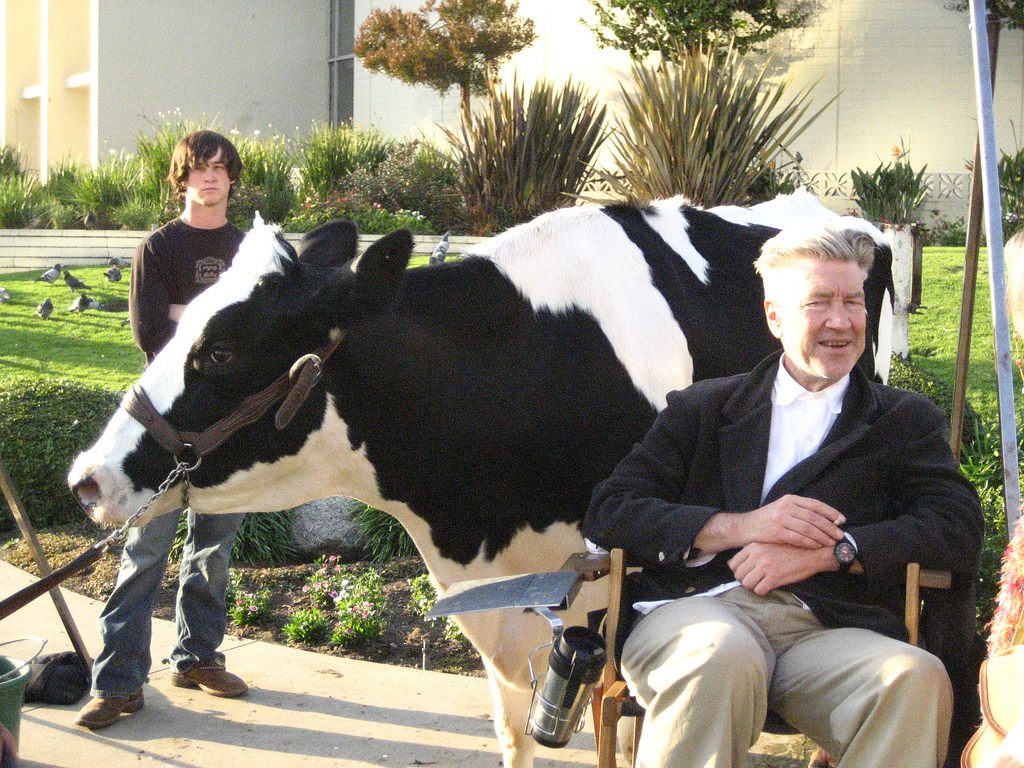
Experimental Post-Punk Band Xiu Xiu Plays the Music from David Lynch’s Twin Peaks

Fans of Twin Peaks, the ear­ly-1990s tele­vi­sion series co-cre­at­ed and in large part direct­ed by David Lynch, have had a lot to get excit­ed about recent­ly. Most promi­nent­ly, we’ve heard a lot of will-he-or-won’t-he talk about whether Lynch will par­tic­i­pate in the show’s much-dis­cussed 21st-cen­tu­ry reboot. That has no doubt stoked pub­lic inter­est in Twin Peaks (avail­able on Hulu here), which in some sense has nev­er real­ly died away, even though it went off the air 24 years ago (and by all accounts got pret­ty lack­lus­ter in its sec­ond sea­son); some of us, while we wait for the new series, have even engaged in all man­ner of Twin Peaks-themed writ­ing, art, and even music projects.

Many Aus­tralian Twin Peaks fans, while they wait for the new series, made it over to Queens­land’s Gallery of Mod­ern Art ear­li­er this year for the exhi­bi­tion David Lynch: Between Two WorldsIf they went on April 18th, they saw exper­i­men­tal post-punk band Xiu Xiu per­form their own inter­pre­ta­tion of the Twin Peaks score. “The music of Twin Peaks is every­thing that we aspire to as musi­cians and is every­thing that we want to lis­ten to as music fans,” says Xiu Xiu leader Jamie Stew­art. “It is roman­tic, it is ter­ri­fy­ing, it is beau­ti­ful, it is unnerv­ing­ly sex­u­al. The idea of hold­ing the ‘puri­ty’ of the 1950s up to the cold light of a vio­lent moon and expos­ing the skull beneath the frozen, wor­ried smile has been a stun­ning influ­ence on us.”

Xiu Xiu, since Stew­art formed it in San Jose in 2002, has steadi­ly gained a rep­u­ta­tion as, in the words of Vice, “the weird­est band you know.” Part of that has to do with the for­mal adven­tur­ous­ness of their music itself, and part to do with their invari­ably dis­turb­ing music videos. No won­der, then, that they would feel such an affin­i­ty with David Lynch, no stranger to get­ting called “weird” by audi­ences and the mak­er of some unset­tling music and music videos him­self. Giv­en the poten­tial over­lap in their fol­low­ings, and giv­en that nobody seems to know how many pro­duc­tion deci­sions the new Twin Peaks has yet made, per­haps some­one can check and see whether Xiu Xiu might have the time to record its score?

via Wel­come to Twin Peaks

Relat­ed Con­tent:

David Lynch’s Twin Peaks Title Sequence, Recre­at­ed in an Adorable Paper Ani­ma­tion

Play the Twin Peaks Video Game: Retro Fun for David Lynch Fans

David Lynch’s Music Videos: Nine Inch Nails, Moby, Chris Isaak & More

David Lynch’s New ‘Crazy Clown Time’ Video: Intense Psy­chot­ic Back­yard Crazi­ness (NSFW)

David Lynch’s Sur­re­al Com­mer­cials

David Lynch Presents the His­to­ry of Sur­re­al­ist Film (1987)

Col­in Mar­shall writes on cities, lan­guage, Asia, and men’s style. He’s at work on a book about Los Ange­les, A Los Ange­les Primer, and the video series The City in Cin­e­ma. Fol­low him on Twit­ter at @colinmarshall or on Face­book.

The Same Song Sung in 15 Places: A Wonderful Case Study of How Landscape & Architecture Shape the Sounds of Music

Les Paul, known pri­mar­i­ly for the icon­ic gui­tar that bears his name, also invent­ed most of the record­ing tech­nol­o­gy we still use today, includ­ing the use of reverb as a stu­dio effect. But of course he didn’t invent rever­ber­a­tion any­more than he invent­ed the gui­tar; he just turned both of them elec­tric. Reverb has exist­ed as long as there have been sound­waves, obsta­cles for them to hit, and ears to hear what hap­pens when they do. In every pos­si­ble space—landscape, cityscape, and archi­tec­tur­al formation—the effect announces itself dif­fer­ent­ly, though we’re sel­dom aware of it unless we’re in grand, cav­ernous spaces like a cathe­dral or moun­tain gorge.

But musi­cians and audio engi­neers like Les Paul have always paid spe­cial atten­tion to the way sound man­i­fests in space, as have singers like the gent above, who calls him­self the Wik­isinger, real name Joachim Müll­ner. With “no arti­fi­cial reverb added,” Müll­ner demon­strates how much envi­ron­ment con­tributes to the qual­i­ty of what we hear with a mon­tage of sound and video clips from several—very aes­thet­i­cal­ly pleasing—locations.

In each place, Müll­ner sings the same strange song: in a tun­nel, an attic, a field before an oil der­ricks, the nave of a cathe­dral, and an ane­choic chamber—which resem­bles the inte­ri­or of an alien space­craft and pro­duces no reflec­tions what­so­ev­er. Some­times the effect is sub­tle, invit­ing you to lean in and lis­ten more close­ly; some­times it’s out­sized and oper­at­ic.

The filmmaker’s claim to “no arti­fi­cial reverb” sounds a lit­tle slip­pery after view­ing the Wikisinger’s per­for­mance since one of the most dra­mat­ic clips fea­tures his voice, and per­son, redu­pli­cat­ed sev­er­al times. And we should keep in mind that no record­ing tech­nol­o­gy is per­fect­ly trans­par­ent. Micro­phones and oth­er equip­ment always add, or sub­tract, some­thing to the sound. As slick as an adver­tise­ment, the short video uses a heav­i­ly medi­at­ed form to con­vey the sim­ple idea of nat­ur­al rever­ber­a­tion. You may, in fact, have seen some­thing just like this not long ago. Before the Wik­isinger, there was the Wikidrum­mer. In anoth­er “no reverb added” video above, he snaps, cracks, booms, and crash­es through the same beat in garages, open fields, and under­pass­es. With each abrupt shift in loca­tion comes an abrupt shift in the fre­quen­cy and dura­tion of the sounds, as the full spec­trum col­lides with met­al, con­crete, asphalt, and open air.

The ways in which sound and space inter­act can deter­mine the shape of a musi­cal form. This sub­ject has giv­en musi­cian, artist, and the­o­rist of music and art, David Byrne much to think about. As he puts in in a TED talk above, the “nature of the room”—the qual­i­ty of its reverb—guides the evo­lu­tion of musi­cal gen­res and styles. Begin­ning with the exam­ple of CBG­Bs and like dive bars around the coun­try, he describes how the art punk pio­neered by his band the Talk­ing Heads depend­ed on such spaces and “didn’t sound all that great” in places strict­ly designed for music, like Carnegie Hall. His talk then takes us to some fas­ci­nat­ing archi­tec­tur­al envi­ron­ments, such as the kinds of rooms Mozart com­posed and played in. Byrne speaks to the neo­phytes as well as to the audio­philes among us, and his talk works as a per­fect intel­lec­tu­al com­ple­ment to the son­ic and visu­al adven­ture on offer in the Wik­isinger and –drummer’s videos. Both approach­es equal­ly per­suade us of the prime sig­nif­i­cance of that intan­gi­ble won­der called reverb.

Relat­ed Con­tent:

David Byrne: How Archi­tec­ture Helped Music Evolve

What Ancient Greek Music Sound­ed Like: Hear a Recon­struc­tion That is ‘100% Accu­rate’

Lis­ten to the Old­est Song in the World: A Sumer­ian Hymn Writ­ten 3,400 Years Ago

Josh Jones is a writer and musi­cian based in Durham, NC. Fol­low him at @jdmagness.


  • Great Lectures

  • Sign up for Newsletter

  • About Us

    Open Culture scours the web for the best educational media. We find the free courses and audio books you need, the language lessons & educational videos you want, and plenty of enlightenment in between.


    Advertise With Us

  • Archives

  • Search

  • Quantcast