Michael ShainÂblum released a new timeÂlapse film this week called “Into the AtmosÂphere,” which is his visuÂal tribÂute to CalÂiÂforÂniÂa’s beauÂtiÂful deserts, mounÂtains and coastÂlines. Even if you’ve seen your fair share of timeÂlapse films before, as I’m sure many of you have, you might be interÂestÂed in this othÂer newÂly-released film called “The Art of The TimeÂlapse.” ProÂduced by The CreÂators Project, the short film gives you a glimpse of what goes into makÂing a timeÂlapse — the reqÂuiÂsite gear, the favorÂable lightÂing conÂdiÂtions, the ideÂal landÂscape, and more. ShainÂblum is your guide. You can find an archive of his films here.
If you’d like to dig deepÂer into the art of makÂing timeÂlapse films, we’d recÂomÂmend checkÂing out The Basics of Time Lapse PhoÂtogÂraÂphy with VinÂcent Laforet, a four-part video series, on Canon’s eduÂcaÂtion web site. The first episode appears below.
At least since that 17th cenÂtuÂry archiÂtect of the sciÂenÂtifÂic revÂoÂluÂtion, Sir FranÂcis Bacon (who was mostÂly right), peoÂple have been makÂing preÂdicÂtions about the techÂnoloÂgies and social advanceÂments of the future. And since Bacon, sciÂenÂtists and futurÂisÂtic writÂers have been espeÂcialÂly in demand durÂing times of great change and uncerÂtainÂty, such as at the turn of the last cenÂtuÂry. In 1900, civÂil engiÂneer John Elfreth Watkins, Jr. in Ladies’ Home JourÂnal claimed to have surÂveyed “the most learned and conÂserÂvÂaÂtive minds in AmerÂiÂca… the wisÂest and most careÂful men in our greatÂest instiÂtuÂtions of sciÂence and learnÂing.”
SpecÂiÂfyÂing advances likeÂly to occur 100 years thence, “before the dawn of 2001,” Watkins culled 28 preÂdicÂtions about such things as travÂel and the transÂmisÂsion of inforÂmaÂtion over great disÂtances, bioÂlogÂiÂcal and genetÂic mutaÂtions, and the domesÂtic comÂforts of the averÂage conÂsumer. SevÂerÂal of the preÂdicÂtions are very BaconÂian indeed—as per the strange list at the end of Bacon’s sciÂence ficÂtion fragÂment New Atlantis, a text obsessed with alterÂing the appearÂance of the natÂurÂal world for no parÂticÂuÂlar reaÂson othÂer than that it could be done. Watkins’ list includes such preÂdicÂtions as “Peas as Large as Beets,” “Black, Blue, and Green RosÂes,” and “StrawÂberÂries as Large as Apples.” Some are BaconÂian in more sinÂisÂter ways, and these are also a bit more accuÂrate. Take the below, for examÂple:
There will be No Wild AniÂmals except in menageries. Rats and mice will have been exterÂmiÂnatÂed. The horse will have become pracÂtiÂcalÂly extinct. A few of high breed will be kept by the rich for racÂing, huntÂing and exerÂcise. The autoÂmoÂbile will have driÂven out the horse. CatÂtle and sheep will have no horns. They will be unable to run faster than the fatÂtened hog of to-day. A cenÂtuÂry ago the wild hog could outÂrun a horse. Food aniÂmals will be bred to expend pracÂtiÂcalÂly all of their life enerÂgy in proÂducÂing meat, milk, wool and othÂer by-prodÂucts. Horns, bones, musÂcles and lungs will have been neglectÂed.
I would defer to ecolÂoÂgists and meat indusÂtry watchÂdogs to conÂfirm my intuÂitions, but it does seem that some of this, exceptÂing the exterÂmiÂnaÂtion of verÂmin and horns, has come to pass or is very likeÂly in regard to sevÂerÂal species. AnothÂer preÂdicÂtion, this one about our own species, is laughÂably optiÂmistic:
EveryÂbody will Walk Ten Miles. GymÂnasÂtics will begin in the nursÂery, where toys and games will be designed to strengthÂen the musÂcles. ExerÂcise will be comÂpulÂsoÂry in the schools. Every school, colÂlege and comÂmuÂniÂty will have a comÂplete gymÂnaÂsiÂum. All cities will have pubÂlic gymÂnaÂsiÂums. A man or woman unable to walk ten miles at a stretch will be regardÂed as a weakÂling.
We’re much closÂer to the future of Pixar’s Wall‑E than anyÂthing resemÂbling this sceÂnario (unless you live in the world of CrossÂfit). AnothÂer preÂdicÂtion is both dead on and dead wrong at once. ClaimÂing that there will be “from 350,000,000 to 500,000,000 peoÂple in the AmerÂiÂcÂas and its posÂsesÂsions by the lapse of anothÂer cenÂtuÂry” did in fact turn out to be almost uncanÂniÂly accurate—current estiÂmates are someÂwhere around 300,000,000. The “posÂsesÂsions” alludÂed to, howÂevÂer, disÂplay the attiÂtude of blithe MonÂroe docÂtrine expanÂsionÂism that held the nation in its sway at the turn of the cenÂtuÂry. The preÂdicÂtion goes on to say that most of the “South and CenÂtral AmerÂiÂcan republics would be votÂed into the Union by their own peoÂple.” A few more of Watkins’ preÂdicÂtions, some preÂscient, some preÂposÂterÂous:
TeleÂphones Around the World. WireÂless teleÂphone and teleÂgraph cirÂcuits will span the world.
Store PurÂchasÂes by Tube. PneuÂmatÂic tubes instead of store wagÂons, will delivÂer packÂages and bunÂdles.
Hot and Cold Air from SpigÂots. RisÂing earÂly to build the furÂnace fire will be a task of the oldÂen times.
Ready-Cooked Meals will be Bought from estabÂlishÂments simÂiÂlar to our bakÂeries of to-day [see the above Wall‑E refÂerÂence]
There will be No C, X, or Q in our every-day alphaÂbet. They will be abanÂdoned because unnecÂesÂsary.
Aeriel War-Ships and Forts on Wheels. Giant guns will shoot twenÂty-five miles or more, and will hurl anyÂwhere withÂin such a radius shells explodÂing and destroyÂing whole cities.
How ChilÂdren will be Taught. A uniÂverÂsiÂty eduÂcaÂtion will be free to every man and woman.
Ah, if only that last one had come true! To read all of Watkins preÂdicÂtions in detail, click on the image above for a largÂer, readÂable, verÂsion of the full artiÂcle.
As an arts major who dooÂdled my way through every required sciÂence course in high school and colÂlege, I am deeply gratÂiÂfied by filmÂmakÂer Michel Gondry’s approach to docÂuÂmentÂing the ideas of Noam ChomÂsky. HavÂing filmed about three hours worth of interÂviews with the activist, philosoÂpher, and father of modÂern linÂguisÂtics in a sterÂile MIT conÂferÂence room, Gondry headÂed back to his charmÂingÂly anaÂlog BrookÂlyn digs to spend three years aniÂmatÂing the conÂverÂsaÂtions. It’s nice to see a filmÂmakÂer of his stature using books to jerÂry-rig his camÂera set up. At one point, he hudÂdles on the floor, puzÂzling over some sequenÂtial drawÂings on 3‑hole punch paper. Seems like the kind of thing most peoÂple in his field would tackÂle with an iPad and an assisÂtant.
Gondry may have felt intelÂlecÂtuÂalÂly dwarfed by his subÂject, but there’s a kind of genius afoot in his work too. DescribÂing the stop-motion techÂnique he used for Is the Man Who Is Tall HapÂpy?, he told Amy GoodÂman of DemocÂraÂcy Now, “I have a lightÂbox, and I put paper on it, and I aniÂmate with Sharpies, colÂor Sharpies. And I have a 16-milÂlimeÂter camÂera that is set up on a triÂpod and looks down, and I take a picÂture. I do a drawÂing and take a picÂture.”
A pretÂty apt summation—watch him in action above—but the curiosÂiÂty and humanÂiÂty so eviÂdent in such feaÂtures as EterÂnal SunÂshine of the SpotÂless Mindand The SciÂence of Sleep is a magÂiÂcal ingreÂdiÂent here, too. He attribÂutÂes bioÂlogÂiÂcal propÂerÂties to his Sharpie markÂers, and takes a break from some of ChomÂsky’s more comÂplex thoughts to ask about his feelÂings when his wife passed away. He doesÂn’t seem to mind that he might seem a bit of a schoolÂboy in comÂparÂiÂson, one whose talÂents lie beyond this parÂticÂuÂlar proÂfesÂsor’s scope.
As ChomÂsky himÂself remarks in the trailÂer, below, “LearnÂing comes from askÂing why do things work like that, why not some othÂer way?”
Is the Man Who Is Tall HapÂpy? is availÂable on iTunes.
Ayun HalÂlÂiÂday puts her lifeÂlong penÂchant for dooÂdling to good use in her award-winÂning, handÂwritÂten, illusÂtratÂed zine, The East VilÂlage Inky. FolÂlow her @AyunHalliday
Pushkin, DosÂtoÂevsky, Gogol, TolÂstoy, TurÂgenev, Chekhov… someÂone could design a perÂsonÂalÂiÂty test around which great 19th cenÂtuÂry RussÂian writÂers turned readÂers on to that most broodÂing and intense of nationÂal litÂerÂaÂtures. For me it was first DosÂtoÂevsky, with an obligÂaÂtory high school readÂing of Crime and PunÂishÂment, whose endÂing I hatÂed so much that I had to go on and read The Idiot, The PosÂsessed, Notes From the UnderÂground, and nearÂly everyÂthing else to find out what went wrong. And the misÂchieÂvous fanÂtaÂsist Gogol I preÂferred even to KafÂka as a young readÂer, so I’d probÂaÂbly score high on exisÂtenÂtial angst and absurÂdist tenÂdenÂcies on whatÂevÂer we’re callÂing our litÂerÂary MeyÂers-BrigÂgs.
But we would have to include the 20th cenÂtuÂry sucÂcesÂsors: SolzhenÂitÂsyn, BulÂgakov, PasterÂnak. The disÂsenters and exposers of SoviÂet cruÂelÂty and corÂrupÂtion who took on the traÂdiÂtions of stark, bruÂtal realÂism and darkÂly comÂic alleÂgoÂry. All of these are traÂdiÂtions that litÂerÂary gadÂabout Stephen Fry rightÂly points out “changed the litÂerÂaÂture, and parÂticÂuÂlarÂly the litÂerÂaÂture of the novÂel, the world over.” Yet someÂhow, after the fall of the SoviÂet Union, it’s a litÂerÂaÂture we seemed to stop hearÂing about. HowÂevÂer, “just because we stopped readÂing,” says Fry as host of the docÂuÂmenÂtary above, Russia’s Open Book: WritÂing in the Age of Putin, “doesn’t mean the RusÂsians stopped writÂing.” ProÂduced by IntelÂliÂgent TeleÂviÂsion and Wilton films and preÂmierÂing online today (and on PBS on DecemÂber 28), the film proÂfiles six new RussÂian writÂers most of us haven’t read, but should.
PerÂhaps a parÂticÂuÂlarÂly iconÂic figÂure for the Putin age, we first meet the conÂtroÂverÂsial and someÂwhat macho novÂelÂist Zakhar Prilepin, whose nosÂtalÂgia for the SoviÂet past has earned him the ire of libÂerÂals. Prilepin freely admits that his hapÂpy, “wonÂderÂful,” childÂhood explains his symÂpaÂthy for the SoviÂet state. Despite these warm psyÂchoÂlogÂiÂcal oriÂgins, litÂerÂary critÂic AlexanÂder Gavrilov calls Prilepin’s first novÂel, 2005’s PatholoÂgies, “an aggresÂsive terÂrorÂist attack of a book,” for its harsh porÂtrayÂal of the war in ChechÂnya. The book draws on Prilepin’s expeÂriÂences as a vetÂerÂan of two Chechen wars. His secÂond novÂel, Sankya was shortÂlistÂed for the RussÂian BookÂer and NationÂal BookÂseller prizes in 2006, and yet aside from a few short stoÂries, Prilepin’s work has yet to be transÂlatÂed into EngÂlish.
What has fasÂciÂnatÂed WestÂernÂers about RusÂsia in the past is in part its deep venÂerÂaÂtion for its writÂers. In every age—Golden, SilÂver, or blood red—Russian writÂers held places of culÂturÂal promiÂnence, or infamy. Lenin was a great writer of hisÂtoÂry and polemic. Even Putin soft-pedÂals his backÂing for the SyrÂiÂan regime in a genÂteel open letÂter. To be a recÂogÂnized writer in RusÂsia means being a celebriÂty, or as Prilepin says, it’s “a kind of show busiÂness.” Russia’s Open Book narÂraÂtor JuliÂet StephenÂson quotes poet YevgeÂny YevÂtushenko: “In RusÂsia, a poet is more than a poet.”
And then we meet conÂtemÂpoÂrary RussÂian “activist, jourÂnalÂist, teacher, novÂelÂist, critÂic, and poet” DmitÂry Bykov, a dead ringer for an earÂliÂer vinÂtage of SatÂurÂday Night Live’s HorÂaÂtio Sanz. His genial appearÂance hides deeply seriÂous intent. A romanÂtic inspired by the vibranÂcy of Russia’s politÂiÂcal fight for “the digÂniÂty of all its citÂiÂzens,” Bykov tells us “Before I went to the first protest, I’d stopped writÂing. AfterÂwards, I wrote a whole volÂume of lyric poetÂry. No polÂiÂtics, it’s all rosÂes and rhymes.” Bykov’s 2006 LivÂing Souls—which does exist, abridged, in English—takes up the great RussÂian traÂdiÂtion of the politÂiÂcal fable. OthÂer writÂers, like the boldÂly outÂspoÂken novÂelÂist (and forÂmer genetiÂcist) LudÂmiÂla UlitÂskaya, are much more ambivaÂlent about politÂiÂcal engageÂment. “But in some sitÂuÂaÂtions,” says UlitÂskaya, “you can’t remain silent….”
It’s difÂfiÂcult perÂhaps for WestÂernÂers to appreÂciÂate the conÂtemÂpoÂrary sitÂuÂaÂtions of these new RussÂian writÂers, givÂen how litÂtle we seem to underÂstand Russia’s interÂnal politÂiÂcal state (and givÂen the relÂaÂtive absence of a viable U.S. forÂeign press serÂvice). After all, it’s no longer an exisÂtenÂtial necesÂsiÂty that we know our sworn eneÂmy, as in the Cold War, nor is RusÂsia treatÂed any longer as Europe’s disÂtinÂguished first cousin, as in its ImpeÂrÂiÂal 19th cenÂtuÂry past. But the writÂers proÂfiled in Russia’s Open Book make us keenÂly aware that the country’s litÂerÂary culÂture is thrivÂing, and deservÂing of our attenÂtion. To learn more about the makÂers of the film and the six conÂtemÂpoÂrary writÂers proÂfiled, visÂit the Russia’s Open Book webÂsite. And to expand your appreÂciÂaÂtion for RussÂian litÂerÂaÂture in genÂerÂal, spend some time at the Read RusÂsia 2013 site here, a new iniÂtiaÂtive “to celÂeÂbrate RussÂian litÂerÂaÂture and RussÂian book culÂture.” We also have many RussÂian clasÂsics in our Free eBooks and Audio Books colÂlecÂtions.
RusÂsiÂa’s Open Book: WritÂing in the Age of Putin will be perÂmaÂnentÂly listÂed in our colÂlecÂtion of 600 Free Movies Online.
Heavy metÂal music enjoyed the pleaÂsures of excess in the 1980s, an era when, if you believe cerÂtain biogÂraÂphers, writer-actor-auteur Orson Welles did the very same. Though some describe the life of the man who made CitÂiÂzen Kane as havÂing by then fallÂen into a final periÂod of great decaÂdence, he still manÂaged to leave his mark on a numÂber of unusuÂal projects. Many of my genÂerÂaÂtion fondÂly rememÂber his perÂforÂmance as the man-made planÂet UniÂcron, eater of worlds, in 1986’s TransÂformÂers: The Movie, but those slightÂly oldÂer may have first encounÂtered Welles’ late work on BatÂtle Hymns, the debut album by sword-and-sorÂcery-mindÂed metÂal (techÂniÂcalÂly, “epic metÂal”) band Manowar, for whose track “Dark Avenger,” below, he proÂvidÂed suitÂably epic narÂraÂtion: “And they placed in his hands a sword made for him called Vengeance, forged in brimÂstone and temÂpered by the woeÂful tears of the Unavenged.” Who but Welles (or maybe ChristoÂpher Lee) could sell a line like that?
Five years latÂer, Manowar would return to the Welles well for their fifth album FightÂing the World, whose track “DefendÂer,” below, feaÂtures a posthuÂmous appearÂance origÂiÂnalÂly recordÂed as a demo durÂing the BatÂtle Hymns sesÂsions. FightÂing the World, inciÂdenÂtalÂly, appeared as the first ever digÂiÂtalÂly recordÂed and mixed heavy metÂal album, an achieveÂment unshyÂly declared on the band’s web site.
There you’ll also learn that Manowar not only includÂed fanÂtaÂsy imagery in both their lyrics and on their covÂers before their colÂleagues did, but that they also designed and built their own speakÂer cabÂiÂnets and guiÂtars first, recordÂed songs in 16 lanÂguages first, and colÂlabÂoÂratÂed with “GerÂmany’s bestÂselling fanÂtaÂsy author, WolfÂgang Hohlbein” first. They also declare themÂselves “the loudÂest band in the world (a record they have broÂken on three sepÂaÂrate occaÂsions),” but give a place of even highÂer honÂor on the list to their disÂtincÂtion as “the only band ever to record with Orson Welles” — epic metÂal, metÂal, or othÂerÂwise.
The great British empiriÂcist FranÂcis Bacon once remarked that Johannes Gutenberg’sprintÂing press “changed the whole face and state of the world.” Although GutenÂberg did not indeÂpenÂdentÂly devise the press, he inventÂed a mass-proÂducÂtion process of moveÂable type and conÂcoctÂed an oil-based ink which, when comÂbined with the woodÂen press, revÂoÂluÂtionÂized the flow of inforÂmaÂtion. Books could now be pubÂlished in vast quanÂtiÂties, at only a fracÂtion of the time required preÂviÂousÂly.
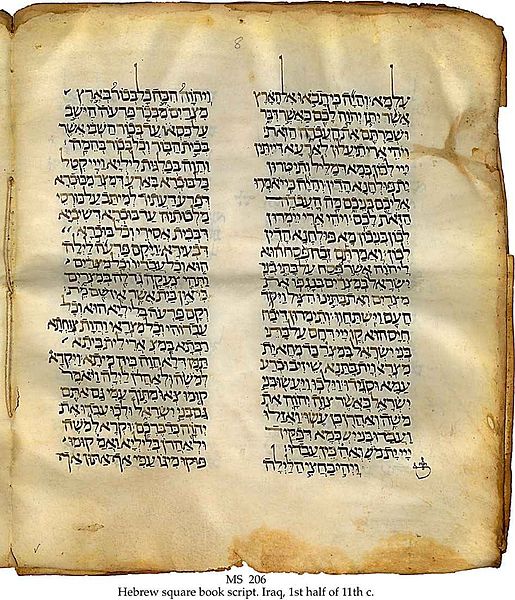
For his first semÂiÂnal printÂing, GutenÂberg picked the Bible — an obviÂous choice for a ChrisÂtÂian, and in retÂroÂspect, perÂhaps the only book whose hisÂtorÂiÂcal sigÂnifÂiÂcance rivals that of Gutenberg’s invenÂtion. ProÂduced in 1454 or 1455, the few surÂvivÂing copies of Gutenberg’s Bible remain exemÂplars of the printer’s foreÂthought and craftsÂmanÂship; the page dimenÂsions, it is believed, were devised by GutenÂberg to echo the goldÂen ratio of Greek aesÂthetÂics. The first page appears above.
On OctoÂber 10th, CanaÂdiÂan writer Alice Munro won the Nobel Prize in LitÂerÂaÂture. And if you’re not familÂiar with her work, we sugÂgest that you spend time readÂing the 18 Free Short StoÂries we gathÂered in our celÂeÂbraÂtoÂry post.
TraÂdiÂtionÂalÂly, recipÂiÂents of the Nobel Prize travÂel to SweÂden to accept the award in mid DecemÂber. But the 82-year-old writer, citÂing poor health, decidÂed to stay home and forego makÂing the cusÂtomÂary accepÂtance speech in StockÂholm. (See past speechÂes by HemÂingÂway, FaulknÂer, SteinÂbeck, V.S. Naipaul and othÂers here.) Fans of Munro weren’t left empÂty-handÂed, howÂevÂer. From the comÂfort of her daughter’s home in VicÂtoÂria, British ColumÂbia, Munro sat down for an inforÂmal, 30-minute interÂview and talked about many things: how she first began writÂing and telling stoÂries; how she gained (and lost) conÂfiÂdence as a writer; how she menÂtalÂly maps out her stoÂries; how she has become a difÂferÂent writer with age; how the writÂing life for women has changed over the years; and much more. You can watch the comÂplete Nobel interÂview above.
I believe it was Jacques DerÂriÂda, though I don’t recall exactÂly where, who said that some of the most revealÂing text of any work can be found in the footÂnotes. In docÂuÂmenÂtarÂiÂan Errol MorÂris’ recent phoÂto-essay series on LinÂcoln for The New York Times, footÂnotes, chronoloÂgies, snipÂpets of interÂview, and endÂlessÂly recurÂsive refÂerÂences conÂtinÂuÂousÂly intrude on the stoÂries he tells. In this way, the series, called “The InterÂminable, EverÂlastÂing LinÂcolns,” enacts the tenÂsion MorÂris idenÂtiÂfies as “the push-pull of hisÂtoÂry,” a conÂtest between sevÂerÂal ways of approachÂing the past: “Facts vs. beliefs. Our desire to know the oriÂgins of things vs. our desire to rework, to reconÂfigÂure the past to suit our own beliefs and predilecÂtions. PerÂhaps nothÂing betÂter illusÂtrates this than two radÂiÂcalÂly difÂferÂent preÂdisÂpoÂsiÂtions to objects—the stoÂryÂteller vs. the colÂlecÂtor.”
The way stoÂry after stoÂry inevitably nests withÂin each hisÂtorÂiÂcal artiÂfact seems to be MorÂris’ overÂarÂchÂing theme as he charts the hisÂtoÂry of LinÂcoln iconogÂraÂphy by refÂerÂence to a sinÂgle image, a phoÂto of LinÂcoln by AlexanÂder GardÂner that exists in only one known origÂiÂnal print, called O‑118 after colÂlecÂtor of LinÂcoln phoÂtogÂraÂphy Lloyd OstenÂdorf (see the retouched verÂsion above, the origÂiÂnal print below). This print, along with 13 othÂers, was made either four or five days before Lincoln’s assasÂsiÂnaÂtion.
MorÂris’ fasÂciÂnaÂtion with this phoÂtoÂgraph is as varÂiÂousÂly motiÂvatÂed as the numÂber of difÂferÂent views he adopts in examÂinÂing its proveÂnance, its hisÂtoÂry, and its meanÂing. For one thing, O‑118 is supÂposÂedÂly the last phoÂtoÂgraph takÂen of LinÂcoln alive. In 1922, The New York Times pubÂlished the origÂiÂnal print (above) with text by James Young, who wrote:
ProbÂaÂbly no othÂer phoÂtoÂgraph of LinÂcoln conÂveys more clearÂly the abidÂing sadÂness of the face. The lines of time and care are deeply etched, and he has the look of a man borÂderÂing upon old age, though he was only 56. Proof that the camÂera was but a few feet away may be found by scrutiÂny of the picÂture…. The print has been untouched, and this picÂture is an exact likeÂness of the PresÂiÂdent as he looked in the week of his death.
The photo’s capÂtion also includÂed inforÂmaÂtion that MorÂris makes a great deal of: “The Cracked NegÂaÂtive Caused it To Be DisÂcardÂed. It Has Only Once Before Been PubÂlished, and Then in a Retouched Form.” For one thing, MorÂris seems to assoÂciate the phoÂtoÂgraph with what WalÂter BenÂjamin called “aura”; The print, it seems, was the only one GardÂner was able to make before the cracked negÂaÂtive became useÂless and mass proÂducÂtion from the source imposÂsiÂble. Un-retouched, the print shows a “fracÂture cutÂting through the top of Lincoln’s head.” For the stoÂryÂteller, writes MorÂris, “the crack is the beginÂning of a legend—the legÂend of a death foreÂtold. The crack seems to anticÂiÂpate the bulÂlet fired into the back of Lincoln’s head at Ford’s TheÂater on Good FriÂday, April 14, 1865.” Using the rhetorÂiÂcal term for “a figÂure of anticÂiÂpaÂtion,” a narÂraÂtive feaÂture that foreÂshadÂows, foreÂtells, or prophÂeÂsies, MorÂris calls this “the proÂlepÂtic crack.”
His windÂing narÂraÂtive, replete with the antiÂquarÂiÂan minuÂtiÂae of colÂlecÂtors, moves from the day—February 5, 1865—that LinÂcoln and his son Tad walked to Gardner’s stuÂdio on 7th Street in WashÂingÂton, DC for the phoÂto sesÂsion, through the use of phoÂtogÂraÂphy as an aid to LinÂcoln painters and sculpÂtors, to the meanÂing of LinÂcoln for such diverse peoÂple as Leo TolÂstoy, MarÂiÂlyn MonÂroe, and our curÂrent PresÂiÂdent. MorÂris’ series ranges far and wide, visÂitÂing with hisÂtoÂriÂans and colÂlecÂtors along the way, and telling many a stoÂry, some freely specÂuÂlaÂtive, some wistÂful, some tragÂic, and all someÂhow cirÂcling back to O‑118. Like much of MorÂris’ docÂuÂmenÂtary work, it’s an exerÂcise in collage—of the methÂods of the scholÂar, the essayÂist, and the archivist—and like its subÂject, it’s a fracÂtured, but everÂlastÂingÂly fasÂciÂnatÂing medÂiÂtaÂtion. FolÂlow MorÂris’ entire series below.
Every creÂative writer gets asked the quesÂtion at least once at a social event with non-writÂers: “Where do you get your ideas?” To the asker, writÂing is a dark art, full of mysÂterÂies only the iniÂtiÂatÂed underÂstand. To the writer—as Neil Gaiman tells us in an essay on his webÂsite—the quesÂtion missÂes the point and misÂjudges the writer’s task. “Ideas aren’t the hard bit,” he says.
CreÂatÂing believÂable peoÂple who do more or less what you tell them to is much hardÂer. And hardÂest by far is the process of simÂply sitÂting down and putting one word after anothÂer to conÂstruct whatÂevÂer it is you’re tryÂing to build: makÂing it interÂestÂing, makÂing it new.
SomeÂtimes hardÂest of all is the “simÂply sitÂting down” and writÂing when there’s nothÂing, no ideas. The work’s still got to get done, after all. Gaiman used to treat the quesÂtion faceÂtiousÂly, answerÂing with one of a few wagÂgish and “not very funÂny” preÂpared answers. But peoÂple kept askÂing, includÂing the sevÂen-year-old classÂmates of his daughÂter, and he decidÂed to tell them the truth, “I make them up, out of my head.” It’s not the answer most wantÂed to hear, but it’s the truth. As he inarÂguably shows, ideas are like opinÂions: “Everyone’s got an idea for a book, a movie, a stoÂry, a TV series.” And they can come from anyÂwhere.
Gaiman, feelÂing that he owed his daughter’s classÂmates a thoughtÂful, detailed answer, respondÂed with the below, which we’ve put into list form.
Ideas come from dayÂdreamÂing. “The only difÂferÂence between writÂers and othÂer peoÂple,” says Gaiman, “is that we notice when we’re doing it.”
Ideas come from askÂing yourÂself simÂple quesÂtions, like “What if…?” (“you woke up with wings?… your sisÂter turned into a mouse?.…), “If only…” (“a ghost would do my homeÂwork”) and “I wonÂder….” (“what she does when she’s alone”), etc…. These quesÂtions, in turn, genÂerÂate othÂer quesÂtions.
Ideas are only startÂing points. You don’t have to figÂure out the plot. Plots “genÂerÂate themÂselves” from “whatÂevÂer the startÂing point is.”
Ideas can be peoÂple (“There’s a boy who wants to know about magÂic”); places (“There’s a casÂtle at the end of time, which is the only place there is”); images (“A woman, siftÂing in a dark room filled with empÂty faces.”)
Ideas can come from two things “that haven’t come togethÂer before.” (“What would hapÂpen if a chair was bitÂten by a wereÂwolf?)
GrantÂed some of Gaiman’s examÂples may be more intriguÂing or fanÂtasÂtic than what you or I might proÂpose, but anyÂone can do these exerÂcisÂes. The idea, howÂevÂer, is just the startÂing point. “All ficÂtion,” he writes, “is a process of imagÂinÂing.” So what comes next? “Well,” says Gaiman, “then you write.” Yes, it is that simÂple, and that hard.
Tell us, readÂers, do you find any of Gaiman’s idea sources helpÂful? Where do you get your ideas?
I had an adoÂlesÂcent fasÂciÂnaÂtion with Ed Wood. I mean that litÂerÂalÂly: I spent a sizÂable chunk of my adoÂlesÂcence watchÂing the films of, readÂing about, and even readÂing the books by writer-direcÂtor (and occaÂsionÂal cross-dressÂer) Edward D. Wood Jr. What, I asked, could have driÂven the man to make, and keep on makÂing, the films that would ultiÂmateÂly define the catÂeÂgoÂry, quite popÂuÂlar durÂing my teen years, of “so bad it’s good” cinÂeÂma? None of his numerÂous, all unabashedÂly low-budÂget picÂtures have done more for that form than 1959’s Plan 9 from OutÂer Space, a breathÂless, nearÂly budÂgetÂless tale in which Wood throws togethÂer aliens, zomÂbies, loomÂing nuclear anniÂhiÂlaÂtion, and Bela Lugosi. Well, he almost throws in Bela Lugosi: as depictÂed in Tim BurÂton’s 1994 biopic Ed Wood, he charÂacÂterÂisÂtiÂcalÂly spliced in existÂing footage of the by-then deceased icon of horÂror film, cast his wife’s chiÂroÂpracÂtor (instructÂed to hold a cape over his face) as a douÂble, billed Lugosi as the star, and hoped for the best.
You can watch the fruit of that and othÂer highÂly unorthoÂdox filmÂmakÂing efforts on the part of Wood and his faithÂful bunch of long-sufÂferÂing colÂlabÂoÂraÂtors at the top of the post. Just below, we have a clip from Ed Wood, which in large part deals with how its indeÂfatiÂgaÂble proÂtagÂoÂnist, played by a wholeÂsomeÂly gung-ho JohnÂny Depp, came to make Plan 9 in the first place. This monÂtage recreÂates the shootÂing of sequences Wood’s fans will have long since burned into their visuÂal memÂoÂry: George “The AniÂmal” Steele as Swedish ex-wrestler Tor JohnÂson risÂing ineptÂly from the grave, Bill MurÂray as would-be transÂsexÂuÂal BunÂny BreckÂenÂridge affectÂlessÂly givÂing his henchÂman orders to exeÂcute the title plan, a trio of toy flyÂing saucers lowÂered on fishÂing wire into a modÂel HolÂlyÂwood. In 1980, Michael and HarÂry Medved dubbed Plan 9 “worst movie ever made,” iniÂtiÂatÂing its ascent from decades of obscuÂriÂty to the staÂtus of, as John Wirt puts it, “the ultiÂmate cult flick.” CritÂics tend to regard Ed Wood as a “good” movie, and Wood’s projects, espeÂcialÂly Plan 9, as “bad” movies, yet both enterÂtain at very high levÂels indeed, makÂing us ask an imporÂtant quesÂtion, anothÂer one I asked myself in the thick of my Wood periÂod: what makes a movie “good” or “bad,” anyÂway?
But the AmerÂiÂcan moniker — the RoarÂing 20s — fits too. NearÂly everyÂthing about that decade roared: cars, jazz, manÂuÂfacÂturÂing, conÂstrucÂtion.
Din, in fact, came to define the age, parÂticÂuÂlarÂly in big cities and espeÂcialÂly in New York. An unnamed JapanÂese visÂiÂtor was quotÂed upon his visÂit to that city in 1920: “My first impresÂsion of New York was its noise. When I know what they mean, I will underÂstand civÂiÂlizaÂtion.”
A PrinceÂton hisÂtoÂry proÂfesÂsor took that chalÂlenge at face valÂue, while capÂturÂing a broadÂer indusÂtriÂal era. The RoarÂing TwenÂties is an audio (and to some extent video) archive of what New York City soundÂed like from 1900 to 1933. ProÂfesÂsor EmiÂly ThompÂson and designÂer Scott Mahoy have creÂatÂed a loveÂly site that’s fun to explore. The archive includes a beauÂtiÂful 1933 map of New York City loaded with links to noise comÂplaints (screenÂshot at top), comÂplete with docÂuÂmenÂtaÂtion. New York had long been a place where peoÂple from all over the world lived on top of one anothÂer, but noise levÂels were shifting—getting loudÂer and more varÂied, that is—and the city was inunÂdatÂed with comÂplaints about ferÂry whisÂtles, radio shops, street trafÂfic, the clatÂter of restauÂrant dishÂwashÂing, and all manÂner of conÂstrucÂtion.
SenÂsiÂtivÂiÂty to the city’s volÂume was high. The city’s Noise AbateÂment ComÂmisÂsion meaÂsured the “deafÂenÂing effect” of sound in Times Square. The women’s cafeÂteÂria in the New York Life InsurÂance buildÂing was designed with state-of-the-art acoustics to keep the noise of the city out and the sound of office workÂers in.
CortÂlandt Street in lowÂer ManÂhatÂtan was lined with radio shops, each broadÂcastÂing difÂferÂent music. Don’t miss that video, which you’ll find by scanÂning the Space tab map.
You can also move through time on the site, lisÂtenÂing to the city’s cacophÂoÂny from the earÂly 1900s up to the 1930s, or browse a menu of noise sources from home sounds to the noise of the harÂbors and rivers. Again, you can visÂit the The RoarÂing TwenÂties site here.
We're hoping to rely on loyal readers, rather than erratic ads. Please click the Donate button and support Open Culture. You can use Paypal, Venmo, Patreon, even Crypto! We thank you!
Open Culture scours the web for the best educational media. We find the free courses and audio books you need, the language lessons & educational videos you want, and plenty of enlightenment in between.