How to Practice Effectively: Lessons from Neuroscience Can Help Us Master Skills in Music, Sports & Beyond

Prac­tice makes per­fect, so the cliché says, although like many clichés, it has also spawned cor­rec­tive vari­ants. “Prac­tice makes per­ma­nent,” a com­mon one of them goes, and what it lacks in catch­i­ness it may well make up for in neu­ro­sci­en­tif­ic truth. We’ve all rec­og­nized that, when we do things a cer­tain way, we tend to keep doing them in that cer­tain way; in fact, the more we’ve done them that way before, the more like­ly we’ll do them that way next time. What holds true for sim­ple habits, formed over long peri­ods of time and often inad­ver­tent­ly, also holds true for delib­er­ate­ly per­fect­ed — or any­way, per­ma­nent-ified — tasks. But what hap­pens in our brains to cause it?

“Prac­tice is the rep­e­ti­tion of an action with the goal of improve­ment, and it helps us per­form with more ease, speed, and con­fi­dence,” says the nar­ra­tor of “How to Prac­tice Effec­tive­ly… for Just About Any­thing,” edu­ca­tors Annie Bosler and Don Greene’s TED Ed video above. It then goes on to explain our two kinds of neur­al tis­sue, grey mat­ter and white mat­ter. The for­mer “process­es infor­ma­tion in the brain, direct­ing sig­nals and sen­so­ry stim­uli to nerve cells,” and the lat­ter “is most­ly made up of fat­ty tis­sue and nerve fibers.” When we move, “infor­ma­tion needs to trav­el from the brain’s grey mat­ter, down the spinal cord, through a chain of nerve fibers called axons to our mus­cles,” and those axons in the white mat­ter “are wrapped with a fat­ty sub­stance called myelin.”

Myelin, and the sheath it forms, is key: “sim­i­lar to insu­la­tion on elec­tri­cal cables,” it “pre­vents ener­gy loss from elec­tri­cal sig­nals that the brain uses, mov­ing them more effi­cient­ly along neur­al path­ways.” (You’ve prob­a­bly read about the weak­en­ing of myelin sheaths as a fac­tor in ALS and oth­er move­ment-relat­ed neu­ro­log­i­cal dis­or­ders.) Recent stud­ies per­formed on mice sug­gest that repeat­ing a motion builds up the lay­ers of those axon-insu­lat­ing myelin sheaths, “and the more lay­ers, the greater the insu­la­tion around the axon chains; form­ing a sort of super­high­way for infor­ma­tion con­nect­ing your brain to your mus­cles.” This, though it has no direct effect on our mus­cles, may be what we’re build­ing when we say we’re build­ing “mus­cle mem­o­ry.”

All inter­est­ing facts, to be sure, but how can they help us in or own prac­tice ses­sions, what­ev­er those ses­sions may find us prac­tic­ing? Bosler and Greene pro­vide a series of tips, each quite sim­ple but all in align­ment with cur­rent neu­ro­sci­en­tif­ic knowl­edge. They include:

  • Focus on the task at hand. “Min­i­mize poten­tial dis­trac­tions by turn­ing off the com­put­er or TV and putting your cell phone on air­plane mode.”
  • Go slow. “Coor­di­na­tion is built with rep­e­ti­tions, whether cor­rect or incor­rect. If you grad­u­al­ly increase the speed of the qual­i­ty rep­e­ti­tions, you have a bet­ter chance of doing them cor­rect­ly.”
  • Fre­quent rep­e­ti­tions with allot­ted breaks. “Stud­ies have shown that many top ath­letes, musi­cians, and dancers spend 50–60 hours per week on activ­i­ties relat­ed to their craft. Many divide their time used for effec­tive prac­tice into mul­ti­ple dai­ly prac­tice ses­sions of lim­it­ed dura­tion.”
  • Prac­tice in your imag­i­na­tion. “In one study, 144 bas­ket­ball play­ers were divid­ed into two groups. Group A phys­i­cal­ly prac­ticed one-hand­ed free throws while Group B only men­tal­ly prac­ticed them. When they were test­ed at the end of the two week exper­i­ment, the inter­me­di­ate and expe­ri­enced play­ers in both groups had improved by near­ly the same amount.”

If you’d like more sug­ges­tions on how to prac­tice effec­tive­ly, have a look at the list of twelve tips from Wyn­ton Marsalis we fea­tured here on Open Cul­ture last year. He takes a more expan­sive approach, encour­ag­ing those who prac­tice — not just music but sports, art, or any­thing else besides — to adopt strate­gies like writ­ing out a sched­ule, avoid­ing show­ing off, and stay­ing opti­mistic. We must also stay real­is­tic: opti­mism, even opti­mism backed by sci­ence, can’t make our skills per­fect. None of our skills are per­fect — not even Wyn­ton Marsalis’ — but with the right tech­niques, we can at least give them some degree of per­ma­nence.

Relat­ed Con­tent:

Play­ing an Instru­ment Is a Great Work­out For Your Brain: New Ani­ma­tion Explains Why

Wyn­ton Marsalis Gives 12 Tips on How to Prac­tice: For Musi­cians, Ath­letes, or Any­one Who Wants to Learn Some­thing New

What Are the Most Effec­tive Strate­gies for Learn­ing a For­eign Lan­guage?: Six TED Talks Pro­vide the Answers

How Bud­dhism & Neu­ro­science Can Help You Change How Your Mind Works: A New Course by Best­selling Author Robert Wright

Based in Seoul, Col­in Mar­shall writes and broad­casts on cities, lan­guage, and cul­ture. His projects include the book The State­less City: a Walk through 21st-Cen­tu­ry Los Ange­les and the video series The City in Cin­e­ma. Fol­low him on Twit­ter at @colinmarshall or on Face­book.

RIP Todd Bol, Founder of the Little Free Library Movement: He Leaves Behind 75,000 Small Libraries That Promote Reading Worldwide

“The Lit­tle Free Library: Bil­lions and bil­lions read.”

In the 2013 Ted‑X talk above, Todd Bol, founder of the Lit­tle Free Library move­ment, expressed the desire that one day, he might be able to boast that his labor of love had sur­passed McDon­alds with regard to the num­ber of cus­tomers’ served.

It’s clos­ing in…

Bol, who passed away ear­li­er this month, was inspired by Andrew Carnegie’s mis­sion of repay­ing his own good for­tune by estab­lish­ing 2,509 free pub­lic libraries.

The Lit­tle Free Libraries are vast­ly more numer­ous if less impos­ing than Carnegie’s state­ly edi­fices.

Some, like the pro­to­type Bol craft­ed with lum­ber sal­vaged from a garage door in his late mother’s hon­or, resem­ble doll hous­es.

One in Detroit is a dead ringer for Doc­tor Who’s TARDIS.

There’s a bright yel­low one embla­zoned with char­ac­ters from The Simp­sons, auto­graphed by series cre­ator Matt Groen­ing.

Oth­ers are housed in repur­posed suit­cas­es, stor­age cab­i­nets, or news­pa­per hon­or box­es.

While the non-prof­it Lit­tle Free Library store sells sev­er­al stur­dy, weath­er­proof mod­els and its web­site hosts a healthy col­lec­tion of blue­prints and tips for DIY­ers, Bol was nev­er doc­tri­naire about the aes­thet­ics, pre­fer­ring to leave that up to each vol­un­teer stew­ard.

He seemed proud­est of the libraries’ com­mu­ni­ty build­ing effect (though he was also pret­ty chuffed when Read­er’s Digest ranked the project above Bruce Spring­steen in its 2013 fea­ture ”50 Sur­pris­ing Rea­sons We Love Amer­i­ca.” )

While not entire­ly devoid of naysay­ers, the good­will sur­round­ing the Lit­tle Free Library move­ment can­not be under­es­ti­mat­ed.

A stew­ard who post­ed news of his dog’s death on the side of his library received sym­pa­thy cards from neigh­bors both known and unknown to him.

A stew­ard who spe­cial­izes in giv­ing away cook­books, and invites patrons to snip herbs from an adja­cent gar­den, fre­quent­ly wakes to find home­made quiche and oth­er good­ies on the doorstep.

And when an arson­ist torched a Lit­tle Free Library in Indi­anapo­lis, the com­mu­ni­ty ral­lied, vow­ing to get enough dona­tions to replace it with 100 more.

To date, stew­ards have reg­is­tered over 75,000, in 85 coun­tries, in ser­vice of Bol’s “Take a book, Leave a book” phi­los­o­phy.

Find a Lit­tle Free Library near you, learn how to become a stew­ard, or make a dona­tion on the project’s web­site.

Relat­ed Con­tent:

The New York Pub­lic Library Lets Patrons Check Out Ties, Brief­cas­es & Hand­bags for Job Inter­views

The Rise and Fall of the Great Library of Alexan­dria: An Ani­mat­ed Intro­duc­tion

Down­load 150 Free Col­or­ing Books from Great Libraries, Muse­ums & Cul­tur­al Insti­tu­tions: The British Library, Smith­son­ian, Carnegie Hall & More

Ayun Hal­l­i­day is an author, illus­tra­tor, the­ater mak­er and Chief Pri­ma­tol­o­gist of the East Vil­lage Inky zine.  Join her in NYC on Mon­day, Novem­ber 12 for anoth­er month­ly install­ment of her book-based vari­ety show, Necro­mancers of the Pub­lic Domain. Fol­low her @AyunHalliday.

Sears Sold 75,000 DIY Mail Order Homes Between 1908 and 1939, and Transformed American Life

Two of the books that most shaped Amer­i­can cul­ture both hap­pened to bear the nick­name “The Big Book.” While the sec­ond of these, the A.A. Man­u­al, pub­lished in 1939, changed the coun­try with 12-Step recov­ery groups, the first of these, the Sears Cat­a­log, trans­formed Amer­i­ca with mass con­sump­tion, offer­ing cus­tomers in every part of the coun­try access to mod­ern con­ve­niences and retail goods of all kinds at unheard of prices. Begin­ning in 1908, Sears start­ed sell­ing entire hous­es, in approx­i­mate­ly 25-ton kits trans­port­ed by rail­road, con­sist­ing of 30,000 pre-cut parts, plumb­ing and elec­tri­cal fix­tures, and up to 750 pounds of nails.

“In an era before com­mer­cial avi­a­tion and long-haul truck­ing,” Curbed mar­vels, “Sears, Roe­buck & Co. set up an oper­a­tion that would pack­age and ship more than 400 dif­fer­ent types of homes and build­ings to any­body who had the cash and access to a cat­a­log.”

They start­ed small, and just as they didn’t come up with the con­cept of the mail order cat­a­log, Sears didn’t invent the kit house, though they sug­gest as much in their telling of the sto­ry. Instead they may have tak­en the idea from anoth­er com­pa­ny called Aladdin. Aladdin hous­es have been for­got­ten, how­ev­er, and even Sears’ main com­peti­tor, Mont­gomery Ward, didn’t catch up until 1921 and only last­ed ten years in the kit house busi­ness.

Sears hous­es, on the oth­er hand, are cel­e­brat­ed and sought out as mod­els of the ear­ly 20th cen­tu­ry Amer­i­can home, and for good rea­son. Between 1908 and 1939, Sears sold 70–75,000 hous­es in 447 dif­fer­ent styles all over the coun­try. “From Crafts­man to Cape Cods, they offered a cus­tom home at bud­gets and sizes that could accom­mo­date any size fam­i­ly,” writes Pop­u­lar Mechan­ics.

These Sears homes weren’t cheap low-end hous­es. Many of them were built using the finest qual­i­ty build­ing mate­ri­als avail­able dur­ing that time. It’s not uncom­mon to find Sears homes today with oak floors, cypress sid­ing, and cedar shin­gles.

What’s even more extra­or­di­nary is that 50% of these were built by the home­own­ers them­selves, usu­al­ly, as in a barn-rais­ing, with the gen­er­ous help of fam­i­ly, friends, and neigh­bors. The oth­er half sold were built pro­fes­sion­al­ly. “Often,” writes Messy Nessy, “local builders and car­pen­try com­pa­nies pur­chased homes from Sears to build as mod­el homes and mar­ket their ser­vices to poten­tial cus­tomers.”

These hous­es could have a sig­nif­i­cant effect on the char­ac­ter of a neigh­bor­hood. Not only could poten­tial buy­ers see first­hand, and par­tic­i­pate in, the con­struc­tion. They could order the same or a sim­i­lar mod­el, cus­tomize it, and even—as the com­pa­ny tells us in its own short his­to­ry of the “Sears Mod­ern Home”—design their own homes and “sub­mit the blue­prints to Sears, which would then ship off the appro­pri­ate pre­cut and fit­ted mate­ri­als.”

Sears sounds mod­est about its impact. The com­pa­ny writes it was not “an inno­v­a­tive home design­er” but instead “a very able fol­low­er of pop­u­lar home designs but with the added advan­tage of mod­i­fy­ing hous­es and hard­ware accord­ing to buy­er tastes.” Yet Sears hous­es aren’t beloved for their for­ward-look­ing designs, but for their stur­di­ness and vari­ety, as well as for their impact on “the emo­tion­al lives of rur­al folk,” as Messy Nessy puts it.

“The Sears mail-order cat­a­logues were sit­ting on kitchen coun­ter­tops inside mil­lions of Amer­i­can homes, allow­ing poten­tial home­own­ers to both visu­al­ize their new home and pur­chase it as eas­i­ly as they might have bought a new toast­er.” Build­ing a house required a lit­tle more invest­ment than plug­ging in a toast­er, and required a 75-page instruc­tion book, but that’s anoth­er part of why Sears house hunters are such a ded­i­cat­ed bunch, awestruck at each still-stand­ing mod­el they’re able to pho­to­graph and match up with its cat­a­log illus­tra­tions and floor plans.

In its first year of pro­duc­tion, 1908, Sears sold only one mod­el, num­ber 125, an Eight-Room Bun­ga­low Style House for $945, adver­tised as “the finest cot­tage ever con­struct­ed at a price less than $1500.” In 1918, the com­pa­ny moved from a num­ber­ing sys­tem to named mod­els, most of which sound like the names of cozy small towns and bed­room com­mu­ni­ties: Ade­line, Bel­mont, Maple­wood, Aval­on, Kil­bourne, Del Ray, Stone Ridge…. (See a full list of these mod­els at The Arts & Crafts Soci­ety web­site.)

In the years Sears sold hous­es, between 54 and 44 per­cent of Amer­i­cans lived in rur­al areas, and these con­sti­tut­ed Sears’ most loy­al cus­tomers, giv­en that the cat­a­log allowed them to pur­chase things they could buy nowhere else, includ­ing ten room colo­nial man­sions like The Mag­no­lia, avail­able from 1913 to 1922 for $6,488, or rough­ly $88,000—a steal if you can put in the work. This was the largest and most expen­sive mod­el the com­pa­ny offered, “a three-sto­ry, eight room neo-Geor­gian with a two-sto­ry columned por­ti­co, porte-cochere, and sleep­ing porch­es.” (Mint juleps and ser­vants’ quar­ters not includ­ed.)

Sears even­tu­al­ly offered three build qual­i­ties, Hon­or Bilt, Stan­dard Built, and Sim­plex Sec­tion­al. At the low­est end of the price and build spec­trum, the com­pa­ny notes, “Sim­plex hous­es were fre­quent­ly only a cou­ple of rooms and were ide­al for sum­mer cot­tages.” Many of its low-end and ear­ly mod­els did not include bath­rooms, and the com­pa­ny sold out­hous­es sep­a­rate­ly. But due to inno­v­a­tive con­struc­tion meth­ods, even the least expen­sive hous­es held up well.

Because the com­pa­ny lost most of the records after its kit house busi­ness fold­ed, it can be dif­fi­cult to iden­ti­fy a Sears house. And because even the “youngest of Sears homes,” Pop­u­lar Mechan­ics points out, is now going on eight decades old, they all require a sig­nif­i­cant amount of care.” The blog Kit House Hunters has found over 10,000 Sears Hous­es still stand­ing across the coun­try, most of them in the North­east and Mid­west, where they sold best. (One com­mu­ni­ty in Elgin, IL has over 200 ver­i­fied Sears homes.)

In the video at the top, you can see a few of those well-built Sears hous­es still lived in today. The short How to Archi­tect short video above points out that “Sears had a mas­sive impact on the busi­ness of home-build­ing, and… the busi­ness of pre-fab­ri­ca­tion, is alive and well today.” For a look at the vari­ety and intri­ca­cy of the Sears Mod­ern Home designs, see this Flickr gallery with over 80 images of cat­a­log pages, illus­trat­ed homes, and floor plans. And if you think you might be liv­ing in one of these hous­es, many of which have been grant­ed his­toric sta­tus, find out with this handy 9‑step guide for iden­ti­fy­ing a Sears Kit Home.

Relat­ed Con­tent:

How the Sears Cat­a­log Dis­rupt­ed the Jim Crow South and Helped Give Birth to the Delta Blues & Rock and Roll

1,300 Pho­tos of Famous Mod­ern Amer­i­can Homes Now Online, Cour­tesy of USC

A Quick Ani­mat­ed Tour of Icon­ic Mod­ernist Hous­es


Akira Kurosawa’s 100 Favorite Movies

In movies like Sev­en Samu­rai and High and Low, direc­tor Aki­ra Kuro­sawa took the cin­e­mat­ic lan­guage of Hol­ly­wood and improved on it, cre­at­ing a vig­or­ous, mus­cu­lar method of visu­al sto­ry­telling that became a styl­is­tic play­book for the likes of Mar­tin Scors­ese, George Lucas and Fran­cis Ford Cop­po­la. In movies like Ikiru, The Bad Sleep Well and The Low­er Depths, Kuro­sawa relent­less­ly strug­gled to find the rays of light among the shad­ows of the human soul. This philo­soph­i­cal urgency com­bined with his visu­al bril­liance is what gives his work, espe­cial­ly his ear­ly films, such vital­i­ty.

“One thing that dis­tin­guish­es Aki­ra Kuro­sawa is that he didn’t just make a mas­ter­piece or two mas­ter­pieces,” Cop­po­la said dur­ing an inter­view. “He made eight mas­ter­pieces.”

So when Kuro­sawa comes out with a rec­om­mend­ed view­ing list, movie mavens every­where should take note. Such a list was pub­lished in his posthu­mous­ly pub­lished book Yume wa ten­sai de aru (A Dream is a Genius). His daugh­ter Kazuko Kuro­sawa described the list’s selec­tion process:

My father always said that the films he loved were too many to count, and to make a top ten rank. That explains why you can­not find in this list many of the titles of the films he regard­ed as won­der­ful. The prin­ci­ple of the choice is: one film for one direc­tor, entry of the unfor­get­table films about which I and my father had a love­ly talk, and of some ideas on cin­e­ma that he had cher­ished but did not express in pub­lic. This is the way I made a list of 100 films of Kurosawa’s choice.

Orga­nized chrono­log­i­cal­ly, the list starts with D.W. Griffith’s Bro­ken Blos­soms and ends with Takeshi Kitano’s Hana-Bi. In between is a remark­ably thor­ough and diverse col­lec­tion of films, mix­ing in equal parts Hol­ly­wood, art house and Japan­ese clas­sics. Many of the movies are exact­ly the ones you would see on any Film Stud­ies 101 syl­labus — Truffaut’s 400 Blows, Car­ol Reed’s The Third Man and DeSica’s Bicy­cle Thieves. Oth­er films are less expect­ed. Hayao Miyazaki’s utter­ly won­der­ful My Neigh­bor Totoro makes the cut, as does Ishi­ro Hon­da’s Goji­ra and Peter Weir’s Wit­ness. His pol­i­cy of one film per direc­tor yields some sur­pris­ing, almost will­ful­ly per­verse results. The God­fa­ther, Part 2 over The God­fa­ther? The King of Com­e­dy over Good­fel­las? Ivan the Ter­ri­ble over Bat­tle­ship Potemkin? The Birds over Ver­ti­go? Bar­ry Lyn­don over pret­ty much any­thing else that Stan­ley Kubrick did? And while I am pleased that Mikio Naruse gets a nod for Ukigu­mo – in a just world, Naruse would be as read­i­ly praised and cel­e­brat­ed as his con­tem­po­raries Yasu­jiro Ozu and Ken­ji Mizoguchi – I am also struck by the list’s most glar­ing, and curi­ous, omis­sion. There’s no Orson Welles.

You can see his 100 essen­tial movies below. Above we have the sec­ond film on the list, The Cab­i­net of Dr. Cali­gari, which you can oth­er­wise find in our col­lec­tion, 4,000+ Free Movies Online: Great Clas­sics, Indies, Noir, West­erns, Doc­u­men­taries & More.

1. Bro­ken Blos­soms or The Yel­low Man and the Girl (Grif­fith, 1919) USA
2. Das Cab­i­net des Dr. Cali­gari [The Cab­i­net of Dr. Cali­gari] (Wiene, 1920) Ger­many
3. Dr. Mabuse, der Spiel­er – Ein Bild der Zeit (Part 1Part 2) [Dr. Mabuse, the Gam­bler] (Lang, 1922) Ger­many
4. The Gold Rush (Chap­lin, 1925) USA
5. La Chute de la Mai­son Ush­er [The Fall of the House of Ush­er] (Jean Epstein, 1928) France
6. Un Chien Andalou [An Andalu­sian Dog] (Bunuel, 1928) France
7. Moroc­co (von Stern­berg, 1930) USA
8. Der Kongress Tanzt (Charell, 1931) Ger­many
9. Die 3groschenoper [The Three­pen­ny Opera] (Pab­st, 1931) Ger­many
10. Leise Fle­hen Meine Lieder [Lover Divine] (Forst, 1933) Austria/Germany
11. The Thin Man (Dyke, 1934) USA
12. Tonari no Yae-chan [My Lit­tle Neigh­bour, Yae] (Shi­mazu, 1934) Japan
13. Tange Sazen yowa: Hyaku­man ryo no tsubo [Sazen Tange and the Pot Worth a Mil­lion Ryo] (Yamana­ka, 1935) Japan
14. Akan­ishi Kaki­ta [Capri­cious Young Men] (Ita­mi, 1936) Japan
15. La Grande Illu­sion [The Grand Illu­sion] (Renoir, 1937) France
16. Stel­la Dal­las (Vidor, 1937) USA
17. Tsuzurika­ta Kyoshit­su [Lessons in Essay] (Yamamo­to, 1938) Japan
18. Tsuchi [Earth] (Uchi­da, 1939) Japan
19. Ninotch­ka (Lubitsch, 1939) USA
20. Ivan Groznyy I, Ivan Groznyy II: Boyarsky Zagov­or [Ivan the Ter­ri­ble Parts I and II] (Eisen­stein, 1944–46) Sovi­et Union
21. My Dar­ling Clemen­tine (Ford, 1946) USA
22. It’s a Won­der­ful Life (Capra, 1946) USA
23. The Big Sleep (Hawks, 1946) USA
24. Ladri di Bici­clette [The Bicy­cle Thief] [Bicy­cle Thieves] (De Sica, 1948) Italy
25. Aoi san­myaku [The Green Moun­tains] (Imai, 1949) Japan
26. The Third Man (Reed, 1949) UK
27. Ban­shun [Late Spring] (Ozu, 1949) Japan
28. Orpheus (Cocteau, 1949) France
29. Karu­men kokyo ni kaeru [Car­men Comes Home] (Kinoshi­ta, 1951) Japan
30. A Street­car Named Desire (Kazan, 1951) USA
31. Thérèse Raquin [The Adul­tress] (Carne 1953) France
32. Saikaku ichidai onna [The Life of Oharu] (Mizoguchi, 1952) Japan
33. Viag­gio in Italia [Jour­ney to Italy] (Rosselli­ni, 1953) Italy
34. Goji­ra [Godzil­la] (Hon­da, 1954) Japan
35. La Stra­da (Felli­ni, 1954) Italy
36. Ukigu­mo [Float­ing Clouds] (Naruse, 1955) Japan
37. Pather Pan­chali [Song of the Road] (Ray, 1955) India
38. Dad­dy Long Legs (Neg­ule­sco, 1955) USA
39. The Proud Ones (Webb, 1956) USA
40. Baku­mat­su taiy­o­den [Sun in the Last Days of the Shogu­nate] (Kawashima, 1957) Japan
41. The Young Lions (Dmytryk, 1957) USA
42. Les Cousins [The Cousins] (Chabrol, 1959) France
43. Les Quarte Cents Coups [The 400 Blows] (Truf­faut, 1959) France
44. A bout de Souf­fle [Breath­less] (Godard, 1959) France
45. Ben-Hur (Wyler, 1959) USA
46. Oto­to [Her Broth­er] (Ichikawa, 1960) Japan
47. Une aus­si longue absence [The Long Absence] (Colpi, 1960) France/Italy
48. Le Voy­age en Bal­lon [Stow­away in the Sky] (Lam­or­isse, 1960) France
49. Plein Soleil [Pur­ple Noon] (Clement, 1960) France/Italy
50. Zazie dans le métro [Zazie on the Subway](Malle, 1960) France/Italy
51. L’Annee derniere a Marien­bad [Last Year in Marien­bad] (Resnais, 1960) France/Italy
52. What Ever Hap­pened to Baby Jane? (Aldrich, 1962) USA
53. Lawrence of Ara­bia (Lean, 1962) UK
54. Melodie en sous-sol [Any Num­ber Can Win] (Verneuil, 1963) France/Italy
55. The Birds (Hitch­cock, 1963) USA
56. Il Deser­to Rosso [The Red Desert](Antonioni, 1964) Italy/France
57. Who’s Afraid of Vir­ginia Woolf? (Nichols, 1966) USA
58. Bon­nie and Clyde (Penn, 1967) USA
59. In the Heat of the Night (Jew­i­son, 1967) USA
60. The Charge of the Light Brigade (Richard­son, 1968) UK
61. Mid­night Cow­boy (Schlesinger, 1969) USA
62. MASH (Alt­man, 1970) USA
63. John­ny Got His Gun (Trum­bo, 1971) USA
64. The French Con­nec­tion (Fried­kin, 1971) USA
65. El espíritu de la col­me­na [Spir­it of the Bee­hive] (Erice, 1973) Spain
66. Sol­yaris [Solaris] (Tarkovsky, 1972) Sovi­et Union
67. The Day of the Jack­al (Zin­ne­man, 1973) UK/France
68. Grup­po di famiglia in un inter­no [Con­ver­sa­tion Piece] (Vis­con­ti, 1974) Italy/France
69. The God­fa­ther Part II (Cop­po­la, 1974) USA
70. San­dakan hachiban­shokan bohkyo [San­dakan 8] (Kumai, 1974) Japan
71. One Flew Over the Cuckoo’s Nest (For­man, 1975) USA
72. O, Thi­as­sos [The Trav­el­ling Play­ers] (Angelopou­los, 1975) Greece
73. Bar­ry Lyn­don (Kubrick, 1975) UK
74. Daichi no komo­ri­u­ta [Lul­la­by of the Earth] (Masumu­ra, 1976) Japan
75. Annie Hall (Allen, 1977) USA
76. Neokonchen­naya pye­sa dlya mekhanich­esko­go piani­no [Unfin­ished Piece for Mechan­i­cal Piano] (Mikhalkov, 1977) Sovi­et Union
77. Padre Padrone [My Father My Mas­ter] (P. & V. Taviani, 1977) Italy
78. Glo­ria (Cas­savetes, 1980) USA
79. Haruka­naru yama no yobi­goe [A Dis­tant Cry From Spring] (Yama­da, 1980) Japan
80. La Travi­a­ta (Zef­firelli, 1982) Italy
81. Fan­ny och Alexan­der [Fan­ny and Alexan­der] (Bergman, 1982) Sweden/France/West Ger­many
82. Fitz­car­ral­do (Her­zog, 1982) Peru/West Ger­many
83. The King of Com­e­dy (Scors­ese, 1983) USA
84. Mer­ry Christ­mas Mr. Lawrence (Oshi­ma, 1983) UK/Japan/New Zealand
85. The Killing Fields (Joffe 1984) UK
86. Stranger Than Par­adise (Jar­musch, 1984) USA/ West Ger­many
87. Dong­dong de Jiaqi [A Sum­mer at Grand­pa’s] (Hou, 1984) Tai­wan
88. Paris, Texas (Wen­ders, 1984) France/ West Ger­many
89. Wit­ness (Weir, 1985) USA
90. The Trip to Boun­ti­ful (Mas­ter­son, 1985) USA
91. Otac na sluzbenom putu [When Father was Away on Busi­ness] (Kus­turi­ca, 1985) Yugoslavia
92. The Dead (Hus­ton, 1987) UK/Ireland/USA
93. Khane-ye doust kod­jast? [Where is the Friend’s Home] (Kiarosta­mi, 1987) Iran
94. Bagh­dad Cafe [Out of Rosen­heim] (Adlon, 1987) West Germany/USA
95. The Whales of August (Ander­son, 1987) USA
96. Run­ning on Emp­ty (Lumet, 1988) USA
97. Tonari no totoro [My Neigh­bour Totoro] (Miyaza­ki, 1988) Japan
98. A un [Bud­dies] (Furuha­ta, 1989) Japan
99. La Belle Noiseuse [The Beau­ti­ful Trou­ble­mak­er] (Riv­ette, 1991) France/Switzerland
100. Hana-bi [Fire­works] (Kitano, 1997) Japan

Note: An ear­li­er ver­sion of this post appeared on our site in Jan­u­ary, 2015.

Relat­ed Con­tent: 

Aki­ra Kuro­sawa & Fran­cis Ford Cop­po­la Star in Japan­ese Whisky Com­mer­cials (1980)

Aki­ra Kurosawa’s Advice to Aspir­ing Film­mak­ers: Write, Write, Write and Read

Aki­ra Kuro­sawa to Ing­mar Bergman: “A Human Is Not Real­ly Capa­ble of Cre­at­ing Real­ly Good Works Until He Reach­es 80”

Jonathan Crow is a Los Ange­les-based writer and film­mak­er whose work has appeared in Yahoo!, The Hol­ly­wood Reporter, and oth­er pub­li­ca­tions. You can fol­low him at @jonccrow. And check out his blog Veep­to­pus, fea­tur­ing lots of pic­tures of bad­gers and even more pic­tures of vice pres­i­dents with octo­pus­es on their heads.  The Veep­to­pus store is here.

The Ancient Egyptians Wore Fashionable Striped Socks, New Pioneering Imaging Technology Imaging Reveals

If you grew up in cer­tain decades of the 20th cen­tu­ry, you almost cer­tain­ly spent your child­hood wear­ing striped socks, and you may even have returned to the prac­tice in recent years as they’ve regained their sar­to­r­i­al respectabil­i­ty. But new research has revealed that this sort of mul­ti­col­ored hosiery has a more dis­tant his­tor­i­cal prece­dent than we may imag­ine, one going all the way back to ancient Egypt. The sub­ject of that research, the small sock pic­tured above, evi­dences the fash­ion­abil­i­ty of striped socks among the Egypt­ian youth of more than 1700 years ago, though its own stripes have only recent­ly been revealed by the most mod­ern imag­ing tech­nol­o­gy.

“Sci­en­tists at the British Muse­um have devel­oped pio­neer­ing imag­ing to dis­cov­er how enter­pris­ing Egyp­tians used dyes on a child’s sock, recov­ered from a rub­bish dump in ancient Anti­noupo­lis in Roman Egypt, and dat­ing from 300AD,” writes The Guardian’s Car­o­line Davies. “New mul­ti­spec­tral imag­ing can estab­lish which dyes were used – mad­der (red), woad (blue) and weld (yel­low) – but also how peo­ple of the late antiq­ui­ty peri­od used dou­ble and sequen­tial dying and weav­ing, and twist­ing fibers to cre­ate myr­i­ad col­ors from their scarce resources.”

This and oth­er sim­i­lar­ly advanced research, such as the use of ultra­vi­o­let light and infrared and x‑ray spec­troscopy that found the bright col­ors of ancient Greek sculp­ture, no doubt has us all rethink­ing the broad­ly mono­chro­mat­ic fash­ion in which we’ve long envi­sioned the ancient world.

We may also have to start imag­in­ing it a lit­tle less ele­gant­ly than we have been. “The ancient Egyp­tians employed a sin­gle-nee­dle loop­ing tech­nique, often referred to as nål­bind­ning, to cre­ate their socks,” writes Smith­son­ian’s Kather­ine J. Wu. “Notably, the approach could be used to sep­a­rate the big toe and four oth­er toes in the sock — which just may have giv­en life to the ever-con­tro­ver­sial socks-and-san­dals trend.” It brings to mind the archae­o­log­i­cal research that came out a few years ago sug­gest­ing that the Romans in Britain two mil­len­nia ago may have worn socks with their san­dals as well. That infor­ma­tion has made it to the Wikipedia page specif­i­cal­ly ded­i­cat­ed to socks and san­dals; an enter­pris­ing read­er might have a look at the British Muse­um sci­en­tists’ paper, “A mul­ti­spec­tral imag­ing approach inte­grat­ed into the study of Late Antique tex­tiles from Egypt,” and add in a bit about the ancient wear­ing of striped socks with san­dals as well.

via Smith­son­ian

Relat­ed Con­tent:

How Did the Egyp­tians Make Mum­mies? An Ani­mat­ed Intro­duc­tion to the Ancient Art of Mum­mi­fi­ca­tion

How the Egypt­ian Pyra­mids Were Built: A New The­o­ry in 3D Ani­ma­tion

Try the Old­est Known Recipe For Tooth­paste: From Ancient Egypt, Cir­ca the 4th Cen­tu­ry BC

The Turin Erot­ic Papyrus: The Old­est Known Depic­tion of Human Sex­u­al­i­ty (Cir­ca 1150 B.C.E.)

The Met Dig­i­tal­ly Restores the Col­ors of an Ancient Egypt­ian Tem­ple, Using Pro­jec­tion Map­ping Tech­nol­o­gy

Based in Seoul, Col­in Mar­shall writes and broad­casts on cities, lan­guage, and cul­ture. His projects include the book The State­less City: a Walk through 21st-Cen­tu­ry Los Ange­les and the video series The City in Cin­e­ma. Fol­low him on Twit­ter at @colinmarshall or on Face­book.

The CIA’s Former Chief of Disguise Show How Spies Use Costumes in Undercover Operations

Think on this as you ready your Hal­loween fin­ery. Some­times it’s not a case of win­ning a cos­tume con­test, or impress­ing your friends with your wit­ty take on cur­rent events or pop cul­ture.

Some­times, mas­quer­ade is a thin line between life and death.

The CIA’s for­mer Chief of Dis­guise, Jon­na Mendez, rose up through the ranks, hav­ing signed on as recep­tion­ist short­ly after her fiancé revealed—three days before the wedding—that he was actu­al­ly an under­cov­er agent.

As Chief of Dis­guise, her mis­sion was to pro­tect case offi­cers in dan­ger­ous sit­u­a­tions, as well as for­eign sources who rou­tine­ly put their lives at risk by meet­ing with Amer­i­can oper­a­tives.

Trans­form­ing their appear­ance was an addi­tive proposition—while it’s dif­fi­cult to make some­one short­er, slim­mer, or younger, it’s not dif­fi­cult to ren­der them taller, heav­ier, old­er…

In her expe­ri­ence, women are eas­i­ly dis­guised as men. (She shared with The New York Times’ Matthew Rosen­berg how she her­self passed unde­tect­ed in male mufti, thanks pri­mar­i­ly to a lit cig­ar.)

Men have a tougher time pass­ing as women. Fans of RuPaul’s Drag Race might take excep­tion to this posi­tion, were it not for the asser­tion that blend­ing in is key.

The goal is to be for­get­table, not fab­u­lous.

For Amer­i­cans abroad, this pos­es cer­tain cul­tur­al chal­lenges.

Mendez stress­es that dis­guise is much more than a sim­ple facial trans­for­ma­tion, involv­ing make­up, false hair, and pros­thet­ics.

It’s dress, car­riage, gait, jew­el­ry, scent…

The biggest Amer­i­can give­away is our shoes. An Ital­ian civil­ian can peg ‘em with one swift glance.

Pass­ing requires fur­ther behav­ioral mod­i­fi­ca­tions in the realms of table man­ners, gait, and even hang­ing out. (Euro­peans dis­trib­ute their weight even­ly, where­as Amer­i­cans lean.)

To fly beneath the radar, the dis­guised oper­a­tive must shoot to trans­form every aspect of their appear­ance. Imag­ine a sur­vey where­in the par­tic­i­pant recalls every phys­i­cal aspect of some­one they’ve just encoun­tered. The goal is to nudge that par­tic­i­pant into answer­ing every ques­tion incor­rect­ly.

What col­or are your eyes? Your hair? How much do you weigh? How tall are you? How old?  How would you describe your nose? Your voice? Your cloth­ing?

Change it.

Change it all.

You can do so by low tech meth­ods, using what­ev­er is on hand. Mendez once maneu­vered an agent out of a tight spot on the Sub-Con­ti­nent, by impro­vis­ing a quick change with Dr. Scholl’s pow­der and cos­met­ics col­lect­ed from local CIA wives.

She cred­its her own sec­ond hus­band, CIA “mas­ter of dis­guise” Tony Mendez (the inspi­ra­tion for Ben Affleck’s char­ac­ter in Argo) with many trade secrets she put into reg­u­lar prac­tice: den­tal facades, speech-alter­ing arti­fi­cial palettes, pros­thet­ics…

At the high end is the mask she wore to brief for­mer CIA Chief, Pres­i­dent George HW Bush, on devel­op­ments with­in the dis­guise pro­gram. The Pres­i­dent was none the wis­er.

Mean­while, a masked Amer­i­can agent chucked his mask under a Moscow rock when dan­ger com­pelled him to scup­per his mis­sion mid­way through. That mask now resides in the KGB muse­um where Mendez can­not vis­it it.

Check out the Mendezes’ book Spy­dust for more infor­ma­tion on their adven­tures in the field.

Relat­ed Con­tent:

Read the CIA’s Sim­ple Sab­o­tage Field Man­u­al: A Time­less Guide to Sub­vert­ing Any Orga­ni­za­tion with “Pur­pose­ful Stu­pid­i­ty” (1944)

The CIA Assess­es the Pow­er of French Post-Mod­ern Philoso­phers: Read a New­ly Declas­si­fied CIA Report from 1985

Declas­si­fied CIA Doc­u­ment Reveals That Ben Franklin (and His Big Ego) Put U.S. Nation­al Secu­ri­ty at Risk

Ayun Hal­l­i­day is an author, illus­tra­tor, the­ater mak­er and Chief Pri­ma­tol­o­gist of the East Vil­lage Inky zine.  Join her in NYC on Mon­day, Novem­ber 12 for anoth­er month­ly install­ment of her book-based vari­ety show, Necro­mancers of the Pub­lic Domain. Fol­low her @AyunHalliday.

David Lynch Is Creating a Virtual Reality Experience for Twin Peaks

David Lynch and Mark Frost’s Black Lodge/Red Room, the extra-dimen­sion­al space that is both an inte­gral part of Twin Peaks and icon­ic in its set design, is a place most of us would not want to vis­it. Detec­tive Dale Coop­er got trapped there for 25 years and it was not pleas­ant. But that hasn’t stopped fans from want­i­ng to cre­ate that space any chance they get, whether as a bar or place to sing karaoke. And when the final episode of the sec­ond sea­son showed the lodge was an end­less series of rooms con­nect­ed by hall­ways, it wasn’t long until the video game ver­sions start­ed appear­ing.

Well, now you can real­ly get lost in the Black Lodge with the slow unveil­ing of Twin Peaks VR, which AdWeek says will be avail­able “some­time in 2019” on Steam for HTC Vive and Ocu­lus Rift.

Fans who fol­low the Wel­come to Twin Peaks blog have been hear­ing about this game/not game since the begin­ning of the year, but it seems that the footage out there was only proof of con­cept graph­ics or some such attempt.

The first video dropped in Jan­u­ary of 2018, and it’s er, some­thing:

No doubt made by fans, this gives us a brief vis­it to the Red Room; a very strange and not par­tic­u­lar­ly flat­ter­ing por­tray­al of the Man from Anoth­er Place; a trip to the RR Din­er fea­tur­ing what I assume is Major Brig­gs; and a return to the fright­en­ing glass box some­where in New York City first seen in The Return. The man play­ing the VR seems appro­pri­ate­ly con­fused. “Is it future or past?” It’s your liv­ing room, man!

This sec­ond clip gives us a bit more of the Red Room and a dubi­ous look­ing Audrey Horne. The Con­ve­nience Store, how­ev­er, is well done.

But this is, we stress, nowhere near a fin­ished ver­sion. It’s not even clear if any of this will make it into the final ver­sion.

A beta ver­sion pre­miered two weeks ago at Lynch’s Fes­ti­val of Dis­rup­tion in Los Ange­les. AdWeek had the only real descrip­tion of the five minute demo, which starts near the ring of saplings in Glas­ton­bury Grove:

Imme­di­ate­ly after the pool turns to blood, view­ers are trans­port­ed to the Red Room, an extra-dimen­sion­al space that’s been a key fea­ture of Twin Peaks in both the orig­i­nal series from the 1990s and the mod­ern revival that aired last year. (It’s also a loca­tion fre­quent­ly vis­it­ed by the show’s main char­ac­ter, FBI Spe­cial Agent Dale Coop­er.) Inside the room, view­ers aren’t able to walk like they can in some VR expe­ri­ences, but they’re able to tele­port with­in the room as it rapid­ly changes in ways sim­i­lar to what hap­pens in the show itself. (One moment, a stat­ue falls over before run­ning around as a shad­ow on the oth­er side of a cur­tain. In anoth­er, users can pick up a cof­fee mug that won’t emp­ty until the sec­ond time it’s picked up.) The demo ends as a white horse appears in the room in the dis­tance, sur­round­ed in dark­ness but unreach­able.

The best news is that the com­pa­ny devel­op­ing the game, Col­lid­er Games, is giv­ing cre­ative con­trol to Lynch, so hope­ful­ly the game won’t be like those ter­ri­ble non-Lynch episodes in Sea­son Two. Says AdWeek:

“[T]he more we show, and the more we progress with this devel­op­ment, hope­ful­ly the more [Lynch] will want to be involved,” Ras­sool said. “And the more we can do with maybe even some new narrative—because I’m not going to write new nar­ra­tive for this. I’m only ever going to let David Lynch [write].”

Here’s to hop­ing Lynch doesn’t just give us a cheap VR ver­sion of what we’ve already seen. Instead, let’s hope he gives us some­thing that blows our minds (and a rea­son to final­ly buy a VR head­set).

via Wel­come to Twin Peaks

Relat­ed Con­tent:

Watch an Epic, 4‑Hour Video Essay on the Mak­ing & Mythol­o­gy of David Lynch’s Twin Peaks

Twin Peaks Tarot Cards Now Avail­able as 78-Card Deck

Play the Twin Peaks Video Game: Retro Fun for David Lynch Fans

David Lynch’s Twin Peaks Title Sequence, Recre­at­ed in an Adorable Paper Ani­ma­tion

Ted Mills is a free­lance writer on the arts who cur­rent­ly hosts the artist inter­view-based FunkZone Pod­cast and is the pro­duc­er of KCR­W’s Curi­ous Coast. You can also fol­low him on Twit­ter at @tedmills, read his oth­er arts writ­ing at tedmills.com and/or watch his films here.

Yale Professor Jason Stanley Identifies 3 Essential Features of Fascism: Invoking a Mythic Past, Sowing Division & Attacking Truth

New books on fas­cism are pop­ping up every­where, from inde­pen­dent press­es, for­mer world lead­ers like Madeleine Albright, and aca­d­e­mics like Jason Stan­ley, Jacob Urowsky Pro­fes­sor of Phi­los­o­phy at Yale Uni­ver­si­ty. Stanley’s lat­est book, How Fas­cism Works: The Pol­i­tics of Us and Them, has been described as a “vital read for a nation under Trump.” And yet, as The Guardian’s Tom McCarthy writes, one of the ironies Stan­ley points out is that—despite the wide­spread cur­ren­cy of the term these days—fascism suc­ceeds by mak­ing “talk of fas­cism… seem out­landish.”

Is it?

The word has cer­tain­ly been dilut­ed by years of mis­use. Umber­to Eco wrote in his 1995 essay “Ur-Fas­cism” that “fas­cist” as an epi­thet was casu­al­ly thrown around “by Amer­i­can rad­i­cals… to refer to a cop who did not approve of their smok­ing habits.” When every author­i­ty fig­ure who seems to abuse pow­er gets labeled a fas­cist, the word los­es its explana­to­ry pow­er and its his­to­ry dis­ap­pears. But Eco, who grew up under Mus­soli­ni and under­stood fas­cist Europe, insist­ed that fas­cism has clear­ly rec­og­niz­able, and portable, if not par­tic­u­lar­ly coher­ent, fea­tures.

“The fas­cist game can be played in many forms,” Eco wrote, depend­ing on the nation­al mytholo­gies and cul­tur­al his­to­ry of the coun­try in which it takes root. Rather than a sin­gle polit­i­cal phi­los­o­phy, Eco argued, fas­cism is “a col­lage… a bee­hive of con­tra­dic­tions.” He enu­mer­at­ed four­teen fea­tures that delin­eate it from oth­er forms of pol­i­tics. Like Eco, Stan­ley also iden­ti­fies some core traits of fas­cism, such as “pub­li­ciz­ing false charges of cor­rup­tion,” as he writes in his book, “while engag­ing in cor­rupt prac­tice.”

In the short New York Times opin­ion video above, Stan­ley sum­ma­rizes his “for­mu­la for fascism”—a “sur­pris­ing­ly sim­ple” pat­tern now repeat­ing in Europe, South Amer­i­ca, India, Myan­mar, Turkey, the Philip­pines, and “right here in the Unit­ed States.” No mat­ter where they appear, “fas­cist politi­cians are cut from the same cloth,” he says. The ele­ments of his for­mu­la are:

1. Con­jur­ing a “myth­ic past” that has sup­pos­ed­ly been destroyed (“by lib­er­als, fem­i­nists, and immi­grants”). Mus­soli­ni had Rome, Turkey’s Erdoğan has the Ottoman Empire, and Hungary’s Vik­tor Orban rewrote the country’s con­sti­tu­tion with the aim of “mak­ing Hun­gary great again.” These myths rely on an “over­whelm­ing sense of nos­tal­gia for a past that is racial­ly pure, tra­di­tion­al, and patri­ar­chal.” Fas­cist lead­ers “posi­tion them­selves as father fig­ures and strong­men” who alone can restore lost great­ness. And yes, the fas­cist leader is “always a ‘he.’”

2. Fas­cist lead­ers sow divi­sion; they suc­ceed by “turn­ing groups against each oth­er,” inflam­ing his­tor­i­cal antag­o­nisms and ancient hatreds for their own advan­tage. Social divi­sions in themselves—between class­es, reli­gions, eth­nic groups and so on—are what we might call pre-exist­ing con­di­tions. Fas­cists may not invent the hate, but they cyn­i­cal­ly instru­men­tal­ize it: demo­niz­ing out­groups, nor­mal­iz­ing and nat­u­ral­iz­ing big­otry, stok­ing vio­lence to jus­ti­fy repres­sive “law and order” poli­cies, the cur­tail­ing of civ­il rights and due process, and the mass impris­on­ment and killing of man­u­fac­tured ene­mies.

3. Fas­cists “attack the truth” with pro­pa­gan­da, in par­tic­u­lar “a kind of anti-intel­lec­tu­al­ism” that “cre­ates a petri dish for con­spir­a­cy the­o­ries.” (Stanley’s fourth book, pub­lished by Prince­ton Uni­ver­si­ty Press, is titled How Pro­pa­gan­da Works.) We would have to be extra­or­di­nar­i­ly naïve to think that only fas­cist politi­cians lie, but we should focus here on the ques­tion of degree. For fas­cists, truth doesn’t mat­ter at all. (As Rudy Giu­liani says, “truth isn’t truth.”) Han­nah Arendt wrote that fas­cism relies on “a con­sis­tent and total sub­sti­tu­tion of lies for fac­tu­al truth.” She described the phe­nom­e­non as destroy­ing “the sense by which we take our bear­ings in the real world.… [T]he cat­e­go­ry of truth vers­es false­hood [being] among the men­tal means to this end.” In such an atmos­phere, any­thing is pos­si­ble, no mat­ter how pre­vi­ous­ly unthink­able.

Using this rubric, Stan­ley links the tac­tics and state­ments of fas­cist lead­ers around the world with those of the cur­rent U.S. pres­i­dent. It’s a per­sua­sive case that would prob­a­bly sway ear­li­er the­o­rists of fas­cism like Eco and Arendt. Whether he can con­vince Amer­i­cans who find talk of fas­cism “outlandish”—or who loose­ly use the word to describe any politi­cian or group they don’t like—is anoth­er ques­tion entire­ly.

FYI: You can down­load Stan­ley’s new book How Fas­cism Works, as a free audio­book if you want to try out Audible.com’s no-risk, 30-day free tri­al pro­gram. Find details here.

Relat­ed Con­tent:

Umber­to Eco Makes a List of the 14 Com­mon Fea­tures of Fas­cism

Han­nah Arendt Explains How Pro­pa­gan­da Uses Lies to Erode All Truth & Moral­i­ty: Insights from The Ori­gins of Total­i­tar­i­an­ism

George Orwell Tries to Iden­ti­fy Who Is Real­ly a “Fas­cist” and Define the Mean­ing of This “Much-Abused Word” (1944)

20 Lessons from the 20th Cen­tu­ry About How to Defend Democ­ra­cy from Author­i­tar­i­an­ism, Accord­ing to Yale His­to­ri­an Tim­o­thy Sny­der

Josh Jones is a writer and musi­cian based in Durham, NC. Fol­low him at @jdmagness

The Art Institute of Chicago Puts 44,000+ Works of Art Online: View Them in High Resolution

After the fire that total­ly destroyed Brazil’s Museu Nacional in Rio, many peo­ple lament­ed that the muse­um had not dig­i­tal­ly backed up its col­lec­tion and point­ed to the event as a trag­ic exam­ple of why such dig­i­ti­za­tion is so nec­es­sary. Just a cou­ple decades ago, stor­ing and dis­play­ing this much infor­ma­tion was impos­si­ble, so it may seem like a strange demand to make. And in any case, two-dimen­sion­al images stored on servers—or even 3D print­ed copies—cannot replace or sub­sti­tute for orig­i­nal, price­less arti­facts or works of art.

But muse­ums around the world that have dig­i­tized most–or all–of their col­lec­tions don’t claim to have repli­cat­ed or replaced the expe­ri­ence of an in-per­son vis­it, or to have ren­dered phys­i­cal media obso­lete.

Dig­i­tal col­lec­tions pro­vide access to mil­lions of peo­ple who can­not, or will not, ever trav­el to the major cities in which fine art resides, and they give mil­lions of schol­ars, teach­ers, and stu­dents resources once avail­able only to a select few.

We can’t all take the day off like Fer­ris Bueller and stand in front of Georges Seurat’s Sun­day After­noon on the Island of La Grande Jat­te. But thanks to the Art Insti­tute of Chica­go, we can all view and down­load the 1884 pointil­list paint­ing in high res­o­lu­tion, zoom in close­ly like the trou­bled Cameron to spe­cif­ic details, share the dig­i­tal image under a Cre­ative Com­mons Zero license, and sim­i­lar­ly inter­act with an oil sketch for the final paint­ing and sev­er­al con­té cray­on stud­ies.

And if that weren’t enough, the muse­um also includes a bib­li­og­ra­phy, exhi­bi­tion his­to­ry, notes on prove­nance, audio and video his­to­ries and descrip­tions, and edu­ca­tion­al resources like teacher man­u­als, les­son plans, and exams. This goes for many of the 44,312—with more to come—digital images online, includ­ing such famous works of art as Vin­cent van Gogh’s 1889 The Bed­room, Grant Wood’s 1930 Amer­i­can Goth­ic, Pablo Picasso’s 1903–4 blue peri­od paint­ing The Old Gui­tarist, Edward Hopper’s 1942 Nighthawks, Mary Cassatt’s 1893 The Child’s Bath, and so many more that it bog­gles the mind.

Browse Impres­sion­ism, Pop Art, works from the African Dias­po­ra, Cityscapes, Fash­ion, Mytho­log­i­cal Works, and oth­er gen­res and cat­e­gories. Search artists, dates, styles, media, depart­ments, places, and more.

A per­son­al vis­it to the Art Insti­tute is an awe-inspir­ing, and some­what over­whelm­ing expe­ri­ence, if you can get the day to go. You can vis­it the web­site, with full unre­strict­ed access, and gath­er infor­ma­tion, study, mar­vel, and casu­al­ly browse, at any time of day—every day if you like. No, it’s not the same, but as a learn­ing expe­ri­ence, in some ways, it’s even bet­ter. And if, by some awful chance, any­thing should hap­pen to this art, we won’t have to rely on user-sub­mit­ted pho­tos to recon­struct the cul­tur­al mem­o­ry.

The launch of this col­lec­tion comes as part of the museum’s web­site redesign, and it is an exten­sive, and expen­sive, endeav­or. The Art Insti­tute, which charges for entry, can afford to make its col­lec­tions free online. Some oth­er muse­ums charge image fees to sup­port their online work. Ide­al­ly, as art his­to­ri­an Ben­dor Grosvenor writes at Art His­to­ry News, muse­ums should offer free and open access to both phys­i­cal and online col­lec­tions, and some insti­tu­tions, like Sweden’s National­mu­se­um, have shown that this is pos­si­ble.

And, as Grosvenor shows, the suc­cess of open access online col­lec­tions has yield­ed anoth­er ben­e­fit, for both view­ers and muse­ums alike. The more peo­ple are exposed to art online, the more like­ly they are to vis­it muse­ums in per­son. Chica­go awaits you. Until then, vir­tu­al­ly immerse your­self in the Art Institute’s many thou­sands of trea­sures here.

Relat­ed Con­tent:

25 Mil­lion Images From 14 Art Insti­tu­tions to Be Dig­i­tized & Put Online In One Huge Schol­ar­ly Archive

1.8 Mil­lion Free Works of Art from World-Class Muse­ums: A Meta List of Great Art Avail­able Online

Wikipedia Leads Effort to Cre­ate a Dig­i­tal Archive of 20 Mil­lion Arti­facts Lost in the Brazil­ian Muse­um Fire

Josh Jones is a writer and musi­cian based in Durham, NC. Fol­low him at @jdmagness

The Golden Age of Ancient Greece Gets Faithfully Recreated in the New Video Game Assassin’s Creed: Odyssey

If you haven’t played video games in a long time, you might feel a cer­tain trep­i­da­tion at the idea of pick­ing them up again. So rapid­ly have they evolved in the 21st cen­tu­ry that they now resem­ble less the elec­tron­ic enter­tain­ments we once knew than full-fledged alter­nate real­i­ties. The sud­den rise of the word immer­sive to describe the very kind of expe­ri­ences they con­sti­tute says it all. If you enter one of the elab­o­rate worlds built by mod­ern video game devel­op­ers, how do you extract your­self again — espe­cial­ly if the world is one as fas­ci­nat­ing as ancient Greece, recre­at­ed elab­o­rate­ly and to great acclaim in this year’s Assas­s­in’s Creed: Odyssey?

Even non-gamers will have heard of the Assas­s­in’s Creed series, which began in 2007 and has had a major release (in addi­tion to as many minor ones, as well as ven­tures into oth­er media) each and every year since. It has pre­vi­ous­ly tak­en as its set­tings such chap­ters of human his­to­ry as Vic­to­ri­an Eng­land, the Ital­ian Renais­sance, and Ptole­ma­ic Egypt, but its lat­est install­ment goes far­ther back in time than any oth­er. Play­ers will find them­selves dropped “into 431 BCE in Ancient Greece, at the start of the Pelo­pon­nesian War pre­dom­i­nant­ly fought between Athens and Spar­ta,” writes Hyper­al­ler­gic’s Zachary Small. “For a video game that includes bloody mer­ce­nar­ies, extrater­res­tri­al beings, and time trav­el, Assassin’s Creed: Odyssey is shock­ing­ly faith­ful to our con­tem­po­rary his­tor­i­cal under­stand­ing of what Ancient Greece looked like dur­ing its gold­en age.”

The very idea might star­tle those of us who remem­ber the set­tings of video games as per­func­to­ry at best, mere back­grounds to run past while we blast­ed ene­mies, jumped from plat­form to plat­form, and col­lect­ed pow­er-ups. Assas­s­in’s Creed takes its his­tor­i­cal world-build­ing so seri­ous­ly that the pre­vi­ous game in the series, Assas­s­in’s Creed: Ori­gins, even came with an “edu­ca­tion­al mode” that allowed play­ers to freely explore ancient Egypt — a far cry indeed from the dull, pur­pose-built edu­ca­tion­al games of yore. But Assas­s­in’s Creed: Odyssey takes it to anoth­er lev­el, incor­po­rat­ing seem­ing­ly every­thing known about ancient Greece at the time of its devel­op­ment. “The Ubisoft devel­op­ment team behind the game even hired a his­tor­i­cal advi­sor to help them recre­ate a metic­u­lous ver­sion of the Ancient World,” writes Small, “one that includes hun­dreds of poly­chro­mat­ic stat­ues, tem­ples, and tombs.”

Yes, that means the game’s vision of ancient Greece includes plen­ty of sculp­ture made, as we’ve pre­vi­ous­ly fea­tured here on Open Cul­ture, with not just with raw mar­ble but bright­ly col­ored paint as well. The sheer amount of his­to­ry and lore incor­po­rat­ed into the Assas­s­in’s Creed: Odyssey expe­ri­ence has even inspired a dis­cus­sion among experts on Twit­ter using the hash­tag #ACa­d­e­mi­cOdyssey.

Though nobody claims that the game recre­ates ancient Greece per­fect­ly in every detail — even apart from the gaps in human knowl­edge of the peri­od, the devel­op­ers seem to have had to cut a cor­ner here and there to meet the series’ famous­ly demand­ing release sched­ule — it suc­ceeds in ways that no one Hel­leni­cal­ly inclined, pro­fes­sion­al­ly or oth­er­wise, had dared hope before. “I have played about 5 min­utes of the game and I’m ready to cry from joy,” tweet­ed clas­si­cist Chris­tine Plas­tow, a sen­ti­ment one can hard­ly imag­ine any aca­d­e­m­ic express­ing about, say, Gold­en Axe.

via Ars Tech­ni­ca/Hyper­al­ler­gic

Relat­ed Con­tent:

How Ancient Greek Stat­ues Real­ly Looked: Research Reveals their Bold, Bright Col­ors and Pat­terns

Watch Art on Ancient Greek Vas­es Come to Life with 21st Cen­tu­ry Ani­ma­tion

The Met Dig­i­tal­ly Restores the Col­ors of an Ancient Egypt­ian Tem­ple, Using Pro­jec­tion Map­ping Tech­nol­o­gy

Ancient Greek Pun­ish­ments: The Retro Video Game

Con­cepts of the Hero in Greek Civ­i­liza­tion (A Free Har­vard Course)

Based in Seoul, Col­in Mar­shall writes and broad­casts on cities, lan­guage, and cul­ture. His projects include the book The State­less City: a Walk through 21st-Cen­tu­ry Los Ange­les and the video series The City in Cin­e­ma. Fol­low him on Twit­ter at @colinmarshall or on Face­book.

Leonardo da Vinci Saw the World Differently… Thanks to an Eye Disorder, Says a New Scientific Study

Leonar­do da Vin­ci was a man of many abil­i­ties, so many that he has defined the very image of the man of many abil­i­ties for more than 500 years now. His­to­ry remem­bers him for his impres­sive intel­lec­tu­al feats of sci­ence and engi­neer­ing (as well as the ambi­tion of his to-do lists), but even more so for his works of visu­al art. Most of us get our intro­duc­tion to Leonar­do through images like the Mona Lisa, The Last Sup­per, and Vit­ru­vian Man, not least because they’ve long since become too cul­tur­al­ly promi­nent to avoid. The ques­tion of how on earth he did it nat­u­ral­ly springs from con­tem­pla­tion of Leonar­do’s whole body of work, but also from con­tem­pla­tion of many of the indi­vid­ual pieces that con­sti­tute it. A part of the answer, recent research sug­gests, may well have to do with a dis­abil­i­ty.

“There is now evi­dence that da Vin­ci’s renowned capac­i­ty to repro­duce the three-dimen­sion­al world in paint­ings may have been aid­ed by an eye dis­or­der that allowed him to see in both 2‑D and 3‑D, accord­ing to a study pub­lished Thurs­day in JAMA Opthal­mol­o­gy, a peer-reviewed jour­nal,” writes The Wash­ing­ton Post’s Allyson Chiu.

“Da Vin­ci is believed to have had a con­di­tion called inter­mit­tent exotropia, a form of stra­bis­mus, com­mon­ly referred to as being ‘walleyed’,” a form of an eye mis­align­ment. If he did, it would have ham­pered his depth per­cep­tion enough for him to see a flat­ter world than the one most every­one else does, and thus a world more suit­ed to faith­ful repli­ca­tion on the page or the can­vas.

But the fact Leonar­do that could some­times con­trol his eyes enough to get them into prop­er align­ment, says the study’s author Christo­pher Tyler, would make him “very aware of the 3‑D and 2‑D depth cues and the dif­fer­ence between them.” He came to sus­pect that Leonar­do suf­fered from exotropia — if “suf­fered” is quite the right word here — after notic­ing the align­ment of the eyes in both images con­sid­ered por­traits of the man him­self as well as the por­traits Leonar­do made of oth­ers (on the the­o­ry that the work of an artist will, to an extent, reflect his own char­ac­ter­is­tics). The oph­thal­mo­log­i­cal­ly inclined can judge for them­selves by read­ing Tyler’s paper online. And if oth­er, sim­i­lar stud­ies done in the past also hold up, Leonar­do isn’t alone in art his­to­ry: such fig­ures as Rem­brandt, Picas­so, and Degas have also left behind evi­dence of their pos­si­bly stra­bis­mic vision. We some­times say that artists see the world dif­fer­ent­ly; the great­est artists may take that say­ing to a new lev­el of lit­er­al­ness.

Relat­ed Con­tent:

How to Build Leonar­do da Vinci’s Inge­nious Self-Sup­port­ing Bridge: Renais­sance Inno­va­tions You Can Still Enjoy Today

Leonar­do da Vinci’s Vision­ary Note­books Now Online: Browse 570 Dig­i­tized Pages

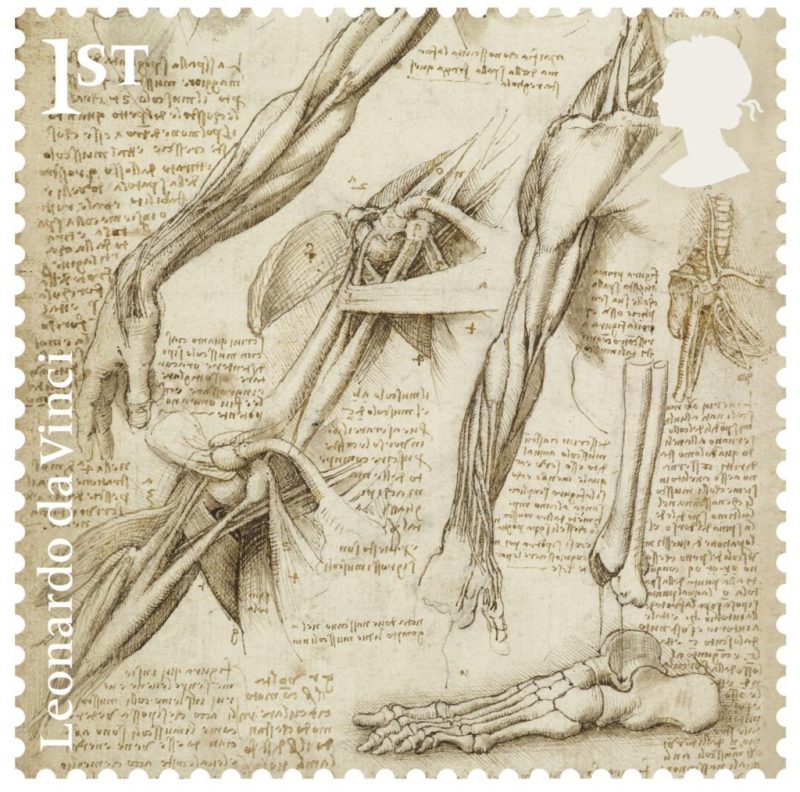
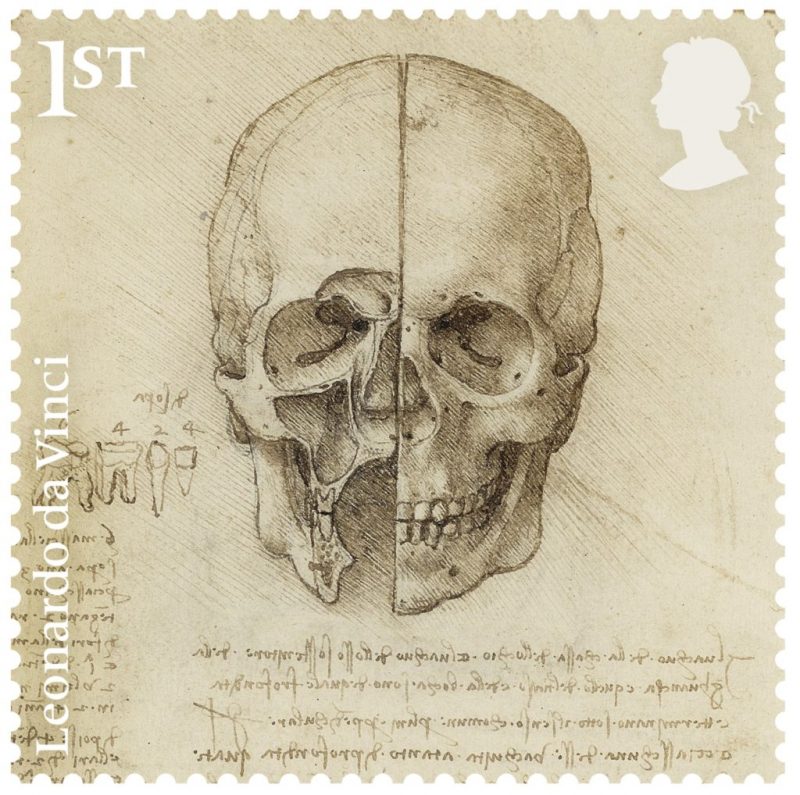
The Anatom­i­cal Draw­ings of Renais­sance Man, Leonar­do da Vin­ci

Leonar­do da Vinci’s Bizarre Car­i­ca­tures & Mon­ster Draw­ings

What Leonar­do da Vin­ci Real­ly Looked Like

Based in Seoul, Col­in Mar­shall writes and broad­casts on cities, lan­guage, and cul­ture. His projects include the book The State­less City: a Walk through 21st-Cen­tu­ry Los Ange­les and the video series The City in Cin­e­ma. Fol­low him on Twit­ter at @colinmarshall or on Face­book.


  • Great Lectures

  • Sign up for Newsletter

  • About Us

    Open Culture scours the web for the best educational media. We find the free courses and audio books you need, the language lessons & educational videos you want, and plenty of enlightenment in between.


    Advertise With Us

  • Archives

  • Search

  • Quantcast