Three Pink Floyd Songs Played on the Traditional Korean Gayageum: “Comfortably Numb,” “Another Brick in the Wall” & “Great Gig in the Sky”

If you come vis­it South Korea, where I live, you’ll more than like­ly pass through Incheon Inter­na­tion­al Air­port, and there quite pos­si­bly wit­ness a vari­ety of dis­plays of tra­di­tion­al Kore­an cul­ture, from acro­bat­ics to aris­to­crat­ic pro­ces­sions to a vari­ety of musi­cal per­for­mances. Since the rebuild­ing of the coun­try after the Kore­an War, atten­tion has turned to recov­er­ing the arts and cus­toms of the past and, in one way or anoth­er, mak­ing them rel­e­vant to the present. Plac­ing them in the mid­dle of an ultra­mod­ern trans­porta­tion facil­i­ty is one; inter­pret­ing the stuff of rel­a­tive­ly recent pop­u­lar cul­ture with them is anoth­er.

A few years ago we fea­tured the skills of Luna Lee, a play­er of the gayageum, a twelve-stringed Kore­an instru­ment dat­ing back to the sixth cen­tu­ry. Specif­i­cal­ly, we fea­tured her ren­di­tions of Jimi Hen­drix’s “Voodoo Chile” and Ste­vie Ray Vaugh­an’s “Lit­tle Wing,” meet­ings of mod­ern com­po­si­tion and tra­di­tion­al East Asian per­for­mance rem­i­nis­cent of what Japan­ese koto play­er June Kuramo­to and her band Hiroshi­ma pio­neered in the 1970s.

But the Kore­an musi­cal sen­si­bil­i­ty brings a dif­fer­ent set of emo­tions into play, and now you can hear them hybridized with the psy­che­del­ic, oper­at­ic, vir­tu­osic rock of Pink Floyd in Lee’s ver­sions of “Anoth­er Brick in the Wall,” “Com­fort­ably Numb,” and “The Great Gig in the Sky,” all of which must have posed a for­mi­da­ble chal­lenge to con­vert into gayageum music.

“My ances­tors played the gayageum in a small room, so the sound did not need to be loud,” writes Lee on her Patre­on page, “but my music is per­formed with mod­ern instru­ments such as the drums, bass and the gui­tar. So I had to rede­vel­op my gayageum so that the sound would match that of the mod­ern instru­ment. I had to increase the vol­ume and pres­sure, devel­op tone and increase the sus­tain sound. And hop­ing to express the sound of gayageum more diverse­ly like that of the gui­tar, I had to study gui­tar effec­tors and ampli­fiers and test them to see if they would fit to the sound of the gayageum.”

Lee’s work of push­ing the gayageum into new musi­cal realms con­tin­ues: in oth­er videos, she tries her hand at adapt­ing songs by every­one from the Rolling Stones to R. Kel­ly to Tiny Tim to the late Leonard Cohen. But some­thing about her mul­ti­ple vis­its to the ter­ri­to­ry of Pink Floyd feels right. Per­haps, should we find our­selves in anoth­er great pro­gres­sive rock era, the gayageum will be the first instru­ment to join the sub­se­quent­ly expand­ed field of instru­ments — in both a tech­no­log­i­cal and his­tor­i­cal sense — let onto the stage. Stranger things have hap­pened there, as the Floyd well know.

Relat­ed Con­tent:

Watch Jimi Hendrix’s ‘Voodoo Chile’ Per­formed on a Gayageum, a Tra­di­tion­al Kore­an Instru­ment

Ste­vie Ray Vaughan’s Ver­sion of “Lit­tle Wing” Played on Tra­di­tion­al Kore­an Instru­ment, the Gayageum

Hear Lost Record­ing of Pink Floyd Play­ing with Jazz Vio­lin­ist Stéphane Grap­pel­li on “Wish You Were Here”

Ultra Ortho­dox Rab­bis Sing Pink Floyd’s “Wish You Were Here” on the Streets of Jerusalem

Based in Seoul, Col­in Mar­shall writes and broad­casts on cities and cul­ture. He’s at work on a book about Los Ange­les, A Los Ange­les Primer, the video series The City in Cin­e­ma, the crowd­fund­ed jour­nal­ism project Where Is the City of the Future?, and the Los Ange­les Review of Books’ Korea Blog. Fol­low him on Twit­ter at @colinmarshall or on Face­book.

Download Ralph Ellison’s Invisible Man as a Free Audiobook (Available for a Limited Time)

When Ralph Elli­son pub­lished his first nov­el, Invis­i­ble Man, in 1952, it took the lit­er­ary world by storm. Orville Prescott, a lit­er­ary crit­ic at The New York Times, wrote in April of ’52:

Ralph Ellison’s first nov­el, “The Invis­i­ble Man,” is the most impres­sive work of fic­tion by an Amer­i­can Negro which I have ever read. Unlike Richard Wright and Willard Mot­ley, who achieve their best effects by over­pow­er­ing their read­ers with doc­u­men­tary detail, Mr. Elli­son is a fin­ished nov­el­ist who uses words with great skill, who writes with poet­ic inten­si­ty and immense nar­ra­tive dri­ve. “Invis­i­ble Man” has many flaws. It is a sen­sa­tion­al and fever­ish­ly emo­tion­al book. It will shock and sick­en some of its read­ers. But, what­ev­er the final ver­dict on “Invis­i­ble Man” may be, it does mark the appear­ance of a rich­ly tal­ent­ed writer.

Invis­i­ble Man won the U.S. Nation­al Book Award for Fic­tion the fol­low­ing year. And the belief that Elli­son wrote some­thing spe­cial has­n’t dimin­ished since. Case in point: When Mod­ern Library cre­at­ed a list of the 100 best Eng­lish-lan­guage nov­els of the 20th cen­tu­ry, they placed Invis­i­ble Man at num­ber 19.

As Don Katz tells us above, the book touched him deeply dur­ing his col­lege years at NYU. Now the founder and CEO of Audible.com, he’s let­ting you down­load Invis­i­ble Man as a free audio­book. The free down­load is avail­able at Audi­ble and at Ama­zon until Decem­ber 31st. (Audi­ble is an Ama­zon sub­sidiary). Please note that you’ll need to cre­ate an account to get the down­load. But appar­ent­ly no payment/credit card info is required.

Sep­a­rate­ly, I should also men­tion that Audi­ble offers a free 30-day tri­al pro­gram, where they let you down­load two pro­fes­sion­al­ly-read audio­books. At the end of 30 days, you can decide whether to become an Audi­ble sub­scriber or not. Either way, you can keep the two free audio­books. Find more infor­ma­tion on that free tri­al pro­gram here.

Again, the links to down­load Invis­i­ble Man are here: Audi­ble — Ama­zon. And remem­ber, we have more free audio­books in our col­lec­tion, 1,000 Free Audio Books: Down­load Great Books for Free. Most­ly clas­sics.

If you would like to sign up for Open Culture’s free email newslet­ter, please find it here. It’s a great way to see our new posts, all bun­dled in one email, each day.

If you would like to sup­port the mis­sion of Open Cul­ture, con­sid­er mak­ing a dona­tion to our site. It’s hard to rely 100% on ads, and your con­tri­bu­tions will help us con­tin­ue pro­vid­ing the best free cul­tur­al and edu­ca­tion­al mate­ri­als to learn­ers every­where. You can con­tribute through Pay­Pal, Patre­on, and Ven­mo (@openculture). Thanks!

Relat­ed Con­tent

Ralph Elli­son Reads from His Novel-in-Progress,Juneteenth, in Rare Video Footage (1966)

Flan­nery O’Connor Reads ‘A Good Man is Hard to Find’ in Rare 1959 Audio

by | Permalink | Make a Comment ( 5 ) |

How to Recognize a Dystopia: Watch an Animated Introduction to Dystopian Fiction

Lit­er­a­ture and film can open up to the depth and immen­si­ty of social truths we find pro­found­ly dif­fi­cult, if not impos­si­ble, to artic­u­late. If our polit­i­cal vocab­u­lary (as Oxford Dic­tio­nar­ies sug­gest­ed in their word of the year) has become “post-truth,” it can seem like the only hon­est rep­re­sen­ta­tions of real­i­ty are found in the imag­i­nary.

Amidst the vio­lent upheavals of the last cou­ple decades, for exam­ple, we have seen an explo­sion of the dystopi­an, that ven­er­a­ble yet mod­ern genre we use to explain our con­tem­po­rary polit­i­cal con­di­tions to our­selves. It has become com­mon prac­tice in seri­ous debate to ges­ture toward the out­sized cin­e­mat­ic sce­nar­ios of Snow­piercer, or The Hunger Games and Har­ry Pot­ter series, as stand-ins for dis­turb­ing present real­i­ties.

You may have also encoun­tered recent ref­er­ences to lit­er­ary spec­u­la­tive fic­tion like William Gibson’s The Periph­er­al, Mar­garet Atwood’s The Handmaid’s Tale, Olivia Butler’s Para­ble series, and Philip K. Dick’s Radio Free Albe­muth, the first nov­el Dick wrote before VALIS about his sup­posed reli­gious expe­ri­ence. Draft­ed in 1976 but only pub­lished posthu­mous­ly in 1985, Dick­’s pre­scient nov­el takes place in an alter­nate U.S. (like The Man in the High Cas­tle), in which para­noid right-wing zealot Fer­ris Fre­mont, a Joseph McCarthy/Richard Nixon-like fig­ure, suc­ceeds Lyn­don John­son as pres­i­dent.

There is no point in dwelling on the ethics of Fer­ris Fre­mont.… The Sovi­ets backed him, the right-wingers backed him, and final­ly just about every­one… Fre­mont had the back­ing of the US intel­li­gence com­mu­ni­ty, as they liked to call them­selves, and exi­gents played an effec­tive role in dec­i­mat­ing polit­i­cal oppo­si­tion. In a one-par­ty sys­tem there is always a land­slide.

The sti­fling total­i­tar­i­an con­trol Fre­mont exer­cis­es is very much a hall­mark of dystopi­an fic­tion. But does Dick’s novel—set in an alter­nate present rather than a fright­en­ing future, and with an alien/supernatural invasion—qualify as dystopi­an? What about Har­ry Pot­ter, with its fairy tale intru­sions of the mag­i­cal into the present? The TED Ed video at the top, nar­rat­ed by Alex Gendler, sets flex­i­ble bound­aries for a cat­e­go­ry we’ve most­ly come to asso­ciate with prophet­ic, futur­is­tic sci­ence fic­tion, and offers a broad­ly com­pre­hen­sive def­i­n­i­tion.

The word dystopia, a Greek coinage for “bad place,” dates to 1868, from a usage by John Stu­art Mill to char­ac­ter­ize the indus­tri­al world’s moral inver­sion of Sir Thomas More’s Utopia. That word, Gendler points out, is a term More invent­ed to mean either “no place” or “good place.” Gendler dates the emer­gence of the dystopi­an to Jonathan Swift’s satire Gulliver’s Trav­els, a book, like Har­ry Pot­ter, set in an alter­nate present fea­tur­ing many mon­strous intru­sions of the fan­tas­tic into the real. Unlike the boy wiz­ard’s saga, how­ev­er, the mon­sters in Gul­liv­er serve as alle­gories for us.

Swift, Gendler argues, “estab­lished a blue­print for dystopia.” His Lil­liputians, Bob­d­ing­na­gians, Laputions, and Houy­hnhn­ms all rep­re­sent “cer­tain trends in con­tem­po­rary soci­ety… tak­en to extremes.” In lat­er exam­ples, the form con­tin­ued to reflect the per­ni­cious thought and sci­ence of the age: the extreme eugen­ics of H.G. Wells’ The Time Machine, the prison-like fac­to­ry con­di­tions of Fritz Lang’s film Metrop­o­lis, the repres­sive hyper-ratio­nal­iza­tion in Yevge­ny Zamyatin’s 1924 Sovi­et-based dystopia We, and the med­ical tech­noc­ra­cy of Aldous Huxley’s Brave New World.

Bor­row­ing lib­er­al­ly from Zamy­atin and com­pet­ing with Hux­ley, George Orwell’s 1984 set a new stan­dard of verisimil­i­tude for dystopi­an fic­tion, stark­ly remind­ing thou­sands of post-war read­ers that “the best-known dystopias were not imag­i­nary at all,” Gendler says. The his­tor­i­cal night­mares of World War II and the fol­low­ing Cold War dic­ta­tor­ships birthed hor­rors for which we can nev­er find appro­pri­ate lan­guage. And so we turn to nov­els like 1984 and Kurt Vonnegut’s Cat’s Cra­dle, both of which apt­ly show us worlds where lan­guage has ceased to func­tion in any ordi­nary com­mu­nica­tive sense.

Per­haps one of the most-ref­er­enced of dystopi­an nov­els in U.S. polit­i­cal dis­course, Sin­clair Lewis’ 1935 It Can’t Hap­pen Here, gave lit­tle but its title to the pop­u­lar lex­i­con. “Lewis,” writes Alexan­der Nazaryan in The New York­er, “was nev­er much of an artist, but what he lacked in style he made up for with social obser­va­tion.” The nov­el “envi­sioned how eas­i­ly,” Gendler says, “democ­ra­cy gives way to fas­cism.” The cri­sis point comes when the peo­ple want “safe­ty and con­ser­vatism again,” as Roo­sevelt observed that same year—a year in which “the promise of the New Deal,” Nazaryan remarks, “remained unful­filled for many.”

The irony of Lewis’ sce­nario is that those left behind by Roo­sevelt’s poli­cies are those who suf­fer most under the fic­tion­al pres­i­den­cy of author­i­tar­i­an Sen­a­tor Berzelius “Buzz” Win­drip. Mean­while, the more com­fort­able con­sole them­selves with hol­low denials: “it can’t hap­pen here.” Extreme eco­nom­ic inequal­i­ty and social strat­i­fi­ca­tion have been an essen­tial fea­ture of clas­si­cal utopi­an fic­tion since its first appear­ance in Plato’s Repub­lic. In the mod­ern lit­er­ary dystopia, the sci­ence, tech­nol­o­gy, and polit­i­cal mech­a­niza­tion that philoso­phers once cel­e­brat­ed become implaca­ble weapons of war against the cit­i­zen­ry.

For all the mal­leable bound­aries of the genre—which strays into sci­ence fic­tion, fan­ta­sy, sur­re­al­ism, and satire—dystopian fic­tions all have one uni­fy­ing theme: “At their heart,” says Gendler, “dystopias are cau­tion­ary tales, not about some par­tic­u­lar gov­ern­ment or tech­nol­o­gy, but the very idea that human­i­ty can be mold­ed into an ide­al shape.”

Relat­ed Con­tent:

A Clock­work Orange Author Antho­ny Burgess Lists His Five Favorite Dystopi­an Nov­els: Orwell’s 1984, Huxley’s Island & More

Octavia Butler’s 1998 Dystopi­an Nov­el Fea­tures a Fascis­tic Pres­i­den­tial Can­di­date Who Promis­es to “Make Amer­i­ca Great Again”

Hux­ley to Orwell: My Hell­ish Vision of the Future is Bet­ter Than Yours (1949)

Josh Jones is a writer and musi­cian based in Durham, NC. Fol­low him at @jdmagness

Hieronymus Bosch’s Medieval Painting, “The Garden of Earthly Delights,” Comes to Life in a Gigantic, Modern Animation

For the 500-year anniver­sary of Hierony­mus Bosch’s death, the MOTI Muse­um in Hol­land com­mis­sioned a mod­ern re-inter­pre­ta­tion of the Dutch painter’s famous medieval paint­ing, “The Gar­den of Earth­ly Delights” (cir­ca 1490). If you’re not famil­iar with Bosch’s enig­mat­ic cre­ation, explore these two items before you do any­thing else:

Take a Vir­tu­al Tour of Hierony­mus Bosch’s Bewil­der­ing Mas­ter­piece The Gar­den of Earth­ly Delights

New App Lets You Explore Hierony­mus Bosch’s “The Gar­den of Earth­ly Delights” in Vir­tu­al Real­i­ty

Then check out the video above, which gives you a glimpse of the gigan­tic video instal­la­tion that’s on dis­play at the MOTI through Decem­ber 31st.

Here’s how the Dutch ani­ma­tors behind this project explain what’s unfold­ing before your eyes:

[We] cleared the orig­i­nal land­scape of the mid­dle pan­el of Bosch’s paint­ing and recon­struct­ed it into a hal­lu­ci­na­to­ry 4K ani­ma­tion. The crea­tures that pop­u­late this indoor play­ground embody the excess­es and desires of 21st cen­tu­ry West­ern civ­i­liza­tion. Con­sumerism, self­ish­ness, escapism, the lure of eroti­cism, van­i­ty and deca­dence. All char­ac­ters are metaphors for our soci­ety where lon­ers swarm their dig­i­tal dream world. They are sym­bol­ic reflec­tions of egos and an imag­i­na­tion of peo­ple as they see them­selves — unlike Bosch’s ver­sion, where all indi­vid­u­als more or less look the same. From a horny Hel­lo Kit­ty to a coke hunt­ing penis snake. From an incar­nate spy­bot to head­less fried chick­ens. These char­ac­ters, once pre­cise­ly paint­ed dream fig­ures, are now dig­i­tal­ly cre­at­ed 3D mod­els. All of them have been giv­en their own ani­ma­tion loop to wan­der through the land­scape. By plac­ing them alto­geth­er in this syn­thet­ic fres­co, the pic­ture is nev­er the same. What the ani­ma­tion and Bosch’s trip­tych have in com­mon is that you’ll hard­ly be able to take it all in, you can watch it for hours.

If you hap­pen to find your­self in Hol­land, you can expe­ri­ence the instal­la­tion first­hand (again before 12/31). Find direc­tions to the MOTI here.

If you would like to sign up for Open Culture’s free email newslet­ter, please find it here. It’s a great way to see our new posts, all bun­dled in one email, each day.

If you would like to sup­port the mis­sion of Open Cul­ture, con­sid­er mak­ing a dona­tion to our site. It’s hard to rely 100% on ads, and your con­tri­bu­tions will help us con­tin­ue pro­vid­ing the best free cul­tur­al and edu­ca­tion­al mate­ri­als to learn­ers every­where. You can con­tribute through Pay­Pal, Patre­on, and Ven­mo (@openculture). Thanks!

Relat­ed Con­tent:

Rijksmu­se­um Dig­i­tizes & Makes Free Online 273,000 Works of Art, Mas­ter­pieces Includ­ed!

Down­load All 36 of Jan Vermeer’s Beau­ti­ful­ly Rare Paint­ings (Most in Stun­ning High Res­o­lu­tion)

Take a Mul­ti­me­dia Tour of the But­tock Song in Hierony­mus Bosch’s Paint­ing The Gar­den of Earth­ly Delights

Dis­cov­er 100 Impor­tant Paint­ings with Videos Cre­at­ed by Khan Acad­e­my & Google Art Project

Free Course: An Intro­duc­tion to the Art of the Ital­ian Renais­sance

1.8 Mil­lion Free Works of Art from World-Class Muse­ums: A Meta List of Great Art Avail­able Online

Down­load 464 Free Art Books from The Met­ro­pol­i­tan Muse­um of Art

by | Permalink | Make a Comment ( 2 ) |

New Animation Brings to Life a Lost 1974 Interview with Leonard Cohen, and Cohen Reading His Poem “Two Slept Together”

Leonard Cohen was graced with a dis­tinc­tive slow burn of a voice, a man­ly purr well suit­ed to the louche mys­ter­ies of his most famous lyrics.

His death prompt­ed a post-elec­tion out­pour­ing from his already crest­fall­en fans, who sought cathar­sis by shar­ing the myr­i­ad ways in which his music had touched their lives.

As Cohen remarked in a 1995 inter­view with the New York Times

Music is like bread. It is one of the fun­da­men­tal nour­ish­ments that we have avail­able, and there are many dif­fer­ent vari­eties and degrees and grades. A song that is use­ful, that touch­es some­body, must be mea­sured by that util­i­ty alone. ‘Cheap music’ is an unchar­i­ta­ble descrip­tion. If it touch­es you, it’s not cheap. From a cer­tain point of view, all our emo­tions are cheap, but those are the only ones we’ve got. It’s lone­li­ness and long­ing and desire and cel­e­bra­tion.

Rolling Stone dubbed Cohen the Poet Lau­re­ate Of Out­rage And Roman­tic Despair. It’s far from his only nick­name, but it man­ages to encom­pass most of the oth­er 325 that super fan Allan Showal­ter col­lect­ed for his Cohen­cen­tric site.

Have you used Cohen’s music to “illu­mi­nate or dig­ni­fy your court­ing” (to bor­row anoth­er phrase from that Times inter­view)?

If so, you deserve to know that those seduc­tive lyrics aren’t always what they seem.

For one thing, he nev­er got car­nal with Suzanne.

Dit­to the “Sis­ters of Mer­cy.” Turns out they real­ly “weren’t lovers like that.” Cohen var­ied the facts a bit over the years, when called upon to recount this song’s ori­gin sto­ry. The loca­tion of the ini­tial meet­ing was a mov­ing tar­get, and ear­ly on, van­i­ty, or per­haps a rep­u­ta­tion to uphold, caused him to omit a cer­tain crit­i­cal detail regard­ing the night spent with two young women he bumped into in snowy Edmon­ton.

The 1974 radio inter­view with Kath­leen Kendel, above—straight from the horse’s mouth, and fresh­ly ani­mat­ed for PBS’ Blank on Blank series—brings to mind that pil­lar of young male sex com­e­dy, the close-but-no-cig­ar erot­ic encounter.

PBS’ Blank on Blank ani­ma­tor, Patrick Smith, wise­ly employs a light­ly humor­ous touch in depict­ing Cohen’s wild imag­in­ing of the delights Bar­bara and Lor­raine had in store for him. Whether or not they looked like the Dou­blemint Twins is a ques­tion for the ages.

The ani­ma­tion kicks off with a read­ing of his 1964 poem, “Two Went to Sleep,” an ellip­ti­cal jour­ney into the realm of the uncon­scious, a set­ting that pre­oc­cu­pied Cohen the poet. (See the far less pla­ton­ic-seem­ing “My Lady Can Sleep” and “Now of Sleep­ing” for starters…)

You can hear the inter­view Blank on Blank excerpt­ed for the above ani­ma­tion in its entire­ty here.

Relat­ed Con­tent:

Hear Leonard Cohen’s Final Inter­view: Record­ed by David Rem­nick of The New York­er

How Leonard Cohen’s Stint As a Bud­dhist Monk Can Help You Live an Enlight­ened Life

Ani­mat­ed Video: John­ny Cash Explains Why Music Became a Reli­gious Call­ing

Ayun Hal­l­i­day is an author, illus­tra­tor, the­ater mak­er, Leonard Cohen fan and Chief Pri­ma­tol­o­gist of the East Vil­lage Inky zine.  Her play Zam­boni Godot is open­ing in New York City in March 2017. Fol­low her @AyunHalliday.

The 10 Favorite Films of Rainer Werner Fassbinder

Despite liv­ing for only 37 years, and with­in that hav­ing a career that last­ed for only fif­teen, the Ger­man auteur Rain­er Wern­er Fass­binder cre­at­ed so pro­lif­i­cal­ly that his final list of accom­plish­ments includes direct­ing forty fea­ture films, three shorts, and two tele­vi­sion series, as well as appear­ing in 36 dif­fer­ent roles as an actor — to say noth­ing of his works in oth­er media and his con­sid­er­able influ­ence on sub­se­quent gen­er­a­tions of film­mak­ers around the world. Sheer pro­duc­tiv­i­ty aside, many of these works have either stood the test of time, like The Bit­ter Tears of Petra von Kant and Berlin Alexan­der­platz or, like philo­soph­i­cal sci­ence fic­tion World on a Wire, enjoyed recent redis­cov­er­ies.

What could have inspired in Fass­binder such unre­lent­ing cre­ativ­i­ty? His list of ten favorite films, drawn up a year before his death in 1982, pro­vides some clues. “Fassbinder’s very favorite was Visconti’s The Damned, a visu­al­ly sump­tu­ous panora­ma of soci­etal col­lapse and decay in Third Reich Ger­many and no doubt an influ­ence on the Ger­man auteur’s own “BRD Tril­o­gy,” in par­tic­u­lar the bawdy, bor­del­lo-set Lola,” writes Indiewire’s Ryan Lat­tanzio. He also “loved Max Ophuls’ 1955 Lola Montes, the sad sto­ry of a kept woman shot in the kind of glo­ri­ous­ly ren­dered col­or Fass­binder would lat­er employ in his own work. As with many top 10 lists com­piled by con­fronta­tion­al film­mak­ers, Pasolini’s beau­ti­ful­ly ugly descent into hell Salò was also close to his heart.”

Fass­binder’s final favorite-films list runs, in full, as fol­lows:

  1. The Damned (1969, Dir: Luchi­no Vis­con­ti)
  2. The Naked And the Dead (1958, Dir: Raoul Walsh)
  3. Lola Montes (1955, Dir: Max Ophuls)
  4. Flamin­go Road (1949, Dir: Michael Cur­tiz)
  5. Salò, or the 120 Days Of Sodom (1975, Dir: Pier Pao­lo Pasoli­ni)
  6. Gen­tle­men Pre­fer Blondes (1953, Dir: Howard Hawks)
  7. Dis­hon­ored (1931, Dir: Josef von Stern­berg)
  8. The Night Of The Hunter (1955, Dir: Charles Laughton)
  9. John­ny Gui­tar (1954, Dir: Nicholas Ray)
  10. The Red Snow­ball Tree (1973, Dir: Vasili Shuk­shin)

If one qual­i­ty unites all of Fass­binder’s motion pic­tures of choice, from all the afore­men­tioned to the stark, near-Expres­sion­ist noir of Night of the Hunter to the super­hu­man­ly snap­py com­e­dy of Gen­tle­men Pre­fer Blondes to the West­ern genre rein­ven­tion, high­ly appre­ci­at­ed in Europe, of John­ny Gui­tar, it might well be vivid­ness. All of these movies, each in their own way, allowed Fass­binder to release the vivid­ness — and cin­e­ma his­to­ry has remem­bered him as a mas­ter of the vivid as well as the vis­cer­al — res­i­dent in his imag­i­na­tion. Alas, no mat­ter how much he man­aged to real­ize, a great deal more of it sure­ly passed away with him.

via Indiewire

Relat­ed Con­tent:

Aki­ra Kurosawa’s List of His 100 Favorite Movies

Woody Allen Lists the Great­est Films of All Time: Includes Clas­sics by Bergman, Truf­faut & Felli­ni

Mar­tin Scors­ese Reveals His 12 Favorite Movies (and Writes a New Essay on Film Preser­va­tion)

Stan­ley Kubrick’s List of Top 10 Films (The First and Only List He Ever Cre­at­ed)

Andrei Tarkovsky Cre­ates a List of His 10 Favorite Films (1972)

Susan Sontag’s 50 Favorite Films (and Her Own Cin­e­mat­ic Cre­ations)

Based in Seoul, Col­in Mar­shall writes and broad­casts on cities and cul­ture. He’s at work on a book about Los Ange­les, A Los Ange­les Primer, the video series The City in Cin­e­ma, the crowd­fund­ed jour­nal­ism project Where Is the City of the Future?, and the Los Ange­les Review of Books’ Korea Blog. Fol­low him on Twit­ter at @colinmarshall or on Face­book.

We’re Gonna Build a Fourth Wall, and Make the Brechtians Pay for It

fourth-wall

By now, you undoubt­ed­ly know what hap­pened when Mike Pence went to see Hamil­ton on Fri­day night. And the brouha­ha that unfold­ed from there, par­tic­u­lar­ly on Twit­ter.

Tweets came and went through­out the week­end. But, if you’re keep­ing score at home, none out­fun­nied this tweet from Jere­my Noel-Tod. We’re suck­ers around here for Brecht­ian humor.

Find us on Twit­ter at @openculture.

If you would like to sign up for Open Culture’s free email newslet­ter, please find it here. It’s a great way to see our new posts, all bun­dled in one email, each day.

If you would like to sup­port the mis­sion of Open Cul­ture, con­sid­er mak­ing a dona­tion to our site. It’s hard to rely 100% on ads, and your con­tri­bu­tions will help us con­tin­ue pro­vid­ing the best free cul­tur­al and edu­ca­tion­al mate­ri­als to learn­ers every­where. You can con­tribute through Pay­Pal, Patre­on, and Ven­mo (@openculture). Thanks!

Relat­ed Con­tent:

Watch Them Watch Us: A His­to­ry of Break­ing the “Fourth Wall” in Film

The Cast of Hamil­ton Sends a Strong Mes­sage to Mike Pence (After the Crowd Jeers Him)

by | Permalink | Make a Comment ( 1 ) |

Five Short Stories by Leo Tolstoy: A Free AudioBook

tolstoy rules 2

Though known for his long epic nov­els War and Peace and Anna Karen­i­na, Leo Tol­stoy wrote short sto­ries too. Below, you can stream read­ings of five such sto­ries, “The Three Her­mits,” “Three Deaths,” “Albert,” “Ernak, and “God Sees the Truth But Waits.” They’re read by Bart Wolfe, and made freely avail­able on Spo­ti­fy. (If you need Spo­ti­fy’s soft­ware, down­load it here.) If you want to get it from iTunes, it will run you $6.95.

This three-hour record­ing will be added to our col­lec­tion, 1,000 Free Audio Books: Down­load Great Books for Free. Mean­while, if you’d like to down­load two pro­fes­sion­al­ly-read audio­books from Audi­ble for free, get more infor­ma­tion on that here.

Relat­ed Con­tent:

Leo Tol­stoy Cre­ates a List of the 50+ Books That Influ­enced Him Most (1891)

Leo Tolstoy’s 17 “Rules of Life:” Wake at 5am, Help the Poor, & Only Two Broth­el Vis­its Per Month

An Ani­mat­ed Intro­duc­tion to Leo Tol­stoy, and How His Great Nov­els Can Increase Your Emo­tion­al Intel­li­gence

Free Online Lit­er­a­ture Cours­es

by | Permalink | Make a Comment ( 2 ) |

Leonard Cohen’s “Hallelujah” Lovely Sung in Yiddish: A Tribute

Leonard Cohen grew up in an influ­en­tial Jew­ish fam­i­ly in Mon­tre­al. And, dur­ing his final inter­view, he rem­i­nisced with The New York­er’s David Rem­nick about how the elder men in his fam­i­ly were the “dons” of Jew­ish Mon­tre­al, and how his grand­fa­ther “was prob­a­bly the most sig­nif­i­cant Jew in Canada”–someone who estab­lished numer­ous Jew­ish insti­tu­tions there, and helped count­less refugees escape the anti-Semit­ic pogroms in East­ern Europe.

Immi­grants from East­ern Europe them­selves, Leonard Cohen’s fam­i­ly undoubt­ed­ly spoke some Yid­dish, the lan­guage once spo­ken by 11 mil­lion Jews, most­ly in cen­tral and east­ern Europe. (Today it’s spo­ken by 600,000 peo­ple at best.) And that’s what makes this Yid­dish ren­di­tion of “Hal­lelu­jah” so fit­ting. Trans­lat­ed and per­formed by Klezmer musi­cian Daniel Kahn, it was post­ed to YouTube on the night of Cohen’s pass­ing.

For any­one inter­est­ed, it’s worth read­ing this oth­er The New York­er piece, “Leonard Cohen’s Mon­tre­al.”

If you would like to sign up for Open Culture’s free email newslet­ter, please find it here. It’s a great way to see our new posts, all bun­dled in one email, each day.

If you would like to sup­port the mis­sion of Open Cul­ture, con­sid­er mak­ing a dona­tion to our site. It’s hard to rely 100% on ads, and your con­tri­bu­tions will help us con­tin­ue pro­vid­ing the best free cul­tur­al and edu­ca­tion­al mate­ri­als to learn­ers every­where. You can con­tribute through Pay­Pal, Patre­on, and Ven­mo (@openculture). Thanks!

via The For­ward

Relat­ed Con­tent:

Rufus Wain­wright and 1,500 Singers Sing Leonard Cohen’s “Hal­lelu­jah”

Street Artist Plays Leonard Cohen’s “Hal­lelu­jah” With Crys­tal Glass­es

Mal­colm Glad­well on Why Genius Takes Time: A Look at the Mak­ing of Elvis Costello’s “Depor­tee” & Leonard Cohen’s “Hal­lelu­jah”

Leonard Nimoy Recites Famous Solil­o­quy from Ham­let in Yid­dish: “To Be or Not To Be”

Watch Clas­sic Sein­feld Scenes Dubbed in …. Yid­dish

by | Permalink | Make a Comment ( 1 ) |

The Cast of Hamilton Sends a Strong Message to Mike Pence (After the Crowd Jeers Him)

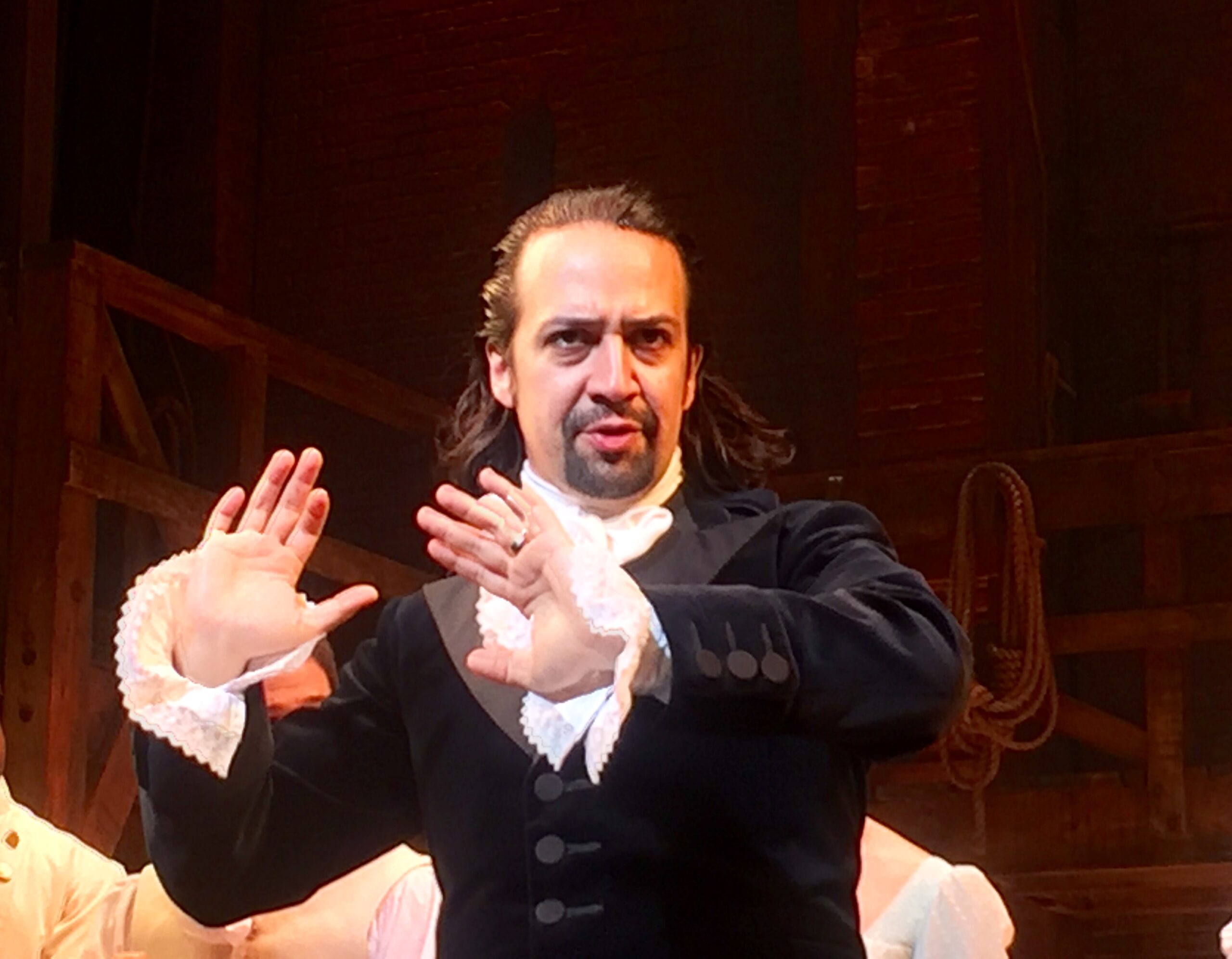
When Mike Pence entered the Richard Rodgers The­atre to see Hamil­ton Fri­day night, the crowd booed him.

When the play end­ed, the cast sent Pence off with a spe­cial mes­sage. Speak­ing for the cast, Bran­don Vic­tor Dixon, the actor who plays Aaron Burr, said this:

You know we have a guest in the audi­ence this evening. Vice Pres­i­dent-elect Pence I see you walk­ing out but I hope you will hear us just a few more moments.

There is noth­ing to boo here ladies and gen­tle­men, we are all shar­ing a sto­ry of love. We have a mes­sage for you sir, and we hope you will hear us out…

Vice Pres­i­dent-elect Mike Pence we wel­come you and we tru­ly thank you for join­ing us here at Hamil­ton, an Amer­i­can Musi­cal.

We, sir, we are the diverse Amer­i­ca who are alarmed and anx­ious that your new admin­is­tra­tion will not pro­tect us, our plan­et, our chil­dren, our par­ents or defend us or uphold our inalien­able rights, sir. But we tru­ly hope this show has inspired you to uphold our Amer­i­can val­ues and to work on behalf of all of us.

We tru­ly thank you for shar­ing this show, this won­der­ful Amer­i­can sto­ry told by a diverse group of men and women of dif­fer­ent col­ors, creeds and ori­en­ta­tions.

Trump and Pence came to office exploit­ing racial, nation­al and eth­nic resent­ments across Amer­i­ca. They’re now putting fig­ures like Steve Ban­non and Jeff Ses­sions (both tar­nished by alle­ga­tions of racism) in posi­tions of pow­er. And we’re seeing hate crimes on the rise. (701  report­ed cas­es since the elec­tion.) It’s no sur­prise that the new gov­ern­ment is get­ting tak­en to task. It’s free speech in action, democ­ra­cy being the some­times rau­cous, in your face thing it can be.

For­tu­nate­ly Pence seems to have a fin­er appre­ci­a­tion of the role dis­sent plays in our coun­try: He has since told The Hol­ly­wood Reporter, “I did hear what was said from the stage, and I can tell you, I was­n’t offend­ed by what was said.” “It was a real joy to be there. When we arrived, we heard a few boos and a few cheers, and I nudged my kids and remind­ed them, ‘That’s what free­dom sounds like.” Kudos to him.

In oth­er culture/education news, Don­ald Trump has agreed to pay $25 mil­lion to set­tle his Trump Uni­ver­si­ty fraud case.

If you would like to sign up for Open Culture’s free email newslet­ter, please find it here. It’s a great way to see our new posts, all bun­dled in one email, each day.

If you would like to sup­port the mis­sion of Open Cul­ture, con­sid­er mak­ing a dona­tion to our site. It’s hard to rely 100% on ads, and your con­tri­bu­tions will help us con­tin­ue pro­vid­ing the best free cul­tur­al and edu­ca­tion­al mate­ri­als to learn­ers every­where. You can con­tribute through Pay­Pal, Patre­on, and Ven­mo (@openculture). Thanks!

Relat­ed Con­tent:

Alexan­der Hamil­ton: Hip-Hop Hero at the White House Poet­ry Evening

“Alexan­der Hamil­ton” Per­formed with Amer­i­can Sign Lan­guage

by | Permalink | Make a Comment ( 17 ) |

Hear Kurt Vonnegut’s Novel, Cat’s Cradle, Get Turned into Avant-Garde Music (Featuring Kurt Himself)

vonnegut drawing

Image by Daniele Prati, via Flickr Com­mons

Kurt Vonnegut’s 1963 nov­el Cat’s Cra­dle resem­bles its title, a web of over­lap­ping and entan­gled sto­ries, all of which have huge holes in the mid­dle. And the book—as have many of his slim, sur­re­al­ist pop masterpieces—was read by many crit­ics as lightweight—whimsical and sen­ti­men­tal.  One review­er in The New York Review of Books, for exam­ple, called Von­negut a “com­pil­er of easy to read tru­isms about soci­ety who allows everyone’s heart to be in the right place.”

Not so, argues Uni­ver­si­ty of Puer­to Rico schol­ar Mark Wekan­der Voigt. For all its silliness—such as its Calyp­so-heavy “par­o­dy of a mod­ern invent­ed reli­gion that will make every­one hap­py”—Cat’s Cra­dle, writes Voigt, “is essen­tial­ly about the moral issues involved in a demo­c­ra­t­ic gov­ern­ment using the atom bomb.” Vonnegut’s nov­el sug­gests that “to be real­ly eth­i­cal, to think about right and wrong, means that we must dis­pense with the author­i­ties who tell us what is right and wrong.”

John, the hero of Cat’s Cra­dle, begins his absur­dist hero’s quest by intend­ing to write a “fac­tu­al” account­ing of what “impor­tant Amer­i­cans had done on the day when the first atom­ic bomb was dropped on Hiroshi­ma, Japan.” The ref­er­ences would not have been lost on Vonnegut’s con­tem­po­rary read­ers, who would all have been famil­iar with John Hersey’s har­row­ing 1946 Hiroshi­ma, the most pop­u­lar book ever writ­ten about the drop­ping of the bomb, with six survivor’s sto­ries told in a thrilling, engag­ing style and “all the enter­tain­ment of a well-writ­ten nov­el.”

Von­negut, how­ev­er, writes an alien­at­ing anti-nov­el, in part to demon­strate his point that “to dis­cuss the eth­i­cal impli­ca­tions of drop­ping the bomb on Hiroshi­ma, one should not look at the vic­tims, but at those who were involved in devel­op­ing such a bomb and their gov­ern­ment.” Increas­ing­ly, how­ev­er, it becomes hard­er and hard­er to look at any­thing direct­ly. In the novel’s par­o­dy reli­gion, Bokonon­ism, all lies are poten­tial­ly truths, all truths poten­tial­ly lies. Lan­guage in the mil­i­tary-indus­tri­al-com­plex world of the bomb, Von­negut sug­gests, had become as change­able and poten­tial­ly dead­ly as the sub­stance called “Ice‑9,” a poly­morph of water that can instant­ly turn rivers, lakes, and even whole oceans into ice.

Evok­ing the nov­el­’s high-wire bal­anc­ing act of goofy songs and rit­u­als and metaphors for the glob­al anni­hi­la­tion of the earth by nuclear weapons, the 2001 album above, Ice‑9 Bal­lads, pairs Von­negut with com­pos­er Dave Sol­dier and the Man­hat­tan Cham­ber orches­tra for an adap­ta­tion, of sorts, of Cat’s Cra­dle. Von­negut nar­rates evoca­tive snatch­es of the book, and the songs illus­trate key themes, such as the strained patois the inhab­i­tants of the fic­tion­al island of San Loren­zo speak. One exam­ple, the phrase “Dyot meet mat” (“God made mud”), gives us the title and refrain of the sec­ond track on the album.

“The music switch­es tones through­out to match the tone of the nov­el at some lev­el,” writes All­mu­sic, and there are also two addi­tion­al, vague­ly-relat­ed pieces at the end. “A Soldier’s Sto­ry” is a “faux-radio opera,” notes Time Out New York’s Mol­ly Sheri­dan, with a libret­to, writ­ten by Von­negut, about Eddie Slovik, the only sol­dier exe­cut­ed for deser­tion dur­ing World War II. A lat­er 2005 release of “A Soldier’s Sto­ry” bore a Parental Advi­so­ry warn­ing, though it is “not the obscen­i­ties that cause alarm, but the way in which moral con­tra­dic­tions inher­ent in the tale res­onate against present-day mil­i­tary involve­ments.”

The final piece, “East St. Louis, 1968,” is a sur­pris­ing­ly exper­i­men­tal, orches­tral-backed pas­tiche of soul, hip-hop and gospel. Tru­ly, like many a Von­negut nov­el, Ice‑9 Bal­ladswrites All­mu­sic, is “get­ting the avant-garde label from the eclec­ti­cism in it, but pro­vid­ing decid­ed­ly non-avant garde bits and pieces through­out that make the whole.… Don’t go in expect­ing some­thing bland or pre­dictable.” See more cred­its for the album at its label’s web­site here.

You can stream Ice‑9 Bal­lads on Spo­ti­fy for free (get Spo­ti­fy’s free soft­ware here) or pur­chase a copy online.

Relat­ed Con­tent:

In 1988, Kurt Von­negut Writes a Let­ter to Peo­ple Liv­ing in 2088, Giv­ing 7 Pieces of Advice

Bene­dict Cum­ber­batch Reads Kurt Vonnegut’s Incensed Let­ter to the High School That Burned Slaugh­ter­house-Five

Kurt Von­negut Dia­grams the Shape of All Sto­ries in a Master’s The­sis Reject­ed by U. Chica­go

Josh Jones is a writer and musi­cian based in Durham, NC. Fol­low him at @jdmagness.


  • Great Lectures

  • Sign up for Newsletter

  • About Us

    Open Culture scours the web for the best educational media. We find the free courses and audio books you need, the language lessons & educational videos you want, and plenty of enlightenment in between.


    Advertise With Us

  • Archives

  • Search

  • Quantcast