The Tate Digitizes 70,000 Works of Art: Photos, Sketchbooks, Letters & More

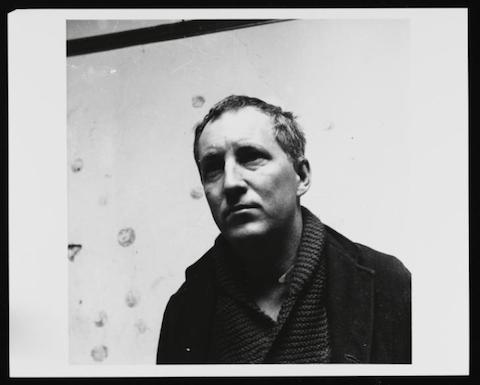
Photograph of Nigel Henderson by Nigel Henderson 1917-1985

Pho­to­graph of Nigel Hen­der­son via Nigel Hen­der­son Estate

If you’re like me, one of the first items on your itin­er­ary when you hit a new city is the art muse­ums. Of course one, two, even three or four vis­its to the world’s major col­lec­tions can’t begin to exhaust the wealth of paint­ing, sculp­ture, pho­tog­ra­phy, and more con­tained with­in. Rotat­ing and spe­cial exhibits make tak­ing it all in even less fea­si­ble. That’s why we’re so grate­ful for the dig­i­tal archives that insti­tu­tions like the Get­tyLA Coun­ty Muse­um of Art, the Met­ro­pol­i­tan Muse­um of Art, the Nation­al Gallery, and the British Library make avail­able free online. Now anoth­er muse­um, Britain’s Tate Mod­ern, gets into the dig­i­tal archive are­na with around 70,000 dig­i­tized works of art in their online gallery.
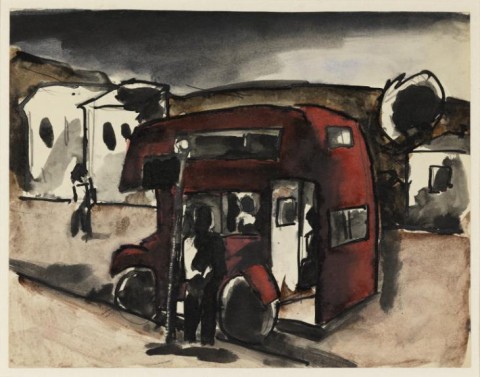
Sketch of the bus stop

“Sketch of the bus stop” from the estate of Josef Her­man

But wait, there’s more. Much more. A sep­a­rate dig­i­tal archive—the Tate’s Archives & Access project—offers up a trove of mate­ri­als you’re unlike­ly to encounter much, if at all, in their phys­i­cal spaces. That’s because this col­lec­tion dig­i­tizes lit­tle-seen “artists’ mate­ri­als, includ­ing pho­tographs, sketch­books, diaries, let­ters and objects, doc­u­ment­ing the lives and work­ing process­es of British born and émi­gré artists, from 1900 to the present.” These include, writes The Guardian, “the love let­ters of painter Paul Nash, the detailed sculp­ture records of Bar­bra Hep­worth, and 3,000 pho­tographs by Nigel Hen­der­son, pro­vid­ing a behind-the-scenes back­stage look at London’s 1950s jazz scene.” Thus far, the Tate has uploaded about 6,000 items, “includ­ing 52 col­lec­tions relat­ing to 79 artists.” At the Tate archive, you’ll find pho­tographs like that of painter and pho­tog­ra­ph­er Nigel Hen­der­son (see top of the post) and also paint­ings by the high­ly regard­ed Pol­ish-British real­ist, Josef Her­man (right above).

Squared-up drawings of soldiers 1920-1921 by David Jones 1895-1974

“Squared-up draw­ings of sol­diers” via The estate of David Jones

You’ll find pre­lim­i­nary sketch­es like the 1920–21 Squared-up draw­ings of sol­diers by painter and poet David Jones, above, one of 109 sketch­es and two sketch­books avail­able by the same artist. You’ll find let­ters like that below, writ­ten by sculp­tor Ken­neth Armitage to his wife Joan Moore in 1951—one of hun­dreds. These are but the tini­est sam­pling of what is now “but a drop in the ocean,” The Guardian writes, “giv­en the more than 1 mil­lion items in the [phys­i­cal] archive.” Archive head Adri­an Glew calls the col­lec­tion “a nation­al archival trea­sure” that is also “for the enrich­ment of the whole world.”

Letter from Kenneth Armitage to Joan Moore [1951] by Kenneth Armitage 1916-2002

Let­ter from Ken­neth Armitage to Joan Moore via the The Ken­neth Armitage Foun­da­tion

The remain­der of the dig­i­tized Archives & Access collection—52, 000 items in total—should be avail­able by the sum­mer of 2015. While view­ing art and arti­facts online is cer­tain­ly no sub­sti­tute for see­ing them in per­son, it’s bet­ter than nev­er see­ing them at all. In any case, mil­lions of pieces are only view­able by cura­tors and spe­cial­ists and nev­er make their way to gallery floors. But with the appear­ance and expan­sion of free online archives like the Tate’s, that sit­u­a­tion will shift dra­mat­i­cal­ly, open­ing up nation­al trea­sures to inde­pen­dent schol­ars and ordi­nary art lovers the world over.

Relat­ed Con­tent:

The British Library Puts 1,000,000 Images into the Pub­lic Domain, Mak­ing Them Free to Reuse & Remix

The Met­ro­pol­i­tan Muse­um of Art Puts 400,000 High-Res Images Online & Makes Them Free to Use

The Nation­al Gallery Makes 25,000 Images of Art­work Freely Avail­able Online

LA Coun­ty Muse­um Makes 20,000 Artis­tic Images Avail­able for Free Down­load

Josh Jones is a writer and musi­cian based in Durham, NC. Fol­low him at @jdmagness

Watch the Opening of Kubrick’s 2001: A Space Odyssey with the Original, Unused Score

How does a movie become a “clas­sic”? Expla­na­tions, nev­er less than utter­ly sub­jec­tive, will vary from cinephile to cinephile, but I would sub­mit that clas­sic-film sta­tus, as tra­di­tion­al­ly under­stood, requires that all ele­ments of the pro­duc­tion work in at least near-per­fect har­mo­ny: the cin­e­matog­ra­phy, the cast­ing, the edit­ing, the design, the set­ting, the score. Out­side first-year film stud­ies sem­i­nars and delib­er­ate­ly con­trar­i­an cul­ture columns, the label of clas­sic, once attained, goes prac­ti­cal­ly undis­put­ed. Even those who active­ly dis­like Stan­ley Kubrick­’s 2001: A Space Odyssey, for instance, would sure­ly agree that its every last audio­vi­su­al nuance serves its dis­tinc­tive, bold vision — espe­cial­ly that open­ing use of “Thus Spake Zarathus­tra.”

But Kubrick did­n’t always intend to use that piece, nor the oth­er orches­tral works we’ve come to close­ly asso­ciate with mankind’s ven­tures into realms beyond Earth and strug­gles with intel­li­gence of its own inven­tion. Accord­ing to Jason Kot­tke, Kubrick had com­mis­sioned an orig­i­nal score from A Street­car Named Desire, Spar­ta­cus, Cleopa­tra, and Who’s Afraid of Vir­ginia Woolf com­pos­er Alex North.

At the top of the post, you can see 2001’s open­ing with North’s music, and below you can hear 38 min­utes of his score on Spo­ti­fy. As to the ques­tion of why Kubrick stuck instead with the tem­po­rary score of Strauss, Ligeti, and Khatch­a­turi­an he’d used in edit­ing, Kot­tke quotes from Michel Cimen­t’s inter­view with the film­mak­er:

How­ev­er good our best film com­posers may be, they are not a Beethoven, a Mozart or a Brahms. Why use music which is less good when there is such a mul­ti­tude of great orches­tral music avail­able from the past and from our own time? [ … ]  Although [North] and I went over the pic­ture very care­ful­ly, and he lis­tened to these tem­po­rary tracks and agreed that they worked fine and would serve as a guide to the musi­cal objec­tives of each sequence he, nev­er­the­less, wrote and record­ed a score which could not have been more alien to the music we had lis­tened to, and much more seri­ous than that, a score which, in my opin­ion, was com­plete­ly inad­e­quate for the film.

North did­n’t find out about Kubrick­’s choice until 2001’s New York City pre­miere. Not an envi­able sit­u­a­tion, cer­tain­ly, but not the worst thing that ever hap­pened to a col­lab­o­ra­tor who failed to rise to the direc­tor’s expec­ta­tions.

For more Kubrick and clas­si­cal music, see our recent post: The Clas­si­cal Music in Stan­ley Kubrick’s Films: Lis­ten to a Free, 4 Hour Playlist

If you would like to sup­port the mis­sion of Open Cul­ture, con­sid­er mak­ing a dona­tion to our site. It’s hard to rely 100% on ads, and your con­tri­bu­tions will help us con­tin­ue pro­vid­ing the best free cul­tur­al and edu­ca­tion­al mate­ri­als to learn­ers every­where. You can con­tribute through Pay­Pal, Patre­on, and Ven­mo (@openculture). Thanks!

Relat­ed Con­tent:

4,000+ Free Movies Online: Great Clas­sics, Indies, Noir, West­erns, Doc­u­men­taries & More

Kubrick’s 2001: A Space Odyssey Gets a Brand New Trail­er to Cel­e­brate Its Dig­i­tal Re-Release

1966 Film Explores the Mak­ing of Kubrick’s 2001: A Space Odyssey (and Our High-Tech Future)

James Cameron Revis­its the Mak­ing of Kubrick’s 2001: A Space Odyssey

Rare 1960s Audio: Stan­ley Kubrick’s Big Inter­view with The New York­er

Col­in Mar­shall hosts and pro­duces Note­book on Cities and Cul­ture and writes essays on cities, lan­guage, Asia, and men’s style. He’s at work on a book about Los Ange­les, A Los Ange­les Primer. Fol­low him on Twit­ter at @colinmarshall or on Face­book.

Joe Cocker Sings “With A Little Help From My Friends,” Live in 2013 and At Woodstock in 1969

Today as we say good­bye to British singer Joe Cock­er, who died at 70 after a strug­gle with lung can­cer, we’ll remem­ber him most for that 1969 Wood­stock per­for­mance of The Bea­t­les’ “With a Lit­tle Help From My Friends.” It was with­out a doubt a career-defin­ing moment. He nev­er stopped per­form­ing the song in his inim­itably gruff style, his raspy voice part­ly a prod­uct of too many cig­a­rettes and some pret­ty hard liv­ing over the decades. Known also for his air gui­tar pro­fi­cien­cy, Cock­er suc­cess­ful­ly cov­ered oth­er famous bands like Traf­fic and The Box Tops, and made many songs—like Bil­ly Preston’s “You Are So Beau­ti­ful to Me”—unique­ly his.

But yes, it’s that 1969 debut album, also titled With a Lit­tle Help from My Friends, with its mix of orig­i­nals and big-name cov­ers from The Bea­t­les and Bob Dylan, that first brought us the Joe Cock­er we fond­ly pay trib­ute to this hol­i­day week. I over­heard some­one describe Cock­er as the only per­son who could do The Bea­t­les bet­ter than they could, which is going a bit too far. But he may be the only artist whose cov­ers of the band are as well-known and well-loved as their orig­i­nals. Paul McCart­ney, who will lead memo­ri­als this week with Ringo Starr, said of Cocker’s “A Lit­tle Help,” “it was just mind-blow­ing, [he] total­ly turned the song into a soul anthem and I was for­ev­er grate­ful to him for doing that.” Indeed. At the top of the post, see Cock­er and band above play “With a Lit­tle Help” in Cologne, Ger­many in 2013, and just above, watch again that grip­ping Wood­stock per­for­mance.

Relat­ed Con­tent:

Jimi Hen­drix at Wood­stock: The Com­plete Per­for­mance in Video & Audio (1969)

Dick Cavett’s Epic Wood­stock Fes­ti­val Show (August, 1969)

Josh Jones is a writer and musi­cian based in Durham, NC. Fol­low him at @jdmagness

Kurt Vonnegut Gives Advice to Aspiring Writers in a 1991 TV Interview

Remem­ber when tele­vi­sion was the big goril­la poised to put an end to all read­ing?

Then along came the mir­a­cle of the Inter­net. Blogs begat blogs, and thus­ly did the peo­ple start to read again!

Of course, many a great news­pa­per and mag­a­zine fell before its mighty engine. So it goes.

So did tele­vi­sion in the old fash­ioned sense. So it goes.

Fun­ny to think that these fast-mov­ing devel­op­ments weren’t even part of the land­scape in 1991, when author Kurt Von­negut swung by his home­town of Indi­anapo­lis to appear on the local pro­gram, Across Indi­ana.

Host Michael Atwood point­ed out the irony of a tele­vi­sion inter­view­er ask­ing a writer if tele­vi­sion was to blame for the decline in read­ing and writ­ing. After which he lis­tened polite­ly while his guest answered at length, com­par­ing read­ing to an acquired skill on par with “ice skat­ing or play­ing the French horn.”

Gee… irony elic­its a more fre­net­ic approach in the age of Buz­zFeed, Twit­ter, and YouTube. (Nailed it!)

Irony and human­i­ty run neck and neck in Vonnegut’s work, but his appre­ci­a­tion for his Hoosier upbring­ing was nev­er less than sin­cere:

When I was born in 1922, bare­ly a hun­dred years after Indi­ana became the 19th state in the Union, the Mid­dle West already boast­ed a con­stel­la­tion of cities with sym­pho­ny orches­tras and muse­ums and libraries, and insti­tu­tions of high­er learn­ing, and schools of music and art, rem­i­nis­cent of the Aus­tro-Hun­gar­i­an Empire before the First World War. One could almost say that Chica­go was our Vien­na, Indi­anapo­lis our Prague, Cincin­nati our Budapest and Cleve­land our Bucharest.

To grow up in such a city, as I did, was to find cul­tur­al insti­tu­tions as ordi­nary as police sta­tions or fire hous­es. So it was rea­son­able for a young per­son to day­dream of becom­ing some sort of artist or intel­lec­tu­al, if not a police­man or fire­man. So I did. So did many like me.

Such provin­cial cap­i­tals, which is what they would have been called in Europe, were charm­ing­ly self-suf­fi­cient with respect to the fine arts. We some­times had the direc­tor of the Indi­anapo­lis Sym­pho­ny Orches­tra to sup­per, or writ­ers and painters, and archi­tects like my father, of local renown.

I stud­ied clar­inet under the first chair clar­inetist of our orches­tra. I remem­ber the orchestra’s per­for­mance of Tchaikovsky’s 1812 Over­ture, in which the can­nons’ roars were sup­plied by a police­man fir­ing blank car­tridges into an emp­ty garbage can. I knew the police­man. He some­times guard­ed street cross­ings used by stu­dents on their way to or from School 43, my school, the James Whit­comb Riley School.  

Vonnegut’s views were shaped at Short­ridge High School, where he num­bered among the many not-yet-renowned writ­ers hon­ing their craft on The Dai­ly Echo. Thought he did­n’t bring it up in the video above, the Echo also yield­ed his nick­name: Snarf.

Von­negut agreed with inter­view­er Atwood that the dai­ly prac­tice of keep­ing a jour­nal is an excel­lent dis­ci­pline for begin­ning writ­ers. He also con­sid­ered jour­nal­is­tic assign­ments a great train­ing ground. He made a point of men­tion­ing that Mark Twain and Ring Lard­ner got their starts as news­pa­per reporters. It may be hard­er for aspir­ing writ­ers to find pay­ing work these days, but the Inter­net is replete with oppor­tu­ni­ties for those who crave a dai­ly assign­ment.

It’s also over­flow­ing with bul­let point­ed lists on how to become a writer, but if you’re like me, you’ll pre­fer to receive this advice from Von­negut, him­self, on a set fes­tooned with farm­ing imple­ments, quilts, and dipped can­dles.

The inter­view con­tin­ues in the remain­ing parts:

Part 2

Part 3

Part 4

Relat­ed Con­tent:

Kurt Von­negut Reads Slaugh­ter­house-Five

Kurt Von­negut: Where Do I Get My Ideas From? My Dis­gust with Civ­i­liza­tion

Kurt Von­negut Explains “How to Write With Style”

Kurt Von­negut Dia­grams the Shape of All Sto­ries in a Master’s The­sis Reject­ed by U. Chica­go

Ayun Hal­l­i­day is an author, home­school­er, and Chief Pri­ma­tol­o­gist of the East Vil­lage Inky zine. Like Von­negut, she’s a native of Indi­anapo­lis, and her moth­er was the edi­tor of the Short Ridge Dai­ly Echo. Fol­low her @AyunHalliday

12 Interminable Days of Xmas: Hear the Longest, Trippiest Holiday Carol

“The Twelve Days of Christ­mas” is, of course, already long and repet­i­tive, such that when in recent years I’ve sung even the first few notes of it at “Ave Maria” speed, I’ve been greet­ed with sat­is­fy­ing moans of agony. This year I decid­ed that the thing must be put to tape, with each verse slow­er than the last. The whole thing now runs to around 75 min­utes.

To  make this pleas­ing­ly bear­able, even if an exer­cise in Zen-like patience, I crowd-sourced the back­ing arrange­ments for the vers­es among musi­cian-fans of The Par­tial­ly Exam­ined Life pod­cast, plus a few spe­cial guests, includ­ing Camper van Beethoven’s Jonathan Segel (who arranged and per­formed verse 11 and plays solos on gui­tar, lap steel, and vio­lin in the verse 12 group jam) and New York come­di­an Adam Sank (who adds a naughty mono­logue to verse 12).

Here’s a quick guide to help you keep your bear­ings dur­ing this strange trip:

-Vers­es 1 and 2 are my effort, to estab­lish the con­cept for the album: ignore the melody to set any beat at any tem­po you want and throw down a bunch of tracks with­out sec­ond-guess­ing your­self or redo­ing any­thing.

-Verse 3 is Swedish prog-key­boardis­t/­gui­tarist Daniel Gustafs­son, sport­ing a baroque ensem­ble.

-Verse 4 is Jason Dur­so and Shan­non Far­rell pro­vid­ing some staid beau­ty while a nar­ra­tor spouts some epi­grams about our expe­ri­ence of time.

-Verse 5 is a dis­co mon­stros­i­ty by a being who wants to be known only as Wil­son.

-Vers­es 6 and 7 are elec­tron­ic, tex­tured pieces by Maxx Bartko and Bel­gian musi­cian Timo Car­li­er respec­tive­ly. Come­di­an Alex Fos­sel­la (@afossella) pro­vides some brief nar­ra­tion in the vein of True Detec­tive.

-Verse 8 is a col­lage of atmos­pher­ic sounds and acoustic instru­ments by Kenn Busch and Jen­ny Green, while Verse 9 turns into a tune­ful acoustic folk song fea­tur­ing UK singer Al Bak­er.

-On return­ing in verse 10, Daniel Gustafs­son estab­lish­es a death-met­al pur­ga­to­ry, which morphs in Jonathan Segel’s verse 11 into an end­less night­mare land­scape.

-Verse 12 is over 25 min­utes alone, with a jazz fusion vibe a la Miles Davis’s Bitch­es Brew and con­tri­bu­tions from Kylae Jor­dan (sax), Rei Tangko (piano), Gustafs­son, Segel, Wil­son, Car­li­er, Greg Thorn­burg, and Sank, over my bass and drums.

An ear­ly com­menter on the Par­tial­ly Exam­ined Life site where the “song” was post­ed (as an exem­plar in sup­port of a dis­cus­sion on Edmund Burke’s ideas about aese­thet­ic judg­ments of the sub­lime), said that it’s “kind of what I would expect a Pink Floyd Christ­mas album to sound like.”

Can you live through the 12 days? What will your mind look like on the oth­er side?

A free, audio-only mp3 ver­sion of the song can be found here.

Mark Lin­sen­may­er is a musi­cian who releas­es his work free to the pub­lic. He also hosts the Par­tial­ly Exam­ined Life phi­los­o­phy pod­cast and blog, which you can access via iTunes or the PEL web site.

Ayn Rand’s Reviews of Children’s Movies: From Bambi to Frozen

white rand

Warm and fuzzy, she was­n’t. But that’s part­ly why it’s fun to imag­ine the acer­bic Ayn Rand tak­ing a crack at review­ing chil­dren’s movies. And that’s why it’s fun to read Mal­lo­ry Ort­berg’s par­o­dy in The New York­er, which fea­tures 17 Ran­di­an reviews of clas­sic kids films, begin­ning with Snow White and the Sev­en Dwarfs:

An indus­tri­ous young woman neglects to charge for her house­keep­ing ser­vices and is right­ly exploit­ed for her naïveté. She dies with­out ever hav­ing sought her own hap­pi­ness as the high­est moral aim. I did not fin­ish watch­ing this movie, find­ing it impos­si­ble to sym­pa­thize with the main char­ac­ter. —No stars.

Get the remain­ing movie reviews — and a few more laughs — right here.

Relat­ed Con­tent:

Flan­nery O’Connor: Friends Don’t Let Friends Read Ayn Rand (1960)

Ayn Rand Adamant­ly Defends Her Athe­ism on The Phil Don­ahue Show (Cir­ca 1979)

Ayn Rand Trash­es C.S. Lewis in Her Mar­gin­a­lia: He’s an “Abysmal Bas­tard”

by | Permalink | Make a Comment ( 2 ) |

Download the John Lennon/Yoko Ono “War is Over (If You Want It)” Poster in 100+ Languages

war is over

Over on the Imag­ine­Peace web­site, Yoko Ono invites you to down­load and share a poster declar­ing “War is Over (If You Want It)” in over 100 lan­guages — every­thing from Ara­bic and Afrikaans to Ger­manHin­diTibetan and Yid­dish. Those words were first made famous, of course, by Lennon and Ono’s 1971 Christmas/Vietnam War protest song. And though we’re not real­ly clos­er to achiev­ing world peace four decades lat­er, it’s some­thing we can cer­tain­ly aspire to.

All posters can be down­loaded in var­i­ous dif­fer­ent sizes, with the largest being 3000 x 4000. (Also find small ver­sions that can be loaded as wall­pa­per onto your smart phone.) Bet­ter yet, the posters are made avail­able under a Cre­ative Com­mons license. To get more of the back­sto­ry on John and Yoko’s peace ini­tia­tives, watch the clip below.

Relat­ed Con­tent:

Bed Peace Revis­its John Lennon & Yoko Ono’s Famous Anti-Viet­nam Protests

John Lennon & Yoko Ono’s Two Appear­ances on The Dick Cavett Show in 1971 and 72

I Met the Wal­rus: An Ani­mat­ed Film Revis­it­ing a Teenager’s 1969 Inter­view with John Lennon

by | Permalink | Make a Comment ( 1 ) |

Lou Reed Sings “Blue Christmas” with Laurie Anderson, Rufus Wainwright & Friends (2008)

Elvis Pres­ley record­ed “Blue Christ­mas” for his Christ­mas album in 1957 and made the song some­thing of a hol­i­day clas­sic. In the years to come, “Blue Christ­mas” would be cov­ered by John­ny Math­is, John­ny Cash, The Mis­fits, Spring­steen, Ringo Starr, Bon Jovi and even­tu­al­ly Lou Reed too. Above, we have Lou per­form­ing the song at the Knit­ting Fac­to­ry in Decem­ber 2008. He’s joined on stage by Rufus Wain­wright, Martha Wain­wright, the McGar­rigle sis­ters, his wife Lau­rie Ander­son, Chaim Tan­nebaum, and Joel Zifkin. Below, find Lou pro­vid­ing the musi­cal back­ground for Sean Lennon and a host of musi­cians, who play a stir­ring ver­sion of John Lennon’s “Hap­py Xmas (War Is Over).” Both clips appear on the DVD A Not So Silent Night.

Fol­low Open Cul­ture on Face­book and Twit­ter and share intel­li­gent media with your friends. Or bet­ter yet, sign up for our dai­ly email and get a dai­ly dose of Open Cul­ture in your inbox. And if you want to make sure that our posts def­i­nite­ly appear in your Face­book news­feed, just fol­low these sim­ple steps.


by | Permalink | Make a Comment ( 5 ) |

F for Fake: Orson Welles’ Short Film & Trailer That Was Never Released in America

Ask Orson Welles enthu­si­asts to name the film­mak­er’s mas­ter­piece, and most will, of course, name Cit­i­zen Kane. While Welles’ very first fea­ture film may lay cred­i­ble claim to the title of not just the finest in his oeu­vre but the finest film ever made, a grow­ing minor­i­ty of dis­senters have, in recent years, plumped for his last: 1974’s F for Fake. Too truth­ful to call a fic­tion film and too filled with lies to call a doc­u­men­tary, it brings togeth­er such seem­ing­ly dis­parate themes as author­ship, authen­tic­i­ty, art forgery, archi­tec­ture, and girl-watch­ing into what Welles him­self thought of as “a new kind of film,” but which cinephiles might now con­sid­er an “essay film,” a form exem­pli­fied by the works of, to name a well-known pro­po­nent, La jetee and Sans soleil direc­tor Chris Mark­er.

Alas, Welles revealed F for Fake in 1974 to an unready world: audi­ences did­n’t quite under­stand it, and what dis­trib­u­tors showed inter­est in buy­ing it did­n’t quite offer enough mon­ey. The fea­ture final­ly came out in Amer­i­ca in 1976, and for the occa­sion Welles put togeth­er the nine-minute “trail­er,” nev­er actu­al­ly screened in a the­ater, at the top of the post, a short essay film in and of itself pos­sessed of a sim­i­lar style to but con­sist­ing of no footage from the full-length F for Fake. As with the pic­ture to which it osten­si­bly offers a pre­view, Welles made it in col­lab­o­ra­tion with B‑movie cin­e­matog­ra­ph­er Gary Graver and his girl­friend Oja Kodar — the one you see pos­ing with the tiger — hop­ing to tan­ta­lize with a sug­ges­tion of the dance of truth and fal­si­ty the film does around such sto­ried fig­ures as Pablo Picas­so, Howard Hugh­es, and infa­mous art forg­er Elmyr de Hory.

In the clip after that, you can hear film­mak­er (and some­thing of a Boswell for Welles) Peter Bog­danovich briefly dis­cuss the ori­gin of F for Fake as well as the film’s sheer unusu­al­ness. “My favorite moment is when he talks about Chartres, this extra­or­di­nary cathe­dral of Chartres which nobody knows who designed, how its author­ship is anony­mous and he con­nects that to the whole idea of author­ship and fak­ery.” That sequence from the full movie appears just above; just below, have anoth­er taste in the form of one of its pas­sages on Picas­so, fea­tur­ing Kojar as the artist’s osten­si­ble for­mer mis­tress. Seem strange? Take Bog­danovich’s words to heart: “If you get on the film’s wave­length and lis­ten to what he’s say­ing and what what he’s doing, it’s riv­et­ing. It takes you along through the rhythm of the cut­ting, and of Orson­’s per­son­al­i­ty. If you fight it, and you expect it to be a lin­ear kind of thing, then you’re not going to enjoy it.”

You can find more short films by Orson Welles in our col­lec­tion, 4,000+ Free Movies Online: Great Clas­sics, Indies, Noir, West­erns, Doc­u­men­taries & More.

Relat­ed Con­tent:

Lis­ten to Eight Inter­views of Orson Welles by Film­mak­er Peter Bog­danovich (1969–1972)

Orson Welles Explains Why Igno­rance Was His Major “Gift” to Cit­i­zen Kane

Dis­cov­er the Lost Films of Orson Welles

Orson Welles Tells Some Damn Good Sto­ries in the Orson Welles’ Sketch Book (1955)

Col­in Mar­shall hosts and pro­duces Note­book on Cities and Cul­ture and writes essays on cities, lan­guage, Asia, and men’s style. He’s at work on a book about Los Ange­les, A Los Ange­les Primer. Fol­low him on Twit­ter at @colinmarshall or on Face­book.

Ideasthesia: An Animated Look at How Ideas Feel

Danko Nikolic, a researcher at the Max-Planck Insti­tute for Brain Research, has come up with a the­o­ry called “ideas­t­he­sia,” which ques­tions the real­i­ty of two philo­soph­i­cal dual­i­ties: 1.) the mind and body, and 2.) sense per­cep­tion and ideas. Nikolic’s research sug­gests that these dual­i­ties may not exist at all, and par­tic­u­lar­ly that sense per­cep­tion and ideas are inex­tri­ca­bly bound up in one anoth­er. If you want to bet­ter under­stand “ideas­t­he­sia,” I can’t rec­om­mend read­ing the ter­m’s Wikipedia page. It’s tough sled­ding. But you can make it through Nikolic’s TED-Ed video released last month. It still requires you to wear a think­ing cap. But if you’re read­ing this site, you’re prob­a­bly will­ing to put one on for five min­utes.

Relat­ed Con­tent:

Free Online Phi­los­o­phy Cours­es

Play­ing an Instru­ment Is a Great Work­out For Your Brain: New Ani­ma­tion Explains Why

This is Your Brain on Jazz Impro­vi­sa­tion: The Neu­ro­science of Cre­ativ­i­ty

Free Online Psy­chol­o­gy and Neu­ro­science Cours­es

Discover the Church of St. John Coltrane, Founded on the Divine Music of A Love Supreme

For some time now, peo­ple like poet Robert Graves and coun­ter­cul­tur­al guru Tim­o­thy Leary have assumed that ancient reli­gion and mys­ti­cism were the prod­ucts of mind-alter­ing drugs. But in the case of one mod­ern reli­gious experience—the inspi­ra­tion behind John Coltrane’s holy four-part suite, A Love Supreme—it was the dis­tinct absence of drugs that lit the flame. Like many recov­er­ing addicts, Coltrane found God in 1957, after hav­ing what he called in the album’s lin­er notes “a spir­i­tu­al awak­en­ing.” Sev­en years lat­er, he ded­i­cat­ed his mas­ter­piece, “a hum­ble, offer­ing,” to the deity he cred­it­ed with “a rich­er, fuller, more pro­duc­tive life.” No rote hym­nal, chant, or psalter, A Love Supreme offers itself up to the lis­ten­er as the prod­uct of intense­ly per­son­al devo­tion. And like the ecsta­t­ic rev­e­la­tions of many a saint, Coltrane’s work has inspired its own devo­tion­al cult—The Church of St. Coltrane.

Presided over by Bish­op Fran­zo King and his wife Rev­erend Moth­er Mari­na King, the Saint John Coltrane African Ortho­dox Church in San Fran­cis­co reminds peo­ple, says Bish­op King in the short doc­u­men­tary at the top of the post, “that God is nev­er with­out a wit­ness. St. John Coltrane is that wit­ness for this time and this age.” Dig. The vibe of the Coltrane con­gre­ga­tion is “a rap­tur­ous out-of-your-head-ness” writes Aeon mag­a­zine in their intro­duc­tion to anoth­er short film about the church. And just above, you can meet more of the worshippers—of the music, its cre­ator, and his god—in “The Sax­o­phone Saint,” yet anoth­er pro­file of St. Coltrane’s prodi­gious reli­gious influ­ence. The con­gre­ga­tion, NPR tells us, “mix­es African Ortho­dox litur­gy with Coltrane’s quotes” and of course music, and A Love Supreme is “the cor­ner­stone of the [Bish­op King’s] 200-mem­ber church.”

King cites the titles of the suite’s four movements—“Acknowledgement,” “Res­o­lu­tion,” “Pur­suance,” and “Psalm”—as the basis for his form of wor­ship: “It’s like say­ing, ‘Father, Son and Holy Ghost.’ It’s like say­ing Melody, har­mo­ny and rhythm.’ In oth­er words, you have to acknowl­edge and then you resolve and then you pur­sue, and the man­i­fes­ta­tion of it is a love supreme.” The Kings found­ed the church in 1969, but their intro­duc­tion to the pow­er of Coltrane came four years ear­li­er when they saw him per­form at the San Fran­cis­co Jazz Work­shop, an expe­ri­ence they describe on their web­site as a “sound bap­tism.” Since its incep­tion, they tell us, the church “has grown beyond the con­fines of San Fran­cis­co to include the whole globe. Every Sun­day, the con­gre­ga­tion includes mem­bers and vis­i­tors from through­out the world.”

That diverse assem­bly recent­ly filled the sanc­tu­ary of San Francisco’s Grace Cathe­dral for a ser­vice in cel­e­bra­tion of the 50th anniver­sary of Coltrane’s A Love Supreme on Mon­day, Decem­ber 8th. Just above you can see Bish­op King open the ser­vice. His inspired deliv­ery should con­vince you, as it did New York Times reporter Samuel Freed­man, that “the Coltrane church is not a gim­mick or a forced alloy of night­club music and ethe­re­al faith. Its mes­sage of deliv­er­ance through divine sound is actu­al­ly quite con­sis­tent with Coltrane’s own expe­ri­ence and mes­sage.”

Relat­ed Con­tent:

John Coltrane Per­forms A Love Supreme and Oth­er Clas­sics in Antibes (July 1965)

John Coltrane’s Hand­writ­ten Out­line for His Mas­ter­piece A Love Supreme

Watch John Coltrane Turn His Hand­writ­ten Poem Into a Sub­lime Musi­cal Pas­sage on A Love Supreme

Josh Jones is a writer and musi­cian based in Durham, NC. Fol­low him at @jdmagness


  • Great Lectures

  • About Us

    Open Culture scours the web for the best educational media. We find the free courses and audio books you need, the language lessons & educational videos you want, and plenty of enlightenment in between.


    Advertise With Us

  • Archives

  • Search

  • Quantcast