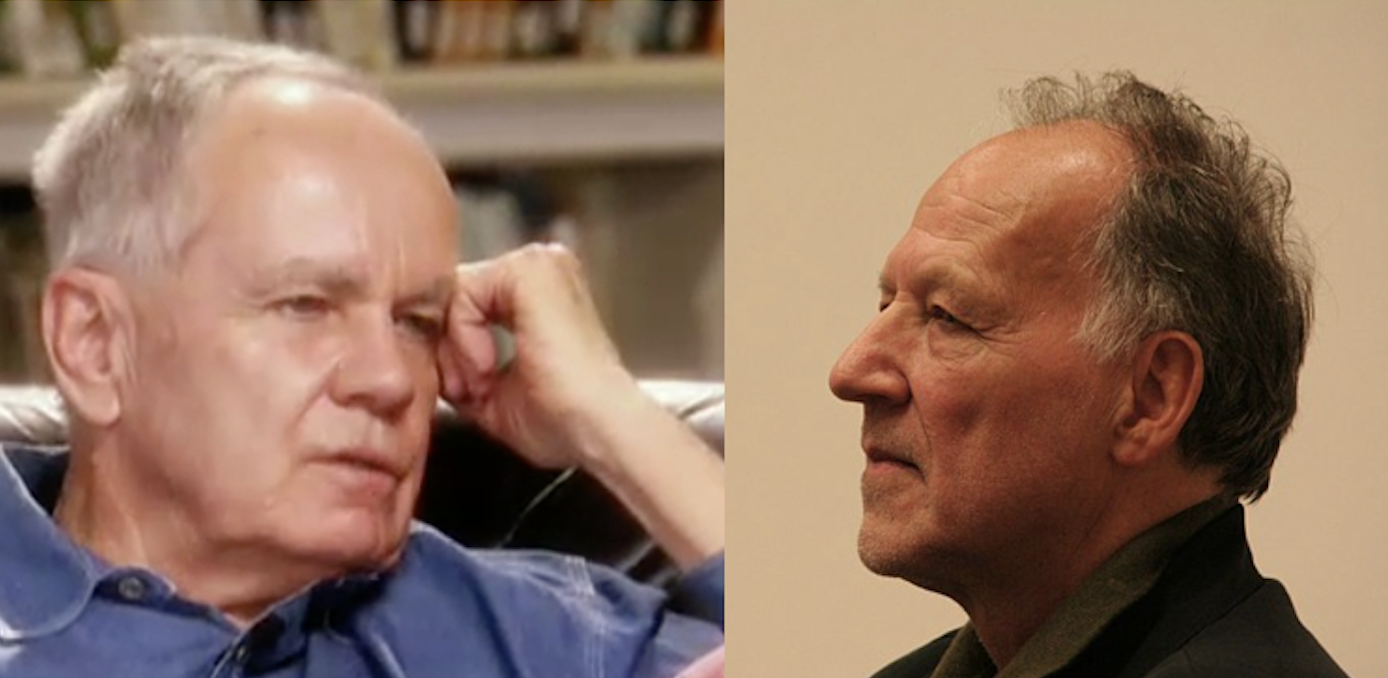
Cormac McCarthy (RIP) and Werner Herzog Talk Science and Culture

To kick off this won­der­ful episode of Sci­ence Fri­day (lis­ten below), physi­cist Lawrence M. Krauss sug­gests that sci­ence and art ask the same fun­da­men­tal ques­tion: Who are we, and what is our place in the uni­verse?

Over the next hour, Krauss is joined in his explo­ration of this ques­tion by the great film­mak­er Wern­er Her­zog (Griz­zly Man, Encoun­ters at the End of the World) and 2000 Pulitzer Prize win­ner Cor­mac McCarthy (The Cross­ing, The Road, No Coun­try For Old Men). Much of their dis­cus­sion revolves around Her­zog’s lat­est film, the 3‑D doc­u­men­tary The Cave of For­got­ten Dreams, but they also address bot­tle­neck the­o­rycom­plex­i­ty sci­ence, the his­to­ry of paint­ing, and the upcom­ing rise of the machines.

High point: Her­zog reads a pas­sage from McCarthy’s All the Pret­ty Hors­es (38:00).

Low point: Her­zog asserts that Star Trek lied — human beings will nev­er learn to instant­ly trans­port from plan­et to plan­et. Krauss con­firms, and Trekkie hearts all over the world break into tiny unbeam­able pieces (17:00).

Relat­ed Con­tent:

Cor­mac McCarthy’s Three Punc­tu­a­tion Rules, and How They All Go Back to James Joyce

How Cor­mac McCarthy Became a Copy-Edi­tor for Sci­en­tif­ic Books and One of the Most Influ­en­tial Arti­cles in Eco­nom­ics

Nov­el­ist Cor­mac McCarthy Gives Writ­ing Advice to Sci­en­tists … and Any­one Who Wants to Write Clear, Com­pelling Prose

via Metafil­ter

Sheer­ly Avni is a San Fran­cis­co-based arts and cul­ture writer. Her work has appeared in Salon, LA Week­ly, Moth­er Jones, and many oth­er pub­li­ca­tions. You can fol­low her on twit­ter at @sheerly.

Walter Kaufmann’s Classic Lectures on Nietzsche, Kierkegaard and Sartre (1960)

Image via Wiki­me­dia Com­mons

Wal­ter Kauf­mann spent 33 years (1947–1980) teach­ing phi­los­o­phy at Prince­ton. And more than any­one else, Kauf­mann intro­duced Niet­zsche’s phi­los­o­phy to the Eng­lish-speak­ing world and made it pos­si­ble to take Niet­zsche seri­ous­ly as a thinker – some­thing there was­n’t always room to do in Amer­i­can intel­lec­tu­al cir­cles.

With­out sim­pli­fy­ing things too much, Kauf­mann saw Niet­zsche as some­thing of an ear­ly exis­ten­tial­ist, which brings us to these vin­tage lec­tures record­ed in 1960 (right around the time that Kauf­mann, a Ger­man-born con­vert to Judaism, also became a nat­u­ral­ized Amer­i­can cit­i­zen). The three lec­tures offer a short primer on exis­ten­tial­ism and the mod­ern crises philoso­phers grap­pled with. Kierkegaard and the Cri­sis in Reli­gion begins the series, fol­lowed by Niet­zsche and the Cri­sis in Phi­los­o­phy and Sartre and the Cri­sis in Moral­i­ty. You can hear them right below:

Kierkegaard and the Cri­sis in Reli­gion

Niet­zsche and the Cri­sis in Phi­los­o­phy

Sartre and the Cri­sis in Moral­i­ty

Kauf­man­n’s talks are now list­ed in the Phi­los­o­phy sec­tion of our col­lec­tion of 1100 Free Online Cours­es. There you will also find cours­es pre­sent­ed by oth­er major fig­ures, includ­ing John Sear­le, Hubert Drey­fus, and Michael Sandel.

If you would like to sup­port the mis­sion of Open Cul­ture, con­sid­er mak­ing a dona­tion to our site. It’s hard to rely 100% on ads, and your con­tri­bu­tions will help us con­tin­ue pro­vid­ing the best free cul­tur­al and edu­ca­tion­al mate­ri­als to learn­ers every­where. You can con­tribute through Pay­Pal, Patre­on, and Ven­mo (@openculture). Thanks!

Relat­ed Con­tent:

Free Online Phi­los­o­phy Cours­es, part of our col­lec­tion, 1,700 Free Online Cours­es from Top Uni­ver­si­ties

The Phi­los­o­phy of Kierkegaard, the First Exis­ten­tial­ist Philoso­pher, Revis­it­ed in 1984 Doc­u­men­tary

Lovers and Philoso­phers — Jean-Paul Sartre & Simone de Beau­voir Togeth­er in 1967

The Phi­los­o­phy of Niet­zsche: An Intro­duc­tion by Alain de Bot­ton

by | Permalink | Make a Comment ( 19 ) |

Inventing the Digital Camera: A Short Portrait of Steven Sasson

Work­ing for East­man Kodak back in 1975, Steven Sas­son, an elec­tri­cal engi­neer by train­ing, was tasked with build­ing a cam­era that used sol­id state elec­tron­ics and sol­id state imagers to cap­ture opti­cal infor­ma­tion. Or, put very sim­ply, he was asked to build the first dig­i­tal cam­era. And he did just that.

In the lat­est of a series of short doc­u­men­taries on con­tem­po­rary inven­tors, pho­tog­ra­ph­er David Fried­man sat down with Sas­son at Kodak’s head­quar­ters in Rochester, NY and revis­it­ed the tech­ni­cal and cul­tur­al chal­lenges faced by the inven­tor. So far, Fried­man has pro­duced 32 por­traits of inven­tors, and, for the most part, you’ll rec­og­nize the inven­tors’ cre­ations soon­er than their names. You can access the full col­lec­tion of por­traits here.

via Fast Co Design and Brain­Pick­ings

by | Permalink | Make a Comment ( 2 ) |

Historic Spain in Time Lapse Film

Cen­tral Spain – The Goths, Romans, and Moors left their mark on the region. Don Qui­jote fought against the wind­mills here, and El Gre­co, Velasquez and Fran­cis­co de Goya made their homes in this his­tor­i­cal­ly and cul­tur­al­ly rich region. Now, a tourist, armed with a Nikon D90, brings that his­to­ry to life with two quick min­utes of time lapse film…

via Holykaw

by | Permalink | Make a Comment ( 4 ) |

Poems as Short Films: Langston Hughes, Pablo Neruda and More

A few years ago, the genius­es over at Four Sea­sons Pro­duc­tions began shoot­ing evoca­tive short films set to clas­sic poet­ry. 21 fin­ished pieces, a long list of fes­ti­val prizes and a full DVD lat­er, many of their best “poem videos” are now avail­able to watch for free on their YouTube chan­nel.

These short pieces cap­ture the mood, rhythms and mean­ing of a wide range of poet­ic voic­es and styles in imag­i­na­tive ways. Our favorite is the above inter­pre­ta­tion of Langston Hugh­es’ “The Weary Blues,” but there are sev­er­al oth­er excep­tion­al shorts, includ­ing “Only Breath” by the great 13th cen­tu­ry sufi poet Jalal ad-Din Rumi and “100 Love Son­nets IX” by Pablo Neru­da. Note: The Neru­da poems are read in the orig­i­nal Span­ish.

Sheer­ly Avni is a San Fran­cis­co-based arts and cul­ture writer. Her work has appeared in Salon, LA Week­ly, Moth­er Jones, and many oth­er pub­li­ca­tions. You can fol­low her on twit­ter at @sheerly.

Killer’s Kiss: Where Stanley Kubrick’s Filmmaking Career Really Begins

The evo­lu­tion of Stan­ley Kubrick­’s ear­ly career looks some­thing like this. A young Kubrick grad­u­ates from high school in 1945, and almost imme­di­ate­ly starts work­ing for LOOK Mag­a­zine as a pho­to­jour­nal­ist, where he mas­ters his visu­al craft. (You can see a good sam­pling of his pho­to­graph­ic work right here.) By the ear­ly 1950s, Kubrick has his sights set on motion pic­tures, and, after shoot­ing a cou­ple of short doc­u­men­taries, he gets to work on fea­ture films. His first pro­duc­tion, Fear and Desire (1953), is some­thing of a let­down. Though crit­ics give it sound reviews, Kubrick is unhap­py with the result, and he works hard to remove all exist­ing copies from cir­cu­la­tion. Even so, you can still find grainy copies online.

Fast for­ward two years, and Kubrick, now 26, bor­rows $40,000 from his uncle and shoots Killer’s Kiss, a movie that sits square­ly in the film noir tra­di­tion. (Get more noir films here.) It’s short, run­ning only 67 min­utes. It pass­es the lit­mus test for Kubrick him­self, offi­cial­ly launch­ing his film­mak­ing career. And the mini noir is now avail­able on Dai­ly Motion. We also have Killer’s Kiss and Fear and Desire list­ed in our col­lec­tion of Free Online Movies. Enjoy…

by | Permalink | Make a Comment ( 4 ) |

“First Orbit”: Celebrating 50th Anniversary of Yuri Gagaran’s Space Flight

To cel­e­brate the 50th anniver­sary of manned space trav­el, Attic Room Pro­duc­tions has released First Orbit, a 99-minute free film that recre­ates Yuri Gagar­in’s his­toric launch into space on April 12, 1961 — in real time. We watched the whole film, which was shot entire­ly in space from on board the Inter­na­tion­al Space Sta­tion. And it’s breath­tak­ing. We were espe­cial­ly blown away by the re-entry sequence, start­ing at about 1:10:00.

A few oth­er links you may enjoy:

Google’s April 12, 2011 home page

The mak­ing of First Orbit

Video from 1961, com­plete with syn­the­siz­ers

Gagar­in’s Life in Pic­tures, from the Russ­ian Archives

Gagar­in’s 1961 inter­view with the BBC

Boing Boing’s Xeni Jardin is tweet­ing the Yuri Gagarin gala from the Krem­lin

Final­ly, and for pure­ly per­son­al and sen­ti­men­tal rea­sons, here’s Ray Brad­bury’s heart­break­ing 1951 short sto­ry “The Rock­et Man,” the first thing we ever read that filled us with long­ing for space trav­el.

via Chris­t­ian Sci­ence Mon­i­tor

Sheer­ly Avni is a San Fran­cis­co-based arts and cul­ture writer. Her work has appeared in Salon, LA Week­ly, Moth­er Jones, and many oth­er pub­li­ca­tions. You can fol­low her on twit­ter at @sheerly.

Photos of Famous Writers (and Rockers) with their Dogs

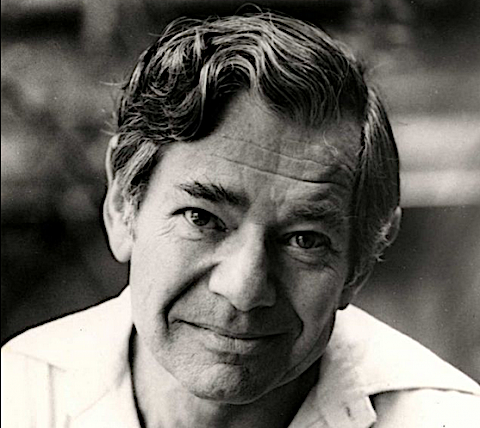
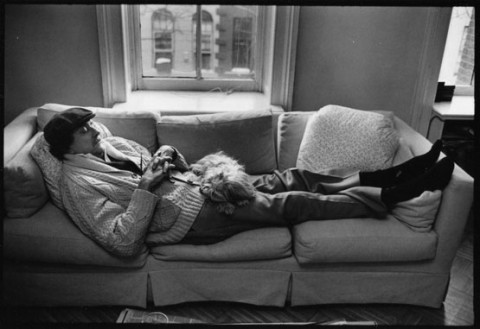
Cour­tesy of New York Social Diary, here is a love­ly series of pho­tographs fea­tur­ing famous authors and their dogs. If you’ve ever won­dered which breeds have served as muse to William Sty­ron, Stephen King, William F. Buck­ley, Kurt Von­negut, then this col­lec­tion is for you. But be warned: We’re still recov­er­ing from the sight of that Lhasa Apso flopped on Von­negut’s lap–we were hop­ing for a wolfhound.

For more artist-canine com­bi­na­tions, Fla­vor­wire has round­ed up a col­lec­tion of musi­cians and their dogs. Unlike the authors, these own­ers real­ly do look like their pets. (See Robert Plant.)

via @brainpicker and The Mil­lions

Sheer­ly Avni is a San Fran­cis­co-based arts and cul­ture writer. Her work has appeared in Salon, LA Week­ly, Moth­er Jones, and many oth­er pub­li­ca­tions. You can fol­low her on twit­ter at @sheerly.

Every Step You Take, They’ll Be Tracking You

Malte Spitz, a mem­ber of the Green Par­ty in Ger­many, sued Deutsche Telekom and forced the com­pa­ny to hand over six months of record­ed cell phone data. The results were fair­ly eye open­ing.

Dur­ing a five month peri­od, DT tracked Spitz’s loca­tion and phone usage 35,000 times. If that sounds like a lot, you’re right. And it looks even worse when you visu­al­ize the data. Zeit Online took this geolo­ca­tion data and com­bined it with pub­licly-avail­able infor­ma­tion relat­ing to Spitz’s polit­i­cal life (e.g., his Twit­ter feeds and blog entries) and pro­duced a screen­cast that doc­u­ments two days in the life of the Green Par­ty politi­cian. The YouTube video above traces his steps. But the visu­als on the Zeit site let you track Spitz’s move­ments around Ger­many with fin­er pre­ci­sion. The moral of the sto­ry: Every step you take, your tel­co is like­ly track­ing you, whether you give con­sent or not. The New York Times has more on the sto­ry…

Updated Book Titles: Less Pretentious, More Accurate

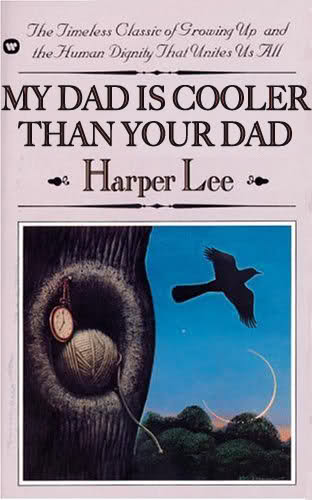
Over at OhNoThey­Did­n’t, you can find some alter­na­tive titles for some of the most famous books ever writ­ten — or, in ONDT’s own words, titles that are “more accu­rate and less pre­ten­tious” than the orig­i­nals.

Before click­ing over to the (slight­ly NFSW) whole col­lec­tion, test your high/low cul­tur­al agili­ty by try­ing to guess a few orig­i­nals from their updates:

1. My Dad is Cool­er Than Your Dad

2. Emo­tions Are For Poor Peo­ple

3. Shake­speare Minus the Good Writ­ing

4. Lik­able Rapists

5. White Peo­ple Ruin Every­thing

If you got all five right, nay, if you got any right, we’re count­ing on you for the Clue­less sequel.

Sheer­ly Avni is a San Fran­cis­co-based arts and cul­ture writer. Her work has appeared in Salon, LA Week­ly, Moth­er Jones, and many oth­er pub­li­ca­tions. You can fol­low her on twit­ter at @sheerly.

Hofmann’s Potion: 2002 Documentary Revisits the History of LSD

A few years ago, we post­ed this 1978 inter­view with Tim­o­thy Leary, in which the charis­mat­ic LSD cham­pi­on, pris­on­er, and future Ron Paul sup­port­er speaks pas­sion­ate­ly about the ben­e­fits of tak­ing acid. But for a more bal­anced per­spec­tive on the con­tro­ver­sial drug, we rec­om­mend the 2002 film Hof­man­n’s Potion, by Cana­di­an film­mak­er Con­nie Lit­tle­feld.

Lit­tle­field struc­tures her nar­ra­tive chrono­log­i­cal­ly, begin­ning with Swiss sci­en­tist Albert Hof­man­n’s first syn­the­sis of the com­pound in 1938, and its ear­ly exper­i­men­tal use in the treat­ment of schiz­o­phren­ics and alco­holics. She then traces LSD’s rise to promi­nence when it became the drug of choice dur­ing the 60’s coun­ter­cul­ture, fol­lowed by the drug’s ulti­mate vil­i­fi­ca­tion and crim­i­nal­iza­tion.

The 56-minute doc­u­men­tary fea­tures new and archival footage of dis­cus­sions with Hof­mann, Aldous Hux­ley, Stanislav Grof, Abram Hof­fer and oth­er ear­ly fig­ures in the drug’s brief but tur­bu­lent his­to­ry. The inter­view with Leary’s Har­vard col­league Richard Alpert — now known as Ram Dass — at minute 43:37 is par­tic­u­lar­ly inter­est­ing, as is the film’s ulti­mate con­clu­sion that the cor­rect realm for eval­u­at­ing the val­ue of LSD is nei­ther med­ical nor recre­ation­al, but spir­i­tu­al.

After watch­ing the Lit­tle­field doc­u­men­tary, take a look at this dis­turb­ing 10-minute dis­cus­sion of Project MKULTRA, a decades-long CIA pro­gram which exposed Amer­i­can cit­i­zens to LSD and oth­er drugs for study, often with­out their knowl­edge or per­mis­sion.

Also worth a read, a new book by Don Lat­tin called The Har­vard Psy­che­del­ic Club: How Tim­o­thy Leary, Ram Dass, Hus­ton Smith, and Andrew Weil Killed the Fifties and Ush­ered in a New Age for Amer­i­ca.

Sheer­ly Avni is a San Fran­cis­co-based arts and cul­ture writer. Her work has appeared in Salon, LA Week­ly, Moth­er Jones, and many oth­er pub­li­ca­tions. You can fol­low her on twit­ter at @sheerly.


  • Great Lectures

  • Sign up for Newsletter

  • About Us

    Open Culture scours the web for the best educational media. We find the free courses and audio books you need, the language lessons & educational videos you want, and plenty of enlightenment in between.


    Advertise With Us

  • Archives

  • Search

  • Quantcast