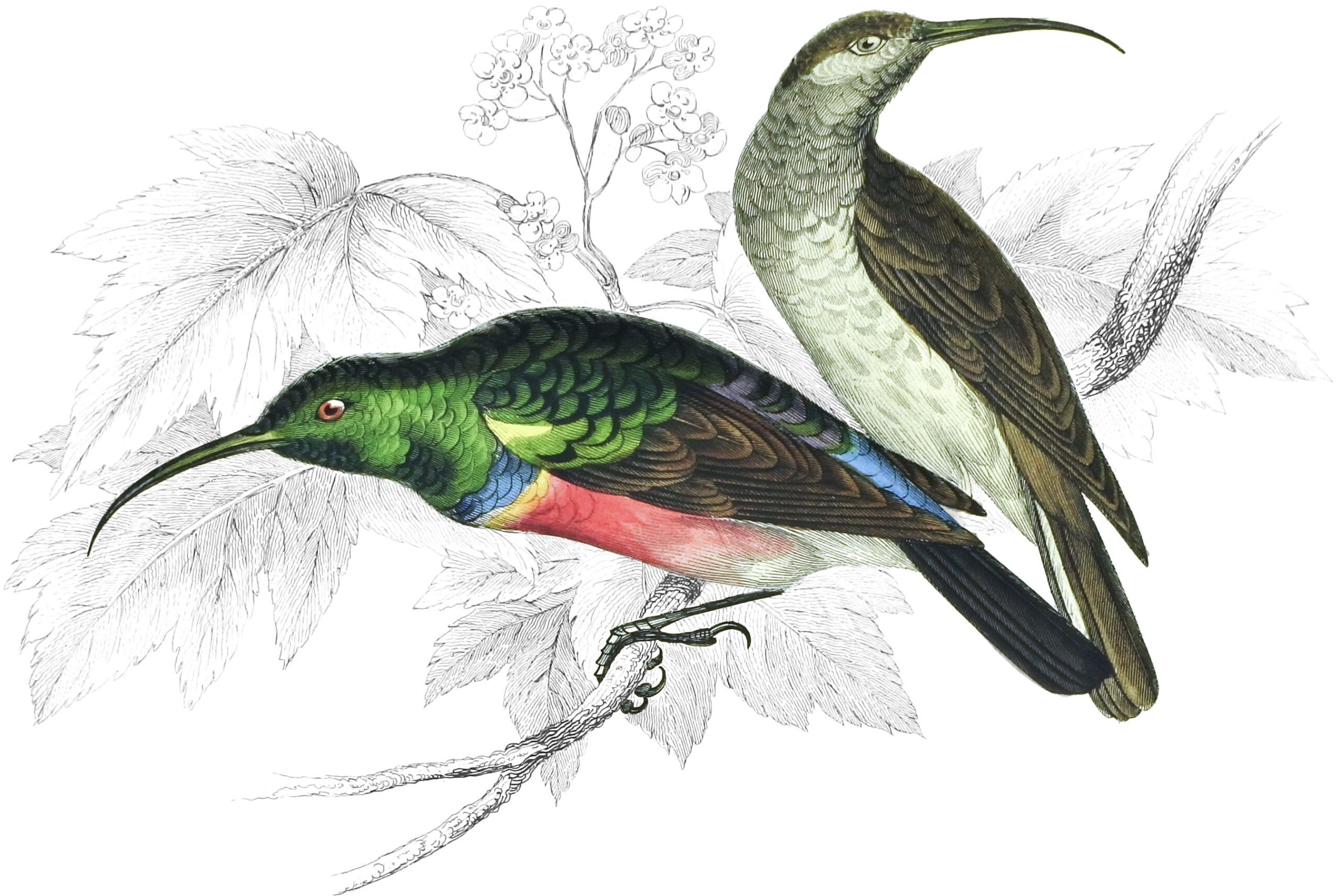
Today, if you want to know about any of the flora or fauna that surround us, you have only to look it up online. After you get your fill of knowledge, you can decide whether or not you want to venture out into the world and see your object of interest in its natural environment (or a controlled simulation thereof). In the Victorian era, things worked a bit differently. Ideally, you’d have grown up in a household, or at least had access to an institution, with the complete set of The Naturalist’s Library, a series of more than 40 volumes on everything from the birds and the bees to the quadrupeds and the marsupialia. Printed in a relatively small format and priced at six shillings each, they brought the intellectual fruits of the naturalist’s enterprise closer to the reach of the everyman than ever before.
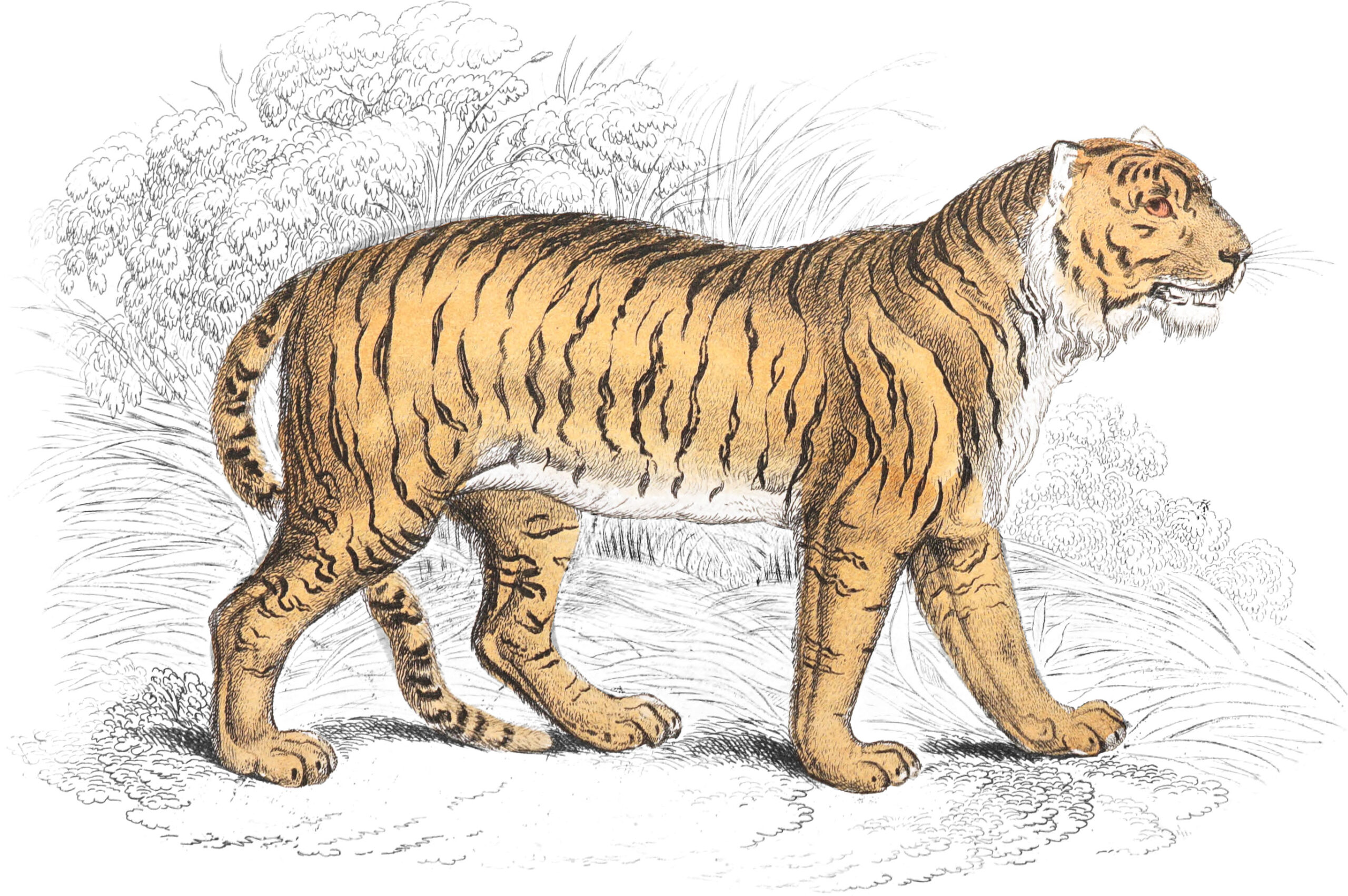
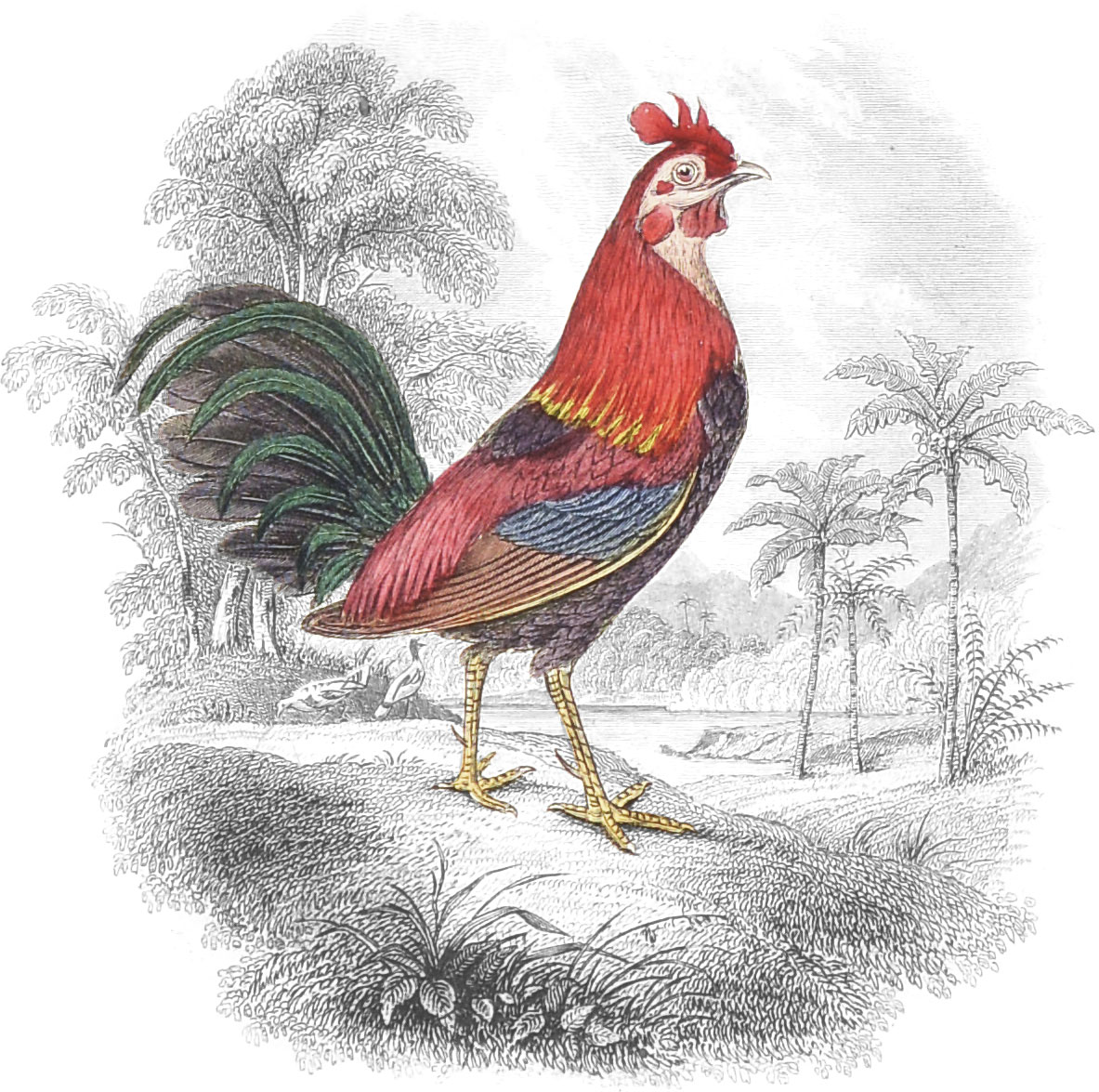
While these books offered a good deal of informative text, including memoirs from various famous naturalists of the time, their immediate attraction had more to do with their glorious illustrations, in which colored examples of each species popped right out of its black-and-white habitat. These more than 1,300 color plates, some of the finest that could be seen in any publication of similar scale in the mid-nineteenth century, presented an attractive project to the designer Nicholas Rougeux, whose work we’ve previously featured here on Open Culture.
Having already restored and created digital versions of Euclid’s Elements, Pierre-Joseph Redouté’s Les Roses and Les Liliacées, Elizabeth Twining’s Illustrations of the Natural Orders of Plants, and Daniel Berkeley Updike’s Printing Types, among other books, he’s now put online a complete reproduction of the Naturalist’s Library — with, as usual, a blog post about the painstaking restoration and digital re-creation process.
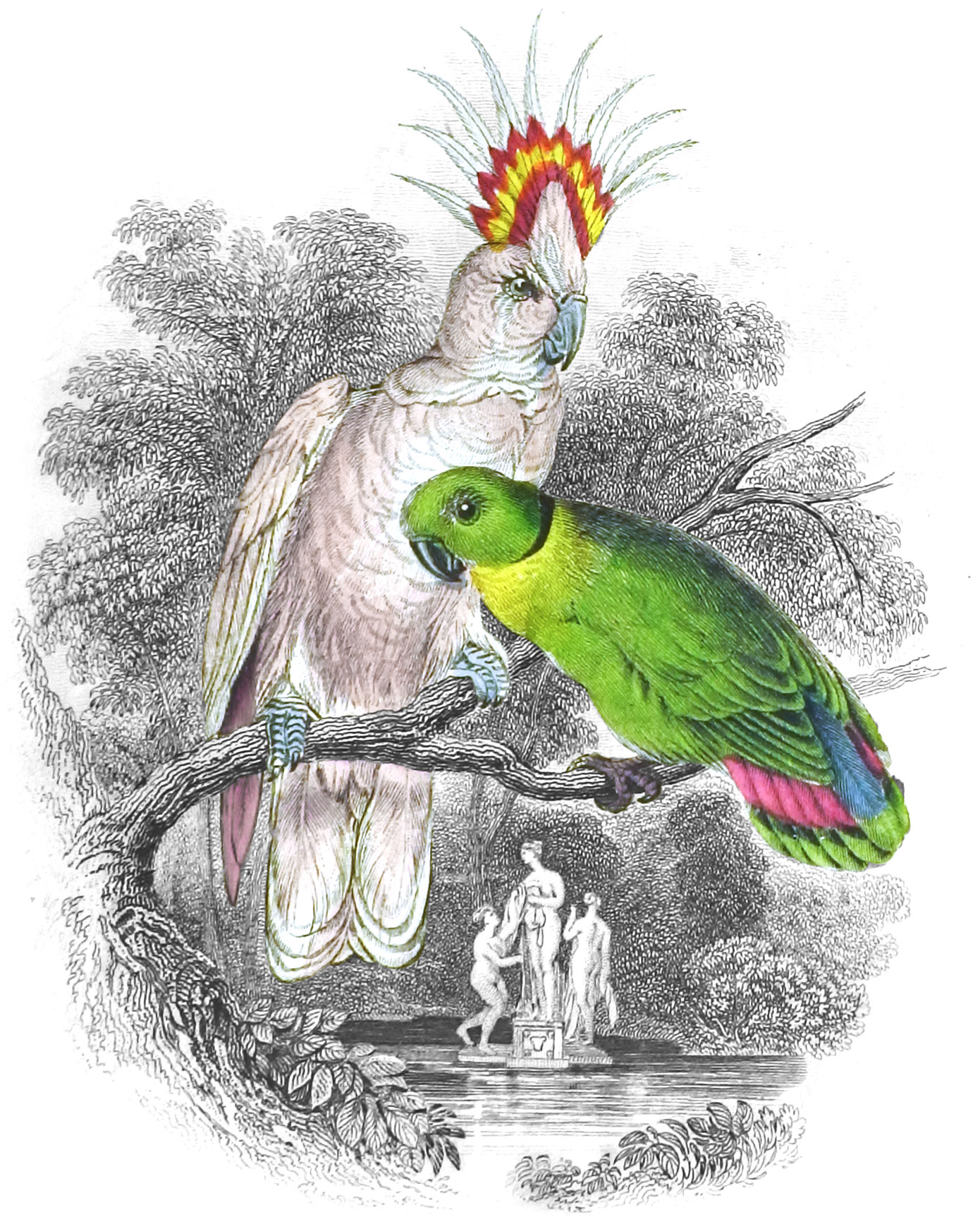
This time, Rougeux has included a section about his use of artificial intelligence, which actually did its part to bring The Naturalist’s Library to his attention in the first place. Not only did AI tools then help him unearth needed sources and fill in visual gaps, they also came in handy when he was brainstorming cover concepts for a printed version. Though Rougeux’s restoration is primarily a web site, free to all to explore, you can also buy your own handsome, large-format physical copy of Plates of the Naturalist’s Library for $295.11 USD.
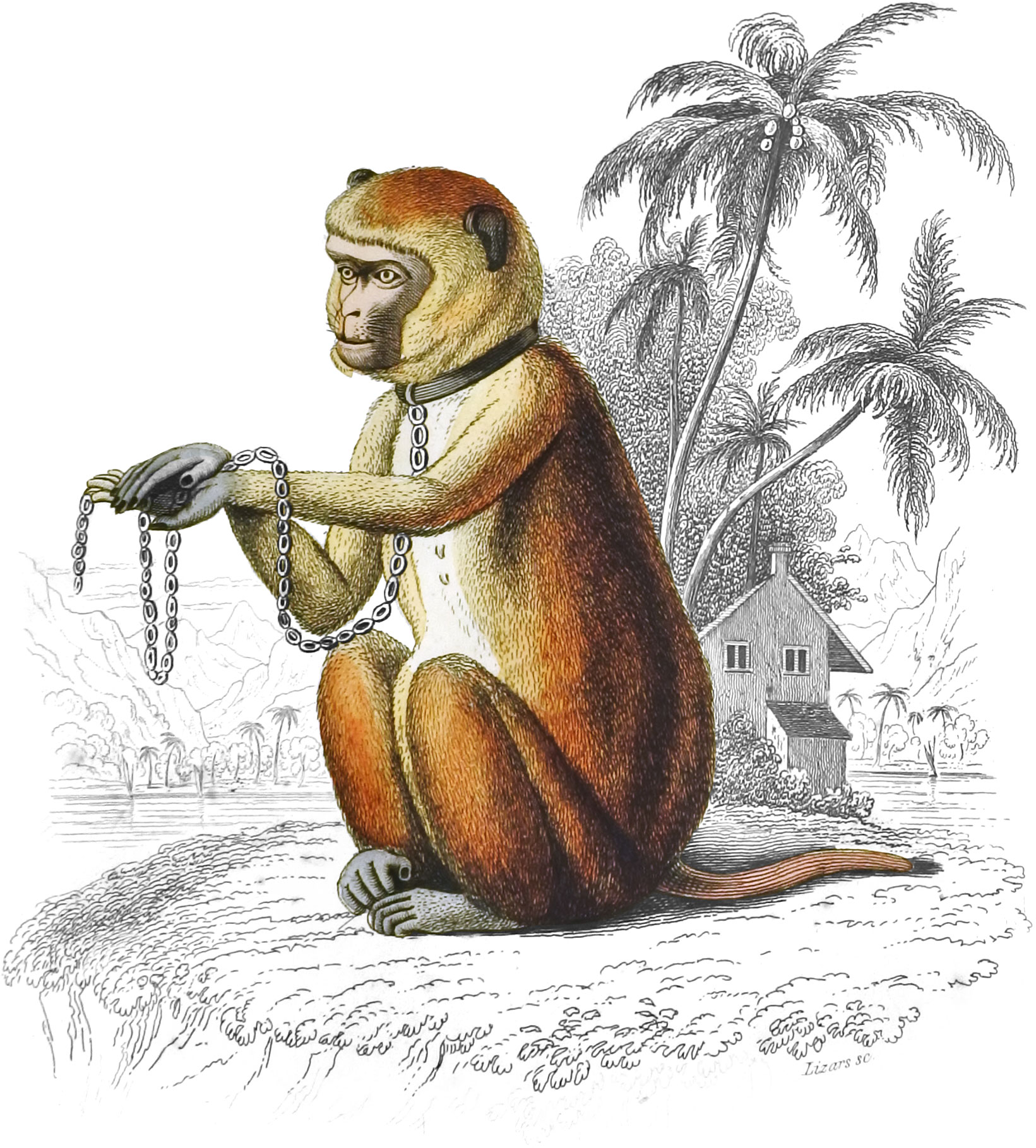
Easier on the wallet is the series of posters he’s made with the same illustrations, each of which presents one of these categories of creatures great or small at a glance. The original Naturalist’s Library inspired generations to dedicate themselves to understanding the natural world; these new versions, whether in print, online, or on the wall, will no doubt encourage the enthusiasm of more than a few budding naturalists in the generations to come. Visit the reproduction of the Naturalist’s Library here.
Related Content:
300,000 Wondrous Nature Illustrations Put Online by The Biodiversity Heritage Library
Based in Seoul, Colin Marshall writes and broadcasts on cities, language, and culture. He’s the author of the newsletter Books on Cities as well as the books 한국 요약 금지 (No Summarizing Korea) and Korean Newtro. Follow him on the social network formerly known as Twitter at @colinmarshall.