President Obama Pays Tribute to Led Zeppelin in Washington D.C.

Led Zep­pelin — they start­ed off mak­ing a mess of bour­geois house­holds; now, like many of their 60s coun­ter­parts, they’re get­ting hon­ored by the pow­ers that be. This week­end, the band’s three sur­viv­ing mem­bers — Robert Plant, John Paul Jones and Jim­my Page — were hon­ored for their cul­tur­al achieve­ments at a fes­tive cer­e­mo­ny in Wash­ing­ton D.C.. Look­ing very at ease with things, Pres­i­dent Oba­ma remind­ed us that, 30 years after the band’s last album, the “Led Zep­pelin lega­cy lives on.” Some­where Paul Ryan is eat­ing his heart out.

Below we have footage of Led Zep dur­ing their hey­day — a full con­cert record­ed Live at the Roy­al Albert Hall in 1970.

Philosophy with a Southern Drawl: Rick Roderick Teaches Derrida, Foucault, Sartre and Others

Ah, 20th-cen­tu­ry phi­los­o­phy: even a great many philoso­phers of the 20th cen­tu­ry would­n’t touch it. When you want to approach a thorny, com­plex, con­tra­dic­to­ry field like this, you espe­cial­ly val­ue a teacher like Rick Rod­er­ick (1949–2002). Called “the Bill Hicks of Phi­los­o­phy” by his fan sites, Rod­er­ick record­ed a series of lec­tures for The Teach­ing Com­pa­ny, in the ear­ly nineties. (Though the Great Cours­es have grown far more slick­ly pro­duced since then, the intel­lec­tu­al con­tent of their old­er efforts, like this one, remains sol­id.) Above, you’ll find “The Mas­ters of Sus­pi­cion,” the intro­duc­to­ry lec­ture to “The Self Under Seige,” his video course on 20th-cen­tu­ry philoso­phers. In eight seg­ments (avail­able in a playlist below), Rod­er­ick cov­ers the likes of Jacques Der­ri­da, Michel Fou­cault, Jean-Paul Sartre, and Jür­gen Haber­mas. Per­haps he can make sense of them for you; if not, he’ll make them into hours of enter­tain­ment.

Not hav­ing come up steeped in 20th-cen­tu­ry phi­los­o­phy dur­ing his own edu­ca­tion, Rod­er­ick has his own opin­ions about how these lumi­nar­ies throw into ques­tion all forms of human knowl­edge and iden­ti­ty. But he does take their ideas seri­ous­ly, con­nect­ing them as he con­sid­ers them to real issues and then-cur­rent events.

This reveals that he also has his own opin­ions, more than will­ing­ly giv­en, about — bear in mind, the year was 1993 — Bill Clin­ton, Jesse Helms, polit­i­cal cor­rect­ness, Pat Buchanan, Bil­ly Gra­ham, net­work tele­vi­sion, Jer­ry Fal­well, and The Big Chill. “When we do phi­los­o­phy my way,” Rod­er­ick announces in his dis­tinc­tive West Texas accent, “we just talk about what’s goin’ on and try to find our way about.” If that’s how you like phi­los­o­phy done, vis­it rickroderick.org to hear much more of it.

You can find more recent phi­los­o­phy cours­es pro­duced by The Great Cours­es here.

Relat­ed con­tent:

170 Free Phi­los­o­phy Cours­es

Michel Fou­cault: Free Lec­tures on Truth, Dis­course & The Self

Wal­ter Kaufmann’s Lec­tures on Niet­zsche, Kierkegaard and Sartre (1960)

Der­ri­da: A 2002 Doc­u­men­tary on the Abstract Philoso­pher and the Every­day Man

Col­in Mar­shall hosts and pro­duces Note­book on Cities and Cul­ture. Fol­low him on Twit­ter at @colinmarshall.

Self-Taught African Teenager Wows M.I.T. (and Other Innovators Changing Africa’s Fate)

The news the world receives from the con­ti­nent of Africa is almost uni­form­ly bad, and this is cer­tain­ly an unjust sit­u­a­tion. A recent par­o­dy ad cam­paign by Nor­we­gian Erik Schrein­er Evans attempts to say as much; Evans’ Africa for Nor­way spoof intends to send the mes­sage to “stop treat­ing Africans like pas­sive recip­i­ents of aid, and rec­og­nize that the con­ti­nent is more than the sum of its prob­lems.” This mes­sage may have some effect on the ten­den­cy of major news and aid orga­ni­za­tions to cap­i­tal­ize on the suf­fer­ing of African peo­ple, but recent sto­ries high­light­ing the inge­nu­ity and self-suf­fi­cien­cy of African teenagers may do more to change per­cep­tions. First, there is the sto­ry of four Niger­ian teenagers who debuted their “urine-pow­ered gen­er­a­tor” at the 2012 “Mak­er Faire Africa” in Lagos, a sto­ry that made head­lines in inter­na­tion­al news. Anoth­er prodi­gy, from Sier­ra Leone, has made a splash with his abil­i­ty to turn garbage into use­able tech­nol­o­gy. Fif­teen-year-old Kelvin Doe—a.k.a. D.J. Focus—has wowed engi­neers by build­ing his own bat­ter­ies, gen­er­a­tors, and trans­mit­ters with scrounged-up spare parts and youth­ful resource­ful­ness.

The above THINKR video pro­files Kelvin, with inter­views from engi­neers like MIT doc­tor­al stu­dent David Sen­geh, also from Sier­ra Leone, who has used his con­nec­tions to help young peo­ple like Kelvin devel­op their tal­ents for the ben­e­fit of their war-torn and impov­er­ished coun­try. Kelvin’s a pret­ty amaz­ing young guy. He explains his alter-ego “D.J. Focus” as part of his per­son­al ethos: “I believe if you focus, you can do an inven­tion per­fect­ly.” Kelvin hosts his own radio show, which pro­vid­ed the impe­tus for his tech inno­va­tions. Kelv­in’s sto­ry struck a chord: the short video gar­nered over three-mil­lion views in just ten days.

A more recent episode of THINKR’s “Prodi­gies” series pro­files Kelvin’s men­tor, David Sen­gah, whose research focus­es on design­ing com­fort­able pros­thet­ic limbs, an inter­est he devel­oped through his own expe­ri­ence of the ten-year Sier­ra Leone Civ­il War, dur­ing which rebel forces ampu­tat­ed limbs to intim­i­date their oppo­si­tion.

Kelvin Doe and David Sen­gah are extra­or­di­nary inven­tors, but they are only two exam­ples of a steady stream of African tech inno­va­tors, artists, writ­ers, and entre­pre­neurs ded­i­cat­ed to chang­ing their coun­tries’ fates and there­by chang­ing the offi­cial nar­ra­tive of Africans as help­less vic­tims.

Josh Jones is a doc­tor­al can­di­date in Eng­lish at Ford­ham Uni­ver­si­ty and a co-founder and for­mer man­ag­ing edi­tor of Guer­ni­ca / A Mag­a­zine of Arts and Pol­i­tics.

Celebrity Statistician Nate Silver Fields Questions from Data Wizards at Google

Maybe the biggest win­ner of the 2012 pres­i­den­tial elec­tion, oth­er than Barack Oba­ma, was Nate Sil­ver, the young sta­tis­ti­cian who runs the 538 blog at the New York Times. As you may recall (it was only a few weeks ago), Sil­ver gave Pres­i­dent Oba­ma rough­ly an 80% — 90% chance of win­ning dur­ing the final days of Octo­ber. The talk­ing heads railed against Sil­ver, call­ing him an “ide­o­logue” and a “joke.” But, just as Sil­ver accu­rate­ly pre­dict­ed the out­come of every Sen­ate race dur­ing the 2008 elec­tion cycle, so did he pret­ty much nail the big race of 2012. He esti­mat­ed Oba­ma would receive 313 elec­toral votes, a touch below the 332 the pres­i­dent actu­al­ly received. Sil­ver was vin­di­cat­ed. It was time to take a vic­to­ry lap … and sell a few books.

In late Sep­tem­ber, Sil­ver shrewd­ly pub­lished a new book, The Sig­nal and the Noise: Why Most Pre­dic­tions Fail but Some Don’t. The book tour even­tu­al­ly, if not inevitably, brought him to Google, where the celebri­ty sta­tis­ti­cian field­ed ques­tions from data-lov­ing Googlers for an hour. A grand old time was had by all.

Free cours­es on Stats and Prob­a­bil­i­ty can be found in the Math sec­tion of our col­lec­tion of 550 Free Online Cours­es.

via Giz­mo­do


by | Permalink | Make a Comment ( 1 ) |

Orson Welles Reads ‘The Secret Sharer,’ by Joseph Conrad

Today is the birth­day of the writer Joseph Con­rad. He was born Józef Teodor Kon­rad Korzniows­ki on Decem­ber 3, 1857 in Berdichev, in the Pol­ish Ukraine. As a young man he trav­eled the world as a mer­chant sail­er, an expe­ri­ence that fur­nished mate­r­i­al and inspi­ra­tion for his Eng­lish-lan­guage books, which include such clas­sics as Nos­tro­mo, Lord Jim and Heart of Dark­ness.

To mark the occa­sion we bring you a record­ing of Orson Welles read­ing (lis­ten to it here) Con­rad’s short sto­ry “The Secret Shar­er” in 1985 as one of his selec­tions for The Orson Welles Library. “I think I’m made for Con­rad,” Welles once said. “I think every Con­rad sto­ry is a movie.” Con­rad wrote “The Secret Shar­er” in 1909. The sto­ry is told by the cap­tain of a ship. One night, while on watch in waters near the Gulf of Siam, the cap­tain dis­cov­ers a naked swim­mer cling­ing des­per­ate­ly to the side of the ship. He helps the mys­te­ri­ous man aboard and learns his sto­ry. The cap­tain is then faced with a dilem­ma: Should he help the man, or turn him over to the peo­ple who are look­ing for him?

You can find “The Secret Shar­er” and oth­er works by Joseph Con­rad in our col­lec­tions of  Free Audio Books and Free eBooks. And for more read­ings by Welles, please see our meta post: Orson Welles Nar­rates Plato’s Cave Alle­go­ry, Kafka’s Para­ble, and Free­dom Riv­er.

h/t The Writer’s Almanac

Artist Ken Butler Turns One Man’s Trash Into Another Man’s Quirky Stringed Instrument

Hey, hoard­ers, think you’re the only ones who see poten­tial in a sin­gle crutch, an emp­ty Scotch bot­tle, the jagged remains of a skate­board?  Not so. Musi­cian, artist, and all-around vision­ary Ken But­ler has been turn­ing such trash into trea­sure since 1978, when he fit­ted an ax with a tail piece, fin­ger­board and con­tact mic and snug­gled it inside a 3/4 size vio­lin case. Chop a cher­ry tree with it, or play it just like Bud­dy Guy plays his ax. Like most of the hybrids But­ler cre­ates in his Brook­lyn stu­dio, it’s a func­tion­ing musi­cal instru­ment, though he’s quick to point out that for him, the sound is imma­te­r­i­al. What real­ly counts is the poet­ic cou­pling of unlike­ly mate­ri­als.

Things real­ly get cookin’ at the 4:20 mark, when But­ler plays a few licks on a three-stringed shov­el before mov­ing on to a bow­able, elec­tri­fied ten­nis rack­et. The results are far love­li­er than the mas­ter would lead you to believe.

- Ayun Hal­l­i­day can stum­ble her way through the Enter­tain­er if there’s a piano handy.

Relat­ed Con­tent:

The Art of Mak­ing a Fla­men­co Gui­tar: 299 Hours of Blood, Sweat & Tears Expe­ri­enced in 3 Min­utes

Mak­ing Fend­er Gui­tars, Then (1959) and Now (2012)

The Joy of Mak­ing Artis­tic Home­made Gui­tars

The Best Books of 2012: Lists by The New York Times, NPR, The Guardian and More

If books fig­ure into your hol­i­day gift-giv­ing plans, then we’ve got a lit­tle some­thing for you — a meta list of the best books of 2012. It’s now Decem­ber, the final month of the year, which means that news­pa­pers and mag­a­zines can start tak­ing stock of 2012 and declare their favorites.

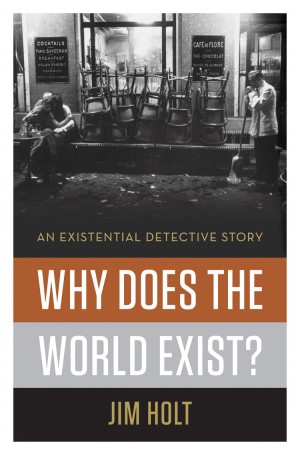
The New York Times Book Review announced The 10 Best Books of 2012 this week­end, just a few days after nam­ing the 100 Notable Books of 2012. Some famil­iar names appear on the win­nowed down list — Robert Caro, Dave Eggers and Zadie Smith — but I’m most tempt­ed by Jim Holt’s Why Does the World Exist?: An Exis­ten­tial Detec­tive Sto­ry. The ques­tion has crossed my mind late­ly.

The Wash­ing­ton Post boils down three lists — The Best Graph­ic Nov­els of 201250 Notable Works of Fic­tion50 Notable Works of Non­fic­tion — to one. Behold The Top 10 Books of 2012. Fic­tion-wise, I’m not blown away by the picks. But, when it comes to Non­fic­tion, they’re on the mark with House of Stone: A Mem­oir of Home, Fam­i­ly, and a Lost Mid­dle East by Antho­ny Sha­did, the award-win­ning New York Times jour­nal­ist who died ear­li­er this year in Syr­ia.

You can find more good reads with “Best of” lists cre­at­ed by NPR, Pub­lish­ers Week­lyEsquire, Huff­Po and The Guardian. And if you’re look­ing for a deal, don’t miss this: Amazon.com is now offer­ing 40% off books appear­ing on its list of 2012 Edi­tors’ Picks. Mean­while Audible.com has pro­duced its own list of favorites, and it’s worth high­light­ing if only because, when you sign up for a Free Tri­al, you can down­load one of their selec­tions (or pret­ty much any oth­er audio­book you want) for free. Learn more and ini­ti­ate the free down­load here.

Now my dear fel­low read­ers, it’s your turn. We want to hear what books (pub­lished in 2012) left the strongest impres­sion on you. Give us your thoughts in the com­ments sec­tion below and we’ll pub­lish the Open Cul­ture Best of 2012 list lat­er this week. We look for­ward to hear­ing your picks!

by | Permalink | Make a Comment ( 8 ) |

Every Apple Ad Ever Aired on TV

Intro­duc­ing a new YouTube Chan­nel that gives you every Apple ad ever aired on TV — 485 ads, in total.

You can start with the icon­ic ones — the 1984 Super Bowl com­mer­cial direct­ed by Rid­ley Scott, which aired just weeks after Steve Jobs demoed the first Mac­In­tosh ever. Or, the famous “Think Dif­fer­ent” cam­paign from the late 1990s. The offi­cial “Think Dif­fer­ent” video was nar­rat­ed by Richard Drey­fuss, but we’d encour­age you to spend time with the nev­er-aired ver­sion nar­rat­ed by Jobs him­self. Oth­er vin­tage ads can be found in these chrono­log­i­cal­ly-orga­nized lists: 1977–1985, 1985–1996, 1996–2007 and 2007–2011. The 1981 Dick Cavett clip above appears in the first group.


But the col­lec­tion also lets you sort ads the­mat­i­cal­ly. So, for exam­ple, you can jump into the U.S. Get a Mac cam­paign, where you’ll get plen­ty of John Hodg­man. Also find ver­sions of the same cam­paign from the UK and Japan. Final­ly, Apple ads fea­tur­ing celebri­ties — from Bob Dylan to Zooey Deschanel to Spike Lee — are all neat­ly pack­aged togeth­er too. H/T @coudal

« Go BackMore in this category... »
Quantcast