Watch as David Hockney Creates ‘Late November Tunnel, 2006’

David Hock­ney turns 75 today, and he’s still going strong. Hav­ing lived most­ly in Amer­i­ca since the mid-1960s, Hock­ney moved back to Eng­land a decade ago and has spent a great deal of time paint­ing land­scapes in his native York­shire.

In the footage above, filmed by Bruno Woll­heim for the 2009 doc­u­men­tary A Big­ger Pic­ture and set to music by Anna Rus­batch, Hock­ney is shown work­ing en plein air in one of his favorite places: a qui­et stretch of coun­try road lined with trees that he calls “the tun­nel,” near the vil­lage of Kil­ham, in the York­shire Wolds. “Late Novem­ber Tun­nel, 2006” is an oil paint­ing made on two can­vas­es fused togeth­er. It’s one of a series of stud­ies Hock­ney has made of the same place at dif­fer­ent times of the day and year. The series, like sev­er­al oth­ers Hock­ney has made around East­ern York­shire, calls to mind Claude Mon­et’s famous four-sea­son stud­ies at Giverny. After years liv­ing in the Mediter­ranean cli­mate of Los Ange­les, writes Mar­tin Gay­ford in the Win­ter 2011 issue of RA Mag­a­zine:

Hock­ney found the spec­ta­cle of the chang­ing sea­sons fas­ci­nat­ing, and decid­ed to start work­ing on the land­scape of the York­shire Wolds, near his house in Bridling­ton (a com­fort­able base which was once a small hotel). In a way it was a return to his roots, a land­scape of mem­o­ry. He had grown up in Brad­ford on the oth­er side of York­shire, but as a teenag­er he had worked in the fields in the York­shire Wolds dur­ing school hol­i­days. And he would vis­it his late moth­er and sis­ter who lived in Bridling­ton. Hock­ney began this phase of his work by mak­ing draw­ings and water­colours, then paint­ing oils in the open air–like nine­teenth-cen­tu­ry painters such as Mon­et and Constable–standing beside the road in all weath­ers.

“Late Novem­ber Tun­nel, 2006” and oth­er paint­ings from the series, includ­ing lat­er works cre­at­ed by Hock­ney on iPhones and iPads, were includ­ed in a major exhib­it ear­li­er this year at the Roy­al Acad­e­my of Arts. The exhib­it has moved on to the Guggen­heim Muse­um in Bil­bao, Spain. The cat­a­logue, David Hock­ney: A Big­ger Pic­ture, is avail­able from Abrams.

Relat­ed con­tent:

David Hock­ney’s iPad Art Goes on Dis­play

Down­load David Hock­ney’s Play­ful Draw­ings for the iPhone and iPad

Books Made with Disappearing Ink Strategically Fade Away

How about this for a new pub­lish­ing mod­el? The Buenos Aires pub­lish­er Eter­na Caden­cia has start­ed to pub­lish books made with dis­ap­pear­ing ink. Once you crack open the cov­er, you have two months to fin­ish the book, or else you’ll be star­ing at a blank page. If books have an expi­ra­tion date, read­ers won’t let them sit idly on their shelves. They’ll read books more often, and give more authors a try. That’s the log­ic of this new twist on pub­lish­ing..

Books aren’t dead yet. They’re just inten­tion­al­ly fad­ing away.…

via Gal­ley Cat

Relat­ed Con­tent:

A Secret Book­store in New York City

Spike Jonze Presents a Stop Motion Film for Book Lovers

Books Savored in Stop Motion Film

Going West: A Stop Motion Nov­el

by | Permalink | Make a Comment ( 7 ) |

The Grand Finale: All 135 Space Shuttle Launches in One Video

When NASA launched its last space shut­tle a year ago, McLean Fahne­stock paid trib­ute to the 30-year old shut­tle pro­gram by putting footage from every launch into one video. 135-in‑1.  It makes for an arrest­ing sequence. But, unfor­tu­nate­ly, the 1986 Chal­lenger explo­sion ends up over­whelm­ing the sto­ry. One Vimeo com­menter, Jere­my Rick­etts, got it right when he said:

I don’t know about the rest being a dec­o­ra­tive bor­der to Chal­lenger. In my eyes it high­light­ed what an insane­ly amaz­ing accom­plish­ment it was that out of all these launch­es, only two have ever result­ed in fail­ure of that type. This is the first reli­able, reusable vehi­cle to ever bring humans to space. Giv­en the vio­lence of the launch­es and sheer absur­di­ty of strap­ping a winged vehi­cle to the site of a rock­et, it high­lights (in my view) what an amaz­ing feat it was, even in light of [the] Chal­lenger.

Any­way, while we’re on the sub­ject, don’t miss some of our favorite space shut­tle videos from times past — like Endeavour’s Launch Viewed from Boost­er Cam­eras, William Shat­ner’s Nar­ra­tion of a Film Doc­u­ment­ing the His­to­ry of the Space Shut­tle, and The Best of NASA Space Shut­tle Videos from 1981 to 2010.

Enjoy the rest of the week­end.

via Kot­tke

Stephen Hawking Loses $100 on the Higgs Boson Discovery

With the Hig­gs Boson dis­cov­ery this week, there were a lot of win­ners in the physics com­mu­ni­ty, and only one los­er — Stephen Hawk­ing’s bank account. It’s a loss the physi­cist (and author of best­selling books) can pre­sum­ably afford to take. A good week, all in all.

Fol­low us on Face­bookTwit­ter and now Google Plus.

by | Permalink | Make a Comment ( 3 ) |

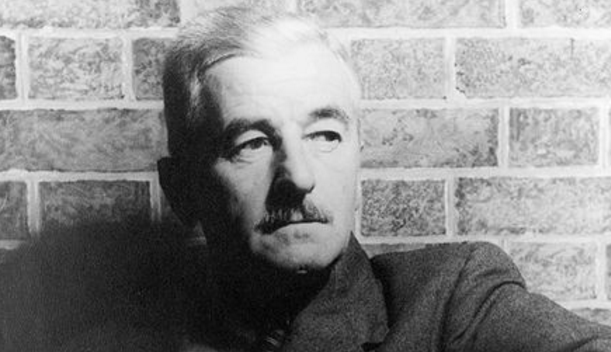
William Faulkner Reads His Nobel Prize Speech

faulkner nobel

Today is the 50th anniver­sary of the death of William Faulkn­er. To mark the occa­sion, we bring you a 1954 record­ing of Faulkn­er read­ing his Nobel Prize speech from four years ear­li­er. “I feel that this award was not made to me as a man,” Faulkn­er says on the tape, “but to my work–a life’s work in the agony and sweat of the human spir­it, not for glo­ry and least of all for prof­it, but to cre­ate out of the mate­ri­als of the human spir­it some­thing which did not exist before.”

In clas­sic nov­els like As I Lay Dying, Absa­lom, Absa­lom! and The Sound and the Fury, Faulkn­er cre­at­ed his own cos­mos, com­bin­ing his knowl­edge of the peo­ple and his­to­ry of Mis­sis­sip­pi with his gift for spin­ning tales. He called his cos­mos Yok­na­p­ataw­pha Coun­ty. “I dis­cov­ered,” Faulkn­er said in his 1956 Paris Review inter­view, “that my own lit­tle postage stamp of native soil was worth writ­ing about and that I would nev­er live long enough to exhaust it, and that by sub­li­mat­ing the actu­al into the apoc­ryphal I would have com­plete lib­er­ty to use what­ev­er tal­ent I might have to its absolute top.”

Faulkn­er died at Wright’s Sana­to­ri­um in Byhalia, Mis­sis­sip­pi in the ear­ly morn­ing hours on July 6, 1962, which also hap­pened to be the birth­day of the great-grand­fa­ther he was named for, William Clark Falkn­er, the flam­boy­ant rail­road builder and nov­el­ist who was remem­bered as the “Old Colonel.” Faulkn­er had been suf­fer­ing from back pain due to an ear­li­er fall from a horse. His pre­ferred way to deal with pain was to drink alco­hol. After a binge he would typ­i­cal­ly go to the sana­to­ri­um to recov­er. This par­tic­u­lar vis­it had seemed rou­tine. Joseph Blot­ner describes the scene in Faulkn­er: A Biog­ra­phy:

The big clock ticked past mid­night and July 6 came in–the Old Colonel’s birthday–with no promise of a let­up in the heat. Insects thumped against the screens while elec­tric fans hummed here and there. Faulkn­er had been rest­ing qui­et­ly. A few min­utes after half past one, he stirred and then sat up on the side of his bed. Before the nurse could reach him he groaned and fell over. With­in min­utes Dr. Wright was there, but he could not detect any pulse or heart­beat. He began exter­nal heart mes­sage. He con­tin­ued it for forty-five min­utes, with­out results. He tried mouth-to-mouth resus­ci­ta­tion, again with no results. There was noth­ing more he could do. William Faulkn­er was gone.

When Albert Camus died two years ear­li­er, Faulkn­er was asked by La Nou­velle Revue Française to write a few words about his fall­en friend. What Faulkn­er wrote of Camus could be his own epi­taph:

When the door shut for him, he had already writ­ten on this side of it that which every artist who also car­ries through life with him that one same fore­knowl­edge and hatred of death, is hop­ing to do: I was here.

NOTE: To fol­low along as Faulkn­er reads his Nobel address, you can find the text at the Ole Miss Faulkn­er on the Web site. (The page will open in a new win­dow.) The Ole Miss page also includes  a par­tial record­ing of Faulkn­er giv­ing his speech in Stock­holm on Decem­ber 10, 1950, along with film footage of the cer­e­mo­ny. (Faulkn­er won the Nobel Prize in Lit­er­a­ture for 1949 but it was­n’t pre­sent­ed until 1950, the year Bertrand Rus­sell won the award. So Rus­sell and Faulkn­er can both be seen in the film footage.) To hear more of Faulkn­er’s 1954 Caed­mon record­ings, vis­it Harp­er Audio. You can also hear over 28 hours of lec­tures by Faulkn­er at the audio archive of the Uni­ver­si­ty of Vir­ginia, where he was writer-in-res­i­dence in 1957 and 1958. The archive con­cludes with a half-hour press con­fer­ence giv­en by the Eng­lish Depart­ment fac­ul­ty 50 years ago today, as they react­ed to the news of Faulkn­er’s death.

Peter Weiss’s Marat/Sade Pushed the Boundaries of Theater, and Still Does

This 1967 film adap­ta­tion of Peter Weiss’s play Marat/Sade (its full title is The Per­se­cu­tion and Assas­si­na­tion of Jean-Paul Marat as Per­formed by the Inmates of the Asy­lum of Char­en­ton Under the Direc­tion of the Mar­quis de Sade) is based on the play’s famous 1964 the­atri­cal pro­duc­tion by the Roy­al Shake­speare Com­pa­ny. Trans­lat­ed from Ger­man by Geof­frey Skel­ton and direct­ed by Peter Brook, the RSC pro­duc­tion starred Patrick Magee as de Sade, Clive Revill as Marat, and Glen­da Jack­son as Char­lotte Cor­day, Marat’s killer. The orig­i­nal cast and direc­tor from the ’64 stag­ing came togeth­er for the film in 1967, with Ian Richard­son step­ping into the role of Marat. It’s a jar­ring expe­ri­ence, with mas­ter­ful per­for­mances and some very dark humor.

The play imag­ines the Mar­quis de Sade in 1808, fif­teen years after the French Rev­o­lu­tion, stag­ing the death of Jacobin hero Jean-Paul Marat as a play and enlist­ing as actors his fel­low inmates at the Char­en­ton Asy­lum, where de Sade was con­fined from 1801 to his death in 1814, and where he did, in fact, write and direct plays. The film is essen­tial view­ing for fans of con­fronta­tion­al Brecht­ian Ver­frem­dungsef­fekt­ (dis­tanc­ing or alien­ation effects) and the dizzy­ing device of sus­tained mise en abyme. Marat/Sade still unset­tles the­ater audi­ences near­ly 50 years after its first pro­duc­tion. The RSC recent­ly revived the play at their new­ly-refur­bished the­ater in Strat­ford and sent sev­er­al audi­ence mem­bers flee­ing; at one pre­view, 80 the­ater­go­ers left at the inter­mis­sion. Wher­ev­er and when­ev­er Marat/Sade is per­formed, it offers a brac­ing cri­tique of polit­i­cal vio­lence with its unspar­ing depic­tions of mad­ness, tor­ture, and rev­o­lu­tion­ary fer­vor.

via Mefi

Josh Jones is cur­rent­ly a doc­tor­al stu­dent in Eng­lish at Ford­ham Uni­ver­si­ty and a co-founder and for­mer man­ag­ing edi­tor of Guer­ni­ca / A Mag­a­zine of Arts and Pol­i­tics.

Johnny Cash: Singer, Outlaw, and, Briefly, Television Host

John­ny Cash needs no intro­duc­tion. But unless you hap­pened to be watch­ing ABC between June 1969 and March 1971, The John­ny Cash Show might. Cash added one more chap­ter to his leg­en­dar­i­ly sto­ried career by host­ing 58 episodes of the musi­cal vari­ety show from the Ryman Audi­to­ri­um in Nashville, then the home of the Grand Ole Opry. You might expect from such a set­up noth­ing but coun­try music, and Cash and his pro­duc­ers did indeed make a point of intro­duc­ing the gen­re’s stars to all of Amer­i­ca as well as high­light­ing its skilled but low-pro­file per­form­ers who would­n’t oth­er­wise have received nation­al expo­sure. But many John­ny Cash Show broad­casts reached well beyond Cash’s own pre­sump­tive base, mak­ing non-coun­try lumi­nar­ies acces­si­ble to coun­try lis­ten­ers as much as the oth­er way around. Above you’ll find a pop­u­lar video of Joni Mitchell singing “Both Sides, Now” on the pro­gram; Bob Dylan and Neil Young also made appear­ances rep­re­sent­ing the next gen­er­a­tion of singer-song­writ­ers.

But Cash also rou­tine­ly shared the stage with his elders, most notably Louis Arm­strong in a broad­cast that fea­tured Arm­strong singing “Crys­tal Chan­de­liers” and “Ram­blin’ Rose” and both of them per­form­ing “Blue Yodel #9.” He also joined in when he brought on Pete Seeger, which demon­strates an impres­sive col­lab­o­ra­tive range. I did­n’t expect to see poet Shel Sil­ver­stein turn up on the show, but then I’d for­got­ten that he wrote “A Boy Named Sue,” one of Cash’s best-known songs, not to men­tion the less­er-known “25 Min­utes to Go,” which each of them record­ed indi­vid­u­al­ly on their own albums. Alas, despite its sur­pris­ing cul­tur­al reach, The John­ny Cash Show could­n’t sur­vive the caprice of net­works eager to cap­ture a younger demo­graph­ic; it got the axe, along­side the likes of Green Acres, The Bev­er­ly Hill­bil­lies, and Hee-Haw in the so-called “rur­al purge” of the ear­ly sev­en­ties.

Relat­ed con­tent:

The 1969 Bob Dylan-John­ny Cash Ses­sions: Twelve Rare Record­ings

John­ny Cash Remem­bered with 1,000+ Draw­ings

Den­nis Hop­per Reads Rud­yard Kipling on John­ny Cash Show

Col­in Mar­shall hosts and pro­duces Note­book on Cities and Cul­ture. Fol­low him on Twit­ter at @colinmarshall.

The Evolution of the Moon: 4.5 Billions Years in 2.6 Minutes (and More Culture From Around the Web)

Here it is. A short his­to­ry of the Moon. 4.5 bil­lion years cov­ered in a slick 2.6 min­utes, all thanks to NASA’s God­dard Space Flight Cen­ter. The video, mov­ing from the Moon’s hot cre­ation to its pock­marked present, can be down­loaded via NASA’s web site.

Now More Cul­ture from Around the Web (all pre­vi­ous­ly aired on our Twit­ter Stream):

BBC’s Col­lec­tion of Famous Authors Read­ing From Their Works

Five Key TED Talks, Accord­ing to The New York­er

“Oh my ass burns like fire! ” Mozart Writes a Let­ter to His Cousin, 1777

Sylvia Plath’s Draw­ings (Pre­sent­ed at London’s May­or Gallery)

Van Gogh’s ‘Star­ry Night’ Recre­at­ed in 7,000 Domi­noes

Drunk Texts from Famous Authors, Cour­tesy of The Paris Review

An Abridged His­to­ry of Video Games in Under Three Min­utes

Matt Taib­bi Looks Back at Hunter S. Thomp­son’s “Fear and Loathing on the Cam­paign Trail” 

How William Faulkn­er Tack­led Race — and Freed the South From Itself

Colum McCann Reads His Sto­ry “Transat­lantic.” Added to our col­lec­tion of Free Audio Books

Anne Frank’s Diary Was Almost Nev­er Pub­lished. Francine Prose Tells the Sto­ry

Dar­win & Design (MIT). Added to our List of 500 Free Cours­es (under Lit­er­a­ture)

Famed Har­vard Biol­o­gist E.O. Wil­son Gives Advice to Young Sci­en­tists at TEDMed

Author Rohin­ton Mis­try Offers Words of Wis­dom to Grad­u­at­ing Class at Ryer­son Uni­ver­si­ty

Dou­ble Indem­ni­ty, the Clas­sic Film by Bil­ly Wilder on YouTube


by | Permalink | Make a Comment ( 1 ) |

« Go BackMore in this category... »
Quantcast