The 10 Hidden Cuts in Rope (1948), Alfred Hitchcock’s Famous “One-Shot” Feature Film

Among his many accom­plish­ments at the inter­sec­tion of show­man­ship and pure cin­e­ma, Alfred Hitch­cock man­aged, in 1948, to make a fea­ture film with­out any cuts — or rather, more impres­sive­ly, he made a fea­ture film peo­ple believed had no cuts. Though cinephiles will know sev­er­al fine exam­ples of no-cut or few-cut movies from recent years (I’ve enjoyed Mike Fig­gis’ four-screen Time Code since it came out in the nineties, and I often rec­om­mend Il-gon Song’s more recent but rar­er one-cut Magi­cians), they’ll also know that, due to phys­i­cal lim­i­ta­tions in the film tech­nol­o­gy of Hitch­cock­’s day, nobody — not even Hitch­cock — could pos­si­bly have made a film longer than ten min­utes out of a sin­gle, unbro­ken shot.

So how did Rope, one of Hitch­cock­’s less­er-cel­e­brat­ed but still thor­ough­ly fas­ci­nat­ing projects, con­vinc­ing­ly fake its own form? Edi­tor Vashi Nedo­man­sky shows us in the three-minute video above. “On fur­ther exam­i­na­tion,” Nedo­man­sky writes on his blog, “Hitchcock’s gem actu­al­ly con­tains ten edits. Five of them are hid­den as the cam­era lens is filled by fore­ground objects. The oth­er five edits are reg­u­lar hard cuts that not many peo­ple either real­ize or acknowl­edge.”

Nofilm­school offers a post that goes into greater depth on Rope and edit­ing: “Even though there is edit­ing, it’s often described as a film that plays out in real time. Why? Prob­a­bly because it’s such an immer­sive piece of film­mak­ing; the hid­den edits and use of hand­held cam­eras fol­low and track its char­ac­ters, allow­ing audi­ences to expe­ri­ence and react to each sit­u­a­tion at the same moment the actors do — right in the thick of the action.” You can find a more the­o­ret­i­cal take from Peter J. Del­lo­lio at Flick­head, who describes Rope as a pic­ture explor­ing “some of the fun­da­men­tal char­ac­ter­is­tics of the cin­e­mat­ic abstrac­tion of time and space by using the mobile cam­era as an agent that gives plas­tic real­i­ty to sub­jec­tive mate­r­i­al” whose “syn­the­sis of real time and filmic space forces the view­er to absorb nar­ra­tive infor­ma­tion on mul­ti­ple, often dis­taste­ful­ly iron­ic lev­els.” For a dif­fer­ent fram­ing, pre­sen­ta­tion, and analy­sis of Rope’s cuts, see also the short video essay “Skip­ping Rope.” Hitch­cock may not have had the abil­i­ty to real­ly make the movie in one shot, but he cer­tain­ly had the abil­i­ty to keep us all tak­ing about it these 65 years.

Relat­ed Con­tent:

21 Free Hitch­cock Movies Online

Hitchcock’s Sev­en-Minute Edit­ing Mas­ter Class

Who Cre­at­ed the Famous Show­er Scene in Psy­cho? Alfred Hitch­cock or the Leg­endary Design­er Saul Bass?

Col­in Mar­shall hosts and pro­duces Note­book on Cities and Cul­ture and writes essays on lit­er­a­ture, film, cities, Asia, and aes­thet­ics. He’s at work on a book about Los Ange­lesA Los Ange­les Primer. Fol­low him on Twit­ter at @colinmarshall.

Watch Leonardo da Vinci’s Musical Invention, the Viola Organista, Being Played for the Very First Time

Just yes­ter­day, we made ref­er­ence to Leonar­do da Vin­ci’s con­tri­bu­tion to ear­ly con­cepts of mechan­i­cal cal­cu­la­tion. But if that sub­set of his achieve­ments does­n’t inter­est you, may we sug­gest you look into his oth­er work in paint­ing, sculp­ture, archi­tec­ture, math­e­mat­ics, engi­neer­ing, anato­my, geol­o­gy, car­tog­ra­phy, botany, and let­ters? Then again, you might find this a par­tic­u­lar­ly oppor­tune time to learn more about Leonar­do da Vin­ci the musi­cian. As the arche­typ­al exam­ple of the poly­math­ic, intel­lec­tu­al­ly omniv­o­rous “Renais­sance man,” he not only attained mas­tery of a wide range of dis­ci­plines, but did his most impres­sive work in the spaces between them. Giv­en the volu­mi­nous­ness of his out­put (not to men­tion the tech­ni­cal lim­i­ta­tions of fif­teenth-cen­tu­ry Europe), many of his mul­ti­ple domain-span­ning ideas and inven­tions nev­er became a real­i­ty dur­ing his life­time. How­ev­er, just this year, 494 years after Leonar­do’s death, we now have the chance to see, and more impor­tant­ly hear, one of them: the vio­la organ­ista, an elab­o­rate musi­cal instru­ment that had pre­vi­ous­ly only exist­ed in his note­books.

We owe this thrill not just to Leonar­do him­self, who left behind detailed plans for the (to him, pure­ly the­o­ret­i­cal) con­struc­tion of such devices as this behind, but to a report­ed 5000 hours of phys­i­cal effort by Pol­ish con­cert pianist Sla­womir Zubrzy­c­ki, who actu­al­ly put the thing togeth­er. You can read more at the Syd­ney Morn­ing Her­ald, whose arti­cle (on “Leonar­do Da Vin­ci’s wacky piano”) quotes Zubrzy­c­ki: “This instru­ment has the char­ac­ter­is­tics of three we know: the harp­si­chord, the organ and the vio­la da gam­ba,” and play­ing it, which involves hit­ting keys con­nect­ed to “spin­ning wheels wrapped in horse-tail hair,” and turn­ing those wheels by pump­ing a ped­al below the key­board, pro­duces excit­ing unusu­al waves of cel­lo-like sounds. You can watch ten min­utes of Zubrzy­c­ki debut­ing the instru­ment at Krakow’s Acad­e­my of Music above. Depend­ing upon your incli­na­tion toward music, very old tech­nol­o­gy, or very old music tech­nol­o­gy, you may also want to glance at the relat­ed Metafil­ter debate about what place the vio­la organ­ista could have in music today.

If you would like to sign up for Open Culture’s free email newslet­ter, please find it here. It’s a great way to see our new posts, all bun­dled in one email, each day.

If you would like to sup­port the mis­sion of Open Cul­ture, con­sid­er mak­ing a dona­tion to our site. It’s hard to rely 100% on ads, and your con­tri­bu­tions will help us con­tin­ue pro­vid­ing the best free cul­tur­al and edu­ca­tion­al mate­ri­als to learn­ers every­where. You can con­tribute through Pay­Pal, Patre­on, and Ven­mo (@openculture). Thanks!

Relat­ed Con­tent:

The Anatom­i­cal Draw­ings of Renais­sance Man, Leonar­do da Vin­ci

An Ani­mat­ed His­to­ry Of Avi­a­tion: From da Vinci’s Sketch­es to Apol­lo 11

What Ancient Greek Music Sound­ed Like: Hear a Recon­struc­tion That is ‘100% Accu­rate’

Col­in Mar­shall hosts and pro­duces Note­book on Cities and Cul­ture and writes essays on lit­er­a­ture, film, cities, Asia, and aes­thet­ics. He’s at work on a book about Los Ange­lesA Los Ange­les Primer. Fol­low him on Twit­ter at @colinmarshall.

Thelonious Monk Bombs in Paris in 1954, Then Makes a Triumphant Return in 1969

Thelo­nious Monk’s pop­u­lar image as the hippest of the hip in mid-cen­tu­ry bebop is well-deserved, but his career tra­jec­to­ry was not with­out its lame notes, includ­ing the loss of his cabaret license for sev­er­al years after a 1951 drug bust in New York with Bud Pow­ell. The inci­dent forced him to leave the haven of the Minton’s Play­house after-hours jam ses­sion scene and strike out for new venues and new out­lets, such as record­ing the sem­i­nal two-vol­ume Genius of Mod­ern Music in 1952, which fea­tured some of the ear­li­est, most bois­ter­ous ver­sions of Monk com­po­si­tions like soon-to-be stan­dard “Well, You Needn’t.” In 1954, Monk arrived in Paris where he per­formed at the Salle Pleyel to an audi­ence that most­ly didn’t know him. Patrick Jaren­wat­tananon at NPR describes the night:

[H]e had almost no pub­lic pro­file in France apart from the most hard­core of mod­ern jazz fans; he was ner­vous and prob­a­bly drunk; and he fol­lowed an enor­mous­ly pop­u­lar Dix­ieland band on stage. Crit­ics in atten­dance panned him, con­fused by his unique dis­so­nances and agi­tat­ed stage behav­ior. The gig was, as biog­ra­ph­er Robin Kel­ley described it, a dis­as­ter.

To make mat­ters worse, Jaren­wat­tananon writes, Monk—used to rhythm play­ers like Art Blakey and Al McKibbon—was appar­ent­ly “assigned a local rhythm sec­tion which was prob­a­bly unfa­mil­iar with his music.” You can hear Monk above from a record­ing he made dur­ing that trip, with­out said rhythm sec­tion, play­ing “Round About Mid­night” in his expres­sive­ly per­cus­sive piano style. Monk’s style, famous­ly described by Philip Larkin as a “faux-naif ele­phant dance,” was rapid­ly devel­op­ing as he came into his own as a band­leader and com­pos­er.  But although per­haps a per­son­al mile­stone (Monk met life­long friend, patron, and devo­tee Pan­non­i­ca de Koenigswarter that night), the Paris gig of 1954 was a bust that haunt­ed the inno­v­a­tive pianist.

And so it was that fif­teen years lat­er, Monk returned to the Salle Pleyel with his own quar­tet. This time, Jaren­wat­tananon tells us, he arrived as an “inter­na­tion­al star.” The con­cert was tele­vised, and, on Novem­ber 26th, it will be released as an audio record­ing and DVD sim­ply called Paris 1969 (see Monk’s quar­tet play “I Mean You” in an excerpt above). For a short time, you can pre­view and pre-order indi­vid­ual tracks from the record­ing or lis­ten to the whole con­cert straight through at NPR’s site. It’s a mel­low­er Monk than his mid-fifties incar­na­tion, with­out a doubt, not the “tap-danc­ing, elbows-on-the-piano Monk of yore,” writes Jaren­wat­tananon: “But it’s Monk doing Monk, swing­ing intense­ly through severe rhyth­mic crevass­es” and gen­er­al­ly exud­ing the con­fi­dence and panache of his hero Duke Elling­ton.

Relat­ed Con­tent:

Advice From the Mas­ter: Thelo­nious Monk Scrib­bles a List of Tips for Play­ing a Gig

Thelo­nious Monk: Straight No Chas­er

Andy Warhol Cre­ates Album Cov­ers for Jazz Leg­ends Thelo­nious Monk, Count Basie & Ken­ny Bur­rell

Josh Jones is a writer and musi­cian based in Durham, NC. Fol­low him at @jdmagness

Mark Twain’s Viciously Funny Marginalia Took Aim at Some Literary Greats

plutarch-twain

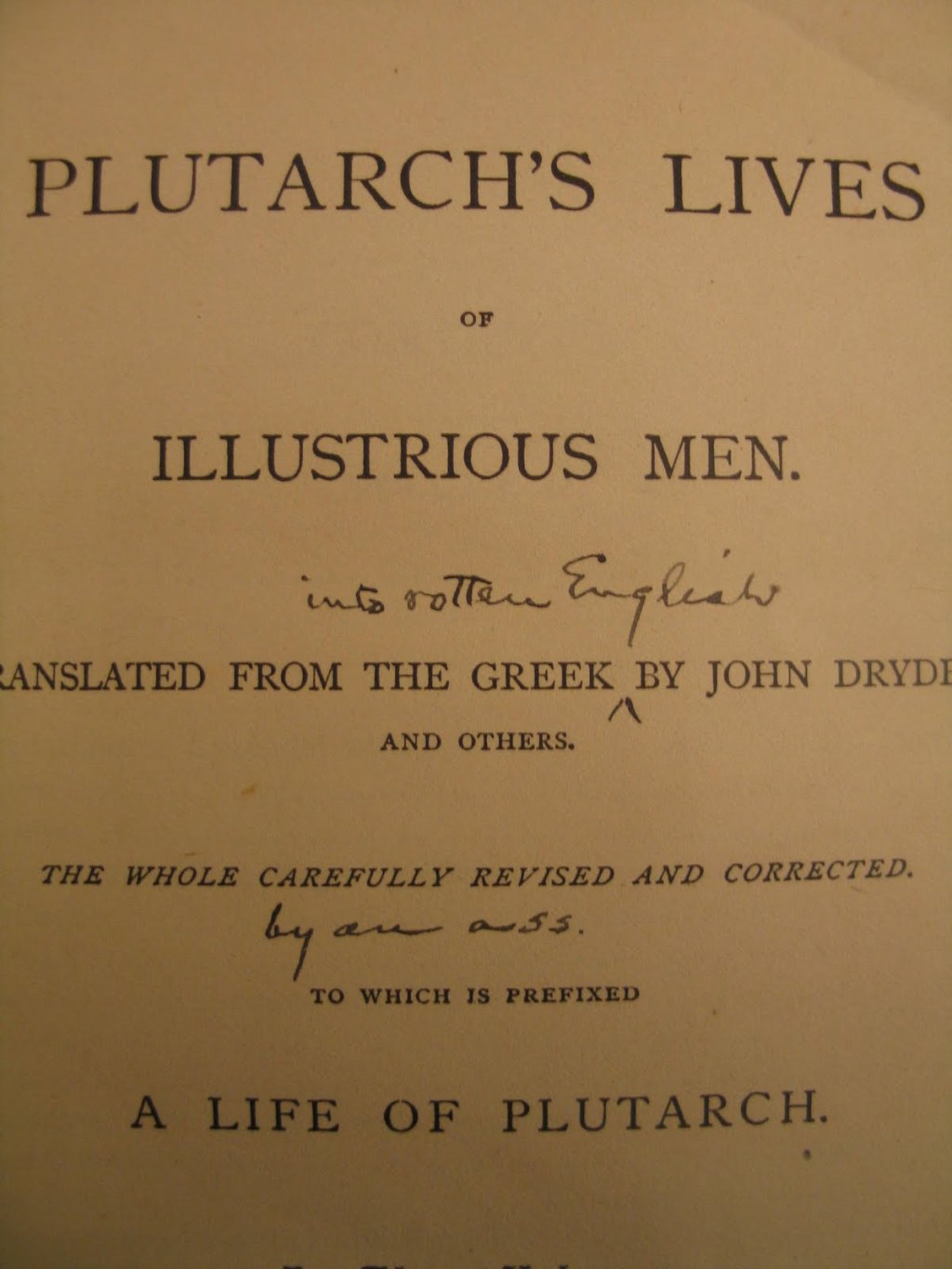
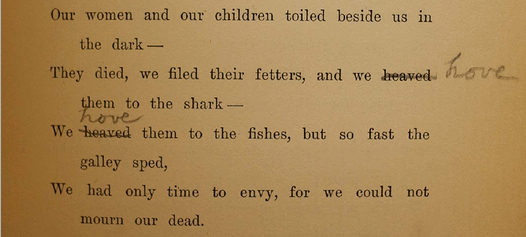
Hem­ing­way once said that “all mod­ern Amer­i­can lit­er­a­ture comes from one book by Mark Twain called Huck­le­ber­ry Finn.” Twain, how­ev­er, was not only a mas­ter of sub­tle­ty and humor in fic­tion, but also a pierc­ing­ly fun­ny and some­times scathing essay­ist whose pen ranged from pol­i­tics to lit­er­ary crit­i­cism. Despite pub­lish­ing many bit­ing essays, many of Twain’s best barbs nev­er reached their tar­gets. Instead they remained with­in the mar­gin­a­lia of his books. In a series of doc­u­ments made pub­lic by the New York Times, Twain’s ire at slop­py writ­ing makes itself known. Some com­ments, like this one regard­ing his friend, Rud­yard Kipling, are fair­ly innocu­ous:

KIPLING-1

While Kipling got off light­ly, John Dryden’s trans­la­tion of Plutarch’s Lives seems to have hit a nerve, caus­ing Twain to change the inscrip­tion to “trans­lat­ed from the Greek into rot­ten Eng­lish by John Dry­den; the whole care­ful­ly revised and cor­rect­ed by an ass.” (Up top)

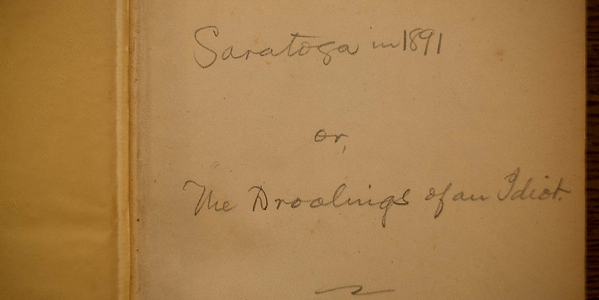
DROOLINGS-1

Notes in the mar­gins of Lan­don D. Melville’s Sarato­ga in 1901 show that it fared no bet­ter. Twain, it appears, renamed the vol­ume, dub­bing it “Sarato­ga in 1891, or The Drool­ings of An Idiot.”

He also deemed some of the writ­ings to be the “Wail­ings of an Idiot.”

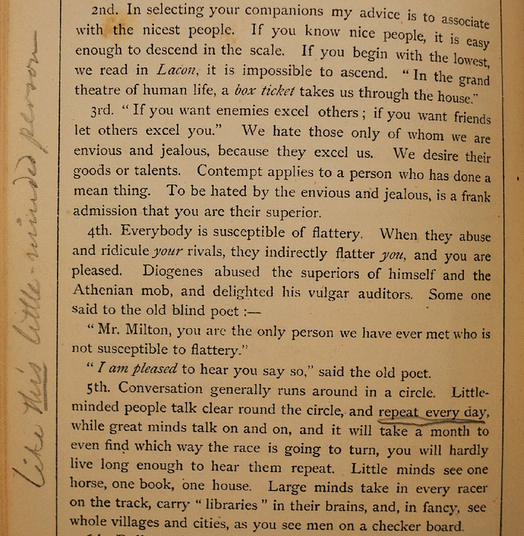
LITTLE MIND

And, just so there was­n’t any ambi­gu­i­ty about what he thought, Twain labeled Melville a “lit­tle mind­ed per­son.”

For more of Mark Twain’s jot­tings, head over to the New York Times’ doc­u­ment archive and The Mark Twain House & Muse­um.

Ilia Blin­d­er­man is a Mon­tre­al-based cul­ture and sci­ence writer. Fol­low him at @iliablinderman.

Relat­ed Con­tent:

Mark Twain Plays With Elec­tric­i­ty in Niko­la Tesla’s Lab (Pho­to, 1894)

Mark Twain Drafts the Ulti­mate Let­ter of Com­plaint (1905)

Mark Twain Cap­tured on Film by Thomas Edi­son in 1909. It’s the Only Known Footage of the Author

C.S. Lewis’ Prescient 1937 Review of The Hobbit by J.R.R. Tolkien: It “May Well Prove a Classic”

hobbit-cover-largeIn 1937, C.S. Lewis (who would lat­er write The Chron­i­cles of Nar­nia – find it in a free audio for­mat here) pub­lished in the Times Lit­er­ary Sup­ple­ment a review of The Hob­bit by J.R.R. Tolkien. Lewis and Tolkien were no strangers to one anoth­er. They had met back in 1926 at Oxford Uni­ver­si­ty, where they both served on the Eng­lish fac­ul­ty. In the years to come, they formed a close friend­ship and joined the Inklings, an Oxford lit­er­ary group ded­i­cat­ed to fic­tion and fan­ta­sy.

Lewis’ review of The Hob­bit was short, a mere three para­graphs. And it’s hard to say now whether Lewis was giv­ing a kind review to a friend, or mak­ing some pre­scient lit­er­ary obser­va­tions. Or, per­haps, some com­bi­na­tion of the two. The clos­ing lines go like this:

The Hob­bit … will be fun­nier to its youngest read­ers, and only years lat­er, at a tenth or a twen­ti­eth read­ing, will they begin to realise what deft schol­ar­ship and pro­found reflec­tion have gone to make every­thing in it so ripe, so friend­ly, and in its own way so true. Pre­dic­tion is dan­ger­ous: but The Hob­bit may well prove a clas­sic.

The com­plete review has now been repub­lished, and you can read it over at The Paris Review.

via Fla­vor­wire

Relat­ed Con­tent:

Down­load Eight Free Lec­tures on The Hob­bit by “The Tolkien Pro­fes­sor,” Corey Olsen

Lis­ten to J.R.R. Tolkien Read a Lengthy Excerpt from The Hob­bit (1952)

Dis­cov­er J.R.R. Tolkien’s Per­son­al Book Cov­er Designs for The Lord of the Rings Tril­o­gy

by | Permalink | Make a Comment ( 1 ) |

Bob Dylan Finally Makes a Video for His 1965 Hit, “Like a Rolling Stone”

Ear­li­er today, we told you all about Bob Dylan’s con­tro­ver­sial Vic­to­ri­a’s Secret com­mer­cial shot in 2004 — the first com­mer­cial in which the musi­cian ever appeared on screen. Tonight, we leave you with this — Dylan’s new­ly-released video for his 1965 hit “Like a Rolling Stone.” As you’ll see, it’s not just a video. It’s an inter­ac­tive video that lets “view­ers flip through 16 tele­vi­sion chan­nels as a vari­ety of tele­vi­sion per­son­al­i­ties lip-sync the lyrics.” You can check it out above, or watch it in a larg­er for­mat here. The new video coin­cides with the release of Bob Dylan: The Com­plete Album Col­lec­tion Vol. 1, a CD box set that con­tains “35 stu­dio titles, 6 live albums, 2‑CD ‘Side Tracks,’ and a hard­cov­er book fea­tur­ing new album-by-album lin­er notes.” The log­i­cal ques­tion is what’s left for Vol. 2?

via Rolling Stone

Relat­ed Con­tent:

Andy Warhol Shoots “Screen Tests” of Nico, Bob Dylan & Sal­vador Dalí

Bob Dylan and Van Mor­ri­son Sing Togeth­er in Athens, on His­toric Hill Over­look­ing the Acrop­o­lis

Bob Dylan and The Grate­ful Dead Rehearse Togeth­er in Sum­mer 1987. Lis­ten to 74 Tracks.

Two Leg­ends Togeth­er: A Young Bob Dylan Talks and Plays on The Studs Terkel Pro­gram, 1963

by | Permalink | Make a Comment ( 6 ) |

Long Live Glitch! The Art & Code from the Game Now Released into the Public Domain

Back in 2009, a start­up called Tiny Speck (whose co-founder Stew­art But­ter­field also co-found­ed Flickr) launched a mul­ti­play­er online video game called Glitch, which won praise for its cre­ative visu­al style. Although more than 150,000 peo­ple played the game, Glitch nev­er quite found its foot­ing in the mar­ket. And, in 2012, it was shut down. But, now Glitch ris­es from the ash­es and lives again.

Yes­ter­day Tiny Speck made this announce­ment:

The entire library of art assets from the game, has been made freely avail­able, ded­i­cat­ed to the pub­lic domain.… All of it can be down­loaded and used by any­one, for any pur­pose. (But: use it for good.)

Tiny Speck … has relin­quished its own­er­ship of copy­right over these 10,000+ assets in the hopes that they help oth­ers in their cre­ative endeav­ours and build on Glitch’s lega­cy of sim­ple fun, cre­ativ­i­ty and an appre­ci­a­tion for the pre­pos­ter­ous. Go and make beau­ti­ful things.

Accord­ing to Tiny Speck, this release “is intend­ed pri­mar­i­ly for devel­op­ers and those with the tech­ni­cal abil­i­ty to take advan­tage of the struc­tured assets.”

Glitch-Game-Logo

Now, assum­ing you have some tech chops, here are some help­ful links that will get you start­ed:

Long live Glitch!

Relat­ed Con­tent: 

Tim­o­thy Leary Plans a Neu­ro­mancer Video Game, with Art by Kei­th Har­ing, Music by Devo & Cameos by David Byrne

Run Vin­tage Video Games (From Pac-Man to E.T.) and Soft­ware in Your Web Brows­er, Thanks to Archive.org

Ancient Greek Pun­ish­ments: The Retro Video Game

Bob Dylan’s Controversial 2004 Victoria’s Secret Ad: His First & Last Appearance in a Commercial

Bob Dylan’s been piss­ing off his fans since he went elec­tric at the New­port Folk Fes­ti­val in 1965, leav­ing scores of bit­ter folkies with feel­ings of betray­al. But he’s also tak­en many a prin­ci­pled stand, walk­ing off The Ed Sul­li­van Show ear­ly in his career in 1963, for exam­ple, when he learned that CBS want­ed to cen­sor his “Talkin’ John Birch Para­noid Blues” for being poten­tial­ly libelous to the far-right group. Then there are those episodes that have sim­ply baf­fled his admir­ers, like his release of the almost uni­ver­sal­ly panned Self Por­trait and his con­ver­sion to evan­gel­i­cal Chris­tian­i­ty. What­ev­er pos­sessed him to appear in the 2004 Victoria’s Secret ad above, how­ev­er, is anyone’s guess. While it may not have the same geopo­lit­i­cal juice as his con­tro­ver­sial appear­ance in Chi­na in 2011, aside from the gen­er­al weird­ness of once coun­ter­cul­tur­al fig­ures sell­ing prod­ucts, it’s a move that espe­cial­ly trou­bled fans of Dylan, to say the least.

There were, of course, cries of “sell out.” Then there’s the trou­bling sta­tus of Victoria’s Secret, a com­pa­ny that has accu­mu­lat­ed no small share of con­tro­ver­sy since the ad aired, and which at the time was not espe­cial­ly known as a social­ly respon­si­ble enti­ty.

Though Dylan had already licensed the song “Love Sick” from 1997’s Time Out of Mind to the com­pa­ny (and in 2000 licensed “For­ev­er Young” to Apple), this is the first and only time he’s appeared on screen in a com­mer­cial, with the excep­tion of a 2010 Google ad that recy­cled clips from the ’65 “Sub­ter­ranean Home­sick Blues” film.

While ad agen­cies may have replaced A&R for hun­gry young indie bands, the phe­nom­e­non of wealthy, aging rock stars shilling for major cor­po­ra­tions seems to defy rea­son. Most peo­ple assume it’s always a cash grab. Dylan him­self joked in 1965 that the only thing he’d sell out for would be “ladies under­gar­ments.” In a per­haps unfor­tu­nate­ly titled arti­cle for Slate, Seth Steven­son sug­gest­ed that Dylan and those of his gen­er­a­tion took the cor­po­rate bait in attempts to remain rel­e­vant and “remind the world that they still exist.” In the case of the Victoria’s Secret ad (see a “behind the scenes” video here), this is a lit­tle hard to swal­low. Not even the bale­ful­ly timed release of his Love and Theft in Sep­tem­ber of 2001 could over­shad­ow the enor­mous suc­cess of that album, which, All­mu­sic writes, “stands proud­ly among his very best.” 2006’s plat­inum-sell­ing Mod­ern Times was not far behind. Unlike his online response to the Chi­na con­tro­ver­sy, Dylan him­self revealed noth­ing of his inten­tions, leav­ing fans with the unset­tling image of one of the 20th century’s most icon­o­clas­tic artists (and one nev­er espe­cial­ly known for his sex appeal) hawk­ing lin­gerie on nation­al tele­vi­sion.

Relat­ed Con­tent:

David Bowie Appears in the “Director’s Cut” of a New Louis Vuit­ton Ad, Nods to Labyrinth

Ker­ouac Wore Khakis: Ghost of the Beat Writer Stars in 1993 Gap Adver­tis­ing Cam­paign

Nev­er Mind the Bol­locks, Here’s … John Lydon in a But­ter Com­mer­cial?

Josh Jones is a writer and musi­cian based in Durham, NC. Fol­low him at @jdmagness


« Go BackMore in this category... »
Quantcast