The Beatles’ Final, “Painful” Photo Shoot: A Gallery of Bittersweet Images

lastBeatlesShoot

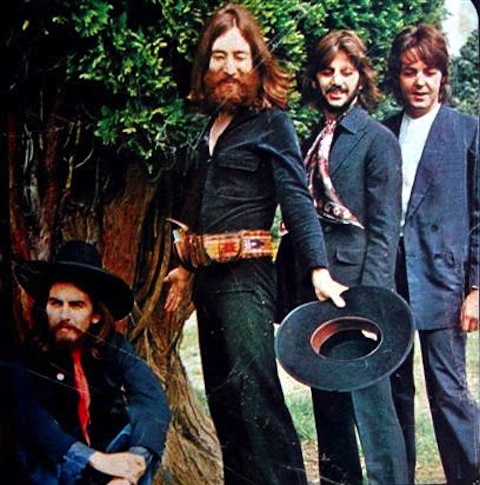
Well, this is bit­ter­sweet. The pho­to above comes from The Bea­t­les’ final pho­to shoot togeth­er at John Lennon’s new­ly pur­chased estate in Sun­ninghill Berk­shire: clear­ly not a wel­come event for at least one Bea­t­le. The band had just com­plet­ed their final two album releas­es, Let it Be and Abbey Road—famous­ly con­tentious record­ing ses­sions in which George Har­ri­son walked out for a few days with a flip­pant “See you ‘round the clubs,” prompt­ing John Lennon to snap (accord­ing to direc­tor Michael Lind­say-Hogg), “Let’s get in Eric [Clap­ton]. He’s just as good and not such a headache.”

George lat­er recalled the cir­cum­stances of the shoot:

They were film­ing us hav­ing a row. It nev­er came to blows, but I thought, ‘What’s the point of this? I’m quite capa­ble of being rel­a­tive­ly hap­py on my own and I’m not able to be hap­py in this sit­u­a­tion. I’m get­ting out of here.’

Every­body had gone through that. Ringo had left at one point. I know John want­ed out. It was a very, very dif­fi­cult, stress­ful time, and being filmed hav­ing a row as well was ter­ri­ble. I got up and I thought, ‘I’m not doing this any more. I’m out of here.’ So I got my gui­tar and went home and that after­noon wrote Wah-Wah.

It became sti­fling, so that although this new album was sup­posed to break away from that type of record­ing (we were going back to play­ing live) it was still very much that kind of sit­u­a­tion where he already had in his mind what he want­ed. Paul want­ed nobody to play on his songs until he decid­ed how it should go. For me it was like: ‘What am I doing here? This is painful!’

See many more pho­tos from the shoot and read more painful details about the ses­sions and, yes, Yoko, over at Messy Nessy Chic.

via Mefi

Relat­ed Con­tent:

The 10-Minute, Nev­er-Released, Exper­i­men­tal Demo of The Bea­t­les’ “Rev­o­lu­tion” (1968)

A Short Film on the Famous Cross­walk From the Bea­t­les’ Abbey Road Album Cov­er

Eric Clapton’s Iso­lat­ed Gui­tar Track From the Clas­sic Bea­t­les Song, ‘While My Gui­tar Gen­tly Weeps’ (1968)

Josh Jones is a writer and musi­cian based in Durham, NC. Fol­low him at @jdmagness

Quentin Tarantino Lists the 12 Greatest Films of All Time: From Taxi Driver to The Bad News Bears

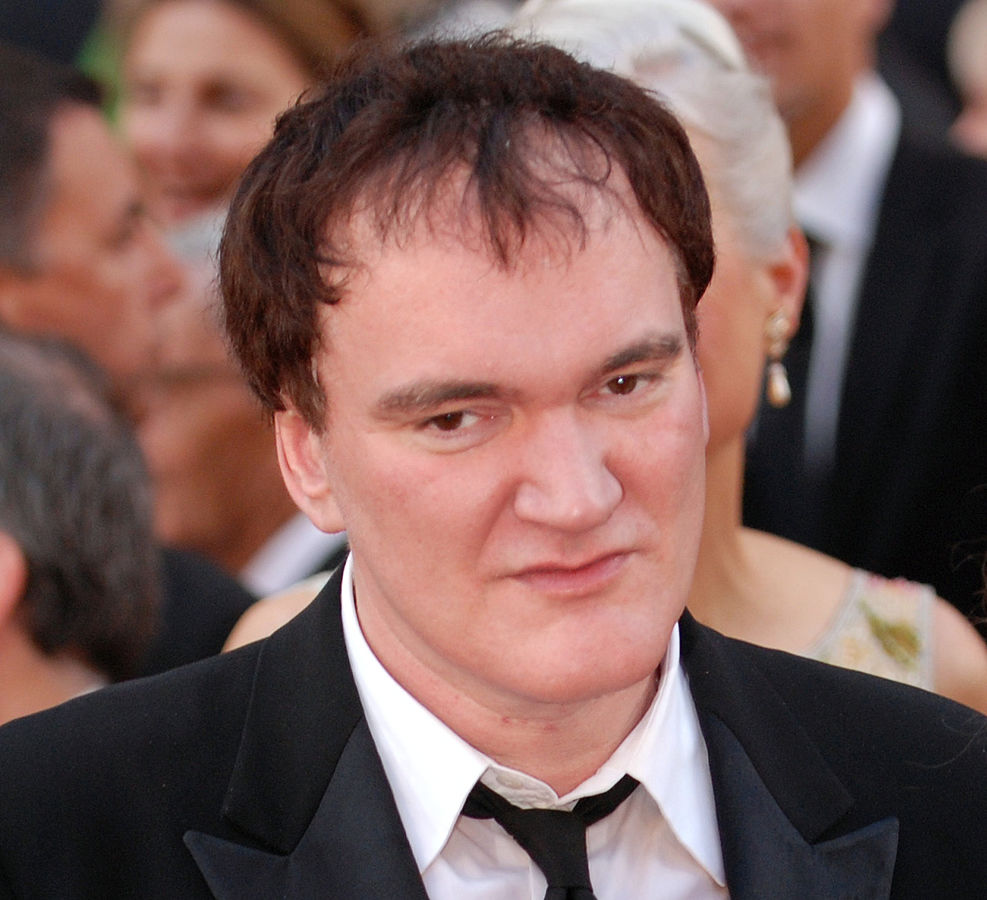
987px-Quentin_Tarantino_@_2010_Academy_Awards_cropped

Cre­ative Com­mons image via Wiki­me­dia Com­mons

Any list of the most respect­ed Amer­i­can film­mak­ers of the past half-cen­tu­ry would have to include Stan­ley Kubrick, Woody Allen, and Mar­tin Scors­ese. The lat­ter two have kept cre­at­ing, and pro­lif­i­cal­ly, but that does­n’t delay those heat­ed debates about who will most proud­ly car­ry the auteur’s tra­di­tion into the next few decades. Much smart mon­ey bets on Quentin Taran­ti­no, who, at age 50, has already racked up over twen­ty years (and if you count My Best Friend’s Birth­day, over 25) of demon­strat­ing his dis­tinc­tive cin­e­mat­ic sen­si­bil­i­ty.

That sen­si­bil­i­ty has made him a direc­tor of renown, but it comes in large part from his equal­ly for­mi­da­ble stature as a film fan: his begin­nings as a high­ly cura­to­r­i­al video-store clerk, his own­er­ship of the revival the­ater the New Bev­er­ly Cin­e­ma (which I myself fre­quent), his cinephile’s-dream home the­ater and large col­lec­tion of prints. Hav­ing fea­tured top-movie lists from Kubrick, Allen, and Scors­ese, let’s take a look at one from Taran­ti­no:

  • Apoc­a­lypse Now (Fran­cis Ford Cop­po­la, 1979)
  • The Bad News Bears (Michael Ritchie, 1976)
  • Car­rie (Bri­an de Pal­ma, 1976)
  • Dazed and Con­fused (Richard Lin­klater, 1993)
  • The Good, the Bad, and the Ugly (Ser­gio Leone, 1966)
  • The Great Escape (John Sturges, 1963)
  • His Girl Fri­day (Howard Hawks, 1939)
  • Jaws (Steven Spiel­berg, 1975)
  • Pret­ty Maids All in a Row (Roger Vadim, 1971)
  • Rolling Thun­der (John Fly­nn, 1997)
  • Sor­cer­er (William Fried­kin, 1977)
  • Taxi Dri­ver (Mar­tin Scors­ese, 1976)

The direc­tor of Pulp Fic­tion, Jack­ie Brown, and Djan­go Unchained vot­ed for these pic­tures in Sight & Sound’s 2012 poll. Not only does this high-pro­file auteur select sev­er­al oth­er high-pro­file auteurs, he favors ones who show a sim­i­lar enthu­si­asm for genre: de Pal­ma, Leone, Hawks, Spiel­berg, Fried­kin. Oth­er selec­tions, like Apoc­a­lypse Now and Taxi Dri­ver, come from film­mak­ers asso­ci­at­ed with the “New Hol­ly­wood” move­ment of the sev­en­ties, the last major burst of cre­ative film­mak­ing in the Amer­i­can main­stream before — you guessed it — the “Indiewood” boom of the late eight­ies and nineties which launched the career of not only Taran­ti­no him­self but also Richard Lin­klater, whose break­out Slack­er you can watch online. You can also catch, free on the inter­net, one of the clas­sic Hol­ly­wood pro­duc­tions Taran­ti­no includes: His Girl Fri­day. As for the seem­ing­ly inex­plic­a­ble pres­ence of the 1976 kids’ sports com­e­dy The Bad News Bears, I haven’t found it free online yet, but every­body tells me you real­ly do need to see it to tru­ly appre­ci­ate it.

Relat­ed Con­tent:

Quentin Taran­ti­no Lists His Favorite Films Since 1992

Woody Allen Lists the Great­est Films of All Time: Includes Clas­sics by Bergman, Truf­faut & Felli­ni

Mar­tin Scors­ese Reveals His 12 Favorite Movies (and Writes a New Essay on Film Preser­va­tion)

Stan­ley Kubrick’s List of Top 10 Films (The First and Only List He Ever Cre­at­ed)

Watch His Girl Fri­day, Howard Hawks’ Clas­sic Screw­ball Com­e­dy Star­ring Cary Grant, Free Online

Col­in Mar­shall hosts and pro­duces Note­book on Cities and Cul­ture and writes essays on lit­er­a­ture, film, cities, Asia, and aes­thet­ics. He’s at work on a book about Los Ange­lesA Los Ange­les Primer. Fol­low him on Twit­ter at @colinmarshall.

LinkedIn Rolls Out Pages for Universities

As part of a larg­er effort to attract a younger demo­graph­ic, LinkedIn announced this week the launch of Uni­ver­si­ty Pages. Over 200 schools have built their pages so far — schools like New York Uni­ver­si­tyUni­ver­si­ty of Cal­i­for­nia San DiegoFun­dação Getúlio Var­gasUni­ver­si­ty of Michi­ganVil­lano­vaRochester Insti­tute of Tech­nol­o­gyUni­ver­si­ty of Illi­nois, and INSEAD. And, over the next few weeks, thou­sands more schools will get their chance to build pages that high­light what their insti­tu­tions have to offer. Down the line, LinkedIn sees these pages becom­ing cen­tral to the recruit­ment process — to match­ing stu­dents to the right uni­ver­si­ties, and then lat­er to the right jobs. You can learn more about Linked­In’s edu­ca­tion­al offer­ing here and here.

One day we’ll maybe have a LinkedIn page. For now, you can fol­low us on Face­bookTwit­ter and Google Plus and share intel­li­gent media with your friends! They’ll thank you for it.

Relat­ed Con­tent:

750 Free Online Cours­es from Top Uni­ver­si­ties

550 Free MOOCs from Great Uni­ver­si­ties (Many Offer­ing Cer­tifi­cates)


Watch John Cleese as Sherlock Holmes in The Strange Case of the End of Civilization as We Know It

Here’s some­thing to light­en your day a lit­tle: Mon­ty Python’s John Cleese as Sher­lock Holmes in the 1977 British tele­vi­sion film The Strange Case of the End of Civ­i­liza­tion as We Know It.

As the title sug­gests, it’s a very sil­ly film. Cleese plays Arthur Sher­lock Holmes, grand­son of the famous detec­tive. His side­kick, Dr. Wat­son, is sim­i­lar­ly descend­ed from a famil­iar char­ac­ter in the Arthur Conan Doyle sto­ries. Togeth­er they set out to foil a dia­bol­i­cal plot by their neme­sis, a descen­dent of Pro­fes­sor Mori­ar­ty. The mod­ern-day Holmes has some of the same man­ner­isms as his famous grand­fa­ther, but is decid­ed­ly less clever and likes to keep his cal­abash pipe filled with exot­ic vari­eties of cannabis.

Cleese co-wrote the script with Jack Hobbs and the film’s direc­tor, Joseph McGrath, who is best known for direct­ing the Peter Sell­ers movies Casi­no Royale and The Mag­ic Chris­t­ian. It was pro­duced for Lon­don Week­end Tele­vi­sion by Humphrey Bar­clay, who is gen­er­al­ly cred­it­ed with bring­ing togeth­er much of what even­tu­al­ly became the Mon­ty Python cast, includ­ing Amer­i­can ani­ma­tor Ter­ry Gilliam, in the sub­ver­sive late-1960s chil­dren’s show Do Not Adjust Your Set. Cleese’s wife at the time, Con­nie Booth, who was also col­lab­o­rat­ing with him on the TV series Fawl­ty Tow­ers, plays the detec­tive’s land­la­dy Mrs. Hud­son. And Arthur Lowe is very fun­ny as the dim-wit­ted Dr. Wat­son.

The Strange Case of the End of Civ­i­liza­tion as We Know It is a low-bud­get affair — extreme­ly goofy — and not for every­one. But if you’re a fan of clas­sic British TV com­e­dy and you love out­landish gags, you should get a kick out of it. The fun­ni­est parts begin after the 13-minute mark, when Cleese arrives onscreen.

You can find The Strange Case of the End of Civ­i­liza­tion as We Know It in our col­lec­tion, 4,000+ Free Movies Online: Great Clas­sics, Indies, Noir, West­erns, Doc­u­men­taries & More.

Relat­ed con­tent:

Mon­ty Python’s Best Phi­los­o­phy Sketch­es

Arthur Conan Doyle Dis­cuss­es Sher­lock Holmes and Psy­chics in a Rare Filmed Inter­view (1927)

John Cleese Plays the Dev­il, Makes a Spe­cial Appeal for Hell, 1966

John Cleese’s Eulo­gy for Gra­ham Chap­man: ‘Good Rid­dance, the Free-Load­ing Bas­tard, I Hope He Fries’

Crime Writer Elmore Leonard Provides 13 Writing Tips for Aspiring Writers

Note: Elmore Leonard, the crime writer who gave us Get Shorty, Freaky Deaky, and Glitzdied at his home in Bloom­field Vil­lage, Michi­gan. He was 87. If you nev­er had a chance to read Leonard, you can start with “Ice Man,” a 2012 sto­ry that appeared in The Atlantic. It’s free online. You can also get a feel for his writ­ing by revis­it­ing a post writ­ten here by Mike Springer last year. It gives an overview of Leonard’s tips for aspir­ing writ­ers. And, in so doing, it pro­vides valu­able insight into how Leonard approached his craft. Elmore Leonard’s Ulti­mate Guide for Would-Be Writ­ers is reprint­ed in full below.

“If it sounds like writ­ing,” says Elmore Leonard, “I rewrite it.”

Leonard’s writ­ing sounds the way peo­ple talk. It rings true. In nov­els like Get ShortyRum Punch and Out of Sight, Leonard has estab­lished him­self as a mas­ter styl­ist, and while his char­ac­ters may be lowlifes, his books are received and admired in the high­est cir­cles. In 1998 Mar­tin Amis recalled vis­it­ing Saul Bel­low and see­ing Leonard’s books on the old man’s shelves. “Bel­low and I agreed,” said Amis, “that for an absolute­ly reli­able and unstint­ing infu­sion of nar­ra­tive plea­sure in a prose mirac­u­lous­ly purged of all false qual­i­ties, there was no one quite like Elmore Leonard.”

In 2006 Leonard appeared on BBC Two’s The Cul­ture Show to talk about the craft of writ­ing and give some advice to aspir­ing authors. In the pro­gram, shown above, Leonard talks about his deep appre­ci­a­tion of Ernest Hem­ing­way’s work in gen­er­al, and about his par­tic­u­lar debt to the 1970 crime nov­el The Friends of Eddie Coyle, by George V. Hig­gins. While explain­ing his approach, Leonard jots down three tips:

  • “You have to lis­ten to your char­ac­ters.”
  • “Don’t wor­ry about what your moth­er thinks of your lan­guage.”
  • “Try to get a rhythm.”

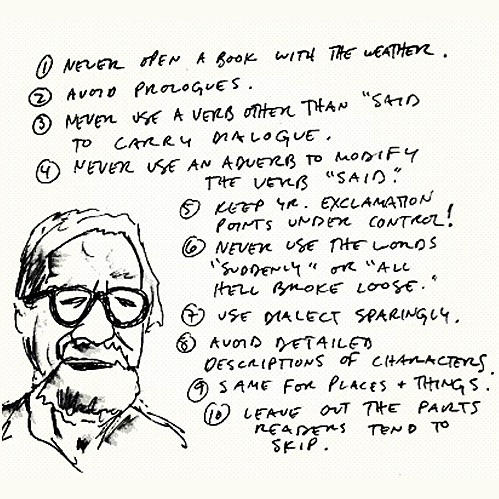
“I always refer to style as sound,” says Leonard. “The sound of the writ­ing.” Some of Leonard’s sug­ges­tions appeared in a 2001 New York Times arti­cle that became the basis of his 2007 book, Elmore Leonard’s 10 Rules of Writ­ing. Here are those rules in out­line form:

elmore-leonard-writing-advice

You can read more from Leonard on his rules in the 2001 Times arti­cle. And you can read his new short sto­ry, “Ice Man,” in The Atlantic.

Hear Vladimir Nabokov Read From the Penultimate Chapter of Lolita

nabokov quiz

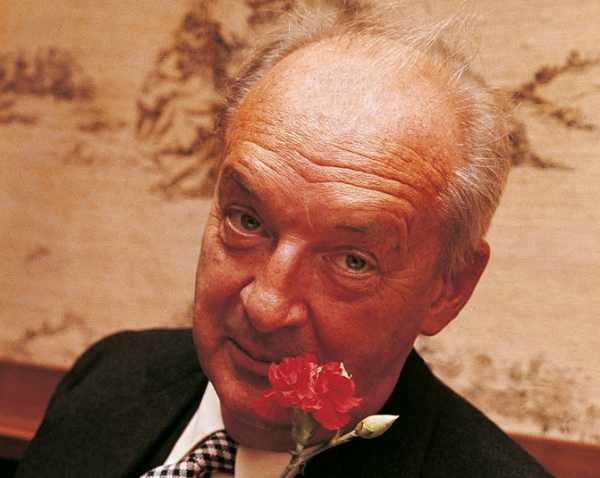
Image by Giuseppe Pino, via Wiki­me­dia Com­mons

There may be no more a despi­ca­ble yet ridicu­lous nar­ra­tor in twen­ti­eth cen­tu­ry fic­tion than the sleazy, con­de­scend­ing Hum­bert Hum­bert. And there may be no bet­ter name in twen­ti­eth cen­tu­ry fic­tion than Dolores Haze, Humbert’s 12-year-old step­daugh­ter and love inter­est, whom he calls, among oth­er things, his “nymphette,” Loli­ta.

Vladimir Nabokov’s tragi­com­ic 1955 nov­el Loli­ta still has the pow­er to shock, dis­gust, and elic­it wry laugh­ter from read­ers, with its satir­i­cal take on deca­dent old Europe and wise­crack­ing young Amer­i­ca. True to its mid-cen­tu­ry U.S. set­ting and sen­sa­tion­al­is­tic sub­ject mat­ter, the nov­el is packed not only with Humbert’s obses­sive­ly creepy descrip­tion and lay­ers of lit­er­ary allu­sion, but also with plen­ty of pulpy action, if we are to believe in the events Hum­bert nar­rates.

In the novel’s penul­ti­mate chap­ter, Hum­bert tracks down Clare Quilty, anoth­er preda­to­ry old­er man who takes advan­tage of Loli­ta. Hum­bert con­fronts, then kills Quilty (or so it seems). In the final chap­ter, Hum­bert  also dies, and we learn that the nov­el is in fact his mem­oir, willed only to be pub­lished after he and Loli­ta have died. In the audio clip at the top, hear Vladimir Nabokov him­self read from the cli­mac­tic chap­ter in which Hum­bert faces Quilty down, and direct­ly above, see the author read those first unfor­get­table lines: “Loli­ta, light of my life, fire of my loins. My sin, my soul. Lo-lee-ta.”

Find more record­ings of Nabokov read­ing his work here.

Note: You can down­load essen­tial works by Vladimir Nabokov as free audio­books (includ­ing Jere­my Irons read­ing Loli­ta) if you sign up for a free 30 Tri­al with Audi­ble. Find more infor­ma­tion on that pro­gram here.

Relat­ed Con­tent:

Vladimir Nabokov on Loli­ta: Just Anoth­er Great Love Sto­ry?

Vladimir Nabokov Talks About Life, Lit­er­a­ture & Love in a Metic­u­lous­ly Pre­pared Inter­view, 1969

Vladimir Nabokov Mar­vels Over Dif­fer­ent “Loli­ta” Book Cov­ers

Josh Jones is a writer and musi­cian based in Durham, NC. Fol­low him at @jdmagness

Van Gogh’s ‘Starry Night’ Re-Created by Astronomer with 100 Hubble Space Telescope Images

rsz_starrynight_hst001

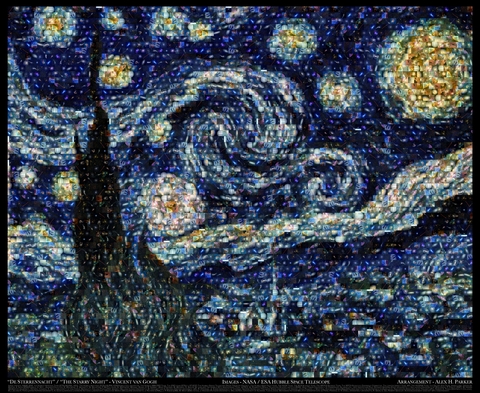
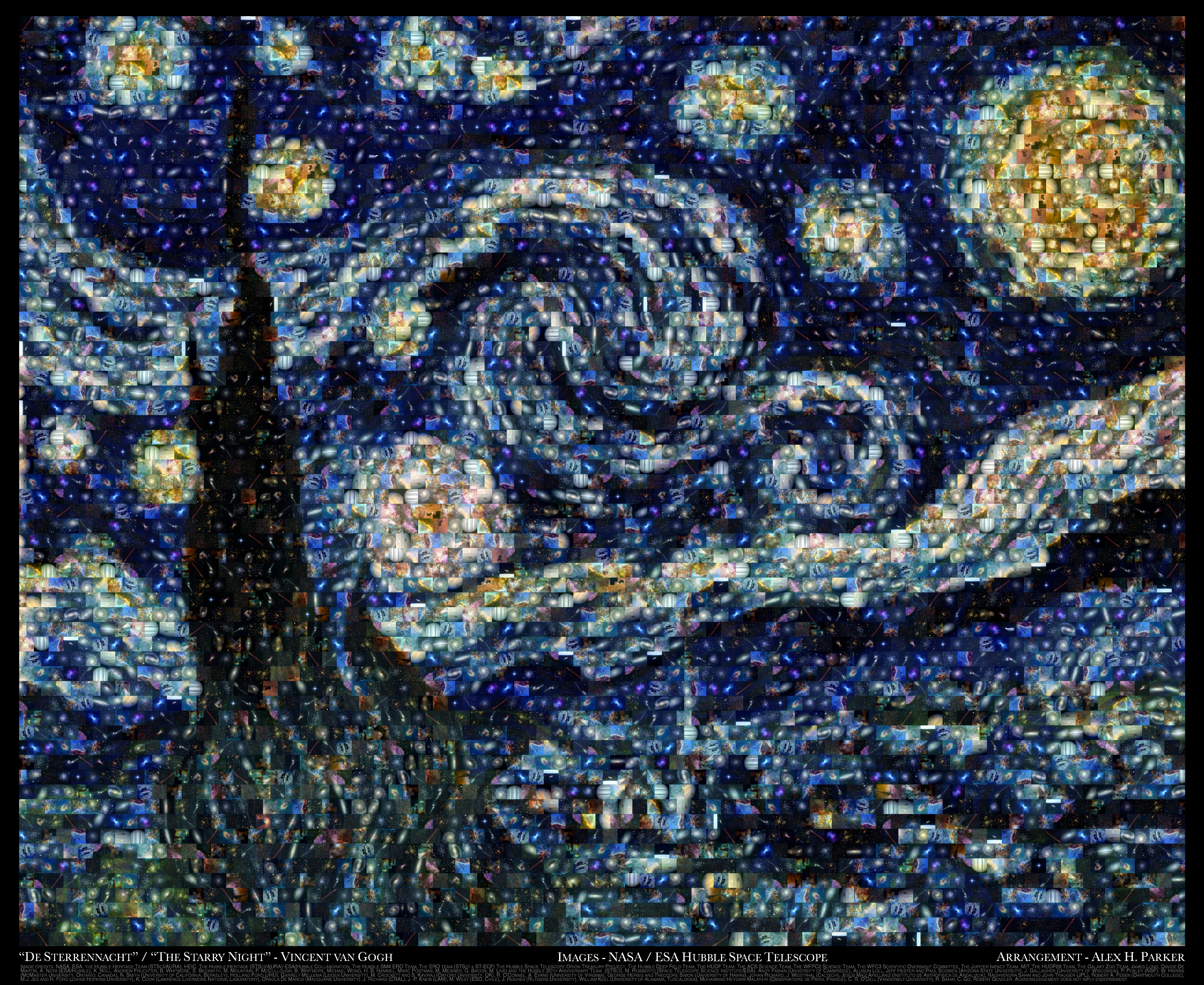
Last week, I trav­eled to New York City to gaze into The Star­ry Night. Obvi­ous­ly I’m not talk­ing about the skies above Man­hat­tan, not when my hotel was based in Times Square. No, I’m talk­ing about Vin­cent van Gogh’s post-impres­sion­ist mas­ter­piece that hangs in the MoMA on 53rd Street. Although van Gogh seem­ing­ly felt ambiva­lent about his 1889 paint­ing, many now con­sid­er it one of the most impor­tant works of art pro­duced in the 19th cen­tu­ry. And like any oth­er great paint­ing, it has become a fetishized object, some­times in ways that we can find endear­ing. Take this lit­tle project for exam­ple. Last year, Alex Park­er, a post-doc­tor­al fel­low at the Har­vard-Smith­son­ian Cen­ter for Astro­physics, cre­at­ed a mosa­ic of Star­ry Night using 100 Hub­ble pho­tos. He down­loaded the pho­tos from the Euro­pean Space Agency’s web­site, popped them into a free dig­i­tal art soft­ware pack­age called AndreaMo­sa­ic and, voila, pro­duced the image above. You can — and should — view it in a larg­er, high-res for­mat here.

H/T Robin and Wired

Relat­ed Con­tent:

Simon Schama Presents Van Gogh and the Begin­ning of Mod­ern Art

Per­pet­u­al Ocean: A Van Gogh-Like Visu­al­iza­tion of our Ocean Cur­rents

Van Gogh to Rothko in 30 Sec­onds


by | Permalink | Make a Comment ( 3 ) |

The Very Concise Suicide Note by Kodak Founder George Eastman: “My Work is Done. Why Wait?” (1932)

eastman suicide

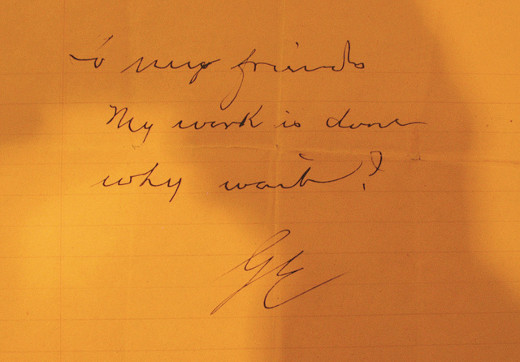
In 1932 George East­man, the 77 year old entre­pre­neur who estab­lished the East­man Kodak Com­pa­ny, pop­u­lar­ized the use of roll film, and brought pho­tog­ra­phy to the main­stream, found him­self in declin­ing health. Suf­fer­ing from lum­bar spinal steno­sis, a nar­row­ing of the spinal canal that can lead to con­sid­er­able back pain and dif­fi­cul­ty walk­ing, East­man was depressed and increas­ing­ly dis­abled. On March 14th, he com­mit­ted sui­cide by fir­ing a sin­gle gun­shot through his heart. An act as brief, and to the point, as the note he left behind. It read:

To my friends

My work is done

Why wait?

GE

If you would like to sign up for Open Culture’s free email newslet­ter, please find it here. It’s a great way to see our new posts, all bun­dled in one email, each day.

If you would like to sup­port the mis­sion of Open Cul­ture, con­sid­er mak­ing a dona­tion to our site. It’s hard to rely 100% on ads, and your con­tri­bu­tions will help us con­tin­ue pro­vid­ing the best free cul­tur­al and edu­ca­tion­al mate­ri­als to learn­ers every­where. You can con­tribute through Pay­Pal, Patre­on, and Ven­mo (@openculture). Thanks!

Relat­ed Con­tent:

How Film Was Made: A Kodak Nos­tal­gia Moment

Ear­ly Exper­i­ments in Col­or Film (1895–1935)

Anne Sex­ton, Con­fes­sion­al Poet, Reads “Want­i­ng to Die” in Omi­nous 1966 Video

by | Permalink | Make a Comment ( 8 ) |

« Go BackMore in this category... »
Quantcast