Read Hundreds of Free Sci-Fi Stories from Asimov, Lovecraft, Bradbury, Dick, Clarke & More

I-Mars-Bradbury

“We think audio is the best medi­um for Sci­ence Fic­tion lit­er­a­ture and dra­ma,” says the “About” page at SFFaudio.com. “We’re not against the dead tree, cath­ode ray, and cel­lu­loid ver­sions, we just know them to be the infe­ri­or medi­um for trans­mis­sion of sto­ry, mood, and ideas.” A strong posi­tion indeed, but one won­ders: what do they think of the dig­i­tal dis­play of text as a means of sci-fi con­veyance? They must har­bor more than a lit­tle love for it, giv­en that on their site, oth­er­wise a rich trove of the gen­re’s lit­er­a­ture and dra­ma in free audio form, they’ve also cul­ti­vat­ed a robust col­lec­tion of equal­ly free books and sto­ries avail­able as PDFs, many scanned straight from the orig­i­nal dead-tree mag­a­zines in which they first appeared. “The sto­ries list­ed below are, to the best of my research, all PUBLIC DOMAIN in the Unit­ed States,” writes the col­lec­tor in an intro­duc­tion to the long list, a quick scan of which reveals a who’s who of respect­ed names in sci­ence fic­tion from the mid-twen­ti­eth cen­tu­ry and ear­li­er, from Piers Antho­ny to John Wyn­d­ham.

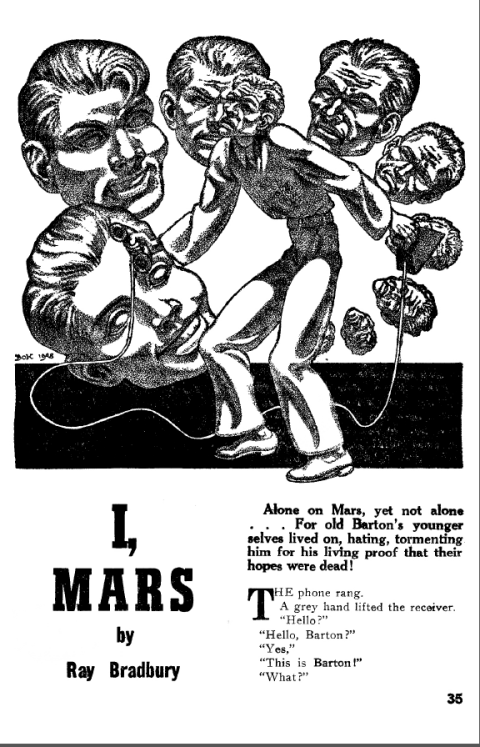
In between those two sci-fi emi­nences, you’ll also encounter a few pos­si­bly unex­pect­ed names, like Hen­ry James, Jack Lon­don, Guy de Mau­pas­sant — yes, the very same Hen­ry James, Jack Lon­don, and Guy de Mau­pas­sant, who seem to have used just enough of the adven­tur­ous and the super­nat­ur­al in their fic­tion to fit into the spir­it of the col­lec­tion, if not quite into the genre bound­aries. But even if you want to stick to sci-fi and sci-fi only, you’ll cer­tain­ly find plen­ty of the finest short­er-form work with which to treat your­self. Per­haps “I, Mars” by none oth­er than Mr. Mar­t­ian Chron­i­cles him­self, Ray Brad­bury? Alter­na­tive­ly, if you pre­fer the “hard­er” side of the tra­di­tion, behold the offer­ings from Foun­da­tion series author Isaac Asi­mov:

  • “The Joke­ster” |PDF| 15 pages
  • “Let’s Get Togeth­er” |PDF| 18 pages
  • “Liv­ing Space” |PDF| 15 pages
  • “Sil­ly Ass­es” |PDF| 2 pages

Or those from Arthur C. Clarke, he of Ren­dezvous with Rama and 2001: A Space Odyssey:

  • “The Deep Range” |PDF| 10 pages
  • “The Nine Bil­lion Names Of God” |PDF| 8 pages
  • “The Par­a­site” |PDF| 12 pages
  • “Sec­ond Dawn” |PDF| 24 pages
  • “The Star” |PDF| 9 pages
  • “The Stroke Of The Sun” |PDF| 8 pages
  • “A Walk In The Dark” |PDF| 8 pages

For anoth­er vin­tage entire­ly, see also their for­mi­da­ble line­up of over forty pieces from H.G. Wells, prog­en­i­tor of so much of what we think of as sci­ence fic­tion today, which includes “The Island of Dr. More­au,” “The War of the Worlds,” and “The Time Machine.” Just about as many of the sto­ries of H.P. Love­craft, a man with a now sim­i­lar­ly clas­sic body of work but one with an entire­ly dif­fer­ent sen­si­bil­i­ty alto­geth­er, also appear. You can sam­ple his spe­cial brand of the unspeak­able in tales like “The Shunned House,” “The Name­less City,” and “The Hor­ror at Red Hook.” Then there are the works of Philip K. Dick, many of which have been aggre­gat­ed in our col­lec­tion: 33 Great Sci-Fi Sto­ries by Philip K. Dick: Down­load as Free Audio Books & Free eBooks.

Relat­ed Con­tent:

100 Great Sci-Fi Sto­ries by Women Writ­ers (Read 20 for Free Online)

Free Sci­ence Fic­tion Clas­sics on the Web: Hux­ley, Orwell, Asi­mov, Gaiman & Beyond

Down­load 33 Great Sci-Fi Sto­ries by Philip K. Dick as Free Audio Books & Free eBooks

Free: Down­load 151 Sci-Fi & Fan­ta­sy Sto­ries from Tor.com

Col­in Mar­shall hosts and pro­duces Note­book on Cities and Cul­ture and writes essays on cities, lan­guage, Asia, and men’s style. He’s at work on a book about Los Ange­les, A Los Ange­les Primer. Fol­low him on Twit­ter at @colinmarshall or on Face­book.

The Science of Caffeine: The World’s Most Popular Drug

Here’s a quick shot of sci­ence to start your day. The Amer­i­can Chem­i­cal Soci­ety, an orga­ni­za­tion rep­re­sent­ing chemists across the US, has released the lat­est in a series of Reac­tions videos. Attempt­ing to explain the sci­ence of every­day things, pre­vi­ous Reac­tions videos have demys­ti­fied the chem­istry of Sriracha, LovePep­per and more. This lat­est video breaks down the world’s most wide­ly used stim­u­lant, caf­feine. If you haven’t had your morn­ing cup of cof­fee, you may need to watch this video twice.

On a side note, if you live in the San Fran­cis­co Bay Area, con­sid­er spend­ing Sat­ur­day, May 3rd at Stanford’s one-day cof­fee sym­po­sium. Orga­nized by Stan­ford Con­tin­u­ing Stud­ies, the sym­po­sium – Cof­fee: From Tree to Beans to Brew and Every­thing in Between â€“ will fea­ture guest speak­ers (his­to­ri­ans, sci­en­tists, the CEO of Blue Bot­tle Cof­fee, etc.) talk­ing about what goes into mak­ing this great bev­er­age of ours. Stu­dents will also have the oppor­tu­ni­ty to par­tic­i­pate in cof­fee tast­ing and eval­u­a­tion ses­sions. In full dis­clo­sure, I helped put the pro­gram togeth­er. It promis­es to be a great day. So I had to give a plug. You can learn more and sign up here.

by | Permalink | Make a Comment ( 1 ) |

Take Free Online Courses at Hogwarts: Charms, Potions, Defense Against the Dark Arts & More

free hogwarts courses

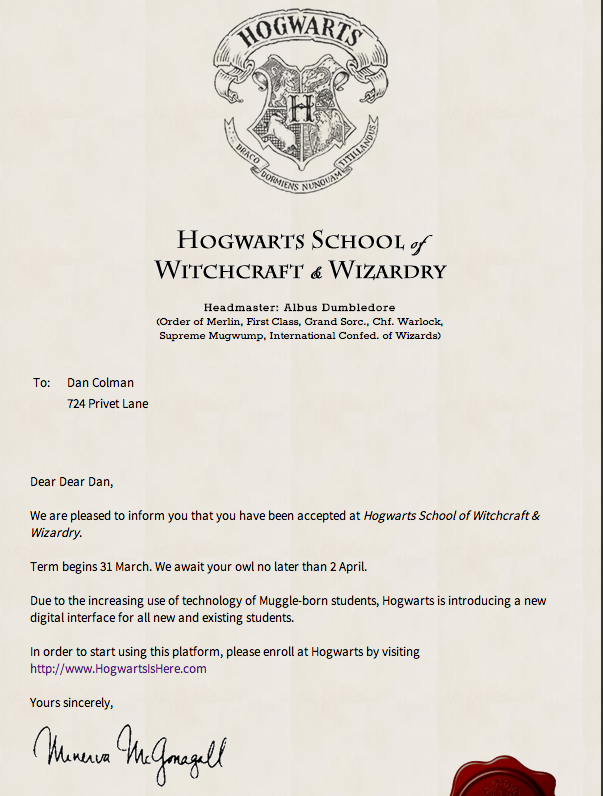
A group of ded­i­cat­ed Har­ry Pot­ter fans have cre­at­ed a new edu­ca­tion­al web­site called Hog­warts is Here. The site is free — you only have to spend fake Galleons on the site — and it lets users enroll at the Hog­warts School of Witch­craft and Wiz­ardry and work through a sev­en-year cur­ricu­lum, tak­ing the same cours­es that Har­ry, Ron and Hermione did in the great Har­ry Pot­ter series. The first year con­sists of cours­es that will sound famil­iar to any Har­ry Pot­ter read­er: Charms, Potions, Defense Against the Dark Arts, Astron­o­my, Her­bol­o­gy, His­to­ry of Mag­ic, and Trans­fig­u­ra­tion. The 9‑week online cours­es fea­ture home­work assign­ment and quizzes. Stu­dents can also read dig­i­tal text­books, such as A Stan­dard Book of Spells and A Begin­ner’s Guide to Trans­fig­u­ra­tion. We have yet to enroll in a course, so we would be curi­ous get your feed­back.

Fans of fan­ta­sy lit­er­a­ture will also want to check out the Tolkien cours­es list­ed in our col­lec­tion of 900 Free Online Cours­es. Also see this com­plete read­ing of The Chron­i­cles of Nar­nia by C.S. Lewis, found in our col­lec­tion of Free Audio Books.

by | Permalink | Make a Comment ( 67 ) |

Watch Film, Samuel Beckett’s Only Movie, Starring Buster Keaton

Fresh off the inter­na­tion­al suc­cess of his play Wait­ing For Godot, Samuel Beck­ett made a film, called apt­ly enough Film. It came out in 1965 and proved to be the only motion pic­ture the soon-to-be Nobel Prize win­ner would ever make. As you might expect, it is enig­mat­ic, bleak­ly fun­ny and very, very odd. You can check it out on YouTube.

The 17-minute silent short is essen­tial­ly a chase movie between the cam­era and the main char­ac­ter O  — as in object. Film opens with O cow­er­ing from the gaze of a cou­ple he pass­es on the street. Mean­while, the cam­era looms just behind his head. At his stark, typ­i­cal­ly Beck­ettesque flat, O cov­ers the mir­ror, throws his cat and his chi­huahua out­side and even trash­es a pic­ture — the only piece of dec­o­ra­tion in the flat — that seems to be star­ing back at him. Yet try as he might, O ulti­mate­ly can’t quite evade being observed by the gaze of the cam­era.

Bar­ney Ros­set, edi­tor of Grove Press, com­mis­sioned the movie and reg­u­lar Beck­ett col­lab­o­ra­tor Alan Schnei­der was tapped to direct. As Schnei­der recalled, the first draft of the screen­play was unortho­dox.

The script appeared in the spring of 1963 as a fair­ly baf­fling when not down­right inscrutable six-page out­line. Along with pages of adden­da in Sam’s inim­itable infor­mal style: explana­to­ry notes, a philo­soph­i­cal sup­ple­ment, mod­est pro­duc­tion sug­ges­tions, a series of hand-drawn dia­grams.

It took almost a year of dis­cus­sion to bring the movie’s themes and sto­ry into focus.

For the lead char­ac­ter Beck­ett want­ed to hire Char­lie Chap­lin until he was informed by an offi­cious sec­re­tary that Chap­lin doesn’t read scripts. Beck­ett then sug­gest­ed Buster Keaton. The play­wright was a long­time fan of the silent film leg­end. Keaton was even offered the role of Lucky on the orig­i­nal Amer­i­can pro­duc­tion of Godot, though the actor declined. This time around, though, Keaton signed on, even if he could­n’t make heads or tales of the script.

And he was­n’t the only one. Ever since it came out, crit­ics have been puz­zling what Film is real­ly about. Is it a state­ment on voyeurism in cin­e­ma? On human con­scious­ness? On death? Beck­ett gave his take on the movie to the New York­er: “It’s a movie about the per­ceiv­ing eye, about the per­ceived and the per­ceiv­er — two aspects of the same man. The per­ceiv­er desires like mad to per­ceive and the per­ceived tries des­per­ate­ly to hide. Then, in the end, one wins.”

Keaton him­self defined the movie even more suc­cinct­ly, “A man may keep away from every­body but he can’t get away from him­self.”

Relat­ed Con­tent:

Samuel Beck­ett Speaks

Samuel Beck­ett Directs His Absur­dist Play Wait­ing for Godot (1985)

Rare Audio: Samuel Beck­ett Reads Two Poems From His Nov­el Watt

Jonathan Crow is a Los Ange­les-based writer and film­mak­er whose work has appeared in Yahoo!, The Hol­ly­wood Reporter, and oth­er pub­li­ca­tions. You can fol­low him at @jonccrow.

Hear Patti Smith Read 12 Poems From Seventh Heaven, Her First Collection (1972)

So it’s Nation­al Poet­ry Month, and the Acad­e­my of Amer­i­can Poets rec­om­mends 30 Ways to Cel­e­brate, includ­ing some old stand­bys like mem­o­riz­ing a poem, read­ing a poem a day, and attend­ing a read­ing. All sen­si­ble, if some­what staid, sug­ges­tions (I myself have been re-read­ing all of Wal­lace Stevens’ work—make of that what you will). Here’s a sug­ges­tion that didn’t make the list: spend some time dig­ging the poet­ry of Pat­ti Smith.

A liv­ing breath­ing leg­end, Smith doesn’t appear in many aca­d­e­m­ic antholo­gies, and that’s just fine. What she offers are bridges from the Beats to the six­ties New York art scene to sev­en­ties punk poet­ry and beyond, with span­drels made from French sur­re­al­ist lean­ings and rock and roll obses­sions. A 1977 Oxford Lit­er­ary Review arti­cle apt­ly describes Smith in her hey­day:

In the late six­ties and ear­ly sev­en­ties Pat­ti Smith was a mem­ber of Warhol’s androg­y­nous beau­ties liv­ing under the flu­o­res­cent lights of New York City’s Chelsea Hotel…Her per­for­mances were sex­u­al bruis­ings with the spasms of Jag­ger and the off-key of Dylan. Her musi­cal poems often came from her poet­i­cal fan­tasies of Rim­baud.

Smith’s work is sen­su­al and wild­ly kinet­ic, as is her process, which she once described as “a real phys­i­cal act.”

When I’m home writ­ing on the type­writer, I go crazy
I move like a mon­key
I’ve wet myself, I’ve come in my pants writ­ing

Emi­ly Dick­en­son she ain’t, but Smith also has an abid­ing love and respect for her lit­er­ary fore­bears, whether now-almost-estab­lish­ment fig­ures like Vir­ginia Woolf or still-some­what-out­ré char­ac­ters like Antonin Artaud and Jean Genet.

Smith’s first pub­lished col­lec­tion of poet­ry, Sev­enth Heav­en, appeared in 1972 and includ­ed trib­utes to Edie Sedg­wick and Mar­i­anne Faith­full. She ded­i­cat­ed the book to gang­ster writer Mick­ey Spillane and Rolling Stones’ muse, and part­ner of both Bri­an Jones and Kei­th Richards, Ani­ta Pal­len­berg.

The book has not been reis­sued, and print copies are rare. Yet, as the afore-quot­ed arti­cle notes, Pat­ti Smith’s is an “oral poet­ics” that “uses much of her voice rhythms.” The line between her work as a punk singer and per­for­mance poet is ephemer­al, per­haps nonex­is­tent—Pat­ti Smith on the page is great, but Pat­ti Smith on stage is greater. Hear for your­self, above, in a 1972 record­ing of Smith read­ing twelve poems from her first col­lec­tion at St. Mark’s Church in New York City. She sounds almost exact­ly like Lin­da Manz from Ter­rence Malick’s Days of Heav­en, a street­wise kid with a roman­tic streak a mile wide.

Over three decades and many more pub­li­ca­tions lat­er, Smith is now a Nation­al Book Award win­ner and a con­sid­er­ably mel­low­er pres­ence, but she has nev­er strayed far from her roots. Above, see her at back at St. Marks in 2011, read­ing her poem “Oath,” first writ­ten in 1966, whose famous first line “Jesus died for somebody’s sins, but not mine” became the unfor­get­table open­ing to her equal­ly unfor­get­table “Glo­ria.” For con­trast, hear her read the same poem below, in 1973, over squalling gui­tar feed­back (and with the famous line begin­ning “Christ died…”). Clas­sic, clas­sic stuff.

See and hear many more of her read­ings on Youtube, and see this site for a par­tial Pat­ti Smith bib­li­og­ra­phy, pub­li­ca­tion his­to­ry, and select­ed archive of poems, essays, and reviews.

Smith’s read­ings of Sev­enth Heav­en will be added to our col­lec­tion of Free Audio Books.

via Fla­vor­wire

Relat­ed Con­tent:

Watch Pat­ti Smith Read from Vir­ginia Woolf, and Hear the Only Sur­viv­ing Record­ing of Woolf’s Voice

See Pat­ti Smith Give Two Dra­mat­ic Read­ings of Allen Ginsberg’s “Foot­note to Howl”

Pat­ti Smith Plays Songs by The Ramones, Rolling Stones, Lou Reed & More on CBGB’s Clos­ing Night (2006)

Pat­ti Smith Doc­u­men­tary Dream of Life Beau­ti­ful­ly Cap­tures the Author’s Life and Long Career (2008)

Josh Jones is a writer and musi­cian based in Durham, NC. Fol­low him at @jdmagness

Science & Cooking: Harvard’s Free Course on Making Cakes, Paella & Other Delicious Food

I can hard­ly think of a more appeal­ing nexus of the sci­ences, for most of us and for obvi­ous (and deli­cious) rea­sons, than food. Add a kind of engi­neer­ing to the mix, and you get the study of cook­ing. Back in 2012, we fea­tured the first few lec­tures from Har­vard Uni­ver­si­ty’s course Sci­ence and Cook­ing: From Haute Cui­sine to the Sci­ence of Soft Mat­terTheir col­lec­tion of rig­or­ous and enter­tain­ing pre­sen­ta­tions of that which we love to pre­pare and, even more so, to eat has since expand­ed to include one- to two-hour lec­tures deliv­ered by sharp pro­fes­sors in coop­er­a­tion with respect­ed chefs and oth­er food lumi­nar­ies on culi­nary sub­jects like the sci­ence of sweets (fea­tur­ing Flour Bak­ery’s Joanne Chang), how to do cut­ting-edge mod­ernist cui­sine at home (fea­tur­ing Nathan Myhrvold, who wrote an enor­mous book on it), and the rel­e­vance of microbes, mis­os, and olives (fea­tur­ing David Chang of Momo­fuku fame). You can watch all of the lec­tures, in order, with the playlist embed­ded at the top of this post.

Alter­na­tive­ly, you can pick and choose from the com­plete list of Har­vard’s Sci­ence and Cook­ing lec­tures on Youtube or on iTunes. Some get deep into the nat­ur­al work­ings of spe­cif­ic dish­es, ingre­di­ents and prepa­ra­tion meth­ods; oth­ers, like “The Sci­ence of Good Cook­ing” with a cou­ple of edi­tors from Cook’s Illus­trat­ed, take a broad­er view. That lec­ture and oth­ers will cer­tain­ly help build an intel­lec­tu­al frame­work for those of us who want to improve our cook­ing — and even those of us who can already cook decent­ly, or at least reli­ably fol­low a recipe — but can’t quite attain the next lev­el with­out under­stand­ing exact­ly what hap­pens when we flick on the heat. One school of thought holds that, to come off as rea­son­ably skilled in the kitchen, you need only mas­ter one or two show­case meals. When asked to cook some­thing, I, for instance, have tend­ed to make pael­la almost every time, almost out of sheer habit. But now that I’ve found RaĂĽl Bal­am Rus­calleda’s talk on the sci­ence of that tra­di­tion­al Span­ish dish, I can see that I must now, on sev­er­al lev­els, raise my game. View it below, and feel free to take notes along­side me. You can find Sci­ence and Cook­ing in our col­lec­tion of 900 Free Online Cours­es from Top Uni­ver­si­ties.

Relat­ed Con­tent:

Sci­ence & Cook­ing: Har­vard Profs Meet World-Class Chefs in Unique Online Course

MIT Teach­es You How to Speak Ital­ian & Cook Ital­ian Cui­sine All at Once (Free Online Course)

How Cook­ing Can Change Your Life: A Short Ani­mat­ed Film Fea­tur­ing the Wis­dom of Michael Pol­lan

Col­in Mar­shall hosts and pro­duces Note­book on Cities and Cul­ture and writes essays on cities, lan­guage, Asia, and men’s style. He’s at work on a book about Los Ange­les, A Los Ange­les Primer. Fol­low him on Twit­ter at @colinmarshall or on Face­book.

Oxford University Press Gives You Free Access to Books, Dictionaries & More During National Library Week

oup_logo

It’s Nation­al Library Week, and to cel­e­brate Oxford Uni­ver­si­ty Press is mak­ing many of its online resources free for users in the U.S. and Cana­da this week. Access will be open until the end of Sat­ur­day, the 19th. You will be able to read Oxford’s online dic­tio­nar­ies, online schol­ar­ly edi­tions, exten­sive ref­er­ence mate­ri­als, and the pop­u­lar series of Very Short Intro­duc­tions, which “offer con­cise intro­duc­tions to a diverse range of sub­ject areas from Cli­mate to Con­scious­nessGame The­o­ry to Ancient War­farePri­va­cy to Islam­ic His­to­ryEco­nom­ics to Lit­er­ary The­o­ry.” (To access the texts, type “library­week” as the user­name and pass­word in the Sub­scriber Login area. It appears halfway down the page, on the left.)

The open access peri­od excludes Oxford Uni­ver­si­ty Press schol­ar­ly jour­nals. This is unfor­tu­nate. As you prob­a­bly know, most of the research pub­lished by uni­ver­si­ty press­es resides behind pro­hib­i­tive pay­walls that make it dif­fi­cult for inde­pen­dent schol­ars and laypeo­ple to read cur­rent schol­ar­ship. It would be nice to see Oxford and oth­er press­es make such grace peri­ods more fre­quent and inclu­sive in the future. But for now, OUP’s open access week is a great way to entice non-pro­fes­sion­als into aca­d­e­m­ic schol­ar­ship and tem­porar­i­ly ease the bur­den on those with­out reg­u­lar access to their data­bas­es. Vis­it Oxford’s site and sign in with user­name and pass­word “library­week” to begin read­ing.

Relat­ed Con­tent:

The British Library Puts 1,000,000 Images into the Pub­lic Domain, Mak­ing Them Free to Reuse & Remix

Read All of Shakespeare’s Plays Free Online, Cour­tesy of the Fol­ger Shake­speare Library

Josh Jones is a writer and musi­cian based in Durham, NC. Fol­low him at @jdmagness

Read Hunter S. Thompson’s Fear and Loathing in Las Vegas, as It Was Originally Published in Rolling Stone (1971)

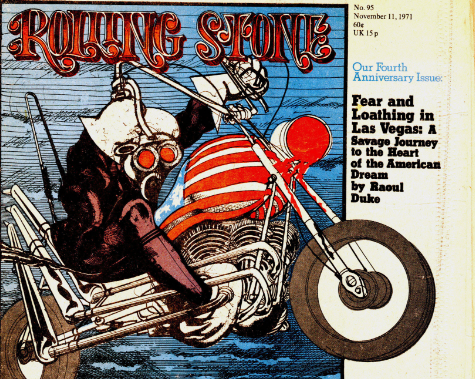
Last week, we revis­it­ed John­ny Dep­p’s read­ing of the famous “wave speech” from Hunter S. Thomp­son’s Fear and Loathing in Las Vegas. Would­n’t you know it, a week lat­er, we’ve dis­cov­ered that you can read the entire text of the orig­i­nal nov­el, online, for free.  The Gonzo jour­nal­ism clas­sic first appeared as a two-part series in Rolling Stone mag­a­zine in Novem­ber 1971, com­plete with illus­tra­tions from Ralph Stead­man, before being pub­lished as a book in 1972.  Rolling Stone has post­ed the orig­i­nal ver­sion on its web site. The 23,000 word man­u­script famous­ly begins:

We were some­where around Barstow on the edge of the desert when the drugs began to take hold. I remem­ber say­ing some­thing like “I feel a bit light­head­ed; maybe you should dri­ve. …” And sud­den­ly there was a ter­ri­ble roar all around us and the sky was full of what looked like huge bats, all swoop­ing and screech­ing and div­ing around the car, which was going about 100 miles an hour with the top down to Las Vegas. And a voice was scream­ing: “Holy Jesus! What are these god­damn ani­mals?”

Down the line, you can find this text per­ma­nent­ly list­ed in our col­lec­tion of Free eBooks, as well as in our List of 10 Free Arti­cles by Hunter S. Thomp­son That Span His Gonzo Jour­nal­ist Career (1965–2005). Enjoy.

via @SteveSilberman

If you would like to sign up for Open Culture’s free email newslet­ter, please find it here. It’s a great way to see our new posts, all bun­dled in one email, each day.

If you would like to sup­port the mis­sion of Open Cul­ture, con­sid­er mak­ing a dona­tion to our site. It’s hard to rely 100% on ads, and your con­tri­bu­tions will help us con­tin­ue pro­vid­ing the best free cul­tur­al and edu­ca­tion­al mate­ri­als to learn­ers every­where. You can con­tribute through Pay­Pal, Patre­on, and Ven­mo (@openculture). Thanks!

by | Permalink | Make a Comment ( 2 ) |

« Go BackMore in this category... »
Quantcast