The 10 Most Popular Courses on Coursera in 2017 (and 2,000 Courses You Can Take for Free in January, 2018)

Back in 2012, Cours­era start­ed offer­ing MOOCS (Mas­sive Open Online Cours­es) to the world at large. And they’ve since amassed some 28 mil­lion reg­is­tered users, a cat­a­logue of 2,000 cours­es, and reams of data about what peo­ple want to learn. In the wan­ing days of Decem­ber, Cours­era pub­lished a list of their 1o most pop­u­lar cours­es of 2017. (Find below, and enroll in any of these cours­es for free.) From this list, it drew some larg­er con­clu­sions about trends in edu­ca­tion and tech­nol­o­gy.

The list shows, writes Nikhil Sin­ha, Cours­er­a’s Chief Con­tent Offi­cer, that “cut­ting-edge tech skills con­tin­ue to be the most sought after in online edu­ca­tion.” Arti­fi­cial intelligence–encompassing Machine Learn­ingNeur­al Net­works and Deep Learn­ing–topped the list of cours­es. Mean­while “Blockchain has also burst onto the scene, putting Princeton’s Bit­coin and Cryp­tocur­ren­cy course at num­ber five on the list.” But, Sin­ha adds, it’s “not just tech­nol­o­gy skills that are trend­ing.” The “basic learn­ing and infor­ma­tion-reten­tion skills taught in our pop­u­lar Learn­ing How to Learn course are extreme­ly sought-after by peo­ple of all ages.” The same applies to the prob­lem-solv­ing skills taught by Stan­ford’s Intro­duc­tion to Math­e­mat­i­cal Think­ing.

You can review the Top 10 list below, and enroll in any of those reg­u­lar­ly-offered cours­es.

  1. Machine Learn­ing: A primer from Stan­ford Uni­ver­si­ty on get­ting com­put­ers to act with­out being explic­it­ly pro­grammed.
  2. Neur­al Net­works and Deep Learn­ing: Build­ing on the course above, this course will teach you to feed a com­put­er sys­tem a lot of data, which it can then use to make deci­sions about oth­er data.
  3. Learn­ing How to Learn: Pow­er­ful Men­tal Tools to Help You Mas­ter Tough Sub­jects: The most pop­u­lar MOOC ever, this course devel­oped by Dr. Bar­bara Oak­ley gives you access to the invalu­able learn­ing tech­niques used by experts in art, music, lit­er­a­ture, math, sci­ence, sports, and many oth­er dis­ci­plines.
  4. Intro­duc­tion to Math­e­mat­i­cal Think­ing: Stan­ford Uni­ver­si­ty will teach you a style of think­ing that will help you think out­side the box and solve real prob­lems in the every­day world.
  5. Bit­coin and Cryp­tocur­ren­cy Tech­nolo­gies: From Prince­ton Uni­ver­si­ty comes a course that explains what is spe­cial about Bit­coin, and how it works at a tech­ni­cal lev­el.
  6. Pro­gram­ming for Every­body (Get­ting Start­ed with Python): The Uni­ver­si­ty of Michi­gan offers a course every­one should take–a primer on the basics of pro­gram­ming com­put­ers, using Python.
  7. Algo­rithms, Part I: Prince­ton’s course cov­ers “essen­tial infor­ma­tion that every seri­ous pro­gram­mer needs to know about algo­rithms and data struc­tures, with empha­sis on appli­ca­tions and sci­en­tif­ic per­for­mance analy­sis of Java imple­men­ta­tions.”
  8. Eng­lish for Career Devel­op­ment: Cre­at­ed by the Uni­ver­si­ty of Penn­syl­va­nia, this course is for non-native Eng­lish speak­ers “inter­est­ed in advanc­ing their careers in the glob­al mar­ket­place.” Along the way, you’ll learn about the job search, appli­ca­tion, and inter­view process in the U.S., and also explore your own glob­al career path.
  9. Neur­al Net­works for Machine Learn­ing:  The Uni­ver­si­ty of Toron­to gives you the chance to “learn about arti­fi­cial neur­al net­works and how they’re being used for machine learn­ing, as applied to speech and object recog­ni­tion, image seg­men­ta­tion, mod­el­ing lan­guage and human motion, etc.”
  10. Finan­cial Mar­kets: Cre­at­ed by Yale’s Robert Shiller (win­ner of the Nobel Prize in Eco­nom­ics), this course offers an overview of the finan­cial mar­kets, which allow human soci­ety to man­age risks and fos­ter enter­prise. It includes an intro­duc­tion to risk man­age­ment and behav­ioral finance prin­ci­ples under­ly­ing the secu­ri­ties, insur­ance, and bank­ing indus­tries.

Note: Open Cul­ture has a part­ner­ship with Cours­era. If read­ers enroll in cer­tain Cours­era cours­es, it helps sup­port Open Cul­ture.

Relat­ed Con­tent:

Learn­ing How to Learn: The Most Pop­u­lar MOOC of All Time

New Deep Learn­ing Cours­es Released on Cours­era, with Hope of Teach­ing Mil­lions the Basics of Arti­fi­cial Intel­li­gence

Cours­era Part­ners with Lead­ing Uni­ver­si­ties to Offer Master’s Degrees at a More Afford­able Price

5,000+ Photographs by Minor White, One of the 20th Century’s Most Important Photographers, Now Digitized and Available Online

Barn + Corn (Vicin­i­ty of Dans­ville, New York), 1955. From The Minor White Archive, Prince­ton Uni­ver­si­ty Art.

When the pho­tog­ra­ph­er Minor White died in 1976, after a pro­lif­ic career and an epic jour­ney of a life, he left his archives to Prince­ton Uni­ver­si­ty. But it took about forty years before that insti­tu­tion could make the col­lec­tion tru­ly avail­able to the world in the form of the Minor White Archive online. He became “one of the most impor­tant pho­to­graph­ic artists of the twen­ti­eth cen­tu­ry” and “a key fig­ure in shap­ing a dis­tinct­ly mod­ern Amer­i­can pho­to­graph­ic style,” as the archive’s “About” page puts it, by cap­tur­ing the images of humans, land­scapes urban and rur­al, and even abstract sub­jects, all the while pur­su­ing new and ever more per­son­al ways to cap­ture them.

In his end­less search for inspi­ra­tions with which to refine his pho­to­graph­ic prac­tice, White seemed to turn down no poten­tial source. Not only did he put in time with such colos­sal pre­de­ces­sors in Amer­i­can pho­tog­ra­phy as Alfred Stieglitz, Edward West­on, and Ansel Adams (who taught him, among oth­er things, his reli­able “visu­al­iza­tion” tech­nique), he also drew deeply from less con­ven­tion­al wells: the I Ching, Zen med­i­ta­tion, mythol­o­gy, astrol­o­gy, Gestalt psy­chol­o­gy, and the mys­tic phi­los­o­phy of G. I. Gur­d­ji­eff (who also had an influ­ence on the com­ic per­sona of Bill Mur­ray).

“To some in the 1960s and ‘70s,” remem­bers one­time asso­ciate John Weiss, “Minor White was a deity. Every word was an invo­ca­tion. To oth­ers he was a self-pro­mot­er, a fraud, talk­ing non­sense.”

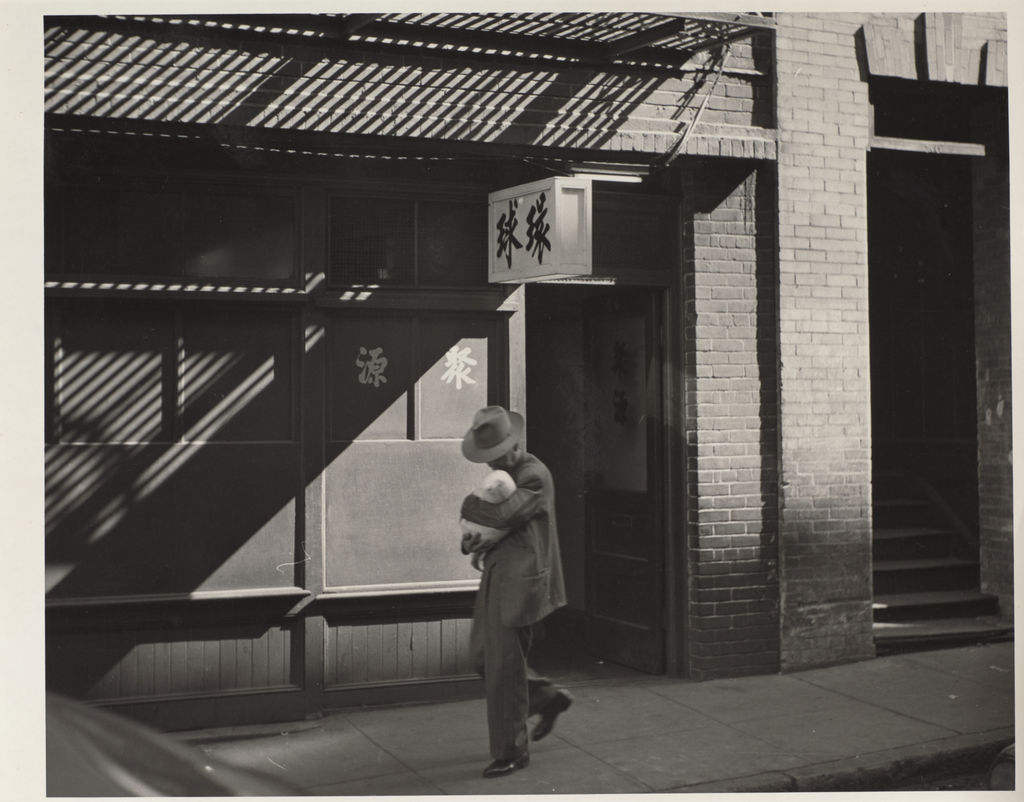
Chi­na­town 1953. From The Minor White Archive, Prince­ton Uni­ver­si­ty Art.

Either way, White was above all a pho­tog­ra­ph­er. Prince­ton’s dig­i­tal archive fea­tures more than 5,000 of his pho­tographs (and oth­er mate­ri­als like proof cards, con­tact sheets, and even jour­nals) free to view online.  It offers “a com­pre­hen­sive sur­vey of White’s career,” as Hyper­al­ler­gic’s Claire Voon writes, “from his ear­ly cap­tures of Port­land, Ore­gon in 1938 to his lat­est work in 1974 of por­traits and land­scapes tak­en around the US.” Have a look through the archive, start­ing at its search page and, once there, either enter­ing search terms or brows­ing by sub­ject or loca­tion, and you’ll see why, when it comes to Amer­i­can pho­to­graph­ic art, Minor was very much major.

via Hyper­al­ler­gic

Relat­ed Con­tent:

Dis­cov­er Ansel Adams’ 226 Pho­tos of U.S. Nation­al Parks (and Anoth­er Side of the Leg­endary Pho­tog­ra­ph­er)

Ansel Adams, Dorothea Lange, Clem Albers & Fran­cis Stewart’s Cen­sored Pho­tographs of a WWII Japan­ese Intern­ment Camp

Alfred Stieglitz: The Elo­quent Eye, a Reveal­ing Look at “The Father of Mod­ern Pho­tog­ra­phy”

Yale Launch­es an Archive of 170,000 Pho­tographs Doc­u­ment­ing the Great Depres­sion

200,000 Pho­tos from the George East­man Muse­um, the World’s Old­est Pho­tog­ra­phy Col­lec­tion, Now Avail­able Online

Based in Seoul, Col­in Mar­shall writes and broad­casts on cities and cul­ture. His projects include the book The State­less City: a Walk through 21st-Cen­tu­ry Los Ange­les and the video series The City in Cin­e­ma. Fol­low him on Twit­ter at @colinmarshall or on Face­book.

1,600 Rare Color Photographs Depict Life in the U.S During the Great Depression & World War II

The title of Walk­er Evans and James Agee’s extra­or­di­nary work of lit­er­ary pho­to­jour­nal­ism, Let Us Now Praise Famous Men, may have lost some of its iron­ic edge with sub­se­quent acclaim and the fame of its writer and pho­tog­ra­ph­er. First begun in 1936 as a project doc­u­ment­ing the large­ly invis­i­ble lives of white share­crop­ping fam­i­lies in rur­al Alaba­ma, when the book appeared in print in 1941 it only sold about 600 copies. But over time, writes Mal­colm Jones at Dai­ly Beast, “it has estab­lished itself as a unique and endur­ing mashup of report­ing, con­fes­sion, and orac­u­lar prose.” As essen­tial as Agee’s doc­u­men­tary prose poet­ics is to the book’s appeal, Evans’ pho­tographs, like those of his many Depres­sion-era con­tem­po­raries, have served as mod­els for gen­er­a­tions of pho­tog­ra­phers in decades hence.

Evans “pho­tographs are not illus­tra­tive,” wrote Agee in the Pref­ace. “They, and the text, are coequal, mutu­al­ly inde­pen­dent, and ful­ly col­lab­o­ra­tive.” If “the text was writ­ten with read­ing aloud in mind,” and Agee want­ed us to hear, not sim­ply see the lan­guage, per­haps we are also meant to see the indi­vid­u­als Evans cap­tured, rather than just gaze at weath­ered faces and bat­tered cloth­ing, and view their bear­ers col­lec­tive­ly as for­lorn objects of pity.

More­over, we shouldn’t look at these indi­vid­u­als only as mem­bers of a par­tic­u­lar nation­al group. In the book’s first para­graph, Agee writes:

The world is our home. It is also the home of many, many oth­er chil­dren, some of whom live in far-away lands. They are our world broth­ers and sis­ters….

We are meant to see the sub­jects of Evans’ pho­tographs and Agee’s exquis­ite descrip­tions as dis­tinc­tive parts who make up the whole of humanity—or, more pre­cise­ly, the world’s labor­ing peo­ple. Agee opens with a famous epi­graph from The Com­mu­nist Man­i­festo: “Work­ers of the world, unite and fight. You have noth­ing to lose but your chains, and a world to win.” (With a can­ny qual­i­fy­ing foot­note explain­ing these words and their author as poten­tial­ly “the prop­er­ty of any polit­i­cal par­ty, faith, or fac­tion”).

Sev­er­al pho­tog­ra­phers employed, like Evans, by the Farm Secu­ri­ty Admin­is­tra­tion dur­ing the Great Depres­sion shared these sen­si­bil­i­ties. The sym­pa­thies of Dorothea Lange, for exam­ple, lay with work­ing peo­ple, not with the noblesse oblige of mid­dle-class audi­ences who might sup­port relief efforts but who had lit­tle desire to min­gle with the great Amer­i­can unwashed. Many viewers—disconnected from rur­al life—stared at the pho­tographs, writes Car­rie Melis­sa Jones, “in issues of the now-defunct Life mag­a­zine, Time, For­tune, Forbes, and more,” and “took a pater­nal­is­tic view of the south, ask­ing: ‘How do we save them from them­selves?’”

Can view­ers of Depres­sion-era pho­tographs today put aside their implic­it or explic­it sense of moral supe­ri­or­i­ty? Per­haps see­ing pho­tos of the era in col­or brings their sub­jects more imme­di­a­cy and vivid­ness, and you can see them by the hun­dreds at the Library of Congress’s online col­lec­tion of work com­mis­sioned by the fed­er­al gov­ern­ment dur­ing the Depres­sion and World War II. Evans him­self may have thought col­or pho­tog­ra­phy “gar­ish” and “vul­gar,” Jor­dan G. Teich­er notes at Slate (though Evans began tak­ing his own col­or images in 1946). But con­tem­po­raries like Rus­sell Lee, Mar­i­on Post Wol­cott, Jack Delano, and John Vachon proved him wrong.

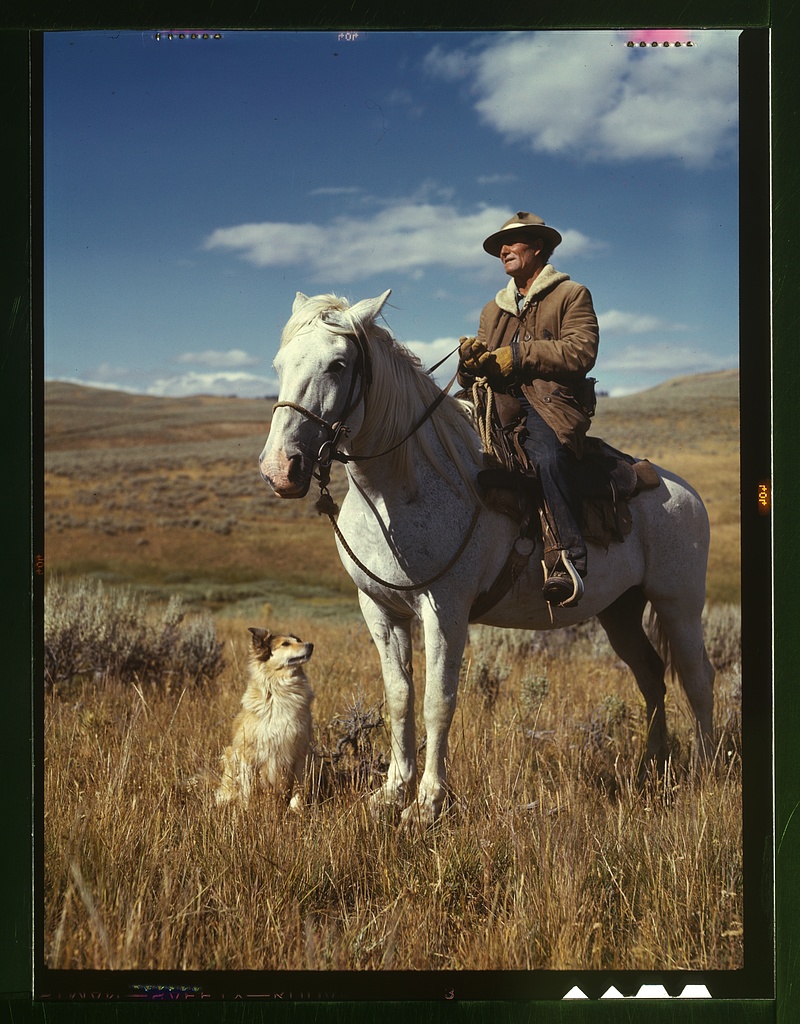
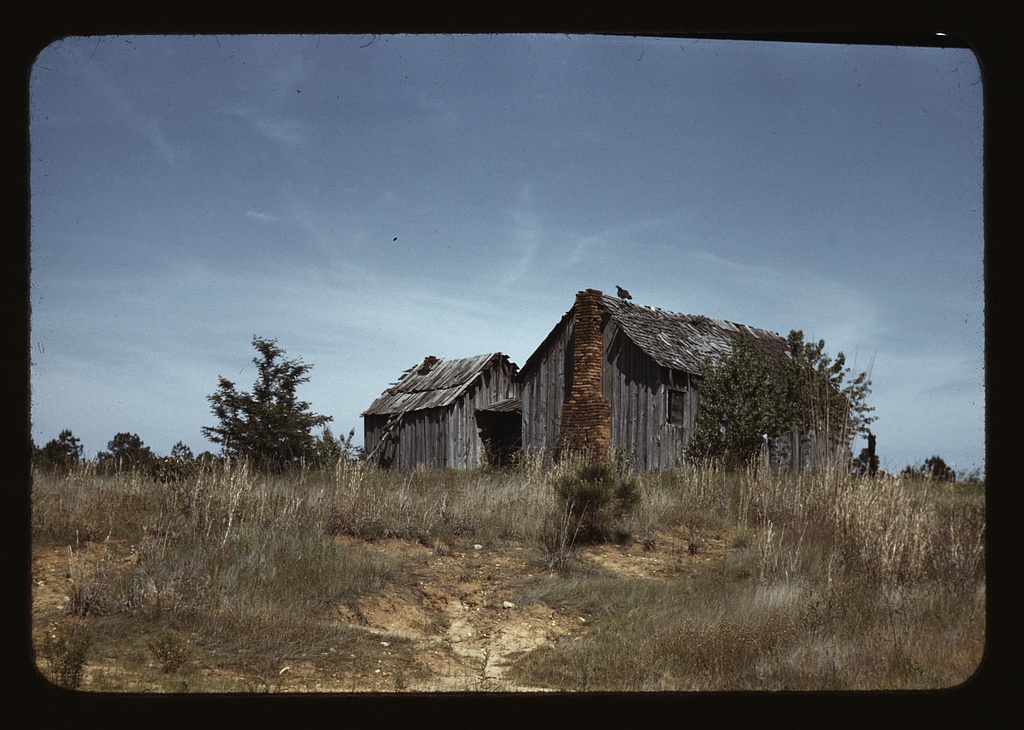
At the top of the post, see two pho­tos from Lee—of two home­stead­ers in New Mex­i­co (1940) and a shep­herd with his horse and dog in Mon­tana (1942). Beneath that, we have Wolcott’s strik­ing pho­to of a rur­al cab­in some­where “in South­ern U.S.,” cir­ca 1940. Fur­ther up, see Delano’s image of share­crop­pers chop­ping cot­ton in White Plains, Geor­gia (1941), which resem­bles the hero­ic fig­ures in a Diego Rivera mur­al. And just above we have John Vachon’s image of rur­al school chil­dren in San Augus­tine Coun­ty, Texas (1943). As we scan these faces and places, we might con­sid­er again Agee’s pref­ace: “The gov­ern­ing instrument—which is also one of the cen­ters of the subject—is indi­vid­ual, anti-author­i­ta­tive human con­scious­ness.” His instruc­tions invite us to both empa­thy for each per­son we see and to broad human sym­pa­thy for all of them.

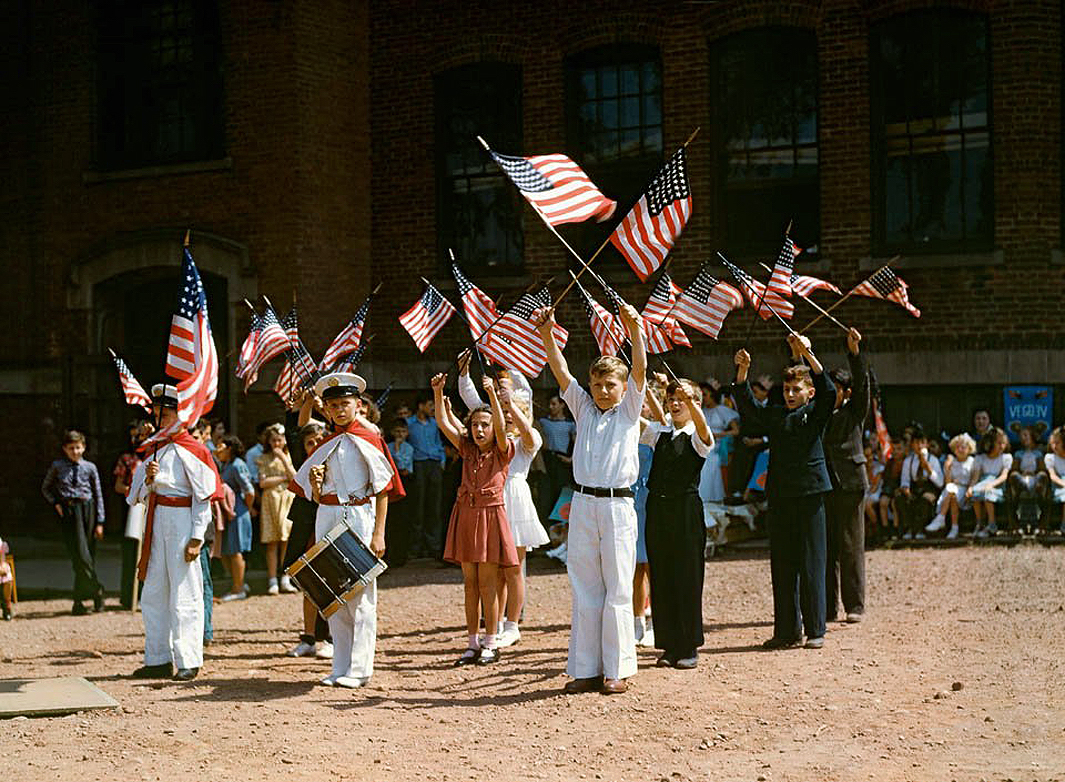
Once the U.S. entered the war, many Farm Secu­ri­ty Admin­is­tra­tion pho­tog­ra­phers were reas­signed to make pro­pa­gan­da for the Office of War Infor­ma­tion (and a few, like Lange, also received com­mis­sions to pho­to­graph the Japan­ese Intern­ment Camps). The nature of doc­u­men­tary pho­tog­ra­phy began to change, large­ly reflect­ing small town Amer­i­can indus­tri­ous­ness and civic pride, rather than rur­al des­per­a­tion and strug­gle. Images like Fen­no Jacobs’ patri­ot­ic demon­stra­tion in Southing­ton Con­necti­cut (1942) above, are typ­i­cal. Quaint rows of hous­es and store­fronts dom­i­nate dur­ing the war years. We also find inter­est­ing images like that of the woman below work­ing on a “Vengeance” dive bomber in Ten­nessee, tak­en by Alfred T. Palmer in 1943. Aside from the dat­ed cloth­ing and machin­ery, her pho­to­graph seems as fresh and com­pelling as the day it first appeared.

“In col­or,” writes Emory University’s Jesse Karls­berg, “these images present them­selves as rel­e­vant to the present, rather than con­signed to the past. By dis­play­ing the prob­lems they depict—such as seg­re­ga­tion, pover­ty, and envi­ron­men­tal degradation—in a con­tem­po­rary form, the images imply that such prob­lems may con­tin­ue to be crit­i­cal today.” They are indeed crit­i­cal today. And may become even more so. And one hopes that writ­ers, pho­tog­ra­phers, and artists, though they will not do so under the aegis of New Deal agen­cies, can find ways to doc­u­ment what is hap­pen­ing as they did decades ago. Such work car­ries glob­al sig­nif­i­cance. And, as a recent Taschen book that col­lects New Deal pho­tog­ra­phy from 1935 to 1943 describes it, pho­tographs like those you see here “intro­duced Amer­i­ca to Amer­i­cans.” They also intro­duced Americans—who have been as divid­ed in the past as they are today—to each oth­er.

Relat­ed Con­tent:

Found: Lost Great Depres­sion Pho­tos Cap­tur­ing Hard Times on Farms, and in Town

Ansel Adams, Dorothea Lange, Clem Albers & Fran­cis Stewart’s Cen­sored Pho­tographs of a WWII Japan­ese Intern­ment Camp

Yale Launch­es an Archive of 170,000 Pho­tographs Doc­u­ment­ing the Great Depres­sion

Josh Jones is a writer and musi­cian based in Durham, NC. Fol­low him at @jdmagness

The David Bowie Book Club Gets Launched by His Son: Read One of Bowie’s 100 Favorite Books Every Month


Cast as the star of 1976’s The Man Who Fell to Earth, David Bowie trav­eled to New Mex­i­co for the shoot, meet­ing with direc­tor Nico­las Roeg soon upon arrival. “I took with me hun­dreds and hun­dreds of books,” Bowie said to The Face mag­a­zine a few years lat­er. “And I had these cab­i­nets” — a mod­ern­ized Jacobean trav­el­ing library — “and they were rather like the box­es that ampli­fiers get packed up in, and I was going through all these books and they were pour­ing out all over the floor — there were just moun­tains of books. And Nick was sit­ting there watch­ing me and he said, ‘Your great prob­lem, David, is that you don’t read enough.’ ”

Due to Bowie’s hyper-seri­ous state of mind in those days, he went on to recall, “it did­n’t occur to me at the time that it was a joke.” Though he changed his ways of think­ing and even dropped the trav­el­ing library, Bowie seems to have main­tained his for­mi­da­ble read­ing habits for the rest of his life. (In 1987, he even posed for one of the Amer­i­can Library Asso­ci­a­tion’s “READ” posters.) A few years ago we fea­tured his Top 100 Book List, whose vari­ety encom­pass­es every­thing from The Out­sider to Sex­u­al Per­son­ae to A Con­fed­er­a­cy of Dunces.

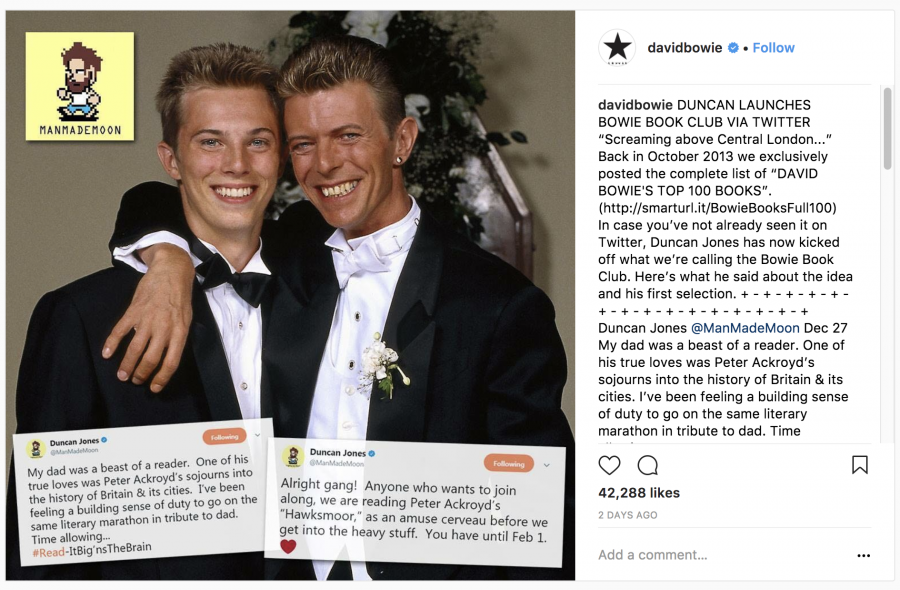
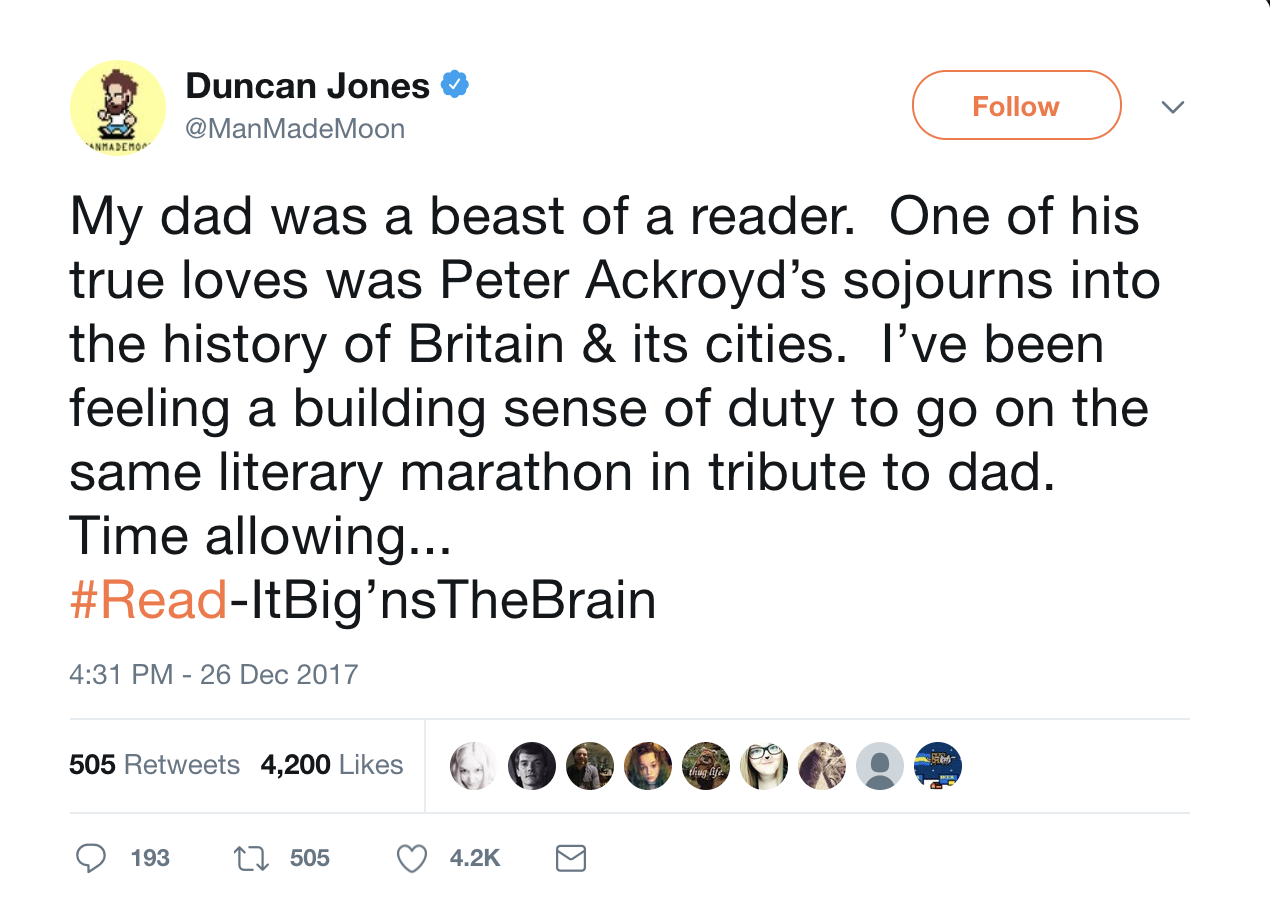
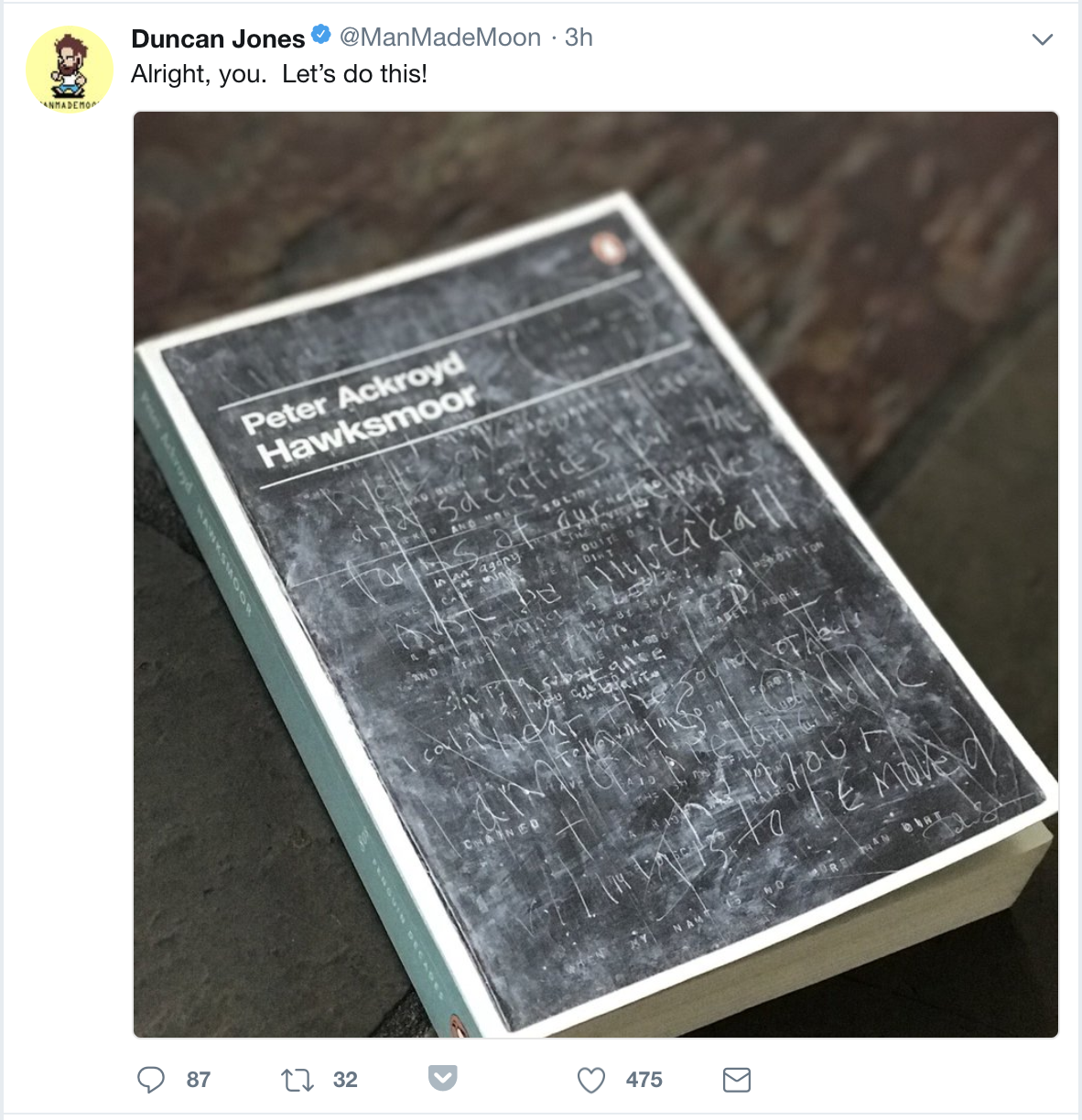
“My dad was a beast of a read­er,” Bowie’s son Dun­can Jones, an avid Twit­ter user, tweet­ed last week. “One of his true loves was Peter Ackroyd’s sojourns into the his­to­ry of Britain & its cities. I’ve been feel­ing a build­ing sense of duty to go on the same lit­er­ary marathon in trib­ute to dad.” And so Jones’ infor­mal David Bowie book club begins with Ack­roy­d’s 1985 post­mod­ern nov­el Hawksmoor, which tells the par­al­lel sto­ries of an ear­ly 18th-cen­tu­ry Lon­don archi­tect and a late 20th-cen­tu­ry Lon­don detec­tive and which Joyce Car­ol Oates called “a wit­ty and macabre work of the imag­i­na­tion, intri­cate­ly plot­ted, obses­sive in its much-reit­er­at­ed con­cerns with mankind’s fall­en nature.”

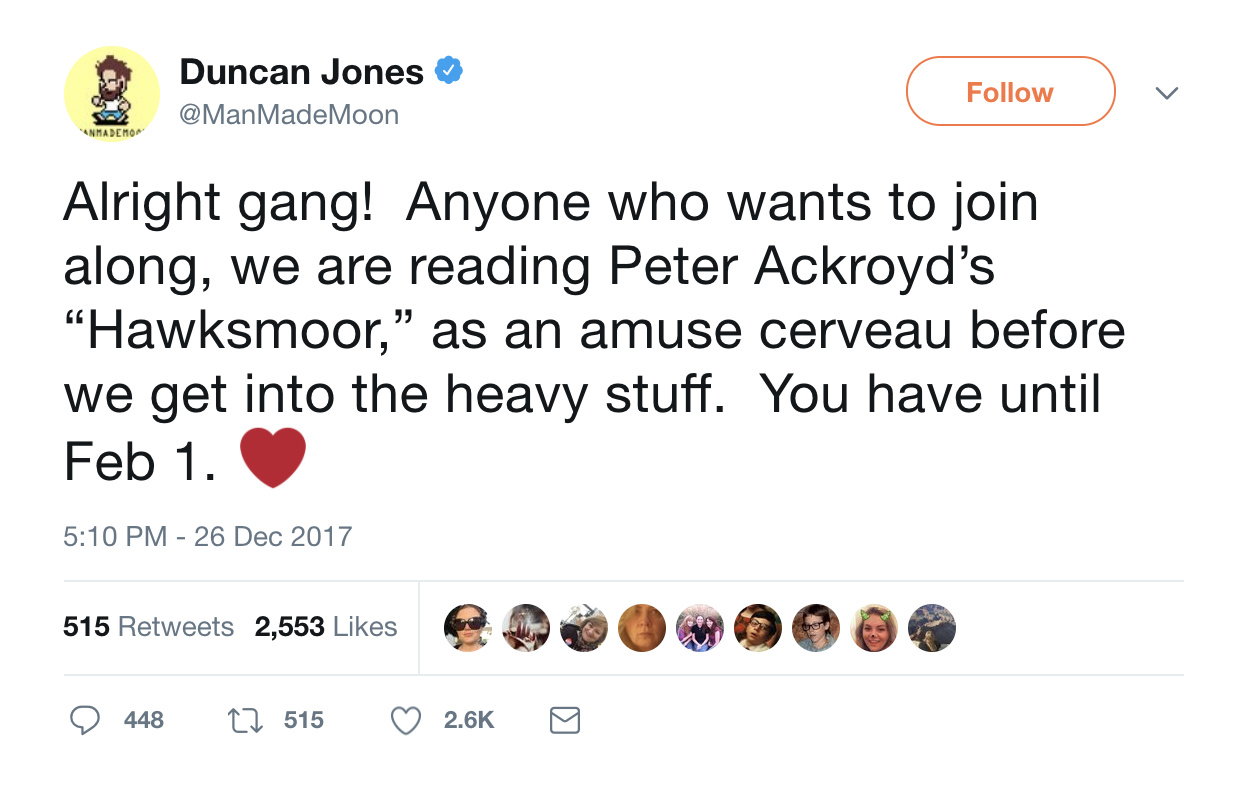
Jones calls the book “an amuse cerveau before we get into the heavy stuff,” the “heavy stuff” pre­sum­ably includ­ing oth­er such Bowie picks as White NoiseA Clock­work Orange and Last Exit to Brook­lyn. If you’d like to par­tic­i­pate in the Jones-led dis­cus­sion of Hawksmoor on his Twit­ter page, you’ve got until the first of Feb­ru­ary to get it read. If you feel like you don’t read enough, con­sid­er this the Bowiest pos­si­ble way to ful­fill a new year’s res­o­lu­tion to do more of it.

Note: Sep­a­rate­ly you can also check out The Bowie Book Club Pod­cast where two friends spend a month read­ing a book on Bowie’s list. Find those episodes here.

Relat­ed Con­tent:

David Bowie’s Top 100 Books

David Bowie Urges Kids to READ in a 1987 Poster Spon­sored by the Amer­i­can Library Asso­ci­a­tion

Bri­an Eno Lists 20 Books for Rebuild­ing Civ­i­liza­tion & 59 Books For Build­ing Your Intel­lec­tu­al World

Dis­cov­er the Jacobean Trav­el­ing Library: The 17th Cen­tu­ry Pre­cur­sor to the Kin­dle

Based in Seoul, Col­in Mar­shall writes and broad­casts on cities and cul­ture. His projects include the book The State­less City: a Walk through 21st-Cen­tu­ry Los Ange­les and the video series The City in Cin­e­ma. Fol­low him on Twit­ter at @colinmarshall or on Face­book.

Ian McKellen Recites Shakespeare’s Sonnet 20, Backed by Garage Rock Band, the Fleshtones, on Andy Warhol’s MTV Variety Show (1987)

80s revival­ism can be done bad­ly and it can be done well. Those old enough to remem­ber the decade seem best placed to recre­ate it, but the suc­cess of Stranger Things offers an excel­lent coun­terex­am­ple. The mil­len­ni­al Duf­fer broth­ers did a mar­velous job of con­jur­ing the look and feel of mid-80s mise-en-scène by stitch­ing togeth­er close view­ings of a dozen or so films—from the mas­sive­ly pop­u­lar E.T. to more obscure flicks like made-for-TV Mazes and Mon­sters (not to men­tion such pre­cious archival footage as this.)

When it comes to music how­ev­er, 80s retro tends to con­fine them­selves to ear­ly hip and hop and elec­tro, the syn­th­pop of Gary Numan and Duran Duran or the cheesy hair met­al of Möt­ley Crüe. But this lens miss­es the sig­nif­i­cant 60s revival­ism that emerged at the time. Garage, surf, and psych rock and the jan­g­ly sounds of The Byrds inspired R.E.M., the B52s, the Replace­ments, the House of Love, and the Flesh­tones, a much less­er-known NYC band who may nev­er have got­ten their com­mer­cial due, but who cer­tain­ly appealed to 60s art star Andy Warhol.

When Warhol remade him­self as a TV per­son­al­i­ty in the 80s with his MTV vari­ety show Andy Warhol’s 15 Min­utes he cast the Flesh­tones as the back­ing band for ris­ing the­ater and film star Ian McK­ellen, a match-up that rep­re­sents anoth­er hall­mark of 80s pop culture—the post­mod­ern jux­ta­po­si­tion of gen­res, styles, and reg­is­ters which Warhol helped pio­neer 20 years ear­li­er when he brought kitschy silk-screened soup cans, sexy street hus­tlers, and the Vel­vet Under­ground into the art scene.

Warhol’s tele­vi­sion work turned this impulse into a mul­ti­me­dia cir­cus fea­tur­ing “The high and the low. The rich and the famous. The strug­gling artists and the ris­ing stars,” as Warhol Muse­um cura­tor Ger­a­lyn Hux­ley puts it. In this par­tic­u­lar­ly fit­ting exam­ple, McK­ellen and the Flesh­tones bring Shake­speare’s racy Son­net 20 to young, hip MTV audi­ences in 1987. L.A. Week­ly lists a few of the “cool points” from the clip:

  • A young, hot, already insane­ly tal­ent­ed Ian McK­ellen
  • Wear­ing awe­some New Wave fash­ions
  • At Andy Warhol’s Fac­to­ry in 1987
  • Backed by cult group the Flesh­tones
  • Recit­ing a Shake­speare Son­net

What’s not to love? Start your 2018 with some Shake­speare-meets-garage-rock cool­ness from 31 years ago—and revis­it more of Warhol’s MTV vari­ety show at our pre­vi­ous post. For seri­ous stu­dents of the decade, this is essen­tial view­ing.

Relat­ed Con­tent:

Andy Warhol’s 15 Min­utes: Dis­cov­er the Post­mod­ern MTV Vari­ety Show That Made Warhol a Star in the Tele­vi­sion Age (1985–87)

Ian McK­ellen Reads a Pas­sion­ate Speech by William Shake­speare, Writ­ten in Defense of Immi­grants

Pink Floyd’s David Gilmour Sings Shakespeare’s Son­net 18

Josh Jones is a writer and musi­cian based in Durham, NC. Fol­low him at @jdmagness

How to “Hijack” Amazon Prime for Good: Short Video Shows How Prime & Other Instant Delivery Services Can Easily Help the Homeless

Today, it’s 18 degrees in New York City, 4 degrees in Chica­go, and 13 degrees in Boston. It’s damn cold, espe­cial­ly for the home­less.

Keep this in mind as you watch Rob Bliss’ short video above. In a poignant video, he points out how ser­vices offer­ing the imme­di­ate deliv­ery of prod­ucts and ser­vices could eas­i­ly help the home­less. While he uses Ama­zon Prime as an exam­ple, the same idea could be extend­ed to ser­vices like Door­Dash, Grub­Hub, and UberEats (which is appar­ent­ly now out­grow­ing the taxi busi­ness in some cities).

via Swiss Miss

If you would like to sign up for Open Culture’s free email newslet­ter, please find it here. It’s a great way to see our new posts, all bun­dled in one email, each day.

If you would like to sup­port the mis­sion of Open Cul­ture, con­sid­er mak­ing a dona­tion to our site. It’s hard to rely 100% on ads, and your con­tri­bu­tions will help us con­tin­ue pro­vid­ing the best free cul­tur­al and edu­ca­tion­al mate­ri­als to learn­ers every­where. You can con­tribute through Pay­Pal, Patre­on, and Ven­mo (@openculture). Thanks!

by | Permalink | Make a Comment ( 5 ) |

« Go Back
Quantcast