Bon Appétit takes you to the homes of 13 professional chefs, each cooking pasta with whatever they happen to have on hand. In the next half hour, you may pick up a few handy tips.
Chefs featured include: Claire Saffitz, Brad Leone, Chris Morocco, Gaby Melian, Andy Baraghani, Sohla El-Waylly, Amiel Stanek, Alex Delany, Carla Lalli Music, Priya Krishna, Rick Martinez, Christina Chaey and Molly Baz.
“Who is Banksy?” asked an Artnet roundup of possible suspects in 2016. One might well respond, “who cares?”—a rhetorical question Artnet’s Henri Neuendorf answers. At least a few years ago, before some other things got seriously out of hand, the identity of the notorious guerilla street artist turned international man of mystery was “an obsession that seems to have gripped the world.”
One answer, assessed by curator and street art expert Carlo McCormick, was arrived at through the use of geographic profiling, a “sophisticated statistical analysis technique used in criminology to locate repeat offenders.” McCormick rates its conclusion as probable, but also finds it “scary” to bend such methods to such ends, an anxiety resonant with concerns over surveillance tech used to track COVID-19 vectors.
Another question is whether it matters who Banksy is. “The improbably ornate fiction is always going to be more compelling than the simple mundane truth.” Do we really need to ruin the illusion? If those who want to remain anonymous can be tracked with algorithms—while the rest of us volunteer our personal data daily in a culture of competitive oversharing—is there any room left for privacy? Now that we’re trapped inside for days on end with families, roommates, partners, pets, maybe our only personal space is in the loo (where we’re still inclined to bring our phones).
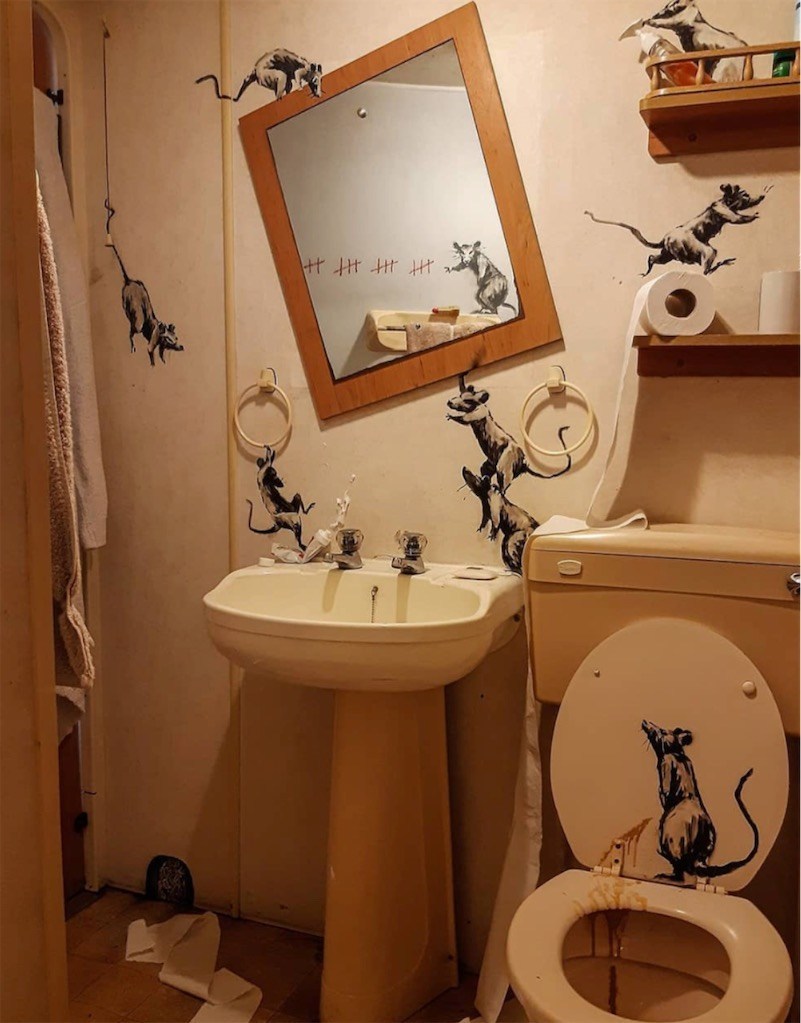
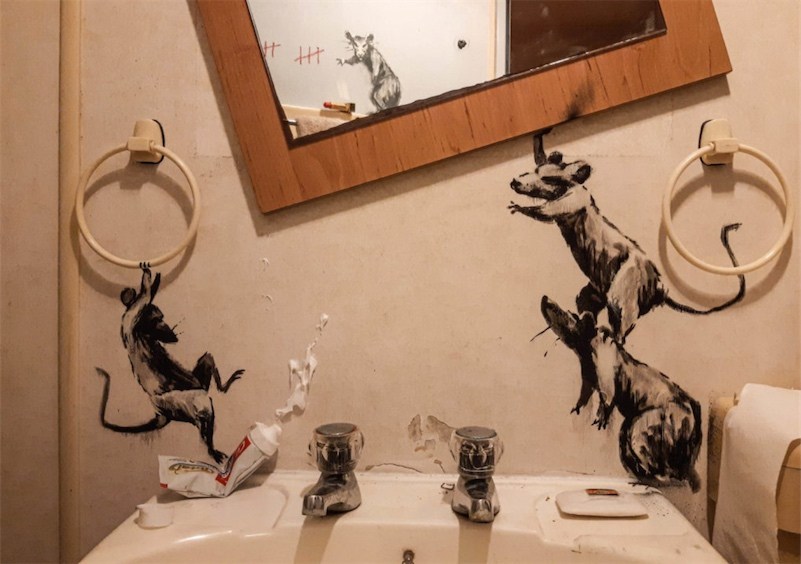
Banksy’s latest work, posted on Instagram, plays with all of these themes and shows he doesn’t have a problem defacing his own property, and sharing an intimate portrait with his millions of followers. Hell, it’s almost a selfie, minus the preening, duck-faced self.
The notoriously elusive street artist Banksy debuted his latest work in a rather peculiar place: his bathroom. With much of the world on lockdown due to the COVID-19 crisis, artists like Banksy have been forced to get innovative with their artistic practices. The artist posted photos of the new artwork on his Instagram page yesterday with the caption: “My wife hates it when I work from home.”
Is this really Banksy working from home? (“One particularly baffled commenter,” notes Hyperallergic, “wrote: ‘You are one of the world’s most famous artists… and THAT’S YOUR shitty little BATHROOM????’”)
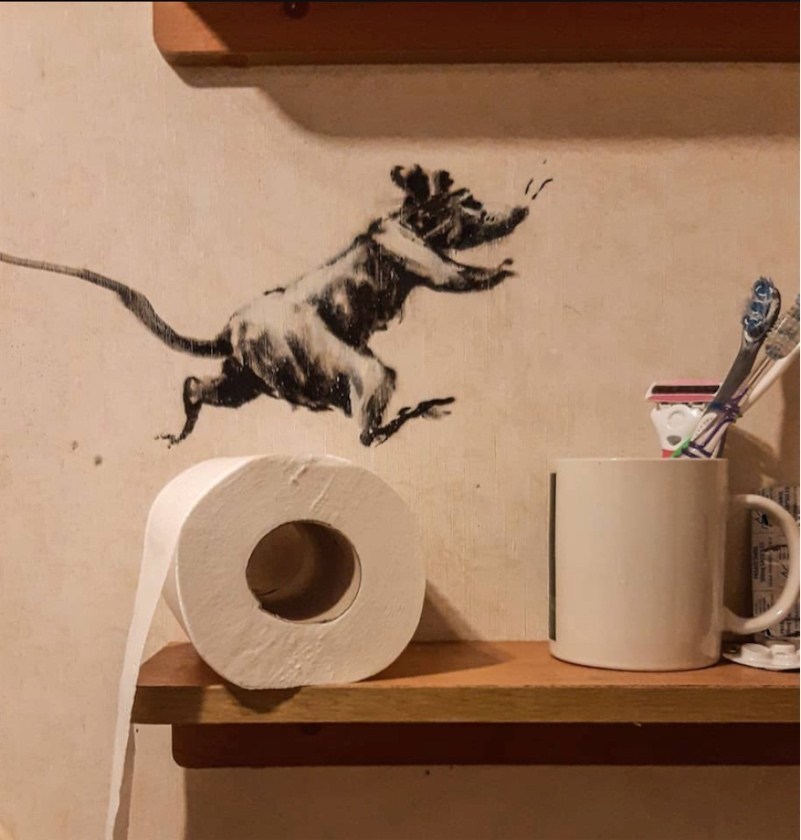
Is there really a Mrs. Banksy? Little Banksies running around the yard, wearing coronavirus facemasks and hoodies? Is he on the verge of outing himself? At least we know he’s still got toilet paper.
Maybe you find this tantalizing window on the artist’s inner sanctum credible evidence of his mundane real life. Maybe the signature rats destroying his crapper are his cabin-fever dream. Or maybe, as usual, he’s just taking the piss with this creative installation. We await comment from Mrs. Banksy.
Ladies and gentleman, the greatest rock n roll band in the world, the Rolling Stones. Live, in quarantine, at home, performing “You Can’t Always Get What You Want.” Any theories on what’s the story with Charlie’s drum kit? And why they have red in their homes? Enjoy.
If you would like to support the mission of Open Culture, consider making a donation to our site. It’s hard to rely 100% on ads, and your contributions will help us continue providing the best free cultural and educational materials to learners everywhere. You can contribute through PayPal, Patreon, and Venmo (@openculture). Thanks!
I needed a lift today. This did the trick. Neil Finn–you know him from Crowded House and Split Enz–plays a beautiful acoustic version of David Bowie’s “Heroes.” Enjoy.
To a degree that surpasses any other studio in animation history, Studio Ghibli has created a reality of its own. All of its fans around the world appreciate the artistry of its films, directed by such luminaries of Japanese animation as Hayao Miyazaki and Isao Takahata, and many appreciate it so fervently that they’d prefer to occupy any of Ghibli’s worlds to this one. The studio has responded to their desires by not just continuing to produce motion pictures — the “retired” Miyazaki is now at work on his latest, How Do You Live? — but by authorizing a wide and ever-changing range of merchandise, and even building a museum outside Tokyo and a theme park outside Nagoya.
Alas, like most museums, Ghibli’s is temporarily closed. Neither the Ghibli theme park nor How Do You Live? will open any time soon, and even if they could open today, it would hardly be an opportune time to do so. With so few of us anywhere able to go to movie theaters, let alone theme parks (though we can now, at long last, stream Ghibli movies online), we have to enter the realm of Ghibli in a digital fashion.
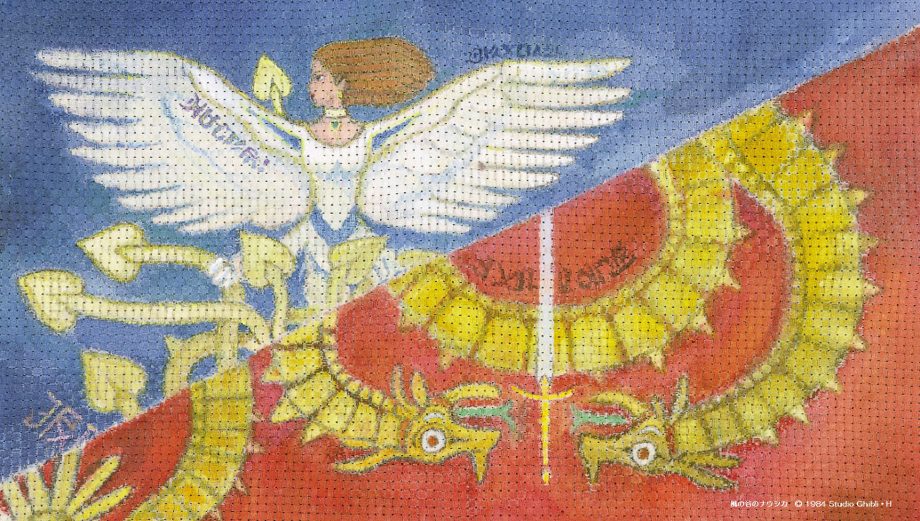
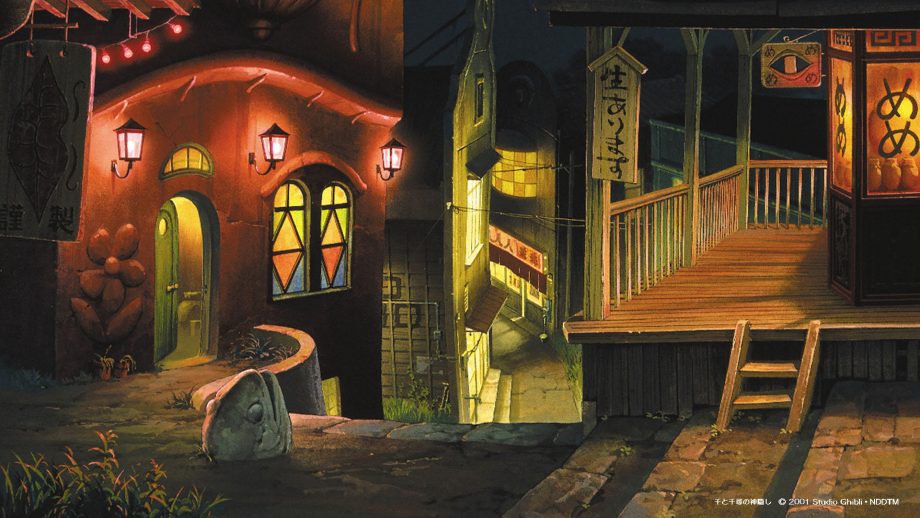
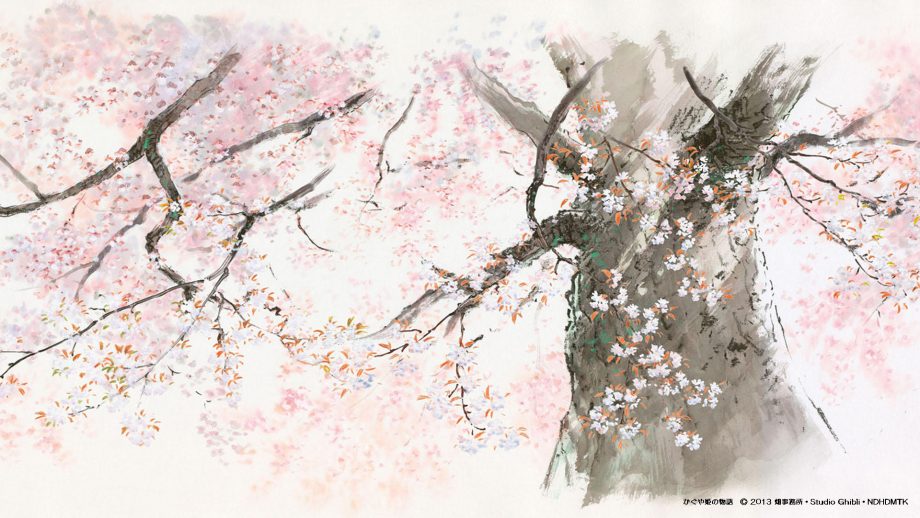
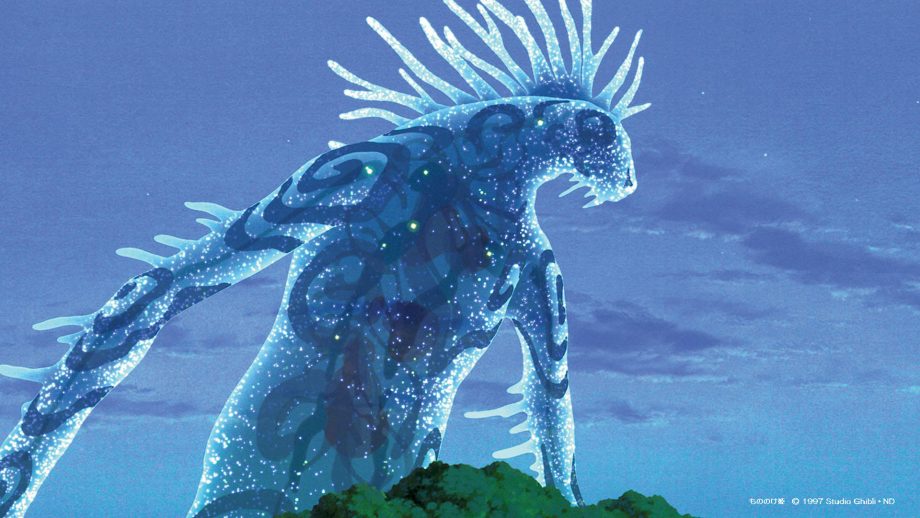
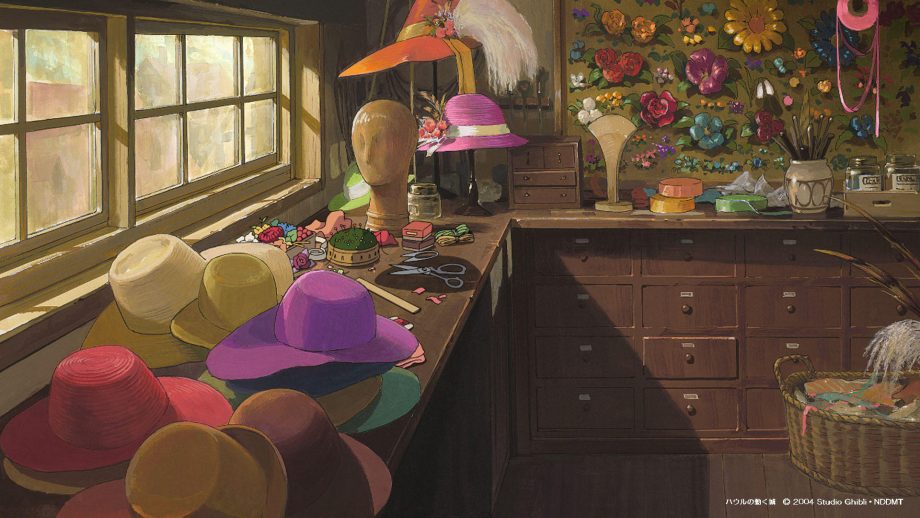
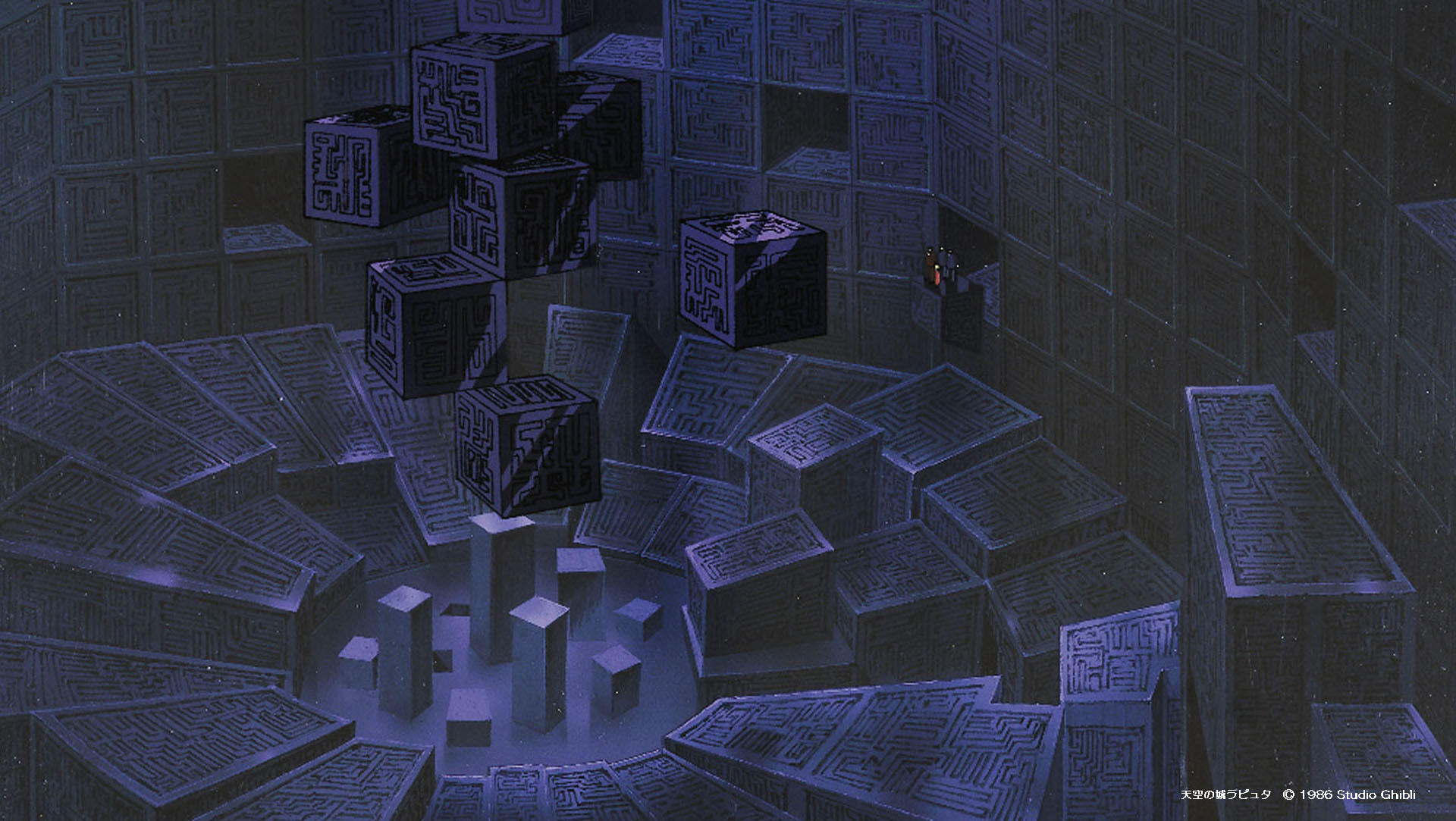
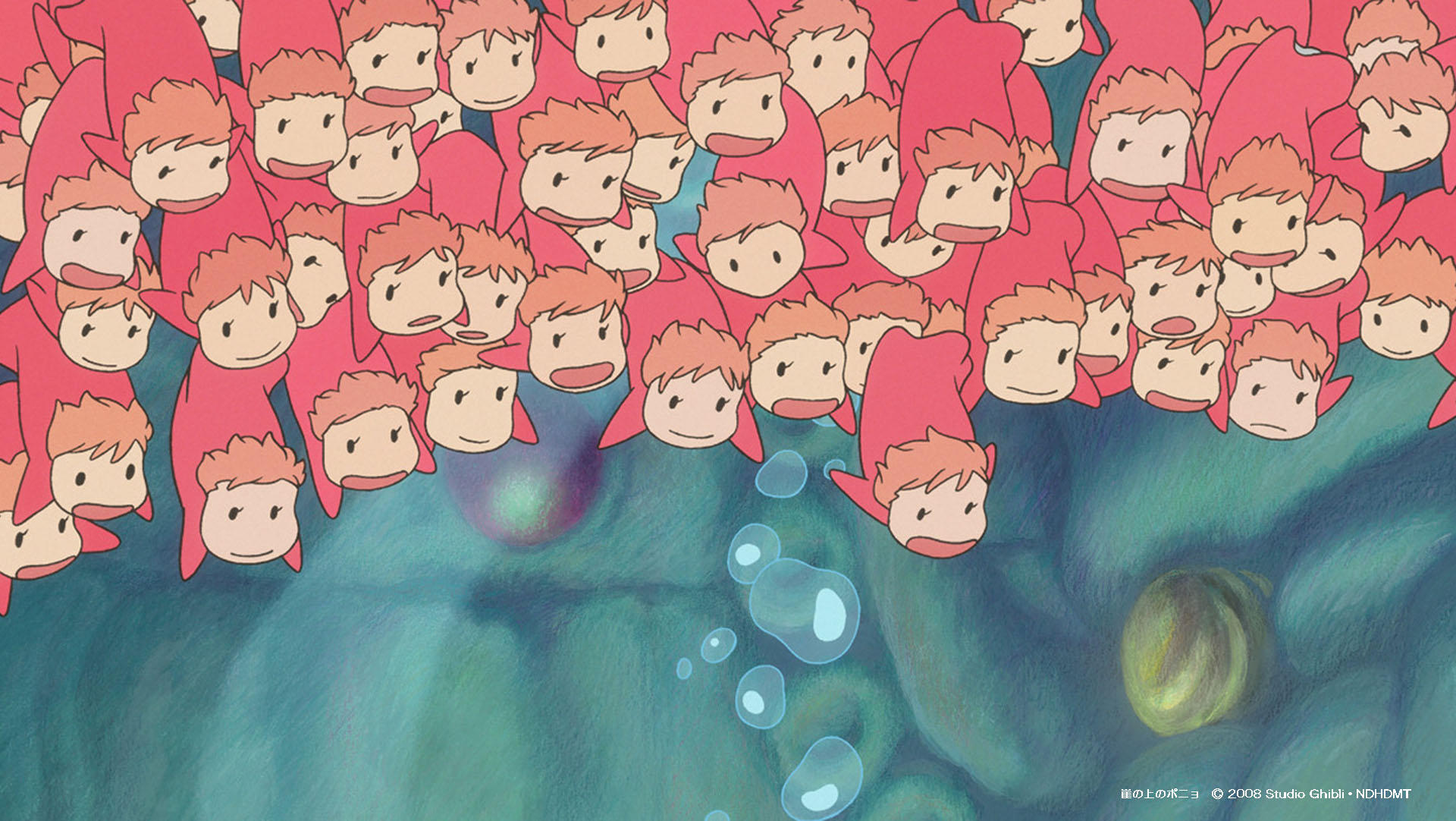
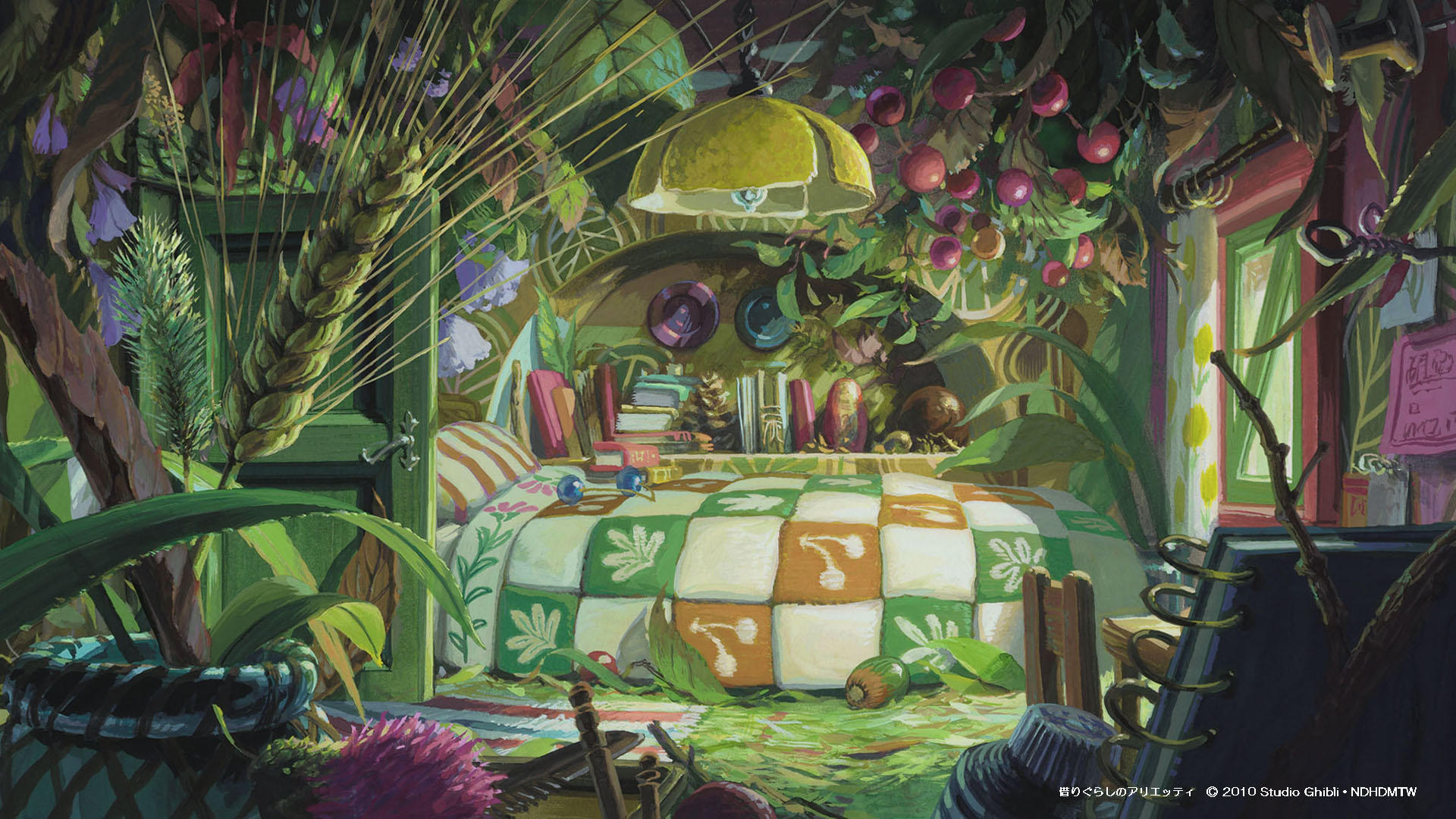
To make this a bit more possible, the studio has officially released a set of eight backgrounds, suitable for use as backdrops on Zoom or other video-conferencing applications. You’ll find them all at Ghibli’s web site: in Japanese only, true to form, but even non-Japanese speakers can easily click and save the images. (For instructions on how to set one as your background, see our previous post on the subject.)
Whichever Ghibli background you pick, it will remind your interlocutors of the formidable imagination exercised by each and every one of the studio’s films, whether its characters soar across the sky, live beneath the sea, or plunge into an unseen underworld — do anything, essentially, but stay at home making calls.
Based in Seoul, Colin Marshall writes and broadcasts on cities, language, and culture. His projects include the book The Stateless City: a Walk through 21st-Century Los Angeles and the video series The City in Cinema. Follow him on Twitter at @colinmarshall, on Facebook, or on Instagram.
Samuel Beckett long had a fondness for Berlin, from his first trip in the late 1920s–when he fell in love with his cousin while visiting his uncle on his mom’s side–to his longtime relationship with his German translator Erika Tophoven and with the Schiller Theater, which produced many of his plays.
The above footage shows the 63-year old Beckett walking the streets of Berlin, asking for directions, or reading the daily paper at a cafe. At one point he is seen walking with a woman (possibly Tophoven?).
Why was this film shot? It has the feeling of surveillance footage, but the more logical explanation is that it was b‑roll for some news feature. Beckett was awarded the Nobel Prize for Literature in 1969, so that might be the reason.
However, the illogical but *best* reason is that Beckett was filming the title sequence for his detective show pilot, named, of course, Beckett. YouTube user oobleckboy created this hilarious rework a few years ago, which we told you about then. But it’s worth another look, surely.
On a more serious note, Beckett’s main tour of Berlin came long before his journey as a playwright. Self-taught in the language and interested in the culture, he traveled to Berlin right after the 1936 Olympic Games and stayed through 1937. He had lost his job in Dublin, and he had fallen out with James Joyce, so he was avoiding Paris. So Beckett traveled to Berlin to devour the arts. He knew the dangers of the rising Nazi threat and took it seriously. Instead he wanted to see the culture before it disappeared. (And it would, on one hand through the Nazis and their campaign against “degenerate art.” On the other, from the Allies bombing during the war.) Beckett spent countless hours in museums. He attended operas. He got so fluent in the language he could read Schopenhauer (for the style, not the content, apparently).
Lastly, it was on one of those Berlin museum trips where he saw the painting Two Men Contemplating the Moon by Caspar David Friedrich. The image would stick in his mind until many years later when it would influence the set design for his most famous play, Waiting for Godot. (A country road. A tree. Evening.) You can see the painting here.
Ted Mills is a freelance writer on the arts who currently hosts the Notes from the Shed podcast and is the producer of KCRW’s Curious Coast. You can also follow him on Twitter at @tedmills, and/or watch his films here.
Some of us are using this period of self-isolation to make sourdough.
Others are learning to play an instrument or initiating a daily yoga practice.
For those considering taking up painting, David Dunlop’s Emmy-Award winning PBS series Landscapes Through Time offers an excellent alternative (or supplement) to the well-established joys of cult figure Bob Ross, the eternal king of television art instruction.
Like Ross, Dunlop has a mellow onscreen temperament that pairs beautifully with the enchanting setting of Claude Monet’s famous water garden, above.
(Those who’ve visited Monet’s house and garden at Giverny will envy him his tourist-free access to the site. Even those with no intention of picking up a brush should find it restorative to spend time gazing at the same lovely view that Dunlop, like Monet before him, looks at through a deliberately Impressionistic squint.)
He packs a lot of art appreciation into 14 easily digested minutes, touching on art history, brush technique, composition, use of light, and, in particular, color theory.
When the museums reopen, you may find this crash course has enhanced your enjoyment, especially as pertains to canvases by Monet and his fellow Impressionists.
For those pursuing the hands-on oil painting experience, Dunlop provides a supply list of colors, all readily available:
Cobalt Blue
Cadmium Yellow
Alizarin Crimson
Ultramarine
Brilliant Rose
Emerald Green
Hooker’s Green
Titanium White
His brushes and paper appear to be garden variety, and his approach, like Ross’, is fast and loose.
Those who favor a less brazen approach may feel more at home with his watercolor painting demonstration in Cezanne’s Mont Sainte-Victoire in Provence, France, below.
There are more excerpts and instruction on Dunlop’s YouTube channel. For those wishing to take it to the next level, Dunlop is teaching a series of interactive studio demonstration classes via Zoom. Register here.
However forward-looking its full-featured online presence made the Van Gogh Museum seem before, this particular moment has made it look like an even more prescient institution. With it and so many other brick-and-mortar museums temporarily closed due to the coronavirus pandemic, online is the only way any of us can enjoy them.
In addition to its existing resources on the web, the Van Gogh Museum has over the past month been uploading a private tour, all shot in 4K video. Much like the five-hour iPhone ad shot in the Hermitage about which we posted last month, this series provides a drifting, floating view of the museum’s galleries and the works they proudly display, all quite unlike any experience one could ever have had there in person.
In the six parts of the series that have gone up so far, with a seventh and final installment to come next, not a single other person appears to get between you and Van Gogh’s portraits, Van Gogh’s still lifes, Van Gogh’s scenes urban and rural. But you do get some accompaniment in the form of a full musical score, an element that has become quite important for this now-emerging form of cinematic, high-resolution museum tour video.
Though brief, this Van Gogh Museum tour in 4K covers a wide swath of the artist’s work, and will surely only whet the appetite of viewers who’ve been meaning to make the trip to Amsterdam themselves. Until then, we can take in Van Gogh’s “art of the future” using the technology of the present — the likes of which wouldn’t have appeared in even his wildest visions.
Based in Seoul, Colin Marshall writes and broadcasts on cities, language, and culture. His projects include the book The Stateless City: a Walk through 21st-Century Los Angeles and the video series The City in Cinema. Follow him on Twitter at @colinmarshall, on Facebook, or on Instagram.
We're hoping to rely on loyal readers, rather than erratic ads. Please click the Donate button and support Open Culture. You can use Paypal, Venmo, Patreon, even Crypto! We thank you!
Open Culture scours the web for the best educational media. We find the free courses and audio books you need, the language lessons & educational videos you want, and plenty of enlightenment in between.