The Only Surviving Script Written by Shakespeare Is Now Online

Four years ago, when the world com­mem­o­rat­ed the 400th anniver­sary of William Shakespeare’s death, some marked the event with ref­er­ence to a dra­mat­ic work hard­ly anyone’s ever read, and few­er have ever seen per­formed. Called The Booke of Sir Thomas More, “this late 16th or ear­ly 17th-cen­tu­ry play,” the British Library notes, “is not always includ­ed among the Shake­speare­an canon, and it was not until the 1800s that it was even asso­ci­at­ed with the Bard of Avon.”

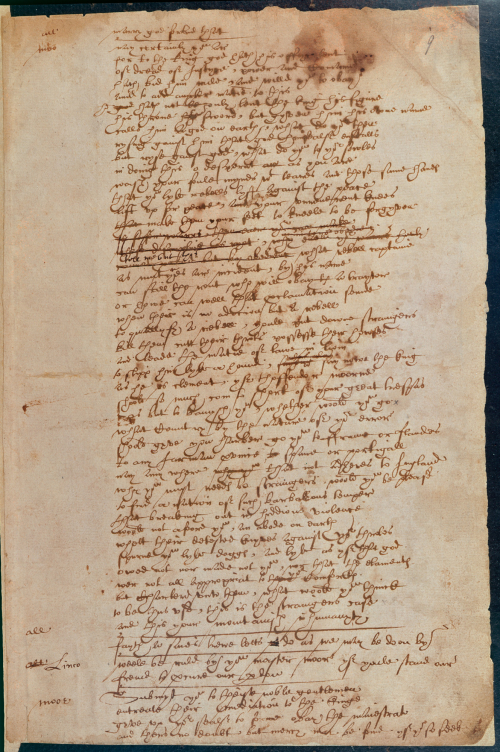
Since then, Sir Thomas More has become famous, at least among lit­er­ary schol­ars, as the only sur­viv­ing exam­ple of Shakespeare’s hand­writ­ing next to his will. It also became briefly inter­net famous in 2016 when Sir Ian McK­ellen reprised the title role he first played in 1964 for a dra­mat­ic read­ing in Lon­don that spoke elo­quent­ly, cen­turies lat­er, to the moment. The play itself is the work of sev­er­al drama­tists, and the orig­i­nal text, from some­time between 1590 and 1605, is a patch­work of pages of inser­tions and six dif­fer­ent scrib­al hands, Shakespeare’s very like­ly among them.

That same year, the British Library put a scan of the Shake­speare-penned pages of the play online and put the phys­i­cal man­u­script on dis­play in an exhib­it called Shake­speare in Ten Acts. Now, they have uploaded the full, scanned man­u­script to their Dig­i­tized Man­u­scripts page and you can view it here. “In these pages we can per­haps see the mas­ter play­wright at work, mus­ing, com­pos­ing and cor­rect­ing his text: a win­dow into Shake­speare’s dra­mat­ic art, as it were.” We can hear what McK­ellen calls the “human empa­thy” in a speech “sym­bol­ic and won­der­ful… so much at the heart of Shakespeare’s human­i­ty.”

The speech, which McK­ellen dis­cuss­es above, has the human­ist More pas­sion­ate­ly address­ing a mob who are attempt­ing to vio­lent­ly deport French protes­tant refugees. More did indeed address a riot­ing mob on May 1, 1517, what came to be known as “Evil May Day” (he was lat­er exe­cut­ed in 1535 for trea­son when he refused to back Hen­ry VIII against the Catholic Church). The play, which shows his actions as espe­cial­ly hero­ic, was cen­sored by Edwin Tilney, Mas­ter of the Rev­els, and nev­er per­formed until McK­ellen took the role. (He has joked that he may be “the last actor who can say ‘I cre­at­ed a part writ­ten by William Shake­speare.’”)

Read a tran­scrip­tion of the full, 147-line More speech thought to be by Shake­speare, and writ­ten in his own hand, at Quartz. “Prov­ing that More’s words were indeed writ­ten by Shake­speare is not straight­for­ward,” the British Library notes, though schol­ars have gen­er­al­ly agreed on the author­ship since the late 19th cen­tu­ry, based on evi­dence you can read about here. But “in their keen sym­pa­thy for the plight of the alien­at­ed and dis­pos­sessed,” these lines “seem to pre­fig­ure the insights of great dra­mas of race such as The Mer­chant of Venice and Oth­el­lo.”

One can see, giv­en Shake­speare’s sym­pa­thy for social out­siders, why he would be drawn to More’s speech, or why he might have been hand­picked among oth­er drama­tists at the time to write the philosopher’s broad-mind­ed plea for tol­er­ance. See the full man­u­script of The Booke of Sir Thomas More here at the British Library’s Dig­i­tized Man­u­scripts.

Relat­ed Con­tent:

Ian McK­ellen Reads a Pas­sion­ate Speech by William Shake­speare, Writ­ten in Defense of Immi­grants

What Shakespeare’s Hand­writ­ing Looked Like

What Shake­speare Sound­ed Like to Shake­speare: Recon­struct­ing the Bard’s Orig­i­nal Pro­nun­ci­a­tion

Josh Jones is a writer and musi­cian based in Durham, NC. Fol­low him at @jdmagness

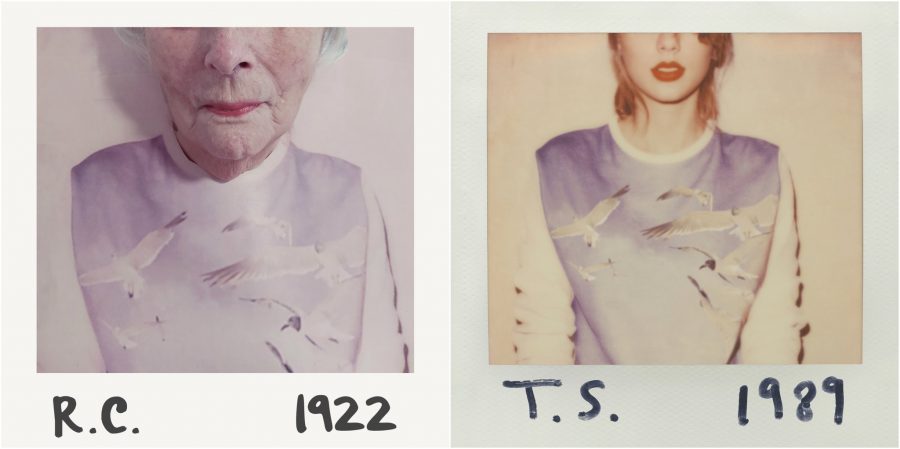
Nursing Home Residents Replace Famous Rock Stars on Iconic Album Covers

Deserved­ly or not, British care homes have acquired a rep­u­ta­tion as espe­cial­ly drea­ry places, from Vic­to­ri­an nov­els to dystopi­an fic­tion to the flat affect of BBC doc­u­men­taries. Mar­tin Parr gave the world an espe­cial­ly mov­ing exam­ple of the care home doc­u­men­tary in his 1972 pho­to series on Prest­wich Asy­lum, out­side Man­ches­ter. The com­pelling por­traits human­ize peo­ple who were neglect­ed and ignored, yet their lives still look bleak in that aus­tere­ly post-war British insti­tu­tion kind of way.

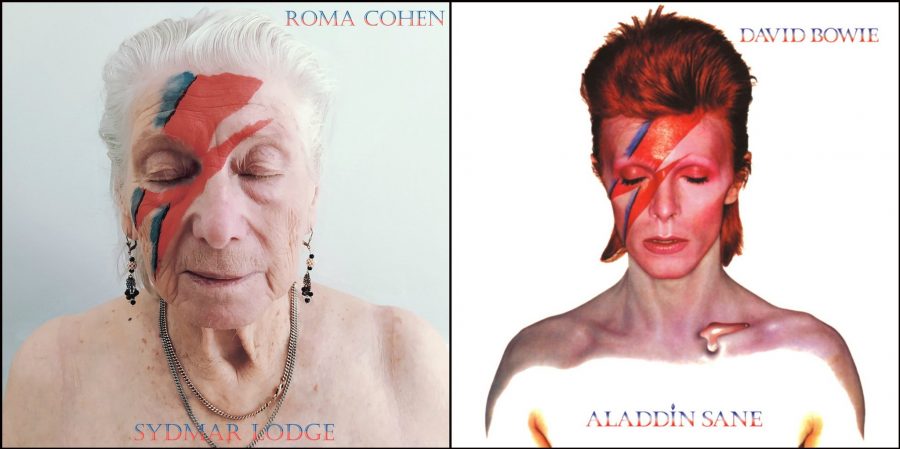
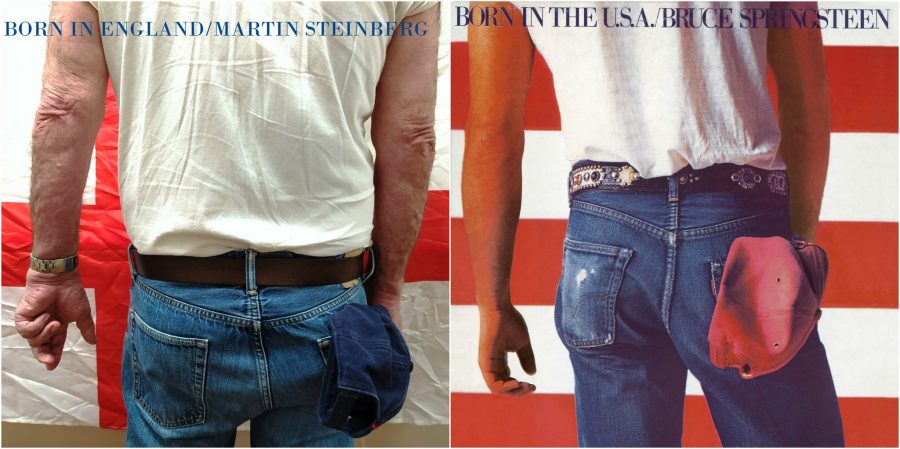
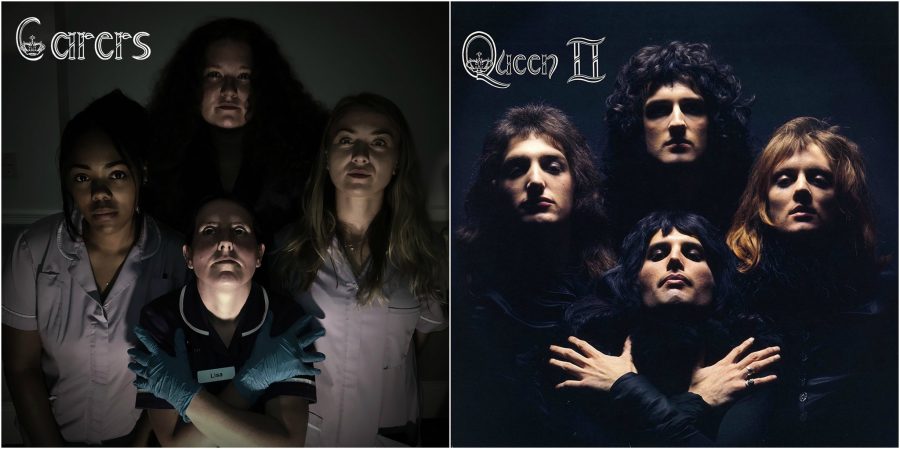
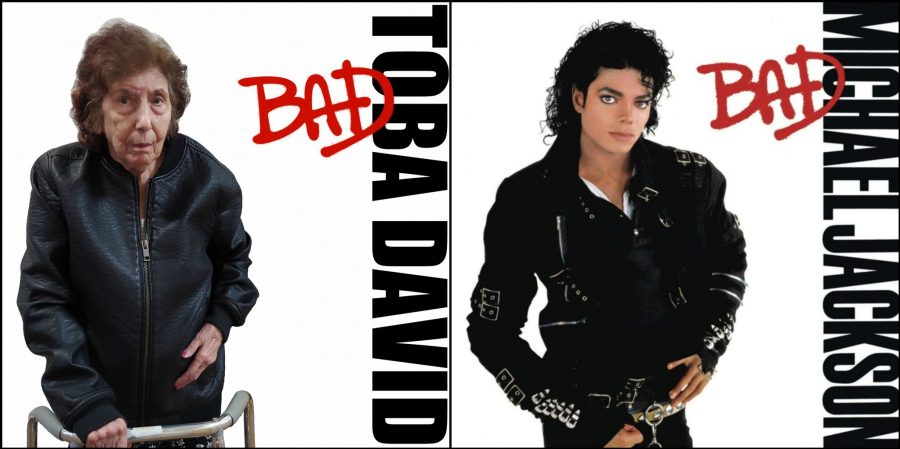
One can­not say any­thing of the kind of the pho­to series rep­re­sent­ed here, which casts res­i­dents of Syd­mar Lodge Care Home in Edge­ware, Eng­land as rock stars, dig­i­tal­ly recre­at­ing some of the most famous album cov­ers of all time. This is not, obvi­ous­ly, a can­did look at res­i­dents’ day-to-day exis­tence. But it sug­gests a pret­ty cheer­ful place. “The main aim was to show that care homes need not be a sad envi­ron­ment, even dur­ing this pan­dem­ic,” says the pho­tos’ cre­ator Robert Speker, the home’s activ­i­ties man­ag­er.

“Speker tweet­ed side-by-side pho­tos of the orig­i­nal cov­ers and the Syd­mar Lodge res­i­dents’ new takes, and the tweets quick­ly took off,” NPR’s Lau­rel Wams­ley writes. He’s made it clear that the pri­ma­ry audi­ence for the recre­at­ed cov­ers is the res­i­dents them­selves: Iso­lat­ed in lock­down for the past four months; cut off from vis­its and out­ings; suf­fer­ing from an indef­i­nite sus­pen­sion of famil­iar rou­tines.

Speker does not deny the grim real­i­ty behind the inspir­ing images. “Elder­ly peo­ple will remain in lock­down for a long time,” he writes on a GoFundMe page he cre­at­ed to help sup­port the home. “It could be months before the sit­u­a­tion changes for them.”

But he is opti­mistic about his abil­i­ties to “make their time as hap­py and full of enjoy­ment and inter­est as pos­si­ble.” Would that all nurs­ing homes had such a ded­i­cat­ed, award-win­ning coor­di­na­tor. Res­i­dents them­selves, he wrote on Twit­ter, were “enthused and per­haps a bit bemused by the idea, but hap­py to par­tic­i­pate.” When they saw the results—stunning Roma Cohen as Aladdin Sane, defi­ant Sheila Solomons as Elvis and The Clash’s Paul Simenon, casu­al Mar­tin Stein­berg as a “Born in Eng­land” Springsteen—they were delight­ed. Four of the home­’s car­ers got their own cov­er, too, posed as Queen.

Res­i­dents, Speker said, were real­ly “hav­ing a good gig­gle about it.” And we can too, as we bear in mind the many elder­ly peo­ple around us who have been locked in for months, with maybe many more months of iso­la­tion ahead. Not every­one is as tal­ent­ed as Robert Speker, who did the mod­els’ make­up and tat­toos him­self (with hair by a care home man­ag­er), as well as tak­ing all the pho­tographs and edit­ing the images to con­vinc­ing­ly mim­ic the pos­es, com­po­si­tion, light­ing, font, and col­or schemes of the orig­i­nals. But let’s hope his work is a spark that lights up nurs­ing homes and care facil­i­ties with all sorts of cre­ative ideas to keep spir­its up. See sev­er­al more cov­ers below and the rest on Twit­ter.

via the BBC/NPR

Relat­ed Con­tent:

Peo­ple Pose in Uncan­ny Align­ment with Icon­ic Album Cov­ers: Dis­cov­er The Sleeve­face Project

The His­to­ry of the Fish­eye Pho­to Album Cov­er

Dyson Cre­ates 44 Free Engi­neer­ing & Sci­ence Chal­lenges for Kids Quar­an­tined Dur­ing COVID-19

Josh Jones is a writer and musi­cian based in Durham, NC. Fol­low him at @jdmagness

Cambridge University Professor Cooks 4000-Year-Old Recipes from Ancient Mesopotamia, and Lets You See How They Turned Out

Those of us who’ve ded­i­cat­ed a por­tion of our iso­la­tion to the art of sour­dough have not suf­fered for a lack of infor­ma­tion on how that par­tic­u­lar sausage should get made.

The Inter­net har­bors hun­dreds, nay, thou­sands of com­pli­cat­ed, con­trary, often con­tra­dic­to­ry, extreme­ly firm opin­ions on the sub­ject. You can lose hours…days…weeks, ago­niz­ing over which method to use.

The course for Bill Suther­land’s recent culi­nary exper­i­ment was much more clear­ly chart­ed.

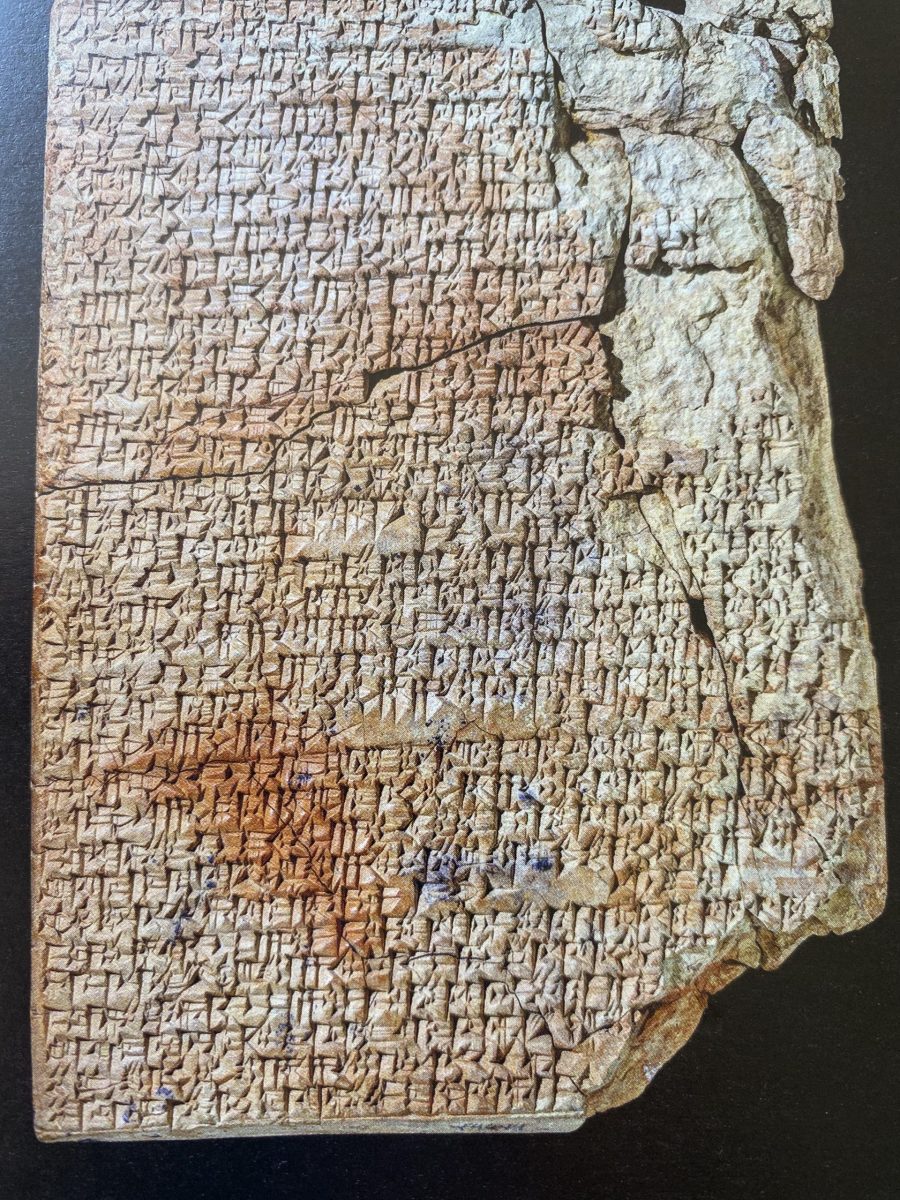
As doc­u­ment­ed in a series of now-viral Twit­ter posts, the Cam­bridge Uni­ver­si­ty pro­fes­sor of Con­ser­va­tion Biol­o­gy decid­ed to attempt a Mesopotami­an meal, as inscribed on a 3770-year-old recipe tablet con­tain­ing humankind’s old­est sur­viv­ing recipes.

As Suther­land told Bored Pan­da’s Liu­ci­ja Ado­maite and Ilona Bal­iū­naitė, the trans­lat­ed recipes, found in Ancient Mesopotamia Speaks: High­lights of the Yale Baby­lon­ian Col­lec­tion, were “aston­ish­ing­ly terse” and “per­plex­ing,” lead­ing to some guess work with regard to onions and gar­lic.

In addi­tion to 25 recipes, the book has pho­tos and illus­tra­tions of var­i­ous arti­facts and essays that “present the ancient Near East in the light of present-day dis­cus­sion of lived expe­ri­ences, focus­ing on fam­i­ly life and love, edu­ca­tion and schol­ar­ship, iden­ti­ty, crime and trans­gres­sion, demons, and sick­ness.”

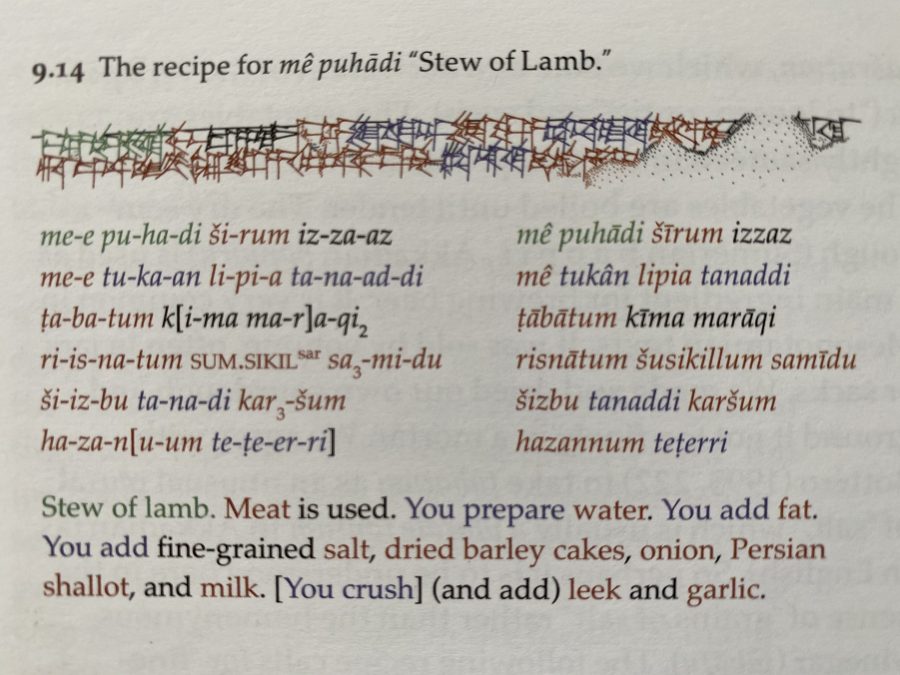
Kind of like a cra­dle of civ­i­liza­tion Martha Stew­art Liv­ing, just a bit less user friend­ly with regard to things like mea­sure­ments, tem­per­a­ture, and cook­ing times. Which is not to say the instruc­tions aren’t step-by-step:

Stew of Lamb

Meat is used. 

You pre­pare water. 

You add fat. 

You add fine-grained salt, bar­ley cakes, onion, Per­sian shal­lot, and milk. 

You crush and add leek and gar­lic.

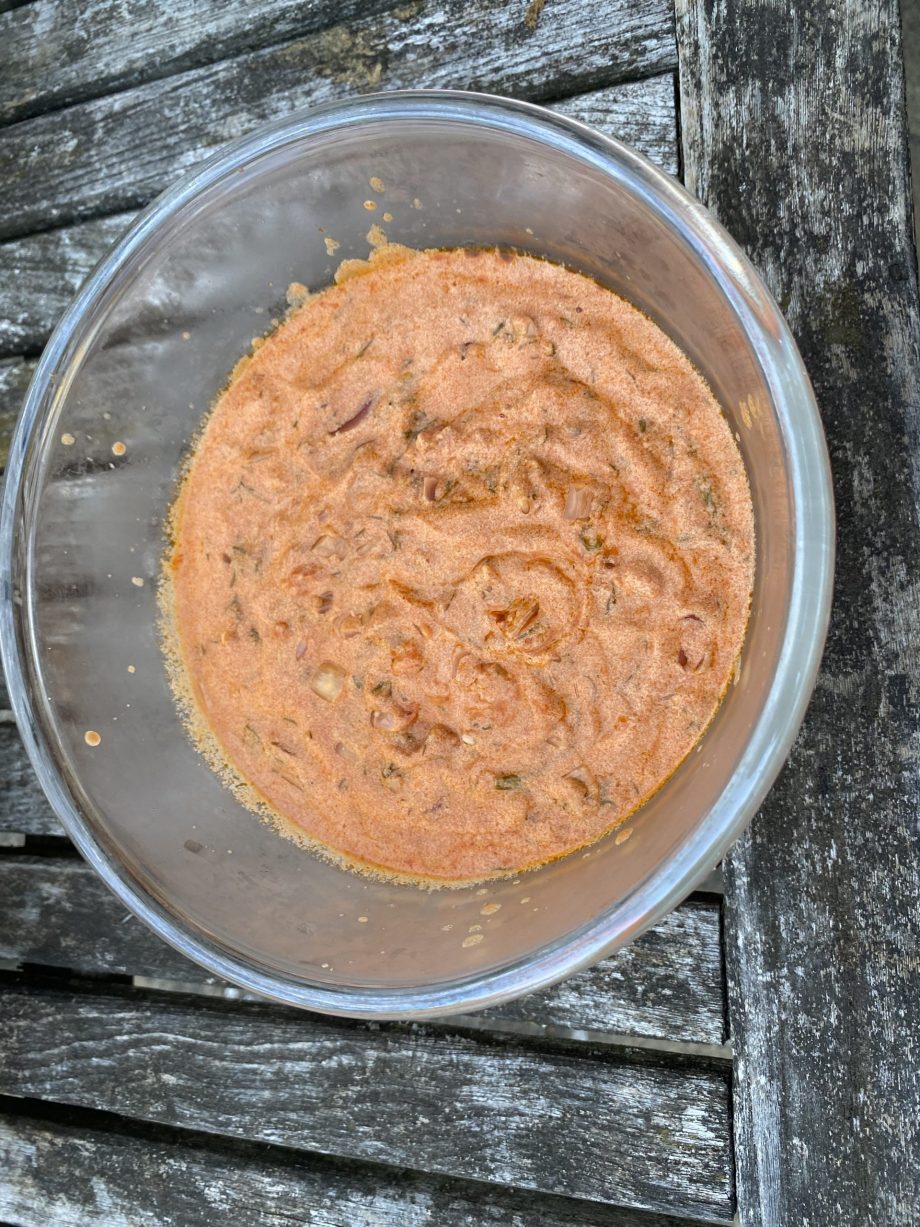
The meal, which required just a cou­ple hours prep in Sutherland’s non-ancient kitchen sounds like some­thing he might have ordered for deliv­ery from one of Cam­bridge’s Near East­ern restau­rants.

The lamb stew was the hit of the night.

Unwind­ing, a casse­role of leeks and spring onion, looked invit­ing but was “a bit bor­ing.”

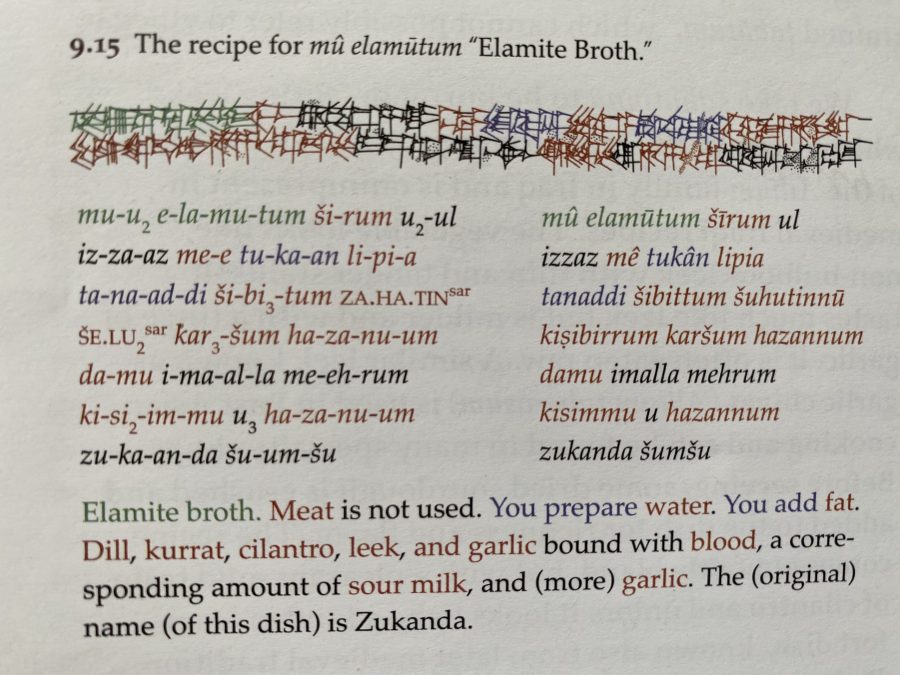
Elamite Broth was “pecu­liar but deli­cious,” pos­si­bly because Suther­land sub­sti­tut­ed toma­to sauce for sheep’s blood.

It’s an admit­ted­ly meaty propo­si­tion. Only 2 of the 25 recipes in the col­lec­tion are veg­e­tar­i­an (“meat is not used.”)

And even there, to be real­ly authen­tic, you’d have to sauté every­thing in sheep fat.

(Suther­land swapped in but­ter.)

via Bored Pan­da

Relat­ed Con­tent:

Lis­ten to the Old­est Song in the World: A Sumer­ian Hymn Writ­ten 3,400 Years Ago

Dic­tio­nary of the Old­est Writ­ten Language–It Took 90 Years to Com­plete, and It’s Now Free Online

Hear The Epic of Gil­gamesh Read in the Orig­i­nal Akka­di­an and Enjoy the Sounds of Mesopotamia

Ayun Hal­l­i­day is an author, illus­tra­tor, the­ater mak­er and Chief Pri­ma­tol­o­gist of the East Vil­lage Inky zine.  Her iso­la­tion projects are sour­dough and an ani­ma­tion with free down­load­able posters, encour­ag­ing the use of face cov­er­ings to stop the spread of COVID-19. Fol­low her @AyunHalliday.

An Introduction to Hagia Sophia: After 85 Years as a Museum, It’s Set to Become a Mosque Again

No tour of Istan­bul can fail to include Hagia Sophia. The same is true enough of the British Muse­um in Lon­don or the Lou­vre in Paris, but Hagia Sophia is more than a muse­um: it’s also spent dif­fer­ent stretch­es of its near-mil­len­ni­um-and-a-half of exis­tence as an East­ern Ortho­dox cathe­dral, a Roman Catholic cathe­dral, and a mosque. Stripped of its reli­gious func­tion in the mid-1930s by the admin­is­tra­tion of Pres­i­dent Mustafa Kemal Atatürk, remem­bered for his cre­ation of a sec­u­lar Turk­ish repub­lic, the majes­tic build­ing has spent the past 85 years as not just a muse­um but the coun­try’s top tourist attrac­tion. Now, accord­ing to a decree issued last week by Pres­i­dent Recep Tayyip Erdo­gan, Hagia Sophia will become a mosque again.

“Erdo­gan, like his pre­de­ces­sor Ataturk, appears to be using the fate of the Hagia Sophia to make a polit­i­cal state­ment and score some points with his sup­port­ers,” writes Ars Tech­ni­ca’s Kiona N. Smith. But so did Emper­or Jus­tin­ian I of the East­ern Roman Empire, who “ordered the cathedral’s con­struc­tion in the first place for sim­i­lar rea­sons.”

Built on the site where two cathe­drals had pre­vi­ous­ly stood, both burned down in dif­fer­ent revolts, “the Hagia Sophia has always been as much a polit­i­cal land­mark as a reli­gious or cul­tur­al one — so it’s not sur­pris­ing that it has also changed hands, and func­tions, at least four times in its his­to­ry.” Ataturk’s sec­u­lar­iza­tion of Hagia Sophia entailed a restora­tion of its his­toric fea­tures: “Chris­t­ian mosaics that had been plas­tered over in the late 1400s were care­ful­ly uncov­ered, and they shared the domed space with Mus­lim prayer nich­es and pul­pits.”

You can get a clear­er sense of what the build­ing’s archi­tec­ture and dec­o­ra­tion reveal in the ani­mat­ed TED-Ed les­son at the top of the post. Edu­ca­tor Kel­ly Wall points to, among oth­er fea­tures, the ancient for­ti­fi­ca­tions that “hint at the strate­gic impor­tance of the sur­round­ing city, found­ed as Byzan­tium by Greek colonists in 657 BCE.”; the foun­da­tion stones that “mur­mur tales from their home­lands of Egypt and Syr­ia, while columns tak­en from the Tem­ple of Artemis recall a more ancient past”; and, beneath the gold­en dome that “appears sus­pend­ed from heav­en,” rein­forc­ing Corinthi­an columns, “brought from Lebanon after the orig­i­nal dome was par­tial­ly destroyed by an earth­quake in 558 CE,” that offer a reminder of “fragili­ty and the engi­neer­ing skills such a mar­vel requires.” The BBC 360-degree vir­tu­al tour just above goes into greater detail on these ele­ments and oth­ers.

Accord­ing to reports cit­ed by Hyper­al­ler­gic’s Hakim Bishara, “tourists will still have access to the site, although it might be closed to vis­i­tors dur­ing prayer time.” Still, “art his­to­ri­ans and con­ser­va­tion­ists wor­ry that the Turk­ish author­i­ties might decide to cov­er up or remove the cen­turies-old Byzan­tine mosaics and Chris­t­ian iconog­ra­phy that adorn the cel­e­brat­ed struc­ture, as was done in oth­er con­vert­ed church­es in Turkey in the past.” Good job, then, that irre­press­ible tele­vi­sion trav­el­er Rick Steves has already shot his episode on Istan­bul, which (from 9:34) nat­u­ral­ly fea­tures a vis­it to Hagia Sophia. But whether as a muse­um, cathe­dral, a mosque, or what­ev­er it becomes next, the build­ing will sure­ly remain what Steves called “the high point of Byzan­tine archi­tec­ture” and “the pin­na­cle of that soci­ety’s sixth-cen­tu­ry glo­ry days.” And no leader of Turkey, no mat­ter what their beliefs about church and state, will want the tourists to stop com­ing.

via Hyper­al­ler­gic

Relat­ed Con­tent:

Hear the Hagia Sophia’s Awe-Inspir­ing Acoustics Get Recre­at­ed with Com­put­er Sim­u­la­tions, and Let Your­self Get Trans­port­ed Back to the Mid­dle Ages

Hear the Sound of the Hagia Sophia Recre­at­ed in Authen­tic Byzan­tine Chant

French Illus­tra­tor Revives the Byzan­tine Empire with Mag­nif­i­cent­ly Detailed Draw­ings of Its Mon­u­ments & Build­ings: Hagia Sophia, Great Palace & More

Map­ping the Sounds of Greek Byzan­tine Church­es: How Researchers Are Cre­at­ing “Muse­ums of Lost Sound”

The Com­plex Geom­e­try of Islam­ic Art & Design: A Short Intro­duc­tion

Based in Seoul, Col­in Mar­shall writes and broad­casts on cities, lan­guage, and cul­ture. His projects include the book The State­less City: a Walk through 21st-Cen­tu­ry Los Ange­les and the video series The City in Cin­e­ma. Fol­low him on Twit­ter at @colinmarshall, on Face­book, or on Insta­gram.

A Bear Shows Off Its Nunchuck Skills

The world has got­ten tru­ly sur­re­al.

Relat­ed Con­tent:

Kung Fu & Mar­tial Arts Movies Online

The Poet­ry of Bruce Lee: Dis­cov­er the Artis­tic Life of the Mar­tial Arts Icon

Bruce Lee’s Only Sur­viv­ing TV Inter­view, 1971: Lost and Now Found

The Muppets Sing the First & Second Acts of Hamilton

Or, at least it’s one fine impres­sion of the Mup­pets.

Here’s the cast and find Act II down below:

Alexan­der Hamil­ton — Ker­mit the Frog
Aaron Burr — The Great Gonzo
Eliza Schuyler — Miss Pig­gy
Mar­quis de LaFozette — Fozzie Bear
George Wash­ing­ton — Sam the Eagle
Angel­i­ca Schuyler — Camil­la the Chick­en
John Lau­rens — Beaker
Her­cules Mul­li­gan — Rowlf the Dog
King George III — Ani­mal
Peg­gy Schuyler — Jan­ice
Samuel Seabury — The Swedish Chef
Charles Lee — Elmo
Con­gres­sion­al Del­e­gates — Floyd and Zoot
Crazy Patri­ot — Crazy Har­ry
Statler and Wal­dorf — Them­selves

via Boing­Bo­ing

Relat­ed Con­tent:

Hamil­ton Mania Inspires the Library of Con­gress to Put 12,000 Alexan­der Hamil­ton Doc­u­ments Online

Watch Lin-Manuel Miran­da Per­form the Ear­li­est Ver­sion of Hamil­ton at the White House, Six Years Before the Play Hit the Broad­way Stage (2009)

Lin-Manuel Miran­da & Emi­ly Blunt Take You Through 22 Clas­sic Musi­cals in 12 Min­utes

A Whiskey-Fueled Lin-Manuel Miran­da Reimag­ines Hamil­ton as a Girl on Drunk His­to­ry

by | Permalink | Make a Comment ( 3 ) |

Bill Nye Shows How Face Masks Actually Protect You–and Why You Should Wear Them

Like many Amer­i­cans of my gen­er­a­tion, I grew up hav­ing things explained to me by Bill Nye. Flight, mag­nets, sim­ple machines, vol­ca­noes: there seemed to be noth­ing he and his team of young lieu­tenants could­n’t break down in a clear, humor­ous, and whol­ly non-bor­ing man­ner. He did­n’t ask us to come to him, but met us where we already were: watch­ing tele­vi­sion. The zenith of the pop­u­lar­i­ty of his PBS series Bill Nye the Sci­ence Guy passed a quar­ter-cen­tu­ry ago, and the world has changed a bit since then. But even in the 2020s, when the spread­ing of sci­en­tif­ic knowl­edge is no less impor­tant than it was in the 90s, Nye knows where to air his mes­sage if he wants the kids to hear it: Tik­Tok.

Huge­ly pop­u­lar among peo­ple not yet born dur­ing Bill Nye the Sci­ence Guy’s orig­i­nal run, Tik­Tok is a video-based social media plat­form that accom­mo­dates videos of up to 60 sec­onds — rough­ly half the length of the “Con­sid­er the Fol­low­ing” seg­ments embed­ded with­in the episodes of Nye’s orig­i­nal show.

This week Nye has revived the for­mat on Tik­tok in order to lay out the sci­en­tif­ic prin­ci­ples behind some­thing that had recent­ly become a part of all of our lives: face masks. True to form, he explains not just with words but with objects, in this case a series of res­pi­ra­to­ry sys­tem-pro­tect­ing anti-par­ti­cle devices from a hum­ble scarf to a home­made cloth face mask (employ­ing that stal­wart sci­ence-project com­po­nent, a pipe clean­er) to the med­ical indus­try-stan­dard N95.

“The rea­son we want you to wear a mask is to pro­tect you,” says Nye. “But the main rea­son we want you to wear a mask is to pro­tect me from you, and the par­ti­cles from your res­pi­ra­to­ry sys­tem from get­ting into my res­pi­ra­to­ry sys­tem!” As sim­ple a point as this may sound, it has tend­ed to get lost amid the fear and con­fu­sion of the ongo­ing coro­n­avirus pan­dem­ic: the con­flict­ing infor­ma­tion ini­tial­ly pub­lished about the advis­abil­i­ty of face masks for the gen­er­al pub­lic, but also the ensu­ing con­tro­ver­sy over the imple­men­ta­tion and enforce­ment of mask-relat­ed rules. But as Nye reminds us, this is “a mat­ter lit­er­al­ly of life and death — and when I use the word lit­er­al­ly, I mean lit­er­al­ly.” As we shore up our knowl­edge of masks, we Mil­len­ni­als, who through­out our lives have learned so much from Nye, would do well to inter­nal­ize that point of usage while we’re at it.

Relat­ed Con­tent:

Vin­tage Sci­ence Face Masks: Con­quer the Pan­dem­ic with Sci­ence, Cour­tesy of Maria Popova’s Brain­Pick­ings

Japan­ese Design­er Cre­ates Free Tem­plate for an Anti-Virus Face Shield: Down­load, and Then Use a Print­er, Paper & Scis­sors

Bill Nye, The Sci­ence Guy, Says Cre­ation­ism is Bad for Kids and America’s Future

Bill Nye the Sci­ence Guy Takes the Air Out of Deflate­gate

Free M.I.T. Course Teach­es You How to Become Bill Nye & Make Great Sci­ence Videos for YouTube

Based in Seoul, Col­in Mar­shall writes and broad­casts on cities, lan­guage, and cul­ture. His projects include the book The State­less City: a Walk through 21st-Cen­tu­ry Los Ange­les and the video series The City in Cin­e­ma. Fol­low him on Twit­ter at @colinmarshall, on Face­book, or on Insta­gram.

A Free Stanford Course on How to Teach Online: Designed for Middle & High School Teachers (July 13 — 17)

This fall, many teach­ers (across the coun­try and the world) will be asked to teach online–something most teach­ers have nev­er done before. To assist with that tran­si­tion, the Stan­ford Online High School and Stan­ford Con­tin­u­ing Stud­ies have teamed up to offer a free online course called Teach­ing Your Class Online: The Essen­tials. Taught by vet­er­an instruc­tors at Stan­ford Online High School (OHS), this course “will help mid­dle and high school instruc­tors move from gen­er­al con­cepts for teach­ing online to the prac­ti­cal details of adapt­ing your class for your stu­dents.” The course is free and runs from 1–3 pm Cal­i­for­nia time, July 13 — 17. You can sign up here.

For any­one inter­est­ed, Stan­ford will also offer addi­tion­al cours­es that give teach­ers the chance to prac­tice teach­ing their mate­r­i­al online and get feed­back from Stan­ford Online High School instruc­tors. Offered from July 20 — July 24, those cours­es cost $95. Click to this page, and scroll down to enroll.

Relat­ed Con­tent:

1,500 Free Online Cours­es from Top Uni­ver­si­ties

How Schools Can Start Teach­ing Online in a Short Peri­od of Time: Free Tuto­ri­als from the Stan­ford Online High School

“I Will Sur­vive,” the Coro­n­avirus Ver­sion for Teach­ers Going Online

by | Permalink | Make a Comment ( 31 ) |

« Go BackMore in this category... »
Quantcast