Frida Kahlo’s Venomous Love Letter to Diego Rivera: “I’m Amputating You. Be Happy and Never Seek Me Again”

Painter Diego Rivera set the bar awful­ly high for oth­er lovers when he—allegedly—ate a hand­ful of his ex-wife Fri­da Kahlo’s cre­mains, fresh from the oven.

Per­haps he was hedg­ing his bets. The Mex­i­can gov­ern­ment opt­ed not to hon­or his express wish that their ash­es should be co-min­gled upon his death. Kahlo’s remains were placed in Mex­i­co City’s Rotun­da of Illus­tri­ous Men, and have since been trans­ferred to their home, now the Museo Fri­da Kahlo.

Rivera lies in the Pan­teón Civ­il de Dolores.

Oth­er cre­ative expres­sions of the grief that dogged him til his own death, three years lat­er:

His final paint­ing, The Water­mel­ons, a very Mex­i­can sub­ject that’s also a trib­ute to Kahlo’s last work, Viva La Vida

And a locked bath­room in which he decreed 6,000 pho­tographs, 300 of Kahlo’s gar­ments and per­son­al items, and 12,000 doc­u­ments were to be housed until 15 years after his death.

Among the many rev­e­la­tions when this cham­ber was belat­ed­ly unsealed in 2004, her cloth­ing caused the biggest stir, par­tic­u­lar­ly the ways in which the col­or­ful gar­ments were adapt­ed to and informed by her phys­i­cal dis­abil­i­ties.

Her pros­thet­ic leg, shod in an eye-catch­ing red boot was giv­en a place of hon­or in an exhib­it at the Vic­to­ria and Albert Muse­um.,

These trea­sures might have come to light ear­li­er save for a judg­ment call on the part of Dolores Olme­do, Rivera’s patron, for­mer mod­el, and friend. Dur­ing ren­o­va­tions to turn the couple’s home into a muse­um, she had a peek and decid­ed the lip­stick-imprint­ed love let­ters from some famous men Fri­da had bed­ded could dam­age Rivera’s rep­u­ta­tion.

In what way, it’s dif­fi­cult to parse.

The couple’s his­to­ry of extra­mar­i­tal rela­tions (includ­ing Rivera’s dal­liance with Kahlo’s sis­ter, Christi­na) weren’t exact­ly secret, and both of the play­ers had left the build­ing.

One thing that’s tak­en for grant­ed is Kahlo’s pas­sion for Rivera, whom she met as girl of 15. Tempt­ing as it might be to view the rela­tion­ship with 2020 gog­gles, it would be a dis­ser­vice to Kahlo’s sense of her own nar­ra­tive. Self-exam­i­na­tion was cen­tral to her work. She was char­ac­ter­is­ti­cal­ly avid in let­ters and diary entries, detail­ing her phys­i­cal attrac­tion to every aspect of Rivera’s body, includ­ing his giant bel­ly “drawn tight and smooth as a sphere.” Dit­to her obses­sion with his many con­quests.

Not sur­pris­ing­ly, she was capa­ble of pen­ning a pret­ty spicy love let­ter her­self, and the major­i­ty were aimed at her hus­band:

Noth­ing com­pares to your hands, noth­ing like the green-gold of your eyes. My body is filled with you for days and days. you are the mir­ror of the night. the vio­lent flash of light­ning. The damp­ness of the earth. The hol­low of your armpits is my shel­ter. my fin­gers touch your blood. All my joy is to feel life spring from your flower-foun­tain that mine keeps to fill all the paths of my nerves which are yours.

Her most noto­ri­ous love let­ter does not appear to be one at first.

Bedrid­den, and fac­ing the ampu­ta­tion of a gan­grenous right leg that had already sac­ri­ficed some toes 20 years ear­li­er, she direct­ed the full force of her emo­tions at Rivera.

The lover she’d ten­der­ly pegged as “a boy frog stand­ing on his hind legs” now appeared to her an “ugly son of a bitch,” mad­den­ing­ly pos­sessed of the pow­er to seduce women (as he had seduced her).

You have to read all the way to the twist:

Mex­i­co,
1953

My dear Mr. Diego,

I’m writ­ing this let­ter from a hos­pi­tal room before I am admit­ted into the oper­at­ing the­atre. They want me to hur­ry, but I am deter­mined to fin­ish writ­ing first, as I don’t want to leave any­thing unfin­ished. Espe­cial­ly now that I know what they are up to. They want to hurt my pride by cut­ting a leg off. When they told me it would be nec­es­sary to ampu­tate, the news didn’t affect me the way every­body expect­ed. No, I was already a maimed woman when I lost you, again, for the umpteenth time maybe, and still I sur­vived.

I am not afraid of pain and you know it. It is almost inher­ent to my being, although I con­fess that I suf­fered, and a great deal, when you cheat­ed on me, every time you did it, not just with my sis­ter but with so many oth­er women. How did they let them­selves be fooled by you? You believe I was furi­ous about Cristi­na, but today I con­fess that it wasn’t because of her. It was because of me and you. First of all because of me, since I’ve nev­er been able to under­stand what you looked and look for, what they give you that I couldn’t. Let’s not fool our­selves, Diego, I gave you every­thing that is human­ly pos­si­ble to offer and we both know that. But still, how the hell do you man­age to seduce so many women when you’re such an ugly son of a bitch?

The rea­son why I’m writ­ing is not to accuse you of any­thing more than we’ve already accused each oth­er of in this and how­ev­er many more bloody lives. It’s because I’m hav­ing a leg cut off (damned thing, it got what it want­ed in the end). I told you I’ve count­ed myself as incom­plete for a long time, but why the fuck does every­body else need to know about it too? Now my frag­men­ta­tion will be obvi­ous for every­one to see, for you to see… That’s why I’m telling you before you hear it on the grapevine. For­give my not going to your house to say this in per­son, but giv­en the cir­cum­stances and my con­di­tion, I’m not allowed to leave the room, not even to use the bath­room. It’s not my inten­tion to make you or any­one else feel pity, and I don’t want you to feel guilty. I’m writ­ing to let you know I’m releas­ing you, I’m ampu­tat­ing you. Be hap­py and nev­er seek me again. I don’t want to hear from you, I don’t want you to hear from me. If there is any­thing I’d enjoy before I die, it’d be not hav­ing to see your fuck­ing hor­ri­ble bas­tard face wan­der­ing around my gar­den.

That is all, I can now go to be chopped up in peace.

Good bye from some­body who is crazy and vehe­ment­ly in love with you,

Your Fri­da

This is a love let­ter mas­querad­ing as a doozy of a break up let­ter. The ref­er­ences to ampu­ta­tion are both lit­er­al and metaphor­i­cal:

No doubt, she was sin­cere, but this cou­ple, rather than hold­ing them­selves account­able, excelled at rever­sals. In the end the letter’s threat proved idle. Short­ly before her death,  the two appeared togeth­er in pub­lic, at a demon­stra­tion to protest the C.I.A.’s efforts to over­throw the left­ist Guatemalan regime.

Image via Brook­lyn Muse­um

Once Fri­da was safe­ly laid to rest, by which we mean rumored to have sat bolt upright as her cas­ket was slid into the incer­a­tor, Rivera mused in his auto­bi­og­ra­phy:

Too late now I real­ized the most won­der­ful part of my life had been my love for Fri­da. But I could not real­ly say that giv­en “anoth­er chance” I would have behaved toward her any dif­fer­ent­ly than I had. Every man is the prod­uct of the social atmos­phere in which he grows up and I am what I am…I had nev­er had any morals at all and had lived only for plea­sure where I found it. I was not good. I could dis­cern oth­er peo­ple’s weak­ness­es eas­i­ly, espe­cial­ly men’s, and then I would play upon them for no worth­while rea­son. If I loved a woman, the more I want­ed to hurt her. Fri­da was only the most obvi­ous vic­tim of this dis­gust­ing trait.

via Let­ters of Note and the book, Let­ters of Note: Love.

Relat­ed Con­tent:

Take a Vir­tu­al Tour of Fri­da Kahlo’s Blue House Free Online

What the Icon­ic Paint­ing, “The Two Fridas,” Actu­al­ly Tells Us About Fri­da Kahlo

Dis­cov­er Fri­da Kahlo’s Wild­ly-Illus­trat­ed Diary: It Chron­i­cled the Last 10 Years of Her Life, and Then Got Locked Away for Decades

Ayun Hal­l­i­day is an author, illus­tra­tor, the­ater mak­er and Chief Pri­ma­tol­o­gist of the East Vil­lage Inky zine.  Fol­low her @AyunHalliday.

Understanding Chris Marker’s Radical Sci-Fi Film La Jetée: A Study Guide Distributed to High Schools in the 1970s

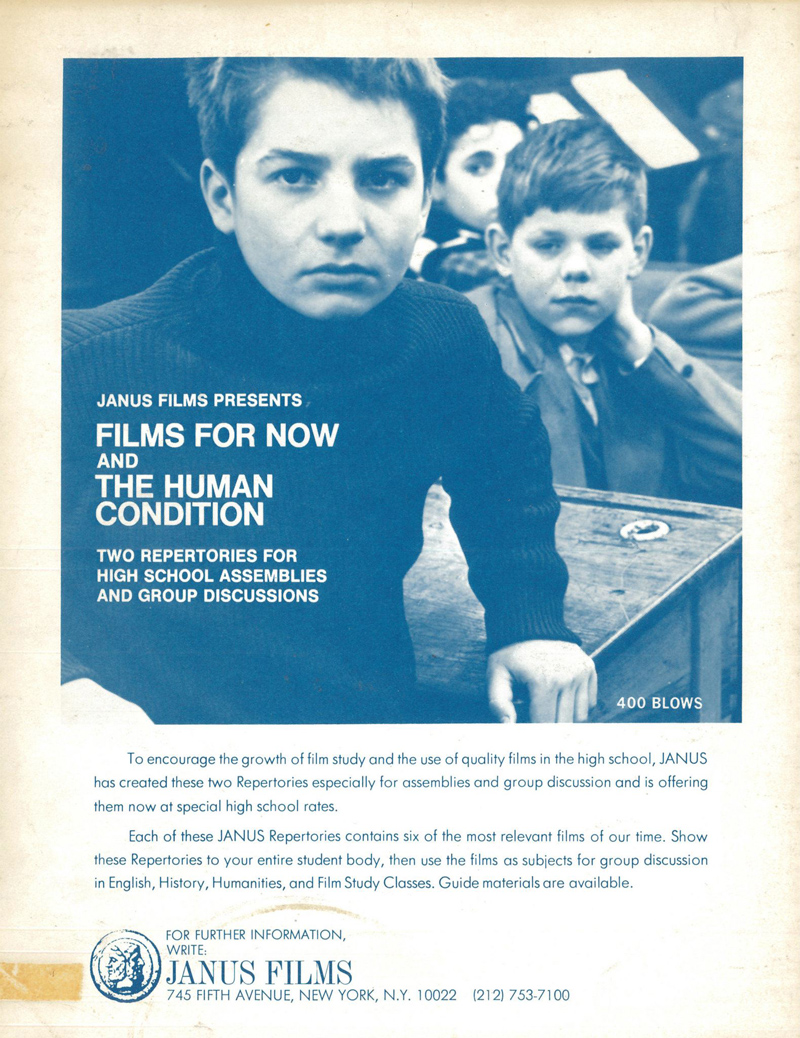
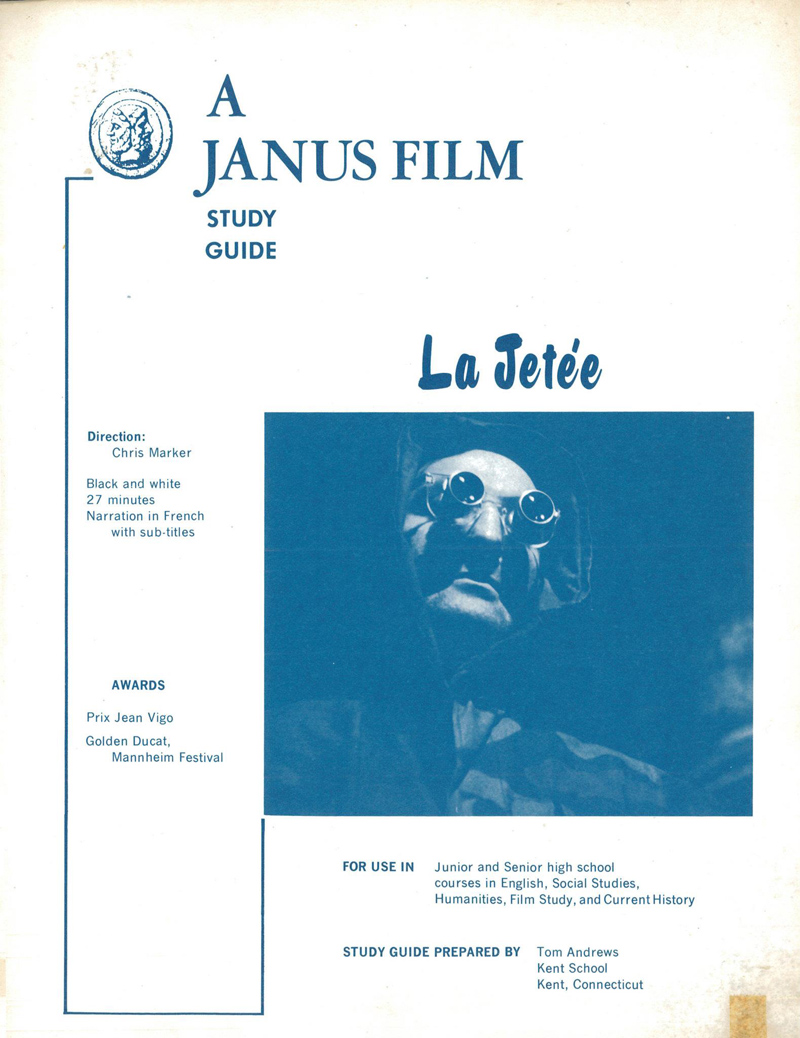
Pop quiz, hot shot. World War III has dev­as­tat­ed civ­i­liza­tion. As a pris­on­er of sur­vivors liv­ing beneath the ruins of Paris, you’re made to go trav­el back in time, to the era of your own child­hood, in order to secure aid for the present from the past. What do you do? You prob­a­bly nev­er faced this ques­tion in school — unless you were in one of the class­rooms of the 1970s that received the study guide for Chris Mark­er’s La Jetée. Like the inno­v­a­tive 1962 sci­ence-fic­tion short itself, this edu­ca­tion­al pam­phlet was dis­trib­uted (and recent­ly tweet­ed out again) by Janus Films, the com­pa­ny that first brought to Amer­i­can audi­ences the work of auteurs like Ing­mar Bergman, Fed­eri­co Felli­ni, and Aki­ra Kuro­sawa.

Writ­ten by Con­necti­cut prep-school teacher Tom Andrews, this study guide describes La Jetée as “a bril­liant mix­ture of fan­ta­sy and pseu­do-sci­en­tif­ic romance” that “explores new dra­mat­ic ter­ri­to­ry and forms, and rush­es with a stun­ning log­ic and a pow­er­ful impact to its shock­ing cli­max.”

The film does all this “almost entire­ly in still pho­tographs, their sta­t­ic state cor­re­spond­ing to the strat­i­fi­ca­tion of mem­o­ry.” More prac­ti­cal­ly speak­ing, at “twen­ty-sev­en min­utes in length, La Jetée is an ide­al class-peri­od vehi­cle” that “can help stu­dents spec­u­late on the awe­some poten­tial of life as it may exist after a third world war” as well as “man’s inhu­man­i­ty to man, not only as it may occur in the future, but as it already has occurred in our past.”
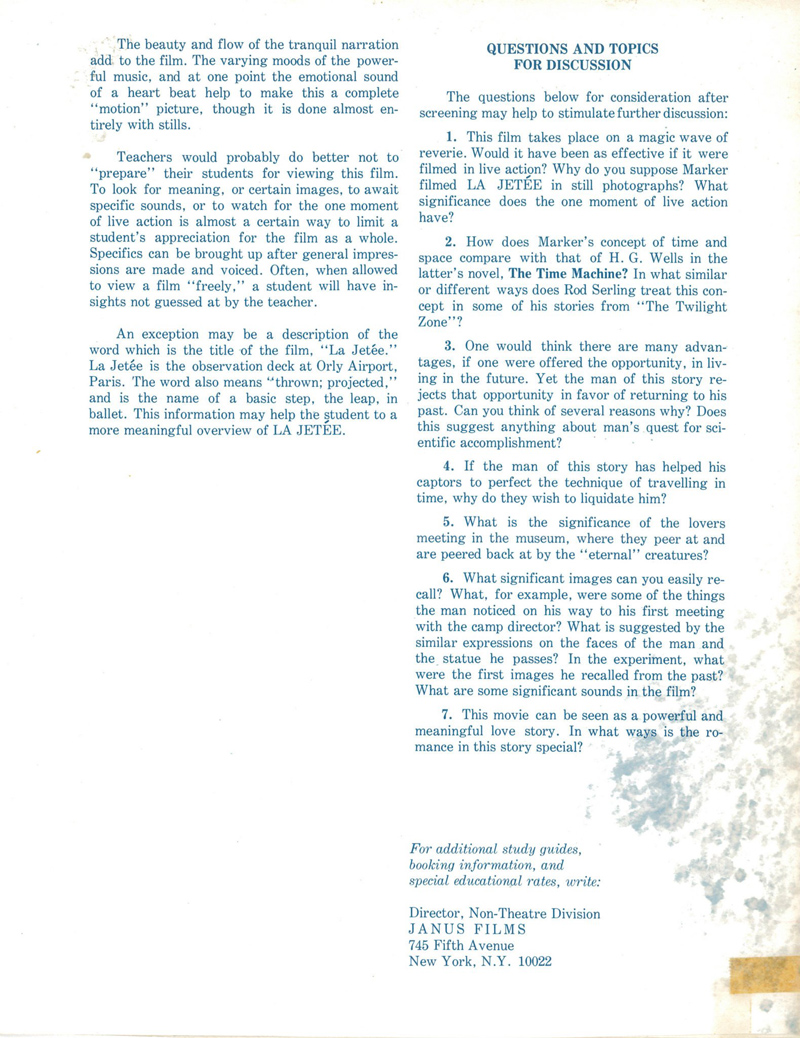
“Why do you sup­pose Mark­er filmed La Jetée in still pho­tographs? What sig­nif­i­cance does the one moment of live action have?” “How does Mark­er’s con­cept of time and space com­pare with that of H.G. Wells in the lat­ter’s nov­el, The Time Machine?” “If the man of this sto­ry has helped his cap­tors to per­fect the tech­nique of time trav­el, why do they wish to liq­ui­date him?” These and oth­er sug­gest­ed dis­cus­sion ques­tions appear at the end of the study guide, all of whose pages you can read at Socks. It was pro­duced for Films for Now and The Human Con­di­tion, “two reper­to­ries for high school assem­blies and group dis­cus­sions” based on Janus’ for­mi­da­ble cin­e­ma library. (François Truf­faut’s The 400 Blows also looks to have been among their edu­ca­tion­al offer­ings.) You can see fur­ther analy­sis of La Jetée in A.O. Scot­t’s New York Times Crit­ics’ Picks video, as well as the Cri­te­ri­on Col­lec­tion video essay Echo Cham­ber: Lis­ten­ing to La Jetée.

Much lat­er, in the mid-1990s, Ter­ry Gilliam would pay trib­ute with his Hol­ly­wood homage 12 Mon­keys, and Mark­er him­self still had many films to make, includ­ing his sec­ond mas­ter­piece, the equal­ly uncon­ven­tion­al Sans Soleil. But at time of this study guide’s pub­li­ca­tion, La Jetée’s con­sid­er­able influ­ence had only just begun to man­i­fest. It was around then that pio­neer­ing cyber­punk nov­el­ist William Gib­son viewed the film in col­lege. “I left the lec­ture hall where it had been screened in an altered state, pro­found­ly alone,” he lat­er remem­bered. “My sense of what sci­ence fic­tion could be had been per­ma­nent­ly altered.” Per­haps his instruc­tor heed­ed Andrews’ advice that “teach­ers would prob­a­bly do bet­ter not to ‘pre­pare’ their stu­dents for view­ing this film.” Not that any­one, in the 58 years of the film’s exis­tence, has any­one ever tru­ly been pre­pared for their first view­ing of La Jetée.

Relat­ed Con­tent:

How Chris Marker’s Rad­i­cal Sci­Fi Film, La Jetée, Changed the Life of Cyber­punk Prophet, William Gib­son

David Bowie’s Music Video “Jump They Say” Pays Trib­ute to Marker’s La Jetée, Godard’s Alphav­ille, Welles’ The Tri­al & Kubrick’s 2001

Petite Planète: Dis­cov­er Chris Marker’s Influ­en­tial 1950s Trav­el Pho­to­book Series

A Con­cise Break­down of How Time Trav­el Works in Pop­u­lar Movies, Books & TV Shows

Free MIT Course Teach­es You to Watch Movies Like a Crit­ic: Watch Lec­tures from The Film Expe­ri­ence

Based in Seoul, Col­in Mar­shall writes and broad­casts on cities, lan­guage, and cul­ture. His projects include the Sub­stack newslet­ter Books on Cities, the book The State­less City: a Walk through 21st-Cen­tu­ry Los Ange­les and the video series The City in Cin­e­ma. Fol­low him on Twit­ter at @colinmarshall, on Face­book, or on Insta­gram.

Studio Ghibli Puts Online 400 Images from Eight Classic Films, and Lets You Download Them for Free

Japan’s Stu­dio Ghi­b­li has long been pro­tec­tive of their intel­lec­tu­al prop­er­ty, with Hayao Miyaza­ki and his team over­see­ing how their char­ac­ters are mer­chan­dized, as well as care­ful­ly mak­ing sure for­eign dis­tri­b­u­tion of their films stay faith­ful to the orig­i­nal. (Miyaza­ki famous­ly–although apoc­ryphal­ly–sent Miramax’s Har­vey Wein­stein a katana sword along with a note read­ing “No Cuts,” because the mogul and all-around bad per­son was noto­ri­ous for recut­ting Asian films for west­ern audi­ences).

It’s not that you can’t get tons of Ghi­b­li mer­chan­dise—there’s a Totoro beer if you’re inter­est­ed—it’s that Stu­dio Ghi­b­li likes con­trol. Which makes this huge hi-res image dump from the stu­dio a sur­pris­ing gift. Ear­li­er this year they released a series of back­grounds to spice up your Zoom meet­ings. And now they’ve just released 400 images from eight of their films, with plen­ty more to come.

You can do what you want with these 1920x1080 jpgs, with one caveat from pro­duc­er Toshi Suzu­ki: “Please use them freely with­in the scope of com­mon sense.”

The stu­dio is not releas­ing all their clas­sics in one go, how­ev­er. Among the famous Spir­it­ed Away and Ponyo, there’s art from films that bare­ly got screen­ings in the States: Tales from Earth­sea (2006), From Up on Pop­py Hill (2011), and When Marnie Was There (2014).

Look, they can’t all be Totoros, and Stu­dio Ghi­b­li has deliv­ered plen­ty of sweet roman­tic dra­mas along with its more fan­tas­tic films. If you are curi­ous, Net­flix and HBO­Max are stream­ing pret­ty much the whole cat­a­log.

Which is a sur­prise, as Miyaza­ki has long banned Ghibli’s films from stream­ing. As Suzu­ki told reporters in a March announce­ment:

“First of all, Hayao Miyaza­ki doesn’t know exact­ly what video stream­ing ser­vices like Net­flix are. He doesn’t use per­son­al com­put­ers, he doesn’t use smart­phones. So when you men­tion dig­i­tal dis­tri­b­u­tion to him, he just doesn’t get it.”

He added:

“Hayao Miyaza­ki is cur­rent­ly mak­ing a movie but it’s tak­ing a real­ly long time. When that hap­pens, it’s only nat­ur­al that it will require a lot of mon­ey too. I told him this can cov­er the pro­duc­tion costs for that movie. When I said that, he said “Well, there’s noth­ing I can do then.”

As long as we enjoy the films “with­in the scope of com­mon sense,” I hope Miyaza­ki will have noth­ing to wor­ry about. Enter the image archive here.

via Nerdist

Relat­ed Con­tent:

A Vir­tu­al Tour Inside the Hayao Miyazaki’s Stu­dio Ghi­b­li Muse­um

For the First Time, Stu­dio Ghibli’s Entire Cat­a­log Will Soon Be Avail­able for Dig­i­tal Pur­chase

Hayao Miyaza­ki Picks His 50 Favorite Children’s Books

Ted Mills is a free­lance writer on the arts who cur­rent­ly hosts the Notes from the Shed pod­cast and is the pro­duc­er of KCR­W’s Curi­ous Coast. You can also fol­low him on Twit­ter at @tedmills, and/or watch his films here.

What Voltaire Meant When He Said That “We Must Cultivate Our Garden”: An Animated Introduction

“Voltaire’s goal in writ­ing [his 1759 satire Can­dide] was to destroy the opti­mism of his times,” says Alain de Bot­ton in the School of Life video above, “an opti­mism that cen­tered around sci­ence, love, tech­ni­cal progress, and a faith in rea­son.” These beliefs were fol­ly, Voltaire thought: the trans­fer of faith from a prov­i­den­tial God to a per­fect, clock­work uni­verse. Can­dide sat­i­rizes this hap­py ratio­nal­ism in Doc­tor Pan­gloss, whose belief that ours is the best of pos­si­ble worlds comes direct­ly from the philo­soph­i­cal opti­mism of Got­tfried Leib­niz.

The pre­pon­der­ance of the evi­dence, Voltaire made abun­dant­ly clear in the novel’s series of increas­ing­ly hor­rif­ic episodes, points toward a blind, indif­fer­ent uni­verse full of need­less cru­el­ty and chaos. “Hope was, he felt, a dis­ease,” de Bot­ton says, and “it was Voltaire’s gen­er­ous goal to try and cure us of it.” But as every­one who has read Can­dide (or read a sum­ma­ry or brief notes on Can­dide) knows, the nov­el does not end with despair, but on a “Sto­ic note.”

After endur­ing immense suf­fer­ing on their many trav­els, Can­dide and his com­pan­ions set­tle in Turkey, where they meet an old man sit­ting qui­et­ly under a tree. He tells them about his phi­los­o­phy, how he abstains from pol­i­tics and sim­ply cul­ti­vates the fruits of his gar­den for mar­ket as his sole con­cern. Invit­ed to feast with the man and his fam­i­ly, they remark upon the lux­u­ri­ous ease in which they live and learn that they do so on a fair­ly small plot of land.

Voltaire loved to goose his large­ly Chris­t­ian read­ers and delight­ed in putting the novel’s part­ing wis­dom, “arguably the most impor­tant adage in mod­ern phi­los­o­phy,” in the mouth of an Islam­ic char­ac­ter: Il faut cul­tiv­er notre jardin, “we must cul­ti­vate our gar­den.” What does this mean? De Bot­ton inter­prets the line in the lit­er­al spir­it with which the char­ac­ter known only as “the Turk” deliv­ers it: we should keep a “safe dis­tance between our­selves and the world.”

We should not, that is, become over­ly engaged in pol­i­tics, and should devote our­selves to tend­ing our own liveli­hood and wel­fare, not tak­ing more than we need. We should leave our neigh­bors alone and not both­er about what they do in their gar­dens. To be at peace in the world, Voltaire argued, we must accept the world as it is, not as we want it to be, and give up utopi­an ideas of soci­eties per­fect­ed by sci­ence and rea­son. In short, to “tie our per­son­al moods” to human affairs writ large is to invite end­less mis­ery.

The phi­los­o­phy of Can­dide is not pes­simistic or nihilis­tic. A hap­py, ful­filled human life is entire­ly pos­si­ble, Voltaire sug­gests, if not human hap­pi­ness in gen­er­al. Can­dide has much in com­mon with the ancient Roman out­look. But it might also express what could be seen as an ear­ly attempt at a sec­u­lar Bud­dhist point of view. Voltaire was famil­iar with Bud­dhism, though it did not go by that name. Bud­dhists were lumped in, Don­ald S. Lopez, pro­fes­sor of Bud­dhist and Tibetan Stud­ies at the Uni­ver­si­ty of Michi­gan, writes at the Pub­lic Domain Review, with the mass of “idol­aters” who were not Chris­t­ian, Jew­ish, or Mus­lim.

Yet the many Jesuit accounts of East­ern reli­gion reach­ing Europe at the time cir­cu­lat­ed wide­ly among intel­lec­tu­als, includ­ing Voltaire, who wrote approv­ing­ly, though crit­i­cal­ly, of Bud­dhist tenets in his 1764 Dic­tio­n­naire philosophique. As the sec­u­lar mind­ful­ness move­ment has done in the 21st cen­tu­ry, Lopez argues, Voltaire sought in the age of Enlight­en­ment to sep­a­rate mirac­u­lous leg­end from prac­ti­cal teach­ing. But like the Bud­dha, whose sup­posed biog­ra­phy Voltaire knew well, Can­dide begins his life in a cas­tle. And the sto­ry ends with a man sit­ting qui­et­ly under a tree, more or less advis­ing Can­dide to do what Voltaire had heard of in the “reli­gion of the Siamese…. Med­i­tate in pri­vate, and reflect often on the fragili­ty of human affairs.”

Relat­ed Con­tent:

An Ani­mat­ed Intro­duc­tion to Voltaire: Enlight­en­ment Philoso­pher of Plu­ral­ism & Tol­er­ance

Voltaire: “Those Who Can Make You Believe Absur­di­ties, Can Make You Com­mit Atroc­i­ties”

Philoso­phers Drink­ing Cof­fee: The Exces­sive Habits of Kant, Voltaire & Kierkegaard

Josh Jones is a writer and musi­cian based in Durham, NC. Fol­low him at @jdmagness

Watch Chilling Footage of the Hiroshima & Nagasaki Bombings in Restored Color

“You saw noth­ing in Hiroshi­ma. Noth­ing,” says Eiji Oka­da in the open­ing of Alain Resnais’ Hiroshi­ma mon amour. “I saw every­thing,” replies Emmanuelle Riva. “Every­thing.” The film goes on to show the effects of the Amer­i­can atom­ic-bomb attack that dev­as­tat­ed the tit­u­lar city near­ly fif­teen years before. This was the first many view­ers had seen of the lega­cy of that unprece­dent­ed act of destruc­tion, and now, six decades lat­er, the cul­tur­al image of Hiroshi­ma has con­flat­ed Resnais’ stark French New Wave vision with actu­al wartime doc­u­men­tary mate­ri­als. By now, we’ve all seen con­tem­po­rary pho­tographs (and even film clips) of the fate of Hiroshi­ma and sub­se­quent­ly atom­ic-bombed Nagasa­ki. Can we regard this world-his­toric destruc­tion with fresh eyes?

A Youtu­ber known as Rick88888888 offers one way of poten­tial­ly doing so: almost half an hour of col­orized (as well as motion-sta­bi­lized, de-noised, and oth­er­wise enhanced) footage of not just the explo­sions them­selves, but the ruined Japan­ese cities and their strug­gling sur­vivors, the air­planes that per­formed the bomb­ing, and the Unit­ed States Pres­i­dent who ordered it. “The Japan­ese began the war from the air at Pearl Har­bor,” says Har­ry Tru­man in a broad­cast on August 6, 1945, the day of the attack on Hiroshi­ma. “They have been repaid many fold. And the end is not yet.” From the Pres­i­dent, the Amer­i­can pub­lic first learned of the devel­op­ment of an atom­ic bomb, “a har­ness­ing of the basic pow­er of the uni­verse. The force from which the sun draws its pow­er has been loosed against those who brought war to the Far East.”

As we know now, this was the fruit of the Man­hat­tan Project, the secret U.S.-led research-and-devel­op­ment effort that cre­at­ed the first nuclear weapons. Its suc­cess, Tru­man says, pre­pared the Allies to “oblit­er­ate more rapid­ly and com­plete­ly every pro­duc­tive enter­prise the Japan­ese have above ground in any city. We shall destroy their docks, their fac­to­ries, and their com­mu­ni­ca­tions. Let there be no mis­take; we shall com­plete­ly destroy Japan’s pow­er to make war.” That they did, although mil­i­tary his­to­ri­ans argue about about the jus­ti­fi­a­bil­i­ty of drop­ping “the bomb” as well as the exact extent it played in the ulti­mate Allied vic­to­ry. But nobody can argue with the strik­ing vivid­ness of these “col­or” motion pic­tures of the event itself and its after­math, which reminds us that the era of poten­tial nuclear anni­hi­la­tion does­n’t belong to the dis­tant past — rather, it’s a chap­ter of his­to­ry that has only just begun.

Relat­ed Con­tent:

J. Robert Oppen­heimer Explains How He Recit­ed a Line from Bha­gavad Gita–“Now I Am Become Death, the Destroy­er of Worlds”–Upon Wit­ness­ing the First Nuclear Explo­sion

Haunt­ing Unedit­ed Footage of the Bomb­ing of Nagasa­ki (1945)

The “Shad­ow” of a Hiroshi­ma Vic­tim, Etched into Stone Steps, Is All That Remains After 1945 Atom­ic Blast

Hiroshi­ma After the Atom­ic Bomb in 360 Degrees

Way of Life: Rare Footage of the Hiroshi­ma After­math, 1946

Pho­tos of Hiroshi­ma by Hiroshi­ma Mon Amour Star Emmanuelle Riva (1958)

This 392-Year-Old Bon­sai Tree Sur­vived the Hiroshi­ma Atom­ic Blast & Still Flour­ish­es Today: The Pow­er of Resilience

Based in Seoul, Col­in Mar­shall writes and broad­casts on cities, lan­guage, and cul­ture. His projects include the Sub­stack newslet­ter Books on Cities, the book The State­less City: a Walk through 21st-Cen­tu­ry Los Ange­les and the video series The City in Cin­e­ma. Fol­low him on Twit­ter at @colinmarshall, on Face­book, or on Insta­gram.

The Philosophy of Photography with Amir Zaki on Pretty Much Pop: A Culture Podcast #61

Amir Zaki teach­es at UC-River­side and has had his work dis­played in numer­ous gal­leries, in his recent book Cal­i­for­nia Con­crete: A Land­scape of Skateparks, and pro­filed via a short film.

Amir joins your hosts Mark Lin­sen­may­er, Eri­ca Spyres, and Bri­an Hirt to con­sid­er this com­mon act that can stretch from the mun­dane to the sub­lime. How have our var­i­ous pur­pos­es for pho­tog­ra­phy changed with the advent of dig­i­tal tech­nol­o­gy, the intro­duc­tion of social media, and the ready access to video? What deter­mines what we choose to take pic­tures of, and how does tak­ing pho­tog­ra­phy more seri­ous­ly change the way we expe­ri­ence? We touch on icon­ic and ide­al­ized images, cap­tur­ing the spe­cif­ic vs. the uni­ver­sal, wit­ness­ing vs. inter­ven­ing via pho­tog­ra­phy, and more.

A few of the arti­cles we looked at to pre­pare includ­ed:

Learn more at prettymuchpop.com. This episode includes bonus dis­cus­sion that you can only hear by sup­port­ing the pod­cast at patreon.com/prettymuchpop. This pod­cast is part of the Par­tial­ly Exam­ined Life pod­cast net­work.

Fol­low Amir on Insta­gram @amir_zaki_.

Pret­ty Much Pop: A Cul­ture Pod­cast is the first pod­cast curat­ed by Open Cul­ture. Browse all Pret­ty Much Pop posts

An Animated Introduction to Albert Camus’ Existentialism, a Philosophy Making a Comeback in Our Dysfunctional Times

When next you meet an exis­ten­tial­ist, ask him what kind of exis­ten­tial­ist s/he is. There are at least as many vari­eties of exis­ten­tial­ism as there have been high-pro­file thinkers pro­pound­ing it. Sev­er­al major strains ran through post­war France alone, most famous­ly those cham­pi­oned by Jean-Paul Sartre, Simone de Beau­voir, and Albert Camus — who explic­it­ly reject­ed exis­ten­tial­ism, in part due to a philo­soph­i­cal split with Sartre, but who nev­er­the­less gets cat­e­go­rized among the exis­ten­tial­ists today. We could, per­haps, more accu­rate­ly describe Camus as an absur­dist, a thinker who starts with the inher­ent mean­ing­less and futil­i­ty of life and pro­ceeds, not nec­es­sar­i­ly in an obvi­ous direc­tion, from there.

The ani­mat­ed TED-Ed les­son above sheds light on the his­tor­i­cal events and per­son­al expe­ri­ences that brought Camus to this world­view. Begin­ning in the trou­bled colo­nial Alge­ria of the ear­ly 20th-cen­tu­ry in which he was born and raised, edu­ca­tor Nina Med­vin­skaya goes on to tell of his peri­ods as a resis­tance jour­nal­ist in France and as a nov­el­ist, in which capac­i­ty he would write such endur­ing works as The Stranger and The Plague. Med­vin­skaya illu­mi­nates Camus’ cen­tral insight with a well-known image from his ear­li­er essay “The Myth of Sisy­phus,” on the Greek king con­demned by the gods to roll a boul­der up a hill for all eter­ni­ty.

“Camus argues that all of human­i­ty is in the same posi­tion,” says Med­vin­skaya, “and only when we accept the mean­ing­less­ness of our lives can we face the absurd with our heads held high.” But “Camus’ con­tem­po­raries weren’t so accept­ing of futil­i­ty.” (Here the Quentin Blake-style illus­tra­tions por­tray a cou­ple of fig­ures bear­ing a strong resem­blance to Sartre and de Beau­voir.) Many exis­ten­tial­ists “advo­cat­ed for vio­lent rev­o­lu­tion to upend sys­tems they believed were depriv­ing peo­ple of agency and pur­pose.” Such calls haven’t gone silent in 2020, just as The Plague — one of Camus’ writ­ings in response to rev­o­lu­tion­ary exis­ten­tial­ism — has only gained rel­e­vance in a time of glob­al pan­dem­ic.

Last month the Boston Review’s Car­men Lea Dege con­sid­ered the recent come­back of the thought, exem­pli­fied in dif­fer­ent ways by Camus, Sartre, and oth­ers, that “reject­ed reli­gious and polit­i­cal dog­ma, expressed scorn for aca­d­e­m­ic abstrac­tion, and focused on the fini­tude and absur­di­ty of human exis­tence.” This resur­gence of inter­est “is not entire­ly sur­pris­ing. The body of work we now think of as exis­ten­tial­ist emerged dur­ing the first half of the twen­ti­eth cen­tu­ry in con­flict-rid­den Ger­many and France, where uncer­tain­ty per­me­at­ed every dimen­sion of soci­ety.” As much as our soci­eties have changed since then, uncer­tain­ty has a way of return­ing.

Today “we define our­selves and oth­ers on the basis of class, reli­gion, race, and nation­al­i­ty, or even child­hood influ­ences and sub­con­scious dri­ves, to gain con­trol over the con­tin­gen­cies of the world and insert our­selves in the myr­i­ad ways peo­ple have failed and suc­ceed­ed in human his­to­ry.” But the exis­ten­tial­ists argued that “this con­trol is illu­so­ry and decep­tive,” an “allur­ing dis­trac­tion from our own fragili­ty” that ulti­mate­ly “cor­rodes our abil­i­ty to live well.” For the exis­ten­tial­ists, pur­suit of good life first demands an accep­tance of not just fragili­ty but futil­i­ty, mean­ing­less­ness, absur­di­ty, and ambi­gu­i­ty, among oth­er con­di­tions that strike us as deeply unac­cept­able. As Camus put it, we must imag­ine Sisy­phus hap­py. But can we?

Relat­ed Con­tent:

Free Phi­los­o­phy Cours­es

The Absurd Phi­los­o­phy of Albert Camus Pre­sent­ed in a Short Ani­mat­ed Film by Alain De Bot­ton

Why You Should Read The Plague, the Albert Camus Nov­el the Coro­n­avirus Has Made a Best­seller Again

Albert Camus: The Mad­ness of Sin­cer­i­ty — 1997 Doc­u­men­tary Revis­its the Philosopher’s Life & Work

An Ani­mat­ed Intro­duc­tion to the Exis­ten­tial­ist Phi­los­o­phy of Jean-Paul Sartre… and How It Can Open Our Eyes to Life’s Pos­si­bil­i­ties

The Mean­ing of Life Accord­ing to Simone de Beau­voir

Based in Seoul, Col­in Mar­shall writes and broad­casts on cities, lan­guage, and cul­ture. His projects include the Sub­stack newslet­ter Books on Cities, the book The State­less City: a Walk through 21st-Cen­tu­ry Los Ange­les and the video series The City in Cin­e­ma. Fol­low him on Twit­ter at @colinmarshall, on Face­book, or on Insta­gram.

The Liberal Arts Can Make People Less Susceptible to Authoritarianism, a New Study Finds

“Cor­re­la­tion does not equal cau­sa­tion” isn’t always a fun thing to say at par­ties, but it is always a good phrase to keep in mind when approach­ing sur­vey data. Does the study real­ly show that? Might it show the oppo­site? Does it con­firm pre-exist­ing bias­es or fail to acknowl­edge valid coun­terev­i­dence? A lit­tle bit of crit­i­cal think­ing can turn away a lot of trou­ble.

I’ll admit, a new study, “The Role of Edu­ca­tion in Tam­ing Author­i­tar­i­an Atti­tudes,” con­firms many of my own bias­es, sug­gest­ing that high­er edu­ca­tion, espe­cial­ly the lib­er­al arts, reduces author­i­tar­i­an atti­tudes around the world. The claim comes from George­town University’s Cen­ter on Edu­ca­tion and the Work­force, which ana­lyzed and aggre­gat­ed data from World Val­ues Sur­veys con­duct­ed between 1994 and 2016. The study takes it for grant­ed that ris­ing author­i­tar­i­an­ism is not a social good, or at least that it pos­es a dis­tinct threat to demo­c­ra­t­ic republics, and it aims to show how “high­er edu­ca­tion can pro­tect democ­ra­cy.”

Authoritarianism—defined as enforc­ing “group con­for­mi­ty and strict alle­giance to author­i­ty at the expense of per­son­al freedoms”—seems vast­ly more preva­lent among those with only a high school edu­ca­tion. “Among col­lege grad­u­ates,” Eliz­a­beth Red­den writes at Inside High­er Ed, “hold­ers of lib­er­al art degrees are less inclined to express author­i­tar­i­an atti­tudes and pref­er­ences com­pared to indi­vid­u­als who hold degrees in busi­ness or sci­ence, tech­nol­o­gy, engi­neer­ing and math­e­mat­ics fields.”

The “valu­able bul­wark” of the lib­er­al arts seems more effec­tive in the U.S. than in Europe, per­haps because “Amer­i­can high­er edu­ca­tion places a strong empha­sis on a com­bi­na­tion of spe­cif­ic and gen­er­al edu­ca­tion,” the full report spec­u­lates. “Such gen­er­al edu­ca­tion includes expo­sure to the lib­er­al arts.” The U.S. ranks at a mod­er­ate lev­el of author­i­tar­i­an­ism com­pared to 51 oth­er coun­tries, on par with Chile and Uruguay, with Ger­many rank­ing the least author­i­tar­i­an and India the most—a 6 on a scale of 0–6.

High­er edu­ca­tion also cor­re­lates with high­er eco­nom­ic sta­tus, sug­gest­ing to the study authors that eco­nom­ic secu­ri­ty reduces author­i­tar­i­an­ism, which is expressed in atti­tudes about par­ent­ing and in a “fun­da­men­tal ori­en­ta­tion” toward con­trol over auton­o­my.

The full report does go into greater depth, but per­haps it rais­es more ques­tions than it answers, leav­ing the intel­lec­tu­al­ly curi­ous to work through a dense bib­li­og­ra­phy of pop­u­lar and aca­d­e­m­ic sources. There is a sig­nif­i­cant amount of data and evi­dence to sug­gest that study­ing the lib­er­al arts does help peo­ple to imag­ine oth­er per­spec­tives and to appre­ci­ate, rather than fear, dif­fer­ent cul­tures, reli­gions, etc. Lib­er­al arts edu­ca­tion encour­ages crit­i­cal think­ing, read­ing, and writ­ing, and can equip stu­dents with tools they need to dis­tin­guish reportage from pure pro­pa­gan­da.

But we might ask whether these find­ings con­sis­tent­ly obtain under actu­al­ly exist­ing author­i­tar­i­an­ism, which “tends to arise under con­di­tions of threat to social norms or per­son­al secu­ri­ty.” In the 2016 U.S. elec­tion, for exam­ple, the can­di­date espous­ing open­ly author­i­tar­i­an atti­tudes and pref­er­ences, now the cur­rent U.S. pres­i­dent, was elect­ed by a major­i­ty of vot­ers who were well-edu­cat­ed and eco­nom­i­cal­ly secure, sub­se­quent research dis­cov­ered, rather than stereo­typ­i­cal­ly “work­ing class” vot­ers with low lev­els of edu­ca­tion. How do such find­ings fit with the data George­town inter­prets in their report? Is it pos­si­ble that those with high­er edu­ca­tion and social sta­tus learn bet­ter to hide con­trol­ling, intol­er­ant atti­tudes in mixed com­pa­ny?

Learn more at this report sum­ma­ry page here and read and down­load the full report as a PDF here.

Relat­ed Con­tent: 

How a Lib­er­al Arts Edu­ca­tion Helped Derek Black, the God­son of David Duke, Break with the White Nation­al­ist Move­ment

20 Lessons from the 20th Cen­tu­ry About How to Defend Democ­ra­cy from Author­i­tar­i­an­ism, Accord­ing to Yale His­to­ri­an Tim­o­thy Sny­der

Why We Need to Teach Kids Phi­los­o­phy & Safe­guard Soci­ety from Author­i­tar­i­an Con­trol

Crit­i­cal Think­ing: A Free Course

Josh Jones is a writer and musi­cian based in Durham, NC. Fol­low him at @jdmagness

« Go BackMore in this category... »
Quantcast