Watch a Japanese Artisan Make a Noh Mask, Creating an Astonishing Character From a Single Block of Wood

Noh actors under­go years of rig­or­ous train­ing to per­fect their per­for­mance tech­nique.

The ancient clas­si­cal art requires actors’ faces to be obscured by rigid masks carved from sin­gle blocks of hino­ki wood. A thor­ough com­mand of pos­ture, phys­i­cal ges­ture, and voice is essen­tial for con­vey­ing the char­ac­ters’ emo­tions.

The qual­i­ty of the mask is of utmost impor­tance, too.

Naka­mu­ra Mit­sue, a mak­er of tra­di­tion­al Noh masks, whose inter­est in human faces and por­trai­ture orig­i­nal­ly led her to study west­ern art, notes that the cre­ator must pos­sess a high degree of skill if the mask is to func­tion prop­er­ly. The best masks will sug­gest dif­fer­ent atti­tudes from dif­fer­ent angles.

Tera­su, or an upwards tilt con­veys hap­py emo­tions, while the down­ward tilt of kumora­su express­es dark­er feel­ings and tears.

The most expert­ly carved masks’ eyes will appear to shift as the actor changes posi­tion.

The full range of human expres­sion is the most dif­fi­cult to achieve with del­i­cate-fea­tured female Noh masks.

“I used to change its direc­tion and stare at it in the mir­ror all night,” Ms. Naka­mu­ra writes on her web­site, recall­ing how her men­tor, the cel­e­brat­ed crafts­man Yasue­mon Hori, taught her how to carve Ko-Omote, a mask rep­re­sent­ing the youngest woman in the Noh canon.

When cre­at­ing a mask of a beau­ti­ful girl or child I feel very hap­py but when cre­at­ing an onryo (ghost spir­it) I can feel sor­row or anger.

Ms. Nakamura’s ded­i­ca­tion, exper­tise and patience are on abun­dant dis­play in the word­less Process X video, above.

She is, as the New York Times notes, one of a grow­ing num­ber of female prac­ti­tion­ers:

When she began, she knew of only one oth­er woman in the field, but this year, all four of her cur­rent appren­tices, some of whom study for as long as 10 years, are female. Some adhere to the tra­di­tion­al arche­types and tech­niques, while oth­ers rad­i­cal­ly rein­ter­pret them.

Like many oth­er Japan­ese women of her gen­er­a­tion, she did as expect­ed, mar­ry­ing and hav­ing chil­dren short­ly after com­plet­ing her edu­ca­tion. She began study­ing mask mak­ing when her chil­dren began school, wait­ing until they were 18 to leave her mar­riage. By then, she was well posi­tioned to sup­port her­self as a pro­fes­sion­al nō-men-shi (Noh mask mak­er.)

A sin­gle mask by a respect­ed nō-men-shi can take a month to com­plete, but can fetch a price in the neigh­bor­hood of ¥500,000.

Ms. Naka­mu­ra labors in a work­shop in her tra­di­tion­al-style home in Kyoto.

Her tools and sup­plies are equal­ly old-fash­ioned — a mix­ture of seashell pow­der and rice glue, a mor­tar and pes­tle, a chis­el that she wields per­ilous­ly close to her knees and slip­per-clad feet…

As Jason Haidar writes in Kan­sai Scene:

It may be no coin­ci­dence that Ms. Naka­mu­ra wields a chis­el so nat­u­ral­ly and with such skill, One of the main chis­els used for carv­ing Noh masks is called a tou, which is anoth­er word mean­ing samu­rai sword. Ms. Naka­mu­ra always cred­it­ed her par­ents for encour­ag­ing her to learn a skill that could allow her to sup­port her­self with­out a hus­band, and this mod­ern think­ing could be attrib­uted to her fam­i­ly being of samu­rai lin­eage. After the reforms of the Mei­ji Restora­tion (1868–1912) that saw the ush­er­ing in of mod­ern Japan, her ances­tors learned the impor­tance of being self-suf­fi­cient, inde­pen­dent, and hav­ing a diverse range of skills – val­ues which were passed down to her.

Explore a gallery of Mit­sue Nakamura’s Noh masks here. Click on spe­cif­ic images to learn about each mask’s pur­pose in Noh, rec­og­nized by UNESCO as hav­ing “Intan­gi­ble Cul­tur­al Her­itage”.

via Aeon

Relat­ed Con­tent 

A Hyp­not­ic Look at How Japan­ese Samu­rai Swords Are Made

Watch a Tra­di­tion­al Japan­ese Car­pen­ter Make 190+ Dif­fer­ent Joints, All With­out Nails, Screws, or Glue

Japan­ese Restau­rants Show You How to Make Tra­di­tion­al Dish­es in Med­i­ta­tive Videos: Soba, Tem­pu­ra, Udon & More

20 Mes­mer­iz­ing Videos of Japan­ese Arti­sans Cre­at­ing Tra­di­tion­al Hand­i­crafts

– Ayun Hal­l­i­day is the Chief Pri­ma­tol­o­gist of the East Vil­lage Inky zine and author, most recent­ly, of Cre­ative, Not Famous: The Small Pota­to Man­i­festo and Cre­ative, Not Famous Activ­i­ty Book. Fol­low her @AyunHalliday.

Patton Oswalt to William & Mary’s Graduating Class: “You Poor Bastards,” “You Do Not Have a Choice But to Be Anything But Extraordinary”

Pat­ton Oswalt, William & Mary, Class of 1991, grad­u­at­ed with a 2.8 GPA “into a world full of triv­ia and silli­ness and fun.”

The Class of 2023, he observed in a recent keynote address at his alma mater, is poised to enter a “hellscape where you will have to fight for every scrap of your human­i­ty and dig­ni­ty.”

The come­di­an sea­soned his speech with jokes, but its “hard truth” is one that could find favor with activist Gre­ta Thun­berg — name­ly that the inat­ten­tion, apa­thy, and blithe waste­ful­ness of his gen­er­a­tion, and all gen­er­a­tions that came before have sad­dled today’s young peo­ple with a seri­ous­ly messed up plan­et:

Your con­cerns as you stum­ble out into real­i­ty tomor­row are mas­sive. Democ­ra­cy is crum­bling. Truth is up for grabs. The planet’s try­ing to kill us and lone­li­ness is dri­ving every­one insane.

The good news?

Your gen­er­a­tion has rebelled against every bad habit of mine and every gen­er­a­tion that came before it. Every­thing that we let cal­ci­fy, you have kicked against and demol­ished.

He sees a stu­dent body will­ing to bat­tle apa­thy, alien­ation, and cru­el­ty, who insist on inclu­sion and open­ness about men­tal health.

(By con­trast he was a “lit­tle daf­fodil” who angri­ly took his Physics for Poets prof to task for hav­ing com­mit­ted an inac­cu­ra­cy involv­ing Star Trek’s chain of com­mand on the final exam.)

The for­mer Eng­lish major man­gles a quote from author Ger­ald Kirsch’s 1938 short sto­ry Bus­to is a Ghost, Too Mean to Give Us a Fright!

The real quote is:

…there are men whom one hates until a cer­tain moment when one sees, through a chink in their armour, the writhing of some­thing nailed down and in tor­ment.

The para­phrased sen­ti­ment retains its pow­er, how­ev­er, and his slop­py fact check­ing squares with his por­tray­al of him­self as a lack­adaisi­cal B- stu­dent.

Return­ing to cam­pus 32 years lat­er as a suc­cess­ful writer, actor and come­di­an, he exhorts the most aca­d­e­m­ic mem­bers of the Class of 2023 to take a cue from their peers whose GPAs were less than stel­lar, “the day­dream­ers, the con­fused, and the seek­ers:”

There are peo­ple out there who want to man­age every moment. They want to divvy up every dream, and they want to com­mod­i­fy every crazy cre­ative caprice that springs out of your cra­ni­um. Don’t let them. Be human in all of its bed­lam and beau­ty and mad­ness and mer­cy for as long as you can and in any way you can.

He may have dashed off his address in his hotel room the night before the cer­e­mo­ny, but he dri­ves his point home with an inge­nious Hol­ly­wood insid­er ref­er­ence that may send the entire class of 2023, their fam­i­lies, pro­fes­sors, and you, dear read­er, rush­ing to view (or revis­it) the 1982 sci fi clas­sic, Blade Run­ner.

As to why Oswalt mer­its the hon­orary degree William & Mary con­ferred on him, fel­low alum and Ted Las­so showrun­ner Bill Lawrence has a the­o­ry:

I guess it’s because he didn’t real­ly deserve the degree he got when he was here.

via Boing­Bo­ing

Relat­ed Con­tent 

John Waters’ RISD Grad­u­a­tion Speech: Real Wealth Is Life With­out A*Holes

‘This Is Water’: Com­plete Audio of David Fos­ter Wallace’s Keny­on Grad­u­a­tion Speech (2005)

“Wear Sun­screen”: The Sto­ry Behind the Com­mence­ment Speech That Kurt Von­negut Nev­er Gave

– Ayun Hal­l­i­day is the Chief Pri­ma­tol­o­gist of the East Vil­lage Inky zine and author, most recent­ly, of Cre­ative, Not Famous: The Small Pota­to Man­i­festo and Cre­ative, Not Famous Activ­i­ty Book. Fol­low her @AyunHalliday.

The Map of Medicine: A Comprehensive Animation Shows How the Fields of Modern Medicine Fit Together

The Hip­po­crat­ic Oath is pop­u­lar­ly imag­ined as begin­ning with, or at least involv­ing, the com­mand “First, do no harm.” In fact, noth­ing like it appears among the orig­i­nal Greek words attrib­uted to Hip­pocrates; the Latin phrase pri­mum non nocere seems to have been added in the sev­enth cen­tu­ry. But the prin­ci­ple makes a high­ly suit­able start­ing point for Dominic Wal­li­man’s video tour above of his new Com­pre­hen­sive Map of Med­i­cine. A physi­cist and sci­ence writer, Wal­li­man has pre­vi­ous­ly been fea­tured many times here on Open Cul­ture for his Youtube chan­nel Domain of Sci­ence and his maps of oth­er fields, from physics, chem­istry, and biol­o­gy to math­e­mat­ics, engi­neer­ing, and com­put­er sci­ence.

This new map marks a return after what, to Wal­li­man’s fans, felt like a long hia­tus indeed. The pro­longed absence speaks to the ambi­tion of the project, whose sub­ject demands the inte­gra­tion of a large num­ber of fields and sub-fields both the­o­ret­i­cal and prac­ti­cal.

For med­i­cine exist­ed long before sci­ence — sci­ence as we know it today, at least— and two and a half mil­len­nia after the time of Hip­pocrates, the con­nec­tions and inter­ac­tions between the realm of med­i­cine presided over by doc­tors and that presided over by sci­en­tists are com­plex and not eas­i­ly under­stood by the pub­lic. Hence the impor­tance of Wal­li­man’s clar­i­ty of visu­al expla­na­tion, as it has evolved through­out his sci­en­tif­ic map-mak­ing career, as well as his clar­i­ty of ver­bal expla­na­tion, on dis­play through all 50 min­utes of this video.

As Wal­li­man empha­sizes right at the out­set, he isn’t a med­ical doc­tor — but he is a “doc­tor” in the sense that he has a PhD, and intel­lec­tu­al­ly, he comes more than well-placed to under­stand how each part of med­i­cine relates to the oth­ers. This is espe­cial­ly true of a less­er-known area of study like med­ical physics, whose fruits include imag­ing tech­niques like X‑ray, MRI, CT, and ultra­sound, with which many of us have first-hand expe­ri­ence as patients. Few non-spe­cial­ists will ever be direct­ly involved in the prac­tice of, say, biol­o­gy or engi­neer­ing, but in the twen­ty-first cen­tu­ry, it’s the rare human being indeed who nev­er encoun­ters the real­i­ty of med­i­cine. The next time you find your­self in treat­ment, it cer­tain­ly could­n’t do any harm to ori­ent your­self on its map.

Relat­ed con­tent:

The Map of Biol­o­gy: Ani­ma­tion Shows How All the Dif­fer­ent Fields in Biol­o­gy Fit Togeth­er

Every­thing You Need To Know About Virus­es: A Quick Visu­al Expla­na­tion of Virus­es in 9 Images

The Map of Chem­istry: New Ani­ma­tion Sum­ma­rizes the Entire Field of Chem­istry in 12 Min­utes

Down­load 100,000+ Images From The His­to­ry of Med­i­cine, All Free Cour­tesy of The Well­come Library

Info­graph­ics Show How the Dif­fer­ent Fields of Biol­o­gy, Chem­istry, Math­e­mat­ics, Physics & Com­put­er Sci­ence Fit Togeth­er

The Archive of Heal­ing Is Now Online: UCLA’s Dig­i­tal Data­base Pro­vides Access to Thou­sands of Tra­di­tion­al & Alter­na­tive Heal­ing Meth­ods

Based in Seoul, Col­in Marshall writes and broad­casts on cities, lan­guage, and cul­ture. His projects include the Sub­stack newslet­ter Books on Cities, the book The State­less City: a Walk through 21st-Cen­tu­ry Los Ange­les and the video series The City in Cin­e­ma. Fol­low him on Twit­ter at @colinmarshall or on Face­book.

Nirvana’s “Come As You Are” Played By Musicians Around the World

Play­ing For Change did it again. They’ve released a com­pelling music video fea­tur­ing an assem­blage of inter­na­tion­al musi­cians per­form­ing Nir­vana’s 1991 clas­sic, “Come as You Are.” The musi­cians come from Aus­tralia, Hun­gary, Moroc­co, Nepal, Brazil and beyond. And they per­form with an array of instruments–from the didgeri­doo, to the oud, to the sintir–that you don’t com­mon­ly asso­ciate with the rock idiom. But it all comes togeth­er splen­did­ly well.

In our archive, find oth­er Play­ing for Change takes on The Grate­ful Dead’s “Rip­ple,” The Rolling Stones’ “Gimme Shel­ter,” Bob Marley’s “Redemp­tion Song,” Ben King’s “Stand by Me” and (our favorite) Led Zep­pelin’s “When the Lev­ee Breaks.” Enjoy.

If you would like to sup­port the mis­sion of Open Cul­ture, con­sid­er mak­ing a dona­tion to our site. It’s hard to rely 100% on ads, and your con­tri­bu­tions will help us con­tin­ue pro­vid­ing the best free cul­tur­al and edu­ca­tion­al mate­ri­als to learn­ers every­where. You can con­tribute through Pay­Pal, Patre­on, and Ven­mo (@openculture). Thanks!

Relat­ed Con­tent 

“When The Lev­ee Breaks” Per­formed by John Paul Jones & Musi­cians Around the World

How Nirvana’s Icon­ic “Smells Like Teen Spir­it” Came to Be: An Ani­mat­ed Video Nar­rat­ed by T‑Bone Bur­nett Tells the True Sto­ry

1,000 Musi­cians Play Nirvana’s “Smells Like Teen Spir­it” Live, at the Same Time

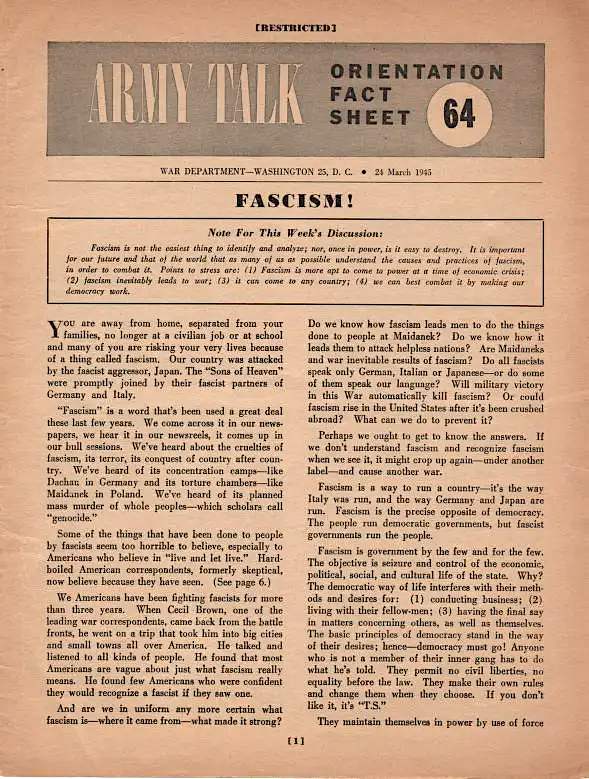
Fascism!: The US Army Publishes a Pamphlet in 1945 Explaining How to Spot Fascism at Home and Abroad

Fas­cism is a word that’s been used a great deal these last few years,” says the arti­cle pic­tured above (scanned in full here at the Inter­net Archive). “We come across it in our news­pa­pers, we hear it in our news­reels, it comes up in our bull ses­sions.” Oth­er than the part about news­reels (today’s equiv­a­lent being our social-media feeds, or per­haps the videos put before our eyes by the algo­rithm), these sen­tences could well have been pub­lished today. Some see the fas­cist takeover of mod­ern-day democ­ra­cies as prac­ti­cal­ly immi­nent, while oth­ers argue that the con­cept itself has no mean­ing in the twen­ty-first cen­tu­ry. But 78 years ago, when this issue of Army Talk came off the press, fas­cism was very much a going — and fear­some — con­cern.

“Begin­ning in 1943, the War Depart­ment pub­lished a series of pam­phlets for U.S. Army per­son­nel in the Euro­pean the­ater of World War II,” writes his­to­ri­an Heather Cox Richard­son. The mis­sion of Army Talks, in the pub­li­ca­tion’s own words, was to help its read­ers “become bet­ter-informed men and women and there­fore bet­ter sol­diers.”

Each issue includ­ed a top­ic for dis­cus­sion, and on March 25, 1945, that top­ic was fas­cism — or, as the head­line puts it, “FASCISM!” Under that ide­ol­o­gy, defined as “gov­ern­ment by the few and for the few,” a small group of polit­i­cal actors achieves “seizure and con­trol of the eco­nom­ic, polit­i­cal, social, and cul­tur­al life of the state.” Such rul­ing class­es “per­mit no civ­il lib­er­ties, no equal­i­ty before the law. They make their own rules and change them when they choose. If you don’t like it, it’s ‘T.S.’ ”

Fas­cists come to pow­er, the text explains, in times of hard­ship, dur­ing which they promise “every­thing to every­one”: land to the farm­ers, jobs to the work­ers, cus­tomers and prof­its to the small busi­ness­men, elim­i­na­tion of small busi­ness­men to the indus­tri­al­ists, and so on. When this regime “under which every­thing not pro­hib­it­ed is com­pul­so­ry” inevitably fails to deliv­er a per­fect soci­ety, things turn vio­lent, both in the coun­try’s inter­nal strug­gles and in its con­flicts with oth­er pow­ers. To many Amer­i­cans at the time of World War II, this might seem like a whol­ly for­eign dis­or­der, liable to afflict only such dis­tant lands as Italy, Japan, and Ger­many. But a notion­al Amer­i­can fas­cism would look and feel famil­iar, work­ing “under the guise of ‘super-patri­o­tism’ and ‘super-Amer­i­can­ism.’ Fas­cist lead­ers are nei­ther stu­pid nor naïve. They know that they must hand out a line that ‘sells.’ ”

That some­one’s always try­ing to sell you some­thing in pol­i­tics — and even more so in Amer­i­can pol­i­tics — is as true in 2023 as it was in 1945. Though who­ev­er assumed back then that “it could­n’t hap­pen here” pre­sum­ably fig­ured that the Unit­ed States was too wealthy a soci­ety for fas­cist temp­ta­tions to gain a foothold. But even the most favor­able eco­nom­ic for­tunes can reverse, and “lots of things can hap­pen inside of peo­ple when they are unem­ployed or hun­gry. They become fright­ened, angry, des­per­ate, con­fused. Many, in their mis­ery, seek to find some­body to blame. They look for a scape­goat as a way out. Fas­cism is always ready to pro­vide one.” And not only fas­cism: polit­i­cal oppor­tunists of every stripe know full well the pow­er to be drawn from “the inse­cure and unem­ployed” look­ing for some­one on who “to pin the blame for their mis­for­tune” — and how easy it is to do so when no one else has a more appeal­ing vision of the future to offer.

You can see a scan of the orig­i­nal doc­u­ment here, and read the text here.

Relat­ed con­tent:

How to Spot a Com­mu­nist Using Lit­er­ary Crit­i­cism: A 1955 Man­u­al from the U.S. Mil­i­tary

Umber­to Eco Makes a List of the 14 Com­mon Fea­tures of Fas­cism

The Sto­ry of Fas­cism: Rick Steves’ Doc­u­men­tary Helps Us Learn from the Hard Lessons of the 20th Cen­tu­ry

Wal­ter Ben­jamin Explains How Fas­cism Uses Mass Media to Turn Pol­i­tics Into Spec­ta­cle (1935)

Sin­clair Lewis’ Chill­ing Play, It Can’t Hap­pen Here: A Read-Through by the Berke­ley Reper­to­ry The­atre

Hunter S. Thomp­son Gets in a Gun­fight with His Neigh­bor & Dis­pens­es Polit­i­cal Wis­dom: “In a Democ­ra­cy, You Have to Be a Play­er”

Based in Seoul, Col­in Marshall writes and broad­casts on cities, lan­guage, and cul­ture. His projects include the Sub­stack newslet­ter Books on Cities, the book The State­less City: a Walk through 21st-Cen­tu­ry Los Ange­les and the video series The City in Cin­e­ma. Fol­low him on Twit­ter at @colinmarshall or on Face­book.

The Complete Collection Of MTV’s Headbangers Ball: Watch 1,215 Videos from the Heyday of Metal Videos

Pre­mier­ing in April 1987, MTV’s Head­bangers Ball fea­tured music videos from met­al and hard rock bands of the 80s and 90s–everyone from AC/DC and Möt­ley Crüe, to Ozzy Osbourne, Def Lep­pard and Twist­ed Sis­ter, to Judas Priest, Iron Maid­en and Van Halen. If you’re jonesing to revis­it some met­al clas­sics, you’re in luck. Some enter­pris­ing soul has cre­at­ed a playlist of 1,215 music videos fea­tured on Head­bangers Ball. Watch them above. And all along, keep in mind, that the met­al­head kids who passed their time watch­ing these videos turned out alright in the end, large­ly becom­ing well-adjust­ed adults. Or so that’s what ret­ro­spec­tive sci­en­tif­ic stud­ies show. Enjoy…

PS For those who want to re-expe­ri­ence anoth­er MTV show, vis­it this: All the Music Played on MTV’s 120 Min­utes: A 2,500-Video Youtube Playlist

If you would like to sup­port the mis­sion of Open Cul­ture, con­sid­er mak­ing a dona­tion to our site. It’s hard to rely 100% on ads, and your con­tri­bu­tions will help us con­tin­ue pro­vid­ing the best free cul­tur­al and edu­ca­tion­al mate­ri­als to learn­ers every­where. You can con­tribute through Pay­Pal, Patre­on, and Ven­mo (@openculture). Thanks!

via Brook­lyn Veg­an

Relat­ed Con­tent 

1980s Met­al­head Kids Are Alright: Sci­en­tif­ic Study Shows That They Became Well-Adjust­ed Adults

Watch Heavy Met­al Park­ing Lot, the Cult Clas­sic Film That Ranks as One of the “Great Rock Doc­u­men­taries” of All Time

Watch the First Two Hours of MTV’s Inau­gur­al Broad­cast (August 1, 1981)

by | Permalink | Make a Comment ( 15 ) |

The 100 Greatest Children’s Books of All Time, According to 177 Books Experts from 56 Countries

Giv­en the size and demo­graph­ic pro­file of J. R. R. Tolkien’s fan base today, it’s easy to for­get that he orig­i­nal­ly wrote The Hob­bit for chil­dren. For gen­er­a­tions of young read­ers, that nov­el has stood as the gate­way into Tolkien’s much more com­plex and ambi­tious Lord of the Rings tril­o­gy — also writ­ten for chil­dren, at least accord­ing to the new poll of 177 experts around the world con­duct­ed by the BBC to deter­mine the 100 great­est chil­dren’s books of all time. In its results, The Lord of the Rings comes in around the mid­dle, but The Hob­bit takes fifth place, behind only the near-uni­ver­sal­ly beloved titles The Lit­tle Prince, Pip­pi Long­stock­ing, Alice’s Adven­tures in Won­der­land, and — at num­ber one — Where the Wild Things Are.

Any read­er who was a child in the past six­ty years will know all of those books; any read­er alive will know most of them. Through­out this top-100 list appear clas­sics that have been in the chil­dren’s canon longer than any of us have been alive, like Anne of Green Gables, Trea­sure Island, and Lit­tle Women.

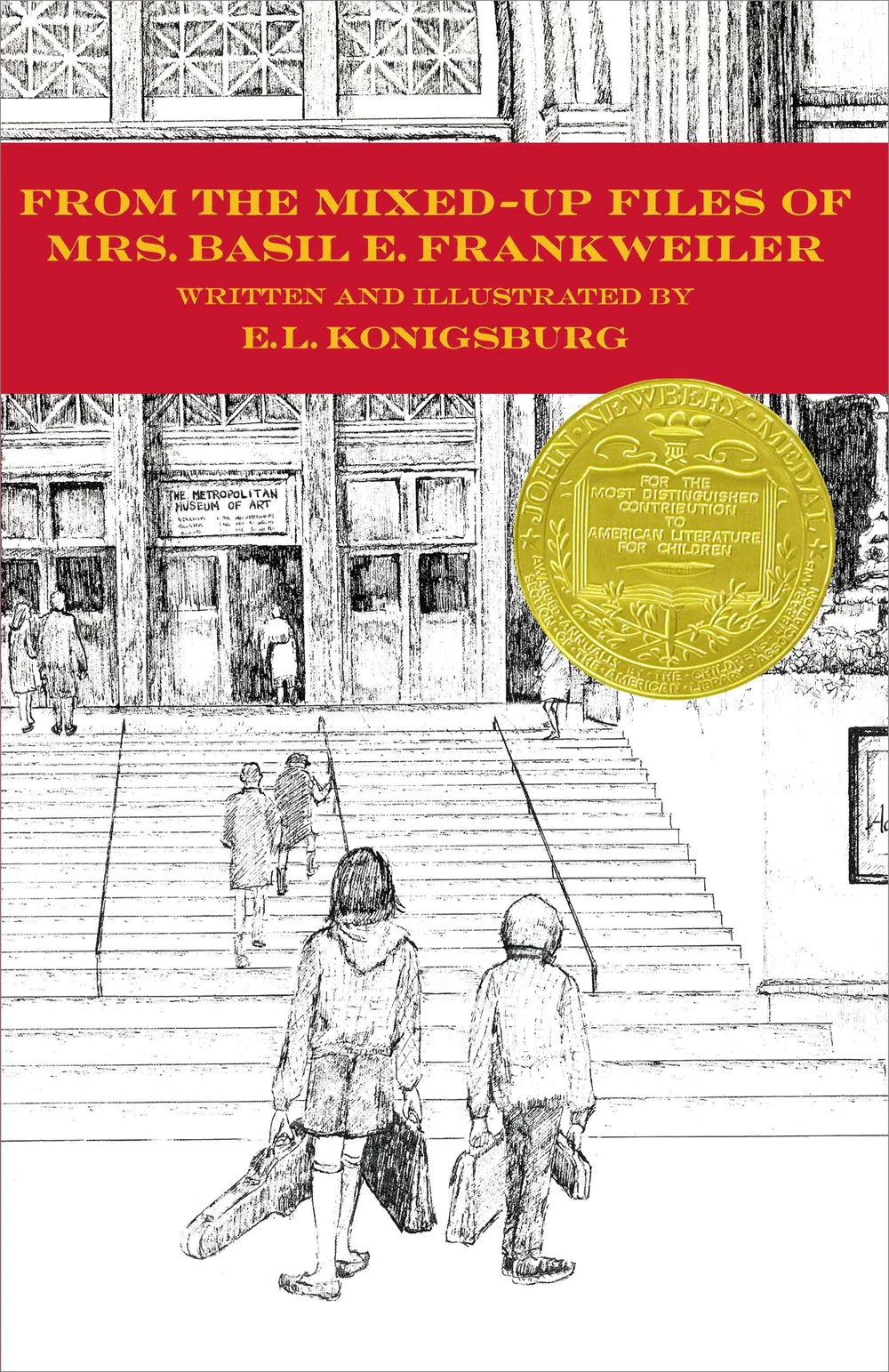
A great many works, from Good­night Moon and The Cat in the Hat to A Wrin­kle in Time and From the Mixed-Up Files of Mrs Basil E. Frankweil­er — joined it in the mid­dle of the twen­ti­eth cen­tu­ry. “Books pub­lished between the 1950s and 1970s were most preva­lent,” says the BBC’s accom­pa­ny­ing notes, “which may be relat­ed to the age pro­file of vot­ers, the major­i­ty of whom were born in the 1970s and 1980s.”

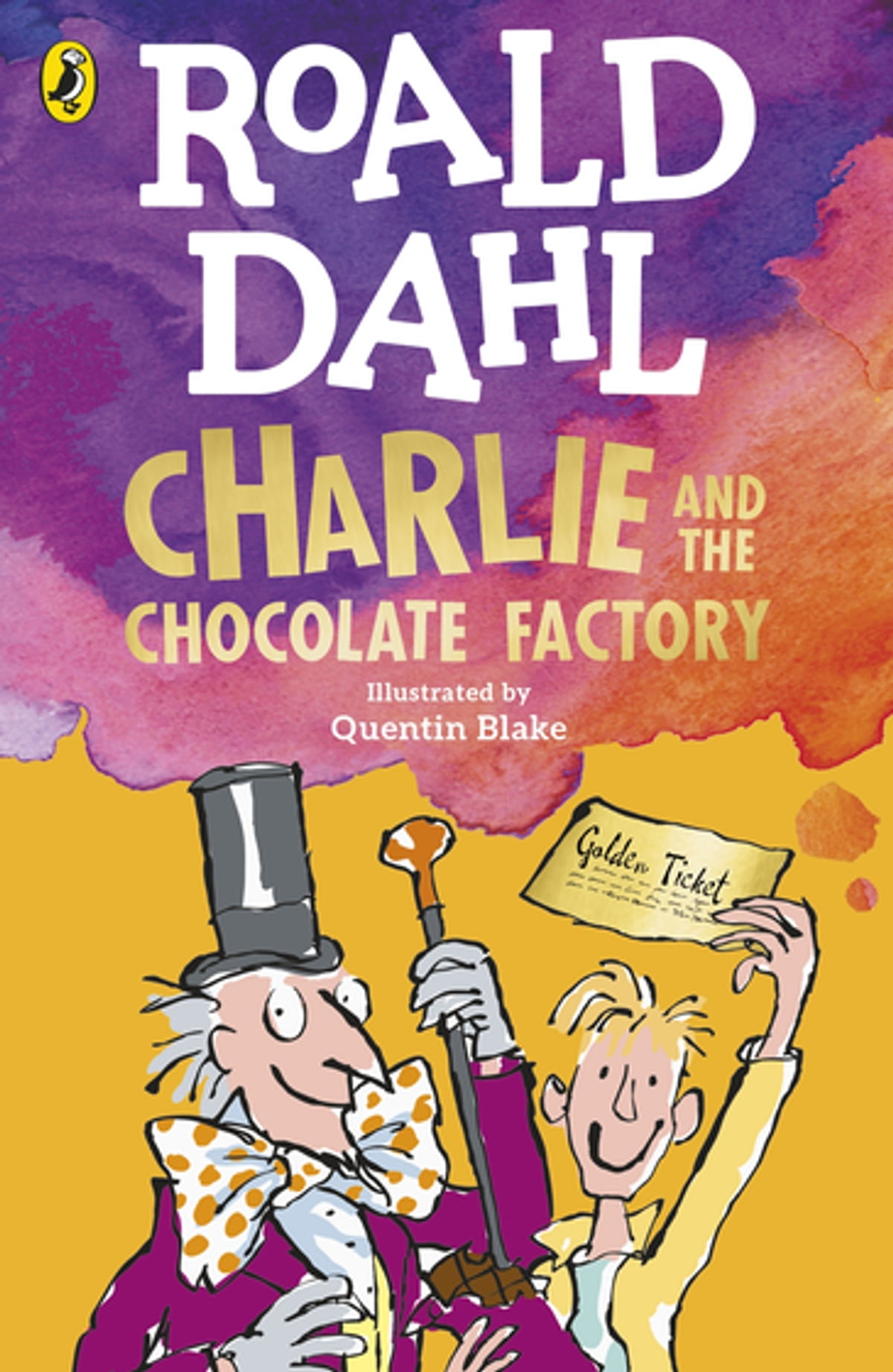
Indeed, a glance through these results can hard­ly fail to bring back any of the ear­li­est read­ing mem­o­ries of any Gen­er­a­tion Xer or mil­len­ni­al. Wit­ness the preva­lence of books by Roald Dahl: Char­lie and the Choco­late Fac­to­ry, The BFG, The Witch­es, Matil­da. Even Dan­ny, the Cham­pi­on of the World, which I remem­ber as rel­a­tive­ly lack­lus­ter, just makes the cut. Of course, “the furor over the rewrit­ing of Roald Dahl’s nov­els for mod­ern sen­si­bil­i­ties” has late­ly brought his work back into pub­lic dis­course; that and oth­er unre­lat­ed con­tro­ver­sies over what books ought to be made avail­able in school libraries have giv­en us rea­son to con­sid­er once again what chil­dren’s lit­er­a­ture is, or what it could and should be — a range of ques­tions that kids them­selves seem rather bet­ter equipped to address than many grown-ups. See the BBC’s com­plete list here.

via Kot­tke

Relat­ed con­tent:

Dis­cov­er J. R. R. Tolkien’s Lit­tle-Known and Hand-Illus­trat­ed Children’s Book Mr. Bliss

Hayao Miyaza­ki Selects His 50 Favorite Children’s Books

Read a Nev­er Pub­lished, “Sub­ver­sive” Chap­ter from Roald Dahl’s Char­lie and the Choco­late Fac­to­ry

Enter an Archive of 6,000 His­tor­i­cal Children’s Books, All Dig­i­tized and Free to Read Online

Mau­rice Sendak Ani­mat­ed; James Gan­dolfi­ni Reads from Sendak’s Sto­ry “In The Night Kitchen”

A Dig­i­tal Archive of Sovi­et Children’s Books Goes Online: Browse the Artis­tic, Ide­o­log­i­cal Col­lec­tion (1917–1953)

Based in Seoul, Col­in Marshall writes and broad­casts on cities, lan­guage, and cul­ture. His projects include the Sub­stack newslet­ter Books on Cities, the book The State­less City: a Walk through 21st-Cen­tu­ry Los Ange­les and the video series The City in Cin­e­ma. Fol­low him on Twit­ter at @colinmarshall or on Face­book.

Kraftwerk’s “The Robots” Performed by German 1st Graders in Cute Cardboard Robot Costumes

“Teach your chil­dren well” sang Cros­by, Stills and Nash once upon a long ago, and that adage could be para­phrased as “make sure your stu­dents don’t grow up learn­ing sub­stan­dard pop songs. Give them a real edu­ca­tion.” An enter­pris­ing ele­men­tary school teacher in Mom­bach, a dis­trict of the Rhineland city of Mainz, did so in 2015, dress­ing up his stu­dents from Lemm­chen Ele­men­tary in their own hand­made robot out­fits and teach­ing them to sing the clas­sic 1978 Kraftwerk hit “The Robots” (or “Robot­er” if you own the Ger­man ver­sion, which you can hear below).

While the orig­i­nal prog-rock­ers turned elec­tron­ic demigods tried to strip away as much of their human­i­ty when play­ing live, you just can’t do it with kids. They’re just too cute, and their wob­bly, shuf­fling attempts to be machines only warms the heart more. (Could their par­ents tell who was who, I won­der?) Their ver­sion of the music is sim­i­lar­ly charm­ing and pret­ty faith­ful, though it’s pos­si­bly played by instruc­tor Lars Reimer. (An old­er class shows their faces and plays instru­ments in a more recent video, a cov­er of “Tanz” by Stop­pok.) So yes, Mr. Reimer, you’re pass­ing on some good musi­cal taste.

Though Kraftwerk was often thought of as cold and arti­fi­cial when they first arrived on the inter­na­tion­al music scene, the inter­ven­ing years have only empha­sized the roman­tic beau­ty of their (most­ly major key) melodies. (See for exam­ple the Bal­anes­cu Quartet’s ren­di­tion of the same song below.)

Note: An ear­li­er ver­sion of this post appeared on our site in 2016.

If you would like to sup­port the mis­sion of Open Cul­ture, con­sid­er mak­ing a dona­tion to our site. It’s hard to rely 100% on ads, and your con­tri­bu­tions will help us con­tin­ue pro­vid­ing the best free cul­tur­al and edu­ca­tion­al mate­ri­als to learn­ers every­where. You can con­tribute through Pay­Pal, Patre­on, and Ven­mo (@openculture). Thanks!

Relat­ed Con­tent:

Ele­men­tary School Kids Sing David Bowie’s “Space Odd­i­ty” & Oth­er Rock Hits: A Cult Clas­sic Record­ed in 1976

Kraftwerk’s First Con­cert: The Begin­ning of the End­less­ly Influ­en­tial Band (1970)

One Man Shows You How to Play Kraftwerk’s “The Robots” with Just One Syn­the­siz­er

Ted Mills is a free­lance writer on the arts who cur­rent­ly hosts the FunkZone Pod­cast. You can also fol­low him on Twit­ter at @tedmills, read his oth­er arts writ­ing at tedmills.com and/or watch his films here.

« Go BackMore in this category... »
Quantcast