The Page That Changed Comics Forever: Discover the Innovative 1950s Comic Book That Almost Went Unpublished

If you grew up read­ing Amer­i­can com­ic books dur­ing the sec­ond half of the twen­ti­eth cen­tu­ry, you’ll be famil­iar with the seal of the Comics Code Author­i­ty. I remem­ber see­ing it stamped onto the upper-right cor­ner of issues of titles from The Amaz­ing Spi­der-Man to reprints of Carl Barks’ Scrooge McDuck sto­ries to Jug­head Dou­ble Digest, but I can’t say I paid it much mind at the time. This was in the nine­teen-nineties, by which time the Comics Code itself has lost much of its force. But back when it was cre­at­ed, in 1954, it had as much restric­tive pow­er over the con­tent of com­ic books as the “Hays Code” once had over motion pic­tures.

Accord­ing to the video from Youtu­ber matttt above, the Comics Code was imple­ment­ed in response to one pub­lish­er above all: EC Comics, whose grim and graph­ic titles like Tales from the Crypt and The Vault of Hor­ror made both a big impact on pop­u­lar cul­ture and a dent in the rep­u­ta­tion of the comics indus­try. Clos­ing ranks, that indus­try formed the Comics Code Author­i­ty to enforce a regime of self-cen­sor­ship, man­gling EC in its gears just as it was about to pub­lish one of the most inno­v­a­tive sto­ries in its form: “Mas­ter Race,” the tale of an ex-SS offi­cer in mod­ern-day New York, by an artist named Bernard Krig­stein.

At its height, EC was a ver­i­ta­ble comics fac­to­ry, with a set of pro­ce­dures in place that ensured the effi­cient pro­duc­tion of cheap thrills — often at con­sid­er­able cost to the poten­tial of the medi­um. Krig­stein, who’d always har­bored high­er artis­tic aspi­ra­tions, chafed at these lim­i­ta­tions, find­ing such workarounds as sub­di­vid­ing rigid­ly defined pan­el spaces into sets of sequen­tial images, the bet­ter to con­vey move­ment and action. Nowhere did this tech­nique prove more effec­tive than in “Mas­ter Race,” with its prac­ti­cal­ly cin­e­mat­ic tour de force sequence in which the haunt­ed Carl Reiss­man slips under the wheels of a pass­ing sub­way train.

Qual­i­ty takes time, and Krig­stein missed the sto­ry’s dead­line just before the Comics Code went into force. “Mas­ter Race” was pub­lished a few months lat­er, albeit in one of EC’s new, san­i­tized, and thus much less pop­u­lar titles. The meth­ods of visu­al sto­ry­telling he refined have now become stan­dard ele­ments of com­ic art, but the medi­um’s enthu­si­asts can sense how far Krig­stein could have gone, if not for the frus­tra­tion that ulti­mate­ly caused him to aban­don comics for a career as a high-school teacher: “Some­thing tremen­dous could have been done,” he said, “if only they’d let me do it.” With the Comics Code long since defunct — and now that EC’s most dis­turb­ing comics look tame — con­tent has become a free-for-all. But what artist dares to be as bold as Krig­stein in push­ing for­ward the form?

Relat­ed con­tent:

The Dis­ney Artist Who Devel­oped Don­ald Duck & Remained Anony­mous for Years, Despite Being “the Most Pop­u­lar and Wide­ly Read Artist-Writer in the World”

1950s Pulp Com­ic Adap­ta­tions of Ray Brad­bury Sto­ries Get­ting Repub­lished

Why the Short-Lived Calvin and Hobbes Is Still One of the Most Beloved & Influ­en­tial Com­ic Strips

How Art Spiegel­man Designs Com­ic Books: A Break­down of His Mas­ter­piece, Maus

George Herriman’s Krazy Kat, Praised as the Great­est Com­ic Strip of All Time, Gets Dig­i­tized as Ear­ly Install­ments Enter the Pub­lic Domain

“Thou Shalt Not”: A 1940 Pho­to Satir­i­cal­ly Mocks Every Vice & Sin Cen­sored by the Hays Movie Cen­sor­ship Code

Based in Seoul, Col­in Marshall writes and broad­casts on cities, lan­guage, and cul­ture. His projects include the Sub­stack newslet­ter Books on Cities and the book The State­less City: a Walk through 21st-Cen­tu­ry Los Ange­les. Fol­low him on Twit­ter at @colinmarshall or on Face­book.

When Slavoj Žižek and Jordan Peterson Debated Capitalism Versus Marxism

Karl Marx was a Ger­man philoso­pher-his­to­ri­an (with a few oth­er pur­suits besides) who wrote in pur­suit of an under­stand­ing of indus­tri­al soci­ety as he knew it in the nine­teenth cen­tu­ry and what its future evo­lu­tion held in store. There are good rea­sons to read his work still today, espe­cial­ly if you have an inter­est in the his­to­ry of eco­nom­ic and soci­o­log­i­cal the­o­ry, or in the time and places he lived. But in the almost cen­tu­ry-and-a-half since his death — and more so dur­ing the twen­ti­eth cen­tu­ry, dur­ing which the osten­si­bly Marx­ist project of the Sovi­et Union rose and fell — he’s turned from a his­tor­i­cal fig­ure into an icon­ic specter, rep­re­sent­ing either pen­e­trat­ing insight into or cat­a­stroph­ic delu­sion about the orga­ni­za­tion of human soci­ety.

It was sure­ly Marx’s ten­den­cy to inflame strong opin­ions that got him placed at the cen­ter of a debate between the psychologist/cultural com­men­ta­tor Jor­dan Peter­son and the philosopher/cultural the­o­rist Slavoj Žižek. The event took place in 2019, at Toron­to’s Sony Cen­ter, billed as a clash of the titans on the sub­ject of “Hap­pi­ness: Cap­i­tal­ism vs. Marx­ism.”

In fact, it end­ed up cov­er­ing a wide range of twen­ty-first-cen­tu­ry issues, with each of the two unortho­dox, high­ly rec­og­niz­able pub­lic intel­lec­tu­als giv­ing char­ac­ter­is­tic per­for­mances on the eco­nom­ic and polit­i­cal ide­olo­gies of the day. Yet they aren’t as opposed as one might have imag­ined: “I can­not but notice the irony of how Peter­son and I, the par­tic­i­pants in this duel of the cen­tu­ry, are both mar­gin­al­ized by the offi­cial aca­d­e­m­ic com­mu­ni­ty,” Žižek remarks ear­ly on.

Indeed, writes the Guardian’s Stephen Marche, “the great sur­prise of this debate turned out to be how much in com­mon the old-school Marx­ist and the Cana­di­an iden­ti­ty pol­i­tics refusenik had. One hat­ed com­mu­nism. The oth­er hat­ed com­mu­nism but thought that cap­i­tal­ism pos­sessed inher­ent con­tra­dic­tions. The first one agreed that cap­i­tal­ism pos­sessed inher­ent con­tra­dic­tions.” Nev­er­the­less, as in many a debate, the sur­pris­ing com­mon ground is more inter­est­ing than the pre­dictable points of con­flict, espe­cial­ly on themes broad­er than any set of ‑isms. “My basic dog­ma is, hap­pi­ness should be treat­ed as a nec­es­sary by-prod­uct,” says Žižek. “If you focus on it, you are lost.” To this propo­si­tion Peter­son lat­er gives his hearty assent. As for what, exact­ly, to focus on instead of hap­pi­ness… well, that’s a mat­ter of debate.

Relat­ed con­tent:

Slavoj Žižek Calls Polit­i­cal Cor­rect­ness a Form of “Mod­ern Total­i­tar­i­an­ism”

Karl Marx & the Flaws of Cap­i­tal­ism: Lex Frid­man Talks with Pro­fes­sor Richard Wolff

Clash of the Titans: Noam Chom­sky & Michel Fou­cault Debate Human Nature & Pow­er on Dutch TV, 1971

Slavoj Žižek Responds to Noam Chom­sky: ‘I Don’t Know a Guy Who Was So Often Empir­i­cal­ly Wrong’

Mil­ton Fried­man & John Ken­neth Galbraith’s Present Their Oppos­ing Eco­nom­ic Philoso­phies on Two TV Series (1977–1980)

An AI Gen­er­at­ed, Nev­er-End­ing Dis­cus­sion Between Wern­er Her­zog and Slavoj Žižek

Based in Seoul, Col­in Marshall writes and broad­casts on cities, lan­guage, and cul­ture. His projects include the Sub­stack newslet­ter Books on Cities and the book The State­less City: a Walk through 21st-Cen­tu­ry Los Ange­les. Fol­low him on Twit­ter at @colinmarshall or on Face­book.

The Cramps Play a Mental Health Hospital in Napa, California in 1978: The Punkest of Punk Concerts

“We’re The Cramps, and we’re from New York City, and we drove 3,000 miles to play for you peo­ple.” So begins one of the odd­est but also the punk­est of punk rock con­certs in his­to­ry, as The Cramps play for a crowd at a state men­tal hos­pi­tal in Napa, Cal­i­for­nia. The date was June 13, 1978, a time when Napa was more known for the hos­pi­tal than for its bur­geon­ing wine indus­try.

Lead vocal­ist Lux Inte­ri­or made this intro­duc­tion after the first num­ber, “Mys­tery Plane.” The band played on a patio, sev­er­al steps above the court­yard at the insti­tu­tion, while the band’s friends hung out with the 100 or so patients in atten­dance.

“And some­body told me you peo­ple are crazy, but I’m not so sure about that,” Lux con­tin­ues in the video. “You seem to be all right to me.” Indeed, most every­body seems to be hav­ing a hell of a time, some danc­ing as if they’re at a sock hop, oth­ers just com­plete­ly thrash­ing about.

This wasn’t the first band to have played at the insti­tu­tion, as the hospital’s Bart Swain, who invit­ed The Cramps to Napa, often brought in musi­cians to expand the patients’ hori­zons. But on that night a video cam­era was also brought along to record the set. (Swain wor­ried about pre­serv­ing the anonymi­ty of the res­i­dents.)

Anoth­er band on the bill, The Mutants, did­n’t get video­taped, pos­si­bly because the sun had gone down around this time. Either way, it is a very rare slice of punk his­to­ry, with few com­par­isons apart from the Sex Pis­tols play­ing Chelms­ford prison and when a lit­tle known thrash met­al band called Gob­stop­per played a Christ­mas par­ty at a home for devel­op­men­tal­ly dis­abled kids and adults.

Accord­ing to this arti­cle on the event, Napa State still stands but the chances of such a con­cert hap­pen­ing again are slim. The major­i­ty of its ten­ants are now both vio­lent offend­ers and men­tal­ly unsta­ble, too dan­ger­ous a venue for any­body to play, no mat­ter how punk.

If you would like to sign up for Open Culture’s free email newslet­ter, please find it here. It’s a great way to see our new posts, all bun­dled in one email, each day.

If you would like to sup­port the mis­sion of Open Cul­ture, con­sid­er mak­ing a dona­tion to our site. It’s hard to rely 100% on ads, and your con­tri­bu­tions will help us con­tin­ue pro­vid­ing the best free cul­tur­al and edu­ca­tion­al mate­ri­als to learn­ers every­where. You can con­tribute through Pay­Pal, Patre­on, and Ven­mo (@openculture). Thanks!

Relat­ed Con­tent:

When the Sex Pis­tols Played at the Chelms­ford Top Secu­ri­ty Prison: Hear Vin­tage Tracks from the 1976 Gig

75 Post-Punk and Hard­core Con­certs from the 1980s Have Been Dig­i­tized & Put Online: Fugazi, GWAR, Lemon­heads, Dain Bra­m­age (with Dave Grohl) & More

The Sex Pis­tols Do Dal­las: A Strange Con­cert from the Strangest Tour in His­to­ry (Jan­u­ary 10, 1978)

Ted Mills is a free­lance writer on the arts who cur­rent­ly hosts the artist inter­view-based FunkZone Pod­cast. You can also fol­low him on Twit­ter at @tedmills, read his oth­er arts writ­ing at tedmills.com and/or watch his films here.

by | Permalink | Make a Comment ( 9 ) |

Face to Face with Carl Jung: ‘Man Cannot Stand a Meaningless Life’ (1959)

Carl Gus­tav Jung, founder of ana­lyt­ic psy­chol­o­gy and explor­er of the col­lec­tive uncon­scious, was born on July 26, 1875 in the vil­lage of Kess­wil, in the Thur­gau can­ton of Switzer­land. Above, we present a fas­ci­nat­ing 39-minute inter­view of Jung by John Free­man for the BBC pro­gram Face to Face. It was filmed at Jung’s home at Küs­nacht, on the shore of Lake Zürich, and broad­cast on Octo­ber 22, 1959, when Jung was 84 years old. He speaks on a range of sub­jects, from his child­hood and edu­ca­tion to his asso­ci­a­tion with Sig­mund Freud and his views on death, reli­gion and the future of the human race. At one point Free­man asks Jung whether he believes in God, and Jung seems to hes­i­tate. “It’s dif­fi­cult to answer,” he says. “I know. I don’t need to believe. I know.”

If you would like to sign up for Open Culture’s free email newslet­ter, please find it here. It’s a great way to see our new posts, all bun­dled in one email, each day.

If you would like to sup­port the mis­sion of Open Cul­ture, con­sid­er mak­ing a dona­tion to our site. It’s hard to rely 100% on ads, and your con­tri­bu­tions will help us con­tin­ue pro­vid­ing the best free cul­tur­al and edu­ca­tion­al mate­ri­als to learn­ers every­where. You can con­tribute through Pay­Pal, Patre­on, and Ven­mo (@openculture). Thanks!

Relat­ed Con­tent:

The Famous Break Up of Sig­mund Freud & Carl Jung Explained in a New Ani­mat­ed Video

How Carl Jung Inspired the Cre­ation of Alco­holics Anony­mous

Take Carl Jung’s Word Asso­ci­a­tion Test, a Quick Route Into the Sub­con­scious (1910)

Carl Jung’s Hand-Drawn, Rarely-Seen Man­u­script The Red Book


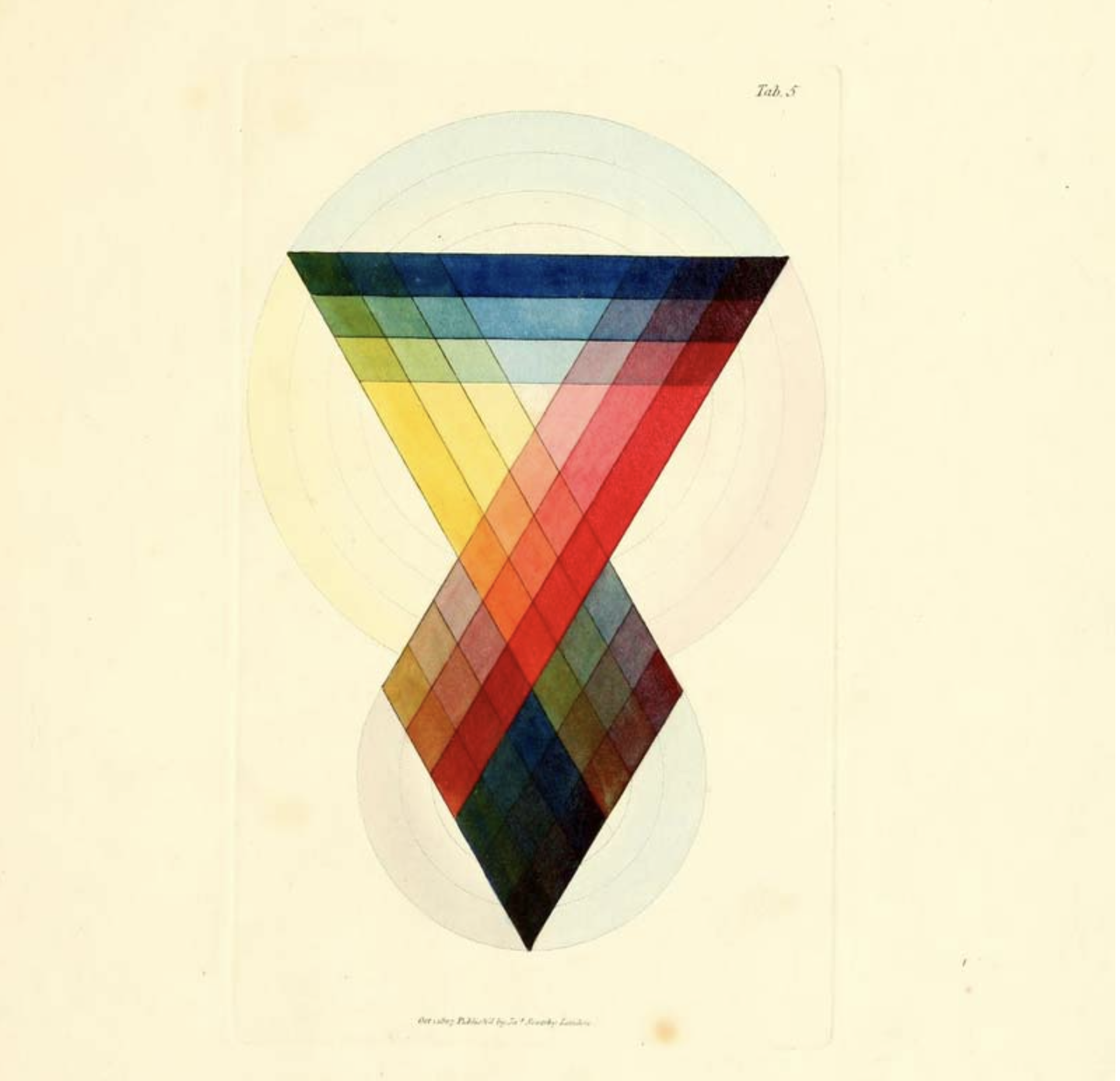
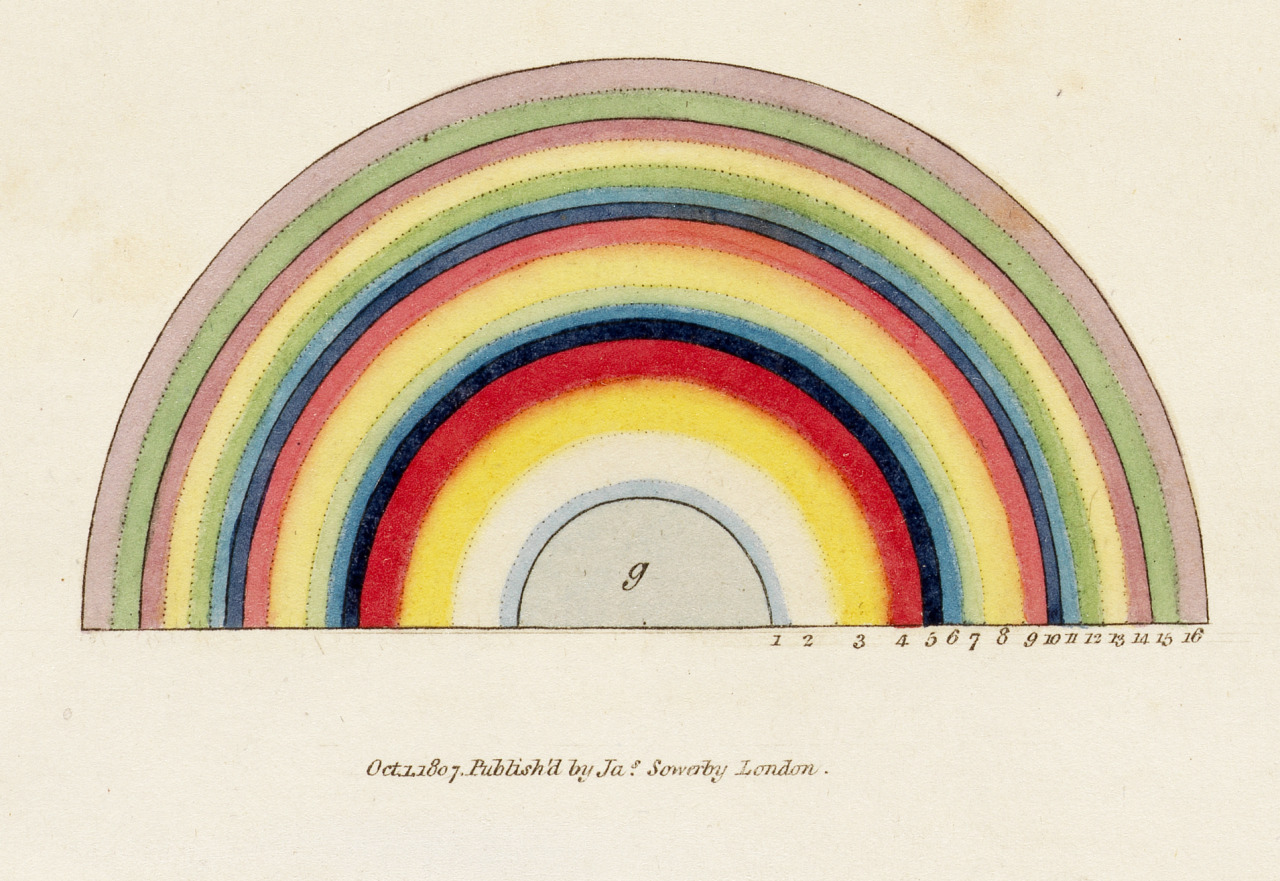
Behold James Sowerby’s Strikingly Illustrated New Elucidation of Colours (1809)

James Sower­by was an artist ded­i­cat­ed to the nat­ur­al world. It thus comes as no sur­prise that he was also enor­mous­ly inter­est­ed in col­or, espe­cial­ly giv­en the era in which he lived. Born in 1757, he made his pro­fes­sion­al start as a painter of flow­ers: a viable career path in those days, at least to those with Sower­by’s tal­ent and ded­i­ca­tion. It was in 1790 that he began what would end up being the 23-years-in-the-mak­ing Eng­lish Botany, the land­mark 36-vol­ume work for which he remains best known today. Its 2,592 images cap­tured the full range of his coun­try’s flo­ra, some of them in hues that read­ers had nev­er before encoun­tered in real life.

Alas, writes Joyce Dixon at Shap­ing Colour, “as the years passed, Sower­by watched with dis­may as the bright hues of his hand-col­ored engrav­ings began to fade and decay — the inevitable action of time and chem­i­cal insta­bil­i­ty work­ing away at his water­col­or pig­ments.” This inspired anoth­er ambi­tious artis­tic-sci­en­tif­ic project: “to devel­op a stan­dard, uni­ver­sal and per­ma­nent method of rep­re­sent­ing nat­ur­al col­or.” In 1809, he invent­ed a device he called the “Chro­matome­ter,” which “pre­sent­ed a stan­dard, mea­sur­able pris­mat­ic spec­trum to the user.” Look­ing through a prism, that user could the­o­ret­i­cal­ly “pin­point spe­cif­ic col­ors in the spec­trum revealed by the prism, offer­ing a stan­dard ref­er­ence for a spe­cif­ic hue” iden­ti­fied in real­i­ty.

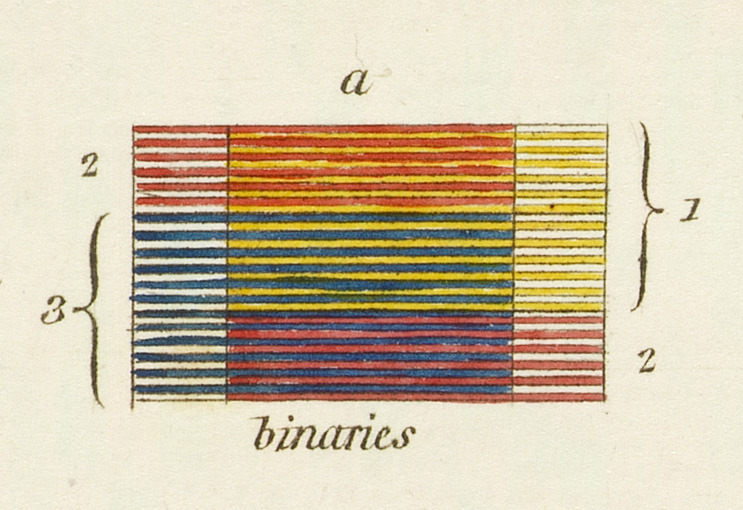
The Chro­matome­ter nev­er proved viable, writes Paul Sorene at Flash­bak, “because it was too fid­dly and botanists often worked at night,” but the work that doc­u­ment­ed it lives on. A New Elu­ci­da­tion of Colours, Orig­i­nal, Pris­mat­ic and Mate­r­i­al: Show­ing Their Con­cor­dance in the Three Prim­i­tives, Yel­low, Red and Blue: and the Means of Pro­duc­ing, Mea­sur­ing and Mix­ing Them: with some Obser­va­tions on the Accu­ra­cy of Sir Isaac New­ton presents a sys­tem of col­or the­o­ry based on red, yel­low, and blue (unlike mod­ern sys­tems, not red, green, and blue). At the same time that Sower­by was devel­op­ing it, his coun­try­man Thomas Young was putting togeth­er a sci­en­tif­ic the­o­ry of his own about how all per­cep­tion of col­or aris­es from the eye com­bin­ing just three wave­lengths — a the­o­ry that turned out to be true.

You can read or down­load A New Elu­ci­da­tion at the Well­come Col­lec­tion or the Inter­net Archive. These dig­i­tized ver­sions include all of Sower­by’s orig­i­nal illus­tra­tions, for use with the Chro­matome­ter and oth­er­wise, which remain aes­thet­i­cal­ly com­pelling these two cen­turies lat­er. But as under­scored by the copi­ous amounts of text, they reflect a time when human­i­ty was com­ing into an under­stand­ing of not just how to repli­cate col­ors reli­ably and accu­rate­ly, but of the nature of col­or itself. Sower­by may not have had the last word on the sub­ject, despite hav­ing cor­rect­ed no less a fore­bear than New­ton, but his inves­ti­ga­tions can only have helped him look even more close­ly at the nat­ur­al king­doms he meant to cap­ture — includ­ing that of min­er­als, which was also beck­on­ing at the time.

via Flash­bak

Relat­ed con­tent:

A 900-Page Pre-Pan­tone Guide to Col­or from 1692: A Com­plete High-Res­o­lu­tion Dig­i­tal Scan

The Woman Who The­o­rized Col­or: An Intro­duc­tion to Mary Gartside’s New The­o­ry of Colours (1808)

Goethe’s The­o­ry of Col­ors: The 1810 Trea­tise That Inspired Kandin­sky & Ear­ly Abstract Paint­ing

A Vision­ary 115-Year-Old Col­or The­o­ry Man­u­al Returns to Print: Emi­ly Noyes Vanderpoel’s Col­or Prob­lems

The Vibrant Col­or Wheels Designed by Goethe, New­ton & Oth­er The­o­rists of Col­or (1665–1810)

The Book of Colour Con­cepts: A New 800-Page Cel­e­bra­tion of Col­or The­o­ry, Includ­ing Works by New­ton, Goethe, and Hilma af Klint

Based in Seoul, Col­in Marshall writes and broad­casts on cities, lan­guage, and cul­ture. His projects include the Sub­stack newslet­ter Books on Cities and the book The State­less City: a Walk through 21st-Cen­tu­ry Los Ange­les. Fol­low him on Twit­ter at @colinmarshall or on Face­book.

The “Nonsense” Botanical Illustrations of Victorian Artist-Poet Edward Lear (1871–77)

Since the Vic­to­ri­an era, Edward Lear’s “The Owl and the Pussy-Cat” has been, for gen­er­a­tion upon gen­er­a­tion in the Eng­lish-speak­ing world, the kind of poem that one sim­ply knows, whether one remem­bers actu­al­ly hav­ing read it or not. As with most such works that seep so per­ma­nent­ly into the cul­ture, it does­n’t quite rep­re­sent its author in full. Though more or less of a piece with his cel­e­brat­ed “non­sense” verse (which I myself read in child­hood, more than a cen­tu­ry after its ini­tial pub­li­ca­tion), it hints only vague­ly at his intense artis­tic engage­ment with the nat­ur­al world, through the obser­va­tion and live­ly por­tray­al of which he made his name as an illus­tra­tor.

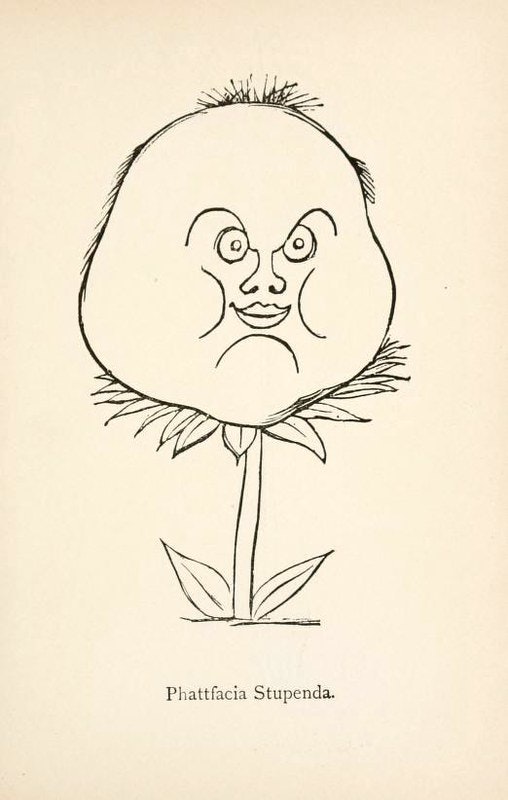
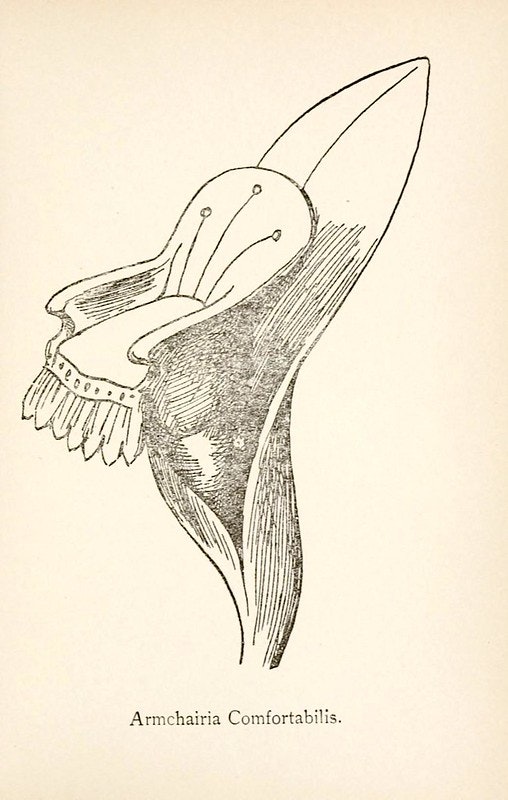
“Lear was an atten­tive and informed read­er of Dar­win; he worked with John Gould, the nat­ur­al-his­to­ry entre­pre­neur who had actu­al­ly picked apart the vari­eties of finch that Dar­win had brought back from the Galá­pa­gos Islands,” writes the New York­er’s Adam Gop­nik, not­ing that his work evi­dences a Lin­naean obses­sion “with the pow­er of nam­ing, with stick­ing a tag on a thing which gives it a place at, and on, the table.” Lear gave Latin names to at least two real species of par­rots, but he also fab­ri­cat­ed such chimeras as Phat­tfa­cia Stu­pen­da, Arm­chairia Com­fort­a­bilis, Tigerlil­ia Ter­ri­bilis, exam­ples of which he also illus­trates in his Non­sense Botany series of the eigh­teen-sev­en­ties.

Lear’s “pen­chant for the nat­ur­al world,” says The Dilet­tante, shaped his “knack for invent­ing ridicu­lous land­scapes and anthro­po­mor­phiz­ing all kind of crea­tures and objects. The result is a sur­re­al Leare­an world of Scroobi­ous Pips, Quan­gle Wan­gles, and Great Grom­boo­lian Plains.” His “fan­ci­ful re-sculpt­ing of the phys­i­cal world is bril­liant­ly exem­pli­fied” in his Non­sense Botany, with its “sketch­es and enter­tain­ing cap­tions read as a tax­on­o­my of incon­gru­ous plant-crea­tures.” Whether at the Pub­lic Domain Review or Project Guten­berg, you can gaze upon them all and expe­ri­ence not just light amuse­ment, but also a kind of aston­ish­ment at Lear’s pecu­liar tal­ent: he does­n’t “find the amaz­ing in the ordi­nary,” as Gop­nik puts it; “he finds the ordi­nary in the amaz­ing.”

via Pub­lic Domain Review

Relat­ed con­tent:

Behold an Inter­ac­tive Online Edi­tion of Eliz­a­beth Twining’s Illus­tra­tions of the Nat­ur­al Orders of Plants (1868)

Emi­ly Dickinson’s Herbar­i­um: A Beau­ti­ful Dig­i­tal Edi­tion of the Poet’s Pressed Plants & Flow­ers Is Now Online

Hor­tus Eystet­ten­sis: The Beau­ti­ful­ly Illus­trat­ed Book of Plants That Changed Botan­i­cal Art Overnight (1613)

The Bio­di­ver­si­ty Her­itage Library Makes 150,000 High-Res Illus­tra­tions of the Nat­ur­al World Free to Down­load

An Ani­mat­ed Read­ing of “The Jab­ber­wocky,” Lewis Carroll’s Non­sense Poem That Some­how Man­ages to Make Sense

Based in Seoul, Col­in Marshall writes and broad­casts on cities, lan­guage, and cul­ture. His projects include the Sub­stack newslet­ter Books on Cities and the book The State­less City: a Walk through 21st-Cen­tu­ry Los Ange­les. Fol­low him on Twit­ter at @colinmarshall or on Face­book.

Simone de Beauvoir Explains “Why I’m a Feminist” in a Rare TV Interview (1975)

In Simone de Beau­voir’s 1945 nov­el The Blood of Oth­ers, the nar­ra­tor, Jean Blo­mart, reports on his child­hood friend Marcel’s reac­tion to the word “rev­o­lu­tion”:

It was sense­less to try to change any­thing in the world or in life; things were bad enough even if one did not med­dle with them. Every­thing that her heart and her mind con­demned she rabid­ly defended—my father, mar­riage, cap­i­tal­ism. Because the wrong lay not in the insti­tu­tions, but in the depths of our being. We must hud­dle in a cor­ner and make our­selves as small as pos­si­ble. Bet­ter to accept every­thing than to make an abortive effort, doomed in advance to fail­ure.

Marcel’s fear­ful fatal­ism rep­re­sents every­thing De Beau­voir con­demned in her writ­ing, most notably her ground­break­ing 1949 study, The Sec­ond Sex, often cred­it­ed as the foun­da­tion­al text of sec­ond-wave fem­i­nism. De Beau­voir reject­ed the idea that women’s his­tor­i­cal sub­jec­tion was in any way natural—“in the depths of our being.” Instead, her analy­sis fault­ed the very insti­tu­tions Mar­cel defends: patri­archy, mar­riage, cap­i­tal­ist exploita­tion.

In the 1975 inter­view above with French jour­nal­ist Jean-Louis Ser­van-Schreiber—“Why I’m a Feminist”—De Beau­voir picks up the ideas of The Sec­ond Sex, which Ser­van-Schreiber calls as impor­tant an “ide­o­log­i­cal ref­er­ence” for fem­i­nists as Marx’s Cap­i­tal is for com­mu­nists. He asks De Beau­voir about one of her most quot­ed lines: “One is not born a woman, one becomes one.” Her reply shows how far in advance she was of post-mod­ern anti-essen­tial­ism, and how much of a debt lat­er fem­i­nist thinkers owe to her ideas:

Yes, that for­mu­la is the basis of all my the­o­ries…. Its mean­ing is very sim­ple, that being a woman is not a nat­ur­al fact. It’s the result of a cer­tain his­to­ry. There is no bio­log­i­cal or psy­cho­log­i­cal des­tiny that defines a woman as such…. Baby girls are man­u­fac­tured to become women.”

With­out deny­ing the fact of bio­log­i­cal dif­fer­ence, De Beau­voir debunks the notion that sex dif­fer­ences are suf­fi­cient to jus­ti­fy gen­der-based hier­ar­chies of sta­tus and social pow­er. Wom­en’s sec­ond-class sta­tus, she argues, results from a long his­tor­i­cal process; even if insti­tu­tions no longer inten­tion­al­ly deprive women of pow­er, they still intend to hold on to the pow­er men have his­tor­i­cal­ly accrued.

Almost 50 years after this interview—and 75 years since The Sec­ond Sex—the debates De Beau­voir helped ini­ti­ate rage on, with no sign of abat­ing any­time soon. Although Ser­van-Schreiber calls fem­i­nism a “ris­ing force” that promis­es “pro­found changes,” one won­ders whether De Beau­voir, who died in 1986, would be dis­mayed by the plight of women in much of the world today. But then again, unlike her char­ac­ter Mar­cel, De Beau­voir was a fight­er, not like­ly to “hud­dle in a cor­ner” and give in. Ser­van-Schreiber states above that De Beau­voir “has always refused, until this year, to appear on TV,” but he is mis­tak­en. In 1967, she appeared with her part­ner Jean-Paul Sartre on a French-Cana­di­an pro­gram called Dossiers.

If you would like to sign up for Open Culture’s free email newslet­ter, please find it here. It’s a great way to see our new posts, all bun­dled in one email, each day.

If you would like to sup­port the mis­sion of Open Cul­ture, con­sid­er mak­ing a dona­tion to our site. It’s hard to rely 100% on ads, and your con­tri­bu­tions will help us con­tin­ue pro­vid­ing the best free cul­tur­al and edu­ca­tion­al mate­ri­als to learn­ers every­where. You can con­tribute through Pay­Pal, Patre­on, and Ven­mo (@openculture). Thanks!

Relat­ed Con­tent:

An Ani­mat­ed Intro­duc­tion to the Fem­i­nist Phi­los­o­phy of Simone de Beau­voir

Simone de Beau­voir Speaks on Amer­i­can TV (in Eng­lish) About Fem­i­nism, Abor­tion & More (1976)

Simone de Beau­voir Tells Studs Terkel How She Became an Intel­lec­tu­al and Fem­i­nist (1960)

Simone de Beauvoir’s Phi­los­o­phy on Find­ing Mean­ing in Old Age

Josh Jones is a writer and musi­cian based in Wash­ing­ton, DC. Fol­low him at @jdmagness

How Rome Began: The History As Told by Ancient Historians

Much atten­tion has been paid to the fall of the Roman Empire, by every­one from august his­to­ri­ans like Edward Gib­bon to mod­ern-day observers wring­ing their hands over the fate of the Unit­ed States of Amer­i­ca. But as every Rome enthu­si­ast knows, that long col­lapse con­sti­tutes just one chap­ter — or rather, a series of chap­ters at the very least — of a sto­ry with much more to it. And as with any sto­ry, nobody can hope to under­stand how it ends unless they under­stand how it begins: hence the new Voic­es of the Past video above, “How Did Rome Begin?”

If you’re at all famil­iar with Roman mythol­o­gy (or if you, like me, played Cen­tu­ri­on: Defend­er of Rome grow­ing up), you’ll have seen the image of the twins broth­ers Romu­lus and Remus being nursed by a giant she-wolf, la Lupa Capi­toli­na, on the banks of the Tiber riv­er. Accord­ing to one ver­sion of events, Rome was found­ed by Romu­lus on April 21st in 753 BCE, after he killed Remus and named the Eter­nal City-to-be after him­self.

What rela­tion­ship this dra­mat­ic tale has to his­tor­i­cal events is a mat­ter of schol­ar­ly inter­est, but Voic­es of the Past’s inves­ti­ga­tion has a wider scope, begin­ning four and a half cen­turies ear­li­er with the fall of Troy as told by Homer, one of the many sources cit­ed along the video’s two-hour his­tor­i­cal jour­ney.

To make vivid the con­di­tions under which Rome arose, the video close­ly exam­ines the ruins of the ancient world while quot­ing the words of his­to­ri­ans who lived under the actu­al Roman Empire, like Livy and Diony­sius of Hali­car­nas­sus. While they may come with cer­tain embell­ish­ments, and even fab­ri­ca­tions, these texts togeth­er offer a coher­ent nar­ra­tive of Rome’s rise, which in this video stretch­es to eight tur­bu­lent cen­turies. Its final chap­ter opens in 387 BC, with the storm of Rome’s sack by the Gauls quick­ly gath­er­ing. For Roman cit­i­zens at the time, it would have seemed that their long-estab­lished city had met its end. Lit­tle did they know, it still had — if not an eter­ni­ty — cen­turies and cen­turies still to go.

Relat­ed con­tent:

Hear an Ancient Chi­nese His­to­ri­an Describe The Roman Empire (and Oth­er Voic­es of the Past)

What the Romans Saw When They Reached New Parts of the World: Hear First-Hand Accounts by Appi­an, Pliny, Tac­i­tus & Oth­er Ancient His­to­ri­ans

The His­to­ry of Ancient Japan: The Sto­ry of How Japan Began, Told by Those Who Wit­nessed It (297‑1274)

The His­to­ry of Ancient Rome in 20 Quick Min­utes: A Primer Nar­rat­ed by Bri­an Cox

Do You Think About Ancient Rome Every Day? Then Browse a Wealth of Videos, Maps & Pho­tos That Explore the Roman Empire

Based in Seoul, Col­in Marshall writes and broad­casts on cities, lan­guage, and cul­ture. His projects include the Sub­stack newslet­ter Books on Cities and the book The State­less City: a Walk through 21st-Cen­tu­ry Los Ange­les. Fol­low him on Twit­ter at @colinmarshall or on Face­book.

« Go BackMore in this category... »
Quantcast