Watch the Sci-Fi Short Film “I’m Not a Robot”: Winner of a 2025 Academy Award

Vic­to­ria Warmer­dam, the writer and direc­tor of the short film, “I’m Not a Robot,” sum­ma­rizes the plot of her 22-minute film as fol­lows: The film “tells the sto­ry of Lara, a music pro­duc­er who spi­rals into an exis­ten­tial cri­sis after repeat­ed­ly fail­ing a CAPTCHA test—leading her to ques­tion whether she might actu­al­ly be a robot. Through a dark comedic lens, [the film] explores themes of iden­ti­ty, self-deter­mi­na­tion, love, and tech­nol­o­gy in a world where the line between human­i­ty and arti­fi­cial intel­li­gence is becom­ing increas­ing­ly blurred.” This past week­end, “I’m Not a Robot” won the Oscar for Best Live Action Short, mark­ing the first time a Dutch short film received this hon­or. Dis­trib­uted by The New York­er, “I’m Not a Robot” can be viewed free online. We’re adding it to our col­lec­tion of 4,000+ Free Movies Online: Great Clas­sics, Indies, Noir, West­erns, Doc­u­men­taries & More.

If you would like to sign up for Open Culture’s free email newslet­ter, please find it here. It’s a great way to see our new posts, all bun­dled in one email, each day.

If you would like to sup­port the mis­sion of Open Cul­ture, con­sid­er mak­ing a dona­tion to our site. It’s hard to rely 100% on ads, and your con­tri­bu­tions will help us con­tin­ue pro­vid­ing the best free cul­tur­al and edu­ca­tion­al mate­ri­als to learn­ers every­where. You can con­tribute through Pay­Pal, Patre­on, and Ven­mo (@openculture). Thanks!

Relat­ed Con­tent 

Glass: The Oscar-Win­ning “Per­fect Short Doc­u­men­tary” on Dutch Glass­mak­ing (1958)

The Clas­sic 1956 Oscar-Win­ning Children’s Film, The Red Bal­loon

Watch This Year’s Oscar-Win­ning Short The Neighbor’s Win­dow, a Sur­pris­ing Tale of Urban Voyeurism

Watch 66 Oscar-Nom­i­nat­ed-and-Award-Win­ning Ani­mat­ed Shorts Online, Cour­tesy of the Nation­al Film Board of Cana­da


by | Permalink | Make a Comment ( 2 ) |

The Classic 1972 Concert Film Pink Floyd: Live at Pompeii Gets Restored & Will Soon Hit IMAX Theaters

Today, when we watch genre-defin­ing con­cert films like Mon­terey Pop, Wood­stock, Gimme Shel­ter, or Zig­gy Star­dust and the Spi­ders from Mars, we look upon the audi­ence with near­ly as much inter­est as we do the per­form­ers. But Pink Floyd nev­er did things in quite the same way as oth­er rock bands of that era. In 1972, they put out a con­cert film with no audi­ence at all, sub­sti­tut­ing for visu­al inter­est the majes­tic ruins of the ancient Roman amphithe­ater in Pom­peii. Pink Floyd at Pom­peii – MCMLXXII has late­ly been restored, and you can see the trail­er for its upcom­ing world­wide cin­e­mas-and-IMAX re-release above.

Even with­out the unpre­dictable ele­ment of atten­dees (apart from a few local chil­dren who snuck in to watch), the pro­duc­tion had its dif­fi­cul­ties. Ever musi­cal­ly rig­or­ous, the Floyd insist­ed on play­ing live with their actu­al tour­ing gear, which took three days to truck over from Lon­don.

Only then was it dis­cov­ered that the amphithe­ater did­n’t have enough elec­tric­i­ty avail­able to pow­er it all, which ulti­mate­ly required run­ning a half-mile-long exten­sion cord to the town hall. Though hard­ly unim­pres­sive, the result­ing footage fell short of fea­ture length, which required sup­ple­men­tary shoot­ing at the con­sid­er­ably less his­toric Stu­dio Europa­sonor in Paris.

Pink Floyd at Pom­peii – MCMLXXII was orig­i­nal­ly meant, in part, to pro­mote their then-lat­est-release Med­dle. That album is best remem­bered for “Echoes,” which occu­pies the entire­ty of side two, and which fore­shad­owed the kinds of ambi­tious com­po­si­tions of which the post-Syd Bar­rett ver­sion of the Floyd would be capa­ble. The film splits it up into two parts, one to open it and the oth­er to close it; you can get a taste of this live ren­di­tion from the clip just above. In between the two halves of “Echoes” come songs like “Care­ful with That Axe, Eugene,” “A Saucer­ful of Secrets,” and “Made­moi­selle Nobs,” as well as footage of the band in the stu­dio, at work on their next project: an album called The Dark Side of the Moon.

Relat­ed con­tent:

An Hour-Long Col­lec­tion of Live Footage Doc­u­ments the Ear­ly Days of Pink Floyd (1967–1972)

Pink Floyd Films a Con­cert in an Emp­ty Audi­to­ri­um, Still Try­ing to Break Into the U.S. Charts (1970)

Pink Floyd Plays in Venice on a Mas­sive Float­ing Stage in 1989; Forces the May­or & City Coun­cil to Resign

Watch the Rare Reunions of Pink Floyd: Con­certs from 2005, 2010 & 2011

David Gilmour Makes His Live at Pom­peii Con­cert Film Free to Watch Online

Take a High Def, Guid­ed Tour of Pom­peii

Based in Seoul, Col­in Marshall writes and broad­casts on cities, lan­guage, and cul­ture. His projects include the Sub­stack newslet­ter Books on Cities and the book The State­less City: a Walk through 21st-Cen­tu­ry Los Ange­les. Fol­low him on the social net­work for­mer­ly known as Twit­ter at @colinmarshall.

Historian Answers Burning Questions About The Renaissance

Cour­tesy of Wired, his­to­ri­an Alexan­der Bevilac­qua (Williams Col­lege) answers the inter­net’s burn­ing ques­tions about the cul­tur­al rebirth that came to be known as The Renais­sance. In 30+ min­utes, Bevilac­qua cov­ers an array of ques­tions, includ­ing: When did The Renais­sance begin? What exact­ly was the Renais­sance? Why do paint­ings like the Mona Lisa and The Birth of Venus remain so famous cen­turies lat­er? What did peo­ple’s diets con­sist of dur­ing The Renais­sance? How was their hygiene? How did Brunelleschi build a dome in Flo­rence that defied grav­i­ty? What is inside Leonar­do da Vin­ci’s note­books? And the ques­tions go on…

If you would like to sign up for Open Culture’s free email newslet­ter, please find it here. It’s a great way to see our new posts, all bun­dled in one email, each day.

If you would like to sup­port the mis­sion of Open Cul­ture, con­sid­er mak­ing a dona­tion to our site. It’s hard to rely 100% on ads, and your con­tri­bu­tions will help us con­tin­ue pro­vid­ing the best free cul­tur­al and edu­ca­tion­al mate­ri­als to learn­ers every­where. You can con­tribute through Pay­Pal, Patre­on, and Ven­mo (@openculture). Thanks!

Relat­ed Con­tent 

Michelangelo’s David: The Fas­ci­nat­ing Sto­ry Behind the Renais­sance Mar­ble Cre­ation

How the World’s Biggest Dome Was Built: The Sto­ry of Fil­ip­po Brunelleschi and the Duo­mo in Flo­rence

What Makes Leonardo’s Mona Lisa a Great Paint­ing?: An Expla­na­tion in 15 Min­utes

How to Build Leonar­do da Vinci’s Inge­nious Self-Sup­port­ing Bridge: Renais­sance Inno­va­tions You Can Still Enjoy Today

Renais­sance Knives Had Music Engraved on the Blades & Now You Can Hear the Songs Per­formed by Mod­ern Singers

Leonar­do da Vinci’s Note­books Get Dig­i­tized: Where to Read the Renais­sance Man’s Man­u­scripts Online

Machiavelli’s The Prince Explained in an Illus­trat­ed Film

How Stephen King Predicted the Rise of Trump in a 1979 Novel

Nobody opens a Stephen King nov­el expect­ing to see a reflec­tion of the real world. Then again, as those who get hooked on his books can attest, nev­er is his work ever whol­ly detached from real­i­ty. Time and time again, he deliv­ers lurid visions of the macabre, grotesque, and bizarre, but they always work most pow­er­ful­ly when he weaves them into the coarse fab­ric of ordi­nary, makeshift, down-at-the-heels Amer­i­ca. Though long rich and famous, King has­n’t lost his under­stand­ing of a cer­tain down­trod­den stra­tum of soci­ety, or at least one that regards itself as down­trod­den — the very demo­graph­ic, in oth­er words, often blamed for the rise of Don­ald Trump.

“I start­ed think­ing Don­ald Trump might win the pres­i­den­cy in Sep­tem­ber of 2016,” King writes in Guardian piece from Trump’s first pres­i­den­tial term. “By the end of Octo­ber, I was almost sure.” For most of that year, he’d sensed “a feel­ing that peo­ple were both fright­ened of the sta­tus quo and sick of it. Vot­ers saw a vast and over­loaded apple cart lum­ber­ing past them. They want­ed to upset the moth­er­fuck­er, and would wor­ry about pick­ing up those spilled apples lat­er. Or just leave them to rot.” They “didn’t just want change; they want­ed a man on horse­back. Trump filled the bill. I had writ­ten about such men before.”

King’s most pre­scient­ly craft­ed Trump-like char­ac­ter appears in his 1979 nov­el The Dead Zone. “Greg Still­son is a door-to-door Bible sales­man with a gift of gab, a ready wit and the com­mon touch. He is laughed at when he runs for may­or in his small New Eng­land town, but he wins,” a sequence of events that repeats itself when he runs for the House of Rep­re­sen­ta­tives and then for the pres­i­den­cy — a rise fore­seen by the sto­ry’s hero John­ny Smith, grant­ed clair­voy­ant pow­ers by a car wreck. “He real­izes that some day Still­son is going to laugh and joke his way into the White House, where he will start world war three.”

Fur­ther Still­son-Trump par­al­lels are exam­ined in the NowThis inter­view clip at the top of the post. “I was sort of con­vinced that it was pos­si­ble that a politi­cian would arise who was so out­side the main­stream and so will­ing to say any­thing that he would cap­ture the imag­i­na­tions of the Amer­i­can peo­ple.” Read now, Still­son’s dem­a­gog­i­cal rhetoric — describ­ing him­self as “a real mover and shak­er,” promis­ing to “throw the bums out” of Wash­ing­ton — sounds rather mild com­pared to what Trump says at his own ral­lies. Per­haps King him­self does have a touch of John­ny Smith-like pre­science. Or per­haps he sus­pects, on some lev­el, that Trump isn’t so much the dis­ease as the symp­tom, a man­i­fes­ta­tion of a much deep­er and longer-fes­ter­ing con­di­tion of the Amer­i­can soul. Now there’s a fright­en­ing notion.

Relat­ed con­tent:

Octavia Butler’s 1998 Dystopi­an Nov­el Fea­tures a Fascis­tic Pres­i­den­tial Can­di­date Who Promis­es to “Make Amer­i­ca Great Again”

Stephen King’s 20 Rules for Writ­ers

Did Plato’s Repub­lic Pre­dict the Rise of Don­ald Trump?: A Chill­ing Ani­mat­ed Video Nar­rat­ed by Andrew Sul­li­van

Noam Chom­sky on Whether the Rise of Trump Resem­bles the Rise of Fas­cism in 1930s Ger­many

R Crumb, the Father of Under­ground Comix, Takes Down Don­ald Trump in a NSFW 1989 Car­toon

Stephen King Names His Five Favorite Works by Stephen King

Based in Seoul, Col­in Marshall writes and broad­casts on cities, lan­guage, and cul­ture. His projects include the Sub­stack newslet­ter Books on Cities and the book The State­less City: a Walk through 21st-Cen­tu­ry Los Ange­les. Fol­low him on the social net­work for­mer­ly known as Twit­ter at @colinmarshall.

Carl Jung’s Hand-Drawn, Rarely-Seen Manuscript The Red Book

Despite his one-time friend and men­tor Sig­mund Freud’s enor­mous impact on West­ern self-under­stand­ing, I would argue it is Carl Jung who is still most with us in our com­mu­nal prac­tices: from his focus on intro­ver­sion and extro­ver­sion to his view of syn­cret­ic, intu­itive forms of spir­i­tu­al­i­ty and his indi­rect influ­ence on 12-Step pro­grams. But Jung’s jour­ney to self-under­stand­ing and what he called “indi­vid­u­a­tion” was an intense­ly pri­vate, per­son­al affair that took place over the course of six­teen years, dur­ing which he cre­at­ed an incred­i­ble, folio-sized work of reli­gious art called The Red Book: Liber Novus. In the video above, you can get a tour through Jung’s pri­vate mas­ter­piece, pre­sent­ed in an intense­ly hushed, breathy style meant to trig­ger the tingly sen­sa­tions of a weird phe­nom­e­non called “ASMR.” Giv­en the book’s dis­ori­ent­ing and often dis­turb­ing con­tent, this over-gen­tle guid­ance seems appro­pri­ate.

After his break with Freud in 1913, when he was 38 years old, Jung had what he feared might be a psy­chot­ic break with real­i­ty as well. He began record­ing his dreams, mys­ti­cal visions, and psy­che­del­ic inner voy­ages, in a styl­ized, cal­li­graph­ic style that resem­bles medieval Euro­pean illu­mi­nat­ed man­u­scripts and the occult psy­chic jour­neys of Aleis­ter Crow­ley and William Blake.

Jung had the work bound but not pub­lished. It’s “a very per­son­al record,” writes Psy­chol­o­gy Today, “of Jung’s com­pli­cat­ed, tor­tu­ous and lengthy quest to sal­vage his soul.” Jung called this process of cre­ation the “numi­nous begin­ning” to his most impor­tant psy­cho­log­i­cal work. After many years spent locked in a bank vault, The Red Book final­ly came to light a few years ago and was trans­lat­ed and pub­lished in an expen­sive edi­tion.

Since its com­ple­tion, Jung’s book—a “holy grail of the uncon­scious”—has fas­ci­nat­ed artists, psy­chol­o­gists, occultists, and ordi­nary peo­ple seek­ing to know their own inner depths. For most of that time, it remained hid­den from view. Now, even if you can’t afford a copy of the book, you can still see more of it than most any­one else could for almost 100 years. In addi­tion to the whis­pered tour of it above, you can see sev­er­al fine­ly illus­trat­ed pages—with sea ser­pents, angels, runes, and mandalas—at The Guardian, and read a short excerpt at NPR.

And for a very thor­ough sur­vey of Jung’s book, lis­ten to the lec­ture series by long­time Jung schol­ar Dr. Lance S. Owens, who deliv­ers one set of talks for lay peo­ple and anoth­er more in-depth set for a group of clin­i­cal psy­chol­o­gists. Vis­it the Gnos­tic Soci­ety Library site to stream and down­load the remain­ing lec­tures.

Note: An ear­li­er ver­sion of this post appeared on our site in 2015.

Relat­ed Con­tent:

Enter an Archive of William Blake’s Fan­tas­ti­cal “Illu­mi­nat­ed Books”: The Images Are Sub­lime, and in High Res­o­lu­tion

How Carl Jung Inspired the Cre­ation of Alco­holics Anony­mous

Carl Jung on the Pow­er of Tarot Cards: They Pro­vide Door­ways to the Uncon­scious & Per­haps a Way to Pre­dict the Future

Carl Jung’s Fas­ci­nat­ing 1957 Let­ter on UFOs

The Famous Break Up of Sig­mund Freud & Carl Jung Explained in a New Ani­mat­ed Video

Josh Jones is a writer and musi­cian based in Durham, NC. Fol­low him at @jdmagness

How the Nazis Waged War on Modern Art: Inside the “Degenerate Art” Exhibition of 1937

Before his fate­ful entry into pol­i­tics, Adolf Hitler want­ed to be an artist. Even to the most neu­tral imag­in­able observ­er, the known exam­ples of the esti­mat­ed 2,000 to 3,000 paint­ings and oth­er works of art he pro­duced in his ear­ly adult­hood would hard­ly evi­dence aston­ish­ing genius. They do show a cer­tain tech­ni­cal com­pe­tence, espe­cial­ly where build­ings are con­cerned. (Twice reject­ed from the Acad­e­my of Fine Arts Vien­na, the young Hitler was advised to apply instead to the School of Archi­tec­ture, a sub­ject for which he also pro­fessed a pas­sion.) But their lack of imag­i­na­tion and inter­est in human­i­ty were too plain to ignore.

Could Hitler’s fail­ure to gain entry to the art world explain any­thing about the cul­tur­al pol­i­cy of the Nazi Par­ty he went on to lead? Here on Open Cul­ture, we’ve pre­vi­ous­ly fea­tured that pol­i­cy’s sin­gle defin­ing event: Die Ausstel­lung “Entartete Kun­st,” or the Degen­er­ate Art exhi­bi­tion, staged in 1937 at the Insti­tute of Archae­ol­o­gy in Munich’s Hof­garten.

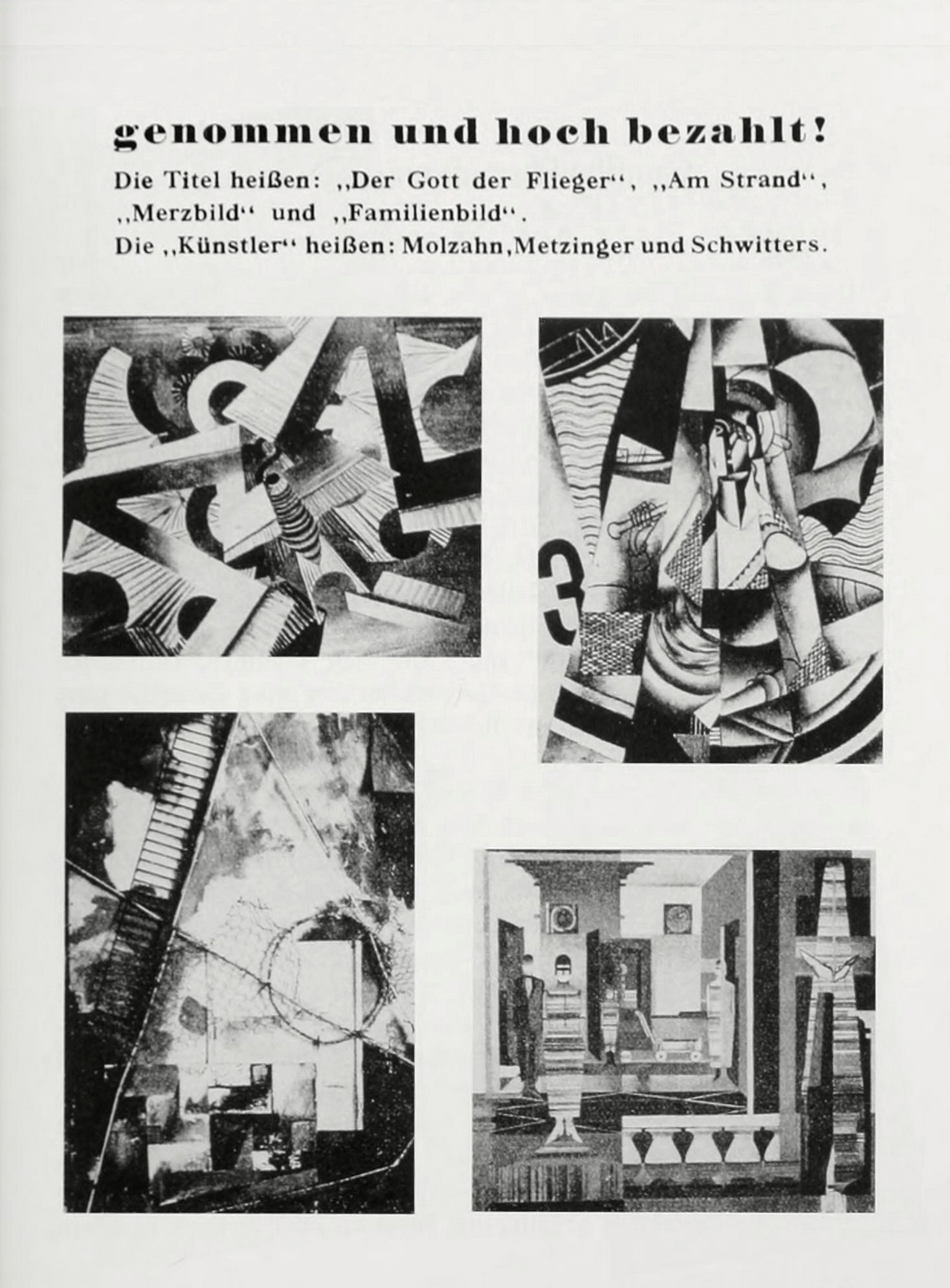
Pre­sent­ing 650 con­fis­cat­ed works of art pur­port­ed to “insult Ger­man feel­ing, or destroy or con­fuse nat­ur­al form or sim­ply reveal an absence of ade­quate man­u­al and artis­tic skill,” it soon became a great hit, attract­ing one mil­lion atten­dees in its first six weeks.

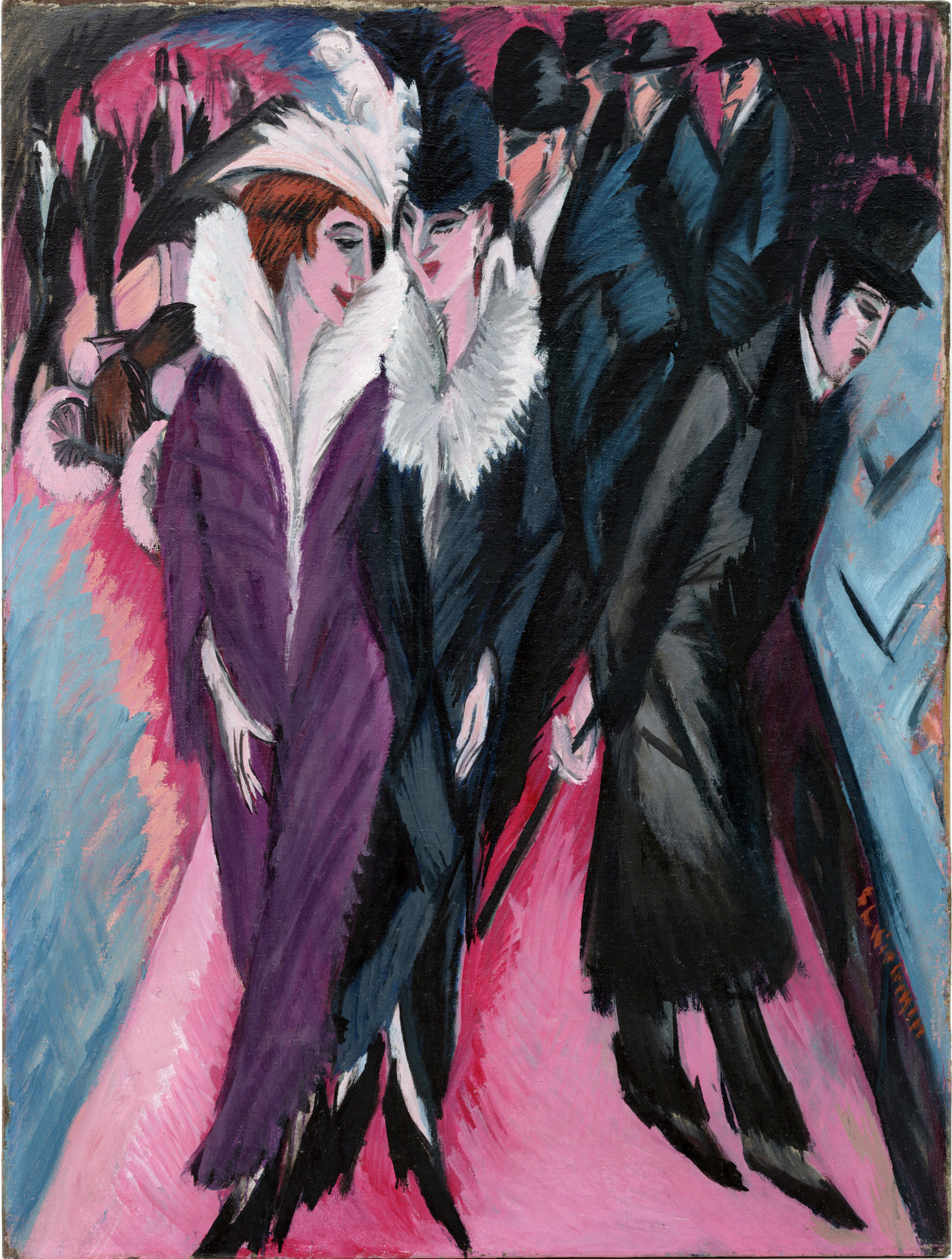
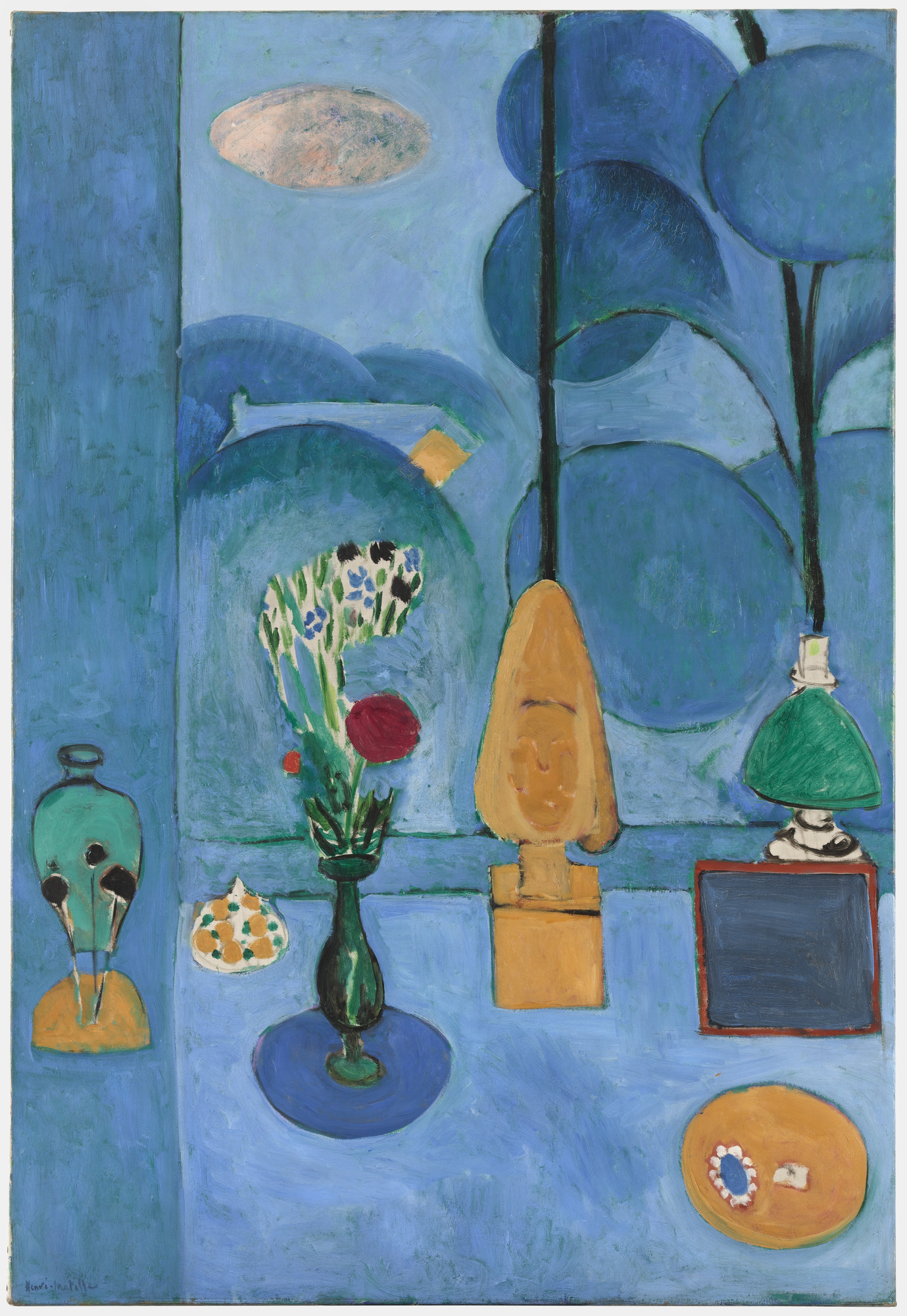
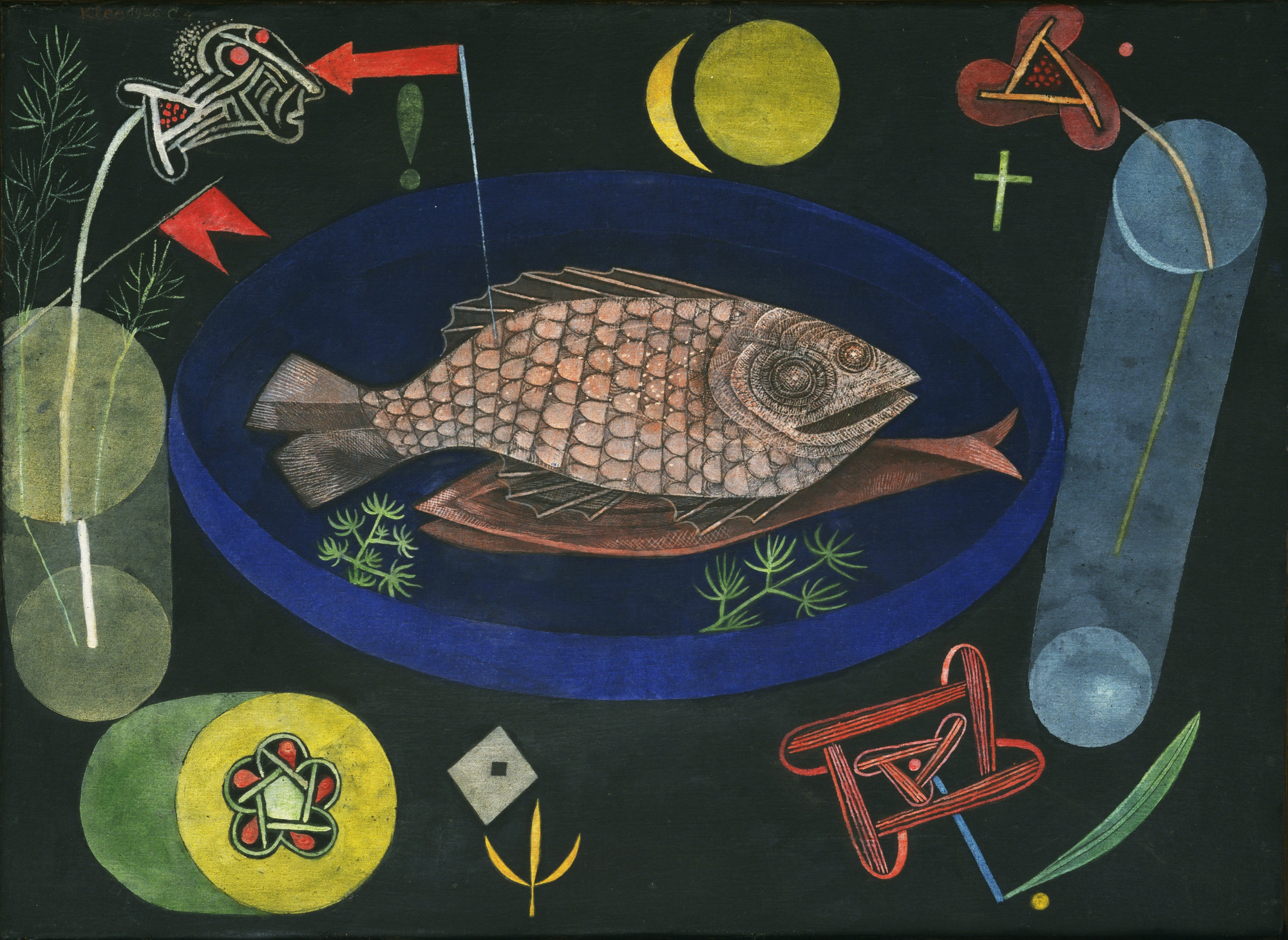
That may not come as much of a sur­prise when you con­sid­er the artists whose work was on dis­play: Paul Klee, Georg Grosz, Otto Dix, Hen­ri Matisse, Pablo Picas­so, Wass­i­ly Kandin­sky, Piet Mon­dri­an, Marc Cha­gall, and even Grant Wood, to name just a few. It seems that the Nazis could come up with noth­ing quite so fas­ci­nat­ing for the planned first Große Deutsche Kun­stausstel­lung, or “Great Ger­man Art Exhi­bi­tion,” whose col­lapse inspired Hitler’s chief pro­pa­gan­dist Joseph Goebbels to sug­gest putting on a show not of the work that the Nazis approved, but of the work they didn’t.

An admir­er of cer­tain Expres­sion­ists, Goebbels dis­played more cul­tur­al open-mind­ed­ness than the Führer, who prac­ti­cal­ly declared a war on mod­ern art itself. You can learn more about it from David Gru­bin’s doc­u­men­tary Degen­er­ate Art, which is avail­able to watch online. The Nazis con­fis­cat­ed more than 5,000 works of art, and even main­tained files on no few­er than 16,000 that they’d labeled “degen­er­ate,” a his­toric inven­to­ry that has been made avail­able to the pub­lic. Sur­pris­ing­ly, their black­list did not include the oeu­vre of Gus­tav Klimt, which they attempt­ed to use for their own ends. It could be that, deep down, Hitler, the failed artist, knew good art when he saw it — and that it just made him all the more resent­ful.

Relat­ed con­tent:

When the Nazis Declared War on Expres­sion­ist Art (1937)

The 16,000 Art­works the Nazis Cen­sored and Labeled “Degen­er­ate Art”: The Com­plete His­toric Inven­to­ry Is Now Online

How the Avant-Garde Art of Gus­tav Klimt Got Per­verse­ly Appro­pri­at­ed by the Nazis

The Nazis’ 10 Con­trol-Freak Rules for Jazz Per­form­ers: A Strange List from World War II

How France Hid the Mona Lisa & Oth­er Lou­vre Mas­ter­pieces Dur­ing World War II

When Ger­man Per­for­mance Artist Ulay Stole Hitler’s Favorite Paint­ing & Hung it in the Liv­ing Room of a Turk­ish Immi­grant Fam­i­ly (1976)

Based in Seoul, Col­in Marshall writes and broad­casts on cities, lan­guage, and cul­ture. His projects include the Sub­stack newslet­ter Books on Cities and the book The State­less City: a Walk through 21st-Cen­tu­ry Los Ange­les. Fol­low him on the social net­work for­mer­ly known as Twit­ter at @colinmarshall.

Andrei Tarkovsky’s Message to Young People: “Learn to Be Alone,” Enjoy Solitude

I remem­ber the first time I sat down and watched Andrei Tarkovsky’s lyri­cal, mean­der­ing sci-fi epic Stalk­er. It was a long time ago, before the advent of smart­phones and tablets. I watched a beat-up VHS copy on a non-“smart” TV, and had no abil­i­ty to pause every few min­utes and swing by Face­book, Twit­ter, or Insta­gram for some instant dis­trac­tion and dig­i­tal small talk. The almost three-hour film—with its long, lan­guid takes and end­less stretch­es of silence—is a med­i­ta­tive exer­cise, a test in patience that at times seems like its own reward.

I recall at the time think­ing about how didac­tic Tarkovsky’s work is, in the best pos­si­ble sense of the word. It teach­es its view­ers to watch, lis­ten, and wait. It’s a course best tak­en alone, like the jour­ney into the film’s mys­te­ri­ous “Zone,” since the pres­ence of anoth­er, like­ly per­plexed, view­er might break the qui­et spell the movie casts. But while watch­ing a Tarkovsky film—whether Stalk­er, Andrei Rublev, Solaris, or any of his oth­er pen­sive cre­ations (watch them online here)—may be a soli­tary activ­i­ty, it need not at all be a lone­ly one.

The dis­tinc­tion between healthy soli­tude and lone­li­ness is one Tarkovsky is par­tic­u­lar­ly inter­est­ed in. It’s a cin­e­mat­ic theme he pur­sues, and a ped­a­gog­i­cal one as well. In the video above from The Cri­te­ri­on Col­lec­tion, Tarkovsky offers some thought­ful insights that can only seem all the more rel­e­vant to today’s always-on, mul­ti-screen cul­ture. Unfor­tu­nate­ly, the sub­ti­tles trans­late his words selec­tive­ly, but Maria Popo­va at The Mar­gin­a­lian has a full trans­la­tion of the filmmaker’s answer to the ques­tion “What would you like to tell young peo­ple?” Like some ancient Pan dis­pens­ing time­less wis­dom, Tarkovsky reclines in an old, gnarled tree—on what may very well be one of his wild, wood­ed film sets—and says,

I don’t know… I think I’d like to say only that they should learn to be alone and try to spend as much time as pos­si­ble by them­selves. I think one of the faults of young peo­ple today is that they try to come togeth­er around events that are noisy, almost aggres­sive at times. This desire to be togeth­er in order to not feel alone is an unfor­tu­nate symp­tom, in my opin­ion. Every per­son needs to learn from child­hood how to spend time with one­self. That doesn’t mean he should be lone­ly, but that he shouldn’t grow bored with him­self because peo­ple who grow bored in their own com­pa­ny seem to me in dan­ger, from a self-esteem point of view.

Though I speak as one who grew up in an ana­logue world free from social media—the only world Tarkovsky ever knew—I don’t think it’s just the cranky old man in me who finds this advice com­pelling­ly sound. As a Tom Tomor­row car­toon satir­i­cal­ly illus­trat­ed, our rapid-fire, pres­sure-cook­er pub­lic dis­course may grant us instant access to information—or misinformation—but it also encour­ages, nay urges, us to form hasty opin­ions, ignore nuance and sub­tleties, and par­tic­i­pate in group­think rather than digest­ing things slow­ly and com­ing to our own con­clu­sions. It’s an envi­ron­ment par­tic­u­lar­ly hos­tile to medi­ums like poet­ry, or the kinds of poet­ic films Tarkovsky made, which teach us the val­ue of judg­ment with­held, and immerse us in the kinds of aes­thet­ic expe­ri­ences the inter­net and tele­vi­sion, with their non­stop chat­ter, push to the mar­gins.

Tarkovsky’s gen­er­al advice to young peo­ple can be paired with his chal­leng­ing advice to young film­mak­ers, and all artists, in par­tic­u­lar—advice that demands focused atten­tion, patience, and com­mit­ment to indi­vid­ual pas­sion and vision.

Props to The Mar­gin­a­lian for the trans­la­tion.

Note: An ear­li­er ver­sion of this post appeared on our site in 2015.

Relat­ed Con­tent 

Watch Andrei Tarkovsky’s Films Free Online: Stalk­erThe Mir­ror & Andrei Rublev

Andrei Tarkovsky’s Advice to Young Film­mak­ers: Sac­ri­fice Your­self for Cin­e­ma

Andrei Tarkovsky Cre­ates a List of His 10 Favorite Films (1972)

The Mas­ter­ful Polaroid Pic­tures Tak­en by Film­mak­er Andrei Tarkovsky

Andrei Tarkovsky Calls Kubrick’s 2001: A Space Odyssey a “Pho­ny” Film “With Only Pre­ten­sions to Truth”

Where The Simpsons Began: Discover the Original Shorts That Appeared on The Tracey Ullman Show (1987–1989)

When it first went on air in the late nine­teen-eight­ies, Fox had to prove itself capa­ble of play­ing in a tele­vi­su­al league with the likes of NBC, CBS, and ABC. To that end, it began build­ing its prime-time line­up with two orig­i­nal pro­grams more the­mat­i­cal­ly and aes­thet­i­cal­ly dar­ing than any­thing on those staid net­works: the sit­com Mar­ried… with Chil­dren and the sketch com­e­dy series The Tracey Ull­man Show. Before and after com­mer­cial breaks, the lat­ter treat­ed its ear­ly view­ers to a series of irrev­er­ent ani­mat­ed shorts cre­at­ed by an acclaimed car­toon­ist and fea­tur­ing the vocal tal­ents of Dan Castel­lan­e­ta, Julie Kavn­er, and Nan­cy Cartwright. I speak, of course, of Dr. N!Godatu.

On an alter­nate time­line, per­haps the per­son­al and pro­fes­sion­al adven­tures of that near-unflap­pable psy­chother­a­pist were spun off into their own hit series that broke every record for prime-time ani­ma­tion and is now in its 36th sea­son.

Here in our real­i­ty, how­ev­er, that’s been the des­tiny of The Simp­sons, which also began as The Tracey Ull­man Show’s bumper enter­tain­ment. Dr. N!Godatu van­ished after a few weeks, nev­er to be seen again, but the Simp­son fam­i­ly remained for two full years, mak­ing their final short-from appear­ance in May of 1989. Sev­en months lat­er, The Simp­sons made its Christ­mas-spe­cial debut — an event that, if you don’t remem­ber watch­ing, I can’t count you as a mem­ber of my gen­er­a­tion.

Not that, giv­en my young age, I’d ever actu­al­ly seen The Tracey Ull­man Show at the time. But the hard pro­mo­tion­al push lead­ing up to that first real Simp­sons offered glimpses into an ani­mat­ed world that looked and felt com­plete­ly nov­el. (Hav­ing grown accus­tomed over gen­er­a­tions to the show’s aes­thet­ic, we eas­i­ly for­get how bizarre its yel­low-skinned, uni­ver­sal­ly over­bite-afflict­ed char­ac­ters once looked.) Many who tuned in would­n’t have been aware that that look and feel had­n’t been cre­at­ed out of whole cloth, but rather had emerged through the evo­lu­tion­ary process you can wit­ness in the 48 orig­i­nal Simp­sons shorts col­lect­ed in the Youtube playlist at the top of the post (and the hour-long con­sol­i­dat­ed video here).

To even a casu­al Simp­sons view­er, every­thing in these shorts will seem at once famil­iar and “off” in myr­i­ad ways. The design of the char­ac­ters looks both harsh­er and loos­er than it would lat­er become, and cer­tain of their voic­es, espe­cial­ly Castel­lan­e­ta’s Wal­ter Matthau-esque Homer, have yet to reflect the per­son­al­i­ties they would lat­er devel­op. The con­ven­tion­al­ly “car­toony” ani­ma­tion also dis­torts bod­ies and faces in ways that have long since been pro­hib­it­ed by the show’s offi­cial style guide­lines. Even so, there are occa­sion­al jokes and even haunt­ing moments of the kind we know from the first cou­ple of sea­sons, if noth­ing in par­tic­u­lar to fore­shad­ow The Simp­sons’ nine­teen-nineties gold­en age — or the three decades’ worth of episodes that have fol­lowed it.

Relat­ed con­tent:

The Rise and Fall of The Simp­sons: An In-Depth Video Essay Explores What Made the Show Great, and When It All Came to an End

Before The Simp­sons: Homer Groen­ing Directs a 1969 Short Film, The Sto­ry, Star­ring His Kids Mag­gie, Lisa & Matt

27 Movies Ref­er­ences in The Simp­sons Put Side-by-Side with the Movie Scenes They Paid Trib­ute To

Before The Simp­sons, Matt Groen­ing Illus­trat­ed a “Student’s Guide” for Apple Com­put­ers (1989)

The Simp­sons Reimag­ined as a Russ­ian Art Film

Thomas Pyn­chon Edits His Lines on The Simp­sons: “Homer is my role mod­el and I can’t speak ill of him.”

Based in Seoul, Col­in Marshall writes and broad­casts on cities, lan­guage, and cul­ture. His projects include the Sub­stack newslet­ter Books on Cities and the book The State­less City: a Walk through 21st-Cen­tu­ry Los Ange­les. Fol­low him on the social net­work for­mer­ly known as Twit­ter at @colinmarshall.

« Go BackMore in this category... »
Quantcast