The Spinal Tap Sequel Arrives Next Month: Watch the Trailer and a Scene with Elton John & Paul McCartney

This Is Spinal Tap came out more than 40 years ago. At the time, says direc­tor Rob Rein­er in a recent inter­view at San Diego Com­ic-Con, “nobody got it. I mean, they thought I’d made a movie about a real band that was­n’t very good, and why would­n’t I make a movie about the Bea­t­les or the Rolling Stones?” Indeed, sto­ries cir­cu­lat­ed of peo­ple in the music indus­try (includ­ing the late Ozzy Osbourne) not real­iz­ing it was sup­posed to be a com­e­dy, so close was its satire to their actu­al pro­fes­sion­al lives. Even­tu­al­ly, “the real word start­ed creep­ing in”: the fic­tion­al band “played Glas­ton­bury, they played Roy­al Albert Hall and Wem­b­ley Sta­di­um.” Real-life rock and pop musi­cians also became fans of the film. “Every time I see it,” Rein­er quotes Sting as say­ing, “I don’t know whether to laugh or cry.”

The bound­aries between Spinal Tap’s world and the real one have remained porous enough that the pro­duc­tion of the film’s upcom­ing sequel Spinal Tap II: The End Con­tin­ues has involved a great many celebri­ties play­ing them­selves, or at least ver­sions there­of.

Take, for exam­ple, the new­ly released ver­sion of “Stone­henge,” whose music video fea­tures not just Elton John, but — to the delight of some fans, and per­haps the dis­ap­point­ment of oth­ers — a cor­rect­ly scaled stage prop. The song will be includ­ed on the album of The End Con­tin­ues, sched­uled for release along with the film on Sep­tem­ber 12th, whose thir­teen tracks bring in guest stars like Paul McCart­ney, Garth Brooks, and Trisha Year­wood.

It’s been about fif­teen years since the last Spinal Tap album, a fac­tor the sequel incor­po­rates into its premise. “We cre­at­ed this whole idea that there’s bad blood, they’re not speak­ing to each oth­er,” says Rein­er, “but they now are forced togeth­er because of a con­tract” dic­tat­ing that they must give one last per­for­mance, a prospect sud­den­ly made viable when their song “Big Bot­tom” goes viral. As unrec­og­niz­able as both pop cul­ture in gen­er­al and the music indus­try in par­tic­u­lar have become over the past four decades, Rein­er assures us that David St. Hub­bins, Nigel Tufnel, and Derek Smalls “have not grown emo­tion­al­ly, musi­cal­ly, or artis­ti­cal­ly. They are stuck in that heavy-met­al world.” In a Hol­ly­wood movie, such a fla­grant lack of char­ac­ter devel­op­ment would con­sti­tute a vio­la­tion of sto­ry­telling laws; in rock, it’s unflinch­ing real­ism.

Relat­ed con­tent:

The Ori­gins of Spinal Tap: Watch the 20 Minute Short Film Cre­at­ed to Pitch the Clas­sic Mock­u­men­tary

Ian Rub­bish (aka Fred Armisen) Inter­views the Clash in Spinal Tap-Inspired Mock­u­men­tary

The Spinal Tap Stone­henge Deba­cle

Watch The Nine Lives of Ozzy Osbourne: A Free Doc­u­men­tary on the Heavy Met­al Pio­neer (RIP)

Based in Seoul, Col­in Marshall writes and broad­casts on cities, lan­guage, and cul­ture. His projects include the Sub­stack newslet­ter Books on Cities and the book The State­less City: a Walk through 21st-Cen­tu­ry Los Ange­les. Fol­low him on the social net­work for­mer­ly known as Twit­ter at @colinmarshall.

Watch Meshes of the Afternoon, the Experimental Short Voted the 16th Best Film of All Time

It seems not to be doc­u­ment­ed whether the San­ta Ana winds were blow­ing when Maya Deren and Alexan­der Hack­en­schmied shot Mesh­es of the After­noon. But every­thing about the film itself sug­gests that they must have been, so vivid does its atmos­phere of lux­u­ri­ant­ly arid para­noia remain these 62 years lat­er. Despite its run­time of less than fif­teen min­utes and the obvi­ous­ly mod­est means of its pro­duc­tion, it’s long been can­on­ized as not just a stan­dard intro­duc­tion to exper­i­men­tal­ism in film stud­ies class­es, but also a crit­i­cal favorite. In fact, it placed in the last Sight and Sound crit­ics poll of the best films of all time at a respectable #16, above Abbas Kiarostami’s Close‑Up and below John Ford’s The Searchers.

Mesh­es of the After­noon ranks at #62 on the direc­tors poll, a spot that sounds low until you con­sid­er that it’s shared with the likes of Late Spring, Some Like It Hot, Sátán­tangóBlade Run­ner, and Lawrence of Ara­bia. Still, it’s a bit sur­pris­ing that it did­n’t come in high­er, giv­en the obvi­ous influ­ence both direct and indi­rect of its ear­ly Los Ange­les-noir sur­re­al­ism on so many sub­se­quent major motion pic­tures.

“Had Cal­i­forn­ian sun­light ever looked as sug­ges­tive or sin­is­ter before the sharply etched dream world of Mesh­es of the After­noon?” asks Ian Christie in his short accom­pa­ny­ing essay at the British Film Insti­tute’s site. “Cer­tain­ly, it soon would, in Bil­ly Wilder’s Dou­ble Indem­ni­ty and many lat­er films noirs” — not to men­tion the “many tra­di­tions over eight decades” it has inspired since.

Those include the oeu­vre of the late David Lynch, which con­sti­tutes a tra­di­tion unto itself, but even the most casu­al film­go­er could hard­ly watch Mesh­es of the After­noon with­out feel­ing deep res­o­nances between it and a great many of the non-exper­i­men­tal movies they’ve seen since. The sto­ry, such as one can deci­pher it, has to do with a woman alone at home, haunt­ed by a glimpse of a hood­ed fig­ure with a mir­ror for a face and unable to tell whether she’s on the inside or out­side of a dream. By the end, she is dead, but on which plane of real­i­ty? There are, of course, no answers, just as there is no dia­logue, explana­to­ry or oth­er­wise. But Deren and Hack­en­schmied knew they did­n’t need it, being ful­ly aware that they were work­ing in a medi­um where every­thing impor­tant can be con­veyed visu­al­ly — and, ide­al­ly, expe­ri­enced by view­ers just as if they were dream­ing it them­selves.

The film will be added to our col­lec­tion, 4,000+ Free Movies Online: Great Clas­sics, Indies, Noir, West­erns, Doc­u­men­taries & More.

Relat­ed Con­tent:

The 100 Great­est Films of All Time Accord­ing to 1,639 Film Crit­ics & 480 Direc­tors: See the Results of the Once-a-Decade Sight and Sound Poll

Based in Seoul, Col­in Marshall writes and broad­casts on cities, lan­guage, and cul­ture. His projects include the Sub­stack newslet­ter Books on Cities and the book The State­less City: a Walk through 21st-Cen­tu­ry Los Ange­les. Fol­low him on the social net­work for­mer­ly known as Twit­ter at @colinmarshall.

Emma Willard, the First Female Mapmaker in America, Creates Pioneering Maps of Time to Teach Students about Democracy (Circa 1851)

We all know Mar­shall McLuhan’s pithy, end­less­ly quotable line “the medi­um is the mes­sage,” but rarely do we stop to ask which one comes first. The devel­op­ment of com­mu­ni­ca­tion tech­nolo­gies may gen­uine­ly present us with a chick­en or egg sce­nario. After all, only a cul­ture that already prized con­stant visu­al stim­uli but gross­ly under­val­ued phys­i­cal move­ment would have invent­ed and adopt­ed tele­vi­sion.

In Soci­ety of the Spec­ta­cle, Guy Debord ties the ten­den­cy toward pas­sive visu­al con­sump­tion to “com­mod­i­ty fetishism, the dom­i­na­tion of soci­ety by ‘intan­gi­ble as well as tan­gi­ble things,’ which reach­es its absolute ful­fill­ment in the spec­ta­cle, where the tan­gi­ble world is replaced by a selec­tion of images which exist above it, and which simul­ta­ne­ous­ly impose them­selves as the tan­gi­ble par excel­lence.” It seems an apt descrip­tion of a screen-addict­ed cul­ture.

What can we say, then, of a cul­ture addict­ed to charts and graphs? Ear­li­est exam­ples of the form were often more elab­o­rate than we’re used to see­ing, hand-drawn with care and atten­tion. They were also not coy about their ambi­tions: to con­dense the vast dimen­sions of space and time into a two-dimen­sion­al, col­or-cod­ed for­mat. To tidi­ly sum up all human and nat­ur­al his­to­ry in easy-to-read visu­al metaphors.

This was as much a reli­gious project as it was a philo­soph­i­cal, sci­en­tif­ic, his­tor­i­cal, polit­i­cal, and ped­a­gog­i­cal one. The domains are hope­less­ly entwined in the 18th and 19th cen­turies. We should not be sur­prised to see them freely min­gle in the ear­li­est info­graph­ics. The cre­ators of such images were poly­maths, and deeply devout. Joseph Priest­ley, Eng­lish chemist, philoso­pher, the­olo­gian, polit­i­cal the­o­rist and gram­mar­i­an, made sev­er­al visu­al chronolo­gies rep­re­sent­ing “the lives of two thou­sand men between 1200 BC and 1750 AD” (con­vey­ing a clear mes­sage about the sole impor­tance of men).

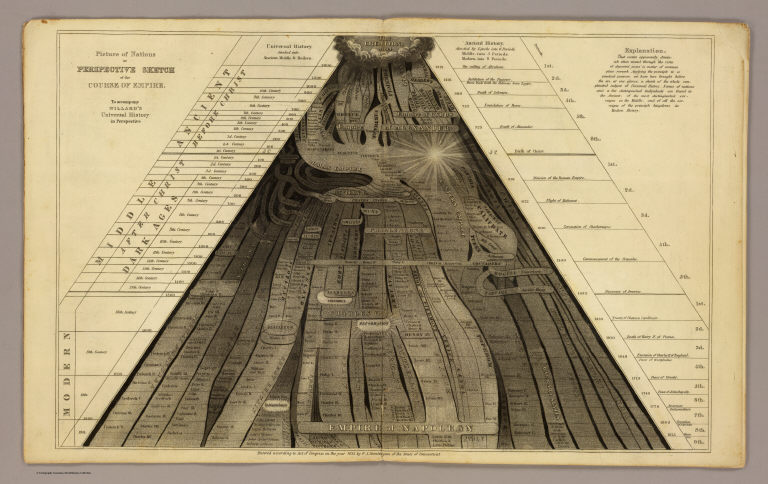
“After Priest­ley,” writes the Pub­lic Domain Review, “time­lines flour­ished, but they gen­er­al­ly lacked any sense of the dimen­sion­al­i­ty of time, rep­re­sent­ing the past as a uni­form march from left to right.” Emma Willard, “one of the century’s most influ­en­tial edu­ca­tors” set out to update the tech­nol­o­gy, “to invest chronol­o­gy with a sense of per­spec­tive.” In her 1836 Pic­ture of Nations; or Per­spec­tive Sketch of the Course of Empire, above (view and down­load high res­o­lu­tion images here), she presents “the bib­li­cal Cre­ation as the apex of a tri­an­gle that then flowed for­ward in time and space toward the view­er.”

The per­spec­tive is also a forced point of view about ori­gins and his­to­ry. But that was exact­ly the point: these are didac­tic tools meant for text­books and class­rooms. Willard, “America’s first pro­fes­sion­al female map­mak­er,” writes Maria Popo­va, was also a “pio­neer­ing edu­ca­tor,” who found­ed “the first women’s high­er edu­ca­tion insti­tu­tion in the Unit­ed States when she was still in her thir­ties…. In her ear­ly for­ties, she set about com­pos­ing and pub­lish­ing a series of his­to­ry text­books that raised the stan­dards and sen­si­bil­i­ties of schol­ar­ship.”

Willard rec­og­nized that lin­ear graphs of time did not accu­rate­ly do jus­tice to a three-dimen­sion­al expe­ri­ence of the world. Humans are “embod­ied crea­tures who yearn to locate them­selves in space and time.” The illu­sion of space and time on the flat page was an essen­tial fea­ture of Willard’s under­ly­ing pur­pose: “lay­ing out the ground-plan of the intel­lect, so far as the whole range of his­to­ry is con­cerned.” A prop­er under­stand­ing of a Great Man (and at least one Great Woman, Hypa­tia) ver­sion of history—easily con­densed, since there were only around 6,000 years from the cre­ation of the universe—would lead to “enlight­ened and judi­cious sup­port­ers” of democ­ra­cy.

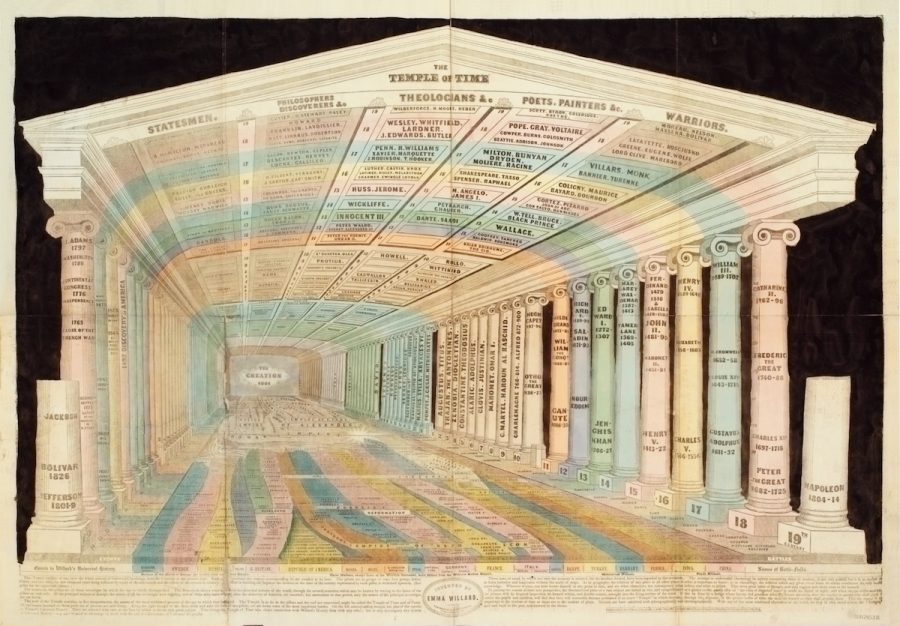
His­to­ry is rep­re­sent­ed lit­er­al­ly as a sacred space in Willard’s 1846 Tem­ple of Time, its prov­i­den­tial begin­nings for­mal­ly bal­anced in equal pro­por­tion to its every mon­u­men­tal stage. Willard’s intent was express­ly patri­ot­ic, her trap­pings self-con­scious­ly clas­si­cal. Her maps of time were ways of sit­u­at­ing the nation as a nat­ur­al suc­ces­sor to the empires of old, which flowed from the divine act of cre­ation. They show a pro­gres­sive widen­ing of the world.

“Half a cen­tu­ry before W.E.B. Du Bois… cre­at­ed his mod­ernist data visu­al­iza­tions for the 1900 World’s Fair,” Popo­va writes, The Tem­ple of Time “won a medal at the 1851 World’s Fair in Lon­don.” Willard accom­pa­nied the info­graph­ic with a state­ment of intent, artic­u­lat­ing a media the­o­ry, over a hun­dred years before McLuhan, that sounds strange­ly antic­i­pa­to­ry of his famous dic­tum.

The poet­ic idea of “the vista of depart­ed years” is made an object of sight; and when the eye is the medi­um, the pic­ture will, by fre­quent inspec­tion, be formed with­in, and for­ev­er remain, wrought into the liv­ing tex­ture of the mind.

Learn more about Emma Willard’s info­graph­ic rev­o­lu­tion at the Pub­lic Domain Review and The Mar­gin­a­lian.

Note: An ear­li­er ver­sion of this post appeared on our site in 2020.

Relat­ed Con­tent:

Joseph Priest­ley Visu­al­izes His­to­ry & Great His­tor­i­cal Fig­ures with Two of the Most Influ­en­tial Info­graph­ics Ever (1769)

The His­to­ry of the World in One Beau­ti­ful, 5‑Foot-Long Chart (1931)

180,000 Years of Reli­gion Chart­ed on a “His­tom­ap” in 1943

19th Cen­tu­ry Atlas Cre­ative­ly Visu­al­izes the Expan­sion of Geo­graph­i­cal Knowl­edge Over 4000 Years of World His­to­ry: From the Bib­li­cal flood to the Indus­tri­al Rev­o­lu­tion

Josh Jones is a writer and musi­cian based in Durham, NC. 

When Medieval & Early Modern Europeans Cleansed with Poison: The Strange History of Antimony Cups and Pills

The his­to­ry of med­i­cine is, for the most part, a his­to­ry of dubi­ous cures. Some were even worse than dubi­ous: for exam­ple, the inges­tion of anti­mo­ny, which we now know to be a high­ly tox­ic met­al. Though it may not occu­py an exalt­ed (or, for stu­dents in chem­istry class, par­tic­u­lar­ly mem­o­rable) place on the peri­od­ic table today, anti­mo­ny does have a fair­ly long cul­tur­al his­to­ry. Its first known use took place in ancient Egypt when stib­nite, one of its min­er­al forms, was ground into the strik­ing­ly dark eye­lin­er-like cos­met­ic kohl, which was thought to ward off bad spir­its.

Ancient Greek civ­i­liza­tion rec­og­nized anti­mo­ny less for its effects on the spir­it world than on the human one. The Greeks knew full well that the stuff was tox­ic, but also kept return­ing to it as a poten­tial form of med­i­cine.

Ancient Rome made its own prac­ti­cal use of anti­mo­ny, not least in met­al­lur­gy, but also kept up cer­tain lines of inquiry into its cura­tive prop­er­ties. As a sub­stance, it was well-placed to cap­ture imag­i­na­tions more intense­ly in the medieval age of alche­my. By the late sev­en­teenth cen­tu­ry, peo­ple were drink­ing wine out of anti­mo­ny cups, as unboxed in the video from the Vic­to­ria and Albert Muse­um above.

“The pur­pose of it is to try and make you vom­it and have diar­rhea and sweat a lot,” says Angus Pat­ter­son, the V&A’s senior cura­tor of met­al­work. In the­o­ry, this would re-bal­ance the “humors” of which medieval med­i­cine con­ceived of the body as being com­posed. Fan­cy cups like the one in the video, which was once owned by a lord, weren’t the only anti­mo­ny objects used for this pur­pose: the met­al was also forged into so-called “per­pet­u­al pills,” meant to be swal­lowed, retrieved from the excre­ment, then swal­lowed again when nec­es­sary — for mul­ti­ple gen­er­a­tions, in some cas­es, as a kind of fam­i­ly heir­loom. “Not sure I’d fan­cy swal­low­ing a pill that had been through my grand­pa,” Pat­ter­son adds, “but needs must when you have a stom­achache in 1750.”

via Aeon

Relat­ed con­tent:

Hun­dreds of Medieval Med­ical Man­u­scripts with Strange Cures Get Dig­i­tized & Put Online: From Leech­es to Crushed Weasel Tes­ti­cles

Sci­en­tists Dis­cov­er that Ancient Egyp­tians Drank Hal­lu­cino­genic Cock­tails from 2,300 Year-Old Mug

The Col­or that May Have Killed Napoleon: Scheele’s Green

1,000-Year-Old Illus­trat­ed Guide to the Med­i­c­i­nal Use of Plants Now Dig­i­tized & Put Online

Sir Isaac Newton’s Cure for the Plague: Pow­dered Toad Vom­it Lozenges (1669)

The Archive of Heal­ing Is Now Online: UCLA’s Dig­i­tal Data­base Pro­vides Access to Thou­sands of Tra­di­tion­al & Alter­na­tive Heal­ing Meth­ods

Based in Seoul, Col­in Marshall writes and broad­casts on cities, lan­guage, and cul­ture. His projects include the Sub­stack newslet­ter Books on Cities and the book The State­less City: a Walk through 21st-Cen­tu­ry Los Ange­les. Fol­low him on the social net­work for­mer­ly known as Twit­ter at @colinmarshall.

A Live Studio Cover of Pink Floyd’s The Dark Side of the Moon, Played from Start to Finish

Pink Floyd’s Dark Side of the Moon is such a work of art that to split it up into nine tracks—like clas­sic rock radio has done for years—always sounds non­sen­si­cal. How can you just end “Breathe” on that final chord and not fol­low it with the ana­log drones of “On the Run”? How can you play “Brain Dam­age” and not end with “Eclipse”? And how dare you fade the long coda of “Mon­ey” and segue into a car com­mer­cial?

You can’t, moral­ly speak­ing, I’m telling you.

So that’s why I like the cut of the jib of the Mar­tin Miller Ses­sion Band, who com­mit to cov­er­ing the entire­ty of Dark Side of the Moon in this one long stu­dio per­for­mance. Accord­ing to Miller’s Patre­on page, this is the only full album they’ve cov­ered so far, and they pull through admirably.

And the thing that is refresh­ing here is that the band cov­ers the album up to a point, but not slav­ish­ly. It’s not the Flam­ing Lips’ decon­struc­tion or the sur­pris­ing­ly still lis­ten­able 8‑Bit ver­sion, but nei­ther is it the kind of trib­ute band like Brit Floyd (below). When Miller solos, he’s not aping David Gilmour. The key­boardist Mar­ius Leicht has his own knobs to twid­dle, so to speak. And drum­mer Felix Lehrmann will nev­er ever be con­fused for Nick Mason. (In fact, he gets a lot of grief in the com­ments for being too flash, but when you watch Miller’s oth­er videos and see him giv­ing Stew­art Copeland a run for his mon­ey on their Police med­ley, you see where he’s com­ing from.)

Know­ing what you’re in for, ques­tions arise: are they going to include the var­i­ous spo­ken sam­ples sprin­kled through­out (“I don’t know I was real­ly drunk at the time,” “There is no dark side of the moon real­ly…”). Answer: yes indeed, and fun­ny they are too. Does a sax­o­phon­ist turn up for “Mon­ey” and “Us and Them”? Answer: Yes, and it’s Michal Skul­s­ki. Who can pos­si­bly match Clare Torry’s pipes on “The Great Gig in the Sky”? Jen­ny Marsala does, thank you very much.

So I would set­tle in and try to unlearn your mem­o­ry of every note and beat on the 1973 clas­sic. By doing so, you’ll hear the album anew.

And after that, if you’re still han­ker­ing for that “even bet­ter than the real thing” vibe, enjoy this full con­cert, cir­cu­lar pro­jec­tion screen and all, by the afore­men­tioned Brit Floyd, play­ing Liv­er­pool in 2011.

Note: An ear­li­er ver­sion of this post appeared on our site in 2020.

Relat­ed Con­tent:

The Dark Side of the Moon Project: Watch an 8‑Part Video Essay on Pink Floyd’s Clas­sic Album

Clare Torry’s Rare Live Per­for­mances of “Great Gig in the Sky” with Pink Floyd

Pink Floyd Films a Con­cert in an Emp­ty Audi­to­ri­um, Still Try­ing to Break Into the U.S. Charts (1970)

Bea­t­les Trib­ute Band “The Fab Faux” Per­forms Live an Amaz­ing­ly Exact Repli­ca of the Orig­i­nal Abbey Road Med­ley

A Deep, Track-by-Track Analy­sis of The Dark Side of the Moon, Pink Floyd’s Musi­cal Jour­ney Through the Stress­es & Anx­i­eties of Mod­ern Exis­tence

Pink Floyd Plays in Venice on a Mas­sive Float­ing Stage in 1989; Forces the May­or & City Coun­cil to Resign

Ted Mills is a free­lance writer on the arts.

A Man Read 3,599 Books Over 60 Years, and Now His Family Has Shared the Entire List Online

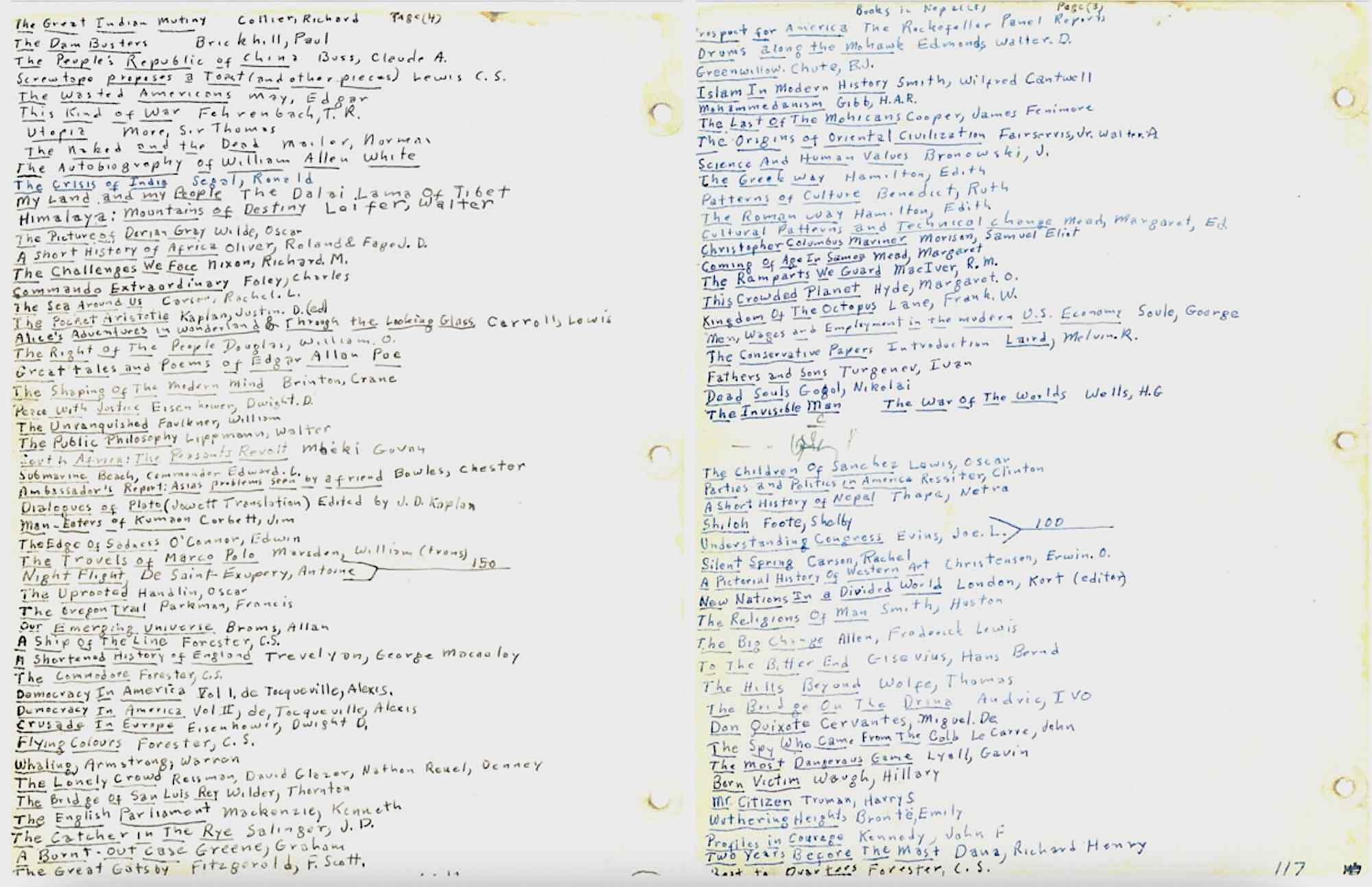
Dan Pelz­er died ear­li­er this year at the age of 92, leav­ing behind a hand­writ­ten list of all the books he’d read since 1962. His fam­i­ly had it dig­i­tized, put it online, and now it’s gone viral, some­what to the sur­prise of those of us who’d nev­er heard of him before. But that, it seems, is how the unpre­pos­sess­ing Pelz­er him­self would have want­ed it, accord­ing to the impres­sion giv­en by his grown chil­dren when inter­viewed about the pop­u­lar­i­ty of their father’s more than 100-page-long read­ing list. He began keep­ing it when he was sta­tioned in Nepal as a Peace Corps vol­un­teer, and kept it up until the end of his read­ing days in 2023, long after he retired from his job as a social work­er at an Ohio juve­nile cor­rec­tion­al facil­i­ty.

Exam­ined togeth­er, whether in the form of a com­plete scan or a search­able PDF, the 3,599 books, most of them checked out from the library, that Pelz­er record­ed hav­ing read con­sti­tute a per­son­al cul­tur­al his­to­ry of the past six decades. Described as a devout Catholic, he cer­tain­ly seems to have been con­sis­tent in his pur­suit of an inter­est in not just the his­to­ry of Chris­tian­i­ty in par­tic­u­lar, but the his­to­ry of west­ern civ­i­liza­tion in gen­er­al.

It comes as no sur­prise to see him dig into Will and Ariel Duran­t’s The Sto­ry of Civ­i­liza­tion series in the ear­ly nine­teen-eight­ies, slight­ly star­tling though it is that he read its eleven vol­umes in an appar­ent­ly ran­dom order. This habit turns out to be char­ac­ter­is­tic: though reput­ed to fin­ish every book he start­ed, he only got around to six vol­umes of Antho­ny Pow­ell’s A Dance to the Music of Time, start­ing with the eleventh and end­ing with the tenth.

Inter­spersed with the books of The Sto­ry of Civ­i­liza­tion are the likes of Philip Caputo’s A Rumor of War, John Irv­ing’s The World Accord­ing to Garp, and three nov­els by Ken Fol­lett. Though abid­ing­ly con­cerned with the sto­ry of mankind, Pelz­er appears also to have had a weak­ness for genre thrillers (he’s remem­bered as a big John Grisham fan) and top­i­cal books-of-the-moment. But whether read­ing at high‑, low‑, or mid­dle­brow lev­el, he seems to have been will­ing to give all major reli­gions and polit­i­cal philoso­phies, as well as some minor ones, a fair hear­ing — or rather, a fair read­ing. This makes for strik­ing jux­ta­po­si­tions in his list: Ayn Rand fol­lowed by L. Ron Hub­bard, Ta-Nehisi Coates by Jonathan Haidt. In that respect, he was, per­haps, the ide­al of the engaged, “demo­c­ra­t­ic” com­mon read­er one imag­ines pop­u­lat­ing Amer­i­ca while some­how nev­er encoun­ter­ing. If his list rais­es the ques­tion of why he did­n’t go into a more intel­lec­tu­al­ly ambi­tious line of work, it also, in a way, answers it: what time would that have left him to read?

Relat­ed con­tent:

Joseph Brodsky’s List of 83 Books You Should Read to Have an Intel­li­gent Con­ver­sa­tion

29 Lists of Rec­om­mend­ed Books Cre­at­ed by Well-Known Authors, Artists & Thinkers: Jorge Luis Borges, Pat­ti Smith, Neil DeGrasse Tyson, David Bowie & More

Oliv­er Sacks’ Rec­om­mend­ed Read­ing List of 46 Books: From Plants and Neu­ro­science, to Poet­ry and the Prose of Nabokov

Carl Sagan’s Ambi­tious Col­lege Read­ing List: Pla­to, Shake­speare, Gide, and Plen­ty of Phi­los­o­phy, Math & Physics (1954)

David Fos­ter Wallace’s Sur­pris­ing List of His 10 Favorite Books, from C. S. Lewis to Tom Clan­cy

100 Books to Read in a Life­time

Based in Seoul, Col­in Marshall writes and broad­casts on cities, lan­guage, and cul­ture. His projects include the Sub­stack newslet­ter Books on Cities and the book The State­less City: a Walk through 21st-Cen­tu­ry Los Ange­les. Fol­low him on the social net­work for­mer­ly known as Twit­ter at @colinmarshall.

Watch Anémic Cinéma, Marcel Duchamp’s Whirling Avant-Garde Film (1926)

Mar­cel Duchamp (1887–1968) made some heady art. His whole goal was to “put art back in the ser­vice of the mind,” or to cre­ate what Jasper Johns once called the “field where lan­guage, thought and vision act on one anoth­er.” And that’s pre­cise­ly what Ducham­p’s 1926 avant-garde film Anémic Ciné­ma deliv­ers. You can watch a restored ver­sion above.

Draw­ing on his inher­i­tance, Duchamp shot Anémic Ciné­ma (almost a palin­drome) in Man Ray’s stu­dio with the help of cin­e­matog­ra­ph­er Marc Allé­gret. The Dada-inspired film fea­tures nine whirling opti­cal illu­sions, known as Rotore­liefs, alter­nat­ing with spi­ral­ing puns and com­plex word play. Vision acts on lan­guage and thought, indeed.

Anémic Ciné­ma appears in our col­lec­tion, 4,000+ Free Movies Online: Great Clas­sics, Indies, Noir, West­erns, Doc­u­men­taries & More.

If you would like to sign up for Open Culture’s free email newslet­ter, please find it here. It’s a great way to see our new posts, all bun­dled in one email, each day.

If you would like to sup­port the mis­sion of Open Cul­ture, con­sid­er mak­ing a dona­tion to our site. It’s hard to rely 100% on ads, and your con­tri­bu­tions will help us con­tin­ue pro­vid­ing the best free cul­tur­al and edu­ca­tion­al mate­ri­als to learn­ers every­where. You can con­tribute through Pay­Pal, Patre­on, and Ven­mo (@openculture). Thanks!

Relat­ed Con­tent 

How Mar­cel Duchamp Signed a Uri­nal in 1917 & Rede­fined Art

How Man Ray Rein­vent­ed Him­self & Cre­at­ed One of the Most Icon­ic Works of Sur­re­al­ist Pho­tog­ra­phy

When John Cage & Mar­cel Duchamp Played Chess on a Chess­board That Turned Chess Moves Into Elec­tron­ic Music (1968)

Man Ray and the Ciné­ma Pur: Four Sur­re­al­ist Films From the 1920s


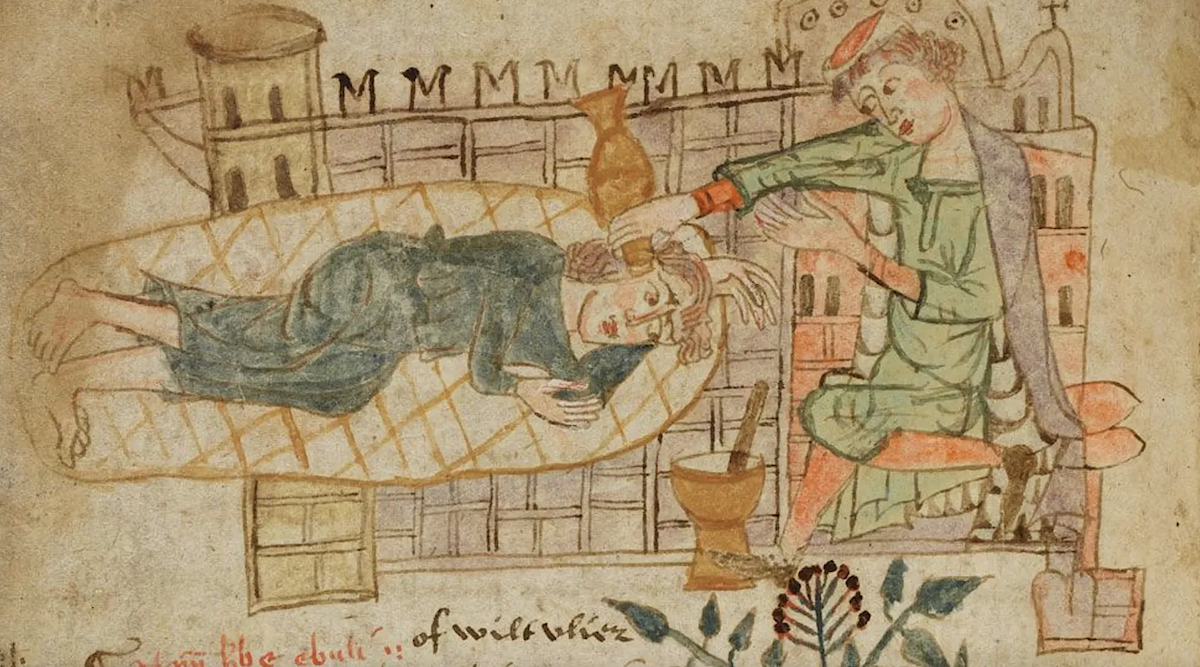
Hundreds of Medieval Medical Manuscripts with Strange Cures Get Digitized & Put Online: From Leeches to Crushed Weasel Testicles

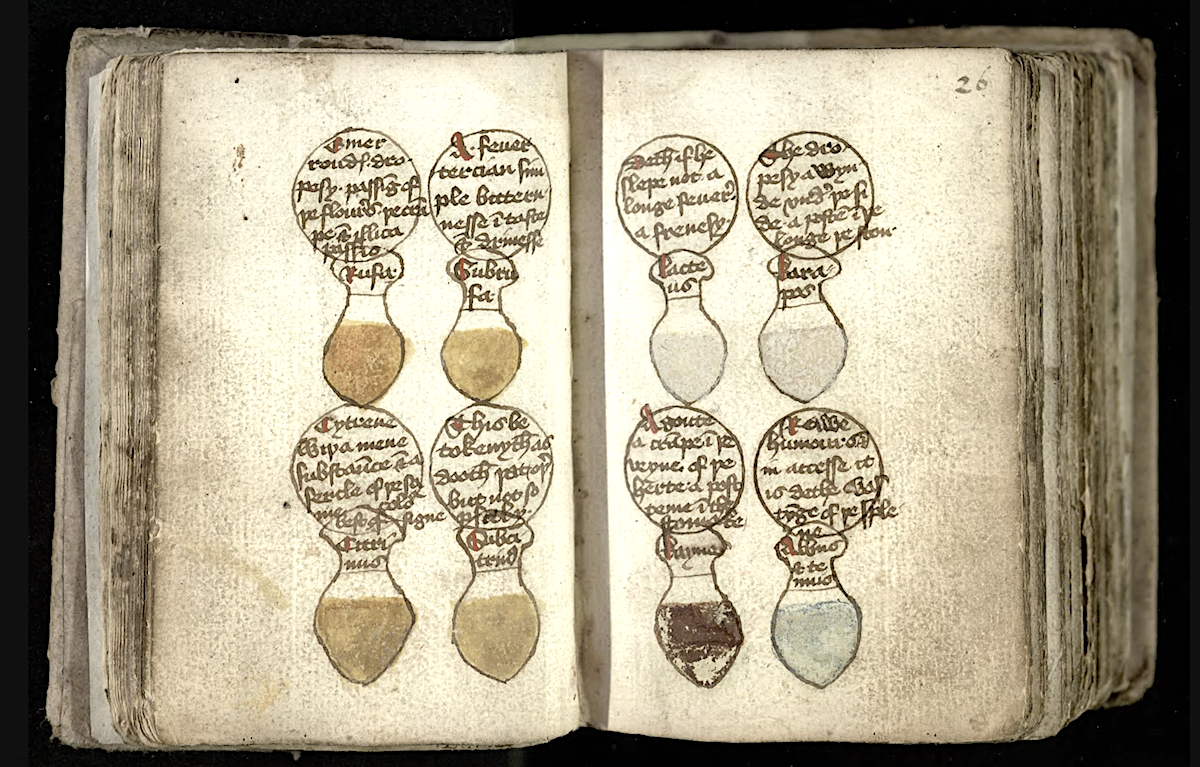
If any dis­cus­sion of medieval med­i­cine gets going, it’s only a mat­ter of time before some­one brings up leech­es. And it turns out that the cen­tral­i­ty of those squirm­ing blood-suck­ers to the treat­ment of dis­ease in the Mid­dle Ages isn’t much over­stat­ed, at least judg­ing by a look through Curi­ous Cures. A Well­come Research Resources Award-fund­ed project of the Uni­ver­si­ty of Cam­bridge Libraries, it has recent­ly fin­ished con­serv­ing, dig­i­tiz­ing, and mak­ing avail­able online 190 man­u­scripts con­tain­ing more than 7,000 pages of medieval med­ical recipes. These books con­tain a wealth of infor­ma­tion even beyond the text on their pages: a mul­ti-spec­tral imag­ing analy­sis of one of them, for exam­ple, revealed that it was once owned by a cer­tain “Thomas Word, leche” — or leech, i.e., a heal­er who made inten­sive use of the tools you might imag­ine.

Not that the prac­tice of medieval med­i­cine came down to apply­ing leech­es and noth­ing more. In the man­u­scripts dig­i­tized by Curi­ous Cures (which include not just strict­ly med­ical texts but also bibles, law texts, and books of hours), one finds a won­der­land of dove feces, fox lungs, salt­ed owl, eel grease, weasel tes­ti­cles, quick­sil­ver (i.e. mer­cury) — a won­der­land for read­ers curi­ous about medieval forms of knowl­edge, if not for the actu­al patients who had to under­go these dubi­ous treat­ments.

But as any schol­ar of the sub­ject would be quick to remind us, med­ical doc­u­ments in the Mid­dle Ages may have wan­ton­ly mixed folk and “offi­cial” knowl­edge, but they were hard­ly repos­i­to­ries of pure super­sti­tion: rather, they rep­re­sent the best efforts of intel­li­gent peo­ple to under­stand their own bod­ies and the world they inhab­it­ed, with­in the dom­i­nant world­view of their time and place.

That was a time in which health was thought to be deter­mined by the “four humors,” black bile, yel­low bile, blood and phlegm; a time when cer­tain parts of plants or ani­mals were believed to be in “sym­pa­thet­ic” cor­re­spon­dence with cer­tain parts of the human body; a time when repeat­ed­ly pray­ing while clip­ping one’s fin­ger­nails, then bury­ing those clip­pings in an elder tree, could plau­si­bly cure a toothache. And now, it’s eas­i­er than ever to get a sense of what it must have been like, thanks to Curi­ous Cures’ tran­scribed, trans­lat­ed, and search­able archive of all these man­u­scripts. The more out­landish reme­dies aside, what’s remark­able is how these books also acknowl­edge the impor­tance of what we would now call a good night’s sleep, reg­u­lar exer­cise, and a bal­anced, var­ied diet. Medievals may have under­stood their own health bet­ter than we imag­ine, but regard­less, we’re prob­a­bly not bring­ing back leechcraft any­time soon.

Relat­ed Con­tent:

Urine Wheels in Medieval Man­u­scripts: Dis­cov­er the Curi­ous Diag­nos­tic Tool Used by Medieval Doc­tors

Behold the Medieval Wound Man: The Poor Soul Who Illus­trat­ed the Injuries a Per­son Might Receive Through War, Acci­dent or Dis­ease

Based in Seoul, Col­in Marshall writes and broad­casts on cities, lan­guage, and cul­ture. His projects include the Sub­stack newslet­ter Books on Cities and the book The State­less City: a Walk through 21st-Cen­tu­ry Los Ange­les. Fol­low him on the social net­work for­mer­ly known as Twit­ter at @colinmarshall.

« Go Back
Quantcast