Watch Anémic Cinéma, Marcel Duchamp’s Whirling Avant-Garde Film (1926)

Mar­cel Duchamp (1887–1968) made some heady art. His whole goal was to “put art back in the ser­vice of the mind,” or to cre­ate what Jasper Johns once called the “field where lan­guage, thought and vision act on one anoth­er.” And that’s pre­cise­ly what Ducham­p’s 1926 avant-garde film Anémic Ciné­ma deliv­ers. You can watch a restored ver­sion above.

Draw­ing on his inher­i­tance, Duchamp shot Anémic Ciné­ma (almost a palin­drome) in Man Ray’s stu­dio with the help of cin­e­matog­ra­ph­er Marc Allé­gret. The Dada-inspired film fea­tures nine whirling opti­cal illu­sions, known as Rotore­liefs, alter­nat­ing with spi­ral­ing puns and com­plex word play. Vision acts on lan­guage and thought, indeed.

Anémic Ciné­ma appears in our col­lec­tion, 4,000+ Free Movies Online: Great Clas­sics, Indies, Noir, West­erns, Doc­u­men­taries & More.

If you would like to sign up for Open Culture’s free email newslet­ter, please find it here. It’s a great way to see our new posts, all bun­dled in one email, each day.

If you would like to sup­port the mis­sion of Open Cul­ture, con­sid­er mak­ing a dona­tion to our site. It’s hard to rely 100% on ads, and your con­tri­bu­tions will help us con­tin­ue pro­vid­ing the best free cul­tur­al and edu­ca­tion­al mate­ri­als to learn­ers every­where. You can con­tribute through Pay­Pal, Patre­on, and Ven­mo (@openculture). Thanks!

Relat­ed Con­tent 

How Mar­cel Duchamp Signed a Uri­nal in 1917 & Rede­fined Art

How Man Ray Rein­vent­ed Him­self & Cre­at­ed One of the Most Icon­ic Works of Sur­re­al­ist Pho­tog­ra­phy

When John Cage & Mar­cel Duchamp Played Chess on a Chess­board That Turned Chess Moves Into Elec­tron­ic Music (1968)

Man Ray and the Ciné­ma Pur: Four Sur­re­al­ist Films From the 1920s


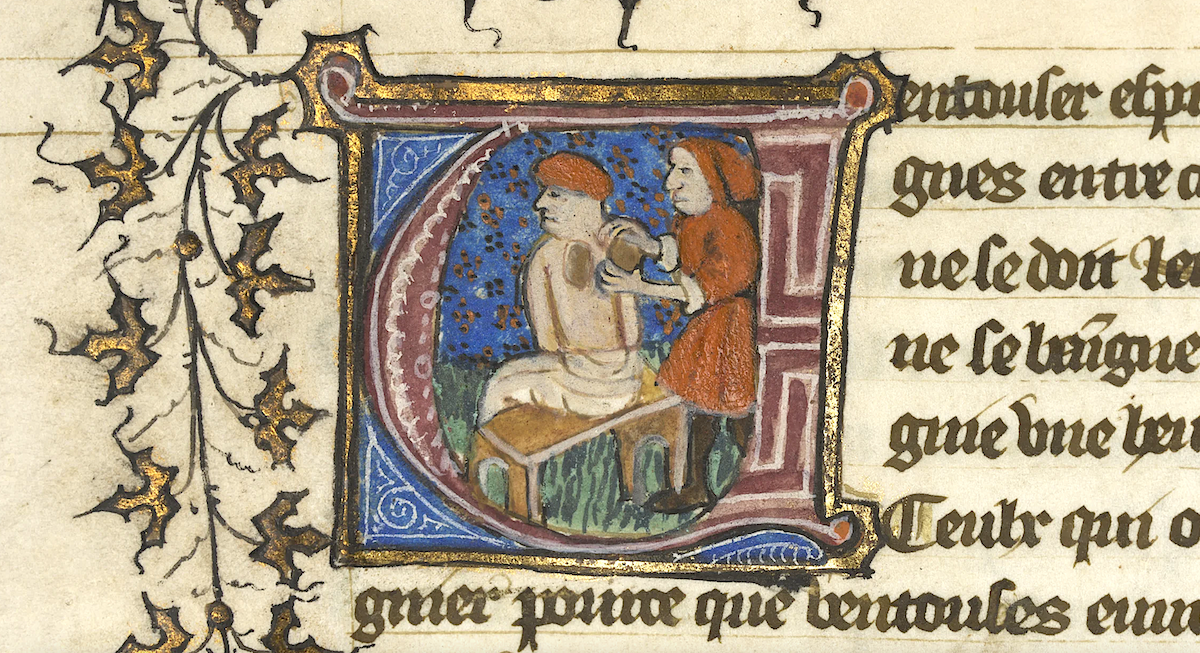
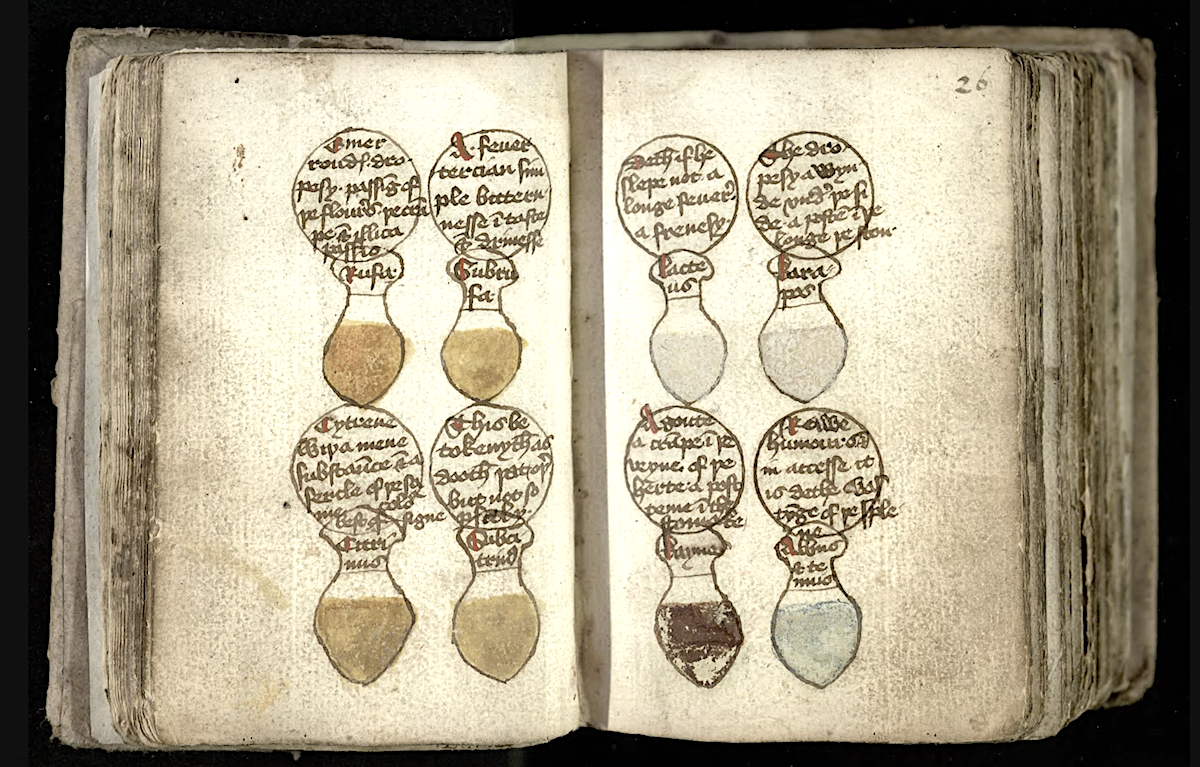
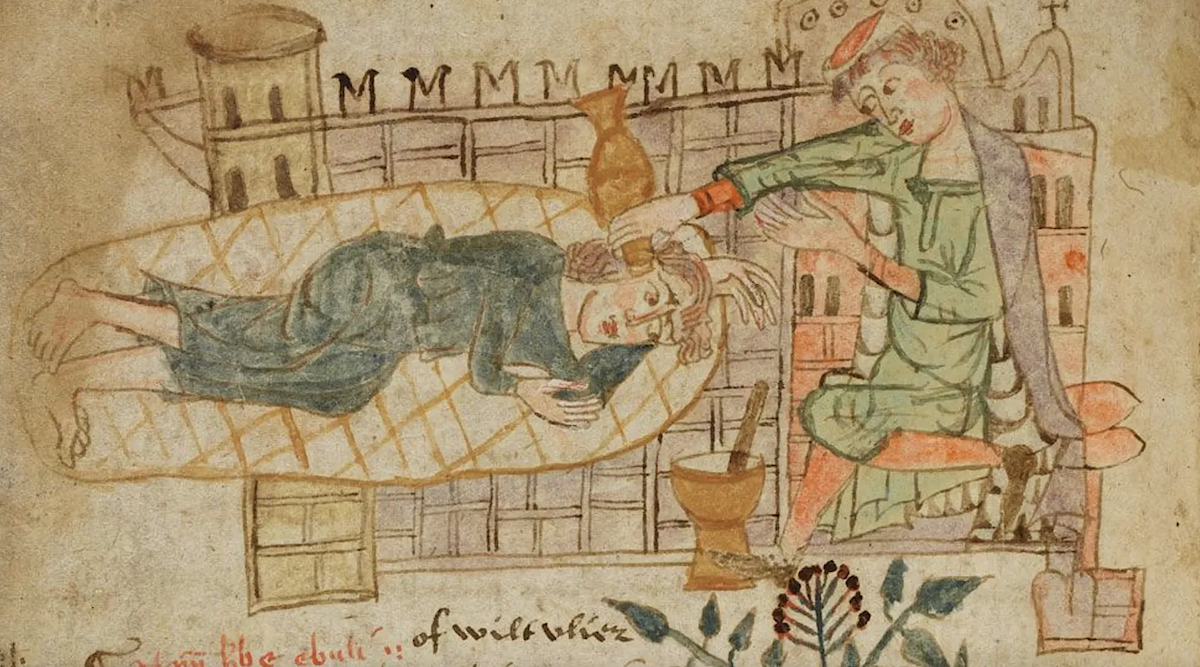
Hundreds of Medieval Medical Manuscripts with Strange Cures Get Digitized & Put Online: From Leeches to Crushed Weasel Testicles

If any dis­cus­sion of medieval med­i­cine gets going, it’s only a mat­ter of time before some­one brings up leech­es. And it turns out that the cen­tral­i­ty of those squirm­ing blood-suck­ers to the treat­ment of dis­ease in the Mid­dle Ages isn’t much over­stat­ed, at least judg­ing by a look through Curi­ous Cures. A Well­come Research Resources Award-fund­ed project of the Uni­ver­si­ty of Cam­bridge Libraries, it has recent­ly fin­ished con­serv­ing, dig­i­tiz­ing, and mak­ing avail­able online 190 man­u­scripts con­tain­ing more than 7,000 pages of medieval med­ical recipes. These books con­tain a wealth of infor­ma­tion even beyond the text on their pages: a mul­ti-spec­tral imag­ing analy­sis of one of them, for exam­ple, revealed that it was once owned by a cer­tain “Thomas Word, leche” — or leech, i.e., a heal­er who made inten­sive use of the tools you might imag­ine.

Not that the prac­tice of medieval med­i­cine came down to apply­ing leech­es and noth­ing more. In the man­u­scripts dig­i­tized by Curi­ous Cures (which include not just strict­ly med­ical texts but also bibles, law texts, and books of hours), one finds a won­der­land of dove feces, fox lungs, salt­ed owl, eel grease, weasel tes­ti­cles, quick­sil­ver (i.e. mer­cury) — a won­der­land for read­ers curi­ous about medieval forms of knowl­edge, if not for the actu­al patients who had to under­go these dubi­ous treat­ments.

But as any schol­ar of the sub­ject would be quick to remind us, med­ical doc­u­ments in the Mid­dle Ages may have wan­ton­ly mixed folk and “offi­cial” knowl­edge, but they were hard­ly repos­i­to­ries of pure super­sti­tion: rather, they rep­re­sent the best efforts of intel­li­gent peo­ple to under­stand their own bod­ies and the world they inhab­it­ed, with­in the dom­i­nant world­view of their time and place.

That was a time in which health was thought to be deter­mined by the “four humors,” black bile, yel­low bile, blood and phlegm; a time when cer­tain parts of plants or ani­mals were believed to be in “sym­pa­thet­ic” cor­re­spon­dence with cer­tain parts of the human body; a time when repeat­ed­ly pray­ing while clip­ping one’s fin­ger­nails, then bury­ing those clip­pings in an elder tree, could plau­si­bly cure a toothache. And now, it’s eas­i­er than ever to get a sense of what it must have been like, thanks to Curi­ous Cures’ tran­scribed, trans­lat­ed, and search­able archive of all these man­u­scripts. The more out­landish reme­dies aside, what’s remark­able is how these books also acknowl­edge the impor­tance of what we would now call a good night’s sleep, reg­u­lar exer­cise, and a bal­anced, var­ied diet. Medievals may have under­stood their own health bet­ter than we imag­ine, but regard­less, we’re prob­a­bly not bring­ing back leechcraft any­time soon.

Relat­ed Con­tent:

Urine Wheels in Medieval Man­u­scripts: Dis­cov­er the Curi­ous Diag­nos­tic Tool Used by Medieval Doc­tors

Behold the Medieval Wound Man: The Poor Soul Who Illus­trat­ed the Injuries a Per­son Might Receive Through War, Acci­dent or Dis­ease

Based in Seoul, Col­in Marshall writes and broad­casts on cities, lan­guage, and cul­ture. His projects include the Sub­stack newslet­ter Books on Cities and the book The State­less City: a Walk through 21st-Cen­tu­ry Los Ange­les. Fol­low him on the social net­work for­mer­ly known as Twit­ter at @colinmarshall.

Hear the Pieces Mozart Composed When He Was Only 5 Years Old

A preter­nat­u­ral­ly tal­ent­ed, pre­co­cious child, bare­ly out of tod­dler­hood, in pow­dered wig and knee-breech­es, caper­ing around the great hous­es of 18th cen­tu­ry Europe between vir­tu­oso per­for­mances on the harp­si­chord. A young boy who can play any piece any­one puts in front of him, and com­pose sym­phonies extem­po­ra­ne­ous­ly with ease…. Few scenes bet­ter cap­ture the mythos of the child prodi­gy than those report­ed from the child­hood of Wolf­gang Amadeus Mozart.

If Milos Forman’s Amadeus is any reli­able guide to his char­ac­ter, if not his his­to­ry, Mozart may nev­er have lost his boy­ish charm and exu­ber­ance, but his musi­cal abil­i­ty seemed to mature expo­nen­tial­ly as he com­posed hun­dreds of sonatas, quar­tets, con­cer­tos, and operas, end­ing with the Requiem, an aston­ish­ing piece of work by any mea­sure, despite remain­ing unfin­ished in the year of his death, 1791, at the age of 35.

While those fever­ish scenes of Requiem’s com­po­si­tion in Forman’s film may be ten­u­ous­ly attached to the truth, the sto­ries of Mozart the preschool and boy­hood genius are well attest­ed. Not only did he play with unbe­liev­able skill for “emper­ors and empress­es in the courts of Europe,” but “by the time he was six he had com­posed dozens of remark­able pieces for the key­board as well as for oth­er instru­ments,” notes Willard Palmer in an intro­duc­tion to Mozart’s most pop­u­lar works. “His first efforts at com­po­si­tion began when he was only four years old.”

He com­posed sev­er­al short pieces the fol­low­ing year, and you can hear them all per­formed above. At the Mor­gan Library’s site you can also see a scanned man­u­script image of four of those com­po­si­tions, writ­ten in Mozart’s father’s hand. Leopold Mozart—the dri­ving stage-parental force, as we know, behind Wolfgang’s child­hood career as a tour­ing marvel—notated these first attempts, cred­it­ing them to “Wolf­gangerl,” in what is known as the Nan­nerl Note­book, from the nick­name of Mozart’s old­er sis­ter, Maria Anna.

Leopold, Kapellmeis­ter of the Salzburg court orches­tra, rec­og­nized not only Wolfgang’s musi­cal tal­ents, but also those of Nan­nerl, and he devot­ed his time to over­see­ing both his children’s train­ing. For sad­ly obvi­ous rea­sons, the elder Mozart did not con­tin­ue to per­form, and the note­book named for her does not con­tain any of her com­po­si­tions, only Leopold’s exer­cis­es for the chil­dren and her broth­er’s first orig­i­nal work. In addi­tion to Mozart’s ear­li­est pieces, it may also con­tain music com­posed by him at 7 or 8 years old—more exten­sive works that might, says Mozar­teum researcher Ulrich Leisinger, bridge the short, sim­ple first pieces and his first major com­po­si­tions.

Nonethe­less, we have dozens of Mozart’s com­po­si­tions through­out his child­hood and teenage years. Sev­er­al of those ear­li­er pieces come from the so-called Lon­don Note­book, a sketch­book kept dur­ing Mozart’s time in Eng­land between 1764–65. Here, writes Ele­na Abend, we find him “extend­ing his musi­cal themes com­pared to his ear­li­er com­po­si­tions.” And yet the music “almost always has a play­ful­ness about it.” It’s a qual­i­ty that nev­er left Mozart’s work, exclud­ing the awe­some Requiem, of course, but then this final mas­ter­work was com­plet­ed by oth­er com­posers, none of them with Mozart’s light­ness of spir­it, which we can trace all the way back to that first piece, “a court­ly lit­tle com­po­si­tion.” Writes Abend, “grace­ful­ness is essen­tial in per­form­ing the piece.”

Note: An ear­li­er ver­sion of this post appeared on our site in 2017.

Relat­ed Con­tent:

Watch the First Per­for­mance of a Mozart Com­po­si­tion That Had Been Lost for Cen­turies

Hear the Evo­lu­tion of Mozart’s Music, Com­posed from Ages 5 to 35

Mozart’s Diary Where He Com­posed His Final Mas­ter­pieces Is Now Dig­i­tized and Avail­able Online

See Mozart Played on Mozart’s Own Fortepi­ano, the Instru­ment That Most Authen­ti­cal­ly Cap­tures the Sound of His Music

Josh Jones is a writer and musi­cian based in Durham, NC. Fol­low him at @jdmagness


by | Permalink | Make a Comment ( 1 ) |

Curious Alice — The 1971 Anti-Drug Movie Based on Alice in Wonderland That Oddly Made Drugs Look Like Fun

The Rea­gan pres­i­den­cy was prob­a­bly the gold­en age of anti-drug mes­sag­ing. America’s school kids were told that a brain was like an egg and drugs were like a fry­ing pan. The First Lady told America’s school kids sim­ply to “Just Say No.” The mes­sage was stu­pe­fy­ing­ly sim­ple. Drugs, like Com­mu­nism and tax­es, are bad.

Dur­ing the ear­ly 1970s, how­ev­er, that anti-drug mes­sage was much more con­fused. Take for exam­ple Curi­ous Alice, a visu­al­ly stun­ning, deeply odd movie about the per­ils of drug abuse that makes the stuff look like a lot of fun. Cre­at­ed by the Nation­al Insti­tute of Men­tal Health in 1971, the film shows young Alice read­ing Lewis Carroll’s Alice in Won­der­land in a sun­ny dap­pled mead­ow before nod­ding off.

She soon finds her­self plung­ing down the rab­bit hole and in a won­der­land … of drugs. The King of Hearts is hawk­ing hero­in. The Mad Hat­ter is trip­ping on LSD. The hookah-smok­ing Cater­pil­lar is stoned out of his gourd. The Dor­mouse is in a bar­bi­tu­rate-induced stu­por and the March Hare, who looks like the Trix Bunny’s ne’er-do-well broth­er, is a fid­get­ing tweak­er. “You ough­ta have some pep pills! Uppers!” he exclaims. “Amphet­a­mines! Speed! You feel super good.”

The movie was report­ed­ly intend­ed for eight-year-olds. While it’s unlike­ly that your aver­age third grad­er is going to absorb Alice’s mor­al­iz­ing about acid, they will almost cer­tain­ly respond to the film’s trip­py, Mon­ty Pythonesque ani­ma­tion. The ani­ma­tors clear­ly had a blast mak­ing this movie, but their efforts didn’t exact­ly trans­late into an effec­tive mes­sage. After the movie came out, the Nation­al Coor­di­nat­ing Coun­cil on Drug Edu­ca­tion slammed the movie, call­ing it con­fus­ing and coun­ter­pro­duc­tive. As an adult, how­ev­er, the movie is a lot of fun. So check it out above.

Note: An ear­li­er ver­sion of this post appeared on our site in 2014.

Relat­ed Con­tent:

Reefer Mad­ness, 1936′s Most Unin­ten­tion­al­ly Hilar­i­ous “Anti-Drug” Exploita­tion Film, Free Online

The First-Ever Film Ver­sion of Lewis Carroll’s Tale, Alice in Won­der­land (1903)

Artist Draws Nine Por­traits on LSD Dur­ing 1950s Research Exper­i­ment

The Orig­i­nal Alice’s Adven­tures In Won­der­land Man­u­script, Hand­writ­ten & Illus­trat­ed By Lewis Car­roll (1864)

Jonathan Crow is a writer and film­mak­er whose work has appeared in Yahoo!, The Hol­ly­wood Reporter, and oth­er pub­li­ca­tions. 

Man as Industrial Palace: Watch an Animation of the Famous 1926 Lithograph That Depicts the Human Body as a Modern Factory

In 1926, Fritz Kahn, a Ger­man gyne­col­o­gist and anato­my text­book author, pro­duced a lith­o­graph called Der Men­sch als Indus­triepalast (Man as Indus­tri­al Palace) that depict­ed the human body as a fac­to­ry, a chem­i­cal plant of sorts. Kah­n’s body came com­plete with mechan­i­cal lungs, a rock-sort­ing stom­ach, gears for a throat, and a switch­board for a brain, and it illus­trat­ed rather metaphor­i­cal­ly the degree to which indus­tri­al­iza­tion had tak­en over West­ern life, cre­at­ing deep anx­i­ety for some and curios­i­ty for oth­ers.

More than 80 years lat­er, Hen­ning Led­er­er, a Ger­man artist, brought Kah­n’s mechan­i­cal body to life with some gift­ed ani­ma­tion. To learn more about Led­er­er’s project, you will want to spend more time on IndustriePalast.com and par­tic­u­lar­ly with this help­ful PDF. Oth­er ani­ma­tions by Led­er­er can be found on Vimeo.

An ear­li­er ver­sion of this post orig­i­nal­ly appeared on our site in 2011.

If you would like to sign up for Open Culture’s free email newslet­ter, please find it here. It’s a great way to see our new posts, all bun­dled in one email, each day.

If you would like to sup­port the mis­sion of Open Cul­ture, con­sid­er mak­ing a dona­tion to our site. It’s hard to rely 100% on ads, and your con­tri­bu­tions will help us con­tin­ue pro­vid­ing the best free cul­tur­al and edu­ca­tion­al mate­ri­als to learn­ers every­where. You can con­tribute through Pay­Pal, Patre­on, and Ven­mo (@openculture). Thanks!

Relat­ed Con­tent:

Down­load Hun­dreds of Issues of Jugend, Germany’s Pio­neer­ing Art Nou­veau Mag­a­zine (1896–1940)

Down­load Influ­en­tial Avant-Garde Mag­a­zines from the Ear­ly 20th Cen­tu­ry: Dadaism, Sur­re­al­ism, Futur­ism & More

Down­load 36 Dadaist Mag­a­zines from the The Dig­i­tal Dada Archive (Plus Oth­er Avant-Garde Books, Leaflets & Ephemera)

Exten­sive Archive of Avant-Garde & Mod­ernist Mag­a­zines (1890–1939) Now Avail­able Online

An Introduction to Aleister Crowley, History’s Most Infamous Occultist

“Do what thou wilt”: as the cen­tral prin­ci­ple of a world­view, it may not sound like much, but at least there are always a great many peo­ple ready and will­ing to hear it. So dis­cov­ered Aleis­ter Crow­ley, the ear­ly twen­ti­eth-cen­tu­ry Occultist now remem­bered not just for his uncon­ven­tion­al reli­gious prac­tices, but also for his knack for gath­er­ing cults around him­self. It was in Liber AL vel Legis, or The Book of the Law, the cen­tral text of his reli­gion Thele­ma, that he instruct­ed his fol­low­ers to act direct­ly on their own desires, ide­al­ly with the aid of some rit­u­al­is­tic black mag­ick.

You can learn more about the life and pur­suits that even­tu­al­ly got Crow­ley dubbed “the wickedest man in the world” from the Hochela­ga video above. After liv­ing most of his child­hood under a Bib­li­cal-fun­da­men­tal­ist preach­er father, who died when Crow­ley was eleven, he was sent away to var­i­ous board­ing schools, then turned trou­ble­mak­er. At Cam­bridge, where he went to study Eng­lish lit­er­a­ture, he fell for the Roman­tics, then for the occult. After leav­ing with­out his degree, but with a con­sid­er­able inher­i­tance, he enjoyed the free­dom to trav­el the world, climb­ing moun­tains and attempt­ing to mas­ter the dark arts — not to men­tion tak­ing drugs and hav­ing affairs.

As he went from coun­try to coun­try, Crow­ley nev­er met an ancient reli­gion he could­n’t adapt to his own ends. But no gods made as much of an impact on him as those of ancient Egypt, specif­i­cal­ly Hoor-paar-kraat, or Har­pocrates in the Greek; Crow­ley claimed to have been con­tact­ed by the voice of Hoor-paar-kraat’s mes­sen­ger Aiwass, from whom he took the dic­ta­tion that became Liber AL vel Legis. Styling him­self as an Egypt­ian prophet, he preached one way for human­i­ty to push through to a post-Chris­t­ian age: “What­ev­er you feel like doing, go and do it, regard­less of pop­u­lar opin­ion or con­ven­tion­al moral­i­ty.” After all, it seemed to work for Crow­ley him­self, though the work of a noto­ri­ous occultist cer­tain­ly isn’t for every­body.

Nor could even the world’s wickedest man keep it up for­ev­er: “Even­tu­al­ly all the trav­el­ing, drug-tak­ing, and lib­er­tin­ism had caught up with Crow­ley.” His inher­i­tance dried up, and his addic­tions wors­ened. But he did­n’t give up on Thele­ma, even going so far as to estab­lish a com­mune in Sici­ly. Alas, the “respon­si­bil­i­ty-free lifestyle” advo­cat­ed by the reli­gion soon drove its head­quar­ters to chaot­ic dilap­i­da­tion. But just a cou­ple of decades after his death in Eng­land in 1947, Crow­ley’s glow­er­ing vis­age popped up again, on the cov­er of Sgt. Pep­per’s Lone­ly Hearts Club Band. He became the sub­ject of pop-music ref­er­ence not just by the Bea­t­les, but also David Bowie, Iron Maid­en, and the late Ozzy Osbourne. “Genius? Insane? Vision­ary? Fraud? Free­thinker? Cult leader?” We might grant Aleis­ter Crow­ley all these titles, and that of pro­to-rock star besides.

Relat­ed con­tent:

Aleis­ter Crow­ley: The Wickedest Man in the World Doc­u­ments the Life of the Bizarre Occultist, Poet & Moun­taineer

Aleis­ter Crow­ley Reads Occult Poet­ry in the Only Known Record­ings of His Voice (1920)

The Thoth Tarot Deck Designed by Famed Occultist Aleis­ter Crow­ley

The Sur­re­al Paint­ings of the Occult Magi­cian, Writer & Moun­taineer, Aleis­ter Crow­ley

How Aleis­ter Crow­ley, the Infa­mous Occultist, Led the First Attempt to Reach the Sum­mit of K2 (1902)

Based in Seoul, Col­in Marshall writes and broad­casts on cities, lan­guage, and cul­ture. His projects include the Sub­stack newslet­ter Books on Cities and the book The State­less City: a Walk through 21st-Cen­tu­ry Los Ange­les. Fol­low him on the social net­work for­mer­ly known as Twit­ter at @colinmarshall.

Isaac Asimov Predicts in 1964 What the World Will Look Like in 2014

Image by Rochester Insti­tute of Tech­nol­o­gy, via Wiki­me­dia Com­mons

When New York City host­ed The World’s Fair in 1964, Isaac Asi­mov, the pro­lif­ic sci-fi author and pro­fes­sor of bio­chem­istry at Boston Uni­ver­si­ty, took the oppor­tu­ni­ty to won­der what the world would look like 50 years hence — assum­ing the world sur­vived the nuclear threats of the Cold War. Writ­ing in The New York Times, Asi­mov imag­ined a world that you might part­ly rec­og­nize today, a world where:

  • “Gad­getry will con­tin­ue to relieve mankind of tedious jobs. Kitchen units will be devised that will pre­pare ‘automeals,’ heat­ing water and con­vert­ing it to cof­fee; toast­ing bread; fry­ing, poach­ing or scram­bling eggs, grilling bacon, and so on. Break­fasts will be ‘ordered’ the night before to be ready by a spec­i­fied hour the next morn­ing.”
  • “Com­mu­ni­ca­tions will become sight-sound and you will see as well as hear the per­son you tele­phone. The screen can be used not only to see the peo­ple you call but also for study­ing doc­u­ments and pho­tographs and read­ing pas­sages from books. Syn­chro­nous satel­lites, hov­er­ing in space will make it pos­si­ble for you to direct-dial any spot on earth, includ­ing the weath­er sta­tions in Antarc­ti­ca.”
  • “[M]en will con­tin­ue to with­draw from nature in order to cre­ate an envi­ron­ment that will suit them bet­ter. By 2014, elec­tro­lu­mi­nes­cent pan­els will be in com­mon use. Ceil­ings and walls will glow soft­ly, and in a vari­ety of col­ors that will change at the touch of a push but­ton.”
  • “Robots will nei­ther be com­mon nor very good in 2014, but they will be in exis­tence.”
  • “The appli­ances of 2014 will have no elec­tric cords, of course, for they will be pow­ered by long-lived bat­ter­ies run­ning on radioiso­topes.”
  • “[H]ighways … in the more advanced sec­tions of the world will have passed their peak in 2014; there will be increas­ing empha­sis on trans­porta­tion that makes the least pos­si­ble con­tact with the sur­face. There will be air­craft, of course, but even ground trav­el will increas­ing­ly take to the air a foot or two off the ground.”
  • “[V]ehicles with ‘Robot-brains’ … can be set for par­tic­u­lar des­ti­na­tions … that will then pro­ceed there with­out inter­fer­ence by the slow reflex­es of a human dri­ver.”
  • “[W]all screens will have replaced the ordi­nary set; but trans­par­ent cubes will be mak­ing their appear­ance in which three-dimen­sion­al view­ing will be pos­si­ble.”
  • “[T]he world pop­u­la­tion will be 6,500,000,000 and the pop­u­la­tion of the Unit­ed States will be 350,000,000.” And lat­er he warns that if the pop­u­la­tion growth con­tin­ues unchecked, “All earth will be a sin­gle choked Man­hat­tan by A.D. 2450 and soci­ety will col­lapse long before that!” As a result, “There will, there­fore, be a world­wide pro­pa­gan­da dri­ve in favor of birth con­trol by ratio­nal and humane meth­ods and, by 2014, it will undoubt­ed­ly have tak­en seri­ous effect.” [See our Walt Dis­ney Fam­i­ly Plan­ning car­toon from ear­li­er this week.]
  • “Ordi­nary agri­cul­ture will keep up with great dif­fi­cul­ty and there will be ‘farms’ turn­ing to the more effi­cient micro-organ­isms. Processed yeast and algae prod­ucts will be avail­able in a vari­ety of fla­vors.”
  • “The world of A.D. 2014 will have few rou­tine jobs that can­not be done bet­ter by some machine than by any human being. Mankind will there­fore have become large­ly a race of machine ten­ders. Schools will have to be ori­ent­ed in this direc­tion.… All the high-school stu­dents will be taught the fun­da­men­tals of com­put­er tech­nol­o­gy will become pro­fi­cient in bina­ry arith­metic and will be trained to per­fec­tion in the use of the com­put­er lan­guages that will have devel­oped out of those like the con­tem­po­rary “For­tran.”
  • “[M]ankind will suf­fer bad­ly from the dis­ease of bore­dom, a dis­ease spread­ing more wide­ly each year and grow­ing in inten­si­ty. This will have seri­ous men­tal, emo­tion­al and soci­o­log­i­cal con­se­quences, and I dare say that psy­chi­a­try will be far and away the most impor­tant med­ical spe­cial­ty in 2014.”
  •  “[T]he most glo­ri­ous sin­gle word in the vocab­u­lary will have become work!” in our “a soci­ety of enforced leisure.”

Isaac Asi­mov was­n’t the only per­son dur­ing the 60s who peered into the future in a fair­ly pre­scient way. You can find a few more on-the-mark pre­dic­tions from con­tem­po­raries below:

Sci-Fi Writer Arthur C. Clarke Pre­dicts the Future in 1964

Mar­shall McLuhan Pre­dicts That Elec­tron­ic Media Will Dis­place the Book & Cre­ate Sweep­ing Changes in Our Every­day Lives (1960)

Wal­ter Cronkite Imag­ines the Home of the 21st Cen­tu­ry … Back in 1967

The Inter­net Imag­ined in 1969

Note: An ear­li­er ver­sion of this post appeared on our site in 2014.

If you would like to sign up for Open Culture’s free email newslet­ter, please find it here. It’s a great way to see our new posts, all bun­dled in one email, each day.

If you would like to sup­port the mis­sion of Open Cul­ture, con­sid­er mak­ing a dona­tion to our site. It’s hard to rely 100% on ads, and your con­tri­bu­tions will help us con­tin­ue pro­vid­ing the best free cul­tur­al and edu­ca­tion­al mate­ri­als to learn­ers every­where. You can con­tribute through Pay­Pal, Patre­on, and Ven­mo (@openculture). Thanks!

Tom Lehrer, RIP: Hear All of His Witty, Satirical Songs in One Playlist

Tom Lehrer died last week­end, more than four decades after rumors of his death had first gone into cir­cu­la­tion. He did­n’t both­er to con­tra­dict them, pub­licly claim­ing that he fig­ured they would “cut down on the junk mail.” That quip proved not just that he was still alive, but that his wit was intact. And it was his wit, com­bined with a facil­i­ty on the piano, that made him famous: mer­ci­less­ly sat­i­riz­ing every­thing from the Boy Scouts to Har­vard, his alma mater, to New Math to Vat­i­can II to World War III, his live­ly show-tune pas­tich­es became defin­ing pieces of Cold War-era com­e­dy — or in any case, defin­ing pieces of ear­ly Cold War-era com­e­dy.

A pro­fes­sor of math­e­mat­ics for most of his career, he per­formed and record­ed music most­ly in the nine­teen-fifties and six­ties, begin­ning with his first con­cert, giv­en as a grad­u­ate stu­dent in 1950, and end­ing with anoth­er in Copen­hagen in 1967.

There was also an ear­ly-sev­en­ties coda in the form of a few songs writ­ten for PBS’ chil­dren’s show The Elec­tric Com­pa­ny and a per­for­mance at a George S. McGov­ern ral­ly. But by then, the frame of Amer­i­can cul­ture had shift­ed. “The Viet­nam War is what changed it,” Lehrer said in 1981. “Every­body got earnest. My pur­pose was to make peo­ple laugh and not applaud. If the audi­ence applauds, they’re just show­ing they agree with me”: an obser­va­tion today’s would-be satirists would do well to bear in mind.

Whether or not you have any aspi­ra­tions of your own in that tra­di­tion, you can lis­ten through the entire­ty of Lehrer’s record­ed work in the YouTube playlist above and under­stand why his com­ic star burned so bright­ly — and, through the near­ly six­ty years that have fol­lowed, nev­er quite burned out. Though clear­ly writ­ten in the spir­it of Eisen­how­er-era lib­er­al­ism, these songs (released by their author into the pub­lic domain a few years ago) don’t shy away from the absur­di­ties of what Lehrer him­self would not, with a straight face, be able to call the human con­di­tion. First test­ed out on cam­pus, they also devel­oped an ear­ly form of what we’ve come to think of as the “col­lege” sen­si­bil­i­ty in pop­u­lar music. In some sense, Lehrer nev­er left that way of see­ing the world behind — nor, like a true stu­dent, did he ever get around to fin­ish­ing his Ph.D.

Relat­ed con­tent:

Tom Lehrer Releas­es His All of Catchy and Sav­age Musi­cal Satire Into the Pub­lic Domain

Tom Lehrer’s Math­e­mat­i­cal­ly and Sci­en­tif­i­cal­ly Inclined Singing and Song­writ­ing, Ani­mat­ed

Hear Tom Lehrer Sing the Names of 102 Chem­i­cal Ele­ments to the Tune of Gilbert & Sul­li­van

Cel­e­brate Har­ry Potter’s Birth­day with Song. Daniel Rad­cliffe Sings Tom Lehrer’s Tune “The Ele­ments”

Based in Seoul, Col­in Marshall writes and broad­casts on cities, lan­guage, and cul­ture. His projects include the Sub­stack newslet­ter Books on Cities and the book The State­less City: a Walk through 21st-Cen­tu­ry Los Ange­les. Fol­low him on the social net­work for­mer­ly known as Twit­ter at @colinmarshall.

« Go BackMore in this category... »
Quantcast