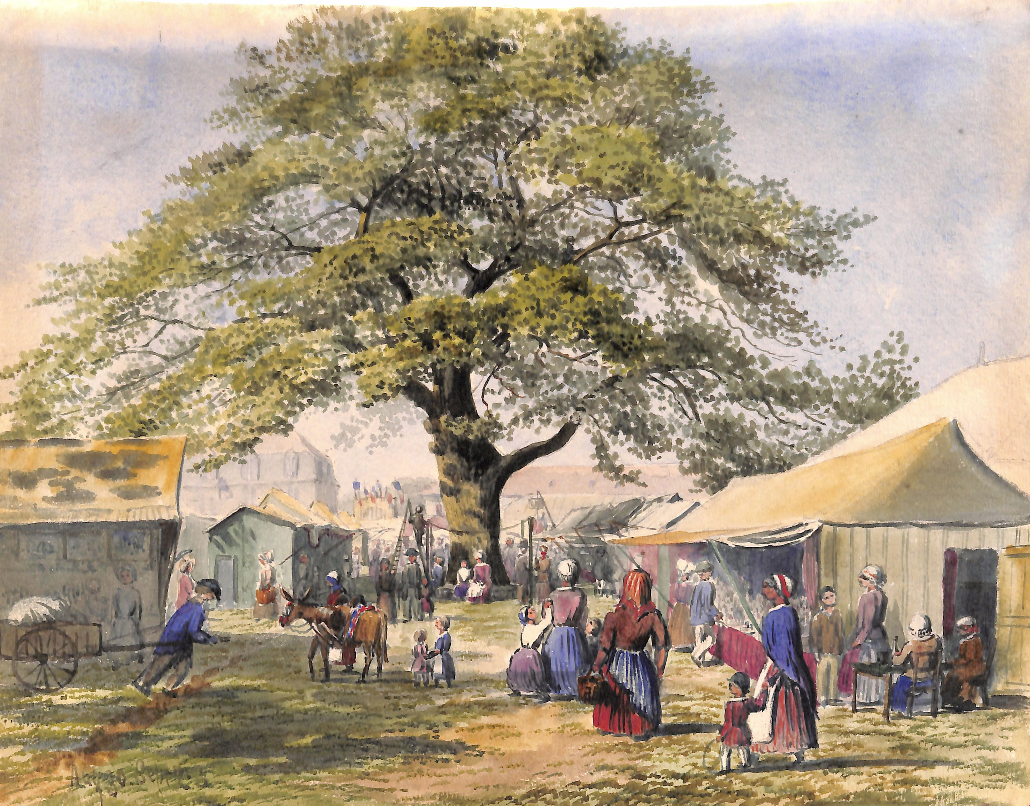
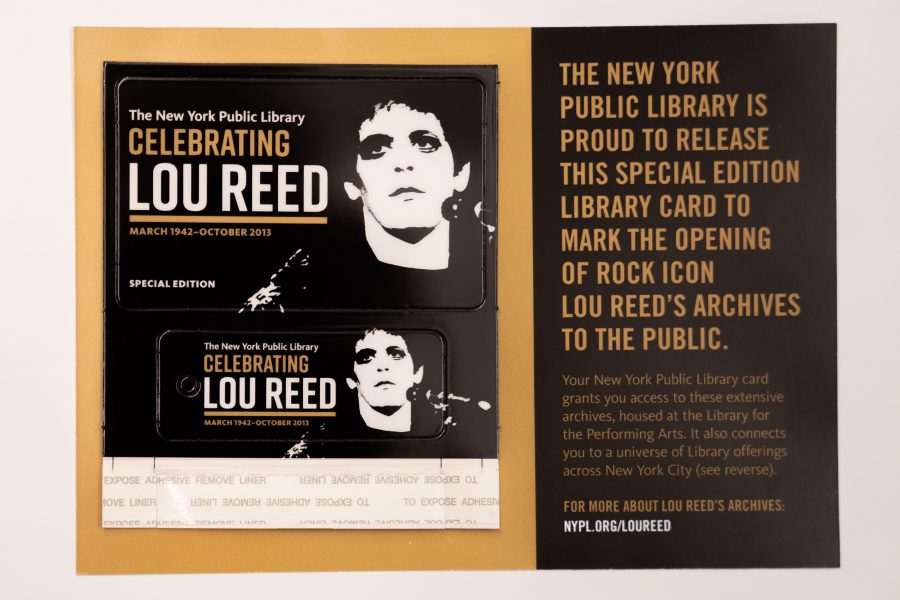
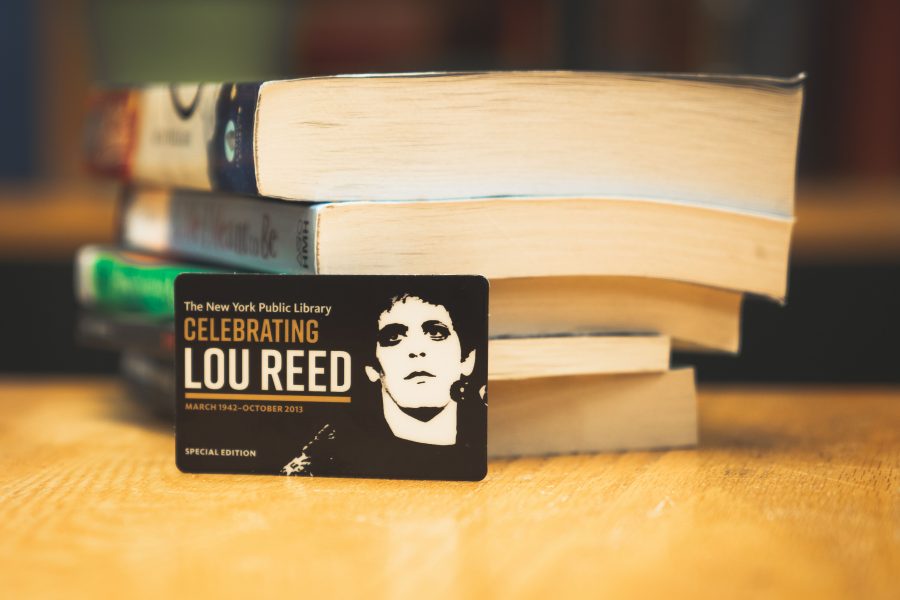
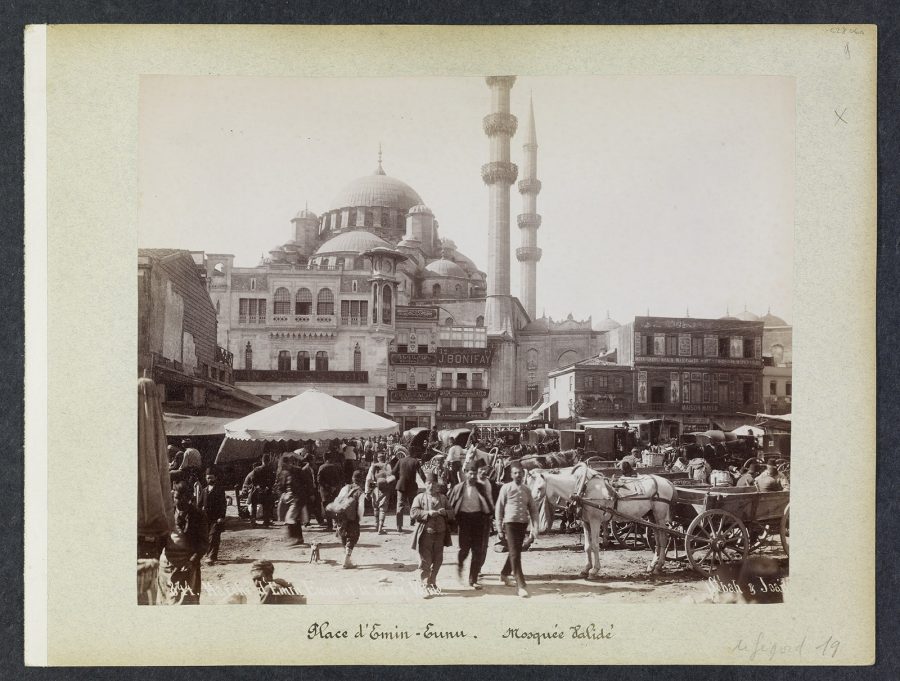
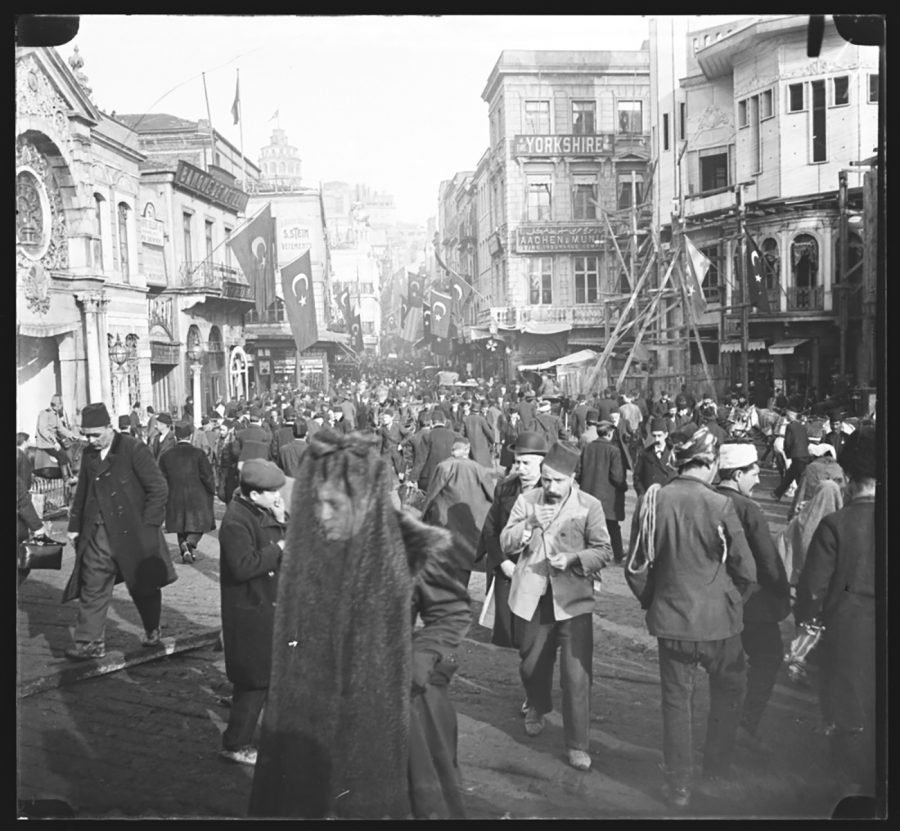
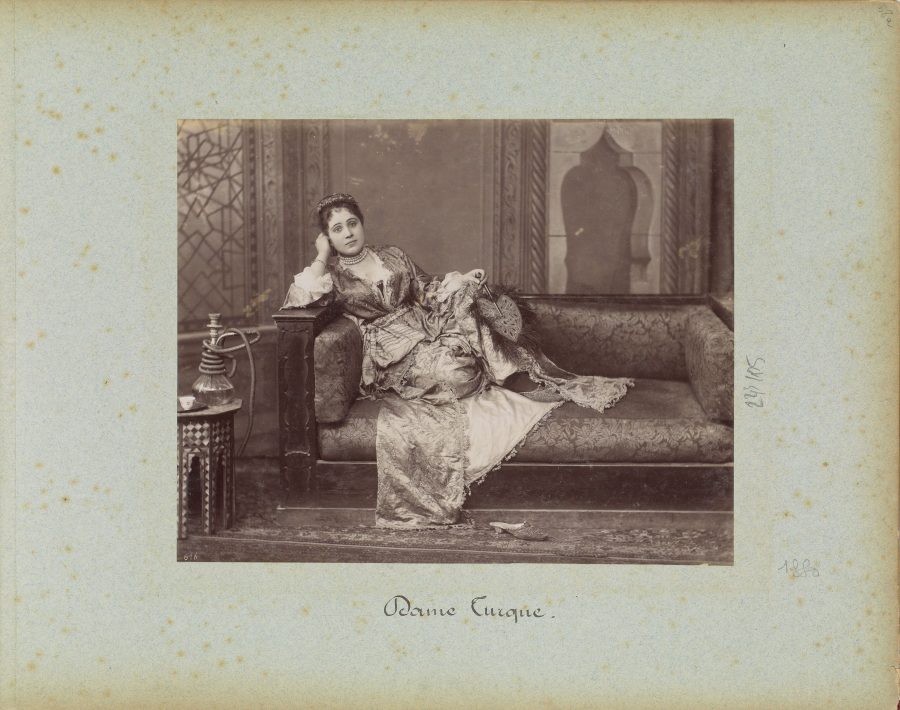
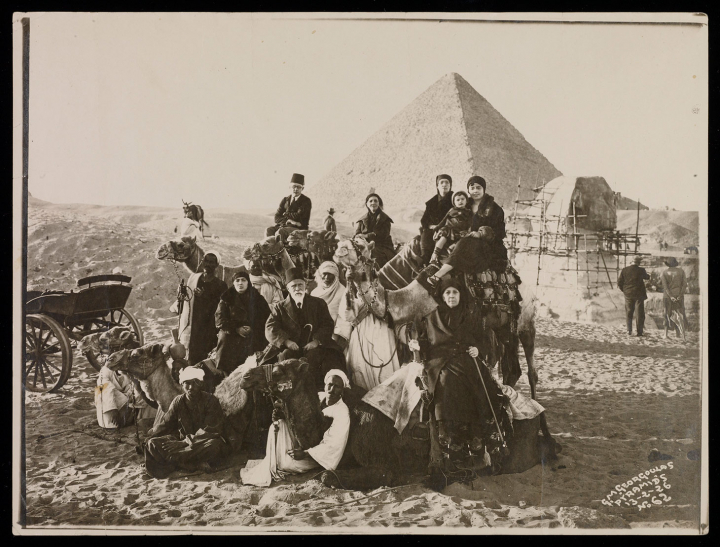
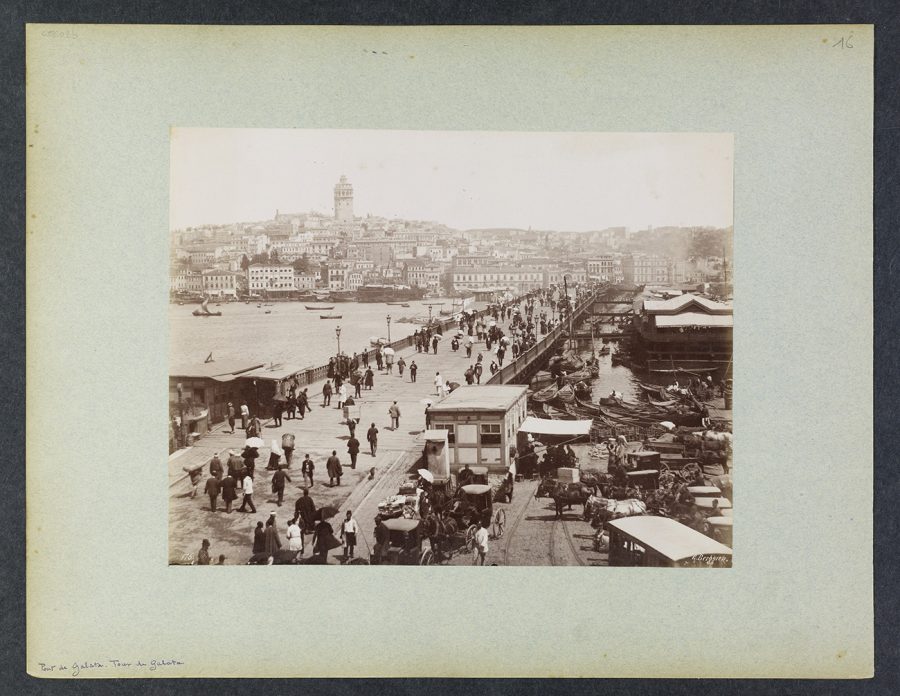
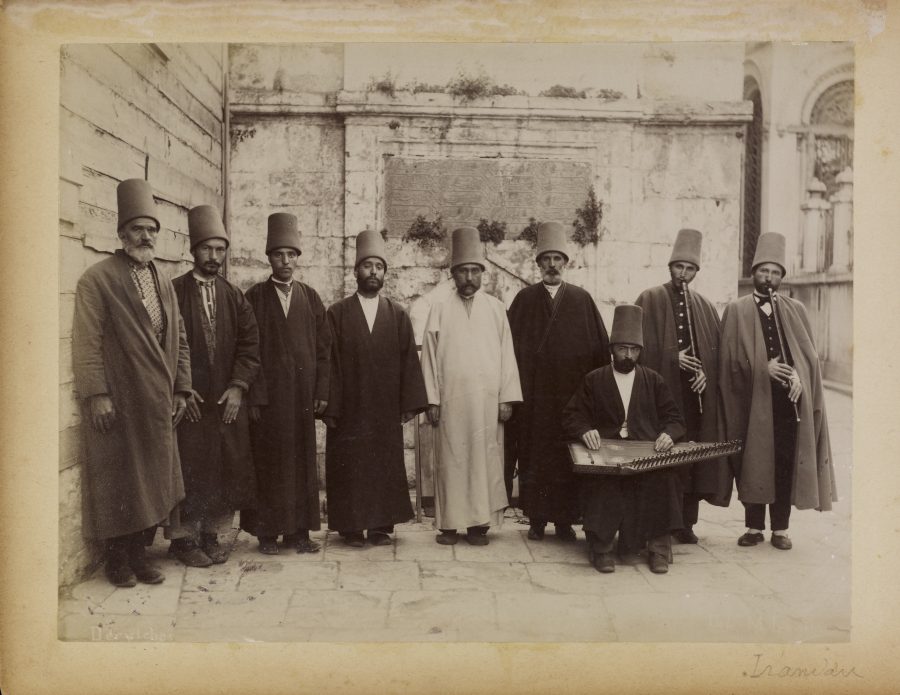
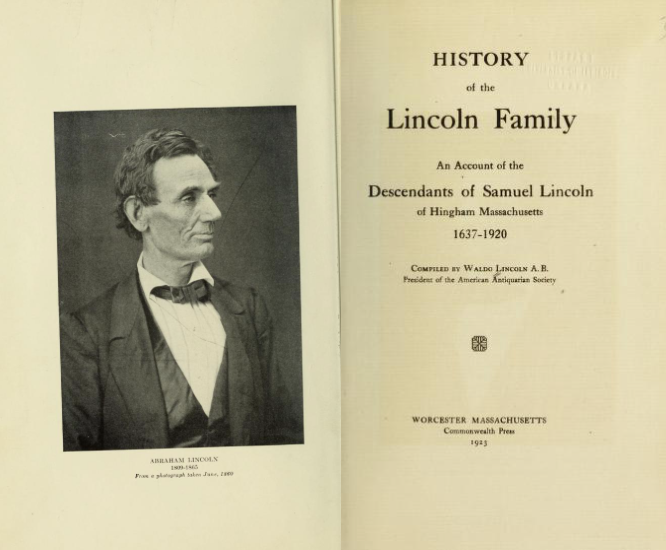
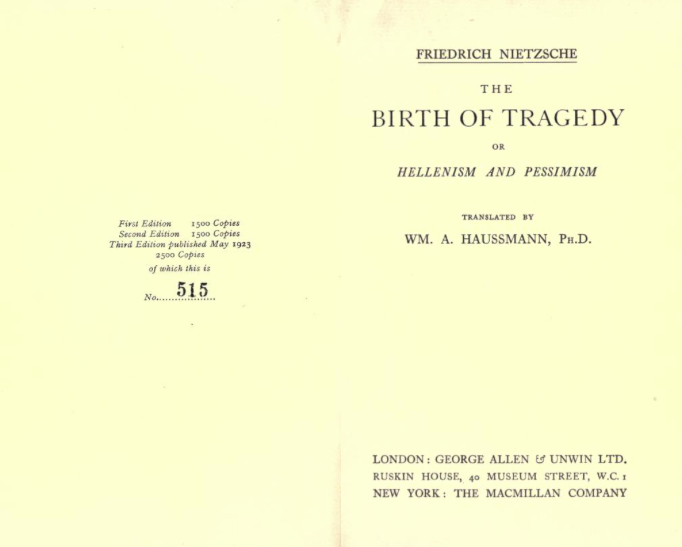
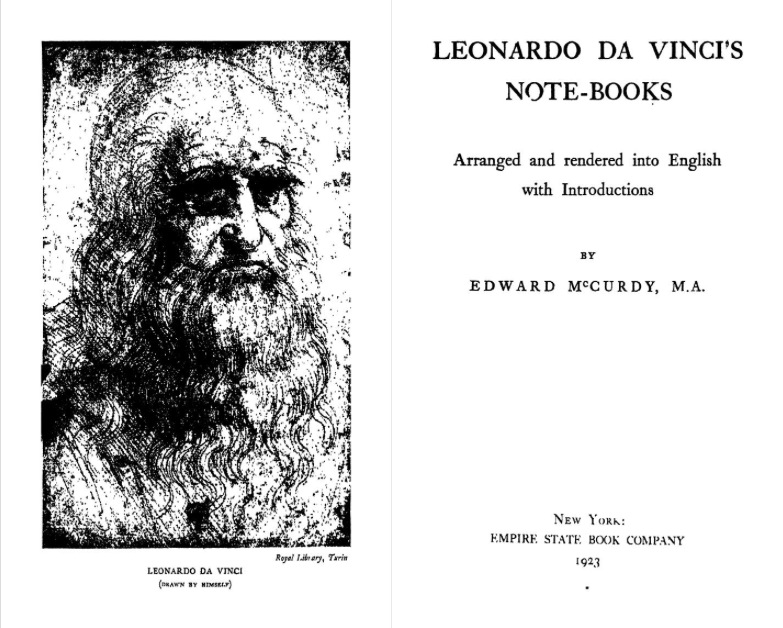
Whether your interest is in winning arguments online or considerably deepening your knowledge of world cultural and intellectual history, you will be very well-served by at least one government agency from now into the foreseeable future. Thanks to the expiration of the so-called “Micky Mouse Protection Act,” the U.S. Copyright Office will release a year’s worth of art, literature, scholarship, photography, film, etc. into the public domain, starting with 1923 this year then moving through the 20th century each subsequent year.
1923 turns out to have been a particularly rich literary year itself, with many of the 20th century’s finest writers publishing major and lesser-known works (see here and here, for example). Browsing and focused searching through the archive—by topic, collection, creator, and language—will net many a literary classic or overlooked gem by some famous author. But you’ll also find much in this enormous collection of digitized books that you would never think to look for, like browsing the shelves of a Borgesian university library with an entire wing devoted to the year 1923.
The Internet Archive homepage looks as modest as it does dedicated, listing all of its top collections rather than foregrounding the huge tranche of newly-available material (and counting) on the 1923 shelves. But founder Brewster Kahle does not mince words in describing its incredible importance. “We have shortchanged a generation,” he says, “The 20th century is largely missing from the internet” (in legally available form, that is). Now and in the coming years, thousands of its stories can be told by teachers, scholars, artists, and filmmakers with ever-broadening access to documentary history.
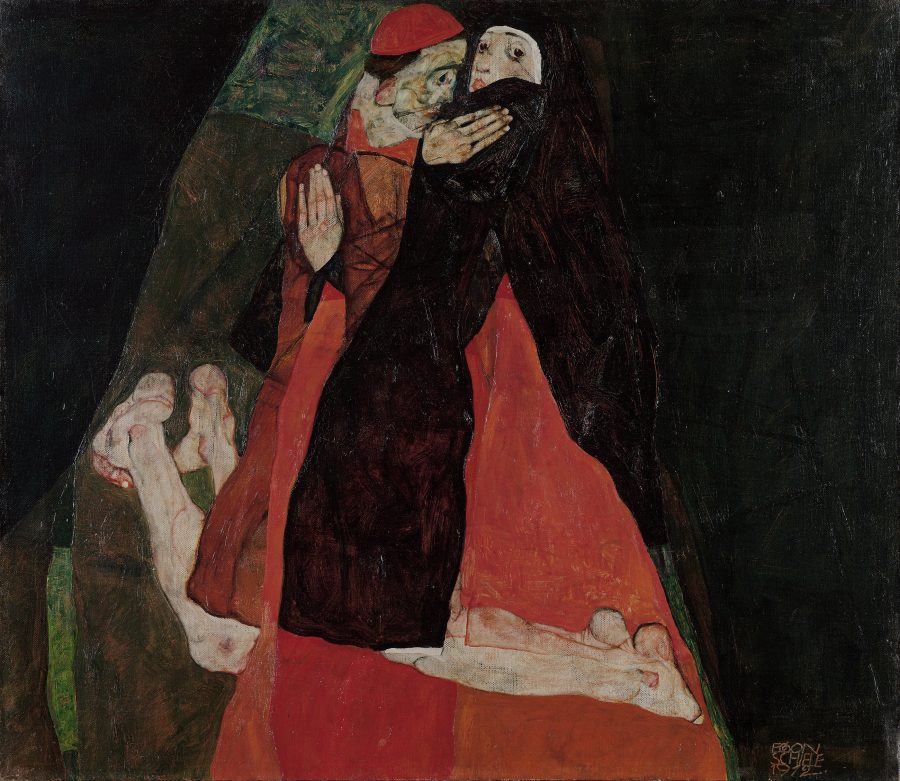
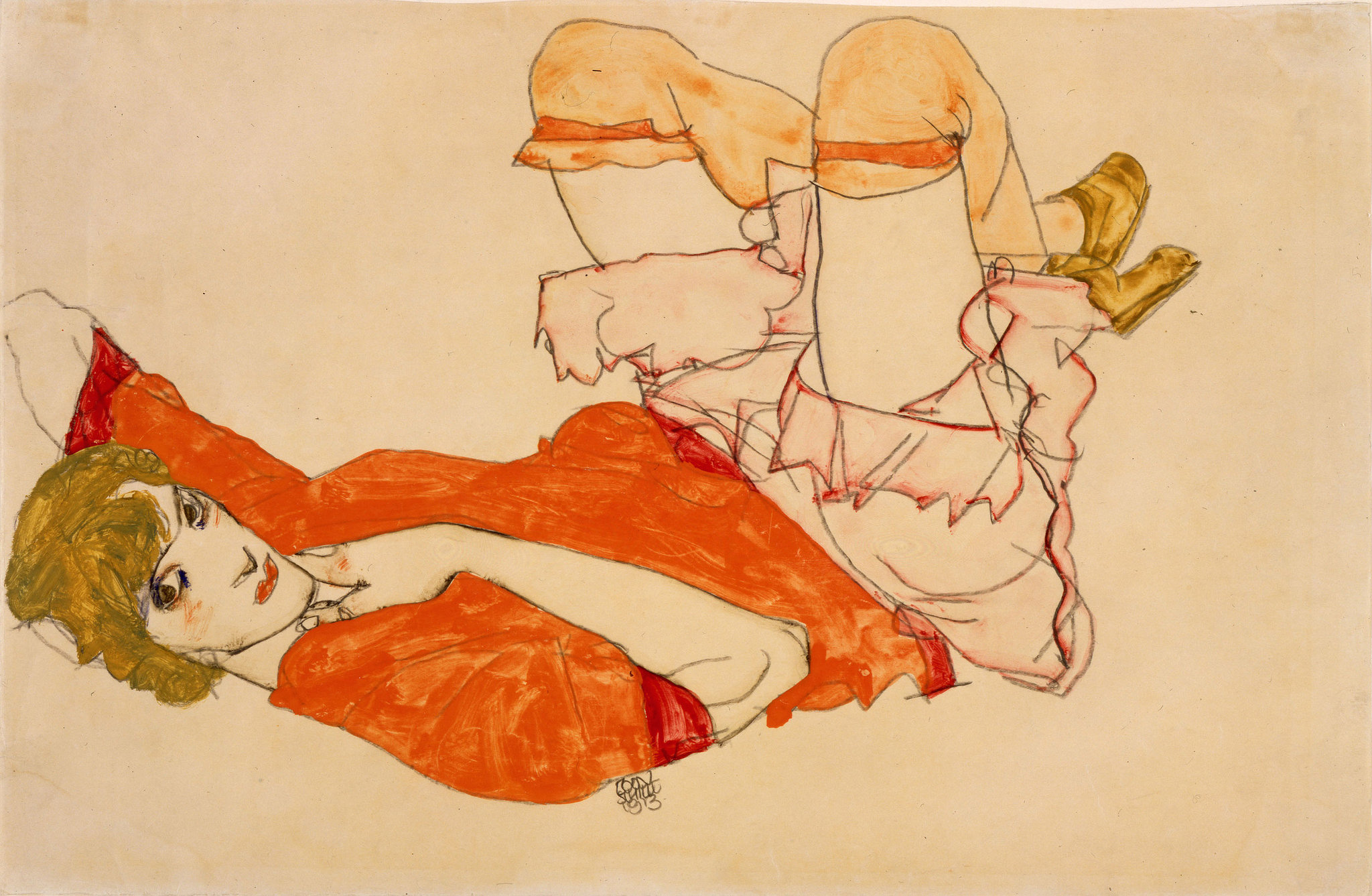
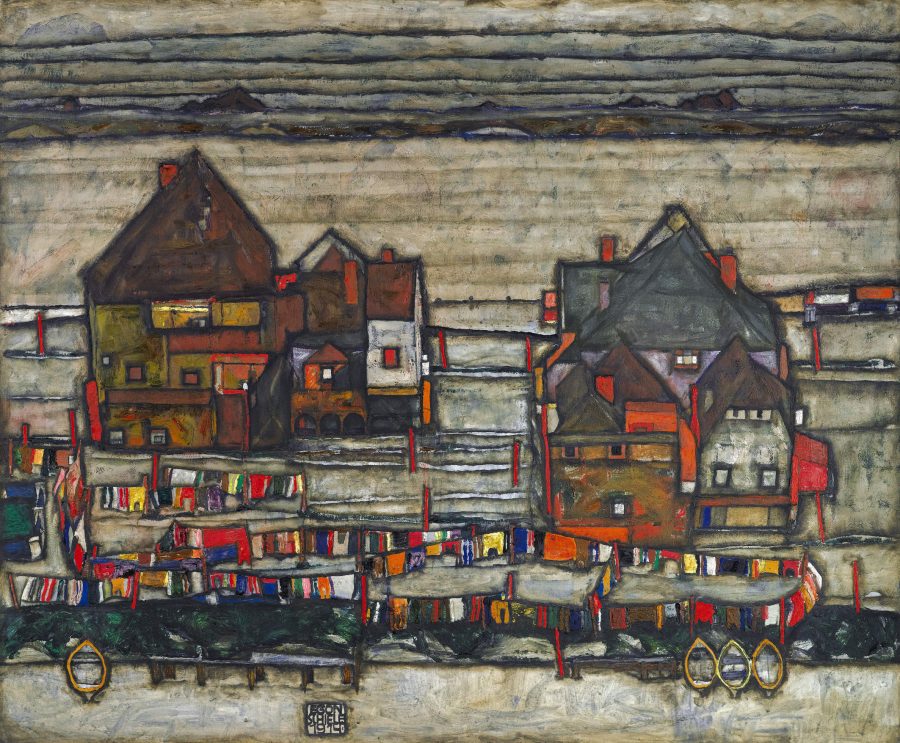
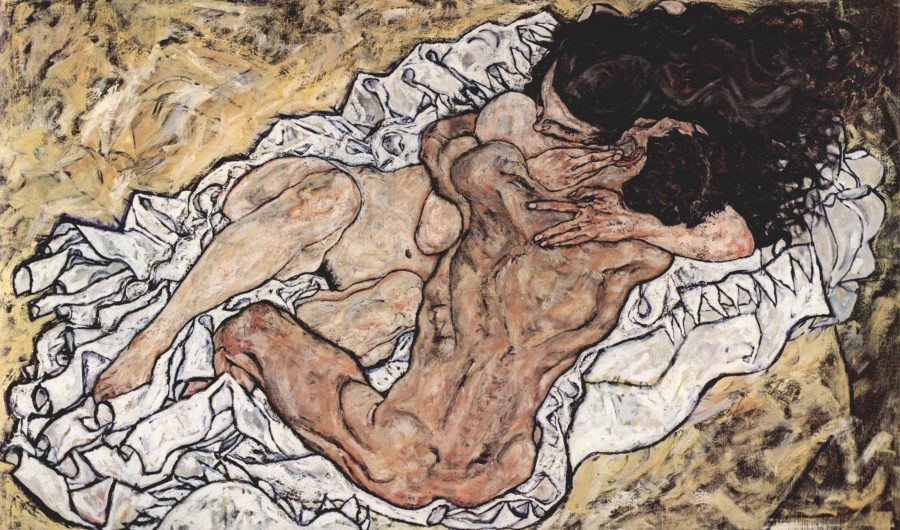
If you’ve ever mistaken an Egon Schiele for a Gustav Klimt, you can surely be forgiven—the Austrian modernist don served as a North Star for Schiele, who sought out Klimt, apprenticed himself, and received a great deal of encouragement from his elder. But he would soon strike out on his own, developing a grotesque, exaggerated, yet elegantly sensual style that shocked his contemporaries and made him a leading figure of Austrian Expressionism.
Now, a century after his death in 1918 at age 28, a number of exhibitions have highlighted the complexity of his brief career, during which he “created a formidable output that turned him into a real icon for new generations,” writes Elena Martinique.
Schiele achieved “a remarkable impact and permanency” and it’s easy to see why. Best known for his erotic, elongated portraits and self-portraits, “searing explorations of their sitter’s psyches,” as The Art Story describes them, his depictions of the human form are considered some of the “most remarkable of the 20th century.”
The details of Schiele’s short life paint the picture of a modernist rock star. He is as famous for his work as for his “licentious lifestyle… marked by scandal, notoriety, and a tragically early death… at a time when he was on the verge of the commercial success that had eluded him for much of his career.” In his short life, Martinique notes, Schiele produced “over 400 paintings; close to 3,000 watercolors and drawings; 21 sketchbooks; 17 graphics; and 4 sculptures.”
This incredible body of work will be made available in full online in a project spearheaded by Jane Kallir, co-director of New York’s Galerie St. Etienne, which mounted Schiele’s first American solo exhibition in 1941 and recently staged a “comprehensive survey of the artist’s artistic development.” Kallir authored the most recent catalogue raisonné of Schiele’s work, and rather than publish another print edition, she has decided to put the full catalogue online, under the auspices of her research institute.
The project currently “details 419 works and counting, with a particular emphasis on Schiele’s paintings,” reports Meilan Solly at Smithsonian. His drawings and watercolors will be added in 2019. Though it is a public resource, the online catalogue is designed for scholars, who can use it to “trace specific pieces’ provenance or debunk the existence of forgeries.” Kallir continues the work of her grandfather, Otto Kallir, who wrote the first complete catalogue of the artist’s work in 1930.
That early reference has proven invaluable “in the tangle courtroom drama surrounding the restitution of Nazi-looted art.” The centenary of Schiele’s death on October 31, 2018 has brought even more interest to his work, and a rise in fakes circulating in the art market. “It is very important to have a reliable and readily accessible means of identifying authentic works of art,” Kallir writes in a statement. There is no one better placed than her to create it.
These latter works show a radical development: from the conservative, traditional style of his earliest painting, to the heavily Klimt-influenced work of 1908–9, to 1910–18, when he discovered and perfected his own peculiar vision.
We tend to take a very special interest in archives and maps on this site—and especially in archives of maps. Yet it is rare, if not unheard of, to discover a map archive in which every single entry repays attention. The PJ Mode Persuasive Cartography Collection at Cornell University Library is such an archive. Each map in the collection, from the most simplified to the most elaborate, tells not only one story, but several, overlapping ones about its creators, their intended audience, their antagonists, the conscious and unconscious processes at work in their political psyches, the geo-political view from where they stood.
Maps drawn as propaganda must be broad and bold, casting aside precision for the pressing matter at hand. Even when finely detailed or laden with statistics, such maps press their meaning upon us with unsubtle force.
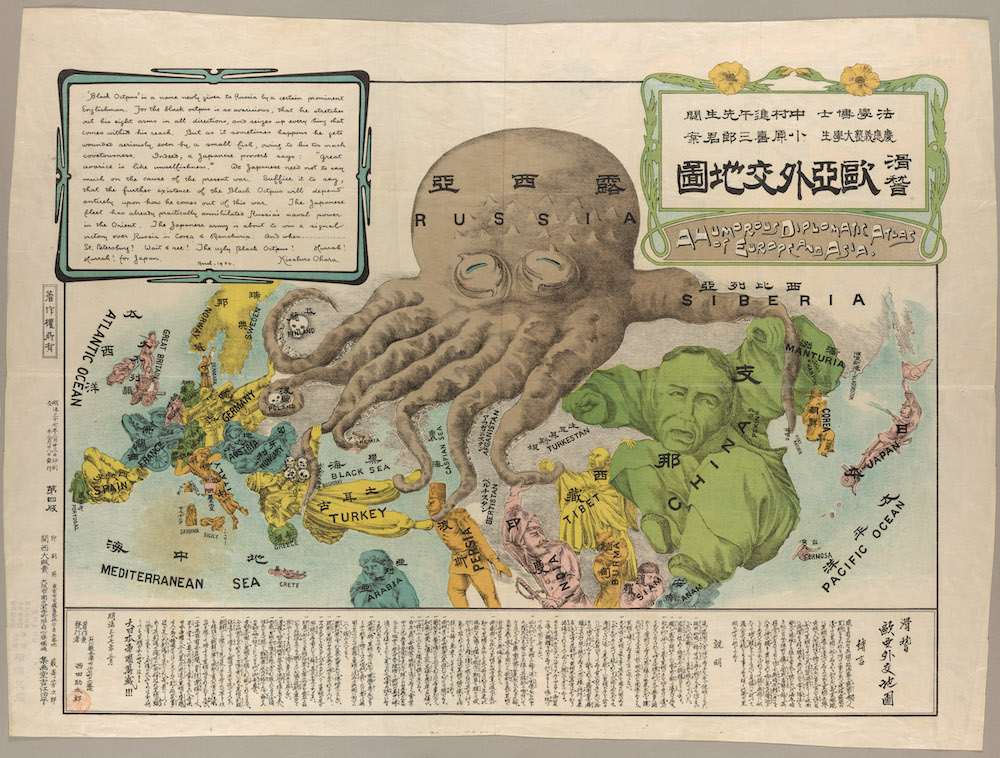
One especially resonant example of persuasive cartography, for example, at the top shows us an early version of a widely-used motif—the “Cartographic Land Octopus,” or CLO, as Frank Jacobs dubs it at Big Think. The CLO has never gone out of style since its likely origin in J.J. van Brederode’s “Humorous War Map” of 1870, which depicts Russia as a monstrous mollusk. Later, Caricaturist Fred W. Rose printed a reprise, the “Serio-Comic War Map for the Year 1877.”
A full twenty-seven years later, a Japanese student used the very same design for his satirical map of Russia-as-Octopus, the occasion this time the Russo-Japanese War. Titled “A Humorous Diplomatic Atlas of Europe and Asia,” the Japanese map cites Rose, or “a certain prominent Englishman,” as its inspiration. Its text reads, in part:
The black octopus is so avaricious, that he stretches out his eight arms in all directions, and seizes up every thing that comes within his reach. But as it sometimes happens he gets wounded seriously even by a small fish, owing to his too much covetousness.
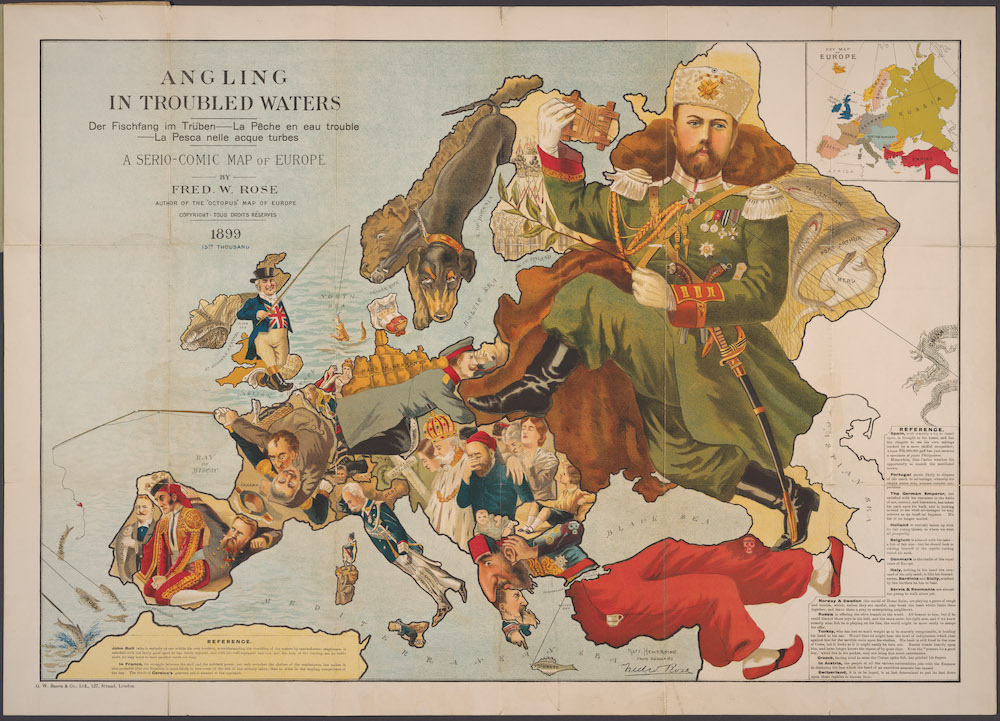
No doubt Russian persuasive cartographers had a different view of who was or wasn’t an octopus. Many years after his octopus map, Fred Rose dropped sea creatures for fishing in another of his serio-comic maps, “Angling in Troubled Waters,” above, this one from 1899, and showing Russia as a massive incarnation of the tsar, his boots posed to walk all over Europe. After the revolution, the Russian octopus returned, bearing different names but no less menacing a beast.
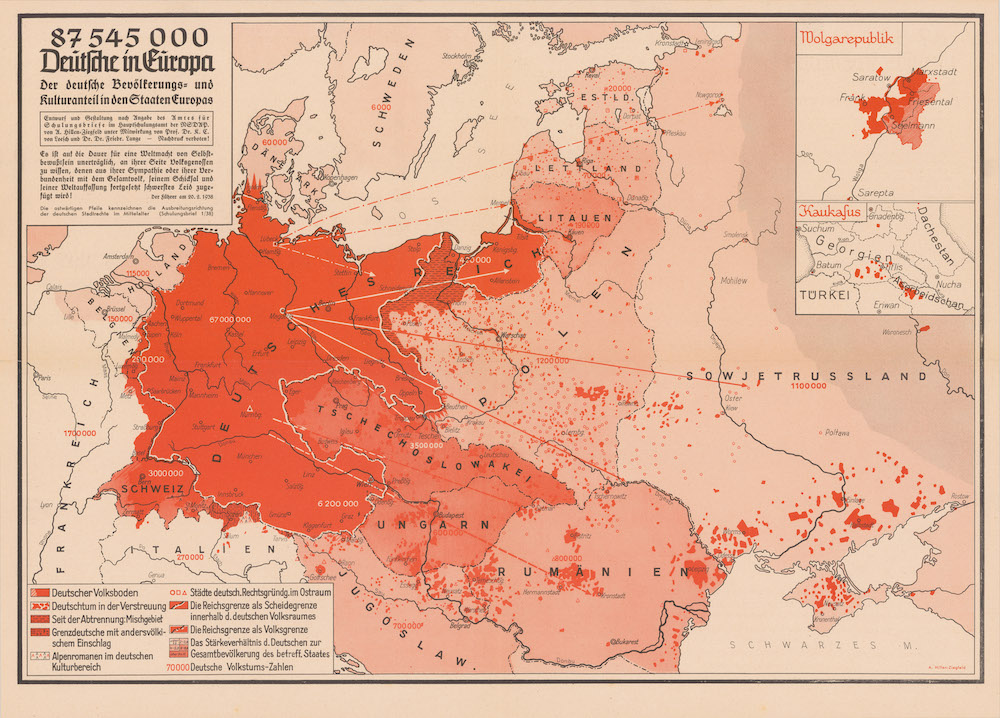
Many maps in the collection show contradictory views of Russia, or Great Britain, or whatever world power at the time threatened to overrun everyone else. It’s interesting to see the continuity of such depictions over decades, and centuries (Jacobs shows examples of Russian octopi from 1938 and 2008). The map above from 1938 reflects “Nazi expansionist goals,” notes Cornell’s digital collections, by showing the supposed “German” populations scattered all over Europe and the need, as Hitler argued in the quoted speech, to protect and liberate “national comrades” by means of annexation, bombing, and invasion.
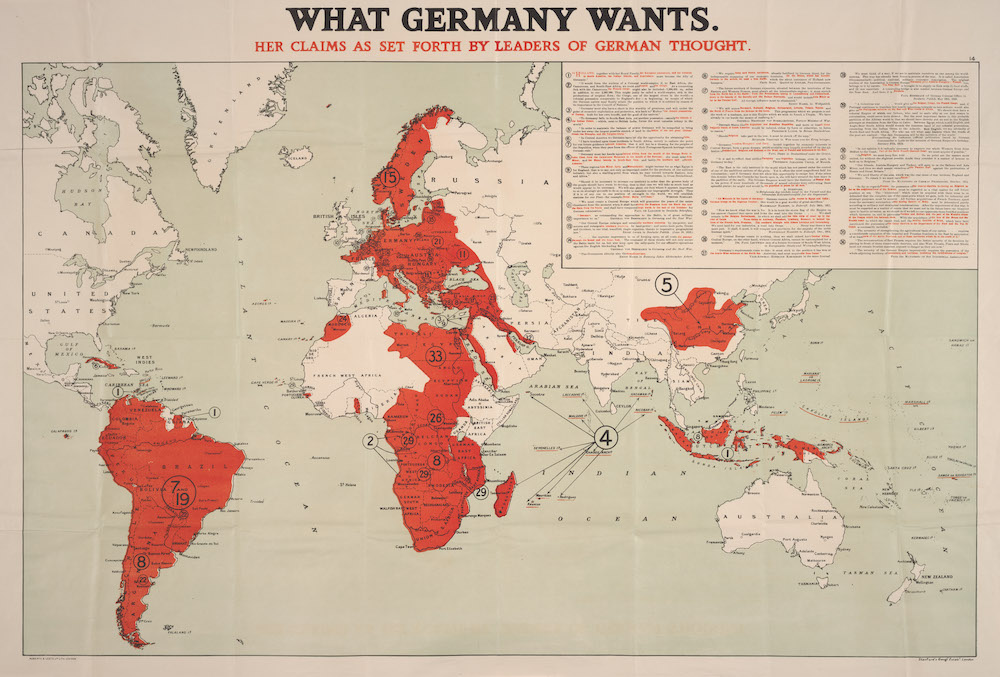
Where the blood red of the German map represents the “blood” of the volk, in the map above, from 1917, it stands in for the blood of everyone else if the “leaders of German thought” get what they want. Where the Reich map took aim at Europe, the quoted “former generals,” notes Cornell, “and well-known Pangermanists” in the WWI-era map above wanted to colonize most of the world, a particular affront to the British, who were well on their way to doing so, and to a lesser degree, the French, who wanted to. These two world powers had been at it far longer, however, and not without fierce opposition at home as well as in the colonies.
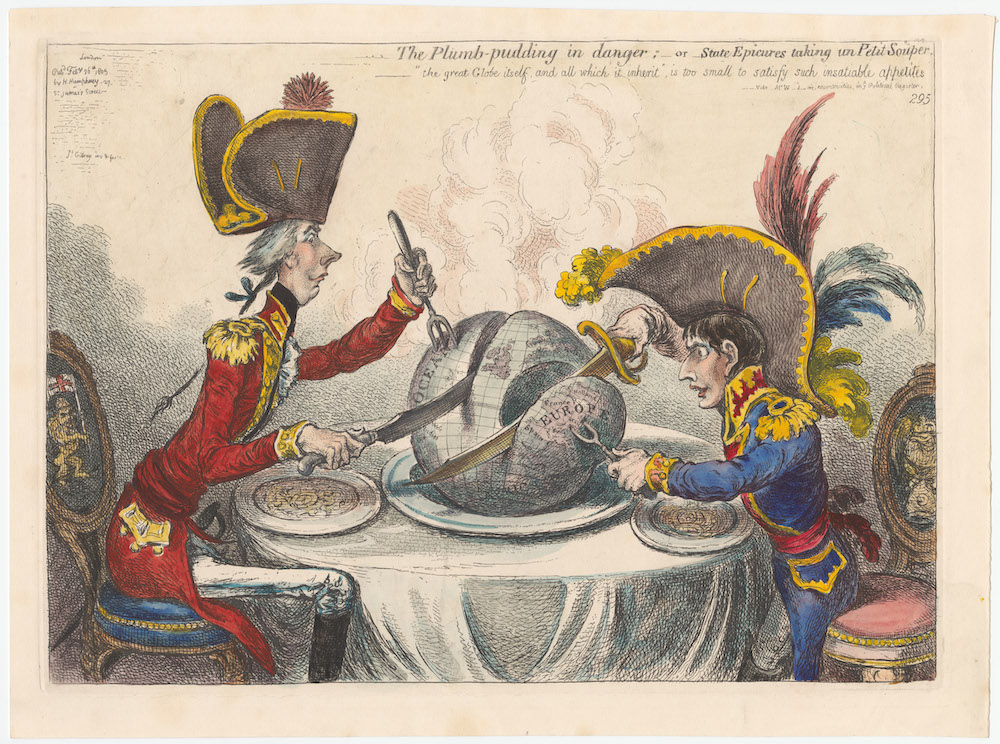
The famous eighteenth century British caricaturist James Gillray’s most famous print, from 1805, shows William Pitt and Napoleon seated at table, carving up the world between them to consume it.
A steaming ‘plum-pudding’ globe, both intent on carving themselves a substantial portion…. Pitt appears calm, meticulous and confident, spearing the pudding with a trident indicative of British naval supremacy. He lays claim to the oceans and the West Indies. In contrast Napoleon Bonaparte reaches from this chair with covetous, twitching eyes fixed on the prize of Europe and cuts away France, Holland, Spain, Switzerland, Italy and the Mediterranean.
Gillray’s cartoon hardly counts as a “map” but it deserves inclusion in this fine collection. Other notable maps featured include the 1904 “Distribution of Crime & Drunkenness in England and Wales,”a study in the persuasive use of correlation; the 1856 “Reynold’s Political Map of the United States,” illustrating the “stakes involved in the potential spread of slavery to the Western States” in support of the Republican Presidential candidate John Fremont; and the French Communist Party’s 1951 “Who is the Aggressor?” which shows American military bases around the world, their guns—or big black arrows—pointed at China and the U.S.S.R.
There are hundreds more persuasive maps, illustrating views theological, political, social, mechanical, and otherwise, dating from the 15th century to the 2000s. You can browse the whole collection or by date, creator, subject, repository, and format. All of the maps are annotated with catalog information and collector’s notes explaining their context. And all of them, from the frivolous to the world-historical, tell us far more than they intended with their peculiar ways of spatializing prejudices, fears, desires, beliefs, obsessions, and overt biases.
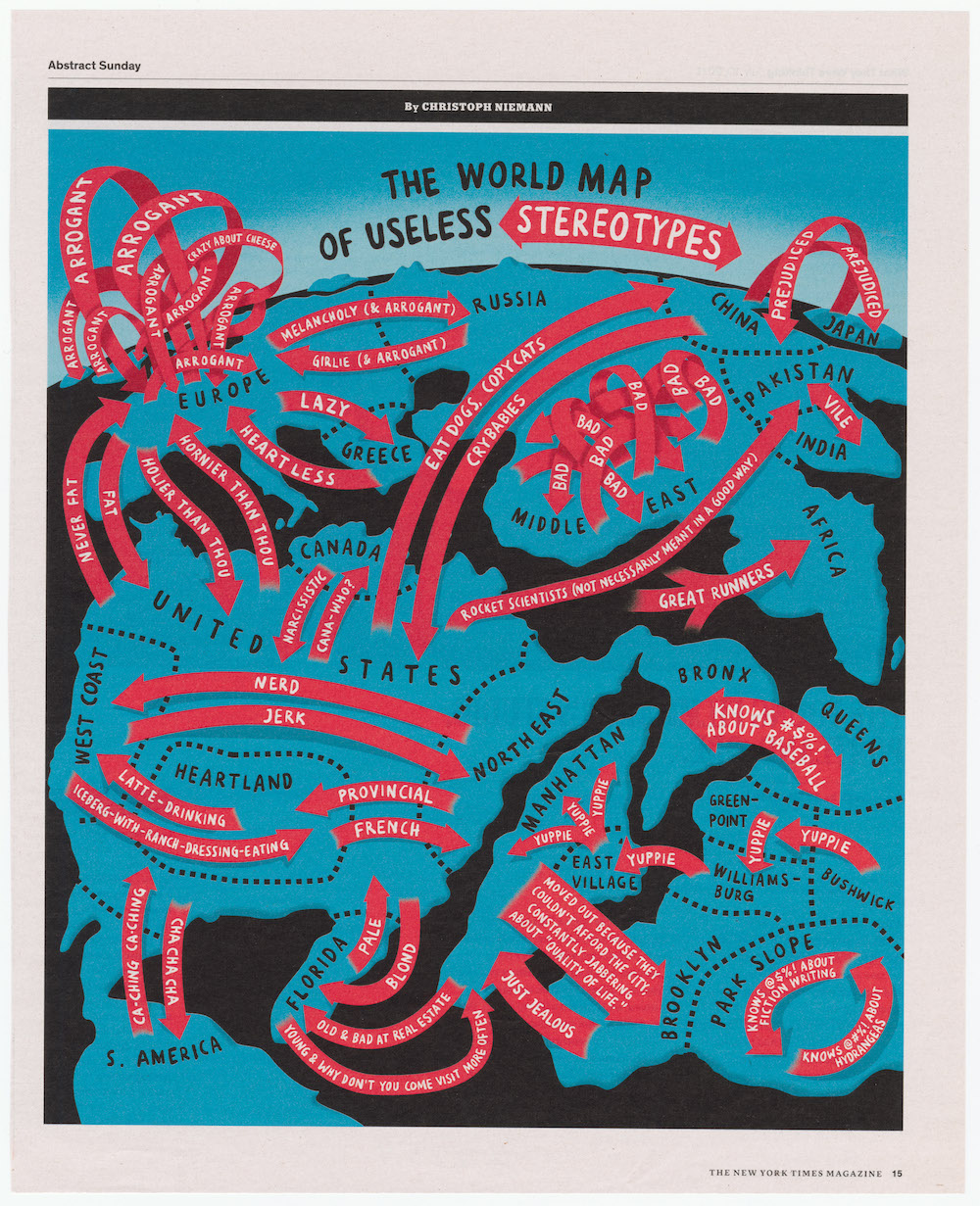
“Every map has a Who, What, Where and When about it,” as collector PJ Mode writes on the Cornell site. “But these maps had another element: Why? Since they were primarily ‘about’ something other than geography, understanding the map required finding the reasoning behind it.” The most recent entry in the archive, Christopher Neiman’s 2011 “World Map of Useless Stereotypes” from The New York Times Magazine turns the persuasive map in on itself, using its satirical devices to poke fun at propaganda’s reductive effects.
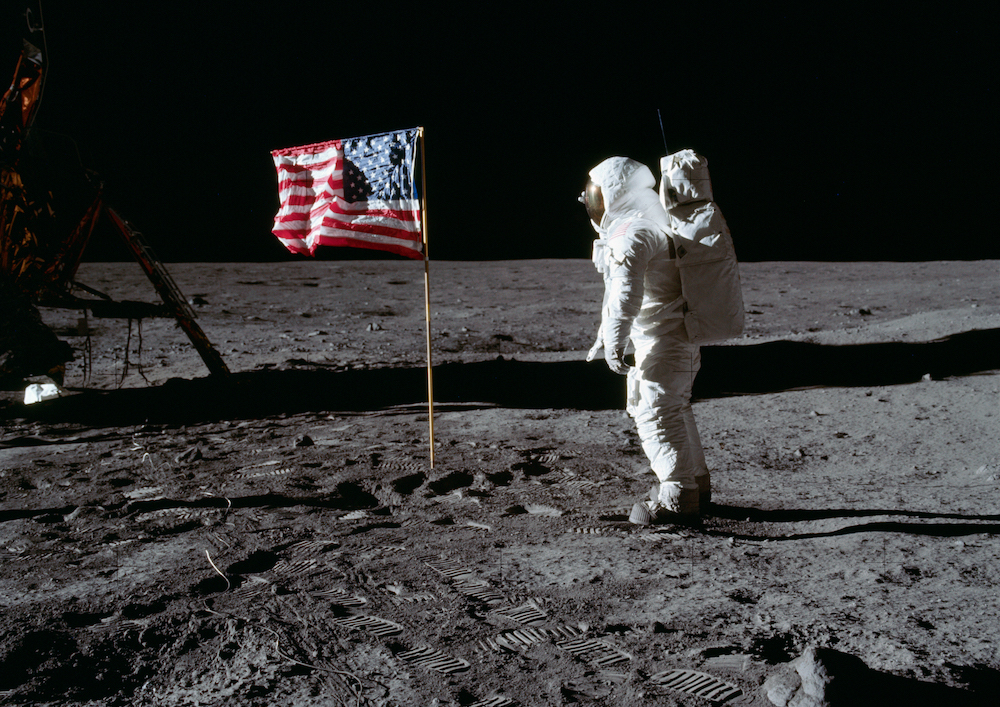
When we think of the Apollo missions, we tend to think of images, especially those broadcast on television during the Apollo 11 moon landing in 1969. And if we think of the sounds of Apollo, what comes more quickly to mind — indeed, what sound in human history could come more quickly to mind — than Neil Armstrong’s “one small step for a man, one giant leap for mankind” line spoken on that same mission? But that’s just one small piece of the total amount of audio recordings made during the Apollo program, which ran from the mid-1960s to the early 1970s. Now, with nearly 20,000 hours of them digitized, they’ve begun to be made available for listening and downloading at the Internet Archive.
“After the Apollo missions ended, most of the audio tapes eventually made their way to the National Archives and Records Administration building in College Park, Maryland,” writes Astronomy’s Catherine Meyers. But even after getting all the recordings in one place (easier said than done given the vast size of the archives in which they resided), a much larger challenge loomed.
“The existing tapes could be played only on a machine called a SoundScriber, a big beige and green contraption complete with vacuum tubes. NASA had two machines, but the first was cannibalized for parts to make the second one run.”
Refurbishing the very last SoundScriber to play these 30-track tapes required the help of a retired technician, and then the research team needed to “play all 30 tracks at once to minimize the time required to digitize them, as well as to avoid damaging the almost 50-year-old tapes by playing them over and over.” What with the 50th anniversary of the Apollo 11 moon landing approaching next summer — and with First Man, Damien Chazelle’s biopic of Neil Armstrong currently in theaters — NASA has cleared that mission’s audio recordings for public release.
You can listen to the Apollo 11 tapes directly at the Internet Archive, or you can make your way through them at Explore Apollo, a site designed by students at the University of Texas at Dallas that highlights the most historically significant of the thousands of hours of audio recorded during Apollo 11: not just Armstrong’s first step, but the launch from Kennedy Space Center, the lunar landing itself, and the astronauts’ walk on the moon’s surface. But space exploration is about much more than astronauts, as you’ll soon find out if you spend much time at the Internet Archive’s collection of Apollo 11 recordings, on which appear not just Neil Armstrong, Buzz Aldrin, and Michael Collins, but the hundreds and hundreds of other NASA personnel who made the moon landing possible. We may never have heard their names before, but now we can finally hear their voices.
Based in Seoul, Colin Marshall writes and broadcasts on cities, language, and culture. His projects include the book The Stateless City: a Walk through 21st-Century Los Angeles and the video series The City in Cinema. Follow him on Twitter at @colinmarshall or on Facebook.
The history of the venerable Library of Congress demonstrates the vast importance that the founders of the U.S. accorded to reading and studying. It may be one of the country’s most durable institutions, “the oldest federal cultural institution in the nation,” it proclaims. While partisan rancor, war, and violence recur, the LoC has stolidly held an ever-increasingly diverse collection of artifacts sitting peacefully alongside each other on several hundred miles of shelves, a monument to the life of the mind that ought to get more attention.
Touting itself as “the largest library in the world,” its collections “are universal, not limited by subject, format, or national boundary, and include research materials from all parts of the world and in more than 450 languages.”
And since its digital collections came online, anyone, anywhere in the world can call up these vast resources with an internet connection and a few clicks. Though we tend to take such things for granted in our fervidly distracted times, a little reflection should remind us of how incredible that is. But before we wax too rhapsodic, let’s remember there’s a business end to the LoC and it’s called the U.S. Copyright Office, that guardian of intellectual property that both ensures creators can profit from their labors and prevents the free and open use of so many enriching materials long after those creators have need of them.
But the Library has done its digital users a service in this regard as well, with its “Free to Use and Reuse Sets,” a sizable collection of images that the Library “believes… is either in the public domain, has no known copyright, or has been cleared by the copyright owner for public use.” (The use of the word “believes” seems to leave room for doubt, but if you got it with permission from the LoC, you’re probably safe.) Need photographs of Abraham Lincoln—and scans of his speeches, letters, and “dueling instructions”—for that book you’re writing? You’re covered with this gallery. Need a collection of classic children’s books for your website (or your reading pleasure)? Here you go.
The Library currently highlights its “Poster Parade”—a set of posters from the 1890s to the 1960s featuring “travel, commercial products, war propaganda, entertainment, and more”—in collaboration with Poster House, a museum opening in New York next year. These range from delectable art nouveau ads to shouty broadsides telling you to drink your milk, brush your teeth, or have “More Courtesy.” Sensible prescriptions, but we also need more knowledge, study, and thought. Start at the LoC’s Digital Collections here and harvest your free to use and reuse images here.
If you would like to support the mission of Open Culture, consider making a donation to our site. It’s hard to rely 100% on ads, and your contributions will help us continue providing the best free cultural and educational materials to learners everywhere. You can contribute through PayPal, Patreon, and Venmo (@openculture). Thanks!
FYI: The Buddhist Digital Resource Center (BDRC) and Internet Archive (IA) announced earlier this month “that they are making a large corpus of Buddhist literature available via the Internet Archive. This collection represents the most complete record of the words of the Buddha available in any language, plus many millions of pages of related commentaries, teachings and works such as medicine, history, and philosophy.” In a press release from the Internet Archive, Chokyi Nyima Rinpoche, a respected teacher of Tibetan Buddhism, expressed gratitude that the teachings of the Buddha have been made available online. “We can share the entire body of literature with every Tibetan who can use it. These texts are sacred, and should be free.” It should be noted that the texts aren’t written in English, but rather the authors’ native tongue.
If you would like to support the mission of Open Culture, consider making a donation to our site. It’s hard to rely 100% on ads, and your contributions will help us continue providing the best free cultural and educational materials to learners everywhere. You can contribute through PayPal, Patreon, and Venmo (@openculture). Thanks!
Edgy, smart, aggressive, unapologetically Jewish, Lenny Bruce mixed Yiddishisms, hipster slang, colorful terms for various sex acts, and social, political, and religious satire in a high-wire improvisatory act he thought of as “verbal jazz.” Marketed as a “sick comedian,” Bruce got his start playing strip clubs, and ended up—bitter, defeated, blacklisted, and addicted—ranting and reading court transcripts from his various obscenity trials. It was a sad end to a brilliant and too-short career.
When Bruce died of an overdose at 40, “his widow and their daughter,” Kitty, “started archiving all that he had left behind,” notes NPR. Now that archiveresides at Brandeis University, acquired in 2014 by librarian for archives and special collections Sarah Schoemaker. An episode of The Kitchen Sisters Present podcast called “The Keepers” tells the story of that collection, kept for decades in Kitty’s attic, with backup copies in Michigan and L.A. in case of fire. “10 linear feet” of material, as Kitty Bruce remembers it.
The story of that archive involves not only Bruce’s daughter and Shoemaker but also one of Bruce’s biggest champions, Hugh Hefner, his daughter Christie, and his lawyer Martin Garbus. It also features Steve Krief, who wrote the first Ph.D. thesis on Bruce. When Krief visited Kitty in Pennsylvania, she told him “you know what I don’t know what I’m going to do with my father’s things. They’re going to get destroyed.” Krief advised her to call Hefner, who eventually made a donation to Brandeis to fund the archive.
Some of the material, the collection notes, “has been previously released in edited form. Most of these recordings are of Lenny Bruce’s stand-up comedy performances…. Some of the recordings are of a personal nature, such as the ‘phone letters’ and private conversations between Bruce and his friends and family.” At the collection’s site, you can hear frustratingly short, 10-second clips of several routines, but to hear the tapes in full, you need to contact the university and set up an in-person appointment. But the archive is fully open to the public, and Bruce’s considerable legacy is secure. Note: you can hear some longer recordings on this page: Click here and then scroll down.
It’s a legacy that really should be better known. Bruce considered himself “a soldier fighting for the Constitution” and against government censorship. Without him, it’s hard to imagine the careers of George Carlin or Richard Pryor ever happening, and he even left his imprint on American literature, as Garbus tells it. At his obscenity trial in New York, for which he was given two years probation, a sentence only overturned after his death, Philip Roth sat in the courtroom. Roth later said that without Bruce, he couldn’t have written Portnoy’s Complaint.
“Lenny broke down so many barriers,” says Garbus, and though his humor may seem tame today—though his comedy still holds up—in the early 1960s few people dared to say the things he did, the way he did. Bruce railed against the hypocritical puritanism of American culture and paid a heavy price for telling truths we might take for granted now—and many we still don’t want to hear. (See Dustin Hoffman doing one of Bruce’s more serious bits above in a clip from the 1974 Bob Fosse biopic Lenny.) Browse the contents of the Lenny Bruce Audio Files here and learn more about Bruce’s life and influence at his official website.
The unmistakable zip and whirr of a rotary phone, the ungodly squeal of dial-up modems, the satisfying thunk of a cartridge in a classic Nintendo console, a VCR rewinding, the click-clack sound of a Walkman’s buttons…. I date myself in saying that these sounds immediately send me back to various moments in my childhood with Proustian immersion. The sense of smell is most closely linked to memory, but hearing cannot be far behind given how sound embeds itself in time, and most especially the sounds of technologies, which are by nature fated for obsolescence. A museum-quality aura surrounds the Walkman and the first iPods. These are triumphs of consumer design, but only one of them makes distinctive mechanical noises.
As analog recedes, it can seem that noisy tech in general becomes more and more dated. It is hard to hear the rubbing of thumbs and fingers across screens and touchpads. Voice commands make buttons and switches redundant. How much tech from now will one day feature in Conserve the Sound, the “online museum for vanishing and endangered sounds”?
Its collection gives the impression of a bygone age, quaint in its dozens of examples of mechanical ingenuity. The visual juxtaposition of handheld film cameras, typewriters, car window handles, electric shavers, boom boxes, stopwatches, and so on has the effect of making these things seem all of a piece, assorted artifacts in a great hall of wonders called “the Sound the 20th Century.”
At the top of the site’s “Sound” page, timeline navigation allows users to visit every decade from the 1910s to the 2000s, a category that contains only two objects. Other displays are more plentiful, and colorful. The 1960s, for example showcases the incredibly sexy red Schreibmaschine Olivetti Dora further up. It sounds as sleek and sophisticated as it looks. The virtual display case of the 30s holds the sounds of a twin-engine propeller plane and a handful of beautiful moving and still cameras, like the Fotokamera Purma Special above. It also features the humble and enduring library stamp, a sound I pine for as I slide books under the self-checkout laser scanner at my local branch.
Given just the few images here, you can already see that Conserve the Sound is as much a feast for the eyes as for the ears, each object lovingly photographed against an austere white background. In order for the full nostalgic effect to work, however, you need to visit these pages and hit “play.” It even magically works with objects from before our times, given how prominently their sounds feature in film and audio recordings that define the periods. You’ve likely also noticed how many of these products are of European origin, and many of them, like the robotic head of the Kassettenrekorder Weltron Model 2004, are perhaps unfamiliar to many consumers from elsewhere in the world.
Conserve the Sound is a European project, funded by the Film & Medienstiftung NRW in Germany, thus its selection skews toward European-made products. But the sound of a fan or an adding machine in Germany is the sound of a fan or adding machine in Chile, China, Kenya, or Nebraska. See a trailer for the project at the top of the post, and below, one of the many interviews in which German public figures, scholars, librarians, technicians, and students answer questions about their mnemonic associations with technological sound. In this interview, radio presenter Bianca Hauda describes one of her favorite old sounds from a favorite old machine, a 1970s portable cassette recorder.
We're hoping to rely on loyal readers, rather than erratic ads. Please click the Donate button and support Open Culture. You can use Paypal, Venmo, Patreon, even Crypto! We thank you!
Open Culture scours the web for the best educational media. We find the free courses and audio books you need, the language lessons & educational videos you want, and plenty of enlightenment in between.