When The Electric Kool-Aid Acid Test first came out in 1968, Eliot Fremont-Smith wrote in The New York Times that “it is not simply the best book on the hippies, it is the essential book.” The book “is printed in black and white, but the words come through in crazy Day-Glo–fluorescent, psychedelic, at once energetic and epicene.”
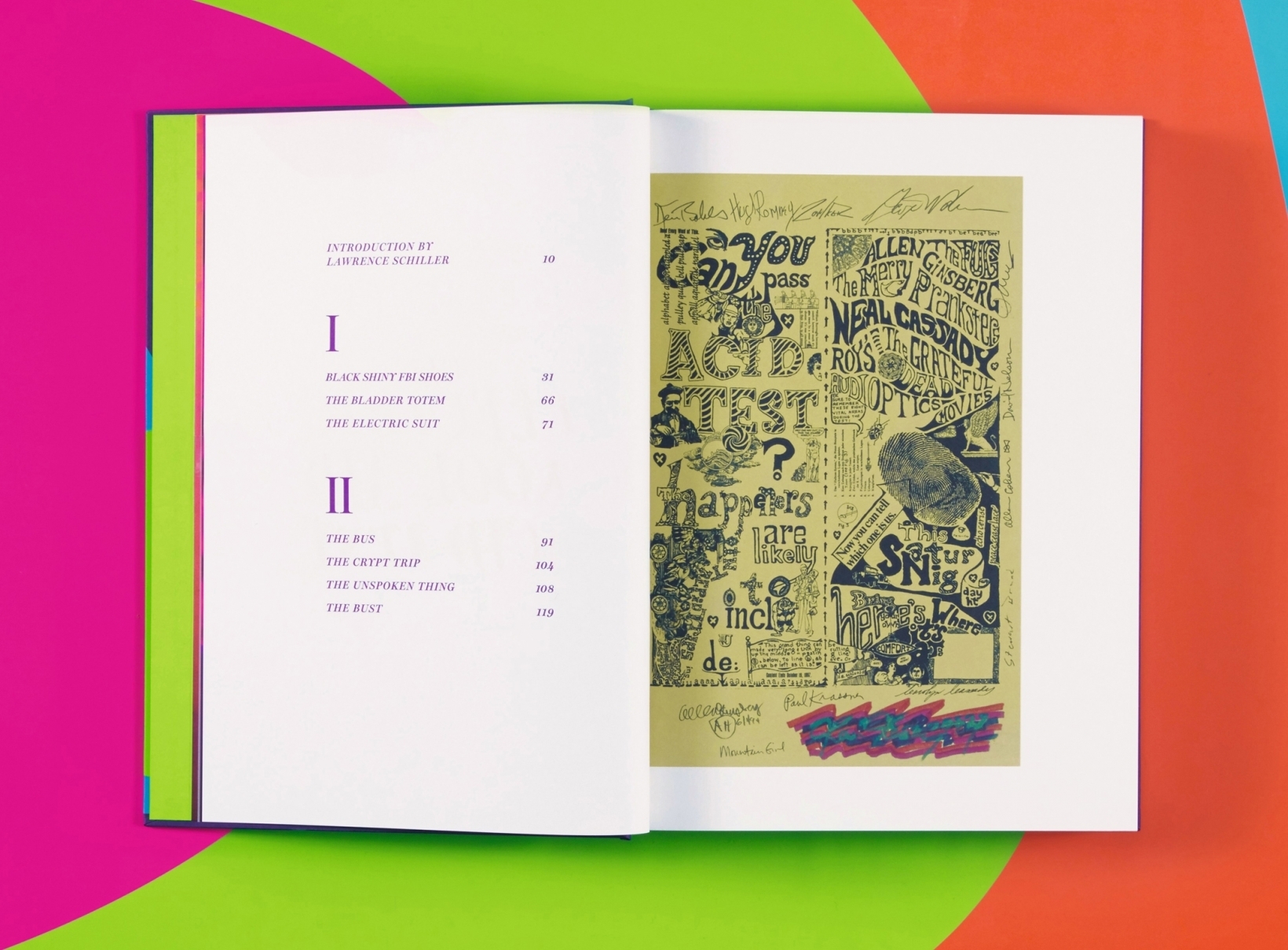
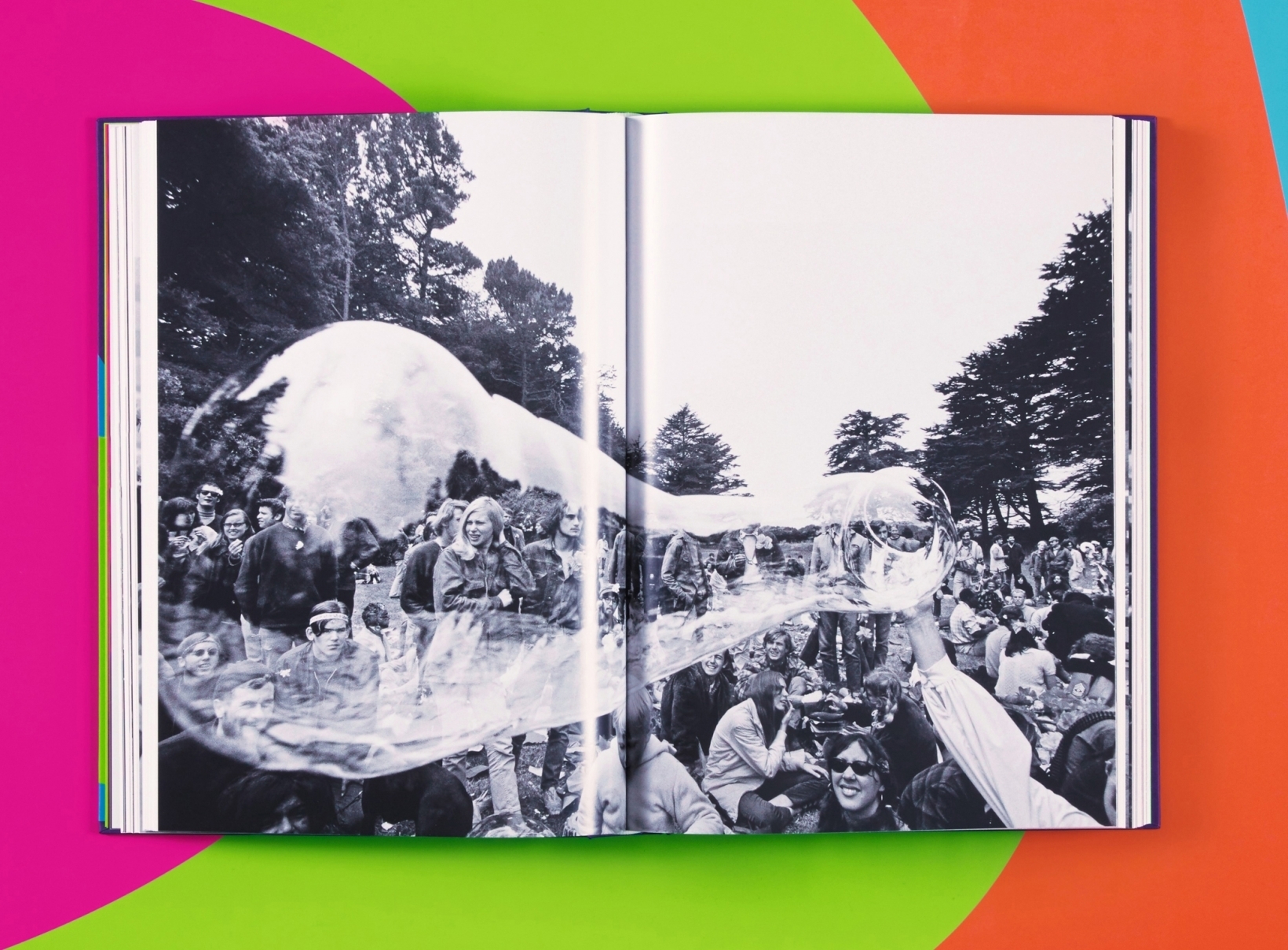
The new Taschen edition is something different. The abridged text is published in “traditional letterpress, with facsimile reproductions of Wolfe’s manuscript pages, as well as Ken Kesey’s jailhouse journals, handbills, and underground magazines of the period.” “Interweaving the prose and ephemera are photographic essays from Lawrence Schiller, whose coverage of the acid scene for Life magazine helped inspire Wolfe to write his story, and Ted Streshinsky, who accompanied Wolfe while reporting for the New York Herald Tribune.” There are also photographs by poet Allen Ginsberg.
In total, Taschen has produced 1,968 signed copies of the collector’s edition, each signed by Tom Wolfe himself. The cost is set at $350.
If you never spent time with The Electric Kool-Aid Acid Test and want to read a simple paperback edition that costs less than $10, you can find a copy here.
Note: We belong to the Taschen affiliate program. So if you get a copy of the collector’s edition, it benefits not just you and Taschen. It benefits Open Culture too. So consider it win-win-win.
If you would like to support the mission of Open Culture, consider making a donation to our site. It’s hard to rely 100% on ads, and your contributions will help us continue providing the best free cultural and educational materials to learners everywhere. You can contribute through PayPal, Patreon, and Venmo (@openculture). Thanks!
In wake of a recent prom cheongsam dust up, it remains to be seen whether Doc Martens’ special edition Eastern Art shoes and boots will be regarded as a misstep.
Those eye-catching kicks may have inspired more than a few fashion-conscious punks to delve into art history, but what will consumers—and more importantly activists on the alert for cultural appropriation—make of the Eastern Art line?
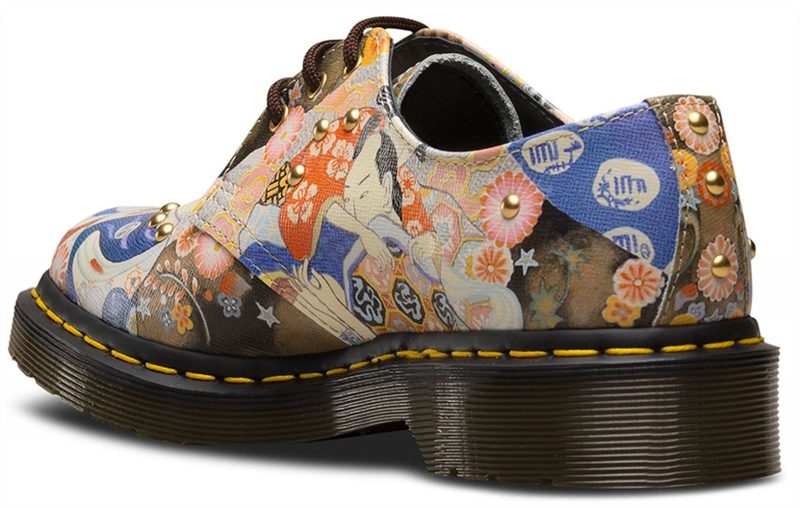
The company website describes the inaugural design as:
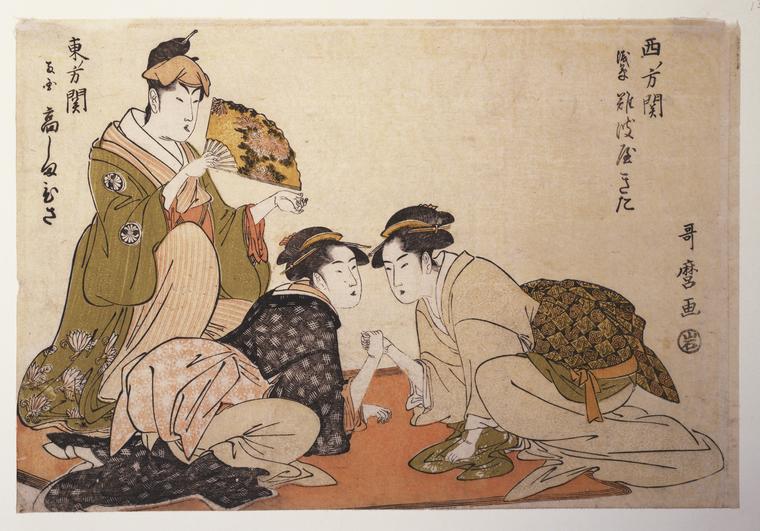
…a new homage to traditional Japanese art with a fresh, contemporary … spin. Featuring detailed hand-drawn paintings, the art is digitally printed on a textured leather designed to emulate traditional Japanese parchment, while gold-tone eyelets and studding complete the look.
One wonders what led the footwear giant to go with a mishmash “inspired by” approach, when there are so many wonderful Edo period artists who merit a boot of their own?
Thus far, the lone complaints have centered on the pain of breaking in the new boots, a badge of honor among longtime wearers of the company’s best-selling 1460 Pascalstyle.
Asia Trendreports that Doc Martens has two shops in Japan, with plans to open more.
If you’re inclined to stomp around in a pair of Dr. Martens 1460 Pascal Eastern Art boots or 1461 Oxfords, best place your order soon, as these special editions have a way of selling out quickly.
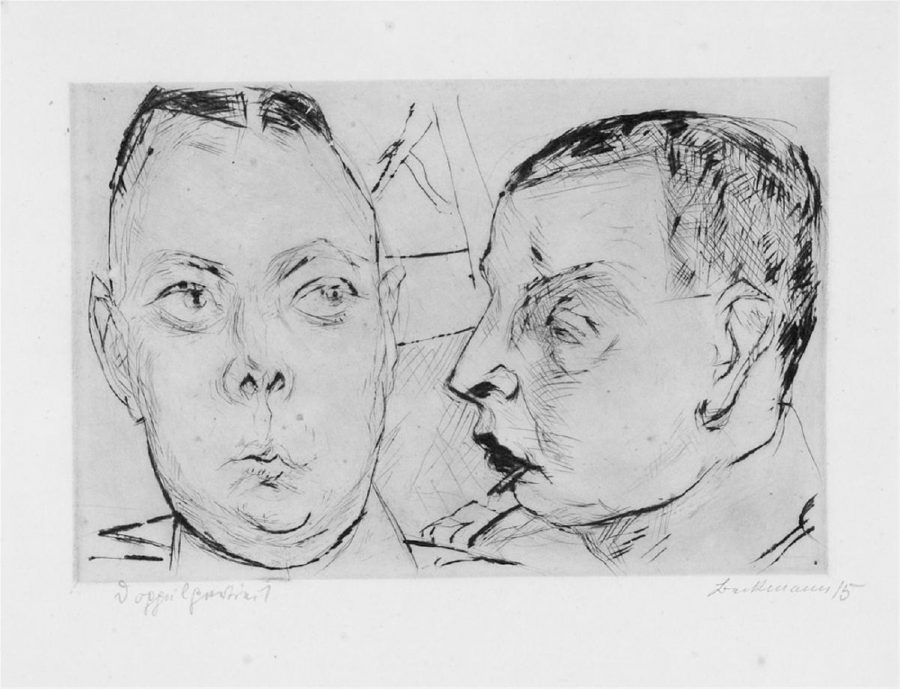
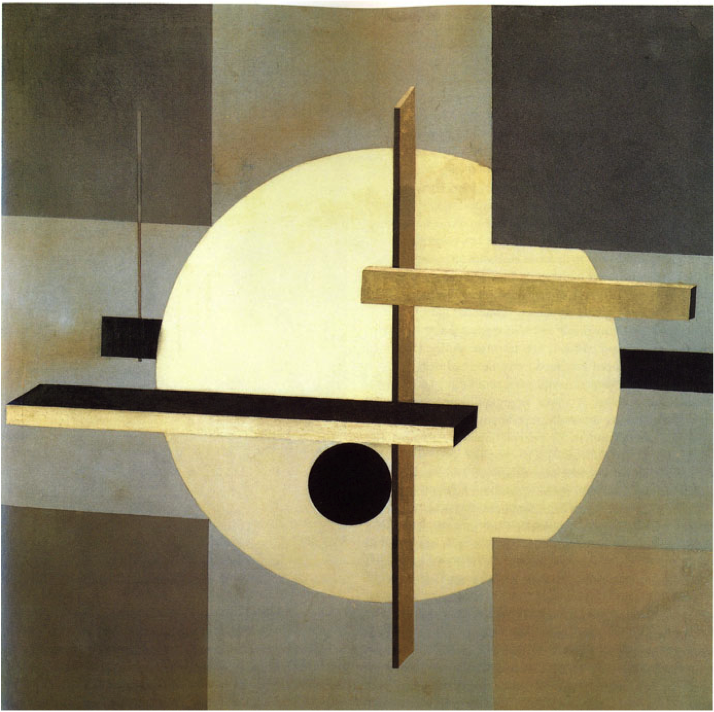
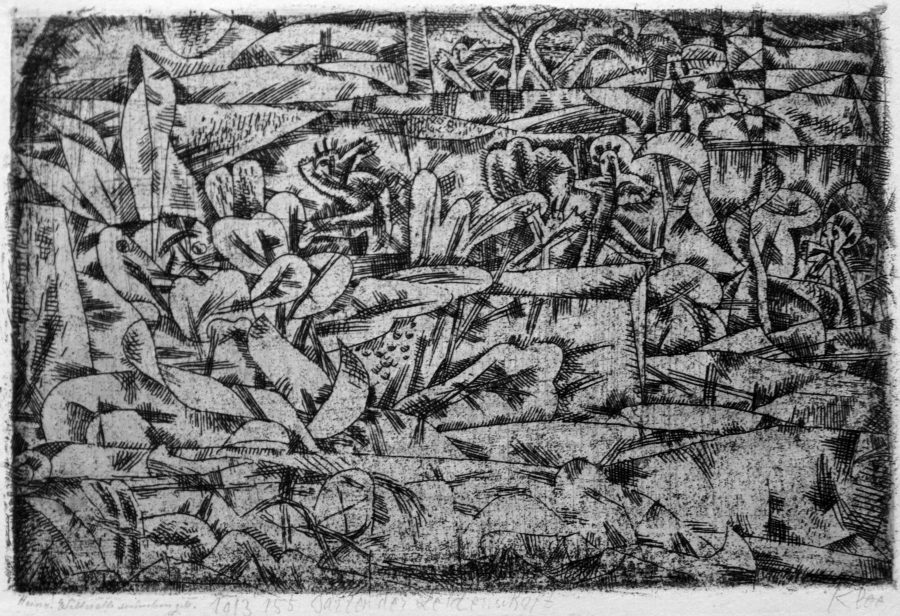
The Nazis may not have known art, but they knew what they liked, and much more so what they didn’t. We’ve previously featured here on Open Culture the “Degenerate Art Exhibition” of 1937, put on by Hitler’s party four years after it rose to power. Following on a show of only Nazi-approved works — including many depictions of classically Germanic landscapes, robust soldiers in action, blonde nudes — it toured the country with the intent of revealing to the German people the “insult to German feeling” committed by Entartete Kunst (Degenerate art), a Nazi-defined category of art created by the likes of Paul Klee, Wassily Kandinsky, Max Beckmann, George Grosz, and others, a roster heavy on the abstract, the expressionistic, and the Jewish.
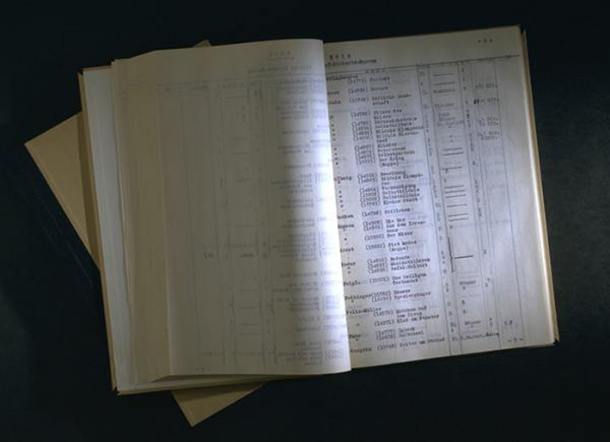
“The list of more than 16,000 artworks was produced by the Reichsministerium für Volksaufklärung und Propaganda (Reich Ministry for Public Enlightenment and Propaganda) in 1942 or thereabouts. It seems that the inventory was compiled as a final record, after the sales and disposals of the confiscated art had been completed in the summer of 1941.”
Daunting though the inventory itself may seem, Hyperallergic’s Jillian Steinhauer points out “a way to connect many of these pieces to the present day: an online database maintained by the Freie Universität Berlin. You can plug an artwork’s inventory number from the Nazi log books directly into their search engine, and it will pull up a record.” Here you see Max Beckmann’s Zwei Auto-Offiziere, El Lissitzky’s Proun R.V.N. 2, and Paul Klee’s Garten der Leidenschaft, just three examples of the thousands upon thousands of images that Hitler and company considered a threat to their regime. Today, the artistic merits of work by these and other artists once labeled Entartete Kunst have drawn more admirers than ever — though the very fact that the Nazis didn’t like it constitutes a decent reason for appreciation as well.
Based in Seoul, Colin Marshall writes and broadcasts on cities and culture. His projects include the book The Stateless City: a Walk through 21st-Century Los Angeles and the video series The City in Cinema. Follow him on Twitter at @colinmarshall or on Facebook.
“Dada thrives on contradictions. It is creative and destructive. Dada denounces the world and wishes to save it.” So says one narrator of journalist-filmmaker Mick Gold’s Europe After the Rain, a 1978 Arts Council of Great Britain documentary on not just the international avant-garde movement called Dada but the associated currents of surrealism churning around that continent during the first half of the twentieth century. “Dada wanted to replace the nonsense of man with the illogically senseless. Dada is senseless, like nature. Dada is for nature, and against art. Philosophers have less value for Dada than an old toothbrush, and Dada abandons them to the great leaders of the world.”
Of the many bold and often contradictory claims made about Dada, none describe it as easily understood. But Dada has less to do with intellectual, aesthetic, or political coherence than with a certain energy. That energy could fire up the likes of André Breton, Salvador Dalí, René Magritte, Giorgio de Chirico, and many other artists besides, channeling frustrations with the state of post-World War I Europe into a sensibility that demanded ripping everything up and building it all again, beginning with the very foundations of sense.
Gold and his collaborators on Europe After the Rain understand this, audiovisually interpreting the legacy of Dada, which despite its short lifespan left behind a host of still-striking works in text, image, and sculpture, in a variety of ways.
“The movie is full of treasures,” writes Dangerous Minds’ Oliver Hall, including “BBC interviews with Max Ernst and Marcel Duchamp from the Sixties, a reading of Artaud’s ‘Address to the Dalai Lama,’ an account of Freud’s meeting with Dalí.” He adds that its “re-enactment of Breton’s dialogue with an official of the Parti communiste français is illuminating, and complements the other valuable material on the ‘Pope of Surrealism’: his work with shell-shocked soldiers in World War I, trials and expulsions of other Surrealists, collaboration with Leon Trotsky in Mexico, less-than-heroic contributions to the French Resistance, and study of the occult.” But then, the kind of mind that could launch a movement like Dada — which fifty years after its end remained fascinating enough to inspire a documentary that itself holds its fascination forty years on — is capable, one suspects, of anything.
Based in Seoul, Colin Marshall writes and broadcasts on cities and culture. His projects include the book The Stateless City: a Walk through 21st-Century Los Angeles and the video series The City in Cinema. Follow him on Twitter at @colinmarshall or on Facebook.
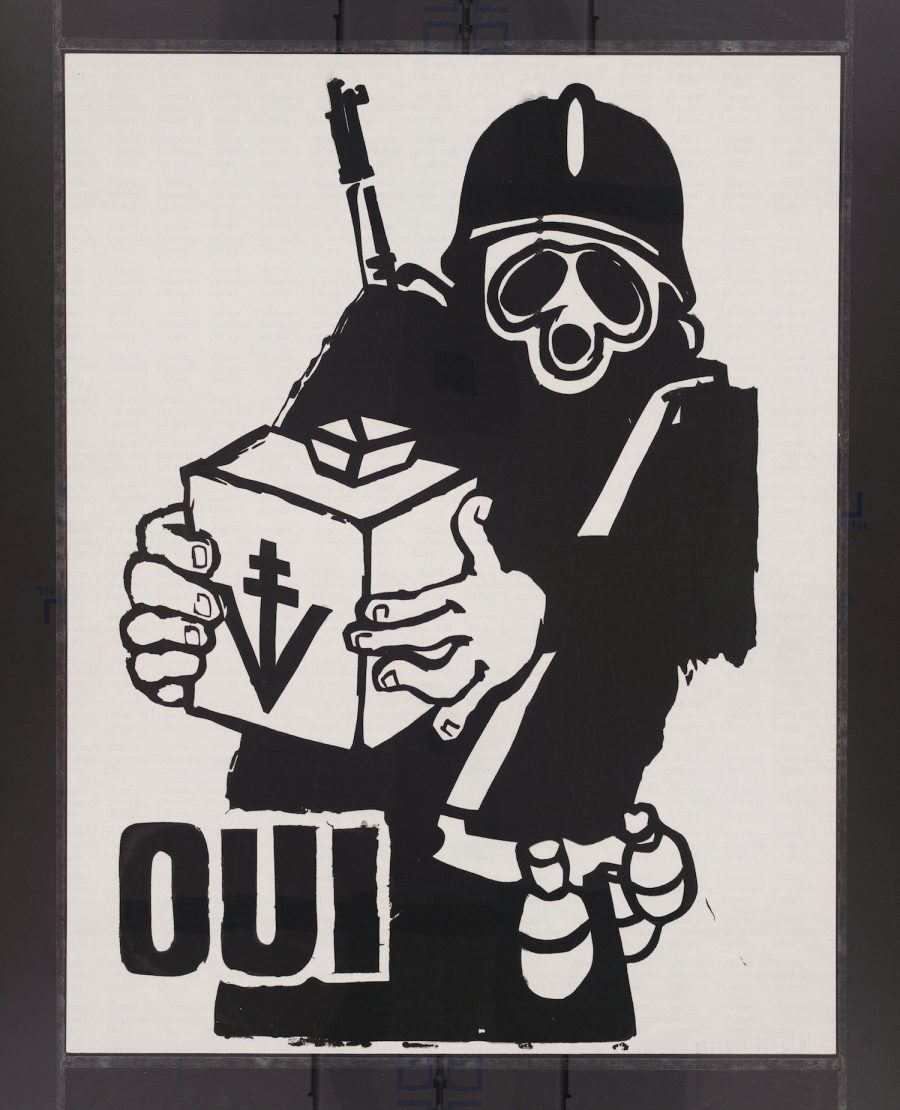
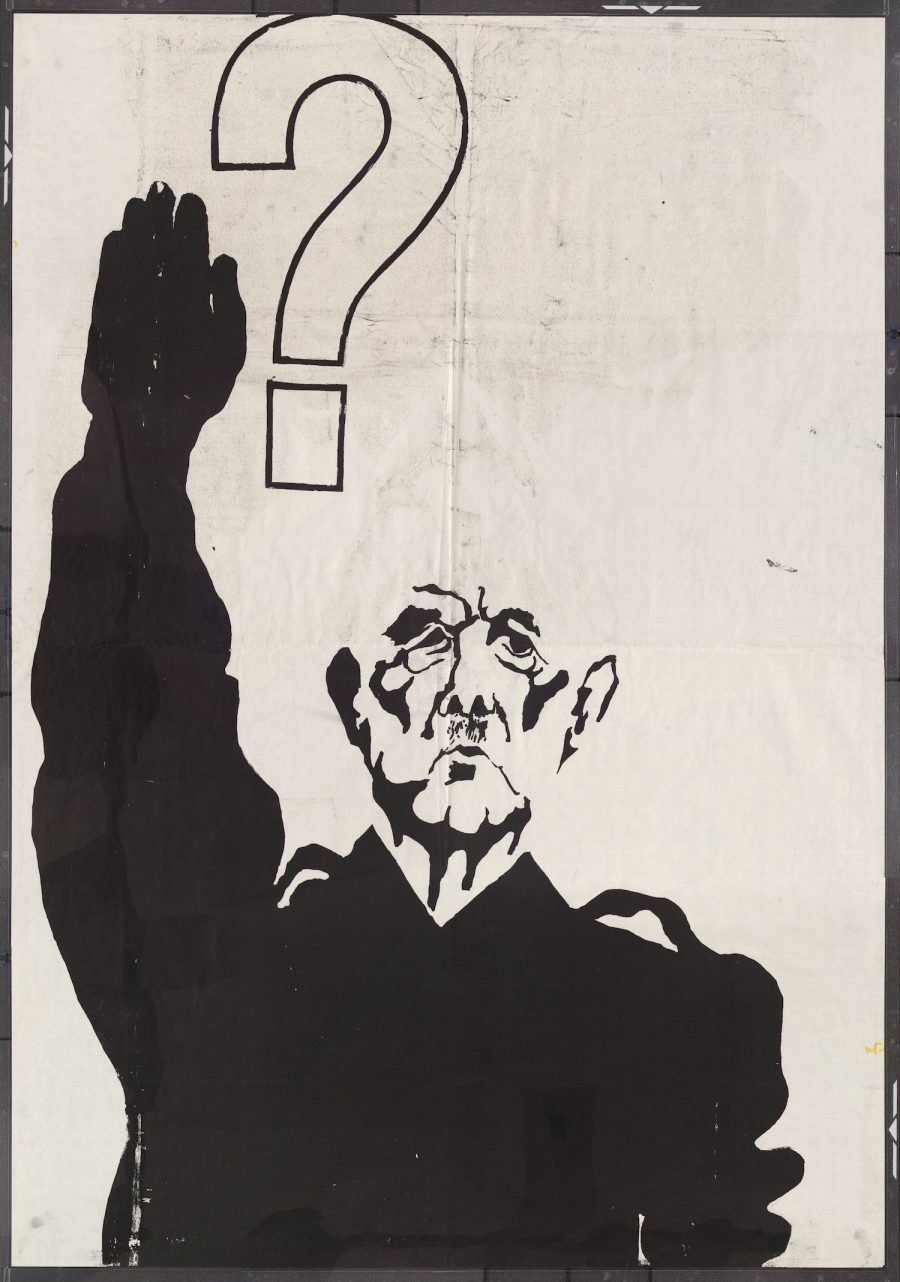
Among the many other 50ths commemorated this year, one will largely go unnoticed by the U.S. press, given that it happened in France, a country we like to ignore as much as possible, and concerned the politics of anarchists and communists, people we like to pretend don’t exist except as caricatures in scare-mongering cartoons. But the French remember May 1968, and not only on its fiftieth. The wildcat strikes, student marches, and barricades in the Latin Quarter haunt French politics. “We’re slightly prisoners of a myth,” laments historian Danielle Tartakowsky.
The international historical events surrounding the strikes and marches are well-known or should be. The founding ethos of the movement, Situationism, perhaps less so. Reading Guy Debord’s Society of the Spectacleand the 1968 movement’s other essential texts can feel like looking into a funhouse mirror.
The 1966 pamphlet manifesto that began the student agitation—“On the Poverty of Student Life”—might sound mighty familiar: it has no kind words for consumerist student radicals who “convert their unconscious contempt into a blind enthusiasm.” Yet they have been attacked, it clarifies, “from the wrong point of view.”
Since we seem to be, in some denatured way, reliving events of fifty years ago, the thinking of that not-so-distant moment illuminates our circumstances. “If there’s one thing in common between 1968 and today,” remarks Antoine Guégan, whose father Gérard staged Paris campus sit-ins, “it’s young people’s despair. But it’s a different kind of despair…. Today’s youth is facing a moment of stagnation, with little to lean on.” Despite the riotous, bloody nature of the times, a global movement then found reason for hope.
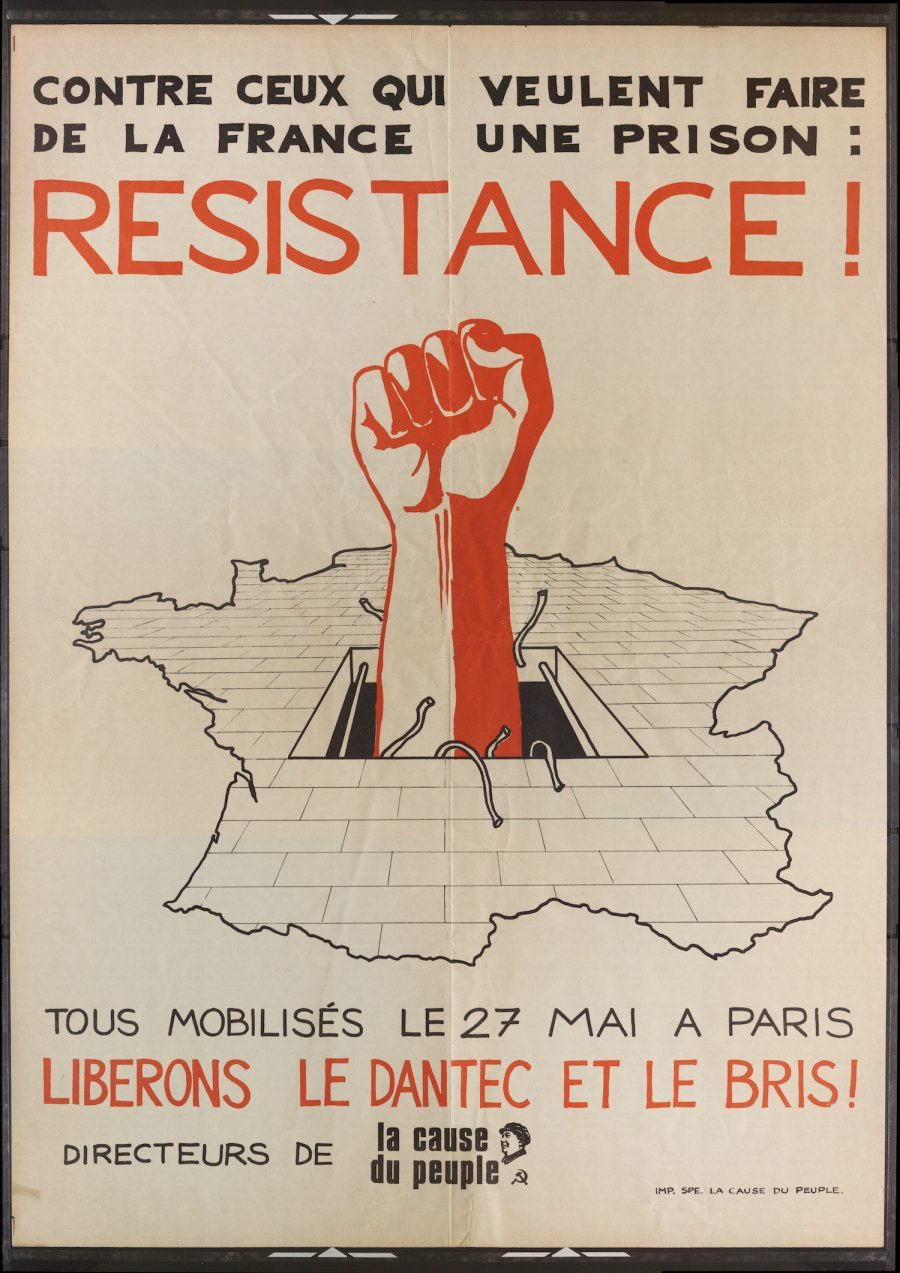
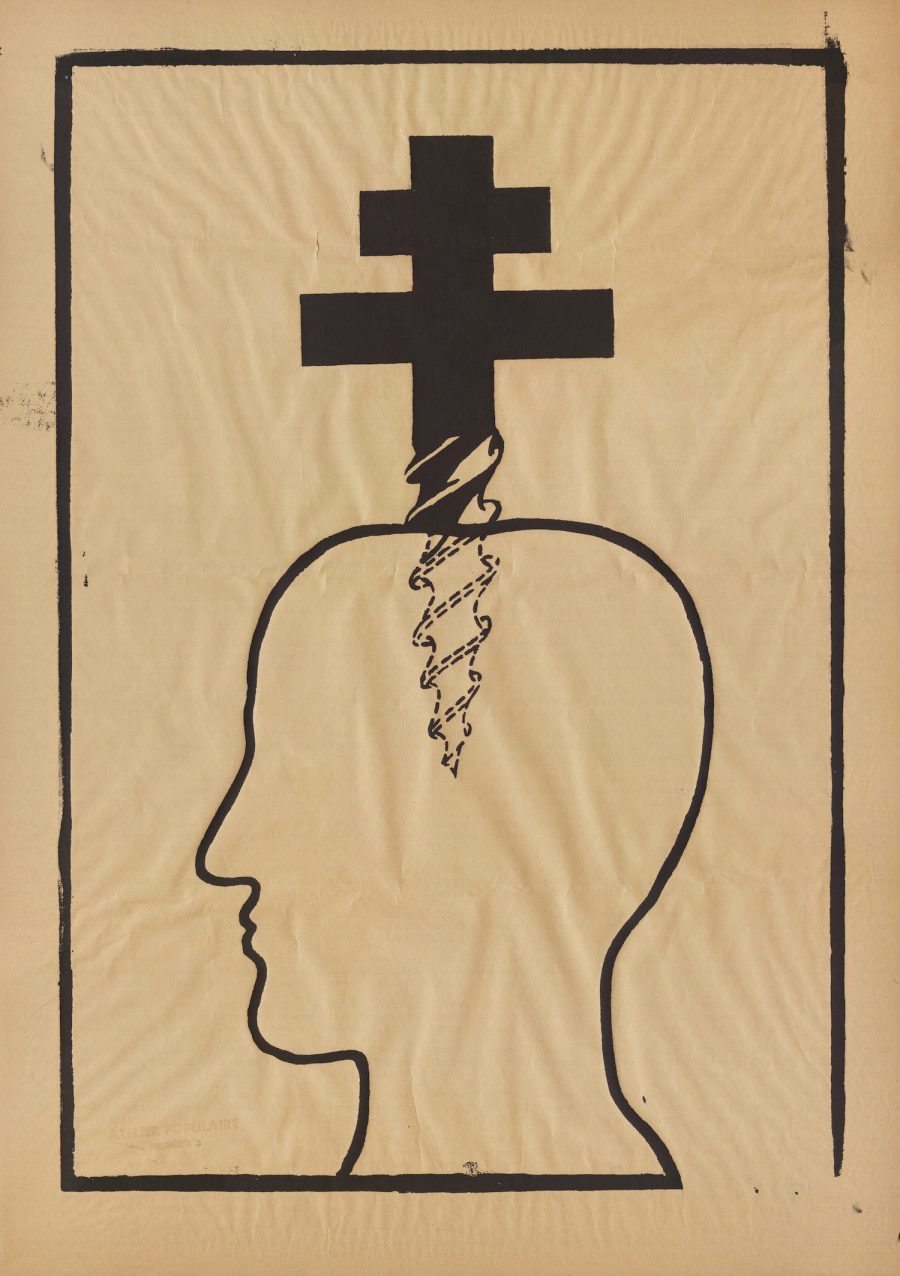
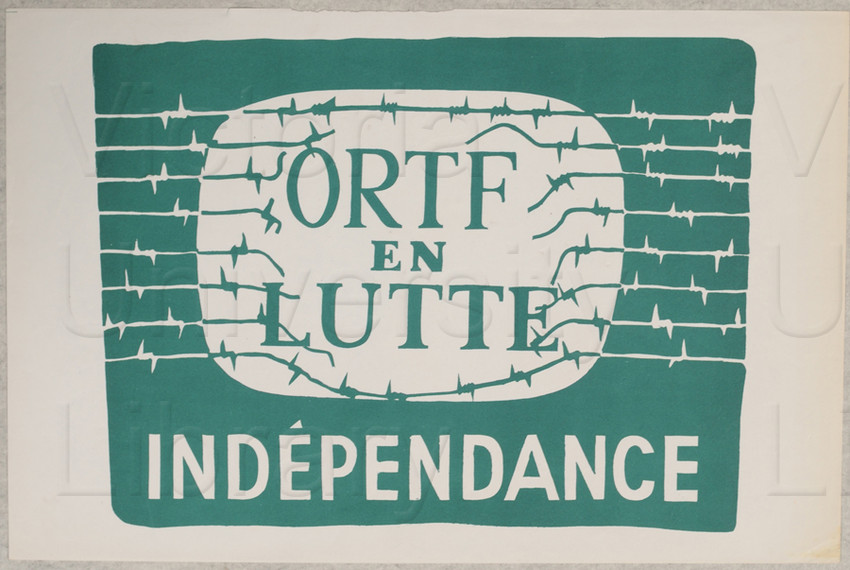
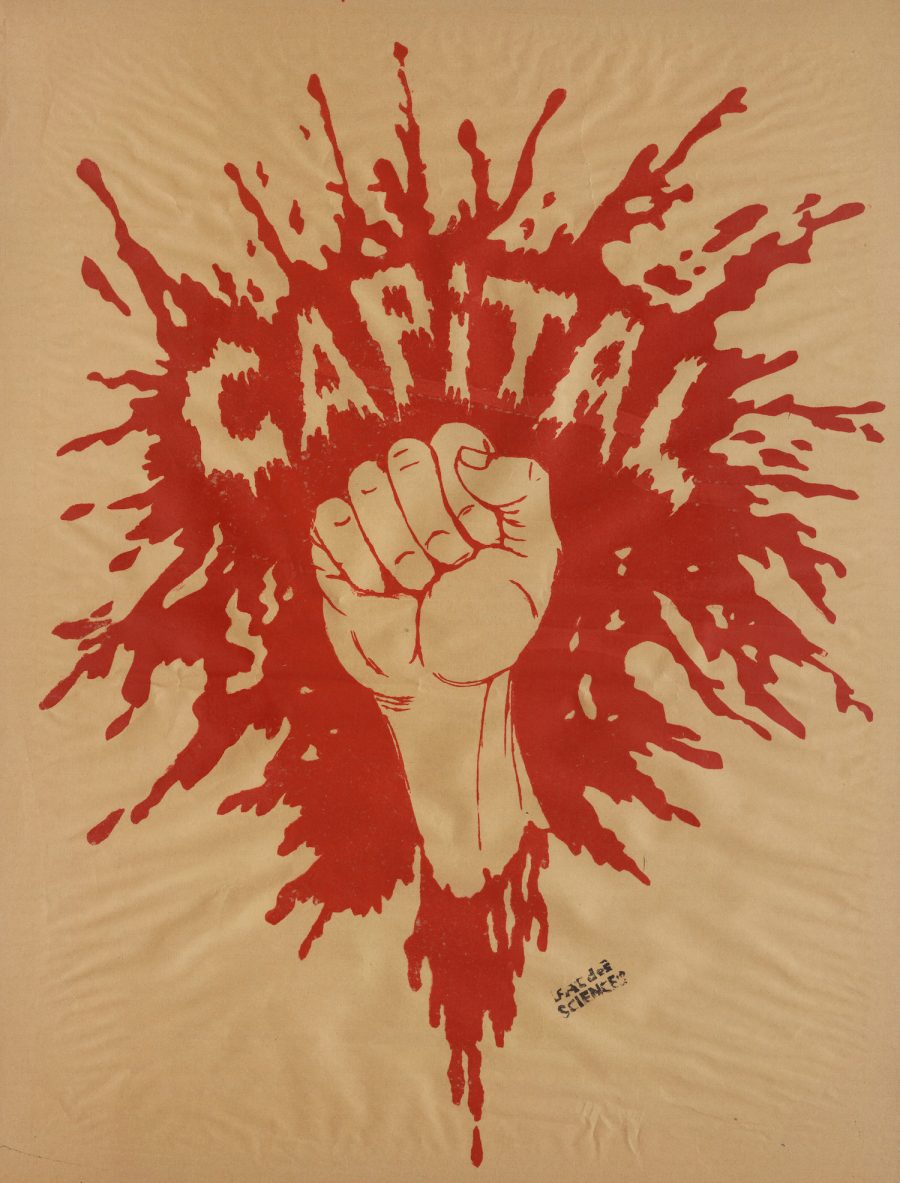
We see it reflected in the defiant art and cinema of the time, from revolutionary work by a 75-year-old Joan Miró to vérité film by 20-year-old wunderkind Philippe Garrel. And we see it, especially, in the huge number of posters printed to advertise the movement, radical graphic designs that illustrate the exhilaration and defiance of the loose collective of Marxists-Leninists, Trotskyites, Maoists, Anarchists, Situationists, and so on who propelled the movement forward.
Last year, we featured a gallery of these arresting images from the Atelier Populaire, a group of artists and students, notes Dangerous Minds, which “occupied the École des Beaux-Arts and dedicated its efforts to producing thousands of silk-screened posters using bold, iconic imagery and slogans as well as explicitly collective/anonymous authorship.” Today, we bring you a huge gallery of more than 300 such images, housed online at Victoria University in the University of Toronto.
Some of the images are downloadable. You can request downloads of others from the university library for private use or publication. These posters represent a movement confronting an oppressive society with its own logic, a society of which Debord wrote just the previous year, “the spectacle is not a collection of images; it is a social relation between people that is mediated by images.” There is no understanding of the events of May 1968 without an understanding of its visual culture as, Debord wrote, “a means of unification.” Enter the gallery of posters and prints here.
As in cuisine, where peasant food can become trendy and expensive overnight, so it is in fashion: how else to explain the way a humble working-class boot went from the factory floor to stylistic statement.
The original 1960’s Dr. Martens boot, the one with the cushioned sole, fancy tread, and yellow stitching, was designed to be affordable. That’s why the punks loved it, that’s why the ska/Two Tone guys and gals loved it, and that’s why rich rockers like Pete Townshend showed his solidarity by wearing them along with his boiler suit.
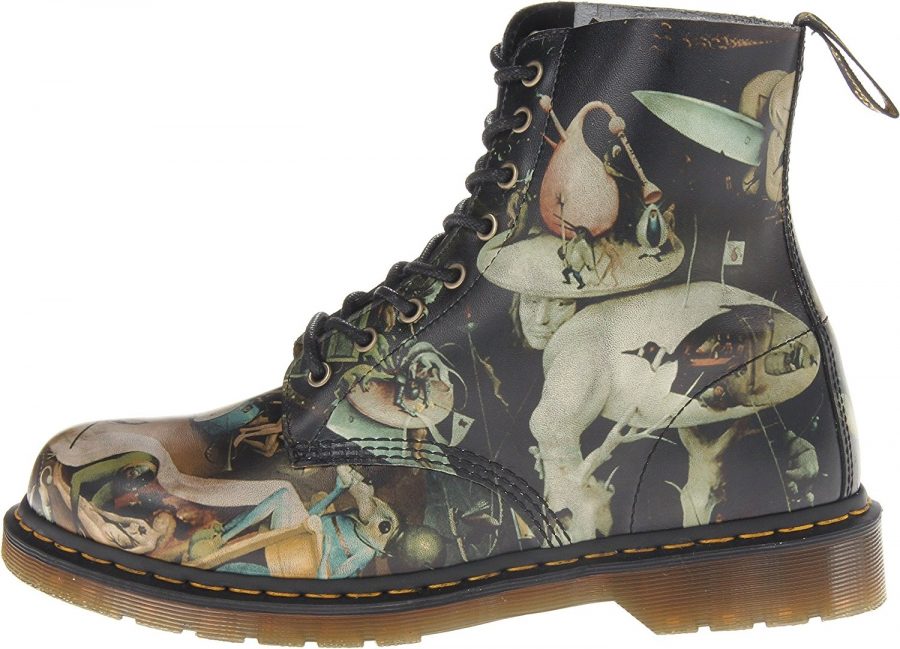
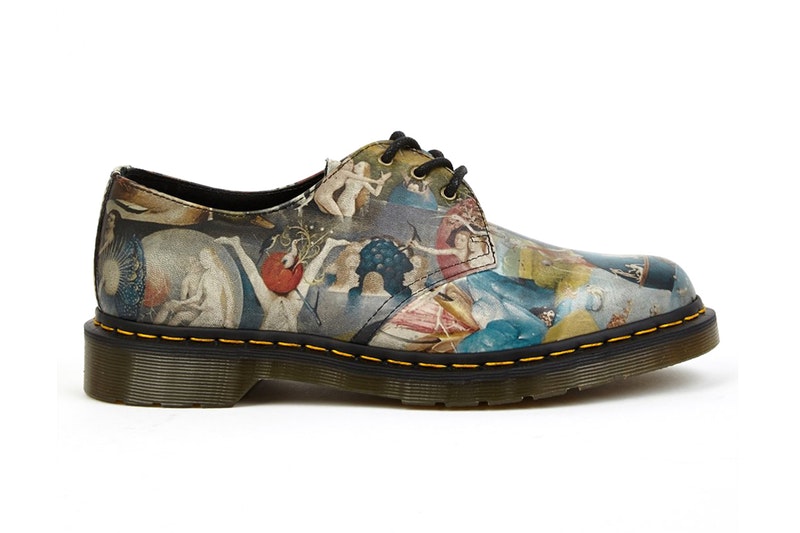
But that was then, and this is…the Tate Gallery of London’s specially commissioned series of arty Docs. The “1460” boot above shows details from Hieronymus Bosch’s “Garden of Earthly Delights” (the hellish third panel), which you have to admit is pretty cool. For the lover not the fighter among us, you can also go for the more debauched second panel from “Garden” printed on a “1461” style shoe.
So, yes, these limited edition boots are just slightly more than the original “smooth” style and not exactly cheap. But, on the other hand, this new phase of the company is a celebration of skirting complete obsolescence. While marketers love to say these brands “never go out of style,” they in fact did. According to their own website, Dr. Martens had such declining sales at the turn of the millennium that all but one factory closed. It was by commissioning artists to rebrand the boot in similar ways as the Tate Gallery that the company was able to turn things around and, best of all, keep manufacturing the boots in Britain.
Whether you should wear your high culture so low to the ground is for you to figure out once you get your hands on a pair. Again, there are still versions by William Blake and JMW Turner in steady supply.
Ted Mills is a freelance writer on the arts who currently hosts the artist interview-based FunkZone Podcast and is the producer of KCRW’s Curious Coast. You can also follow him on Twitter at @tedmills, read his other arts writing at tedmills.com and/or watch his films here.
Despite their enormous popularity, the enigmatic works of Dutch artist M.C. Escher have not, perhaps, received their due in the high art world. But he is beloved by college-dorm-room-decorators, Haight-Ashbury hippies, mathematicians, doctors, and dentists, who put his art on their walls, says Micky Pillar, former curator of the Escher Museum in The Hague, because “they think it’s a great way of getting people engaged and forgetting about reality.” Mathematical giants Roger Penrose and HSM Coxeter “were dazzled by Escher’s work as students in 1954,” notes The Guardian’s Maev Kennedy. Mick Jagger was a huge fan, though Escher turned him down when asked to draw an album cover, annoyed at being addressed by his first name (Maurits).
Escher, says Ian Dejardin—director of the Dulwich Picture Gallery in London—“may have been the only person in the world who had never heard of the Rolling Stones.” It wasn’t that he ignored the world around him, but that he focused his career on inventing another one, taking inspiration first from the Italian countryside and cityscapes, after settling in Rome, and later turning to what he called “mental imagery”: the paradoxical portraits, fantastical shifting shapes, and mind-bending patterns, so absorbing that people in waiting rooms forget their discomfort and anxiety when looking at them.
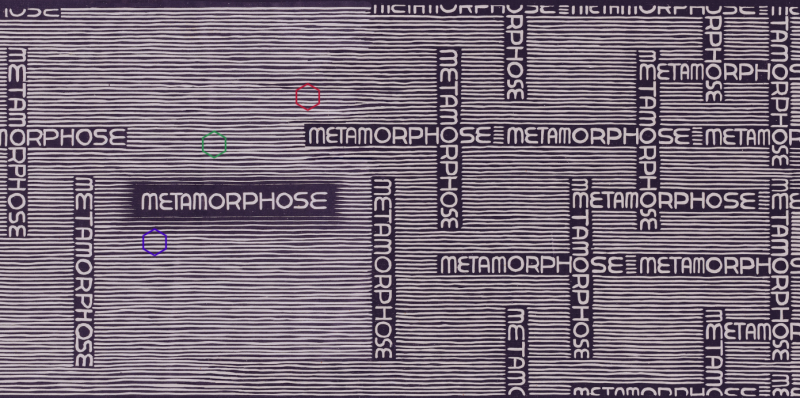
One of the most famous of such works, 1939’s Metamorphosis II, owes its creation to the historical pressures of Italian fascism and the geometric fascinations of Islamic art. After leaving Rome in 1935 as political tensions rose, Escher found himself inspired by his second visit to The Alhambra in Spain. Its “lavish tile work,” as the National Gallery of Art writes, “suggested new directions in the use of color and the flattened patterning of interlocking forms.” So intricate and technically dazzling is the four-meter-long print that it merits an in-depth look at its context and composition.
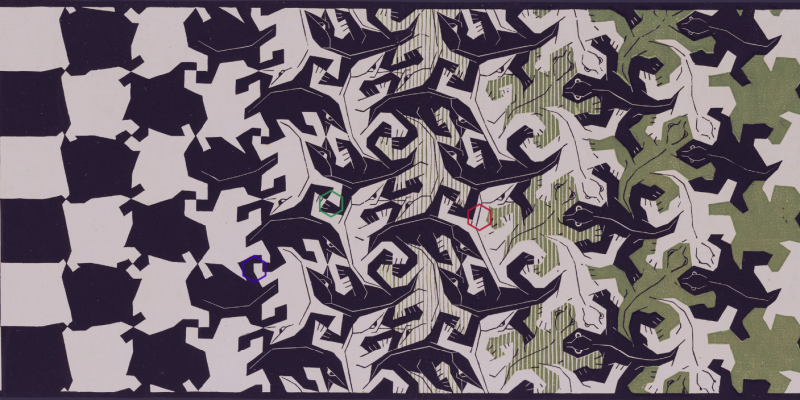
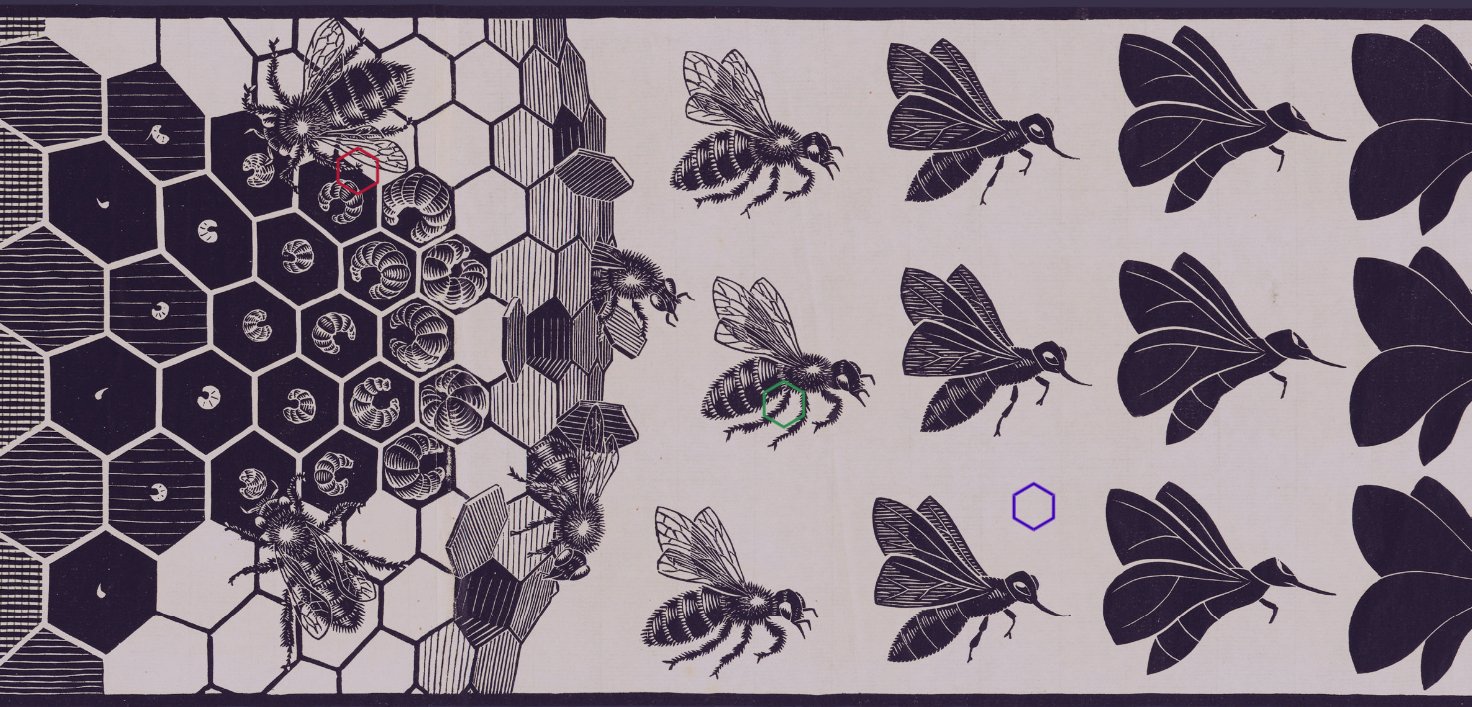
That’s exactly what you’ll find at a new “interactive documentary” on Metamorphosis II, by the makers of a similar feature on Hieronymus Bosch’s Garden of Earthly Delights. The online resource lets users scroll across the print, zooming in to an extraordinary level of detail, or zooming out to see how it transitions section by section, from the word “metamorphose,” to a checkerboard pattern, to lizards, honeycombs, bees, hummingbirds, fish, etc.. Along the way, you can click on little colored hexagons (that transform into cubes) and bring up short articles on Escher’s life and aspects of the work at hand. Each of these featurettes is narrated (in the English version) by British filmmaker and artist Peter Greenaway. Once you open one of these explanatory windows, a navigation tool (above) appears at the bottom of the screen.
We see how the various animals in Escher’s “systematic tessellations,” as he called them, were chosen by virtue of their shape as well as Escher’s interest in their life cycles and methods of organization. “Nature was a source of wondrous beauty for Escher,” the documentary explains. “In his journals and letters, he often wrote about what surprised, amazed or moved him” in the natural world. Some of the Metamorphosis II sections appeared in later works like 1943’s Reptiles. Escher drew attention both to the natural world’s variety and its genius for repeated patterns. But the movement from one animal to the next has nothing to do with zoology.
Escher delighted in playing “mind association games.” We learn that as a child, “he would lie in bed and think of two subjects for which he had to create a logical connection.” In one example he gave, he would attempt to find his way from “a tram conductor to a kitchen chair.” Metamorphosis II gives us a visual representation of such games, mental leaps that challenge our sense of the order of things. The documentary situates this fascinating work in a historical and aesthetic context that allows us to make sense of it while adding to our appreciation for its strangeness, offering several different ways of approaching the work, as well as an invitation to make your own.
One feature, the “Metamorphosis Machine,” lets you choose from a selection of starting and ending patterns. Then it fills in the transformation in the middle. The results are hardly Escher-quality, but they are a fun and accessible way of understanding the work of an artist whose vision can seem forbidding, with its impossible spaces and disorienting transformations. Enter the Metamorphosis II interactive documentary here.
With six days to go, 693 backers have pledged $15,676 to a Kickstarter campaign that’s hoping to raise a total of $26,158. Should they reach that goal, a company called Today Is Art Day will put into production a charming Dali figure. Standing five inches tall, the figure “comes with 3 sets of wacky interchangeable mustaches” and “deluxe mustaches made of stainless steel.” The Dalí figure “holds his signature melting clock,” and there are five Dalí masterpieces to display on a miniature easel. Apparently endorsed by the Gala-Salvador Dalí Foundation, the figure should go into production this August. Help Kickstart things here.
We're hoping to rely on loyal readers, rather than erratic ads. Please click the Donate button and support Open Culture. You can use Paypal, Venmo, Patreon, even Crypto! We thank you!
Open Culture scours the web for the best educational media. We find the free courses and audio books you need, the language lessons & educational videos you want, and plenty of enlightenment in between.