The Philosophy & Music of Devo, the Avant-Garde Art Project Dedicated to Revealing the Truth About De-Evolution

The chief dif­fi­cul­ty for any­one want­i­ng to make an assault on our munic­i­pal the­atre… is that there can be no ques­tion of reveal­ing a mys­tery. He can­not just point a stumpy fin­ger at the theatre’s ongo­ings and say, “You may have thought this amount­ed to some­thing, but let me tell you, it’s a sheer scan­dal; what you see before you proves your absolute bank­rupt­cy; it’s your own stu­pid­i­ty, your men­tal lazi­ness and your degen­er­a­cy that are being pub­li­cal­ly exposed.” No, the poor man can’t say that, for it’s no sur­prise to you; you’ve known it all along; noth­ing can be done about it.

–Berthold Brecht, “A Reck­on­ing”

Have you ever felt like Net­work’s Howard Beale? Rant­i­ng to any­one who’ll lis­ten about how mad as hell you are? “I don’t have to tell you things are bad. Every­body knows things are bad.”

Or maybe agreed with the weary cyn­i­cism of his boss, Max Schu­mach­er? “All of life is reduced to the com­mon rub­ble of banal­i­ty.”

Faced with the cru­el, stu­pid the­ater of mass pol­i­tics and cul­ture, we begin to feel a blan­ket of over­whelm­ing futil­i­ty descend. All of the pos­si­ble moves have been made and absorbed into the programming—including the out­raged crit­ic point­ing his fin­ger at the stage.

Avant-garde artists since the late 19th cen­tu­ry have cor­rect­ly sized up this depress­ing real­i­ty. But rather than seize up in fits of rage or suc­cumb to cyn­i­cism, they made new forms of the­ater: Jar­ry, Dada, Debord, Artaud, Brecht—all had designs to dis­rupt the oppres­sive banal­i­ty of mod­ern stage- and state-craft with mock­ery, sadism, and shock.

And so too did DEVO, the authors of “Whip It.”

Their 80s New Wave antics seemed like a juve­nile art-school prank. Behind it lay the­o­ret­i­cal sophis­ti­ca­tion and seri­ous polit­i­cal intent. “When we first start­ed Devo,” says Mark Moth­ers­baugh in the “Cal­i­for­nia Inspires Me” video above, “we were artists who were work­ing in a num­ber of dif­fer­ent media. We were around for the shoot­ings at Kent State. And it affect­ed us. We were think­ing, like, ‘What are we observ­ing?’ And we decid­ed we weren’t observ­ing evo­lu­tion, we were observ­ing de-evo­lu­tion.”

Won­der­ing how to change things, the band looked to Madi­son Avenue for inspiration—intent on tak­ing the tech­niques of mass per­sua­sion to sub­vert the enchant­ments of mass per­sua­sion, “report­ing the good news of De-Evo­lu­tion” in a joy­ous the­ater of mock­ery. The phi­los­o­phy itself evolved over time, first tak­ing shape in 1970 when Moth­ers­baugh and Ger­ald Casale met at Kent State. Casale had already coined the term “De-Evo­lu­tion”; Moth­ers­baugh intro­duced him to its mas­cot, Jocko-Homo, the 1924 cre­ation of anti-evo­lu­tion fun­da­men­tal­ist pam­phle­teer B.H. Shad­duck.

Fas­ci­nat­ed by Shadduck’s bizarre, pro­to-Jack Chick, illus­trat­ed freak-outs, Moth­ers­baugh and his band­mates adopt­ed the char­ac­ter for the first sin­gle from their 1978 debut album (top). Are We Not Men? We Are Devo! announced their car­ni­va­lesque gospel of human stu­pid­i­ty. Devo proved noth­ing we didn’t already know. Instead, they showed us the ele­va­tion of idio­cy to the sta­tus of a civ­il reli­gion. (Lat­er in the 80s, they would express­ly par­o­dy the nation­al reli­gion with their Evan­gel­i­cal satire DOVE.)

The the­ater of Devo was weird­ly com­pelling then and is wierd­ly com­pelling now, since the banal­i­ty and casu­al vio­lence of late-cap­i­tal­ism that threat­ened to swal­low up every­thing in the twen­ti­eth cen­tu­ry has, if any­thing, only become more bloat­ed and grotesque. “As far as Devo was con­cerned,” writes Ray Pad­gett at The New York­er, “Devo wasn’t a band at all but, rather, an art project… inspired by the Dadaists and the Ital­ian Futur­ists, Devo’s mem­bers were also cre­at­ing satir­i­cal visu­al art, writ­ing trea­tis­es, and film­ing short videos.”

One of those videos, “In the Begin­ning Was the End: The Truth About De-Evo­lu­tion,” fea­tured their “first ever cover”—Johnny Rivers’ “Secret Agent Man”—before they re-invent­ed (or “cor­rect­ed,” as they put it), the Rolling Stones’ “Sat­is­fac­tion.” They would screen the 9‑minute film, with its footage of two men in mon­key masks spank­ing a house­wife, before gigs.

The con­cepts are aggres­sive­ly wink-nudge ado­les­cent, reflect­ing not only Devo’s take on the regres­sive state of the cul­ture, but also Casale’s belief that “high-school kids know every­thing already.” But amidst the synths and shiny suits, we still hear Howard Beale’s cri de coeur, “I’m a human being dammit! My life has val­ue!” Only in Devo’s hands it turns to dark comedy—as in the title of a song from their 2010 come­back record Some­thing for Every­body, tak­en from words print­ed on the back of a hunter’s safe­ty vest that call back to the band’s begin­nings at Kent State: “Don’t Shoot, I’m a Man.”

Relat­ed Con­tent:

The Mas­ter­mind of Devo, Mark Moth­ers­baugh, Shows Off His Syn­the­siz­er Col­lec­tion

New Wave Music–DEVO, Talk­ing Heads, Blondie, Elvis Costello–Gets Intro­duced to Amer­i­ca by ABC’s TV Show, 20/20 (1979)

Devo’s Mark Moth­ers­baugh & Oth­er Arists Tell Their Musi­cal Sto­ries in the Ani­mat­ed Video Series, “Cal­i­for­nia Inspires Me”

Josh Jones is a writer and musi­cian based in Durham, NC. Fol­low him at @jdmagness

An Intimate Look at Alberto Giacometti in His Studio, Making His Iconic Sculptures (1965)

A vis­it to an artist’s stu­dio can shed light on his or her work.

The British Arts Coun­cil’s short film above affords an inti­mate glimpse into Alber­to Gia­comet­ti’s stu­dio in Mont­par­nasse cir­ca 1965, the year when he was the sub­ject of major ret­ro­spec­tives at both the Tate Gallery and the Muse­um of Mod­ern Art in New York.

The artist passed most of his work­ing life in cramped space at 46 rue Hip­poly­te. Ear­ly on, he enter­tained plans to relo­cate “because it was too small – just a hole.”

Oth­ers vis­i­tors to the stu­dio described the artist’s envi­rons in more lit­er­ary terms:

In a charm­ing lit­tle for­got­ten gar­den he has a stu­dio, sub­merged in plas­ter, and he lives next to this in a kind of hangar, vast and cold, with nei­ther fur­ni­ture nor food. He works very hard for fif­teen hours at a stretch, above all at night: the cold, his frozen hands – he takes no notice, he works. Simone de Beau­voir

And:

This ground floor stu­dio… is going to cave in at any moment now. It is made of worm-eat­en wood and grey pow­der.… Every­thing is stained and ready for the bin, every­thing is pre­car­i­ous and about to col­lapse, every­thing is about to dis­solve, every­thing is float­ing.… And yet it all appears to be cap­tured in an absolute real­i­ty. When I leave the stu­dio, when I am out­side on the street, then noth­ing that sur­rounds me is true. — Play­wright Jean Genet

And:

The whole place look­ing as if it had been thrown togeth­er with a few old sticks and a lot of chew­ing gum.… In short, a dump. Any­way he said come in when I knocked.… He turned and glanced at me, hold­ing out his hand which was cov­ered in clay, so I shook his wrist.… He imme­di­ate­ly resumed work, run­ning his fin­gers up and down the clay so fierce­ly that lumps fell onto the floor - Essay­ist James Lord

These impres­sions paint a por­trait of a dri­ven, and dis­ci­plined artist, who logged untold hours mod­el­ing his formes elongee in clay, uncer­e­mo­ni­ous­ly crum­pling and rebuild­ing in the pur­suit of excel­lence.

The cam­era doc­u­ments this inten­si­ty, though his untrans­lat­ed remarks sug­gest a man capa­ble of tak­ing him­self light­ly, cer­tain­ly more so than the accom­pa­ny­ing nar­ra­tion does.

Like the nar­ra­tion, Roger Smal­l­ey’s dis­so­nant score lays it on thick, the son­ic equiv­a­lent of heads like blades and “limbs bound as though ban­daged for the grave.” Per­haps we should con­ceive of the stu­dio as a scary place?

In actu­al­i­ty, it proved a hos­pitable work envi­ron­ment and the impulse to relo­cate even­tu­al­ly waned, with the artist observ­ing that “the longer I stayed, the big­ger it became. I could fit any­thing I want­ed into it.”

Explore the recent Tate Mod­ern Gia­comet­ti ret­ro­spec­tive here and take a clos­er look at the stu­dio via Ernst Scheidegger’s pho­tos.

Gia­comet­ti” will be added to our list of Free Doc­u­men­taries, a sub­set of our col­lec­tion, 4,000+ Free Movies Online: Great Clas­sics, Indies, Noir, West­erns, Doc­u­men­taries & More.

Relat­ed Con­tent:

Watch Icon­ic Artists at Work: Rare Videos of Picas­so, Matisse, Kandin­sky, Renoir, Mon­et, Pol­lock & More

Watch 1915 Video of Mon­et, Renoir, Rodin & Degas: The New Motion Pic­ture Cam­era Cap­tures the Inno­v­a­tive Artists

1.8 Mil­lion Free Works of Art from World-Class Muse­ums: A Meta List of Great Art Avail­able Online

Ayun Hal­l­i­day is an author, illus­tra­tor, the­ater mak­er and Chief Pri­ma­tol­o­gist of the East Vil­lage Inky zine.  Fol­low her @AyunHalliday.

1,000+ Historic Japanese Illustrated Books Digitized & Put Online by the Smithsonian: From the Edo & Meji Eras (1600–1912)

Sure­ly we’ve all won­dered what we might do as promi­nent nine­teenth-cen­tu­ry indus­tri­al­ists, and more than a few of us (espe­cial­ly here in the Open Cul­ture crowd) would no doubt invest our for­tunes in the art of the world. Rail­car man­u­fac­tur­ing mag­nate Charles Lang Freer did just that, as we can see today in the Freer Gallery of Art in Wash­ing­ton, D.C. Togeth­er with the Arthur M. Sack­ler Gallery (Sack­ler hav­ing made it as “the father of mod­ern phar­ma­ceu­ti­cal adver­tis­ing”), it con­sti­tutes the Smith­son­ian Insti­tu­tion’s nation­al muse­um of Asian art, gath­er­ing every­thing from ancient Egypt­ian stone sculp­ture to Chi­nese paint­ings to Kore­an pot­tery to Japan­ese books.

We like to high­light Japan­ese book cul­ture here every so often (see the relat­ed con­tent below) not just because of its strik­ing aes­thet­ics and con­sum­mate crafts­man­ship but because of its deep his­to­ry. You can now expe­ri­ence a con­sid­er­able swath of that his­to­ry free online at the Freer|Sacker Library’s web site, which just this past sum­mer fin­ished dig­i­tiz­ing over one thou­sand books — now more than 1,100, which breaks down to 41,500 sep­a­rate images — pub­lished dur­ing Japan’s Edo and Mei­ji peri­ods, a span of time reach­ing from 1600 to 1912. “Often filled with beau­ti­ful mul­ti-col­or illus­tra­tions,” writes Reiko Yoshimu­ra at the Smith­son­ian Libraries’ blog, “many titles are by promi­nent Japan­ese tra­di­tion­al and ukiyo‑e (‘float­ing world’) painters such as Oga­ta Kōrin (1658–1716), Andō Hiroshige (1797–1858) and Kat­sushi­ka Hoku­sai (1760–1849).”

Yoshimu­ra directs read­ers to such vol­umes as Hoku­sai’s One Hun­dred Views of Mt. Fuji, Uta­gawa Toyoku­ni’s Thir­ty-Six Pop­u­lar Actors, and artist, crafts­man, and design­er Kōet­su’s col­lec­tion of one hun­dred libret­tos for noh the­ater per­for­mances. Even those who can’t read clas­si­cal Japan­ese will admire an aes­thete like Kōet­su’s way with what Yoshimu­ra calls his “cali­graph­ic ‘font,’ ” all “skill­ful­ly print­ed on lux­u­ri­ous mica embell­ished papers using wood­en mov­able-type.”

While the online col­lec­tion’s scans come in a more than high enough res­o­lu­tion for gen­er­al appre­ci­a­tion, to get the full effect of book­mak­ing tech­niques like mica embell­ish­ment — which only sparkles when seen in real life — you’d have to vis­it the phys­i­cal col­lec­tion. Some things, it seems, can’t yet be dig­i­tized.

Enter the col­lec­tion of Japan­ese Illus­trat­ed Books here.

Relat­ed Con­tent:

Watch a Japan­ese Crafts­man Lov­ing­ly Bring a Tat­tered Old Book Back to Near Mint Con­di­tion

Enter a Dig­i­tal Archive of 213,000+ Beau­ti­ful Japan­ese Wood­block Prints

Japan­ese Kabu­ki Actors Cap­tured in 18th-Cen­tu­ry Wood­block Prints by the Mys­te­ri­ous & Mas­ter­ful Artist Sharaku

Splen­did Hand-Scroll Illus­tra­tions of The Tale of Gen­jii, The First Nov­el Ever Writ­ten (Cir­ca 1120)

Behold the Mas­ter­piece by Japan’s Last Great Wood­block Artist: View Online Tsukio­ka Yoshitoshi’s One Hun­dred Aspects of the Moon (1885)

A Won­der­ful­ly Illus­trat­ed 1925 Japan­ese Edi­tion of Aesop’s Fables by Leg­endary Children’s Book Illus­tra­tor Takeo Takei

“Tsun­doku,” the Japan­ese Word for the New Books That Pile Up on Our Shelves, Should Enter the Eng­lish Lan­guage

Based in Seoul, Col­in Mar­shall writes and broad­casts on cities and cul­ture. His projects include the book The State­less City: a Walk through 21st-Cen­tu­ry Los Ange­les and the video series The City in Cin­e­ma. Fol­low him on Twit­ter at @colinmarshall or on Face­book.

Leonardo da Vinci’s Bizarre Caricatures & Monster Drawings

The car­i­ca­ture was once a high­ly-regard­ed art form, before it was cor­nered on the upper end by the New York Review of Books and on the more pedes­tri­an side by board­walk and street fair artists. Dur­ing the Euro­pean Renais­sance and the ensu­ing cen­turies of artis­tic devel­op­ment, near­ly every artist had a car­i­ca­ture side project—if only in the mar­gins of their sketchbooks—and some, like Leonar­do da Vin­ci, were wide­ly known and appre­ci­at­ed for their skill in the art.

Gen­er­al­ly renowned these days for the high seri­ous­ness of his Mona Lisa, Last Sup­per, and Vit­ru­vian Man, Leonar­do does not tend to be asso­ci­at­ed with grotesque humor. Yet the car­i­ca­tures “were some of his most pop­u­lar and influ­en­tial works,” writes Jonathan Jones at The Guardian, “from the 16th cen­tu­ry up to the time of [William] Hog­a­rth,” the huge­ly pop­u­lar 18th cen­tu­ry Eng­lish visu­al satirist.

These car­i­ca­tures con­nect Leonar­do not only to graph­ic art of the future but to an ear­li­er, Medieval world—the “hell­ish visions of Bosch and Bruegel.” They are “Gar­goyles,” wrote crit­ic Ken­neth Clark, “the com­ple­ment to saints; Leonar­do’s car­i­ca­tures were com­ple­men­tary to his untir­ing search for ide­al beau­ty.

And gar­goyles were the expres­sion of all the pas­sions, the ani­mal forces, the Cal­iban grunt­ings and groan­ings which are left in human nature when the divine has been poured away.” Clark tem­pers this char­ac­ter­i­za­tion by not­ing that these draw­ings “in their expres­sion of pas­sion­ate ener­gy, merge imper­cep­ti­bly into the hero­ic.”

Indeed, Leonar­do loved unusu­al faces and heads—he found odd-look­ing peo­ple of all kinds fas­ci­nat­ing, and turned them into tragi­com­ic fig­ures fit for the stage. Gior­gio Vasari, the 16th cen­tu­ry biog­ra­ph­er of Renais­sance artists, wrote that Leonar­do was “so delight­ed when he saw curi­ous heads, whether beard­ed or hairy, that he would fol­low any­one who had thus attract­ed his atten­tion for a whole day, acquir­ing such a clear idea of him that when he went home he would draw the head as well as if the man had been present.”

We can’t say that stalk­ing exhibits much respect for the kinds of bound­aries most peo­ple would pre­fer to main­tain, but Leonar­do’s behav­ior does dis­play a rev­er­ence for inter­est­ing human phys­iog­no­my, both a source and a foil for his ide­al­iza­tions of the human form. Leonardo’s car­i­ca­tures res­onate into the late 20th cen­tu­ry in the work of Ralph Stead­man, the gonzo illus­tra­tor and polit­i­cal car­toon­ist.

In his satir­i­cal illus­trat­ed biog­ra­phy of Leonar­do, Stead­man remarked that the Renais­sance artist who enno­bled the human form also found “that man was not what he appeared to be, despite the pre­vail­ing atmos­phere of fine thoughts and high aspi­ra­tions.” Stead­man quotes a pas­sage from Leonardo’s note­books that sounds much more Swift­ian or Rabelaisian than high-mind­ed Renais­sance human­ist:

His Holi­ness the Pope sur­round­ed him­self with none but craven guz­zlers, gross pre­tenders and a host of fawn­ing dig­ni­taries who gri­maced through their days at court with no more grace than beg­gars I had enter­tained in days gone by — though they had nei­ther choice nor wit to rise above them­selves and in that they had a rea­son.

Oh that I had ways to sure­ly serve their putrid mas­quer­ades and twit­tery to make a drag­on from the very menagerie with­in the Vat­i­can itself.

If I could take for its head that of a mas­tiff or set­ter, for its eyes those of a cat, for its ears those of a grey­hound, with the eye­brows of a lion, the tem­ples of an old cock and the neck of a water tor­toise. 

O vile mon­ster! How much bet­ter it for men that thou shouldst go back to hell! For this the vast forests shall be stripped of their trees; for this an infi­nite num­ber of crea­tures shall lose their lives.

Though the car­i­ca­tures may not go as far as the hor­ri­fy­ing hodge­podge in this descrip­tion, they do por­tray human beings with rather less clas­si­cal equa­nim­i­ty than the serene Mona Lisa or the very com­posed Christ. But due to Leonar­do’s skill and seem­ing­ly irre­press­ible love for the human form—even if he had a jaun­diced view of human nature—the car­i­ca­tures con­tin­ue to be inspir­ing pieces of work.

Relat­ed Con­tent:

Leonar­do da Vinci’s Vision­ary Note­books Now Online: Browse 570 Dig­i­tized Pages

Ralph Steadman’s Wild­ly Illus­trat­ed Biog­ra­phy of Leonar­do da Vin­ci (1983)

What Leonar­do da Vin­ci Real­ly Looked Like

Josh Jones is a writer and musi­cian based in Durham, NC. Fol­low him at @jdmagness

How to Cook Like Frida Kahlo & Georgia O’Keefe

It’s a myth that starv­ing artists don’t eat.

They do, just not often or well. Their meals rarely rate recipes, let alone cook­books.

Those cook­books do exist though.…

The most­ly con­cep­tu­al Starv­ing Artist Cook­book put togeth­er by EIDIA (aka artists Paul Lamarre and Melis­sa Wolf) comes close to the spir­it of sus­tain­ing life through mea­ger ingre­di­ents… like spaghet­ti or 4 pages of shred­ded Prav­da.

Not so this oth­er title, which approach­es cute over­load with an abun­dance of Insta­gram-wor­thy illus­trat­ed fare—moji­tos, an unstruc­tured berry tart, a “man­ly” burg­er.…

Do “starv­ing” artists no longer fear being out­ed as posers?

Suc­cess­ful artists may not wor­ry about that, as they eat what­ev­er and how­ev­er they want.

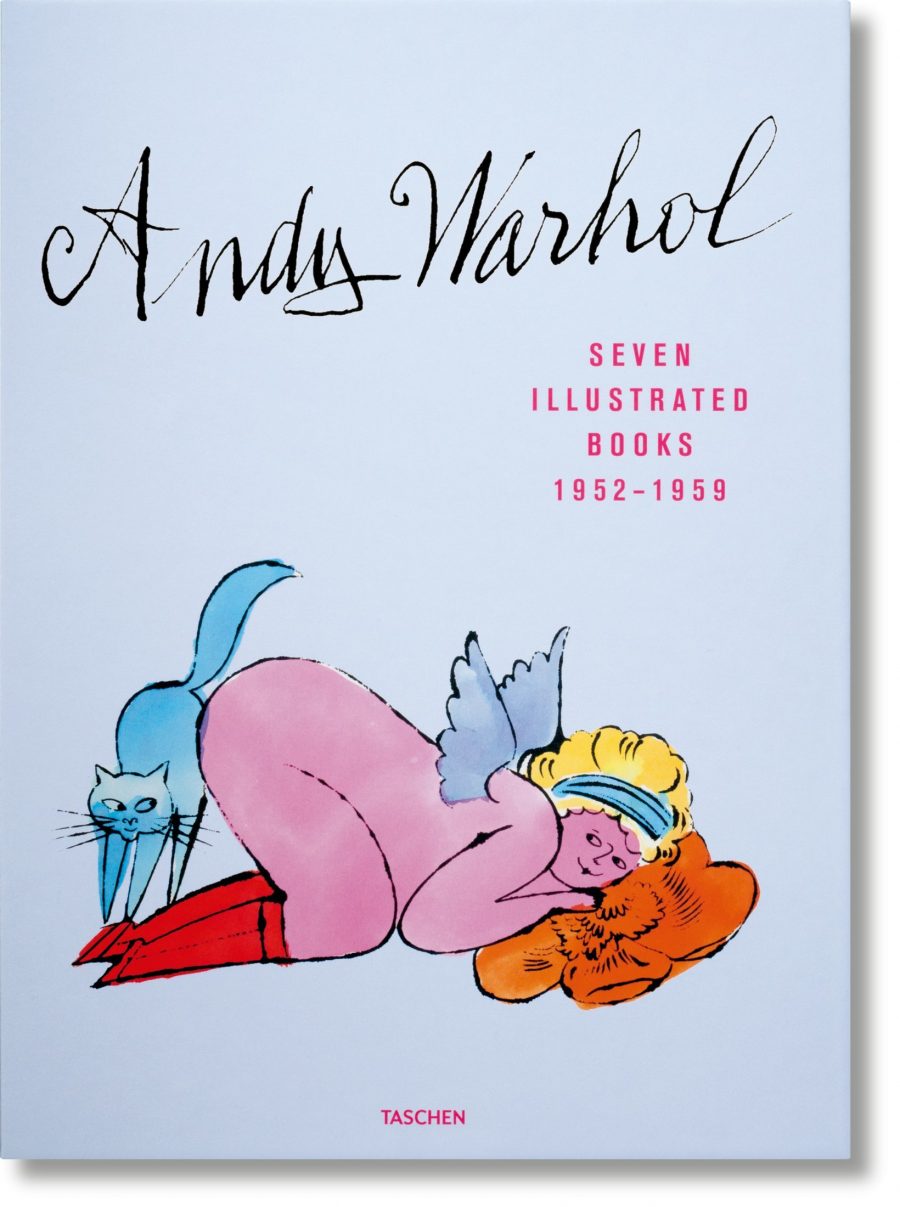
Andy Warhol had the taste of an eccen­tric child.

Mari­na Abramović takes the ascetic route.

Many have glady trad­ed the can­dle in the chi­anti bot­tle for the most rar­i­fied restau­rants in town.

Geor­gia O’Keefe and Fri­da Kahlo, PBS Dig­i­tal Stu­dios’ series the Art Assign­ment informs us, took cooking—and eating—seriously.

So seri­ous­ly, their culi­nary efforts led to cook­books, which the Art Assignment’s host, cura­tor Sarah Urist Green, tries out on cam­era.

O’Keefe, who grew up in Wis­con­sin on home­made yogurt, home­made cheese, and plen­ti­ful home­grown pro­duce, ground her own flour in order to bake dai­ly loaves of whole wheat bread.

Green treats view­ers to a brief overview of O’Keefe’s life and work as she strug­gles with the grinder. (You might get the same, or bet­ter, results if you take a $5 bill to a good bak­ery right at open­ing.)

She also tack­les the wheat germ Tiger’s Milk smooth­ie advo­cat­ed by Adele Davis, a nutri­tion­ist whom O’Keefe  admired, and Green Chiles with Gar­lic and Oil and Fried Eggs, using recipes from the cook­books A Painter’s Kitchen and Din­ner with Geor­gia O’Keefe.

Before attempt­ing the same, you might want to watch the Kahlo-cen­tric episode, above, in which Green dis­cov­ers a much bet­ter method for roast­ing the poblano pep­pers she hap­less­ly sub­sti­tut­ed for New Mex­i­co chiles in O’Keefe’s egg dish.

Here, they’re used for Chiles Rel­lenos, a dish whose pro­nun­ci­a­tion the self-effac­ing Green butch­ers, along with a mul­ti­tude of oth­er Span­ish phras­es, a fact not lost on the video’s Youtube com­menters. They also take issue with the pres­ence of plan­tains, her prepa­ra­tion of the Nopales Sal­ad, and her cook­ing skills in gen­er­al. No won­der Green—a self-pro­claimed wussy where ser­ra­nos are concerned—seems so eager to reach for a shot of tequi­la as din­ner is final­ly served.

Green chose the dish­es for this episode from Frida’s Fies­tas: Recipes and Rem­i­nis­cences of Life with Fri­da Kahlo by Marie-Pierre Colle and Kahlo’s step­daugh­ter, Guadalupe Rivera.

Kahlo her­self learned to cook from her mother’s copy of El Nue­vo Cocinero Meji­cano, and from hus­band Diego Rivera’s first wife, Guadalupe (lead­ing one to won­der if some of that cook­book’s recipes aren’t mis­at­trib­uted to the more famous cook).

As with the O’Keefe video and the cook­books cit­ed here­in, there’s a wealth of vin­tage pho­tos and repro­duced art­work on dis­play.

Even though Green alludes to Kahlo’s dark side, sen­si­tive stom­achs might have trou­ble with the inclu­sion of the graph­i­cal­ly vio­lent Unos Quan­tos Piqueti­tos. Anoth­er paint­ing, My Nurse and I is at least relat­ed to eat­ing, if not cook­ing and recipes.

Those with stom­achs of steel on the oth­er hand can con­tin­ue on to anoth­er Art Assignment—the supreme­ly gross Meat Sculp­ture from the Futur­ist Cook­book.

Relat­ed Con­tent:

The Futur­ist Cook­book (1930) Tried to Turn Ital­ian Cui­sine into Mod­ern Art

MoMA’s Artists’ Cook­book (1978) Reveals the Meals of Sal­vador Dalí, Willem de Koon­ing, Andy Warhol, Louise Bour­geois & More

Sal­vador Dalí’s 1973 Cook­book Gets Reis­sued: Sur­re­al­ist Art Meets Haute Cui­sine

Ayun Hal­l­i­day is an author, illus­tra­tor, the­ater mak­er and Chief Pri­ma­tol­o­gist of the East Vil­lage Inky zine.  Dis­cuss Emi­ly Dick­in­son with her infor­mal­ly at Pete’s Mini Zine­fest in Brook­lyn this Sat­ur­day. Fol­low her @AyunHalliday.

Émile-Antoine Bayard’s Vivid Illustrations of Jules Verne’s Around the Moon: The First Serious Works of Space Art (1870)

What does space trav­el look like? Even now, in the 21st cen­tu­ry, very, very few of us know first-hand. But we’ve all seen count­less images from count­less eras pur­port­ing to show us what it might look like. As with any­thing imag­ined by man, some­one had to ren­der a con­vinc­ing vision of space trav­el first, and that dis­tinc­tion may well go to 19th-cen­tu­ry French illus­tra­tor Émile-Antoine Bayard who, per­haps not sur­pris­ing­ly, worked with Jules Verne. Verne’s pio­neer­ing and pro­lif­ic work in sci­ence fic­tion lit­er­a­ture has kept him a house­hold name, but Bayard’s may sound more obscure; still, we’ve all seen his art­work, or at least we’ve all seen the draw­ing of Cosette the orphan he did for Les Mis­érables.

“Read­ers of Jules Verne’s ear­ly sci­ence-fic­tion clas­sic From the Earth to the Moon (De la terre à la lune) — which left the Bal­ti­more Gun Club’s bul­let-shaped pro­jec­tile, along with its three pas­sen­gers and dog, hurtling through space — had to wait a whole five years before learn­ing the fate of its heroes,” says The Pub­lic Domain Review.

When it appeared, 1870’s Around the Moon (Autour de la Lune) offered not just “a fine con­tin­u­a­tion of the space adven­ture” but “a superb series of wood engrav­ings to illus­trate the tale” cre­at­ed by Bayard. “There had been imag­i­nary views of oth­er worlds, and even of space flight before this,” writes Ron Miller in Space Art, “but until Verne’s book appeared, these views all had been heav­i­ly col­ored by mys­ti­cism rather than sci­ence.”

Com­posed strict­ly accord­ing to the sci­en­tif­ic facts known at the time — with a depar­ture here and there in the name of imag­i­na­tion and visu­al metaphor — the illus­tra­tions for A Trip Around the Moon, lat­er pub­lished in a sin­gle vol­ume with its pre­de­ces­sor as A Trip to the Moon and Around It, stand as the ear­li­est known exam­ple of sci­en­tif­ic space art. Verne went as far as to com­mis­sion a lunar map by famed selenog­ra­phers (lit­er­al­ly, schol­ars of the moom’s sur­face) Beer and Maedlerm, and just last year the Lin­da Hall Library named Bayard a “sci­en­tist of the day.” As with the uncan­ni­ly accu­rate pre­dic­tions in Verne’s ear­li­er nov­el Paris in the Twen­ti­eth Cen­tu­ry, a fair few of the ideas here, espe­cial­ly to do with the mechan­ics of the rock­et’s launch and return to Earth, remain sci­en­tif­i­cal­ly plau­si­ble.

What­ev­er the inno­va­tion of the pro­jec­t’s con­sid­er­able sci­en­tif­ic basis, its artis­tic impres­sion fired up more than a few oth­er imag­i­na­tions: both Verne’s words and Bayard’s art, all 44 pieces of which you can view here, served as major inspi­ra­tions for ear­ly film­mak­er and “father of spe­cial effects” Georges Méliès, for instance, when he made A Trip to the Moon. Dis­ap­point­ed com­plaints about our per­sis­tent lack of moon colonies or even com­mer­cial space flight may have long since grown tire­some, but the next time you hear one of us denizens of the 21st cen­tu­ry air them, remem­ber the work of Verne and Bayard and think of how deep into his­to­ry that desire real­ly runs.

Via The Pub­lic Domain Review.

Relat­ed Con­tent:

Jules Verne Accu­rate­ly Pre­dicts What the 20th Cen­tu­ry Will Look Like in His Lost Nov­el, Paris in the Twen­ti­eth Cen­tu­ry (1863)

How French Artists in 1899 Envi­sioned Life in the Year 2000: Draw­ing the Future

Sovi­et Artists Envi­sion a Com­mu­nist Utopia in Out­er Space

A Trip to the Moon (and Five Oth­er Free Films) by Georges Méliès, the Father of Spe­cial Effects

Based in Seoul, Col­in Mar­shall writes and broad­casts on cities and cul­ture. His projects include the book The State­less City: a Walk through 21st-Cen­tu­ry Los Ange­les and the video series The City in Cin­e­ma. Fol­low him on Twit­ter at @colinmarshall or on Face­book.

Ralph Steadman’s Wildly Illustrated Biography of Leonardo da Vinci (1983)

It is for good rea­son that we for­ev­er asso­ciate illus­tra­tor Ralph Stead­man with the deliri­ous work of Hunter S. Thomp­son. It took the two of them togeth­er to invent the gonzo style of jour­nal­ism, which we may almost call incom­plete now if pub­lished with­out the req­ui­site car­toon grotesques. Stead­man con­jures visions of dev­ils and demons as deft­ly as any medieval church painter, but his hells remain above ground and are most­ly man-made. Whether illus­trat­ing Ambrose Bierce’s Devil’s Dic­tio­nary, George Orwell’s Ani­mal Farm, the cast of Break­ing Bad, or the vis­ages of Amer­i­can pres­i­dents, he excels at show­ing us the freak­ish fever dreams of the mod­ern world. He may, wrote The New York Times’ Sher­win Smith in 1983, “be the most sav­age polit­i­cal car­toon­ist of the late 20th cen­tu­ry.”

Steadman’s illus­tra­tive lega­cy places him in the com­pa­ny of history’s great­est visu­al satirists, but also makes him an odd choice for a biog­ra­phy of Leonar­do da Vin­ci. Though Leonar­do fre­quent­ly drew car­i­ca­tures in his note­books, the bulk of the Renais­sance genius’s work con­cerns itself with order and precision—the pur­pose­ful­ness of his line a stark con­trast to the crazed ink splat­ters of Steadman’s work.

Nonethe­less, Steadman’s I, Leonar­do, which he under­took not on com­mis­sion but on his own ini­tia­tive, exhibits a pro­found insight into the Ital­ian painter-sculptor-philosopher-inventor’s rest­less cre­ative mind. Leonar­do pre­sent­ed a very cool exte­ri­or, but his inner life may well have resem­bled a Stead­man draw­ing.

The project came to life in 1983 as what Stead­man called “a qua­si-his­tor­i­cal mish­mash,” a “tongue-in-cheek” sup­posed long-lost auto­bi­og­ra­phy of Leonar­do in pic­tures. “It is more than a col­lec­tion of illus­tra­tions on Leonardo’s life, based upon three years of work and research,” remarked a Wash­ing­ton Post review. “Stead­man does not mere­ly the­o­rize about the man, but attempts to go inside the artist’s bones.” Stead­man, writes Maria Popo­va, “even trav­elled to Italy to stand where Leonar­do stood, seek­ing to envi­sion what it was like to inhab­it that end­less­ly imag­i­na­tive mind.” The illus­tra­tions are a sur­pris­ing­ly effec­tive com­bi­na­tion of da Vin­ci-esque dis­ci­pline and Stead­manesque sick humor.

In his intro­duc­tion to the book, Stead­man com­ments on Leonardo’s split per­sona. His “expe­ri­ence showed him that man was not what he appeared to be, despite the pre­vail­ing atmos­phere of fine thoughts and high aspi­ra­tions…. The puri­ty of his paint­ing set the divine stan­dard of Renais­sance art—and of any art for that mat­ter. I believe he pre­served intact a part of his pri­vate self which found out­let in his more per­son­al notes and draw­ings.” Many of those draw­ings include the afore­men­tioned car­i­ca­tures of mon­strous, gri­mac­ing beings who would fit right in with Steadman’s night­mar­ish draw­ings.

The gonzo illus­tra­tor found a kin­dred satir­i­cal Leonar­do inside the famed mas­ter draughts­man and engi­neer. His inter­est in the Renais­sance artist’s anar­chic psy­che mir­rors that of anoth­er keen observ­er, Sig­mund Freud, who described Leonar­do as “a man who awoke too ear­ly in the dark­ness, while the oth­ers were all still asleep.” (Steadman’s first “his­tor­i­cal mish­mash” project was a 1979 illus­trat­ed Freud biog­ra­phy.) The artist behind I, Leonar­do has a slight­ly dif­fer­ent take on the sub­ject. Stead­man, writes Smith, saw Leonar­do “in 1980’s terms—as ‘a man tak­en up by a cor­po­ra­tion that couldn’t use him.’”

See many more of Steadman’s Leonar­do illus­tra­tions at Brain Pick­ings and pur­chase a copy of the book here.

Relat­ed Con­tent:

Ralph Steadman’s Sur­re­al­ist Illus­tra­tions of George Orwell’s Ani­mal Farm (1995)

Gonzo Illus­tra­tor Ralph Stead­man Draws the Amer­i­can Pres­i­dents, from Nixon to Trump

Break­ing Bad Illus­trat­ed by Gonzo Artist Ralph Stead­man

Josh Jones is a writer and musi­cian based in Durham, NC. Fol­low him at @jdmagness

When John Cage & Marcel Duchamp Played Chess on a Chessboard That Turned Chess Moves Into Electronic Music (1968)


When is a chess game not a chess game?

When it’s played between Mar­cel Duchamp and John Cage.

Both the man who turned a uri­nal into a piece of mod­ern art and the man who reduced musi­cal com­po­si­tion all the way down to silence were fans of tak­ing things to absurd con­clu­sions. And they were both fans of chess; Duchamp the grand mas­ter and Cage the duti­ful stu­dent. Asked in 1974 whether Duchamp was a good teacher, Cage replied, “I was using chess as a pre­text to be with him. I didn’t learn, unfor­tu­nate­ly, while he was alive to play well.”

But Cage seemed to have lit­tle inter­est in com­pe­ti­tion. “Duchamp once watched me play­ing and became indig­nant when I didn’t win,” he said. “He accused me of not want­i­ng to win.” Instead, he approached chess as he approached the piano—as a decoy, a feint, that leads into anoth­er kind of game entire­ly. In a 1944 trib­ute to Duchamp, he paint­ed a chess­board that was actu­al­ly a musi­cal score, and, in 1968, he arranged a pub­lic game as a pre­text for a musi­cal per­for­mance called Reunion, per­formed in Toron­to with Duchamp and his wife Tee­ny (we have no film of the game-slash-con­cert; you can see Cage play Tee­ny in the video above).

Cage was an admir­er of the elder artist for over 20 years, play­ing chess with him fre­quent­ly. But he “didn’t want to both­er Duchamp with his friend­ship,” writes Syl­vere Lotringer, “until he real­ized that Duchamp’s health was fail­ing. Then he decid­ed to active­ly seek his com­pa­ny.” Play­ing on an elec­tron­ic chess board designed by Low­ell Cross, known as the inven­tor of the laser light show, the two cre­at­ed an extem­po­ra­ne­ous com­po­si­tion that last­ed as long as the audi­ence, and Duchamp, could tol­er­ate. “The con­cert,” Cross remem­bered on the for­ti­eth anniver­sary of the piece, “began short­ly after 8:30 on the evening of March 5, 1968, and con­clud­ed at approx­i­mate­ly 1:00 a.m. the next morn­ing.”

Debunk­ing a num­ber of mis­con­cep­tions about the chess­board, Cross explains that its oper­a­tion “depend­ed upon the cov­er­ing or uncov­er­ing of its 64 pho­tore­sis­tors.” It also con­tained con­tact micro­phones so that “the audi­ence could hear the phys­i­cal moves of the pieces of the board.” When either play­er made a move, it trig­gered one of sev­er­al elec­tron­ic “sound-gen­er­at­ing sys­tems” cre­at­ed by com­posers David Behrman, Gor­dan Mum­ma, David Tudor, and Cross him­self. Addi­tion­al­ly, “oscil­lo­scop­ic images emanat­ed from… mod­i­fied mono­chrome and col­or tele­vi­sion screens, which pro­vid­ed visu­al mon­i­tor­ing of some of the sound events pass­ing through the chess­board.”

As Lotringer describes the scene, the two mod­ernist giants “played until the room emp­tied. With­out a word said, Cage had man­aged to turn the chess game (Duchamp’s osten­sive refusal to work) into a work­ing per­for­mance…. Play­ing chess that night extend­ed life into art—or vice ver­sa. All it took was plug­ging in their brains to a set of instru­ments, con­vert­ing nerve sig­nals into sounds. Eyes became ears, moves music.” Duchamp had giv­en the impres­sion he was done mak­ing art. “Cage found a way to lure him into one final pub­lic appear­ance as an artist,” notes the Toron­to Dreams Project blog.

Indeed, Cage may have been for­mu­lat­ing the idea for over twen­ty years, each time he sat down to play a game with Duchamp, and lost. When Duchamp arrived in Cana­da for the per­for­mance at what was called the Sight­soundsys­tems Fes­ti­val, he had no idea that he would be par­tic­i­pat­ing in the head­lin­ing event.

What he found when he arrived was a sur­re­al scene. Two of the great­est artists of the twen­ti­eth cen­tu­ry took their seats in the mid­dle of the stage at the Ryer­son The­atre, bathed in bright light and the gaze of the audi­ence. Pho­tog­ra­phers cir­cled around them, shut­ters snap­ping; a movie cam­era whirred. The stage was a mess of gad­gets. There were wires every­where; a tan­gle of them plugged right into side of the chess­board. A pair of TV screens was set up on either side of the stage. The Toron­to Star called it “a cross between an elec­tron­ic fac­to­ry and a movie set.”

Cage lost, as usu­al, though he was more even­ly matched when he played Duchamp’s wife. The three of them, wrote the Globe, were “like fig­ures in a Beck­ett play, locked in some mean­ing­less game. The audi­ence, star­ing silent­ly and sul­len­ly at what was placed before it, was itself a char­ac­ter; and its role was as mean­ing­less as the oth­ers. It was total non-com­mu­ni­ca­tion, all around.” The wires run­ning from the chess­board con­nect­ed to “tuners, ampli­fiers and all man­ner of elec­tron­ic gad­getry,” the Star wrote, fill­ing the room with “screech­es, buzzes, twit­ters and rasps.”

The Star pro­nounced the event “infi­nite­ly bor­ing,” a wide­ly shared crit­i­cal assess­ment of the night. (Cage explains the Zen of bore­dom in his voice-over at the top.) But we can hard­ly expect most review­ers of either artist’s most exper­i­men­tal work to respond with less than bewil­der­ment, if not out­right hos­til­i­ty. It was to be Duchamp’s last pub­lic appear­ance. He passed away a few months lat­er. For Cage, the evening had been a suc­cess. As Cross put it, Reunion was “a pub­lic cel­e­bra­tion of Cage’s delight in liv­ing every­day life as an art form.”

Every­day life with Duchamp meant play­ing chess, and there were few greater influ­ences than Duchamp on Cage’s con­cep­tu­al approach to what music could be—and what could be music. “Like Duchamp,” writes PBS, “Cage found music around him and did not nec­es­sar­i­ly rely on express­ing some­thing from with­in.” Fur­ther up, see Cage’s 1944, Duchamp-inspired “Chess Pieces” per­formed on harp and accor­dion, and above hear a piece he wrote for Duchamp for a sequence in Hans Richter’s 1947 sur­re­al­ist film Dreams that Mon­ey Can Buy.

To delve deep­er, you can explore the book, Mar­cel Duchamp: The Art of Chess by Fran­cis M. Nau­mann.

Relat­ed Con­tent:

Mar­cel Duchamp, Chess Enthu­si­ast, Cre­at­ed an Art Deco Chess Set That’s Now Avail­able via 3D Print­er

Play Chess Against the Ghost of Mar­cel Duchamp: A Free Online Chess Game

The Music of Avant-Garde Com­pos­er John Cage Now Avail­able in a Free Online Archive

Josh Jones is a writer and musi­cian based in Durham, NC. Fol­low him at @jdmagness

« Go BackMore in this category... »
Quantcast