Behold the Beautiful Designs of Brazil’s 1920s Art Deco Magazine, Para Todos

Art Nou­veau, Art Deco… these are terms we asso­ciate not only with a par­tic­u­lar peri­od in history—the turn of the 20th cen­tu­ry and the ensu­ing jazz-age of the 20s—but also with par­tic­u­lar locales: Paris, New York, L.A., Lon­don, Vien­na, or the Jugend­stil of Weimar Munich. We prob­a­bly do not think of Rio de Janeiro. This may be due to bias­es about the priv­i­leged loca­tion of cul­ture, such that most peo­ple in Europe and North Amer­i­ca, even those with an arts edu­ca­tion, know very lit­tle about art from “the colonies.”

But it is also the case that Brazil had its own mod­ern art move­ment, one that strove for a dis­tinct­ly Brazil­ian sen­si­bil­i­ty even as it remained in dia­logue with Europe and the U.S. The move­ment announced itself in 1922, the cen­ten­ni­al of the South Amer­i­can nation’s inde­pen­dence from Por­tu­gal.

In cel­e­bra­tion, artists from São Paulo held the Sem­ana de Arte Mod­er­na, sev­en days in which, the BBC writes, they “con­struct­ed, decon­struct­ed, per­formed, sculpt­ed, gave lec­tures, read poet­ry and cre­at­ed some of the most avant-garde works ever seen in Brazil.”

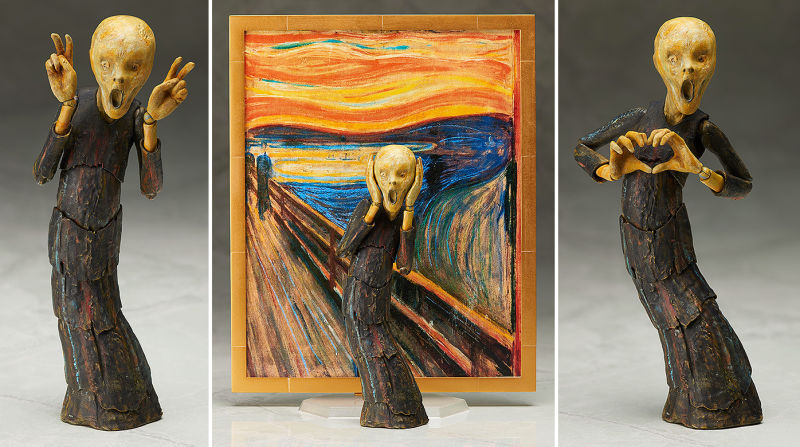
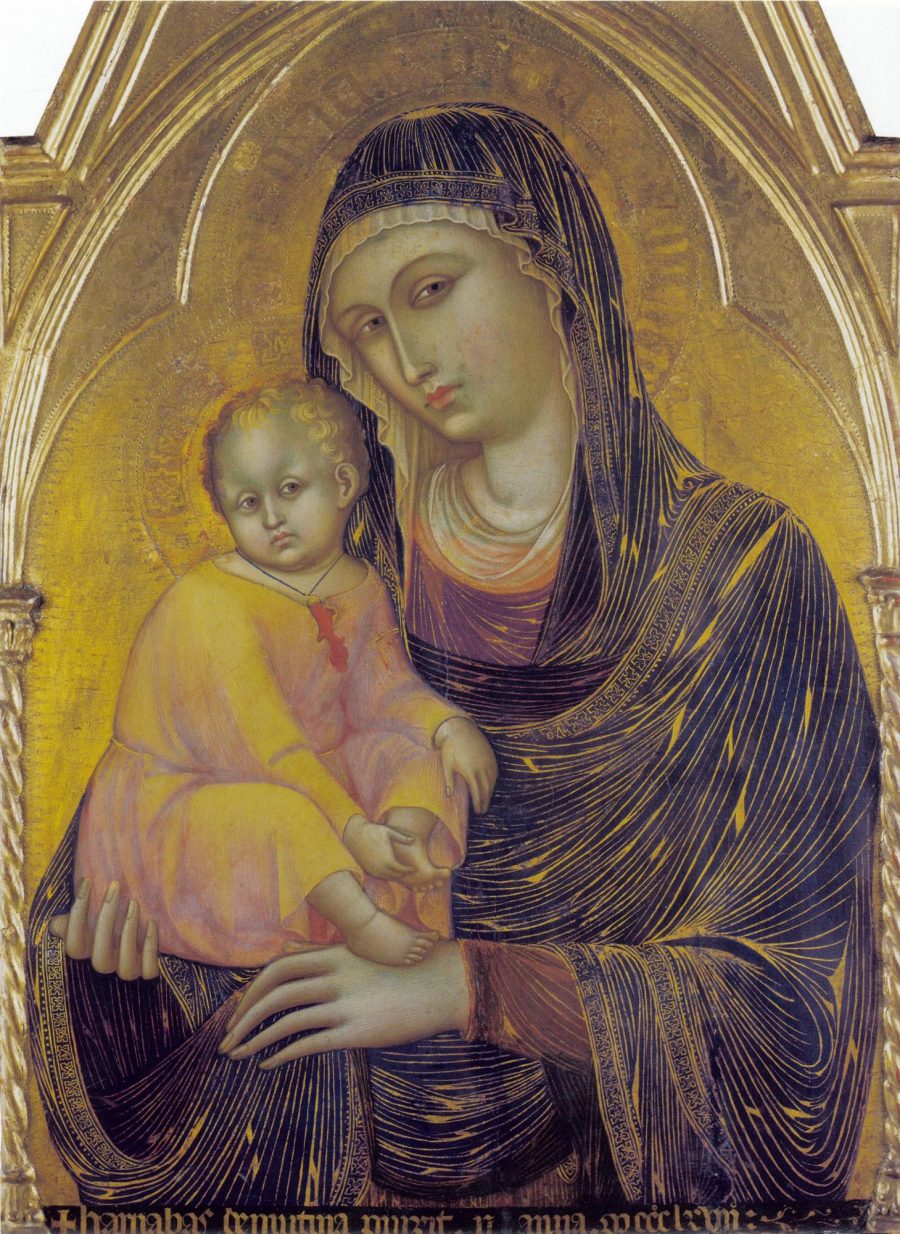
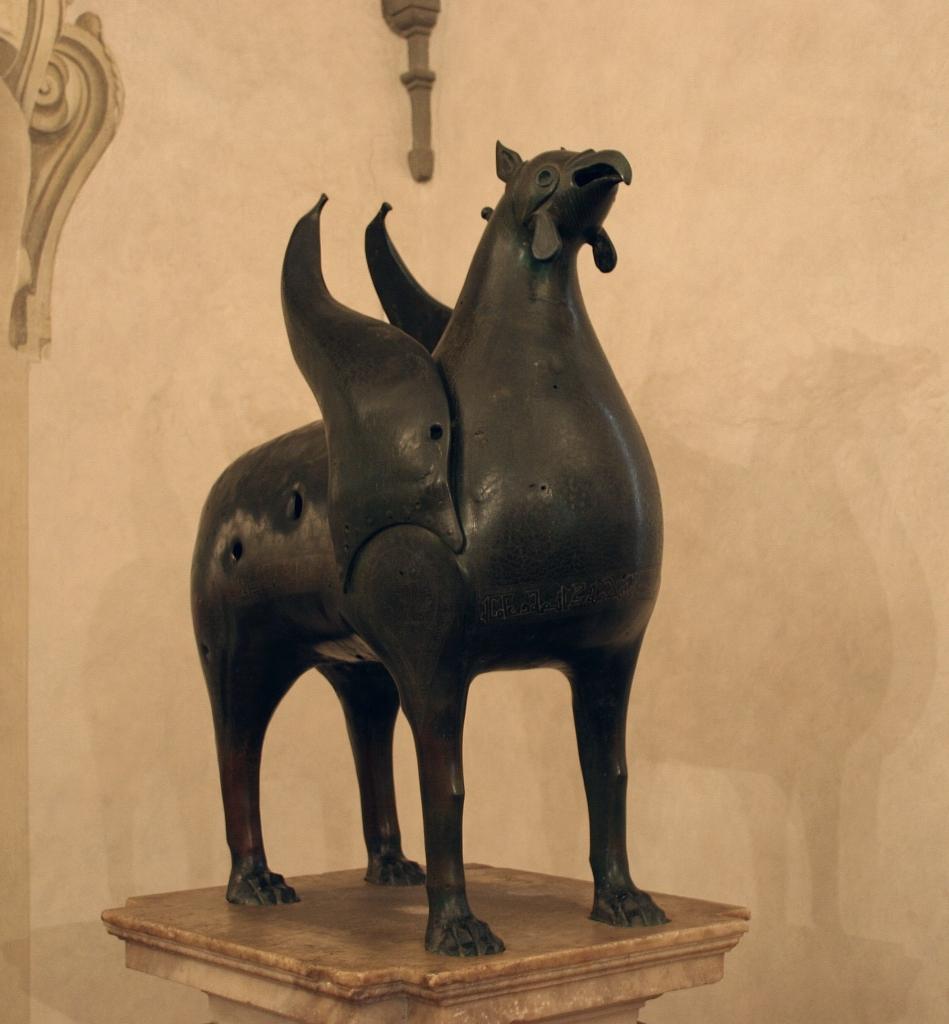
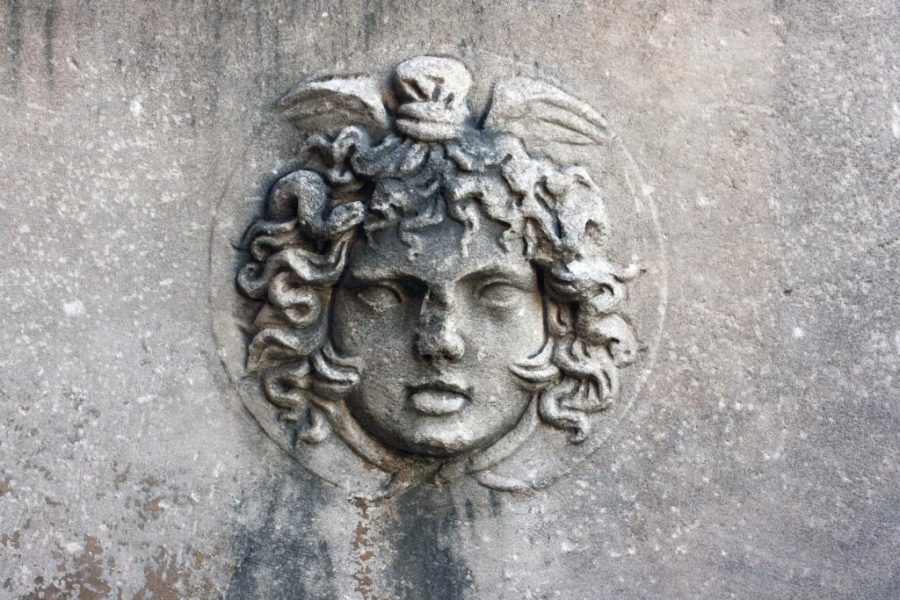
1922 also hap­pened to be the year that a Rio de Janeiro-born artist, illus­tra­tor, and graph­ic design­er who went by the name J. Car­los (José Car­los de Brito e Cun­ha) took over the direc­tion of the mag­a­zine Para Todos. Found­ed in 1918, the mag­a­zine began as a film rag, and its cov­ers faith­ful­ly fea­tured pho­to spreads of movie stars. But in 1926, Car­los, who had already proven him­self a “major tal­ent in Brazil­ian Art Deco graph­ic design,” writes Messy Nessy, began draw­ing his own cov­er illus­tra­tions, and he con­tin­ued to do so for the next four years, as well as draw­ing thou­sands of car­toons and writ­ing vaude­ville plays and sam­ba lyrics.

His work clear­ly draws from Euro-Amer­i­can sources, includ­ing sev­er­al unfor­tu­nate racial car­i­ca­tures. But it also intro­duces some unique­ly Brazil­ian ele­ments, or unique­ly Car­los-ian ele­ments, that seem almost pro­to-psy­che­del­ic (we might imag­ine a jazz-age Os Mutantes accom­pa­ny­ing these trip­py designs).  J. Car­los was a pro­lif­ic artist who “col­lab­o­rat­ed in design and illus­tra­tion in all the major pub­li­ca­tions of Brazil from the 1920s until the 1950s.” In all, it’s esti­mat­ed that he left behind over 100,000 illus­tra­tions. So devot­ed was Car­los to the art and cul­ture of his native city that he appar­ent­ly turned down an invi­ta­tion by Walt Dis­ney to work in Hol­ly­wood.

Print mag­a­zine describes Car­los’ work as “a cross between Aubrey Beard­s­ley and John Held Jr.,” and while there is no short­age of the wil­lowy, doll-like flap­pers, elon­gat­ed, elfin fig­ures, and intri­cate, spi­dery pat­terns we would expect from this deriva­tion, Car­los is also doing some­thing very dif­fer­ent from either of those artists—or real­ly from any­one work­ing in the North­ern Hemi­sphere. He has since become a hero­ic fig­ure for Brazil­ian artists and schol­ars, inspir­ing an exten­sive web project, a visu­al the­sis on Issuu, and two recent doc­u­men­tary films (all in Por­tuguese), which you can find here.

In 2009, Car­los received a posthu­mous hon­or that prob­a­bly would have thrilled him in life, a trib­ute song by the Académi­cos da Rocin­ha sam­ba club. Lis­ten to it here and find sev­er­al more of Car­los’ Para Todos cov­ers at Messy Nessy, Print, and the Brazil­ian blog Os cam­in­hos do Jour­nal­is­mo.

Relat­ed Con­tent:

Down­load Hun­dreds of Issues of Jugend, Germany’s Pio­neer­ing Art Nou­veau Mag­a­zine (1896–1940)

Down­load Influ­en­tial Avant-Garde Mag­a­zines from the Ear­ly 20th Cen­tu­ry: Dadaism, Sur­re­al­ism, Futur­ism & More

Oscar Wilde’s Play Salome Illus­trat­ed by Aubrey Beard­s­ley in a Strik­ing Mod­ern Aes­thet­ic (1894)

Har­ry Clarke’s 1926 Illus­tra­tions of Goethe’s Faust: Art That Inspired the Psy­che­del­ic 60s

Josh Jones is a writer and musi­cian based in Durham, NC. Fol­low him at @jdmagness

A New Mural Pays Tribute to John Coltrane in Philadelphia

Image by WRTI.ORG

Ear­li­er this sum­mer, artists paint­ed a 10-sto­ry high mur­al of Mud­dy Waters in the heart of Chica­go. Now, Philadel­phia answered with a mur­al of its own, right at the cor­ner of 29th and Dia­mond. There, you’ll find a giant paint­ing of John Coltrane by artist Ernel Mar­tinez, which takes visu­al cues from anoth­er Coltrane mur­al that graced the side of a Philly build­ing from 2002 until 2014.

The new mur­al is not far from where Coltrane bought his Philadel­phia home in 1952. (It’s now a nation­al land­mark, by the way.) The jazz web site, wrti.org, has more on the new mur­al.

If you would like to sign up for Open Culture’s free email newslet­ter, please find it here. It’s a great way to see our new posts, all bun­dled in one email, each day.

If you would like to sup­port the mis­sion of Open Cul­ture, con­sid­er mak­ing a dona­tion to our site. It’s hard to rely 100% on ads, and your con­tri­bu­tions will help us con­tin­ue pro­vid­ing the best free cul­tur­al and edu­ca­tion­al mate­ri­als to learn­ers every­where. You can con­tribute through Pay­Pal, Patre­on, and Ven­mo (@openculture). Thanks!

via @TedGioia

Relat­ed Con­tent:

Her­bie Han­cock to Teach His First Online Course on Jazz

John Coltrane Draws a Pic­ture Illus­trat­ing the Math­e­mat­ics of Music

The Secret Link Between Jazz and Physics: How Ein­stein & Coltrane Shared Impro­vi­sa­tion and Intu­ition in Com­mon

John Coltrane’s Hand­writ­ten Out­line for His Mas­ter­piece A Love Supreme

John Coltrane’s ‘Giant Steps’ Ani­mat­ed

The Complex Geometry of Islamic Art & Design: A Short Introduction

When you think of the accom­plish­ments of the Islam­ic world, what comes to mind? For most of this cen­tu­ry so far, at least in the West, the very notion has had asso­ci­a­tions in many minds with not cre­ation but destruc­tion. In 2002, math­e­mati­cian Kei­th Devlin lament­ed how “the word Islam con­jures up images of fanat­i­cal ter­ror­ists fly­ing jet air­planes full of peo­ple into build­ings full of even more peo­ple” and “the word Bagh­dad brings to mind the unscrupu­lous and decid­ed­ly evil dic­ta­tor Sad­dam Hus­sein.” Iron­i­cal­ly, writes Devlin, “the cul­ture that these fanat­ics claim to rep­re­sent when they set about try­ing to destroy the mod­ern world of sci­ence and tech­nol­o­gy was in fact the cra­dle in which that tra­di­tion was nur­tured. As math­e­mati­cians, we are all chil­dren of Islam.”

You don’t have to dig deep into his­to­ry to dis­cov­er the con­nec­tion between Islam and math­e­mat­ics; you can sim­ply see it. “In Islam­ic cul­ture, geom­e­try is every­where,” says the nar­ra­tor of the brief TED-Ed les­son above. “You can find it in mosques, madrasas, palaces, and pri­vate homes.”

Script­ed by writer and con­sul­tant on Islam­ic design Eric Broug, the video breaks down the com­plex, abstract geo­met­ric pat­terns found every­where in Islam­ic art and design, from its “intri­cate flo­ral motifs adorn­ing car­pets and tex­tiles to pat­terns of tile­work that seem to repeat infi­nite­ly, inspir­ing won­der and con­tem­pla­tion of eter­nal order.”

And the tools used to ren­der these visions of eter­ni­ty? Noth­ing more advanced than a com­pass and a ruler, Broug explains, used to first draw a cir­cle, divide that cir­cle up, draw lines to con­struct repeat­ing shapes like petals or stars, and keep intact the grid under­ly­ing the whole pat­tern. The process of repeat­ing a geo­met­ric pat­tern on a grid, called tes­sel­la­tion, may seen famil­iar indeed to fans of the math­e­mat­i­cal­ly mind­ed artist M.C. Esch­er, who used the very same process to demon­strate what won­drous artis­tic results can emerge from the use of sim­ple basic pat­terns. In fact, Escher’s Dutch coun­try­man Broug once wrote an essay on the con­nec­tions between his art and that of the Islam­ic world for the exhib­it Esch­er Meets Islam­ic Art at Ams­ter­dam’s Tropen­mu­seum.

Esch­er first encoun­tered tes­sel­la­tions on a trip to the Islam­ic world him­self, in the “col­or­ful abstract dec­o­ra­tions in the 14th cen­tu­ry Alham­bra, the well-known palace and fortress com­plex in South­ern Spain,” writes Al.Arte’s Aya Johan­na Daniëlle Dürst Britt. “Although he vis­it­ed the Alham­bra in 1922 after his grad­u­a­tion as a graph­ic artist, he was already inter­est­ed in geom­e­try, sym­me­try and tes­sel­la­tions for some years.” His fas­ci­na­tions includ­ed “the effect of col­or on the visu­al per­spec­tive, caus­ing some motifs to seem infi­nite — an effect part­ly caused by sym­me­try.” His sec­ond vis­it to Alham­bra, in 1936, solid­i­fied his under­stand­ing of the prin­ci­ples of tes­sel­la­tion, and he would go on to base about a hun­dred of his own pieces on the pat­terns he saw there. Those who seek the door to infin­i­ty under­stand that any tra­di­tion may hold the keys.

Relat­ed Con­tent:

How Ara­bic Trans­la­tors Helped Pre­serve Greek Phi­los­o­phy … and the Clas­si­cal Tra­di­tion

Learn Islam­ic & Indi­an Phi­los­o­phy with 107 Episodes of the His­to­ry of Phi­los­o­phy With­out Any Gaps Pod­cast

Ancient Maps that Changed the World: See World Maps from Ancient Greece, Baby­lon, Rome, and the Islam­ic World

Watch M.C. Esch­er Make His Final Artis­tic Cre­ation in the 1971 Doc­u­men­tary Adven­tures in Per­cep­tion

Based in Seoul, Col­in Mar­shall writes and broad­casts on cities and cul­ture. He’s at work on the book The State­less City: a Walk through 21st-Cen­tu­ry Los Ange­les, the video series The City in Cin­e­ma, the crowd­fund­ed jour­nal­ism project Where Is the City of the Future?, and the Los Ange­les Review of Books’ Korea Blog. Fol­low him on Twit­ter at @colinmarshall or on Face­book.

Lynda Barry on How the Smartphone Is Endangering Three Ingredients of Creativity: Loneliness, Uncertainty & Boredom

The phone gives us a lot but it takes away three key ele­ments of dis­cov­ery: lone­li­ness, uncer­tain­ty and bore­dom. Those have always been where cre­ative ideas come from. — Lyn­da Bar­ry

In the spring of 2016, the great car­toon­ist and edu­ca­tor, Lyn­da Bar­ry, did the unthink­able, pri­or to giv­ing a lec­ture and writ­ing class at NASA’s God­dard Space Flight Cen­ter.

She demand­ed that all par­tic­i­pat­ing staff mem­bers sur­ren­der their phones and oth­er such per­son­al devices.

Her vic­tims were as jan­gled by this prospect as your aver­age iPhone-addict­ed teen, but sur­ren­dered, agree­ing to write by hand, anoth­er anti­quat­ed notion Bar­ry sub­scribes to:

The delete but­ton makes it so that any­thing you’re unsure of you can get rid of, so noth­ing new has a chance. Writ­ing by hand is a rev­e­la­tion for peo­ple. Maybe that’s why they asked me to NASA – I still know how to use my hands… there is a dif­fer­ent way of think­ing that goes along with them.

Barry—who told the Onion’s AV Club that she craft­ed her book What It Is with an eye toward bored read­ers stuck in a Jiffy Lube oil-change wait­ing room—is also a big pro­po­nent of doo­dling, which she views as a cre­ative neu­ro­log­i­cal response to bore­dom:

Bor­ing meet­ing, you have a pen, the usu­al clowns are yakking. Most peo­ple will draw some­thing, even peo­ple who can’t draw. I say “If you’re bored, what do you draw?” And every­body has some­thing they draw. Like “Oh yeah, my lit­tle guy, I draw him.” Or “I draw eye­balls, or palm trees.” … So I asked them “Why do you think you do that? Why do you think you doo­dle dur­ing those meet­ings?” I believe that it’s because it makes hav­ing to endure that par­tic­u­lar sit­u­a­tion more bear­able, by chang­ing our expe­ri­ence of time. It’s so slight. I always say it’s the dif­fer­ence between, if you’re not doo­dling, the min­utes feel like a cheese grater on your face. But if you are doo­dling, it’s more like Bril­lo.  It’s not much bet­ter, but there is a dif­fer­ence. You could han­dle Bril­lo a lit­tle longer than the cheese grater.

Meet­ings and class­rooms are among the few remain­ing venues in which screen-addict­ed moths are expect­ed to force them­selves away from the phone’s invit­ing flame. Oth­er settings—like the Jiffy Lube wait­ing room—require more ini­tia­tive on the user’s part.

Once, we were keen­er stu­dents of minor changes to famil­iar envi­ron­ments, the books strangers were read­ing in the sub­way, and those strangers them­selves. Our sub­se­quent obser­va­tions were known to spark con­ver­sa­tion and some­times ideas that led to cre­ative projects.

Now, many of us let those oppor­tu­ni­ties slide by, as we fill up on such fleet­ing con­fec­tions as Can­dy Crush, fun­ny videos, and all-you-can-eat serv­ings of social media.

It’s also tempt­ing to use our phones as defac­to shields any time social anx­i­ety looms. This dodge may pro­vide short term com­fort, espe­cial­ly to younger peo­ple, but remem­ber, Bar­ry and many of her car­toon­ist peers, includ­ing Daniel Clowes, Simon Hansel­mann, and Ariel Schrag, toughed it out by mak­ing art. That’s what got them through the lone­li­ness, uncer­tain­ty, and bore­dom of their mid­dle and high school years.

The book you hold in your hands would not exist had high school been a pleas­ant expe­ri­ence for me… It was on those qui­et week­end nights when even my par­ents were out hav­ing fun that I began mak­ing seri­ous attempts to make sto­ries in comics form.

Adri­an Tomine, intro­duc­tion to 32 Sto­ries

Bar­ry is far from alone in encour­ag­ing adults to peel them­selves away from their phone depen­den­cy for their cre­ative good.

Pho­tog­ra­ph­er Eric Pickersgill’s Removed imag­ines a series of every­day sit­u­a­tions in which phones and oth­er per­son­al devices have been ren­dered invis­i­ble. (It’s worth not­ing that he removed the offend­ing arti­cles from the mod­els’ hands, rather that Pho­to­shop­ping them out lat­er.)

Com­put­er Sci­ence Pro­fes­sor Calvin Newport’s recent book, Deep Work, posits that all that shal­low phone time is cre­at­ing stress, anx­i­ety, and lost cre­ative oppor­tu­ni­ties, while also doing a num­ber on our per­son­al and pro­fes­sion­al lives.

Author Manoush Zomoro­di’s recent TED Talk on how bore­dom can lead to bril­liant ideas, below, details a week­long exper­i­ment in bat­tling smart­phone habits, with lots of sci­en­tif­ic evi­dence to back up her find­ings.

But what if you wipe the slate of dig­i­tal dis­trac­tions only to find that your brain’s just… emp­ty? A once occu­pied room, now devoid of any­thing but dim­ly recalled memes, and gen­er­al­ized dread over the state of the world?

The afore­men­tioned 2010 AV Club inter­view with Bar­ry offers both encour­age­ment and some use­ful sug­ges­tions that will get the tem­porar­i­ly par­a­lyzed mov­ing again:

I don’t know what the strip’s going to be about when I start. I nev­er know. I often­times have—I call it the word-bag. Just a bag of words. I’ll just reach in there, and I’ll pull out a word, and it’ll say “ping-pong.” I’ll just have that in my head, and I’ll start draw­ing the pic­tures as if I can… I hear a sen­tence, I just hear it. As soon as I hear even the begin­ning of the first sen­tence, then I just… I write real­ly slow. So I’ll be writ­ing that, and I’ll know what’s going to go at the top of the pan­el. Then, when it gets to the end, usu­al­ly I’ll know what the next one is. By three sen­tences or four in that first pan­el, I stop, and then I say “Now it’s time for the draw­ing.” Then I’ll draw. But then I’ll hear the next one over on anoth­er page! Or when I’m draw­ing Marlys and Arna, I might hear her say some­thing, but then I’ll hear Marlys say some­thing back. So once that first sen­tence is there, I have all kinds of choic­es as to where I put my brush. But if noth­ing is hap­pen­ing, then I just go over to what I call my decoy page. It’s like decoy ducks. I go over there and just start mess­ing around.

Relat­ed Con­tent:

How Infor­ma­tion Over­load Robs Us of Our Cre­ativ­i­ty: What the Sci­en­tif­ic Research Shows

The Case for Delet­ing Your Social Media Accounts & Doing Valu­able “Deep Work” Instead, Accord­ing to Prof. Cal New­port

Lyn­da Barry’s Illus­trat­ed Syl­labus & Home­work Assign­ments from Her New UW-Madi­son Course, “Mak­ing Comics”

Lyn­da Bar­ry, Car­toon­ist Turned Pro­fes­sor, Gives Her Old Fash­ioned Take on the Future of Edu­ca­tion

Ayun Hal­l­i­day is an author, illus­tra­tor, the­ater mak­er and Chief Pri­ma­tol­o­gist of the East Vil­lage Inky zine.  Fol­low her @AyunHalliday.

The Planetarium Table Clock: Magnificent 1775 Timepiece Tracks the Passing of Time & the Travel of the Planets

If you’re in Zurich, head over to the Bey­er Clock and Watch Muse­um, which presents the his­to­ry of time­keep­ing and time­keep­ing instru­ments, from 1400 BC to mod­ern times. On dis­play, you’ll find sun­di­als, water and tow­er clocks, Renais­sance automa­ta, and pen­du­lum clocks. And the Plan­e­tar­i­um Table Clock fea­tured above.

Made cir­ca 1775, the plan­e­tar­i­um clock keeps time … and so much more. Accord­ing to the Muse­um of Arti­facts web­site, the earth (look in the glass orb) “rotates around the sun in per­fect real time.” And the “oth­er five plan­ets rotate as well–they “go up, down, around, in rela­tion to the etched con­stel­la­tions of pre­cise­ly posi­tioned stars on the crys­tal globe, which if you are smart enough will reveal what sea­son it is.” This fine time­keep­ing piece was the joint cre­ation of Nicole-Reine Lep­aute, a French astronomer who pre­dict­ed the return of Hal­ley’s Comet, and her hus­band, Jean-André Lep­aute, who presided over a clock­mak­ing dynasty and became hor­loger du Roi (clock­mak­er to the king).

It’s hard to imag­ine that the Plan­e­tar­i­um clock did­n’t some­how inspire a more mod­ern creation–the Mid­night Plané­tar­i­um, an astro­nom­i­cal watch that shows the rota­tion of five plan­ets — Mer­cury, Venus, Earth, Mars, Jupiter, and Sat­urn. It has a price tag of $220,000 (exclud­ing sales tax). See it on dis­play below.

If you would like to sign up for Open Culture’s free email newslet­ter, please find it here. It’s a great way to see our new posts, all bun­dled in one email, each day.

If you would like to sup­port the mis­sion of Open Cul­ture, con­sid­er mak­ing a dona­tion to our site. It’s hard to rely 100% on ads, and your con­tri­bu­tions will help us con­tin­ue pro­vid­ing the best free cul­tur­al and edu­ca­tion­al mate­ri­als to learn­ers every­where. You can con­tribute through Pay­Pal, Patre­on, and Ven­mo (@openculture). Thanks!

Relat­ed Con­tent:

How Clocks Changed Human­i­ty For­ev­er, Mak­ing Us Mas­ters and Slaves of Time

An Ani­mat­ed Alan Watts Wax­es Philo­soph­i­cal About Time in The Fine Art of Goof­ing Off, the 1970s “Sesame Street for Grown-Ups”

Carl Sagan Presents Six Lec­tures on Earth, Mars & Our Solar Sys­tem … For Kids (1977)

by | Permalink | Make a Comment ( 1 ) |

Gustav Klimt’s Haunting Paintings Get Re-Created in Photographs, Featuring Live Models, Ornate Props & Real Gold

Image by Inge Prad­er

Gus­tav Klimt paint­ed a glit­ter­ing, erot­ic, haunt­ing real­i­ty of his own, dis­tinc­tive even by the stan­dards of his artis­ti­cal­ly abun­dant envi­ron­ment of late 19th- and ear­ly 20th-cen­tu­ry Vien­na. “Who­ev­er wants to know some­thing about me,” he once wrote in a com­men­tary on the self-por­trait he nev­er paint­ed, “ought to look care­ful­ly at my pic­tures.” Giv­en the lev­el of scruti­ny with which she’s no doubt had to look at his pic­tures, Klimt’s coun­try­woman Inge Prad­er must there­fore know every­thing about the painter there is to know.

Image by Inge Prad­er

A pho­tog­ra­ph­er with a wide vari­ety of cor­po­rate clients, Prad­er has drawn a good deal of atten­tion by shoot­ing recre­ations of Klimt’s can­vass­es made for Vien­na’s Life Ball, an AIDS char­i­ty event, using real mod­els, real cos­tumes, and real gold. That last has a par­tic­u­lar impor­tance, giv­en Prader’s focus on paint­ings from the “Gold­en Phase” that Klimt entered after becom­ing a suc­cess. “In 1903 Klimt vis­it­ed Venice, Ravenne and Flo­rence,” writes Kon­bini’s Don­nia Ghe­zlane-Lala. “It was his vis­it to the San Vitale basil­i­ca in Ravenne that struck him the most. Fas­ci­nat­ed by Byzan­tine mosaics, he decid­ed to inte­grate the colour gold into his work using gold paper and gold leaf. Also, fun fact, Klimt was the son of a gold­smith.”

Image by Inge Prad­er

Prader’s “care­ful­ly posed mod­els and intri­cate­ly craft­ed props dupli­cate some of Klimt’s most icon­ic mas­ter­works like Death and Life and Beethoven Frieze, mir­ror­ing the gold hued, high­ly dec­o­ra­tive and erot­ic aes­thet­ic the Aus­tri­an artist became best known for,” writes Design­boom’s Nina Azzarel­lo. “Rich­ly orna­ment­ed cos­tumes cloth­ing war­riors and women alike are sit­u­at­ed along­side semi-nude fig­ures and set against detailed mosa­ic back­drops.” These “par­adise-like con­di­tions” on the can­vas trans­fer sur­pris­ing­ly well to pho­tog­ra­phy, espe­cial­ly with the eye Prad­er has devel­oped in fash­ion and adver­tis­ing, two realms guar­an­teed to instill any­body with a pos­i­tive­ly Klimt-like appre­ci­a­tion for strik­ing com­po­si­tions, lux­u­ri­ous mate­ri­als, and beau­ti­ful women.

You can see more of Prader’s Klimt recre­ations at Kon­bi­ni and Design­boom.

Relat­ed Con­tent:

Pho­tog­ra­ph­er Cre­ates Stun­ning Real­is­tic Por­traits That Recre­ate Sur­re­al Scenes from Hierony­mus Bosch Paint­ings

Flash­mob Recre­ates Rembrandt’s “The Night Watch” in a Dutch Shop­ping Mall

How Famous Paint­ings Inspired Cin­e­mat­ic Shots in the Films of Taran­ti­no, Gilliam, Hitch­cock & More: A Big Super­cut

Name That Paint­ing!

Based in Seoul, Col­in Mar­shall writes and broad­casts on cities and cul­ture. He’s at work on the book The State­less City: a Walk through 21st-Cen­tu­ry Los Ange­les, the video series The City in Cin­e­ma, the crowd­fund­ed jour­nal­ism project Where Is the City of the Future?, and the Los Ange­les Review of Books’ Korea Blog. Fol­low him on Twit­ter at @colinmarshall or on Face­book.

Download Hundreds of Issues of Jugend, Germany’s Pioneering Art Nouveau Magazine (1896–1940)

It’s an ungain­ly word for Eng­lish speak­ers, which is maybe why we do not hear it often: Gle­ich­schal­tung. Yet the con­cept remains cen­tral for a clear view of what hap­pened to Ger­many in the 1930s. In 1933, the nation com­plete­ly trans­formed, seem­ing­ly overnight, through “a con­cert­ed pol­i­cy of ‘coor­di­na­tion’ (Gleis­chal­tung),” the U.S. Holo­caust Muse­um writes. “Cul­ture, the econ­o­my, edu­ca­tion, and law all came under Nazi con­trol.” Those artists and orga­ni­za­tions that were not purged had their essen­tial char­ac­ter changed to reflect an entire­ly dif­fer­ent set of artis­tic and polit­i­cal val­ues. One pub­li­ca­tion, espe­cial­ly, serves as an exam­ple of the Naz­i­fi­ca­tion of cul­ture.

The arts jour­nal Jugend (Youth), writes Messy ’N Chic, “had been turned large­ly into pro­pa­gan­da” between 1933 and 1940, its final year. But pri­or to the regime’s takeover, Jugend show­cased the most avant-garde, “degen­er­ate” artists of the era, and might have been “the ‘braini­est’ peri­od­i­cal of the day,” as one crit­ic wrote in a 1904 issue of The Yale Lit­er­ary Mag­a­zine. “There is no mag­a­zine pub­lished in Eng­land or in this coun­try which is at all like it.”

You can take a look yourself—browse, search, and down­load hun­dreds of scanned issues of Jugend at the Uni­ver­si­ty of Hei­del­berg’s dig­i­tal archive, thou­sands of pages in PDF form, span­ning the mag­a­zine’s forty-four year his­to­ry. You can also see images at Flickr.

As in Eng­land, France, Aus­tria, and the U.S., the Art Nou­veau move­ment in Ger­many emerged from a whirl­wind of post-Impres­sion­ist paint­ing, Ori­en­tal­ist motifs, folk art, mod­ernist art and adver­tis­ing, book illus­tra­tion, and graph­ic and indus­tri­al design. Appro­pri­ate­ly, giv­en its perch on the thresh­old of a new mil­len­ni­um, Art Nou­veau looked both backward—to the medieval, goth­ic, and Romantic—and for­ward toward a more mod­ernist, urbane, and urban­ized sen­si­bil­i­ty.

So influ­en­tial was Jugend that Art Nou­veau in Ger­many became known as Jugend­stil. The Oxford Crit­i­cal and Cul­tur­al His­to­ry of Mod­ernist Mag­a­zines writes, “Among Jugend’s most impor­tant qualities—indeed, an essen­tial aspect of Art Nou­veau and its Ger­man equiv­a­lent Jugend­stil—was its bril­liant escapism.” Found­ed in 1896 by writer George Hirth, the mag­a­zine was “from the start a venue to pro­mote the new cul­tur­al Renais­sance with­out recourse to the estab­lished ‘vin­tage’ art.” (See its very first cov­er right above.)

Jugen­stil was pri­mar­i­ly based in Munich, where most of its artists, design­ers, and writ­ers lived and worked, until the turn of the cen­tu­ry, when, notes the Art Ency­clo­pe­dia, “the Munich group dis­persed, head­ing for Berlin, Weimar and Darm­stadt.” Art Nou­veau in Ger­many devel­oped in two phas­es, “a pre-1900 phase dom­i­nat­ed by flo­ral motifs, them­selves root­ed in Eng­lish Art Nou­veau and Japan­ese art,” and a “post-1900 phase, marked by a ten­den­cy towards abstract art.”

While we know the names of many Art Nou­veau artists from else­where in Europe—Henri Toulouse-Lautrec in France, Aubrey Beard­s­ley in Eng­land, Gus­tave Klimt in Aus­tria, for exam­ple— Jugend­stil in Ger­many pro­duced few inter­na­tion­al stars. Many of the artists pub­lished in its pages were rel­a­tive­ly unknown at first. But its shock­ing­ly bril­liant cov­ers and rad­i­cal edi­to­r­i­al tone put it at the fore­front of Ger­man arts for decades. “Jugend’s polit­i­cal and social plat­form,” wrote the The Yale Lit­er­ary Mag­a­zine crit­ic, “is one of opposition—opposition to every­thing.”

In 1933, how­ev­er, the mag­a­zine was forced to com­ply with the kind of dour con­ser­vatism it had arisen explic­it­ly to protest. Its wild cov­ers and proud­ly orig­i­nal con­tents turned som­bre and neo­clas­si­cal, as in the bust of Niet­zsche on the cov­er above from 1934. Many of its artists dis­ap­peared or went into exile. But as we observe this trans­for­ma­tion hap­pen­ing abrupt­ly in the Uni­ver­si­ty of Hei­del­berg archive, we still see a mag­a­zine whose edi­to­r­i­al staff held fast to notions of artis­tic qual­i­ty, as they were forced to turn away from every­thing that had made Jugend excit­ing, cut­ting-edge, and wor­thy of its title.

via Messy ’N Chic

Relat­ed Con­tent:

Down­load Influ­en­tial Avant-Garde Mag­a­zines from the Ear­ly 20th Cen­tu­ry: Dadaism, Sur­re­al­ism, Futur­ism & More

Down­load 36 Dadaist Mag­a­zines from the The Dig­i­tal Dada Archive (Plus Oth­er Avant-Garde Books, Leaflets & Ephemera)

Exten­sive Archive of Avant-Garde & Mod­ernist Mag­a­zines (1890–1939) Now Avail­able Online

Josh Jones is a writer and musi­cian based in Durham, NC. Fol­low him at @jdmagness

The Tokyoiter: Artists Pay Tribute to the Japanese Capital with New Yorker-Style Magazine Covers

When humorist and New York­er con­trib­u­tor David Sedaris quit smok­ing about a decade ago, he chose Tokyo in which to do it: “Its for­eign­ness would take me out of myself, I hoped, and give me some­thing to con­cen­trate on besides my own suf­fer­ing.” That first extend­ed trip not only allowed him to kick the habit and gave him plen­ty of cul­ture clash­es to write about, but began his rela­tion­ship with Tokyo that con­tin­ues to this day. “Win­dows flanked the mov­ing side­walks, and on their ledges sat pot­ted flow­ers,” he writes in appre­ci­a­tion in his first diaries there. “No one had pulled the petals off. No one had thrown trash into the pots or dashed them to the floor. How dif­fer­ent life looks when peo­ple behave them­selves.”

Most strik­ing­ly of all, there stood all “those vend­ing machines, right out in the open, lined up on the side­walk like peo­ple wait­ing for a bus.” The then-Paris-based Sedaris com­mis­er­ates with a French Japan­ese lan­guage school class­mate: “ ‘Can you believe it?’ he asked. ‘In the sub­way sta­tion, on the street, they just stand there, com­plete­ly unmo­lest­ed.’ ”

Our Indone­sian class­mate came up, and after lis­ten­ing to us go on, he asked what the big deal was.

“In New York or Paris, these machines would be trashed,” I told him.

The Indone­sian raised his eye­brows.

“He means destroyed,” Christophe said. “Per­sons would break the glass and cov­er every­thing with graf­fi­ti.”

The Indone­sian stu­dent asked why, and we were hard put to explain.

“It’s some­thing to do?” I offered.

“But you can read a news­pa­per,” the Indone­sian said.

“Yes,” I explained, “but that wouldn’t sat­is­fy your basic need to tear some­thing apart.”

Those vend­ing machines, a basic expec­ta­tion to Toky­oites but a bare­ly imag­in­able lux­u­ry to many a for­eign­er, appear on one cov­er of the Toky­oi­ter, a col­lab­o­ra­tive art project pro­duc­ing a series of cov­ers for an imag­i­nary New York­er-style mag­a­zine based in the Japan­ese cap­i­tal. This trib­ute to a dis­tinc­tive­ly Japan­ese form of auto­mat­ed side­walk com­merce comes from Hen­nie Haworth, an illus­tra­tor based in Eng­land (where Sedaris also now lives, inci­den­tal­ly) who spent six months in Japan doing noth­ing but draw­ing its vend­ing machines.

“I have a fam­i­ly mem­ber liv­ing in Japan which gives me excuse to vis­it every now and again,” writes illus­tra­tor Yuliya. “One of the main inspi­ra­tions I find in folk­lore and all the mag­i­cal beings of Japan. I’m orig­i­nal­ly from Ukraine and grew up sur­round­ed by folk tales and super­sti­tions, and even though I nev­er tru­ly believed in any of it, it always fas­ci­nat­ed me. I miss that in mod­ern West­ern world. So the crea­tures on my cov­er are made up but they are inspired by Japan­ese Yokai and just like the rest of Tokyo, they’re tak­ing a spon­ta­neous nap on the train.” Oth­er Toky­oi­ter cov­ers, con­tributed by artists from all around the world, take as their sub­jects Toky­o’s archi­tec­ture, its food, its street life, its bath hous­es, and much more besides.

Tak­en as a col­lec­tion, the project presents a com­bi­na­tion of images of Tokyo famil­iar even to those who’ve nev­er set foot in the city and ref­er­ences whose nuances only a Toky­oite — or at least some­one with a Sedaris-lev­el famil­iar­i­ty with the place — can imme­di­ate­ly grasp. What could be more Tokyo, for instance, than the Rock­a­bil­ly dancers of Yoyo­gi Park, por­trayed here by Aus­tralian artist Grace Lee, who for more than 40 years have spent their Sun­day after­noons tak­ing 1950s Amer­i­cana to its absolute lim­it for the enjoy­ment of all who pass by? And if you’ve gone to see them your­self, you’ll know that, if you get thirsty while watch­ing, you can sim­ply buy a drink from one of the many vend­ing machines near­by, all lined up right out in the open.

See more cov­ers in the Toky­oi­ter col­lec­tion here.

Relat­ed Con­tent:

A Curat­ed Col­lec­tion of Vin­tage Japan­ese Mag­a­zine Cov­ers (1913–46)

New Archive Presents The Chicagoan, Chicago’s Jazz-Age Answer to The New York­er (1926 to 1935)

Mashup Artist “Kuti­man” Trav­els to Tokyo and Cre­ates an Incred­i­ble Musi­cal Post­card

Time Trav­el Back to Tokyo After World War II, and See the City in Remark­ably High-Qual­i­ty 1940s Video

Based in Seoul, Col­in Mar­shall writes and broad­casts on cities and cul­ture. He’s at work on the book The State­less City: a Walk through 21st-Cen­tu­ry Los Ange­les, the video series The City in Cin­e­ma, the crowd­fund­ed jour­nal­ism project Where Is the City of the Future?, and the Los Ange­les Review of Books’ Korea Blog. Fol­low him on Twit­ter at @colinmarshall or on Face­book.

« Go BackMore in this category... »
Quantcast