Download 576 Free Art Books from The Metropolitan Museum of Art

Met 1

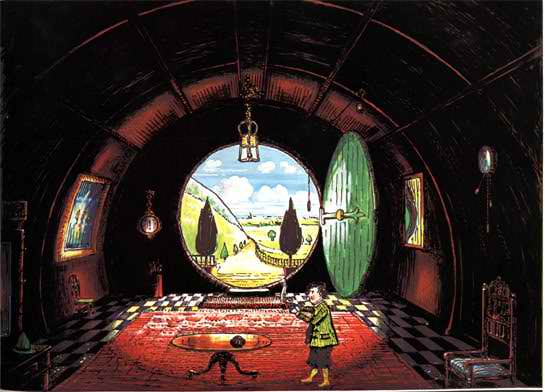
You could pay $118 on Ama­zon for the Met­ro­pol­i­tan Muse­um of Art’s cat­a­log The Art of Illu­mi­na­tion: The Lim­bourg Broth­ers and the Belles Heures of Jean de France, Duc de Berry. Or you could pay $0 to down­load it at Met­Pub­li­ca­tions, the site offer­ing “five decades of Met Muse­um pub­li­ca­tions on art his­to­ry avail­able to read, down­load, and/or search for free.”

If that strikes you as an obvi­ous choice, pre­pare to spend some seri­ous time brows­ing Met­Pub­li­ca­tions’ col­lec­tion of free art books and cat­a­logs.

You may remem­ber that we fea­tured the site a few years ago, back when it offered 397 whole books free for the read­ing, includ­ing Amer­i­can Impres­sion­ism and Real­ism: The Paint­ing of Mod­ern Life, 1885–1915; Leonar­do da Vin­ci: Anatom­i­cal Draw­ings from the Roy­al Library; and Wis­dom Embod­ied: Chi­nese Bud­dhist and Daoist Sculp­ture in The Met­ro­pol­i­tan Muse­um of ArtBut the Met has kept adding to their dig­i­tal trove since then, and, as a result, you can now find there no few­er than 576 art cat­a­logs and oth­er books besides. Those sit along­side the 400,000 free art images the muse­um put online last year.

met museum free art books

So have a look at Met­Pub­li­ca­tions’ cur­rent col­lec­tion and you’ll find you now have unlim­it­ed access to such lush as well as artis­ti­cal­ly, cul­tur­al­ly, and his­tor­i­cal­ly var­ied vol­umes as African IvoriesChess: East and West, Past and PresentMod­ern Design in The Met­ro­pol­i­tan Muse­um of Art, 1890–1990; Vin­cent Van Gogh: The Draw­ings; French Art Deco; or even a guide to the muse­um itself (vin­tage 1972).

chess east and est

Since I haven’t yet turned to art col­lec­tion — I sup­pose you need mon­ey for that — these books don’t nec­es­sar­i­ly make me cov­et the vast sweep of art­works they depict and con­tex­tu­al­ize. But they do make me wish for some­thing even less prob­a­ble: a time machine so I could go back and see all these exhibits first­hand.

Relat­ed Con­tent:

Down­load Over 250 Free Art Books From the Get­ty Muse­um

The Met­ro­pol­i­tan Muse­um of Art Puts 400,000 High-Res Images Online & Makes Them Free to Use

The Guggen­heim Puts 109 Free Mod­ern Art Books Online

Where to Find Free Art Images & Books from Great Muse­ums, and Free Books from Uni­ver­si­ty Press­es

800 Free eBooks for iPad, Kin­dle & Oth­er Devices

Col­in Mar­shall hosts and pro­duces Note­book on Cities and Cul­ture as well as the video series The City in Cin­e­ma and writes essays on cities, lan­guage, Asia, and men’s style. He’s at work on a book about Los Ange­les, A Los Ange­les Primer. Fol­low him on Twit­ter at @colinmarshall or on Face­book.

Download 100,000 Free Art Images in High-Resolution from The Getty

getty free

When I want to get a good look at the city of Los Ange­les, I go up to the Get­ty Cen­ter in the San­ta Mon­i­ca Moun­tains. I can also, of course, get a pret­ty good look at some art at the muse­um there. But if I don’t feel like mak­ing that trek up the hill — and if you don’t feel like mak­ing the trek from wher­ev­er you live — The Get­ty can give you, in some ways, an even bet­ter way to look at art online. Just vis­it the Get­ty’s Open Con­tent Pro­gram.

Japanese Ladies

See­ing as this sort of free cul­tur­al resource fits right into our wheel­house here at Open Cul­ture, we’ve tried to keep you post­ed on the archive’s devel­op­ment over the past few years. Last time we passed the word along, the Get­ty’s dig­i­tal pub­lic-domain archive of high-res­o­lu­tion images had grown to 87,000, and now it has near­ly hit the 100,000 mark (99,989, to be exact)— which sounds to us like just the time to keep you post­ed on what you can find there­in.

Rue Mosnier

In its cur­rent state (which promis­es fur­ther expan­sion still), the Get­ty’s Open Con­tent Pro­gram offers images like Aban­doned Dust Bowl Home (top image), Dorothea Lange’s vivid­ly stark evo­ca­tion of Depres­sion-era Amer­i­can des­o­la­tion, as well as oth­er pho­to­graph­ic time (and place) cap­sules, such as Kusak­abe Kim­bei’s hand-col­ored prints of life in late 19th- and ear­ly 20th-cen­tu­ry Japan (Japan­ese Ladies pic­tured here); impres­sion­ist can­vas­es like Ă‰douard Manet’s 1878 The Rue Mosnier with Flagsand even views of Los Ange­les itself, like Car­leton Watkins’ shot of the city’s plaza cir­ca 1880.

Plaza Los Angeles

To down­load an image for which you’ve searched, you first need to click on that image’s title. That link takes you to the image’s own page (like those we linked to in the para­graph just above), where you’ll find a down­load link. Look for the word “down­load” beneath the image, and then click that link. It’s just that sim­ple — far sim­pler, in any case, than visu­al access to such a range of art­work has ever been before. Though if you do make it to Los Ange­les, don’t hes­i­tate to make the effort to vis­it the Get­ty Cen­ter; the tram that takes you up to it makes for a pret­ty fas­ci­nat­ing cul­tur­al expe­ri­ence and view of the city in and of itself.

Relat­ed Con­tent:

The Get­ty Adds Anoth­er 77,000 Images to its Open Con­tent Archive

Down­load 35,000 Works of Art from the Nation­al Gallery, Includ­ing Mas­ter­pieces by Van Gogh, Gau­guin, Rem­brandt & More

Down­load Over 250 Free Art Books From the Get­ty Muse­um

40,000 Art­works from 250 Muse­ums, Now View­able for Free at the Redesigned Google Art Project

LA Coun­ty Muse­um Makes 20,000 Artis­tic Images Avail­able for Free Down­load

The Rijksmu­se­um Puts 125,000 Dutch Mas­ter­pieces Online, and Lets You Remix Its Art

Col­in Mar­shall hosts and pro­duces Note­book on Cities and Cul­ture as well as the video series The City in Cin­e­ma and writes essays on cities, lan­guage, Asia, and men’s style. He’s at work on a book about Los Ange­les, A Los Ange­les Primer. Fol­low him on Twit­ter at @colinmarshall or on Face­book.

What Happens When a Cheap Ikea Print Gets Presented as Fine Art in a Museum

The enti­ty to whom Dutch group, Life­hunters, attrib­ut­es the muse­um qual­i­ty art­work in the video prank above doesn’t exist. The “famous” Swedish artist’s han­dle –IKE Andrews –is but a puck­ish ref­er­ence to IKEA, the pur­vey­or of the 10€ print (oh snap, it’s not even an orig­i­nal!) var­i­ous unnamed “art experts” are asked to eval­u­ate, hav­ing been led to believe it’s some­thing rare and won­der­ful. IKE Andrews’ fel­low fic­tion­al enti­ty, Borat, would be grat­i­fied by how read­i­ly these experts accept pre­sen­ter Boris Lange’s sug­ges­tions as to the val­ue of this work.

So how bad is this “paint­ing”? Wal­ter Keane bad? Mar­garet Keane bad? Is it a Velvis? A sad clown? The sort of crum­my land­scape artist Wayne White might snap up in a thrift store?

Only if you think IKEA achieved glob­al dom­i­nance by choos­ing designs, pat­terns, and images in order for snot­ty hip­sters to buy them iron­i­cal­ly…

As sev­er­al YouTube, Twit­ter, and blog com­menters have men­tioned, the print itself is pret­ty cool.

It’s a media fren­zy, but inter­est­ing­ly, the artist is not com­ing for­ward to her­ald his or her role in the hoax.

Make that artists. Turns out IKE Andrews is a pair of Swiss street artists, Chris­t­ian Rebec­chi and Pablo Tog­ni, who col­lab­o­rate as NEVERCREW.

They have a fas­ci­na­tion with cross sec­tions. As their web­site some­what murk­i­ly explains [all sic]:

These mod­els, as such, from time to time actu­al­ly con­tain more or less exten­sive real­i­ties, rep­re­sent­ed as autonomous sys­tems of which the real­i­ty of the view­er becomes a part. This then the rap­port becomes the very sub­ject, main­ly high­light­ed as the rela­tion­ship between man and nature (between human being and its nature), but auto­mat­i­cal­ly extend­ed to a vision of total and inevitable rela­tion­ship between every­thing, between every part, where it is only the point of view, the posi­tion with­in a sys­tem, to define a selec­tion.

IKEA stream­lines the artists’ phi­los­o­phy for the mass­es thus­ly:

We call the theme “liv­ing struc­tures” and we like to see them as mod­els of liv­ing sys­tems. We would like our art to gen­er­ate inter­est and curios­i­ty, and the view­er to become a part of the mech­a­nism with his or her thoughts, per­spec­tive and emo­tions.

never-crew-message-in-a-bottle


Philosophy’s all well and good, but what’s it actu­al­ly look like, this “Mes­sage in a Bot­tle”?

Well, it seems to me to be a bot­tle, implau­si­bly halved length­wise to reveal a bunch of steam­punk stuff bal­anced atop robot spi­der legs, form­ing a cage around an ancient-look­ing whale. Also, a cloud rain­ing yel­low liq­uid, or pos­si­bly light. (Hope­ful­ly the lat­ter). Oh! And it appears to have been paint­ed on a brown paper bag.

I can think of plen­ty of peo­ple who’d not only like it, but find mean­ing in it, as the experts do. The only dif­fer­ence is the experts do so on cam­era, a fact not all of them are will­ing to laugh at, when host Lange informs them they’ve been punked.

The artists aren’t the only ones play­ing it cool. The inter­net may be explod­ing, but so far, nei­ther IKEA, nor the Nether­lands’ Arn­hem Muse­um, where the prank was staged, have made men­tion of this busi­ness.

via Hyper­al­ler­gic

Relat­ed Con­tent:

F for Fake: Orson Welles’ Short Film & Trail­er That Was Nev­er Released in Amer­i­ca

The Great Dr. Fox Lec­ture: A Vin­tage Aca­d­e­m­ic Hoax (1970)

How the “Paul McCart­ney is Dead” Hoax Start­ed at an Amer­i­can Col­lege News­pa­per and Went Viral (1969)

Ayun Hal­l­i­day is an author, illus­tra­tor, and moth­er of a teen film­mak­er whose best known work was shot guer­ril­la style in a Red Hook, Brook­lyn Ikea. Fol­low her @AyunHalliday

Google Puts Online 10,000 Works of Street Art from Across the Globe

circling

Cir­cling Birdies by Cheko, Grana­da Spain

Since last we wrote, Google Street Art has dou­bled its online archive by adding some 5,000 images, bring­ing the tal­ly to 10,000, with coor­di­nates pin­point­ing exact loca­tions on all five con­ti­nents (though as of this writ­ing, things are a bit thin on the ground in Africa). Giv­en the tem­po­ral real­i­ties of out­door, guer­ril­la art, pil­grims may arrive to find a blank can­vas where graf­fi­ti once flour­ished. (RIP New York City’s 5 Pointz, the “Insti­tute of High­er Burn­ing.”)

A major aim of the project is vir­tu­al preser­va­tion. As with per­for­mance art, doc­u­men­ta­tion is key. Not all of the work can be attrib­uted, but click on an image to see what is known. Guid­ed tours to neigh­bor­hoods rich with street art allow arm­chair trav­el­ers to expe­ri­ence the work, and inter­views with the artists dis­pel any num­ber of stereo­types.

Cul­tur­al insti­tu­tions like Turkey’s Pera Muse­um and Hong Kong’s Art Research Insti­tute, and street art projects based in such hubs as Rome, Paris, Syd­ney, and Bangkok, have pulled togeth­er offi­cial col­lec­tions of pho­tos and videos, but you can play cura­tor too.

It’s easy to add images to a col­lec­tion of your own mak­ing that can be shared with the pub­lic at large or saved for pri­vate inspi­ra­tion. Care­ful, you could lose hours…it’s like Pin­ter­est for peo­ple who grav­i­tate toward spray paint and rub­bish strewn vacant lots over ging­ham wrapped Mason jars.

It’s been a long and bru­tal win­ter here on the east coast, so for my first for­ay, I prowled for Signs of Spring. One of my first hits was “Cir­cling Birdies” by Cheko, above. Locat­ed in Grana­da, Spain, it’s one of the exist­ing works Google has turned into a GIF with some light, log­i­cal ani­ma­tion.

Behold a bit of what typ­ing “flower,” “baby ani­mals,” “plants,” and “trees” into a search box can yield! You can enter Google Street Art here.

Child With Windmill

Artist: Wal­ter Ker­shaw
Lon­don UK

Thrashbird

Artists: Thrash­bird and Renee Gagnon
Los Ange­les, Cal­i­for­nia.

Baby Chick

Artist: unknown
Rochester, NY

Screen Shot 2015-03-19 at 11.07.58 PM

Icy and Sot
Rochester NY

Freedom Fighter

Artist: Kristy San­doval
Los Ange­les, CA

Natureza Viva

Artists: Regg and Violant
Alfragide Por­tu­gal

Beetle

Artist: Klit
Alfragide, Por­tu­gal
A giant col­or­ful bee­tle tries to fly between the ceil­ing and the floor of this park­ing lot. His wings seem filled with flower petals. So, the “Liv­ing Nature” project brought a set of huge insects that car­ry a note of liv­ing spir­it to the space.

Deep Blue

Artist: Rai Cruz
Mani­la, Philip­pines

Nagel
Artist: Chris­ti­aan Nagel
Lon­don, Eng­land

Untitled Rome
Artist: Lady Aiko
Rome, Italy

Parsa

Artist: Andrew Ken­tish
Nepal

Relat­ed Con­tent:

Tour the World’s Street Art with Google Street Art

Obey the Giant: Short Film Presents the True Sto­ry of Shep­ard Fairey’s First Act of Street Art

Big Bang Big Boom: Graf­fi­ti Stop-Motion Ani­ma­tion Cre­ative­ly Depicts the Evo­lu­tion of Life

Ayun Hal­l­i­day is an author, illus­tra­tor, and Chief Pri­ma­tol­o­gist of the East Vil­lage Inky zine. Fol­low her @AyunHalliday

Robert Reich Debunks Three Economic Myths by Drawing Cartoons

Robert Reich met Bill Clin­ton when they were both Rhodes Schol­ars dur­ing the 1960s. In the 70s, Reich attend­ed Yale Law School with Hill and Bill. And then, decades lat­er, he served in the Clin­ton admin­is­tra­tion as Sec­re­tary of Labor. Some­where along the line, the polit­i­cal econ­o­mist picked up some draw­ing skills (putting him in good com­pa­ny with Win­ston Churchill and George Bush) that work nice­ly in our age of white­board ani­mat­ed videos. Now a pro­fes­sor at UC Berke­ley, Reich visu­al­ly debunks three eco­nom­ic mytholo­gies in two min­utes. This clip fol­lows a rapid­fire 2012 video, again fea­tur­ing his car­toon­ing skills, called The Truth About the Econ­o­my.

ht @sheerly

Relat­ed Con­tent:

Free Online Eco­nom­ics Cours­es

The His­to­ry of Eco­nom­ics & Eco­nom­ic The­o­ry Explained with Comics, Start­ing with Adam Smith

60-Sec­ond Adven­tures in Eco­nom­ics: An Ani­mat­ed Intro to The Invis­i­ble Hand and Oth­er Eco­nom­ic Ideas

Read­ing Marx’s Cap­i­tal with David Har­vey (Free Course)

by | Permalink | Make a Comment ( 11 ) |

Say What You Really Mean with Downloadable Cindy Sherman Emoticons

CindyShermanicon

As the world becomes increas­ing­ly depen­dent on vir­tu­al com­mu­ni­ca­tion, the poten­tial for mis­un­der­stand­ing is ever present. I resist­ed the use of emoti­cons and stick­ers at first. They struck me as the pic­to­r­i­al equiv­a­lent of LOL. If that’s the best you can man­age, why try at all?

I’ve since reversed my posi­tion. Sev­er­al things con­tributed to this change in atti­tude:

  • The peace of mind that comes from any kind of con­fir­ma­tion that one’s mes­sage has indeed been received.
  • The unsup­port­ably terse com­mu­ni­ca­tion style of a col­league. Whether inten­tion­al or not, his mono­syl­lab­ic replies to my flur­ry of texts and emails seemed to indi­cate dis­dain… for me! Hey Buster, I’m busy too…

By curat­ing my emo­tions and Face­book stick­ers care­ful­ly, I’ve cob­bled togeth­er a visu­al short­hand vocab­u­lary that works for me. It’s a mat­ter of self respect. (And self preser­va­tion. My wardrobe’s already run­ning afoul of the Secret Inter­net Police. Why give them ammo to accuse me of unseem­ly cling­ing to a long gone stick­er-obsessed girl­hood?)

If you think I’m over­think­ing this, you like­ly won’t be inter­est­ed in down­load­ing artist Hyo Hong’s Cindy Sher­man-icons for your per­son­al use.

Or maybe they’re exact­ly what you’ve been wait­ing for, you old art snob, you!

Either way… enjoy!

The Sher­man-icons are a log­i­cal exten­sion of oth­er Hong projects that play with per­cep­tions of non-face-to-face inter­ac­tions, includ­ing the Upside Down Face­book Page, the New York Taxi Guest­book, and Hand-Writ­ten Face­book Com­ment.

If the pur­pose of an emoti­con is to con­vey a cer­tain feel­ing or atti­tude on the part of the respon­dent, the chameleon­ic Sher­man is well suit­ed to car­ry the bur­den. The pho­tog­ra­ph­er has served as her own mod­el for four decades worth of por­traits. She has embod­ied such arche­types as house­wife, pros­ti­tute, dancer, actress, damsel in dis­tress, and socialite. Her pur­suit of cer­tain truths often leads her to embrace the grotesque. Her will­ing­ness to look like hell in the ser­vice of her art con­tin­ues to shock and some­times offend. (Let’s just say my late moth­er-in-law was not a fan.)

How won­der­ful that this rad­i­cal artist’s work is now avail­able to you in a form that may prove every bit as use­ful as a gift shop tote bag or umbrel­la.

CindyShermanicon_emoticons-int-9Feel­ing beat­en down by life?

3043342-slide-s-8-cindy-shermans-face-makes-for-the-worldsSus­pi­cious of another’s motives?
3043342-slide-s-1-cindy-shermans-face-makes-for-the-worlds
Hope­ful in a sit­u­a­tion where hopes are almost cer­tain to be dashed?

Do you real­ly want to depend on a car­toon smi­ley face to get that across for you? (See below.)

No guar­an­tee that Sher­man-icon users’ impuls­es will be cor­rect­ly inter­pret­ed on the receiv­ing end, but it seems a risk worth tak­ing.

Click here for easy 3‑step instruc­tions for down­load­ing and using Cindy Sher­man-icons.

via Its Nice That

Relat­ed Con­tent:

Cindy Sher­man and the Art of Imper­son­ation

Stephen Hawk­ing Starts Post­ing on Face­book: Join His Quest to Explain What Makes the Uni­verse Exist

Art for the One Per­cent: 60 Min­utes on the Excess & Hubris of the Inter­na­tion­al Art Mar­ket

Ayun Hal­l­i­day is an author, illus­tra­tor, and per­former whose next mis­sion is por­tray­ing a decid­ed­ly Cindy Sher­manesque busi­ness woman in a free read­ing of Lunchtime, Greg Kotis’ play of office romance in the time of the New York Deli Wars.  Fol­low her @AyunHalliday

Late Rembrandts Come to Life: Watch Animations of Paintings Now on Display at the Rijksmuseum

Last week, we fea­tured three ter­mi­nal­ly ill art-lovers’ jour­ney to the Rijksmu­se­um to see their Rem­brandts for one last time. They saw those paint­ings far more vivid­ly, no doubt, than would those of us lucky enough to have longer on this Earth. Though noth­ing can con­vey the expe­ri­ence of see­ing any­thing, art­work or oth­er­wise, for the last time, these ani­ma­tions will at least give you the expe­ri­ence of see­ing Rem­brandt’s work in an entire­ly new way.

The videos (see them all here) bring to life six of the twelve can­vas­es from The Late Rem­brandt Exhi­bi­tion, the very same one to which Sticht­ing Ambu­lance Wens Ned­er­land took the three patients near­ing their ends. Even if you’ve nev­er con­sid­ered your­self par­tic­u­lar­ly up on the Dutch Mas­ters, you’ll more than like­ly rec­og­nize most of these paint­ings. Just above we have, for instance, 1642’s The Night Watch (or, more prop­er­ly, Mili­tia Com­pa­ny of Dis­trict II under the Com­mand of Cap­tain Frans Ban­ninck Cocq, or The Shoot­ing Com­pa­ny of Frans Ban­ning Cocq and Willem van Ruyten­burch), per­haps Rem­brandt’s best-known work, and one you may remem­ber Peter Green­away bring­ing to his own brand of life in Night­watch­ing.

If all this strikes you as an exer­cise in high-tech des­e­cra­tion, give the ani­ma­tions a watch and you’ll find them more sub­tly and taste­ful­ly exe­cut­ed than you might have imag­ined. You can see all six at the Youtube page of CS Dig­i­tal Media, who pro­duced them for Dutch telecom­mu­ni­ca­tions KPN, the Rijksmu­se­um’s main spon­sor — art hav­ing its patrons as much now as it did in Rem­brandt’s day.

Relat­ed Con­tent:

A Final Wish: Ter­mi­nal­ly Ill Patients Vis­it Rembrandt’s Paint­ings in the Rijksmu­se­um One Last Time

The Rijksmu­se­um Puts 125,000 Dutch Mas­ter­pieces Online, and Lets You Remix Its Art

Rembrandt’s Face­book Time­line

16th-Cen­tu­ry Ams­ter­dam Stun­ning­ly Visu­al­ized with 3D Ani­ma­tion

Col­in Mar­shall hosts and pro­duces Note­book on Cities and Cul­ture as well as the video series The City in Cin­e­ma and writes essays on cities, lan­guage, Asia, and men’s style. He’s at work on a book about Los Ange­les, A Los Ange­les Primer. Fol­low him on Twit­ter at @colinmarshall or on Face­book.

The Visual Art of William S. Burroughs: Book Covers, Portraits, Collage, Shotgun Art & More

burroughs_books

As an artist, William S. Bur­roughs was undoubt­ed­ly his own man, behold­en to no par­tic­u­lar aes­thet­ic, move­ment, or school, always inde­pen­dent even as a fre­quent col­lab­o­ra­tor with many oth­er notable writ­ers and artists. It didn’t hurt that he came from money—Burroughs’ grand­fa­ther invent­ed the adding machine, and the writer’s inher­i­tance, writes the Dai­ly Beast, “left the young scion free to pur­sue edu­ca­tion and drugs at his leisure.” Yet, although he pur­sued the lat­ter with­out reser­va­tion, he also worked hard­er than most of his con­tem­po­raries, con­stant­ly inno­vat­ing and pur­su­ing new paths. Bur­roughs’ “entire cre­ative project,” writes blog­ger Dan She­lalevy, “encom­passed art, graph­ics, cal­lig­ra­phy, type, pho­tog­ra­phy, film, assem­blage, poet­ry, spo­ken word, and music…. Cul­ture itself was his medi­um.”

Burroughs Art 1

He may be asso­ci­at­ed pri­mar­i­ly with the Beats, but Bur­roughs him­self reject­ed the label, say­ing, “We’re not doing at all the same thing, either in writ­ing or in out­look.” As a visu­al artist, London’s Octo­ber Gallery informs us, he “col­lab­o­rat­ed with Kei­th Har­ing, George Con­do, Robert Rauschen­berg, and oth­ers.” As in his writ­ing, Bur­roughs exper­i­ment­ed through­out his art career with col­lage, incor­po­rat­ing pho­tographs and pop cul­ture ephemera like com­ic strips and adver­tis­ing into paint­ings rich­ly textured—as in the thick impas­to sur­round­ing the por­trait of Samuel Beck­ett above—and often vio­lent, as below.

burroughs_mink1

The noto­ri­ous gun enthu­si­ast often blast­ed holes through his can­vass­es and even exper­i­ment­ed with shot­gun paint­ing. (See him with his shot­gun below, on the front page of a Times arti­cle cov­er­ing a 2005 exhib­it of his work.) Bur­roughs also incor­po­rat­ed gun imagery into his paintings—often made on slabs of plywood—and used pop art tech­niques like sten­cils and spray paint, as below.

burroughs2

Bur­roughs even designed his own book cov­ers, as you can see at the top of the post in the rel­a­tive­ly aus­tere paper­back cov­ers for Naked Lunch and The Soft Machine, both fea­tur­ing repeat­ing pat­terns of sym­bols. His visu­al art reflects the same obses­sions we find in all of his work. These recur­ring motifs are what Paul Pieroni, co-orga­niz­er of the 2005 gallery show at The Rifle­mak­er gallery in Lon­don, describes as a “het­ero-ontol­ogy of forces at work,” includ­ing the “cen­tral themes” of “vice, vio­lence and pas­sion.”

Burroughs-Times

The same imagery that recurs in hal­lu­ci­na­to­ry nov­els like Junky, Naked Lunch, and The West­ern Lands appears in the writer’s art­work: “thus, as in his lit­er­a­ture,” says Pieroni, “we find war, cocks, vio­lence, dirt, par­a­sites, guns—junk.” In Bur­roughs’ hands the detri­tus of Amer­i­can culture—the con­tents of adver­tise­ments, for­eign pol­i­cy briefs, and seedy motel rooms—takes on an omi­nous, myth­ic sig­nif­i­cance that shows us as much about our­selves as it does about the artist.

burroughs_face

Relat­ed Con­tent:

Gun Nut William S. Bur­roughs & Gonzo Illus­tra­tor Ralph Stead­man Make Polaroid Por­traits Togeth­er

William S. Bur­roughs Shows You How to Make “Shot­gun Art”

William S. Bur­roughs on the Art of Cut-up Writ­ing

Josh Jones is a writer and musi­cian based in Durham, NC. Fol­low him at @jdmagness

« Go BackMore in this category... »
Quantcast