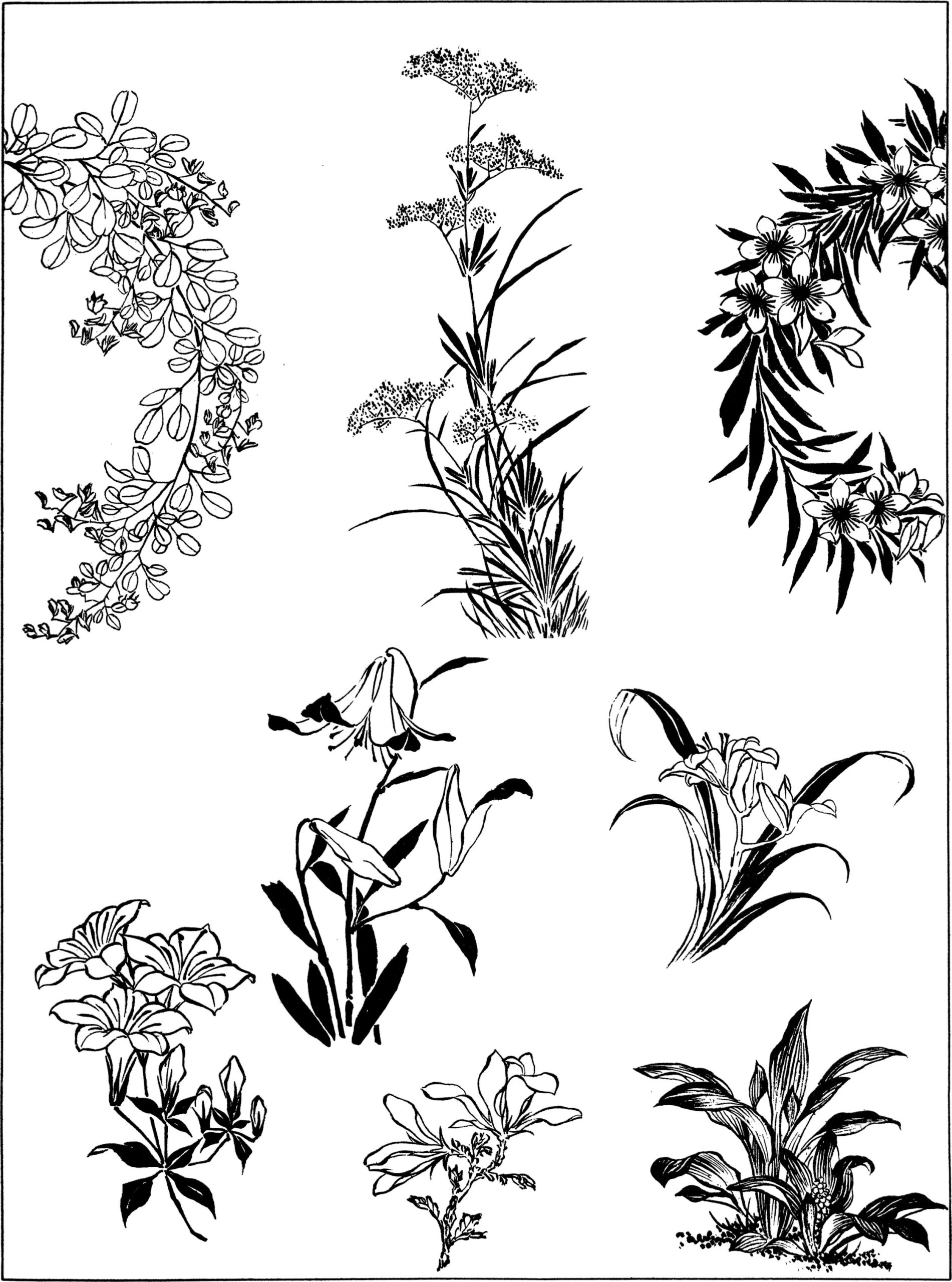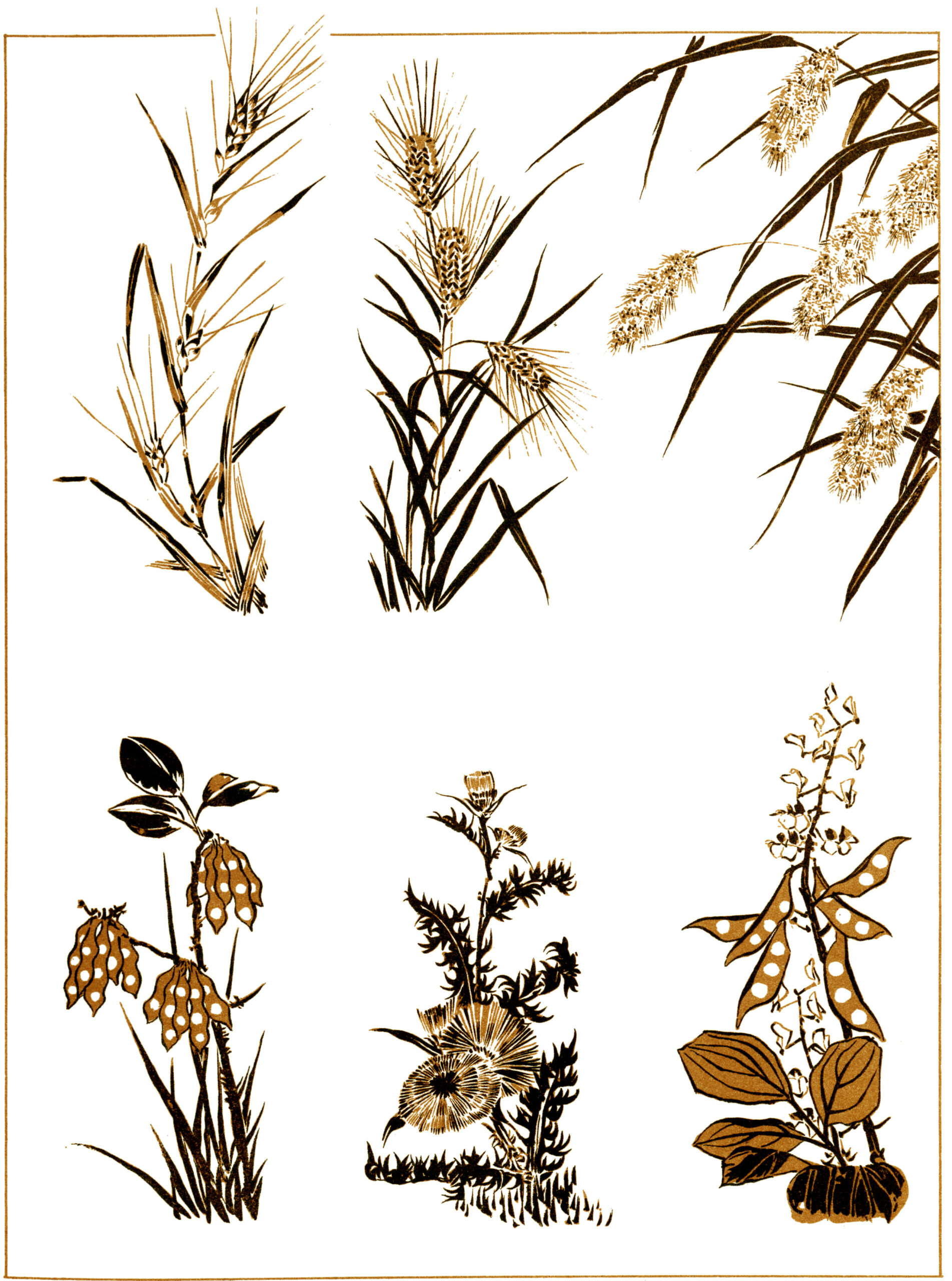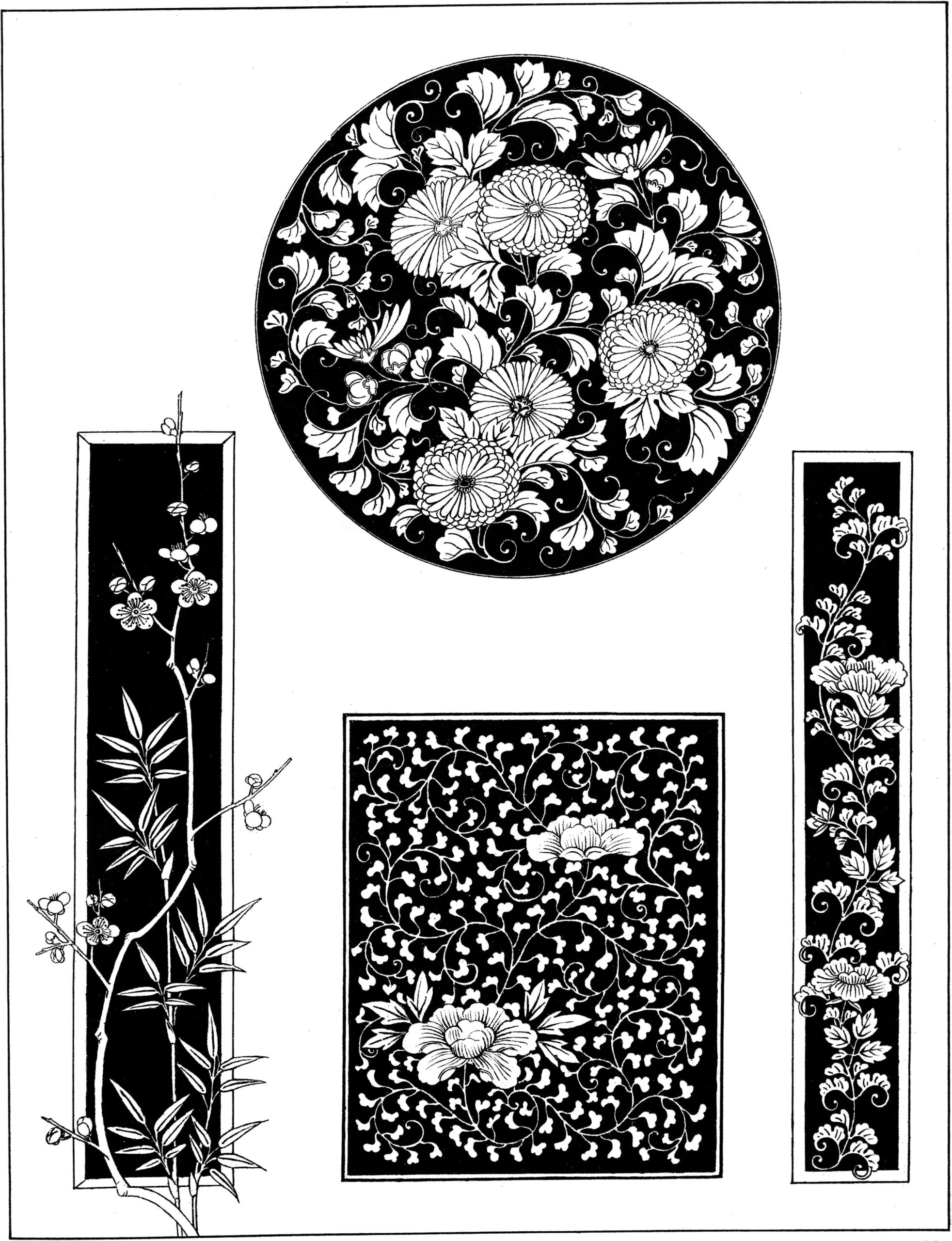
Behold 900+ Magnificent Botanical Collages Created by a 72-Year-Old Widow, Starting in 1772

“I have invent­ed a new way of imi­tat­ing flow­ers,” Mary Delany, a 72-year-old wid­ow wrote to her niece in 1772 from the grand home where she was a fre­quent guest, hav­ing just cap­tured her host­ess’ gera­ni­um’s like­ness, by col­lag­ing cut paper in a near­ly iden­ti­cal shade.

Nov­el­ty rekin­dled the cre­ative fire her husband’s death had damp­ened.

For­mer pur­suits such as needle­work, sil­hou­ette cut outs, and shell dec­o­rat­ing went by the way­side as she ded­i­cat­ed her­self ful­ly to her botan­i­cal-themed “paper mosaicks.”

Over the next decade Mrs. Delany pro­duced 985 aston­ish­ing­ly flo­ral rep­re­sen­ta­tions from metic­u­lous­ly cut, hand col­ored tis­sue, which she glued to hand paint­ed black back­ings, and labeled with the spec­i­mens’ tax­o­nom­ic and com­mon names, as well as a col­lec­tion of num­bers, date and prove­nance.

In the begin­ning, she took inspi­ra­tion from a giant col­lec­tion of botan­i­cal spec­i­mens amassed by the cel­e­brat­ed botanist Sir Joseph Banks, with whom she became acquaint­ed while spend­ing sum­mers at Bul­strode, the Buck­ing­hamshire estate of her friend Mar­garet Bentinck, duchess of Port­land and a fel­low enthu­si­ast of the nat­ur­al world.

Bul­strode also pro­vid­ed her with abun­dant source mate­r­i­al. The estate boast­ed botan­ic, flower, kitchen, ancient and Amer­i­can gar­dens, as well a staff botanist, the Swedish nat­u­ral­ist Daniel Solan­der charged with cat­a­logu­ing their con­tents accord­ing to the Lin­naean sys­tem.

Sir Joseph Banks com­mend­ed Mrs. Delany’s pow­ers of obser­va­tion, declar­ing her assem­blages “the only imi­ta­tions of nature” from which he “could ven­ture to describe botan­i­cal­ly any plant with­out the least fear of com­mit­ting an error.”

They also suc­ceed as art.

Mol­ly Pea­cock, author of The Paper Gar­den: An Artist Begins Her Life’s Work at 72, appears quite over­come by Mrs. Delany’s Pas­si­flo­ra lau­ri­fo­lia — more com­mon­ly known as water lemon, Jamaican hon­ey­suck­le or vine­gar pear:

The main flower head … is so intense­ly pub­lic that it’s as if you’ve come upon a nude stody. She splays out approx­i­mate­ly 230 shock­ing­ly vul­vu­lar pur­plish pink petals in the bloom, and inside the leaves she places the slen­der­est of ivory veins also cut sep­a­rate­ly from paper, with vine ten­drils fin­er that a girl’s hair. It is so fresh that it looks wet and full of desire, yet the Pas­si­flo­ra is dull and mat­te

Mrs. Delany’s exquis­ite­ly ren­dered paper flow­ers became high soci­ety sen­sa­tions, fetch­ing her no small amount of invi­ta­tions from titled hosts and host­esses, clam­or­ing for spec­i­mens from their gar­dens to be immor­tal­ized in her grow­ing Flo­ra Delan­i­ca.

She also received dona­tions of exot­ic plants at Bal­strode, where green­hous­es kept non-native plants alive, as she glee­ful­ly informed her niece in a 1777 let­ter, short­ly after com­plet­ing her work:

I am so plen­ti­ful­ly sup­plied with the hot­house here, and from the Queen’s gar­den at Kew, that nat­ur­al plants have been a good deal laid aside this year for for­eign­ers, but not less in favour. O! How I long to show you the progress I have made. 

Her work was in such demand, that she stream­lined her cre­ation process from neces­si­ty, col­or­ing paper in batch­es, and work­ing on sev­er­al pieces simul­ta­ne­ous­ly.

Her fail­ing eye­sight forced her to stop just shy of her goal of one thou­sand flow­ers.

She ded­i­cat­ed the ten vol­umes of Flo­ra Delan­i­ca to her friend, the duchess of Port­land, mis­tress of Bal­strode “(whose) appro­ba­tion was such a sanc­tion to my under­tak­ing, as made it appear of con­se­quence and gave me courage to go on with con­fi­dence.”

She also reflect­ed on the great under­tak­ing of her sev­enth decade in a poem:

        Hail to the hap­py hour! When fan­cy led

My pen­sive mind this flow’ry path to tread;

And gave me emu­la­tion to pre­sume

With timid art to trace fair Nature’s bloom.

Explore The British Museum’s inter­ac­tive archive of Mary Delany’s botan­i­cal paper col­lages here.

All images © The Trustees of the British Muse­um, repub­lished under a Cre­ative Com­mons license.

via Colos­sal

Relat­ed Con­tent 

Two Mil­lion Won­drous Nature Illus­tra­tions Put Online by The Bio­di­ver­si­ty Her­itage Library

Dis­cov­er Emi­ly Dickinson’s Herbar­i­um: A Beau­ti­ful Dig­i­tal Edi­tion of the Poet’s Col­lec­tion of Pressed Plants & Flow­ers Is Now Online

The New Herbal: A Mas­ter­piece of Renais­sance Botan­i­cal Illus­tra­tions Gets Repub­lished in a Beau­ti­ful 900-Page Book by Taschen

His­toric Man­u­script Filled with Beau­ti­ful Illus­tra­tions of Cuban Flow­ers & Plants Is Now Online (1826)

A Beau­ti­ful 1897 Illus­trat­ed Book Shows How Flow­ers Become Art Nou­veau Designs

– Ayun Hal­l­i­day is the Chief Pri­ma­tol­o­gist of the East Vil­lage Inky zine and author, most recent­ly, of Cre­ative, Not Famous: The Small Pota­to Man­i­festo and Cre­ative, Not Famous Activ­i­ty Book. Fol­low her @AyunHalliday.
A New Dutch Reality TV Show Challenges Contestants to Paint Like Vermeer–and It’s a Hit!

Jokes about “real­i­ty tele­vi­sion” being a con­tra­dic­tion in terms go as far back in pop-cul­ture his­to­ry as the for­mat itself. But the fact remains that, delib­er­ate­ly or oth­er­wise, its pro­grams do reflect cer­tain char­ac­ter­is­tics of the soci­eties that pro­duce them. Before turn­ing into one of the most glob­al­ly suc­cess­ful fran­chis­es of this cen­tu­ry’s real­i­ty-TV boom, the once-con­tro­ver­sial strangers-in-a-house show Big Broth­er pre­miered in the Nether­lands. It will be left as an exer­cise to the read­er what that says about the Dutch, who have been tun­ing in to a very dif­fer­ent kind of real­i­ty pro­gram­ming in the past month: De Nieuwe Ver­meer, or The New Ver­meer.

Aired in con­junc­tion with the Rijksmu­se­um’s largest Ver­meer exhi­bi­tion ever staged, the show invites “two pro­fes­sion­al painters and dozens of ama­teur artists to com­pete to rein­vent the lost works of the 17th-cen­tu­ry mas­ter,” writes the New York Times’ Nina Sie­gal.

“The results are judged by Ver­meer experts from the Rijksmu­se­um, the Dutch nation­al muse­um in Ams­ter­dam, and from the Mau­rit­shuis, a col­lec­tion of old mas­ters in The Hague.” The pro­fes­sion­als face such tasks as faith­ful­ly recon­struct­ing Ver­meer’s lost works, whether they van­ished cen­turies ago or in the Isabel­la Stew­art Gard­ner Muse­um theft of 1990. The ama­teurs work in their own media, includ­ing “stained glass, print­mak­ing and even Lego.”

All this has made The New Ver­meer “an instant sen­sa­tion in the Nether­lands, with 1.3 mil­lion view­ers (in a coun­try of 17 mil­lion) tun­ing in for the first episode.” Like any suc­cess­ful real­i­ty TV show these days, it has also inspired a wealth of sup­ple­men­tary con­tent, includ­ing a pod­cast and an online gallery show­ing all the art­work cre­at­ed by the con­tes­tants. “You can’t cur­rent­ly watch the series in the U.S., writes Art­net’s Sarah Cas­cone, “but the net­work is stream­ing a week­ly YouTube ‘Mas­ter­class’ ” offer­ing “step-by-step instruc­tions on how to cre­ate your own Ver­meer can­vas.” At the moment, those videos are avail­able only in Dutch, pre­sum­ably on the assump­tion that The New Ver­meer won’t trav­el well out­side the Nether­lands. But if, by some slim chance, it turned into a Big Broth­er-scale phe­nom­e­non, imag­ine the gold­en age of real­i­ty TV that would lie ahead.

Relat­ed con­tent:

Down­load All 36 of Jan Vermeer’s Beau­ti­ful­ly Rare Paint­ings (Most in Bril­liant High Res­o­lu­tion)

A Guid­ed Tour Through All of Vermeer’s Famous Paint­ings, Nar­rat­ed by Stephen Fry

What Makes Vermeer’s The Milk­maid a Mas­ter­piece?: A Video Intro­duc­tion

Mas­ter of Light: A Close Look at the Paint­ings of Johannes Ver­meer Nar­rat­ed by Meryl Streep

Why is Vermeer’s Girl with a Pearl Ear­ring Con­sid­ered a Mas­ter­piece?: An Ani­mat­ed Intro­duc­tion

Meet Noto­ri­ous Art Forg­er Han Van Meegeren, Who Fooled the Nazis with His Coun­ter­feit Ver­meers

Lis­ten to Last Seen, a True-Crime Pod­cast That Takes You Inside an Unsolved, $500 Mil­lion Art Heist

Based in Seoul, Col­in Marshall writes and broad­casts on cities, lan­guage, and cul­ture. His projects include the Sub­stack newslet­ter Books on Cities, the book The State­less City: a Walk through 21st-Cen­tu­ry Los Ange­les and the video series The City in Cin­e­ma. Fol­low him on Twit­ter at @colinmarshall or on Face­book.

Wabi-Sabi: A Short Film on the Beauty of Traditional Japan

We’ve fea­tured the work of Span­ish film­mak­er Cristóbal Vila before: His short film “Inspi­ra­tions” cel­e­brat­ed the math­e­mat­i­cal art of M.C. Esch­er. “Falling­wa­ter” ani­mat­ed one of Frank Lloyd Wright’s finest cre­ations. And “Nature by Num­bers” showed us geo­met­ri­cal and math­e­mat­i­cal for­mu­las found in nature.

Today, we bring you Vila’s “Wabi-Sabi: A Hand­ful of Mem­o­ries from Tra­di­tion­al Japan.” As he notes on his site, the ani­ma­tion cap­tures the “aspects that inter­est me the most about tra­di­tion­al Japan,” fea­tur­ing “scenes inspired by nature, gar­dens, archi­tec­ture, inte­ri­or scenes, etc.” And it attempts to “cre­ate a calm and bal­anced atmos­phere through the use of light, com­po­si­tion, mate­ri­als, move­ment… and the choice of the motifs them­selves.”

Above, you can watch “Wabi-Sabi,” a Japan­ese term that refers to “the [aes­thet­ic] beau­ty of the imper­ma­nent, the imper­fect, the rus­tic, and the melan­choly,” as explains The School of Life video below. If you’re entranced by Vila’s short film, also watch the “Mak­ing of” video (mid­dle).

If you would like to sign up for Open Culture’s free email newslet­ter, please find it here. It’s a great way to see our new posts, all bun­dled in one email, each day.

If you would like to sup­port the mis­sion of Open Cul­ture, con­sid­er mak­ing a dona­tion to our site. It’s hard to rely 100% on ads, and your con­tri­bu­tions will help us con­tin­ue pro­vid­ing the best free cul­tur­al and edu­ca­tion­al mate­ri­als to learn­ers every­where. You can con­tribute through Pay­Pal, Patre­on, and Ven­mo (@openculture). Thanks!

Relat­ed Con­tent:

A Visu­al Intro­duc­tion to Kintsu­gi, the Japan­ese Art of Repair­ing Bro­ken Pot­tery and Find­ing Beau­ty in Imper­fec­tion

A Med­i­ta­tive Look at a Japan­ese Artisan’s Quest to Save the Bril­liant, For­got­ten Col­ors of Japan’s Past

Frank Lloyd Wright’s Falling­wa­ter Ani­mat­ed

Inspi­ra­tions: A Short Film Cel­e­brat­ing the Math­e­mat­i­cal Art of M.C. Esch­er

Nature by Num­bers: Short Film Cap­tures the Geo­met­ri­cal & Math­e­mat­i­cal For­mu­las That Reveal Them­selves in Nature

The Life & Art of Gustav Klimt: A Short Art History Lesson on the Austrian Symbolist Painter and His Work

The Aus­tri­an sym­bol­ist painter, Gus­tav Klimt, a dri­ving force of the Vien­na Seces­sion, has joined the ranks of famous, dead artists being served up as pricey, super-sized, Insta­gram-friend­ly immer­sive expe­ri­ences.

Jane Kallir, author of Gus­tav Klimt: 25 Mas­ter­works and co-founder of the Kallir Research Insti­tute, a foun­da­tion ded­i­cat­ed to fur­ther­ing the study of Aus­tri­an and Ger­man Mod­ernists, is not buy­ing into this approach.

Hav­ing vis­it­ed the Gold in Motion immer­sive Klimt exhib­it at New York City’s recent­ly inau­gu­rat­ed Hall des Lumières with Art­net’s Ben Davis, she def­i­nite­ly has some notes:

They take lib­er­ties with the orig­i­nals. If you know the orig­i­nals well, which I do, it’s some­times hard to fig­ure out what they were work­ing from. The col­or is some­times way off. And some of the images are not by Klimt at all. They seem like pas­tich­es of Klimt or pieces of Klimts that they’ve past­ed togeth­er in dif­fer­ent ways…these images are blown up to a height of, what, 20 feet? It real­ly doesn’t work, aes­thet­i­cal­ly. Klimt’s draw­ings are espe­cial­ly dif­fi­cult because they’re so del­i­cate, at times almost invis­i­ble.

But mustn’t some young vis­i­tors, after post­ing the pletho­ra of self­ies that moti­vate many a pil­grim­age to this “mul­ti-sen­so­ry cel­e­bra­tion,” be moved to learn more about the artist it’s cash­ing in on?

That’d be a good thing, right?

Of course it would, and Paul Priest­ley pro­vides a great intro­duc­tion to Klimt’s life and work in the above episode of his Art His­to­ry School web series.

We grant that spend­ing 13 min­utes with a mid­dle-aged arts edu­ca­tor in a fes­tive vest is a less sexy-see­ing prospect than “step(ping) into a won­der­land of mov­ing paint­ings” to be “amazed by the gold­en era of mod­ernism.”

But Priest­ley offers some­thing you can’t real­ly focus on while gawk­ing at enor­mous 360º pro­jec­tions of The Kiss dur­ing a $35 timed entry  — his­tor­i­cal con­text and a gen­er­ous por­tion of art world dish on a “life­long bach­e­lor who had count­less liaisons dur­ing his life­time, usu­al­ly with his mod­els, and is rumored to have fathered more than a dozen chil­dren.”

Priest­ley makes clear how the young Klimt’s career took a fate­ful turn with Phi­los­o­phy (below), part of a mas­sive com­mis­sion for the ceil­ing of Vien­na University’s Great Hall, that was ulti­mate­ly destroyed by the Nazis, but has since been res­ur­rect­ed after a fash­ion using AI, black and white pho­tos, and eye­wit­ness descrip­tions.


When Klimt’s first go at it was dis­played, it was sav­aged by crit­ics as “chaot­ic, non­sen­si­cal and out of keep­ing with the intend­ed set­ting.”

Philosophy’s drub­bing put an end to Klimt’s offi­cial com­mis­sions, but pri­vate ones flour­ished due to the bohemi­an painter’s “beau­ti­ful women in ele­gant­ly lan­guid and flat­ter­ing pos­es.”

Imag­ine how those sta­tus con­scious soci­ety matrons would have react­ed to see­ing their like­ness­es tapped as immer­sive art, which Vice’s Alex Flem­ing-Brown pegs as “the lat­est lazy lovechild of Tik­Tok and enter­pris­ing ware­house land­lords.”

Sure­ly they would have rel­ished the atten­tion!

Well, every­one, that is, except Mar­garet Ston­bor­ough-Wittgen­stein, sis­ter of Lud­wig, who chafed at her appear­ance in Klimt’s 1905 bridal por­trait as  “too inno­cent, timid and girl­ish…” and stuck the pic­ture in the attic.

C’mon, they can’t all be The Kiss.

It’s an aston­ish­ing paint­ing, but there’s so much more to dis­cov­er about Klimt and his four decades worth of work.

But first, with apolo­gies to any read­ers who gen­uine­ly enjoy immer­sive art exhibits — many do — here are Jane Kallir’s not entire­ly con­cil­ia­to­ry thoughts on Beethoven Frieze, Klimt’s volup­tuous vision of lust, love and dis­ease, which was delib­er­ate­ly enhanced by accom­pa­ny­ing sculp­ture and live music when it made its pub­lic debut in 1902, and is cur­rent­ly being parceled out and writ large in dig­i­tal form in the build­ing for­mer­ly known as New York’s Emi­grant Indus­tri­al Sav­ings Bank:

I asked myself whether Klimt would have approved of the Beethoven Frieze pro­jec­tions. I believe most artists embrace cut­ting-edge tech­nol­o­gy, what­ev­er it may be in their day and age. The Beethoven Frieze seg­ment is a Gesamtkunst­werk on a scale that Klimt might have dreamed of—might have. This is the one part of the pre­sen­ta­tion that could be faith­ful to his inten­tions.

Relat­ed Con­tent 

136 Paint­ings by Gus­tav Klimt Now Online (Includ­ing 63 Paint­ings in an Immer­sive Aug­ment­ed Real­i­ty Gallery)

Vienna’s Alberti­na Muse­um Puts 150,000 Dig­i­tized Art­works Into the Pub­lic Domain: Klimt, Munch, Dür­er, and More

Gus­tav Klimt’s Mas­ter­pieces Destroyed Dur­ing World War II Get Recre­at­ed with Arti­fi­cial Intel­li­gence

– Ayun Hal­l­i­day is the Chief Pri­ma­tol­o­gist of the East Vil­lage Inky zine and author, most recent­ly, of Cre­ative, Not Famous: The Small Pota­to Man­i­festo and Cre­ative, Not Famous Activ­i­ty Book. Fol­low her @AyunHalliday.
The Futurist Architectural Designs Created by Étienne-Louis Boullée in the 18th Century

If a painter is ahead of his time, his work won’t sell par­tic­u­lar­ly well while he’s alive. If an archi­tect is ahead of his time, his work prob­a­bly won’t exist at all — not in built form, at least. Such was the case with Éti­enne-Louis Boul­lée, who con­struct­ed few projects in the eigh­teenth cen­tu­ry in which he lived, almost none of which remain stand­ing today. The best Boul­lée devo­tees can do for a site of pil­grim­age is the Hôtel Alexan­dre in Paris’ eighth arrondisse­ment, which, though hand­some enough, does­n’t quite offer a sense of why he would have devo­tees in the first place. To under­stand that, one must look to Boul­lée’s unbuilt works, the most notable of which are intro­duced in the video from Kings and Things above.

“Paper archi­tect” iden­ti­fies a mem­ber of the pro­fes­sion who may design struc­tures pro­lif­i­cal­ly but sel­dom, if ever, builds them. It is not a desir­able label, espe­cial­ly in its impli­ca­tion of will­ful imprac­ti­cal­i­ty (even by archi­tec­tur­al stan­dards). But as prac­ticed by Boul­lée, paper archi­tec­ture became an art form unto itself: he left behind not just an exten­sive essay on his art, but volu­mi­nous draw­ings that envi­sion a host of neo­clas­si­cal build­ings as ambi­tious in his time as they were unfash­ion­able — and often, due to their sheer size, unbuild­able.

These includ­ed an updat­ed colos­se­um, a spher­i­cal ceno­taph for Isaac New­ton taller than the Great Pyra­mids of Giza, a basil­i­ca meant to give its behold­ers an impres­sion of the uni­verse itself, a roy­al library of near-Bor­ge­sian pro­por­tions, and even an actu­al Tow­er of Babel.


For Boul­lée, big­ger was bet­ter, an idea that would sweep glob­al archi­tec­ture a cen­tu­ry and a half after his death. By the mid-twen­ti­eth cen­tu­ry, the world had also come to accept a Boul­lée-like pref­er­ence for min­i­mal orna­men­ta­tion as well as his con­cep­tion of what his con­tem­po­raries jok­ing­ly termed archi­tec­ture par­lante: that is, build­ings that “speak” about their pur­pose visu­al­ly, and in no uncer­tain terms. (You can hear more about it in the video below, a seg­ment by pro­fes­sor Eri­ka Nagin­s­ki from Har­vard’s online course “The Archi­tec­tu­al Imag­i­na­tion.”) When Boul­lée designed a Palace of Jus­tice, he placed a cour­t­house direct­ly over a jail­house, artic­u­lat­ing “one enor­mous metaphor for crime over­whelmed by the weight of jus­tice.” This may have been a bit much even for the new French Repub­lic, but for those who appre­ci­at­ed Boul­lée’s work, it point­ed the way to the archi­tec­ture of the future — a future we would lat­er call mod­ern.

via Aeon

Relat­ed con­tent:

The World Accord­ing to Le Cor­busier: An Ani­mat­ed Intro­duc­tion to the Most Mod­ern of All Archi­tects

The Unre­al­ized Projects of Frank Lloyd Wright Get Brought to Life with 3D Dig­i­tal Recon­struc­tions

What Makes Paris Look Like Paris? A Cre­ative Use of Google Street View

The Cre­ation & Restora­tion of Notre-Dame Cathe­dral, Ani­mat­ed

Why Do Peo­ple Hate Mod­ern Archi­tec­ture?: A Video Essay

How to Draw Like an Archi­tect: An Intro­duc­tion in Six Videos

Based in Seoul, Col­in Marshall writes and broad­casts on cities, lan­guage, and cul­ture. His projects include the Sub­stack newslet­ter Books on Cities, the book The State­less City: a Walk through 21st-Cen­tu­ry Los Ange­les and the video series The City in Cin­e­ma. Fol­low him on Twit­ter at @colinmarshall or on Face­book.


Archaeologists May Have Discovered a Secret Language in Lascaux & Chauvet Cave Paintings, Perhaps Revealing a 20,000-Year-Old “Proto-Writing” System

Care to take a guess what your smart phone has in com­mon with Pale­olith­ic cave paint­ings of Las­caux, Chau­vet and Altami­ra?

Both can be used to track fer­til­i­ty.

Admit­ted­ly, you’re prob­a­bly not using your phone to stay atop the repro­duc­tive cycles of rein­deer, salmon, and birds, but such infor­ma­tion was of crit­i­cal inter­est to our hunter-gath­er­er ances­tors.

Know­ing how cru­cial an under­stand­ing of ani­mal behav­ior would have been to ear­ly humans led Lon­don-based fur­ni­ture con­ser­va­tor Ben Bacon to recon­sid­er what pur­pose might have been served by non-fig­u­ra­tive mark­ings — slash­es, dots, and Y‑shapes — on the cave walls’ 20,000-year-old images.

Their mean­ing had long elud­ed esteemed pro­fes­sion­als. The marks seemed like­ly to be numer­ic, but to what end?

Bacon put for­ward that they doc­u­ment­ed ani­mal lives, using a lunar cal­en­dar.

The ama­teur researcher assem­bled a team that includ­ed experts from the fields of math­e­mat­ics, arche­ol­o­gy, and psy­chol­o­gy, who ana­lyzed the data, com­pared it to the sea­son­al behav­iors of mod­ern ani­mals, and agreed that the num­bers rep­re­sent­ed by the dots and slash­es are not car­di­nal, but rather an ordi­nal rep­re­sen­ta­tion of months. 

As Bacon told All Things Con­sid­ered his fel­low self-taught anthro­po­log­i­cal researcher, sci­ence jour­nal­ist Alexan­der Mar­shack, came close to crack­ing the code in the 1970s:

… but he was­n’t actu­al­ly able to demon­strate the sys­tem because he thought that these indi­vid­ual lines were days. What we did is we said, actu­al­ly, they’re months because a hunter-gath­er­er does­n’t need to know what day a rein­deer migrates. They need to know what month the rein­deer migrates. And once you use these months units, this whole sys­tem responds very, very well to that.

As to the fre­quent­ly occur­ring sym­bol that resem­bles a Y, it indi­cates the months in which var­i­ous female ani­mal birthed their young. Bacon and his team the­o­rize in the Cam­bridge Arche­o­log­i­cal Jour­nal that this mark may even con­sti­tute “the first known exam­ple of an ‘action‘ word, i.e. a verb (‘to give birth’).

Tak­en togeth­er, the cave paint­ings and non-fig­u­ra­tive mark­ings tell an age-old cir­cu­lar tale of the migra­tion, birthing and mat­ing of aurochs, birds, bison, caprids, cervids, fish, hors­es, mam­moths, and rhi­nos … and like snakes and wolver­ines, too, though they were exclud­ed from the study on basis of “excep­tion­al­ly low num­bers.”

Ear­ly humans were able to log months by observ­ing the moon, but how could they tell when a new year had begun, essen­tial infor­ma­tion for any­one seek­ing to arrange their lives around their prey’s pre­vi­ous­ly doc­u­ment­ed activ­i­ties?

Bacon and his peers, like so many poets and farm­ers, look to the rites of spring:

The obvi­ous event is the so-called ‘bonne sai­son’, a French zooar­chae­o­log­i­cal term for the time at the end of win­ter when rivers unfreeze, the snow melts, and the land­scape begins to green.


Read the con­clu­sions of their study here.

Relat­ed Con­tent 

Alger­ian Cave Paint­ings Sug­gest Humans Did Mag­ic Mush­rooms 9,000 Years Ago

Was a 32,000-Year-Old Cave Paint­ing the Ear­li­est Form of Cin­e­ma?

40,000-Year-Old Sym­bols Found in Caves World­wide May Be the Ear­li­est Writ­ten Lan­guage

- Ayun Hal­l­i­day is the Chief Pri­ma­tol­o­gist of the East Vil­lage Inky zine and author, most recent­ly, of Cre­ative, Not Famous: The Small Pota­to Man­i­festo and Cre­ative, Not Famous Activ­i­ty Book. Fol­low her @AyunHalliday.

 

A Guided Tour Through All of Vermeer’s Famous Paintings, Narrated by Stephen Fry

It does­n’t take par­tic­u­lar­ly long to be impressed by the paint­ings of Johannes Ver­meer even today, three and a half cen­turies after he paint­ed him. But an under­stand­ing of how he achieved the par­tic­u­lar visu­al effects that still inspire appre­ci­a­tion around the world comes only after spend­ing a bit more time with his work, ide­al­ly in the com­pa­ny of a more knowl­edge­able view­er. Start­ing in the spring of this year, you’ll be able to spend time with near­ly all of that work — no few­er than 25 of the 34 paint­ings unam­bigu­ous­ly attrib­uted to him — at Amsterdam’s Rijksmu­se­um. “With loans from all over the world,” says the Rijksmu­se­um’s site, “this promis­es to be the largest Ver­meer exhi­bi­tion ever.”

“The Rijksmu­se­um’s exhi­bi­tion in 2023 will include mas­ter­pieces such as The Girl with a Pearl Ear­ring (Mau­rit­shuis, The Hague), The Geo­g­ra­ph­er (Städel Muse­um, Frank­furt am Main), Lady Writ­ing a Let­ter with her Maid (The Nation­al Gallery of Ire­land, Dublin) and Woman Hold­ing a Bal­ance (The Nation­al Gallery of Art, Wash­ing­ton DC).”

The line­up also includes “the new­ly restored Girl Read­ing a Let­ter at the Open Win­dow from the Gemälde­ga­lerie Alte Meis­ter in Dres­den” as well as the Rijksmu­se­um’s Milk­maid and The Lit­tle Street. Both of those last paint­ings fig­ure promi­nent­ly in Clos­er to Johannes Ver­meer, a new online tour of all the artist’s famous paint­ings.

Here on Open Cul­ture, we’ve pre­vi­ous­ly fea­tured a vari­ety of online attrac­tions offered by the Rijksmu­se­um, an insti­tu­tion eager to bring the world of the Dutch mas­ters online. As a vir­tu­al tour guide for Clos­er to Johannes Ver­meer it has enlist­ed Stephen Fry, that well-known enthu­si­ast of not just clas­si­cal art but also high tech­nol­o­gy. He pro­vides con­text for the paint­ings and points out ele­ments with­in them that we may nev­er have noticed, not­ing that Ver­meer achieved the effects he did by care­ful­ly putting things into his com­po­si­tions, but also by even more care­ful­ly tak­ing things out. It could­n’t have been easy for him to remove the peo­ple and objects he’d ren­dered with such painstak­ing real­ism, using sub­tle tech­niques to enrich their visu­al impact. But he’d ded­i­cat­ed him­self to the “search for still­ness,” as Fry calls it, and an artis­tic call­ing like that demands the occa­sion­al sac­ri­fice. Enter Stephen Fry’s vir­tu­al tour here.

If you would like to sign up for Open Culture’s free email newslet­ter, please find it here. It’s a great way to see our new posts, all bun­dled in one email, each day.

If you would like to sup­port the mis­sion of Open Cul­ture, con­sid­er mak­ing a dona­tion to our site. It’s hard to rely 100% on ads, and your con­tri­bu­tions will help us con­tin­ue pro­vid­ing the best free cul­tur­al and edu­ca­tion­al mate­ri­als to learn­ers every­where. You can con­tribute through Pay­Pal, Patre­on, and Ven­mo (@openculture). Thanks!

via metafil­ter

Relat­ed con­tent:

Down­load All 36 of Jan Vermeer’s Beau­ti­ful­ly Rare Paint­ings (Most in Bril­liant High Res­o­lu­tion)

What Makes Vermeer’s The Milk­maid a Mas­ter­piece?: A Video Intro­duc­tion

Mas­ter of Light: A Close Look at the Paint­ings of Johannes Ver­meer Nar­rat­ed by Meryl Streep

See the Com­plete Works of Ver­meer in Aug­ment­ed Real­i­ty: Google Makes Them Avail­able on Your Smart­phone

Stephen Fry Takes Us Inside the Sto­ry of Johannes Guten­berg & the First Print­ing Press

Stephen Fry Hosts “The Sci­ence of Opera,” a Dis­cus­sion of How Music Moves Us Phys­i­cal­ly to Tears

Based in Seoul, Col­in Marshall writes and broad­casts on cities, lan­guage, and cul­ture. His projects include the Sub­stack newslet­ter Books on Cities, the book The State­less City: a Walk through 21st-Cen­tu­ry Los Ange­les and the video series The City in Cin­e­ma. Fol­low him on Twit­ter at @colinmarshall or on Face­book.

Watch Conservationists Moving & Restoring an Exquisite Ancient Greek Mosaic


Raise a glass to the city of Dion on the East­ern slopes of Mount Olym­pus, con­sid­ered by the ancient Greeks a divine loca­tion, where Zeus held sway.

And while we’re at it, raise a glass to Zeus’ son, Diony­sus the god of fer­til­i­ty and the­ater, and most famous­ly, wine:

…hail to you, Diony­sus, god of abun­dant clus­ters! Grant that we may come again rejoic­ing to this sea­son, and from that sea­son onwards for many a year. — The Home­r­ic hymn to Diony­sus 

In the sum­mer of 1987, archae­ol­o­gists work­ing at an exca­va­tion site near the mod­ern vil­lage of Dion unearthed a mosa­ic of thou­sands of stone tes­sarae depict­ng “ivy-crowned Diony­sus, the loud-cry­ing god, splen­did son of Zeus and glo­ri­ous Semele,” rais­ing a drink­ing horn as he rides nude in a char­i­ot pulled by sea pan­thers.

1800 some years ear­li­er, it had adorned the floor of a sump­tu­ous villa’s ban­quet hall.

The vil­la was destroyed by fire, pos­si­bly as the result of an earth­quake, but a lay­er of rich Dion mud pre­served the mosa­ic in aston­ish­ing con­di­tion for near­ly two mil­len­nia.

A roof was erect­ed over the redis­cov­ered mur­al, with a foot­bridge on the perime­ter afford­ing the pub­lic excel­lent views for over twen­ty years.

Expo­sure to the ele­ments inevitably start­ed tak­ing a toll, with indi­vid­ual tiles melt­ing into the earth and plants spring­ing up in the cracks.

Using funds from the Onas­sis Foun­da­tion, the mosa­ic was reha­bil­i­tat­ed and relo­cat­ed to a spe­cial­ly designed, envi­ron­men­tal­ly-secure build­ing. 

The Onas­sis Foun­da­tion’s nar­ra­tion-free video above pro­vides a peek at the process, reduc­ing what must, at times, have been a supreme­ly nerve-wrack­ing 2‑year endeav­or to a pleas­ant sev­en-minute med­i­ta­tion, punc­tu­at­ed by bird­song and calm, coor­di­nat­ed group effort.

For those who pre­fer a more spe­cif­ic blow by blow, Rion Nakaya’s The Kid Should See This breaks down the con­ser­va­tion team’s efforts to divide the mur­al along a grid using drills, flat steel blades, and adhe­sive fab­ric, before sand­wich­ing the sec­tions between steel and wood­en plates for trans­port to their new home.

(We found the moment when the pro­tec­tive fab­ric is steamed away to be a par­tic­u­lar­ly har­row­ing thrill. )

Those who’d like to explore Dion’s trea­sures in depth might enjoy Onas­sis Foundation’s exhi­bi­tion cat­a­logue Gods and Mor­tals at Olym­pus: Ancient Dion, City of Zeus, edit­ed by the late arche­ol­o­gist  Dim­itrios Pan­der­malis, below.

Via The Kid Should See This

Relat­ed Con­tent

What Ancient Greek Music Sound­ed Like: Hear a Recon­struc­tion That is ‘100% Accu­rate’

Intro­duc­tion to Ancient Greek His­to­ry: A Free Online Course from Yale

Mythos: An Ani­ma­tion Retells Time­less Greek Myths with Abstract Mod­ern Designs

- Ayun Hal­l­i­day is the Chief Pri­ma­tol­o­gist of the East Vil­lage Inky zine and author, most recent­ly, of Cre­ative, Not Famous: The Small Pota­to Man­i­festo and Cre­ative, Not Famous Activ­i­ty Book. Fol­low her @AyunHalliday.

« Go BackMore in this category... »
Quantcast